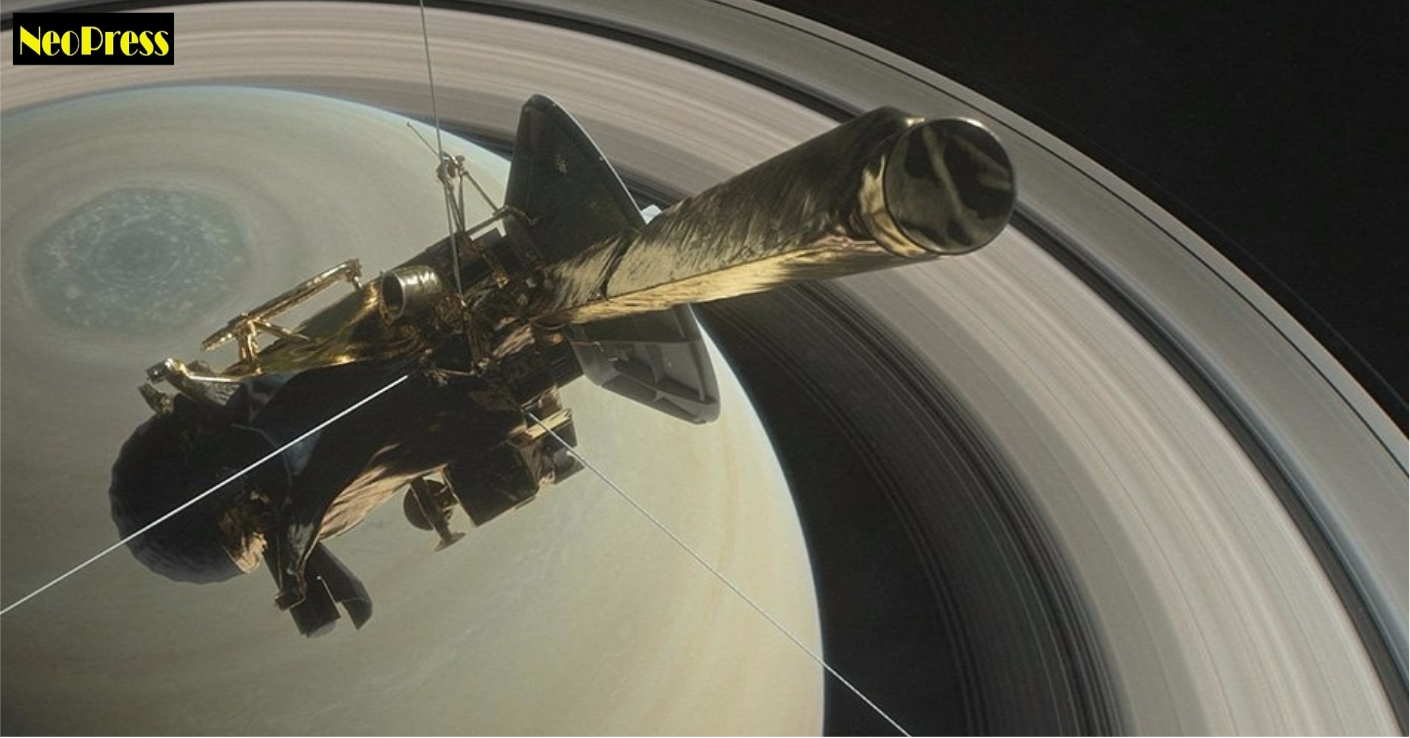
Cassini to dive into Saturn at 113,000 kms per hour

When Cassini ends its 13-year tour of the Saturn system with an intentional plunge into the planet on Friday, the spacecraft’s speed will be approximately 113,000 kms per hour, NASA has said.

The final plunge will take place on the day side of Saturn, near local noon, with the spacecraft entering the atmosphere around 10 degrees north latitude, NASA said.

The spacecraft’s fateful dive is the final beat in the mission’s Grand Finale, 22 weekly dives, which began in late April, through the gap between Saturn and its rings.

No spacecraft has ever ventured so close to the planet before.

The mission’s final calculations predict loss of contact with the Cassini spacecraft will take place on Friday at 7:55 a.m. EDT.

Cassini will enter Saturn’s atmosphere approximately one minute earlier, at an altitude of about 1,915 kilometres above the planet’s estimated cloud tops.

When Cassini first begins to encounter Saturn’s atmosphere, the spacecraft’s attitude control thrusters will begin firing in short bursts to work against the thin gas and keep Cassini’s saucer-shaped high-gain antenna pointed at Earth to relay the mission’s precious final data.

As the atmosphere thickens, the thrusters will be forced to ramp up their activity, going from 10 per cent of their capacity to 100 per cent in the span of about a minute.

Once they are firing at full capacity, the thrusters can do no more to keep Cassini stably pointed, and the spacecraft will begin to tumble.

When the antenna points just a few fractions of a degree away from Earth, communications will be severed permanently, NASA said.

The predicted altitude for loss of signal is approximately 1,500 kilometres above Saturn’s cloud tops.

From that point, the spacecraft will begin to burn up like a meteor. Within about 30 seconds following loss of signal, the spacecraft will begin to come apart. Within a couple of minutes, all remnants of the spacecraft are expected to be completely consumed in the atmosphere of Saturn, NASA said.

Due to the travel time for radio signals from Saturn, which changes as both Earth and the ringed planet travel around the Sun, events currently take place there 83 minutes before they are observed on Earth.

This means that, although the spacecraft will begin to tumble and go out of communication at 6:31 a.m. EDT at Saturn, the signal from that event will not be received at Earth until 83 minutes later.

“The spacecraft’s final signal will be like an echo. It will radiate across the solar system for nearly an hour and a half after Cassini itself has gone,” said Earl Maize, Cassini project manager at NASA’s Jet Propulsion Laboratory in Pasadena, California.

“Even though we’ll know that, at Saturn, Cassini has already met its fate, its mission isn’t truly over for us on Earth as long as we’re still receiving its signal,” Maize added.

Live mission commentary and video from Jet Propulsion Laboratory Mission Control will air on NASA TV and the agency’s website from 7 to 8:30 a.m. EDT (4.30 to 6 pm India time)on Friday.

Launched in 1997, Cassini arrived in orbit around Saturn in 2004 on a mission to study the giant planet, its rings, moons and magnetosphere.

As a technology lover you may like our daily important technology news series. It’s a playlist and you can retrieve the total day-wise videos. Please consider subscribing our YouTube channel:

Author: Technology Vista

Tagged : /

Elon Musk predicts AI may trigger World War III

Founder and CEO of Tesla and SpaceX Elon Musk predicted a Third World War due to an increase in “competition for artificial intelligence (AI) superiority”, the media reported.

“North Korea should be low on our list of concerns for civilisational existential risk… Competition for AI superiority at national level most likely cause of a Third World War (in my opinion),” Musk said in a series of tweets on Monday.

The billionaire’s prediction was in response to a comment from Russian President Vladimir Putin who said: “Artificial intelligence is the future not only of Russia but of all of mankind.”

“Whoever becomes the leader in this sphere will become the ruler of the world.”

At the moment, the US, China and India are the three countries leading the AI race, reports CNN.

But Musk believes others will try to catch up by any means possible.

“Governments don’t need to follow normal laws… They will obtain AI developed by companies at gunpoint, if necessary,” he tweeted.

Musk speculated that an AI system could choose to start a war “if it decides that a pre-emptive strike is most probable path to victory”.

The CEO has repeatedly issued warnings about the perils of AI, calling for new regulation to keep the public safe.

In response, Facebook CEO Mark Zuckerberg termed Musk’s prediction “pretty irresponsible”, reports CNN.

Musk responded by calling Zuckerberg’s understanding of the issue “limited”.

As a technology lover you may like our daily important technology news series. It’s a playlist and you can retrieve the total day-wise videos. Please consider subscribing our YouTube channel:

Author: Technology Vista

Tagged : /

Decoded: Why rubbing a balloon on your hair makes it stick

Scientists have found why rubbing two materials, such as a balloon on hair causes static electricity to charge the materials and makes it stick.

Tiny holes and cracks in a material — changes in the microstructure — can control how the material becomes electrically charged through friction, showed the findings published in the journal Physical Review Materials.

“Electrostatic charging can be seen everywhere, but we noticed some cases where materials appeared to charge more — like a balloon rubbed on your head, or packing peanuts sticking to your arm when you reach into a package,” said one of the study’s lead authors Dan Lacks from Case Western Reserve University in Cleveland, Ohio, US.

“Our idea was that a strain on the materials was causing a higher propensity for the materials to become charged,” Lacks said.

For centuries, scientists have tried to understand triboelectric charging, commonly known as static electricity.

Triboelectric charging causes toner from a photocopier or laser printer to stick to paper, and likely facilitated the formation of planets from space dust and the origin of life on earth.

But the charges can also be destructive, sparking deadly explosions of coal dust in mines and of sugar and flour dust at food-processing plants.

The new research, according to the researchers, is a step toward understanding and, ultimately, managing the charging process for specific uses and to increase safety.

To test the theory that strain affects charging, the researchers stretched a film of polytetrafluoroethlyne (PTFE) and rubbed it against a film of unstrained PTFE.

They repeatedly found a systematic charge transfer in one direction, as if the materials were made of two different chemical compositions.

After rubbing, unstrained films clearly tended to carry a negative charge and the strained film a positive charge.

In contrast, unstrained films rubbed together and strained films rubbed together appeared to charge at random.

Researchers used X-ray diffraction and Raman spectroscopy to analyze samples of strained and unstrained films and found at the atomic level, they looked nearly the same.

The only detectable difference in the strained film from the unstrained film was the presence of voids in the material – holes and fractures created by stretching, which changed the microstructure.

The findings indicated that change in microstructure was the likely cause of the systematic charge transfer.

As a technology lover you may like our daily important technology news series. It’s a playlist and you can retrieve the total day-wise videos. Please consider subscribing our YouTube channel:

Author: Technology Vista

Tagged : /

Decoded: Why is yawning so contagious

Ever wondered why even if we are not tired, we yawn if someone else does?

It is because the human propensity for contagious yawning is triggered automatically by primitive reflexes in a brain area responsible for motor function, a research suggests.

Contagious yawning is triggered involuntarily when we observe another person yawn — it is a common form of echophenomena — the automatic imitation of another’s words (echolalia) or actions (echopraxia).

The findings showed that our urge to yawn is increased if we are instructed to resist yawning. And no matter how hard we try to stifle a yawn, it might change how we yawn but it won’t alter our propensity to yawn.

“This research has shown that the ‘urge’ is increased by trying to stop yourself. Using electrical stimulation we were able to increase excitability and in doing so increase the propensity for contagious yawning,” said Georgina Jackson, a Professor at the University of Nottingham.

“The findings may be important in understanding association between motor excitability and the occurrence of echophenomena in a wide range of conditions linked to increased cortical excitability and/or decreased physiological inhibition such as epilepsy, dementia, autism, and Tourette syndrome,” added Stephen Jackson, a Professor at the varsity.

For the study, published in the journal Current Biology, the team used transcranial magnetic stimulation (TMS) to analyse volunteers who viewed video clips showing someone else yawning and were instructed to either resist yawning or to allow themselves to yawn.

width="560" height="314" allowfullscreen="allowfullscreen">

“If we can understand how alterations in cortical excitability give rise to neural disorders we can potentially reverse them. We are looking for potential non-drug, personalised treatments, using TMS that might be affective in modulating imbalances in the brain networks,” Jackson said.

Echophenomena isn’t just a human trait, it is found in chimpanzees and dogs too.

As a technology lover you may like our daily important technology news series. It’s a playlist and you can retrieve the total day-wise videos. Please consider subscribing our YouTube channel:

Author: Technology Vista

Tagged : /

Forget poor signal! Ericsson launches small cell solutions to improve network coverage

In a bid to provide better mobile coverage and prepare networks for 5G, global tele-communications service provider Ericsson on Wednesday launched three new scalable small cell solutions — “Multi-Operator Dot”, “Multi-Dot Enclosure” and “Strand-Mount Unit”.

The “Multi-Operator Dot” solution delivers a set of ‘Radio Dots’ that can be shared between multiple network operators, similar to an active distributed antenna system (DAS) for indoor deployments.

The “Multi-Dot Enclosure”, which is useful for multi-operator deployments, combines multiple ‘Radio Dots’ in a single enclosure providing a cost-saving option in buildings that charge per box deployed.

“With ‘Multi-Operator Dot’ and ‘Multi-Dot Enclosure’, our customers can enhance the in-building user experience with excellent connectivity for both smartphones and IoT (Internet of Things) devices,” Nishant Batra, Head of Product Area Network Infrastructure, Ericsson, said in a statement.

The “Strand-Mount Unit” for outdoor micro radios makes it easier to install the radios on the existing grid, hung on aerial coax, fibre or electricity cables. It can support up to four micro radios, enabling multiple operators to utilise the same mount for cost-efficient deployments.

“The ‘Strand-Mount Unit’ for outdoor micro radios facilitates the dense deployments that will be required for 5G,” Batra added.

The company’s new small cell solutions will be on display at the inaugural “Mobile World Congress Americas” from September 12 to 14 this year and commercially available in 2018.

As a technology lover you may like our daily important technology news series. It’s a playlist and you can retrieve the total day-wise videos. Please consider subscribing our YouTube channel:

Author: Technology Vista

Tagged : /

NASA Mars probe captures stunning image of snowy dunes

NASA has released a stunning picture of dunes on the surface of Mars with snow and ice on ridges.

It was spring in the Northern hemisphere when this image was taken by the High Resolution Imaging Science Experiment (HiRISE) camera on Mars Reconnaissance Orbiter, NASA said.

Over the winter, snow and ice inexorably covered the dunes. But unlike on Earth, this snow and ice is carbon dioxide, better known to us as dry ice.

When the sun starts shining on it in the spring, the ice on the smooth surface of the dune cracks and escaping gas carries dark sand out from the dune below, often creating beautiful patterns.

On the rough surface between the dunes, frost is trapped behind small sheltered ridges.

The image was captured in May and NASA released it on Thursday.

As a technology lover you may like our daily important technology news series. It’s a playlist and you can retrieve the total day-wise videos. Please consider subscribing our YouTube channel:

Author: Technology Vista

Tagged : /

Chinese scientists make breakthrough in super steel

Chinese scientists said on Thursday they have developed a super steel that has a high level of both strength and ductility, a breakthrough that may have a wide variety of industrial applications.

Furthermore, its material cost is just one-fifth of that of the steel used in the current aerospace and defence applications, they reported in the US journal Science, Xinhua news agency reported.

Strength and ductility are desirable properties of metallic materials for wide-ranging applications, but increasing strength often leads to the decrease in ductility, which is known as the strength-ductility trade-off.

A Hong Kong-Beijing-Taiwan mechanical engineering team led by Huang Mingxin from the University of Hong Kong adopted a new manufacturing technique called deformed and partitioned (D&P) to addressed the problem.

“Steels have been the most widely used metallic materials in the history of mankind and can be produced with much higher efficiency than any other metallic materials,” the team was quoted as syaing.

“Therefore developing a strong and ductile breakthrough steel has been a long quest since the beginning of Iron Age in mankind history.”

According to the team, the “breakthrough steel” belongs to the system of so-called medium manganese steel that contains 10 per cent manganese, 0.47 per cent carbon, 2.0 per cent aluminium and 0.7 per cent vanadium.

As a technology lover you may like our daily important technology news series. It’s a playlist and you can retrieve the total day-wise videos. Please consider subscribing our YouTube channel:

Author: Technology Vista

Tagged : /

Apples were not like what they are now! Here’s how modern juicy apples evolved

Tracing the evolutionary history of the crisp and juicy apples, scientists have found that modern apples originated in a mountainous region of Kazakhstan around 10,000 years ago.

The study showed that the modern domesticated apple — Malus domestica — emerged as a result of genetic exchange because of traders travelling back and forth along the Silk Road — ancient routes running from the far east to the Mediterranean sea.

“We narrowed down the origin of domesticated apple from very broad central Asia to Kazakhstan area west of Tian Shan Mountain,” said lead author Zhangjun Fei, Professor at Boyce Thompson Institute (BTI) — a research institute in the US.

For the study, published in the journal Nature Communications, the team sequenced and compared the genomes of 117 diverse apple accessions, including M. domestica and 23 wild species from North America, Europe and East and central Asia.

In addition, the first domesticated apple had also travelled to the east, hybridising with local wild apples along the way, yielding the ancestors of soft, dessert apples.

As the apple travelled west along the Silk Road in the hands of travellers, trees grew from dropped seeds and crossed with other wild apple varieties, including the incredibly sour European crabapple — Malus sylvestris.

M. sylvestris contributed extensively to the fruit’s genome, making the modern apple more similar to the sour crabapple than to its Kazakhstani ancestor — M. sieversii.

The hybridisation and M. sylvestris, followed by extensive human selection, resulted in new apples that are larger and fuller in flavour, and with a crispy firmness that gives them a longer shelf life, the researchers said.

Thus, “the modern domesticated apples have higher and well-balanced sugar and organic acid contents. That is how the apple started to become a popular and favoured fruit”, the researchers said.

As a technology lover you may like our daily important technology news series. It’s a playlist and you can retrieve the total day-wise videos. Please consider subscribing our YouTube channel:

Author: Technology Vista

Tagged : /

Promising kidney disease cure to undergo first human trial in Australia

A drug that successfully prevented kidney disease in diabetic mice is set to undergo its first human trial in Australia.

More than 140 Australians suffering from Type-1 or Type-2 diabetes will participate in the study to be run by the Baker Heart and Diabetes Institute, Xinhua news agency reported.

A drug developed by researchers at Monash University that blocks a pathway through which NOX enzymes cause damage to the kidneys will be tested in the trial, which will begin in September.

Blocking the pathway in mice had prevented kidney damage and the drug has shown promise in repairing eye and heart damage related to diabetes, said Mark Cooper from Monash University.

The rights to the drug are owned by Swiss pharmaceutical company Genkyotex.

“In the diabetic kidney, three things happen: it scars, it gets inflamed, and it leaks the protein albumin,” Cooper was quoted as saying by the Australian media on Wednesday.

“We were able to show this drug stopped the protein leaking, stopped the inflammation, and stopped the scarring. It’s the scarring, particularly, that causes kidney failure,” Cooper said.

The 142 study participants will have their urine tested for albumin and then be administered the NOX-inhibitor or a placebo for 12 months.

Kidney disease is one of the most common causes of death associated with diabetes.

“If we can slow down kidney disease, and also reduce heart and eye disease in the diabetes population, it will dramatically improve lifespan and quality of life,” Cooper said.

“These people (sufferers of both type 1 and 2 diabetes) can avoid dialysis, have fewer heart attacks, and suffer less blindness,” he added.

As a technology lover you may like our daily important technology news series. It’s a playlist and you can retrieve the total day-wise videos. Please consider subscribing our YouTube channel:

Author: Technology Vista
Tagged : /

Saliva-powered battery could run diagnostic applications

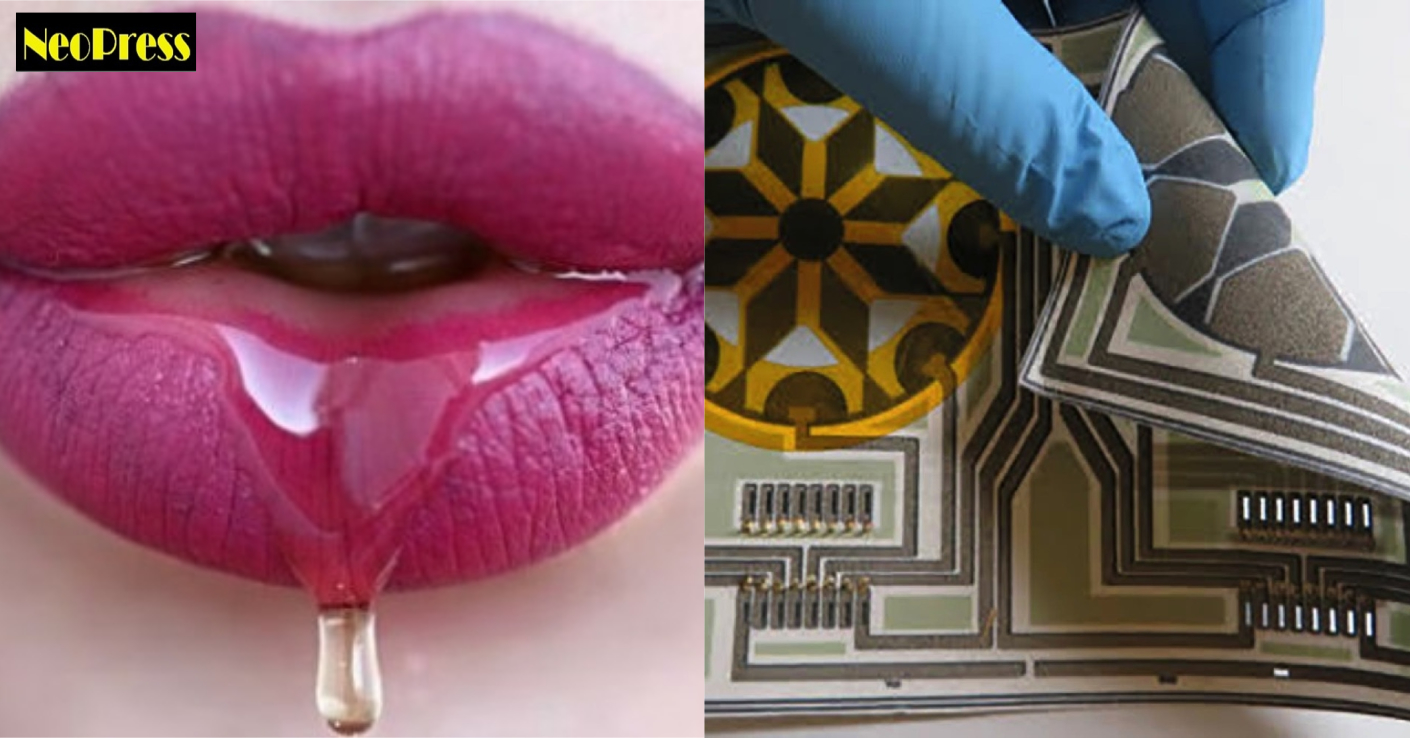
Researchers have shown that a battery activated by spit has the potential to power point-of-care diagnostic applications in extreme conditions.

In a paper published in the journal Advanced Materials Technologies, the researchers described how they created a high-performance, paper-based, bacteria-powered battery which generates power within minutes of adding saliva.

They created the battery by building microbial fuel cells with inactive, freeze-dried exoelectrogenic cells.

“On-demand micro-power generation is required, especially for point-of-care diagnostic applications in developing countries,” said Seokheun Choi, Assistant Professor, Binghamton University, State University of New York.

“Typically, those applications require only several tens of microwatt-level power for several minutes, but commercial batteries or other energy harvesting technologies are too expensive and over-qualified. Also, they pose environmental pollution issues,” Choi added.

The battery generated reliable power with one drop of saliva, supplying on-board power that could be used by the next generation of disposable, paper-based point-of-care diagnostic platforms.

“The proposed battery has competitive advantages over other conventional power solutions because the biological fluid for on-demand battery activation is readily available even in the most resource-constrained settings, and the freeze-drying technology enables long-term storage of cells without degradation or denaturation,” wrote the researchers.

Choi now wants to improve the batter’s power density so that more applications can be powered.

“Now, our power density is about a few microwatts per centimetre square. Although 16 microbial fuel cells connected in a series on a single sheet of paper generated desired values of electrical current and voltage to power a light-emitting diode (LED), further power improvement is required for other electronic applications demanding hundreds of milliwatts of energy,” Choi said.

As a technology lover you may like our daily important technology news series. It’s a playlist and you can retrieve the total day-wise videos. Please consider subscribing our YouTube channel:

Author: Technology Vista
Tagged : /

Does probiotics work? Here is what the scientists say!

There is no clear evidence that probiotics, the “friendly” bacteria strain of lactobacillus, prevent eczema — a frequent precursor to asthma, a study has said.

Published in the journal Pediatrics on Monday, the study fuels the debate over whether probiotics, sold as dietary supplements, have protective effects against colds, tummy bugs and more serious conditions, Xinhua news agency reported.

Author Michael Cabana, director of the division of general pediatrics at the University of California, Benioff Children’s Hospital, worked with his colleagues to see if the probiotic would work among infants who were at high risk of developing asthma, due to one or both parents having the condition, which is caused by both hereditary and environmental factors.

Exactly half of the 184 newborns received capsules of the probiotic for the first six months of life, while the second group of 92 newborns received placebo capsules with the same look and feel as the probiotic.

The results showed little difference: At age two, 30.9 per cent of the placebo recipients were diagnosed with eczema, versus 28.7 per cent of the probiotic group.

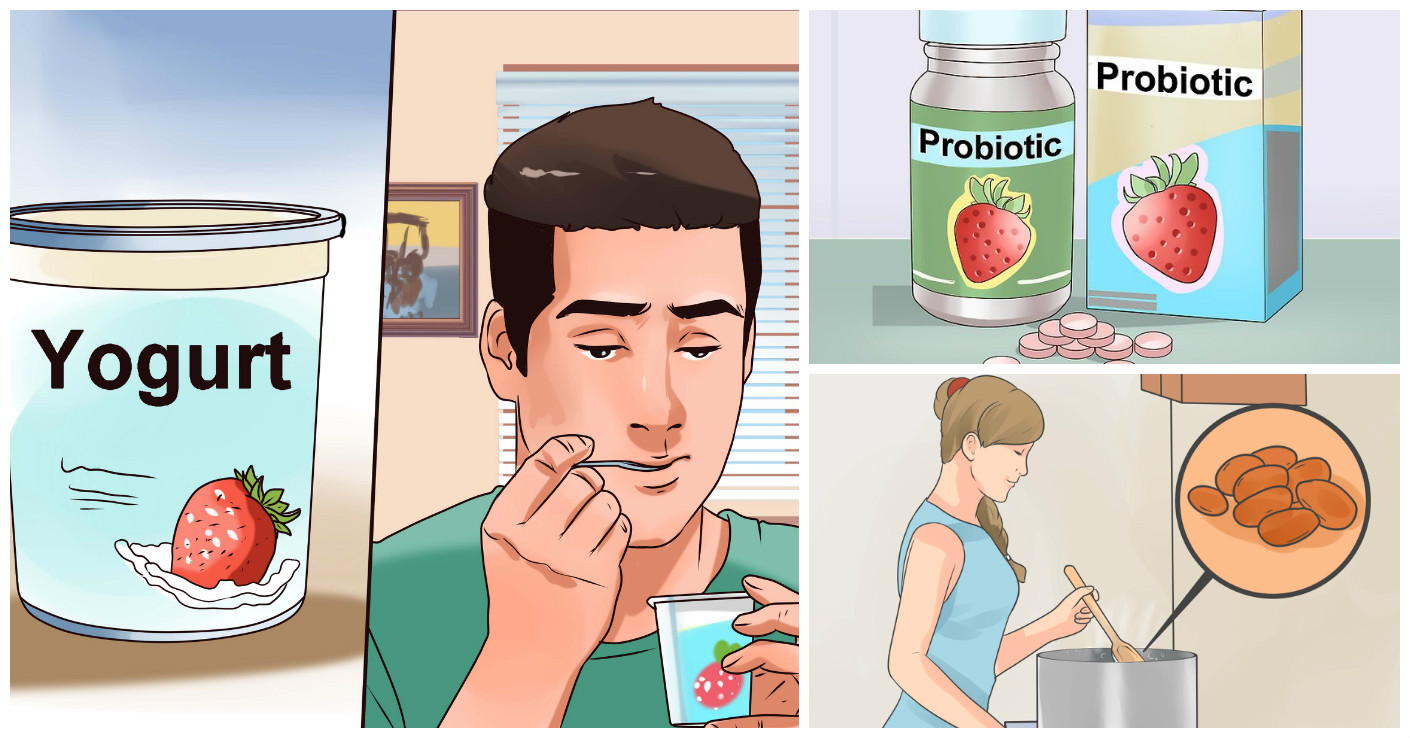
Found in yogurt, kefir and fermented foods, and described by the World Health Organization (WHO) as “live micro-organisms which when administered in adequate amounts confer a health benefit on the host”, probiotics are believed to enhance the defensive action of the cells that line the gut by stimulating healthy immune function and inhibiting the growth of viral and bacterial pathogens.

Regarding the new study, Cabana said the absence of infectious exposure at a critical point in immune system development leads to a greater risk for eczema and asthma.

Additionally, lack of key bacteria in the infant intestinal microbiota has been associated with the later increased risk of allergic disease.

Therefore, supplementing with specific probiotic strains may modify the entire microbiota community patterns and decrease this risk.

However, in an editorial titled “Probiotics in the Child Care Center: Context Matters” and published in the same issue of Pediatrics, Cabana and Daniel Merenstein of Georgetown University Medical Centre in Washington, suggest that as breast milk contains natural compounds that act like prebiotics, the best source of influencing a child’s gastrointestinal tract is breast milk.

As a technology lover you may like our daily important technology news series. It’s a playlist and you can retrieve the total day-wise videos. Please consider subscribing our YouTube channel:

Author: Technology Vista
Tagged : /

Australian scientists make breakthrough over miscarriage prevention

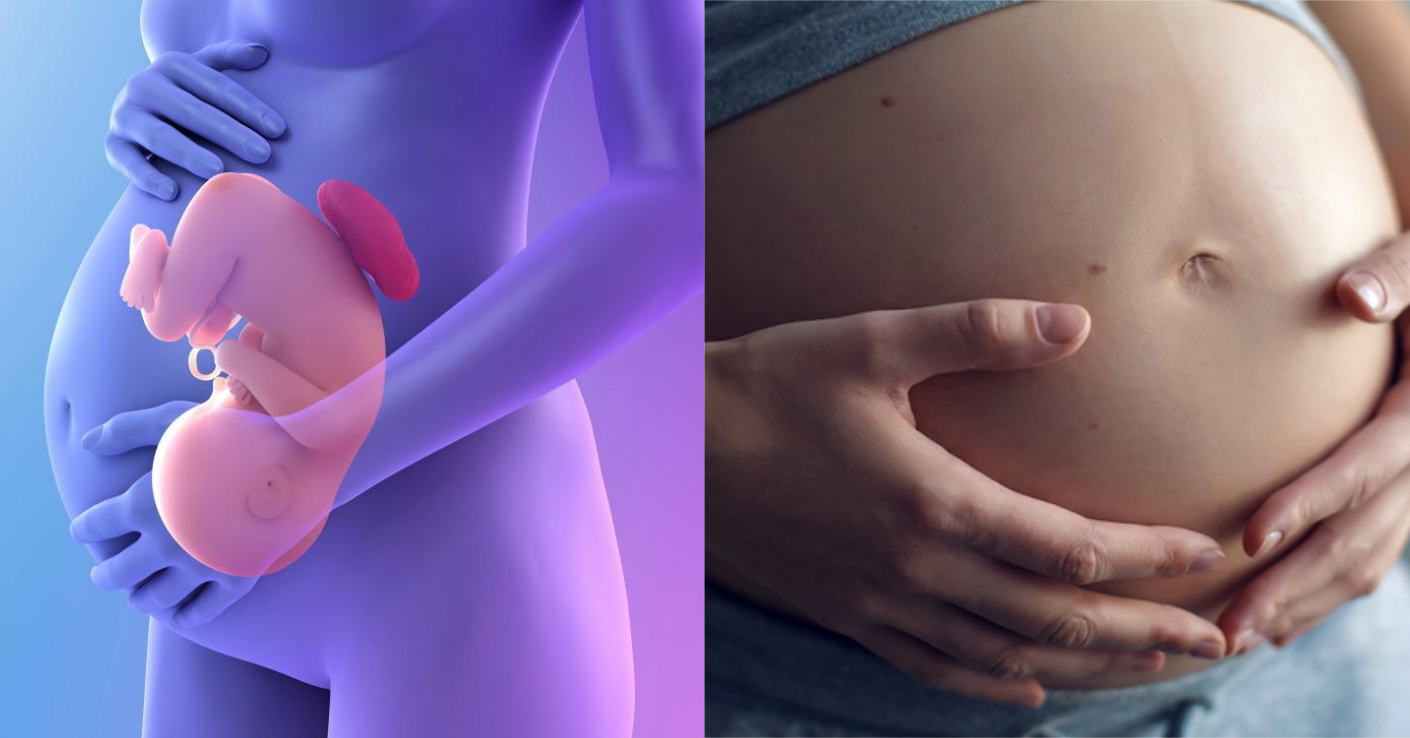
Australian researchers have discovered a dietary supplement which can prevent miscarriages, and many different types of birth defects for pregnant women.

The discovery, announced on Thursday at the Victor Chang Cardiac Research Institute in Sydney, said that the common supplement Niacin, known as Vitamin B3, can cure molecular deficiencies that cause birth defects and miscarriages in women, reports Xinhua news agency.

Until now, the cause of 80 per cent of birth defects had remained unknown to scientists, but with this discovery, pregnant women around the world will now be able to prevent many common abnormalities such as cleft palate, kidney, heart, and spinal issues.

The lead scientist who made this remarkable discovery, professor Sally Dunwoodie, told Xinhua that she never believed that she would be able to make such an important difference, and that this would now lead to new opportunities to improve the lives of women around the world.

The discovery showed that a major cause was a deficiency of a vital molecule known as NAD, which is important for normal development of organs.

To make NAD, vitamin B3 is necessary, and the vitamin is found in most meats and green vegetables, even in one of Australia’s most famous exports, Vegemite.

Studies have shown however that by the third trimester of pregnancy, 60 per cent of women are deficient in their vitamin B3 levels, and as such need to complement their diet with additional supplements.

The Executive Director of the Victor Chang Institute Robert Graham said that women need to be taking vitamin B3 well before they decide to get pregnant.

“This will change the way pregnant women are cared for around the world,” Graham said.

“We believe that this breakthrough will be one of our country’s greatest medical discoveries. It’s extremely rare to discover the problem and provide a preventative solution at the same time,” he added.

As a technology lover you may like our daily important technology news series. It’s a playlist and you can retrieve the total day-wise videos. Please consider subscribing our YouTube channel:

Author: Technology Vista
Tagged : /

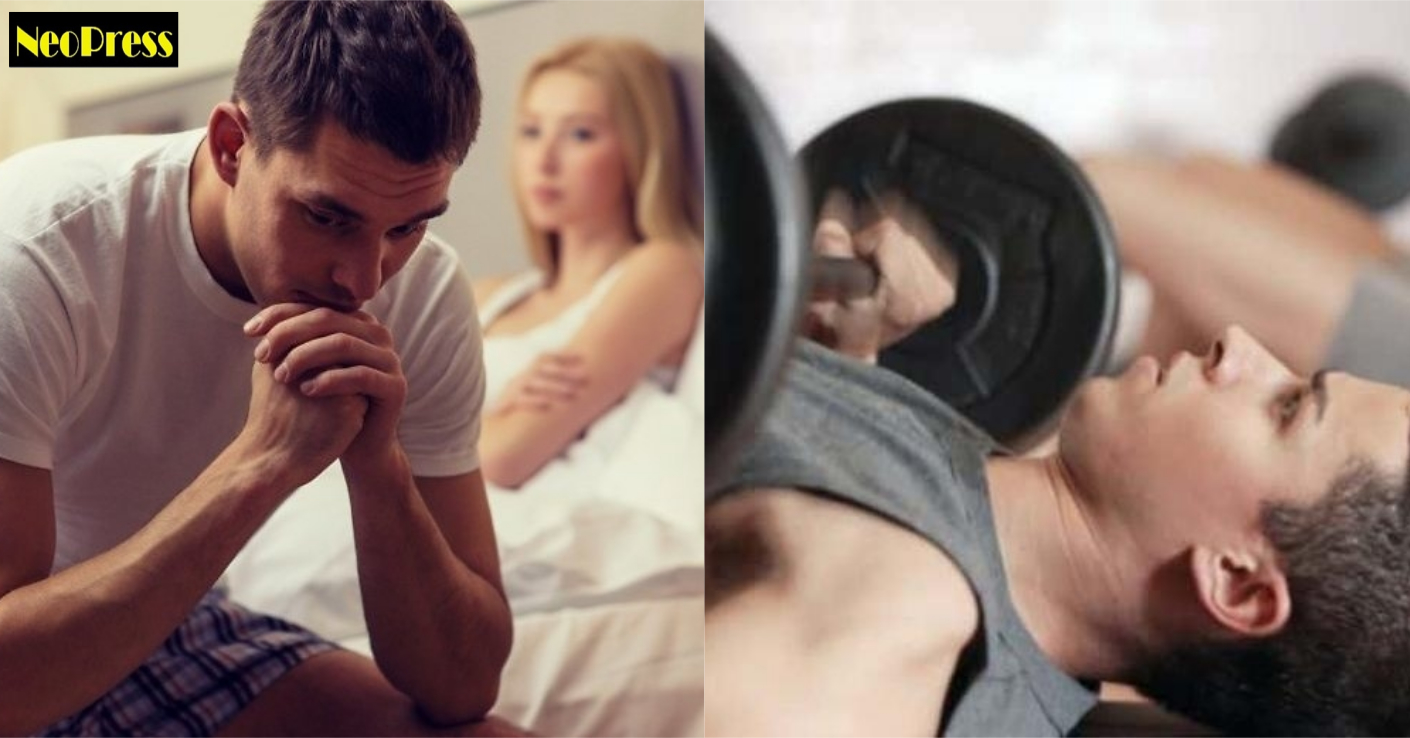
Is there any connection between excess workout and infertility? Read to find out!

A combination of intense workout, which has become a daily trend for many men, along with consumption of steroids is becoming a rising cause of infertility, according to IVF experts.

Long-term exhaustive exercises decreases sperm count and one’s potential for reproduction, said IVF experts.

Another factor contributing to infertility was the consumption of steroids for body building which was causing zoospermia – a condition in which sperm does not generate in semen.

Recent studies have said some 1 per cent of the Indian males is affected by zoospermia.

“In males, heavy training sessions can reduce the sperm count in the body that is directly related to the fertility of a man. There are many who have been following long-term training sessions in order to maintain the body. If one is into exhaustive training sessions, there are chances that they might have less sperm count compared to a man who has been following normal training sessions,” said Arvind Vaid, an IVF expert at the city-based Indira IVF Hospital.

Rekha Goswami, a city-based independent IVF expert, who previously worked with the AIIMS, said though heavy workout causes infertility problems in the long run, what is of immediate concern was consumption of steroids without medical advice.

As a technology lover you may like our daily important technology news series. It’s a playlist and you can retrieve the total day-wise videos. Please consider subscribing our YouTube channel:

Author: Technology Vista

Tagged : /

Revealed: Goldfish can survive without oxygen! Here is how!

A team of scientists has uncovered how goldfish survive the harsh winters beneath frozen lakes by producing alcohol.

Scientists at the Universities of Oslo and Liverpool said that during winters, the fish are able to convert anaerobically produced lactic acid into ethanol, which then diffuses across their gills into the surrounding water and avoids a dangerous build-up of lactic acid in the body.

This helps the fish and their wild relatives, crucian carp survive for days, even months, in oxygen-free water at the bottom of ice-covered ponds.

“During their time in oxygen-free water in ice-covered ponds, which can last for several months in their northern European habitat, blood alcohol concentrations in crucian carp can reach more than 50 mg per 100 millilitres, which is above the drink drive limit in these countries,” said Dr Michael Berenbrink from University of Liverpool in the research published in the journal Scientific Reports.

“However, this is still a much better situation than filling up with lactic acid, which is the metabolic end product for other vertebrates, including humans, when devoid of oxygen,” Berenbrink added. The muscles of goldfish and crucian carp contain two sets of the proteins normally used to channel carbohydrates towards their breakdown within a cell’s mitochondria.

The second set is activated by the absence of oxygen and shows a mutation that allows channelling of metabolic substrates to ethanol formation outside the mitochondria. “This research emphasises the role of whole genome duplications in the evolution of biological novelty and the adaptation of species to previously inhospitable environments,” added lead author Dr Cathrine Elisabeth Fagernes from the University of Oslo.

“The ethanol production allows the crucian carp to be the only fish species surviving and exploiting these harsh environments, thereby avoiding competition and escaping predation by other fish species with which they normally interact in better oxygenated waters,” Elisabeth noted.

As a technology lover you may like our daily important technology news series. It’s a playlist and you can retrieve the total day-wise videos. Please consider subscribing our YouTube channel:

Author: Technology Vista

Tagged : /

New technique to make heat pass through plastic

Researchers in materials science and mechanical engineering at the University of Michigan (UM) have developed a new technique that can change plastic’s molecular structure to help it cast off heat.

The new technique uses a process that engineers the structure of the material itself, considering the nature of plastics made of long chains of molecules that are tightly coiled and tangled like a bowl of spaghetti, Xinhua reported.

It used a chemical process to expand and straighten the molecule chains, giving heat energy a more direct route through the material. To accomplish this, the researchers first dissolved a typical polymer, or plastic in water, then added electrolytes to the solution to raise its pH, making it alkaline.

The individual links in the polymer chain, called monomers, take on a negative charge, which causes them to repel each other. As the monomers spread apart, they unfurl the chain’s tight coils. Finally, water and polymer solution is sprayed onto plates using a common industrial process called spin casting, which reconstitutes it into a solid plastic film. The uncoiled molecule chains within the plastic make it easier for heat to travel through it.

Researchers also found that the process has a secondary benefit: it stiffens the polymer chains and helps them pack together more tightly, making them even more thermally conductive. “Polymer molecules conduct heat by vibrating, and a stiffer molecule chain can vibrate more easily,” said Apoorv Shanker, a materials science and engineering graduate student.

“Think of a tightly stretched guitar string compared to a loosely coiled piece of twine. The guitar string will vibrate when plucked, the twine won’t. Polymer molecule chains behave in a similar way,” Shanker added. The process is a major departure from previous approaches, which have focused on adding metallic or ceramic fillers to plastics, a process that is expensive as well as can change the properties of the plastic in undesirable ways.

The work has important consequences because of the large number of polymer applications where temperature is important. The study has been published in the journal Science Advances.

As a technology lover you may like our daily important technology news series. It’s a playlist and you can retrieve the total day-wise videos. Please consider subscribing our YouTube channel:

Author: Technology Vista

Tagged : /
Verified by ExactMetrics