
Decoded: Why rubbing a balloon on your hair makes it stick

Scientists have found why rubbing two materials, such as a balloon on hair causes static electricity to charge the materials and makes it stick.

Tiny holes and cracks in a material — changes in the microstructure — can control how the material becomes electrically charged through friction, showed the findings published in the journal Physical Review Materials.

“Electrostatic charging can be seen everywhere, but we noticed some cases where materials appeared to charge more — like a balloon rubbed on your head, or packing peanuts sticking to your arm when you reach into a package,” said one of the study’s lead authors Dan Lacks from Case Western Reserve University in Cleveland, Ohio, US.

“Our idea was that a strain on the materials was causing a higher propensity for the materials to become charged,” Lacks said.

For centuries, scientists have tried to understand triboelectric charging, commonly known as static electricity.

Triboelectric charging causes toner from a photocopier or laser printer to stick to paper, and likely facilitated the formation of planets from space dust and the origin of life on earth.

But the charges can also be destructive, sparking deadly explosions of coal dust in mines and of sugar and flour dust at food-processing plants.

The new research, according to the researchers, is a step toward understanding and, ultimately, managing the charging process for specific uses and to increase safety.

To test the theory that strain affects charging, the researchers stretched a film of polytetrafluoroethlyne (PTFE) and rubbed it against a film of unstrained PTFE.

They repeatedly found a systematic charge transfer in one direction, as if the materials were made of two different chemical compositions.

After rubbing, unstrained films clearly tended to carry a negative charge and the strained film a positive charge.

In contrast, unstrained films rubbed together and strained films rubbed together appeared to charge at random.

Researchers used X-ray diffraction and Raman spectroscopy to analyze samples of strained and unstrained films and found at the atomic level, they looked nearly the same.

The only detectable difference in the strained film from the unstrained film was the presence of voids in the material – holes and fractures created by stretching, which changed the microstructure.

The findings indicated that change in microstructure was the likely cause of the systematic charge transfer.

As a technology lover you may like our daily important technology news series. It’s a playlist and you can retrieve the total day-wise videos. Please consider subscribing our YouTube channel:

Author: Technology Vista

Tagged : /

Decoded: Why is yawning so contagious

Ever wondered why even if we are not tired, we yawn if someone else does?

It is because the human propensity for contagious yawning is triggered automatically by primitive reflexes in a brain area responsible for motor function, a research suggests.

Contagious yawning is triggered involuntarily when we observe another person yawn — it is a common form of echophenomena — the automatic imitation of another’s words (echolalia) or actions (echopraxia).

The findings showed that our urge to yawn is increased if we are instructed to resist yawning. And no matter how hard we try to stifle a yawn, it might change how we yawn but it won’t alter our propensity to yawn.

“This research has shown that the ‘urge’ is increased by trying to stop yourself. Using electrical stimulation we were able to increase excitability and in doing so increase the propensity for contagious yawning,” said Georgina Jackson, a Professor at the University of Nottingham.

“The findings may be important in understanding association between motor excitability and the occurrence of echophenomena in a wide range of conditions linked to increased cortical excitability and/or decreased physiological inhibition such as epilepsy, dementia, autism, and Tourette syndrome,” added Stephen Jackson, a Professor at the varsity.

For the study, published in the journal Current Biology, the team used transcranial magnetic stimulation (TMS) to analyse volunteers who viewed video clips showing someone else yawning and were instructed to either resist yawning or to allow themselves to yawn.

width="560" height="314" allowfullscreen="allowfullscreen">

“If we can understand how alterations in cortical excitability give rise to neural disorders we can potentially reverse them. We are looking for potential non-drug, personalised treatments, using TMS that might be affective in modulating imbalances in the brain networks,” Jackson said.

Echophenomena isn’t just a human trait, it is found in chimpanzees and dogs too.

As a technology lover you may like our daily important technology news series. It’s a playlist and you can retrieve the total day-wise videos. Please consider subscribing our YouTube channel:

Author: Technology Vista
Tagged : /

This device can turn heat into fuel source

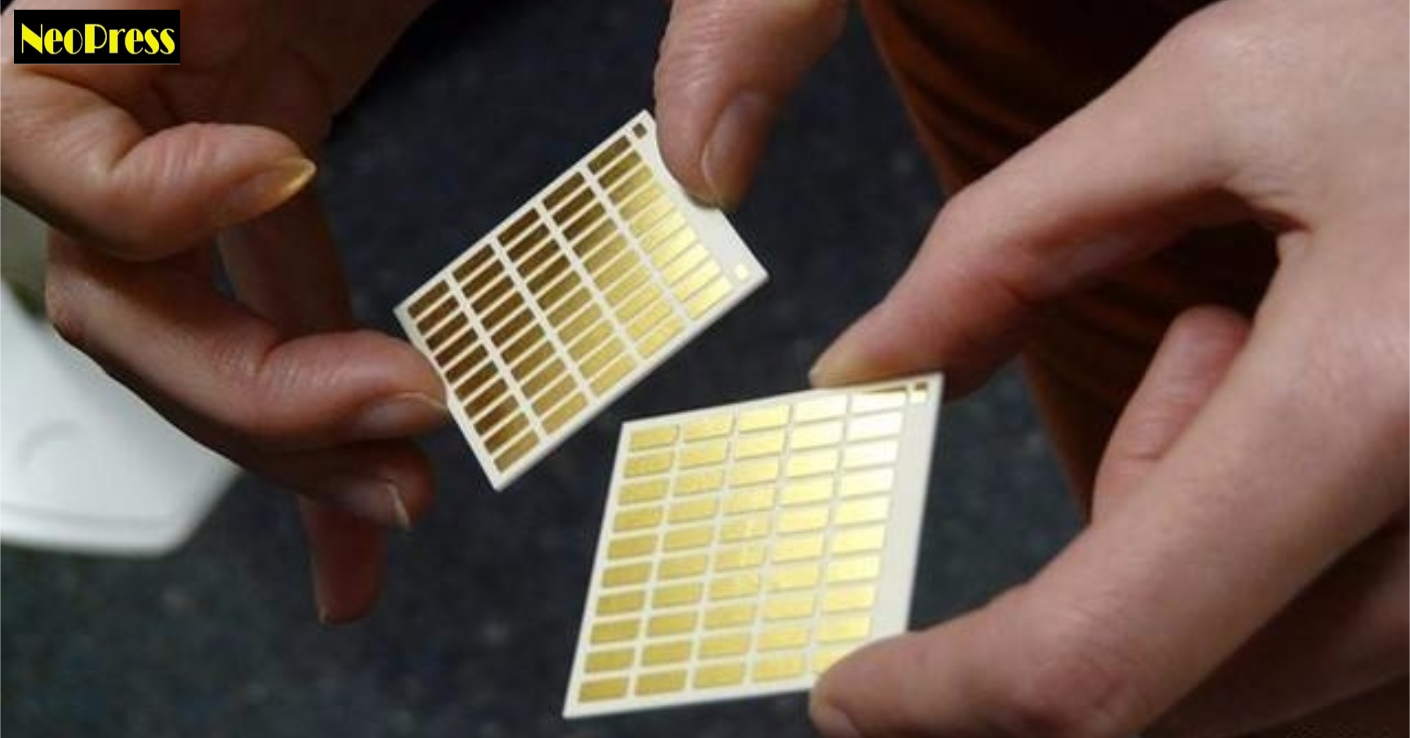
A physicist is developing a device that could turn the heat generated by electronics into a usable fuel source.

According to the research results published in the Journal of Physical Chemistry Letters, the multicomponent, multilayered composite material device is called a van der Waals Schottky diode.

It converts heat into electricity up to three times more efficiently than silicon — a semi-conductor material widely used in the electronics industry.

“The ability of our diode to convert heat into electricity is very large compared to other bulk materials currently used in electronics,” said physicist Yi Gu from Washington State University.

“In the future, one layer could be attached to something hot like a car exhaust or a computer motor and another to a surface at room temperature,” he added.

“The diode would then use the heat differential between the two surfaces to create an electric current that could be stored in a battery and used when needed.”

In the world of electronics, Schottky diodes are used to guide electricity in a specific direction.

They are made by attaching a conductor metal like aluminium to a semi-conductor material like silicon.

“When you attach a metal to a semi-conductor material like silicon to form a Schottky diode, there are always some defects that form at the interface,” said Matthew McCluskey, the study’s co-author.

“These imperfections trap electrons, impeding the flow of electricity. Gu’s diode is unique in that as its surface does not appear to have any of these defects,” McCluskey added.

As a technology lover you may like our daily important technology news series. It’s a playlist and you can retrieve the total day-wise videos. Please consider subscribing our YouTube channel:

Author: Technology Vista
Tagged : /

Huawei unveils ‘Kirin 970’ chipset with AI capabilities

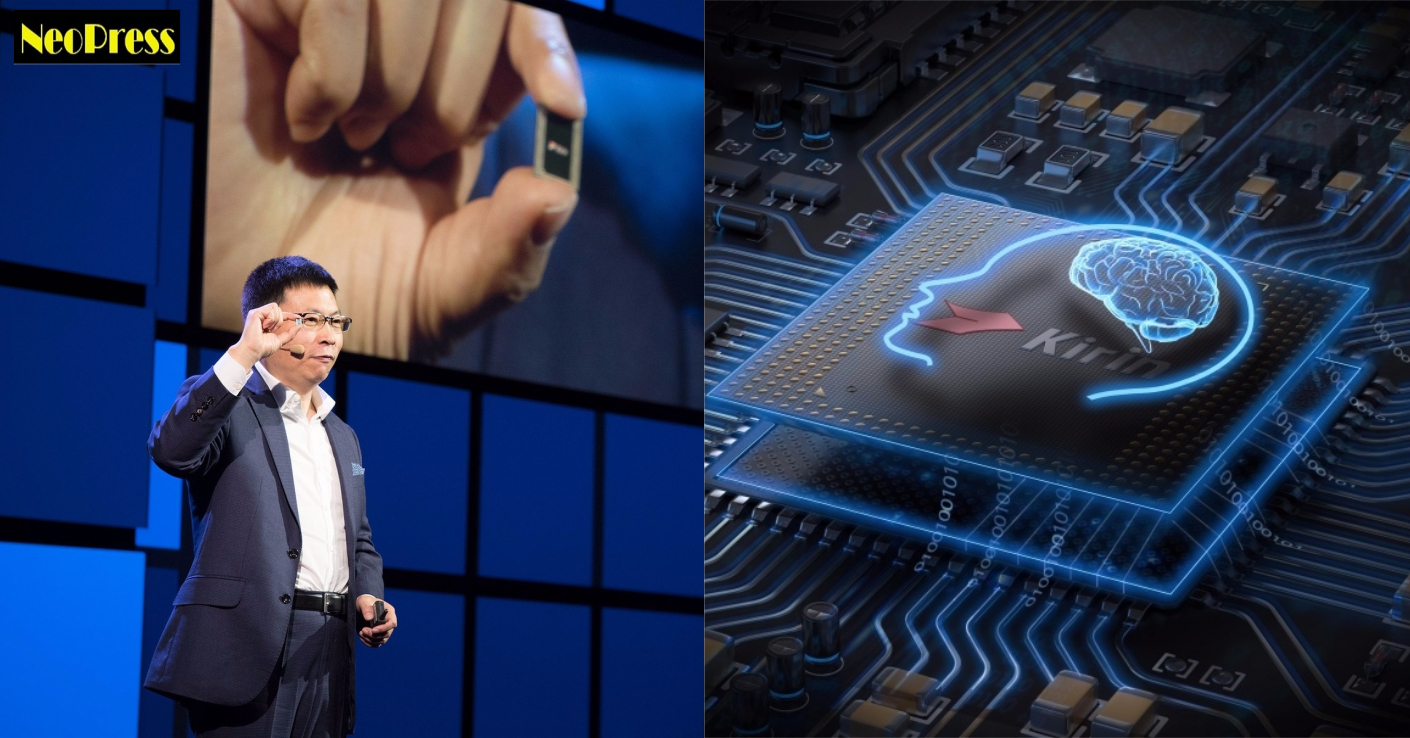
Chinese tech major Huawei has introduced its flagship ‘Kirin 970’ chipset which can perform artificial intelligence (AI) computing tasks faster using far less power.

‘Kirin 970’ chipset has its own AI processor built-in.

“Huawei is committed to developing smart devices into intelligent devices by building end-to-end capabilities that support coordinated development of chips, devices and the Cloud,” said Richard Yu, CEO of Huawei Consumer Business Group, in a statement on Monday.

“Kirin 970 is the first in a series of new advances that will bring powerful AI features to our devices and take them beyond the competition,” he added.

‘Kirin 970’ is powered by an eight-core CPU and a new generation 12-core GPU.

The ‘Kirin 970’s new heterogeneous computing architecture delivers up to 25x the performance with 50x greater efficiency, the company claimed.

In a benchmark image recognition test, ‘Kirin 970’ processed 2,000 images per minute which was way faster than other chips on the market.

According to media reports, Huawei’s upcoming flagship smartphones ‘Mate 10’ and ‘Mate 10 Pro’ would house ‘Kirin 970’ chipset.

In terms of specifications, the phones are expected to feature 6GB RAM and 64GB internal memory configuration.

The devices could be powered by 4,000mAh battery and would run Android Nougat OS out-of-the-box.

As a technology lover you may like our daily important technology news series. It’s a playlist and you can retrieve the total day-wise videos. Please consider subscribing our YouTube channel:

Author: Technology Vista
Tagged : /

New camera can help doctors see through the body

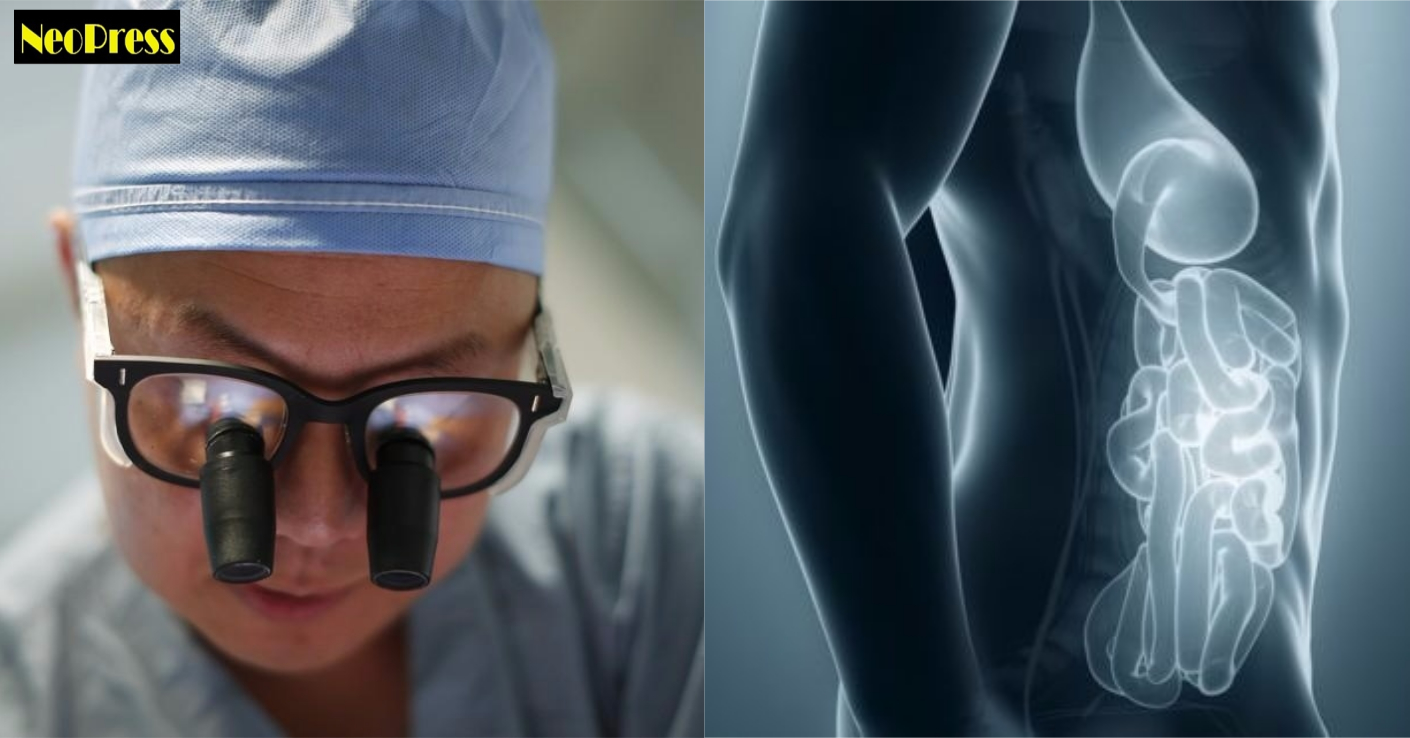
Scientists in Britain have developed a camera that can help doctors see through the human body.

Designed to help doctors track medical tools known as endoscopes that are used to investigate a range of internal conditions, the new device can detect sources of light inside the body, such as the illuminated tip of the endoscope’s long flexible tube, according to a study published in the journal Biomedical Optics Express.

“This is an enabling technology that allows us to see through the human body. It has immense potential for diverse applications such as the one described in this work,” said Kev Dhaliwal, Professor at University of Edinburgh in Scotland.

“The ability to see a device’s location is crucial for many applications in healthcare, as we move forwards with minimally invasive approaches to treating disease,” Dhaliwal added.

Until now, it has not been possible to track where an endoscope is located in the body in order to guide it to the right place without using X-rays or other expensive methods

Light from the endoscope can pass through the body, but it usually scatters or bounces off tissues and organs rather than travelling straight through.

This makes it nearly impossible to get a clear picture of where the endoscope is.

The new camera takes advantage of advanced technology that can detect individual particles of light, called photons.

Experts have integrated thousands of single photon detectors onto a silicon chip, similar to that found in a digital camera.

The technology is so sensitive that it can detect the tiny traces of light that pass through the body’s tissue from the light of the endoscope.

It can also record the time taken for light to pass through the body, allowing the device to also detect the scattered light.

By taking into account both the scattered light and the light that travels straight to the camera, the device can work out exactly where the endoscope is located in the body.

As a technology lover you may like our daily important technology news series. It’s a playlist and you can retrieve the total day-wise videos. Please consider subscribing our YouTube channel:

Author: Technology Vista
Tagged : /

Alibaba introduces ‘Smile to Pay’ service in China

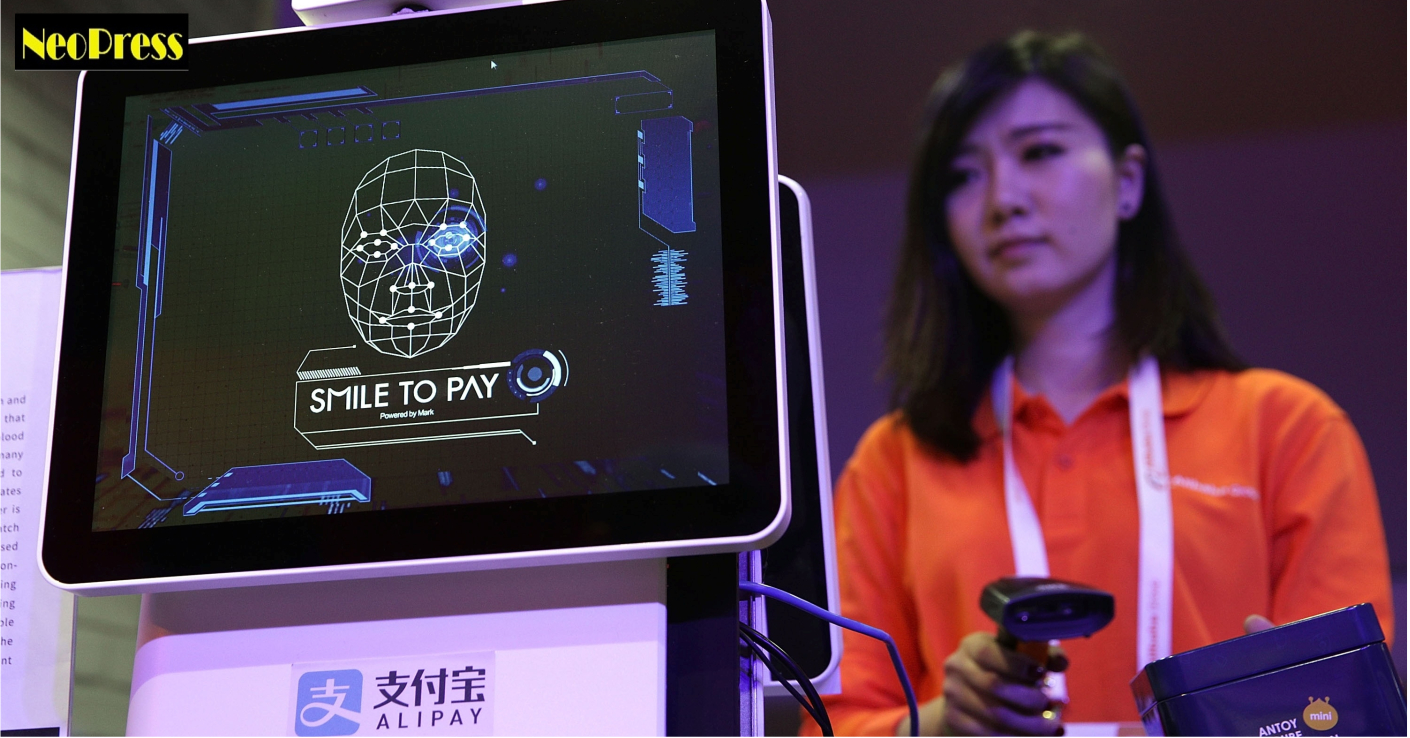
E-commerce giant Alibaba has introduced a facial recognition service called “Smile to Pay” in Hangzhou district in China that is aligned for use with Alipay online payment and Alipay Wallet like Apple Pay.

“Alibaba’s ‘Ant Financial’ affiliate launched the ‘Smile to Pay’ service where the company’s global HQ are located and is being trialled with KFC,” Tech Crunch reported on Monday.

The company’s Founder and CEO Jack Ma in March had first alerted about the new face recognition tool for mobile payments.

According to Ma, “Smile to Pay” would first be rolled out in China and then in other countries.

“As the video from ‘Ant’ shows, the payment process doesn’t require a smartphone, assuming that the customer has already signed up for the Alipay app and enabled facial recognition,” the report added.

With the aim to revolutionise offline retail spaces through a new technology, the Alibaba Group had launched a cashless store earlier this year.

The new retail concept is being introduced through Alibaba’s experimental cashless store called Tao Cafe at its 2017 Taobao Maker Festival in Hangzhou.

As a technology lover you may like our daily important technology news series. It’s a playlist and you can retrieve the total day-wise videos. Please consider subscribing our YouTube channel:

Author: Technology Vista

Tagged : /
Verified by ExactMetrics