Now water used as propellant for tiny satellites

Engineers at Purdue University in the US have designed and tested a micropropulsion system that uses liquid water as the propellant for orbital maneuvering of tiny satellites called CubeSats.

With rapid developments in miniaturisation of technologies CubeSats — which typically weigh about two kilograms — are poised to take over the sky in the future to carry out tasks like imaging and remote-sensing currently performed by heavier satellites which are expensive to build and launch.

However, today’s CubeSats cannot totally replace their larger counterparts as they are incapable of changing orbit or performing complex manoeuvres. For instance, none of the 101 nanosatellites that were launched aboard India’s PSLV from the Sriharikota Space Centre in February 2017 had propulsion. A propulsion system would allow such tiny satellites to correct their orbit or maintain their altitude, thereby prolonging their operating life in space before becoming space debris.

A dedicated propulsion system that is also compact and not power hungry has been the aim of CubeSat builders in several laboratories to exploit their full potential.

The system developed at Purdue uses an innovative design of small thrusters that deliver bursts of water vapor to manoeuvre the spacecraft, its developers — most of them undergraduate students — reported at a recent “Conference on Small Satellites” held at Logan, Utah, in the US.

Pure water is chosen as the propellant since it is green, safe, easy to use and free from the risk of contaminating sensitive instruments by the backflow from plumes as in the case of thrusters using chemical propellants.

Called a “Film-Evaporation MEMS Tunable Array”, or FEMTA thruster, it uses capillaries thinner than human hair through which the propellant water can flow. Small heaters located near the ends of the capillaries turn the water into vapor, which, on escape from these tiny tubes, provides the thrust. The minuscule capillaries act like valves that can be turned on and off by activating the heaters. The technology is said to be similar to the inkjet printer, which uses heaters that fire dots of ink at the paper.

CubeSats are usually made up of several units, each unit measuring 10 centimetres on a side. In the Purdue research, a single unit CubeSat prototype — integrated with four FEMTA thrusters loaded with about a teaspoon of water — was tested in a large vacuum chamber of the university’s high vacuum facility.

The prototype contained electronics and an inertial measurement unit sensor to monitor the performance of the thruster system, which rotates the satellite using short-lived bursts of water vapor.

“We demonstrated that one 180-degree rotation can be performed in less than a minute and requires less than a quarter watt, showing that FEMTA is a viable method for attitude control of CubeSats,” its developers reported in their paper.

Although the researchers used only four thrusters during the test, which allowed the satellite to rotate on a single axis, a fully functional satellite would require 12 thrusters for 3-axis rotation. The team is confident this device can be developed for a CubeSat. “What we really want to do next is to integrate our system into a satellite for an actual space mission,” the researchers said.

The NASA-funded research involved collaboration with the space agency’s Goddard Space Flight Center. A patent application for the concept has been filed.

As a technology lover you may like our daily important technology news series. It’s a playlist and you can retrieve the total day-wise videos. Please consider subscribing our YouTube channel:

Author: Technology Vista

Tagged : /

Did humans evolve by chance?

A new study says that origin of human genus could have occurred by chance and might not be directly related to climate change, as commonly believed.

Many scientists have argued that an influx, described as a “pulse”, of new animal species appears in the African fossil record between 2.8 and 2.5 million years ago, including our own genus Homo.

Experts believe it takes a broad-scale event like global climate change to spark the origination of so many diverse new species. However, the new study, published in the journal Paleobiology, says it is possible the pulse of new species could have occurred by chance. “The idea that our genus originated more than 2.5 million years ago as part of a turnover pulse in direct response to climate change has a deep history in paleonthropology,” said Andrew Barr from George Washington University.

“My study shows that the magnitude of that pulse could be caused by random fluctuations in speciation rates. One implication is that we may need to broaden our search for why our genus arose at that time and place,” Barr said. It is generally accepted that when major environmental changes occur, some species will go extinct and others will originate, which can create a cluster or pulse of new species in the fossil record.

However, there is not a set definition of what is considered a pulse, so experts have disagreed about which clusters constitute meaningful events and which can be explained as random fluctuations. Barr used computer simulation to model what the fossil record might look like over time in the absence of any climate change and found clusters of species originations that were of similar magnitude to the clusters observed in the fossil record.

This means random patterns are likely under-credited for their role in speciation fluctuation, he said. The findings mean scientists may need to rethink widely-accepted ideas about why human ancestors became smarter and more sophisticated.

As a technology lover you may like our daily important technology news series. It’s a playlist and you can retrieve the total day-wise videos. Please consider subscribing our YouTube channel:

Author: Technology Vista

Tagged : /

This biosensor creates sweat even when patient is resting and facilitates medical condition monitoring

Researchers have developed a biosensor that uses a chemical stimulant to produce sweat even when the patient is relaxed and cool.

Testing sweat, an important factor in understanding the hormones or chemicals, has several possible benefits over blood, according to the the findings published in the journal Lab on a Chip.

Blood analysis is considered the gold standard for biometric analysis. But biometric testing with blood is invasive and often requires the use of a lab. It is far more difficult for the doctors to perform continuous monitoring of blood over hours or days.

Sweat provides a noninvasive alternative, with chemical markers that are more useful in monitoring health than saliva or tears, said Jason Heikenfeld, Professor at the University of Cincinnati.

“People for a long time ignored sweat because although it can be a higher-quality fluid for biomarkers, you can’t rely on having access to it,” Heikenfeld said. “Our goal was to achieve methods to stimulate sweat whenever needed — or for days,” Heikenfeld added.

For the study, the researchers applied sensors and a gel containing carbachol, a chemical used in eyedrops, to their subject’s forearm for 2.5 minutes. They then recorded data obtained from the subject’s sweat for 30 minutes using sensors that measured concentrations of sweat electrolytes. Carbachol was effective at inducing sweating under the sensor for as long as five hours.

A subsequent experiment successfully generated sensor results for several days, using this process to stimulate sweat, Heikenfeld said. “This work represents a significant leap forward in sweat-sensing technology.” “Imagine being able to monitor cardiac patients after they have been released from the hospital, or preventing dehydration in athletes or even helping ensure that your body is getting the exact right concentrations of a prescription drug,” Heikenfeld said.

As a technology lover you may like our daily important technology news series. It’s a playlist and you can retrieve the total day-wise videos. Please consider subscribing our YouTube channel:

Author: Technology Vista
Tagged : /

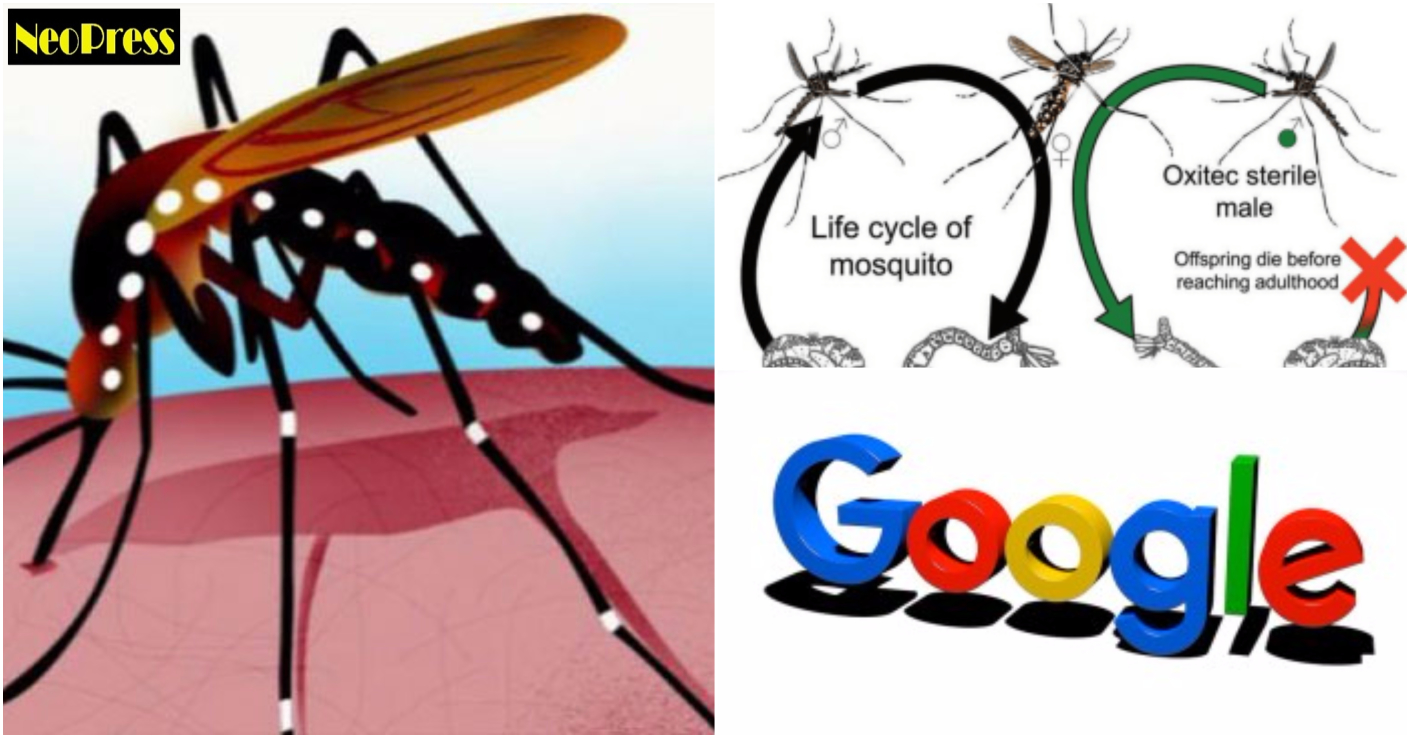
Ever heard about Google Mosquitoes? They are planned to to shrink the numbers of the disease-carrying ones.

Google’s parent company Alphabet and scientists in the US have teamed up to release 20 million machine-raised mosquitoes to shrink the numbers of the disease-carrying ones.

According to the plans, millions of sterile male mosquitoes will be released in Fresno county in California, which will then mate with wild female mosquitoes. The eggs the females lay won’t hatch, a report in the Washington Post said.

The project, called Debug Fresno, is being undertaken by Verily, a subsidiary of Alphabet, Google’s holding company.

Scientists said that the goal is to cut the numbers of Aedes aegypti mosquitoes — the species responsible for spreading zika, dengue and chikungunya.

For 20 weeks, the company plans to release a million of the sterile, non-biting male mosquitoes in two neighbourhoods in Fresno county.

The male mosquitoes are bred and infected with Wolbachia, a bacterium that is naturally found in at least 40 per cent of all insect species, the report said.

“Over time, we hope to see a steep decline in the presence of Aedes aegypti in these communities,” Verily was quoted as saying.

In a phenomenon called cytoplasmic incompatibility, “matings between Wolbachia-infected males and uninfected females result in embryo lethality or low hatch rates”, William Sullivan and Scott L. O’Neill wrote in the journal Nature.

They said that the bacterium used to sterilise mosquitoes “is not known” to infect humans.

As a technology lover you may like our daily important technology news series. It’s a playlist and you can retrieve the total day-wise videos. Please consider subscribing our YouTube channel:

Author: Technology Vista

Tagged : /

Why Real Life Spiderman Won’t be able to climb walls!

Have you ever noticed that geckos are actually the last animals up the size scale, who can successfully scale a wall? Latest research reveals why.

A new study, published today in PNAS, shows that in climbing animals from mites and spiders up to tree frogs and geckos, the percentage of body surface covered by adhesive footpads increases as body size increases, setting a limit to the size of animal that can use this strategy because larger animals would require impossibly big feet. Scientists estimate that a human would need adhesive pads covering 40% of their body surface in order to walk up a wall like Spiderman, and believe their insights have implications for the feasibility of large-scale, gecko-like adhesives.

j-850x560

Dr David Labonte and his colleagues in the University of Cambridge’s Department of Zoology discovered that tiny mites use approximately 200 times less of their total body area for adhesive pads than geckos. We humans would require roughly 80% of our front, to be covered in sticky footpads if we wanted to achieve the same.

“As animals increase in size, the amount of body surface area per volume decreases – an ant has a lot of surface area and very little volume, and a blue whale is mostly volume with not much surface area” explains Labonte.

“This poses a problem for larger climbing species because, when they are bigger and heavier, they need more sticking power to be able to adhere to vertical or inverted surfaces, but they have comparatively less body surface available to cover with sticky footpads. This implies that there is a size limit to sticky footpads as an evolutionary solution to climbing – and that turns out to be about the size of a gecko.”

These investigations also gave the researchers greater insights into how the size of adhesive footpads is influenced and constrained by the animals’ evolutionary history.

“We were looking at vastly different animals – a spider and a gecko are about as different as a human is to an ant- but if you look at their feet, they have remarkably similar footpads,” says Labonte.

“Adhesive pads of climbing animals are a prime example of convergent evolution – where multiple species have independently, through very different evolutionary histories, arrived at the same solution to a problem. When this happens, it’s a clear sign that it must be a very good solution.”

“Our study emphasises the importance of scaling for animal adhesion, and scaling is also essential for improving the performance of adhesives over much larger areas. There is a lot of interesting work still to do looking into the strategies that animals have developed in order to maintain the ability to scale smooth walls, which would likely also have very useful applications in the development of large-scale, powerful yet controllable adhesives.”

Thus, we can see two different evolutionary solutions to the problem of scaling walls. One is to get the adhesive pads bigger, and second is to get them stickier. “Across all species the problem is solved by evolving relatively bigger pads, but this does not seem possible within closely related species, probably since there is not enough morphological diversity to allow it. Instead, within these closely related groups, pads get stickier. This is a great example of evolutionary constraint and innovation.”

Author: Technology Vista

Tagged : /

Don’t like your blood type? Here is the way to go!

Even the smallest amount of antigen in donated blood can set off a dangerous immune response in the recipient. And that is why the right blood type is very important (and can be difficult) to find for transfusion. Now scientists have discovered that a particular type of enzyme can cut away antigens in blood types A and B, to make them more like Type O – considered the ‘universal’ blood type, because it’s the only type that can be donated to anyone without the risk of provoking a life-threatening immune response.

The team, from the University of British Columbia of Canada, worked with a family of enzymes called 98 glycoside hydrolase, extracted from a strain of Streptococcus pneumoniae. “A major limitation has always been the efficiency of the enzymes,” one of the team, Stephen Withers, said in a press release. “Impractically large amounts of enzyme were needed.”

Over many generations, they were able to engineer a super high-powered enzyme strain that can very effectively snip away blood antigens where previous generations of the enzyme struggled. Now we have an enzyme that’s 170 times more effective than its parent strain.

Getting the right type of blood when you need it is crucial, and it has to do with the different types of residue that can accumulate the surface of red blood cells. Both blood types A and B have this residue – A has an N-acetylgalactosamine residue, and B has a galactose residue – and Type AB has a mixture of both. Only Blood Type O is free from this residue, which means it can be received by any patient, no matter what type they’re carrying.

Withers and his team managed to create their ‘mutant’ enzyme strain using a technology called directed evolution, which allows them to insert many different types of mutations into the gene that codes for it. They progressively selected strains that are the best at snipping away the blood antigens.

While the current enzyme strain is not yet capable of removing 100 percent of the antigens from Blood Types A and B, which is where it needs to get if the researchers want to make any real use of it, the team is confident that they’ll get it there so they can try it out in clinical trials.

“The concept is not new, but until now we needed so much of the enzyme to make it work that it was impractical,” said Withers. “Now I’m confident that we can take this a whole lot further.”

As a technology lover you may like our daily important technology news series. It’s a playlist and you can retrieve the total day-wise videos. Please consider subscribing our YouTube channel:

Author: Technology Vista

Tagged : /

Only Electric Cars Will be Sold in India by 2030

An investigation by Greenpeace finding that the number of deaths caused by air pollution is only a fraction less than the number of smoking-related deaths. In 2014, the World Health Organization determined that out of the 20 global cities with the most air pollution, 13 are in India.

We need change, and it is hoped that by ridding India’s roads of petrol and diesel cars in the years ahead, the country will be able to reduce the harmful levels of air pollution that contribute to a staggering 1.2 million deaths per year. Every car sold in India from 2030 will be electric.

India’s booming economy has seen it become the world’s third-largest oil importer, shelling out $150 billion annually for the resource – so a switch to electric-powered vehicles would put a sizable dent in demand for oil. It’s been calculated that the revolutionary move would save the country $60 billion in energy costs by 2030, while also reducing running costs for millions of Indian car owners.

Efforts have been made by the country’s leaders to to improve air quality, with one example coming in January 2016 when New Delhi’s government mandated that men could only drive their cars on alternate days depending on whether their registration plate ended with an odd or even number (single women were permitted to drive every day).

While such interventions have enjoyed modest success, switching to a fleet of purely electric cars would have a much greater environmental impact. It’s been calculated that the gradual switch to electric vehicles across India would decrease carbon emissions by 37% by 2030.

India’s Energy Minister Piyush Goyal says the government will financially support the initiative for the first two or three years, but the production of electric vehicles will be “driven by demand and not subsidy” after that.

Asia has long been the main driver of future oil demand. China is also gearing up for a move away from gas-guzzling cars. Oil bosses claim it’s too early to tell what the implications of a move away from petrol and diesel cars will be.

width="560" height="314" allowfullscreen="allowfullscreen">

As a technology lover you may like our daily important technology news series. It’s a playlist and you can retrieve the total day-wise videos. Please consider subscribing our YouTube channel:

Author: Technology Vista

Tagged : /

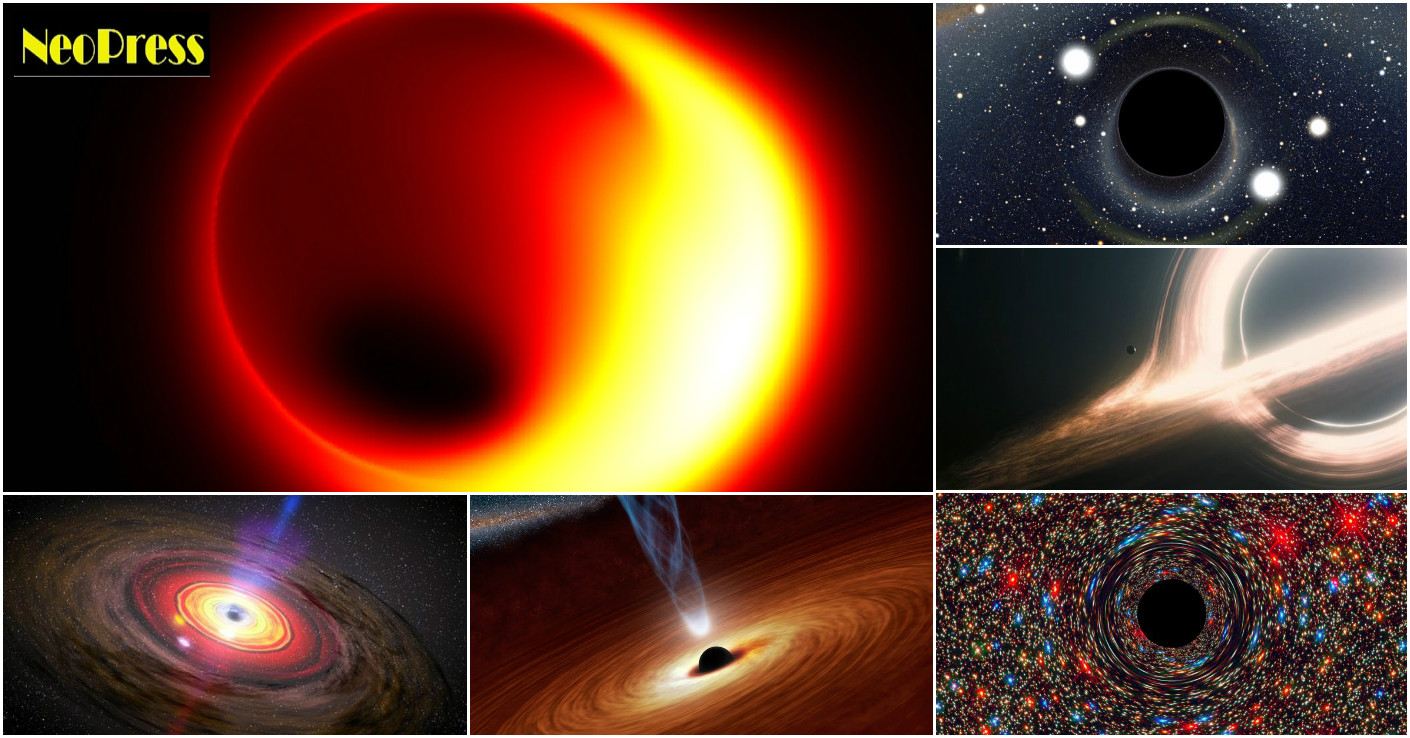
The Recent Photos of Black Holes- Are They Real or simulated picture?

While a network of telescopes across the world- the Event Horizon Telescope, has successfully completed its highly-anticipated ten-day-long observation period, only people really keen to spot the difference and science geeks will recognize that the pictures taken are not really the black hole.

In other words, we will maybe soon see a real image of a black hole but, not for at least a few months. The pictures we are currently seeing are just beautiful artist renderings and simulations.

Yes, the Event Horizon Telescope successfully collected data for the past week and a half. All of the scopes in the network recorded the radio waves emanating from the center of the galaxy, where the super-massive black hole Sagittarius A* is believed to reside. Things went well, with the exception of some bad weather here and there.

But now, the scientists must take their data back to supercomputers, line up those light sources, and run special algorithms to get the final picture. As we previously reported, this will happen later this year at the earliest, but we may need another cycle of observation before we get our first true image of a black hole.

Meanwhile, we need not worry. Whatever the telescope has seen will be truly amazing!

We have photos like a computer-generated image of what a black hole might look like, and how its gravity might distort the light around it and an artist’s depiction of how matter might be ripped and radiate energy as it orbits the black hole’s high-gravity center.

Alain Riazuelo: http://www2.iap.fr/users/riazuelo/index.php

Avery Broderick, The Perimeter Institute

NASA Goddard Space Flight Center

Interstellar

NASA/Dana Berry/SkyWorks Digital

NASA/JPL-Caltech

As a technology lover you may like our daily important technology news series. It’s a playlist and you can retrieve the total day-wise videos. Please consider subscribing our YouTube channel:

Author: Technology Vista

Tagged : /

Aliens Allergic to Heat? Might be Waiting for the Universe to Cool Before Contacting Us

A new study claims that alien lifeforms are most likely to have shifted to a digital-based existence. And while, living life as a machine would have many advantages, including being able to process information faster and being less vulnerable to disease and death, supercomputers capable of processing vast amounts of information are known to be more efficient at lower temperatures. Because of this, intelligent machine-based lifeforms might have chosen to go into hibernation until the climatic of the universe starts to cool down, according to the researchers.

Supercomputers need lower temperatures for optimal function as they need a large amount of energy is to cool down the processing activity.

‘If a civilization wants to maximize computation it appears rational to aestivate until the far future in order to exploit the low temperature environment,’ the scientists, led by Dr Anders Sandberg, said in the Journal of British Interplanetary Society.

‘We hence suggest the “aestivation hypothesis”: the reason we are not observing manifestations of alien civilizations is that they are currently (mostly) inactive, patiently waiting for future cosmic eras.’

Scientists from the University of Oxford call this theory the ‘aestivation hypothesis.’

As the universe expands and stars die out over the course of millions of years, it’s likely that the temperature will drop back to absolute zero. As of now, the level of background radiation of the universe is currently three degrees Kelvin above zero, which could be intolerably hot for machine-based life, the scientists said.

As a technology lover you may like our daily important technology news series. It’s a playlist and you can retrieve the total day-wise videos. Please consider subscribing our YouTube channel:

Author: Technology Vista
Tagged : /

Scientists Claim Aliens Might Have Been Here Before Us!

NASA has said it is on the brink of making the most “profound” discovery ever about alien life.

Pennsylvania State professor Jason Wright, penned a scientific paper entitled “Prior Indigenous Technological Species” and in it he explores the possibility of pre-existing life in space, and concludes that if aliens did exist before humans, they could have left undiscovered evidence beneath the surface of the planets or even in orbit.

He believes aliens would have visited several planets of our solar system- namely, Earth and Venus.

He wrote: “Ancient Venus would have had a much thinner atmosphere when the Sun was significantly fainter, and the surface may have been habitable. After Earth, it is thus also perhaps the most likely host for a prior indigenous technological species. Next, the icy moons, and even the asteroids, make obvious sites where an intelligent species may have arisen.”

NASA is identifying landing spots on Mars for a 2022 Red Planet mission, which will look at the three areas of the Red Planet it believes are most likely to contain evidence of alien life.

Professor Wright also mentions that, “Given the signatures humanity’s technology has already imprinted on our future geological record, we might expect such a prior species on Earth to have made a similar impact.

“It also may be that any such species that arose on Earth or Venus have left no trace that we can ever discover in-situ.”

As a technology lover you may like our daily important technology news series. It’s a playlist and you can retrieve the total day-wise videos. Please consider subscribing our YouTube channel:

Author: Technology Vista

Tagged : /

Yes, we may have alien friends in our Solar System: NASA

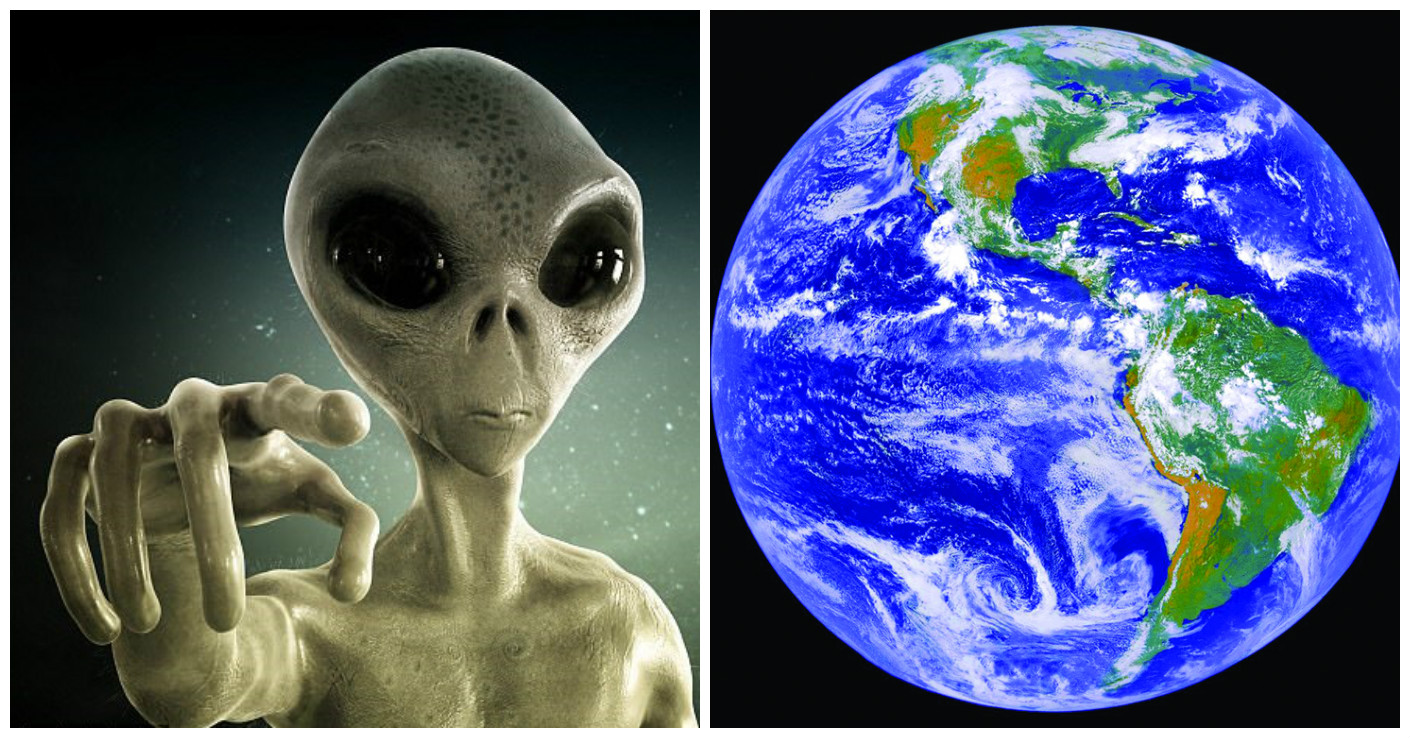
Seems like ET wasn’t just a movie at all – we may actually have some adorable alien friends in our Solar System. Okay, admit it! Even if you don’t want to believe, there is that small part of your brain which keeps asking “why there can’t be aliens in our solar system?” And that small part of our brains has been asking this question from a long time.

And why not! If we are here in this enormous Universe – living and breathing and doing things, there must be people like us or advanced than us. There can’t be just one Earth in this whole wide Universe- that’s too unlikely. So if you have always had that hunch, you have a supporter and that too of a big stature- NASA!

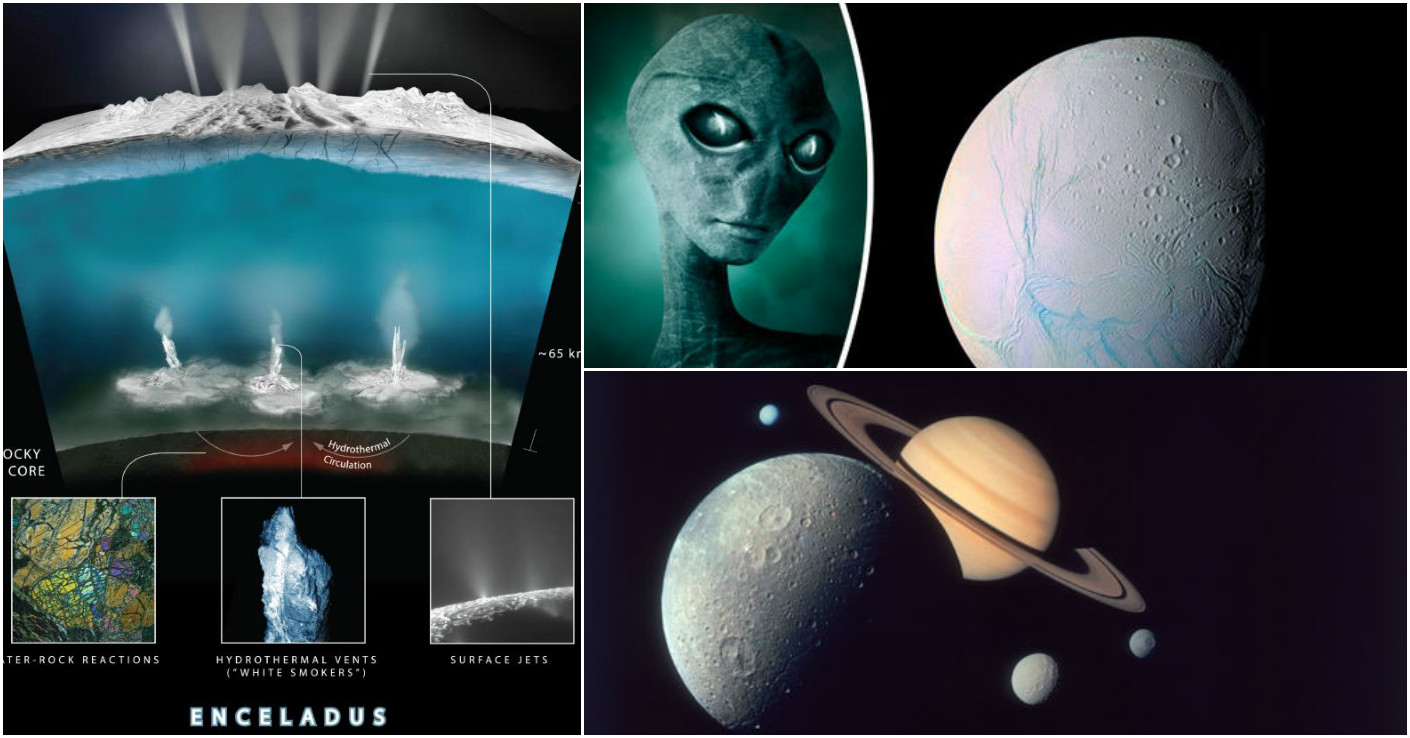
Basis the findings of its spacecraft Cassini and Hubble Space Telescope, NASA has arrived at the conclusion that there just might be alien life in our Solar System. The findings aren’t some vague things. In fact, these findings show that Enceladus, a moon of Saturn known for its icy white shell has some kind of chemical activity under its shell.

This activity is important to life on Earth suggesting some kind of life living there. And if you are wondering why this particular moon, then let us tell you that NASA that this moon has been under study for quite a while, owing to its massive underground oceans and icy outer shell which resemble the Earth’s protective ozone layer.

Add to this the confirmation from NASA that there are hydrothermal vents in the oceans on Enceladus. This piece of information is important because on earth, hydrothermal vents are found quite deep in the sea and are known to offer food and warmth to sea creatures that live at such depths. So if the hydrothermal vents are keeping creatures alive on the Earth, there is a strong possibility that the vents are keeping creatures alive on Enceladus too!

We are sorry to disappoint you though because if you thought this moon had some real cool Hollywood-style aliens, you are in for a let-down because basis the theory of NASA, this other life form maybe just some kind of shrimps or other little marine creatures. But a life form is a life or nevertheless. And it will still be called alien (though not as fancy as you saw in the movies)!

As a technology lover you may like our daily important technology news series. It’s a playlist and you can retrieve the total day-wise videos. Please consider subscribing our YouTube channel:

Author: Technology Vista

Tagged : / /

Saturn’s Moon Might Be Hosting Alien Life Since Long

New evidence from NASA suggests Saturn’s moon Enceladus may not be as hostile and inhospitable as it seems. Nasa’s Cassini spacecraft has picked up the first evidence that chemical reactions are happening deep below the ice which could be creating an environment capable of supporting microbes.

Liquid oceans exist miles below the surface on Enceladus, so to find out what is happening in the underground seas scientists must rely on the plumes of spray which shoot up into the atmosphere through cracks in the ice.

Life could be thriving in warm underground seas, scientists believe. All the more remarkable is that, this moon 887 million miles away from the Sun, might be harbouring the perfect conditions for life.

In October 2015 Nasa sent Cassini into a deep dive through one of those plumes and discovered hydrogen and carbon dioxide. In a report of their findings published today in the journal Science, scientists said that the ‘only plausible’ source for the hydrogen was chemical reactions between warm water and rocks on the ocean floor.

“Saturn’s moon Enceladus has an ice-covered ocean, and a plume of material erupts from cracks in the ice,” said Professor Hunter Waite, of Southwest Research Institute (SwRI) in San Antonio, Principal Investigator for Cassini’s Mass Spectrometer instrument which detected the hydrogen.

“The plume contains chemical signatures of water-rock interaction between the ocean and a rocky core. We find that the most plausible source of this hydrogen is ongoing hydrothermal reactions of rock containing reduced minerals and organic materials.

“On the modern Earth, geochemically derived fuels such as hydrogen support thriving ecosystems even in the absence of sunlight.”

Scientists had long suspected that liquid water could exist on the moon because of the extreme tidal forces acting on the satellite from Saturn’s gravity. Crucially, if hydrogen is present it can mix with carbon dioxide to form methane, which is consumed by microbes in the deep, dark seas of our own planet. If life is present, it could resemble single-celled tube-like extremophiles which have lived in hydrothermal vents on Earth for billions of years.

Next Page For More

Tagged : /

We might have estimated it wrong! 68% of the Universe might not actually exist!

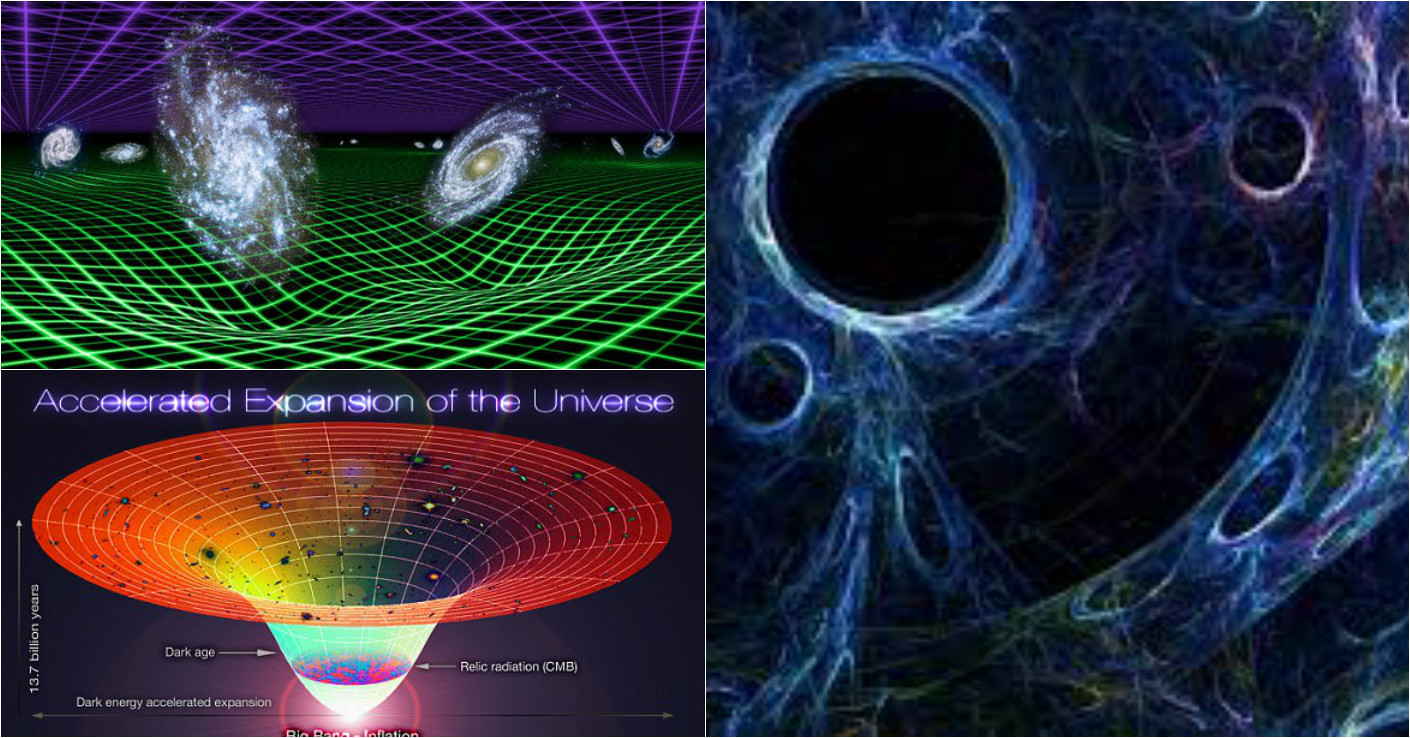
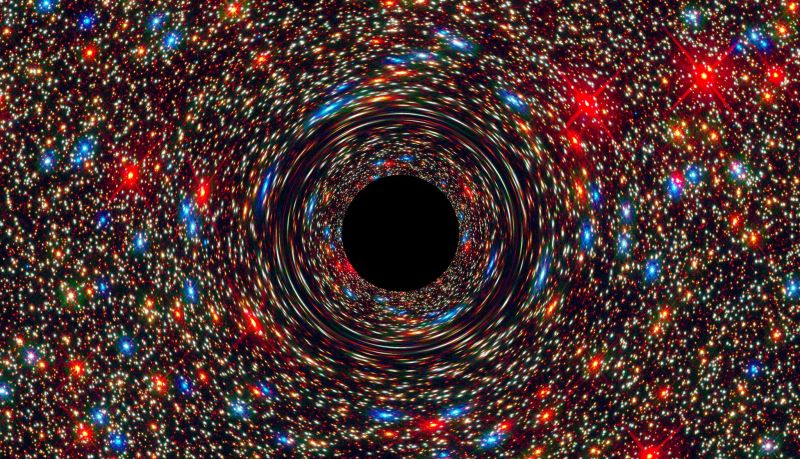
Dark energy is a mysterious, mostly unknown force said to be driving 68 percent of the universe, But, new simulations suggest that accelerated expansion can be explained without the need for dark energy – and, in a way that’s consistent with present observations and general relativity.

‘Einstein’s equations of general relativity that describe the expansion of the universe are so complex mathematically, that for a hundred years no solutions accounting for the effect of cosmic structures have been found,’ said co-author Dr László Dobos of Eötvös Loránd University.

‘We know from very precise supernova observations that the universe is accelerating, but at the same time we rely on coarse approximations to Einstein’s equations which may introduce serious side-effects, such as the need for dark energy, in the models designed to fit the observational data.’

n the new study, published in Monthly Notices of the Royal Astronomical Society, the researchers argue that the conventional models of the universe fail to address its changing structure. The researchers designed computer simulations to model the effect of gravity on the millions of particles of dark matter distributed throughout the universe.

The researchers designed computer simulations to model the effect of gravity on the millions of particles of dark matter distributed throughout the universe.

‘We know from very precise supernova observations that the universe is accelerating, but at the same time we rely on coarse approximations to Einstein’s equations which may introduce serious side-effects, such as the need for dark energy, in the models designed to fit the observational data.’

As a technology lover you may like our daily important technology news series. It’s a playlist and you can retrieve the total day-wise videos. Please consider subscribing our YouTube channel:

Author: Technology Vista
Tagged : /

Where Did All of Mars’ Water Go? NASA Finally Has an Answer!

The theory that Mars harbored vast oceans is a relatively new one, but a supported one nevertheless. This inevitably brought about the question: where did all that water go? NASA might finally have an answer.

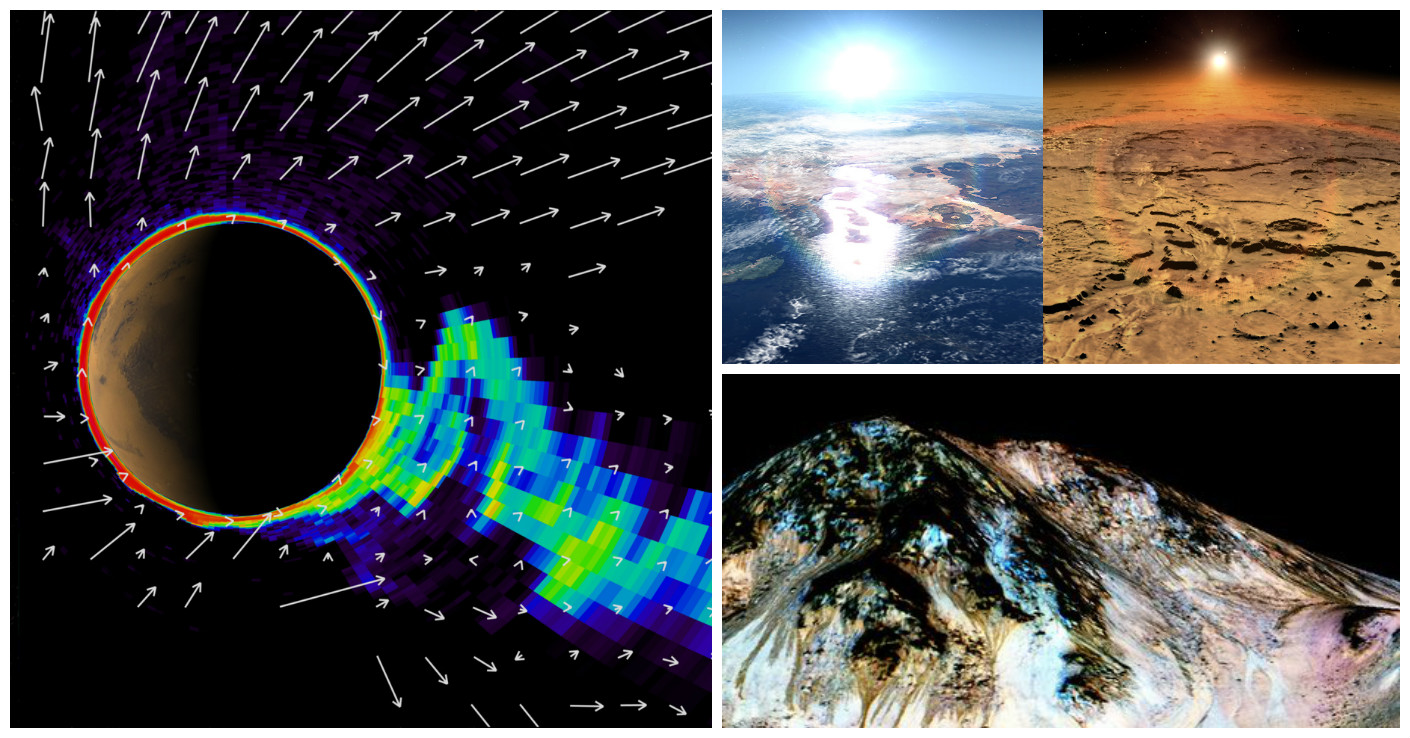
All thanks to new data from NASA’s MAVEN spacecraft, We’ve determined that most of the gas ever present in the Mars atmosphere has been lost to space,” Bruce Jakosky, principal investigator of the MAVEN mission, explains.

The researchers were able to make this determination based on the amount of argon, a noble gas, remains in the Martian atmosphere as compared with the levels that are believed to have once existed there. Atmospheric molecules are thought to have been slowly stripped away over time due to a process known as “sputtering” in which radiation and solar wind from the sun bump, knock, and drag them away from the planet.

That lost gas — somewhere in the neighborhood of 65% — greatly depleted the planet’s atmosphere, causing oceans, lakes, and rivers to dry up as the vital elements were swept away into space by intense radiation and solar wind.

If life did indeed exist on the surface of Mars at one time, NASA believes that the slowly depleting atmosphere — and the frigid temperatures in brought with it — would have gradually driven it to live primarily underground or in smaller habitable pockets tucked away around the planet. Let’s see what else they unearth in the future.

As a technology lover you may like our daily important technology news series. It’s a playlist and you can retrieve the total day-wise videos. Please consider subscribing our YouTube channel:

Author: Technology Vista

Tagged : /

NASA All set to use the Sun as a Telescope

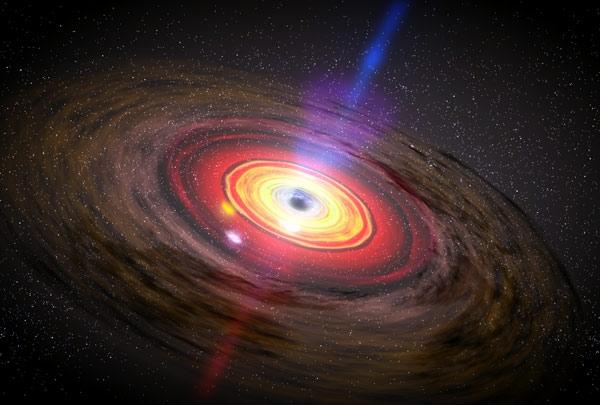
We have come incredibly far and seem to make progress exploring farther reaches of our solar system and universe. Not that the modern telescopes such as the iconic Hubble Telescope and the James Webb Space Telescope that replaced it, are anything to scoff about, but NASA now plans to turn the sun into some sort of massive magnifying glass i.e., a telescope.

For this, they are using Einstein’s Theory of Relativity that says large objects (like the Sun) bend the space around them, and so anything traveling in that space (even light) bends as well.

In a phenomenon known as gravitational lensing, if light is bent around an object in a particular way, it can magnify the space (quite literally, space) behind it. Scientists have previously used gravitational lensing to help telescopes to be more effective, but now, researchers aim to use this distribution of matter as a “telescope.”

This new approach certainly has its pros and cons. In order to harness this lensing, the necessary instruments would need to approach pretty close to the sun, in order to reach a target 550 AU away. While humans and probes have traveled much closer to the sun than this, and plan to do so in the future, this difficult journey would take a long time and the equipment would have to be somehow “placed” into the middle of space.

We could finally get a closer, clearer look at Trappist-1, and would be that much closer to discovering life outside of Earth.

As mentioned previously, this “sun scope” is not the only highly advanced space-imaging technology that’s surfacing. The James Webb Space Telescope, set to launch in October of 2018, will hopefully continue and advance the incredible work of the Hubble Telescope. In fact, this telescope is so powerful that Lee Feinberg, an engineer and James Webb Space Telescope Optical Telescope Element Manager at Goddard, was quoted as saying. “The Webb telescope is the most dynamically complicated article of space hardware that we’ve ever tested.”

The technology that we use to capture the incredible images of space is improving every day.

As a technology lover you may like our daily important technology news series. It’s a playlist and you can retrieve the total day-wise videos. Please consider subscribing our YouTube channel:

Author: Technology Vista
Tagged : /
Verified by ExactMetrics