Foods that you should and shouldn’t eat during periods for an easy cycle

Foods that you should and shouldn’t eat during periods for an easy cycle
Menstruation is a natural part of life for women, but it can also come with a number of uncomfortable symptoms, such as cramps, fatigue, and mood swings. While there is no one-size-fits-all solution for managing period symptoms, eating a healthy diet can be a great way to help ease discomfort and improve overall health. .The importance of food during periods is often overlooked, but it can be a great way to manage symptoms and improve overall health. In this article, we will discuss about some specific recommendations for foods that can help boost energy, reduce cramps, and improve mood. We will also discuss some foods that may be best to avoid during your period.

FOODS YOU SHOULD EAT

1 Complex Carbohydrates : Fruits, veggies, and whole foods are always your friends, but they’re especially helpful when you’re menstruating. because fruit sugars like fructose, can aid in cravings for sweets. Try including carrots, cucumbers, corn, oranges, plums, pears, and apricots in your diet.

2 Magnesium-Rich: Consuming foods high in magnesium, such as beans, tofu, and peanuts, may help menstruating women feel less bloated.

3 Foods High in Calcium: At least three servings of foods high in calcium should be consumed each day, such as low-fat milk, cheese, yoghurt, and green vegetables.

Salmon and fortified milk are wonderful sources of vitamin D, but women can supplement their diet or take a daily multivitamin to make up the gap.

4 Enjoy Dark Chocolate: During your period, eating a piece of dark chocolate (with a cocoa bean content of 60% or more) every day will help reduce cravings. In addition, dark chocolate provides beneficial antioxidants and may increase serotonin, both of which can enhance mood.

5 Don’t forget to drink water; doing so will aid your body release any water retention and reduce bloating. Your body is holding onto water because it fears running out. Therefore, the body will release the water it is holding onto if you give it what it needs (more water).

FOODS YOU SHOULD NOT EAT

1 Caffeine: Cutting back on caffeine intake can help reduce bloating & calm an irritable stomach. Caffeine can increase stomach acid & be rough on sensitive intestines. If you want a rich-tasting coffee substitute, try a cup of tea.

2 Trans Fats: Packaged foods are your enemies when you’re menstruating. These food products contain trans fats, also known as hydrogenated oils, that cause inflammation in the body & excessive cramps while on periods.

3 Excess dairy: For some women, having too much dairy is not a good idea. Dairy products like milk, cheese, & ice cream contain arachidonic acid (an omega-6 fatty acid), which can increase inflammation & can intensify period pain in case of some women. So these women should avoid too much of dairy products.


Tagged : / / / /

5 Superfoods that increase breast milk supply

5 Superfoods that increase breast milk supply
Breast milk is the best food for babies. It is packed with nutrients that babies need to grow and develop, and it also provides them with antibodies that help protect them from illness. Breastfeeding is a unique and special way to bond with your little one. To maintain adequate milk supply and help your baby grow, you should have a variety of nutrient-rich foods to ensure proper nutrition. While you are nursing/breastfeeding, you do need superfoods to improve the milk supply and these foods are called ‘galactagogues.’

1 FENEUGREEK SEEDS (Methi dana)
Fenugreek is a superb galactagogue in addition to being a great treatment for gas, indigestion, or bloating.. Fenugreek seeds have been used for centuries to increase breast milk supply. They contain compounds that mimic the effects of prolactin.

2 PEARL MILLET (Bajra)
Bajra increases milk production and is also rich in numerous minerals, including phosphorus, magnesium, and potassium.

3 FENNEL SEEDS (Saunf)
Fennel is an outstanding galactagogue in addition to being a wonderful treatment for gas, indigestion, or bloating. Even if you chew a tablespoon of fennel seeds post meals , it will work wonders for you and the breast milk.

4 DARK GREEN LEAFY VEGETABLES
Iron, calcium, and magnesium are abundant in spinach, fenugreek, kale, and other vegetables, which promote milk production and support nursing.

5 GARDEN CRESS (Halim) SEEDS
a fantastic galactagogues that increases milk production in nursing women and is a great source of iron. –

t’s important to note that there is no one-size-fits-all solution when it comes to increasing breast milk supply. Some women may find that certain foods or herbs help to increase their supply, while others may not. The best way to find out what works for you is to experiment and see what makes a difference. If you’re concerned about your breast milk supply, talk to your doctor. They can help you assess your individual needs and make recommendations for increasing your supply.

Here are some additional tips for increasing your breast milk supply:

  • Breastfeeding as often as possible. The more you breastfeed, the more milk your body will produce.
  • Massage your breasts. Massaging your breasts can help to stimulate milk production.
  • Drink plenty of fluids. Aim to drink at least 8 glasses of water per day.
  • Get enough rest. When you’re well-rested, your body will be better able to produce milk.
  • Eat a healthy diet. Make sure you’re eating plenty of fruits, vegetables, and whole grains.
  • Reduce stress. Stress can interfere with milk production, so find ways to relax and de-stress.
    With a little effort, you can increase your breast milk supply and provide your baby with the best possible start in life.
Tagged : / / / /

10 Simple Indian foods that work wonders in preventing acidity and they are in your kitchen!

10 Simple Indian foods that work wonders in preventing acidity and they are in your kitchen!
Acidity is a common problem that can be caused by a variety of factors, including stress, eating spicy foods, and drinking too much alcohol. Due to our sedentary lifestyle in the modern world, acidity and other digestive problems are now rather typical. As a result, many people do not give acidity the necessary attention it requires, despite the fact that failing to do so can lead to a number of serious health issues such gastric ulcers. While there are medications that can help to relieve acidity, there are also a number of natural remedies that can be effective. Indian cuisine is full of delicious and nutritious foods that can help to prevent acidity. Here are 10 Indian superfoods that can help to keep your stomach acid at bay and they are very easily available in your kitchen.

1 BUTTERMILK
Many individuals often drink buttermilk as a refreshing beverage, especially after meals. Ever questioned why? Lactic acid, which is present in buttermilk, helps to balance stomach acidity or acid reflux. Additionally, it calms any gastrointestinal tract inflammation and cools your stomach. To reduce acidity, you can drink a glass of buttermilk before or after meals.

2 CINNAMON
Although cinnamon is most commonly used as a flavouring, its benefits go far beyond cooking. The majority of people are unaware that it also functions naturally as an antacid. Before eating, consume two tablespoons of honey with two teaspoons of cinnamon powder to reduce acidity and aid in digestion of even the heaviest meals. In order to prepare an aromatic tea, you additionally boil and drain the cinnamon powder.

3 TULSI LEAVES
Tulsi, commonly referred to as holy basil, is well-known for its medical benefits and also helps to control acidity. It aids in enhancing the mucus production in your stomach. Additionally, it lessens the impact of gastric acids in the digestive system, aiding in the prevention of ulcers. The best technique to relieve the discomfort you experience whenever you have an episode of acidity is to chew on five to six tulsi leaves.

4 JEERA
Another spice that is frequently used in Indian cuisine is cumin, or jeera. It possesses qualities that increase salivation, which aids in better metabolism, better digestion, and relieves gas and other gastrointestinal issues. To reduce acidity, you can chew a few jeera seeds or boil the seeds in water and drink the resulting concoction once it has cooled. Any time of the day is appropriate for drinking it as tea.

5 MINTLEVES
Mint leaves are used in cooking, but they also possess some powerful qualities that can lower stomach acid levels and promote better digestion. Additionally, it provides a cooling effect that lessens the burning & agony brought on by acid reflux. After a large meal, chew on a few mint leaves or add them to your glass of buttermilk for an extra boost.

6 CAROM SEEDS
Carom seeds, sometimes referred to as ajwain in India, are rich in thymol. Thymol aids in the discharge of gastric juices from the stomach, speeding up the digestive process and reducing acid reflux.

7 GINGER
The root is renowned for enhancing digestion and assisting in better nutritional absorption and assimilation. By encouraging mucus secretion and lessening the impact of the acid on your stomach, it also helps to prevent ulcers.It can be eaten raw or added to soups, green tea, & tea.

8 AMLA
Amla is a vitamin C powerhouse. High vitamin C intake aids in the recovery of the oesophagus and damaged stomach lining. To combat acidity, consume one teaspoon of amla powder twice daily.

9 ELAICHI OR CARDAMOM
Ever ponder why elaichi is frequently used in post-meal mouthwashes? That’s because elaichi is a carminative and is known to increase digestion; as a result, it helps reduce heartburn and stomach lining inflammation. Additionally, it calms the mucous membrane, improving its functionality and easing acidity-related symptoms. For immediate relief from acidity, crush two cardamom pods (with or without the peel), boil the powdered cardamom in water, and then drink the cooled juice.

10 ALMOST TEN APPLE CIDER VINEGAR
Many individuals wrongly think that an excess of acid is what causes all cases of acid reflux and indigestion. According to the most recent studies, for many people, not enough acid is produced to properly digest the food they eat. Each day, a spoonful of apple cider vinegar mixed with water enhances the stomach’s acid content and facilitates better digestion.

Tagged : / / / /

How to make healthy eating a lifestyle? Here are some tips!

How to make healthy eating a lifestyle? Here are some tips!
Eating healthy is important for everyone, but it can be especially challenging to make it a lifestyle change. After all, there are so many unhealthy foods and drinks that are readily available. But it is possible to make healthy eating a part of your everyday life. Here are a few tips:

1 Set realistic goals
Don’t try to overhaul your entire diet overnight. Instead, start by making small changes that you can stick to. For example, you could start by adding one serving of fruits or vegetables to each meal. Or, you could try cooking more meals at home instead of eating out.

2 Make healthy eating convenient
If you’re always on the go, it’s easy to reach for unhealthy snacks or meals. To make healthy eating easier, stock your fridge and pantry with healthy foods that you can grab on the go. This could include fruits, vegetables, nuts, yogurt, and whole-wheat crackers.

3 Find a support system
Having friends or family members who are also trying to eat healthy can make it easier to stick to your goals. You can support each other by cooking healthy meals together, going on walks, or working out.

4 Learn about nutrition
The more you know about what makes up a healthy diet, the easier it will be to make healthy choices. There are many resources available to help you learn about nutrition, including books, websites, and apps.

5 Read food labels
When you’re shopping for food, take the time to read the food labels. This will help you make informed choices about what you’re eating. Look for foods that are low in calories, fat, and sodium. And choose foods that are high in fiber, protein, and nutrients.

6 Make meal planning a part of your week
Meal planning can help you save time and money. It can also help you ensure that you’re eating healthy meals on a regular basis. There are many meal planning apps and websites that can help you get started.

7 Cook at home more often
When you cook at home, you have more control over the ingredients that go into your food. This makes it easier to make healthy choices. There are many healthy recipes available online and in cookbooks.

Healthy eating is not that difficult if you really want to do this and if you have someone who is in this with you. It’s okay to eat unhealthy foods sometimes. Just don’t make them a regular part of your diet. If you’re craving something sweet, have a small piece of dark chocolate or a few cookies. And if you’re going out to eat, make healthy choices like grilled fish or a salad.

Tagged : / /

Aspartame, the artificial sweetener in Coca Cola to be added in cancer-causing substance list by an International agency!

Aspartame, the artificial sweetener in Coca Cola to be added in cancer-causing substance list by an International agency!
Aspartame, one of the most widely used artificial sweeteners worldwide, is expected to be classified as a potential carcinogen by the end of next month, according to Reuters. The announcement will be made by the World Health Organisation (WHO), according to Reuters, and the report is based on two persons with knowledge of the procedure. A month ago, the WHO issued a warning against the use of artificial sweeteners.

According to a study in Reuters, aspartame is an ingredient in many goods, including chewing gum, Coca-Cola and other carbonated beverages, as well as many sweet beverages. That takes us to the query that is currently feverishly trending online. Well, keep reading to find out if you’re interested.

What is aspartame?

First off, according to Healthline, aspartame is one of the most widely used non-nutritive sweeteners (NNS) on the market and is even present in goods that bear the labels “diet,” “sugar-free,” “no” or “low” calorie, and “zero” sugar.

It is a white, odourless powder that is 200 times sweeter than regular sugar. Actually, that’s a lot! This implies that just a tiny bit of the same substance is required to sweeten food and beverages. Aspartic acid and phenylalanine are the two main components of aspartame, according to Healthline. They both are amino acids, which are regarded as the “building blocks” of proteins and occur naturally.

Additionally, aspartame produces a little quantity of methanol during digestion, a substance that is naturally found in fruits, vegetables, and their juices. Also, aspartame is frequently used in “sugar-free products” in place of sugar. In addition to this, it can also be found in meals like light yoghurt, sugar-free ice cream, and energy bars. Aspartame was authorised for use in foods and beverages by the US Food and Drug Administration (FDA) in 1981, according to The Washington Post.

But now the new development is that Aspartame will reportedly be labelled as “possibly carcinogenic to humans” for the first time by the International Agency for Research on Cancer (IARC), the WHO’s cancer research arm, in July, according to sources cited by Reuters. Aspartame’s impacts and safety are now being examined by the Joint Organisation Expert Committee on Food Additives (JEFCA) and the IARC.

Tagged : / /

Why you should not eat curd at night?

Why you should not eat curd at night?
Curd is an essential part and parcel of the Indian thali. Curd, also known as yogurt, is a dairy product that is made by fermenting milk with live bacteria. It is a good source of protein, calcium, and other nutrients. However, there are some reasons why you should not eat curd at night.

1 It can cause digestive problems
Curd is a heavy food that can be difficult to digest, especially at night when your metabolism is slower. This can lead to bloating, gas, and indigestion.

2. It can increase mucus production
Curd is a cooling food that can increase mucus production in the body. This can aggravate respiratory problems such as asthma, cough, and cold.

3. It can disrupt sleep
Curd is a probiotic food that can increase the activity of the gut bacteria. This can lead to increased gas production and bloating, which can make it difficult to fall asleep.

4. It can interfere with the absorption of certain nutrients
Curd contains calcium, which can interfere with the absorption of iron. This is especially important for people who are prone to iron deficiency anemia.

5. It can increase the risk of food poisoning
Curd is a perishable food that should be stored in the refrigerator. If it is not stored properly, it can become contaminated with harmful bacteria and cause food poisoning.

If you are concerned about the health risks of eating curd at night, you can avoid it or eat it in moderation. If you do choose to eat curd at night, make sure it is fresh and store it properly in the refrigerator.

Here are some tips for eating curd safely at night:

Choose fresh curd that is made from pasteurized milk.
Store curd in the refrigerator at a temperature of 40 degrees Fahrenheit or below.
Do not eat curd that has been left out at room temperature for more than two hours.
If you have a weak digestive system, avoid eating curd at night.
If you are prone to respiratory problems, avoid eating curd at night.
If you are taking medication, talk to your doctor about whether it is safe for you to eat curd at night.
Overall, it is best to avoid eating curd at night, especially if you have any health concerns. If you do choose to eat curd at night, make sure it is fresh and store it properly.

Tagged : / /

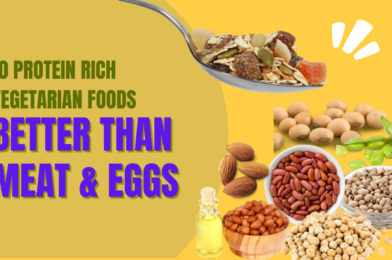
Vegetarians! Eat these 10 vegetarian sources of protein which are better than meat and eggs!

Vegetarians! Eat these 10 vegetarian sources of protein which are better than meat and eggs!
In recent years, there has been a growing interest in vegetarian and vegan diets. This is due in part to a growing awareness of the environmental impact of animal agriculture, as well as the health benefits of plant-based diets. One of the biggest concerns that people have about vegetarian and vegan diets is that they may not provide enough protein. However, this is a misconception. There are many plant-based foods that are excellent sources of protein. In fact, some of them contain more protein than meat and eggs.

Here are 10 vegetarian sources of protein that are better than meat and eggs:

1 Tofu
Tofu is a high-protein food that is made from soybeans. It is a versatile ingredient that can be used in a variety of dishes, from stir-fries to curries. One half-cup serving of tofu contains 10 grams of protein.
2 Tempeh
Tempeh is another high-protein food that is made from soybeans. It is fermented, which gives it a slightly nutty flavor. Tempeh is a good source of iron and calcium as well. One half-cup serving of tempeh contains 15 grams of protein.
3 Edamame
Edamame are immature soybeans that are eaten in the pod. They are a good source of protein, fiber, and vitamins. One cup of edamame contains 17 grams of protein.
4 Lentils
Lentils are a type of legume that is high in protein and fiber. They are also a good source of iron and potassium. One cup of cooked lentils contains 18 grams of protein.
5 Chickpeas
Chickpeas are another type of legume that is high in protein. They are also a good source of fiber, iron, and folate. One cup of cooked chickpeas contains 13 grams of protein.
6 Peanuts
Peanuts are a good source of protein and fiber. They are also a good source of healthy fats. One ounce of peanuts contains 7 grams of protein.
7 Almonds
Almonds are another good source of protein and fiber. They are also a good source of vitamin E and magnesium. One ounce of almonds contains 6 grams of protein.
8 Quinoa
Quinoa is a pseudocereal that is high in protein and fiber. It is also a good source of iron and magnesium. One cup of cooked quinoa contains 8 grams of protein.
9 Sprouted grains
Sprouted grains are a good source of protein and fiber. They are also a good source of vitamins and minerals. One cup of sprouted lentils contains 13 grams of protein.
10 Mycoprotein
Mycoprotein is a type of fungus that is grown on a substrate. It is a good source of protein and fiber. It is also a good source of iron and B vitamins. One ounce of mycoprotein contains 8 grams of protein.

These are just a few of the many vegetarian sources of protein that are better than meat and eggs. If you are looking for a healthy and sustainable diet, a vegetarian diet is a great option. With so many delicious and nutritious plant-based foods to choose from, you won’t miss meat or eggs at all. In addition to the protein content, these foods are also good sources of other nutrients that are important for health. For example, tofu and tempeh are good sources of iron, chickpeas and lentils are good sources of folate, and peanuts and almonds are good sources of vitamin E.

If you are new to vegetarian or vegan eating, it is important to make sure that you are getting enough protein. A good way to do this is to include a variety of protein-rich foods in your meals and snacks throughout the day. You can also use protein powders or supplements to help you meet your daily needs.

With a little planning, it is easy to get all the protein you need from a vegetarian or vegan diet. These 10 foods are a great place to start.

Tagged : / / / / /

10 Foods that should never be reheated in a microwave!

10 Foods that should never be reheated in a microwave!
Microwaves are a convenient way to reheat food quickly and easily. However, there are some foods that you should never reheat in the microwave. These foods can become unsafe to eat or can develop unpleasant flavors or textures.

Here are 10 foods you should never reheat in the microwave:

1 Rice
Rice can contain spores of Bacillus cereus, a bacterium that can cause food poisoning. These spores can survive even when rice is cooked. If rice is left at room temperature for more than two hours, the spores can multiply and produce toxins that can cause vomiting and diarrhea. To avoid food poisoning, do not reheat rice more than once. If you have leftover rice, store it in the refrigerator and reheat it within 3 days.

2 Soup
Soup is another food that can be a breeding ground for bacteria. If soup is not reheated properly, it can become contaminated with harmful bacteria. To avoid food poisoning, reheat soup until it is steaming hot throughout.

3 Chicken
Chicken is a good source of protein, but it can also be a source of food poisoning if it is not cooked or reheated properly. To avoid food poisoning, cook chicken to an internal temperature of 165 degrees Fahrenheit. When reheating chicken, make sure it is heated to an internal temperature of 165 degrees Fahrenheit again.

4 Fish
Fish is another food that can be a source of food poisoning. To avoid food poisoning, cook fish to an internal temperature of 145 degrees Fahrenheit. When reheating fish, make sure it is heated to an internal temperature of 145 degrees Fahrenheit again.

5 Eggs
Eggs are a high-protein food that can also be a source of food poisoning. To avoid food poisoning, cook eggs until the yolk is firm. When reheating eggs, make sure they are heated until they are steaming hot throughout.

6 Potatoes
Potatoes are a starchy food that can be difficult to reheat properly. If potatoes are not reheated properly, they can become tough and dry. To avoid this, reheat potatoes in a microwave-safe dish with a small amount of water or broth.

7 Broccoli
Broccoli is a healthy vegetable that is high in nutrients. However, broccoli can also become mushy and flavorless when it is reheated in the microwave. To avoid this, reheat broccoli in a microwave-safe dish with a small amount of water or broth.

8 Tomato sauce
Tomato sauce is a versatile sauce that can be used in a variety of dishes. However, tomato sauce can also become separated and watery when it is reheated in the microwave. To avoid this, reheat tomato sauce in a saucepan on the stovetop over low heat.

9 Leftovers
It is generally safe to reheat leftovers once. However, if you are reheating leftovers more than once, it is best to avoid using the microwave. The microwave can break down the nutrients in food and can also create harmful bacteria.

10 Fried foods
Fried foods are often reheated in the microwave to make them crispy again. However, the microwave can make fried foods soggy and greasy. To reheat fried foods, it is best to bake them in the oven or toaster oven.

By following these tips, you can avoid getting sick from eating reheated food. If you are unsure about whether or not a food is safe to reheat, it is always best to err on the side of caution and not reheat it.

Tagged : / /

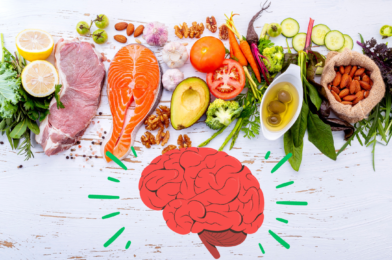
10 Superfoods that boost your brain power and brain health

10 Superfoods that boost your brain power and brain health
Your brain is a complex organ that needs a variety of nutrients to function at its best. Some foods are particularly beneficial for brain health, and eating them regularly can help improve your memory, focus, and cognitive function.

Here are 10 superfoods for brain power:

1 Oily fish
Oily fish, such as salmon, tuna, and mackerel, are rich in omega-3 fatty acids, which are essential for brain health. Omega-3s help protect the brain from damage, improve communication between brain cells, and boost memory and learning.
2 Berries
Berries, such as blueberries, strawberries, and raspberries, are packed with antioxidants, which can help protect the brain from damage caused by free radicals. Free radicals are unstable molecules that can damage cells and contribute to age-related cognitive decline.
3 Green leafy vegetables
Green leafy vegetables, such as spinach, kale, and broccoli, are good sources of folate, vitamin K, and other nutrients that are important for brain health. Folate helps protect against brain shrinkage and memory loss, while vitamin K is involved in the production of new brain cells.
4 Nuts and seeds
Nuts and seeds, such as walnuts, almonds, and chia seeds, are a good source of healthy fats, protein, and antioxidants. They can help improve cognitive function, reduce inflammation, and protect the brain from damage.
5 Whole grains
Whole grains, such as brown rice, quinoa, and oats, are a good source of fiber, B vitamins, and other nutrients that are important for brain health. Fiber helps to keep blood sugar levels stable, which can improve cognitive function. B vitamins are involved in energy production and brain function.
6 Dark chocolate
Dark chocolate contains cocoa, which is a good source of antioxidants. Antioxidants help protect the brain from damage and improve cognitive function. However, it is important to choose dark chocolate that contains at least 70% cocoa, as the darker the chocolate, the higher the antioxidant content.
7 Coffee
Coffee contains caffeine, which is a stimulant that can improve alertness and cognitive function. However, it is important to consume coffee in moderation, as too much caffeine can have negative side effects such as anxiety and insomnia.
8 Tea
Tea, especially green tea, contains catechins, which are antioxidants that can help protect the brain from damage. Tea can also improve cognitive function and reduce the risk of dementia.
9 Eggs
Eggs are a good source of protein, choline, and other nutrients that are important for brain health. Choline is essential for the development and function of the brain.
10 Yogurt
Yogurt is a good source of protein, calcium, and probiotics. Protein and calcium are important for brain health, while probiotics can help improve gut health, which is linked to brain health.
In addition to eating these superfoods, there are other things you can do to boost your brain power. These include getting regular exercise, getting enough sleep, and managing stress. By making healthy lifestyle choices, you can help keep your brain healthy and sharp for years to come.

Here are some additional tips for boosting brain power:

Learn new things. Learning new things keeps your brain active and engaged. It doesn’t matter what you learn, as long as you’re challenging yourself.
Socialize. Spending time with friends and family can help improve cognitive function. Social interaction helps to reduce stress and isolation, both of which can have negative effects on brain health.
Get enough sleep. Sleep is essential for memory consolidation and other brain functions. Aim for 7-8 hours of sleep per night.
Exercise regularly. Exercise is good for the body and the brain. It helps to improve blood flow to the brain and reduce inflammation. Aim for at least 30 minutes of moderate-intensity exercise most days of the week.
Manage stress. Stress can take a toll on brain health. Find healthy ways to manage stress, such as exercise, relaxation techniques, or spending time in nature.
By following these tips, you can help keep your brain healthy and sharp for years to come.

Tagged : / /

Do you know the calorie count of these 9 popular Indian sweets? Read on and then eat !

Do you know the calorie count of these 9 popular Indian sweets? Read on and then eat !
Indian sweets are a delicious and integral part of Indian culture. They are often served during special occasions, such as festivals, weddings, and religious ceremonies. There are many different types of Indian sweets, each with its own unique flavor and texture. Our country is so vast that you can travel the length and breadth of this country and still you won’t have learned and eaten the names of all the dishes prepared here. Its sweets are a delight. But do you know how many calories your favourite sweets have? Some of the most popular Indian sweets are here along with their calorie counts. Now read on and decide which one you would eat:

1 Gulab Jamun: These are deep-fried milk balls that are soaked in a syrup made from sugar and rose water. (150-200 calories per piece)
2 Rasmalai: These are soft cheese dumplings that are soaked in a creamy milk and saffron sauce. (200-250 calories per piece)
3 Jalebi: These are sweet, crispy pretzel-shaped fritters that are soaked in a sugar syrup. (150-200 calories per serving (1 piece)
4 Barfi: This is a dense, milk-based sweet that is often flavored with nuts or spices. (120-150 calories per piece)
5 Ladoo: These are small, round balls of sweet dough that are often flavored with nuts or spices. (160-200 calories per piece)
6 Kheer: This is a rice pudding that is often flavored with nuts, spices, or dried fruits. (100-150 calories per serving (1 bowl))
7 Rasgulla: These are soft, spongy cheese balls that are soaked in a sweet syrup. (100-150 calories per piece)
8 Malpua: These are pancakes that are soaked in a sugar syrup and topped with nuts and spices. ( 200-250 calories per serving (1 piece))
9 Payasam: This is a sweet dish made with milk, rice, and sugar. It is often flavored with nuts, spices, or dried fruits. (90-120 calories per serving (1 bowl))

It is important to note that these are just general calorie counts and the actual calorie count of a particular sweet may vary depending on the ingredients and the method of preparation. If you are watching your calorie intake, it is always best to check the calorie count of the specific sweet that you are interested in eating

Tagged : / /

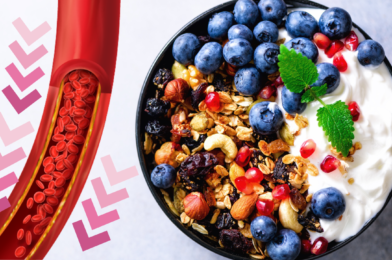
5 Nutrient rich foods that boost blood flow

5 Nutrient rich foods that boost blood flow
Good blood flow is essential for overall health. It helps to deliver oxygen and nutrients to your organs and tissues, and it also helps to remove waste products. There are many things you can do to improve your blood flow, including exercising regularly, maintaining a healthy weight, and quitting smoking. However, you can also boost your blood flow by eating certain foods.

Here are 5 nutrient-rich foods that may help improve your blood flow:

1 Pomegranates: These fruits are rich in antioxidants and nitrates, which can help to widen blood vessels and improve blood flow.
2 Beetroots: Beetroots are also a good source of nitrates, which can be converted into nitric oxide in the body. Nitric oxide helps to relax blood vessels and improve blood flow.
3 Leafy greens: Leafy greens such as spinach, kale, and arugula are excellent sources of nitrates. They also contain vitamins and minerals that are important for maintaining good blood health.
4 Citrus fruits: Citrus fruits such as oranges, lemons, and grapefruits are a good source of vitamin C, which is essential for healthy blood vessels. They also contain antioxidants that can help protect against damage to blood cells.
5 Nuts and seeds: Nuts and seeds such as almonds, walnuts, and chia seeds are a good source of healthy fats and fiber. They also contain vitamins and minerals that are important for blood health.

Including these foods in your diet can help to improve your blood flow and overall health. If you have any concerns about your blood flow, talk to your doctor.

Here are some additional tips for improving your blood flow:

  • Exercise regularly.
  • Maintain a healthy weight.
  • Quit smoking.
  • Manage stress.
  • Get enough sleep.
  • Drink plenty of water.
  • Avoid processed foods and sugary drinks.
  • Eat a diet rich in fruits, vegetables, and whole grains.
    By following these tips, you can help to keep your blood flowing freely and improve your overall health.
Tagged : / / /

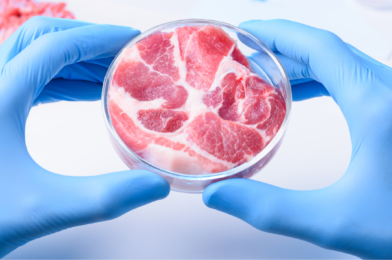
US becomes the second country in the world to allow the sales of lab-grown meat!

US becomes the second country in the world to allow the sales of lab-grown meat!
The United States has become the second country in the world to approve the sale of lab-grown meat. The first country to allow this was Singapore. The US Department of Agriculture (USDA) has granted its first ever approvals to two companies to sell chicken grown directly from animal cells. The companies, Upside Foods and Good Meat, plan to make their products available soon at select restaurants in the Washington, DC area.

Lab-grown meat is produced by taking cells from a live animal and then growing them in a lab. The cells are fed a nutrient-rich medium and are stimulated to grow into muscle tissue. The resulting product is said to be indistinguishable from conventionally-produced meat in terms of taste, texture, and nutritional value.

The approval of lab-grown meat in the US is a significant milestone for the industry. It paves the way for the commercialization of this new product and could have a major impact on the global food system. Lab-grown meat has the potential to reduce animal suffering, improve food safety, and lower the environmental impact of meat production.

However, there are still some challenges that need to be addressed before lab-grown meat can become widely available. The cost of production is still high, and the taste and texture of the product can vary depending on the manufacturing process. Additionally, there is some consumer resistance to the idea of eating meat that has been grown in a lab.

Despite these challenges, the approval of lab-grown meat in the US is a major step forward for the industry. It is likely that we will see more companies entering the market in the coming years, and the price of the product is expected to come down as production volumes increase. Lab-grown meat could have a significant impact on the global food system, and it is an exciting new development that has the potential to make a positive impact on the world.

Here are some additional details about lab-grown meat:

The process of growing lab-grown meat is still in its early stages, but it has the potential to be more efficient and sustainable than traditional meat production.
Lab-grown meat could help to reduce animal suffering and improve food safety.
The environmental impact of lab-grown meat is likely to be lower than that of traditional meat production.
The cost of lab-grown meat is still high, but it is expected to come down as the technology matures.
There is some consumer resistance to the idea of eating lab-grown meat, but this is likely to change as the product becomes more widely available.

Overall, the approval of lab-grown meat in the US is a significant milestone for the industry. It has the potential to make a positive impact on the world by reducing animal suffering, improving food safety, and lowering the environmental impact of meat production. However, there are still some challenges that need to be addressed before lab-grown meat can become widely available.

Tagged : / /

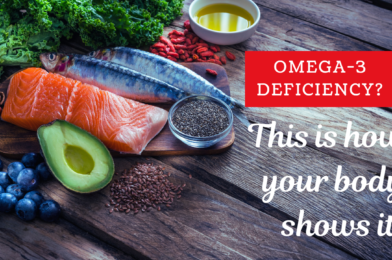
Omega – 3 deficiency? This is how your body shows it!

Omega – 3 deficiency? This is how your body shows it!
Omega-3 fatty acids are essential fatty acids that the body cannot produce on its own. They are important for many bodily functions, including brain development, heart health, and inflammation control. A deficiency in omega-3 fatty acids can lead to a variety of symptoms, including:

1 Dry skin, hair, and nails Omega-3 fatty acids are essential for maintaining the moisture in the skin, hair, and nails. A deficiency can lead to dryness, brittleness, and flaking.
2 Joint pain and stiffness Omega-3 fatty acids have anti-inflammatory properties that can help to reduce joint pain and stiffness.
3 Mood swings and depression Omega-3 fatty acids are important for brain health and can help to improve mood and reduce the risk of depression.
4 Fatigue and poor sleep Omega-3 fatty acids are involved in energy production and can help to improve fatigue and sleep quality.
5 Poor concentration and memory Omega-3 fatty acids are important for brain function and can help to improve concentration and memory.
6 Increased inflammation Omega-3 fatty acids have anti-inflammatory properties that can help to reduce inflammation throughout the body.
7 Vision problems Omega-3 fatty acids are important for eye health and can help to prevent age-related macular degeneration and other vision problems.
If you are experiencing any of these symptoms, it is important to talk to your doctor to see if you may have an omega-3 deficiency. There are a number of ways to increase your intake of omega-3 fatty acids, including eating fish, taking supplements, and using omega-3-rich oils in cooking.

Here are some additional tips for increasing your omega-3 intake:

  • Eat oily fish such as salmon, mackerel, sardines, and tuna.
  • Take omega-3 supplements.
  • Use omega-3-rich oils in cooking, such as flaxseed oil, canola oil, and walnut oil.
  • Add ground flaxseed or chia seeds to your diet.
  • Eat leafy green vegetables such as spinach and kale.
    By following these tips, you can help to ensure that you are getting enough omega-3 fatty acids to support your overall health.
Tagged : / / / /

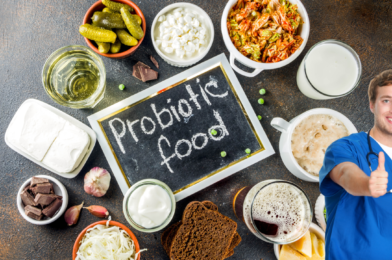
Simple Tips for Adding Probiotics to Your Diet

Simple Tips for Adding Probiotics to Your Diet
Probiotics are live bacteria that are good for your gut health. They can help improve digestion, boost your immune system, and protect you from disease. There are many ways to add probiotics to your diet, including eating fermented foods, drinking kombucha, taking probiotic supplements, and eating prebiotic foods.

Some common fermented foods that contain probiotics include yogurt, kefir, sauerkraut, kimchi, and tempeh. Kombucha is a fermented tea that is also a good source of probiotics. Probiotic supplements are available in capsule, powder, or liquid form. Prebiotic foods are not probiotics themselves, but they help to feed the probiotics that are already in your gut. Some good sources of prebiotics include fruits, vegetables, and whole grains.

If you are looking to improve your gut health, adding probiotics to your diet is a great way to do it. There are many different ways to get probiotics, so you can find a way that works for you.

Here are some additional tips for adding probiotics to your diet:

  • Look for fermented foods that are unpasteurized. This will ensure that the probiotics are still alive.
  • If you are taking probiotic supplements, look for a product that contains a variety of strains of bacteria.
  • Start with a small amount of probiotics and gradually increase your intake. This will help to prevent any side effects, such as bloating or gas.
  • Talk to your doctor before adding probiotics to your diet if you have any underlying health conditions.
Tagged : / / /

Dieting does not mean skipping restaurant food! You can order these healthy options!

Dieting does not mean skipping restaurant food! You can order these healthy options!
If you are on a diet, there may be people around you who will say “stop eating at restaurants’ and that may be a mood dampener for you. But you know what, you don’t really have to skip going to restaurants, you just have to make wise choices. Here are a few suggestions:

1 Grilled vegetables with a choice of protein or meat: This is a great way to get your daily dose of vegetables while also satisfying your hunger. Grilling uses little to no oil, so it is a healthy way to cook your food.
2 Chicken fajitas: Chicken fajitas are a good source of lean protein, which can help you lose weight. You can also add a side of beans or salsa to make your meal even healthier.
3 Salad : A salad is a classic healthy choice. The best thing is, there are a variety of salads available and you can take your pick. You can also make it even healthier by adding grilled chicken or fish. This will give you a good source of protein and healthy fats.
4 Soup: Soup is a filling and satisfying meal that is also relatively low in calories. You can choose a broth-based soup or a cream-based soup, depending on your preferences.
5 Steamed vegetables: Steamed vegetables are a great way to get your daily dose of vegetables without adding any extra calories or fat. You can season them with a little bit of salt and pepper to taste.

These are just a few suggestions for healthy dishes that you can order at a restaurant. If you are ever in doubt, ask your waiter or waitress for recommendations. They will be able to help you find a dish that fits your dietary needs and tastes good too.

Here are some additional tips for ordering healthy food at a restaurant:

  • Start with a salad or soup: This will help you fill up before you get to your main course.
  • Choose grilled, baked, or steamed dishes: These cooking methods are healthier than frying.
  • Ask for your dish to be made with less oil or butter: This will help you reduce your calorie intake.
  • Skip the high-calorie sides: Instead of french fries or mashed potatoes, choose a healthier side dish like a side salad or grilled vegetables.
  • Be aware of portion sizes: Restaurants often serve large portions, so be sure to ask for a to-go box if you can’t finish your meal.
Tagged : / / / /
Verified by ExactMetrics