10 Magnesium Rich Foods That Are A Must For People With High BP And Sugar

10 Magnesium Rich Foods That Are A Must For People With High BP And Sugar
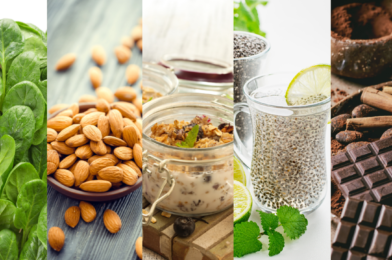
Magnesium is an essential mineral that plays a vital role in many bodily functions, including regulating blood sugar and blood pressure. A magnesium deficiency can increase the risk of developing diabetes and hypertension. Therefore in order to save yourself from getting diabetes and high blood pressure or safeguard yourself if you already have high BP and sugar – is to include magnesium rich foods in your diet. Here are 10 such foods:

1 Almonds
One ounce of almonds (about 23 almonds) provides 80 mg of magnesium, which is about 20% of the daily recommended intake. Almonds are also a good source of fiber, protein, and healthy fats.

2 Cashews
Cashews are another good source of magnesium, providing 74 mg per ounce. They are also a good source of fiber and protein.

3 Brazil nuts
Brazil nuts are a good source of magnesium and selenium. One ounce of Brazil nuts provides 135 mg of magnesium, which is about 34% of the daily recommended intake.

4 Spinach
Spinach is a leafy green vegetable that is packed with magnesium. One cup of cooked spinach provides 78 mg of magnesium, which is about 20% of the daily recommended intake. Spinach is also a good source of vitamins A and C, as well as fiber.

5 Pumpkin seeds
Pumpkin seeds are a good source of magnesium, providing 156 mg per ounce. They are also a good source of fiber and protein. Pumpkin seeds can be eaten raw, roasted, or added to baked goods.

6 Chia seeds
Chia seeds are a good source of magnesium, providing 111 mg per ounce. They are also a good source of fiber and protein. Chia seeds can be added to yogurt, smoothies, or baked goods.

7 Oats
Oats are a good source of magnesium, providing 29 mg per ounce. They are also a good source of fiber and protein. Oats can be eaten for breakfast, as a snack, or added to baked goods.

8 Black beans
Black beans are a good source of magnesium, providing 51 mg per half cup. They are also a good source of fiber, protein, and iron. Black beans can be added to salads, soups, or burritos.

9 Salmon
Salmon is a good source of magnesium, providing 53 mg per 3-ounce serving. It is also a good source of protein, omega-3 fatty acids, and vitamin D. Salmon can be grilled, baked, or poached.

10 Dark chocolate
Dark chocolate is a good source of magnesium, providing 64 mg per ounce. It is also a good source of antioxidants. Dark chocolate can be eaten as a snack or added to desserts.

By incorporating these foods into your diet, you can help to improve your magnesium levels and reduce your risk of developing diabetes and hypertension. It is important to note that the amount of magnesium in a food can vary depending on how it is prepared. For example, cooked spinach contains more magnesium than raw spinach. It is also important to talk to your doctor before making any major changes to your diet.


Tagged : / / / / / /

7 Most Common Root Causes of Acidity!

7 Most Common Root Causes of Acidity!
Acid reflux, also known as heartburn, is a common condition that occurs when stomach acid backs up into the esophagus. This can cause a burning sensation in the chest, throat, or neck. There are many different things that can cause acidity, but some of the most common root causes include:

1 Diet
Certain foods and drinks can irritate the lining of the esophagus and make acidity worse. These include fatty and fried foods, spicy foods, citrus fruits, tomatoes, chocolate, peppermint, and alcohol.
2 Medications
Some medications, such as aspirin, ibuprofen, and naproxen, can increase stomach acid production.
3 Pregnancy
During pregnancy, the hormone progesterone relaxes the muscles in the lower esophageal sphincter, which can allow stomach acid to back up into the esophagus.
4 Hiatal hernia
A hiatal hernia occurs when part of the stomach pushes up through the diaphragm, the muscle that separates the chest from the abdomen. This can increase pressure on the lower esophageal sphincter and make acidity worse.
5 Obesity
Being overweight or obese can put extra pressure on the lower esophageal sphincter and make acidity worse.
6 Smoking
Smoking irritates the lining of the esophagus and can make acidity worse.
7 Stress
Stress can increase stomach acid production and make acidity worse.
If you experience acidity on a regular basis, it is important to see a doctor to rule out any underlying medical conditions.
There are also a number of lifestyle changes that you can make to help reduce acidity, such as:

  • Losing weight: If you are overweight or obese, losing even a small amount of weight can help to reduce acidity.
  • Eating smaller, more frequent meals: This will help to keep your stomach from becoming too full, which can put pressure on the lower esophageal sphincter.
  • Avoiding trigger foods: If you know that certain foods or drinks trigger your acidity, avoid them as much as possible.
  • Not eating within 3 hours of bedtime: This will give your stomach time to empty before you lie down, which can help to prevent acid reflux.
  • Raising the head of your bed by 6-8 inches: This will help to keep stomach acid from backing up into the esophagus while you sleep.
  • Quitting smoking: Smoking irritates the lining of the esophagus and can make acidity worse.
  • Managing stress: Stress can increase stomach acid production and make acidity worse. There are a number of different ways to manage stress, such as exercise, relaxation techniques, and spending time with loved ones.                                      If you have tried these lifestyle changes and you are still experiencing acidity, your doctor may prescribe medication to help control your symptoms. There are a number of different medications available, so your doctor can help you find one that is right for you.
Tagged : / / / /

8 Foods to Avoid During a Migraine Attack!

8 Foods to Avoid During a Migraine Attack!
Migraines are a type of headache that can be incredibly painful and debilitating. They can be caused by a variety of factors, including stress, hormones, and certain foods. If you’re prone to migraines, it’s important to be aware of the foods that can trigger your attacks.

Here are some of the most common foods to avoid during a migraine attack:

1 Aged cheeses: Aged cheeses, such as blue cheese, cheddar, and Parmesan, contain tyramine, a substance that can trigger migraines.
2 Alcohol: Alcohol, especially red wine, beer, and liquor, can also trigger migraines.
3 Chocolate: Chocolate contains phenylethylamine, a substance that can narrow blood vessels and trigger migraines.
4 Cured meats: Cured meats, such as hot dogs, bacon, and salami, contain nitrates, which can trigger migraines.
5 Foods with artificial sweeteners: Artificial sweeteners, such as aspartame and sucralose, can trigger migraines in some people.
6 Foods with high levels of MSG: MSG, or monosodium glutamate, is a flavor enhancer that is often found in processed foods. It can trigger migraines in some people.
7 Foods with high levels of tyramine: Tyramine is an amino acid that is found in fermented foods, such as soy sauce, sauerkraut, and salami. It can trigger migraines in some people.
8 Coffee : Coffee: Coffee contains caffeine, which can be a migraine trigger for some people. If you find that coffee triggers your migraines, you may want to try cutting back or avoiding it altogether. However, for others, coffee can actually help prevent migraines. If you’re not sure how coffee affects you, it’s best to experiment and see how it affects your migraines.

If you’re not sure if a particular food triggers your migraines, it’s best to avoid it and see if your symptoms improve. You can also keep a food diary to track which foods seem to trigger your attacks.

In addition to avoiding certain foods, there are other things you can do to help prevent migraines. These include getting enough sleep, staying hydrated, and managing stress. If you have frequent migraines, talk to your doctor about treatment options.

Here are some additional tips for managing migraines:

  • Stay hydrated by drinking plenty of fluids, especially water.
  • Get enough sleep. Most adults need 7-8 hours of sleep per night.
  • Manage stress. Find healthy ways to cope with stress, such as exercise, yoga, or meditation.
  • Avoid your triggers. If you know what foods or activities trigger your migraines, avoid them as much as possible.
  • Take medication. If you have frequent migraines, your doctor may prescribe medication to help prevent or treat them.
    Migraines can be a frustrating and debilitating condition, but there are things you can do to manage them. By avoiding trigger foods and following other lifestyle tips, you can reduce your risk of having a migraine attack.
Tagged : / / / /

These 2 Indian Dishes made it to the list of Top 10 Best Vegetarian Dishes in the World!

These 2 Indian Dishes made it to the list of Top 10 Best Vegetarian Dishes in the World!
‘Taste Atlas’ which is well known for its food related critical reviews, recently published a list of ’10 Best Rated Vegetarian Dishes in the World’ and it did not come as a surprise when two dishes from our very own country India, made it to the Top 10. India and Indians are known for their love of vegetarian food and just because it is vegetarian, doesn’t mean it is bland. Indian vegetarian dishes are known for their aroma, taste and texture too. This is why 2 of our vegetarian dishes made it to the top 10.

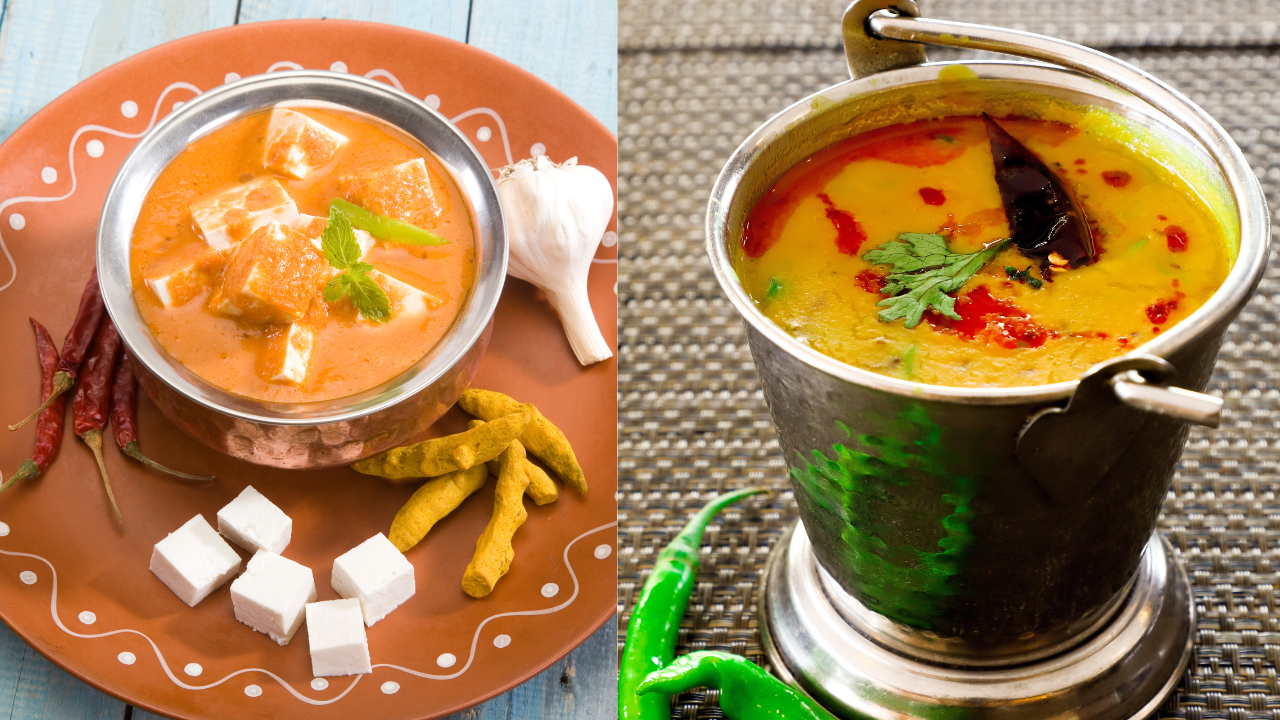
The two dishes are Shahi Paneer and Dal Tadka. While Shahi Paneer was ranked at No.4, Dal Tadka stood its ground at No. 9. Shahi Paneer is a rich and creamy dish made with paneer, a type of Indian cheese, cooked in a tomato-based gravy. The gravy is flavored with aromatic spices like cardamom, cinnamon, and cloves. It is a royal vegetarian delight that perfectly balances the creamy texture of paneer with the bold flavors of the royal spices. Dal Tadka is a simple yet flavorful dish made with lentils, spices, and herbs. The lentils are cooked in a tadka, or tempering, of spices like cumin, mustard seeds, and curry leaves. Dal Tadka is a hearty and satisfying dish that is perfect for a weeknight meal.

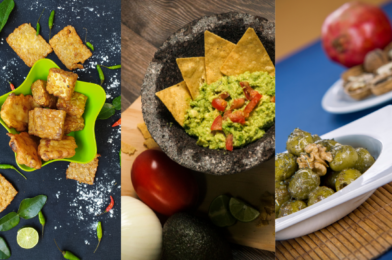
The dish that made it to the top most spot is Iran’s Zeytoon Parvardeh are marinated olives used as an appetizer or side dish in Persian cuisine. This pleasant combination of olives, garlic, walnuts, pomegranate molasses, mint and angelica seeds (Eryngium planum), originates from the north of Iran, especially from the Gilan Province and is very popular throughout the country. Zeytoon parvardeh are a perfect harmony between sweetness, acidity and fruitiness. The Mexican Guacamole came at the second spot while Syrian Muhammara was ranked third. Indonesian Tempeh Mandoan grabbed the fifth spot.

Tagged : / / / / /

What is an alkaline diet and what are the benefits of eating it?

What is an alkaline diet and what are the benefits of eating it?
The alkaline diet is a diet that focuses on eating foods that have an alkaline effect on the body. This is in contrast to the acid-forming foods that make up the majority of the Standard American Diet. The theory behind the alkaline diet is that the body’s pH, or acidity, can affect health. A more alkaline body is thought to be less susceptible to disease, while an acidic body is thought to be more prone to illness.

There is some evidence to support the claims of the alkaline diet. For example, one study found that following an alkaline diet for 12 weeks led to a significant decrease in the acidity of urine. Another study found that people who followed an alkaline diet for 8 weeks had lower levels of inflammation markers than those who followed a control diet.

Here are some of the potential health benefits of eating an alkaline diet:

1 Weight loss
Some studies have shown that following an alkaline diet can help with weight loss. This is likely due to the fact that alkaline foods are typically lower in calories and fat than acid-forming foods.

2 Reduced inflammation
Inflammation is a major factor in many chronic diseases, including heart disease, cancer, and arthritis. The alkaline diet may help to reduce inflammation by alkalizing the body and providing antioxidants.

3 Improved bone health
Alkaline foods are rich in minerals that are important for bone health, such as calcium, magnesium, and potassium. These minerals help to keep bones strong and healthy.

4 Lowered risk of kidney stones
Kidney stones are formed when minerals in the urine crystallize and form stones. The alkaline diet may help to prevent kidney stones by alkalizing the urine and reducing the risk of mineral crystallization.

5 Improved blood pressure
High blood pressure is a major risk factor for heart disease, stroke, and other health problems. The alkaline diet may help to lower blood pressure by alkalizing the blood and reducing inflammation.

Here are some of the alkaline foods that you can eat:

Fruits
Fruits are naturally alkaline and are a great source of vitamins, minerals, and antioxidants. Some good choices include berries, citrus fruits, melons, and apples.
Vegetables
Vegetables are also naturally alkaline and are a great way to get your daily dose of nutrients. Some good choices include leafy greens, cruciferous vegetables, and root vegetables.
Nuts and seed
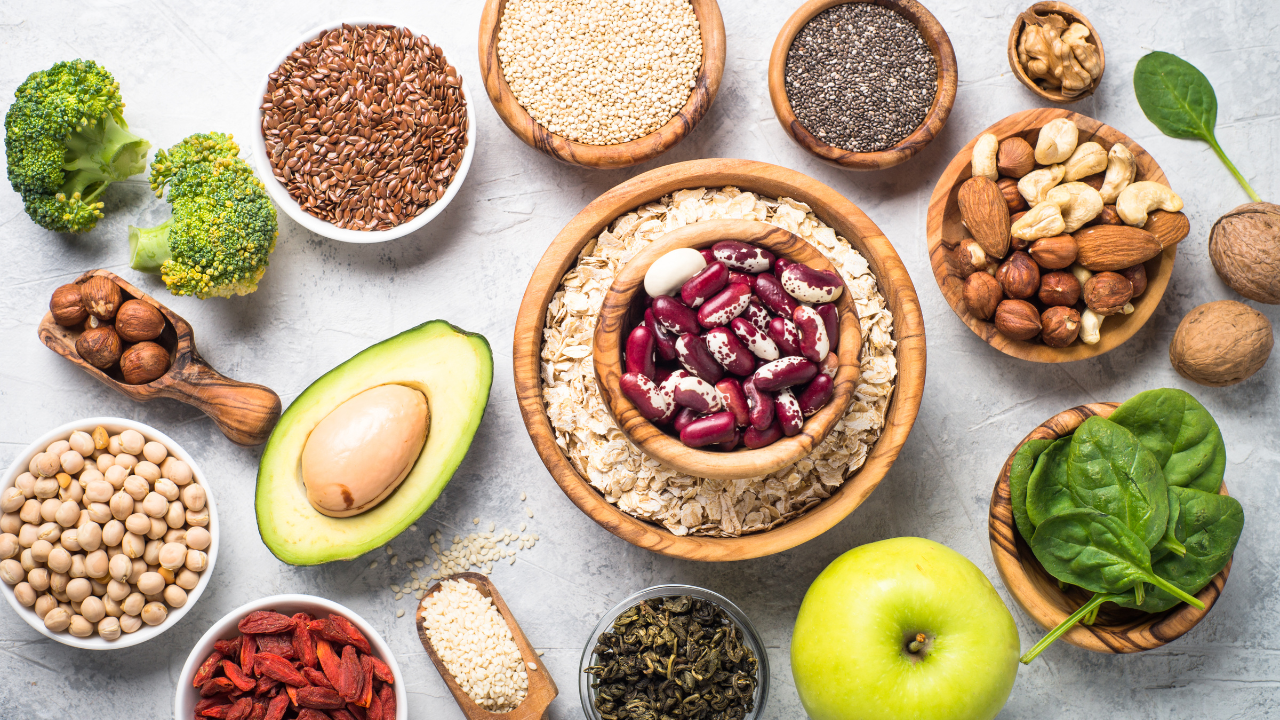
Nuts and seeds are a good source of protein, healthy fats, and fiber. They are also alkaline-forming foods. Some good choices include almonds, walnuts, chia seeds, and flaxseeds.
Whole grains
Whole grains are a good source of complex carbohydrates, fiber, and vitamins. They are also alkaline-forming foods. Some good choices include brown rice, quinoa, and oats.

Here are some of the acid-forming foods that you should limit:

Processed foods
Processed foods are often high in sugar, unhealthy fats, and artificial ingredients. They are also acid-forming foods.
Red meat
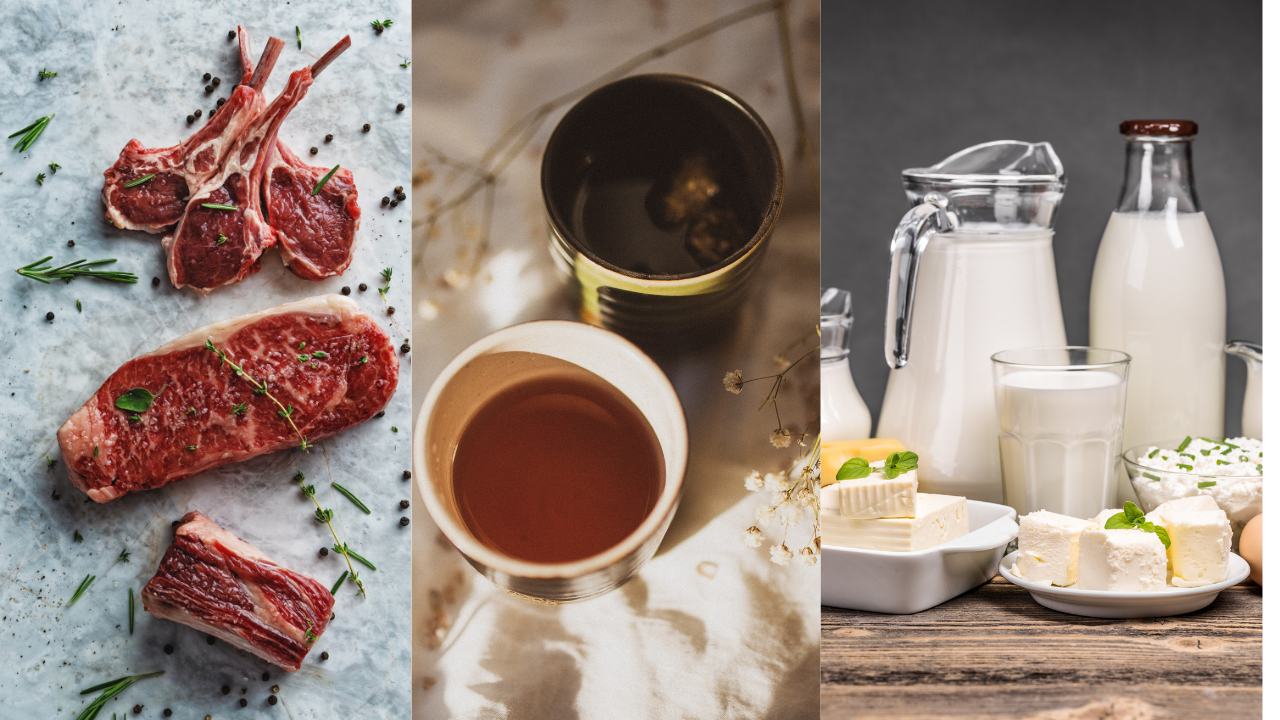
Red meat is high in protein, which can be acidic in the body. It is also high in saturated fat, which is a type of fat that can raise cholesterol levels.
Dairy product
Dairy products are high in calcium, which is an alkaline mineral. However, they are also high in protein, which can be acidic in the body.
Coffee and tea
Coffee and tea are acidic beverages. They can also be dehydrating, which can make the body more acidic.

The alkaline diet is not a miracle cure, but it can be a healthy way to eat. If you are interested in trying the alkaline diet, it is important to talk to your doctor first. They can help you determine if the diet is right for you and make sure that you are getting all the nutrients you need.

Tagged : / / / /

3 Reasons Why Intermittent Fasting Is Better Than Cutting Down On Calories?

3 Reasons Why Intermittent Fasting Is Better Than Cutting Down On Calories?
Intermittent fasting (IF) is a popular weight loss and health improvement method that involves cycling between periods of eating and fasting. There is some evidence to suggest that IF may be more effective than calorie restriction (CR) for weight loss and improving metabolic health.

1. Intermittent Fasting may benefit the gut microbiome
The gut microbiome is a complex ecosystem of bacteria that plays an important role in digestion, immunity, and overall health. Studies have shown that IF can help to improve the diversity and function of the gut microbiome. This may be due to the fact that IF allows the gut to rest and repair itself.

2. Intermittent Fasting may help to reduce insulin resistance
Insulin resistance is a condition in which the body’s cells become less sensitive to insulin, a hormone that helps to regulate blood sugar levels. Insulin resistance is a major risk factor for type 2 diabetes and other chronic diseases. Studies have shown that IF can help to improve insulin sensitivity, which may help to reduce the risk of these diseases.

3. Intermittent Fasting may be easier to stick to than Calorie Restriction
CR can be difficult to stick to long-term, as it requires people to constantly count calories or restrict their food intake. IF, on the other hand, can be more flexible, as people can still eat their favorite foods during their eating window. This may make IF a more sustainable weight loss and health improvement strategy for some people.

Overall, there is some evidence to suggest that Intermittent Fasting may be more effective than Calorie Restriction for weight loss and improving metabolic health. However, more research is needed to confirm these findings.

Here are some additional things to keep in mind about Intermittent Fasting:

  • It is not a magic bullet for weight loss. IF can help you to lose weight, but it is important to combine it with a healthy diet and regular exercise.
  • There are different IF protocols, so you will need to find one that works for you. Some popular protocols include the 16:8 method, the 5:2 method, and the Eat-Stop-Eat method.
  • If you have any health conditions, it is important to talk to your doctor before starting IF.
    If you are considering trying IF, first do your research and talk to your doctor to see if it is right for you.
Tagged : / / / /

What Happens When You Start Your Day With Chia Seeds Everyday?

What Happens When You Start Your Day With Chia Seeds Everyday?
Chia seeds are a small, nutrient-rich seed that has been gaining popularity in recent years. They are a good source of fiber, protein, and omega-3 fatty acids, and they have been shown to have a number of health benefits.

One of the best ways to enjoy chia seeds is to start your day with them. Soaking chia seeds in water or milk overnight will give them a gel-like consistency, which makes them easier to digest and makes you feel fuller longer.

Here are 8 benefits of starting your day with soaked chia seeds:

1 Weight loss: Chia seeds can help you lose weight by making you feel fuller longer. They are also a good source of fiber, which can help to regulate digestion and promote weight loss.

2 Reduced inflammation: Chia seeds are a good source of omega-3 fatty acids, which have been shown to reduce inflammation in the body. Inflammation is a major risk factor for many diseases, so reducing inflammation can help to improve your overall health.

3 Improved heart health: Chia seeds are a good source of fiber, which can help to lower cholesterol levels. They are also a good source of omega-3 fatty acids, which have been shown to improve heart health.

4 Lowered blood sugar levels: Chia seeds can help to lower blood sugar levels by slowing down the absorption of sugar into the bloodstream. This can be especially beneficial for people with diabetes or prediabetes.

5 Improved digestion: Chia seeds are a good source of fiber, which can help to regulate digestion and prevent constipation. They are also a good source of water, which can help to keep the digestive system running smoothly.

6 Boosted energy levels: Chia seeds are a good source of protein and fiber, which can help to provide you with sustained energy throughout the day. They are also a good source of magnesium, which is an important mineral for energy production.

7 Improved skin health: Chia seeds are a good source of antioxidants, which can help to protect your skin from damage. They are also a good source of omega-3 fatty acids, which have been shown to improve skin health.

8 Increased hydration: Chia seeds are a good source of water, which can help to keep you hydrated. This is especially important if you live in a hot climate or if you are active.

If you are looking for a healthy and nutritious way to start your day, chia seeds are a great option. Soak chia seeds in water or milk overnight and enjoy them in the morning as part of a smoothie, yogurt, or oatmeal.

Tagged : / / /

3 Simple Ways to Eat Garlic Daily For Maximum Benefits!

3 Simple Ways to Eat Garlic Daily For Maximum Benefits!
Did you know that adding garlic to your normal diet is the finest remedy for all of your seasonal health issues? Are you trying to find a tasty and all-natural way to improve your health? Garlic is the only thing you need to consider. Whether you like the pungent odour it gives off or not, garlic is the secret to a number of health advantages. This strong substance has been utilised for generations in traditional medicines, from lowering cholesterol to regulating diabetes. But how can you incorporate garlic into your diet on a regular basis without giving your taste receptors a headache? Be at ease! These are 3 simple ways you can do so!

1 Raw garlic on an empty stomach
On an empty stomach, eating raw garlic can help reduce cholesterol and improve heart health. Dr. Prasad notes that the raw garlic ingredient allicin is known for its ability to decrease cholesterol and thin the blood. Simply consume a few raw garlic cloves with a glass of water in the morning to get these advantages. The best method to consume garlic, according to Dr. Prasad, is to eat it raw and on an empty stomach because cooking dilutes the allicin content. Therefore, the best strategy to support heart health and manage diabetes while keeping the most nutrition is to consume raw garlic with a glass of water. Garlic breath can be controlled by consuming it with lemon, apple cider vinegar, or hot water.

2 Garlic tea
For those who prefer a milder flavour but still want to reap the advantages of garlic, garlic tea is a fantastic choice. Crush a clove of garlic and add it to a cup of water to make garlic tea. Add 1-2 tablespoons of cinnamon after bringing the tea to a boil for a few minutes. Before turning off the heat, give the mixture a few minutes to steep. Add half a teaspoon of lemon juice and a teaspoon of honey to finish. You may stay healthy by drinking this tasty and immune-stimulating cup of garlic tea in the morning.

3 Roasted garlic
Roasting garlic brings out a mellow and slightly sweet flavor while preserving its health benefits. To roast garlic, cut off the top of a garlic bulb, exposing the cloves. Drizzle the bulb with olive oil and wrap it in aluminum foil. Roast it in the oven at 400°F (200°C) for about 30-35 minutes, or until the cloves become soft and golden. Once cooled, squeeze the roasted garlic cloves out of their skins and spread them on bread or mix them into dips and sauces. Roasted garlic adds a delicious depth of flavor to your dishes while providing its numerous health advantages.

Tagged : / / / /

10 High Protein Snacks Under 100 Calories!

10 High Protein Snacks Under 100 Calories!
Protein is an essential nutrient that plays a vital role in many bodily functions, including building and repairing muscle tissue, keeping you feeling full, and boosting your metabolism. While it is important to get enough protein throughout the day, it can be difficult to know which snacks are both high in protein and low in calories.

This blog post will provide you with a list of 10 high protein snacks that are under 100 calories each. These snacks are perfect for those who are looking to boost their protein intake without overdoing it on the calories.

10 High Protein Snacks Under 100 Calories

1 Hard-boiled eggs
Hard-boiled eggs are a classic high protein snack that is also very low in calories. One large hard-boiled egg contains 6 grams of protein and only 78 calories.
2 Edamame
Edamame are soybeans that have been steamed and are a great source of protein and fiber. One cup of edamame contains 17 grams of protein and only 150 calories.
3 Greek yogurt
Greek yogurt is a thick and creamy yogurt that is high in protein and low in sugar. One cup of Greek yogurt contains 17 grams of protein and only 100 calories.
4 Cottage cheese
Cottage cheese is another high protein, low calorie snack. One cup of cottage cheese contains 24 grams of protein and only 110 calories.
5 Tuna
Tuna is a low-fat fish that is high in protein. One can of tuna (packed in water) contains 26 grams of protein and only 100 calories.
6 Salmon
Salmon is another high protein fish that is also a good source of omega-3 fatty acids. One cooked salmon fillet (3 ounces) contains 22 grams of protein and only 140 calories.
7 Chicken breast
Chicken breast is a lean protein that is low in calories and fat. One cooked chicken breast (3 ounces) contains 26 grams of protein and only 165 calories.
8 Turkey breast
Turkey breast is another lean protein that is low in calories and fat. One cooked turkey breast (3 ounces) contains 23 grams of protein and only 140 calories.
9 Beans
Beans are a good source of protein and fiber. One cup of cooked beans contains 15 grams of protein and only 200 calories.
10 Lentils
Lentils are another good source of protein and fiber. One cup of cooked lentils contains 18 grams of protein and only 230 calories.

Conclusion

These are just a few of the many high protein snacks that are under 100 calories. By choosing these snacks, you can boost your protein intake without going overboard on the calories. So next time you are looking for a snack, reach for one of these healthy and satisfying options.

Tagged : / / / /

5 Simple Foods in Your Kitchen That Improve Digestion

5 Simple Foods in Your Kitchen That Improve Digestion
our digestive system is responsible for breaking down food so that your body can absorb the nutrients it needs. When your digestion is working properly, you’ll experience regular bowel movements, have a healthy appetite, and feel your best overall. There are many foods that can help improve digestion. Here are five that you may already have in your kitchen:

Yogurt
It is a good source of probiotics, which are live bacteria that are similar to the good bacteria that naturally live in your gut. Probiotics can help to improve digestion by keeping your gut healthy and balanced. Yogurt is also a good source of protein and calcium, both of which are important for digestive health.

Apples
Apples are a good source of fiber, which is essential for digestion. Fiber helps to keep your digestive system regular and can also help to prevent constipation. Apples also contain pectin, a soluble fiber that has been shown to help lower cholesterol levels.

Fennel
Still chewed by our grandparents and parents after every meal, it is a herb that has been used for centuries to help improve digestion. It contains compounds that have anti-inflammatory and carminative properties, which can help to relieve gas, bloating, and other digestive discomfort. Fennel can be eaten raw, cooked, or as a tea.

Chia seeds
These wonder seeds are a good source of fiber and omega-3 fatty acids, both of which are important for digestive health. Chia seeds can help to keep your digestive system regular and can also help to reduce inflammation in the gut. Chia seeds can be added to smoothies, yogurt, or oatmeal.

Papaya
Papaya contains papain, an enzyme that helps to break down proteins. Papaya can help to improve digestion and can also be used to treat indigestion and heartburn. Papaya can be eaten fresh, cooked, or as a juice.

Here are some specific ways you can incorporate these foods into your diet:

For breakfast, have a bowl of yogurt with berries and nuts.
For lunch, have a salad with grilled chicken or fish, leafy greens, and fennel.
For dinner, have a quinoa bowl with roasted vegetables and chia seeds.
As a snack, eat an apple with peanut butter or a papaya smoothie.
By adding these foods to your diet, you can improve your digestion and overall health.

Tagged : / / /

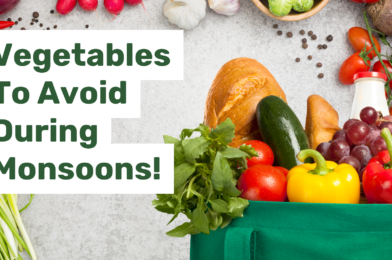
Vegetables Which Are Not Safe To Eat in the Monsoon Season

Vegetables Which Are Not Safe To Eat in the Monsoon Season
The monsoon season is a time for many to enjoy the rains and the refreshing weather. However, it is also a time when we need to be more careful about what we eat, as the increased humidity and moisture can lead to the growth of harmful bacteria and microorganisms. This is especially true for certain vegetables, which are more prone to contamination during the monsoon season.

Here are some vegetables that you should avoid consuming in monsoon:

Leafy vegetables
Leafy vegetables, such as spinach, cabbage, and lettuce, are a breeding ground for bacteria and other microorganisms. The moisture in these vegetables makes them more susceptible to contamination, and the leaves can easily trap dirt and debris. Eating contaminated leafy vegetables can lead to food poisoning, which can cause symptoms such as nausea, vomiting, diarrhea, and abdominal cramps.

Cruciferous vegetables
Cruciferous vegetables, such as cauliflower, broccoli, and Brussels sprouts, also contain compounds that can make them more susceptible to contamination during monsoon. These vegetables contain glucosinolates, which are sulfur-containing compounds that can break down into harmful substances when they are exposed to moisture. Eating contaminated cruciferous vegetables can lead to gastrointestinal problems such as gas, bloating, and diarrhea.

Mushrooms
Mushrooms are another type of vegetable that should be avoided in monsoon. Mushrooms grow in damp soil, and they can easily absorb harmful bacteria. Eating contaminated mushrooms can lead to food poisoning, which can cause serious symptoms such as fever, headache, muscle cramps, and even death.

Eggplant
Eggplant is a nightshade vegetable that contains a group of chemicals called alkaloids. These chemicals can cause allergic reactions in some people, and they can also make the eggplant more susceptible to contamination during monsoon. Eating contaminated eggplant can lead to symptoms such as nausea, vomiting, diarrhea, and skin rashes.

Sprouts
Sprouts are a nutritious food that is often eaten raw. However, sprouts can be a breeding ground for harmful bacteria, especially during the monsoon season. This is because the warm and humid weather creates an ideal environment for bacteria to grow.

If you are looking for safe vegetables to eat during monsoon, there are a few good options. Root vegetables, such as carrots, potatoes, and turnips, are generally safe to eat. Other safe vegetables include tomatoes, cucumbers, bell peppers, and zucchini. You should also wash all vegetables thoroughly before cooking or eating them.

In addition to avoiding certain vegetables, there are other things you can do to protect your health during monsoon. These include:

Cooking food thoroughly.
Avoiding eating street food or food from unhygienic restaurants.
Drinking boiled or bottled water.
Washing your hands frequently with soap and water.
Keeping your kitchen clean and dry.
By following these tips, you can help to protect yourself from food poisoning and other health problems during the monsoon season.

Tagged : / /

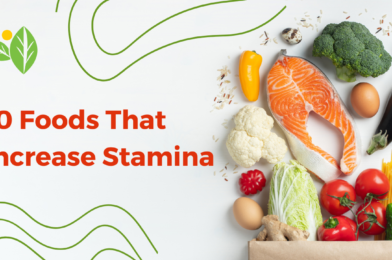
10 Foods That Increase Stamina

10 Foods That Increase Stamina
Stamina is the ability to sustain prolonged physical or mental effort. It is an important factor in many activities, such as sports, exercise, and work. There are many factors that can affect stamina, including genetics, fitness level, and diet.

Eating the right foods can help improve stamina. Here are 10 foods that are especially beneficial for increasing stamina:

1 Bananas
Bananas are a good source of carbohydrates, which are the body’s main source of energy. They also contain potassium, which helps to regulate blood sugar levels and prevent fatigue.
2 Oatmeal
Oatmeal is a whole grain that is high in fiber and complex carbohydrates. These nutrients provide sustained energy and help to keep you feeling full.
3 Brown rice
Brown rice is another whole grain that is a good source of complex carbohydrates. It is also a good source of fiber, which can help to improve digestion and prevent fatigue.
4 Beetroot
Beetroot is a good source of nitrates, which are converted into nitric oxide in the body. Nitric oxide helps to improve blood flow and oxygen delivery to the muscles, which can help to improve endurance.
5 Coffee
Coffee contains caffeine, which is a stimulant that can help to improve alertness and energy levels. However, it is important to limit your caffeine intake to 400 mg per day, as too much caffeine can have negative side effects.
6 Eggs
Eggs are a good source of protein, which is essential for muscle growth and repair. They also contain choline, which is a nutrient that is important for brain function.
7 Fish
Fatty fish, such as salmon, tuna, and mackerel, are a good source of omega-3 fatty acids. These fatty acids have been shown to improve endurance and reduce inflammation.
8 Chicken
Chicken is a good source of protein and low in saturated fat. It is a versatile food that can be cooked in many different ways.
9 Nuts
Nuts are a good source of protein, healthy fats, and fiber. They can help to keep you feeling full and provide sustained energy.
10 Water
Water is essential for good health and can help to improve stamina. It helps to regulate body temperature, remove waste products, and transport nutrients to the cells.

In addition to these foods, there are a few other things you can do to improve your stamina. These include getting enough sleep, staying hydrated, and exercising regularly. By following these tips, you can improve your stamina and enjoy a more active and healthy lifestyle.

Here are some additional tips for increasing stamina:

Get enough sleep. When you’re well-rested, you have more energy to sustain physical activity. Aim for 7-8 hours of sleep per night.
Stay hydrated. Water is essential for transporting nutrients to the cells and removing waste products from the body. Drink plenty of fluids throughout the day, especially when you’re exercising.
Exercise regularly. Exercise helps to build muscle and improve cardiovascular health. This can lead to increased stamina. Aim for at least 30 minutes of moderate-intensity exercise most days of the week.
Manage stress. Stress can lead to fatigue and decreased stamina. Find healthy ways to manage stress, such as exercise, yoga, or meditation.
By following these tips, you can improve your stamina and enjoy a more active and healthy lifestyle.

Tagged : / /

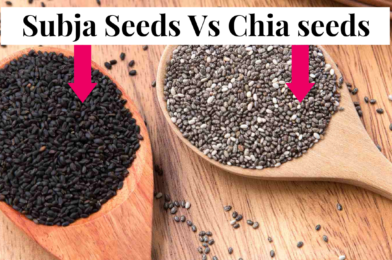
Are Chia seeds and Sabja Seeds same? No! They have these 6 differences!

Are Chia seeds and Sabja Seeds same? No! They have these 6 differences!
Basil seeds and chia seeds are both small, nutrient-rich seeds that have become increasingly popular in recent years. They are both high in fiber, protein, and antioxidants, and they have a number of health benefits. People confuse these two seeds with each other and think they are same . They do look similar at first sight but they aren’t actually! There are some key differences between the two seeds.

1 Appearance
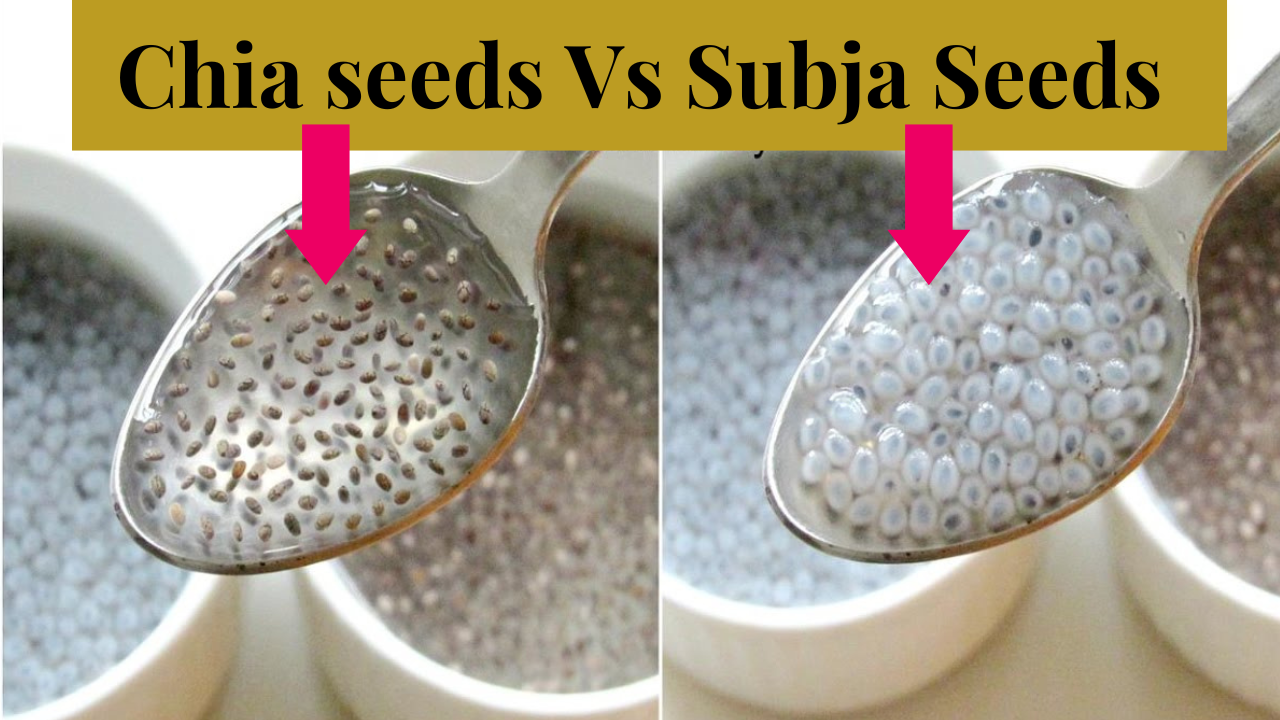
Basil seeds are pitch black in colour and are and oval-shaped, while chia seeds are white, black, or brown and have a triangular shape. Basil seeds are also slightly larger than chia seeds.

2 Native
Chia seeds are native to central and southern Mexica. While Sabja Seeds are native to India and the Mediterranean region.

3 Soaking in water
Chia seeds require some time to soak up water. It has the special capacity to absorb more than ten times their weight in order to gel. Within seconds of being combined with water, sabja seeds swell. When compared to a soaked chia seed, the seed develops a translucent covering and seems to be considerably larger in size.

4 Taste
When soaked in water, chia seeds have no flavour of their own and may be readily added to any recipe. The delicate basil aroma of sabja seeds is transferred to beverages and sweets.

5 How to consume?
Chia seeds can be consumed raw or soaked. Sabja seeds can be consumed only after soaking.

6 Nutritional Value
Both basil seeds and chia seeds are good sources of fiber, protein, and antioxidants. However, chia seeds have a slightly higher nutritional profile. They are also a good source of omega-3 fatty acids, which are essential fatty acids that the body cannot produce on its own.

Health Benefits

Both basil seeds and chia seeds have a number of health benefits. They can help to:

Promote weight loss
Lower blood sugar levels
Improve digestion
Reduce inflammation
Boost the immune system
How to Use

Basil seeds and chia seeds can be eaten raw, soaked, or ground into a powder. They can be added to a variety of foods and drinks, such as smoothies, yogurt, oatmeal, and salads.

Which Seed is Right for You?

The best seed for you will depend on your individual preferences and needs. If you are looking for a seed with a mild flavor and a chewy texture, then basil seeds may be a good choice for you. If you are looking for a seed with a higher nutritional profile and a gelatinous texture, then chia seeds may be a better choice.

Ultimately, both basil seeds and chia seeds are healthy and nutritious additions to your diet. The best way to decide which seed is right for you is to experiment and see which one you enjoy the most.

Tagged : /

5 Homemade Drinks That Help Lose Belly Fat

5 Homemade Drinks That Help Lose Belly Fat

Belly fat is a major health concern, as it can increase the risk of heart disease, stroke, type 2 diabetes, and other chronic diseases. While there is no one-size-fits-all solution for losing belly fat, there are a number of things you can do to help, including eating a healthy diet, exercising regularly, and drinking certain types of beverages.

Here are 5 homemade drinks that can help you lose belly fat:

1. Ginger and lemon water

Ginger and lemon are both known for their weight-loss benefits. Ginger can help boost your metabolism, while lemon can help suppress your appetite. To make ginger and lemon water, simply steep a piece of ginger root and a slice of lemon in hot water for 5-10 minutes.

2. Jeera water

Jeera water, or cumin water, is another great drink for weight loss. Cumin seeds are a good source of fiber, which can help you feel full and satisfied after eating. To make jeera water, simply soak a teaspoon of cumin seeds in water overnight.

3. Cinnamon water

Cinnamon is a popular spice that has been shown to have a number of health benefits, including weight loss. Cinnamon can help regulate blood sugar levels, which can help you lose weight and reduce belly fat. To make cinnamon water, simply add a teaspoon of cinnamon powder to a glass of hot water.

4. Mint and lemon water

Mint and lemon are both refreshing and delicious flavors that can also help you lose weight. Mint can help boost your metabolism, while lemon can help suppress your appetite. To make mint and lemon water, simply steep a few mint leaves and a slice of lemon in hot water for 5-10 minutes.

5. Sabja water

Sabja seeds, also known as chia seeds, are a good source of fiber and protein. They can help you feel full and satisfied after eating, which can help you lose weight. To make sabja water, simply soak a teaspoon of sabja seeds in water for 10-15 minutes.

These are just a few of the many homemade drinks that can help you lose belly fat. If you’re looking for a healthy and refreshing way to boost your weight loss efforts, try one of these drinks today.

Here are some additional tips for losing belly fat:

Eat a healthy diet that is low in calories and high in fiber.
Exercise regularly, especially strength training.
Get enough sleep.
Manage stress.
Losing belly fat can be a challenge, but it’s definitely possible with a little effort. By following these tips and drinking these healthy beverages, you can start to see results in no time.

Tagged : / / / /

5 Super Foods That Increase Testosterone Levels

5 Super Foods That Increase Testosterone Levels

Testosterone is a male sex hormone that plays a role in many aspects of health, including sex drive, muscle mass, and bone density. While testosterone levels naturally decline with age, there are some things you can do to boost your levels naturally, such as exercising regularly and eating a healthy diet.

Here are 5 foods that have been shown to increase testosterone levels:

1. Oysters

Oysters are one of the best sources of zinc, a mineral that is essential for testosterone production. A single serving of oysters provides over 300% of the daily recommended value for zinc.

2. Pomegranate

Pomegranates are a good source of antioxidants, which can help protect against the damage that can lead to low testosterone levels. They also contain ellagic acid, a compound that has been shown to increase testosterone production in animal studies.

3. Fatty fish

Fatty fish, such as salmon, tuna, and sardines, are a good source of omega-3 fatty acids, which have been shown to increase testosterone levels. Omega-3 fatty acids also help to improve sperm quality and fertility.

4. Dark leafy greens

Dark leafy greens, such as spinach, kale, and broccoli, are a good source of magnesium, a mineral that is essential for testosterone production. They also contain other nutrients that are important for overall health, such as vitamin K, folate, and fiber.

5. Eggs

Eggs are a good source of protein, vitamin D, and zinc, all of which are important for testosterone production. They also contain choline, a nutrient that is essential for brain health and development.

In addition to these foods, there are other things you can do to boost your testosterone levels, such as:

Getting regular exercise
Getting enough sleep
Managing stress
Avoiding smoking and excessive alcohol consumption
If you are concerned about your testosterone levels, talk to your doctor. They can help you determine if you have low testosterone and recommend appropriate treatment options.

Here are some additional tips for incorporating these foods into your diet:

Add oysters to your breakfast with a side of spinach and avocado.
Make a pomegranate salad with feta cheese, walnuts, and a vinaigrette dressing.
Toss some salmon with roasted vegetables for a quick and easy weeknight meal.
Add dark leafy greens to your smoothies or salads.
Hard-boil some eggs and keep them on hand for a quick and easy snack.
By following these tips, you can boost your testosterone levels naturally and improve your overall health and well-being.

Tagged : / / /
Verified by ExactMetrics