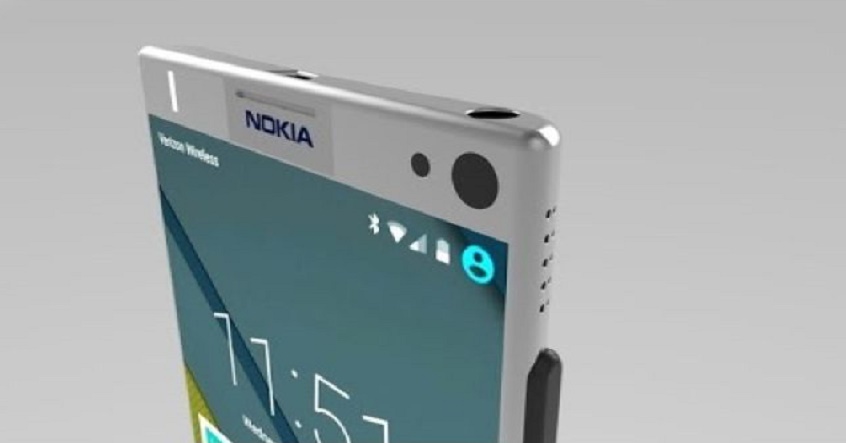
Can Nokia Make a Spectacular Comeback to the Smartphone Market?

The latest Kantar Worldpanel data, published March 15, shows the iPhone 7 is the world’s most popular handset; that Samsung is still the biggest handset maker; and Android still dominates the operating system landscape around the world. In Europe, 74.3% of phones run Android, 83.2% in China, 58.2% in the US and 52.6% in Australia. Only in Japan is iOS more popular (49.5% verses 49%).

In this situation, what are the chances of Nokia making a comeback? Yet, according to Kantar, the two marques that essentially created the smartphone market, Nokia and BlackBerry, could still find a new niche in this duopoly.

“We witnessed something of a throwback to times past with the new Nokia 3310 feature phone, an updated version of the iconic Nokia look, plus several new Nokia Android smartphones being marketed by HMD, now the exclusive licensee of the Nokia brand.”

Indeed, the fondness with which Nokia is still regarded, particularly in Europe could well see the brand re-establish itself among consumers who would otherwise be considering a mid-range Samsung handset.

However, breaking into the US once more could be a bigger challenge. “Seventy percent of the US domestic market is dominated by Apple and Samsung, and the third largest manufacturer, LG, accounted for an additional 11.1% of sales in the three months ending January 2017,” Guenveur said.

“It is difficult to see the impact of all the devices launched at MWC 2017 from the perspective of a US consumer since many of them are not initially planned for sale in the US.” — AFP Relaxnews
But then, “HMD Global’s focus on revitalizing the Nokia name seems concentrated on quality for cost. Its three new Android phones are priced at €229 (RM1,100) or less, with Android Nougat, Google Assistant, aluminum construction, and otherwise solid mid-range specs,” said Dominic Sunnebo, Business Unit Director for Kantar Worldpanel ComTech Europe.
In other words, they could be very popular in “price-conscious markets like Italy and Spain,” said Sunnebo.

As a technology lover you may like our daily important technology news series. It’s a playlist and you can retrieve the total day-wise videos. Please consider subscribing our YouTube channel:

Author: Technology Vista

Tagged : /

Smoking controls you because you think it is giving you satisfaction! Reality is something else!

Right now, effective solutions are hard to come by. The CDC estimates that about 70 percent of U.S. smokers want to quit, but only 6 percent actually do. That’s a lot of people looking for answers and not finding them. While the patch or medication are the top ways using which people attempt to kick the butt, here might be better ways.

A new study in Frontiers in Psychiatry found that only smokers who thought that their cigarettes contained nicotine got the satisfaction of smoking. Anyone who was told they weren’t getting nicotine — even if it was a normal cigarette — was left unsatisfied.
In other words, nicotine needs you just like you need it. That sweet release of dopamine only happens if you really believe in it.

Smokers normally get a rush of dopamine when the nicotine hits them, which is why it feels so good to finally have that cigarette you’ve been craving. It’s why nicotine is so addictive: you crave the rush, physically and psychologically. But if you don’t think you’re getting nicotine, the satisfaction never comes.

How does that work?

The researchers took 24 chronic smokers and looked at their brain activity in an fMRI machine right after they smoked. Every smoker visited them four separate times, but they were only give real cigarettes twice. One time they were told it had nicotine, the other they were told it didn’t.
It was only when they were told there was nicotine that it had any power over them — The fMRI scans showed increased activity in the insula, one of the principle areas of the brain that controls cravings to addictive substances, indicating that the cigarettes were only satisfying their addiction when they knew there was nicotine inside.

Fake cigarettes couldn’t provide that satisfaction, regardless of what smokers were told. If the simple act of not believing can counteract nicotine’s effects, we might have a lot of other ways to think about.

As a technology lover you may like our daily important technology news series. It’s a playlist and you can retrieve the total day-wise videos. Please consider subscribing our YouTube channel:

Author: Technology Vista

Tagged : /

Your personal data can be stolen from your browser with this simple trick! This is how you can prevent that

A hack has been discovered in a number of popular web browsers that can use the”Autofill” feature to allow cyber thieves to view user names, emails and even passwords. The issues were found by Viljami Kuosmanen, who states that Chrome, Apple’s Safari and Opera are all vulnerable.

According to the federal government’s Digital Analytics Program, Chrome dominates as the most popular for web browsing. The report says that around 44 per cent of web traffic comes from Chrome while Apple’s Safari has a 24.5 per cent share while Microsoft’s browsers make up 15.5 per cent of the market. So, if you use Google’s Chrome browser, you must be doubly careful.

When a Chrome, Safari or Opera user inputs personal information on a webpage, the Autofill option will fill in every data text box based on your previous entries. And yes, this even happens to boxes that may not be visible on the page that’s open. By tricking the browser, Kuosmanen has revealed how a form with just a couple of fields showing Name and Email address could be designed to auto-fill every section.

This data can then be sent straight to the hacker without the user ever knowing. To make things even more worrying it could also be possible to gain access to credit card numbers and security codes using the same method.

To stop any chance of the issue affecting users, Chrome, Safari and Opera fans can switch off the Autofill setting or double check before filling in any online forms as the hack only works if users are tricked into filling in the fake form.

As a technology lover you may like our daily important technology news series. It’s a playlist and you can retrieve the total day-wise videos. Please consider subscribing our YouTube channel:

Author: Technology Vista

Tagged : /

A new theory! Here is how the land based dinosaurs faced mass extinction!

Researchers from Potsdam Institute for Climate Impact Research in Germany have another theory for why dinosaurs perished. New computer simulations have shown that tiny droplets of sulphuric acid resulted in long-lasting cooling, which was a likely contributor to the death of land-living dinosaurs.

The researchers reconstructed how tiny droplets of sulphuric acid formed high up in the air after the well-known impact of a large asteroid and blocking the sunlight for several years, had a profound influence on life on Earth.

“The big chill following the impact of the asteroid that formed the Chicxulub crater in Mexico is a turning point in Earth history,” said lead study author Julia Brugger.

An additional kill mechanism might have been a vigorous mixing of the oceans, caused by the surface cooling, severely disturbing marine ecosystems. Previous theories focused on the shorter-lived dust ejected by the impact.

The team used a specific kind of computer simulation normally applied in different contexts, a climate model coupling atmosphere, ocean and sea ice and built on research showing that sulphur- bearing gases that evaporated from the violent asteroid impact on our planet’s surface were the main factor for blocking the sunlight and cooling down Earth.

The dinosaurs were used to living in a lush climate. After the asteroid’s impact, the annual average temperature was below freezing point for about three years.

Evidently, the ice caps expanded. Even in the tropics, annual mean temperatures went from 27 degrees to mere five degrees.

It took the climate about 30 years to recover, the scientists found. Surface waters cooled down, thereby becoming denser and hence heavier.

“The long-term cooling caused by the sulphate aerosols was much more important for the mass extinction than the dust that stays in the atmosphere for only a relatively short time. It was also more important than local events like the extreme heat close to the impact, wildfires or tsunamis,” explained co-author Georg Feulner.

The final nail to the coffin might have been that while these cooler water masses sank into the depths, warmer water from deeper ocean layers rose to the surface, carrying nutrients that likely led to massive blooms of algae.

The scientists have been arguing on this and it is conceivable that these algal blooms produced toxic substances, further affecting life at the coasts.

In any case, marine ecosystems were severely shaken up and this likely contributed to the extinction of species in the oceans, like the ammonites. The dinosaurs, until then the masters of the Earth, made space for the rise of the mammals, and eventually humankind.

As a technology lover you may like our daily important technology news series. It’s a playlist and you can retrieve the total day-wise videos. Please consider subscribing our YouTube channel:

Author: Technology Vista

Tagged : /

Scientists explained the mystery of Déjà Vu! This is how our brains check the memories!

Most of us have experienced the eerie familiarity of déjà vu and it has been the subject of longstanding debate. Exactly how déjà vu works has long been a mystery, partly because its fleeting and unpredictable nature makes it difficult to study. Now, for the first time, brain scans of this phenomenon have revealed why we have this feeling at all- it’s a sign of our brain checking its memory.

Déjà vu was thought to be caused by the brain making false memories, but research by Akira O’Connor at the University of St Andrews, UK, and his team suggest this is wrong. The team’s technique uses a standard method to trigger false memories. It involves telling a person a list of related words – such as bed, pillow, night, dream – but not the key word linking them together, in this case, sleep. When the person is later quizzed on the words they’ve heard, they tend to believe they have also heard “sleep” – a false memory.

O’Connor and his colleagues developed a way to trigger the sensation of déjà vu in the lab. O’ Connor’s team first asked people if they had heard any words beginning with the letter “s”. The volunteers replied that they hadn’t. This meant that when they were later asked if they had heard the word sleep, they were able to remember that they couldn’t have, but at the same time, the word felt familiar.

“They report having this strange experience of déjà vu,” says O’Connor.

O’Connor presented these findings at the International Conference on Memory in Budapest, Hungary, last month. He thinks that the frontal regions of the brain are probably checking through our memories, and sending signals if there’s some kind of memory error – a conflict between what we’ve actually experienced and what we think we’ve experienced.

We still don’t know if déjà vu is beneficial, says Köhler. “It could be that déjà vu experiences make people cautious, because they might not trust their memory as much,” he says. “But we don’t have any evidence for that yet.”

Next Page For More

Tagged : /

Graphene might be the secret to ultrafast next gen electronics

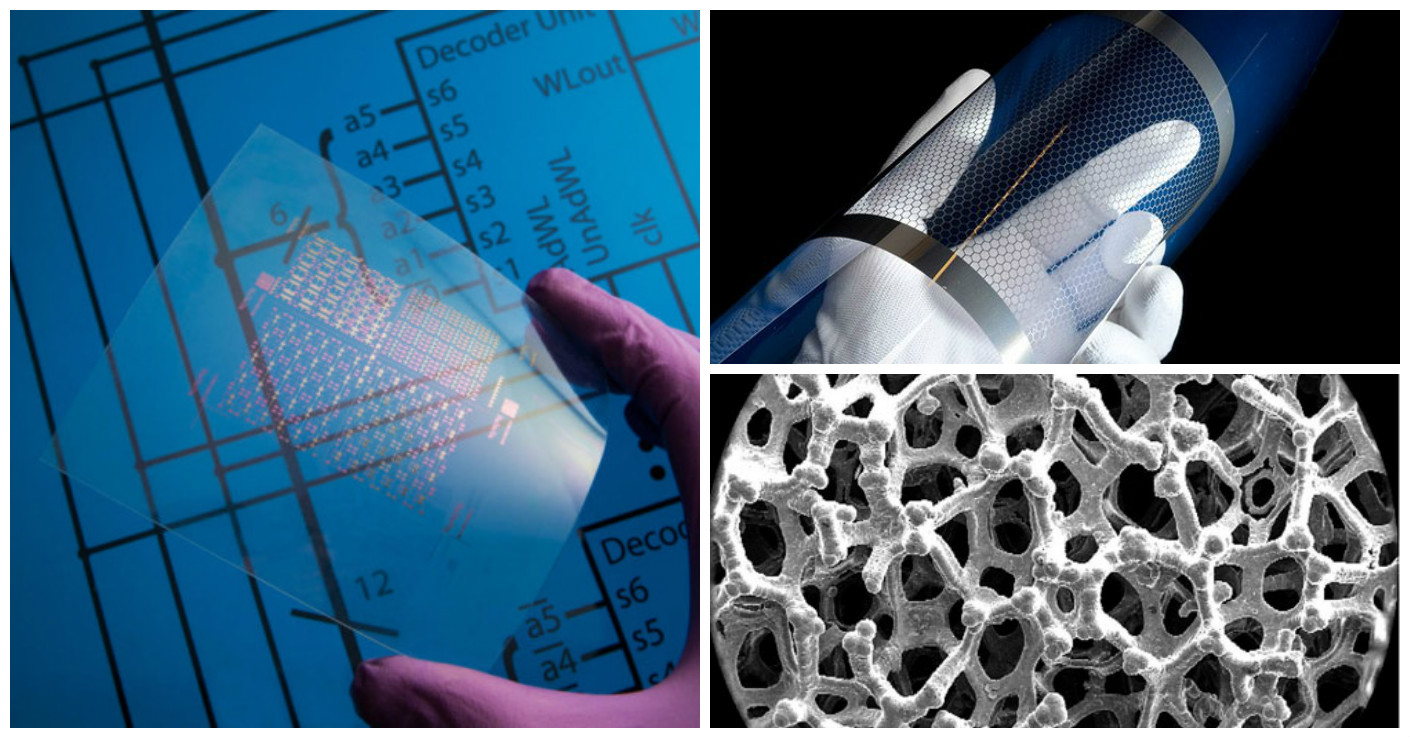
Its extraordinary electronic properties make graphene a very promising candidate for future applications in the field of electronics. It is often touted as the ‘wonder material’ – can transmit extremely high currents, making it a potential building block for next-generation ultra-fast electronics, scientists say.

Impacting xenon ions with a particularly high electric charge on a graphene film causes a large number of electrons to be torn away from the graphene in a very precise spot. However, the material was able to replace the electrons within some femto seconds. This resulted in extremely high currents, which would not be maintained under normal circumstances.

Researchers from Technische Universitat Wien (TU Wien) in Austria showed that the electrons in graphene are extremely mobile and react very quickly.

“We work with extremely highly-charged xenon ions. Up to 35 electrons are removed from the xenon atoms, meaning the atoms have a high positive electric charge,” said Elisabeth Gruber from TU Wien.

These ions are then fired at a free-standing single layer of graphene, which is clamped between microscopically small brackets. This happens even before the highly charged xenon ion collides with the graphene film. As the highly charged ion is approaching it starts tearing electrons away from the graphene due to its extremely strong electric field.

“The xenon ion penetrates the graphene film, thereby knocking a carbon atom out of the graphene – but that has very little effect, as the gap that has opened up in the graphene is then refilled with another carbon atom,” said Gruber. “For us, what is much more interesting is how the electrical field of the highly charged ion affects the electrons in the graphene film.”

By the time the ion has fully passed through the graphene layer, it has a positive charge of less than ten, compared to over 30 when it started out. The ion is able to extract more than 20 electrons from a tiny area of the graphene film. This means that electrons are now missing from the graphene layer, so the carbon atoms surrounding the point of impact of the xenon ions are positively charged.

“Graphene also appears to be excellently suited for use in optics, for example in connecting optical and electronic components,” they added.

This extremely high electron mobility in graphene is of great significance for a number of potential applications.

As a technology lover you may like our daily important technology news series. It’s a playlist and you can retrieve the total day-wise videos. Please consider subscribing our YouTube channel:

Author: Technology Vista
Tagged : /

Can’t Find Something on Google? You’re Probably Not Searching Right! Now, search smarter with these simple tips!

Google is the fastest and the best source of information- undoubtedly. But, have you ever found yourself combing through pages and various search results before finding what you needed? Or worse still, getting distracted and remembering hours later that you didn’t actually get what you were looking for? Not to worry, you could probably make your searches much more efficient!

Use the power of synonyms and your vocab: To find websites that write on a specific subjects, and not only those that include a specific phrase, add the “~” symbol to your search. This way Google will search for both the word you’ve typed and its synonyms.

e.g. healthy ~dinner

When you are confused or unsure whether you’ve correctly remembered the information or name you want to start your search with, simply write the potential variants of what you are looking for and separate them with “OR”. You can also replace “OR” with “|”. The second one has worked better for me.

This way you will get results of all documents containing either the first or the second word. Seeing the options will help you to choose the result that is more useful for you.

NOTE: It’s important to use “OR” in caps, or Google will ignore your request.

e.g. Jennifer Lawrence OR  Aniston

Sometimes you may want to find a phrase you’ve heard somewhere but you can’t seem to recall a word of it. Don’t worry, just replace the missing word or item with an asterisk. This way Google will find it for you.

e.g. The 22.11*

Then again, an asterisk won’t help if lots of words are missing in the phrase you are looking for. Google has this solved too!

Simply write whatever you can think of and put (note all caps) AROUND(the number of words missing) where the words are missing.

e.g. Lines composed AROUND(4) Abbey

Do you want to see all the fashion icons from 1960s to 2000s? Or maybe you are looking to buy a new laptop costing from $200 to $400? Whether it’s within a particular year or money range (or any numeric range, really), instead of browsing and scrolling to find what you need, you can write the range you are looking for and you will get your results instantly.

e.g. laptop $200…$400

Sometimes you just want to revisit an interesting article you’ve read on a website or search for a particular information in a particular website. Instead of writing all those keywords you’ve been thinking of, use the “site:” option Google has to offer. After typing site:, add the website you have in mind without spaces and then the information you are looking for separated by a space.

e.g. site:curiousmindmagazine.com psychology

If you want to read articles that are particularly written about that topic, what I personally love about Google is the option to search for words within titles, instead of content within pages.

Use the command “intitle:” and (without adding a space) write the word you are looking for. If you want to find a title containing more words of your interest, use the command “allintitle:”, just to be on the safe side.

e.g. intitle:ginger

allintitle:ginger benefits

For finding that exact phrase, write the phrase in quotes. This way (even if the phrase is incomplete), you will get the exact order of the words in results – which is very convenient.

e.g. “The ides of March”

You can also combine this with many other search tricks, such as: “The * of March” and many others.

Sometimes you may want to browse Google and exclude a word from the search results. It has often happened to me to browse for books and get the “buy” option in the first search results, which I didn’t need.

Simply add a “-” before the word you don’t want to see.

e.g. Good books -buy

Lastly, for finding similar kind of websites you are interested in, write “related:” and add the website after it without spaces.

e.g. related:curiousmindmagazine.com

As a technology lover you may like our daily important technology news series. It’s a playlist and you can retrieve the total day-wise videos. Please consider subscribing our YouTube channel:

Author: Technology Vista

Tagged : /

With 5D technology diseases could be diagnosed from cell phone images

Over in Los Angeles, scientists have built a 5D tech called “Hyper-Spectral Phasor” analysis, or HySP, that can correctly analyse images, an advance that may make it easier to quickly find tell-tale signs of diseases from pictures taken using cell phones.

This much faster and far less expensive than current techniques, and may be useful for diagnosing and monitoring diseases using cell phone images. Recent technology from NASA’s Jet Propulsion Laboratory can also do this, but the equipment and process are both extremely expensive and time-consuming.

It may be possible one day for clinicians to use HySP to analyze cell phone pictures of skin lesions to determine if they are at risk of being cancerous, said Fraser and Cutrale. Clinicians could then examine the patient further to be certain of a diagnosis and respond appropriately.

As for the technique, researchers at the University of Southern California (USC) in the US have used fluorescent imaging to locate proteins and other molecules in cells and tissues. It works by tagging the molecules with dyes that glow under certain kinds of light – the same principle behind so-called “black light” images.

Looking at just one or two molecules in cell or tissue samples is fairly straightforward. However, it does not provide a clear picture of how those molecules are behaving in the real world.

Whereas, fluorescent imaging can help scientists understand which molecules are produced in large amounts in cancer or other diseases, information that may be useful in diagnosis or in identifying possible targets for therapeutic drugs.

Researchers must look at different labels separately, then apply complicated techniques to layer them together and figure out how they relate to one another, a time-consuming and expensive process, Cutrale said. And HySP can look at many different molecules in one pass.

“By looking at multiple targets, or watching targets move over time, we can get a much better view of what’s actually happening within complex living systems,” Cutrale said. “Imagine looking at 18 targets. We can do that all at once, rather than having to perform 18 separate experiments and try to combine them later.”

In addition, the algorithm effectively filters through interference to discern the true signal, even if that signal is extremely weak.

As a technology lover you may like our daily important technology news series. It’s a playlist and you can retrieve the total day-wise videos. Please consider subscribing our YouTube channel:

Author: Technology Vista

Tagged : /

So where do we stand on the discovery of alien life?

2016 saw the discovery of a large of exoplanets, the extremely promising NASA missions to Mars, Saturn and Jupiter and, most interestingly of all, the ongoing SETI investigation into the theory that aliens are attempting to communicate with humans with pulse lights. All of this has led many scientists and laypeople alike to believe that 2017 will be the year that human beings finally come face to face with extraterrestrial life.

But where do we really stand? Dr. Simon Foster, a physicist based at Imperial College in London has shed some light on this. “In the past, when we thought we had discovered aliens previously, it was a new form of star called the pulsar. We don’t know hardly anything, and when we come up against something we don’t know or doesn’t fit into our current understanding, it is quite nice to say that it could be aliens, whereas a lot of it is just a phenomenon that we haven’t discovered, ” he said. But despite that, he said that he said that he was optimistic about whether humanity was heading saying that he was confident that “there is a breakthrough just around the corner.”

According to Dr. Foster, it is Cassini, the phenomenal probe currently monitoring Saturn and its moons which are most likely to yield definitive proof of life on other planets. He said that one of Saturn’s moons, Enceladus, is an icy moon and therefore it is highly possible that it is home to some form of rudimentary life. “The concentration has been on Mars, and I think moons like Enceladus and Europa, there is a good prospect of finding life – even if it’s on a microbial level, ” said Dr. Foster.

However, Professor Phillip Lubin from the University of California in Santa Barbara offers a different take on things. He believes that scientists might need to look a little further afield in order to discover alien life.

The newly discovered planet orbiting Proxima Centauri which is only four light years away from the Earth, might yield some astonishing results upon investigations. Across this year, astronomers are planning to examine this planet using newly developed and very powerful telescopes in the hope of discovering alien life.

As a technology lover you may like our daily important technology news series. It’s a playlist and you can retrieve the total day-wise videos. Please consider subscribing our YouTube channel:

Author: Technology Vista

Tagged : /

After Samsung and LG, Nokia too joins the race to create foldable smartphones

Nokia has made its comeback in the smartphone market under HMD Global and its eyeing the global dominance with the release of the Nokia 6 which is currently exclusive to China.  But this is just the beginning. PhoneArena reveals that Nokia has been granted a patent for a flexible smartphone by the US Patent and Trademark Office (USPTO).

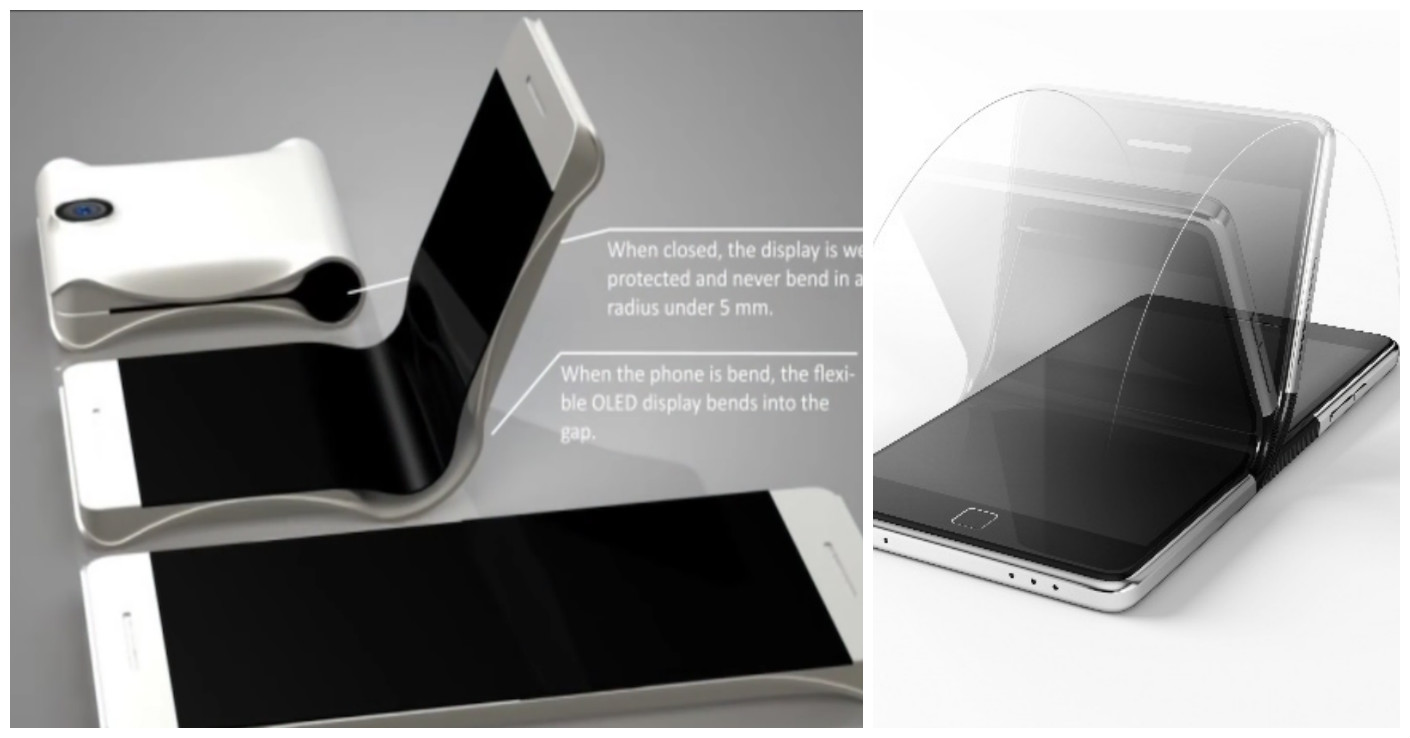
The patent for a “Foldable device” – which was filed in 2013 – features a device that resembles a pocket mirror. Now, a patent filing doesn’t not mean anything and Nokia may never release a foldable smartphone, but there’s certainly an interest in the form factor.

The picture in patent shows a Nokia device to have two identical sides connected by a hinge with a single screen that fold in half. The patent reads: “[i]n this way it is possible to provide a pocket size device with a relatively large display (for example, a 6, 7 or 8 inch display or larger).”

Nearly all other manufacturers seem to be aiming and racing to release the first functional foldable smartphones out in the market.

In November 2016, Apple was granted a patent for a flexible iPhone that can fold in half. The patent for “flexible display devices” was filed in July 2014 and features a touchscreen smartphone – one that opened and closed like a notebook. Then, we have Samsung which might be ready to launch its first foldable device this year, which has been dubbed the Galaxy X as of now. According to a report in the Korean Herald, Samsung may roll out more than “100,000 units of fold-out devices” later on this year. The device can be reportedly be used as a 7-inch tablet when unfolded. It is unclear whether it will be a phone or a tablet.

Similarly, LG is also considering a foldable device and is expected to roll-out 100,000 units in the fourth quarter of the year. . The Herald reported that LG’s technology is more advanced than Samsung, with a two- to three-year head start on development. LG may offer the foldable technology to outside companies like Apple and Huawei.

As a technology lover you may like our daily important technology news series. It’s a playlist and you can retrieve the total day-wise videos. Please consider subscribing our YouTube channel:

Author: Technology Vista
Tagged : /

Are we close to contact aliens? This new test to unveil alien life is more accurate than ever before!

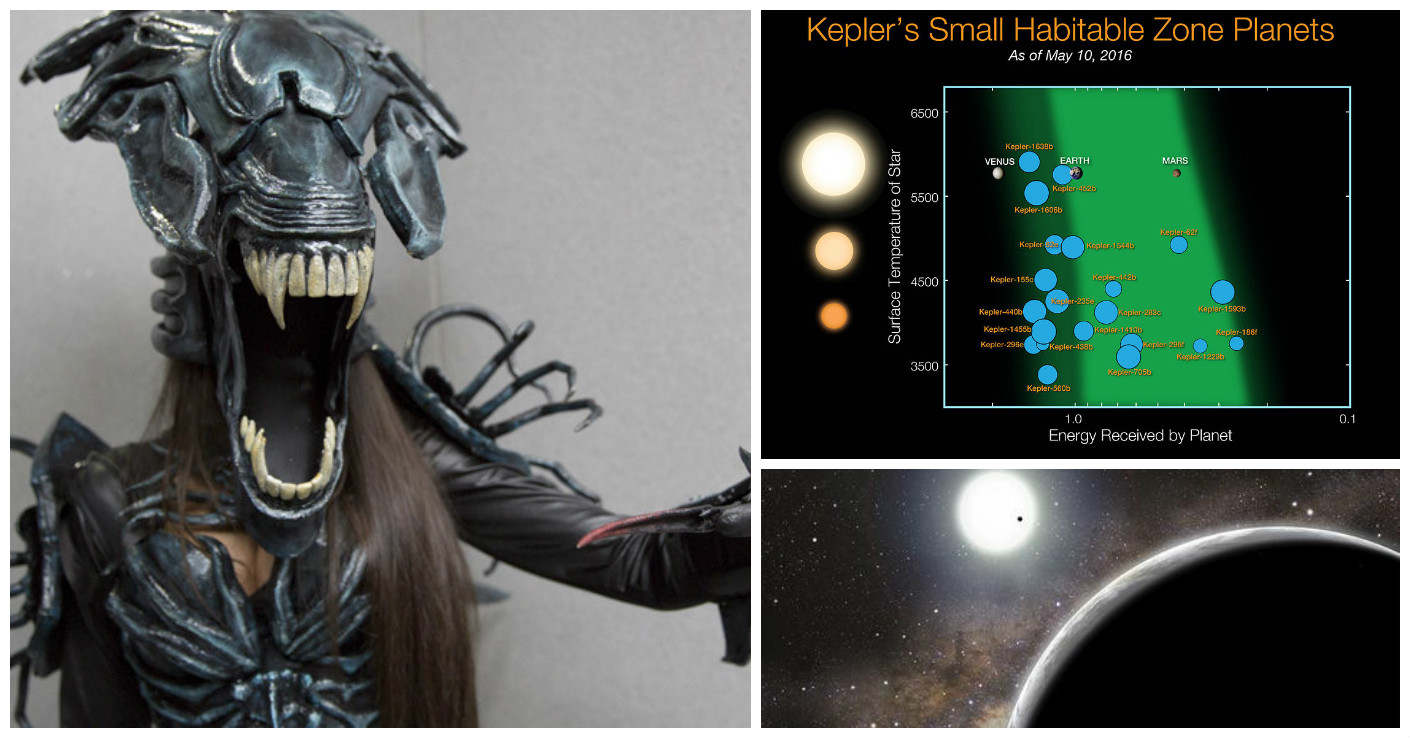
Scientists have developed a chemistry test, known as capillary electrophoresis in search for life on other planets. The boffins at NASA have just announced this test specifically designed to analyze for amino acids, the building blocks of all life on Earth, and perhaps life on similar planets.

To carry out the analysis, researchers combined a liquid sample with a liquid reagent (a mixture for use in chemical analysis), they then blasted a laser across the mixture, allowing them to observe molecules moving at different speeds. The technique designed in NASA’s Jet Propulsion Lab in California is 10,000 times more sensitive than current methods used to detect other lifeforms.

The tests were conducted in Mono Lake, California, known for it’s high salt content, making it an extremely hostile environment for life, and was chosen to mimic the expected conditions on Mars, the eerie moons of Jupiter and Saturn and unexplored worlds beyond our solar system.

As Peter Willis, principal investigator of the project, explains: “Using our method, we are able to tell the difference between amino acids that come from non-living sources like meteorites versus amino acids that come from living organisms.”

As a technology lover you may like our daily important technology news series. It’s a playlist and you can retrieve the total day-wise videos. Please consider subscribing our YouTube channel:

Author: Technology Vista
Tagged : /

What Will Be The Focus Of Google, Microsoft and Apple During 2017?

So what will be the potential new battlegrounds of the big tech brands in 2017? They have usually revolved around smartphones and computing devices, but there are some exciting new emerging fields.

Let’s start with smart speakers. With the Echo speaker, Amazon opened up an entirely new category of technology that the likes of Google, Apple and perhaps even Microsoft will look to cash in on in 2017.

Essentially, with these smart speakers which are connected to the internet, you can speak to them, and get responses based on context and can link up with compatible third party applications—and not to forget, it plays music too.

Amazon decided to try this out at a time when Google with Now, Apple with Siri and Microsoft with Cortana were restricting themselves to smartphones and computing devices. Google has already given indications that it is interested in this emerging space with Google Home.

Next up are virtual assistants. Companies are already investing heavily to make these assistants better listeners, their ability to understand context apart from just words and key phrases and are thus better geared up for completing requests and tasks.

These include Apple’s Siri, Google’s Assistant, Microsoft’s Cortana, and Amazon’s Alexa. Google has fired the first salvo with the artificial assistance capabilities in Assistant we have seen in the Pixel smartphones.

Artificial intelligence is a category that will perhaps be massive in 2017, and you’ll be touched by it as you use technology, more than you probably imagine. At present, AI is being trained with human intervention, mostly revolving around keywords and context. The next evolution will be able to learn on its own, as we see more advanced neural networks.

The best example of that is how Google, Apple and Facebook identify your friends in photos that you click. With Microsoft and Facebook relying ever so much on bots, you may not know whether you next conversation, for example with a business representative, will be with a human or a machine!

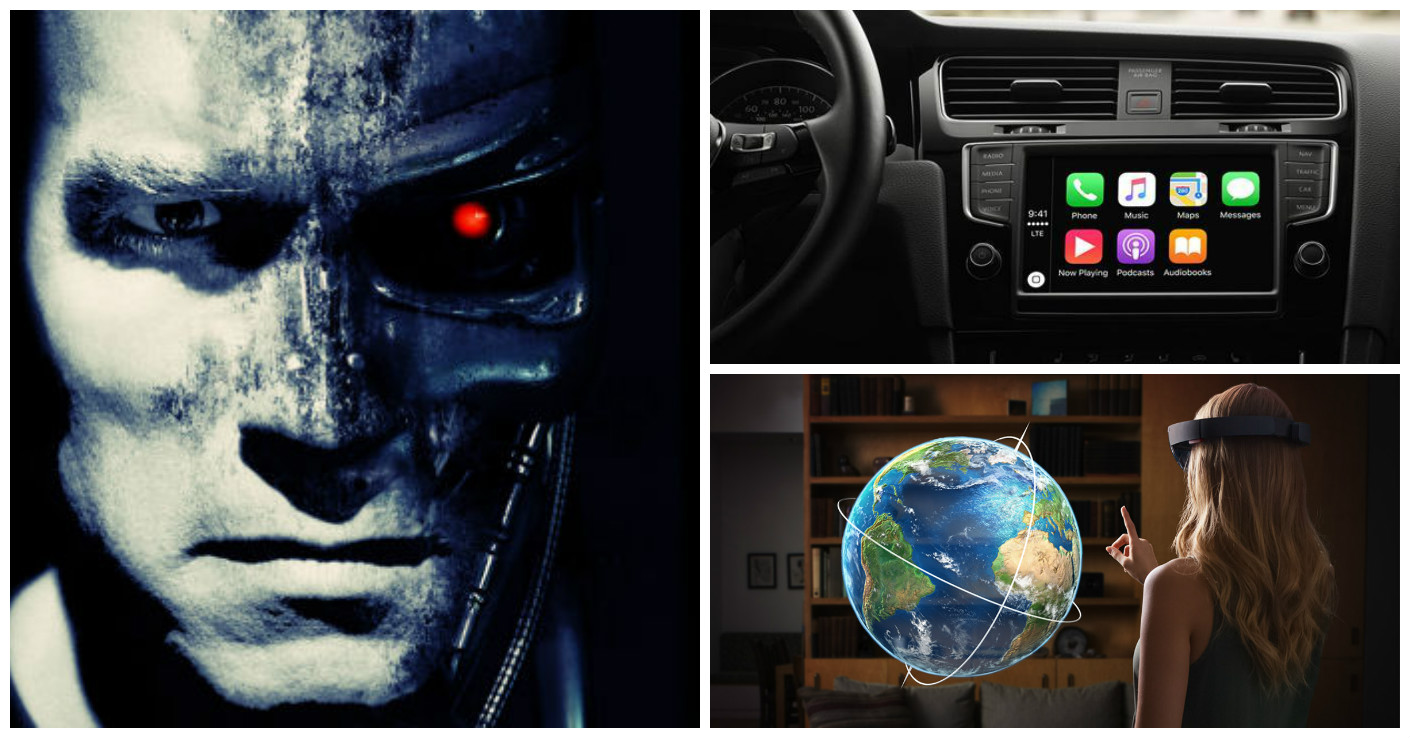
Lastly, a change we’re all going to see is the one in our cars. The integration of your smartphone with your car has well and truly started. Tech giants Google and Apple have each developed in-car platforms called Android Auto and CarPlay, respectively.

With Android and iOS now powering the in-car infotainment system, what you will inevitably get is a user experience far superior to what stock infotainment systems installed by carmakers tend to offer. The idea is to make your phone the critical piece for entertainment and communication requirements inside your vehicle, including apps such as messaging, music and navigation for handling tasks such as making and receiving phone calls, without having to look away from the road.

In India, most car makers are now including either Apple CarPlay or Android Auto as the default option in some of the vehicles that they sell, and this number will only increase in 2017.

As a technology lover you may like our daily important technology news series. It’s a playlist and you can retrieve the total day-wise videos. Please consider subscribing our YouTube channel:

Author: Technology Vista
Tagged : /

Why do people continue to buy iPhone 7 after the great success of Google Pixel XL?

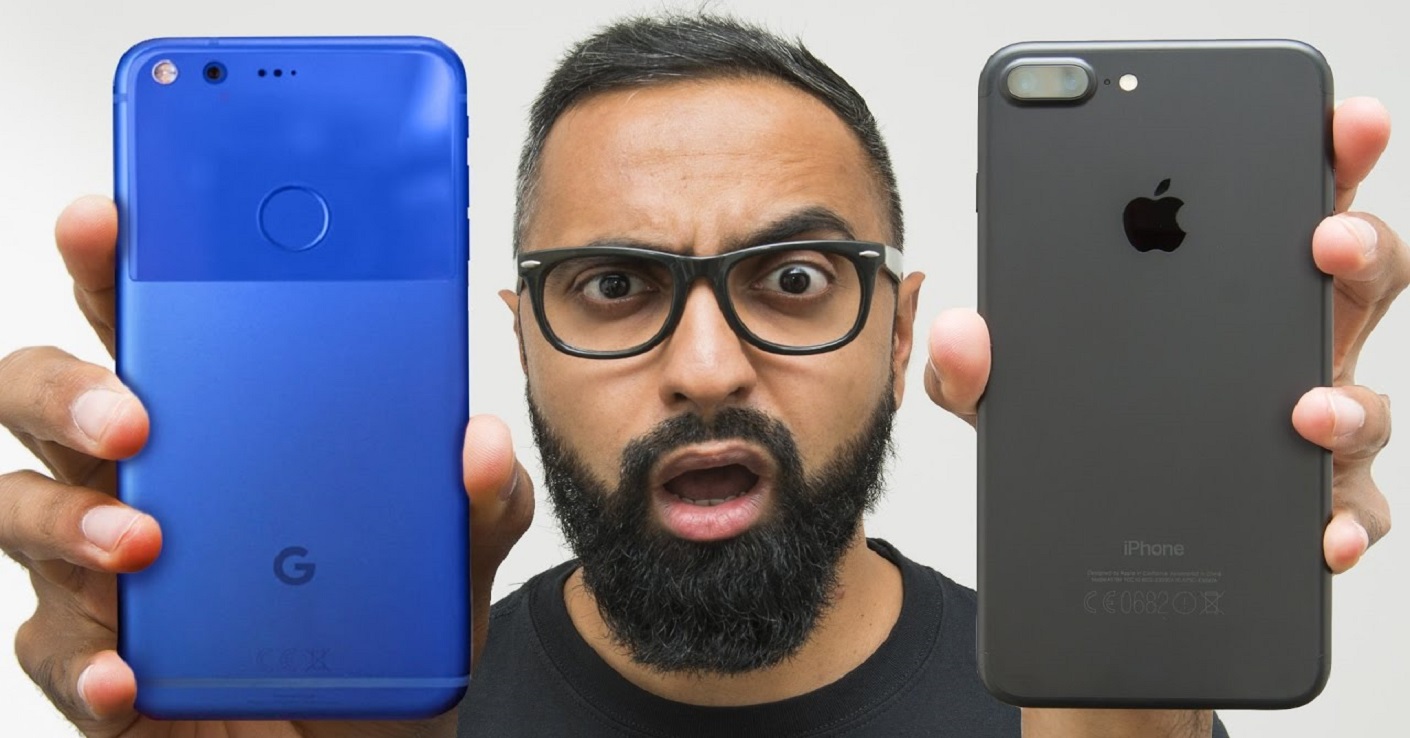
Although receiving brilliant reviews, Google Pixel XL sales still shy away when it comes to Apple’s iPhone 7. Why is that? What’s ensuring this strong customer loyalty?

It is somewhat ironic that the iPhone 7 Plus considerably outperforms the Google Pixel XL in this area, considering that Apple has often been criticized for the relatively paltry battery life of its mobiles. Also, the stereo system included in the iPhone 7 Plus is simply superior and has been compared to the BoomSound Hi-Fi of the HTC 10, providing the Apple phablet with an extra kick in this department.

In tests, the iPhone 7 Plus delivered over nine hours of battery life on a single charge, which is around 20 percent more than the Google Pixel XL was able to deliver. It is surprising that there is such gulf between the two, but this can perhaps be explained by the superior screen resolution in the Google device. While, the bass speaker and tweet included in the iPhone 7 Plus ensures that music and sound quality produced by this smartphone are simply outstanding, enhancing music, video and games and resulting in many happy iPhone consumers.

On the question of durability, while the Pixel XL will receive updates for at least two more years, with security updates lasting three years, the iPhone 7 Plus is guaranteed four years of software updates. This will ensure that the Apple phablet is functional until iOS 14 is released in 2020. On this basis, there is no doubt that the iPhone simply has a longer shelf life. Apple has also made a big deal of the health-tracking capabilities of its product range in 2016, and among this was the inclusion of waterproofing in the iPhone 7 range. While the Pixel XL is pretty resilient in most respects, it is not actively water-resistant, or at least is not acknowledged as such by the manufacturer.

The iPhone 7 is officially certified IP67 for water and dust-resistance, meaning that the phablet is simply more durable than its Google rival.

While the Google Pixel XL is a pretty exciting device when first taken out of its box, over time it begins to slow down rather rapidly. There are various reasons for this, but what can be said in response is that Apple devices are notorious for retaining the same quality of performance over a staggering length of time. The MacBook series is particularly renowned for this quality, but it is almost equally applies to the iPhone 7 range as well.

Next Page For More

Tagged : /

Here’s how India’s ISRO managed to Launch 104 Satellites from a Single Rocket!

Fifteenth day of February saw a new record when the Indian Space Research Organisation (ISRO) launched 104 satellites in one go on a single rocket.

ISRO’s workhorse PSLV (C37) with 104 satellites launched from the Satish Dhawan Space Centre in Sriharikota in Andhra Pradesh. With the exception of three satellites from India, the rest are from other countries.

Explaining how all the satellites will be placed in orbit, Dr. K. Sivan, Director of the Vikram Sarabhai Space Centre (VSSC), Thiruvananthapuram, said: “The satellites will be separated from the launch vehicle in different directions. The separation angle and time of separation will be such that one satellite will not collide with another.”

In June last year, ISRO launched 20 satellites in one go. It took about 26 minutes to launch all the 20 satellites. In 2008, ISRO launched 10 satellites in a single mission. The highest number of satellites launched in a single mission so far has been 37 by Russia in 2014; NASA launched 29 satellites in one go in 2013.

Even one degree difference in separation angle combined with relative velocity will ensure that no two satellites would collide. “The satellites will be injected into orbit at different locations at different angles, at different times and different orientations,” Dr. Sivan said.

The satellite separated from the launch vehicle will have a relative velocity of one metre per second. So after 1,000 seconds the distance between a satellite and the rocket will be 1,000 metres. “The satellite that gets launched first will move at a relatively faster velocity than the next satellite that is launched. Due to different relative velocities, the distance between the satellites will increases continuously but the orbit will be the same,” he said.

“When the vehicle reaches the orbital condition, we will wait for the disturbances to die down before the preparation for separation begins,” Dr. Sivan explained. At an orbital altitude of around 500 km, it would take the vehicle 90 minutes to complete one orbit. “So we have sufficient time to launch all the 103 satellites,” he added.

As a technology lover you may like our daily important technology news series. It’s a playlist and you can retrieve the total day-wise videos. Please consider subscribing our YouTube channel:

Author: Technology Vista
Tagged : /

Boy or girl? This is how mother’s BP might be a clear indicator of the fetus’ Sex

According to a new study by researchers led by Dr Ravi Retnakaran, endocrinologist at Mount Sinai Hospital in Canada found the sex of a baby may be predicted by the mother’s blood pressure. While higher blood pressure was an indication that a boy was more likely to be conceived, women with lower blood pressure tended to give birth to a girl.

The possibility of predicting the sex of the baby in early pregnancy has long been a topic of public fascination, spawning numerous theories of maternal characteristics associated with the presence of a male or female foetus. Researchers established a unique pre-conception cohort consisting of young women who were planning to have a pregnancy in the near future and used the model to evaluate the relationship between maternal pre-pregnancy health and the sex of the baby.

Beginning in February 2009, researchers recruited 3375 women in Liuyang, China. Of these, 1,692 women were assessed for blood pressure, cholesterol, triglycerides, and glucose. Participants underwent baseline medical assessment at recruitment and then, whenever they subsequently became pregnant, were followed across the pregnancy up to delivery through their clinical care.

After the exclusion of 281 women who were potentially pregnant at their baseline assessment based on backdating of the length of gestation at delivery, the study population for the analysis consisted of 1,411 women who were assessed at median 26.3 weeks before pregnancy. Their pregnancies resulted in the delivery of 739 boys and 672 girls.

After adjustment for age, education, smoking, BMI, waist, LDL cholesterol, HDL cholesterol, triglycerides and glucose, mean adjusted systolic blood pressure before pregnancy was found to be higher in women who subsequently had a boy than in those who delivered a girl (106.0 vs 103.3 millimetres of mercury).

“This novel insight may hold implications for both reproductive planning and our understanding of the fundamental mechanisms underlying the sex ratio in humans.” Retnakaran said.

As a technology lover you may like our daily important technology news series. It’s a playlist and you can retrieve the total day-wise videos. Please consider subscribing our YouTube channel:

Author: Technology Vista

Tagged : /
Verified by ExactMetrics