Day and Night: Why Your Skin Needs Two Different Creams

Day and Night: Why Your Skin Needs Two Different Creams
We all know the importance of a good skincare routine, but when it comes to moisturizers, are you using the right one for the right time? Many people reach for the same cream morning and night, but the truth is, your skin has different needs depending on the time of day. That’s where separate day and night creams come in.

Day Cream: Your Shield Against the Daytime Grind

Think of your day cream as your skin’s armor against the environmental aggressors it faces throughout the day. Pollution, UV rays, and even blue light from screens can damage your skin, leading to premature aging, hyperpigmentation, and dryness. A good day cream should:

  • Contain SPF: This is non-negotiable! SPF protects your skin from harmful UV rays that can cause sunburn, wrinkles, and even skin cancer. Look for a day cream with SPF 30 or higher.
  • Be lightweight and hydrating: Day creams should be light enough to wear under makeup but still provide adequate hydration. Hyaluronic acid and glycerin are great hydrating ingredients to look for.
  • Have antioxidant properties: Antioxidants like vitamin C and E help to neutralize free radicals that damage skin cells.

Night Cream: Your Skin’s Repair and Rejuvenation Partner

While your day cream is on defense duty, your night cream is all about repair and restoration. At night, your skin goes into repair mode, and the right night cream can help to:

  • Boost collagen production: Collagen is a protein that gives skin its plumpness and elasticity. Night creams often contain retinol, which stimulates collagen production and helps to reduce wrinkles.
  • Deeply hydrate: Night creams are typically richer and more emollient than day creams, providing your skin with the deep hydration it needs to repair itself overnight.
  • Soothe and calm: Night creams can help to soothe irritation and inflammation, leaving your skin feeling soft and smooth in the morning.
  •                                      
    The Importance of Using Separate Creams

Using separate day and night creams is not just about marketing hype; it’s about giving your skin the targeted care it needs to thrive. Day creams are formulated to protect your skin from external factors, while night creams focus on repair and rejuvenation. Using the right cream for the right time can:

  • Improve the overall health and appearance of your skin.
  • Help to prevent premature aging.
  • Reduce the appearance of wrinkles and fine lines.
  • Give your skin a healthy, radiant glow.
  • Making the Switch to Separate Creams

If you’re not already using separate day and night creams, it’s easy to make the switch. Simply talk to your dermatologist or esthetician for recommendations based on your skin type and concerns. Start by incorporating one new cream at a time, either your day cream or night cream, and see how your skin reacts. Once you’ve found the right products for you, you’ll be on your way to healthier, happier skin.

Remember, your skin is unique, so what works for one person may not work for another. Experiment with different products and find what works best for you. And most importantly, be patient! It takes time to see the full benefits of a good skincare routine.


Tagged : / / / /

7 Superfoods to Soothe Acid Reflux and Heartburn Naturally

7 Superfoods to Soothe Acid Reflux and Heartburn Naturally
Acid reflux, that burning sensation creeping up your chest, can make even the simplest meal a daunting task. But fear not, fellow heartburn warriors! Mother Nature has provided us with an arsenal of delicious “superfoods” that can help calm the flames and bring peace to your gut. Ditch the antacids and embrace these 7 natural heartburn heroes:

1. Melons: Watermelon, cantaloupe, and honeydew are nature’s candy, packed with water and electrolytes that help dilute stomach acid and soothe irritation. Plus, their high fiber content aids digestion, preventing food from sitting in your stomach and triggering reflux.

2. Bananas: This potassium-rich fruit is a natural antacid, neutralizing stomach acid and preventing heartburn. Their creamy texture also coats the esophagus, providing a protective barrier against irritation. Bonus points for ripe bananas, as unripe ones can be acidic.

3. Leafy Greens: Don’t underestimate the power of greens! Spinach, kale, and collard greens are low in fat and acid, making them easy on your stomach. They’re also packed with vitamins and minerals that support overall gut health and digestion.

4. Ginger: This spicy root is a natural anti-inflammatory and has been used for centuries to soothe digestive issues. Ginger tea or a few slices chewed after a meal can help calm stomach upset and reduce acid reflux symptoms.

5. Oatmeal: This fiber-rich breakfast staple is a lifesaver for heartburn sufferers. Oatmeal absorbs excess stomach acid and creates a barrier against irritation. Opt for steel-cut oats for the most fiber and avoid sugary toppings.

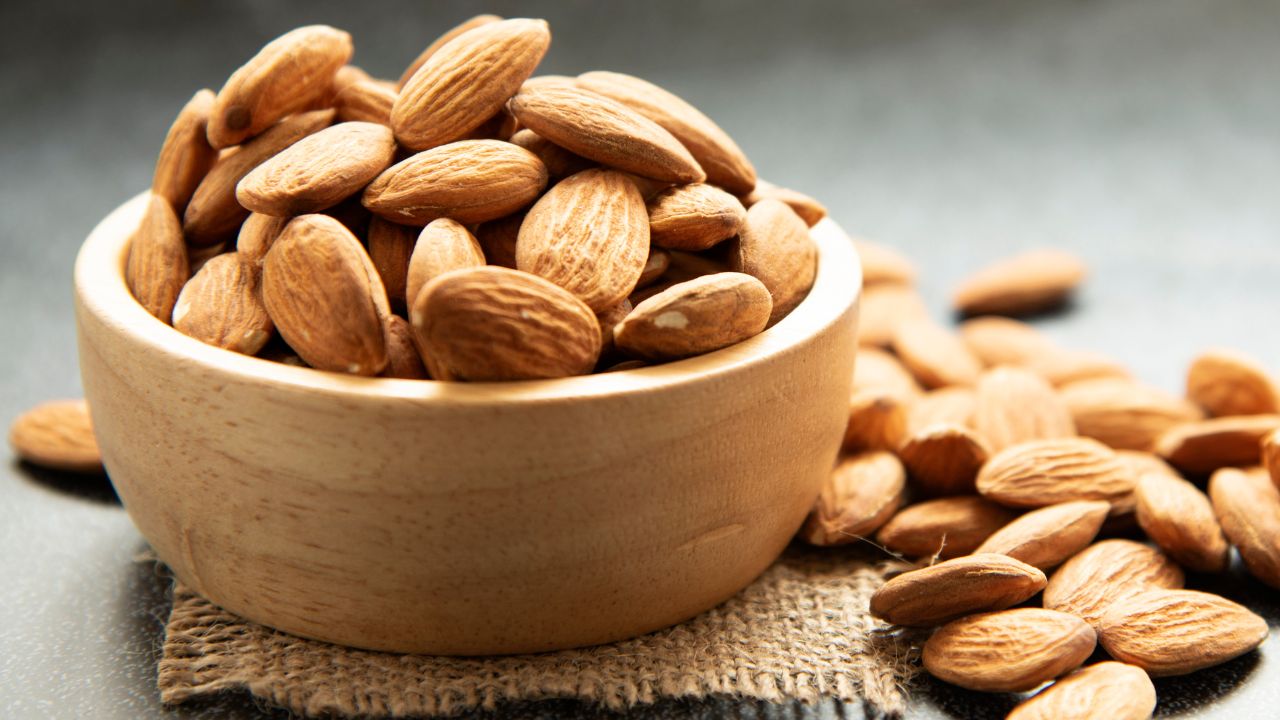
6. Almonds: These crunchy nuts are a good source of healthy fats and magnesium, both of which can help relax the esophageal sphincter and prevent reflux. Enjoy a handful as a snack or sprinkle them on yogurt for added texture and flavor.

7. Yogurt: Plain, unsweetened yogurt is a probiotic powerhouse, teeming with good bacteria that aid digestion and keep your gut microbiome happy. This can help prevent acid reflux and other digestive issues. Choose low-fat or fat-free options for optimal comfort.

Remember, everyone’s triggers are different, so experiment and find what works best for you. Incorporate these superfoods into your diet, listen to your body, and enjoy the freedom of a heartburn-free life!

Bonus Tip: Lifestyle changes like eating smaller meals more frequently, managing stress, and avoiding trigger foods can also significantly improve acid reflux symptoms. Consult your doctor if symptoms persist or worsen.

With these superfoods and a little lifestyle tweaking, you can say goodbye to heartburn and embrace a life of delicious, comfortable meals!

Tagged : / / / / / /

Cotton Goes High-Tech: New Conductive Fiber Paves the Way for Smart Textiles

Cotton Goes High-Tech: New Conductive Fiber Paves the Way for Smart Textiles
Move over, polyester and nylon, cotton is getting a tech makeover! Researchers at Washington State University (WSU) have developed a revolutionary new cotton-based fiber that combines the natural comfort of cotton with the electrical conductivity of a polymer, paving the way for a future of smart and functional textiles.

This innovative fiber, a single strand thinner than a human hair, holds immense potential for wearable electronics, healthcare applications, and even environmental monitoring. It’s made by coating natural cotton fibers with a thin layer of polyaniline, a conductive polymer, using a unique green chemistry process. This process preserves the breathability and softness of cotton while imbuing it with the ability to conduct electricity.

“This is a significant breakthrough,” says WSU professor Xinhai Lu, lead author of the study published in the journal Carbohydrate Polymers. “It allows us to create smart textiles that are comfortable to wear, unlike some existing options that can be stiff and irritating.”

Imagine a shirt that could monitor your heart rate and breathing, or a pair of socks that could track your steps and calories burned. This is the future that the WSU team envisions for their conductive cotton fibers. They have already successfully tested the fibers in prototypes for a system that powers an LED light and another that senses ammonia gas, showcasing their potential for real-world applications.

The benefits of this technology extend beyond wearable electronics. The conductive fibers could be used to create self-heating fabrics for cold weather gear or wound dressings that monitor healing progress. They could even be woven into sensors for environmental monitoring, tracking temperature, humidity, and pollution levels.

“The possibilities are endless,” says Lu. “This technology has the potential to revolutionize the textile industry and create a new generation of smart and functional fabrics.”

The WSU team is now working on scaling up the production process and exploring partnerships with textile manufacturers to bring their invention to market. While there are still some challenges to overcome, such as ensuring the long-term durability and wash-resistance of the conductive coating, the potential of this technology is undeniable.

Cotton, a natural and sustainable material, is poised to become the next frontier in smart textiles. This innovative fiber is a testament to the power of green chemistry and its potential to create sustainable and functional materials for a better future. So, the next time you slip on a cotton T-shirt, remember, it might not just be comfortable, it could be the future of technology woven into your skin.

Tagged : / / /

8 Leafy Superstars to Power Up Your Plate : Know The Benefits!

8 Leafy Superstars to Power Up Your Plate : Know The Benefits!
We often focus on fruits and vegetables, but the humble leaf often gets relegated to garnish duty. It’s time to give these leafy powerhouses their due! They’re packed with nutrients, antioxidants, and unique flavors that can transform your meals and your health. Here are 8 amazing leaves to add to your diet and their incredible benefits:

1. Neem: This bitter-tasting wonder from the Indian subcontinent is revered for its medicinal properties. Neem leaves are loaded with antioxidants, anti-inflammatory compounds, and blood sugar regulators. They can be used to make tea, chutneys, or even toothpaste!

2. Curry Leaves: Don’t underestimate these tiny, citrusy leaves! They’re a staple in South Indian cuisine and are rich in vitamin A, C, and E. Curry leaves boost immunity, aid digestion, and even have anti-cancer properties. Toss them into curries, dals, or even chutneys for a flavor and health boost.

3. Basil: The fragrant king of herbs, basil, is not just for pesto. It’s an excellent source of vitamins K, A, and C, as well as magnesium and iron. Basil has anti-inflammatory, antibacterial, and mood-boosting properties. Enjoy it fresh in salads, stir-fries, or infused in your favorite oils.

4. Mint: This refreshing herb is more than just a breath freshener. Mint leaves are packed with antioxidants, digestive enzymes, and pain-relieving menthol. They can aid digestion, soothe nausea, and even freshen your breath naturally. Add them to teas, smoothies, or simply chew on a few leaves after a meal.

5. Cilantro: This vibrant herb, also known as coriander, adds a unique citrusy punch to dishes. It’s rich in vitamin K, C, and folate, as well as powerful antioxidants. Cilantro can help lower cholesterol, fight inflammation, and even protect brain health. Sprinkle it on tacos, salsas, or even toss it into your smoothie for a surprising twist.

6. Spinach: This leafy green superstar is a nutritional powerhouse. It’s loaded with vitamins A, C, K, and iron, as well as fiber and folate. Spinach strengthens bones, boosts immunity, and improves eye health. Enjoy it raw in salads, steamed, or even blended into your favorite smoothie.

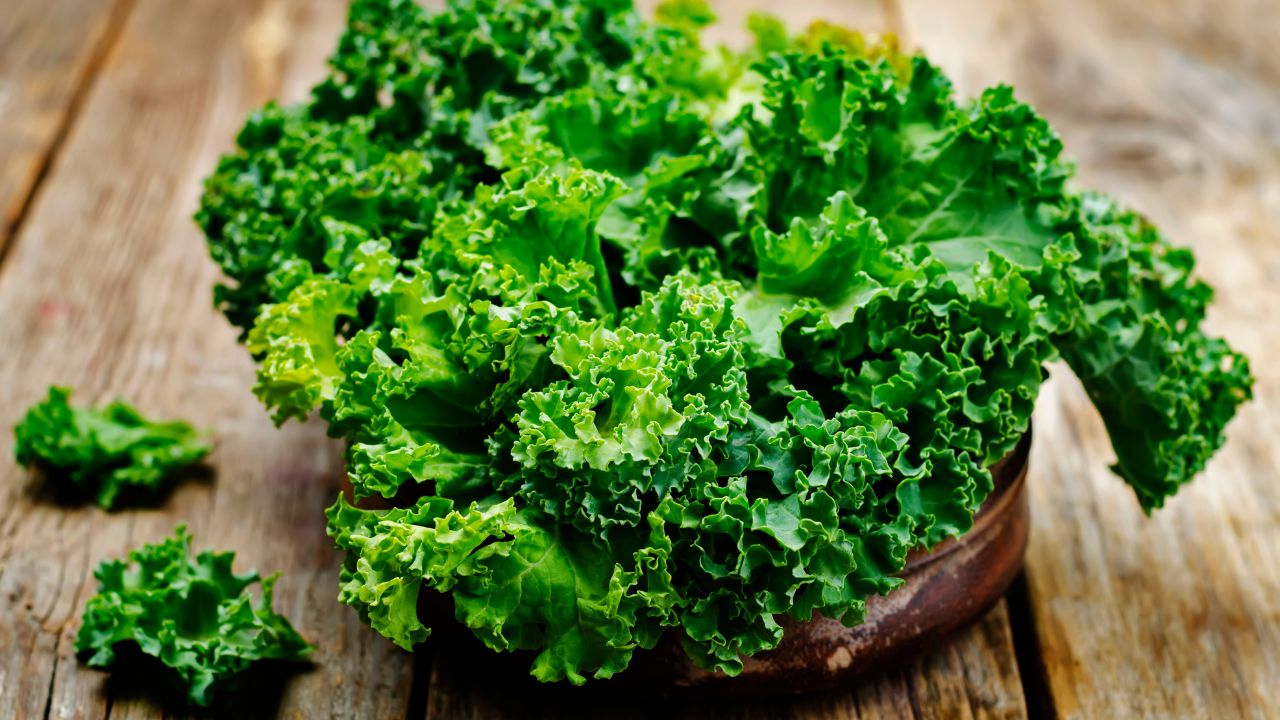
7. Kale: This trendy green is here to stay for a reason! It’s a nutritional powerhouse, boasting vitamins A, C, K, and B6, as well as fiber and antioxidants. Kale can help lower cholesterol, fight inflammation, and even protect against certain cancers. Sauté it, blend it into smoothies, or enjoy it raw in salads for a burst of flavor and nutrients.

8. Oregano: This aromatic herb is not just for pizza! Oregano leaves are rich in antioxidants, anti-inflammatory compounds, and immune-boosting vitamins. They can aid digestion, fight infections, and even improve oral health. Sprinkle it on pizzas, pastas, or even enjoy it as a tea for a soothing and flavorful experience.

Remember, these are just a few of the many amazing leaves out there. Experiment, explore, and discover new leafy favorites to add variety and a nutritional punch to your diet. Your taste buds and your body will thank you!

So, ditch the boring lettuce and embrace the leafy revolution! These 8 amazing leaves are just the tip of the iceberg when it comes to the health and flavor potential hidden in the plant kingdom. Go green, get leafy, and watch your health and taste buds soar!

Tagged : / / /

7 Morning Rituals for a Flatter Belly: Ditch the Crunch Time, Embrace the Sunrise Shine

7 Morning Rituals for a Flatter Belly: Ditch the Crunch Time, Embrace the Sunrise Shine
Belly fat, the stubborn cousin of body fat, can feel like an unwelcome guest that just won’t leave. But fear not, fellow fitness warriors! While genetics and hormones play a role, there are simple tweaks you can make, especially in your mornings, to send that unwanted guest packing. Ditch the pre-dawn panic and embrace these 7 amazing morning habits that’ll help you shed belly fat and rock that swimsuit with confidence:

1. Hydrate Like a Hydro Hero: Before that first sip of coffee, reach for a glass of warm water with lemon. This simple act kickstarts your metabolism, flushes toxins, and preps your digestive system for the day ahead. Bonus points for adding cucumber slices or a sprig of mint for extra flavor and detox power.

2. Protein Power for Breakfast: Ditch the sugary cereals and opt for a protein-rich breakfast like Greek yogurt with berries, eggs with spinach, or a protein smoothie. Protein keeps you feeling fuller for longer, curbs cravings throughout the day, and helps build muscle, which in turn burns more calories.

3. HIIT Your Way to a Flatter Tummy: Forget spending hours on the treadmill. High-intensity interval training (HIIT) is your morning fat-burning BFF. Short bursts of intense exercise followed by recovery periods get your heart rate soaring and metabolism revved, all in 20-30 minutes. Think jumping jacks, sprints, burpees – anything that gets you sweating and gasping for air (in a good way!).

4. Mindful Munching is Key: Eating with awareness is crucial for weight management. Savor your food, chew slowly, and stop when you’re comfortably full, not stuffed. This prevents overeating and helps you make healthier food choices throughout the day.

5. Fiber Fiesta for Your Gut: Include a good source of fiber in your morning meal, like fruits, vegetables, or whole grains. Fiber keeps you feeling full, regulates digestion, and feeds your gut microbiome, which plays a surprising role in belly fat storage. Think oatmeal with nuts and berries, a veggie omelet, or a whole-wheat toast with avocado.

6. Sleep Your Way to Slim: Prioritizing sleep is non-negotiable for belly fat reduction. When you’re sleep-deprived, your body releases cortisol, a stress hormone that promotes belly fat storage. Aim for 7-8 hours of quality sleep each night to keep your cortisol levels in check and your metabolism humming.

7. Stress Less, Belly Bliss: Chronic stress is another belly fat culprit. Find healthy ways to manage stress, like yoga, meditation, spending time in nature, or listening to calming music. When you’re stressed, your body releases cortisol, just like with sleep deprivation, leading to unwanted belly fat accumulation.

Remember, consistency is key. Implement these habits into your morning routine and watch your belly fat shrink as your confidence soars. And don’t forget, these tips are just the beginning of your journey. Consult a healthcare professional or a registered dietitian for personalized guidance and support. So, rise and shine, belly fat fighters! Embrace the morning, embrace these amazing habits, and get ready to rock that flat and fabulous midsection!

Tagged : / / / /

Sweeten Your Winter with Figs: A Treasure Trove of Health Benefits

Sweeten Your Winter with Figs: A Treasure Trove of Health Benefits
As winter settles in, our bodies crave warmth and nourishment. While we often turn to hearty soups and stews, a little sweetness can go a long way in boosting our spirits and well-being. Enter the humble fig, a fruit bursting with flavor and a surprising array of health benefits that are ideal for the colder months.

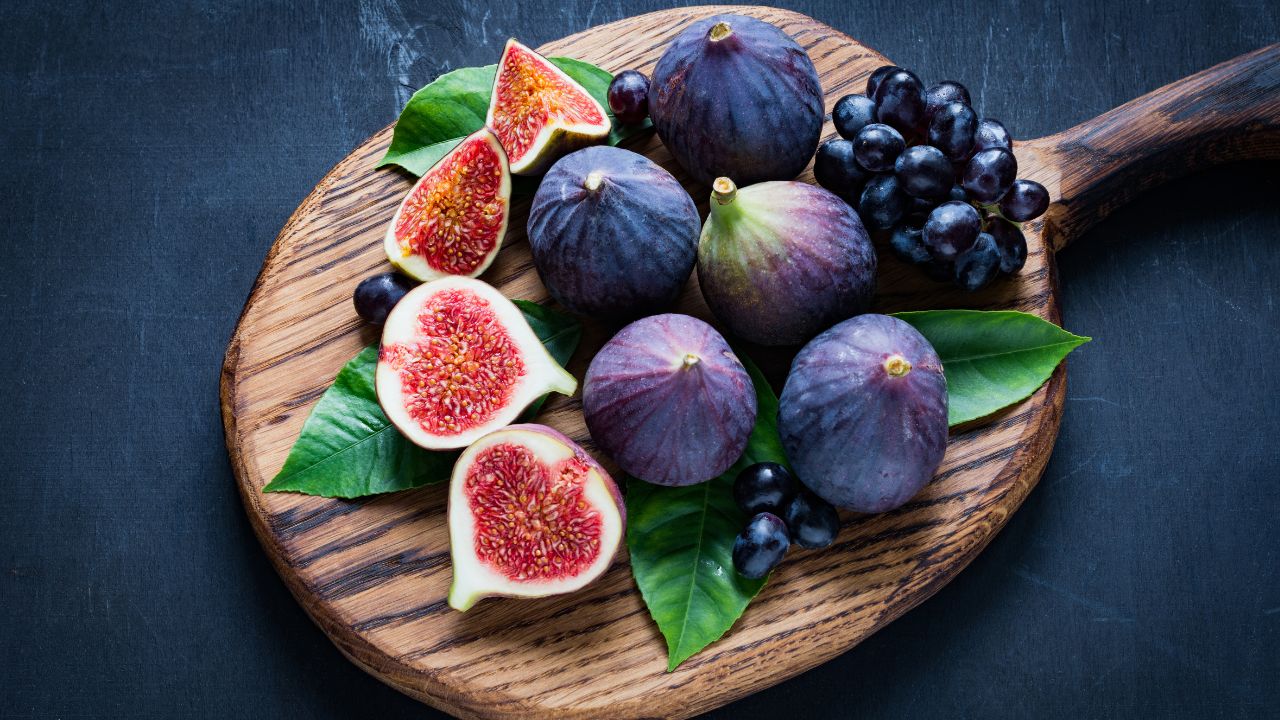
1. Immunity Booster: Figs are packed with vitamin C, a natural antioxidant that strengthens our immune system, helping us fight off those pesky winter colds and flus. A single serving of fresh figs can provide over 20% of our daily recommended intake of vitamin C, making them a delicious way to stay healthy and energized throughout the season.

2. Digestive Delight: The high fiber content in figs keeps our digestive system happy and regular. This is especially helpful during winter when heavier meals and holiday indulgences can lead to constipation. Figs act as a gentle laxative, promoting healthy digestion and gut health.

3. Bone Builder: Figs are a rich source of calcium, magnesium, and phosphorus, all essential minerals for maintaining strong bones. This is particularly important for women and older adults who are at higher risk of osteoporosis. Snacking on figs regularly can help prevent bone loss and keep your skeleton sturdy throughout the winter months.

4. Energy Enhancer: Figs are a natural source of sugar, providing a quick burst of energy when you need it most. Unlike processed sugars, the natural sugars in figs are released slowly into the bloodstream, preventing energy crashes and keeping you feeling satisfied for longer. This makes them a perfect pre-workout snack or a healthy afternoon pick-me-up.

5. Warmth from Within: Figs are naturally sweet and have a warming, almost honey-like flavor. They can be enjoyed fresh, dried, or incorporated into warm winter dishes like oatmeal, stews, or even baked into pies and cakes. Their sweetness adds a touch of luxury to any winter meal, while the warming spices often used with them further enhance their comforting properties.

Beyond the benefits mentioned above, figs are also a good source of potassium, manganese, and iron, all essential for overall health and well-being. So, this winter, don’t just reach for the hot cocoa or mulled wine. Grab a handful of figs and discover the delightful taste of good health. Your body will thank you for it!

Here are some additional tips for incorporating figs into your winter diet:

  • Pair fresh figs with creamy cheeses like ricotta or goat cheese for a delicious and satisfying appetizer.
  • Add chopped dried figs to your oatmeal or yogurt for a natural sweetness boost.
  • Make a warm fig compote to serve with roasted meats or grilled cheese.
  • Infuse water with fresh figs and herbs for a refreshing and healthy beverage.

    With a little creativity, you can enjoy the many health benefits and deliciousness of figs all winter long. So, embrace the season and let the sweetness of figs warm you up from the inside out!

Tagged : / / / /

Air India Takes Flight with New Uniforms Designed by Manish Malhotra

Air India Takes Flight with New Uniforms Designed by Manish Malhotra
Soaring in style! Air India has unveiled a brand new collection of uniforms for its cabin crew and pilots, designed by renowned Indian fashion icon Manish Malhotra. The elegant and contemporary designs mark a significant shift for the airline, aiming to reflect a modern and vibrant new India.

Cultural Tapestry: Drawing inspiration from India’s rich heritage and diverse traditions, Malhotra’s creations incorporate a stunning palette of three colors: red, aubergine, and gold. These hues, the airline explains, represent the “confident, vibrant new India” that Air India aspires to embody.

Saree Grace: For the female cabin crew, Malhotra has envisioned flowing ombre sarees with a modern twist. The sarees, available in multiple color combinations, exude elegance and sophistication while remaining comfortable and practical for the demands of air travel.

Bandhgala Flair: For the male cabin crew, Malhotra has opted for sharp and tailored bandhgalas, a traditional Indian jacket. The bandhgalas, available in both red and aubergine, lend a touch of timeless charm while maintaining a contemporary edge.

Pilot Precision: The pilots’ uniforms are equally striking, featuring a crisp navy blue suit with gold accents. The design exudes professionalism and authority, befitting the important role they play in ensuring the safety and comfort of passengers.

Comfort and Functionality: Beyond aesthetics, Malhotra has prioritized comfort and functionality in his designs. The uniforms are crafted from high-quality, breathable fabrics that allow for ease of movement. Additionally, practical considerations like shoe choices – dual-tone block heels for female cabin crew and comfortable black brogues for male cabin crew – reflect a focus on crew well-being.

A New Era: The unveiling of these new uniforms marks a significant step in Air India’s ongoing transformation. The airline, now under private ownership, is looking to shed its old image and embrace a dynamic and modern future. Malhotra’s designs, with their blend of tradition and contemporary flair, perfectly capture this spirit of renewal.

Reaction and Rollout: The new uniforms have been met with positive reactions from both industry insiders and the public. Many have praised Malhotra’s designs for their elegance, functionality, and cultural sensitivity. The uniforms will be rolled out in a phased manner over the next few months, starting with the entry into service of Air India’s first Airbus A350 aircraft.

With its stunning new uniforms, Air India is poised to take flight into a new era of style and sophistication. As passengers board their flights, they can be sure to experience a touch of Indian elegance and warmth, redefining the in-flight experience for the modern traveler.

Tagged : / / / /

Emotional Wordplay: 10 Phrases That People With Low Emotional Intelligence Use

Emotional Wordplay: 10 Phrases That People With Low Emotional Intelligence Use
Emotional intelligence (EQ) isn’t just about hugging puppies and crying at movies (though those can be helpful). It’s about understanding your own emotions, managing them constructively, and empathizing with others. But sometimes, people with low EQ give themselves away with their choice of words. Here are 10 phrases that might indicate someone needs a little emotional intelligence tune-up:

1. “Calm down, you’re overreacting.” This phrase invalidates the other person’s feelings and shuts down any meaningful conversation. Instead, try, “Tell me what’s going on. I’m here to listen.”

2. “It’s not a big deal.” Minimizing someone’s experience can feel dismissive and hurtful. Remember, what might seem trivial to you might be a big deal to them. Acknowledge their feelings with “That must be tough. Is there anything I can do to help?”

3. “I know exactly how you feel.” While empathy is key, claiming to understand someone’s unique experience perfectly is rarely accurate. Focus on active listening and saying, “I can imagine that’s hard. Would you like to talk about it?”

4. “You’re too sensitive.” This is a classic EQ blunder. Labeling someone as “sensitive” shuts down any discussion about their valid emotions. Instead, try, “I understand that this might be a sensitive topic for you. Can we talk about it in a way that feels comfortable?”

5. “It’s all your fault.” Blaming others for your own feelings is a recipe for conflict. Take ownership of your emotions and say, “I’m feeling [emotion] because [situation]. What can we do to resolve this?”

6. “I don’t care.” This phrase might feel dismissive, but it could also be a cry for help. If someone repeatedly uses this phrase, offer support and encourage them to express their emotions in a healthy way.

7. “That’s not what I meant.” This is a backpedal when someone realizes their words were hurtful. While owning up to mistakes is important, it’s better to avoid saying insensitive things in the first place.

8. “I’m always right.” This is a red flag for anyone who values healthy relationships. No one is always right, and being open to different perspectives is crucial for emotional growth.

9. “Stop being so emotional.” This phrase invalidates the other person’s right to feel their emotions. Instead, try validating their feelings and offering support.

10. “You should be happy for me.” This phrase implies that others’ emotions are supposed to revolve around you. Remember, everyone experiences emotions differently, and expecting others to feel a certain way is unfair.

Remember, low EQ doesn’t mean someone is a bad person. It just means they might need a little help navigating their emotions and the emotions of others. By understanding these common phrases and offering constructive communication, we can all build more emotionally intelligent relationships. So, the next time you hear one of these phrases, don’t judge, offer a gentle hand and a listening ear. You might just help someone unlock their emotional superpower.

Tagged : / / /

Keep Your Kidneys Thriving: Essential Tips for Diabetics

Keep Your Kidneys Thriving: Essential Tips for Diabetics
Diabetes, a chronic condition affecting millions worldwide, can put extra strain on your kidneys. But fear not! By taking proactive steps, you can safeguard your kidney health and ensure they continue to filter your blood efficiently.

Why Kidneys Matter in Diabetes:

Kidneys are superheroes of your body, constantly filtering waste and toxins from your blood. In diabetes, high blood sugar levels can damage these tiny filters, leading to a condition called diabetic kidney disease (DKD). Early detection and proper management are crucial to prevent serious complications.

Guiding Principles for Kidney Care:

1. Blood Sugar Control: This is your top priority. Maintain healthy blood sugar levels through medication, diet, and exercise as recommended by your doctor.
2. Blood Pressure Management: High blood pressure is another risk factor for DKD. Regularly monitor your pressure and work with your doctor to keep it under control.
3. Weight Management: Maintaining a healthy weight reduces stress on your kidneys and overall health.
4. Hydration: Drink plenty of water throughout the day to flush toxins and keep your kidneys functioning optimally. Aim for eight glasses daily.

Dietary Tweaks for Kidney Health:

  • Reduce Sodium: Limit processed foods, fast food, and added salt in cooking. Opt for fresh ingredients and natural herbs for flavor.
  • Monitor Potassium and Phosphorus: These minerals can build up in the blood with kidney disease. Talk to your doctor about recommended intake levels and adjust your diet accordingly.
  • Choose Protein Wisely: Opt for plant-based protein sources like beans, lentils, and tofu. Limit animal protein intake as discussed with your doctor.
  • Reduce Stress: Chronic stress can elevate blood pressure and worsen kidney function. Practice relaxation techniques like yoga, meditation, or deep breathing.

    Early Detection is Key:

Regular checkups with your doctor are essential for monitoring kidney health. Early signs of DKD can include:

  • High blood pressure
  • Protein in the urine
  • Increased thirst and urination
  • Fatigue and weakness
  • Swelling in the ankles and feet

Remember: You are not alone in this journey. By following these tips, working closely with your healthcare team, and prioritizing your well-being, you can empower your kidneys to thrive despite diabetes.

Bonus Tip: Get moving! Regular exercise helps manage blood sugar and blood pressure, both beneficial for kidney health. Choose activities you enjoy, like brisk walking, swimming, or cycling.

Taking care of your kidneys is an investment in your long-term health and well-being. By incorporating these simple yet effective strategies into your daily life, you can ensure your kidneys continue to function optimally, even with diabetes. Remember, knowledge is power, and early intervention is key to a healthy future. So, let’s prioritize kidney care and keep those vital organs singing!

Tagged : / / / /

Are Smartphones Making Us Dumb? New Study Raises Concerns About Mental Health and Excessive Mobile Use

Are Smartphones Making Us Dumb? New Study Raises Concerns About Mental Health and Excessive Mobile Use
Our smartphones, once touted as revolutionary tools, might be chipping away at our very minds. A recent study, published in the Journal of Behavioral Addictions, paints a concerning picture: spending 4 or more hours glued to your phone daily can significantly impact your mental health.

The research, conducted on over 450 participants, looked at the correlation between smartphone usage and mental health indicators like depression, anxiety, and loneliness. The findings were stark – those who spent more than 4 hours a day on their phones exhibited higher levels of all three negative mental states.

But how does this happen? The constant barrage of notifications, the endless scroll of social media feeds, and the dopamine hit of instant gratification – all conspire to create a state of digital addiction. We get trapped in a loop of seeking the next fix, neglecting real-world interactions and activities that nourish our mental well-being.

The study points to several potential mechanisms:

  • Reduced attention span: The constant switching between tasks and stimuli on our phones fragments our focus, making it harder to concentrate and retain information.
  • Social isolation: The illusion of connection fostered by social media can actually lead to increased feelings of loneliness and isolation, as we prioritize online interactions over real-world ones.
  • Sleep disruption: The blue light emitted from smartphones disrupts our sleep cycle, leading to fatigue, irritability, and impaired cognitive function.
  • Increased anxiety and depression: The constant comparison and self-judgment triggered by social media can fuel anxiety and contribute to feelings of inadequacy and depression.

So, what can we do to break free from the digital shackles and protect our mental health? Here are some tips:

  • Set boundaries: Be mindful of your phone usage and set daily limits. Turn off notifications, silence your phone during meals and bedtime, and designate certain times as “phone-free zones.”
  • Prioritize real-world interactions: Make time for activities that involve face-to-face interaction, like spending time with loved ones, pursuing hobbies, or engaging in community activities.
  • Practice mindfulness: Techniques like meditation and deep breathing can help you become more aware of your thoughts and emotions, and break the cycle of compulsive phone checking.
  • Seek support: If you feel overwhelmed by your phone use or its impact on your mental health, talk to a therapist or counselor. They can provide tools and strategies to manage your tech habits and prioritize your well-being.

Remember, smartphones are powerful tools, but they should not control us. Let’s reclaim our attention, prioritize our mental health, and ensure that technology serves us, not the other way around.

This is just the beginning of the conversation about the impact of smartphones on our mental well-being. As research continues, we can develop better strategies to use these devices responsibly and ensure they remain tools for good, not for mental decline.

Tagged : / / / /

Soaked vs Unsoaked Almonds: Which Is The Bigger Nutritional Treasure Chest?

Soaked vs Unsoaked Almonds: Which Is The Bigger Nutritional Treasure Chest?
Almonds, the crunchy, buttery jewels of the nut world, have long been revered for their nutritional prowess. But when it comes to maximizing their goodness, a debate arises: soak them or not? Let’s dive into the world of soaked and unsoaked almonds, cracking open the secrets to unlocking their full potential.

Soaking the Science:

Soaking almonds overnight in water activates enzymes, which break down phytic acid, a compound that can hinder nutrient absorption. This process also makes the nuts softer and easier to digest, especially for those with sensitive stomachs.

Benefits of Soaked Almonds:

1. Enhanced nutrient absorption: Studies suggest soaking can increase the bioavailability of minerals like iron, calcium, and magnesium by up to 50%.
2. Improved digestion: Soaking breaks down complex carbohydrates, making the nuts gentler on the gut and potentially reducing bloating and gas.
3. Creamier texture: Soaked almonds have a softer, creamier texture, making them ideal for snacking, blending into smoothies, or using in desserts.

But wait, unsoaked almonds have their own perks!

1.Convenience: No need for pre-planning, just grab and munch.
2. Potentially higher nutrient content: Soaking can lead to a slight loss of water-soluble vitamins like vitamin B6.
3. Nutty flavor: Unsoaked almonds have a more intense, nutty flavor that some prefer.

So, which is the ultimate winner?

The answer, like most things in life, is: it depends!

For optimal nutrient absorption and digestion, soaked almonds are the clear champions.
If convenience and a stronger nutty flavor are your priorities, unsoaked almonds might be your match.
Ultimately, listen to your body and choose what works best for you.
Bonus tip: Don’t discard the soaking water! It’s packed with nutrients and can be used in smoothies, pancakes, or even as a facial toner.

Remember: Both soaked and unsoaked almonds are excellent sources of healthy fats, protein, fiber, vitamins, and minerals. So, don’t get caught up in the debate – just enjoy these delicious nuts in whatever way you find most appealing!

And hey, don’t stop exploring! Experiment with different soaking times, try dry-roasting for a different texture, or get creative and whip up some almond butter or milk. The possibilities are endless, just like the health benefits of these amazing nuts.

So, go forth and conquer the world of almonds, soaked or unsoaked, your taste buds and body will thank you!

Tagged : / / / /

India’s 5 Biggest Railway Stations with Most Number of Platforms

India’s 5 Biggest Railway Stations with Most Number of Platforms
India is a land of vast distances and diverse landscapes, and its railway network is the lifeline that connects its many corners. With over 7,000 stations and more than 12,000 trains running daily, the Indian Railways is one of the largest and busiest in the world.

Not all railway stations are created equal, however. Some stand out for their size, grandeur, and historical significance. These are the stations that cater to millions of passengers and handle a staggering number of trains every day.

Today, we’ll take a journey through India’s eight biggest railway stations, ranked by the number of platforms they have:

1. Howrah Junction (Kolkata)
Howrah Junction (HWH) is the largest station in the nation in terms of platforms, with 23. With 23 railway tracks, it handles almost 280 trains per day. With around a million passengers using it every day for transportation, it is also one of the busiest stations in the nation. HWH, which opened in 1854, has been electrified since that year. Numerous agencies have acknowledged it as the nation’s first green station among major cities.

2. Sealdah Railway Station (SDAH)
The second-largest railway station on this list is Sealdah Railway Station (SDAH). With its 20 platforms, it provides travel assistance to almost a million people every day. Every day, about 80 trains pass over SDAH. The Northern and Southern Terminals are the two categories into which SDAH’s platforms are divided. There are 13 platforms in the SDAH Northern Terminal and 7 in the Southern Terminal. Since 1862, SDAH has provided passenger services.

3. Chhatrapati Shivaji Maharaj Terminus (CSMT)
Mumbai’s Chhatrapati Shivaji Maharaj Terminus (CSMT), with its eighteen platforms, is one of the nation’s biggest train stations. In addition to being a bustling train station, UNESCO has designated CSMT as a World Heritage Site. The more than a century-old neo-gothic architectural style of CSMT will astound you. Every day, about 130 trains depart from CSMT to service passengers. At CSMT, there are restrooms, food stands, parking spaces, and other amenities for passengers.

4. Chennai Central Railway Station (MAS)
There are 17 platforms at Chennai Central Railway Station (MAS), which are split between two terminals. Puratchi Thalaivar Dr. M.G. Ramachandran Central Railway Station is another name for MAS in Chennai. Twelve stations at the main terminal serve long-distance trains that go to and from Chennai. Platforms 1 through 11 are part of the main terminal, along with a unique platform called 2A. There are five platforms in the second platform, which is often referred to as Moore Market Complex or Chennai Suburban Terminal. With almost 5,50,000 passengers utilising it every day, it is one of the busiest stations in South India.

5. New Delhi Railway Station (NDLS)
One of the busiest stations in the nation is New Delhi Railway Station (NDLS), which has sixteen platforms. Situated close to Connaught Place in New Delhi, NDLS serves approximately 235 trains every day. Every day, almost 2.13 lakh travellers use NDLS for their transit needs. Six lakhs of travellers can use NDLS in a single day on busy days. In addition to 16 platforms, NDLS provides 18 train tracks. The station complex as a whole is large and has good connections to the closest auto stand, taxi rank, and metro station.

These are just a few of the many impressive railway stations that dot the Indian landscape. Each station has its own unique story to tell, and they all play a vital role in connecting people and places across the vast country. So, the next time you find yourself at one of these grand railway stations, take a moment to appreciate the history, culture, and sheer human effort that went into building and running these giants of transportation.

Tagged : / / / /

5 Superfoods That May Help Women Reduce Their Cancer Risk

5 Superfoods That May Help Women Reduce Their Cancer Risk
Diet plays a crucial role in overall health and well-being, and incorporating certain foods may even help reduce the risk of developing cancer, particularly for women. While there’s no single “magic bullet” food, adding these five superfoods to your diet can contribute to a healthy lifestyle and potentially lower your risk:

1. Pumpkin Seeds:

These tiny powerhouses are packed with zinc, a mineral essential for cell growth and repair. Studies suggest that zinc may play a role in inhibiting the development of certain cancers, particularly breast and cervical cancers. Additionally, pumpkin seeds are a good source of antioxidants, which help protect cells from damage.

2. Cruciferous Vegetables:

Broccoli, cauliflower, cabbage, and Brussels sprouts belong to this family of vegetables known for their cancer-fighting properties. They contain glucosinolates, which break down into compounds with potential anti-cancer effects. These vegetables are also rich in vitamins and fiber, further contributing to overall health.

3. Berries:

These colorful fruits are loaded with antioxidants, including anthocyanins, which have been shown to have anti-inflammatory and anti-cancer properties. Berries are also a good source of vitamin C, another important antioxidant. Some studies suggest that regular consumption of berries may be associated with a reduced risk of certain cancers, including breast, colon, and stomach cancer.

4. Green Leafy Vegetables:

Leafy greens like spinach, kale, and collard greens are packed with nutrients and offer various health benefits. They are rich in folate, a B vitamin that helps produce healthy red blood cells and may also play a role in preventing cancer development. Additionally, leafy greens are a good source of fiber, vitamins K and A, and other beneficial compounds.

5. Legumes:

Beans, lentils, chickpeas, and other legumes are excellent sources of protein, fiber, and various vitamins and minerals. Studies suggest that legumes may help reduce the risk of colon cancer, possibly due to their high fiber content. Additionally, legumes are known to promote gut health, which is linked to overall well-being and reduced cancer risk.

Remember:

It’s important to note that these superfoods are not guaranteed to prevent cancer. However, incorporating them into a balanced diet alongside regular exercise and other healthy lifestyle choices can contribute to a lower cancer risk. It’s also crucial to consult with a healthcare professional for personalized advice and guidance based on your individual health needs.

Tagged : / / / /

Bleeding to Kidney Failure: Understanding the Potential Side Effects of Longevity Supplements

Bleeding to Kidney Failure: Understanding the Potential Side Effects of Longevity Supplements
In our pursuit of a longer, healthier life, many of us turn to supplements promising longevity. However, it’s crucial to be aware of the potential side effects associated with these supplements, which can range from mild to life-threatening.

While some supplements offer potential benefits, others can cause adverse reactions, including:

1. Bleeding: Certain supplements, like vitamin E and fish oil, can increase the risk of bleeding, especially when taken in high doses or alongside blood-thinning medications. This risk is particularly concerning for individuals already prone to bleeding or undergoing surgery.

2. Kidney Damage: Supplements containing high doses of certain minerals, such as iron and magnesium, can put a strain on the kidneys and lead to damage if taken for extended periods or in excessive quantities. Regular monitoring of kidney function is essential for anyone taking such supplements.

3. Liver Toxicity: Some herbal supplements and high-dose vitamins can be toxic to the liver, causing inflammation, jaundice, and even liver failure in rare cases. It’s important to consult a healthcare professional before taking any supplement with potential hepatotoxic effects.

4. Allergic Reactions: Supplement ingredients can trigger allergic reactions in some individuals, manifesting as skin rashes, hives, or even anaphylaxis. Being aware of potential allergies and starting with small doses is crucial to minimize the risk.

5. Interference with Medications: Certain supplements can interact with medications, reducing their effectiveness or causing dangerous side effects. This is especially concerning for individuals taking medication for chronic conditions.

6. Nutrient Imbalances: Excessive supplementation of certain nutrients can create imbalances in the body, leading to deficiencies in other essential vitamins and minerals. This can disrupt various bodily functions and ultimately harm health.

7. Unproven Claims and Misinformation: Many longevity supplements lack scientific evidence for their claims and may even contain harmful contaminants or undisclosed ingredients. It’s important to choose reputable brands and consult a healthcare professional before starting any supplement regimen.

8. Overreliance on Supplements: While supplements can play a role in supporting overall health, they should not be seen as a magic bullet for longevity. A balanced diet, regular exercise, and a healthy lifestyle are still the cornerstones of long-term well-being.

Conclusion:

While the desire to improve longevity is understandable, it’s vital to approach supplements with caution. Consulting a healthcare professional before starting any supplement regimen is crucial to assess individual needs and risks. Remember, there’s no single “miracle” supplement for longevity. By prioritizing a healthy lifestyle and making informed choices about supplementation, we can approach our journey to a longer, healthier life with greater awareness and responsibility.

Tagged : / / /

5 Most Important Lifestyle Changes That Help With Fat Loss

5 Most Important Lifestyle Changes That Help With Fat Loss
Fat loss requires a multi-faceted approach, and it’s not just about hitting the gym or going on restrictive diets. While exercise and diet play crucial roles, several other lifestyle factors contribute to achieving your fat loss goals. Let’s explore five key changes you can implement to support your fat loss journey effectively:

1. Prioritize Hydration:

Water is the elixir of life, and its importance extends beyond quenching thirst. Adequate hydration plays a vital role in fat loss by:

  • Curbing Appetite: Dehydration often mimics hunger pangs, leading to unnecessary calorie intake. Drinking water before meals can help you feel fuller and reduce calorie consumption.
  • Boosting Metabolism: Water is essential for various metabolic processes, including fat burning. Studies suggest that drinking water can transiently increase calorie expenditure, aiding in fat loss.
  • Improving Detoxification: Water helps flush out toxins from your body, optimizing your system for efficient fat metabolism.

    2. Nourish Your Body with a Balanced Diet:

The foundation of fat loss lies in a healthy diet rich in whole, unprocessed foods. Focus on incorporating:

  • Whole Grains: Whole grains provide sustained energy and dietary fiber, promoting gut health and keeping you feeling full for longer.
  • Lean Proteins: Protein is essential for building and maintaining muscle mass, which boosts metabolism and aids in burning fat.
  • Healthy Fats: Include healthy fats like avocados, nuts, and olive oil in your diet. These fats promote satiety, improve hormone regulation, and support overall health.

3. Embrace the Power of Exercise:

Regular exercise is not just for building muscle; it’s a proven strategy for achieving fat loss. Combine:

  • Aerobic Exercise: Activities like running, swimming, or cycling help burn calories and improve cardiovascular health.
  • Strength Training: Building muscle increases your resting metabolic rate, meaning you burn more calories even at rest, promoting fat loss.

4. Prioritize Sleep for Optimal Health:

Sleep deprivation disrupts various hormones, including leptin and ghrelin, which regulate hunger and satiety. This can lead to increased cravings and overeating, hindering your fat loss efforts. Aim for:

  • 7-8 hours of quality sleep per night: Adequate sleep ensures hormonal balance, promotes recovery, and optimizes your body’s fat-burning potential.
  • Establishing a consistent sleep schedule: Maintaining a regular sleep-wake cycle regulates your body’s natural rhythms, promoting better sleep quality.

5. Manage Stress Effectively:

Chronic stress elevates cortisol levels, a stress hormone that can lead to increased belly fat. To manage stress effectively:

  • Practice relaxation techniques: Incorporate yoga, meditation, or deep breathing exercises into your routine to manage stress and promote a calmer state of mind.
  • Engage in activities you enjoy: Make time for hobbies and activities you find pleasurable to reduce stress and promote overall well-being.
    Conclusion:

Achieving fat loss is not just about aesthetics; it’s about optimizing your health and well-being. By incorporating these five simple yet impactful lifestyle changes – prioritizing hydration, nourishing your body with a balanced diet, engaging in regular exercise, prioritizing sleep, and managing stress effectively – you can create a sustainable foundation for achieving your fat loss goals and improving your overall health for the long term. Remember, consistency is key. Implement these changes gradually and make them a part of your daily routine to witness the positive impact they have on your body and mind.

Tagged : / / /
Verified by ExactMetrics