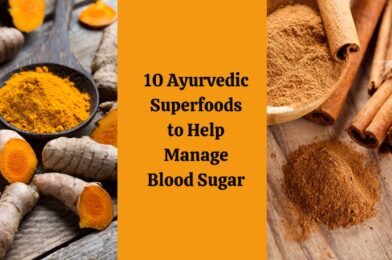
10 Ayurvedic Superfoods to Help Manage Blood Sugar

10 Ayurvedic Superfoods to Help Manage Blood Sugar
Blood sugar control is crucial for overall health and well-being. Ayurveda, the ancient Indian science of healing, offers a wealth of natural remedies to manage blood sugar levels and prevent diabetes. Here are 10 powerful Ayurvedic foods that can be your allies in this journey:

1. Bitter Gourd (Bitter Melon): This unappetizing veggie might surprise you with its blood-sugar-lowering properties. Momordica charantia, as it’s called scientifically, contains compounds that mimic insulin and regulate glucose metabolism. Enjoy it in juices, stir-fries, or even pickles.

2. Fenugreek Seeds: These tiny seeds pack a big punch when it comes to blood sugar control. Fenugreek’s fiber content slows down sugar absorption, while its trigonelline compound mimics insulin’s action. Soak or sprout them before consuming for better digestion.

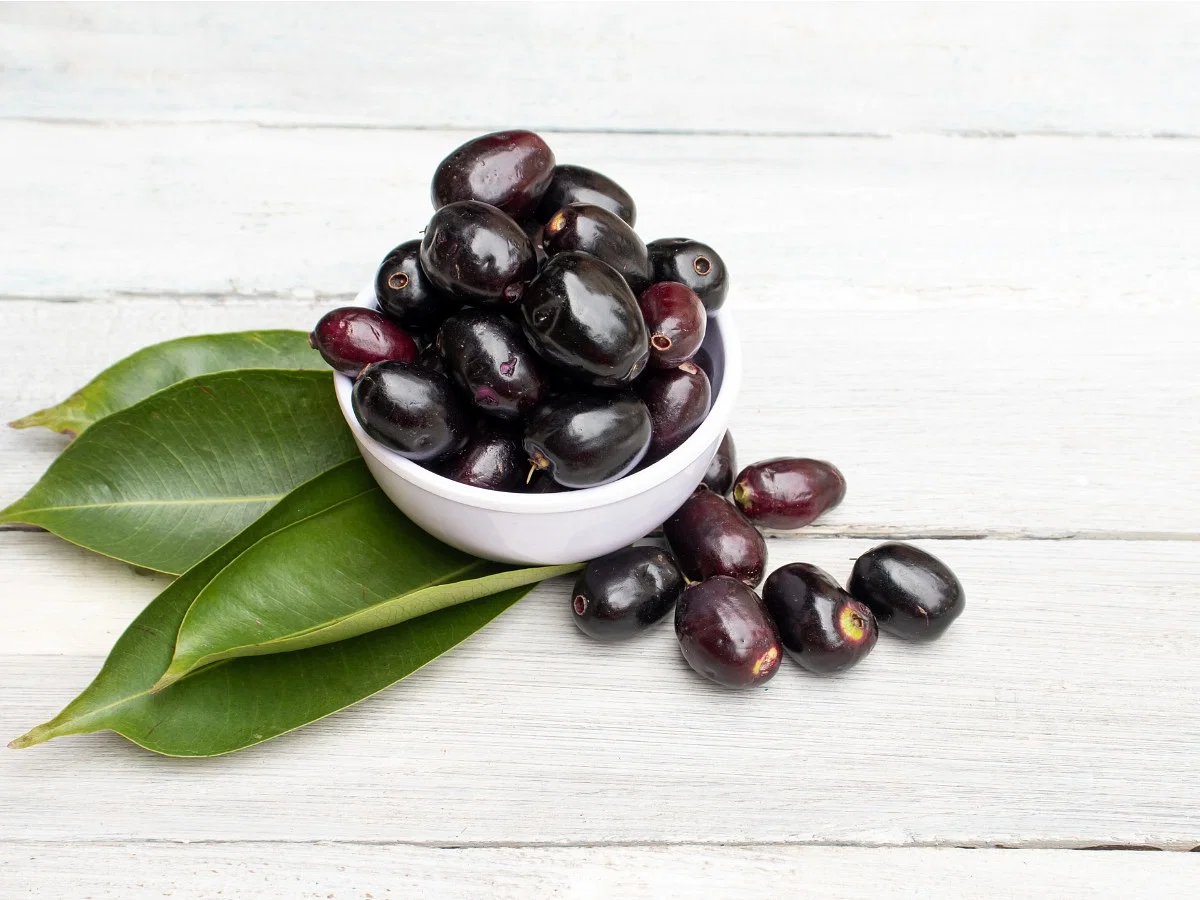
3. Jamun (Black Plum): This delicious fruit is a treasure trove of antioxidants and jambosine, a compound that aids in pancreatic beta-cell function, crucial for insulin production. Enjoy it fresh, dried, or as juice.
4. Giloy (Guduchi): This herb is revered in Ayurveda for its immune-boosting and blood sugar-lowering properties. Giloy helps regulate glucose metabolism and pancreatic function. Consume it in juice form or as a decoction.

5. Neem Leaves: Don’t let the bitter taste fool you! Neem leaves are packed with anti-diabetic properties. They help improve insulin sensitivity and pancreatic beta-cell function. Consume them in juice form or add them to curries.

6. Turmeric: This golden spice is a well-known anti-inflammatory wonder. Curcumin in turmeric helps regulate blood sugar levels and protects against diabetic complications. Add it to your daily meals or consume it in milk with honey.

7. Cinnamon: This fragrant spice not only adds flavor but also helps manage blood sugar. Cinnamon improves insulin sensitivity and slows down glucose absorption. Sprinkle it on your oatmeal, yogurt, or even coffee.

8. Flaxseeds: These tiny seeds are rich in fiber and omega-3 fatty acids, both of which contribute to blood sugar control. Grind them into flour or enjoy them soaked in water or yogurt.

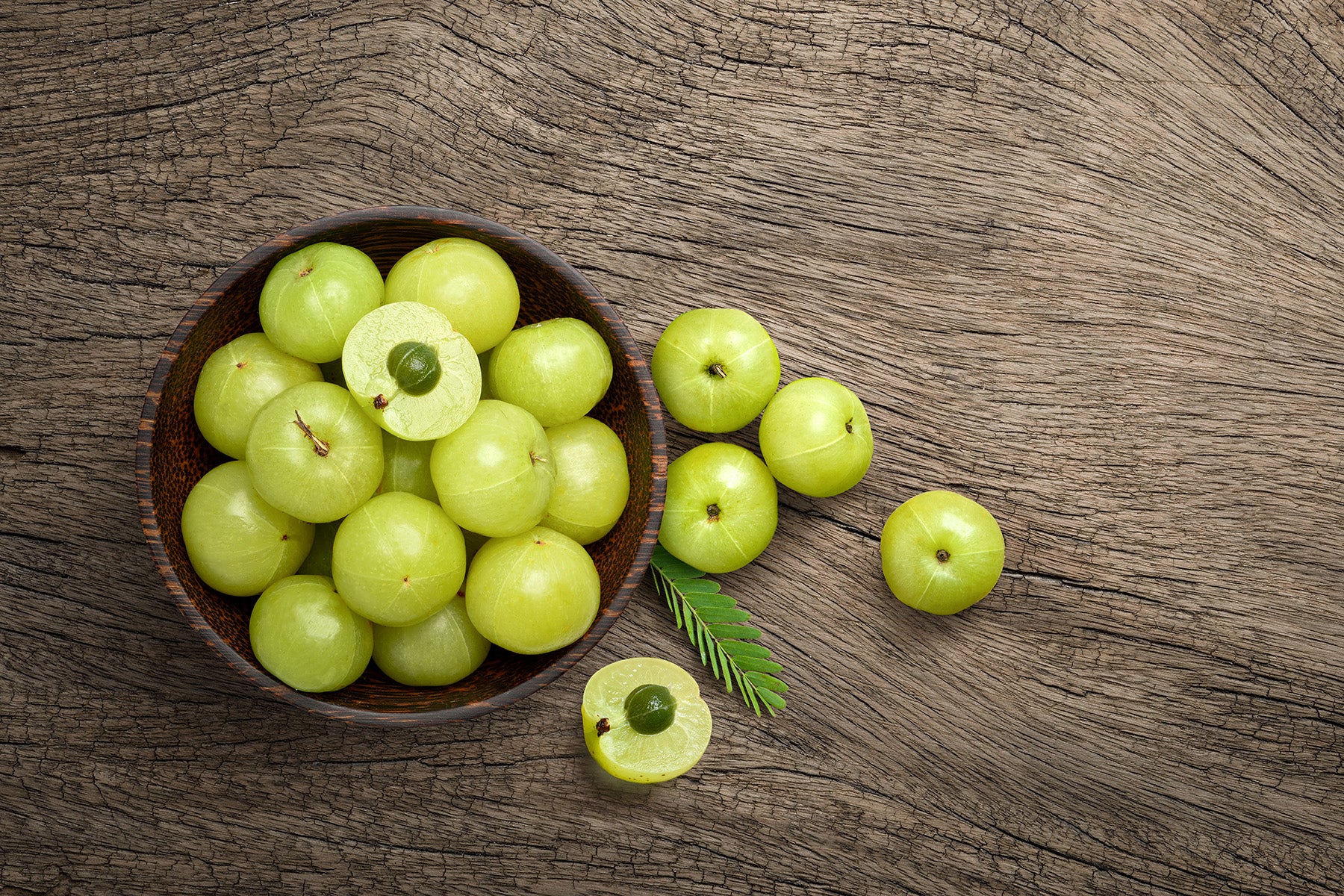
9. Amla (Indian Gooseberry): This vitamin C powerhouse boosts immunity and aids in blood sugar regulation. Amla’s chromium content enhances insulin sensitivity, making it a diabetic-friendly fruit. Enjoy it fresh, juiced, or in chutneys.
10. Aloe Vera: This gel-like wonder isn’t just for soothing sunburns! Aloe vera gel helps regulate blood sugar levels and protects against oxidative stress. Consume it fresh, in juice form, or add it to smoothies.

Remember, these foods are best incorporated into a healthy lifestyle that includes regular exercise and stress management. Consult your doctor before making any drastic dietary changes, especially if you have pre-existing medical conditions.

By incorporating these Ayurvedic superfoods into your diet, you can take a proactive approach to managing your blood sugar levels and live a healthier, happier life.
Tagged : / / / / /

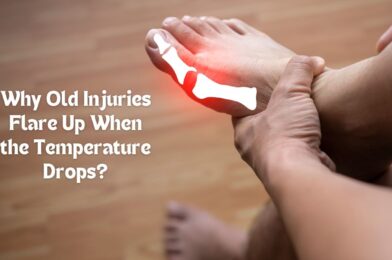
Winter Woes: Why Old Injuries Flare Up When the Temperature Drops?

Winter Woes: Why Old Injuries Flare Up When the Temperature Drops?
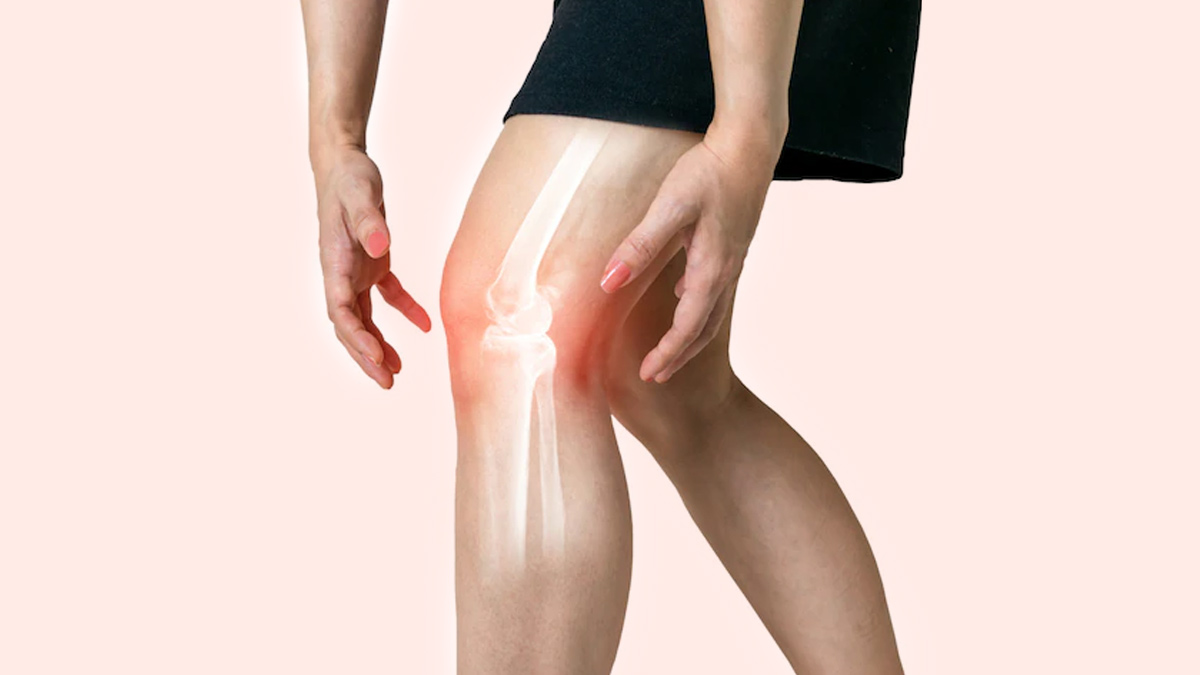
Ah, winter. The season of cozy nights, hot cocoa, and… excruciating pain from that old football injury? If you’ve noticed your aches and pains seem to amplify as the temperature plummets, you’re not alone. Many people experience a worsening of old injuries during the colder months. But why? Here are 3 reasons why your winter walks might feel more like hobbles down memory lane:

1. Barometric Pressure Fluctuations: Imagine your body like a well-balanced balloon. When the atmospheric pressure drops, as it often does during cold fronts, the pressure inside your body tries to equalize. This can put extra strain on the tissues and fluids around old injuries, leading to stiffness, swelling, and increased pain. Think of it like your body subtly reminding you of that time you overdid it on the slopes.

2. Changes in Joint Fluid: Our joints are lubricated by a special fluid that keeps things moving smoothly. But guess what? This fluid gets thicker and stickier in colder temperatures. This can make your joints feel stiff and less flexible, potentially exacerbating pain in areas that have already sustained damage. So, those morning creaks and groans might not just be your aging bones; it could be your joint fluid channeling its inner ice princess.

3. Increased Muscle Tension: When the temperature drops, our muscles naturally tense up to conserve heat. This can be helpful for staying warm, but it can also put extra pressure on sensitive areas, especially around old injuries. Think of it like your body building a makeshift winter armor, except unfortunately, the armor sometimes rubs against old battle wounds.

So, what can you do to combat these winter woes?

  • Stay warm: Bundle up! Keeping your body temperature up can help prevent muscle tension and joint stiffness.
  • Gentle exercise: Regular movement, even just light stretches and walks, can help keep your joints lubricated and your muscles from getting too tense.
  • Listen to your body: If you start to experience pain, don’t push yourself. Take a break, rest, and apply ice or heat as needed.
  • Talk to your doctor: If your pain is severe or persistent, consult your doctor. They can help you develop a personalized plan to manage your symptoms and prevent future flare-ups.

    Remember, you’re not alone in your winter pain battle. By understanding the reasons behind it and taking proactive steps, you can weather the colder months with more comfort and less of that “ouch, remember that time?” feeling.

Enjoy the winter wonderland, but don’t let it turn into a pain wonderland for your old injuries! Stay warm, stay informed, and stay comfortable!

Tagged : / /

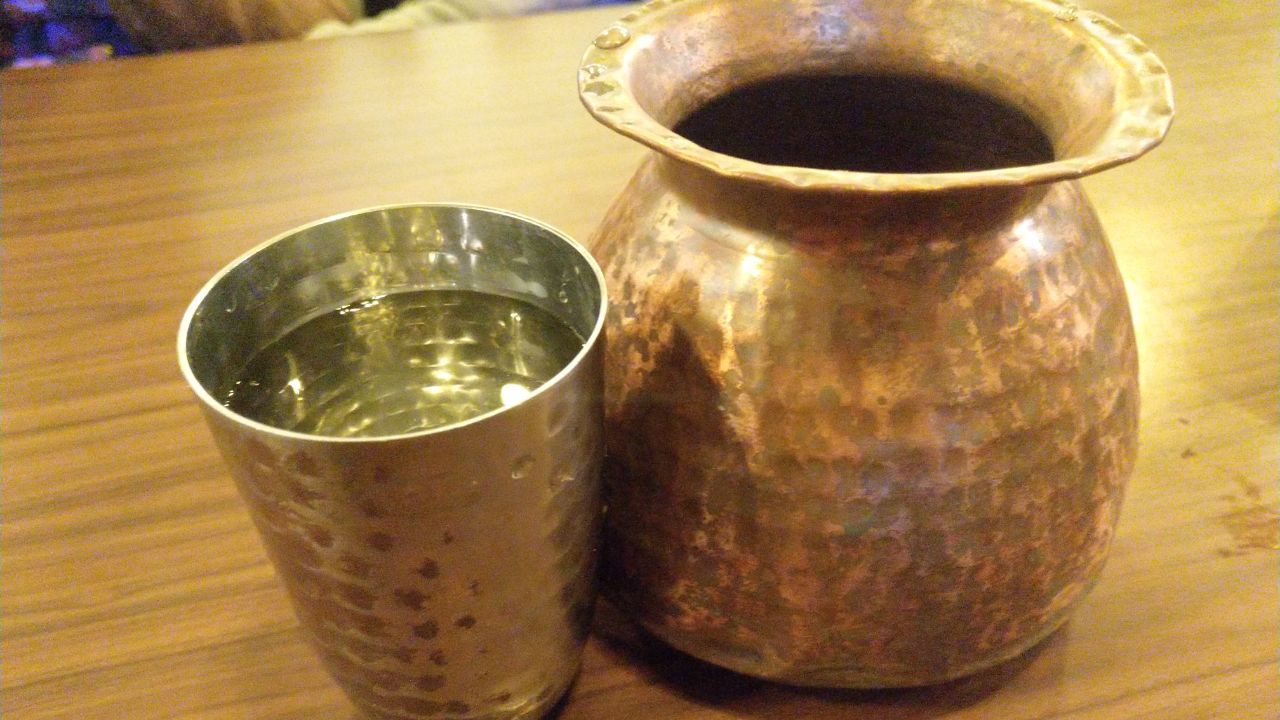
From Ancient Ayurveda to Modern Science: Can Copper Water Really Boost Your Health?

From Ancient Ayurveda to Modern Science: Can Copper Water Really Boost Your Health?
For centuries, people around the world have used copper vessels to store and drink water, believing it to bestow a range of health benefits. But is there any truth to these claims? Let’s dive into the science and explore whether copper water truly enhances your health.

Antibacterial Properties:

One of the most well-established benefits of copper is its antibacterial and antiviral properties. Studies have shown that storing water in copper vessels for 16 hours can significantly reduce the presence of harmful bacteria like E. coli and cholera. This can be particularly beneficial in areas with limited access to clean drinking water.

Improved Digestion:

Copper plays a vital role in aiding digestion. It helps stimulate the production of digestive enzymes, which break down food more efficiently. Additionally, copper has anti-inflammatory properties that can soothe the stomach and intestines, potentially reducing indigestion and ulcers.

Enhanced Immunity:

Copper is an essential mineral for maintaining a healthy immune system. It helps in the production of white blood cells, which fight off infections. Studies have shown that drinking copper water may boost the immune system and increase resistance to disease.

Other Potential Benefits:

There is some evidence to suggest that copper water may have other health benefits, such as:

  • Pain relief: Copper has anti-inflammatory properties that may help reduce pain and inflammation.
  • Wound healing: Copper is essential for collagen production, which is important for wound healing.
  • Weight management: Some studies suggest that copper may help regulate metabolism and boost fat burning.

Important Considerations:

While copper water offers potential health benefits, it’s important to exercise caution:

  • Copper toxicity: Consuming too much copper can be harmful. The recommended daily intake of copper for adults is 900 micrograms. Excessive copper intake can lead to liver damage, nausea, and vomiting.
  • Leaching: The amount of copper that leaches from copper vessels into water can vary depending on the acidity of the water, the age of the vessel, and the manufacturing process. It’s best to use high-quality copper vessels lined with tin or stainless steel to minimize leaching.
  • Individual needs: People with certain medical conditions, such asa Wilson’s disease, should avoid copper water altogether.

    Conclusion:

While more research is needed to fully understand the health benefits of copper water, the existing evidence suggests that it may offer several advantages, including improved digestion, enhanced immunity, and antibacterial properties. However, it’s crucial to be mindful of potential copper toxicity and consult with a doctor before incorporating copper water into your daily routine. Ultimately, the decision of whether or not to drink copper water is a personal one.

Remember, a healthy lifestyle that includes a balanced diet, regular exercise, and adequate sleep is essential for overall well-being.

Tagged : / / /

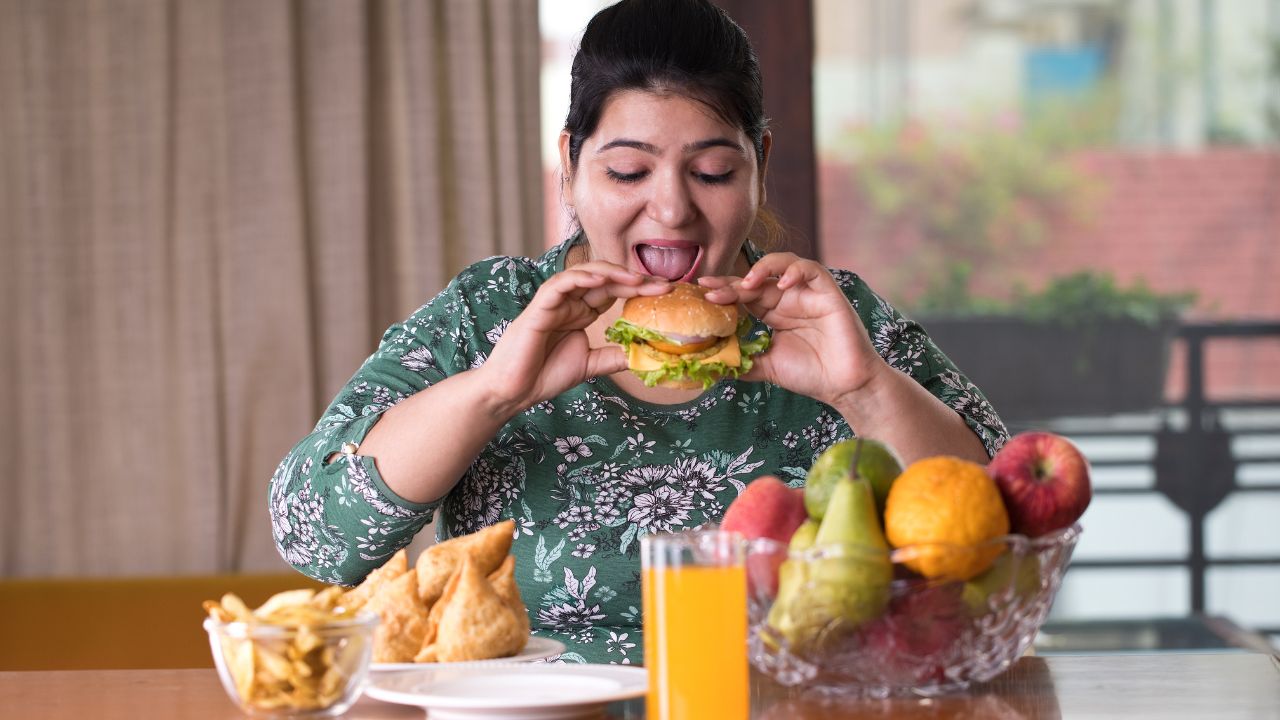
Cheat Meal Cravings: Indulge Guilt-Free with These Smart Tweaks

Cheat Meal Cravings: Indulge Guilt-Free with These Smart Tweaks
We’ve all been there: the siren song of that extra slice of pizza, the insistent whispers of a double-scoop sundae. Cheat meals, those glorious breaks from our usual healthy routines, can be tempting little devils. But here’s the thing: indulging doesn’t have to mean derailing your progress or ending in a post-feast guilt spiral.

Let’s rewrite the narrative and turn that cheat meal into a celebration of mindful indulgence. Here are some smart tweaks to help you savor the moment without going overboard:

1. Plan Your Pleasure: Don’t let cravings dictate your decisions. Pick a day and a meal in advance, giving yourself time to choose something truly special. Planning avoids impulsive binges and lets you fit it seamlessly into your week.

2. Portion Perfection: Remember, it’s all about quality, not quantity. Savor a smaller serving of your favorite dish instead of piling your plate high. Savor each bite, letting the flavors truly resonate.

3. Think Beyond Junk: Cheat meals don’t have to be synonymous with greasy fast food. Indulge in a gourmet burger made with fresh, local ingredients, or whip up a decadent (but nutritious) homemade pasta dish.

4. Make it a Mini-Meal: Instead of turning your cheat meal into a day-long feast, keep it focused on one special dish. Enjoy it as a larger lunch or a luxurious dinner, and stick to your usual healthy choices for the rest of your meals.

5. Listen to Your Body: Pay attention to your hunger cues. Savor your chosen treat slowly, and stop when you’re comfortably satisfied, not stuffed. Remember, mindful indulgence is key!

6. Hydration Hero: Don’t let thirst masquerade as hunger pangs. Stay hydrated throughout the day, and before and after your cheat meal. A glass of water can help you avoid overeating and make you feel fuller faster.

7. Move Your Body: Cheat meals don’t mean abandoning your workout routine. A brisk walk or light exercise session before or after your indulgence can help regulate your blood sugar and prevent that sluggish feeling.

8. Embrace the Balance: Remember, one cheat meal is just that – one meal. Don’t let it snowball into a week-long free-for-all. Get back on track with your healthy habits the next day, and remember, consistency is key!

So, there you have it! Cheat meals can be a delightful reward and a chance to break the monotony, but with a little planning and these smart tweaks, you can indulge guilt-free and keep your health goals firmly in sight. Now go forth and conquer those cravings, the mindful way!

Remember, mindful indulgence is all about finding balance and listening to your body. Enjoy your cheat meals, but don’t let them control you. By following these tips, you can keep your health goals on track and still satisfy your cravings!

Tagged : / / / / /

Hair on the Trigger: 4 Foods that Can Hinder Healthy Growth

Hair on the Trigger: 4 Foods that Can Hinder Healthy Growth
While a good hair day can add inches to our confidence, the opposite – excessive hair fall – can feel like a personal blizzard. While genetics and underlying health conditions can play a role, our diet surprisingly wields considerable influence over the fate of our follicles. So, before you despair over a clogged drain, consider taking a peek at your pantry. Here are some common culprits that might be accelerating your hair’s journey south:

1. Sugar Rush, Hair Crash: We all know sugar isn’t a friend to our waistlines, but did you know it can also wreak havoc on your mane? Excess sugar spikes your insulin levels, causing inflammation and disrupting the hair growth cycle. This can lead to thinning hair, weak strands, and premature shedding. So, skip those sugary treats and reach for fruits or yogurt for a sweeter, hair-friendly fix.

2. Carb Crash, Hair Crash (Part 2): Refined carbs like white bread, pasta, and pastries share a similar hair-unfriendly story. These quickly metabolize into sugar, triggering the same insulin surge and inflammatory response. Opt for complex carbs like whole grains, veggies, and legumes instead. They release energy slower, keeping your blood sugar stable and your hair happy.

3. Alcohol: The Double Whammy: Enjoying a glass of wine might not directly cause hair loss, but alcohol dehydrates your body, robbing your hair follicles of precious moisture. Additionally, it interferes with nutrient absorption, making it harder for your body to access the vitamins and minerals essential for healthy hair growth. Moderation is key, and remember to stay hydrated to counteract the dehydrating effects.

4. Fizz with a Fizzle: Sparkling beverages might be refreshing, but the carbonation and artificial sweeteners they often contain can wreak havoc on your hair. The sugar can trigger the same insulin spikes mentioned earlier, and the artificial sweeteners can interfere with nutrient absorption and hormone balance, both of which impact hair health. Opt for plain water, herbal teas, or naturally flavored sparkling water to keep your fizz and your follicles happy.

Remember, healthy hair starts from within. While avoiding these hair-unfriendly foods is a good first step, incorporating nutrient-rich options like protein, iron, vitamins A, C, and E (think eggs, fish, leafy greens, berries) can nourish your hair from the inside out. Consider consulting a doctor or nutritionist for personalized advice if you’re concerned about your hair health. So, ditch the dietary saboteurs, embrace hair-friendly choices, and watch your confidence rise along with your happy, healthy hair!

Tagged : / / / /

The 8 Glasses Myth Debunked: How Much Water Should You Really Drink?

The 8 Glasses Myth Debunked: How Much Water Should You Really Drink?
For years, the magic number 8 haunted water bottles and fridge doors. Eight glasses a day, the mantra went, was the golden ticket to hydration heaven. But what if we told you the truth is… murkier?

A recent wave of research is finally putting the “8 glasses” myth to rest, revealing a more nuanced picture of our individual water needs. While the US National Academies of Sciences suggests 15.5 cups (124 ounces) for men and 11.5 cups (92 ounces) for women as a general guideline, it’s far from a one-size-fits-all approach.

“These numbers were established for generally healthy individuals,” explains Dr. Tamara Ouldibbat, a registered dietitian, “but factors like age, activity level, and even body composition can significantly impact individual needs.”

So, ditch the one-size-fits-all mentality and dive into the personalized world of hydration. Here are some key factors to consider:

i. Body Size: The Academy of Nutrition and Dietetics suggests around 30-35 milliliters of fluid per kilogram of body weight. Do the math, and voila! You’ve got a personalized hydration target that goes beyond gender.

ii. Activity Level: Sweat it out at the gym? Hike mountains on weekends? Your fluid needs skyrocket with physical exertion. Listen to your body and sip more often after exercise or during hot weather.

iii. Health Conditions: Pregnant or breastfeeding? Certain medical conditions? Your water needs might be higher. Consult your doctor for personalized recommendations.

iv. Food Intake: Remember those juicy watermelons and cucumber salads? They contribute to your daily fluid intake too! So, factor in your fruit and veggie consumption when adjusting your water bottle habits.

But how do you know if you’re hitting the hydration mark? Pay attention to your body’s subtle cues. Feeling sluggish, foggy-headed, or experiencing muscle cramps? These could be signs of dehydration.

Another handy trick? Check your urine color. Pale yellow is your hydration sweet spot. Darker shades, however, signal a need to up your water intake.

While the “8 glasses” myth may have reigned supreme for years, remember, hydration is a personal journey. Listen to your body, tweak your habits based on your individual needs, and embrace the freedom of personalized hydration. Your body (and your glowing skin) will thank you for it!

Tagged : / / /

Feeling sleepy all the time? This is why you should take it seriously

Do you find yourself constantly hitting the snooze button, dragging through the day, and yearning for a nap no matter how much sleep you get? If so, you’re not alone. Excessive sleepiness, also known as hypersomnia, affects millions of people worldwide and can significantly impact your quality of life.

Why Should You Take Chronic Sleepiness Seriously?

While an occasional bout of fatigue is normal, especially after a busy day, chronic sleepiness can be a symptom of an underlying medical condition. Ignoring it can have serious consequences:

i. Decreased productivity and performance: Sleep deprivation impairs your cognitive function, making it difficult to concentrate, learn, and make decisions. This can lead to work and academic struggles.
ii. Increased risk of accidents: Being drowsy behind the wheel or operating machinery is hazardous. Sleepiness can slow your reaction time and increase your risk of accidents.
iii. Health problems: Chronic sleepiness can be linked to various health issues, including obesity, diabetes, heart disease, and depression.

Common Causes of Excessive Sleepiness

Several factors can contribute to feeling sleepy all the time:

1. Sleep disorders: Sleep apnea, restless legs syndrome, and narcolepsy are just a few sleep disorders that can disrupt your sleep and leave you feeling exhausted during the day.
2. Medical conditions: Anemia, thyroid problems, chronic pain, and depression can also cause excessive sleepiness.
3. Medications: Certain medications, such as pain relievers, allergy medications, and antidepressants, can have drowsiness as a side effect.
4. Poor sleep hygiene: Irregular sleep schedules, excessive screen time before bed, and a caffeine-heavy diet can disrupt your sleep cycle and make it harder to get quality sleep.

What to Do if You’re Always Sleepy?

If you’re constantly feeling tired, schedule an appointment with your doctor. They can help identify the underlying cause of your sleepiness and recommend appropriate treatment. This may involve lifestyle changes, medication adjustments, or treatment for an underlying medical condition.

Here are some additional tips for improving your sleep hygiene and battling chronic sleepiness:

1. Stick to a regular sleep schedule: Go to bed and wake up at the same time each day, even on weekends.
2. Create a relaxing bedtime routine: Wind down before bed with calming activities like reading, taking a warm bath, or listening to soothing music.
3. Make sure your bedroom is dark, quiet, and cool: Create an environment conducive to sleep by eliminating noise, light, and extreme temperatures.
4. Limit caffeine and alcohol intake: Avoid caffeine and alcohol in the hours leading up to bedtime, as they can interfere with sleep.
5. Get regular exercise: Physical activity can help you sleep better at night, but avoid exercising too close to bedtime.
6. Seek professional help if needed: Don’t hesitate to seek help from a sleep specialist if you continue to have difficulty sleeping.

Remember, feeling sleepy all the time is not normal. By taking it seriously and seeking help, you can get the diagnosis and treatment you need to reclaim your energy and live a healthy, fulfilling life.

Tagged : / / /

Beyond the Blue Hue: 5 Reasons to Embrace the Amazing Blue Corn

Beyond the Blue Hue: 5 Reasons to Embrace the Amazing Blue Corn
Move over, yellow corn! There’s a new sheriff in town, and it’s dressed in dazzling cerulean. Blue corn, once relegated to niche markets and souvenirs, is emerging as a nutritional powerhouse with a range of benefits that go far beyond its vibrant color. Whether you’re a health enthusiast, a culinary adventurer, or simply curious about trying something new, here are 5 reasons why blue corn should be on your radar:

1. Antioxidant Fiesta: Forget berries and acai bowls; blue corn is the hidden king of antioxidants. The vibrant pigment responsible for its color – anthocyanin – possesses potent antioxidant properties that fight free radicals, reduce inflammation, and potentially shield against chronic diseases like heart disease and diabetes.

2. Gut-Friendly Goodness: Unlike regular corn, which can be tough on digestion, blue corn boasts a lower starch content and higher fiber count. This translates to easier digestion, improved gut health, and a feeling of satiety that keeps you fuller for longer.

3. Protein Powerhouse: Compared to its yellow counterpart, blue corn packs a surprising punch of protein, clocking in at about 20% more. This makes it a valuable addition to vegetarian and vegan diets, contributing to muscle repair, tissue regeneration, and overall energy levels.

4. Gluten-Free Goodness: For those with gluten sensitivities or celiac disease, blue corn offers a ray of hope. Naturally gluten-free, it provides a delicious and nutritious alternative to wheat and other gluten-containing grains, allowing everyone to enjoy its benefits without dietary restrictions.

5. Culinary Chameleon: Don’t be fooled by its unusual color – blue corn is a culinary chameleon that readily adapts to your creativity. From vibrant tortillas and pasta to colorful pancakes and polenta, its earthy flavor adds a unique depth to familiar dishes. Plus, its natural dye lends itself to playful desserts and eye-catching cocktails.

So, ditch the ordinary and embrace the extraordinary! With its stunning looks and hidden treasure chest of health benefits, blue corn is more than just a pretty face. It’s a versatile ingredient waiting to be explored, promising deliciousness, nutrition, and a touch of magic to your meals. So, go ahead, embrace the blue and unlock the potential of this ancient grain for a healthier, tastier, and more colorful you!

Tagged : / / / /

Peanut vs. Almond: Which One Wins The Nutrition Battle?

Peanut vs. Almond: Which One Wins The Nutrition Battle?
Peanuts and almonds, two titans of the nut world, often clash in the battle for snack supremacy. But what about their nutritional punch? Are they heavyweight champions, or do they leave us wanting more?

1. Protein Power: Peanuts pack a mightier protein punch, with 25 grams per 100g compared to almonds’ 21 grams. This makes them a valuable addition for vegetarians and vegans seeking plant-based protein sources.

2. Vitamin E Extravaganza: Almonds reign supreme in the vitamin E arena, boasting a whopping 45% of your daily needs in just one ounce. This antioxidant powerhouse protects cells from damage and promotes heart health.

3. B-Vitamin Bonanza: Peanuts score big in the B-vitamin department, especially folate and niacin. These vitamins are crucial for energy production, cell health, and brain function.

4. Mineral Mania: Both nuts offer a plethora of minerals, but almonds hold a slight edge in magnesium and calcium, important for bone health and muscle function.

5. Dietary Differences: Remember, peanuts are legumes, technically, while almonds are true nuts. This means they may affect some people differently in terms of digestion and allergies.

The Winner?: A Tie!

Declaring a definitive champion is near impossible! Both peanuts and almonds offer unique nutritional benefits, making them valuable additions to a balanced diet. Choose peanuts for a protein and B-vitamin boost, and opt for almonds for their vitamin E and mineral prowess. Remember, variety is key!

So, ditch the boxing gloves and embrace the bounty! Whether you crave crunchy peanuts or creamy almonds, enjoy them guilt-free as delicious sources of health and nutrition.

Bonus Tip: Mix and match! Combining these nuts creates a nutritional powerhouse snack rich in protein, vitamins, and minerals.

Tagged : / / / / /

Don’t Let Your Thyroid Hold You Back: Natural Remedies to Support Balance at Home

Don’t Let Your Thyroid Hold You Back: Natural Remedies to Support Balance at Home
Thyroid woes got you down? Feeling fatigued, sluggish, or grappling with unexpected weight changes? Before reaching for conventional medication, consider this: you might have some powerful allies right in your pantry and kitchen garden! While natural remedies can’t “cure” thyroid conditions, they can play a significant role in supporting healthy thyroid function and managing symptoms.

1. Fuel Your Thyroid with the Right Food:

Embrace iodine-rich foods: Seaweed, shellfish, dairy products, and iodized salt are your thyroid’s best friends. Iodine is crucial for hormone production, so make sure you’re getting enough.
Selenium superstars: Brazil nuts, tuna, sardines, and eggs are packed with selenium, another mineral your thyroid craves. It helps convert thyroid hormones into their active forms.
Vitamin B bonanza: B vitamins like B12, B6, and folate are essential for thyroid hormone regulation. Load up on whole grains, beans, legumes, and leafy greens to optimize your intake.
Goitrogen go-slow: Broccoli, kale, cauliflower, and turnips contain goitrogens, which can interfere with iodine absorption in some individuals. Enjoy them in moderation or cook them thoroughly to minimize the effect.

2. Herbs and Supplements for Extra Support:

Ashwagandha: This adaptogenic herb is a thyroid-lover’s dream. It can help regulate hormone production, reduce inflammation, and combat stress, a major trigger for thyroid imbalances.
Coconut oil: This healthy fat boasts medium-chain triglycerides (MCTs) that can boost metabolism and energy levels, potentially benefiting those with hypothyroidism.

Vitamin D: Sunshine deficiency is linked to thyroid issues. Soaking up some rays or taking a vitamin D supplement can be helpful.
Probiotics: A healthy gut microbiome is linked to overall health, including thyroid function. Probiotic-rich foods like yogurt, kimchi, and sauerkraut can be beneficial.

3. Lifestyle Tweaks for a Balanced Thyroid:

  • Stress less, move more: Chronic stress can wreak havoc on your hormones. Prioritize stress-busting activities like yoga, meditation, or spending time in nature. Regular exercise also helps regulate hormones and boost energy levels.
  • Sleep like a king (or queen): Aim for 7-8 hours of quality sleep each night. When you’re sleep-deprived, your body struggles to manage hormones effectively.
  • Hydration hero: Drinking plenty of water is crucial for optimal thyroid function. Aim for 8-10 glasses of water daily to keep your system running smoothly.
    Remember, consulting a healthcare professional is essential before making any dietary or lifestyle changes, especially if you have a diagnosed thyroid condition. They can guide you on a personalized approach that combines natural remedies with conventional treatment, if necessary.

By embracing these natural remedies and lifestyle modifications, you can empower your thyroid to function its best and reclaim your vibrant, energetic self. Remember, you’re not alone on this journey – embrace the support of friends, family, and your healthcare team. Now go forth and conquer your thyroid challenges, one delicious bite and mindful moment at a time!

Tagged : / / /

7 Amazing Foods That Help Prevent Gallstones

7 Amazing Foods That Help Prevent Gallstones
Gallstones are hardened deposits of bile that form in your gallbladder, a small sac located beneath your liver. They can cause pain, nausea, and vomiting, and in some cases, even require surgery. While genetics and certain medical conditions can play a role, diet is also a significant factor in gallstone formation.

Eating a healthy diet rich in fiber, low in saturated fat, and cholesterol can help prevent gallstones. Here are seven amazing foods that you can include in your diet to keep your gallbladder happy and healthy:

1. High-fiber fruits and vegetables: Fiber helps to bind cholesterol and bile acids in the intestines, preventing them from forming into gallstones. Aim for at least 25 grams of fiber per day. Some good choices include fruits like berries, apples, pears, and vegetables like broccoli, Brussels sprouts, and leafy greens.

2. Whole grains: Whole grains are another good source of fiber. They also contain other nutrients, such as magnesium and vitamin B6, which may help to protect against gallstones. Choose whole-wheat bread, brown rice, quinoa, and oats over refined grains. 

3. Olive oil: Olive oil is a healthy monounsaturated fat that can help to reduce cholesterol levels and improve bile flow. Use olive oil for cooking, dressing salads, and drizzling over vegetables.

4. Nuts and seeds: Nuts and seeds are a good source of plant-based protein, fiber, and healthy fats. They also contain magnesium, which may help to prevent gallstones. Choose almonds, walnuts, chia seeds, and flaxseeds.

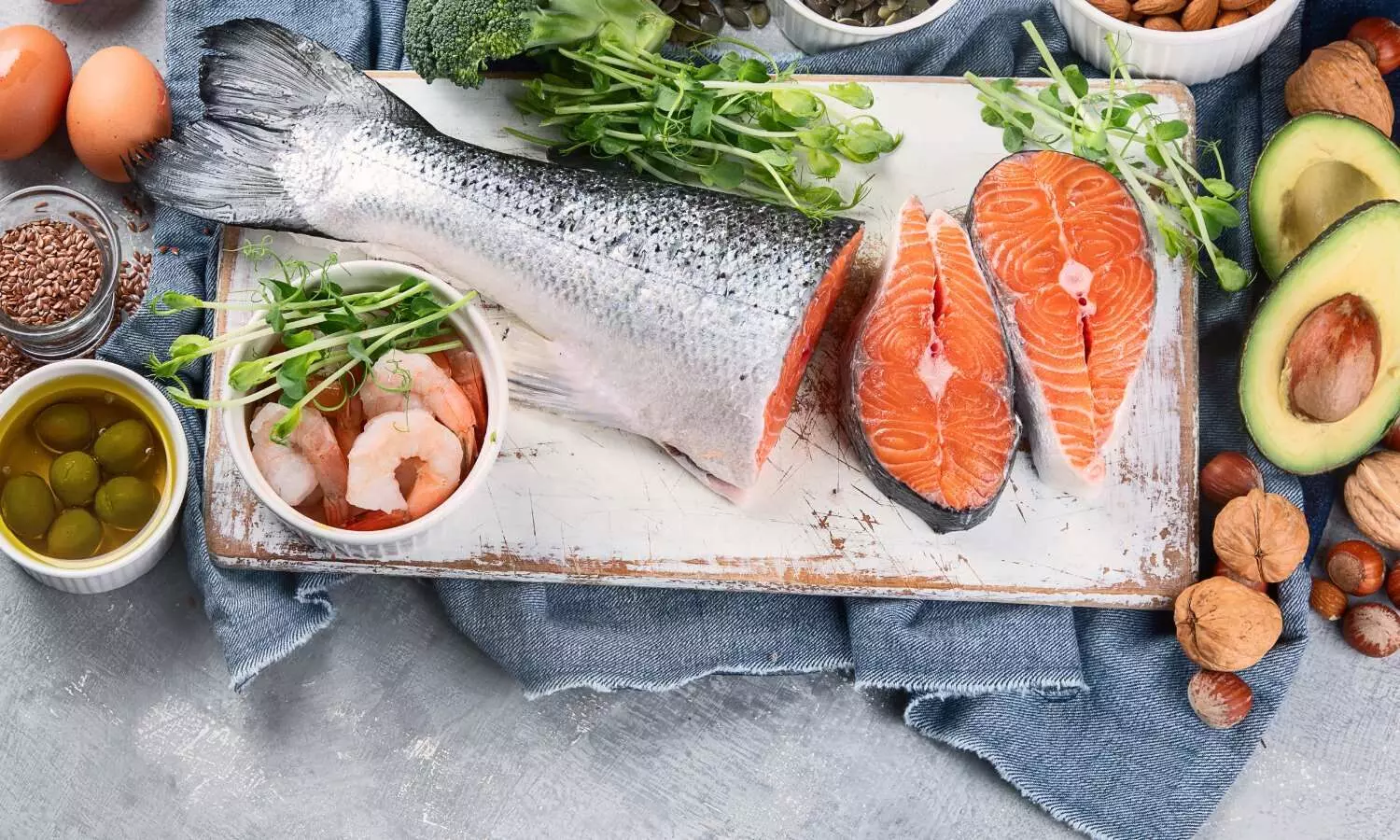
5. Fatty fish: Fatty fish, such as salmon, tuna, and mackerel, are rich in omega-3 fatty acids, which have anti-inflammatory properties. Omega-3s may help to reduce the risk of gallstones. Aim to eat two servings of fatty fish per week.

6. Legumes: Legumes, such as beans, lentils, and chickpeas, are a good source of plant-based protein, fiber, and folate. They may also help to lower cholesterol levels. Aim to include legumes in your diet at least a few times per week.

7. Water: Drinking plenty of water is essential for overall health and can also help to prevent gallstones. Aim to drink eight glasses of water per day.

In addition to eating these foods, it’s also important to limit your intake of saturated fat, cholesterol, and refined sugar. These can all contribute to gallstone formation.

If you are concerned about your risk of gallstones, talk to your doctor. They can help you create a personalized diet plan to reduce your risk.

Remember, these are just general guidelines. It’s always best to talk to your doctor about the best diet for you.

Tagged : / / / /

5 Realistic Ways to Actually Slow Down the Process of Aging

5 Realistic Ways to Actually Slow Down the Process of Aging
Aging is an inevitable part of life, but that doesn’t mean we have to surrender to wrinkles and creaky joints without a fight. By incorporating some simple yet effective habits into our daily lives, we can slow down the aging process and embrace a healthier, more vibrant version of ourselves. Here are 5 realistic ways to achieve just that:

1. Nourish Your Body with a Rainbow of Goodness:

What you eat plays a crucial role in how you age. Ditch the processed junk and embrace a diet rich in fruits, vegetables, whole grains, and healthy fats. These foods are packed with antioxidants and essential nutrients that combat free radical damage, keeping your cells healthy and your skin glowing. Think leafy greens, colorful berries, nuts, and avocados for a diet that’s as delicious as it is anti-aging.

2. Move Your Body, and Keep it Moving:

Regular exercise isn’t just good for your waistline; it’s also a fountain of youth! Physical activity strengthens your muscles and bones, improves circulation, and boosts brain function, all of which contribute to a more youthful appearance and overall well-being. Aim for at least 150 minutes of moderate-intensity exercise per week, or a combination of cardio and strength training. A brisk walk, a fun dance session, or a yoga class can all be fantastic ways to keep your body moving and your cells rejuvenated.

3. Befriend Sleep, Your Ultimate Rejuvenator:

While we sleep, our bodies repair and restore themselves, making sleep essential for both physical and mental health. Aim for 7-8 hours of quality sleep each night to allow your body to do its magic. Create a relaxing bedtime routine, avoid screens before bed, and ensure a cool, dark sleeping environment for optimal slumber. Remember, sleep deprivation shows on your face, so prioritize those precious Zzz’s for a youthful glow.

4. Stress Less, Live More:

Chronic stress wreaks havoc on our bodies, accelerating the aging process. Find healthy ways to manage stress, whether it’s through meditation, yoga, spending time in nature, or simply connecting with loved ones. Learning to relax and de-stress not only improves your mood but also keeps your cells happy and healthy, leading to a more youthful appearance.

5. Embrace the Sunshine, but with Caution:

While moderate sun exposure can be beneficial for vitamin D synthesis, excessive sunbathing is a major contributor to wrinkles and age spots. Protect your skin with a broad-spectrum sunscreen of SPF 30 or higher every time you step out, even on cloudy days. Additionally, consider wearing protective clothing and hats, especially during peak sun hours. Remember, sun protection is essential for maintaining healthy, youthful skin throughout your life.

By incorporating these 5 realistic tips into your daily routine, you can take control of your aging process and embrace a healthier, more vibrant version of yourself. Remember, aging is a natural part of life, but it doesn’t have to define you. With a little effort and the right approach, you can slow down the clock and live your life to the fullest, at any age!

Bonus Tip: Don’t underestimate the power of laughter, social connection, and a positive attitude. Staying positive, having fun, and nurturing your relationships can add years to your life and keep your spirit young.

So, let’s ditch the age-defying creams and quick fixes, and focus on building a healthy lifestyle that promotes inner and outer well-being. Remember, the best way to slow down aging is to embrace life with every fiber of your being, and age gracefully with wisdom, vitality, and a smile!

Tagged : / / /

Setting Weight Loss Goals: The Key to Unlocking a Fitter You!

Setting Weight Loss Goals: The Key to Unlocking a Fitter You!
We all know the drill: New Year, new you, new weight loss goals. But let’s be honest, those resolutions often fizzle out faster than a firework on Diwali. Why? Because vague aspirations like “get fit” or “lose weight” lack the specificity and direction needed for lasting success.

Instead, we need SMART goals: Specific, Measurable, Achievable, Relevant, and Time-bound. These are the goal-setting superheroes that will propel you towards a fitter, healthier you.

Step 1: Be a Detective. Uncover Your “Why”.

Before diving into numbers, ask yourself: why do I want to lose weight? Is it for better health, increased energy, or finally fitting into those dream jeans? Identifying your “why” fuels your motivation and keeps you going when the going gets tough.

Step 2: Ditch the Wishful Thinking, Embrace Reality.

Aiming to shed 20 pounds in a month might sound exciting, but it’s a recipe for disappointment and discouragement. Instead, base your goals on realistic expectations. A healthy weight loss rate is 1-2 pounds per week. So, aiming for 5-10 pounds in a month is far more achievable and sustainable.

Step 3: Make it Measurable. Numbers are Your Friends!

Don’t just say “eat healthier.” Quantify it! Aim for five servings of fruits and vegetables daily, or swap sugary drinks for water. Similarly, instead of “exercise more,” set a specific target like three 30-minute workouts per week. Tracking your progress, whether through a fitness tracker or a simple notebook, keeps you accountable and celebrates your milestones.

Step 4: Keep it Relevant. Tailor Your Goals to Your Lifestyle.

A fitness fanatic’s goals might not work for a busy parent. Choose activities you enjoy and can realistically fit into your schedule. Love dancing? Aim for two Zumba classes a week. Prefer the outdoors? Schedule weekend hikes with friends. Making exercise fun and social increases the chances of you sticking with it.

Step 5: Time Flies, Goals Don’t. Set Deadlines!

Having an end date gives you a clear target and prevents procrastination. Break down your long-term goal into smaller, weekly or monthly milestones. Achieving these mini-victories fuels your confidence and keeps you motivated on the path to success.

Remember, goal setting is a journey, not a destination. There will be bumps along the way, plateaus to conquer, and maybe even a slice of cake that beckons too loudly. But with SMART goals guiding you, you’ll have the resilience and direction to navigate these challenges and emerge fitter, healthier, and most importantly, proud of the amazing you that you’re becoming.

So, unleash your inner goal-setting superhero, embrace the SMART approach, and unlock the door to a fitter, happier you!

Bonus Tip: Celebrate your successes! Reward yourself for reaching milestones, not just the final goal. A new workout outfit, a relaxing spa day, or simply acknowledging your progress can keep you motivated and on track.

Tagged : / / /

Cycling vs Walking: Pedaling Away the Pounds or Pounding the Pavement?

Cycling vs Walking: Pedaling Away the Pounds or Pounding the Pavement?
When it comes to shedding pounds, two age-old contenders stand out: cycling and walking. Both offer a healthy dose of exercise, but which reigns supreme for weight loss? Let’s hop on our bikes and hit the pavement to find out!

Calorie Combustion: Cycling Takes the Lead

Cycling generally burns more calories per minute than walking. A 150-pound person can torch around 260 calories in 30 minutes of moderately paced cycling, compared to 130 calories for brisk walking. This calorie-blasting edge comes from engaging larger muscle groups in your legs and core. So, if you’re looking for a faster calorie burn, cycling might be your champion.

Fat-Burning Battleground: It’s a Tie (With Nuances)

While cycling burns more total calories, walking might have a slight edge in fat-burning. Walking, especially uphill or on uneven terrain, engages more stabilizing muscles and increases fat metabolism. Additionally, a study suggests walking might be better at targeting belly fat, a pesky culprit in health issues. Ultimately, both activities can help you lose fat, and the key lies in consistency and a calorie deficit.

Joint Journey: Walking Wins the Comfort Round

Walking is a low-impact exercise, making it gentler on your joints, especially the knees and ankles. This is particularly beneficial for people with joint pain or limited mobility. Cycling, while generally safe, can put some strain on the lower back and knees, especially with improper posture or on hilly terrain. So, if joint health is a concern, walking might be your smoother stride.

Mental Miles: Choose Your Mood Booster

Both cycling and walking offer mental health benefits. Cycling can be exhilarating, providing a sense of freedom and speed. Walking, on the other hand, can be meditative and grounding, allowing you to connect with nature and your surroundings. Choose the activity that sparks joy and elevates your mood, as consistency is key for long-term weight loss success.

The Verdict: It’s a Draw!

Both cycling and walking are fantastic tools for weight loss, each with its own strengths and weaknesses. The best choice depends on your individual preferences, fitness level, and joint health. You can even mix and match both activities for a well-rounded workout routine. Remember, consistency is key, so find an activity you enjoy and stick with it!

Bonus Tip: Don’t forget about diet! A healthy, balanced diet combined with regular exercise is the ultimate recipe for weight loss success.

So, lace up your shoes or pump up your tires, and get ready to conquer your weight loss goals! Whether you choose to cycle or walk, remember, every step and pedal stroke counts!

Tagged : / / / / /

5 Superfoods for Kidney Health to Include in Your Daily Diet

5 Superfoods for Kidney Health to Include in Your Daily Diet
Our kidneys are silent powerhouses, working tirelessly to filter waste products from our blood and maintain electrolyte balance. Keeping them healthy is crucial for overall well-being, and incorporating certain superfoods into your daily diet can play a significant role. Here are 5 kidney-friendly superstars you should consider adding to your plate:

1. Berries: These antioxidant powerhouses are packed with vitamins, minerals, and fiber, all of which contribute to kidney health. Blueberries, strawberries, and cranberries are particularly beneficial, thanks to their anti-inflammatory properties and ability to help prevent urinary tract infections.

2. Cruciferous Vegetables: Broccoli, kale, and cabbage are loaded with sulforaphane, a compound that helps detoxify the body and protect the kidneys from damage. They’re also rich in vitamin C and potassium, further supporting kidney function.

3. Fatty Fish: Salmon, tuna, and mackerel are excellent sources of omega-3 fatty acids, which have anti-inflammatory effects and can help reduce protein in the urine, a marker of kidney damage. Aim for two servings per week of these oily fish.

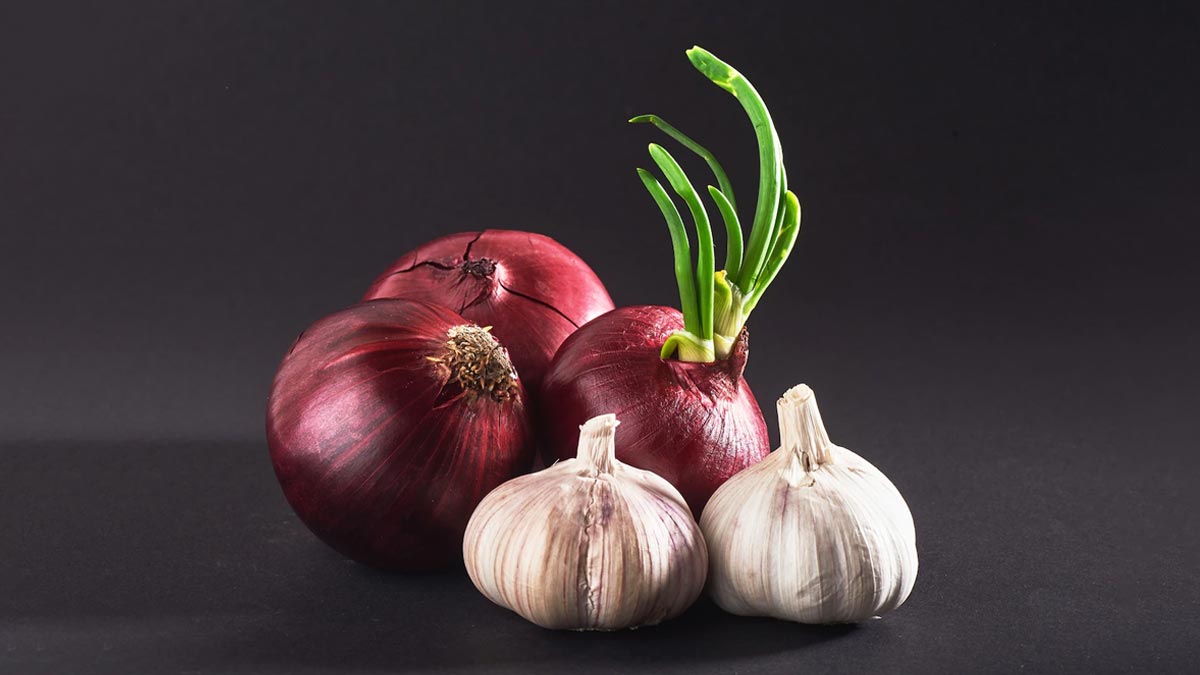
4. Garlic and Onions: These flavorful allies contain allicin, a compound with antioxidant and anti-inflammatory properties. Studies suggest that regular consumption of garlic and onions may help protect against kidney disease.

5. Bell Peppers: These vibrant vegetables are low in potassium and phosphorus, making them ideal for kidney-conscious individuals. They’re also packed with vitamin C and antioxidants, further supporting kidney health.

Remember, while these superfoods are excellent for kidney health, moderation is key. It’s important to consult a healthcare professional for personalized dietary advice, especially if you have any existing kidney concerns.

Bonus Tip: Hydration is essential for kidney function! Aim for eight glasses of water per day, and adjust based on your activity level and climate.

By incorporating these kidney-friendly superfoods into your daily diet and staying hydrated, you can give your silent heroes the support they deserve and contribute to a long and healthy life.

Tagged : / / / /
Verified by ExactMetrics