7 Things that you use daily but which are dirtier than a toilet bowl

7 Things that you use daily but which are dirtier than a toilet bowl
We all know that toilet bowls can be pretty germy. But did you know that there are actually a number of everyday items that are dirtier than a toilet bowl?

Here are 7 things that are dirtier than a toilet bowl:

1 Your smartphone
Your smartphone is home to an average of 10 times more bacteria than a toilet seat. That’s because it’s constantly being touched by your hands, which are often dirty. To clean your smartphone, you can use a damp cloth with soap or an antibacterial wipe.

2 Your keyboard and mouse
Your keyboard and mouse are also pretty germy. A study by the University of Arizona found that the average keyboard has over 3,000 bacteria per square inch. And the average mouse has over 1,000 bacteria per square inch. To clean your keyboard and mouse, you can use a can of compressed air or a vacuum cleaner with a brush attachment.

3 Your cutting board
Your cutting board is another item that can be pretty dirty. A study by the University of California, Davis found that the average cutting board has over 200 times more bacteria than a toilet seat. That’s because food particles can get stuck in the grooves of your cutting board, providing a breeding ground for germs. To clean your cutting board, you should wash it with hot, soapy water after every use.

4 Your sponge


Your sponge is one of the dirtiest items in your kitchen. A study by the University of Manchester found that the average kitchen sponge has more bacteria than a toilet seat. That’s because sponges are often not cleaned properly, and they can harbor bacteria from food particles and dirt. To clean your sponge, you should soak it in a solution of bleach and water for 10 minutes once a week.

5 Your faucet handles
Faucet handles are often touched by people who have not washed their hands, which means they can be pretty germy. A study by the University of Arizona found that the average faucet handle has over 100 bacteria per square inch. To clean your faucet handles, you should wipe them down with a disinfectant wipe or spray them with a disinfectant cleaner.

6 Your ATM buttons
ATM buttons are another item that can be pretty dirty. A study by the University of New Mexico found that the average ATM button has over 1,000 bacteria per square inch. That’s because ATM buttons are often touched by people who have not washed their hands. To clean your ATM buttons, you should wipe them down with a disinfectant wipe or spray them with a disinfectant cleaner.

7 Your money
Money is another item that can be pretty dirty. A study by the University of Arizona found that the average dollar bill has over 3,000 bacteria per square inch. That’s because money is often handled by people who have not washed their hands. To clean your money, you can wipe it down with a disinfectant wipe or spray it with a disinfectant cleaner.

So, there you have it. These are 7 things that are dirtier than a toilet bowl. Now that you know, you can take steps to clean them more often and keep your hands clean when you touch them.

Tagged : / /

3 Reasons Why Intermittent Fasting Is Better Than Cutting Down On Calories?

3 Reasons Why Intermittent Fasting Is Better Than Cutting Down On Calories?
Intermittent fasting (IF) is a popular weight loss and health improvement method that involves cycling between periods of eating and fasting. There is some evidence to suggest that IF may be more effective than calorie restriction (CR) for weight loss and improving metabolic health.

1. Intermittent Fasting may benefit the gut microbiome
The gut microbiome is a complex ecosystem of bacteria that plays an important role in digestion, immunity, and overall health. Studies have shown that IF can help to improve the diversity and function of the gut microbiome. This may be due to the fact that IF allows the gut to rest and repair itself.

2. Intermittent Fasting may help to reduce insulin resistance
Insulin resistance is a condition in which the body’s cells become less sensitive to insulin, a hormone that helps to regulate blood sugar levels. Insulin resistance is a major risk factor for type 2 diabetes and other chronic diseases. Studies have shown that IF can help to improve insulin sensitivity, which may help to reduce the risk of these diseases.

3. Intermittent Fasting may be easier to stick to than Calorie Restriction
CR can be difficult to stick to long-term, as it requires people to constantly count calories or restrict their food intake. IF, on the other hand, can be more flexible, as people can still eat their favorite foods during their eating window. This may make IF a more sustainable weight loss and health improvement strategy for some people.

Overall, there is some evidence to suggest that Intermittent Fasting may be more effective than Calorie Restriction for weight loss and improving metabolic health. However, more research is needed to confirm these findings.

Here are some additional things to keep in mind about Intermittent Fasting:

  • It is not a magic bullet for weight loss. IF can help you to lose weight, but it is important to combine it with a healthy diet and regular exercise.
  • There are different IF protocols, so you will need to find one that works for you. Some popular protocols include the 16:8 method, the 5:2 method, and the Eat-Stop-Eat method.
  • If you have any health conditions, it is important to talk to your doctor before starting IF.
    If you are considering trying IF, first do your research and talk to your doctor to see if it is right for you.
Tagged : / / / /

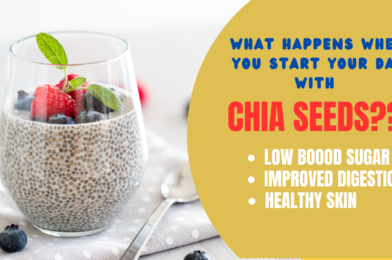
What Happens When You Start Your Day With Chia Seeds Everyday?

What Happens When You Start Your Day With Chia Seeds Everyday?
Chia seeds are a small, nutrient-rich seed that has been gaining popularity in recent years. They are a good source of fiber, protein, and omega-3 fatty acids, and they have been shown to have a number of health benefits.

One of the best ways to enjoy chia seeds is to start your day with them. Soaking chia seeds in water or milk overnight will give them a gel-like consistency, which makes them easier to digest and makes you feel fuller longer.

Here are 8 benefits of starting your day with soaked chia seeds:

1 Weight loss: Chia seeds can help you lose weight by making you feel fuller longer. They are also a good source of fiber, which can help to regulate digestion and promote weight loss.

2 Reduced inflammation: Chia seeds are a good source of omega-3 fatty acids, which have been shown to reduce inflammation in the body. Inflammation is a major risk factor for many diseases, so reducing inflammation can help to improve your overall health.

3 Improved heart health: Chia seeds are a good source of fiber, which can help to lower cholesterol levels. They are also a good source of omega-3 fatty acids, which have been shown to improve heart health.

4 Lowered blood sugar levels: Chia seeds can help to lower blood sugar levels by slowing down the absorption of sugar into the bloodstream. This can be especially beneficial for people with diabetes or prediabetes.

5 Improved digestion: Chia seeds are a good source of fiber, which can help to regulate digestion and prevent constipation. They are also a good source of water, which can help to keep the digestive system running smoothly.

6 Boosted energy levels: Chia seeds are a good source of protein and fiber, which can help to provide you with sustained energy throughout the day. They are also a good source of magnesium, which is an important mineral for energy production.

7 Improved skin health: Chia seeds are a good source of antioxidants, which can help to protect your skin from damage. They are also a good source of omega-3 fatty acids, which have been shown to improve skin health.

8 Increased hydration: Chia seeds are a good source of water, which can help to keep you hydrated. This is especially important if you live in a hot climate or if you are active.

If you are looking for a healthy and nutritious way to start your day, chia seeds are a great option. Soak chia seeds in water or milk overnight and enjoy them in the morning as part of a smoothie, yogurt, or oatmeal.

Tagged : / / /

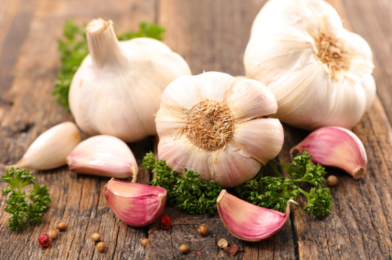
3 Simple Ways to Eat Garlic Daily For Maximum Benefits!

3 Simple Ways to Eat Garlic Daily For Maximum Benefits!
Did you know that adding garlic to your normal diet is the finest remedy for all of your seasonal health issues? Are you trying to find a tasty and all-natural way to improve your health? Garlic is the only thing you need to consider. Whether you like the pungent odour it gives off or not, garlic is the secret to a number of health advantages. This strong substance has been utilised for generations in traditional medicines, from lowering cholesterol to regulating diabetes. But how can you incorporate garlic into your diet on a regular basis without giving your taste receptors a headache? Be at ease! These are 3 simple ways you can do so!

1 Raw garlic on an empty stomach
On an empty stomach, eating raw garlic can help reduce cholesterol and improve heart health. Dr. Prasad notes that the raw garlic ingredient allicin is known for its ability to decrease cholesterol and thin the blood. Simply consume a few raw garlic cloves with a glass of water in the morning to get these advantages. The best method to consume garlic, according to Dr. Prasad, is to eat it raw and on an empty stomach because cooking dilutes the allicin content. Therefore, the best strategy to support heart health and manage diabetes while keeping the most nutrition is to consume raw garlic with a glass of water. Garlic breath can be controlled by consuming it with lemon, apple cider vinegar, or hot water.

2 Garlic tea
For those who prefer a milder flavour but still want to reap the advantages of garlic, garlic tea is a fantastic choice. Crush a clove of garlic and add it to a cup of water to make garlic tea. Add 1-2 tablespoons of cinnamon after bringing the tea to a boil for a few minutes. Before turning off the heat, give the mixture a few minutes to steep. Add half a teaspoon of lemon juice and a teaspoon of honey to finish. You may stay healthy by drinking this tasty and immune-stimulating cup of garlic tea in the morning.

3 Roasted garlic
Roasting garlic brings out a mellow and slightly sweet flavor while preserving its health benefits. To roast garlic, cut off the top of a garlic bulb, exposing the cloves. Drizzle the bulb with olive oil and wrap it in aluminum foil. Roast it in the oven at 400°F (200°C) for about 30-35 minutes, or until the cloves become soft and golden. Once cooled, squeeze the roasted garlic cloves out of their skins and spread them on bread or mix them into dips and sauces. Roasted garlic adds a delicious depth of flavor to your dishes while providing its numerous health advantages.

Tagged : / / / /

10 High Protein Snacks Under 100 Calories!

10 High Protein Snacks Under 100 Calories!
Protein is an essential nutrient that plays a vital role in many bodily functions, including building and repairing muscle tissue, keeping you feeling full, and boosting your metabolism. While it is important to get enough protein throughout the day, it can be difficult to know which snacks are both high in protein and low in calories.

This blog post will provide you with a list of 10 high protein snacks that are under 100 calories each. These snacks are perfect for those who are looking to boost their protein intake without overdoing it on the calories.

10 High Protein Snacks Under 100 Calories

1 Hard-boiled eggs
Hard-boiled eggs are a classic high protein snack that is also very low in calories. One large hard-boiled egg contains 6 grams of protein and only 78 calories.
2 Edamame
Edamame are soybeans that have been steamed and are a great source of protein and fiber. One cup of edamame contains 17 grams of protein and only 150 calories.
3 Greek yogurt
Greek yogurt is a thick and creamy yogurt that is high in protein and low in sugar. One cup of Greek yogurt contains 17 grams of protein and only 100 calories.
4 Cottage cheese
Cottage cheese is another high protein, low calorie snack. One cup of cottage cheese contains 24 grams of protein and only 110 calories.
5 Tuna
Tuna is a low-fat fish that is high in protein. One can of tuna (packed in water) contains 26 grams of protein and only 100 calories.
6 Salmon
Salmon is another high protein fish that is also a good source of omega-3 fatty acids. One cooked salmon fillet (3 ounces) contains 22 grams of protein and only 140 calories.
7 Chicken breast
Chicken breast is a lean protein that is low in calories and fat. One cooked chicken breast (3 ounces) contains 26 grams of protein and only 165 calories.
8 Turkey breast
Turkey breast is another lean protein that is low in calories and fat. One cooked turkey breast (3 ounces) contains 23 grams of protein and only 140 calories.
9 Beans
Beans are a good source of protein and fiber. One cup of cooked beans contains 15 grams of protein and only 200 calories.
10 Lentils
Lentils are another good source of protein and fiber. One cup of cooked lentils contains 18 grams of protein and only 230 calories.

Conclusion

These are just a few of the many high protein snacks that are under 100 calories. By choosing these snacks, you can boost your protein intake without going overboard on the calories. So next time you are looking for a snack, reach for one of these healthy and satisfying options.

Tagged : / / / /

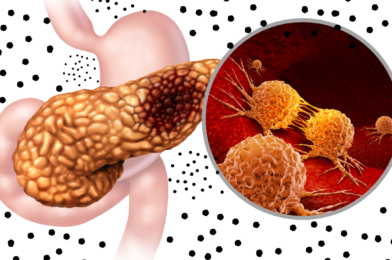
These 5 Lifestyle Habits are Leading People Towards Pancreatic Cancer

These 5 Lifestyle Habits are Leading People Towards Pancreatic Cancer
Pancreatic cancer is a serious disease that affects the pancreas, a gland located in the abdomen. The pancreas produces enzymes that help to digest food and hormones that regulate blood sugar levels. Pancreatic cancer is often difficult to detect early, and it can be aggressive and deadly.

There are a number of lifestyle habits that have been linked to an increased risk of pancreatic cancer. These include:

1 Smoking
Smoking is the leading cause of pancreatic cancer. People who smoke are two to three times more likely to develop pancreatic cancer than people who don’t smoke.

2 Obesity
Obesity is another major risk factor for pancreatic cancer. People who are obese or overweight have a 20% higher risk of developing pancreatic cancer than people who have a healthy weight.

3 Red and processed meat
Eating a lot of red and processed meat has been linked to an increased risk of pancreatic cancer. Red meat is high in saturated fat, which can damage cells in the pancreas and increase the risk of cancer. Processed meats, such as bacon, sausage, and hot dogs, are often high in nitrates and other chemicals that have been linked to cancer.

4 Alcohol consumption
Heavy alcohol consumption is also a risk factor for pancreatic cancer. People who drink more than two alcoholic drinks per day have a 20% higher risk of developing pancreatic cancer than people who don’t drink alcohol.

5 Diabetes
People with diabetes have a two- to three-fold increased risk of developing pancreatic cancer. Diabetes can damage cells in the pancreas and increase the risk of cancer.

In addition to these lifestyle habits, there are a number of other factors that can increase the risk of pancreatic cancer, such as age, race, and ethnicity. Pancreatic cancer is more common in people over the age of 65, and it is more common in men than in women. African Americans and Native Americans are also at an increased risk of pancreatic cancer.

There is no sure way to prevent pancreatic cancer, but making healthy lifestyle choices can help to reduce your risk. If you are concerned about your risk of pancreatic cancer, talk to your doctor about your personal risk factors and what you can do to reduce your risk.

Here are some tips for living a healthier lifestyle and reducing your risk of pancreatic cancer:

  • Don’t smoke. If you smoke, quit. Smoking is the leading cause of pancreatic cancer, and quitting can reduce your risk.
  • Maintain a healthy weight. If you are overweight or obese, lose weight. Losing even a small amount of weight can help to reduce your risk of pancreatic cancer.
  • Eat a healthy diet. Eat plenty of fruits, vegetables, and whole grains. Limit your intake of red and processed meat, and avoid sugary drinks.
  • Get regular exercise. Aim for at least 30 minutes of moderate-intensity exercise most days of the week.
  • Manage diabetes. If you have diabetes, work with your doctor to manage your blood sugar levels.
  • Get screened for pancreatic cancer. If you are at high risk of pancreatic cancer, talk to your doctor about whether you should be screened for the disease.
    By making healthy lifestyle choices, you can help to reduce your risk of pancreatic cancer.
Tagged : / /

5 Simple Foods in Your Kitchen That Improve Digestion

5 Simple Foods in Your Kitchen That Improve Digestion
our digestive system is responsible for breaking down food so that your body can absorb the nutrients it needs. When your digestion is working properly, you’ll experience regular bowel movements, have a healthy appetite, and feel your best overall. There are many foods that can help improve digestion. Here are five that you may already have in your kitchen:

Yogurt
It is a good source of probiotics, which are live bacteria that are similar to the good bacteria that naturally live in your gut. Probiotics can help to improve digestion by keeping your gut healthy and balanced. Yogurt is also a good source of protein and calcium, both of which are important for digestive health.

Apples
Apples are a good source of fiber, which is essential for digestion. Fiber helps to keep your digestive system regular and can also help to prevent constipation. Apples also contain pectin, a soluble fiber that has been shown to help lower cholesterol levels.

Fennel
Still chewed by our grandparents and parents after every meal, it is a herb that has been used for centuries to help improve digestion. It contains compounds that have anti-inflammatory and carminative properties, which can help to relieve gas, bloating, and other digestive discomfort. Fennel can be eaten raw, cooked, or as a tea.

Chia seeds
These wonder seeds are a good source of fiber and omega-3 fatty acids, both of which are important for digestive health. Chia seeds can help to keep your digestive system regular and can also help to reduce inflammation in the gut. Chia seeds can be added to smoothies, yogurt, or oatmeal.

Papaya
Papaya contains papain, an enzyme that helps to break down proteins. Papaya can help to improve digestion and can also be used to treat indigestion and heartburn. Papaya can be eaten fresh, cooked, or as a juice.

Here are some specific ways you can incorporate these foods into your diet:

For breakfast, have a bowl of yogurt with berries and nuts.
For lunch, have a salad with grilled chicken or fish, leafy greens, and fennel.
For dinner, have a quinoa bowl with roasted vegetables and chia seeds.
As a snack, eat an apple with peanut butter or a papaya smoothie.
By adding these foods to your diet, you can improve your digestion and overall health.

Tagged : / / /

Vegetables Which Are Not Safe To Eat in the Monsoon Season

Vegetables Which Are Not Safe To Eat in the Monsoon Season
The monsoon season is a time for many to enjoy the rains and the refreshing weather. However, it is also a time when we need to be more careful about what we eat, as the increased humidity and moisture can lead to the growth of harmful bacteria and microorganisms. This is especially true for certain vegetables, which are more prone to contamination during the monsoon season.

Here are some vegetables that you should avoid consuming in monsoon:

Leafy vegetables
Leafy vegetables, such as spinach, cabbage, and lettuce, are a breeding ground for bacteria and other microorganisms. The moisture in these vegetables makes them more susceptible to contamination, and the leaves can easily trap dirt and debris. Eating contaminated leafy vegetables can lead to food poisoning, which can cause symptoms such as nausea, vomiting, diarrhea, and abdominal cramps.

Cruciferous vegetables
Cruciferous vegetables, such as cauliflower, broccoli, and Brussels sprouts, also contain compounds that can make them more susceptible to contamination during monsoon. These vegetables contain glucosinolates, which are sulfur-containing compounds that can break down into harmful substances when they are exposed to moisture. Eating contaminated cruciferous vegetables can lead to gastrointestinal problems such as gas, bloating, and diarrhea.

Mushrooms
Mushrooms are another type of vegetable that should be avoided in monsoon. Mushrooms grow in damp soil, and they can easily absorb harmful bacteria. Eating contaminated mushrooms can lead to food poisoning, which can cause serious symptoms such as fever, headache, muscle cramps, and even death.

Eggplant
Eggplant is a nightshade vegetable that contains a group of chemicals called alkaloids. These chemicals can cause allergic reactions in some people, and they can also make the eggplant more susceptible to contamination during monsoon. Eating contaminated eggplant can lead to symptoms such as nausea, vomiting, diarrhea, and skin rashes.

Sprouts
Sprouts are a nutritious food that is often eaten raw. However, sprouts can be a breeding ground for harmful bacteria, especially during the monsoon season. This is because the warm and humid weather creates an ideal environment for bacteria to grow.

If you are looking for safe vegetables to eat during monsoon, there are a few good options. Root vegetables, such as carrots, potatoes, and turnips, are generally safe to eat. Other safe vegetables include tomatoes, cucumbers, bell peppers, and zucchini. You should also wash all vegetables thoroughly before cooking or eating them.

In addition to avoiding certain vegetables, there are other things you can do to protect your health during monsoon. These include:

Cooking food thoroughly.
Avoiding eating street food or food from unhygienic restaurants.
Drinking boiled or bottled water.
Washing your hands frequently with soap and water.
Keeping your kitchen clean and dry.
By following these tips, you can help to protect yourself from food poisoning and other health problems during the monsoon season.

Tagged : / /

5 Super Foods That Increase Testosterone Levels

5 Super Foods That Increase Testosterone Levels

Testosterone is a male sex hormone that plays a role in many aspects of health, including sex drive, muscle mass, and bone density. While testosterone levels naturally decline with age, there are some things you can do to boost your levels naturally, such as exercising regularly and eating a healthy diet.

Here are 5 foods that have been shown to increase testosterone levels:

1. Oysters

Oysters are one of the best sources of zinc, a mineral that is essential for testosterone production. A single serving of oysters provides over 300% of the daily recommended value for zinc.

2. Pomegranate

Pomegranates are a good source of antioxidants, which can help protect against the damage that can lead to low testosterone levels. They also contain ellagic acid, a compound that has been shown to increase testosterone production in animal studies.

3. Fatty fish

Fatty fish, such as salmon, tuna, and sardines, are a good source of omega-3 fatty acids, which have been shown to increase testosterone levels. Omega-3 fatty acids also help to improve sperm quality and fertility.

4. Dark leafy greens

Dark leafy greens, such as spinach, kale, and broccoli, are a good source of magnesium, a mineral that is essential for testosterone production. They also contain other nutrients that are important for overall health, such as vitamin K, folate, and fiber.

5. Eggs

Eggs are a good source of protein, vitamin D, and zinc, all of which are important for testosterone production. They also contain choline, a nutrient that is essential for brain health and development.

In addition to these foods, there are other things you can do to boost your testosterone levels, such as:

Getting regular exercise
Getting enough sleep
Managing stress
Avoiding smoking and excessive alcohol consumption
If you are concerned about your testosterone levels, talk to your doctor. They can help you determine if you have low testosterone and recommend appropriate treatment options.

Here are some additional tips for incorporating these foods into your diet:

Add oysters to your breakfast with a side of spinach and avocado.
Make a pomegranate salad with feta cheese, walnuts, and a vinaigrette dressing.
Toss some salmon with roasted vegetables for a quick and easy weeknight meal.
Add dark leafy greens to your smoothies or salads.
Hard-boil some eggs and keep them on hand for a quick and easy snack.
By following these tips, you can boost your testosterone levels naturally and improve your overall health and well-being.

Tagged : / / /

10 Simple Indian foods that work wonders in preventing acidity and they are in your kitchen!

10 Simple Indian foods that work wonders in preventing acidity and they are in your kitchen!
Acidity is a common problem that can be caused by a variety of factors, including stress, eating spicy foods, and drinking too much alcohol. Due to our sedentary lifestyle in the modern world, acidity and other digestive problems are now rather typical. As a result, many people do not give acidity the necessary attention it requires, despite the fact that failing to do so can lead to a number of serious health issues such gastric ulcers. While there are medications that can help to relieve acidity, there are also a number of natural remedies that can be effective. Indian cuisine is full of delicious and nutritious foods that can help to prevent acidity. Here are 10 Indian superfoods that can help to keep your stomach acid at bay and they are very easily available in your kitchen.

1 BUTTERMILK
Many individuals often drink buttermilk as a refreshing beverage, especially after meals. Ever questioned why? Lactic acid, which is present in buttermilk, helps to balance stomach acidity or acid reflux. Additionally, it calms any gastrointestinal tract inflammation and cools your stomach. To reduce acidity, you can drink a glass of buttermilk before or after meals.

2 CINNAMON
Although cinnamon is most commonly used as a flavouring, its benefits go far beyond cooking. The majority of people are unaware that it also functions naturally as an antacid. Before eating, consume two tablespoons of honey with two teaspoons of cinnamon powder to reduce acidity and aid in digestion of even the heaviest meals. In order to prepare an aromatic tea, you additionally boil and drain the cinnamon powder.

3 TULSI LEAVES
Tulsi, commonly referred to as holy basil, is well-known for its medical benefits and also helps to control acidity. It aids in enhancing the mucus production in your stomach. Additionally, it lessens the impact of gastric acids in the digestive system, aiding in the prevention of ulcers. The best technique to relieve the discomfort you experience whenever you have an episode of acidity is to chew on five to six tulsi leaves.

4 JEERA
Another spice that is frequently used in Indian cuisine is cumin, or jeera. It possesses qualities that increase salivation, which aids in better metabolism, better digestion, and relieves gas and other gastrointestinal issues. To reduce acidity, you can chew a few jeera seeds or boil the seeds in water and drink the resulting concoction once it has cooled. Any time of the day is appropriate for drinking it as tea.

5 MINTLEVES
Mint leaves are used in cooking, but they also possess some powerful qualities that can lower stomach acid levels and promote better digestion. Additionally, it provides a cooling effect that lessens the burning & agony brought on by acid reflux. After a large meal, chew on a few mint leaves or add them to your glass of buttermilk for an extra boost.

6 CAROM SEEDS
Carom seeds, sometimes referred to as ajwain in India, are rich in thymol. Thymol aids in the discharge of gastric juices from the stomach, speeding up the digestive process and reducing acid reflux.

7 GINGER
The root is renowned for enhancing digestion and assisting in better nutritional absorption and assimilation. By encouraging mucus secretion and lessening the impact of the acid on your stomach, it also helps to prevent ulcers.It can be eaten raw or added to soups, green tea, & tea.

8 AMLA
Amla is a vitamin C powerhouse. High vitamin C intake aids in the recovery of the oesophagus and damaged stomach lining. To combat acidity, consume one teaspoon of amla powder twice daily.

9 ELAICHI OR CARDAMOM
Ever ponder why elaichi is frequently used in post-meal mouthwashes? That’s because elaichi is a carminative and is known to increase digestion; as a result, it helps reduce heartburn and stomach lining inflammation. Additionally, it calms the mucous membrane, improving its functionality and easing acidity-related symptoms. For immediate relief from acidity, crush two cardamom pods (with or without the peel), boil the powdered cardamom in water, and then drink the cooled juice.

10 ALMOST TEN APPLE CIDER VINEGAR
Many individuals wrongly think that an excess of acid is what causes all cases of acid reflux and indigestion. According to the most recent studies, for many people, not enough acid is produced to properly digest the food they eat. Each day, a spoonful of apple cider vinegar mixed with water enhances the stomach’s acid content and facilitates better digestion.

Tagged : / / / /

Aspartame, the artificial sweetener in Coca Cola to be added in cancer-causing substance list by an International agency!

Aspartame, the artificial sweetener in Coca Cola to be added in cancer-causing substance list by an International agency!
Aspartame, one of the most widely used artificial sweeteners worldwide, is expected to be classified as a potential carcinogen by the end of next month, according to Reuters. The announcement will be made by the World Health Organisation (WHO), according to Reuters, and the report is based on two persons with knowledge of the procedure. A month ago, the WHO issued a warning against the use of artificial sweeteners.

According to a study in Reuters, aspartame is an ingredient in many goods, including chewing gum, Coca-Cola and other carbonated beverages, as well as many sweet beverages. That takes us to the query that is currently feverishly trending online. Well, keep reading to find out if you’re interested.

What is aspartame?

First off, according to Healthline, aspartame is one of the most widely used non-nutritive sweeteners (NNS) on the market and is even present in goods that bear the labels “diet,” “sugar-free,” “no” or “low” calorie, and “zero” sugar.

It is a white, odourless powder that is 200 times sweeter than regular sugar. Actually, that’s a lot! This implies that just a tiny bit of the same substance is required to sweeten food and beverages. Aspartic acid and phenylalanine are the two main components of aspartame, according to Healthline. They both are amino acids, which are regarded as the “building blocks” of proteins and occur naturally.

Additionally, aspartame produces a little quantity of methanol during digestion, a substance that is naturally found in fruits, vegetables, and their juices. Also, aspartame is frequently used in “sugar-free products” in place of sugar. In addition to this, it can also be found in meals like light yoghurt, sugar-free ice cream, and energy bars. Aspartame was authorised for use in foods and beverages by the US Food and Drug Administration (FDA) in 1981, according to The Washington Post.

But now the new development is that Aspartame will reportedly be labelled as “possibly carcinogenic to humans” for the first time by the International Agency for Research on Cancer (IARC), the WHO’s cancer research arm, in July, according to sources cited by Reuters. Aspartame’s impacts and safety are now being examined by the Joint Organisation Expert Committee on Food Additives (JEFCA) and the IARC.

Tagged : / /

Why you should not eat curd at night?

Why you should not eat curd at night?
Curd is an essential part and parcel of the Indian thali. Curd, also known as yogurt, is a dairy product that is made by fermenting milk with live bacteria. It is a good source of protein, calcium, and other nutrients. However, there are some reasons why you should not eat curd at night.

1 It can cause digestive problems
Curd is a heavy food that can be difficult to digest, especially at night when your metabolism is slower. This can lead to bloating, gas, and indigestion.

2. It can increase mucus production
Curd is a cooling food that can increase mucus production in the body. This can aggravate respiratory problems such as asthma, cough, and cold.

3. It can disrupt sleep
Curd is a probiotic food that can increase the activity of the gut bacteria. This can lead to increased gas production and bloating, which can make it difficult to fall asleep.

4. It can interfere with the absorption of certain nutrients
Curd contains calcium, which can interfere with the absorption of iron. This is especially important for people who are prone to iron deficiency anemia.

5. It can increase the risk of food poisoning
Curd is a perishable food that should be stored in the refrigerator. If it is not stored properly, it can become contaminated with harmful bacteria and cause food poisoning.

If you are concerned about the health risks of eating curd at night, you can avoid it or eat it in moderation. If you do choose to eat curd at night, make sure it is fresh and store it properly in the refrigerator.

Here are some tips for eating curd safely at night:

Choose fresh curd that is made from pasteurized milk.
Store curd in the refrigerator at a temperature of 40 degrees Fahrenheit or below.
Do not eat curd that has been left out at room temperature for more than two hours.
If you have a weak digestive system, avoid eating curd at night.
If you are prone to respiratory problems, avoid eating curd at night.
If you are taking medication, talk to your doctor about whether it is safe for you to eat curd at night.
Overall, it is best to avoid eating curd at night, especially if you have any health concerns. If you do choose to eat curd at night, make sure it is fresh and store it properly.

Tagged : / /

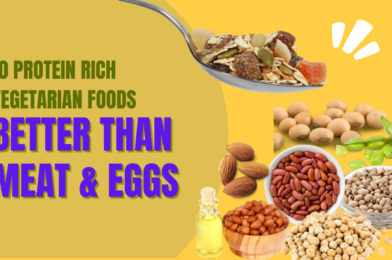
Vegetarians! Eat these 10 vegetarian sources of protein which are better than meat and eggs!

Vegetarians! Eat these 10 vegetarian sources of protein which are better than meat and eggs!
In recent years, there has been a growing interest in vegetarian and vegan diets. This is due in part to a growing awareness of the environmental impact of animal agriculture, as well as the health benefits of plant-based diets. One of the biggest concerns that people have about vegetarian and vegan diets is that they may not provide enough protein. However, this is a misconception. There are many plant-based foods that are excellent sources of protein. In fact, some of them contain more protein than meat and eggs.

Here are 10 vegetarian sources of protein that are better than meat and eggs:

1 Tofu
Tofu is a high-protein food that is made from soybeans. It is a versatile ingredient that can be used in a variety of dishes, from stir-fries to curries. One half-cup serving of tofu contains 10 grams of protein.
2 Tempeh
Tempeh is another high-protein food that is made from soybeans. It is fermented, which gives it a slightly nutty flavor. Tempeh is a good source of iron and calcium as well. One half-cup serving of tempeh contains 15 grams of protein.
3 Edamame
Edamame are immature soybeans that are eaten in the pod. They are a good source of protein, fiber, and vitamins. One cup of edamame contains 17 grams of protein.
4 Lentils
Lentils are a type of legume that is high in protein and fiber. They are also a good source of iron and potassium. One cup of cooked lentils contains 18 grams of protein.
5 Chickpeas
Chickpeas are another type of legume that is high in protein. They are also a good source of fiber, iron, and folate. One cup of cooked chickpeas contains 13 grams of protein.
6 Peanuts
Peanuts are a good source of protein and fiber. They are also a good source of healthy fats. One ounce of peanuts contains 7 grams of protein.
7 Almonds
Almonds are another good source of protein and fiber. They are also a good source of vitamin E and magnesium. One ounce of almonds contains 6 grams of protein.
8 Quinoa
Quinoa is a pseudocereal that is high in protein and fiber. It is also a good source of iron and magnesium. One cup of cooked quinoa contains 8 grams of protein.
9 Sprouted grains
Sprouted grains are a good source of protein and fiber. They are also a good source of vitamins and minerals. One cup of sprouted lentils contains 13 grams of protein.
10 Mycoprotein
Mycoprotein is a type of fungus that is grown on a substrate. It is a good source of protein and fiber. It is also a good source of iron and B vitamins. One ounce of mycoprotein contains 8 grams of protein.

These are just a few of the many vegetarian sources of protein that are better than meat and eggs. If you are looking for a healthy and sustainable diet, a vegetarian diet is a great option. With so many delicious and nutritious plant-based foods to choose from, you won’t miss meat or eggs at all. In addition to the protein content, these foods are also good sources of other nutrients that are important for health. For example, tofu and tempeh are good sources of iron, chickpeas and lentils are good sources of folate, and peanuts and almonds are good sources of vitamin E.

If you are new to vegetarian or vegan eating, it is important to make sure that you are getting enough protein. A good way to do this is to include a variety of protein-rich foods in your meals and snacks throughout the day. You can also use protein powders or supplements to help you meet your daily needs.

With a little planning, it is easy to get all the protein you need from a vegetarian or vegan diet. These 10 foods are a great place to start.

Tagged : / / / / /

4 Stages of Kidney Cancer and their symptoms! Look out for these!

4 Stages of Kidney Cancer and their symptoms! Look out for these!
Kidney cancer is a serious disease that can be fatal if not detected and treated early. There are four stages of kidney cancer, each with its own set of symptoms and treatments. According to data from the Indian Council of Medical Research , kidney cancer is one of the Top 10 cancers in India. Men are more prone to this type of cancer and it starts mostly between the ages of 50-70

Stage 1 kidney cancer is the earliest stage of the disease. The cancer is confined to the kidney and has not spread to other parts of the body. Symptoms of stage 1 kidney cancer may include blood in the urine, a lump or swelling in the abdomen, fatigue, unexplained weight loss, and fever.

Stage 2 kidney cancer is more advanced than stage 1. The cancer has grown larger and may have spread to nearby tissues or lymph nodes. Symptoms of stage 2 kidney cancer are similar to those of stage 1, but they may be more severe.

Stage 3 kidney cancer is even more advanced than stage 2. The cancer has spread to other parts of the body, such as the lungs, liver, or bones. Symptoms of stage 3 kidney cancer may include shortness of breath, chest pain, pain in the bones, and weight loss.

Stage 4 kidney cancer is the most advanced stage of the disease. The cancer has spread to distant parts of the body and is no longer curable. Symptoms of stage 4 kidney cancer are similar to those of stage 3, but they may be more severe.

The treatment for kidney cancer depends on the stage of the disease. Stage 1 and 2 kidney cancer may be treated with surgery to remove the kidney. Stage 3 and 4 kidney cancer may be treated with a combination of surgery, radiation therapy, and chemotherapy.

Early detection and treatment of kidney cancer are essential for a better prognosis. If you have any symptoms of kidney cancer, it is important to see a doctor right away.

Tagged : / /

The Future Technology : Google’s Eye Scan Technology to Replace MRI, CT Scan, and X-Ray

The Future Technology : Google’s Eye Scan Technology to Replace MRI, CT Scan, and X-Ray
Google is developing new eye scan technology that could revolutionize the way we diagnose medical conditions. The technology, which is still in the early stages of development, uses a combination of artificial intelligence and machine learning to create detailed images of the inside of the eye. These images can then be used to detect a wide range of diseases, including cancer, heart disease, and stroke.

The potential benefits of Google’s eye scan technology are enormous. MRI, CT scans, and X-rays are all invasive procedures that can be uncomfortable and even dangerous. Eye scans, on the other hand, are non-invasive and painless. This means that they could be used to screen for diseases in people who are at high risk, without exposing them to any unnecessary radiation or other risks.

In addition, eye scans are much more affordable than other imaging technologies. This means that they could make it possible for people in developing countries to access life-saving medical care that would otherwise be out of reach.

Google is not the only company working on eye scan technology. Other companies, such as Optos and Heidelberg Engineering, are also developing similar technologies. However, Google’s technology is one of the most advanced and promising.

If Google is successful in developing its eye scan technology, it could have a major impact on the way we diagnose medical conditions. Eye scans could become the standard way to screen for diseases, and they could also be used to monitor the progress of diseases and to track the effectiveness of treatments.

Here are some additional details about Google’s eye scan technology:

  • The technology uses a combination of infrared light and machine learning to create detailed images of the inside of the eye.
  • The images can be used to detect a wide range of diseases, including cancer, heart disease, and stroke.
  • Eye scans are non-invasive and painless.
  • Eye scans are more affordable than other imaging technologies.
  • The potential benefits of Google’s eye scan technology are enormous.

This technology would be a major breakthrough, and it would make it possible for people to get the medical care they need earlier and more easily. It would also help to reduce the cost of healthcare, and it would make healthcare more accessible to people in developing countries.

Tagged : / / / /
Verified by ExactMetrics