Surprise Your Friends! You Can Schedule Whatsapp Messages by Following This!

Scheduling a text/email/reminder/notification is always convenient. It could help you remember and greet people on birthdays, without having to stay up till midnight and could prevent you from forgetting to pick up groceries. Did you know you could schedule your WhatsApp texts?

There are a handful of apps available on the Google Play Store that let you schedule not just WhatsApp messages, but also images and videos. The best part is that the basic functionality works on both rooted and unrooted Android smartphones. Of course, there might be limitations with the basic version, and you may have to upgrade to premium for all the functions to work. But, let’s look at some of the WhatsApp scheduler apps available in Store.

‘Scheduler for WhatsApp’ and ‘Scheduler NO ROOT’ are among the ones that are easy to use, and worked well for me. And for those who have a rooted Android device, the ‘Seebye Scheduler ROOT’ would do the trick.

After installing any of the mentioned apps, simply open it and give the required permissions. Next, you’ll also have to head over to Settings -> Accessibility -> Services and enable the service. Once this is done, you’re all set to go.

Do note, for the message to be sent, the device’s screen should be unlocked, and there should not be any screen lock – such as PIN, Pattern or Fingerprint lock. This may sound odd, but due to security concerns, these apps cannot bypass security screen. So, if you have set a schedule to send a WhatsApp message at 12:00PM, and you unlock the screen at 1:00PM, it only will be sent then. However, if you have a rooted Android device, the app can bypass the security screen and send the message right away.

Now, to schedule WhatsApp messages, open ‘Scheduler for WhatsApp’ and tap on the ‘+’ icon on the bottom left. Here, you’ll have to select choose between WhatsApp group or individual contact, followed by selecting the recipient. Next, you’ll have to select the date and time when you want to send the message, followed by frequency and message. The frequency of the scheduled messages can be once, daily, weekly, monthly or yearly.

Have fun!

As a technology lover you may like our daily important technology news series. It’s a playlist and you can retrieve the total day-wise videos. Please consider subscribing our YouTube channel:

Author: Technology Vista

Tagged : /

GSLV Mk III Launch Success Means India Can Realise Manned Space Mission Dream

After more than 33 years of Rakesh Sharma being the only Indian citizen to travel to space, the Indian Space Research Organisation (ISRO) is ready with a plan to put a two-three member human crew into space soon.

The Indian Space Research Organisation (ISRO) today successfully launched a 3,136-kg GSAT-19 communication satellite into space through a monster launch vehicle, GSLV Mk-III. Now, besides reducing India’s dependence on foreign launch vehicles to place its satellites in space, the GSLV Mk-III can help India realise its dreams of launching its own manned space mission.

“In principle, it will be the GSLV Mk-III or its variant that will be human rated in future,” ISRO chairman A S Kiran Kumar was quoted by PTI. The GSLV Mk-III, or the Geosynchronous Satellite Launch Vehicle-Mark III, can place up to eight tonnes in a low Earth orbit–this is enough to carry India’s crew module into space.

In October 2016, China sent two astronauts on longest-ever manned mission to space. It is also working towards establishing its permanent space station by 2022. According to some reports, the estimated cost of India’s manned space mission is pegged at Rs 12,400 crore. The project is already running late, and the ISRO is now looking at 2024 deadline to put Indians on space.

Currently, India uses the French Ariane-5 rocket launched from Kourou in South America to place its heavy four-tonne class of communication satellites. If the manned space mission takes off, India would join the United States, Russia and China to have a human spaceflight programme.

The GSLV Mk-III will help India save millions of dollars that it spends to use launch vehicles of other countries to put its heavier satellites into space. With the GSAT-19 launch, the ISRO has almost doubled its capacity to launch satellites from 2.3 tonnes to almost four tonnes.

“After a couple of developmental flights to establish, I am sure there will be opportunities for launching even foreign communication satellites,” former ISRO Chairman K Radhakrishnan was quoted by PTI.

ISRO’s success with GSLV Mk-III will also open up new markets where other countries can use it as a launch vehicle to put their satellites in space.

width="560" height="314" allowfullscreen="allowfullscreen">

As a technology lover you may like our daily important technology news series. It’s a playlist and you can retrieve the total day-wise videos. Please consider subscribing our YouTube channel:

Author: Technology Vista
Tagged : /

Three Stunning Changes iPhone 8 Is Rumoured to Bring

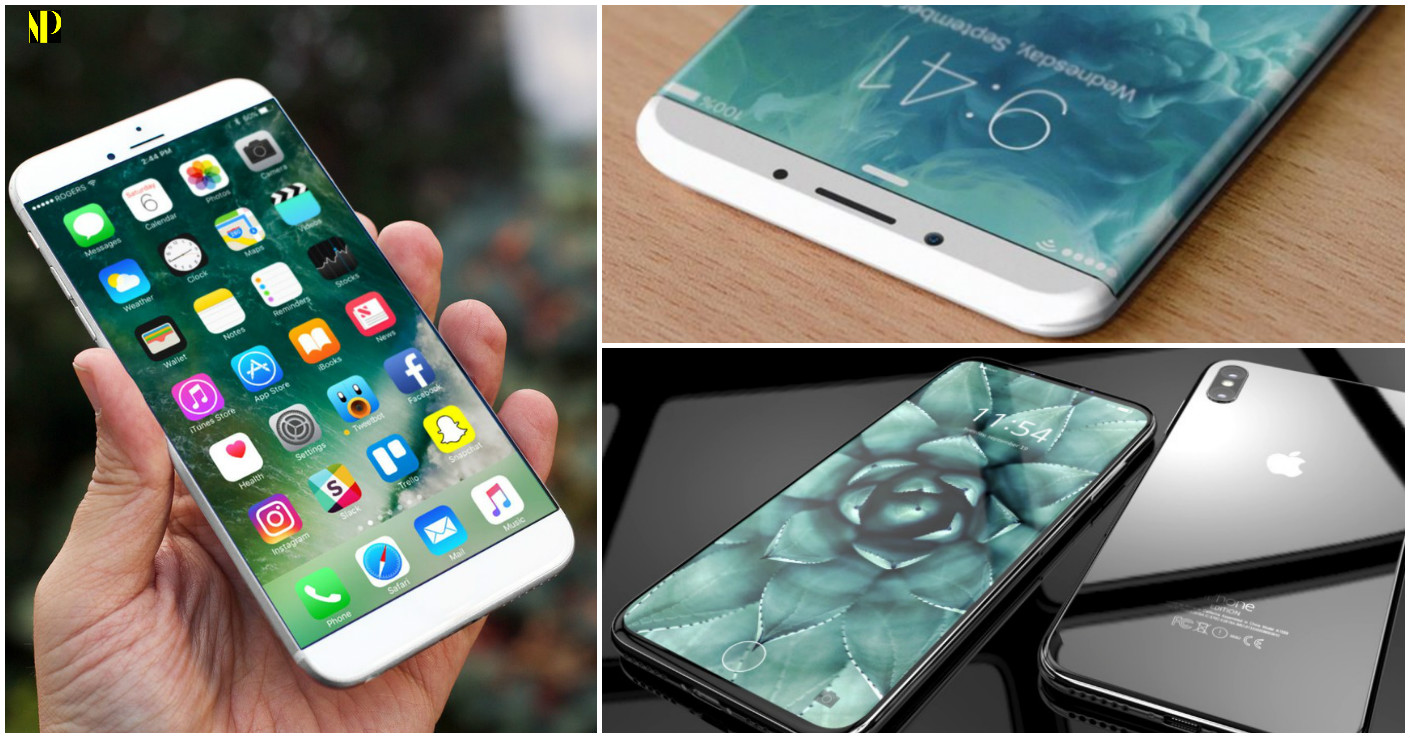
Since September last year we have been speculating about how the next iPhone would turn out to be. As per latest details coming in from some confirmed sources, there would be three major changes in the iPhone 8 design that will renew our entire notion of iPhones.

As per Forbes, which has received some insider details about the new design, Apple will introduce an aspect ratio of 18:5:9, which is more or less like that of Samsung Galaxy S8 and LG G6. With this aspect ratio, the new iPhone 8 will have an elongated look, which is a massive alteration in their design module. This new design of the screen will help Apple to increase the display size, while at the same time keeping it narrow enough to help the user to hold it comfortably.

This has been revealed by chipset maker TSMC.

But, the problem with this design is that the back button becomes somewhat harder to reach. We suppose Apple is working on this. Or maybe they’re going to get rid of the back button altogether!

The new elongated size of the display area means that the overall design of the handset needs to be altered and drastically changed. And, the report from Forbes suggests that the home button may be scrapped for good, and Touch ID mechanism shall be integrated into the display.

Such massive design changes also mean that the new iPhone 8 shall have a nearly bezel-less design, and the front camera will not be under the display. The key function area, which is below the screen, would be modelled on MacBook Pro style touch bar, which can replace the Home Button with contextual controls.

Lastly, the biggest, most exciting change is the Augmented Reality ready camera. The new camera would be equipped with invisible infrared image sensors, which will not only enhance the quality of the camera but will also enable AR applications.

The new iPhone 8 would be launched in the month of October 2017, according to reports.

width="560" height="314" allowfullscreen="allowfullscreen">

As a technology lover you may like our daily important technology news series. It’s a playlist and you can retrieve the total day-wise videos. Please consider subscribing our YouTube channel:

Author: Technology Vista

Tagged : /

‘Safety Truck’ by Samsung intends to save your life!

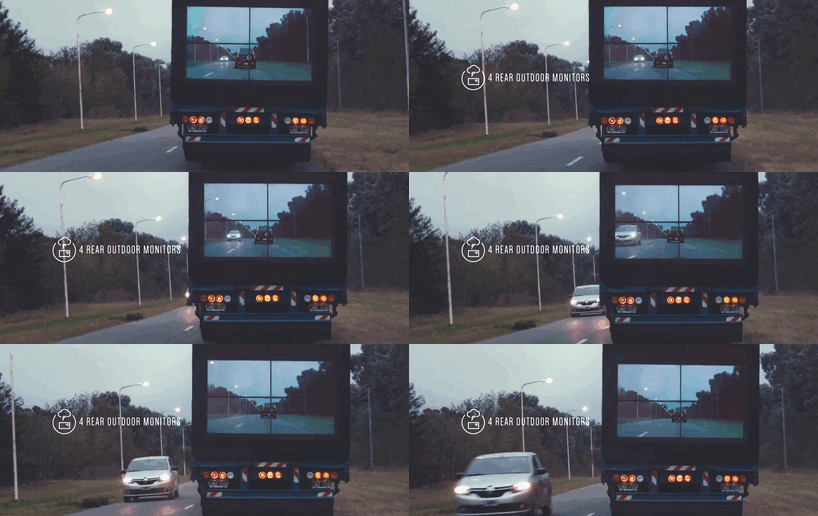
Semi-trailers are infamous and dangerous for the drivers at the back when they try to pass them. Samsung has come out with a solution so that drivers at the back can overcome these stressful and irritating obstacles a bit easily.

Samsung has attached giant LCD panels at the back of the semi-trailers which displays the road ahead in real time as captured by the front facing camera. This makes the life of the drivers at the back easier and safer.

As stated by the Samsung’s video, one person dies in traffic accident every hour so far as Argentina is concerned. A vehicle like ‘Safety Truck’ is an immediate necessity over there. The system is simple but a bit costly. A small camera placed on the front of the trailer captures the live feed of the road and the same is displayed on the screens at the back. There’s even provision of night-vision feed for night-time driving.

Samsung has already tested the prototype truck but nothing is plying on the road as of date. According to Samsung, they are working with the local authorities in order to optimize the system for live usage.

“So far Samsung has been able to confirm that the technology works and that this idea can definitely save the lives of many people,” they wrote in their official communication.

semi-trailer-display-video-screen-live-feed-safety-truck-samsung-2

semi-trailer-display-video-screen-live-feed-safety-truck-samsung-3

semi-trailer-display-video-screen-live-feed-safety-truck-samsung-4

You may be interested about the video below:

width="560" height="314" allowfullscreen="allowfullscreen">

As a technology lover you may like our daily important technology news series. It’s a playlist and you can retrieve the total day-wise videos. Please consider subscribing our YouTube channel:

Author: Technology Vista
 

Tagged : /

The mystery surrounding Tully monster has been finally resolved

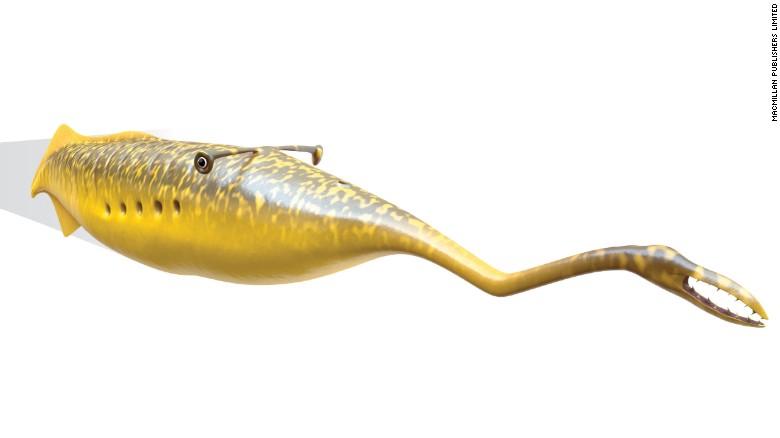
Paleontologists discovered a fossilized creature with a pincer-tipped nose, sharp needle-like teeth and eyes placed on a slim stalk. This ancient animal was given the name of Tully monster.

For last six decades, paleontologists were intrigued by the bizarre Tullimonstrum gregarium fossils. This is because the creature did not fit into any known major group in animal kingdom, until now. According to a new report, scientists were finally able to solve the mystery.

160317152847-tully-monster-mystery-irpt-exlarge-169

Initially, the fossils were found inside a 300-million-year-old rock and the largest fossil was approximately one-foot long. Reassessment of those fossils helped scientists to conclude that the Tully monster was vertebrate with a very rudimentary spinal cord.

They used the clues like how the creature’s muscles decayed etc. and concluded that the animal was probably having an eel-like structure. The Tully monster was very similar to the modern-day bloodsucking lamprey which is a jawless fish with a funnel-like sucking mouth, full of sharp teeth.

Though it was very similar to lamprey but the ancient creature was still unique its anatomy. It was having tiny beady eyes which were attached to the stalk that runs across its head.

Earlier, scientists theorized a wormlike body which was largely conceptualized like a segmented worm or a swimming slug.

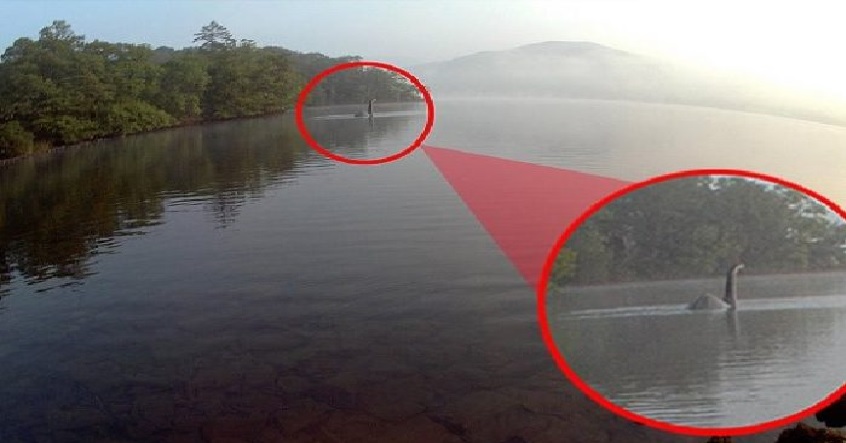
According to associated folklore the Loch Ness monster was actually a giant Tully monster. This myth was propagated by self-proclaimed monster hunter F. W. Holiday. Later, the same theory was retold by writer Richard Ellis in his book “Monsters of the Sea.”

Hopefully, the clarification will end a decades-long debate over details of the Tully monster.

As a technology lover you may like our daily important technology news series. It’s a playlist and you can retrieve the total day-wise videos. Please consider subscribing our YouTube channel:

Author: Technology and Beyond

Tagged : /

So, How Do SIM Cards Work?

We can barely function without these bad boys, but what do we really know about them? When it comes to SIM cards, all we really know is that when we plug it into the device, it allows us to use our selected carrier’s data network. And when we take it out, we can’t use that cellular network anymore. Well yeah, true. But, that’s just the basics.

What is a SIM card really? A SIM card is a small, tiny little chip (called a card, for lack of a better term), that you can insert into some smartphones. This card holds personal data with your selected carrier, basically allowing the carrier to identify your device and then turn on/off select services based on the plan you have setup with your carrier. If removed from the smartphone, your plan — and data — cannot be accessed (and therefore the phone can only be used, limitedly, on a WiFi network) until it’s put into another phone.

Now, the neat thing about SIM cards: that they give you some freedom when it comes to your phone. f you end up buying a new phone every now and then, and the SIM slot is the same size as on your original phone, then you’ll be able to simply insert your SIM card and use that as your primary phone, without having to get a new phone number, new data plan, and so on.

If SIM cards are so important for the phone companies to identify you, why do some use them and the others don’t?

GSM stands for “Global System for Mobile Communications,” while CDMA stands for “Code Division Multiple Access.” The difference between the two, in the simplest of terms, is the SIM card (for GSM networks) and the lack of a SIM card (for CDMA networks, although that’s changing). It’s worth noting that while Sprint and Verizon are considered CDMA carriers, they do offer SIMs in a limited sense on a newer LTE phones that will work just fine on any GSM network.

For GSM phones (or phones provided by AT&T and T-Mobile), you have to keep your SIM card inserted at all times in order to use your data, as your plan is tied to your SIM card. If you want to receive calls, the SIM card must be inserted. If you want to use your available data from your chosen plan while out and about, the SIM card must be inserted. However, you can use the smartphone for apps and internet when connected to a Wi-Fi network.

Next Page For More

Tagged : /

OnePlus 5- What Do We Expect?

The flagship OnePlus 5 is set to launch soon powered by Qualcomm’s Snapdragon 835 SoC and partnered with DxO for better camera technology. What else are we looking forward to from this much awaited gadget?

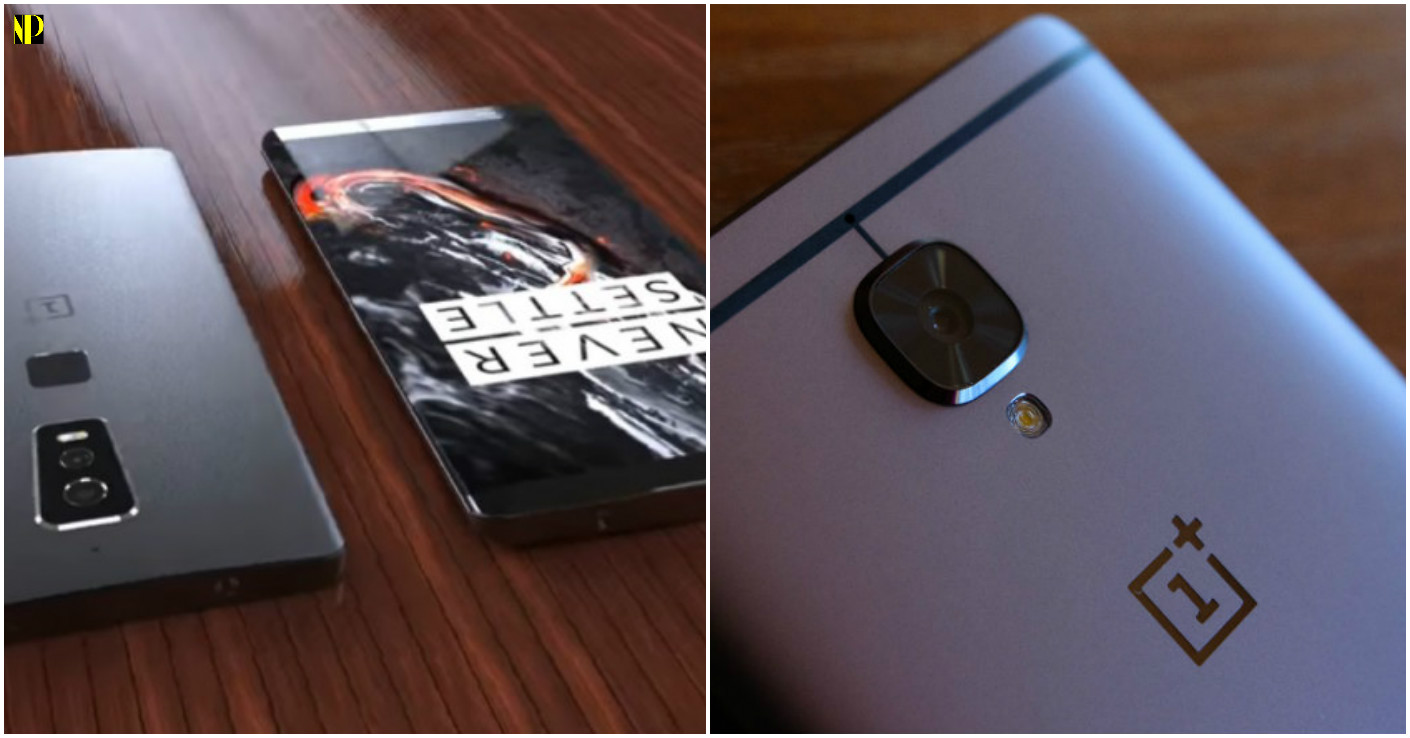
Similar to iPhone, OnePlus, does not provide MicroSD card support for its smartphones. But, the biggest storage variant available is 128GB for the OnePlus 3T, and considering the power-backed hardware OnePlus provides on its flagships, an option to expand storage would be advantageous for consumers. Moreover, the OnePlus 5 will be powered with Snapdragon 835 SoC and could come with 8GB of RAM. This would mean more space required to test the smartphone’s performance to the maximum, may be even beyond 128GB.

Google’s Daydream VR for Android 7.0 Nougat has dedicated VR modes for popular Google apps like YouTube, Street View, Play Movies, Google Photos and Arts and Culture. There a host of VR games and apps available as well. The Galaxy S8 and Asus ZenFone AR are the latest to receive Daydream VR support this summer, and the OnePlus 5 is expected to be the next. The OnePlus may not launch with Daydream VR and would probably receive it at a later stage.

OnePlus hasn’t launched any flagship as yet with water resistance. Seeing how many smartphones, particularly flagships, are joining the trend of water resistance, the same is expected from OnePlus 5 as well. OnePlus 5 is expected to be IP68-certified for both water and dust resistance. With this rating, OnePlus 5 will be completely protected against dust, and can be immersed underwater up to 1.5m for 30 minutes.

The OnePlus 5 is currently rumored to feature QHD display, but with 2K resolution. What would be great is a 4K HDR display on the OnePlus 5. Currently, the Sony Xperia XZ Premium is the first and only smartphone with 4K HDR display. However, the Xperia XZ Premium is priced at £649 in the UK which rounds off to approximately Rs 54,000. OnePlus, known for its reasonable pricing of flagship devices, would put the OnePlus 5 as another ‘flagship killer’.

Lastly, a bezel-less display means no visible fingerprint sensor on the front panel. OnePlus CEO Pete Lau had confirmed on Weibo that the OnePlus 5 will feature a fingerprint sensor on the front. However, he did not specify on whether it would be embedded underneath the display or on the Home button. There were reports suggesting a dual-edge curved display on the OnePlus 5 like the Galaxy S7-edge. With the fingerprint sensor on the front, it may seem unlikely for a bezel-less display, but it would be great if OnePlus does opt for it.

As a technology lover you may like our daily important technology news series. It’s a playlist and you can retrieve the total day-wise videos. Please consider subscribing our YouTube channel:

Author: Technology Vista

Tagged : /

THIS is how to make a recovery drive and reinstall the Operating System if your PC is down!

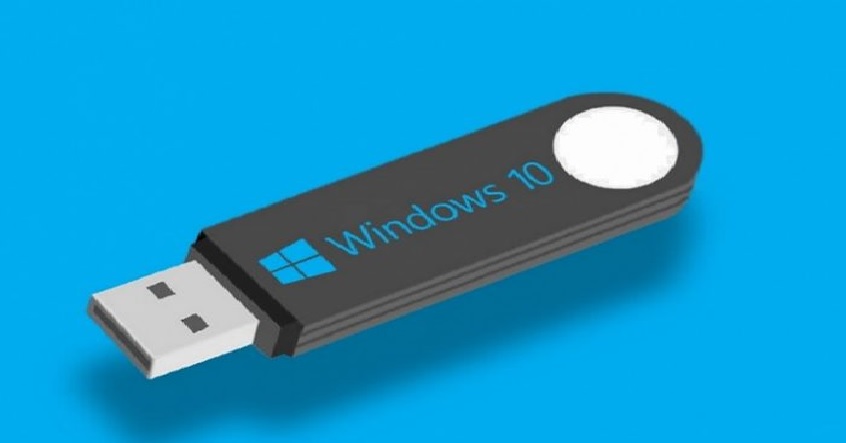
Many users consider Windows 10 as one of the best operating system. But, their major concern is re-installation of the OS when something goes wrong. In case of any problem, they will have to start it by using a USB recovery drive, which will help them in trouble shooting and fixing the problems. A USB recovery drive is same as a system repair disk, but instead of a DVD or CD, it uses a USB drive.

windows-10-recovery-drive

In case your PC has a recovery partition; you can copy that on the recovery drive, and reset your PC with the help of that. Once you have copied the recovery partition, delete it from your PC, as it provides a lot of free space to your PC.

To create USB recovery drive you need two things, they are: 

  1. A USB drive with at least 4GB of memory.
  2. Windows 10 OS running on your PC

Here are instructions you need to follow to create a USB recovery drive.

  1. Open control panel, there is an option of ‘Recovery’. Click on ‘create recovery drive’ under that option.
  2. The system may either ask you for an admin password or may ask to you confirm.
  3. Select the option, ‘Back up system files to the recovery drive’.
  4. Make sure your USB drive is connected to the PC. Select the USB drive and click ‘Next’.
  5. Click on ‘create’ option. This may a take a little time.
  6. Once the files are copied, you will see an option; ‘delete the recovery partition from your PC’. If you require disk space, and then select ‘delete’. Click ‘finish’ incase you do not want to delete the recovery partition.

Following things must be taken care of while creating the recovery drive, they are: 

  • You cannot create recovery drive in Windows safe mode.
  • Recovery drive can be created in 64 bits Windows 10, and only 64 bits Windows 10 can be repaired with it.
  • Uncheck the option, ‘ Back up system files to recovery drive’. If you are getting an error message while creating a recovery drive.

As a technology lover you may like our daily important technology news series. It’s a playlist and you can retrieve the total day-wise videos. Please consider subscribing our YouTube channel:

Author: Technology Vista

Tagged : /

A few copper coins and your overheated computer cools down!

Screens, screens everywhere. Life is just blank without our beloved screens- mobiles, tabs and laptops. All of us use laptops daily- in office, at home, in the train, in cars, in restaurants and the list goes on. We can’t really do without these. Whether we are using them for watching our favourite shows or movies or giving lengthy board room presentations- one problem that often seems to trouble one and all is the overheating of the laptop.

This is to note though that this problem is prevalent mostly in those laptops or computers which are smaller and thinner in dimensions (leading to under-designing of cooling system). There are certain models which become so hot that the users avoid touching them. As common as the problem sounds, there haven’t been many credible solutions. But a user named Suzuki Akinori came up with an ingenious idea and it works quite alright.

Akinori simply stacked some copper coins on his laptop. Though one needs quite many copper coins but once stacked on the laptop, these coins act as a radiator for the heat emanating from the laptop because thermal conductivity of copper is much higher than the aluminium or plastic used in the manufacturing if laptops.

Taking cue from this idea, one twitter user went even further and put 10-yen copper coins in his desktop’s motherboard. How intelligent! The high conductivity of copper coins actually make them act like tiny heat sinks which aid in bringing down the temperature of overheated computers. So, what are you waiting for? Take out those copper coins and start stacking them!

As a technology lover you may like our daily important technology news series. It’s a playlist and you can retrieve the total day-wise videos. Please consider subscribing our YouTube channel:

Author: Technology Vista
Tagged : /

ISRO Saves About $2 Billion Per Year for India. How do They do It?

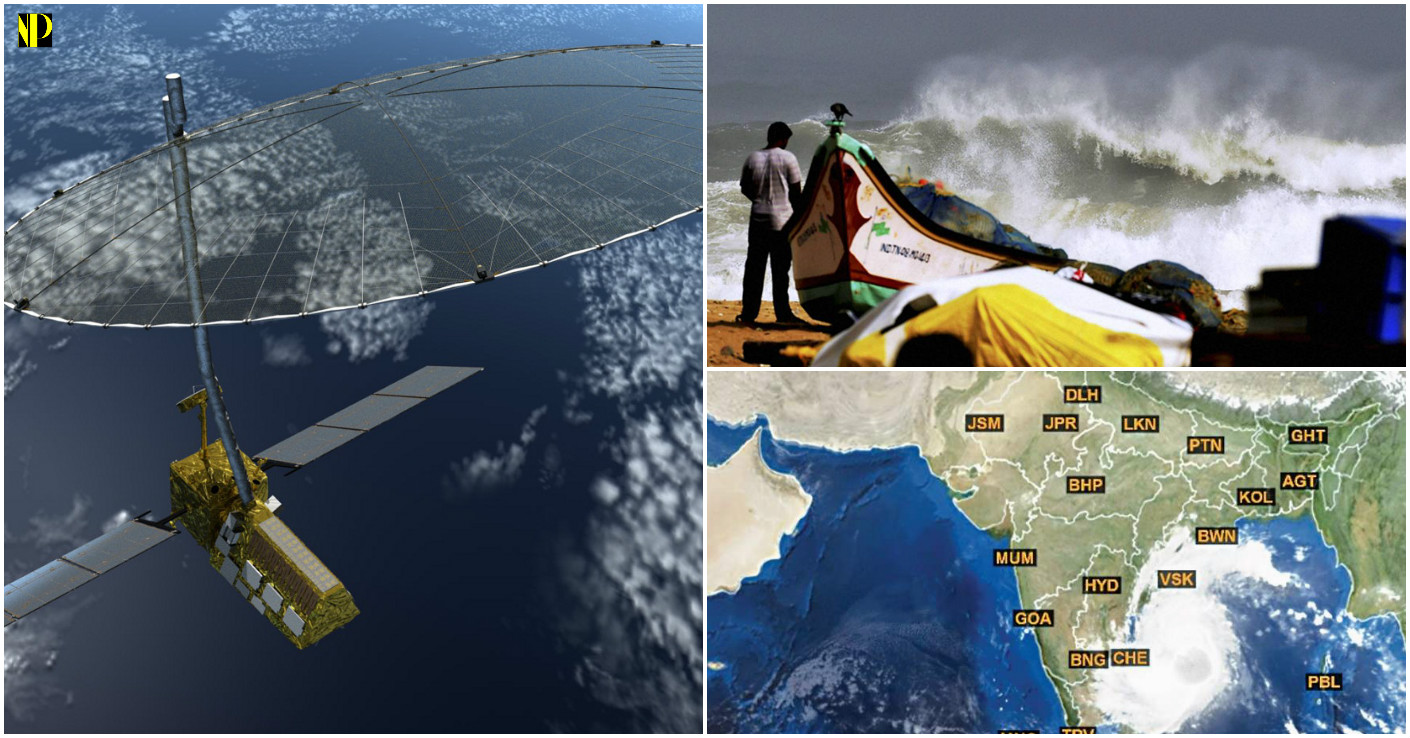
Speaking at the Osmania University, Hyderabad on ‘India in Space’, ISRO chairman A.S. Kiran Kumar said the space agency is issuing cyclone alerts to fishermen and early warnings in the southern state of Kerala.

ISRO zeroed in on a fishing hamlet and advised fishermen from its development center near Thiruvananthapuram. The locals volunteered to give up their land to ISRO for developing the center although initially there was some resistance, Kumar added.

“ISRO aims to tap into the lucrative global space industry and these communication satellites will add to its list of achievements. ISRO’s success lies in offering reliable, cost-effective technology amid experienced players such as Russia, the US, Europe, and China. We have the advantage of English which makes the entire process more transparent for others,” Dr Mayank Vahia, Department of Astrophysics, the Tata Institute of Fundamental Research, said.

The agency plans to launch five communication satellites by the year-end.

“The five communication satellites will be used to improve the number of transponders available for communications and will significantly improve our capabilities,” Kumar said.

As a technology lover you may like our daily important technology news series. It’s a playlist and you can retrieve the total day-wise videos. Please consider subscribing our YouTube channel:

Author: Technology Vista
Tagged : /

What All Can We Expect from Nokia 8 and Nokia 9?

As Nokia sets to re-enter the Indian market with two high-end smartphones – Nokia 9 and Nokia 8, HMD Global, Finland’s mobile maker company have the exclusive rights to market the Nokia brand.

As we can expect, there are a lot of rumors and leaks. What we have accumulated till now from the various sketches are that Nokia 9 might come with the screen having smaller bezels and also without a physical home button. The leaks show that the home button and the fingerprint scanner might be located on the back below the dual lens camera. It is rumoured that Nokia 9 will be supporting 5.5 inch OLED display with a resolution of 2560×1440 pixels. Nokia 9 is expected to come out for $699 in the US (Rs. 45,000 approx).

About Nokia 8, it is expected to be a cheaper version of Nokia 9. The leaks show that Nokia 8 will be having a slightly bigger top and bottom bezel than the Nokia 9. Nokia 8 will have the home button on the front and it is expected that it will support a dual camera setup.

In conclusion, The smartphones will be powered by a Snapdragon 835 processor with internal storage of 6 GB RAM and 128 GB and a battery of 3,800 mAh battery with Quick Charge 4.0 the Camera is Carl Zeiss 22-megapixel dual-lens camera and the selfie Camera is a 12-megapixel shooter. Some other rumoured features – Android 7.1.2 Nougat and IP68 certification, an iris scanner, OZO audio technology.

Nokia 8 and Nokia 9 were rumoured to be launched in February at HMD global’s Mobile World Congress press conference.

As a technology lover you may like our daily important technology news series. It’s a playlist and you can retrieve the total day-wise videos. Please consider subscribing our YouTube channel:

Author: Technology Vista

Tagged : /

THIS is how to recover data from a dead computer!

When, a computer becomes dead, everyone assumes that all the data is also gone along with the computer. But, believe it or not, recovering data from a dead computer is not that difficult. Normally companies follow a very common template of recovering data. Here, are the steps to recover files from a dead computer:

Get an external hard disc drive which can host a hard disk and connect to a computer via USB post.

Borrow a computer which is compatible as the old one in terms of file system. For example, if one has windows filesystem then he/she must get another windows computer. It is to be ensured that it has sufficient space to accommodate recovered files.

A Windows hard drive user can insert a Mac into their computer. But, that will be able to read but not write the contents of the hard drive. One has do install a separate driver in order to perform this function.

It is very important to remove the hard drive from the dead PC. Unplugging and removal of the battery is needed for this. Turn it over and unscrew the screws. Unscrew the hard drive cover and remove the hard drive.

You have to remove the disc enclosure plate and insert it into the external hard drive interface. The adaptor can then be pulled off, thus ensuring connectivity between the drive and enclosure connector plate.

The hard drive is needed to be inserted into the enclosure.

Connect the hard drive to a working computer. It must be ensured that the computer is on. An icon will appear once the drive is connected.

It is compulsory to recover and explore files by either copying and pasting or clicking and dragging. This process may take few hours to complete.

Once this is done the window on the dead drive needs to be closed.

Right click the USB icon and click eject. Now the old hard drive can be detached.

This process is simple for desktops but not easy for laptops, especially closed laptops that cannot be opened so easily. You might need the help of a computer engineer who can pull the hard drive and recover the data for you.

It is always advisable for you to avoid a scenario like this. Always keep multiple back up of the data as a practice.

width="560" height="314" allowfullscreen="allowfullscreen">

As a technology lover you may like our daily important technology news series. It’s a playlist and you can retrieve the total day-wise videos. Please consider subscribing our YouTube channel:

Author: Technology Vista
Tagged : /

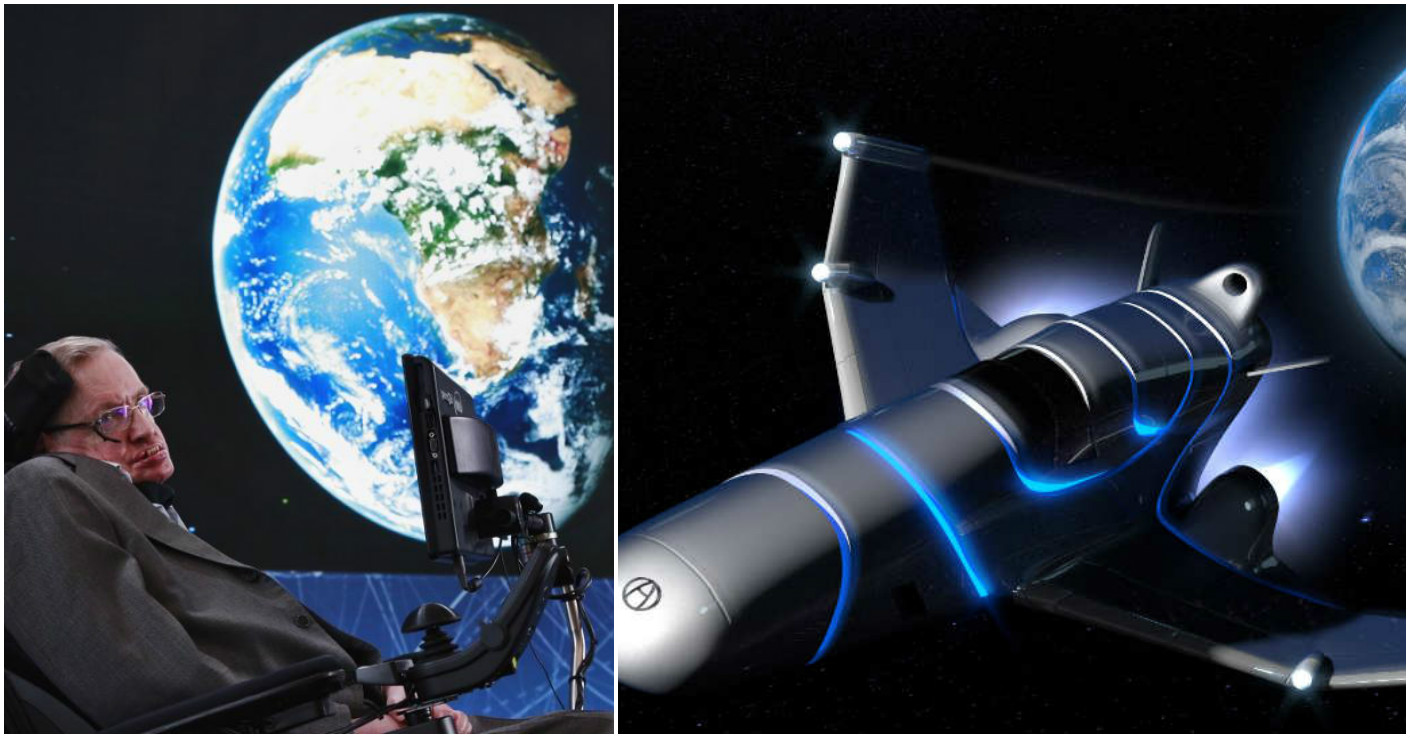
100 Years to Successfully Recolonise and save human race – Stephen Hawking’s Dead Serious This Time

The renowned English theoretical physicist made the claims that we humans have another hundred years to find a new earth to live on before we parish. These were part of a new documentary – Expedition New Earth – that’s set to air on BBC Two over the summer. For the new show, Hawking has worked alongside Prof Danielle George, who teaches radio frequency engineering at the University of Manchester, and Christophe Galfard, a student of Hawking’s, to explore the idea of travelling across the stars.

As part of his predictions, Hawking said the effects of climate change, overdue asteroid strikes, epidemics, and population growth has put the planet in an “increasingly precarious” position.

BBC’s Expedition New Earth, made in partnership with The Open University, is part of a larger push from the British media network towards science and technology programming, under the banner Tomorrow’s World, which ran for nearly four decades in the past century.

“We’ve come together behind a simple, and very bold ambition – to equip all of us with the knowledge and understanding we need to make sense of our lives and the future,” Tony Hall, BBC’s director-general, said in a statement. “Whether it’s the rise of robotics or the demise of antibiotics, travelling to Mars or the arrival of 3D printed food, science is changing the world at an extraordinary pace.”

About the documentary, “Taking in the latest advances in astronomy, biology and rocket technology, they travel the world in search of answers,” BBC’s website reads. “From the Atacama desert [in Chile] to the wilds of the North Pole, from plasma rockets to human hibernation, they discover a whole world of cutting edge research. The journey shows that Prof Hawking’s ambition isn’t as fantastical as it sounds – that science fact is closer to science fiction than we ever thought.”

As a technology lover you may like our daily important technology news series. It’s a playlist and you can retrieve the total day-wise videos. Please consider subscribing our YouTube channel:

Author: Technology Vista
Tagged : /

All You Need to Know to Fall in Love with Jelly- World’s Smallest 4G Android Smartphone

It has already seen over $125,000 pledged for its $30,000 goal, with 34 days to go. The world’s smallest 4G Android smartphone is already winning hearts, and justifiably so.

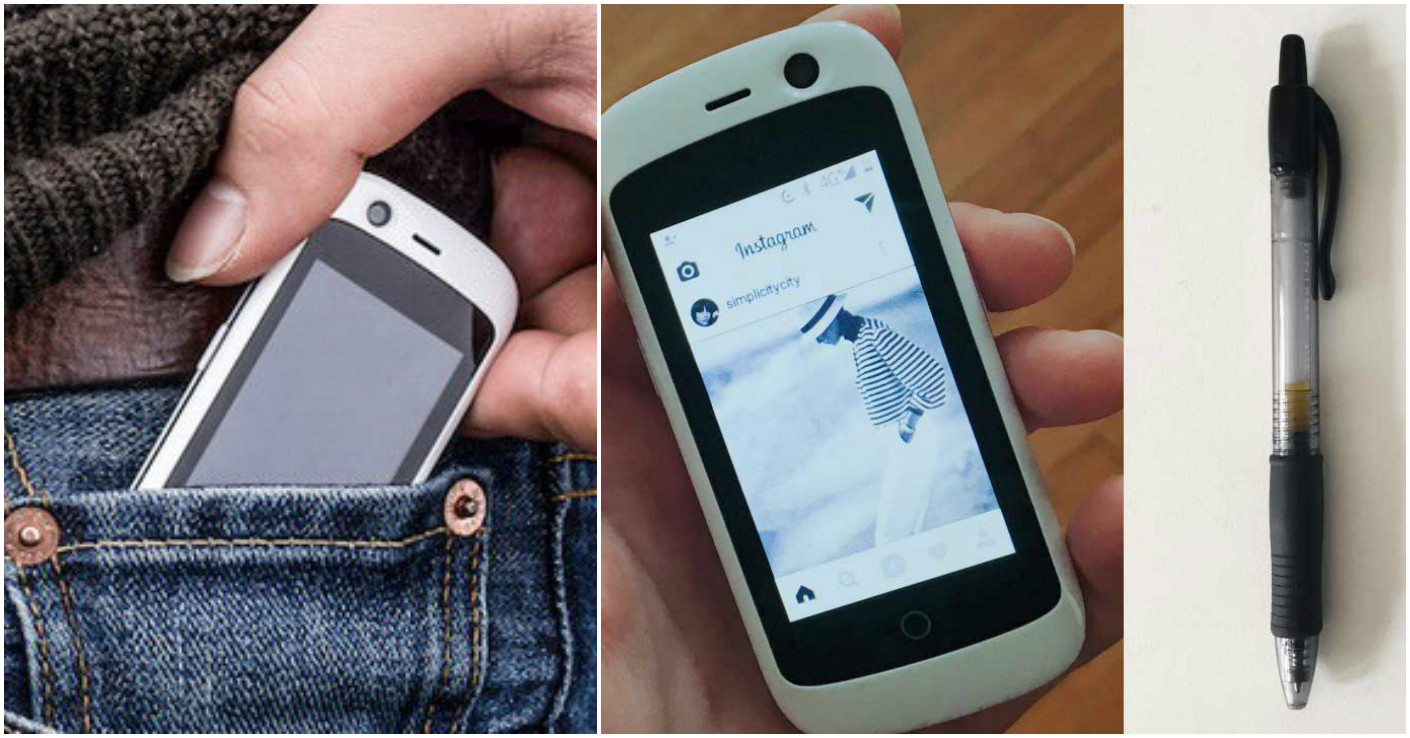
The Jelly smartphone is manufactured by Shanghai firm Unihertz and it will fit into your coin pocket, the smallest compartment in your bag, the front pocket of your shirt, or just the palm of your hand!

As smartphones get larger and bezels get reduced, Unihertz has gone the opposite direction, in a bid to satiate the odd ones. Obviously, this smartphone doesn’t intent to compete with the Samsungs and Apples out there. t looks to be a backup device, or your workout companion that you can use and take to places where you don’t want your premium smartphone to go.

Offered in Pearl White, Sky Blue, and Space Black colour options. it will be available in two RAM / Storage bundles. The storage can be further expandable via microSD card slot (up to 32GB). The Jelly smartphone sports a 2.45-inch (240×432 pixels) TFT LCD display with 201ppi pixel density and is powered by a 1.1GHz quad-core processor.

As for the camera, there is an 8-megapixel rear camera and a 2-megapixel front sensor. The two SIM-slots support 4G on AT&T and T-Mobile networks in the US. The Jelly smartphone packs a 950mAh battery that is rated to offer three days of battery and seven days on standby. Connectivity options include GPS, Bluetooth v4.0, and Wi-Fi 802.11 a/b/g/n. Onboard sensors include Gyroscope, G-Sensor, and Compass, and dimensions of the Jelly are at 92.3x43x13.3mm.

The Jelly with 1GB RAM/ 8GB Storage is priced at $109 (roughly Rs. 6,900) and the Jelly Pro with 2GB RAM/16GB storage is priced at $125 (roughly Rs. 8,000). On KickStarter, the Jelly and Jelly Pro are priced at $59 (roughly Rs. 3,800) and $75 (roughly Rs. 4,800) respectively. The company is expected to ship the palm-sized Android handset sometime in August.

width="560" height="314" allowfullscreen="allowfullscreen">

As a technology lover you may like our daily important technology news series. It’s a playlist and you can retrieve the total day-wise videos. Please consider subscribing our YouTube channel:

Author: Technology Vista

Tagged : /

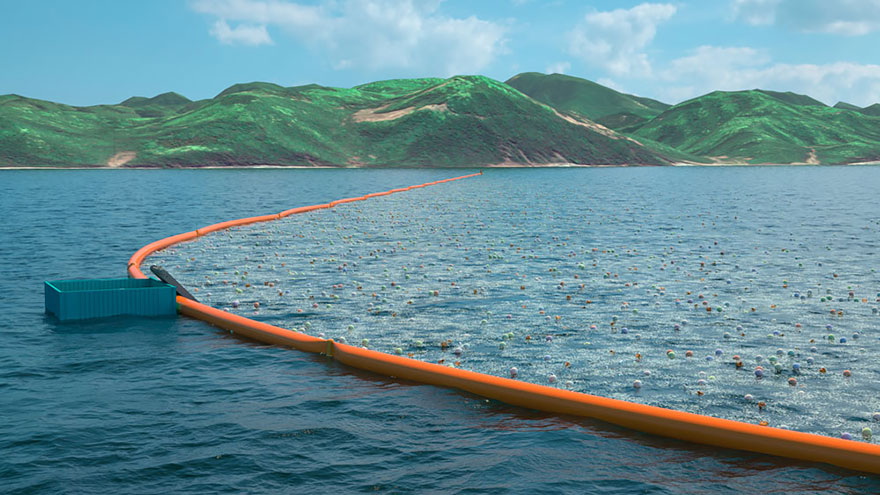
A barrier spanning 62 miles to help the ocean to clean itself!

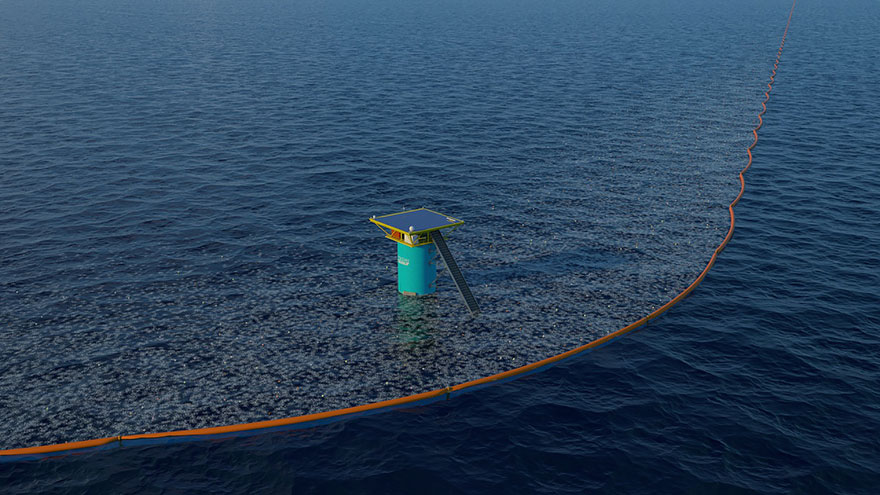
In the Netherlands, a 20-year-old innovator, Boyan Slat, has a lot of responsibilities on his small but able shoulders. He decided to do something as big as getting rid of tons of plastic garbage floating in the ocean, which circle along with the currents. It seems that he is getting a lot of support in this regard and there is a good chance that he will be successful in his effort.

the-ocean-cleanup-plan-boyan-slat-1

the-ocean-cleanup-plan-boyan-slat-2

In the world’s ocean, the massive rotating currents make the life difficult and it is particularly difficult to monitor and collect the garbage that rotates with the currents.

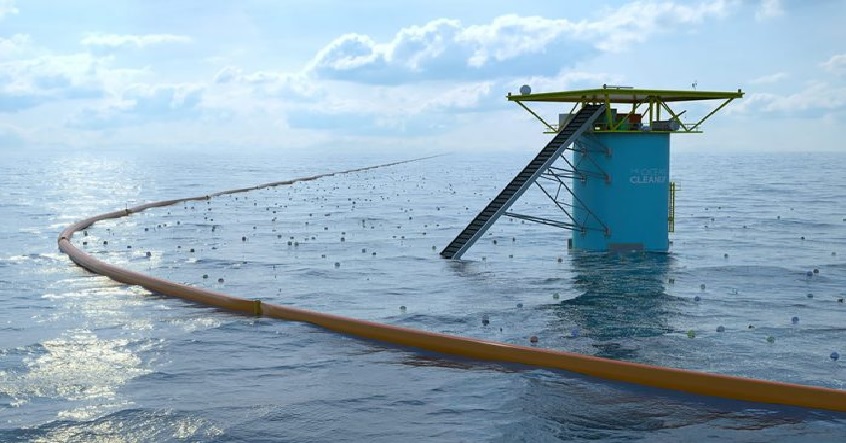
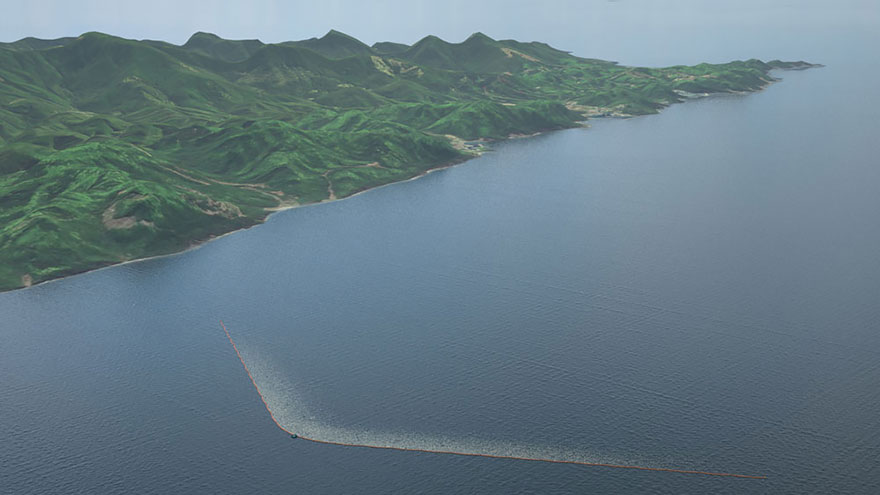
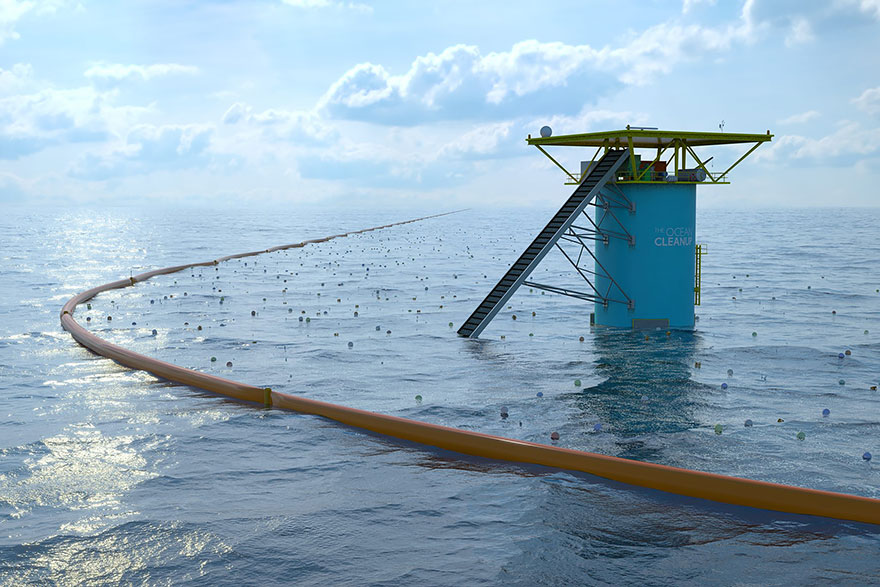
Ocean Cleanup Foundation, initiated by Slat, is developing a way to take advantage of those currents rather than considering them as a hindrance. He has conceptualized arrays of float that would just skim or scrap the floating garbage from the surface. While doing so, it will not create obstruction to natural current and aquatic life and they will pass by underneath.

the-ocean-cleanup-plan-boyan-slat-4

the-ocean-cleanup-plan-boyan-slat-5

the-ocean-cleanup-plan-boyan-slat-7

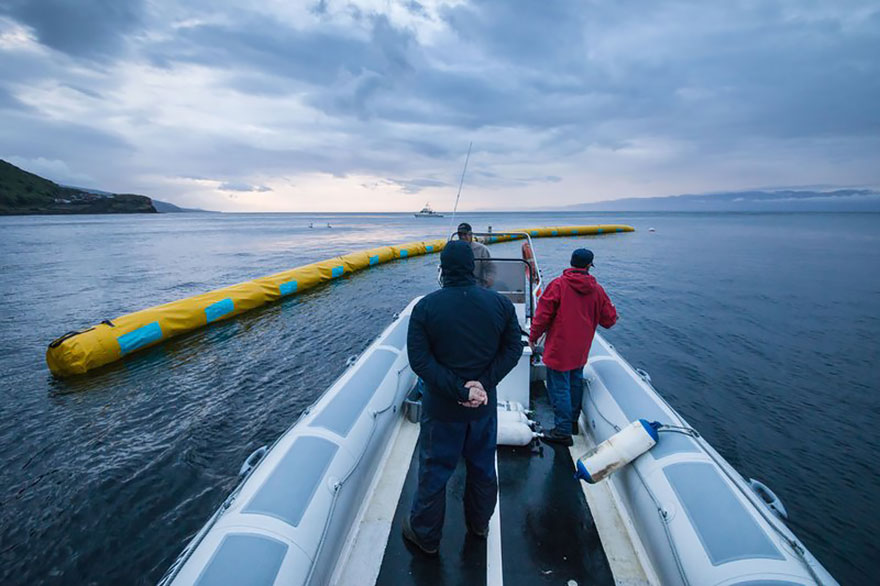
It is estimated that an installation of 100 km stationary cleanup array, would be able to skim 42% of the Great Pacific patch, over a span of 10 years. It will tantamount to a total of 70,320,000kg of plastic garbage. Right now, an array of 2,000 m is being installed in Japan. After the completion of this system, it will become the largest floating system in Japan.

the-ocean-cleanup-plan-boyan-slat-10

There are a few technical issues involved in this plan but, we are sure, with his visionary goals, Slat will be able iron out the issue very soon.

[adinserter block=”7″]

As a technology lover you may like our daily important technology news series. It’s a playlist and you can retrieve the total day-wise videos. Please consider subscribing our YouTube channel:

Author: Technology and Beyond

Tagged : /
Verified by ExactMetrics