Top 5 Most Searched Indian Celebrities on Google In 2023

Top 5 Most Searched Indian Celebrities on Google In 2023
As the curtain closes on 2023, India’s digital landscape paints a fascinating picture of the celebrities who captured our collective attention. From Bollywood’s dazzling divas to cricket’s rising stars, let’s delve into the 10 most searched Indian celebrities on Google this year:

1. Kiara Advani: 2023 belonged to Kiara Advani. Her fairytale wedding to Sidharth Malhotra in February sent the internet into a frenzy, making her the undisputed queen of Google searches. Every detail, from her stunning bridal lehenga to the dreamy desert venue, fueled our curiosity.

2. Shubhman Gill: This young batting prodigy took the cricket world by storm. His record-breaking performance in the Cricket World Cup, including the first T20-International century by an Indian, catapulted him to the second spot on Google searches. Gill’s talent and charming personality have him pegged as the future of Indian cricket.

3. Rachin Ravindra: Another cricket sensation, Rachin Ravindra, surprised everyone with his stellar performance for New Zealand in the World Cup. His Indian origin added another layer of intrigue, making him a hot topic on Google.

4. Sidharth Malhotra: Kiara’s beau, Sidharth Malhotra, couldn’t escape the limelight either. His wedding to the Bollywood beauty and his own impressive film career kept him firmly in the top five most searched celebrities.

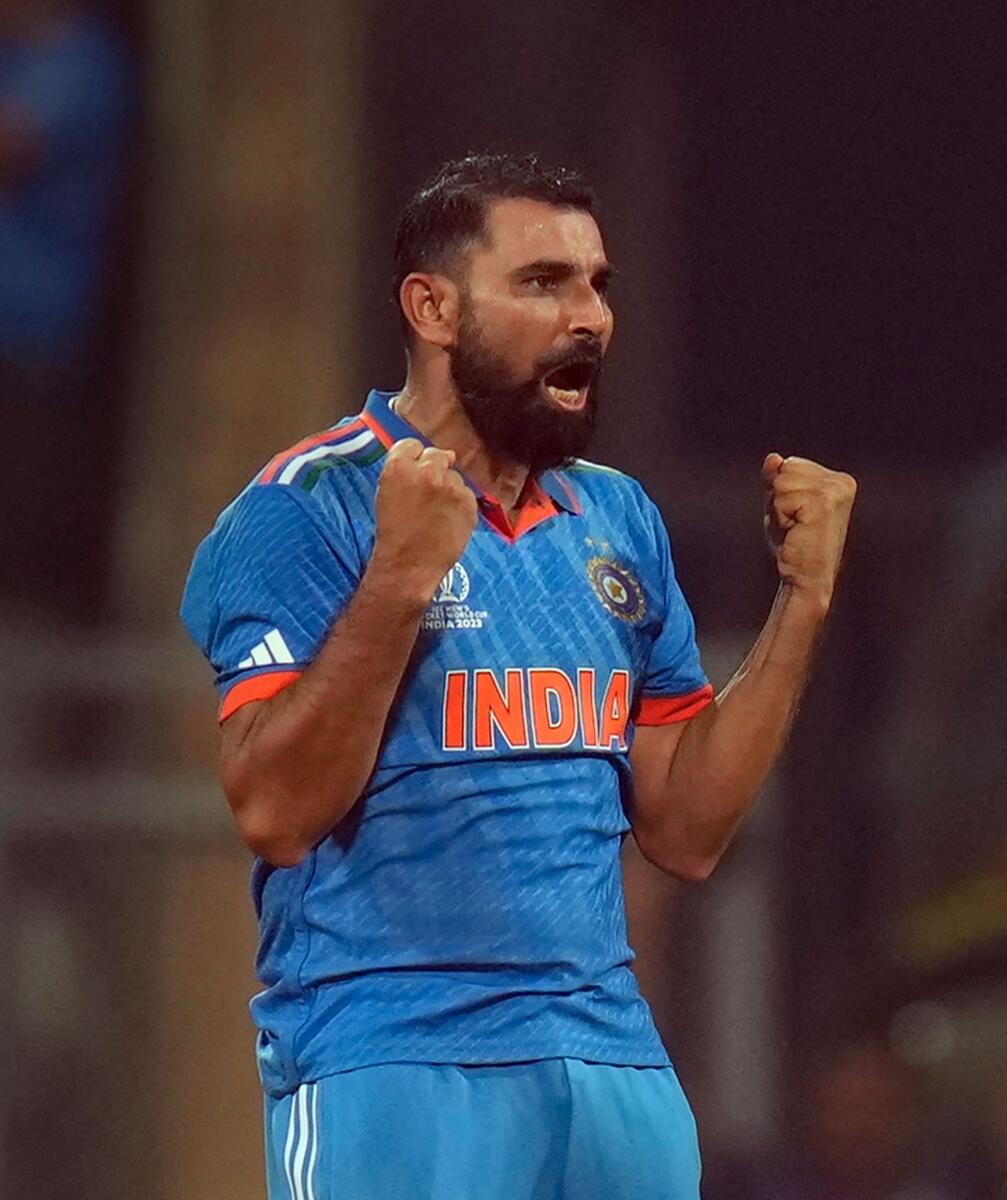
5. Mohammed Shami: The veteran pace bowler proved his mettle once again in 2023. His consistent wicket-taking abilities and crucial contributions to the Indian cricket team made him a fan favorite and a frequent Google search.

This diverse mix of cricketers and Bollywood stars reflects the multifaceted interests of the Indian audience. 2023 was a year of sporting triumphs, romantic weddings, and captivating personalities, and it’s no surprise that these celebrities dominated our Google searches. As we step into 2024, who will steal the show and top the next year’s list? Only Google knows, but one thing’s for sure: the Indian digital landscape promises to remain vibrant and full of surprises!

Tagged : / / / /

6 Upcoming Space Missions of ISRO That Every Indian Should Know About

6 Upcoming Space Missions of ISRO That Every Indian Should Know About
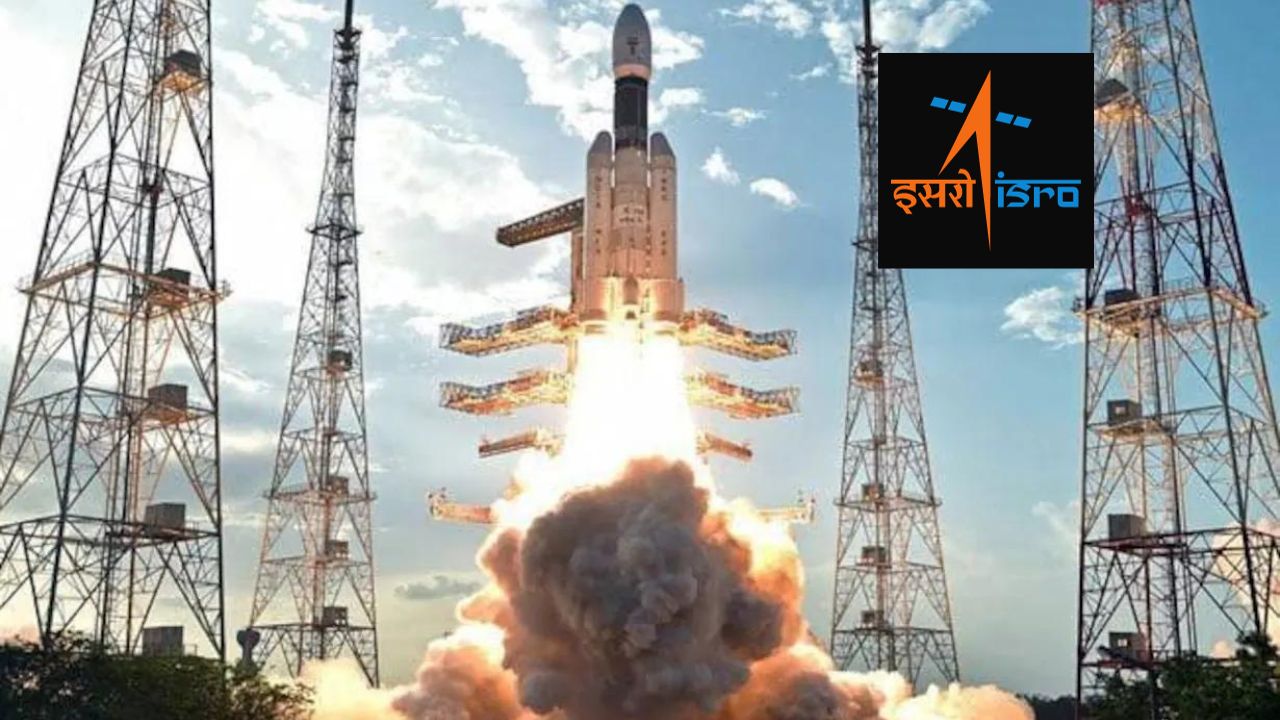
The Indian Space Research Organisation (ISRO) is gearing up for an exciting year in 2024, with a slew of ambitious missions planned for launch. These missions span a wide range of scientific and technological objectives, showcasing India’s growing prowess in the space domain. Here’s a look at six of the most notable upcoming ISRO missions in 2024:

1. NISAR (NASA-ISRO Synthetic Aperture Radar):

A collaborative mission between ISRO and NASA, NISAR will be a powerful Earth observation satellite equipped with a synthetic aperture radar (SAR) instrument. This radar will be able to image Earth’s surface through clouds and darkness, providing valuable data for applications like disaster management, agriculture, and forestry.

2. Gaganyaan 1:

This unmanned mission marks a significant step forward in India’s human spaceflight program. Gaganyaan 1 will carry a human-rated capsule into orbit and test critical technologies for future manned missions. The success of this mission will pave the way for India’s first human spaceflight, currently targeted for 2025.

3. Mangalyaan 2 (MOM 2):

Building on the success of the first Mars Orbiter Mission (MOM), Mangalyaan 2 will attempt a soft landing on the Martian surface. This ambitious mission will carry a rover equipped with scientific instruments to study the Martian environment.

4. Shukrayaan 1:

India’s first mission to Venus, Shukrayaan 1 will study the planet’s dense atmosphere and surface composition. Understanding Venus, Earth’s “twin” planet, can provide insights into Earth’s own climate and evolution.

5. X-ray Polarimeter Satellite (XPoSat):

This astronomy satellite will study the polarization of X-rays from celestial objects like black holes and neutron stars. XPoSat will help us understand the behavior of matter in extreme environments and shed light on the formation of galaxies and stars.

6. INSAT 3DS:

This advanced communication satellite will be part of the Indian National Satellite System (INSAT) and will provide broadband internet services, telephony, and television broadcasting across India. INSAT 3DS will significantly enhance communication infrastructure and bridge the digital divide in rural areas.

These are just a few of the many exciting missions planned by ISRO in the coming year. With its ambitious space program, India is rapidly establishing itself as a major player in the global space arena. These missions promise to not only advance scientific knowledge but also bring tangible benefits to people on Earth.

Tagged : / / / / /

No More Journey Halts: India’s GPS-Based Toll Revolution Arrives in March ’24

No More Journey Halts: India’s GPS-Based Toll Revolution Arrives in March ’24
Say goodbye to the red taillights stretching into the horizon and the weary crawl through toll plazas. India’s highways are about to witness a transformation, with the government aiming to replace archaic toll booths with a seamless, GPS-powered system by March 2024. This marks a significant leap towards smoother, faster journeys on national expressways.

Gone are the days of fumbling for cash or waiting for FASTag verification. Under the new system, your vehicle becomes your toll booth. A GPS device or Automatic Number Plate Recognition (ANPR) camera will track your movement on tolled roads, calculating the distance traveled. At the exit point, the corresponding toll amount will be automatically deducted from your linked bank account. No more stopping, no more queues, just uninterrupted driving freedom.

This technological upgrade promises a multitude of benefits. Traffic congestion will dramatically decrease. Imagine whizzing past toll plazas without a single brake light in sight. The smoother flow will not only save time but also reduce fuel consumption and emissions. Enhanced security is another perk. ANPR cameras can identify vehicles involved in traffic violations or criminal activity, aiding law enforcement.

For frequent highway users, the convenience factor is undeniable. Gone are the days of topping up FASTag wallets or worrying about insufficient balance. Your bank account becomes your toll pass, offering seamless transactions and eliminating concerns about expiry dates or recharges.

However, challenges remain. Privacy concerns around data collection and potential technical glitches need to be addressed. Ensuring equitable access for individuals without smartphones or linked bank accounts is crucial. Nevertheless, the government’s commitment to a phased rollout, starting with select highways, allows for ironing out these wrinkles before nationwide implementation.

India’s GPS-based toll system is a bold step towards a smarter, more efficient transportation network. It embodies the country’s growing embrace of technology to improve infrastructure and citizen experience. As we inch closer to March 2024, a future of free-flowing highways and stress-free journeys beckons. The days of toll booth bottlenecks are numbered, paving the way for a smoother, faster, and more connected India.

Tagged : / / /

Driverless Dreams Derailed: Nitin Gadkari Shuts Door on Autonomous Cars in India

Driverless Dreams Derailed: Nitin Gadkari Shuts Door on Autonomous Cars in India
In a surprising about-turn, Union Minister for Road Transport and Highways Nitin Gadkari has declared that driverless cars will never be allowed on Indian roads. This statement, made at the Zero Mile Samvad event hosted by IIM Nagpur, throws a wrench in the aspirations of automakers and tech giants hoping to tap into India’s burgeoning car market with self-driving vehicles.

Gadkari’s primary concern centers around job displacement. He estimates that driverless cars could cost millions of Indians their livelihoods, a burden he’s unwilling to bear. India currently faces a driver shortage, further complicating the situation. “Instead of creating unemployment, we should focus on improving public transport and filling the existing driver gap,” he stated.

This stance isn’t entirely new. Gadkari has expressed reservations about driverless cars before, citing safety concerns and the country’s complex traffic conditions. He emphasizes the need for improved road infrastructure and stricter safety regulations before considering autonomous vehicles.

The minister’s announcement throws cold water on a nascent but rapidly growing ecosystem. Several global players, including Tesla and Uber, have expressed interest in entering the Indian market with their self-driving technology. Domestic startups are also innovating in this space, aiming to tailor driverless cars to India’s unique challenges.

While Gadkari’s decision prioritizes immediate job security, it raises questions about India’s preparedness for the future. Driverless cars have the potential to revolutionize transportation, improving efficiency, reducing accidents, and providing mobility solutions for the disabled. Banning them altogether could impede innovation and leave India lagging behind in a rapidly evolving technological landscape.

Experts point out that a blanket ban may be shortsighted. A phased approach, starting with limited trials in controlled environments, could address safety and job concerns while allowing India to explore the benefits of this technology. Additionally, focusing on driver-assistance features like adaptive cruise control and automated parking could offer a middle ground without the immediate job displacement anxiety.

Nitin Gadkari’s decision has sparked a nationwide debate. While some support his focus on protecting livelihoods, others worry about stifling innovation and technological progress. The future of driverless cars in India remains uncertain, hanging in the balance between economic anxieties and the allure of a transformative future.

Tagged : / / / /

India Takes Flight Towards Stealthy Skies: Testing the Future of Unmanned Strike Aircraft

India Takes Flight Towards Stealthy Skies: Testing the Future of Unmanned Strike Aircraft
Get ready for a glimpse into the future of Indian airpower, where sleek, unmanned planes silently glide through the skies undetected. India recently conducted a crucial test flight of its “Autonomous Flying-Wing Technology Demonstrator,” marking a significant step towards developing a state-of-the-art stealth Unmanned Combat Aerial Vehicle (UCAV).

Why the Flying-Wing Design?

The flying-wing design, characterized by a tailless, triangular airframe, offers several advantages for stealth UCAVs. Its smooth, blended surfaces minimize radar reflections, making it difficult for enemy radars to detect. Additionally, the lack of a vertical stabilizer reduces its overall size and weight, improving maneuverability and fuel efficiency.

The Ghatak: A Vision Taking Shape

This technology demonstrator paves the way for the development of the much-anticipated Ghatak UCAV. Envisioned as a long-range, high-altitude strike platform, the Ghatak will be capable of carrying precision-guided munitions and penetrating deep into enemy territory without risking human lives.

Beyond the Battlefield: Potential Applications

The implications of this technology extend far beyond the battlefield. The Ghatak’s advanced surveillance capabilities could be utilized for border security, disaster relief, and environmental monitoring. Its ability to operate in hazardous environments makes it ideal for reconnaissance missions in areas affected by chemical, biological, or radiological threats.

Challenges and the Road Ahead

Developing a stealth UCAV like the Ghatak is a complex undertaking. Mastering radar-evading technologies, integrating sophisticated weapons systems, and ensuring seamless autonomous flight are just some of the hurdles that Indian scientists need to overcome. However, the successful test flight signifies significant progress, and India’s dedication to indigenous defense development is commendable.

The Future of Indian Airpower

The successful development and deployment of the Ghatak will mark a major leap forward for Indian airpower. It will not only enhance India’s offensive capabilities but also serve as a potent deterrent against potential aggressors. As India continues to refine its unmanned aerial vehicle technology, the skies above the subcontinent are about to become a lot more interesting.

This development is not just about building a powerful weapon, but also about pushing the boundaries of aerospace technology and showcasing India’s growing scientific prowess. The successful test flight of the “Autonomous Flying-Wing Technology Demonstrator” is a testament to India’s ambition to become a leading player in the world of unmanned aerial warfare. As the Ghatak takes shape, the future of Indian airpower looks bright, silent, and, most importantly, stealthy.

Tagged : / / /

Air India Takes Flight with New Uniforms Designed by Manish Malhotra

Air India Takes Flight with New Uniforms Designed by Manish Malhotra
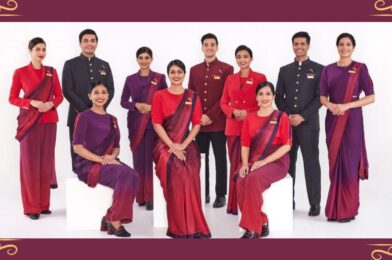
Soaring in style! Air India has unveiled a brand new collection of uniforms for its cabin crew and pilots, designed by renowned Indian fashion icon Manish Malhotra. The elegant and contemporary designs mark a significant shift for the airline, aiming to reflect a modern and vibrant new India.

Cultural Tapestry: Drawing inspiration from India’s rich heritage and diverse traditions, Malhotra’s creations incorporate a stunning palette of three colors: red, aubergine, and gold. These hues, the airline explains, represent the “confident, vibrant new India” that Air India aspires to embody.

Saree Grace: For the female cabin crew, Malhotra has envisioned flowing ombre sarees with a modern twist. The sarees, available in multiple color combinations, exude elegance and sophistication while remaining comfortable and practical for the demands of air travel.

Bandhgala Flair: For the male cabin crew, Malhotra has opted for sharp and tailored bandhgalas, a traditional Indian jacket. The bandhgalas, available in both red and aubergine, lend a touch of timeless charm while maintaining a contemporary edge.

Pilot Precision: The pilots’ uniforms are equally striking, featuring a crisp navy blue suit with gold accents. The design exudes professionalism and authority, befitting the important role they play in ensuring the safety and comfort of passengers.

Comfort and Functionality: Beyond aesthetics, Malhotra has prioritized comfort and functionality in his designs. The uniforms are crafted from high-quality, breathable fabrics that allow for ease of movement. Additionally, practical considerations like shoe choices – dual-tone block heels for female cabin crew and comfortable black brogues for male cabin crew – reflect a focus on crew well-being.

A New Era: The unveiling of these new uniforms marks a significant step in Air India’s ongoing transformation. The airline, now under private ownership, is looking to shed its old image and embrace a dynamic and modern future. Malhotra’s designs, with their blend of tradition and contemporary flair, perfectly capture this spirit of renewal.

Reaction and Rollout: The new uniforms have been met with positive reactions from both industry insiders and the public. Many have praised Malhotra’s designs for their elegance, functionality, and cultural sensitivity. The uniforms will be rolled out in a phased manner over the next few months, starting with the entry into service of Air India’s first Airbus A350 aircraft.

With its stunning new uniforms, Air India is poised to take flight into a new era of style and sophistication. As passengers board their flights, they can be sure to experience a touch of Indian elegance and warmth, redefining the in-flight experience for the modern traveler.

Tagged : / / / /

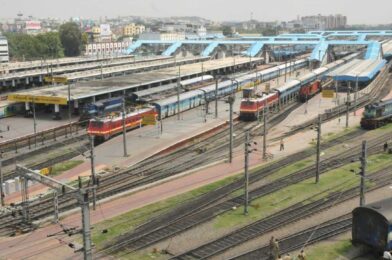
India’s 5 Biggest Railway Stations with Most Number of Platforms

India’s 5 Biggest Railway Stations with Most Number of Platforms
India is a land of vast distances and diverse landscapes, and its railway network is the lifeline that connects its many corners. With over 7,000 stations and more than 12,000 trains running daily, the Indian Railways is one of the largest and busiest in the world.

Not all railway stations are created equal, however. Some stand out for their size, grandeur, and historical significance. These are the stations that cater to millions of passengers and handle a staggering number of trains every day.

Today, we’ll take a journey through India’s eight biggest railway stations, ranked by the number of platforms they have:

1. Howrah Junction (Kolkata)
Howrah Junction (HWH) is the largest station in the nation in terms of platforms, with 23. With 23 railway tracks, it handles almost 280 trains per day. With around a million passengers using it every day for transportation, it is also one of the busiest stations in the nation. HWH, which opened in 1854, has been electrified since that year. Numerous agencies have acknowledged it as the nation’s first green station among major cities.

2. Sealdah Railway Station (SDAH)
The second-largest railway station on this list is Sealdah Railway Station (SDAH). With its 20 platforms, it provides travel assistance to almost a million people every day. Every day, about 80 trains pass over SDAH. The Northern and Southern Terminals are the two categories into which SDAH’s platforms are divided. There are 13 platforms in the SDAH Northern Terminal and 7 in the Southern Terminal. Since 1862, SDAH has provided passenger services.

3. Chhatrapati Shivaji Maharaj Terminus (CSMT)
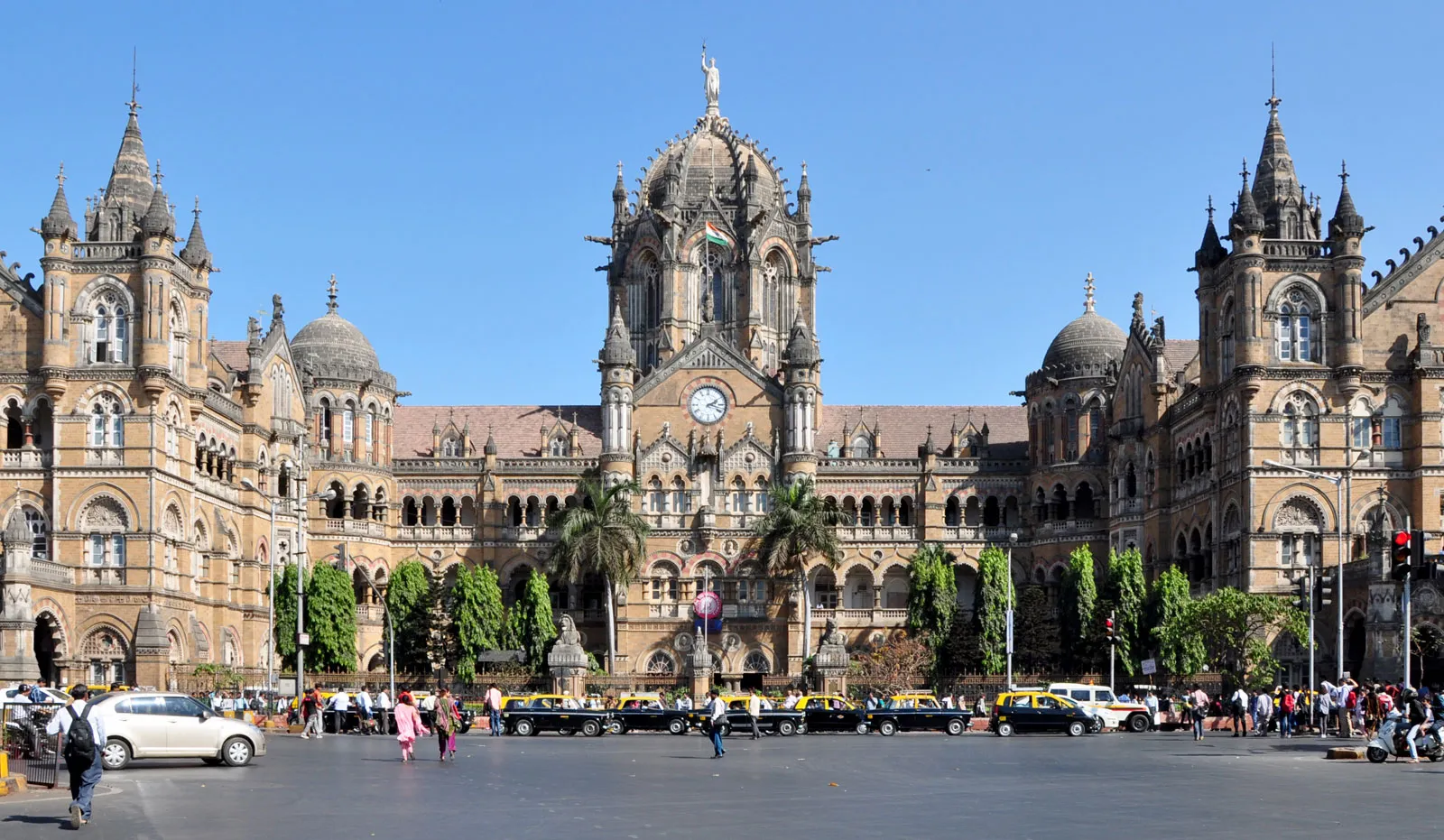
Mumbai’s Chhatrapati Shivaji Maharaj Terminus (CSMT), with its eighteen platforms, is one of the nation’s biggest train stations. In addition to being a bustling train station, UNESCO has designated CSMT as a World Heritage Site. The more than a century-old neo-gothic architectural style of CSMT will astound you. Every day, about 130 trains depart from CSMT to service passengers. At CSMT, there are restrooms, food stands, parking spaces, and other amenities for passengers.

4. Chennai Central Railway Station (MAS)
There are 17 platforms at Chennai Central Railway Station (MAS), which are split between two terminals. Puratchi Thalaivar Dr. M.G. Ramachandran Central Railway Station is another name for MAS in Chennai. Twelve stations at the main terminal serve long-distance trains that go to and from Chennai. Platforms 1 through 11 are part of the main terminal, along with a unique platform called 2A. There are five platforms in the second platform, which is often referred to as Moore Market Complex or Chennai Suburban Terminal. With almost 5,50,000 passengers utilising it every day, it is one of the busiest stations in South India.

5. New Delhi Railway Station (NDLS)
One of the busiest stations in the nation is New Delhi Railway Station (NDLS), which has sixteen platforms. Situated close to Connaught Place in New Delhi, NDLS serves approximately 235 trains every day. Every day, almost 2.13 lakh travellers use NDLS for their transit needs. Six lakhs of travellers can use NDLS in a single day on busy days. In addition to 16 platforms, NDLS provides 18 train tracks. The station complex as a whole is large and has good connections to the closest auto stand, taxi rank, and metro station.

These are just a few of the many impressive railway stations that dot the Indian landscape. Each station has its own unique story to tell, and they all play a vital role in connecting people and places across the vast country. So, the next time you find yourself at one of these grand railway stations, take a moment to appreciate the history, culture, and sheer human effort that went into building and running these giants of transportation.

Tagged : / / / /

Chandrayaan 4: How ISRO Aims to Bring Samples Back from the Moon

Chandrayaan 4: How ISRO Aims to Bring Samples Back from the Moon
India’s ambitious Chandrayaan 4 lunar mission aims to achieve a historic feat: bringing back lunar samples to Earth. This complex endeavor will showcase India’s advanced space technology and provide invaluable scientific data for understanding the Moon’s composition and history.

Here’s a breakdown of the proposed Moon-to-Earth sample return process:

1. Landing and Sample Collection:

The Chandrayaan 4 mission will involve a lander module equipped with a robotic arm designed to collect and store lunar soil and rock samples. The landing site is yet to be finalized, but it will likely be a scientifically interesting region with diverse geological features.

2. Ascent to Lunar Orbit:

Once the lander has collected the samples, it will ignite its engines and ascend to lunar orbit. This crucial maneuver requires precise control to ensure a successful rendezvous with the orbiting module.

3. Docking and Sample Transfer:

In lunar orbit, the lander will dock with the orbiting module, a spacecraft designed to carry the samples back to Earth. The collected lunar material will be carefully transferred to a specially designed container within the orbiting module.

4. Return Journey and Earth Re-entry:

After a successful docking and sample transfer, the orbiting module will detach from the lander and begin its journey back to Earth. This journey will involve complex maneuvers and precise calculations to achieve a safe re-entry into Earth’s atmosphere.

5. Sample Recovery and Analysis:

Upon re-entry, the orbiting module containing the lunar samples will descend to a pre-determined location, where it will be recovered by Indian Space Research Organisation (ISRO) teams. The collected samples will then undergo meticulous analysis in specialized laboratories, revealing valuable insights into the Moon’s formation, evolution, and potential resources.

Challenges and Expectations:

Returning lunar samples is a complex undertaking, requiring sophisticated technology and precise execution. ISRO faces several challenges, including:

  • Landing and sampling in a harsh environment: The Moon’s surface is a challenging environment with extreme temperatures and radiation.
  • Precise docking and sample transfer in lunar orbit: Successfully docking the lander and transferring the samples in the microgravity environment of space requires meticulous planning and technological prowess.
  • Safe re-entry and recovery of the samples: The orbiting module must withstand the scorching heat of re-entry and safely deliver the precious lunar material.

    Despite the challenges, ISRO’s Chandrayaan 4 mission holds immense potential for scientific discovery and technological advancement. If successful, it will be a historic moment for India and a significant contribution to global lunar exploration efforts. By bringing back lunar samples, ISRO aims to unlock secrets of the Moon and inspire future generations of scientists and space enthusiasts.

Tagged : / / / / / /

India’s Culinary Gem Paratha Is World’s 4th Most Popular Street Food

India’s Culinary Gem Paratha Is World’s 4th Most Popular Street Food
Paratha, a versatile and delectable flatbread from India, has recently garnered international acclaim by securing the fourth position in a global ranking of street foods. The Indian roti and its many packed varieties, which are affectionately known as parathas in our home, were ranked fourth on Taste Atlas’s list of the most popular street foods worldwide. This culinary masterpiece, relished across the country, has captivated taste buds worldwide with its simplicity, adaptability, and delectable flavors.

The paratha’s origins can be traced back to ancient India, where it was a staple food among various communities. Over time, the paratha evolved into a culinary canvas, embracing a myriad of regional variations and fillings. From the classic potato-stuffed aloo paratha to the aromatic paneer paratha, each variation showcases the ingenuity and culinary diversity of India’s culinary landscape.

The preparation of a paratha is an art form in itself. Kneaded dough is flattened into a disc, then stuffed with a delectable filling, ranging from spiced potatoes to grated cauliflower. The paratha is then skillfully cooked on a hot griddle, resulting in a crispy exterior that yields to a soft, flavorful interior.

Parathas are often served alongside a dollop of creamy yogurt, a tangy chutney, or a zesty pickle, creating a symphony of flavors that tantalize the palate. Whether enjoyed as a hearty street food or a comforting home-cooked meal, parathas embody the essence of Indian cuisine – simple, flavorful, and deeply satisfying.

The paratha’s global recognition is a testament to its enduring appeal and the culinary prowess of India. As it continues to tantalize taste buds worldwide, the paratha stands as a symbol of India’s rich culinary heritage and its ability to captivate the world with its simple yet exquisite flavors.

Tagged : / / / / / /

ISRO Brings Back Chandrayaan-3 Propulsion Module to Earth Orbit, Demonstrating Advanced Retrieval Capabilities

ISRO Brings Back Chandrayaan-3 Propulsion Module to Earth Orbit, Demonstrating Advanced Retrieval Capabilities
In a landmark achievement, the Indian Space Research Organisation (ISRO) has successfully brought back the Propulsion Module (PM) of the Chandrayaan-3 spacecraft to Earth’s orbit. This remarkable feat showcases India’s growing prowess in space technology and its ability to not only launch objects to the Moon but also retrieve them.

The Chandrayaan-3 mission, initially intended for lunar operations, surpassed its objectives, prompting ISRO to demonstrate its advanced retrieval capabilities by bringing the PM back to Earth’s orbit. This ambitious maneuver involved intricate orbital adjustments and precise engine control, highlighting ISRO’s expertise in spacecraft navigation and propulsion.

The successful retrieval of the PM underscores India’s growing confidence in space exploration and its commitment to pushing the boundaries of technological advancements. This achievement paves the way for future missions that require the ability to return payloads from the Moon or other celestial bodies.

Beyond its technical significance, the return of the PM also holds immense scientific value. The module carries valuable data and equipment that can be analyzed to gain further insights into the lunar environment. This information will be crucial for future lunar missions and may even contribute to the search for extraterrestrial life.

This remarkable feat by ISRO serves as a testament to India’s unwavering dedication to space exploration and its commitment to becoming a global leader in the field. The successful retrieval of the Chandrayaan-3 PM marks a significant milestone in India’s space journey and opens doors to a future filled with exciting possibilities.

Tagged : / / / /

India’s BharatGPT Attracts Google’s Attention: A Sign of India’s AI Prowess

India’s BharatGPT Attracts Google’s Attention: A Sign of India’s AI Prowess
India’s burgeoning AI landscape has taken a significant leap forward with the emergence of BharatGPT, a large language model developed by CoRover AI. This remarkable achievement has not gone unnoticed, capturing the attention of tech giant Google.

BharatGPT’s ability to generate human-quality text in multiple Indian languages, including Hindi, Tamil, and Telugu, has impressed Google, leading to a strategic investment in CoRover AI. This investment signals Google’s recognition of India’s potential to become a global AI powerhouse.

The development of BharatGPT marks a pivotal moment in India’s AI journey. It demonstrates the country’s ability to develop cutting-edge AI solutions tailored to its diverse linguistic landscape. This achievement paves the way for transformative advancements in various sectors, including education, healthcare, and customer service.

Google’s investment in CoRover AI further strengthens India’s position as a key player in the global AI arena. It highlights the country’s growing AI ecosystem, attracting international recognition and collaboration.

As India continues to invest in AI research and development, it is poised to play an increasingly significant role in shaping the future of AI. BharatGPT’s success and Google’s investment serve as a testament to India’s AI prowess and its potential to make a global impact.

Tagged : / / / /

To Combat Online Fraud, Indian Govt plans to introduce a 4-hour window to reverse, modify online payments above ₹2,000

To Combat Online Fraud, Indian Govt plans to introduce a 4-hour window to reverse, modify online payments above ₹2,000
The Indian government is planning to introduce a 4-hour window for reversing or modifying online payments above ₹2,000 in an attempt to combat fraud. This move comes as online fraud is on the rise in India, with losses from such scams reaching an estimated ₹1.7 lakh crore in 2022.

The proposed 4-hour window would give users a chance to cancel or modify a transaction if they believe it has been fraudulent. This would help to protect users from unauthorized transactions, as well as give them more time to verify the details of a transaction before it is processed.

In addition to the 4-hour window, the government is also considering other measures to combat online fraud, such as increasing awareness of online scams and improving the security of online payment systems.

What does this mean for you?

If you are an online shopper in India, the proposed 4-hour window for reversing or modifying online payments above ₹2,000 could provide you with additional protection against fraud. However, it is still important to be vigilant when shopping online and to take steps to protect your personal information.

Here are some tips for staying safe when shopping online:

  • Only shop on websites that you trust.
  • Use a strong password for your online shopping accounts.
  • Never share your personal information with anyone online, unless you are sure that they are trustworthy.
  • Be careful about clicking on links in emails or on social media.
  • Review your bank and credit card statements regularly to check for any unauthorized transactions.
    By following these tips, you can help to protect yourself from online fraud.

What are the pros and cons of the proposed 4-hour window?

Pros:

  • Could help to protect users from unauthorized transactions.
  • Could give users more time to verify the details of a transaction before it is processed.

Cons:

  • Could inconvenience legitimate transactions.
  • Could make it easier for fraudsters to cancel transactions after they have been made.Overall, the proposed 4-hour window is a positive step in the fight against online fraud. However, it is important to weigh the pros and cons of the measure carefully before it is implemented.
Tagged : / / / /

How Drones Are Changing The Face Of Indian Agriculture?

How Drones Are Changing The Face Of Indian Agriculture?
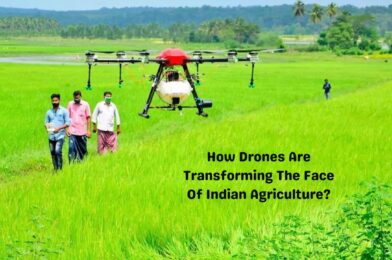
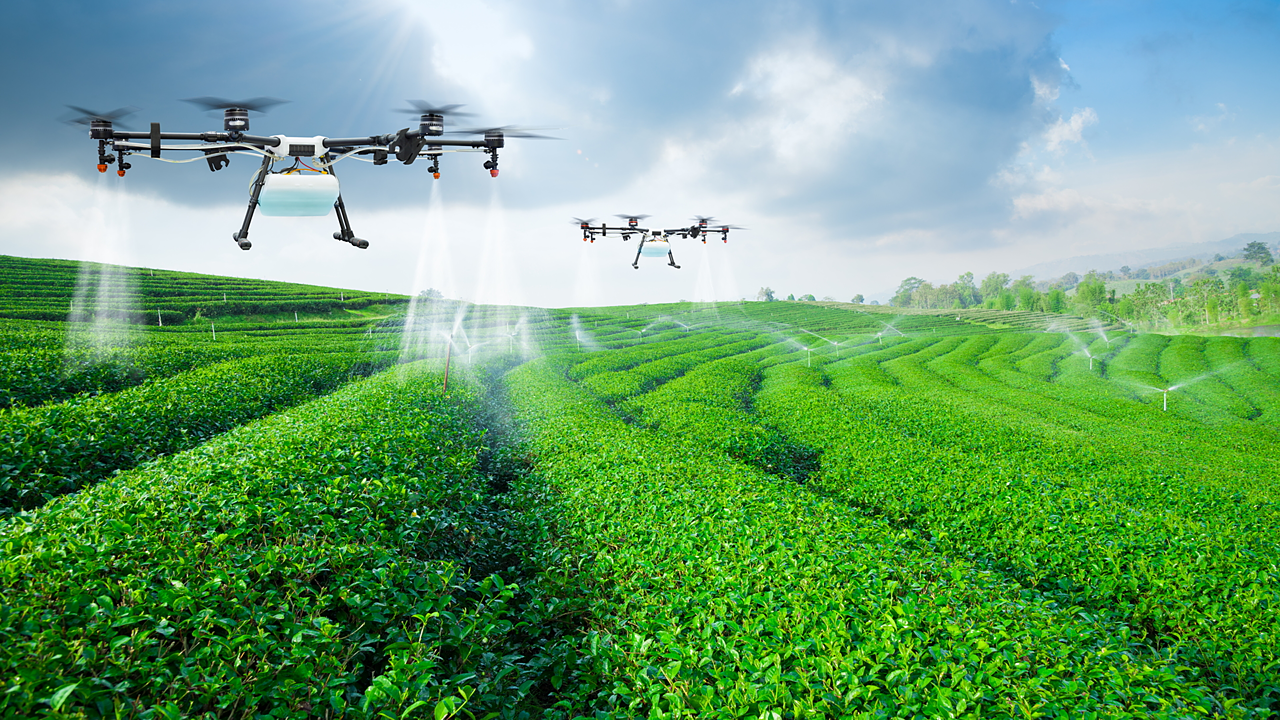
Drones, also known as unmanned aerial vehicles (UAVs), are rapidly transforming Indian agriculture practices. Drones are equipped with high-resolution cameras and sensors that can collect data on crop health, soil moisture, and other important factors. This data can be used by farmers to make informed decisions about irrigation, fertilization, and other agricultural practices.

Here are some of the ways in which drones are transforming Indian agriculture:

1. Crop monitoring: Drones can be used to monitor crop health and identify pests and diseases early on. This allows farmers to take corrective action before the problem spreads and causes significant damage to the crop.

2. Irrigation management: Drones can be used to map soil moisture levels and identify areas that need irrigation. This helps farmers to use water more efficiently and avoid overwatering, which can lead to nutrient leaching and soil erosion.

3. Fertilizer application: Drones can be used to apply fertilizers and pesticides more precisely and efficiently than traditional methods. This helps to reduce costs and minimize environmental impact.

4. Yield estimation: Drones can be used to estimate crop yields before harvest. This helps farmers to plan for harvesting and marketing their crops more effectively.

5. Damage assessment: Drones can be used to assess crop damage caused by natural disasters or pests and diseases. This information can be used to file insurance claims and obtain government assistance.

In addition to these specific applications, drones are also being used to improve agricultural practices in other ways. For example, drones are being used to:

i. Create detailed maps of farms and fields. This information can be used to plan crop rotations, irrigation systems, and other agricultural infrastructure.

ii. Monitor livestock. Drones can be used to track the location of livestock and identify animals that are sick or injured.
Deliver agricultural inputs to remote areas. Drones can be used to deliver seeds, fertilizers, and pesticides to remote areas that are difficult to reach by traditional means.

iii. Surveying and monitoring forests. Drones can be used to survey and monitor forests for pests and diseases, as well as to track illegal logging and poaching.

Challenges and opportunities

While drones offer a number of potential benefits for Indian agriculture, there are also some challenges that need to be addressed. One challenge is the cost of drones. Drones can be expensive, especially for smallholder farmers. Another challenge is the lack of training and awareness among farmers about how to use drones effectively.

Despite these challenges, the potential benefits of drones for Indian agriculture are significant. As drone technology continues to develop and become more affordable, drones are likely to play an increasingly important role in transforming Indian agriculture practices.

Conclusion

The use of drones in Indian agriculture is still in its early stages, but the potential benefits are significant. As drone technology continues to develop and become more affordable, drones are likely to play an increasingly important role in transforming Indian agriculture practices and helping farmers to produce more food with fewer resources.

Tagged : / / / / /

Made in India: The New Trend in US Manufacturing

Made in India: The New Trend in US Manufacturing
In recent years, there has been a shift away from China as the world’s manufacturing hub. This is due to a number of factors, including rising labor costs in China and concerns about the quality of Chinese goods. As a result, many US companies are now looking to source their products from other countries, and India is emerging as a popular choice.

There are several reasons why India is becoming increasingly attractive to US manufacturers. First, India’s labor costs are significantly lower than China’s. For example, the average hourly wage for a manufacturing worker in China is \$2.50, while the average hourly wage for a manufacturing worker in India is \$1.25. This difference in labor costs can have a major impact on a company’s bottom line.

Second, India has a strong advantage in direct manufacturing costs. This is due to a number of factors, including lower taxes, cheaper land, and less expensive energy. For example, the corporate tax rate in India is 30%, while the corporate tax rate in China is 25%. Additionally, land prices in India are significantly lower than land prices in China. Finally, energy costs in India are also lower than energy costs in China.

Third, India is becoming more popular as a sourcing destination for a wider range of products, beyond just textiles. In the past, India was primarily seen as a source of textiles and other low-value goods. However, India is now increasingly exporting higher-value goods, such as electronics and machinery. This is due to a number of factors, including improvements in infrastructure and education.

As a result of these factors, India is well-positioned to replace China as the world’s manufacturing hub. India has a large and growing population, a skilled workforce, and a strong economy. Additionally, the Indian government is taking steps to make the country more attractive to foreign investors.

If you are a US manufacturer, you should strongly consider sourcing your products from India. India can offer you a number of advantages, including lower labor costs, lower direct manufacturing costs, and a wider range of products. By sourcing from India, you can improve your bottom line and gain a competitive edge in the global market.

Tagged : / / /

Not Just India, Diwali Is Celebrated In These 7 Countries Too!

Not Just India, Diwali Is Celebrated In These 7 Countries Too!
Diwali, also known as the Festival of Lights, is the most popular Hindu festival celebrated all over the world. It is a five-day festival that marks the victory of good over evil, light over darkness, and knowledge over ignorance. Diwali is celebrated with great fervor and enthusiasm in India, but it is also celebrated in many other countries around the world.

Here are seven countries apart from India that celebrate Diwali:

1. Fiji

Fiji has a large Indian diaspora, and Diwali is one of the most important festivals celebrated in the country. Fijians celebrate Diwali with traditional rituals and festivities, including lighting diyas, decorating their homes with flowers and lights, and exchanging gifts. Diwali is celebrated as public holiday in Fiji.

2. Mauritius

Diwali is a public holiday in Mauritius, and it is celebrated with great fervor and enthusiasm by the Hindu community, which forms over half of the country’s population. Mauritians celebrate Diwali by lighting diyas (earthen lamps) and candles outside their homes, drawing colorful rangolis (floor patterns) on their entrances, and exchanging gifts with friends and family. One of the most unique features of Diwali celebrations in Mauritius is the use of firecrackers. Mauritians love firecrackers, and they set them off throughout the night on Diwali. The sky is lit up with a dazzling display of colors and sounds, and it is a truly spectacular sight to behold. ‘ Lakshmi Pooja is also performed on Diwali in Mauritius.

3. Srilanka

Diwali is also a major festival in Sri Lanka, where it is known as Deepawali. Deepawali is celebrated by the Hindu Tamil community, which forms about 12% of the country’s population. Sri Lankans celebrate Deepawali with traditional rituals and festivities, including lighting diyas, decorating their homes with flowers and lights, and exchanging gifts. They also visit temples to pray to the goddess Lakshmi. One of the most popular Diwali traditions in Sri Lanka is the “oil lamp competition.” In this competition, people from all over the country create elaborate and beautiful oil lamps. The lamps are then displayed in public places, and people vote for their favorite lamps. The winners of the competition are awarded prizes.

4. Nepal

Diwali is a national holiday in Nepal, and it is celebrated with great pomp and splendor by all Nepalese, regardless of their religion. Diwali in Nepal is known as Tihar, and it is celebrated over five days. Each day of Tihar has its own significance and traditions. On the first day, Nepalese worship Kaag (crow), the messenger of Yama, the god of death. On the second day, they worship Kukur (dog), the guardian of the house. On the third day, they worship Gai (cow), the mother goddess. On the fourth day, they worship Laxmi, the goddess of wealth and prosperity. On the fifth day, they worship Bhai Tika, the brotherhood bond. Tihar is a time for families and friends to come together and celebrate. Nepalese exchange gifts, eat delicious food, and enjoy cultural performances. Diwali is a truly special festival in Nepal, and it is a time for joy and celebration.

5. Thailand

Diwali is known as Lam Kriyongh in Thailand, and it is celebrated with great fanfare. Thais celebrate Lam Kriyongh by lighting lanterns and floating them on rivers and lakes. They also decorate their homes with flowers and lights, and visit temples to pray. Here is a festival of light and water, and it is celebrated to thank the goddess of water for her abundance.

6. Malaysia

Diwali is a public holiday in Malaysia, and it is celebrated with great fervor and enthusiasm by the Hindu community, which forms over 7% of the country’s population. Malaysians celebrate Hari Diwali with traditional rituals and festivities, including Lighting diyas (earthen lamps) and candles outside their homes, Drawing colorful rangolis (floor patterns) on their entrances, Exchanging gifts with friends and family and Performing the Lakshmi puja (worship of the goddess Lakshmi).
The open house tradition: On Diwali day, many Hindu families open their homes to friends and neighbors of all faiths. This is a time for people to come together and celebrate the festival, regardless of their religion or background.

7. USA

Diwali is also celebrated by the large Indian diaspora in the United States. American Hindus celebrate Diwali with traditional rituals and festivities. Pensylvannia state even has a holiday on Diwali. Some of the most popular Diwali celebrations in the United States include:

i. The Diwali Mela in New York City is one of the largest Diwali celebrations outside of India. It features a variety of cultural performances, food vendors, and activities for all ages.
ii. The Diwali on the Potomac celebration in Washington, D.C. is another popular event. It features a fireworks display over the Potomac River, as well as cultural performances and food vendors.
iii. The Diwali festival at the BAPS Shri Swaminarayan Mandir in Robbinsville, New Jersey is one of the largest Hindu temples in the United States. It attracts thousands of visitors each year for its Diwali celebrations.

Diwali is a festival of joy, hope, and new beginnings. It is celebrated with great fervor and enthusiasm in Mauritius, Sri Lanka, and Nepal, as well as in many other countries around the world. Diwali is a reminder that even in the darkest of times, good will always triumph over evil.

Tagged : / / / / /
Verified by ExactMetrics