Do You Need To Wash Rice Before Cooking? Why Or Why Not?

Do You Need To Wash Rice Before Cooking? Why Or Why Not?
The humble rice, a staple in many cultures worldwide, is often accompanied by a pre-cooking ritual: washing. But is this step truly necessary, or is it a time-consuming tradition better left behind? Let’s delve into the science behind rice washing to uncover the answer.

The Starch Factor

Rice, particularly short-grain varieties, contains a layer of starch on its surface. This starch, when released during cooking, can lead to a sticky, gummy texture in the cooked rice. Washing rice removes excess starch, resulting in fluffier, separated grains. This is particularly important for dishes like basmati rice or Japanese sushi rice, where distinct grains are desired.

Arsenic Reduction

Rice can contain trace amounts of arsenic, a naturally occurring element found in some soils. While the levels are generally low, washing rice can remove up to 50% of inorganic arsenic, the form most concerning for human health.

Nutritional Considerations

Washing rice does remove some water-soluble nutrients, such as vitamin B1 and iron. However, these losses are minimal, especially if the rice is cooked in the starchy water it is rinsed in. Additionally, many modern rice varieties are fortified with these nutrients.

To Wash or Not to Wash?

The decision of whether or not to wash rice depends on personal preference and the desired outcome. For dishes where fluffy, separated grains are preferred, washing is recommended. However, for dishes that require a sticky texture, like risotto or rice pudding, washing is not necessary.

The Science Speaks

Studies have shown that washing rice does reduce starch content and can remove a portion of inorganic arsenic. However, it also removes some water-soluble nutrients. The nutritional significance of these losses is debatable, especially given modern fortification practices.

The Culinary Verdict

Ultimately, the decision of whether or not to wash rice is a personal one. If you prefer fluffier rice, give it a rinse. But if you’re a fan of sticky rice or concerned about nutrient loss, feel free to skip this step.
Tagged : / / / /

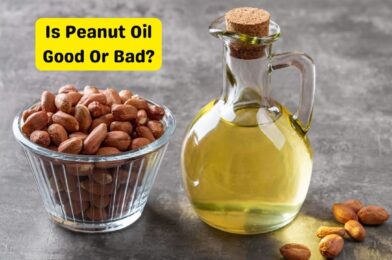
Is Peanut Oil Really Healthy? Read on to Find the Truth

Is Peanut Oil Really Healthy? Read on to Find the Truth
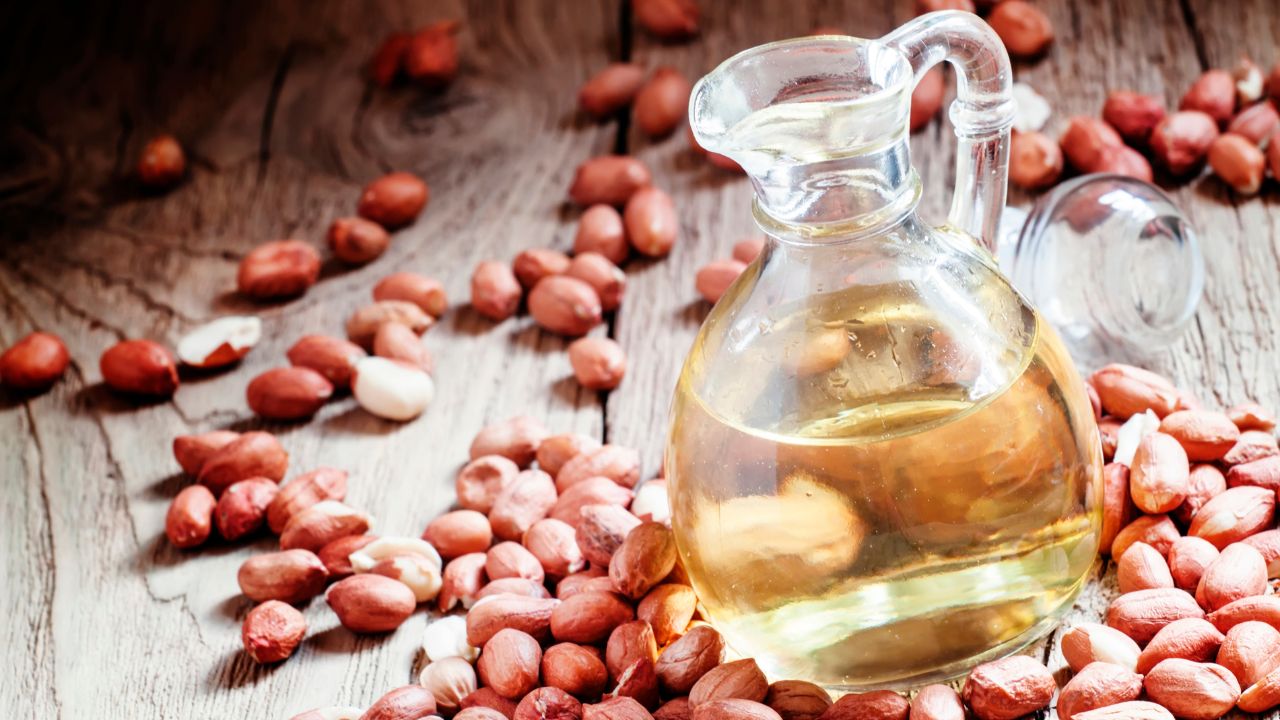
Peanut oil, a common cooking oil derived from peanuts, has long been debated for its health implications. While some hail it as a heart-healthy option, others raise concerns about its potential drawbacks. Let’s delve into the facts and uncover the truth behind peanut oil’s health status.

Peanut Oil: A Nutritional Snapshot

Peanut oil is predominantly composed of unsaturated fats, with about 50% monounsaturated fats and 30% polyunsaturated fats. Monounsaturated fats, like those found in olive oil, are considered “good” fats, as they may help lower LDL (bad) cholesterol and raise HDL (good) cholesterol. Polyunsaturated fats, including omega-6 and omega-3 fatty acids, are also essential for various bodily functions.

Potential Health Benefits of Peanut Oil

Heart Health: Peanut oil’s high content of monounsaturated fats may help reduce the risk of heart disease by lowering LDL cholesterol levels and increasing HDL cholesterol levels.

Blood Sugar Control: Studies suggest that peanut oil may improve insulin sensitivity and blood sugar control in individuals with type 2 diabetes.

Antioxidant Properties: Peanut oil is a rich source of vitamin E, a potent antioxidant that helps protect cells from damage caused by free radicals. This may reduce the risk of chronic diseases like heart disease and cancer.

Potential Drawbacks of Peanut Oil

High Omega-6 Content: Peanut oil contains a high ratio of omega-6 fatty acids to omega-3 fatty acids. An imbalance in these fatty acids may increase inflammation and contribute to chronic diseases.

Refining Process Concerns: Peanut oil is often refined, which involves high heat and chemicals. This process may alter the oil’s nutritional profile and produce harmful compounds.

So, Is Peanut Oil Healthy?

The answer lies in moderation and balance. Peanut oil, in its unrefined form, can be part of a healthy diet due to its monounsaturated fats and vitamin E content. However, it’s crucial to limit overall fat intake and ensure a balance of omega-6 and omega-3 fatty acids in your diet.

Tips for Healthy Peanut Oil Consumption

  • Choose unrefined or cold-pressed peanut oil: This retains more of the oil’s natural nutrients.
  • Use peanut oil for high-heat cooking: It has a high smoke point, making it suitable for stir-frying and deep-frying.
  • Balance omega-3 intake: Include sources of omega-3 fatty acids, like fatty fish, flaxseeds, and walnuts, in your diet.
  • Moderate overall fat consumption: Consume fats in moderation, regardless of their type.

Remember, a healthy diet encompasses a variety of nutrient-rich foods, not just a single oil. Consult a healthcare professional or registered dietitian for personalized dietary advice.

Tagged : / / /

Amla In Winters : 7 Ways To Include This Vitamin C Powerhouse In Your Diet

Amla In Winters : 7 Ways To Include This Vitamin C Powerhouse In Your Diet
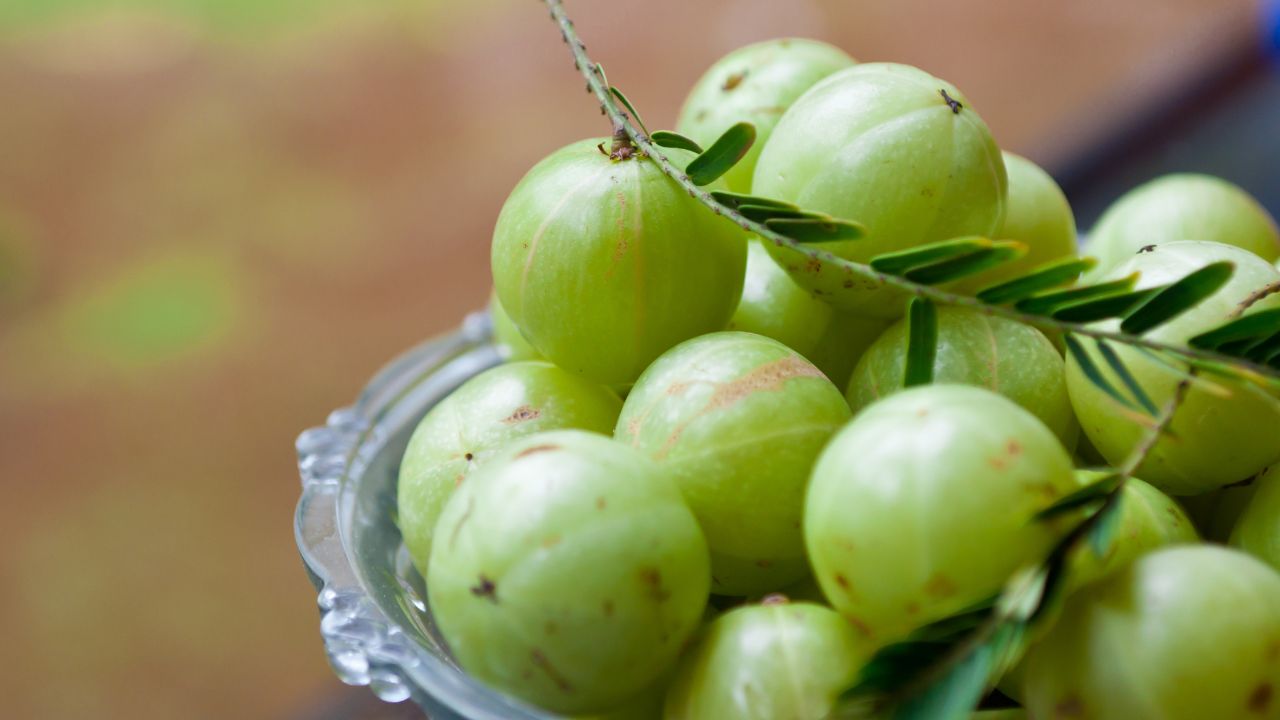
The Indian gooseberry, also known as amla, is a nutrient-rich fruit with a sour taste that is commonly used in Ayurvedic medicine. It is a valuable source of vitamin C, vitamin A, fiber, and antioxidants, making it a powerful addition to your daily diet. Here are five ways you can incorporate amla into your meals and reap its many health benefits:

1. Amla Juice
Amla juice is a refreshing and invigorating way to kickstart your morning. Simply extract the juice from fresh amlas and consume it on an empty stomach. You can also dilute the juice with water or add a touch of honey to balance the sourness.

2. Amla Smoothies
Blend amla with your favorite fruits, yogurt, and plant-based milk to create a nutrient-packed smoothie. The tartness of amla adds a unique flavor profile while providing a boost of vitamin C and other essential nutrients.

3. Amla Murabba
Amla murabba is a sweet and tangy preserve made from amlas cooked with sugar and spices. It’s a delicious and traditional way to consume amla, often enjoyed as an afternoon snack or after meals.

4. Add Amla to Curries and Dals
Amla powder can be added to curries and dals to enhance their flavor and nutritional value. The tartness of amla balances the richness of the dishes while providing a boost of vitamin C and antioxidants.

5. Amla Chutney
Amla chutney is a spicy and flavorful condiment that pairs well with Indian dishes. It’s made by blending amlas with spices, such as ginger, garlic, and cumin, resulting in a tangy and spicy relish.

6. Amla Candies
Amla candies are a delicious and nutritious way to enjoy the benefits of amla. They are made by coating amla pieces with sugar syrup, creating a sweet and tangy treat that is both enjoyable and beneficial for your health. Amla candies are a good source of vitamin C, which helps boost immunity and protect against cell damage. They are also a good source of fiber, which aids in digestion and promotes overall gut health.

7. Amla Pickle
Amla pickle is a savory and tangy condiment that is made by pickling amla in a mixture of spices, such as mustard seeds, turmeric, and chili powder. Amla pickle is a popular side dish in Indian cuisine and is often enjoyed with rice, roti, or paratha. It is a good source of vitamin C, fiber, and antioxidants. Amla pickle also contains probiotics, which are beneficial bacteria that promote gut health.

By incorporating amla into your daily diet, you can reap a multitude of health benefits, including improved immunity, better digestion, and enhanced skin health. So, embrace the sourness of amla and experience its transformative power on your overall well-being.

Tagged : / / / / /

Unlocking Metabolic Health: Break This One Habit For Better Metabolism

Unlocking Metabolic Health: Break This One Habit For Better Metabolism
In the pursuit of health and wellness, we often focus on what we should add to our routines, but sometimes, the key lies in what we should stop doing. In the realm of metabolic health, the habit of undereating emerges as a crucial factor to break for a healthier and more energized life.

The Pitfalls of Undereating

Contrary to popular belief, consuming too few calories can have detrimental effects on our metabolism. When the body receives insufficient energy, it goes into “starvation mode,” slowing down its metabolic processes to conserve energy. This metabolic adaptation can lead to a myriad of health issues, including:

1. Weight regain: Despite restricting calories, undereating can lead to weight regain in the long run due to the slowed metabolism.

2. Reduced energy levels: Adequate calorie intake is essential for maintaining energy levels throughout the day. Undereating can cause fatigue, lethargy, and difficulty concentrating.

3. Nutrient deficiencies: Not consuming enough calories can lead to deficiencies in essential vitamins, minerals, and macronutrients, hindering overall health.

4. Hormonal imbalances: Undereating can disrupt hormone production, affecting functions like appetite control, metabolism, and reproductive health.

Rebuilding a Healthy Metabolism

To break the habit of undereating and restore metabolic health, dietitians recommend a few key strategies:

1. Prioritize nutrient-dense foods: Instead of focusing on calorie restriction, prioritize nutrient-dense foods like whole grains, fruits, vegetables, and lean proteins. These foods provide essential nutrients while keeping you satiated.

2. Listen to your body: Pay attention to your hunger cues and eat when you’re truly hungry. Don’t skip meals, as this can lead to overeating later in the day.

3. Gradually increase calorie intake: If you’ve been undereating for a while, gradually increase your calorie intake over time to allow your body to adjust.

4. Seek professional guidance: Consult a registered dietitian to develop a personalized plan that meets your individual needs and goals.

Embark on a Journey of Metabolic Wellness

By breaking the habit of undereating and adopting healthy eating habits, you can embark on a journey towards metabolic wellness. Remember, your body is an intricate system that thrives on nourishment. Give it the fuel it needs to function optimally, and you’ll reap the rewards of enhanced energy, improved health, and a vibrant spirit.

Tagged : / / / / / /

7 Amazing Benefits Of Sprouts That You Probably Didn’t Know About!

7 Amazing Benefits Of Sprouts That You Probably Didn’t Know About!
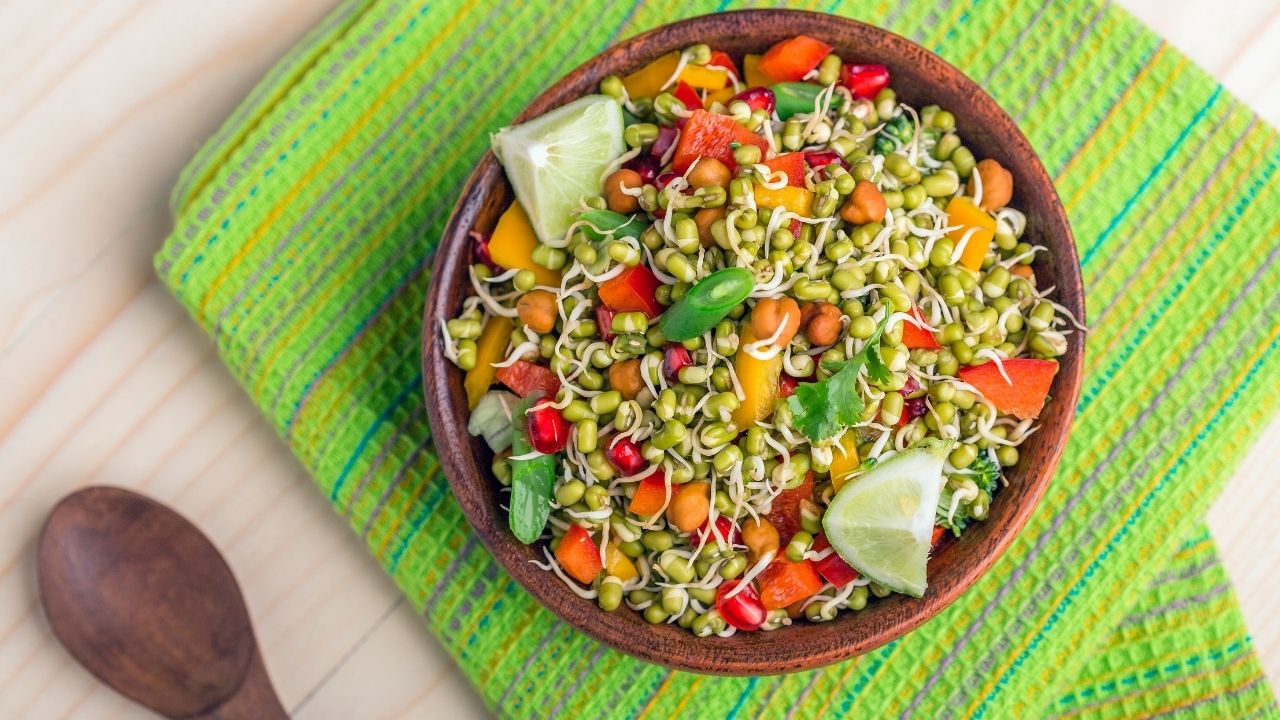
Sprouts are the edible shoots of various plants. They are a nutrient-rich and healthy snack or addition to your diet. Sprouts are also a good source of protein, fiber, and vitamins.

1. Helps in losing weight:

Sprouts are a low-calorie and low-fat food, which can help you lose weight while eating a healthy diet. Sprouts are also a good source of fiber, which can help you feel full and satisfied, and may help you eat less.

2. Improves digestion:

Sprouts are a good source of fiber, which can help improve digestion. Fiber helps to add bulk to your stool and move it through your intestines. Sprouts also contain enzymes, which can help break down food and improve nutrient absorption.

3. Boosts immunity:

Sprouts are a good source of vitamins and minerals, which can help boost your immune system. Sprouts also contain antioxidants, which can help protect your cells from damage.

4. Reduces risk of chronic diseases:

Sprouts are a good source of fiber, which can help reduce your risk of heart disease, stroke, and type 2 diabetes. Fiber can help lower your cholesterol levels and blood pressure.

5. Improves mood:

Sprouts are a good source of vitamin B6, which can help improve your mood. Vitamin B6 also helps to produce serotonin, a neurotransmitter that helps to regulate mood.

6. Good for skin and hair:

Sprouts are a good source of vitamin C, which can help improve your skin and hair. Vitamin C helps to produce collagen, which gives your skin its elasticity. Vitamin C also helps to protect your skin from damage.

7. Good for pregnant women:

Sprouts are a good source of folate, which is essential for pregnant women. Folate helps to prevent neural tube defects, which are birth defects of the brain and spinal cord.

Precautions:

Sprouts can be contaminated with bacteria, which can cause illness. To reduce your risk of illness, make sure to wash your sprouts thoroughly before eating them. You should also avoid eating sprouts that are raw or have been stored for more than a few days.

Tagged : / / /

Boiled Egg Vs Omelette : Which is more nutritious?

Boiled Egg Vs Omelette : Which is more nutritious?
Eggs are a great source of protein, vitamins, and minerals. They are also relatively low in calories and fat. But when it comes to boiled eggs vs omelettes, which is more nutritious?

Boiled Eggs

Boiled eggs are a simple and healthy way to enjoy eggs. They are a good source of protein, vitamins B12, D, and riboflavin, and choline. They are also low in calories and fat.

Omelettes

Omelettes can be a more versatile way to enjoy eggs. They can be made with a variety of ingredients, such as vegetables, cheese, and meat. This can add extra nutrients to your omelette, but it can also add calories and fat.

Which is More Nutritious?

In general, boiled eggs are more nutritious than omelettes. This is because they are cooked without any added fats or oils. Omelettes, on the other hand, can be cooked with butter, oil, or cheese, which can add extra calories and fat.

However, omelettes can also be a healthy option if they are made with healthy ingredients. For example, an omelette made with vegetables and lean protein can be a good source of vitamins, minerals, and fiber. Boiled eggs and omelets are both nutritious options, but boiled eggs have a slight edge in terms of overall health benefits. They are lower in calories, fat, and cholesterol than omelets, and they do not require any added oils or fats for cooking. Omelets can be a healthy option if they are made with healthy ingredients, such as vegetables and lean protein. However, it is important to be mindful of the added calories and fat that can be introduced by these ingredients. Ultimately, the best choice for you depends on your individual needs and preferences.

Ultimately, the best choice for you depends on your individual needs and preferences. If you are looking for a quick and healthy snack, a boiled egg is a great option. If you are looking for a more filling and versatile meal, an omelette can be a good choice. Just be sure to choose healthy ingredients for your omelette.

Here are some additional tips for making a healthy omelette:

  • Use a non-stick pan to cook your omelette with minimal oil.
  • Fill your omelette with vegetables, such as spinach, mushrooms, and peppers.
  • Add lean protein, such as chicken, turkey, or beans.
  • Use low-fat cheese or skip the cheese altogether.
  • By following these tips, you can make an omelette that is both nutritious and delicious.

It is also important to eat eggs in moderation. Too much of anything can be bad for you, and eggs are no exception. The American Heart Association recommends that people limit their cholesterol intake to 300 milligrams per day. One large egg contains about 187 milligrams of cholesterol. So, if you are watching your cholesterol intake, you may want to limit your egg consumption to two or three per day.

Tagged : / / / /

Dental Health : 7 Superfoods For Healthy And Strong Teeth

Dental Health : 7 Superfoods for healthy and strong teeth
Your teeth are one of your most important assets, and taking care of them is essential for good overall health. Eating a healthy diet is a great way to keep your teeth strong and healthy, and there are certain foods that are particularly beneficial for dental health.

Here are 7 superfoods for healthy and strong teeth:

1. Leafy greens: Leafy greens like kale, spinach, and collard greens are packed with nutrients that are essential for dental health, including calcium, vitamin C, and folic acid. Calcium helps to strengthen tooth enamel, vitamin C helps to keep gums healthy, and folic acid helps to promote cell growth and repair.

2. Dairy products: Dairy products like milk, yogurt, and cheese are also good sources of calcium, as well as phosphorus and other nutrients that are important for dental health. Phosphorus helps to strengthen tooth enamel and rebuild tooth enamel after it has been eroded by acids.

3. Lean protein: Lean protein sources like chicken, fish, eggs, and beans are important for building and repairing tissues, including gum tissue. Lean protein is also a good source of phosphorus.

4. Water-rich fruits and vegetables: Water-rich fruits and vegetables like apples, celery, carrots, and cucumbers help to clean the teeth and stimulate the flow of saliva. Saliva helps to wash away food particles and bacteria, and it also contains minerals that help to protect the teeth.

5. Crunchy foods: Crunchy foods like nuts, seeds, and whole-grain breads help to clean the teeth and stimulate the flow of saliva. Crunchy foods are also good sources of fiber, which helps to balance the sugars in the diet and reduce the risk of tooth decay.

6. Green tea: Green tea contains catechins, which are plant compounds that have antibacterial and anti-inflammatory properties. Catechins can help to reduce plaque buildup and inflammation in the gums.

7. Strawberries: Strawberries contain vitamin C, which is important for gum health. Strawberries also contain malic acid, which can help to naturally whiten teeth.

Here are some tips for incorporating these superfoods into your diet:

  • Add leafy greens to your smoothies, salads, and stir-fries.
  • Snack on dairy products like yogurt and cheese.
  • Include lean protein sources in every meal.
  • Eat plenty of water-rich fruits and vegetables throughout the day.
  • Munch on nuts and seeds instead of processed snacks.
  • Drink green tea instead of coffee or soda.
  • Add strawberries to your breakfast cereal, yogurt, or smoothies.

    By eating a healthy diet that includes these superfoods, you can help to keep your teeth strong and healthy for a lifetime.

Tagged : / / / /

8 Amazing Benefits Of Eating Dark Chocolates

8 Amazing Benefits Of Eating Dark Chocolates
Dark chocolate is a delicious and nutritious treat that has been enjoyed for centuries. It is made from cocoa beans, which are a good source of antioxidants, minerals, and other beneficial compounds.

Here are eight of the most impressive health benefits of dark chocolate:

1. Improves heart health
Dark chocolate is rich in flavanols, which are plant compounds that have been shown to improve heart health. Flavanols can help to lower blood pressure, improve blood flow, and reduce inflammation.

A study published in the journal “Heart” found that people who ate the most dark chocolate had a 23% lower risk of death from heart disease than those who ate the least.

2. Protects the brain
Dark chocolate contains antioxidants that can help to protect the brain from damage. These antioxidants can help to improve cognitive function, memory, and mood.

A study published in the journal “Neurology” found that people who ate dark chocolate regularly had a better memory and performed better on cognitive tests than those who did not eat dark chocolate.

3. Reduces the risk of cancer
Dark chocolate contains compounds that have been shown to have anti-cancer properties. These compounds can help to protect cells from damage and prevent the growth of cancer cells.

A study published in the journal “Cancer Epidemiology, Biomarkers & Prevention” found that people who ate the most dark chocolate had a 57% lower risk of developing colorectal cancer than those who ate the least.

4. Improves blood sugar control
Dark chocolate can help to improve blood sugar control in people with type 2 diabetes. Flavanols in dark chocolate can help to improve insulin sensitivity and reduce blood sugar levels.

A study published in the journal “Diabetes Care” found that people with type 2 diabetes who ate dark chocolate regularly had lower blood sugar levels than those who did not eat dark chocolate.

5. Boosts the immune system
Dark chocolate contains antioxidants that can help to boost the immune system. These antioxidants can help to protect the body from infection and disease.

A study published in the journal “PLoS ONE” found that people who ate dark chocolate regularly had a stronger immune system than those who did not eat dark chocolate.

6. Improves mood
Dark chocolate contains compounds that can help to improve mood. These compounds can help to reduce stress, anxiety, and depression.

A study published in the journal “The Journal of Psychopharmacology” found that people who ate dark chocolate regularly had a better mood and felt less anxious than those who did not eat dark chocolate.

7. Improves skin health
Dark chocolate contains antioxidants that can help to improve skin health. These antioxidants can help to protect the skin from damage and reduce the signs of aging.

A study published in the journal “Skin Pharmacology and Physiology” found that people who ate dark chocolate regularly had smoother, more hydrated skin than those who did not eat dark chocolate.

8. Promotes weight loss
Dark chocolate can help to promote weight loss by reducing appetite and increasing metabolism. Flavanols in dark chocolate can help to increase feelings of fullness and reduce cravings for unhealthy foods.

A study published in the journal “Obesity” found that people who ate dark chocolate regularly lost more weight and had a lower body mass index (BMI) than those who did not eat dark chocolate.

It is important to note that dark chocolate is high in calories and fat, so it should be consumed in moderation. The recommended serving size of dark chocolate is one ounce (28 grams).

However, when consumed in moderation, dark chocolate is a delicious and nutritious treat that can offer a variety of health benefits.

Tagged : / / / /

5 Healthy Foods That Become Unhealthy If Consumed At Night

5 Healthy Foods That Become Unhealthy If Consumed At Night
While it’s important to eat healthy foods throughout the day, there are some foods that are best avoided at night. This is because your body metabolizes food differently at night, and eating certain foods can disrupt your sleep and lead to other health problems.

Here are five healthy foods that can become unhealthy if consumed at night:

1. Fruits with high water content

Fruits like watermelon, cucumber, and celery are all high in water content. While eating these fruits is great for your hydration levels, it can also lead to frequent urination at night, which can disrupt your sleep. Some fruits are high in carbohydrates, which can cause a spike in blood sugar levels. This can lead to insomnia and other sleep problems.

2. Curd

Curd is a good source of protein and calcium, but it can be unhealthy if eaten at night because it is difficult to digest. Curd can also cause gas and bloating, which can make it difficult to sleep.

3. Chicken

Chicken is a lean protein source, but it is also high in tyrosine. Tyrosine is an amino acid that is converted into dopamine, a neurotransmitter that can keep you awake. Eating chicken before bed can make it difficult to fall asleep.

4. Cauliflower and broccoli

Cauliflower and broccoli are both healthy vegetables, but they are also high in fiber. Fiber can be difficult to digest, and eating cauliflower or broccoli before bed can cause indigestion and discomfort.

5. Chocolates

Chocolates are high in sugar and caffeine, both of which can disrupt sleep. Sugar can cause a spike in blood sugar levels, followed by a crash. This can lead to insomnia and other sleep problems. Caffeine is a stimulant that can keep you awake and make it difficult to fall asleep.

Here are some tips for choosing healthy foods to eat at night:

  • Choose foods that are easy to digest, such as yogurt, oatmeal, and bananas.
  • Avoid foods that are high in sugar, caffeine, and fat.
  • Eat a small dinner or snack a few hours before bed.
  • Drink plenty of water throughout the day, but avoid drinking too much water close to bedtime.

By following these tips, you can choose healthy foods that will help you sleep better and wake up feeling refreshed.

Tagged : / / /

The Magic Of Black : 10 Black Foods That Are Super Healthy

The Magic Of Black : 10 Black Foods That Are Super Healthy
Black foods are often overlooked when it comes to healthy eating, but they offer a number of unique nutritional benefits. The dark color of black foods is due to the presence of anthocyanins, which are powerful antioxidants. Anthocyanins have been shown to have a number of health benefits, including reducing inflammation, improving heart health, and protecting against cancer.

Here are 10 black foods that are super healthy:

1. Black beans: Black beans are a good source of protein, fiber, and complex carbohydrates. They are also low in calories and fat. Black beans can help to lower cholesterol levels, regulate blood sugar levels, and improve digestion.

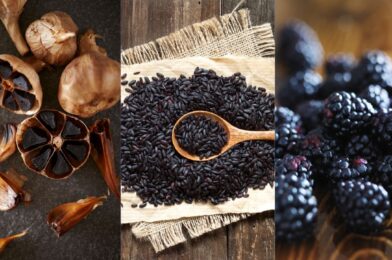
2. Black rice: Black rice, also known as forbidden rice, is a type of whole grain rice that is high in antioxidants and nutrients. Black rice is a good source of fiber, protein, and iron. It is also low in calories and fat. Black rice can help to improve heart health, reduce inflammation, and boost the immune system.

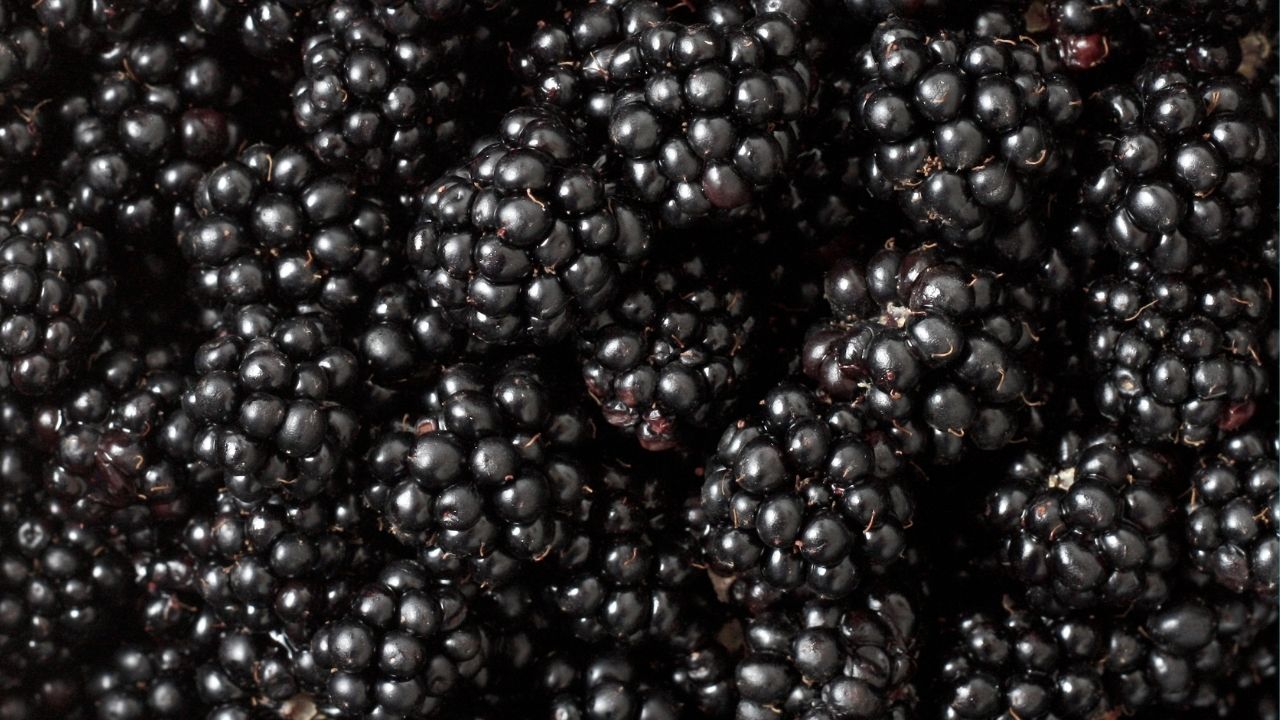
3. Blackberries: Blackberries are a delicious and nutritious fruit that is high in antioxidants, vitamins, and minerals. Blackberries are a good source of vitamin C, vitamin K, and dietary fiber. They are also low in calories and fat. Blackberries can help to improve heart health, reduce inflammation, and boost the immune system.

4. Black lentils: Black lentils are a good source of protein, fiber, and complex carbohydrates. They are also low in calories and fat. Black lentils can help to lower cholesterol levels, regulate blood sugar levels, and improve digestion.

5. Black sesame seeds: Black sesame seeds are a good source of protein, fiber, and healthy fats. They are also a good source of calcium, magnesium, and iron. Black sesame seeds can help to improve heart health, boost the immune system, and strengthen bones.

6. Black quinoa: Black quinoa is a type of whole grain that is high in protein, fiber, and complex carbohydrates. It is also a good source of iron, magnesium, and zinc. Black quinoa can help to improve heart health, lower cholesterol levels, and regulate blood sugar levels.

7. Black tea: Black tea is a good source of antioxidants and polyphenols. Black tea has been shown to improve heart health, reduce inflammation, and boost the immune system.

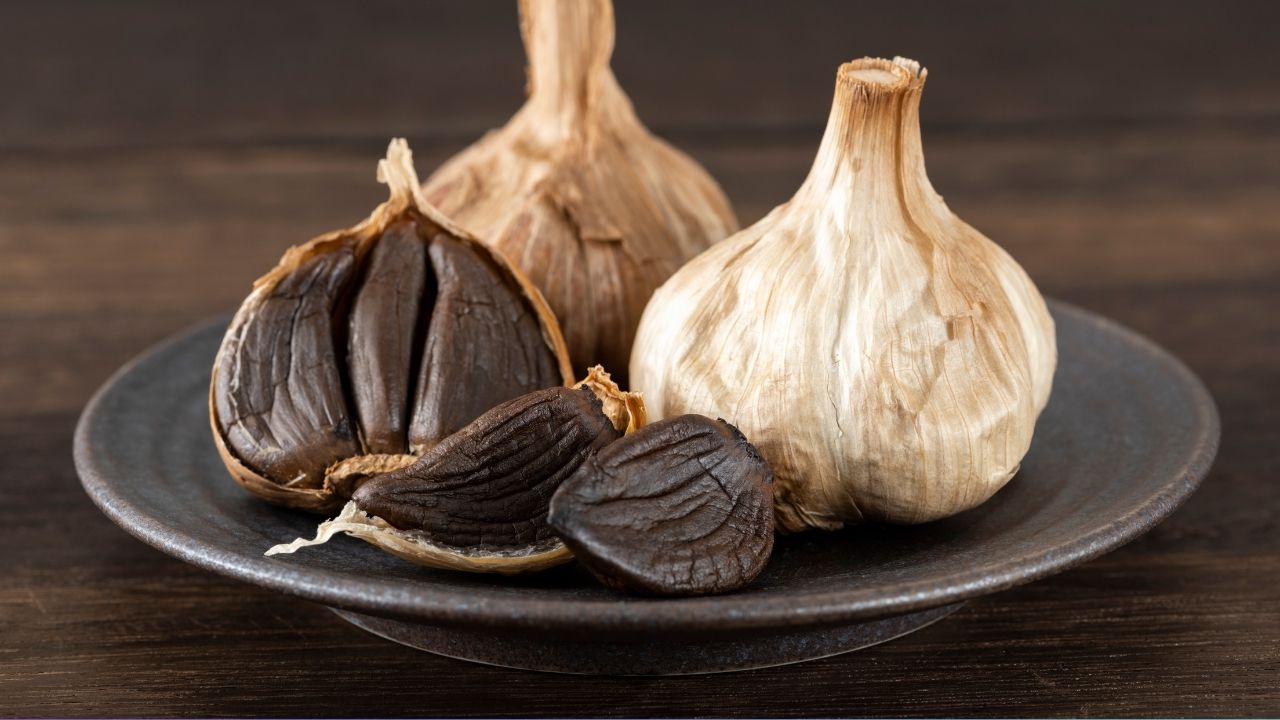
8. Black garlic: Black garlic is a type of fermented garlic that has a milder flavor and less odor than regular garlic. Black garlic is high in antioxidants and has been shown to have a number of health benefits, including improving heart health, reducing inflammation, and boosting the immune system.

9. Black mushrooms: Black mushrooms, such as shiitake and black trumpet mushrooms, are a good source of protein, fiber, and antioxidants. Black mushrooms have been shown to improve heart health, boost the immune system, and fight cancer.

10. Black soybeans: Black soybeans are a good source of protein, fiber, and healthy fats. They are also a good source of iron, calcium, and magnesium. Black soybeans can help to improve heart health, lower cholesterol levels, and regulate blood sugar levels.

Black foods are a delicious and nutritious way to improve your health. By incorporating black foods into your diet, you can boost your antioxidant intake, improve your heart health, and reduce your risk of chronic diseases.

Tagged : / / /

From Improving Digestion to Enhancing Vision, Here Re 6 Health Benefits Of Sweet Potatoes

From Improving Digestion to Enhancing Vision, Here Re 6 Health Benefits Of Sweet Potatoes
Sweet potatoes are a delicious and nutritious root vegetable that is packed with vitamins, minerals, and antioxidants. They are a good source of fiber, vitamin A, vitamin C, potassium, and manganese. Sweet potatoes are also low in calories and fat, making them a healthy choice for people of all ages.

Here are six health benefits of sweet potatoes that you might not know about:

1. Support healthy vision : Sweet potatoes are a rich source of beta-carotene, which is converted to vitamin A in the body. Vitamin A is essential for good vision, especially night vision. Sweet potatoes can also help to protect the eyes from age-related macular degeneration, a leading cause of blindness.

2. Boosts the immune system : Sweet potatoes are a good source of vitamin C, which is an antioxidant that helps to protect the body from damage caused by free radicals. Free radicals are unstable molecules that can damage cells and contribute to diseases such as cancer and heart disease. Vitamin C also helps to support the immune system and fight off infection.

3. Improve digestion : Sweet potatoes are a good source of fiber, which is essential for good digestion. Fiber helps to keep the digestive system healthy and regular. It also helps to bulk up stool and prevent constipation.
.
4. Regulate blood sugar levels : Sweet potatoes have a low glycemic index, which means that they do not cause blood sugar levels to spike rapidly. This makes them a good choice for people with diabetes or prediabetes. Sweet potatoes also contain complex carbohydrates, which provide sustained energy release.

5. Reduce the risk of heart disease : Sweet potatoes are a good source of potassium, which is a mineral that helps to lower blood pressure. High blood pressure is a major risk factor for heart disease. Sweet potatoes also contain antioxidants that can help to protect the heart from damage.

6. Support brain function : Sweet potatoes are a good source of anthocyanins, which are antioxidants that have been shown to improve brain function and memory. Sweet potatoes also contain magnesium, which is a mineral that is essential for nerve function.

Tips for adding sweet potatoes to your diet

Sweet potatoes are a versatile vegetable that can be enjoyed in many different ways.
Here are a few tips:

Roast sweet potatoes with olive oil and herbs for a delicious and healthy side dish.
Add sweet potatoes to soups, stews, and curries.
Make a sweet potato mash or puree.
Use sweet potatoes to make fries, chips, or pancakes.
Add sweet potatoes to smoothies or baked goods.

Conclusion
Sweet potatoes are a nutritious and delicious root vegetable that can be enjoyed in many different ways. They offer a variety of health benefits, including supporting healthy vision, boosting the immune system, improving digestion, regulating blood sugar levels, reducing the risk of heart disease, and supporting brain function.

If you are looking for a healthy and delicious way to add more nutrients to your diet, consider adding sweet potatoes to your meals and snacks.

Tagged : / / / /

7 Foods From Your Kitchen That Can Naturally Turn White Hair To Black

7 Foods From Your Kitchen That Can Naturally Turn White Hair To Black
White hair is a natural part of aging, but many people want to delay the process or even reverse it. While there is no guaranteed way to turn white hair black again, there are some everyday foods that can help. Here are 10 of them:

1. Black sesame seeds: Black sesame seeds are a good source of copper, which is essential for the production of melanin, the pigment that gives hair its color. They are also a good source of vitamin B, which helps to promote hair growth.

2. Amla: Amla, also known as Indian gooseberry, is a rich source of vitamin C, which is an antioxidant that can help to protect hair from damage. Amla is also a good source of iron, which is necessary for the production of hemoglobin, which carries oxygen to the hair follicles.

3. Bhringraj: Bhringraj is an Ayurvedic herb that is known for its hair growth benefits. It is also said to help to prevent premature graying. Bhringraj can be used in oil form or as a powder.

4. Curry leaves: Curry leaves are a good source of vitamins A, C, and E, all of which are important for hair health. Curry leaves are also said to help to improve scalp circulation.

5. Hibiscus: Hibiscus is a flower that is known for its high vitamin C content. It is also a good source of iron and antioxidants. Hibiscus can be used in tea form or as a powder.

6. Coconut: Coconut oil is a good source of medium-chain triglycerides (MCTs), which are easily absorbed by the body. MCTs can help to improve hair growth and prevent breakage. Coconut oil can be used as a hair mask or conditioner.

7. Spinach: Spinach is a good source of iron, which is necessary for the production of hemoglobin, which carries oxygen to the hair follicles. Spinach is also a good source of vitamins A and C, which are important for hair health.

In addition to eating a healthy diet, there are a few other things you can do to help prevent premature graying and keep your hair healthy:

  • Avoid smoking and excessive alcohol consumption.
  • Get enough sleep.
  • Manage stress.
  • Use a gentle shampoo and conditioner.
  • Avoid using heat styling tools on your hair too often.
  • By following these tips, you can help to keep your hair healthy and black for as long as possible.

Safety guidelines
All of the foods mentioned in this blog are safe to consume for most people. However, it is always important to talk to your doctor before making any major changes to your diet, especially if you have any underlying health conditions.

Tagged : / / /

8 Benefits That Make Banana A Superfruit

8 Benefits That Make Banana A Superfruit
Bananas are one of the most popular fruits in the world, and for good reason. They are delicious, affordable, and easy to find. But did you know that bananas are also a superfruit? They are packed with nutrients and offer a variety of health benefits.

Here are 8 benefits that make bananas a superfruit:

1. Good source of potassium

Potassium is an essential mineral that plays a role in many important bodily functions, such as regulating blood pressure, muscle contraction, and fluid balance. One medium banana contains about 422 milligrams of potassium, which is about 10% of the daily recommended intake.

2. High in fiber

Fiber is another important nutrient that helps to keep your digestive system healthy. It also helps to you feel full after eating, which can aid in weight loss. One medium banana contains about 3 grams of fiber, which is about 12% of the daily recommended intake.

3. Good source of vitamin C

Vitamin C is an antioxidant that helps to protect your cells from damage. It also plays a role in immune function and wound healing. One medium banana contains about 12 milligrams of vitamin C, which is about 13% of the daily recommended intake for men and 16% for women.

4. Good source of vitamin B6

Vitamin B6 is a B vitamin that is essential for energy production, brain function, and red blood cell formation. One medium banana contains about 0.4 milligram of vitamin B6, which is about 20% of the daily recommended intake for men and 25% for women.

5. Good source of manganese

Manganese is a mineral that is essential for bone health, metabolism, and blood sugar control. One medium banana contains about 0.3 milligram of manganese, which is about 17% of the daily recommended intake for men and 21% for women.

6. May support digestive health

Bananas contain a type of fiber called prebiotics. Prebiotics are not digested by the human body, but they feed the good bacteria in your gut. A healthy gut microbiome is important for overall digestive health, as well as immune function and mental health.

7. May help to lower blood pressure

The high potassium content in bananas may help to lower blood pressure. Potassium helps to balance out the effects of sodium, which can raise blood pressure.

8. May support heart health

The combination of potassium, fiber, and vitamin C in bananas may help to support heart health. These nutrients can help to lower cholesterol, reduce inflammation, and improve blood pressure.

Overall, bananas are a nutrient-rich superfruit that offer a variety of health benefits. They are a good source of potassium, fiber, vitamin C, vitamin B6, and manganese. Bananas may also support digestive health, lower blood pressure, and support heart health.

Tagged : / / / /

8 Everyday Vegetables That Are Not Of Indian Origin

8 Everyday Vegetables That Are Not Of Indian Origin
Indian cuisine is known for its rich flavors and diverse range of vegetarian dishes. However, many of the vegetables that are now staples of Indian cuisine were actually introduced to the country from other parts of the world.

Here are 10 vegetables that are not of Indian origin:

1. Potatoes: Potatoes are a staple food in many Indian dishes, but they are actually native to the Andes region of South America. Potatoes were introduced to India by the Portuguese in the 16th century and quickly became popular due to their high nutritional value and versatility.

2. Tomatoes: Tomatoes are another essential ingredient in Indian cooking, but they are also not native to India. Tomatoes originated in Central and South America and were introduced to India by the Portuguese in the 16th century.

3. Chillies: Chillies are another popular ingredient in Indian cuisine, but they are actually native to the Americas. Chillies were introduced to India by the Portuguese in the 16th century and quickly became popular due to their unique flavor and aroma.

4. Okra: Okra is a versatile vegetable that is used in many Indian dishes. However, okra is actually native to Africa and was introduced to India by the Arabs in the 13th century.

5. Cauliflower: Cauliflower is a popular vegetable in Indian cuisine, but it is actually native to the Mediterranean region. Cauliflower was introduced to India by the Portuguese in the 16th century.

6. Cabbage: Cabbage is another popular vegetable in Indian cuisine, but it is actually native to Europe and Asia. Cabbage was introduced to India by the Portuguese in the 16th century.

7. Corn: Corn is a popular vegetable in Indian cuisine, but it is actually native to Mesoamerica. Corn was introduced to India by the Portuguese in the 16th century.

8. Carrots: Carrots are a popular vegetable in Indian cuisine, but they are actually native to Afghanistan. Carrots were introduced to India by the Mughals in the 16th century.

How did these vegetables become so popular in India?

There are a few reasons why these vegetables became so popular in India. First, many of these vegetables were introduced to India during colonial times. The Portuguese, British, and Mughals all brought new vegetables to India, which were then adopted by the local population.

Second, many of these vegetables are well-suited to the Indian climate. For example, potatoes, tomatoes, and chillies are all heat-tolerant crops that can be grown in many parts of India.

Third, many of these vegetables are versatile and can be used in a variety of dishes. For example, potatoes can be used to make curries, fries, and samosas. Tomatoes can be used to make curries, sauces, and chutneys. Chillies can be used to add flavor to curries, vegetables, and rice dishes.

Tagged : / / / / /

5 Reasons Why You Should Eat A Custard Apple Everyday In Its Season

5 Reasons Why You Should Eat A Custard Apple Everyday In Its Season
Custard apples, also known as sitaphal, are a delicious and nutritious fruit that is native to tropical and subtropical regions of the world. They are in season during the winter months, and they are a great way to add variety to your diet and boost your health.

Here are five reasons why you should eat a custard apple every day in its season:

1. They are packed with nutrients.

Custard apples are a good source of vitamins A, C, and K, as well as minerals such as potassium, magnesium, and copper. They are also a good source of fiber and antioxidants.

2. They are good for your digestive system.

The fiber in custard apples helps to keep your digestive system healthy and regular. It also helps to promote satiety, which can help you to lose weight or maintain a healthy weight.

3. They can boost your immunity.

The vitamin C in custard apples helps to boost your immune system and protect you from infection.

4. They are good for your heart.

The potassium in custard apples helps to regulate blood pressure and reduce the risk of heart disease.

5. They are delicious and versatile.

Custard apples have a sweet and creamy taste, and they can be enjoyed in a variety of ways. You can eat them fresh, add them to smoothies or yogurt, or use them to make desserts.

Here are a few tips for incorporating custard apples into your diet:

  • Add sliced or diced custard apples to your next yogurt parfait or oatmeal bowl.
  • Make a custard apple smoothie by blending custard apples with milk, yogurt, and banana.
  • Add custard apples to your favorite fruit salad.
  • Use custard apples to make a custard apple pie or crumble.
  • Freeze custard apples and use them to make custard apple popsicles.

    Custard apples are a delicious and nutritious fruit that can be enjoyed in a variety of ways. By eating a custard apple every day in its season, you can reap the many health benefits that this fruit has to offer.

Tagged : / / / / /
Verified by ExactMetrics