
5 Zodiac Signs That Suffer The Most From Stress And Anxiety

5 Zodiac Signs That Suffer The Most From Stress And Anxiety
Stress and anxiety are common experiences that can affect anyone, but some zodiac signs may be more prone to them than others. Here are five zodiac signs that are often associated with stress and anxiety:

1. Gemini: Geminis are known for their quick minds and active lifestyles, which can sometimes lead to feeling overwhelmed and stressed. They are also prone to overthinking and worrying, which can exacerbate their anxiety.

2. Cancer: Cancers are sensitive and emotional individuals who often take things to heart. They are easily affected by the stress and anxiety of others, and they may have a hard time letting go of negative thoughts and feelings.

3. Virgo: Virgos are perfectionists with a strong work ethic. They are constantly striving to achieve their goals, which can put a lot of pressure on them. They may also be critical of themselves and others, which can lead to feelings of anxiety and self-doubt.

4. Libra: Libras are peace-loving individuals who strive for harmony in their lives. However, this can also make them susceptible to stress and anxiety, as they may avoid conflict or confrontation, which can lead to bottling up their emotions.

5. Scorpio: Scorpios are intense and passionate individuals who feel emotions deeply. They can be prone to jealousy, possessiveness, and resentment, which can all contribute to stress and anxiety.

Why are these signs more prone to stress and anxiety?

There are a number of reasons why these signs may be more prone to stress and anxiety. Geminis and Libras are air signs, which are associated with thought and communication. This can make them more prone to overthinking and ruminating on their problems. Cancers and Scorpios are water signs, which are associated with emotions and feelings. This can make them more sensitive to stress and anxiety. Virgos are earth signs, which are associated with practicality and groundedness. However, this can also make them more prone to perfectionism and self-criticism.

What can these signs do to manage their stress and anxiety?

There are a number of things that these signs can do to manage their stress and anxiety. Some helpful tips include:

i. Practice mindfulness: Mindfulness involves focusing on the present moment and accepting your thoughts and feelings without judgment. This can be helpful for reducing stress and anxiety.

ii. Engage in regular exercise: Exercise is a great way to release stress and anxiety. Aim for at least 30 minutes of moderate-intensity exercise most days of the week.

iii. Get enough sleep: When you’re well-rested, you’re better able to cope with stress and anxiety. Aim for 7-8 hours of sleep each night.

iv. Eat a healthy diet: Eating a healthy diet can help improve your mood and reduce stress levels. Avoid processed foods, sugary drinks, and excessive caffeine.

v. Learn to say no: It’s okay to say no to requests that you don’t have time for or that will add to your stress levels.

vi. Seek professional help: If you’re struggling to manage your stress and anxiety on your own, don’t hesitate to seek professional help. A therapist can teach you coping mechanisms and help you develop a plan for managing your stress.

It’s important to remember that stress and anxiety are normal human emotions. However, if they are interfering with your daily life, it’s important to seek help. There are a number of things that you can do to manage your stress and anxiety and improve your overall well-being.
Tagged : / /

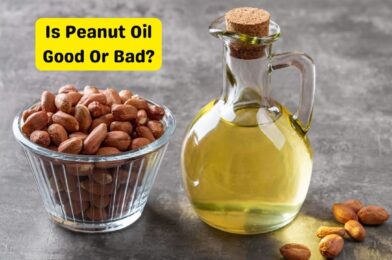
Is Peanut Oil Really Healthy? Read on to Find the Truth

Is Peanut Oil Really Healthy? Read on to Find the Truth
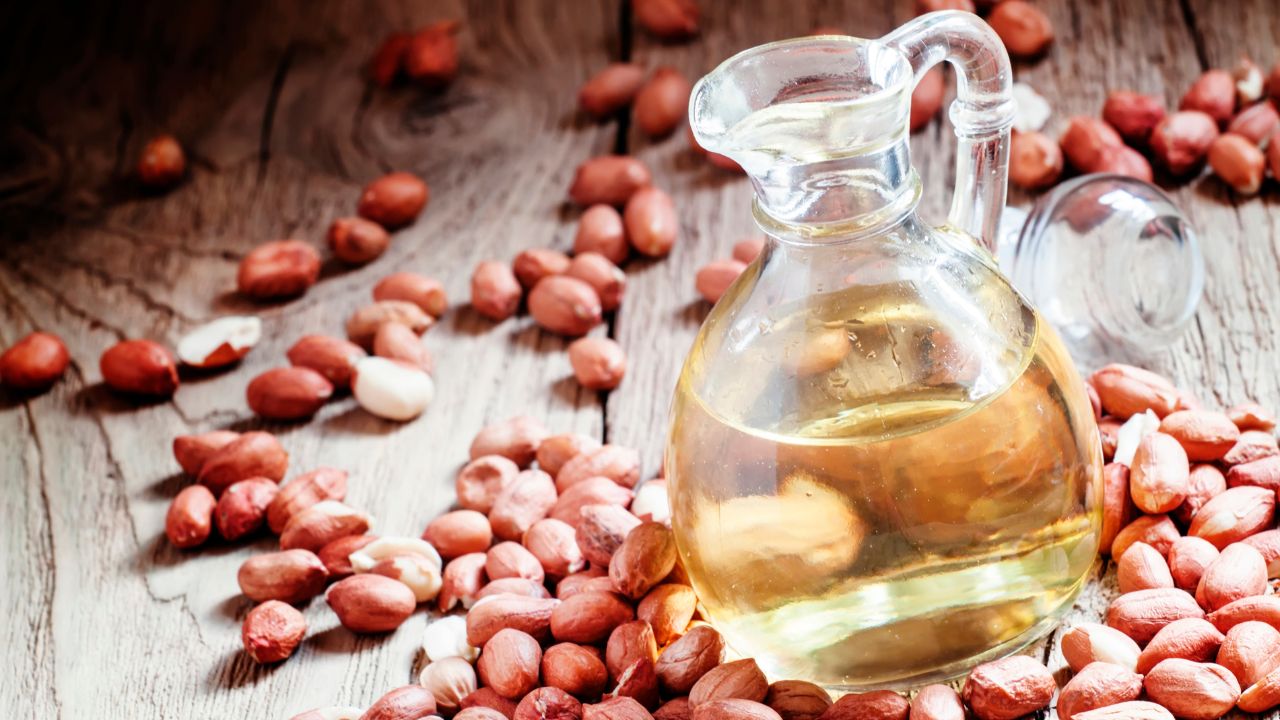
Peanut oil, a common cooking oil derived from peanuts, has long been debated for its health implications. While some hail it as a heart-healthy option, others raise concerns about its potential drawbacks. Let’s delve into the facts and uncover the truth behind peanut oil’s health status.

Peanut Oil: A Nutritional Snapshot

Peanut oil is predominantly composed of unsaturated fats, with about 50% monounsaturated fats and 30% polyunsaturated fats. Monounsaturated fats, like those found in olive oil, are considered “good” fats, as they may help lower LDL (bad) cholesterol and raise HDL (good) cholesterol. Polyunsaturated fats, including omega-6 and omega-3 fatty acids, are also essential for various bodily functions.

Potential Health Benefits of Peanut Oil

Heart Health: Peanut oil’s high content of monounsaturated fats may help reduce the risk of heart disease by lowering LDL cholesterol levels and increasing HDL cholesterol levels.

Blood Sugar Control: Studies suggest that peanut oil may improve insulin sensitivity and blood sugar control in individuals with type 2 diabetes.

Antioxidant Properties: Peanut oil is a rich source of vitamin E, a potent antioxidant that helps protect cells from damage caused by free radicals. This may reduce the risk of chronic diseases like heart disease and cancer.

Potential Drawbacks of Peanut Oil

High Omega-6 Content: Peanut oil contains a high ratio of omega-6 fatty acids to omega-3 fatty acids. An imbalance in these fatty acids may increase inflammation and contribute to chronic diseases.

Refining Process Concerns: Peanut oil is often refined, which involves high heat and chemicals. This process may alter the oil’s nutritional profile and produce harmful compounds.

So, Is Peanut Oil Healthy?

The answer lies in moderation and balance. Peanut oil, in its unrefined form, can be part of a healthy diet due to its monounsaturated fats and vitamin E content. However, it’s crucial to limit overall fat intake and ensure a balance of omega-6 and omega-3 fatty acids in your diet.

Tips for Healthy Peanut Oil Consumption

  • Choose unrefined or cold-pressed peanut oil: This retains more of the oil’s natural nutrients.
  • Use peanut oil for high-heat cooking: It has a high smoke point, making it suitable for stir-frying and deep-frying.
  • Balance omega-3 intake: Include sources of omega-3 fatty acids, like fatty fish, flaxseeds, and walnuts, in your diet.
  • Moderate overall fat consumption: Consume fats in moderation, regardless of their type.

Remember, a healthy diet encompasses a variety of nutrient-rich foods, not just a single oil. Consult a healthcare professional or registered dietitian for personalized dietary advice.

Tagged : / / /

Amla In Winters : 7 Ways To Include This Vitamin C Powerhouse In Your Diet

Amla In Winters : 7 Ways To Include This Vitamin C Powerhouse In Your Diet
The Indian gooseberry, also known as amla, is a nutrient-rich fruit with a sour taste that is commonly used in Ayurvedic medicine. It is a valuable source of vitamin C, vitamin A, fiber, and antioxidants, making it a powerful addition to your daily diet. Here are five ways you can incorporate amla into your meals and reap its many health benefits:

1. Amla Juice
Amla juice is a refreshing and invigorating way to kickstart your morning. Simply extract the juice from fresh amlas and consume it on an empty stomach. You can also dilute the juice with water or add a touch of honey to balance the sourness.

2. Amla Smoothies
Blend amla with your favorite fruits, yogurt, and plant-based milk to create a nutrient-packed smoothie. The tartness of amla adds a unique flavor profile while providing a boost of vitamin C and other essential nutrients.

3. Amla Murabba
Amla murabba is a sweet and tangy preserve made from amlas cooked with sugar and spices. It’s a delicious and traditional way to consume amla, often enjoyed as an afternoon snack or after meals.

4. Add Amla to Curries and Dals
Amla powder can be added to curries and dals to enhance their flavor and nutritional value. The tartness of amla balances the richness of the dishes while providing a boost of vitamin C and antioxidants.

5. Amla Chutney
Amla chutney is a spicy and flavorful condiment that pairs well with Indian dishes. It’s made by blending amlas with spices, such as ginger, garlic, and cumin, resulting in a tangy and spicy relish.

6. Amla Candies
Amla candies are a delicious and nutritious way to enjoy the benefits of amla. They are made by coating amla pieces with sugar syrup, creating a sweet and tangy treat that is both enjoyable and beneficial for your health. Amla candies are a good source of vitamin C, which helps boost immunity and protect against cell damage. They are also a good source of fiber, which aids in digestion and promotes overall gut health.

7. Amla Pickle
Amla pickle is a savory and tangy condiment that is made by pickling amla in a mixture of spices, such as mustard seeds, turmeric, and chili powder. Amla pickle is a popular side dish in Indian cuisine and is often enjoyed with rice, roti, or paratha. It is a good source of vitamin C, fiber, and antioxidants. Amla pickle also contains probiotics, which are beneficial bacteria that promote gut health.

By incorporating amla into your daily diet, you can reap a multitude of health benefits, including improved immunity, better digestion, and enhanced skin health. So, embrace the sourness of amla and experience its transformative power on your overall well-being.

Tagged : / / / / /

How Bigger Belly in 40s and 50s Linked to Alzheimer’s Disease in the Future

How Bigger Belly in 40s and 50s Linked to Alzheimer’s Disease in the Future
A new study has found that people with bigger bellies in their 40s and 50s are more likely to develop Alzheimer’s disease in the future. The study, which was published in the journal “Neurology,” found that people with the highest levels of visceral fat, or belly fat, were more likely to have amyloid plaques and tau tangles in their brains. These are two of the hallmarks of Alzheimer’s disease.

The researchers believe that the link between belly fat and Alzheimer’s disease may be due to inflammation. Inflammation is a natural response to injury or infection, but it can also damage healthy tissue. In the case of Alzheimer’s disease, inflammation is thought to damage brain cells and contribute to the formation of amyloid plaques and tau tangles.

There are a number of things that people can do to reduce their risk of Alzheimer’s disease, including:

  • Maintaining a healthy weight
  • Eating a healthy diet
  • Exercising regularly
  • Getting enough sleep
  • Managing stress

    In addition to these lifestyle changes, there are also a number of medications that are being developed to treat Alzheimer’s disease. These medications are still in the early stages of development, but they have shown some promise in slowing the progression of the disease.

The study’s findings suggest that people who are overweight or obese in their 40s and 50s should take steps to lose weight and reduce their belly fat. Losing even a small amount of weight can have a significant impact on a person’s risk of Alzheimer’s disease.

Here are some tips for losing weight and reducing belly fat:

  • Eat plenty of fruits, vegetables, and whole grains.
  • Choose lean protein sources, such as fish, chicken, and beans.
  • Limit your intake of processed foods, sugary drinks, and unhealthy fats.
  • Get regular exercise. Aim for at least 30 minutes of moderate-intensity activity most days of the week.

Losing weight and reducing belly fat can be challenging, but it is important for your overall health and well-being. By making lifestyle changes now, you can reduce your risk of developing Alzheimer’s disease in the future.

Tagged : / / / / /
Verified by ExactMetrics