6 Root Vegetables That Help In Weight Loss

6 Root Vegetables That Help In Weight Loss
Root vegetables are a great addition to any diet, but they can be especially beneficial for weight loss. Root vegetables are low in calories and high in fiber, which can help you feel full and satisfied after eating. They are also a good source of vitamins, minerals, and antioxidants.

Here are six root vegetables that can help you lose weight:

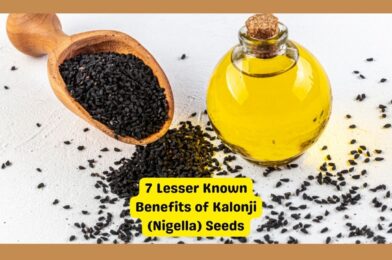
1. Carrots

Carrots are a low-calorie vegetable that is high in fiber and vitamins A, C, and K. Carrots are also a good source of beta-carotene, which is an antioxidant that can help to protect your cells from damage.

2. Beets

Beets are a low-calorie vegetable that is high in fiber and vitamins C, B9, and K. Beets are also a good source of nitrates, which can help to lower blood pressure and improve athletic performance.

3. Turnips

Turnips are a low-calorie vegetable that is high in fiber and vitamins C and K. Turnips are also a good source of potassium, which can help to regulate blood pressure.

4. Sweet Potatoes

Sweet potatoes are a low-calorie vegetable that is high in fiber and vitamins A and C. Sweet potatoes are also a good source of potassium and manganese.

5. Radishes

Radishes are a low-calorie vegetable that is high in fiber and vitamins C and K. Radishes are also a good source of anthocyanins, which are antioxidants that can help to protect your cells from damage.

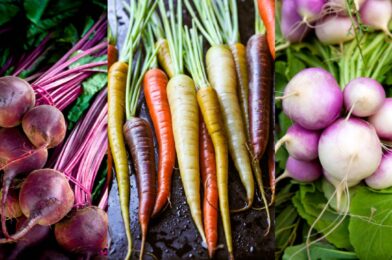
6. Taro

Taro is a low-calorie vegetable that is high in fiber and vitamins C, B6, and K. Taro is also a good source of potassium and magnesium.

How to incorporate root vegetables into your diet

Root vegetables can be eaten raw, cooked, or roasted. They can be added to soups, stews, stir-fries, and salads. Root vegetables can also be used to make healthy snacks, such as carrot sticks and beet chips.

Here are a few tips for incorporating root vegetables into your diet:

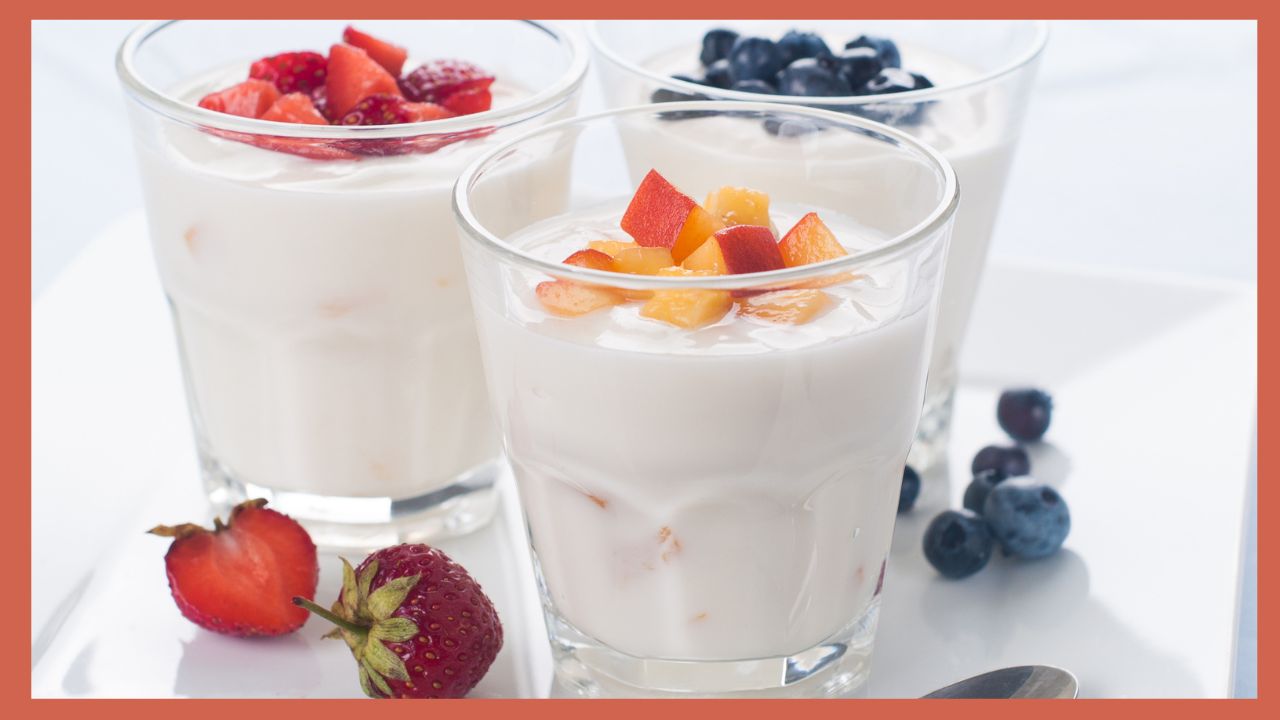
Add grated carrots to your morning oatmeal or yogurt.
Snack on roasted radishes or beet chips.
Add diced sweet potatoes to your next soup or stew.
Make a turnip salad with olive oil, vinegar, and your favorite herbs and spices.
Roast taro root and serve it as a side dish with your favorite protein.
By incorporating root vegetables into your diet, you can enjoy a variety of delicious and nutritious meals and snacks. Root vegetables are a great way to boost your weight loss efforts and improve your overall health.

Tagged : / / /

8 Benefits of Eating Yam You Did Not Know About

8 Benefits of Eating Yam You Did Not Know About
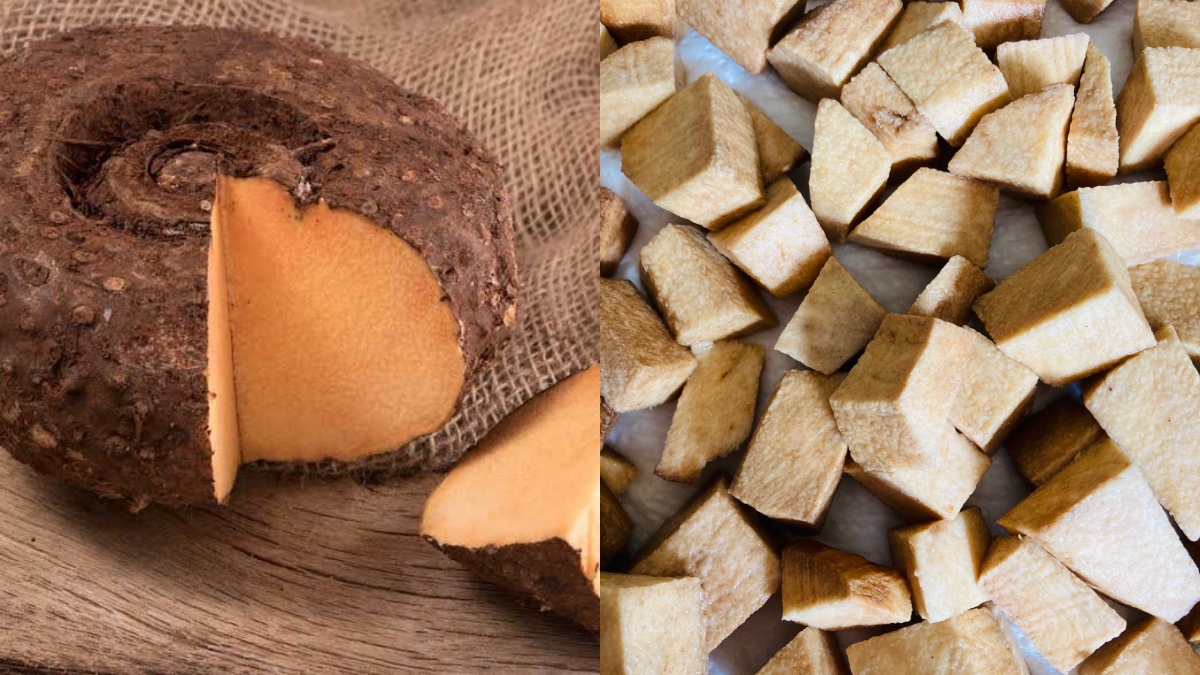
Yams are a starchy tuber vegetable that is native to Africa and Asia. They are a good source of complex carbohydrates, fiber, and vitamins and minerals. Yams are also a good source of antioxidants, which can help to protect the body against damage from free radicals.

Here are eight lesser-known benefits of eating yam:

1. Boosts brain health

Yams are a good source of vitamin B6, which is essential for brain health. Vitamin B6 helps to produce the neurotransmitters dopamine and serotonin, which are important for mood regulation and cognitive function.

2. Improves digestion

Yams are a good source of fiber, which helps to keep the digestive system healthy. Fiber helps to bulk up stool and promote regular bowel movements. Fiber can also help to reduce the risk of constipation, hemorrhoids, and diverticulitis.

3. Regulates blood sugar levels

Yams are a good source of complex carbohydrates, which are digested more slowly than simple carbohydrates. This helps to regulate blood sugar levels and prevent spikes and crashes.

4. Boosts immunity

Yams are a good source of vitamin C, which is essential for immune function. Vitamin C helps the body to produce white blood cells, which fight off infection.

5. Protects heart health

Yams are a good source of potassium, which is essential for heart health. Potassium helps to regulate blood pressure and reduce the risk of heart disease.

6. Promotes healthy skin

Yams are a good source of vitamin A, which is essential for healthy skin. Vitamin A helps to repair damaged skin cells and protect the skin from the sun’s harmful UV rays.

7. Reduces inflammation

Yams contain antioxidants, which can help to reduce inflammation in the body. Inflammation is a risk factor for many chronic diseases, such as heart disease, cancer, and arthritis.

8. Promotes weight loss

Yams are a low-calorie food that is high in fiber. Fiber can help you to feel full and satisfied after eating, which can help with weight loss.

In addition to these eight benefits, yams are also a good source of other vitamins and minerals, such as manganese, copper, and magnesium. Yams are also a good source of prebiotics, which are fibers that feed the beneficial bacteria in the gut.

Yams can be enjoyed in a variety of ways. They can be boiled, baked, roasted, or mashed. Yams can also be added to soups, stews, and stir-fries.

Here are some tips for incorporating yams into your diet:

  • Add sliced or diced yams to your next soup or stew.
  • Mashed yams are a delicious and healthy alternative to mashed potatoes.
  • Roast yams with other root vegetables, such as carrots and beets.
  • Add yams to a veggie burger or stir-fry.
  • Make yam chips by slicing yams thinly and baking them in the oven until crispy.

    Yams are a nutritious and versatile food that can be enjoyed in a variety of ways. By incorporating yams into your diet, you can reap the many benefits that they have to offer.

Tagged : / / / / /

Science Behind Food Preferences : Why Do Some People Like Salty Foods While Others Prefer Sweets?

Science Behind Food Preferences : Why Do Some People Like Salty Foods While Others Prefer Sweets?
Humans have a natural preference for sweet and salty foods. This preference is thought to have evolved from our need to seek out energy-rich foods and avoid harmful foods.

Sweet foods are a good source of calories, which are essential for energy production. Salty foods are a good source of sodium, which is an essential mineral for fluid balance and nerve function.

Our taste buds are equipped with receptors that detect sweet and salty tastes. When we eat sweet or salty foods, these receptors send signals to our brains that trigger a sense of pleasure.

The science of sweet taste

The sweet taste is detected by a family of receptors called T1R. These receptors are located on the surface of taste bud cells. When a sweet molecule binds to a T1R receptor, it triggers a cascade of biochemical events that leads to the release of neurotransmitters. These neurotransmitters send signals to the brain that trigger a sense of pleasure.

The science of salty taste

The salty taste is detected by a protein called ENaC. ENaC is located on the surface of taste bud cells. When a sodium ion binds to ENaC, it opens a channel that allows sodium ions to enter the cell. This influx of sodium ions triggers the release of neurotransmitters. These neurotransmitters send signals to the brain that trigger a sense of pleasure.

Why do people have different preferences for sweet and salty foods?

There are a number of factors that can influence a person’s preference for sweet and salty foods, including:

1. Genetics: Some people are genetically predisposed to prefer sweet or salty foods. This is because they have certain gene variations that affect their taste bud sensitivity to sweet and salty tastes.

2. Early life experiences: Our early life experiences can also shape our preferences for sweet and salty foods. For example, if we are exposed to a lot of sweet or salty foods as children, we are more likely to prefer those foods as adults.

3. Culture: Culture can also play a role in our preferences for sweet and salty foods. For example, people from some cultures tend to eat more salty foods than people from other cultures.

4. Health status: Certain health conditions, such as diabetes and high blood pressure, can also affect our preferences for sweet and salty foods.

How to make healthier choices?

Even though we have a natural preference for sweet and salty foods, it is important to make healthy choices when it comes to our diet. Eating too much sugar and salt can lead to a number of health problems, such as obesity, heart disease, and stroke.

Here are some tips for making healthier choices when it comes to sweet and salty foods:

  • Limit your intake of processed foods. Processed foods are often high in sugar and salt. Instead of eating processed foods, opt for whole, unprocessed foods, such as fruits, vegetables, and whole grains.
  • Season your own food. This way, you can control the amount of salt you add to your food.
  • Choose healthier snacks. Instead of snacking on sugary or salty treats, opt for healthier snacks, such as fruits, vegetables, and nuts.
  • Read food labels carefully. This will help you to identify foods that are high in sugar and salt.

    By following these tips, you can make healthier choices when it comes to sweet and salty foods, and reduce your risk of developing chronic diseases.

Tagged : / / / /

7 Best Fruits to Eat If You Are Trying to Lose Weight

7 Best Fruits to Eat If You Are Trying to Lose Weight
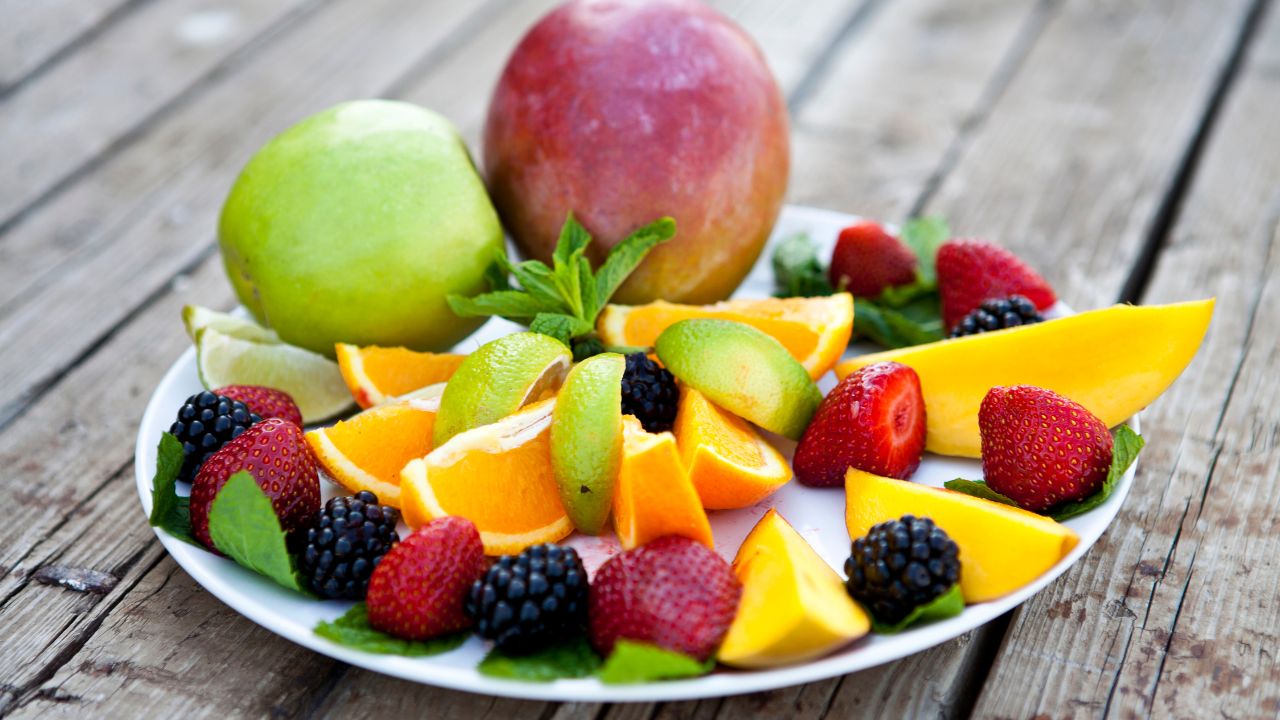
Fruits are a delicious and nutritious part of a healthy diet. They are low in calories, high in fiber, and packed with vitamins, minerals, and antioxidants. Eating fruits can help you lose weight or maintain a healthy weight.

Here are the seven best fruits to eat if you are trying to lose weight:

1. Berries
Berries, such as blueberries, raspberries, strawberries, and blackberries, are low in calories and high in fiber. They are also a good source of vitamin C, which can help boost your metabolism.

2. Apples
Apples are a good source of fiber and pectin, a type of soluble fiber that can help you feel full after eating. Apples also contain polyphenols, which have been shown to boost metabolism and promote weight loss.

3. Grapefruits
Grapefruits are a low-calorie fruit that is a good source of vitamin C and fiber. Grapefruits also contain naringin, a compound that has been shown to boost metabolism and promote weight loss.

4. Watermelon
Watermelon is a low-calorie fruit that is high in water content. This makes it a good choice for people who are trying to lose weight, as it can help you feel full without adding too many calories to your diet.

5. Papaya
Papaya is a low-calorie fruit that is a good source of fiber and vitamin C. Papaya also contains papain, an enzyme that can help with digestion.

6. Kiwis
Kiwis are a low-calorie fruit that is a good source of fiber, vitamin C, and potassium. Kiwis also contain actinidin, an enzyme that can help with protein digestion.

7. Oranges
Oranges are a low-calorie fruit that is a good source of vitamin C and fiber. Oranges also contain hesperidin, a compound that has been shown to boost metabolism and promote weight loss.

These are just a few of the many fruits that can help you lose weight. When choosing fruits, be sure to select a variety of different colors to ensure that you are getting all of the nutrients that you need.

Here are some tips for incorporating fruits into your weight loss diet:

  • Eat fruits as a snack or dessert.
  • Add fruits to your meals. For example, you can add berries to your oatmeal or yogurt, or add sliced apples to your sandwich.
  • Drink fruit smoothies. Fruit smoothies are a convenient way to get your daily dose of fruits.
  • Choose fresh fruits over canned or processed fruits. Canned and processed fruits often contain added sugar and preservatives.

    Eating fruits is a healthy way to lose weight or maintain a healthy weight. By incorporating fruits into your diet, you can reap the many benefits that they have to offer.

Tagged : / / / / /

7 Best Foods To Eat As The First Thing In The Morning

7 Best Foods To Eat As The First Thing In The Morning
Having a healthy and nutritious breakfast is the best way to start your day. It gives you the energy you need to power through your morning and helps you to focus and be productive.

Here are seven of the best foods to eat first thing in the morning:

1. Oatmeal
Oatmeal is a great way to start your day because it is packed with fiber and complex carbohydrates. These nutrients will give you sustained energy throughout the morning and help you to feel full. Oatmeal is also a good source of protein, which is essential for building and repairing muscle tissue.

2. Berries
Berries are a nutrient-rich food that is packed with vitamins, minerals, and antioxidants. They are also a good source of fiber, which can help you to feel full and satisfied. Berries can be eaten fresh, frozen, or dried. They can also be added to oatmeal, yogurt, or smoothies.

3. Nuts
Nuts are a good source of protein, fiber, and healthy fats. They are also a good source of essential vitamins and minerals, such as vitamin E, magnesium, and copper. Nuts can be eaten on their own or added to oatmeal, yogurt, or smoothies.

4. Yogurt
Yogurt is a good source of protein, calcium, and probiotics. Probiotics are live bacteria that are beneficial for gut health. Eating yogurt first thing in the morning can help to improve your digestion and boost your immune system.

5. Eggs
Eggs are a good source of protein, healthy fats, and vitamins. They are also a good source of choline, an essential nutrient that is important for brain health. Eggs can be scrambled, fried, boiled, or poached. They can also be added to omelets, quiches, or breakfast burritos.

6. Dates
Dates are a sweet and nutritious fruit that is packed with vitamins, minerals, and fiber. They are a good source of potassium, which is an essential mineral that is important for blood pressure regulation. Dates are also a good source of magnesium, which is important for muscle and nerve function.

7. Banana
Bananas are a convenient and nutritious snack that is packed with vitamins, minerals, and fiber. They are a good source of potassium, which is an essential mineral that is important for blood pressure regulation. Bananas are also a good source of vitamin C, which is important for immune function.

These are just a few of the many healthy foods that you can eat first thing in the morning. By choosing a variety of nutritious foods, you can start your day off right and set yourself up for success.

Tagged : / / / / /

Top 10 Countries with Highest Number of Vegetarian People

Top 10 Countries with Highest Number of Vegetarian People
Vegetarianism is the practice of abstaining from the consumption of meat. There are many reasons why people choose to be vegetarian, including ethical, environmental, and health concerns.

Here are the top 10 countries with the highest number of vegetarian people, according to a 2023 survey by Gallup:

1. India (39% )
2. Taiwan (13%)
3. Israel ( 12% )
4. Italy (10%)
5. Germany (9%)
6. Mexico (8%)
7. United Kingdom (7%)
8. United Kingdom (7%
9. Brazil (5% )
10. Australia (5%)

Why are these countries at the top of the list?

There are a number of reasons why these countries have a high percentage of vegetarian people. Some of the most common reasons include:

1. Religion: Hinduism, Buddhism, and Jainism are all religions that promote vegetarianism. India, Taiwan, and Israel all have large populations of Hindus, Buddhists, and Jains.
2. Culture: In some countries, vegetarianism is simply part of the culture. For example, in India, vegetarianism has been practiced for centuries.
3. Health: Many people choose to be vegetarian for health reasons. Vegetarians tend to have lower rates of heart disease, stroke, and some types of cancer.
4. Environment: Some people choose to be vegetarian for environmental reasons. Meat production has a negative impact on the environment, including climate change and water pollution.

Benefits of being vegetarian

There are many benefits to being vegetarian, including:

Improved health: Vegetarians tend to have a lower risk of heart disease, stroke, and some types of cancer.
Reduced environmental impact: Meat production has a negative impact on the environment, including climate change and water pollution.
Ethical benefits: Many people choose to be vegetarian because they believe it is wrong to kill animals for food.

Conclusion

Vegetarianism is a popular dietary choice in many countries around the world. The countries with the highest number of vegetarians are India, Taiwan, Israel, Italy, Germany, Mexico, the United Kingdom, the United States, Brazil, and Australia. There are many reasons why people choose to be vegetarian, including ethical, environmental, and health concerns.

Tagged : / / /

10 Foods That Help Boost Oxygen Levels in Your Body

10 Foods That Help Boost Oxygen Levels in Your Body
Oxygen is essential for life. It helps our bodies produce energy, repair cells, and fight off infection. When we breathe, oxygen enters our lungs and is absorbed into our bloodstream. Red blood cells then carry oxygen to all of our cells and tissues.

There are a number of things we can do to improve our blood oxygen levels, such as exercising regularly and avoiding smoking. But did you know that certain foods can also help?

Here are 10 foods that can help boost oxygen levels in your body:

1. Broccoli
Broccoli is a cruciferous vegetable that is packed with nutrients, including vitamins C and K, as well as iron and potassium. It is also a good source of nitrates, which can help to widen blood vessels and improve blood flow.

2. Spinach
Spinach is another leafy green vegetable that is rich in nutrients and antioxidants. It is a good source of iron, which is essential for the production of red blood cells. Spinach also contains nitrates, which can help to improve blood flow.

3. Mango
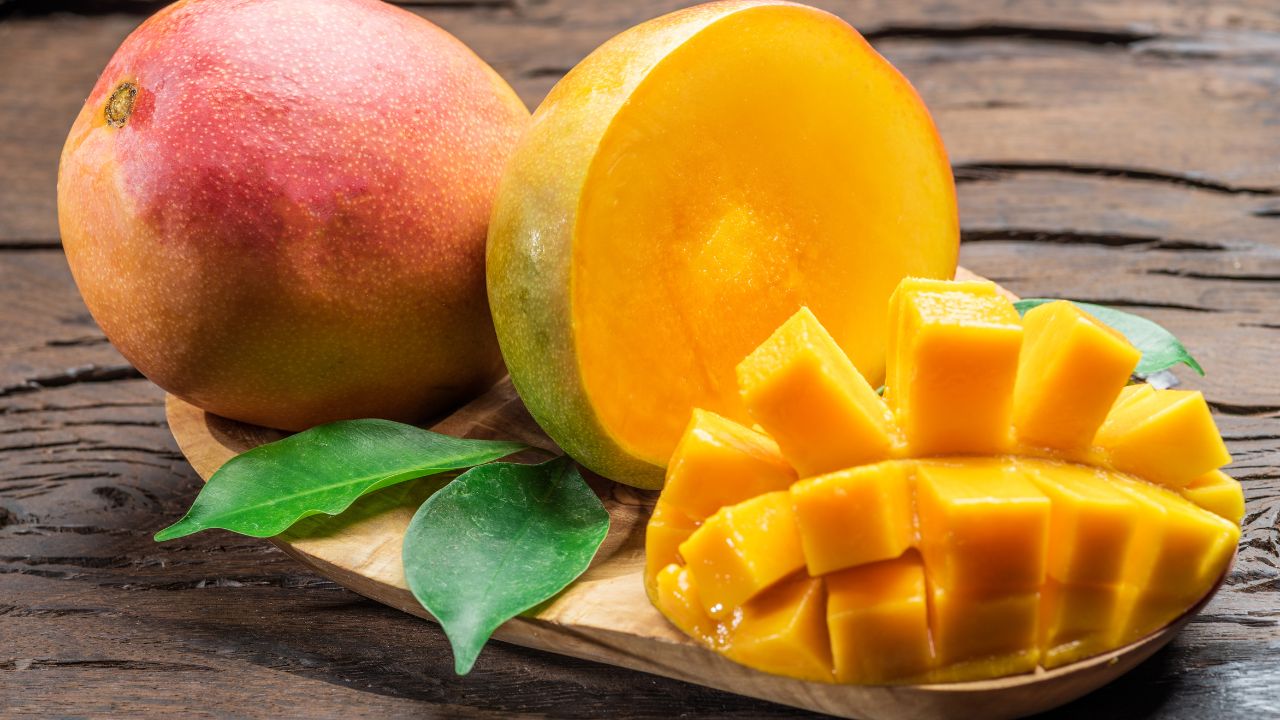
Mangoes are a delicious and nutritious fruit that is a good source of vitamins A and C, as well as potassium and fiber. Mangoes also contain carotenoids, which are plant pigments that have antioxidant properties.

4. Garlic
Garlic is a pungent herb that has been used for centuries for its medicinal properties. Garlic is a good source of allicin, a compound that has antibacterial and antiviral properties. Garlic may also help to improve blood flow and reduce cholesterol levels.

5. Carrots
Carrots are a root vegetable that is a good source of vitamins A, C, and K, as well as potassium and fiber. Carrots also contain carotenoids, which have antioxidant properties.

6. Beetroot
Beetroot is a root vegetable that is a good source of vitamins A, C, and B9, as well as potassium and magnesium. Beetroot also contains nitrates, which can help to widen blood vessels and improve blood flow.

7. Berries
Berries are a type of fruit that is known for their high antioxidant content. Berries are a good source of vitamins A and C, as well as fiber.

8. Fatty fish
Fatty fish such as salmon, tuna, and mackerel are a good source of omega-3 fatty acids. Omega-3 fatty acids have anti-inflammatory properties and may help to improve blood flow.

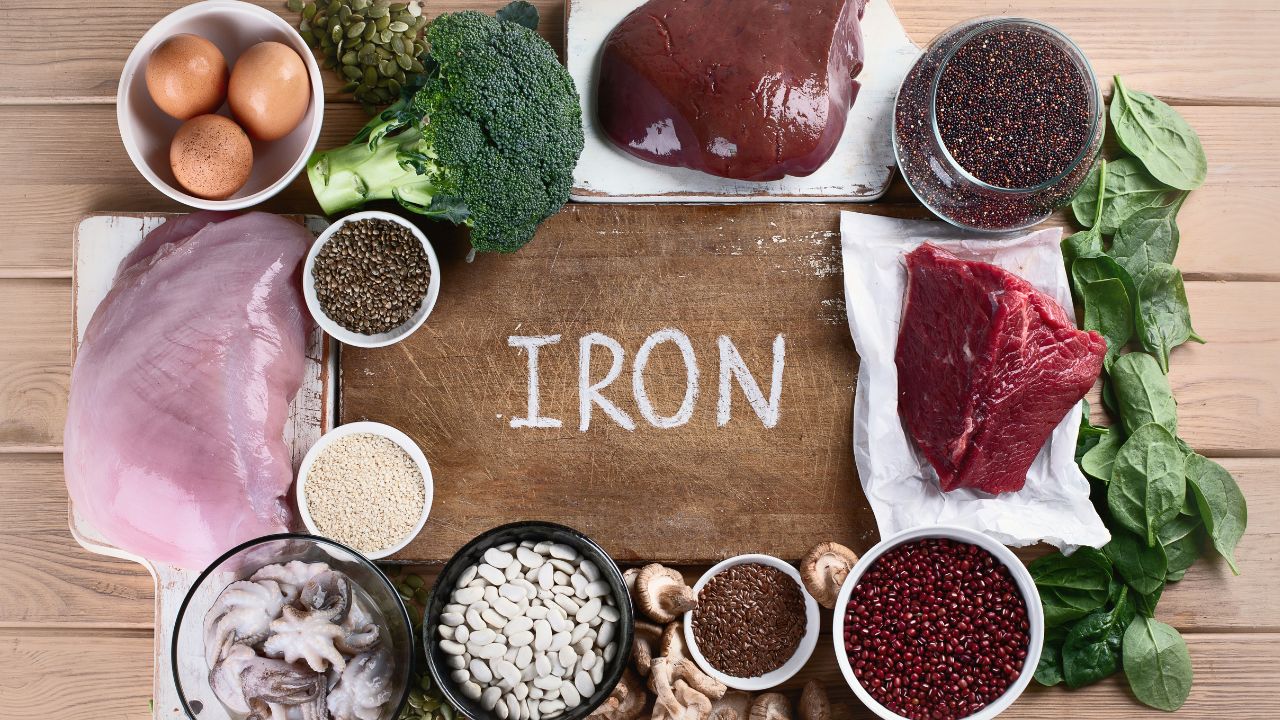
9. Iron-rich foods
Iron is an essential mineral that is needed for the production of red blood cells. Red blood cells carry oxygen to all of our cells and tissues. Good sources of iron include lean red meat, poultry, fish, beans, lentils, and dark leafy green vegetables.

10. Vitamin C-rich foods
Vitamin C is a nutrient that helps the body absorb iron. Good sources of vitamin C include citrus fruits, berries, tomatoes, and broccoli.

Additional tips for boosting oxygen levels in your body

In addition to eating a healthy diet, there are a number of other things you can do to improve your blood oxygen levels, such as:

  • Exercise regularly. Exercise helps to strengthen your lungs and heart and improve your circulation.
  • Avoid smoking. Smoking damages your lungs and makes it more difficult for them to absorb oxygen.
  • Maintain a healthy weight. Being overweight or obese can put a strain on your lungs and heart.
  • Get enough sleep. Sleep is essential for good health, including lung health.

    If you have any concerns about your blood oxygen levels, be sure to talk to your doctor.

Tagged : / / / / /

Fatty Liver Disease: 5 Superfoods That Keep Your Liver Healthy

Fatty Liver Disease: 5 Superfoods That Keep Your Liver Healthy
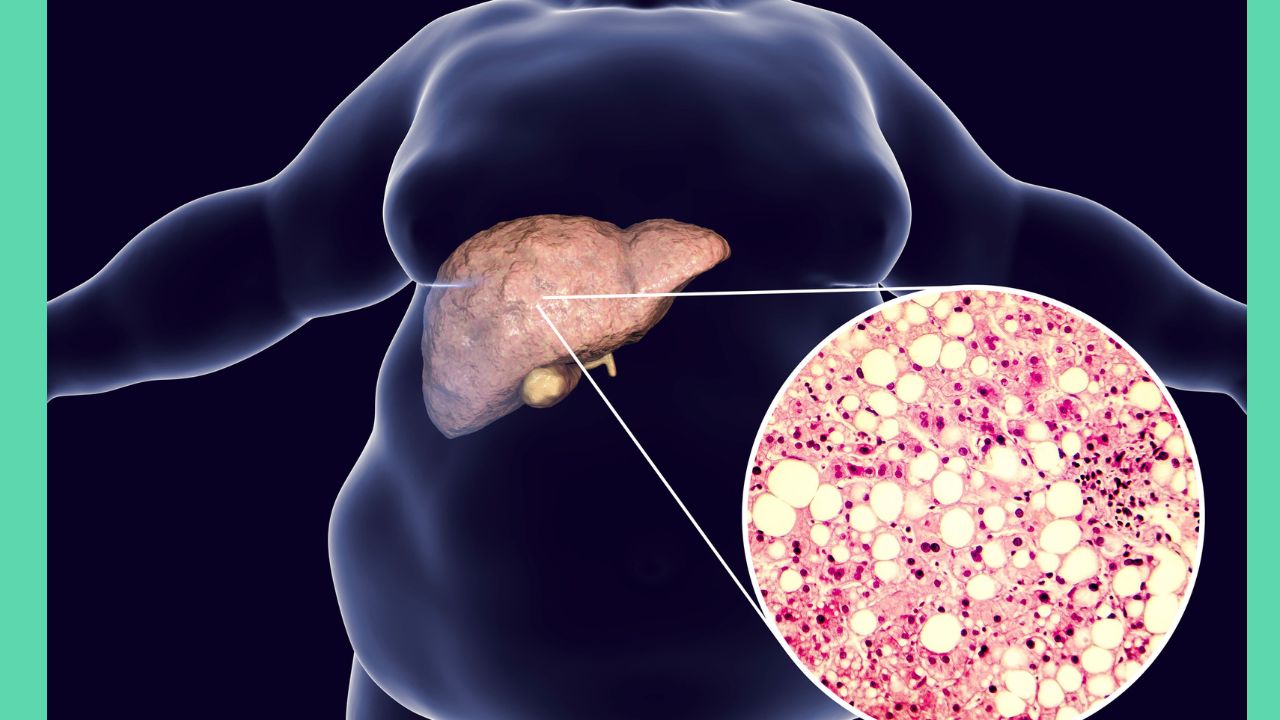
Fatty liver disease, also known as nonalcoholic fatty liver disease (NAFLD), is a condition in which too much fat builds up in the liver. NAFLD is the most common chronic liver disease worldwide, and its prevalence is on the rise, especially in India. There are two main types of NAFLD: simple fatty liver and nonalcoholic steatohepatitis (NASH). Simple fatty liver is a benign condition, but NASH is a more serious form of NAFLD that can lead to inflammation and damage to the liver.

Causes of fatty liver disease

The exact cause of NAFLD is unknown, but it is thought to be related to a number of factors, including:

Obesity
Type 2 diabetes
High cholesterol
High triglycerides
Metabolic syndrome
Certain medications
A sedentary lifestyle

Treatment for fatty liver disease

There is no cure for NAFLD, but lifestyle changes, such as weight loss, exercise, and a healthy diet, can help to improve liver health and reduce the risk of complications.

5 superfoods that keep your liver healthy

Here are 5 superfoods that can help to keep your liver healthy:

1. Cruciferous vegetables

Cruciferous vegetables, such as broccoli, cauliflower, Brussels sprouts, cabbage, and kale, are rich in antioxidants and other compounds that can help to protect the liver from damage.

2. Garlic

Garlic contains compounds called sulfur compounds, which have antioxidant and anti-inflammatory properties. Garlic has also been shown to help reduce fat accumulation in the liver.

3. Coffee

Coffee contains a number of compounds that have been shown to protect the liver. Caffeine: Caffeine can help to reduce inflammation and fat accumulation in the liver. Chlorogenic acid: Chlorogenic acid is an antioxidant that can help to protect the liver from damage. Cafestol and kahweol: Cafestol and kahweol are two compounds found in coffee that have been shown to have anti-cancer and anti-inflammatory effects on the liver.

4. Berries

Berries are rich in antioxidants, including anthocyanins, which have been shown to protect the liver from damage. Berries have also been shown to reduce inflammation and fat accumulation in the liver. A study published in the journal Digestive Diseases and Sciences found that people who ate blueberries regularly had a lower risk of developing fatty liver disease.

5. Green tea

Green tea contains compounds called catechins, which have antioxidant and anti-inflammatory properties. Green tea has also been shown to help reduce fat accumulation in the liver.

Tagged : / / /

30-30-30 Rule : The Easy Way to Effective Weight Loss

30-30-30 Rule: The Easy Way to Effective Weight Loss
The 30-30-30 rule is a simple but effective approach to weight loss. It is based on the idea that weight loss is a holistic process that involves three key factors: nutrition, exercise, and mindfulness.

Nutrition

The first 30% of the rule focuses on nutrition. This means eating a healthy diet that is low in processed foods and high in whole foods, fruits, vegetables, and lean protein. It is also important to reduce your calorie intake by 30%. You can do this by eating smaller portions, choosing healthy snacks, and avoiding sugary drinks.

Exercise

The second 30% of the rule focuses on exercise. Aim for at least 30 minutes of moderate-intensity exercise most days of the week. This could include walking, running, biking, swimming, or strength training.

Mindfulness

The third 30% of the rule focuses on mindfulness. This means paying attention to your body and your eating habits. It is also important to be mindful of your stress levels and to find healthy ways to cope with stress.

Tips for following the 30-30-30 rule:

Nutrition

  • Eat plenty of fruits, vegetables, and whole grains.
  • Choose lean protein sources, such as chicken, fish, beans, and tofu.
  • Limit processed foods, sugary drinks, and unhealthy fats.
  • Reduce your calorie intake by 30%.

Exercise

  • Aim for at least 30 minutes of moderate-intensity exercise most days of the week.
  • Choose activities that you enjoy and that fit into your lifestyle.
  • Start slowly and gradually increase the intensity and duration of your workouts over time.

Mindfulness

  • Pay attention to your body and your eating habits.
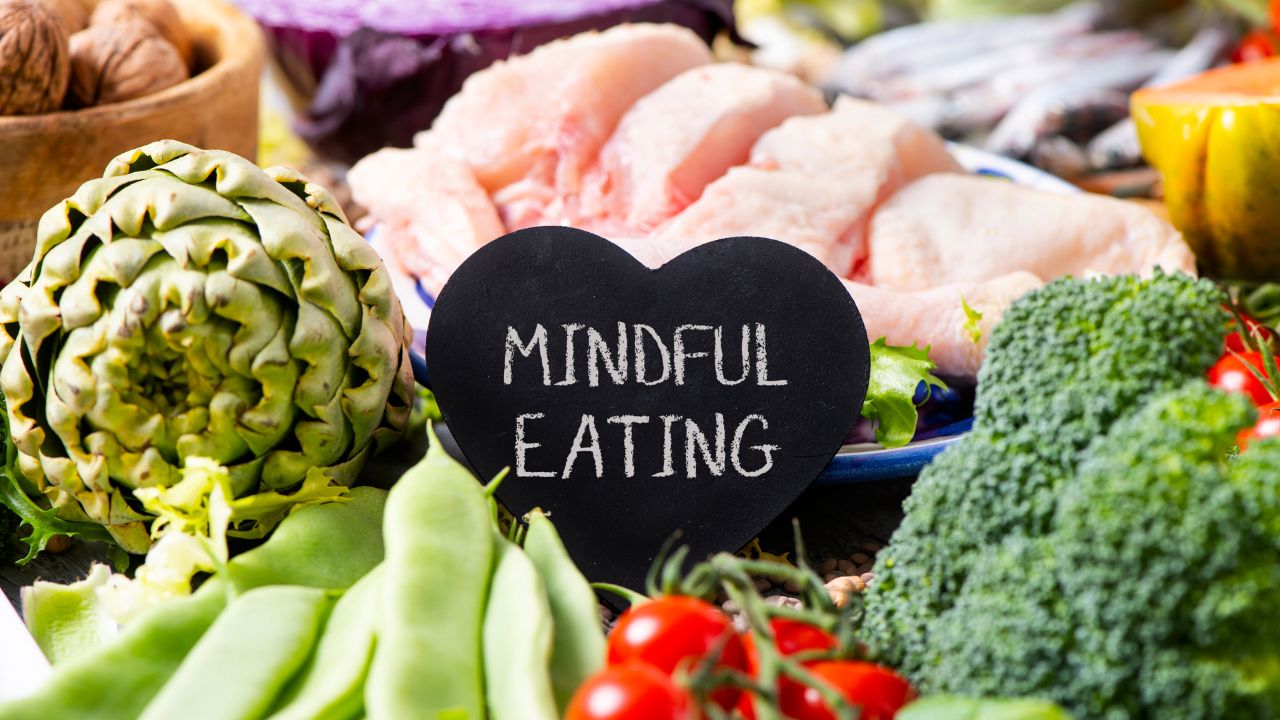
  • Eat slowly and savor your food.
  • Avoid distractions while eating, such as TV and phones.
  • Find healthy ways to cope with stress, such as exercise, yoga, or meditation.                                                                                                                                      The 30-30-30 rule is a sustainable approach to weight loss that can help you to lose weight and keep it off. It is important to be patient and consistent with your efforts. With time and effort, you can achieve your weight loss goals and improve your overall health.
Here are some additional tips for following the 30-30-30 rule:

  • Make a plan. Decide what you are going to eat and how much exercise you are going to get each day.
  • Track your progress. Keep a food journal and exercise log to track your progress and stay motivated.
  • Find a support system. Having friends or family members who are also trying to lose weight can help you to stay on track.
  • Don’t give up. Everyone has setbacks from time to time. Just pick yourself up and keep going.

    If you have any underlying health conditions, be sure to talk to your doctor before starting any new diet or exercise program.

Tagged : / / / /

Arthritis Diet : 8 Fruits to Consume for Strong Bones and Joints

Arthritis Diet : 8 Fruits to Consume for Strong Bones and Joints
Your bones and joints are essential for your mobility and overall health. As you age, it’s important to take care of them by eating a healthy diet and exercising regularly. Fruits are a great way to get the nutrients you need for strong bones and joints and also they have anti inflammatory properties which aid in combating arthritis.

Here are 8 fruits to consume for strong bones and joints:

1. Bananas
Bananas are a good source of potassium, which can help to reduce bone loss. They are also a good source of vitamin C, which is essential for collagen production. Collagen is a protein that helps to strengthen bones and joints.

2. Citrus fruits
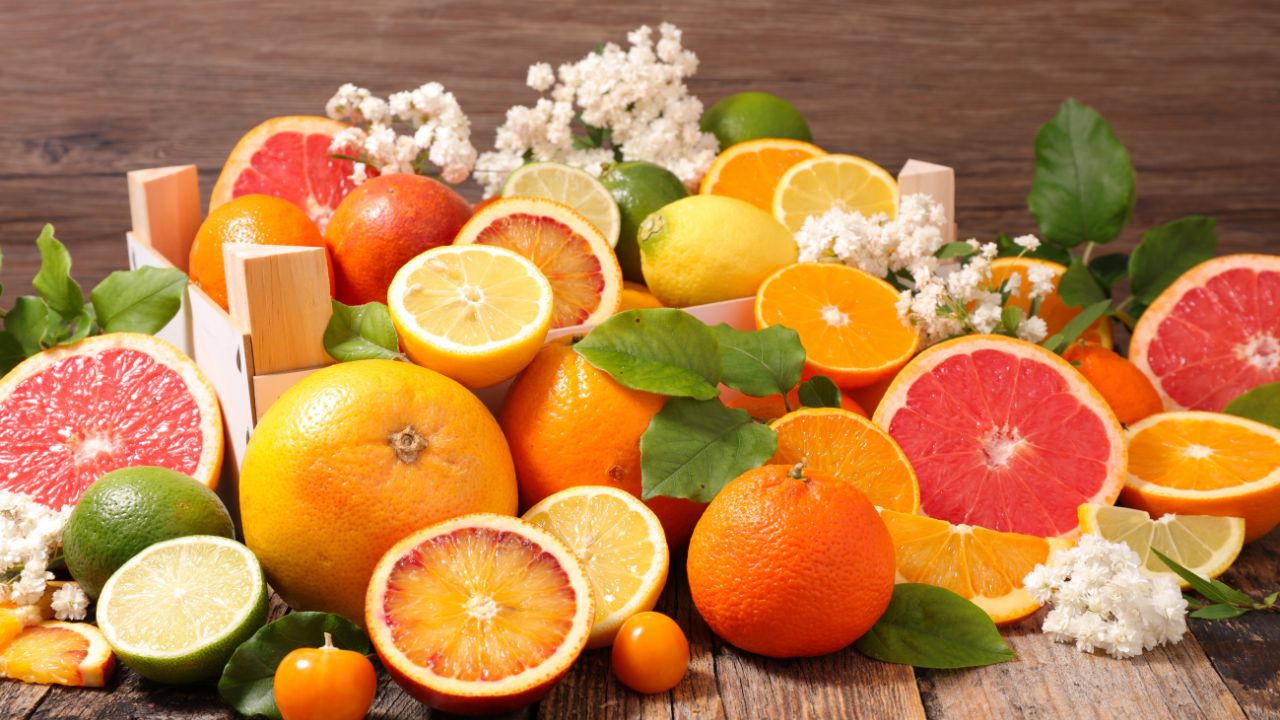
Citrus fruits, such as oranges, grapefruits, and lemons, are a good source of vitamin C. Vitamin C is essential for collagen production and helps to protect bones from damage.

3. Berries
Berries, such as blueberries, strawberries, and raspberries, are a good source of antioxidants. Antioxidants can help to protect cells from damage, including damage to bones and joints.

4. Dried fruits
Dried fruits, such as figs, prunes, and raisins, are a good source of calcium, magnesium, and potassium. These minerals are all important for bone health.

5. Papaya
Papaya is a good source of vitamin C and potassium. It also contains an enzyme called papain, which has anti-inflammatory properties. Inflammation can damage bones and joints, so eating papaya may help to reduce inflammation and improve bone and joint health.

6. Pineapple
Pineapple is a good source of manganese, which is a mineral that is essential for bone formation. It also contains an enzyme called bromelain, which has anti-inflammatory properties.

7. Avocados
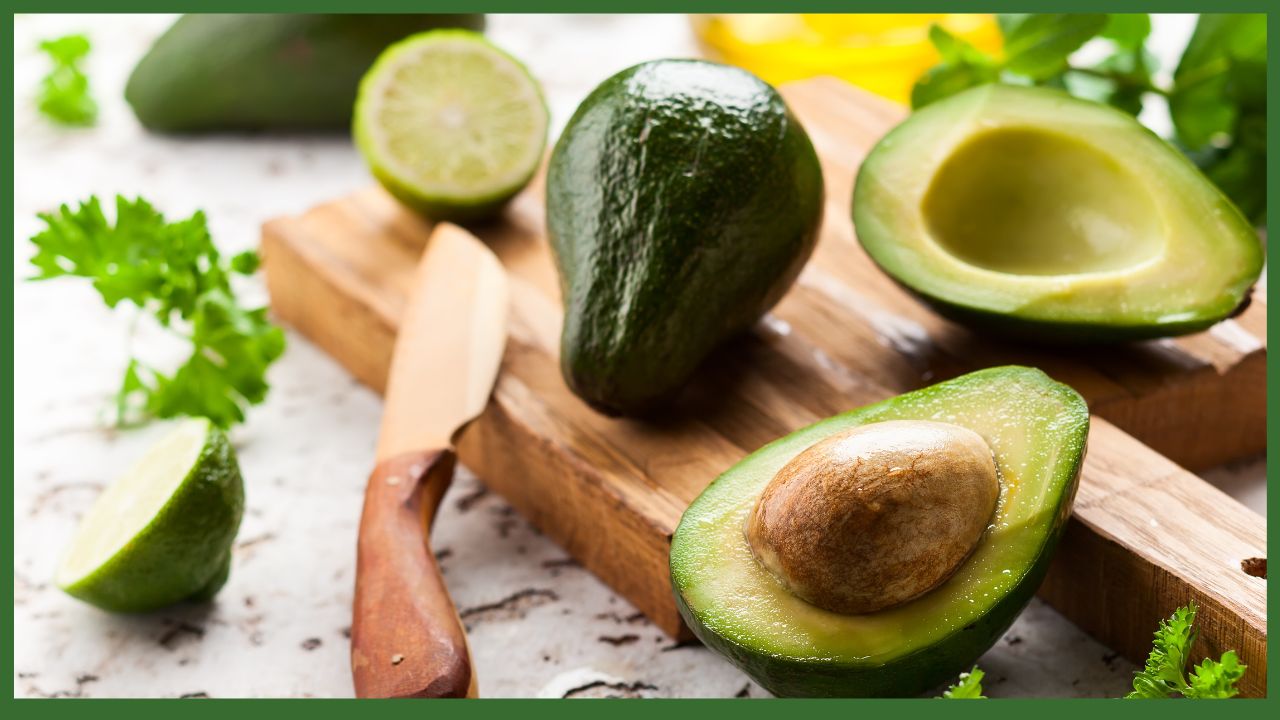
Avocados are a good source of potassium and magnesium. These minerals are both important for bone health. Avocados also contain healthy fats, which can help to reduce inflammation.

8. Kiwis
Kiwis are a good source of vitamin C and potassium. They also contain an enzyme called actinidin, which can help to improve digestion. Good digestion is important for absorbing nutrients from food, including calcium and vitamin D, which are both important for bone health.

In addition to eating these fruits, it’s also important to get enough calcium and vitamin D. Calcium is essential for bone formation and maintenance, while vitamin D helps your body to absorb calcium.

You can get calcium from dairy products, leafy green vegetables, and fortified foods. You can get vitamin D from sunlight, fatty fish, and fortified foods.

If you are concerned about your bone or joint health, talk to your doctor. They can help you to create a personalized plan to keep your bones and joints healthy.

Tagged : / / / / /

Should You Consume Protein Powders ? Benefits And Side Effects Of Protein Powders!

Should You Consume Protein Powders ? Benefits And Side Effects Of Protein Powders!
Protein powders are a popular supplement used by athletes, bodybuilders, and people who simply want to increase their protein intake. But are protein powders really good? Should you consume these powders? And what are their side effects?

What are protein powders?

Protein powders are concentrated sources of protein that are made from a variety of sources, including whey, casein, soy, pea, and hemp. They are typically available in powder form and can be mixed with water, milk, or juice to create a shake.

Benefits of protein powders

Protein powders offer a number of potential benefits, including:

1. Increased muscle mass and strength: Protein is essential for building and repairing muscle tissue. Protein powders can help athletes and bodybuilders build muscle mass and strength more quickly.

2. Weight loss: Protein can help you feel fuller longer and reduce your overall calorie intake. This can lead to weight loss over time.

3. Improved recovery: Protein can help your body recover from exercise more quickly. This is important for athletes and people who exercise regularly.

4. Increased energy levels: Protein can help to increase your energy levels and reduce fatigue.

Side effects of protein powders

Protein powders are generally safe for most people when consumed in moderation. However, there are some potential side effects, including:

Digestive problems: Protein powders can cause digestive problems such as bloating, gas, and diarrhea, especially in people who are lactose intolerant.

Kidney problems: Consuming too much protein can put a strain on your kidneys. People with pre-existing kidney problems should be especially careful when consuming protein powders.

Allergic reactions: Protein powders can cause allergic reactions in some people. If you experience any symptoms of an allergic reaction, such as hives, difficulty breathing, or swelling of the face or throat, stop taking the protein powder and seek medical attention immediately.

Should you consume protein powders?

Whether or not you should consume protein powders depends on your individual needs and goals. If you are an athlete, bodybuilder, or someone who exercises regularly, protein powders may be a good way to increase your protein intake. However, it is important to note that you can also get protein from whole foods, such as meat, poultry, fish, eggs, beans, and dairy products.

If you are considering consuming protein powders, it is important to talk to your doctor first. They can help you determine if protein powders are right for you and how much to consume safely.

Tips for consuming protein powders safely

If you do decide to consume protein powders, here are some tips to help you do so safely:

  • Start with a small dose and increase gradually to avoid digestive problems.
  • Choose a protein powder that is from a reputable brand.
  • Read the label carefully and follow the dosage instructions.
  • Drink plenty of water throughout the day.
  • Talk to your doctor if you have any pre-existing health conditions, such as kidney problems or a lactose intolerance.                                                                                                                                                                                                              Conclusion

Protein powders can be a safe and effective way to increase your protein intake, especially if you are an athlete, bodybuilder, or someone who exercises regularly. However, it is important to talk to your doctor first to make sure that protein powders are right for you and how much to consume safely.

Tagged : / / / / /

8 Reasons Why You Should Consume Black Sesame Seeds

8 Reasons Why You Should Consume Black Sesame Seeds
Black sesame seeds are a tiny, yet nutrient-dense food that offer a variety of health benefits. They are a good source of protein, fiber, vitamins, minerals, and antioxidants. Black sesame seeds have been used in traditional medicine for centuries, and modern research has confirmed many of their health benefits.

Here are eight reasons why you should consume black sesame seeds:

1. Improve heart health: Black sesame seeds are a good source of magnesium, which is an essential mineral for heart health. Magnesium helps to relax blood vessels and lower blood pressure. Black sesame seeds also contain omega-3 fatty acids, which are known to reduce inflammation and improve cholesterol levels.

2. Boost immunity: Black sesame seeds are a good source of vitamin E, which is a powerful antioxidant that helps to protect the body from damage. Black sesame seeds also contain zinc, which is another essential mineral for immune function.

3. Protect bone health: Black sesame seeds are a good source of calcium and phosphorus, which are essential minerals for bone health. Black sesame seeds also contain magnesium, which helps to improve bone density.

4. Promote healthy skin: Black sesame seeds are a good source of vitamin E, which is an antioxidant that helps to protect the skin from damage. Black sesame seeds also contain zinc, which is essential for wound healing and skin repair.

5. Improve hair health: Black sesame seeds are a good source of biotin, which is a B vitamin that is essential for hair growth. Black sesame seeds also contain copper, which is another mineral that is important for hair health.

6. Reduce inflammation: Black sesame seeds contain antioxidants and other compounds that have anti-inflammatory properties. This can be beneficial for people with conditions such as arthritis, asthma, and inflammatory bowel disease.

7. Improve blood sugar control: Black sesame seeds contain compounds that can help to improve blood sugar control. This can be beneficial for people with diabetes and prediabetes.

8. Aid weight loss: Black sesame seeds are a good source of protein and fiber, which can help to promote weight loss. Black sesame seeds also contain antioxidants that can help to boost metabolism and burn fat.

Black sesame seeds can be consumed in a variety of ways. They can be eaten raw, roasted, or ground into a powder. Black sesame seeds can be added to smoothies, yogurt, oatmeal, and other foods. Black sesame seeds can also be used to make black sesame oil, which is a popular ingredient in Asian cuisine.

If you are looking for a nutrient-dense food that offers a variety of health benefits, black sesame seeds are a great option. Black sesame seeds are easy to add to your diet, and they can be enjoyed in a variety of ways.

Tagged : / / / / /

5 Creative Ways To Use Overripe Bananas

5 Creative Ways To Use Overripe Bananas
Bananas are a delicious and nutritious fruit that can be enjoyed in many different ways. However, when bananas become overripe, they often become brown and mushy, and many people throw them away. However, there are many creative ways to use overripe bananas, and they can be just as delicious and nutritious as fresh bananas.

Here are five creative ways to use overripe bananas:

1. Banana bread: Banana bread is a classic overripe banana recipe. It is a delicious and moist bread that is perfect for breakfast, lunch, or a snack. To make banana bread, simply mix together mashed overripe bananas, flour, sugar, eggs, baking soda, and baking powder. You can also add other ingredients to your banana bread, such as nuts, chocolate chips, or dried fruit.

2. Banana pancakes or waffles: Banana pancakes and waffles are another delicious way to use overripe bananas. They are a healthy and nutritious breakfast option that is perfect for kids and adults alike. To make banana pancakes or waffles, simply mash together overripe bananas and add them to your favorite pancake or waffle batter. You can also add other ingredients to your banana pancakes or waffles, such as nuts, chocolate chips, or dried fruit.

3. Banana smoothies: Banana smoothies are a quick and easy way to use overripe bananas. They are a healthy and nutritious drink that is perfect for breakfast, lunch, or a snack. To make a banana smoothie, simply blend together overripe bananas, milk, and your favorite fruits and vegetables. You can also add other ingredients to your banana smoothie, such as yogurt, protein powder, or honey.

4. Banana ice cream: Banana ice cream, also known as “nice cream,” is a delicious and healthy alternative to traditional ice cream. It is made with frozen overripe bananas and other ingredients, such as milk, yogurt, or peanut butter. To make banana ice cream, simply freeze overripe bananas until they are solid. Then, blend the frozen bananas in a blender until they are smooth and creamy. You can also add other ingredients to your banana ice cream, such as milk, yogurt, peanut butter, or cocoa powder.

5. Banana baked goods: Overripe bananas can be used to make a variety of baked goods, such as muffins, cakes, and cookies. The bananas add sweetness and moisture to the baked goods, and they also help to make them more nutritious. To use overripe bananas in baked goods, simply mash them together and add them to your favorite recipe.

These are just a few creative ways to use overripe bananas. With a little imagination, you can find many other ways to enjoy overripe bananas. So next time you have overripe bananas, don’t throw them away! Try one of these creative recipes and enjoy the delicious and nutritious results.

Tagged : / / / /

Loose Motion? 5 Indian Foods You Must Eat!

Loose Motion? 5 Indian Foods You Must Eat!
Loose motion, also known as diarrhea, is a common condition that can be caused by a variety of factors, including food poisoning, infections, and certain medications. While loose motion can usually be resolved on its own within a few days, it is important to stay hydrated and eat bland foods that are easy to digest.

Here are five Indian foods that you can eat during loose motion:

1. Khichdi

Khichdi is a traditional Indian dish made with rice and lentils. It is a bland, easy-to-digest food that is often recommended for people with loose motion. Khichdi can be made with different types of lentils, but it is best to use split mung lentils (moong dal) or yellow lentils (masoor dal) for loose motion. To make khichdi, simply cook the rice and lentils together until they are soft and mushy. You can also add some vegetables to the khichdi, such as carrots, potatoes, or pumpkin.

2. Curd rice

Curd rice is another popular Indian dish that is often recommended for people with loose motion. Curd rice is made with cooked rice and yogurt. Yogurt is a good source of probiotics, which are beneficial bacteria that can help to improve gut health. To make curd rice, simply mix cooked rice with yogurt and add some salt and pepper to taste. You can also add some chopped vegetables to the curd rice, such as cucumber, tomato, or carrots.

3. Bananas

Bananas are a good source of potassium, which is an important mineral that can be lost during loose motion. Bananas are also a good source of fiber, which can help to normalize bowel movements. To eat bananas during loose motion, simply eat one or two ripe bananas per day.

4. Coconut water

Coconut water is a good source of electrolytes, which are essential for maintaining hydration during loose motion. Coconut water is also a good source of potassium, which can help to prevent dehydration. To drink coconut water during loose motion, simply drink one or two glasses of coconut water per day.

5. Buttermilk

Buttermilk is a good source of probiotics, which can help to improve gut health. Buttermilk is also a good source of electrolytes, which can help to prevent dehydration. To drink buttermilk during loose motion, simply drink one or two glasses of buttermilk per day.

In addition to eating these foods, it is also important to stay hydrated by drinking plenty of fluids. You can drink water, clear broths, or sports drinks. It is also important to avoid caffeine and alcohol, as these can dehydrate you and make loose motion worse.

If you have loose motion for more than two days, or if your loose motion is accompanied by fever, blood in the stool, or severe dehydration, you should see a doctor.

Tagged : / / / / /

7 Benefits of Nigella Seeds (Kalonji) You Might Not Know About

7 Benefits of Nigella Seeds (Kalonji) You Might Not Know About
Nigella seeds, also known as black seeds or kalonji, are a small, black seed that has been used in traditional medicine for centuries. The seeds are native to Southwest Asia and North Africa, and are now grown all over the world. Nigella seeds have a strong, nutty flavor and are often used in Indian, Middle Eastern, and North African cuisine.

In addition to their culinary uses, nigella seeds are also known for their numerous health benefits. Here are seven benefits of nigella seeds that you might not know about:

1. Boosts the immune system: Nigella seeds are rich in antioxidants and other compounds that can help to boost the immune system. This can help to protect the body from infection and disease.

2. Reduces inflammation: Nigella seeds have anti-inflammatory properties that can help to reduce inflammation throughout the body. This can be beneficial for people with conditions such as arthritis, asthma, and inflammatory bowel disease.

3. Improves heart health: Nigella seeds can help to improve heart health by lowering cholesterol levels, reducing blood pressure, and improving blood circulation.

4. Protects against cancer: Nigella seeds contain compounds that have been shown to protect against cancer. For example, thymoquinone, a compound found in nigella seeds, has been shown to kill cancer cells and inhibit tumor growth.

5. Improves blood sugar control: Nigella seeds can help to improve blood sugar control in people with diabetes. This is because nigella seeds contain compounds that can help to lower blood sugar levels and improve insulin sensitivity.

6. Promotes weight loss: Nigella seeds can help to promote weight loss by reducing appetite and increasing metabolism.

7. Relieves skin conditions: Nigella seeds can help to relieve skin conditions such as eczema, psoriasis, and acne. This is because nigella seeds have anti-inflammatory and antimicrobial properties.

Nigella seeds can be consumed in a variety of ways. They can be eaten whole, ground, or added to food. Nigella seeds can also be used to make oil, which can be applied to the skin or hair.

Here are some tips for incorporating nigella seeds into your diet:

  • Add nigella seeds to your morning yogurt or oatmeal.
  • Sprinkle nigella seeds on salads, soups, and stews.
  • Use nigella seeds to make a hummus or dip.
  • Add nigella seeds to your favorite bread or muffin recipe.
  • Make nigella seed oil and apply it to your skin or hair.

    If you are looking for a natural way to improve your health, nigella seeds are a great option. Nigella seeds are safe for most people to consume, but it is always best to talk to your doctor before taking any new supplement, especially if you have any underlying health conditions.

Tagged : / / / /
Verified by ExactMetrics