5 Ways You Can Eat Fenugreek Seeds And Lose Weight

5 Ways You Can Eat Fenugreek Seeds And Lose Weight
Fenugreek seeds, also known as methi seeds, are a popular spice used in Indian cuisine. They have a nutty flavor and a slightly bitter taste. Fenugreek seeds are also known for their many health benefits, including weight loss.

Fenugreek seeds are a good source of fiber, which can help you feel full and satisfied after eating. They also contain galactomannan, a type of fiber that can help to slow down digestion and absorption of carbohydrates. This can help to reduce blood sugar levels and prevent spikes in insulin, which can lead to weight gain.

Fenugreek seeds also contain compounds that can help to boost metabolism and promote fat burning. One study found that people who took fenugreek extract for eight weeks lost significantly more weight and body fat than those who took a placebo.

Another study found that fenugreek seeds can help to reduce cholesterol levels. High cholesterol levels are a risk factor for heart disease, so lowering them can help to improve your overall health and well-being.

Here are five ways to eat fenugreek seeds for weight loss:

1. Soak them overnight and drink the water in the morning : This is a popular way to consume fenugreek seeds in India. To do this, simply soak 1-2 teaspoons of fenugreek seeds in a glass of water overnight. Strain the water in the morning and drink it on an empty stomach.

2. Add them to your yogurt or smoothie : Fenugreek seeds can be ground into a powder and added to your yogurt or smoothie in the morning. This is a great way to add fenugreek seeds to your diet without having to change your taste buds.
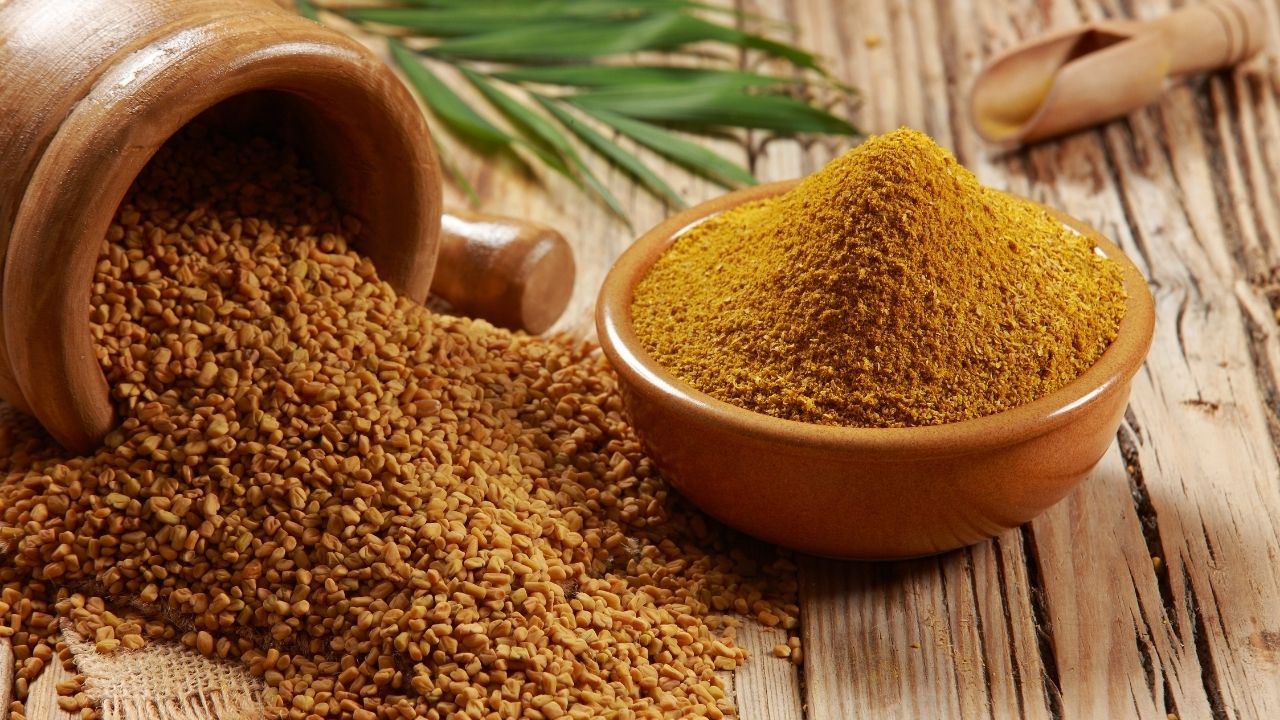
3. Sprinkle them on your food:  Fenugreek seeds can be sprinkled on top of your soup, salad, or other dishes. This is a great way to add a bit of extra flavor and nutrition to your meals.

4. Use them in your cooking : Fenugreek seeds can be used in a variety of dishes, such as curries, soups, and stews. They can also be used to make a delicious fenugreek tea.

5. Take them as a supplement : Fenugreek seeds are available in capsule form, which can be a convenient way to consume them. However, it is important to talk to your doctor before taking any supplements, especially if you have any underlying health conditions.

Tips for eating fenugreek seeds

  • Start with a small amount of fenugreek seeds and gradually increase the amount as tolerated. Fenugreek seeds can cause digestive side effects, such as gas and bloating, in some people.
  • If you are taking any medications, talk to your doctor before consuming fenugreek seeds. Fenugreek seeds can interact with certain medications, such as blood thinners and diabetes medications.
  • Fenugreek seeds are not safe for pregnant or breastfeeding women.                                                                                                                                              Conclusion

Fenugreek seeds are a healthy and nutritious food that can be consumed in a variety of ways. They are a good source of fiber and contain compounds that can help to boost metabolism and promote fat burning. Fenugreek seeds can be a helpful addition to your weight loss journey.

Tagged : / / / /

10 Health Benefits of Omega-3 Fish Oil

10 Health Benefits of Omega-3 Fish Oil
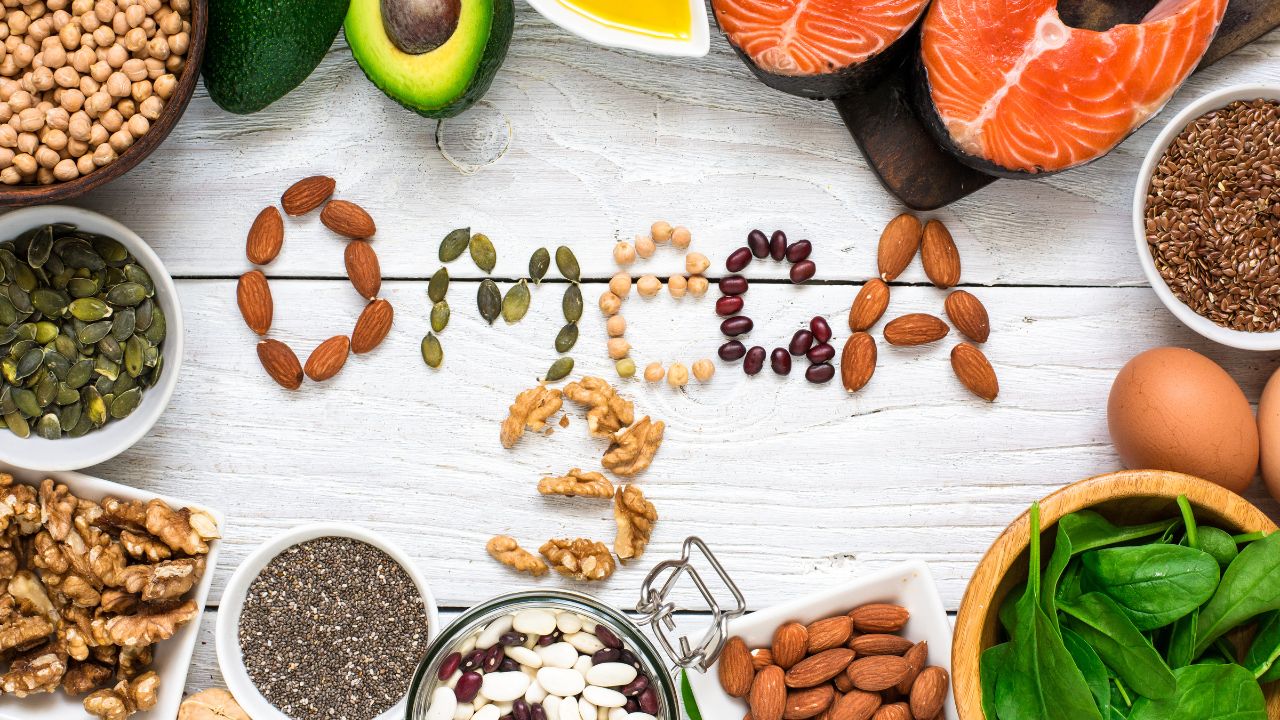
Omega-3 fatty acids are a type of polyunsaturated fat that is essential for human health. They are found in fatty fish, such as salmon, tuna, and mackerel, as well as in walnuts, flaxseeds, and chia seeds.

Omega-3 fatty acids play an important role in brain development, heart health, and inflammation reduction. They have also been shown to have a number of other health benefits, including:

1. Reduced risk of heart disease: Omega-3 fatty acids can help to reduce the risk of heart disease by lowering blood pressure, reducing triglycerides, and slowing the buildup of plaque in the arteries.

2. Improved brain function: Omega-3 fatty acids are essential for brain development and function. They have been shown to improve memory, learning, and cognitive function.

3. Reduced risk of inflammation: Omega-3 fatty acids have anti-inflammatory properties. They can help to reduce inflammation throughout the body, which may protect against a number of chronic diseases, such as arthritis, heart disease, and cancer.

4. Improved mental health: Omega-3 fatty acids have been shown to improve mental health and reduce the risk of depression and anxiety.

5. Reduced risk of Alzheimer’s disease: Omega-3 fatty acids may help to reduce the risk of Alzheimer’s disease by protecting the brain from damage.

6. Improved eye health: Omega-3 fatty acids are essential for eye health and may help to prevent macular degeneration, a leading cause of blindness in the elderly.

7. Reduced risk of cancer: Omega-3 fatty acids may help to reduce the risk of some types of cancer, such as colon cancer and breast cancer.

8. Improved skin health: Omega-3 fatty acids can help to improve skin health by reducing inflammation and dryness.
Reduced risk of asthma: Omega-3 fatty acids may help to reduce the risk of asthma and improve symptoms in people with asthma.

9. Improved joint health: Omega-3 fatty acids can help to improve joint health and reduce pain and stiffness in people with arthritis.

10. Omega-3 fatty acids are generally safe for most people to consume. However, it is important to talk to your doctor before taking omega-3 supplements, especially if you have any underlying health conditions.

Here are some tips for getting more omega-3 fatty acids in your diet:

  • Eat fatty fish, such as salmon, tuna, and mackerel, at least two times per week.
  • Add walnuts, flaxseeds, and chia seeds to your diet.
  • Cook with olive oil instead of other oils.
  • Take an omega-3 supplement if you are unable to get enough omega-3 fatty acids from your diet.

    By making small changes to your diet, you can easily increase your intake of omega-3 fatty acids and reap the many health benefits that they offer.

Tagged : / / / / / /

7 Superfoods That Can Prevent Prostate Cancer

7 Superfoods That Can Prevent Prostate Cancer
Prostate cancer is one of the most common cancers among men. It is estimated that one in eight men will develop prostate cancer in their lifetime.

While there is no guaranteed way to prevent prostate cancer, there are some things men can do to reduce their risk. One important step is to eat a healthy diet. Eating a variety of nutrient-rich foods can help to boost the immune system and protect against cancer.

Some specific foods that have been shown to have anti-cancer properties include:

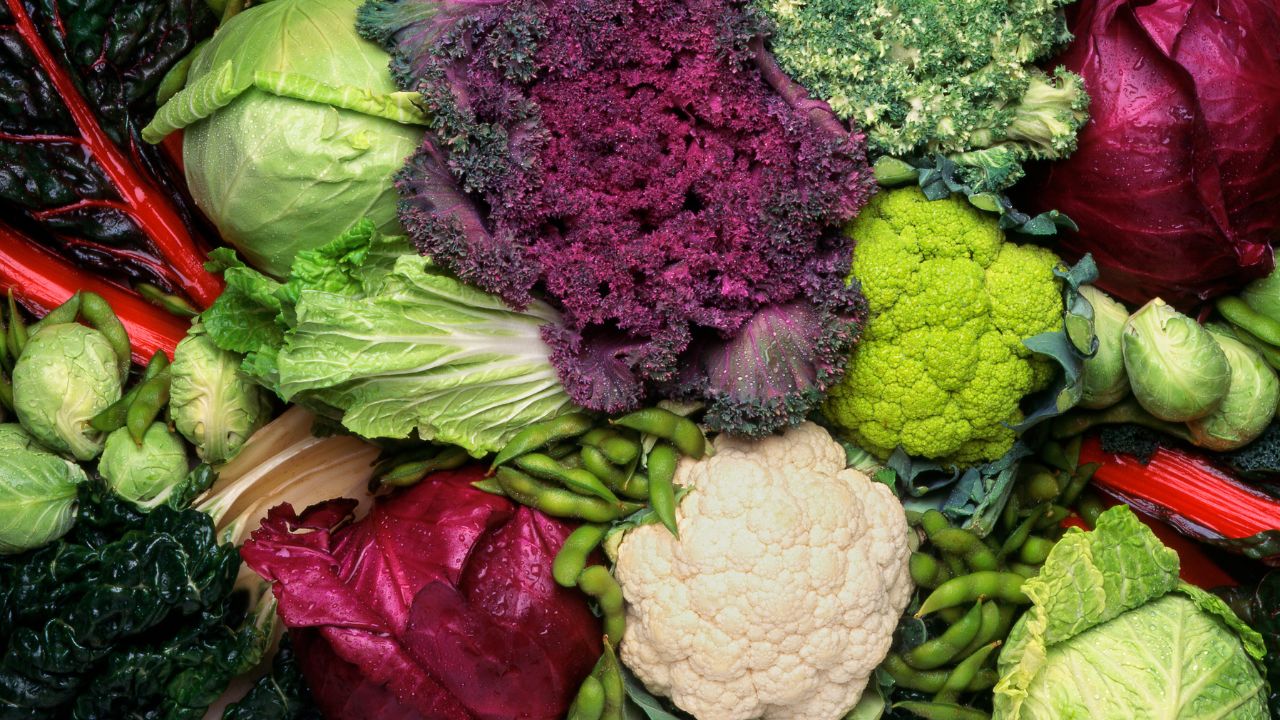
1. Cruciferous vegetables: Cruciferous vegetables, such as broccoli, cauliflower, Brussels sprouts, and kale, are packed with vitamins, minerals, and antioxidants. These nutrients have been shown to help protect against prostate cancer by reducing inflammation and fighting cell damage.

2. Tomatoes: Tomatoes are a good source of lycopene, an antioxidant that has been shown to inhibit the growth of prostate cancer cells. Lycopene is best absorbed when tomatoes are cooked, so try adding them to your pasta sauce, soup, or chili.

3. Berries: Berries are another good source of antioxidants. Anthocyanins, the compounds that give berries their deep color, have been shown to have anti-cancer properties. Eat a variety of berries, such as blueberries, strawberries, raspberries, and blackberries, to reap the benefits.

4. Fatty fish: Fatty fish, such as salmon, tuna, and mackerel, are a good source of omega-3 fatty acids. Omega-3 fatty acids have anti-inflammatory properties and have been shown to help reduce the risk of prostate cancer. Aim to eat at least two servings of fatty fish per week.

5. Whole grains: Whole grains are a good source of fiber, which can help to reduce inflammation and protect against cancer. Choose whole grains over refined grains whenever possible.

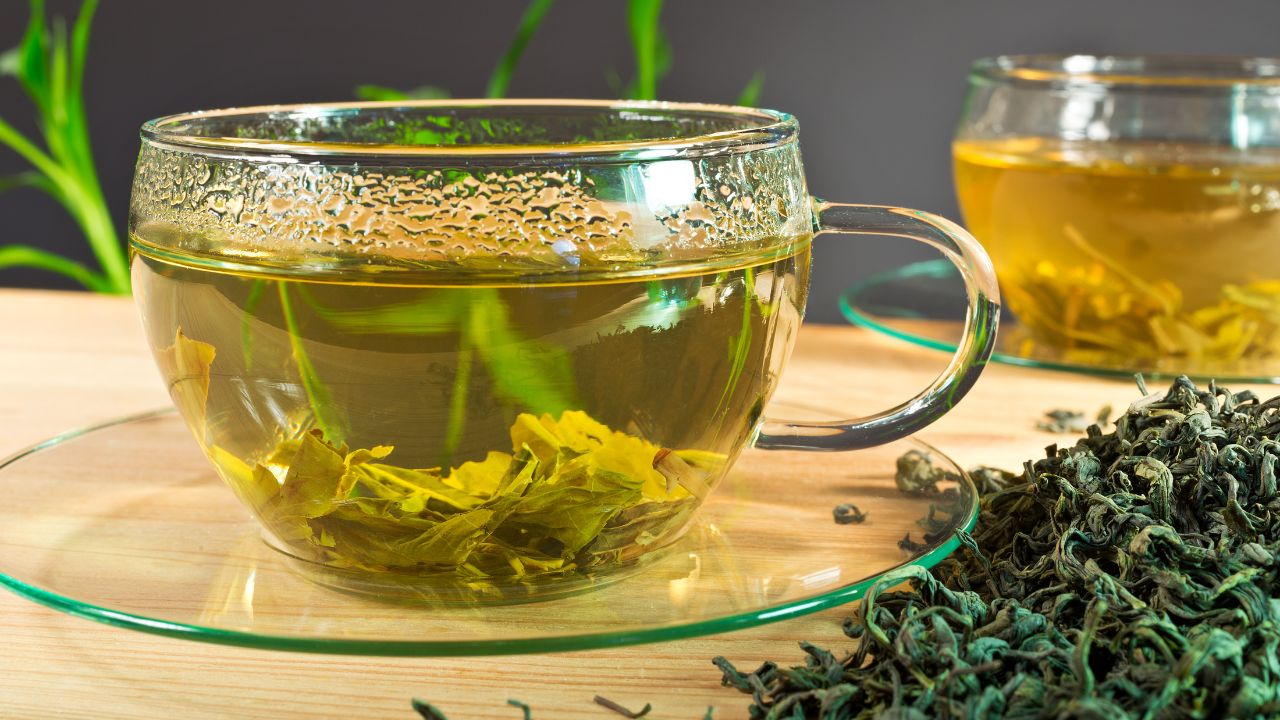
6. Green tea: Green tea contains compounds called catechins, which have antioxidant and anti-cancer properties. Studies have shown that drinking green tea may help to reduce the risk of prostate cancer.

7. Soy: Soy contains compounds called isoflavones, which have been shown to have anti-cancer properties. Studies have shown that eating soy products may help to reduce the risk of prostate cancer.

In addition to eating a healthy diet, there are other things men can do to reduce their risk of prostate cancer, such as exercising regularly, maintaining a healthy weight, and avoiding smoking.

It is important to note that no single food or nutrient can guarantee prevention of prostate cancer. However, eating a healthy diet rich in the foods listed above can help to reduce your risk.

Here are some tips for incorporating these superfoods into your diet:

Cruciferous vegetables: Roast or steam broccoli, cauliflower, Brussels sprouts, or kale for a simple and delicious side dish. You can also add them to soups, salads, or stir-fries.

Tomatoes: Add diced tomatoes to your pasta sauce, soup, or chili. You can also eat them fresh, or make a batch of tomato salsa or gazpacho.

Berries: Add berries to your cereal, yogurt, or oatmeal. You can also blend them into a smoothie or make a berry crisp.

Fatty fish: Grill or bake salmon, tuna, or mackerel for a healthy and delicious main course. You can also add them to salads or sandwiches.

Whole grains: Choose whole-wheat bread, pasta, and rice over refined grains. You can also add quinoa, oats, or barley to your meals.

Green tea: Brew a cup of green tea in the morning or afternoon for a refreshing and healthy drink.

Soy: Add tofu, tempeh, or edamame to your meals. You can also drink soy milk or eat soy yogurt.

By making small changes to your diet, you can incorporate these superfoods and reduce your risk of prostate cancer.

Tagged : / / / /

Consume These 5 Kinds Of Leaves To Maintain Blood Sugar Levels

Consume These 5 Kinds Of Leaves To Maintain Blood Sugar Levels
Leafy greens are a great way to balance your blood sugar levels. They are low in calories and carbohydrates, and high in fiber, vitamins, and minerals. Fiber helps to slow down the digestion of carbohydrates, which can help to prevent blood sugar spikes. Leafy greens are also a good source of magnesium, which has been shown to improve insulin sensitivity.

Here are 5 leafy greens that can help maintain blood sugar levels:

1. Spinach

Spinach is a nutrient-rich leafy green that is low in calories and carbohydrates. It is a good source of fiber, vitamins, and minerals, including magnesium, potassium, and vitamin C. Magnesium has been shown to improve insulin sensitivity, which can help to regulate blood sugar levels.

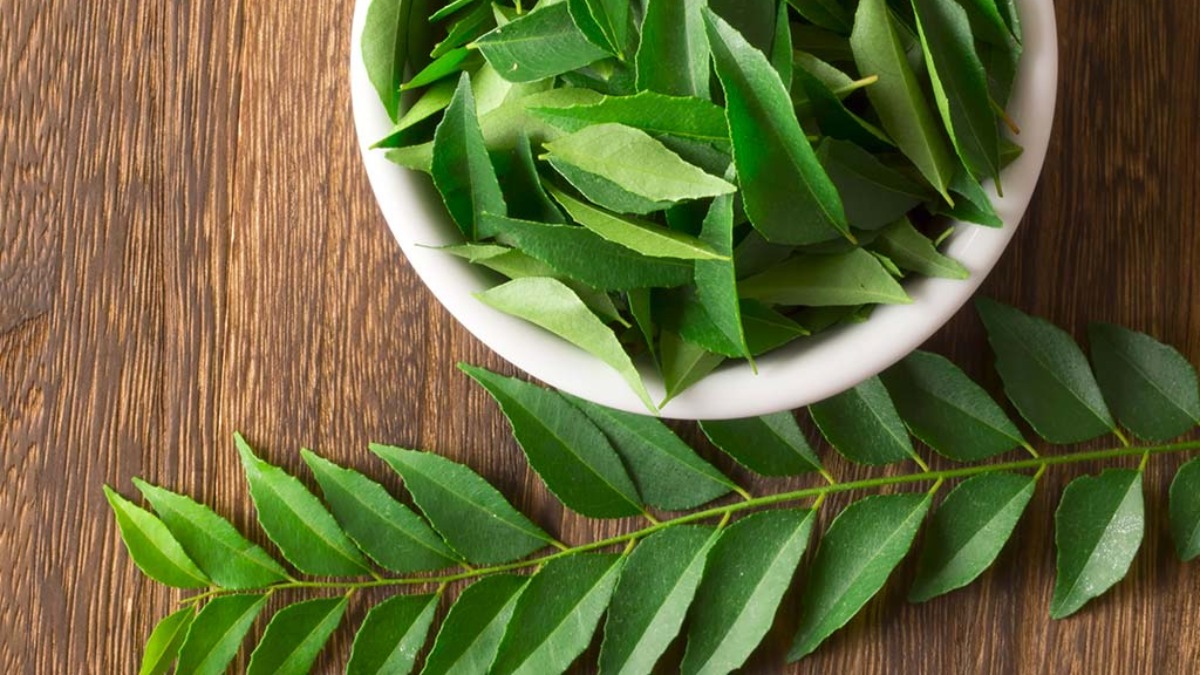
2. Curry leaves

Curry leaves are the leaves of the curry tree, which is native to India and Southeast Asia. They are a common ingredient in Indian cuisine, and they are known for their distinctive flavor. Curry leaves have a slightly citrusy and nutty flavor, and they can be used fresh or dried. Curry leaves are a good source of vitamins and minerals, including vitamin A, vitamin C, and calcium. They also contain antioxidants, which can help to protect the body from damage. Not just sugar, they also help control cholesterol too.

3. Mint leaves

Mint leaves are the leaves of the mint plant, which is a member of the mint family. Mint is a popular herb that is used in both culinary and medicinal applications. Mint leaves have a refreshing and minty flavor, and they can be used fresh or dried. Mint leaves are a good source of vitamins and minerals, including vitamin A, vitamin C, and manganese. They also contain antioxidants, which can help to protect the body from damage. Not only do these help balance blood sugar but also improves digestion, reduces inflammation, Boosts the immune system and relieving headaches.

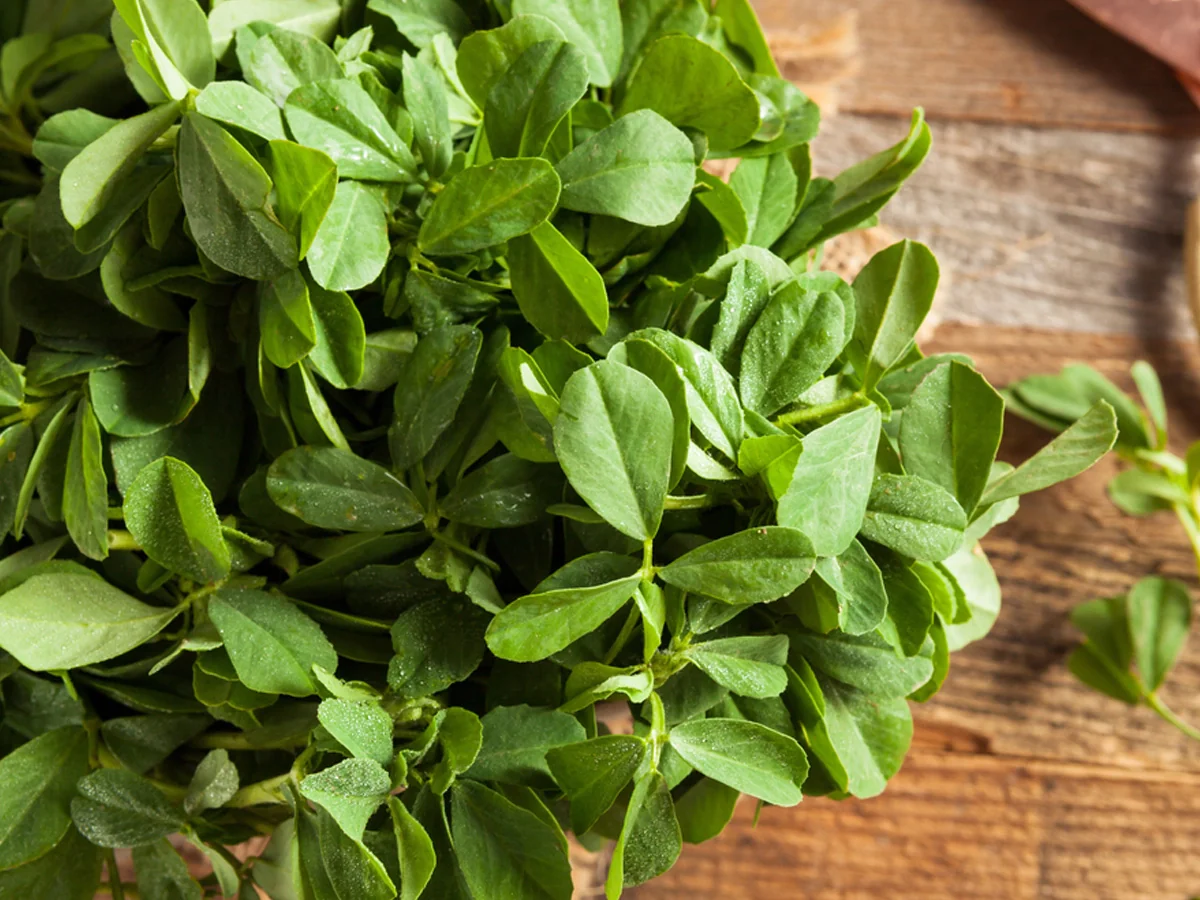
4. Fenugreek leaves

Fenugreek leaves are the leaves of the fenugreek plant, which is a member of the legume family. Fenugreek is a popular herb that is used in both culinary and medicinal applications. Fenugreek leaves have a slightly bitter and nutty flavor, and they can be used fresh or dried. Fenugreek leaves are a good source of vitamins and minerals, including protein, fiber, iron, and magnesium. They also contain antioxidants, which can help to protect the body from damage. Fenugreek leaves have been shown to have a number of health benefits, including regulating blood sugar levels, reducing cholesterol levels and
boosting the immune system.

5. Kale

Kale is another nutrient-rich leafy green that is low in calories and carbohydrates. It is a good source of fiber, vitamins, and minerals, including magnesium, potassium, and vitamin K. Vitamin K is important for blood clotting and bone health.

Tagged : / / / / / /

Your Body Gives These 7 Signs When You Have Vitamin B 12 Deficiency

Your Body Gives These 7 Signs When You Have Vitamin B 12 Deficiency
Vitamin B12 is an essential nutrient that plays a vital role in many bodily functions, including red blood cell production, DNA synthesis, and nerve function. When B12 levels are low, it can lead to a variety of health problems.

Here are 7 signs of low B12 levels in your body:

1. Fatigue and weakness
Vitamin B12 is essential for the production of red blood cells, which carry oxygen to the tissues. When B12 levels are low, it can lead to anemia, which is characterized by fatigue, weakness, and shortness of breath.

2. Pale skin
Anemia can also cause pale skin, especially on the face, palms, and soles of the feet.

3. Numbness and tingling
Vitamin B12 is also essential for the proper functioning of the nerves. When B12 levels are low, it can lead to nerve damage, which can cause numbness and tingling in the hands and feet.

4. Difficulty concentrating
Vitamin B12 is also important for cognitive function. When B12 levels are low, it can lead to difficulty concentrating, memory problems, and confusion.

5. Depression and anxiety
Vitamin B12 deficiency can also lead to depression and anxiety.

6. Hair loss and brittle nails
Vitamin B12 deficiency can also lead to hair loss and brittle nails.

7. Mouth ulcers
Vitamin B12 deficiency can also cause mouth ulcers.

If you are experiencing any of these signs, it is important to see a doctor to get tested for vitamin B12 deficiency. Vitamin B12 deficiency can be easily treated with supplements or injections.

Who is at risk for vitamin B12 deficiency?

Certain groups of people are at increased risk for vitamin B12 deficiency, including:

  • Older adults
  • People with certain medical conditions, such as Crohn’s disease, ulcerative colitis, and celiac disease
  • People with pernicious anemia, an autoimmune disorder that prevents the body from absorbing vitamin B12
  • People who have had gastric bypass surgery
  • Vegetarians and vegans
    How to prevent vitamin B12 deficiency

The best way to prevent vitamin B12 deficiency is to eat a balanced diet that includes foods rich in vitamin B12, such as:

  • Meat
  • Poultry
  • Fish
  • Eggs
  • Dairy products
    Fortified foods, such as cereal and plant-based milk
    If you are at risk for vitamin B12 deficiency, you may also want to talk to your doctor about taking a vitamin B12 supplement.

Treatment for vitamin B12 deficiency

Vitamin B12 deficiency is treated with supplements or injections. The dose of vitamin B12 will depend on the severity of the deficiency.

In most cases, vitamin B12 deficiency can be easily treated and prevented. If you are experiencing any of the signs of vitamin B12 deficiency, be sure to see a doctor.

Tagged : / / /

5 Cooking Oils You Should Never Use In Your Kitchen

5 Cooking Oils You Should Never Use In Your Kitchen
Cooking oils are an essential part of many cuisines, but not all cooking oils are created equal. Some cooking oils are actually quite unhealthy and can have a negative impact on your health.

Here are 5 cooking oils which you should never use:

1. Soybean oil

Soybean oil is one of the most common cooking oils in the world, but it is also one of the unhealthiest. Soybean oil is high in omega-6 fatty acids, which have been linked to inflammation and other health problems. Soybean oil is also often processed with hexane, a harmful solvent.

2. Cottonseed oil

This oil is one of the main ingredients of packed food items. Chips, canned foods, packaged foods have this oil as a major ingredient. This oil comes from the cotton crop which is heavily sprayed with chemicals all around the world. Cotton crops have large traces of chemicals like naled, propargite, dicofil, cyanide and triflularalin. These chemicals seep into the plants and its parts and hence the oil too which becomes toxic.

3. Canola oil

Canola oil is a type of rapeseed oil that has been genetically modified. Canola oil is high in omega-6 fatty acids and is also often processed with hexane.

4. Vegetable oil

Vegetable oil is a generic term for a variety of different cooking oils, including soybean oil, corn oil, canola oil, and sunflower oil. Vegetable oil is often highly processed and contains unhealthy fats.

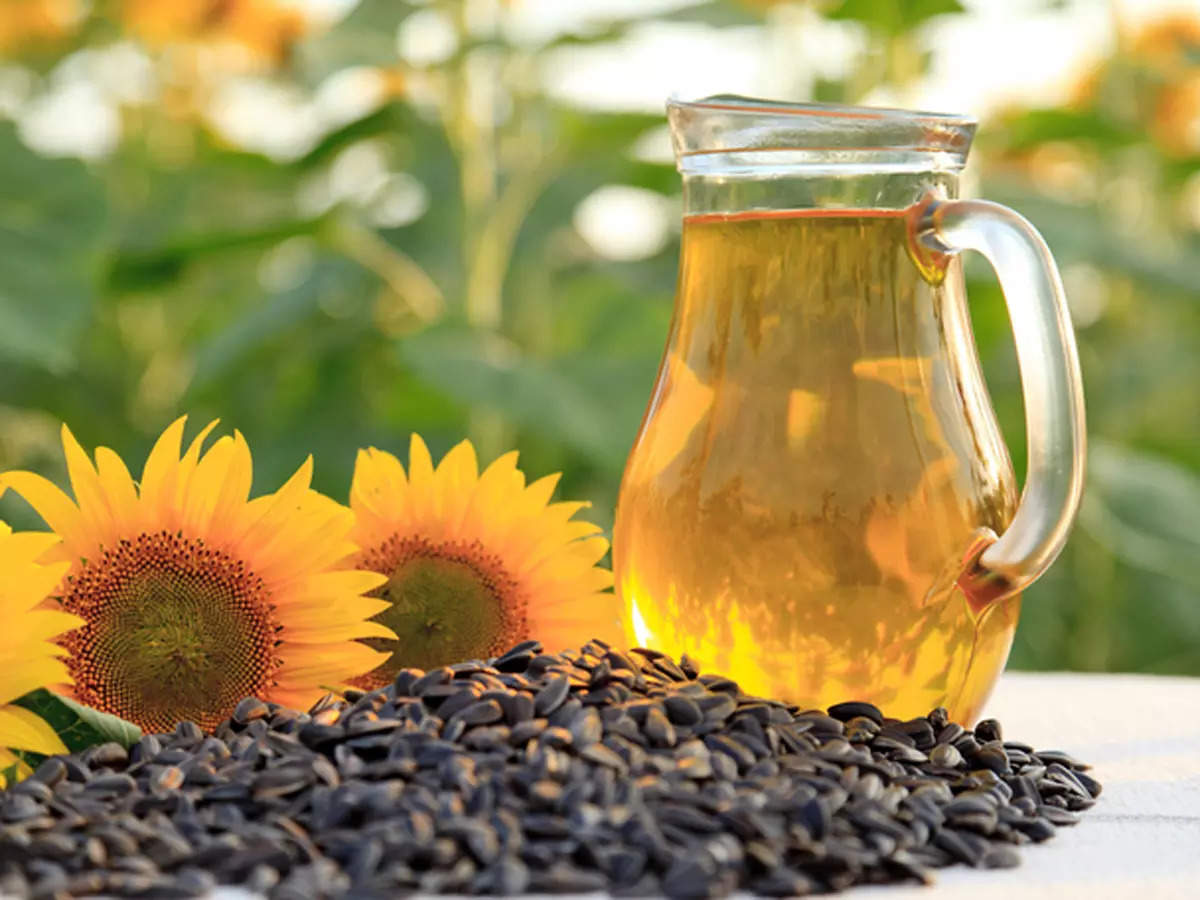
5. Sunflower oil

Sunflower oil is high in omega-6 fatty acids and is also often processed with hexane.

These oils are all high in omega-6 fatty acids, which can promote inflammation and lead to a number of health problems, including heart disease, stroke, arthritis, and cancer.

In addition, these oils are often processed with hexane, a harmful solvent that can damage the nervous system.

It is important to note that not all fats are created equal. Some fats, such as saturated and trans fats, are unhealthy and should be limited in the diet. However, other fats, such as monounsaturated and polyunsaturated fats, are healthy and essential for good health.

Here are some healthy cooking oils that you can use instead of the unhealthy oils listed above:

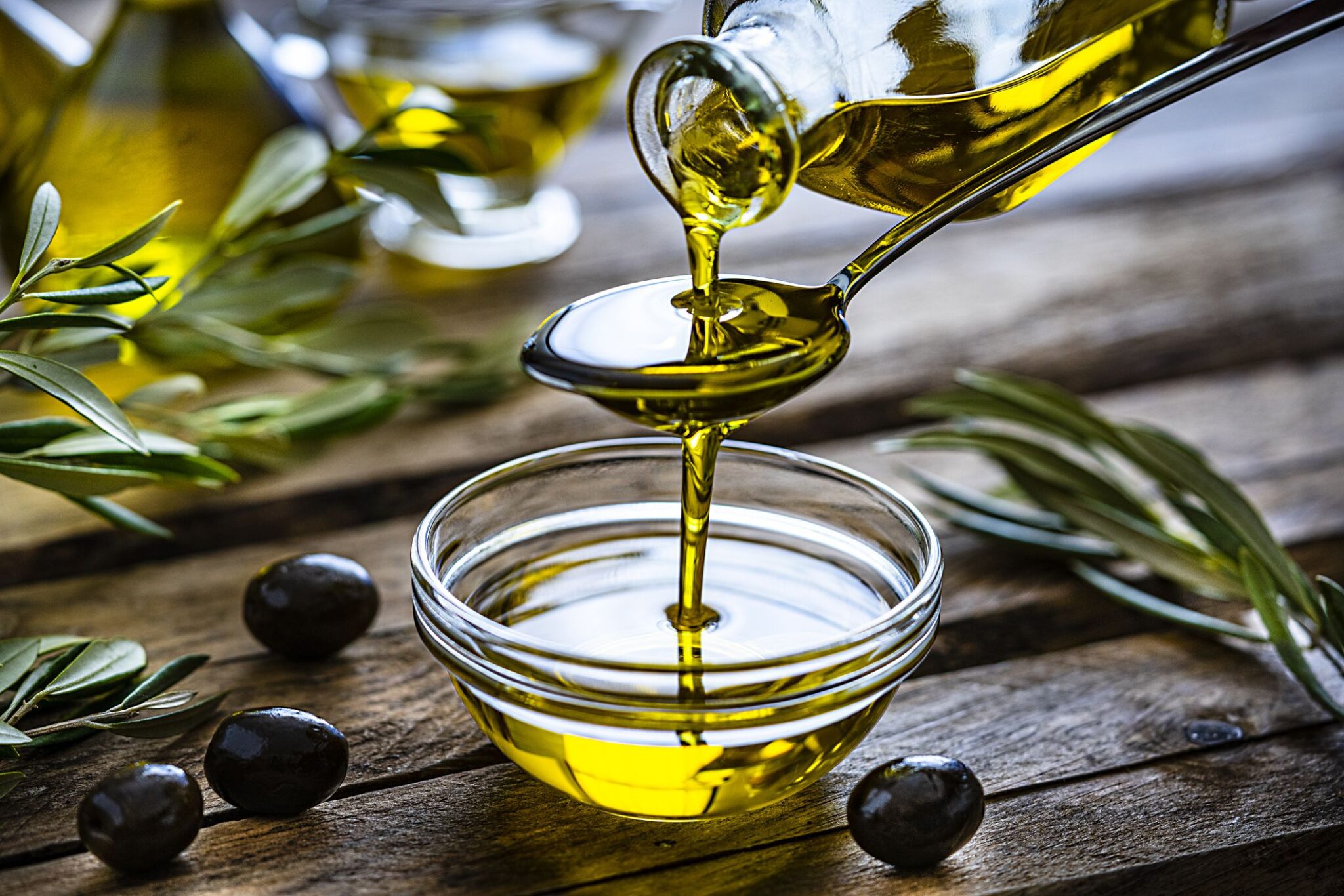
  • Olive oil
  • Avocado oil
  • Coconut oil
  • Ghee
  • Butter

    These oils are all low in omega-6 fatty acids and high in healthy fats. They are also less likely to be processed with hexane.

When choosing a cooking oil, it is important to consider the smoke point. The smoke point is the temperature at which the oil starts to smoke and break down. When an oil breaks down, it releases harmful free radicals.

It is important to choose a cooking oil with a smoke point that is higher than the cooking temperature you will be using. For example, if you are frying food, you will need to use an oil with a high smoke point, such as avocado oil.

If you are looking for a healthy and delicious cooking oil, choose one of the oils listed above. These oils are good for your health and will help you to prepare delicious meals.

Tagged : / / / / /

4 Homemade Drinks For stronger Bones

4 Homemade Drinks For stronger Bones
Strong bones are essential for good health and well-being. They provide support and structure for our bodies, and they help us move easily. As we age, our bones naturally lose density, which can lead to osteoporosis, a condition that makes bones weak and brittle.

There are many things you can do to keep your bones strong, including eating a healthy diet, getting regular exercise, and avoiding smoking. You can also boost your bone health by drinking homemade beverages that are rich in calcium and other bone-building nutrients.

Here are a few recipes for homemade drinks that are good for your bones:

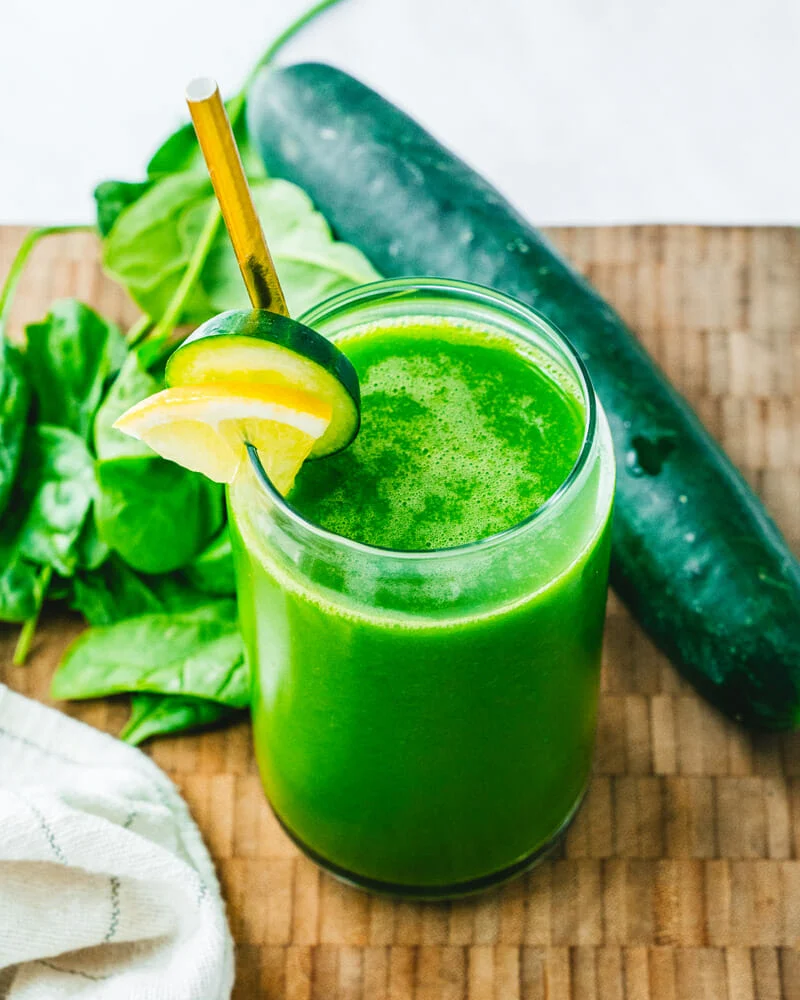
1. Green smoothie

Green smoothies are a great way to get a boost of calcium, vitamin K, and other nutrients that are good for your bones. To make a simple green smoothie, combine the following ingredients in a blender:

1 cup leafy greens, such as spinach, kale, or collard greens
1 banana
1 avocado
1 cup yogurt
1 cup milk
Blend until smooth and enjoy!

2. Turmeric latte

Turmeric is a spice that has anti-inflammatory and antioxidant properties. It has also been shown to boost bone health. To make a turmeric latte, combine the following ingredients in a saucepan:

1 cup milk
1 teaspoon turmeric
1/4 teaspoon black pepper
1/4 teaspoon ground ginger
1/4 teaspoon cinnamon
Honey to taste
Heat the mixture over medium heat until it is steaming. Pour into a mug and enjoy!

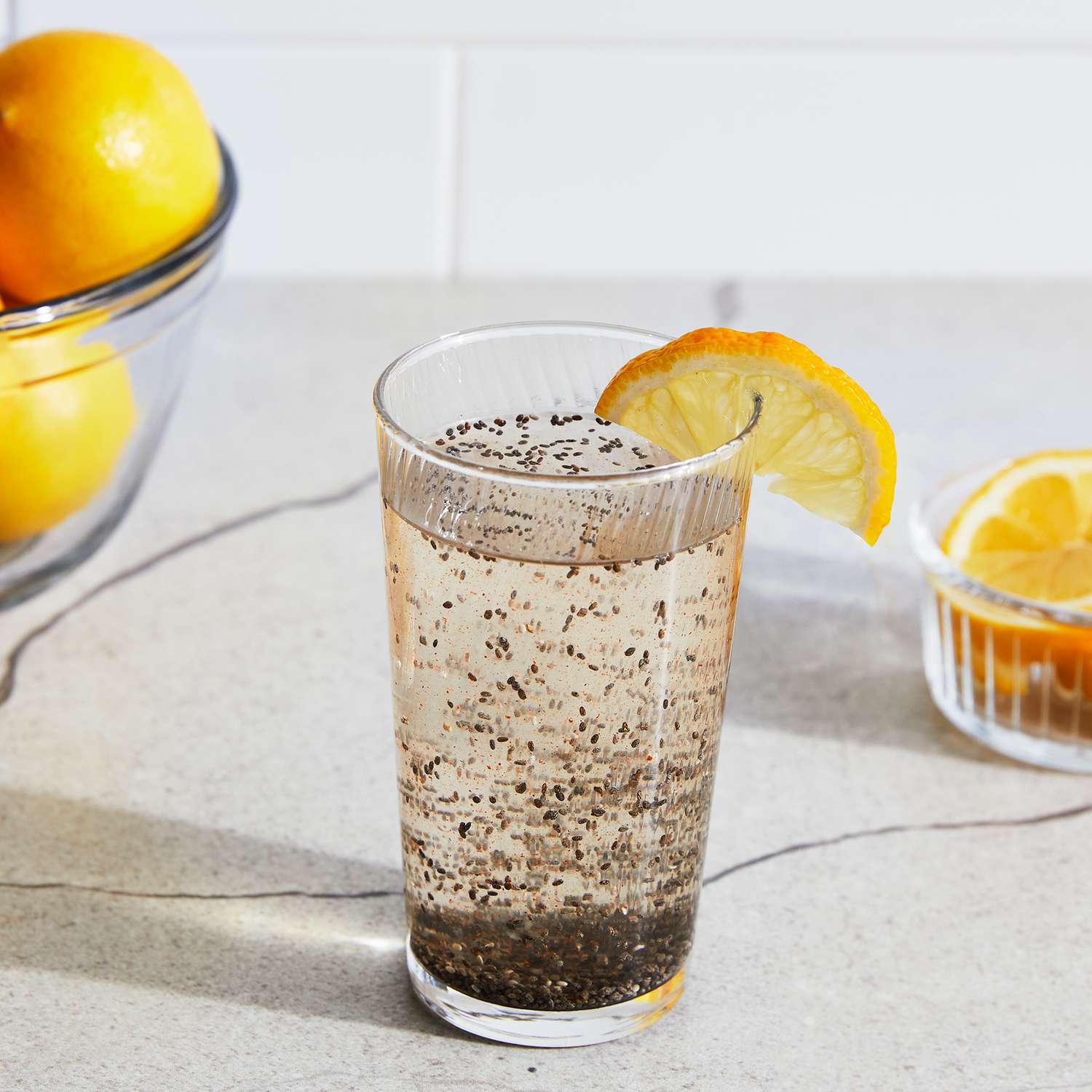
3. Chia seed drink

Chia seeds are a good source of calcium, fiber, and omega-3 fatty acids. To make a chia seed drink, combine the following ingredients in a glass:

2 tablespoons chia seeds
1 cup milk
1/4 teaspoon vanilla extract
Honey or maple syrup to taste
Stir well and let sit for 10 minutes, until the chia seeds have softened. Enjoy!

4. Sesame milk

Sesame seeds are a good source of calcium and magnesium. To make sesame milk, combine the following ingredients in a blender:

1/2 cup sesame seeds
4 cups water
1/4 teaspoon vanilla extract
Honey or maple syrup to taste
Blend until smooth and strain. Enjoy!

These are just a few recipes for homemade drinks that are good for your bones. By including these drinks in your diet, you can help to keep your bones strong and healthy for years to come.

Here are some additional tips for boosting your bone health:

  • Eat a diet that is rich in calcium, vitamin D, and other bone-building nutrients : Good sources of calcium include dairy products, leafy green vegetables, and fortified foods. Good sources of vitamin D include sunlight, fatty fish, and fortified foods.
  • Get regular exercise : Weight-bearing exercises, such as walking, running, and dancing, are especially good for your bones.
  • Avoid smoking and excessive alcohol consumption.
  • Get enough sleep : Sleep is essential for bone health.

    If you are concerned about your bone health, talk to your doctor. They can assess your risk factors and recommend ways to keep your bones strong.

Tagged : / / / / /

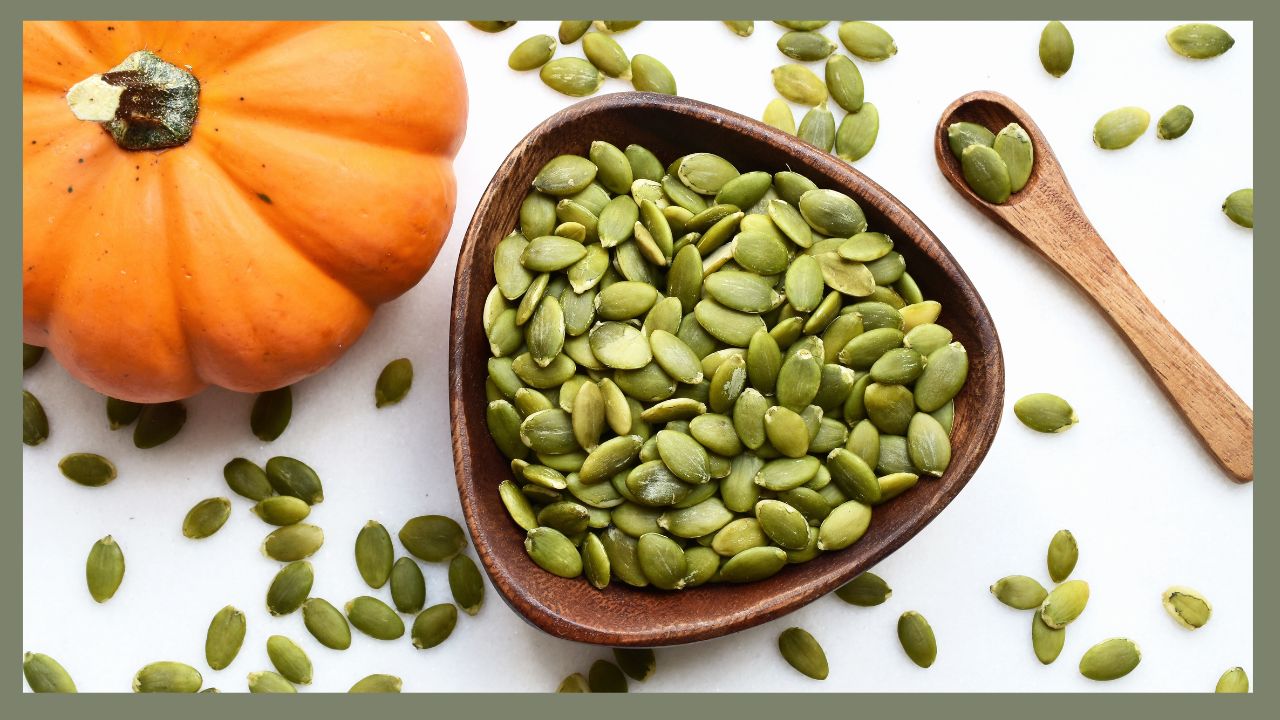
How The Small Seeds Of Pumpkin Are A Powerhouse of Nutrition? Why Should Women Eat These?

How The Small Seeds Of Pumpkin Are A Powerhouse of Nutrition? Why Should Women Eat These?
Pumpkin seeds are a nutritious snack that can be enjoyed by people of all ages. They are a good source of protein, fiber, and healthy fats. They also contain a variety of vitamins and minerals, including magnesium, iron, and zinc.

Why should women eat pumpkin seeds?

Pumpkin seeds are a good source of magnesium, which is an important mineral for women’s health. Magnesium helps to regulate blood pressure, improve blood sugar control, and reduce the risk of osteoporosis. It is also important for muscle function and nerve function.

Pumpkin seeds are also a good source of iron, which is important for women’s health because it helps to carry oxygen throughout the body. Iron is also important for energy production and immune function.

Pumpkin seeds are a good source of zinc, which is important for women’s health because it helps to boost the immune system, heal wounds, and support healthy skin and hair. It is also important for fertility and pregnancy.

Here are some additional benefits of pumpkin seeds for women:

i. Pumpkin seeds can help to improve heart health : Pumpkin seeds contain magnesium, which helps to lower blood pressure and improve blood sugar control. Pumpkin seeds also contain healthy fats, which can help to reduce cholesterol levels.

ii. Pumpkin seeds can help to reduce the risk of osteoporosis : Pumpkin seeds are a good source of magnesium, which is important for bone health. Magnesium helps to absorb calcium, which is essential for strong bones.

iii. Pumpkin seeds can help to improve fertility : Pumpkin seeds are a good source of zinc, which is important for fertility. Zinc helps to produce hormones that are essential for ovulation and implantation.

iv. Pumpkin seeds can help to improve mood : Pumpkin seeds contain tryptophan, an amino acid that is converted to serotonin in the brain. Serotonin is a neurotransmitter that helps to regulate mood and sleep.

v. Pumpkin seeds can help to improve skin health : Pumpkin seeds are a good source of vitamin E, which is an antioxidant that helps to protect the skin from damage. Vitamin E also helps to reduce inflammation and promote wound healing.

How to incorporate pumpkin seeds into your diet?

Pumpkin seeds can be eaten as a snack on their own, or they can be added to other foods, such as salads, yogurt, oatmeal, or smoothies. You can also roast pumpkin seeds at home for a quick and healthy snack.

To roast pumpkin seeds, preheat your oven to 300 degrees Fahrenheit. Spread the pumpkin seeds in a single layer on a baking sheet. Drizzle with olive oil and season with salt and pepper to taste. Bake for 15-20 minutes, or until the pumpkin seeds are golden brown and crispy.

Tagged : / / /

5 Health Benefits of Eating Pistachios and Side Effects of Over Eating It

5 Health Benefits of Eating Pistachios and Side Effects of Over Eating It
Pistachios are a delicious and nutritious snack that can offer a number of health benefits. They are a good source of protein, fiber, healthy fats, vitamins, and minerals.

Here are five of the health benefits of eating pistachios:

1. Improved heart health: Pistachios are a good source of monounsaturated and polyunsaturated fats, which are healthy fats that can help to lower cholesterol levels and improve heart health. Pistachios also contain antioxidants, which can help to protect the heart from damage.

2. Reduced risk of type 2 diabetes: Pistachios have a low glycemic index, which means that they do not cause a sudden spike in blood sugar levels. This makes them a good snack choice for people with diabetes or prediabetes. Pistachios also contain fiber, which can help to slow down digestion and regulate blood sugar levels.

3. Weight loss: Pistachios are a good source of protein and fiber, which can help to keep you feeling full and satisfied. This can help you to eat fewer calories overall and promote weight loss.

4. Gut health: Pistachios are a good source of fiber, which is important for gut health. Fiber helps to keep the digestive system healthy and regular. Pistachios also contain prebiotics, which are non-digestible fibers that feed the good bacteria in the gut.

5. Eye health: Pistachios contain lutein and zeaxanthin, which are carotenoids that are important for eye health. Lutein and zeaxanthin can help to protect the eyes from damage and reduce the risk of age-related macular degeneration.


Side effects of overeating pistachios:

While pistachios are a healthy snack, overeating them can lead to some side effects, such as:

  • Weight gain: Pistachios are high in calories, so overeating them can lead to weight gain.
  • Digestive problems: Pistachios are a good source of fiber, but too much fiber can cause digestive problems such as gas, bloating, and diarrhea.
  • Nausea and vomiting: Eating too many pistachios can cause nausea and vomiting.
  • Allergic reactions: Some people may be allergic to pistachios. Symptoms of a pistachio allergy can include hives, itching, swelling, difficulty breathing, and anaphylaxis.                                                                                                                                                                                                                                          How many pistachios should you eat per day?

The recommended daily serving of pistachios is one ounce, which is about 49 nuts. This is about the amount that can fit in the palm of your hand.

Tips for eating pistachios in moderation:

  • Buy pistachios in the shell. This will help you to eat fewer pistachios, as it takes longer to shell them.
  • Eat pistachios as a snack or with a meal. Avoid eating pistachios while watching TV or doing other activities, as this can lead to overeating.
  • Pair pistachios with other healthy foods, such as fruits, vegetables, or yogurt. This will help you to feel full and satisfied.

Overall, pistachios are a healthy and nutritious snack. However, it is important to eat them in moderation to avoid side effects such as weight gain, digestive problems, and allergic reactions.

Tagged : / / /

5 Fruits That Are Great For Asthma Patients

5 Fruits That Are Great For Asthma Patients
Asthma is a chronic lung condition that causes inflammation and narrowing of the airways. This can lead to symptoms such as wheezing, coughing, shortness of breath, and chest tightness. While there is no cure for asthma, there are treatments that can help to control the symptoms and improve quality of life.

In addition to medical treatment, there are also some lifestyle changes that asthma patients can make to help manage their condition. One important change is to eat a healthy diet. Eating a variety of nutritious foods can help to reduce inflammation, improve lung function, and boost the immune system.

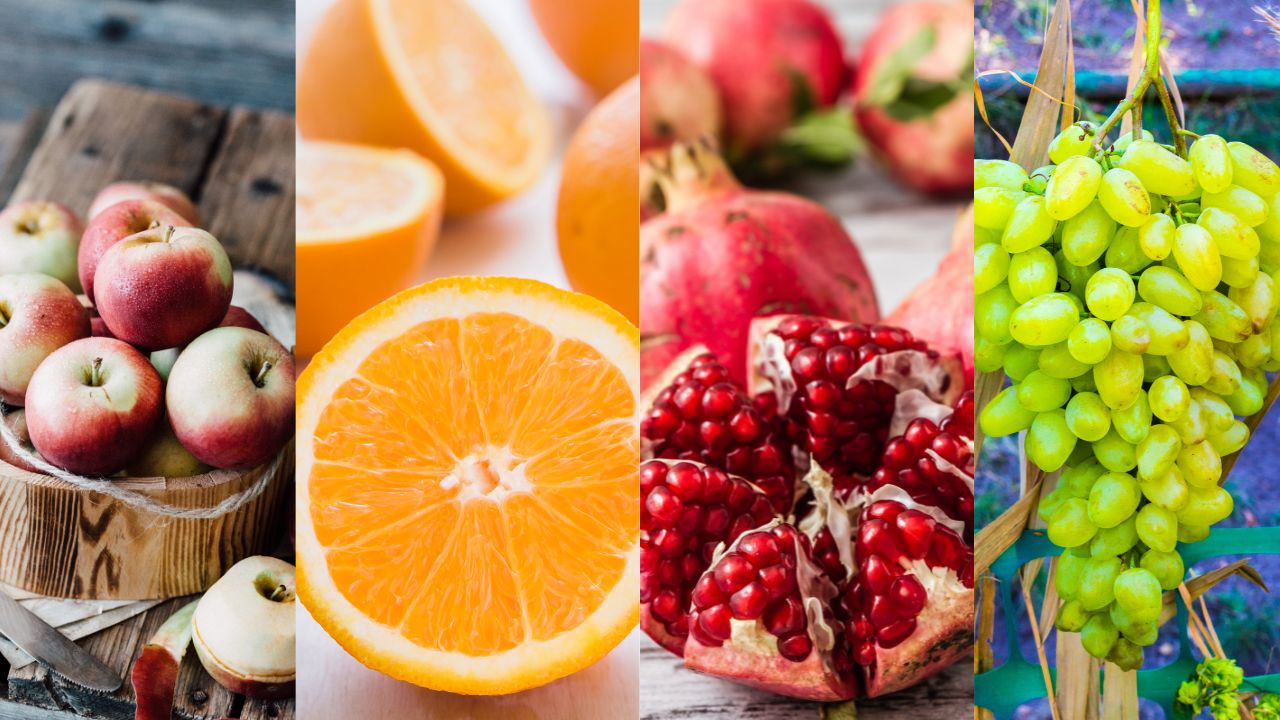
Fruits are a great part of a healthy diet for asthma patients. They are packed with vitamins, minerals, and antioxidants that can help to improve overall health and well-being. Here are five fruits that are especially beneficial for asthma patients:

1. Apples

Apples are a good source of vitamin C, which is an antioxidant that can help to reduce inflammation. Apples also contain quercetin, a flavonoid that has anti-inflammatory and anti-allergic properties.

2. Oranges

Oranges are another good source of vitamin C. They also contain potassium, which can help to relax the muscles in the airways and make breathing easier.

3. Bananas

Bananas are a good source of potassium and magnesium. Potassium can help to relax the muscles in the airways, while magnesium can help to reduce inflammation.

4. Grapes

Grapes are a good source of antioxidants, including resveratrol and quercetin. These antioxidants can help to reduce inflammation and improve lung function.

5. Pomegranates

Pomegranates are a good source of antioxidants, including vitamin C, vitamin E, and polyphenols. These antioxidants can help to reduce inflammation and protect the lungs from damage.

In addition to the fruits listed above, other fruits that are beneficial for asthma patients include berries, melons, and papayas. All of these fruits are packed with vitamins, minerals, and antioxidants that can help to improve overall health and well-being.

Here are some tips for incorporating more fruits into your diet:

  • Start your day with a fruit smoothie.
  • Add fresh fruit to your cereal or oatmeal.
  • Snack on fruit throughout the day.
  • Add fruit to your salads and main dishes.
    Make your own fruit desserts, such as fruit salad, fruit popsicles, or fruit yogurt parfaits.

    Eating a variety of fruits is a great way to improve your overall health and well-being. For asthma patients, eating fruits can also help to reduce inflammation, improve lung function, and boost the immune system.

Tagged : / / /

9 Foods to Avoid When You Have an Upset Stomach

9 Foods to Avoid When You Have an Upset Stomach
An upset stomach can be a miserable experience, causing nausea, vomiting, diarrhea, and abdominal pain. While there are many things you can do to relieve your symptoms, one of the most important is to avoid foods that can make things worse.

Here is a list of foods to avoid when you have an upset stomach:

1. Fatty foods: Fatty foods are difficult to digest and can slow down digestion, which can lead to stomach upset. Avoid foods such as fried foods, full-fat dairy products, and fatty meats.

2. Spicy foods: Spicy foods can irritate the lining of the stomach and cause inflammation. If you have an upset stomach, it’s best to avoid spicy foods altogether.

3. Caffeinated drinks: Caffeine can relax the lower esophageal sphincter, which can allow stomach acid to back up into the esophagus, causing heartburn and acid reflux. Avoid caffeinated drinks such as coffee, tea, and soda.

4. Carbonated drinks: Carbonated drinks can also relax the lower esophageal sphincter and cause stomach upset. Avoid carbonated drinks such as soda and sparkling water.

5. Sugary drinks: Sugary drinks can draw water into the intestines, which can lead to diarrhea. Avoid sugary drinks such as soda, juice, and sports drinks.

6. Acidic foods and drinks: Acidic foods and drinks can irritate the lining of the stomach and cause stomach upset. Avoid acidic foods and drinks such as citrus fruits, tomatoes, and vinegar.

7. Raw fruits and vegetables: Raw fruits and vegetables are high in fiber, which can be difficult to digest when you have an upset stomach. Avoid raw fruits and vegetables such as apples, broccoli, and carrots.

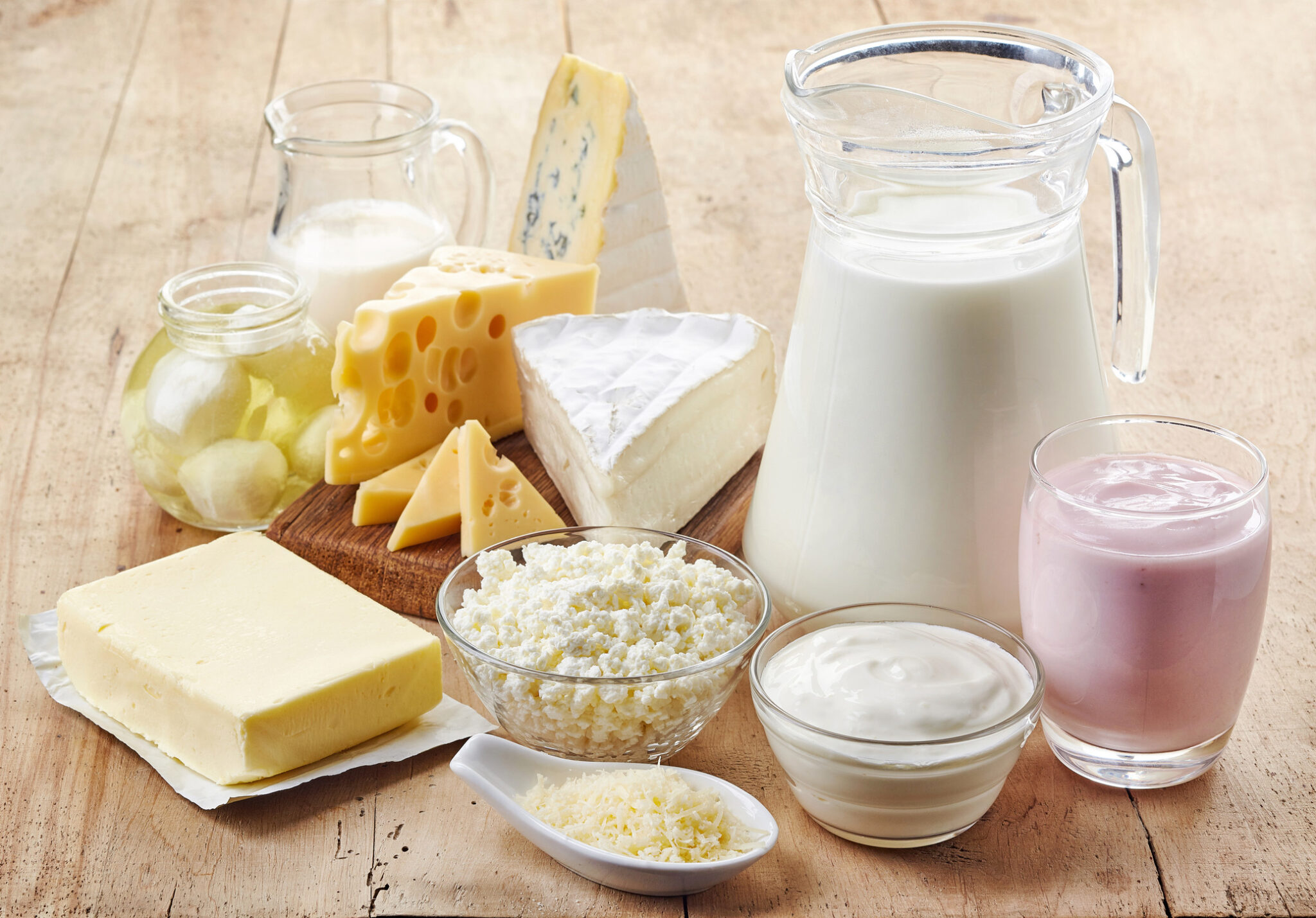
8. Dairy products: Dairy products can be difficult to digest, especially for people with lactose intolerance. If you have an upset stomach, it’s best to avoid dairy products altogether.

9. Alcohol: Alcohol can irritate the lining of the stomach and cause stomach upset. Avoid alcohol when you have an upset stomach.

In addition to the foods listed above, there are also some other foods that you may want to avoid when you have an upset stomach, such as:

  • Beans: Beans are high in fiber and can cause gas and bloating.
  • Lentils: Lentils are also high in fiber and can cause gas and bloating.
  • Onions: Onions can irritate the lining of the stomach and cause stomach upset.
  • Garlic: Garlic can also irritate the lining of the stomach and cause stomach upset.
  • Chocolate: Chocolate contains caffeine, which can relax the lower esophageal sphincter and cause stomach upset.

If you have an upset stomach, it’s best to eat bland, easy-to-digest foods. Some good options include:

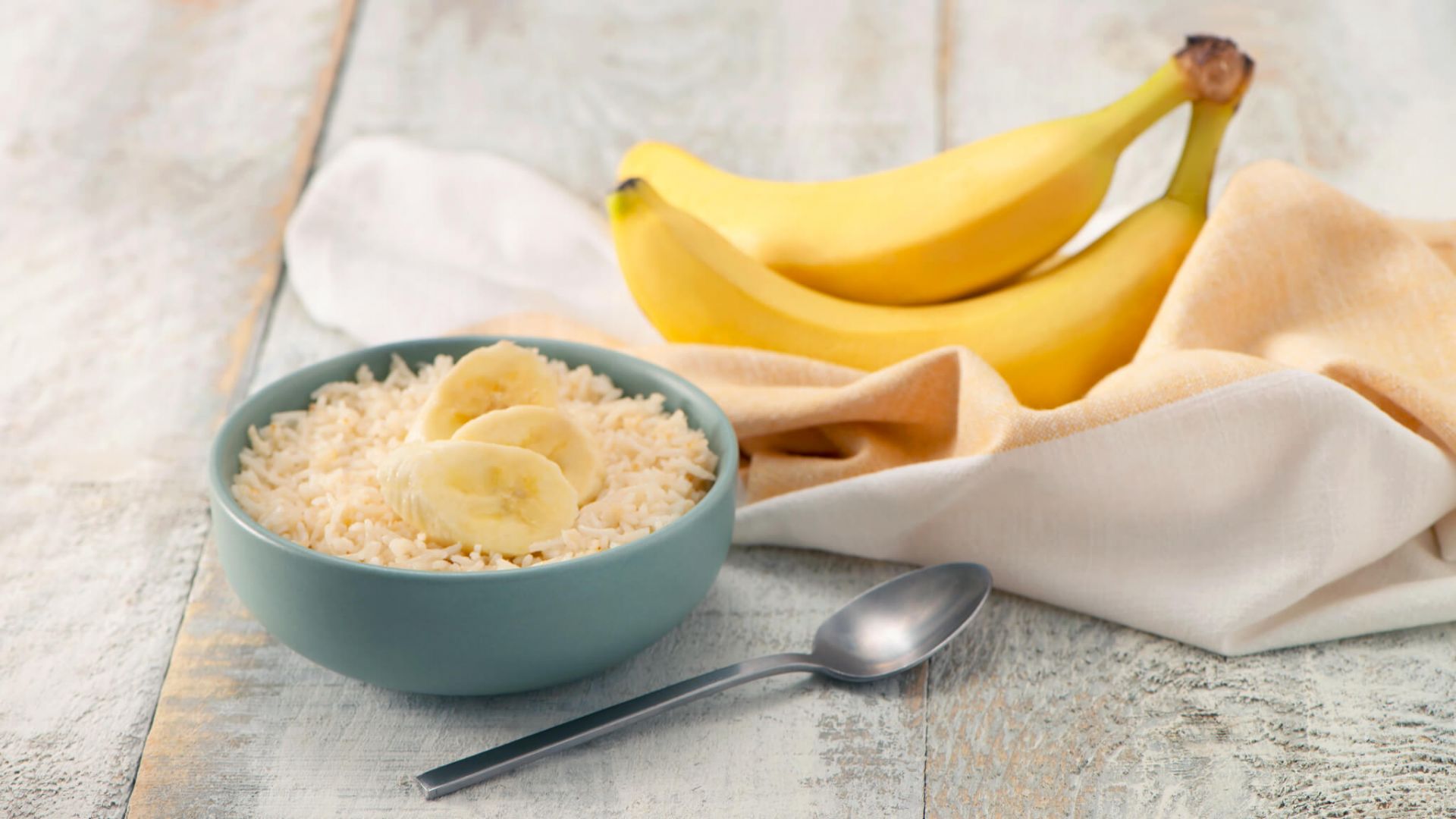
  • Bananas: Bananas are a good source of potassium, which can help to replace electrolytes lost through diarrhea.
  • Rice: Rice is a bland, easy-to-digest food that can help to settle an upset stomach.
  • Applesauce: Applesauce is a bland, easy-to-digest food that can help to settle an upset stomach.
  • Broth: Broth is a good source of electrolytes and can help to keep you hydrated.It’s also important to stay hydrated when you have an upset stomach. Drink plenty of fluids, such as water, clear broths, and sports drinks.
Tagged : / / /

Best and worst foods for people trying to quit smoking

Best and worst foods for people trying to quit smoking
Quitting smoking is one of the best things you can do for your health, but it can also be one of the hardest. One way to make the process a little bit easier is to be mindful of the foods you eat and drink.

Best foods for people trying to quit smoking

Here are some of the best foods for people trying to quit smoking:

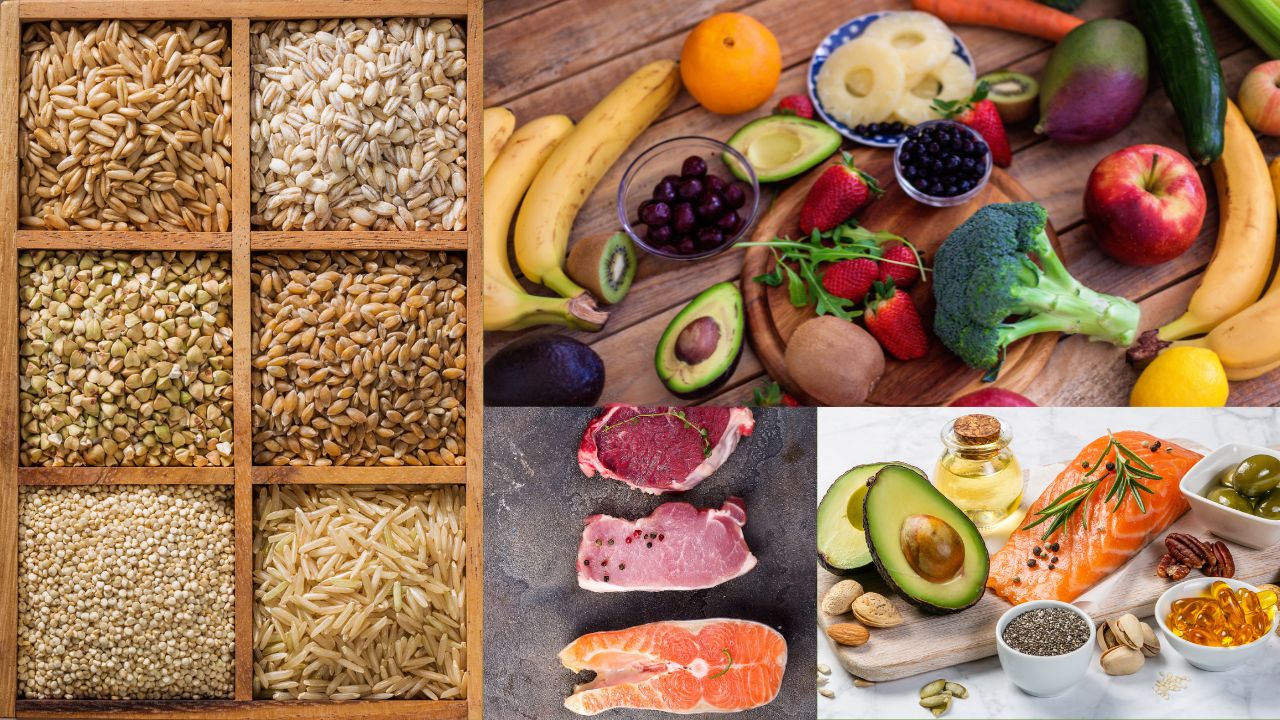
1. Fruits and vegetables: Fruits and vegetables are packed with vitamins, minerals, and antioxidants, which can help to support your body during the withdrawal process. They can also help to reduce cravings and improve your mood.

2. Whole grains: Whole grains are a good source of complex carbohydrates, which provide your body with sustained energy. They are also a good source of fiber, which can help to keep you feeling full and satisfied.

3. Lean protein: Lean protein sources, such as chicken, fish, and beans, can help to reduce cravings and improve your mood. They can also help to build and repair muscle tissue.

4. Healthy fats: Healthy fats, such as those found in avocados, nuts, and seeds, can help to improve your mood and reduce stress levels. They can also help to reduce inflammation throughout the body.

5. Water: Water is essential for overall health and well-being. It can also help to flush toxins from the body and reduce cravings.

Worst foods for people trying to quit smoking

Here are some of the worst foods for people trying to quit smoking:

Caffeinated beverages: Caffeine can trigger cravings and make it more difficult to quit smoking. It is best to avoid caffeine altogether when trying to quit.

Alcohol: Alcohol can also trigger cravings and make it more difficult to quit smoking. It is best to avoid alcohol altogether when trying to quit.

Sugary foods and drinks: Sugary foods and drinks can cause blood sugar levels to spike and crash, which can lead to cravings. It is best to avoid sugary foods and drinks altogether when trying to quit.

Fatty and processed foods: Fatty and processed foods are often high in unhealthy fats, sodium, and sugar. They can also cause inflammation throughout the body. It is best to avoid fatty and processed foods altogether when trying to quit.

Tips for eating a healthy diet while trying to quit smoking

Here are a few tips for eating a healthy diet while trying to quit smoking:

  • Plan your meals ahead of time. This will help you to avoid making unhealthy choices when you are hungry.
  • Keep healthy snacks on hand. This will help you to avoid reaching for unhealthy snacks when you have a craving.
  • Eat regular meals and snacks. This will help to keep your blood sugar levels stable and reduce cravings.
  • Drink plenty of water. This will help to flush toxins from the body and reduce cravings.
  • Avoid trigger foods and drinks. Identify the foods and drinks that trigger your cravings and avoid them altogether.
    Quitting smoking is not easy, but it is possible. By eating a healthy diet, you can give yourself the best chance of success.
Tagged : / / / /

Why Millets Are The Best Food For You And The Easy Ways To Include Them In Your Diet

Why Millets Are The Best Food For You And The Easy Ways To Include Them In Your Diet
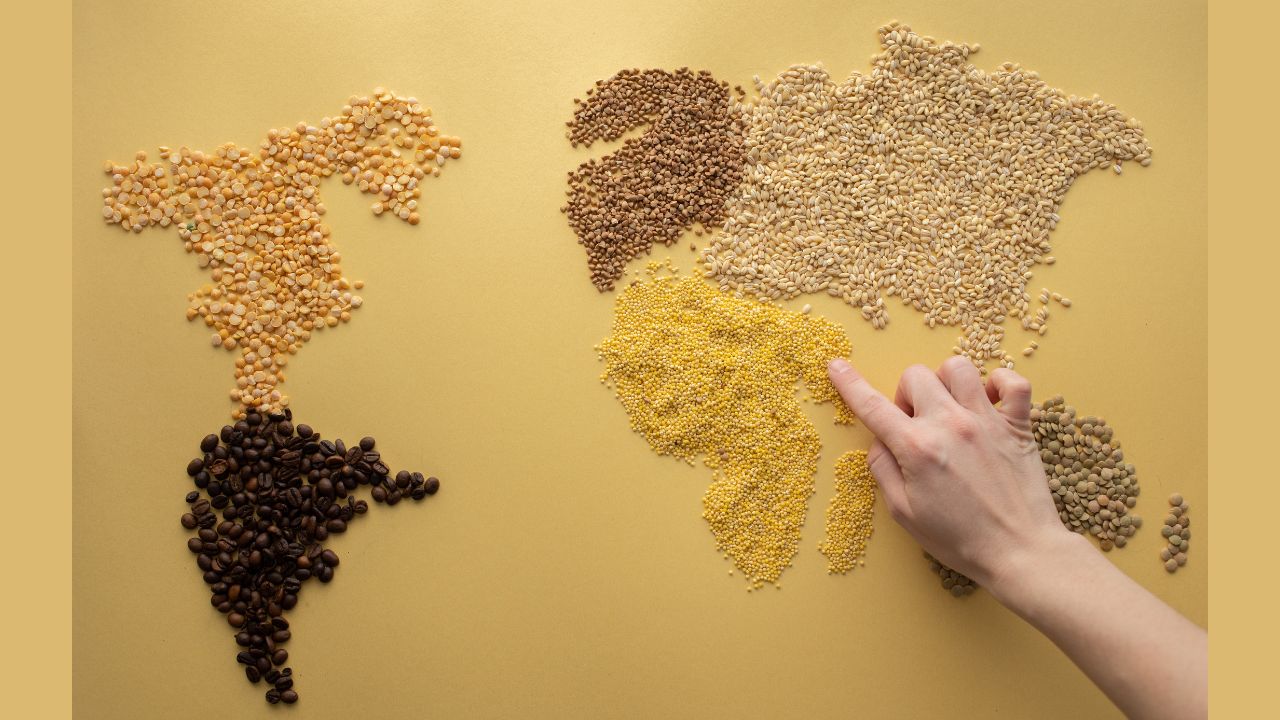
Millets are a group of small-seeded grasses that have been cultivated for thousands of years. They are a good source of protein, fiber, vitamins, and minerals. Millets are also gluten-free, making them a good choice for people with celiac disease or gluten intolerance.

Health benefits of millets

Millets have a number of potential health benefits, including:

1. Lowering blood sugar levels: Millets have a low glycemic index (GI), meaning that they don’t cause blood sugar levels to spike after eating. This makes them a good choice for people with diabetes or prediabetes.

2. Reducing cholesterol levels: Millets contain soluble fiber, which can help to reduce cholesterol levels.

3. Promoting weight loss: Millets are low in calories and high in fiber, making them a good food for people trying to lose weight.

4. Improving gut health: Millets contain prebiotics, which are fibers that feed the good bacteria in the gut. A healthy gut microbiome is important for overall health and well-being.

5. Reducing inflammation: Millets contain antioxidants and other compounds that can help to reduce inflammation throughout the body.

6. Preventing chronic diseases: Millets have been linked to a reduced risk of chronic diseases such as heart disease, stroke, type 2 diabetes, and some types of cancer.

How to include millets in your diet?

There are many ways to include millets in your diet. Here are a few ideas:

Breakfast: Start your day with a nutritious millet breakfast, such as millet porridge, millet idlis, or millet pancakes.
Lunch: Millet roti, millet khichdi, and millet salads are all great options for a healthy lunch.
Dinner: Millet can be used to make a variety of main dishes, such as millet biryani, millet pulao, and millet lasagna.
Snacks: Millet snacks, such as millet chikki, millet ladoo, and millet popcorn, are a healthy and delicious way to snack.

Tagged : / / / / / /

What is Hypothyroidism? 7 Superfoods For Hypothyroidism

What is Hypothyroidism? 7 Superfoods For Hypothyroidism
Hypothyroidism is a condition in which the thyroid gland does not produce enough thyroid hormone. The thyroid gland is a small gland located in the neck that produces hormones that regulate metabolism, growth, and development. Hypothyroidism can cause a variety of symptoms, including Fatigue, Weight gain, Sensitivity to cold, Constipation, Dry skin, Hair loss, Brittle nails, Difficulty concentrating, Depression.
7 Superfoods for Hypothyroidism

There is no cure for hypothyroidism, but it can be managed with medication and lifestyle changes. Eating a healthy diet is important for people with hypothyroidism, and certain foods can help to improve symptoms and support thyroid function.

Here are 7 superfoods for hypothyroidism:

1. Seaweed: Seaweed is a good source of iodine, an essential mineral for thyroid function. Iodine is needed to produce thyroid hormone.

2. Brazil nuts: Brazil nuts are an excellent source of selenium, a mineral that is important for thyroid function. Selenium helps to protect the thyroid gland and promote the production of thyroid hormone.

3. Fish: Fish is a good source of omega-3 fatty acids, which have anti-inflammatory properties. Inflammation can interfere with thyroid function, so eating omega-3 fatty acids can help to improve thyroid function.

4. Eggs: Eggs are a good source of iodine and selenium. They are also a good source of protein, which is important for overall health.

5. Berries: Berries are a good source of antioxidants, which can help to protect the thyroid gland from damage.

6. Sweet potatoes: Sweet potatoes are a good source of beta-carotene, which the body converts to vitamin A. Vitamin A is important for thyroid function.

7. Spinach: Spinach is a good source of iodine and selenium. It is also a good source of fiber, which can help to improve digestion.

In addition to eating these superfoods, it is also important to avoid certain foods that can interfere with thyroid function. These foods include:

  • Soy products
  • Cruciferous vegetables, such as broccoli, cabbage, and cauliflower
  • Processed foods
  • Sugary drinksIf you have hypothyroidism, it is important to talk to your doctor or a registered dietitian about the best diet for you.
Tagged : / / / / / /

India’s Favourite Milk Tea aka ‘Chai’ May Have These 7 Side Effects!

India’s Favourite Milk Tea aka ‘Chai’ May Have These 7 Side Effects!
Milk tea is a popular beverage that is made by adding milk to tea. It is enjoyed by people all over the world and is available in many different flavors. While milk tea can be a delicious and refreshing drink, it is important to be aware of the potential side effects of drinking it too often.

Here are 7 side effects of drinking milk tea:

1. Bloating and gas

Milk tea contains both caffeine and tannins, which can irritate the digestive system and cause bloating and gas. Additionally, the milk in milk tea can also contribute to digestive problems, especially for people who are lactose intolerant.

2. Constipation

Caffeine can have a dehydrating effect on the body, which can lead to constipation. Additionally, the tannins in milk tea can also bind to iron in the food you eat, making it more difficult for your body to absorb. This can also lead to constipation.

3. Anxiety

Caffeine is a stimulant, and consuming too much of it can lead to anxiety and jitteriness. Milk tea typically contains less caffeine than coffee, but it is still important to be mindful of your intake, especially if you are sensitive to caffeine.

4. Insomnia

Caffeine can also interfere with sleep, so drinking milk tea too close to bedtime can make it difficult to fall asleep. If you are struggling with insomnia, it is best to avoid drinking milk tea in the evening.

5. Weight gain

Milk tea can be high in calories and sugar, especially if you add sweeteners and toppings to it. Consuming too much milk tea can lead to weight gain, especially over time.

6. Headaches

Caffeine can cause headaches, especially if you are not used to consuming it regularly. If you experience headaches after drinking milk tea, it is best to reduce your intake or avoid it altogether.

7. Acne

Some people believe that drinking milk tea can cause acne. This is because milk tea contains hormones and other compounds that can stimulate oil production in the skin. However, more research is needed to confirm this link.

Overall, milk tea is a safe beverage to consume in moderation. However, it is important to be aware of the potential side effects, especially if you have any underlying health conditions or are sensitive to caffeine.

Here are some tips for reducing the side effects of drinking milk tea:

  • Choose a smaller size of milk tea or split a drink with a friend.
  • Avoid adding sugar or syrup to your milk tea.
  • Choose a milk tea made with low-fat or non-fat milk.
  • Drink milk tea with a meal to help slow down digestion.
  • Avoid drinking milk tea before bed.
  • If you experience any negative side effects after drinking milk tea, reduce your intake or avoid it altogether.
    If you are concerned about the potential side effects of drinking milk tea, talk to your doctor. They can help you determine if milk tea is right for you and how to consume it safely.
Tagged : / / / / / / /
Verified by ExactMetrics