Sweeten Your Winter with Figs: A Treasure Trove of Health Benefits

Sweeten Your Winter with Figs: A Treasure Trove of Health Benefits
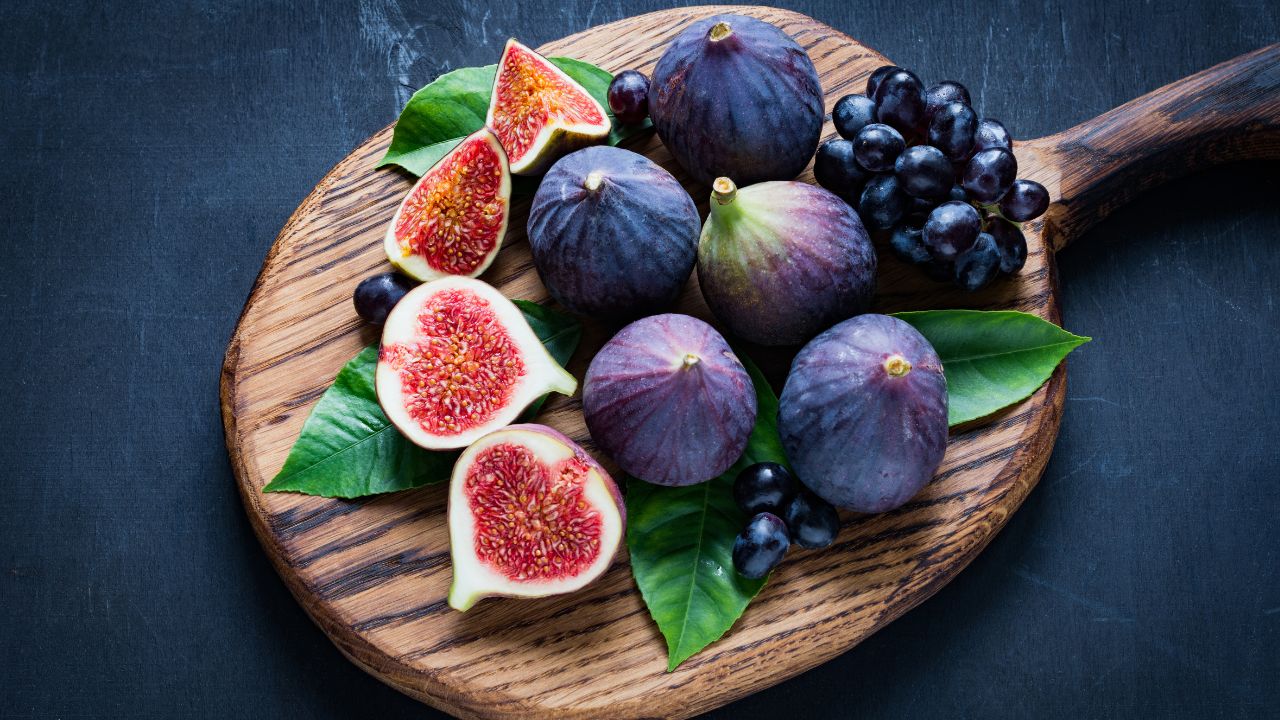
As winter settles in, our bodies crave warmth and nourishment. While we often turn to hearty soups and stews, a little sweetness can go a long way in boosting our spirits and well-being. Enter the humble fig, a fruit bursting with flavor and a surprising array of health benefits that are ideal for the colder months.

1. Immunity Booster: Figs are packed with vitamin C, a natural antioxidant that strengthens our immune system, helping us fight off those pesky winter colds and flus. A single serving of fresh figs can provide over 20% of our daily recommended intake of vitamin C, making them a delicious way to stay healthy and energized throughout the season.

2. Digestive Delight: The high fiber content in figs keeps our digestive system happy and regular. This is especially helpful during winter when heavier meals and holiday indulgences can lead to constipation. Figs act as a gentle laxative, promoting healthy digestion and gut health.

3. Bone Builder: Figs are a rich source of calcium, magnesium, and phosphorus, all essential minerals for maintaining strong bones. This is particularly important for women and older adults who are at higher risk of osteoporosis. Snacking on figs regularly can help prevent bone loss and keep your skeleton sturdy throughout the winter months.
4. Energy Enhancer: Figs are a natural source of sugar, providing a quick burst of energy when you need it most. Unlike processed sugars, the natural sugars in figs are released slowly into the bloodstream, preventing energy crashes and keeping you feeling satisfied for longer. This makes them a perfect pre-workout snack or a healthy afternoon pick-me-up.

5. Warmth from Within: Figs are naturally sweet and have a warming, almost honey-like flavor. They can be enjoyed fresh, dried, or incorporated into warm winter dishes like oatmeal, stews, or even baked into pies and cakes. Their sweetness adds a touch of luxury to any winter meal, while the warming spices often used with them further enhance their comforting properties.

Beyond the benefits mentioned above, figs are also a good source of potassium, manganese, and iron, all essential for overall health and well-being. So, this winter, don’t just reach for the hot cocoa or mulled wine. Grab a handful of figs and discover the delightful taste of good health. Your body will thank you for it!

Here are some additional tips for incorporating figs into your winter diet:

  • Pair fresh figs with creamy cheeses like ricotta or goat cheese for a delicious and satisfying appetizer.
  • Add chopped dried figs to your oatmeal or yogurt for a natural sweetness boost.
  • Make a warm fig compote to serve with roasted meats or grilled cheese.
  • Infuse water with fresh figs and herbs for a refreshing and healthy beverage.

    With a little creativity, you can enjoy the many health benefits and deliciousness of figs all winter long. So, embrace the season and let the sweetness of figs warm you up from the inside out!

Tagged : / / / /

Soaked vs Unsoaked Almonds: Which Is The Bigger Nutritional Treasure Chest?

Soaked vs Unsoaked Almonds: Which Is The Bigger Nutritional Treasure Chest?
Almonds, the crunchy, buttery jewels of the nut world, have long been revered for their nutritional prowess. But when it comes to maximizing their goodness, a debate arises: soak them or not? Let’s dive into the world of soaked and unsoaked almonds, cracking open the secrets to unlocking their full potential.

Soaking the Science:

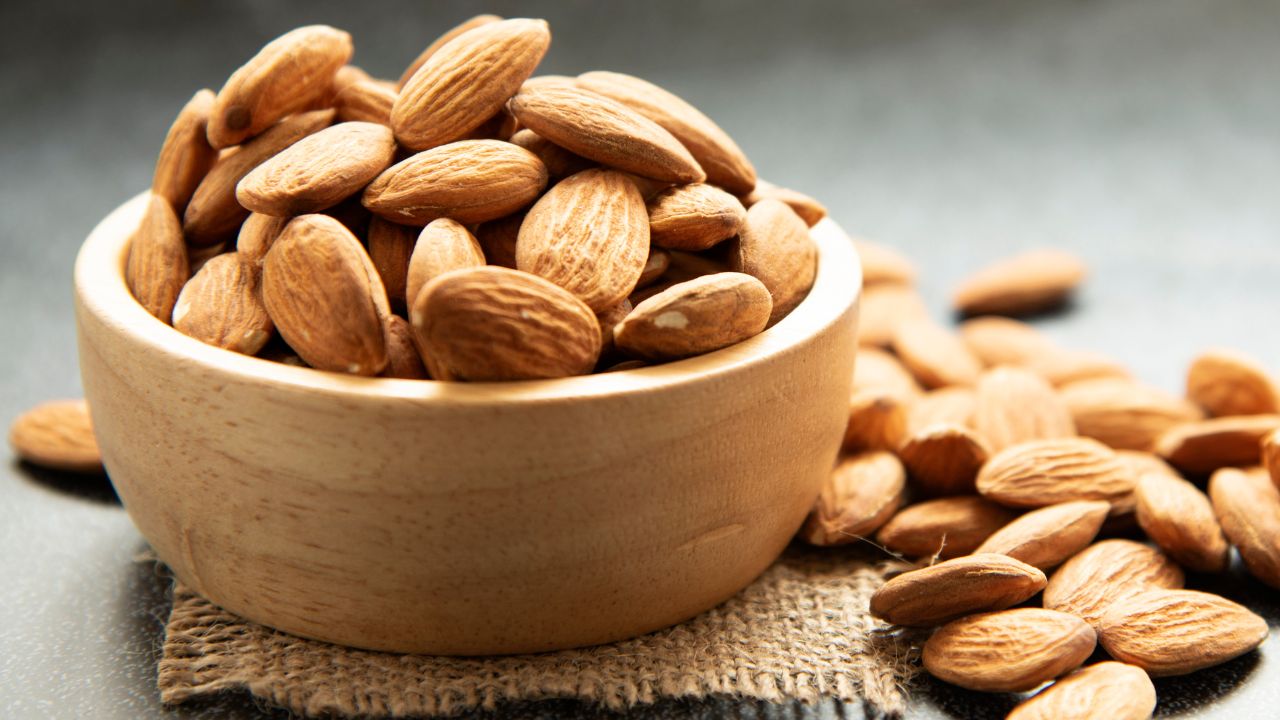
Soaking almonds overnight in water activates enzymes, which break down phytic acid, a compound that can hinder nutrient absorption. This process also makes the nuts softer and easier to digest, especially for those with sensitive stomachs.

Benefits of Soaked Almonds:

1. Enhanced nutrient absorption: Studies suggest soaking can increase the bioavailability of minerals like iron, calcium, and magnesium by up to 50%.
2. Improved digestion: Soaking breaks down complex carbohydrates, making the nuts gentler on the gut and potentially reducing bloating and gas.
3. Creamier texture: Soaked almonds have a softer, creamier texture, making them ideal for snacking, blending into smoothies, or using in desserts.

But wait, unsoaked almonds have their own perks!

1.Convenience: No need for pre-planning, just grab and munch.
2. Potentially higher nutrient content: Soaking can lead to a slight loss of water-soluble vitamins like vitamin B6.
3. Nutty flavor: Unsoaked almonds have a more intense, nutty flavor that some prefer.

So, which is the ultimate winner?

The answer, like most things in life, is: it depends!

For optimal nutrient absorption and digestion, soaked almonds are the clear champions.
If convenience and a stronger nutty flavor are your priorities, unsoaked almonds might be your match.
Ultimately, listen to your body and choose what works best for you.
Bonus tip: Don’t discard the soaking water! It’s packed with nutrients and can be used in smoothies, pancakes, or even as a facial toner.

Remember: Both soaked and unsoaked almonds are excellent sources of healthy fats, protein, fiber, vitamins, and minerals. So, don’t get caught up in the debate – just enjoy these delicious nuts in whatever way you find most appealing!

And hey, don’t stop exploring! Experiment with different soaking times, try dry-roasting for a different texture, or get creative and whip up some almond butter or milk. The possibilities are endless, just like the health benefits of these amazing nuts.

So, go forth and conquer the world of almonds, soaked or unsoaked, your taste buds and body will thank you!

Tagged : / / / /

5 Health Benefits of Black Carrots: Nature’s Hidden Gems

5 Health Benefits of Black Carrots: Nature’s Hidden Gems
Black carrots, with their striking dark purple color, are gaining popularity not just for their unique appearance, but also for their impressive health benefits. Packed with powerful antioxidants and essential nutrients, these colorful beauties offer a variety of advantages for your well-being. Let’s explore five key benefits of black carrots:

1. Vision Boost: Black carrots are rich in anthocyanins, the same pigments that give blueberries their vibrant color. These antioxidants have been shown to improve eye health and protect against age-related macular degeneration and cataracts.

2. Weight Management: Black carrots are high in fiber, which helps you feel full for longer and promotes digestive health. This can be beneficial for weight management as it reduces cravings and controls calorie intake.

3. Improved Heart Health: The anthocyanins in black carrots help protect against cardiovascular diseases by lowering bad cholesterol levels and reducing inflammation. Additionally, black carrots are a good source of potassium, which is essential for maintaining healthy blood pressure.

4. Skin Health: The antioxidants in black carrots help protect your skin from harmful UV rays and environmental damage. They also promote collagen production, which keeps your skin looking youthful and radiant.

5. Stronger Immune System: Black carrots are rich in vitamin C, a powerful antioxidant that boosts your immune system and helps your body fight off infections and diseases.

In addition to these benefits, black carrots are also a good source of vitamins A, K, and B vitamins. They are also low in calories and fat, making them a healthy and nutritious addition to your diet.

Here are some ways to enjoy the benefits of black carrots:

  • Eat them raw as a snack or add them to salads.
  • Juice them and enjoy them fresh.
  • Roast them and add them to stir-fries or soups.
  • Use them to make black carrot cake or muffins.
    With its vibrant color and impressive health benefits, the black carrot is a hidden gem that deserves a place in your diet. So, next time you’re at the grocery store, be sure to pick up a bunch of these colorful beauties and experience their amazing benefits for yourself.
Tagged : / / / /

Fueling Your Fight: How Nutrition Can Boost Your Immune System During Sickness

Fueling Your Fight: How Nutrition Can Boost Your Immune System During Sickness
With autumn’s arrival comes the dreaded cold and flu season. As temperatures drop, so do our immune defenses, making us more susceptible to these unwelcome visitors. While there’s no magic bullet to prevent illness entirely, proper nutrition can play a vital role in strengthening your immune system and helping your body fight back.

Food for Defense: Key Nutrients to Boost Immunity
1. Vitamin C
This antioxidant powerhouse is renowned for its immune-boosting properties. Citrus fruits like oranges and grapefruits are excellent sources, but don’t forget about bell peppers, broccoli, and strawberries.

2. Vitamin D
Often dubbed the “sunshine vitamin,” Vitamin D plays a crucial role in regulating immune function. Fatty fish like salmon and tuna are rich sources, as are fortified milk and egg yolks.

3. Zinc
This essential mineral is vital for cell growth and immune function. Oysters, beef, and pumpkin seeds are excellent dietary sources of zinc.

4. Probiotics
These “good bacteria” residing in our gut play a crucial role in overall health, including immune function. Fermented foods like yogurt, kimchi, and sauerkraut are excellent sources.

5. Protein
This building block of life is essential for building and repairing tissues, including immune cells. Lean protein sources like poultry, fish, and legumes are key dietary components.

Beyond the Plate: Additional Tips for Immune Support

i. Hydration is Key: Water is essential for overall health and immune function. Aim to drink eight glasses of water daily, especially during cold and flu season.

ii. Prioritize Sleep: Sleep deprivation can weaken your immune system. Aim for 7-8 hours of quality sleep each night.

iii. Manage Stress: Chronic stress can negatively impact your immune system. Practice stress-reducing techniques like yoga, meditation, or deep breathing exercises.

iv. Move Your Body: Regular exercise helps boost your immune system and overall health. Aim for at least 30 minutes of moderate-intensity exercise most days of the week.

v. Consider Supplements: While a balanced diet should provide most essential nutrients, some individuals may benefit from supplements like Vitamin D or Zinc, especially during cold and flu season. Consult your doctor before starting any supplements.

Remember: A healthy immune system is your body’s best defense against colds and flu. By incorporating these nutritional and lifestyle changes into your routine, you can empower your immune system and stay strong during cold and flu season.

Tagged : / / / / /

Not Just Beetroot, Banana, These Foods Too Lower Your Blood Pressure Naturally

Not Just Beetroot, Banana, These Foods Too Lower Your Blood Pressure Naturally
High blood pressure, also known as hypertension, affects millions worldwide. While medication plays a crucial role in managing this condition, incorporating certain foods into your diet can also significantly contribute to lowering blood pressure. Here are five naturally potent options:

1. Beetroot
This vibrant root vegetable is rich in nitrates, which your body converts into nitric oxide. This essential molecule helps relax and dilate blood vessels, leading to improved blood flow and reduced blood pressure. Enjoy beetroot roasted, juiced, or added to salads and soups.

2. Potassium Powerhouse: Bananas
Bananas are renowned for their high potassium content. Potassium helps counteract the negative effects of sodium on blood pressure by relaxing blood vessel walls. Aim for one to two bananas daily to reap the benefits.

3. Leafy Greens
Spinach, kale, and other leafy greens are packed with nutrients beneficial for blood pressure control. They’re rich in potassium, magnesium, and nitrates, which work together to promote relaxation and reduce blood pressure. Incorporate these greens into your diet through salads, smoothies, or stir-fries.

4. Berries
These antioxidant-rich fruits offer a delicious way to support your blood pressure health. Berries are low in sodium and high in potassium and fiber, contributing to improved blood vessel function and reduced inflammation. Enjoy a handful of berries as a snack or add them to your yogurt or oatmeal.

5. The Heart-Healthy Nut: Almonds
These crunchy nuts are packed with magnesium, potassium, and healthy fats that benefit heart health. Including almonds in your diet can help lower blood pressure and improve overall cardiovascular health. Enjoy a handful of almonds as a snack or incorporate them into recipes like salads and trail mix.

Remember, incorporating these foods into your diet alongside a healthy lifestyle can significantly contribute to managing your blood pressure. Consult your doctor for personalized advice on how to manage your blood pressure effectively.

Tagged : / / / /

How Stress Eating Leads To Weight Gain? Follow These 8 Tips To Combat It

How Stress Eating Leads To Weight Gain? Follow These 8 Tips To Combat It
Stress eating is a common phenomenon where individuals turn to food for comfort and relief during times of stress or emotional turmoil. While it may provide temporary solace, stress eating can lead to long-term consequences, including weight gain. This blog delves into the science behind stress eating and its impact on weight, offering eight practical tips to combat this unhealthy habit.

Understanding the Science of Stress and Appetite

When we are stressed, our bodies release hormones like cortisol, adrenaline, and norepinephrine. These hormones trigger the “fight-or-flight” response, preparing us to deal with the perceived threat. As part of this response, cortisol also stimulates the appetite, leading us to crave calorie-dense foods high in fat, sugar, and salt. These foods provide a quick burst of energy and help us feel momentarily better, but they can contribute to weight gain over time.

The Weight Gain Connection

Stress eating often leads to consuming more calories than we burn, resulting in a calorie surplus. This surplus is stored as fat, leading to gradual weight gain. Additionally, stress can disrupt sleep patterns and impair our body’s ability to regulate hormones like insulin, further contributing to weight gain.

8 Tips to Combat Stress Eating

Fortunately, there are several effective strategies to combat stress eating and prevent its negative consequences. Here are eight practical tips you can try:

1. Identify Your Stress Triggers: What situations or emotions make you crave unhealthy foods? Once you identify your triggers, you can develop healthier coping mechanisms like taking a walk, listening to music, or practicing relaxation techniques.

2. Plan Your Meals and Snacks: Planning ahead ensures you have healthy food readily available, reducing the temptation to reach for unhealthy options when stressed. Stock your pantry and fridge with nutritious snacks like fruits, nuts, and yogurt.

3. Practice Mindful Eating: Be present in the moment while eating. Pay attention to your body’s hunger and fullness cues. Eat slowly and savor your food, allowing yourself to experience real satisfaction from healthy meals.

4. Prioritize Regular Exercise: Physical activity is a potent stress reliever. Aim for at least 30 minutes of moderate-intensity exercise most days of the week. Whether it’s going for a brisk walk, running, or dancing, exercise helps reduce stress hormones and improve mood.

5. Ensure Adequate Sleep: Chronic sleep deprivation can increase stress and cortisol levels, promoting stress eating. Aim for 7-8 hours of quality sleep each night to improve your body’s ability to cope with stress in a healthy way.

6. Limit Alcohol Consumption: Alcohol can worsen stress and impair judgment, making it difficult to resist unhealthy cravings. Consider limiting or avoiding alcohol altogether to better manage stress eating.

7. Seek Social Support: Surround yourself with positive and supportive individuals who can offer emotional support and help you navigate stressful situations.

8. Consider Professional Help: If you struggle to manage stress eating on your own, don’t hesitate to seek help from a therapist or registered dietitian. They can provide personalized guidance and support to develop healthier coping mechanisms and address the underlying causes of stress eating.

Remember, breaking the cycle of stress eating requires consistent effort and self-compassion. By implementing these tips and prioritizing your well-being, you can effectively combat stress eating and achieve your weight and health goals.

Tagged : / / /

India’s Culinary Gem Paratha Is World’s 4th Most Popular Street Food

India’s Culinary Gem Paratha Is World’s 4th Most Popular Street Food
Paratha, a versatile and delectable flatbread from India, has recently garnered international acclaim by securing the fourth position in a global ranking of street foods. The Indian roti and its many packed varieties, which are affectionately known as parathas in our home, were ranked fourth on Taste Atlas’s list of the most popular street foods worldwide. This culinary masterpiece, relished across the country, has captivated taste buds worldwide with its simplicity, adaptability, and delectable flavors.

The paratha’s origins can be traced back to ancient India, where it was a staple food among various communities. Over time, the paratha evolved into a culinary canvas, embracing a myriad of regional variations and fillings. From the classic potato-stuffed aloo paratha to the aromatic paneer paratha, each variation showcases the ingenuity and culinary diversity of India’s culinary landscape.

The preparation of a paratha is an art form in itself. Kneaded dough is flattened into a disc, then stuffed with a delectable filling, ranging from spiced potatoes to grated cauliflower. The paratha is then skillfully cooked on a hot griddle, resulting in a crispy exterior that yields to a soft, flavorful interior.

Parathas are often served alongside a dollop of creamy yogurt, a tangy chutney, or a zesty pickle, creating a symphony of flavors that tantalize the palate. Whether enjoyed as a hearty street food or a comforting home-cooked meal, parathas embody the essence of Indian cuisine – simple, flavorful, and deeply satisfying.

The paratha’s global recognition is a testament to its enduring appeal and the culinary prowess of India. As it continues to tantalize taste buds worldwide, the paratha stands as a symbol of India’s rich culinary heritage and its ability to captivate the world with its simple yet exquisite flavors.

Tagged : / / / / / /

4 Indian Winter Superfoods That You Should Definitely Try This Winter

4 Indian Winter Superfoods That You Should Definitely Try This Winter
Winter is the time of year when we crave warm, comforting foods. But it’s also important to make sure we’re getting the nutrients we need to stay healthy. That’s why we’re sharing four Indian winter superfoods that you should try this season.

1.Bajra

Bajra is a type of millet that is high in fiber, minerals, and vitamins. It is a good source of iron, magnesium, and phosphorus. It also contains B vitamins, such as niacin and thiamin. Bajra is a good source of antioxidants, which can help protect your cells from damage. It is also a good source of prebiotics, which can help promote gut health.

Bajra is a versatile grain that can be cooked in a variety of ways. It can be eaten as a porridge, or it can be used to make bread, roti, and other dishes. Bajra is a good source of protein, making it a good option for vegetarians and vegans.

2. Maize

Maize, also known as corn, is a good source of complex carbohydrates, fiber, and vitamins. It is a good source of vitamin C, vitamin A, and vitamin K. Maize is also a good source of minerals, such as potassium, phosphorus, and magnesium.

Maize is a versatile grain that can be eaten in a variety of ways. It can be eaten on the cob, or it can be used to make popcorn, tortillas, and other dishes. Maize is a good source of protein, making it a good option for vegetarians and vegans.

3. Sesame Seeds

Sesame seeds are a good source of copper, manganese, calcium, magnesium, iron, and selenium. They also contain sesamin and sesamolin, which have a cholesterol-lowering effect. Sesame seeds are a good source of antioxidants, which can help protect your cells from damage.

Sesame seeds can be eaten in a variety of ways. They can be added to salads, yogurt, and other dishes. They can also be used to make sesame oil, which is a healthy cooking oil.

4. Sweet Potatoes

Sweet potatoes are a rich source of fiber, vitamins, and minerals. They are a good source of vitamin A, vitamin C, and potassium. Sweet potatoes are also a good source of antioxidants, such as beta-carotene.

Sweet potatoes can be eaten in a variety of ways. They can be roasted, baked, or boiled. They can also be mashed, made into fries, or used in pies and other desserts.

Here are some tips for incorporating these superfoods into your diet:

  • Add bajra to your breakfast porridge or oatmeal.
  • Pop some maize for a healthy snack.
  • Sprinkle sesame seeds on your salads or yogurt.
  • Roast sweet potatoes and enjoy them as a side dish or snack.
Tagged : / / / / /

Cow Milk vs Buffalo Milk : Which One Is A Better Source of Nutrition?

Cow Milk vs Buffalo Milk : Which One Is A Better Source of Nutrition?
Cow and buffalo milk are both nutritious beverages that offer a variety of health benefits. However, they also differ in their nutrient content, which can influence their suitability for different individuals and dietary needs.

Nutritional Comparison

Here’s a comparison of the key nutrients found in cow milk and buffalo milk per 100 grams:

Nutrient Cow Milk  Buffalo Milk 
Calories 62 kcal 100 kcal
Protein 3.2 grams 4.9 grams
Fats 3.2 grams 8.0 grams
Carbohydrates 4.6 grams 4.8 grams
Calcium 121 mg 181 mg
Iron 0.3 mg 0.2 mg
Vitamin D 39 IU 125 IU
Vitamin C 122 IU 157 IU
Vitamin A 8.5 mg 4.5 mg

Protein

Buffalo milk is a richer source of protein than cow milk, with approximately 50% more protein content. This makes it a good choice for individuals with increased protein needs, such as athletes, bodybuilders, and those recovering from illness or surgery.

Fat

Buffalo milk has a higher fat content than cow milk, with about 2.5 times more fat. However, the fat in buffalo milk is also higher in beneficial omega-3 fatty acids, which are essential for heart health and brain function.

Calcium

Both cow milk and buffalo milk are good sources of calcium, a mineral essential for bone health and muscle function. Buffalo milk has a slightly higher calcium content than cow milk, which may be beneficial for individuals with a higher risk of osteoporosis.

Vitamins

Buffalo milk is a richer source of vitamins A and D than cow milk. Vitamin A is important for vision, immune function, and cell growth, while vitamin D is essential for calcium absorption and bone health.

Considerations

The choice between cow milk and buffalo milk depends on individual needs and preferences. For those seeking a higher protein content and beneficial omega-3 fatty acids, buffalo milk may be a better choice. For those with concerns about fat intake or a preference for a lower-calorie option, cow milk may be a better choice.

Individuals with lactose intolerance may experience digestive discomfort after consuming either cow milk or buffalo milk due to the presence of lactose, a milk sugar. Lactose-free versions of both types of milk are available for those with lactose intolerance.

Conclusion

Both cow milk and buffalo milk are nutritious beverages with distinct nutritional profiles. The choice between the two depends on individual needs, preferences, and dietary restrictions. Consulting with a healthcare professional or registered dietitian can help determine the most suitable milk option for specific dietary needs.

Tagged : / / / / /

The 20-Minute Hunger Delay: How Your Brain Regulates Food Intake

The 20-Minute Hunger Delay: How Your Brain Regulates Food Intake
Have you ever found yourself overeating, even though you weren’t actually hungry? It’s a common experience, and one that can be attributed to the time it takes for your brain to register that you’re full.

The Role of Satiety Signals

When you eat, your body sends signals to your brain to let it know that you’re consuming food. These signals are called satiety signals. They come from various sources, including:

Stomach distension: As your stomach fills with food, it stretches and sends signals to your brain.
Hormones: Your gut produces hormones that signal satiety, such as leptin and cholecystokinin (CCK).
Nutrient absorption: As your body absorbs nutrients from your food, it sends signals to your brain indicating that it has received enough energy.

The Time Lag

It takes some time for these satiety signals to reach your brain and for your brain to process them. This is why it can take up to 20 minutes for you to feel full after you start eating.

The exact amount of time it takes varies from person to person. It can also be affected by factors such as:

The type of food you eat: High-protein and high-fiber foods tend to make you feel fuller for longer.
Your eating speed: Eating slowly gives your body more time to send satiety signals to your brain.
Your emotional state: Stress, anxiety, and boredom can lead to overeating.

How to Eat Mindfully?

To avoid overeating, it’s important to eat mindfully. This means paying attention to your body’s hunger and fullness cues. Here are some tips:

  • Eat slowly: Savour your food and take the time to chew it thoroughly.
  • Stop eating when you’re full: Don’t force yourself to eat more than your body needs.
  • Pay attention to your surroundings: Avoid distractions such as TV or your phone while you’re eating.
  • Tune into your body’s signals: Pay attention to how you feel before, during, and after eating.

By following these tips, you can train your body to recognize its fullness cues and avoid overeating.

Tagged : / / / / /

This Is How Your Daily Coffee Habits Are Affecting Your Learning And Brain Plasticity!

This Is How Your Daily Coffee Habits Are Affecting Your Learning And Brain Plasticity!
Caffeine, a common stimulant found in coffee and tea, has been the subject of much research in recent years. One area of particular interest is the potential impact of caffeine on brain plasticity, the brain’s ability to adapt and change.

A recent study published in the journal Frontiers in Psychiatry suggests that chronic caffeine consumption may diminish brain plasticity. The study found that people who regularly consumed caffeine had reduced levels of long-term potentiation (LTP), a key process involved in learning and memory.

These findings suggest that chronic caffeine use could potentially have negative consequences for learning and memory. However, it is important to note that the study was small and more research is needed to confirm these findings.

In addition to its potential effects on LTP, caffeine may also affect brain plasticity through other mechanisms. For example, caffeine has been shown to block the activity of adenosine receptors, which play a role in regulating synaptic strength. This suggests that caffeine could potentially interfere with the formation of new synapses, which are essential for learning and memory.

Despite the potential negative effects of caffeine on brain plasticity, there is also some evidence that caffeine may have some beneficial effects. For example, caffeine has been shown to improve alertness and attention, which could potentially enhance learning.

Overall, the research on the effects of caffeine on brain plasticity is mixed. More research is needed to determine the long-term effects of caffeine on learning and memory. However, it is important to be aware of the potential risks of chronic caffeine consumption and to moderate your intake accordingly.

Tips for Maintaining Healthy Brain Plasticity

Here are some additional tips for maintaining healthy brain plasticity:

  • Get enough sleep : Sleep is essential for brain plasticity. Aim for 7-8 hours of sleep per night.
  • Exercise regularly : Exercise has been shown to promote brain plasticity. Aim for at least 30 minutes of moderate-intensity exercise most days of the week.
  • Eat a healthy diet : A healthy diet provides the brain with the nutrients it needs to function properly. Eat plenty of fruits, vegetables, and whole grains.
  • Challenge your brain : Keep your brain active by learning new things, doing puzzles, and playing brain games.
  • Manage stress : Stress can damage brain cells and impair brain plasticity. Find healthy ways to manage stress, such as yoga, meditation, or spending time in nature.

    By following these tips, you can help to keep your brain healthy and plastic, which will allow you to continue to learn and grow throughout your life.

Tagged : / / /

5 Amazing Seeds That Control Blood Sugar Levels Naturally

5 Amazing Seeds That Control Blood Sugar Levels Naturally
Blood sugar control is an important part of diabetes management. There are many different ways to control blood sugar levels, including diet, exercise, and medication. However, there are also some natural remedies that can help.

In this blog post, we will discuss 5 magical seeds that can help in controlling blood sugar levels naturally. These seeds are:

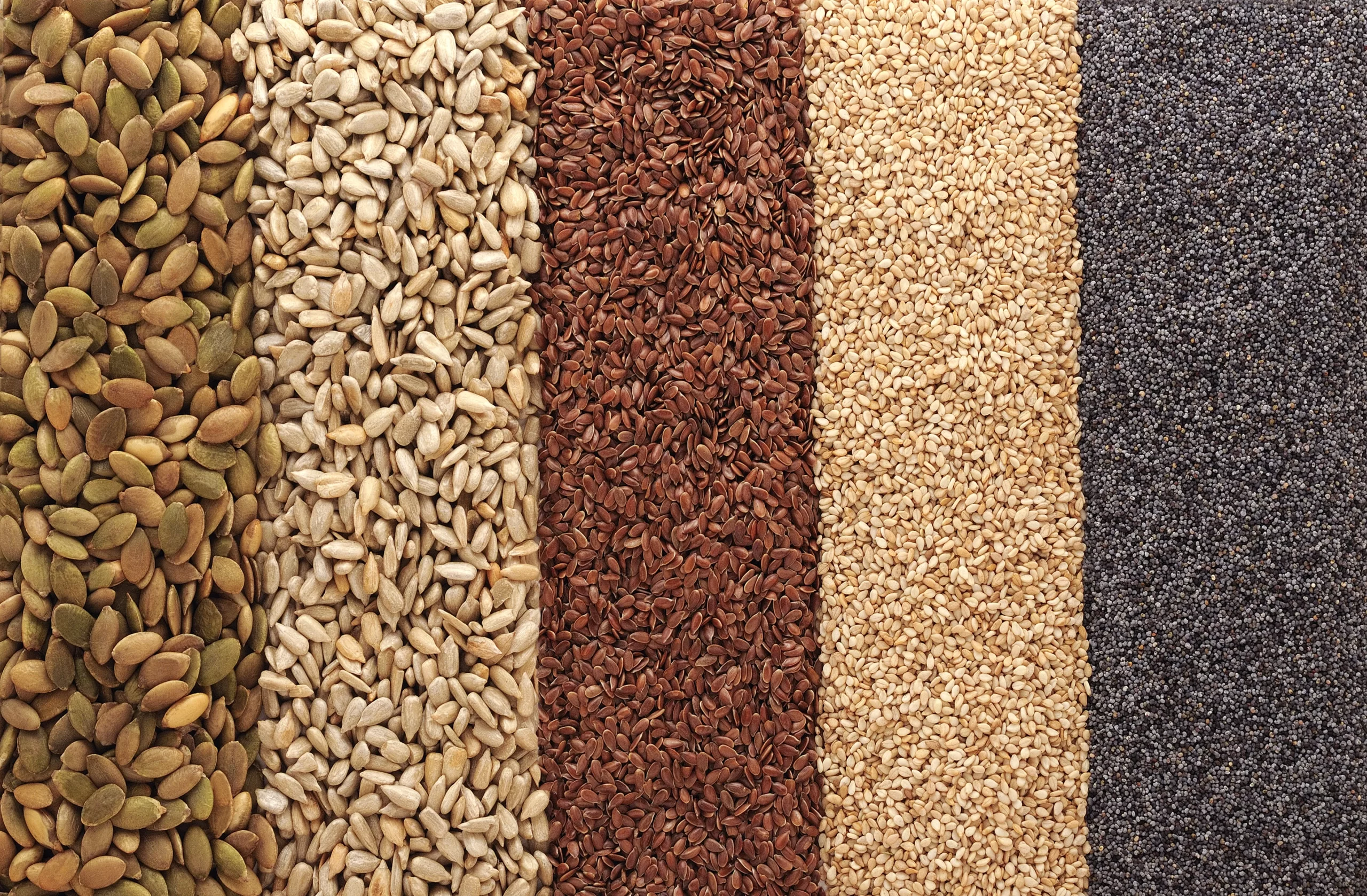
1. Chia seeds: Chia seeds are a great source of fiber, which can help to slow down the absorption of sugar into the bloodstream. They also contain omega-3 fatty acids, which have anti-inflammatory properties.

2. Fenugreek seeds: Fenugreek seeds have been shown to lower blood sugar levels by increasing insulin production. They also contain galactomannan, a type of fiber that can help to slow down the absorption of sugar into the bloodstream.

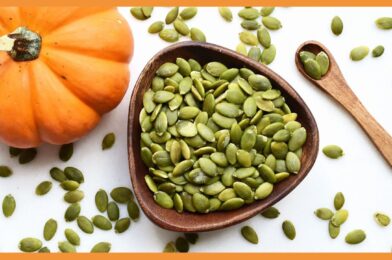
3. Pumpkin seeds: Pumpkin seeds are a good source of magnesium, which is important for blood sugar control. They also contain zinc, which can help to improve insulin sensitivity.

4. Flax seeds: Flax seeds are a good source of fiber, omega-3 fatty acids, and lignans. These nutrients can all help to improve blood sugar control.

5. Cumin seeds: Cumin seeds have been shown to lower blood sugar levels by increasing insulin sensitivity. They also contain antioxidants, which can help to protect against cell damage caused by high blood sugar levels.

These seeds can be eaten on their own or added to foods like yogurt, smoothies, and oatmeal. They can also be ground into a flour and used to make pancakes, muffins, and cookies.

It is important to note that these seeds should not be used as a substitute for medication or other medical treatments for diabetes. However, they can be a helpful addition to a healthy diet for people with diabetes.

In addition to eating these seeds, there are other things that people with diabetes can do to control their blood sugar levels. These include:

  • Eating a healthy diet: A healthy diet for people with diabetes should include plenty of fruits, vegetables, and whole grains. It should also be low in sugar and saturated fat.
  • Exercising regularly: Exercise helps to lower blood sugar levels by making the body more sensitive to insulin. Aim for at least 30 minutes of moderate-intensity exercise most days of the week.
  • Maintaining a healthy weight: Being overweight or obese can make it harder to control blood sugar levels. Losing even a small amount of weight can help to improve blood sugar control.
  • Monitoring blood sugar levels: Monitoring blood sugar levels regularly helps to identify patterns and make adjustments to diet, exercise, and medication as needed.
    By following these tips, people with diabetes can take control of their blood sugar levels and live a healthy life
Tagged : / / / / /

Saffron : How this Most Expensive Spice In The The World Benefits Human Health

Saffron : How this Most Expensive Spice In The The World Benefits Human Health
Saffron, the most expensive spice in the world, is derived from the Crocus sativus flower. It has been used in cooking and medicine for centuries, and is prized for its medicinal properties, culinary uses, and safety.

Medicinal Properties

Saffron has been shown to have a number of health benefits, including:

  • Anti-inflammatory properties: Saffron may help to reduce inflammation in the body, which can be beneficial for a variety of conditions, such as arthritis, heart disease, and cancer.
  • Antioxidant properties: Saffron is a rich source of antioxidants, which can help to protect cells from damage caused by free radicals. Free radicals are linked to a number of chronic diseases, such as cancer, heart disease, and Alzheimer’s disease.
  • Mood-boosting properties: Saffron has been shown to have mood-boosting effects, and may be helpful for people with depression and anxiety.

Other Health Benefits

In addition to its medicinal properties, saffron may also be beneficial for:

Eye health: Saffron may help to improve vision and protect against age-related macular degeneration.
Heart health: Saffron may help to lower blood pressure and cholesterol levels, and may reduce the risk of heart disease.

Culinary Uses

Saffron is a versatile spice that can be used in a variety of dishes, including:

  • Rice dishes: Saffron is a common ingredient in Persian and Indian rice dishes.
  • Soups and stews: Saffron can add a warm, earthy flavor to soups and stews.
  • Desserts: Saffron is often used in desserts, such as ice cream and custards.                                                                                                                                          Safety

Saffron is generally safe when consumed in moderation. However, high doses can be dangerous, and can cause side effects such as nausea, vomiting, and diarrhea. Pregnant women should avoid consuming saffron, as it can cause miscarriage.

Conclusion

Saffron is a spice with a long history of use in cooking and medicine. It has been shown to have a number of health benefits, and is a versatile spice that can be used in a variety of dishes. However, it is important to consume saffron in moderation, as high doses can be dangerous.

Tagged : / / / / /

10 Incredible Benefits of Eating Raw or Green Papaya

10 Incredible Benefits of Eating Raw or Green Papaya
Papaya, a tropical fruit with a vibrant orange flesh and a unique flavor, is a nutritional powerhouse packed with essential vitamins, minerals, and antioxidants. While both ripe and unripe papaya offer an array of health benefits, green papaya, also known as raw papaya, stands out with its distinctive properties.

Here are 10 incredible benefits of incorporating raw papaya into your diet:

1. Digestive Health: Raw papaya is rich in papain, an enzyme that aids in protein digestion. It also contains fiber, which promotes regular bowel movements and prevents constipation.

2. Heart Health: Raw papaya is a good source of potassium, which helps regulate blood pressure and reduce the risk of heart disease.

3. Weight Management: Raw papaya is low in calories and high in fiber, making it an ideal addition to weight management plans. Fiber helps you feel full and satisfied, reducing overall calorie intake.

4. Anti-inflammatory Properties: Raw papaya contains papain and chymopapain, enzymes with anti-inflammatory properties that can help reduce pain and swelling associated with arthritis and other inflammatory conditions.

5. Antioxidant Powerhouse: Raw papaya is a rich source of antioxidants, including vitamin C, vitamin E, and beta-carotene. These antioxidants help fight free radicals, protect cells from damage, and boost the immune system.

6. Skin Health: Raw papaya is a good source of vitamin A, which is essential for skin health. It also contains papain, which can help reduce acne and promote wound healing.

7. Eye Health: Raw papaya contains vitamin A, which is crucial for maintaining healthy eyesight and preventing age-related macular degeneration.

8. Immune System Booster: Raw papaya’s rich supply of vitamin C and other antioxidants strengthens the immune system, helping the body fight off infections and illnesses.

9. Anti-cancer Properties: Studies suggest that raw papaya’s antioxidants and papain may have anti-cancer properties.

10. Promotes Hair Growth: Raw papaya is a good source of vitamin E, which is beneficial for hair growth and prevents hair loss.

To incorporate raw papaya into your diet, you can consume it directly, add it to smoothies, salads, or stir-fries.

Tagged : / / /

Did you Know This One Simple Trick To Peel Your Boiled Eggs In A Super Easy Way?

Did you Know This One Simple Trick To Peel Your Boiled Eggs In A Super Easy Way?
In addition to being a key component of recipes like deviled eggs and tuna salad, boiled eggs are a tasty snack on their own. However you choose to utilise boiled eggs, you’ll know that getting the shell off might be a pain. We’ve all had to deal with hard-boiled eggs that take forever to peel, or worse, sections of the egg that come off with little pieces of shell that are thrown away. There are several kitchen tips to make peeling hard-boiled eggs simpler – like adding a dab of oil to the boiling saucepan.

Although the old adage holds that oil and water do not mix, this trick for peeling eggs doesn’t require that. How does it function, then? Oil can easily seep through the porous shell of an egg. This is where all the magic occurs: The oil helps to loosen the bond between the shell and membrane, allowing you to easily remove the egg from the shell.

Using Oil to Achieve Perfectly Poached Eggs
One tablespoon of oil is all you need for this hack to work. It does not appear to make a difference whether you use avocado, canola, olive, or any other sort of oil, so feel free to use whatever you have on hand. If you want to avoid wasting your expensive olive oil or truffle oil, you shouldn’t use it to boil the eggs.

Start by heating a saucepan of water with the oil. Carefully drop the eggs into the boiling water when the time comes, so as not to break any shells. Whether you want your eggs soft-boiled (after two to three minutes of boiling) or hard-boiled (after ten to thirteen minutes of boiling), you probably have your own preferred way of boiling them. After the eggs have been cooked to your liking, peel them no matter which boiling method you use. We recommend tapping the base of the egg on the counter until the membrane separates, then using your finger to peel the egg from the top. By using this method, you can grab onto the membrane and pull the shell off in almost one piece.

Tagged : / / /
Verified by ExactMetrics