5 Creatures That Die After Giving Birth to Their Offspring

5 Creatures That Die After Giving Birth to Their Offspring
In the animal kingdom, reproduction takes many forms, and some are more dramatic than others. While most creatures raise their young to some degree, there are a few fascinating exceptions where the parents die shortly after giving birth. This ultimate sacrifice ensures the survival of their offspring, showcasing the incredible diversity and complexity of life’s strategies.

1. Pacific Octopus:

Octo Scaled

The majestic Pacific octopus is perhaps the most well-known example of a semelparous creature, meaning they reproduce only once in their lifetime. After a meticulous months-long egg-laying process, the female octopus devotes all her remaining energy to caring for her thousands of eggs, constantly cleaning and aerating them until they hatch. This takes such a toll that she dies shortly after, never witnessing her offspring reach adulthood.

2. Atlantic Salmon:
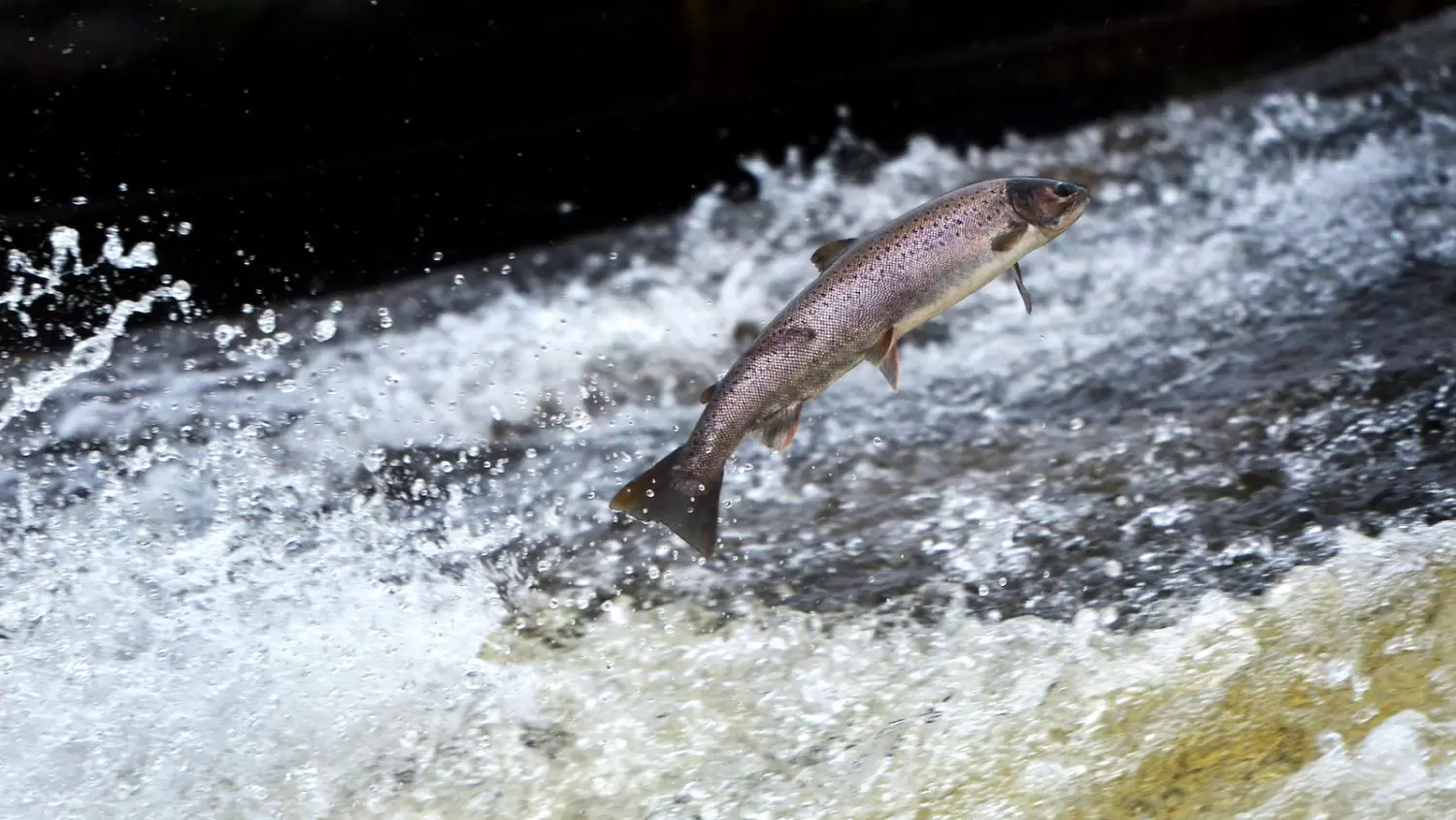
Atlantic Salmon Getty Small

The journey of the Atlantic salmon is an epic one. Born in freshwater, they migrate to the ocean to mature, then undertake a perilous journey back upstream to spawn. After releasing their eggs and milt, these magnificent fish undergo significant physiological changes. Their bodies weaken, they stop eating, and eventually succumb to exhaustion and the harsh environment, ensuring their fertilized eggs have the best chance of survival.

3. Mayfly:

Mayfly

Mayflies are the epitome of short-lived creatures, existing as adults for only a few hours to a day. Their sole purpose in this fleeting adult stage is reproduction. After emerging from their aquatic nymph stage, they mate, lay eggs, and then die, leaving the next generation to continue the cycle. Their brief adult lives highlight the beauty and impermanence of life in all its forms.

4. Social Spiders:
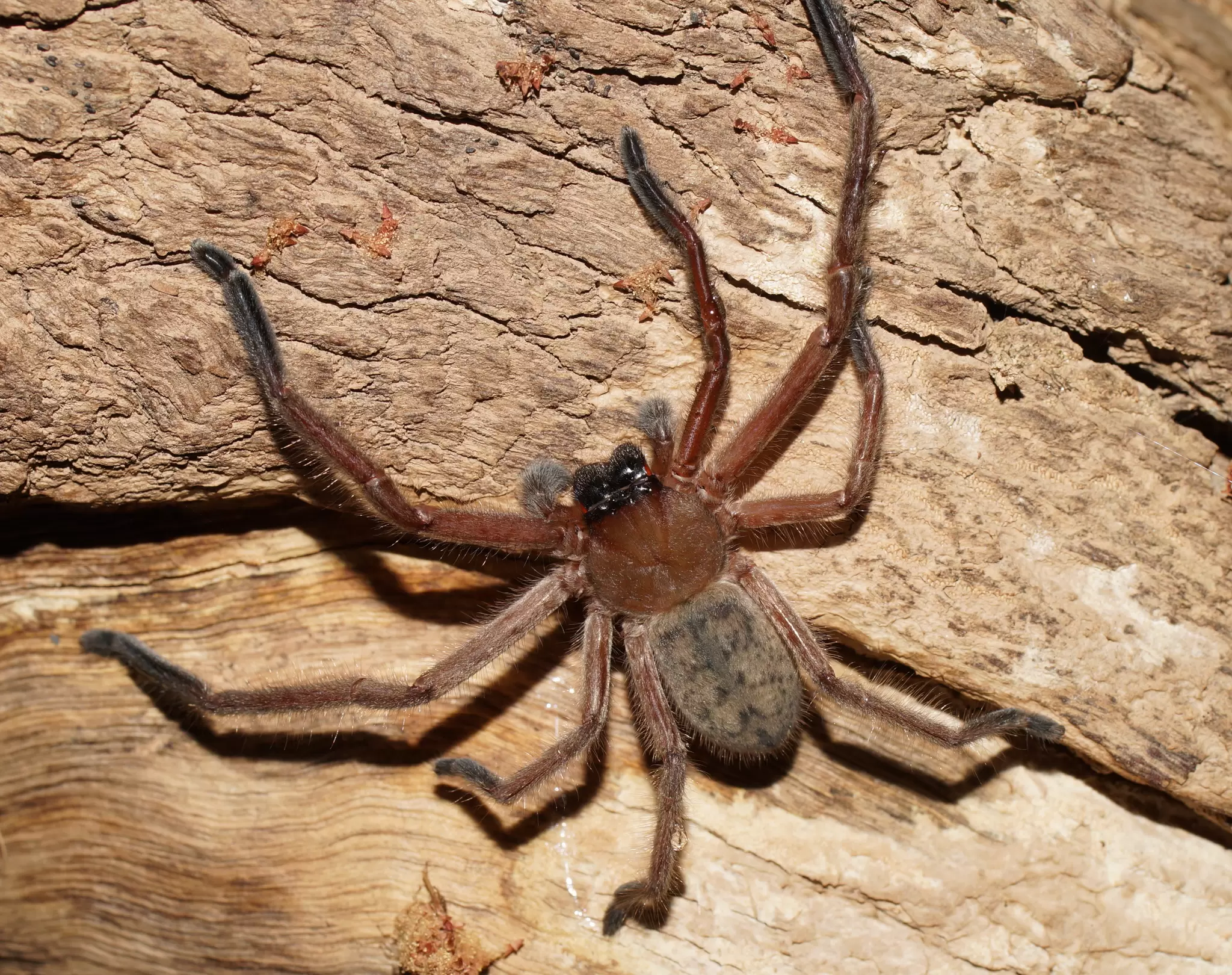
Spider

While not all spider species exhibit this behavior, some social spiders, like the aptly named “social huntsman spider,” live in large colonies with complex social structures. The breeding responsibility falls solely on the queen, who lays hundreds of eggs at a time. After this immense reproductive effort, her body deteriorates, and she dies within a few weeks, leaving her daughters to care for the next generation.

5. Antechinus:
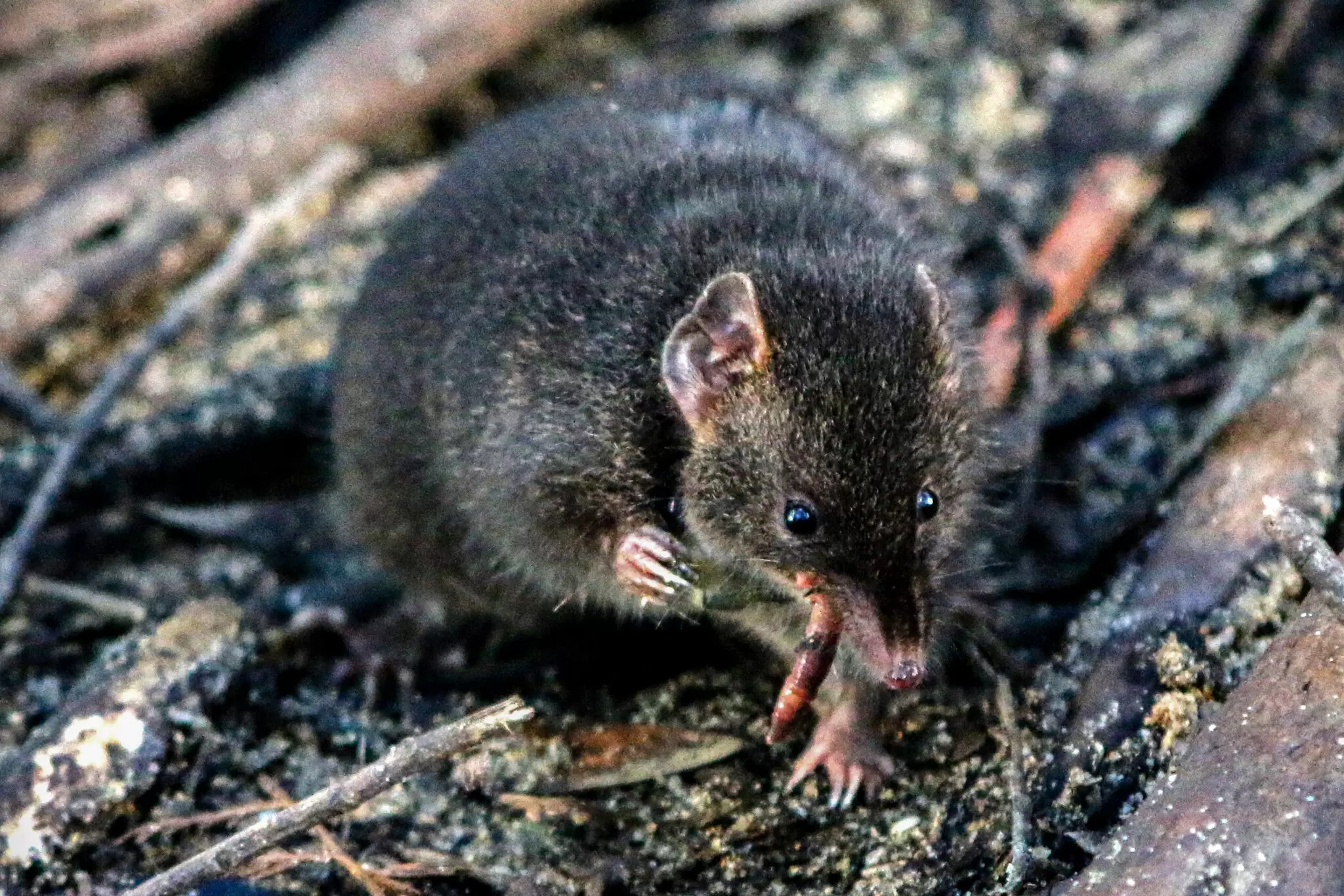
Ante

These small, marsupial mammals native to Australia undergo a dramatic physical transformation during their breeding season. The males engage in intense competition for mates, producing large amounts of stress hormones that ultimately lead to organ failure and death within a few weeks. The females, on the other hand, experience delayed embryonic development, allowing them to raise their young even after the males have perished.

These are just a few examples of the diverse reproductive strategies found in the animal kingdom. While the concept of death after giving birth may seem counterintuitive, it highlights the remarkable adaptations creatures have made to ensure the survival of their offspring, even at the ultimate cost. It serves as a reminder of the intricate balance of life and the fascinating ways nature thrives and perpetuates itself.


Tagged : / / /

8 Foods That Your Dog Should Never Eat : Keep Your Pup Safe and Sound

8 Foods That Your Dog Should Never Eat : Keep Your Pup Safe and Sound
We all love to treat our furry companions, but did you know that some seemingly harmless human foods can be incredibly dangerous for our canine friends? Sharing your plate might seem like a loving gesture, but it can have serious consequences. To keep your pup safe and sound, remember these eight foods that should never cross the threshold of your dog’s bowl:

1. Chocolate: This might be the most well-known canine no-no. Chocolate contains theobromine, a stimulant that dogs can’t properly metabolize. Even small amounts can lead to vomiting, diarrhea, tremors, seizures, and even death. So next time you reach for a Hershey’s kiss, remember Fido deserves a doggy delight instead.

2. Grapes and Raisins: These sweet treats are toxic to dogs, causing kidney failure in even small quantities. The exact toxin is unknown, but the effects can be devastating. So keep that grape bowl far from your playful pup’s reach.

3. Avocados: This trendy fruit contains persin, a toxin that can cause vomiting, diarrhea, difficulty breathing, and even pancreatitis in dogs. All parts of the avocado, from the flesh to the pit, are harmful, so keep those guac bowls covered!

4. Onions and Garlic: These kitchen staples contain N-propyl disulfide, which can damage red blood cells in dogs, leading to anemia. Even small amounts can have serious consequences, so keep those garlic knots and onion rings strictly off-limits.

Dog 1 1

5. Macadamia Nuts: These seemingly harmless nuts are surprisingly toxic to dogs, causing muscle weakness, tremors, and vomiting. Even a few nuts can make your pup sick, so keep that macadamia nut jar well out of paw’s reach.

6. Xylitol: This artificial sweetener, often found in sugar-free gum and candy, is highly toxic to dogs. It can cause a rapid drop in blood sugar, leading to seizures, liver failure, and even death. So be extra cautious with those sugar-free treats around your furry friend.

7. Yeast Dough: Raw yeast dough can rise and ferment in your dog’s stomach, causing painful gas bloat and potentially even a life-threatening gastric rupture. So keep those bread dough balls far from your curious canine.

8. Alcohol and Caffeine: These stimulants are incredibly dangerous for dogs, even in small amounts. They can cause tremors, seizures, heart problems, and even coma. So keep those alcoholic beverages and caffeinated drinks securely out of your dog’s reach.

Remember, when it comes to your dog’s diet, “when in doubt, throw it out!” Stick to high-quality dog food and treats specifically formulated for their needs. By being mindful of what you feed your furry friend, you can help them live a long, healthy, and happy life.

Bonus Tip: If you ever suspect your dog has ingested any of these harmful foods, don’t wait! Contact your veterinarian immediately. Early intervention can make a world of difference in your pup’s recovery.

Let’s all be responsible pet owners and keep our furry companions safe and sound!❤️

Tagged : / / /

5 Animals That Can Survive Without Food For Months

5 Animals That Can Survive Without Food For Months
The animal kingdom is full of amazing adaptations, and one of the most impressive is the ability to go for extended periods without food. While most animals need to eat regularly to stay alive, some have developed incredible strategies to survive in harsh environments with limited resources. Here are five animals that can go months without a single bite:

1. Camels: These iconic desert dwellers are perhaps the most famous for their ability to withstand long periods of hunger. Their humps store not just fat but also water, allowing them to trek for weeks through scorching sand dunes without needing to refuel.

Arabian Dromedary Camel

2. Bears: During winter, many bear species hibernate, entering a state of deep sleep where their metabolism slows down significantly. They can live off their stored fat for months, emerging from their dens in the spring leaner but alive.

3. Crocodiles: These patient predators are masters of energy conservation. With a slow metabolism and efficient hunting techniques, crocodiles can go for months, or even years, between meals. They conserve energy by resting motionless in the water, waiting for prey to come within striking distance.

Crocodile Nile Swath One Sub Saharan Africa Madagascar

4. Snakes: Depending on the species, some snakes can go for months without eating. They achieve this by slowing down their metabolism and digesting their meals slowly. Pythons, for example, can swallow prey many times their own size and then slowly digest it over a period of weeks or even months.

5. Desert Tortoises: These slow-moving reptiles are perfectly adapted to life in arid environments. They can store water in their bladders and extract moisture from their food, allowing them to survive for months without drinking. Their low metabolic rate and ability to burrow underground for shade further help them conserve energy.

DSC7069 Mojave Desert Tortoise Gopherus Agassizii On Road Near Jean Nevada 2 MarcelHuijser Scaled 1

These are just a few examples of the many animals that have evolved remarkable strategies to survive without food. Their adaptations teach us about the incredible resilience of nature and the power of evolution in shaping the animal kingdom.

It’s important to note that while these animals can go for extended periods without eating, it’s not healthy for them to do so all the time. They still need to eat regularly to maintain their health and energy levels. So, the next time you see a camel crossing a desert or a snake curled up in its den, remember the incredible adaptations that allow them to thrive in some of the harshest environments on Earth.

Tagged : / /

Scientists “Converse” with Humpback Whale in Groundbreaking 20-Minute Exchange

Scientists “Converse” with Humpback Whale in Groundbreaking 20-Minute Exchange
In a remarkable feat of interspecies communication, scientists claim to have held a 20-minute “conversation” with a humpback whale named Twain. This unprecedented encounter, described in a recent study published in the journal PeerJ, has ignited excitement in the scientific community and offers tantalizing glimpses into the minds of these enigmatic giants of the deep.

The research team, dubbed Whale-SETI, was conducting research on humpback whale communication systems with the ultimate goal of developing intelligence filters for the search for extraterrestrial life. Using an underwater speaker, they played a recorded humpback “contact call” used for greeting and social interaction. To their astonishment, a humpback whale named Twain, known to the researchers from previous encounters, approached their boat and began responding in kind.

The “conversation” unfolded over 20 minutes, with Twain mimicking the timing and intervals between each playback call played by the scientists. This intricate back-and-forth exchange, involving turn-taking and responding to variations in the calls, suggests a level of intentionality and understanding never before observed in human-whale interactions.

“We believe this is the first such communicative exchange between humans and humpback whales in the humpback language,” remarked lead author Dr. Brenda McCowan of UC Davis. “Twain not only responded to our calls but also actively engaged in a seemingly conversational manner, matching our variations in timing and vocalizations.”

This groundbreaking communication opens up a multitude of possibilities for understanding whale intelligence and their complex social structures. While the study acknowledges that we are still far from deciphering the full meaning of whale vocalizations, the ability to engage in a basic form of dialogue marks a significant leap forward.

“Humpback whales are highly intelligent creatures,” explains co-author Dr. Fred Sharpe of the Alaska Whale Foundation. “They use complex tools, display sophisticated social behaviors, and now, we have evidence of their potential for intentional communication.”

The implications of this “conversation” extend beyond the realm of cetacean research. Whale-SETI hopes to leverage their findings to develop more effective methods for detecting and communicating with intelligent life on other planets. While the prospect of conversing with aliens may seem like science fiction, the success with Twain demonstrates the potential for bridging communication gaps across vast species differences.

The scientific community is eagerly awaiting further research to delve deeper into the intricacies of whale communication and unlock the secrets held within their songs and calls. This groundbreaking “conversation” with Twain is a testament to the wonders of interspecies communication and serves as a beacon of hope for understanding the minds of these majestic creatures, both on Earth and potentially beyond.

Tagged : / /

Scientists Uncover the Secrets of Cat Communication

Scientists Uncover the Secrets of Cat Communication
For centuries, cats have been known for their enigmatic nature and seemingly aloof demeanor. But beneath their mysterious exterior lies a complex world of communication, one that scientists are now beginning to decipher.

Recent research has revealed that cats have a sophisticated system of communication that goes far beyond meows and purrs. In fact, cats use a variety of sensory modalities, including scent, body language, and vocalizations, to convey a wide range of emotions and messages.

Scent: The Language of Pheromones

Cats have a highly developed sense of smell, which they use to leave behind scent marks that convey information about their identity, territory, and reproductive status. These scent marks are made up of pheromones, which are chemical signals that can trigger specific behaviors in other cats.

For example, a female cat in heat may release pheromones that attract males, while a male cat may leave scent marks to warn other males from approaching his territory.

Body Language: The Art of Nonverbal Communication

Cats also communicate through their body language. A relaxed cat will have a loose, drooping body and a tail held high in the air. A cat that is feeling threatened or defensive may arch its back, flatten its ears, and swish its tail back and forth.

By observing a cat’s body language, we can get a good sense of how it is feeling and what it is trying to communicate.

Cats 1

Vocalizations: The Power of the Meow

While meows are often thought to be a way for cats to get our attention, they can also be used to communicate a variety of other things, such as happiness, contentment, or hunger.

The pitch, duration, and context of a meow can all convey different meanings. For example, a high-pitched meow may be a plea for attention, while a low-pitched meow may be a warning.

A Complex and Rewarding Language

The study of cat communication is still in its early stages, but scientists are constantly learning more about how these fascinating creatures interact with each other and with the world around them.

By understanding the nuances of cat communication, we can better understand our feline companions and build stronger bonds with them.

Tagged : / / / /

Solved! The Mystery of Where a Starfish’s Head Is

Solved! The Mystery of Where a Starfish’s Head Is
Starfish are some of the most recognizable creatures in the ocean. With their five arms and spiky bodies, they are a common sight in tide pools and aquariums. But for centuries, scientists have been puzzled by a fundamental question about starfish: where is their head?

Most animals have one head, with a brain and other important organs located in a single spot. But starfish are different. They have no centralized brain, and their nervous system is spread throughout their bodies. This has led some scientists to believe that starfish do not have heads at all.

However, a new study published in the journal Nature has finally solved the mystery of where a starfish’s head is. The study, which was conducted by scientists at the University of California, Berkeley, used genetic data to show that starfish have head-like regions in each of their arms.

These head-like regions contain a cluster of genes that are responsible for the development of the starfish’s nervous system. The researchers believe that these genes were originally located in a single head, but they were duplicated and moved to each of the starfish’s arms over time.

The discovery of head-like regions in starfish arms could have a significant impact on our understanding of these animals. It could also lead to new insights into the evolution of other animals, including humans.

Here are some additional details from the study:

  • The researchers used a technique called RNA sequencing to identify the genes that are expressed in different parts of the starfish body.
  • They found that the genes responsible for the development of the nervous system are expressed in clusters in each of the starfish’s arms.
  • The researchers believe that these clusters of genes are the remnants of an ancestral head.

The study’s authors say that their findings are a major breakthrough in our understanding of starfish biology. They say that the discovery of head-like regions in starfish arms could have a significant impact on our understanding of these animals and their evolution.

Tagged : / / /

8 Most Weird and Colourful Sea Creatures!

8 Most Beautiful and Colourful Sea Creatures!
The ocean is home to a vast variety of marine life, and some of the most beautiful and mesmerizing creatures on Earth can be found beneath the waves. From the vibrant colors of coral reefs to the psychedelic hues of deep-sea creatures, the ocean is a feast for the eyes.

Here are eight of the most colorful sea creatures:

1. Mandarin fish
The mandarin fish is a small, brightly colored fish that is native to the Indo-Pacific region. It is known for its elaborate courtship ritual, in which the male fish dances around the female fish in a display of his colors.

Mandarin

2. Parrot Fish
Parrotfish are brightly colored fish that are found in tropical and subtropical reefs around the world. They are known for their parrot-like beaks, which they use to graze on algae.

Maxresdefault 1

3. Peacock Mantis Shrimp
Peacock mantis shrimp are known for their striking colors and powerful punches. They can deliver a punch with the force of a bullet, which they use to stun or kill their prey. Mantis shrimp have excellent vision and can see colors that humans can’t.

Peacock

4. Ribbon Eel
Ribbon eels are long, thin eels that can grow up to 6 feet long. They have a unique swimming style, where they move their bodies in a wave-like motion. Ribbon eels are ambush predators and use their camouflage to blend in with their surroundings.

Ribbon Eel 1

5. Christmas tree worms
Christmas tree worms are marine worms that live in colorful tubes. They have spiral arms that they use to filter food from the water. Christmas tree worms are an important part of the reef ecosystem and provide food for other marine animals.

Christmas

6. Sea Angel
Sea angels are small, transparent sea slugs. They have wing-like appendages that they use to swim. Sea angels are carnivores and eat other small sea creatures.

Sea Angel

7. Marrus orthocanna
Marrus orthocanna is a rare and mysterious deep-sea creature. It is a member of the siphonophore class, which also includes jellyfish and Portuguese man o’ wars. Marrus orthocanna has a long, cylindrical body with a cluster of stinging tentacles at one end.

Marru

8. Glaucus Atlanticus
This sea creature is also known as the blue dragon, is a small, brightly colored sea slug that floats on the surface of the ocean. It is venomous, but its sting is not fatal to humans.

Galucus

So which of these 8 did you find the most amazing and beautiful?

Tagged : / / /

Real Life Two-Headed Animals : The Wonders Of Mother Nature

Real Life Two-Headed Animals : The Wonders Of Mother Nature
The birth of a two-headed animal is a rare and fascinating event. It is caused by a condition called polycephaly, which occurs when an embryo splits incompletely during development. This can happen in any species of animal, but it is most common in reptiles, such as snakes and turtles.

Here are some of the most famous two-headed animals:
1. Frank and Louie

Cat Two Faces 1 3555591
This two-headed cat was born in Massachusetts in 1999. The cat had three eyes and two mouths, and they shared one body. Frank and Louie also known as Frankenlouie were able to live a relatively normal life, and they became celebrities. They appeared on several television shows and even had their own book. Frank died in 2012 at the age of 15. the Guinness Book of World Records recognized Frank and Louie as the world’s oldest living janus cat.

2. Bicephalous calf

Calf
This two-headed calf was born in China in 2015. It had two heads, two necks, and two bodies. The calf was able to stand and walk, but it died a few days after it was born. Most two headed animals die at the time of birth or just after few days. This calf too wasn’t an exception.

3. Two-headed tortoise

Tortoise
This two-headed tortoise was found in India in 2018. It had two heads, two necks, and one body. The tortoise was able to eat and walk normally, and it is still alive today.

4. Two headed black racer

102120 2 Headed Snake Florida Fwc
A rare two-headed snake was discovered at a home in Florida, state wildlife officials said. The southern black racer was found at a home in Palm Harbor, Florida Fish and Wildlife Conservation Commission officials said. The snake was being cared for and monitored by FWC. It has a low chance of survival in the wild since its two different brains will make two different decisions, making feeding and escaping from predators difficult.

5. Two-headed bearded dragon

Bearded Dragon
You would be surprised to know that only one in 25 million two-headed bearded dragon will survive into adulthood. But this one born to retile enthusiast Tony Rowe was a happy exception.

Now aren’t these simply the wonders of Mother Nature? Which one looked the cutest to you?

Tagged : / / / /

These 6 Animals and Birds Mate For Life And Never Change Partners

These 6 Animals and Birds Mate For Life And Never Change Partners
Mating habits in animals are a complex and fascinating subject. There is a wide variety of different mating habits found in the animal kingdom, and each species has its own unique way of attracting mates, reproducing, and raising young. Some animals, such as lions and wolves, live in social groups and mate with multiple partners. Other animals, such as swans and penguins, mate for life and only have one mate. Still other animals, such as honeybees and ants, reproduce through a process called parthenogenesis, in which females can produce offspring without the need for a male partner. n the animal kingdom, there are many species that mate for life. These animals form strong bonds with their partners and work together to raise their young.

Some of the most well-known animals that mate for life include:
1. Swans

Swan
Swans are known for their beautiful courtship dances and their lifelong commitment to each other. Once a pair of swans mates, they will stay together for life, even if one of them dies.

2. Emperor penguins

Penguin Scaled
Emperor penguins are one of the most cold-weather adapted animals on Earth. They live in the harsh Antarctic climate and mate for life. Emperor penguins are very social animals and they form large colonies during the breeding season.

3. Albatrosses

Albatross
Albatrosses are large seabirds that are known for their long lifespans. They can live for up to 70 years and they typically mate for life. Albatrosses are very faithful partners and they will often help each other raise their young.

4. Goose

Goose
Geese are another type of bird that mates for life. They are very social animals and they form flocks during the breeding season. Geese are very protective of their mates and their young.

5. Wolves

Wolves
Wolves are social animals that live in packs. They are very loyal to their packmates and they will often mate for life. Wolves are very protective of their mates and their pups.

6. Gibbons

Gibbons
Gibbons are small apes that are found in the forests of Southeast Asia. They are known for their acrobatic skills and their loud calls. Gibbons are also known for their unique mating system, in which they mate for life. Gibbons find mates through a process of courtship. The courtship process can be quite elaborate and it can involve a variety of behaviors, such as singing, dancing, and scent marking. Once a gibbon pair has found a mate, they will form a strong bond. If a gibbon’s mate dies, the gibbon will often go through a period of mourning. After the mourning period, the gibbon may find a new mate or it may live alone.

Tagged : / /

Why do some animals mate for life while others don’t?

Why do some animals mate for life while others don’t?
In the animal kingdom, there is a wide range of mating strategies. Some animals, such as wolves and gibbons, mate for life, while others, such as lions and chimpanzees, are polygamous. There are many factors that influence an animal’s mating strategy, including its environment, its social structure, and its reproductive biology.

1. Environmental factors

One of the most important factors that influences an animal’s mating strategy is its environment. Animals that live in harsh or unpredictable environments are more likely to mate for life. This is because a long-term partnership can provide them with more stability and support. For example, wolves live in packs, and the alpha pair within the pack is usually monogamous. This helps to ensure that the pack has a strong leader and that the pups are well-cared for.

2. Social factors

Another important factor that influences an animal’s mating strategy is its social structure. Animals that live in social groups are more likely to be monogamous than animals that live solitary lives. This is because social animals need to cooperate in order to survive, and a long-term partnership can provide them with more cooperation and support. For example, gibbons are small primates that live in family groups. They are monogamous, and the pair works together to build nests, raise young, and defend their territory.

3. Reproductive biology

An animal’s reproductive biology also plays a role in its mating strategy. Animals that have a long gestation period or that produce few offspring are more likely to mate for life. This is because they need a long-term partner in order to raise their young successfully. For example, swans are large birds that mate for life. They have a long gestation period, and they only produce a few cygnets each year. Therefore, they need a long-term partner in order to raise their young successfully.

Conclusion

The reasons why some animals mate for life while others don’t are complex and varied. However, the factors that we have discussed above provide a good starting point for understanding this phenomenon. By understanding the factors that influence an animal’s mating strategy, we can gain a better understanding of the animal kingdom and the ways in which animals have adapted to their environment.

In addition to the factors mentioned above, there are other factors that can influence an animal’s mating strategy, such as its age, its physical condition, and its availability of mates. Ultimately, the decision of whether or not to mate for life is a complex one that is made by each individual animal.

Tagged : / / / /
Verified by ExactMetrics