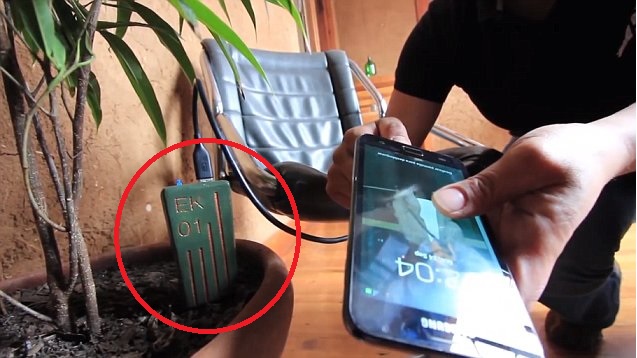
A team of eight students and a professor are trying to create history by working in the direction of finding an alternative energy source. This team working at Universidad de Ingeniería y Tecnología (UTEC) is trying to view plants in a different light altogether. Plants are Peru’s most abundant natural resource and the team envisages using these plants as a source of energy.
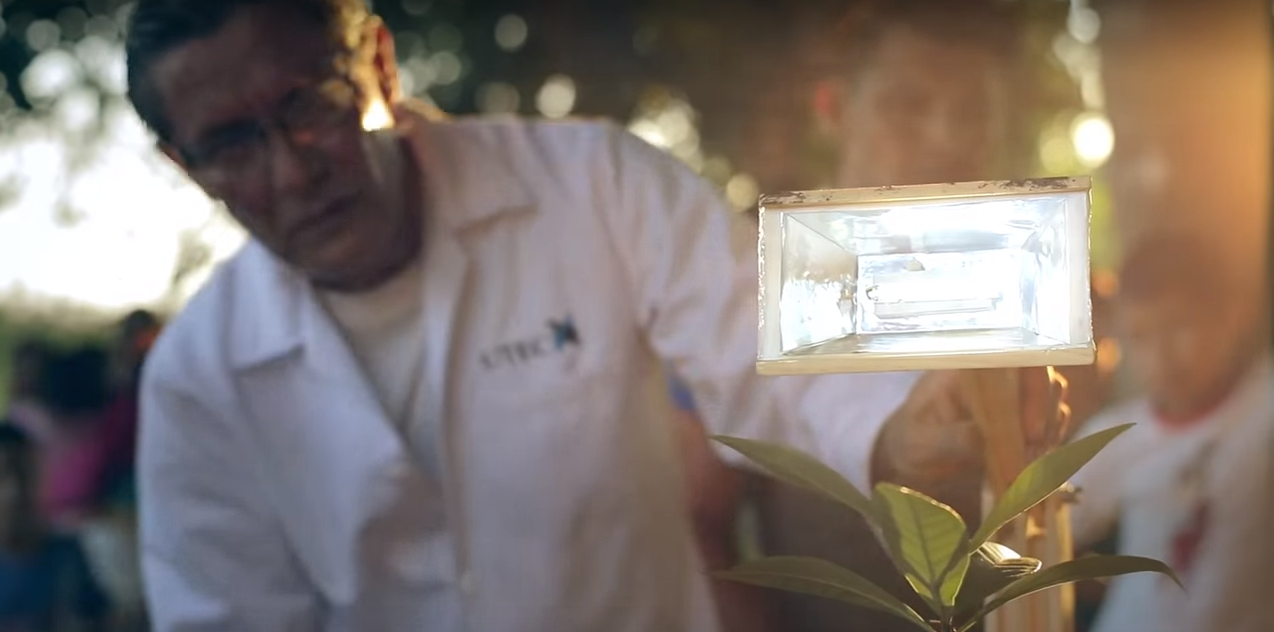
Moving in this direction, the UTEC team has built a small lamp that uses low-power consumption, high-illuminated LED bulb for light and is powered by a plant. This power is obtained from the nutrients and bacteria contained within the soil that houses the plant. The soil based plant nutrient materials are harvested by the energy-generating system designed by the UTEC team and then converted into a usable form of electric energy.
Though the plant light unit is bigger than a normal lamp, it can still be carried to different places in a house. The team has built 10 such prototypes of the plant lamp which are being sent to the Peruvian residents of Nuevo Saposa, a small community in Ucayli that has almost negligible access to electricity. But this community is rich in terms of the wealth given by Mother Nature. The community has a vast area under dense, lush vegetation which can easily power the plant lamp. In its current form, the plant lamp is able to provide up to two hours of light each day.
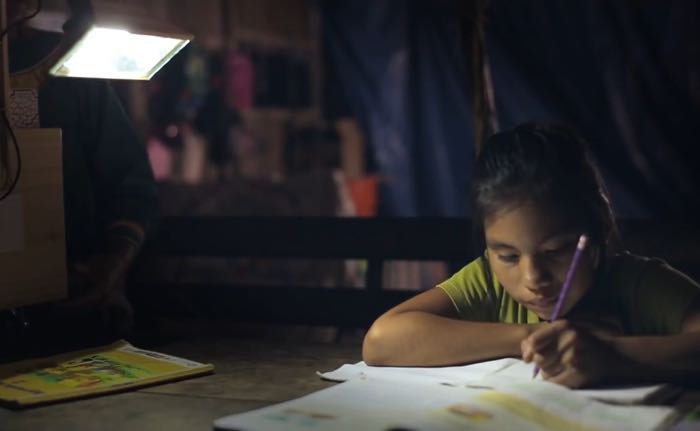
Elmer Ramirez, head of the plant lamp research team and a professor of Energy and Power Engineering at UTEC explains: “We made proper use of the Amazon region’s own natural resources such as the soil and plants, in harmony with the environment without any impact whatsoever on the forest.” The research team firmly believes that this plant lamp will make a positive difference in the lives of Nuevo Saposa and other such communities that are deprived of electricity by making it easier for students to do their school work in late evening and artisans and other workers to work when the dusk draws closer.
These small green initiatives will pave way for a better and greener tomorrow.
[adinserter block=”7″]
Author: Technology Blog