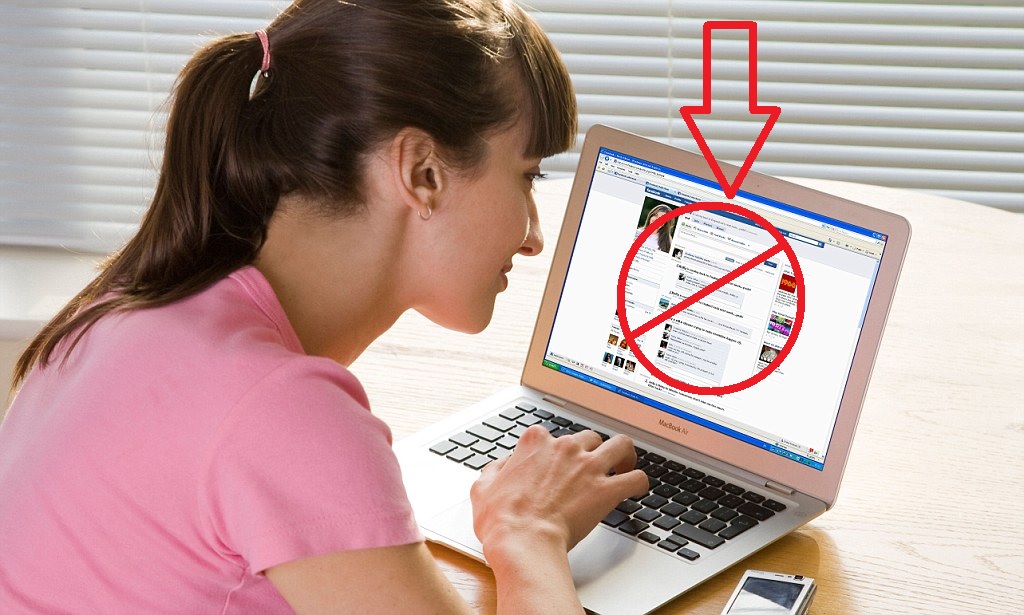
Scammers have discovered a means to pull out a major scam and you should be careful about that. This time they are using Facebook likes to make you vulnerable to usual online scams, a media report said.

Facebook’s “Like” option is generally used for appreciation purpose. People use it in many different way. Sometimes, it is used as an acknowledgement, sometimes it is appreciation and sometimes it expresses pure solidarity. Overall, is a harmless way to express your thoughts on a post. Unfortunately, fraudsters identified their opportunity in the Facebook posts too. Basically, they are initially tricking users by posting something attractive or emotional and then editing the posts to include dangerous/ fraudulent content. Recently, this has been indicated in a report in The Independent.
Scammers are heavily targeting Facebook with a hope to trick people into liking and sharing their hoaxes, it said.
According to Facebook algorithm, substantial like or share on a post (picture, video or a link) moves it to the top of news feeds. This makes the popular posts appear higher and in a more prominent way.
Scammers first posts a story on Facebook that contains nothing objectionable, for example a story of a cat video or a life event of simple man or something about mother/ father. This touches the emotional cord and attract likes and shares from the Facebook users. No sooner than it gathers a substantial likes and shares scammers edit the posts to include malicious contents. The malicious content varies from promotion of fake product pages, changing the landing page, addition of redirected page etc. The bottom line is to take users to a site where you need to enter your credit card information and personal details. It is simply to steal your credit card information and your personal data.
Users who think that they may have liked a dangerous post inadvertently can go to their own profile and review their likes by accessing the Activity Log placed at the top right corner.
According to the latest information available, Facebook has been contacted for comment in this regard.
[adinserter block=”7″]
Author: Technology and Beyond
