
Decoded: Why rubbing a balloon on your hair makes it stick

Scientists have found why rubbing two materials, such as a balloon on hair causes static electricity to charge the materials and makes it stick.

Tiny holes and cracks in a material — changes in the microstructure — can control how the material becomes electrically charged through friction, showed the findings published in the journal Physical Review Materials.

“Electrostatic charging can be seen everywhere, but we noticed some cases where materials appeared to charge more — like a balloon rubbed on your head, or packing peanuts sticking to your arm when you reach into a package,” said one of the study’s lead authors Dan Lacks from Case Western Reserve University in Cleveland, Ohio, US.

“Our idea was that a strain on the materials was causing a higher propensity for the materials to become charged,” Lacks said.

For centuries, scientists have tried to understand triboelectric charging, commonly known as static electricity.

Triboelectric charging causes toner from a photocopier or laser printer to stick to paper, and likely facilitated the formation of planets from space dust and the origin of life on earth.

But the charges can also be destructive, sparking deadly explosions of coal dust in mines and of sugar and flour dust at food-processing plants.

The new research, according to the researchers, is a step toward understanding and, ultimately, managing the charging process for specific uses and to increase safety.

To test the theory that strain affects charging, the researchers stretched a film of polytetrafluoroethlyne (PTFE) and rubbed it against a film of unstrained PTFE.

They repeatedly found a systematic charge transfer in one direction, as if the materials were made of two different chemical compositions.

After rubbing, unstrained films clearly tended to carry a negative charge and the strained film a positive charge.

In contrast, unstrained films rubbed together and strained films rubbed together appeared to charge at random.

Researchers used X-ray diffraction and Raman spectroscopy to analyze samples of strained and unstrained films and found at the atomic level, they looked nearly the same.

The only detectable difference in the strained film from the unstrained film was the presence of voids in the material – holes and fractures created by stretching, which changed the microstructure.

The findings indicated that change in microstructure was the likely cause of the systematic charge transfer.

As a technology lover you may like our daily important technology news series. It’s a playlist and you can retrieve the total day-wise videos. Please consider subscribing our YouTube channel:

Author: Technology Vista

Tagged : /

Decoded: Why is yawning so contagious

Ever wondered why even if we are not tired, we yawn if someone else does?

It is because the human propensity for contagious yawning is triggered automatically by primitive reflexes in a brain area responsible for motor function, a research suggests.

Contagious yawning is triggered involuntarily when we observe another person yawn — it is a common form of echophenomena — the automatic imitation of another’s words (echolalia) or actions (echopraxia).

The findings showed that our urge to yawn is increased if we are instructed to resist yawning. And no matter how hard we try to stifle a yawn, it might change how we yawn but it won’t alter our propensity to yawn.

“This research has shown that the ‘urge’ is increased by trying to stop yourself. Using electrical stimulation we were able to increase excitability and in doing so increase the propensity for contagious yawning,” said Georgina Jackson, a Professor at the University of Nottingham.

“The findings may be important in understanding association between motor excitability and the occurrence of echophenomena in a wide range of conditions linked to increased cortical excitability and/or decreased physiological inhibition such as epilepsy, dementia, autism, and Tourette syndrome,” added Stephen Jackson, a Professor at the varsity.

For the study, published in the journal Current Biology, the team used transcranial magnetic stimulation (TMS) to analyse volunteers who viewed video clips showing someone else yawning and were instructed to either resist yawning or to allow themselves to yawn.

width="560" height="314" allowfullscreen="allowfullscreen">

“If we can understand how alterations in cortical excitability give rise to neural disorders we can potentially reverse them. We are looking for potential non-drug, personalised treatments, using TMS that might be affective in modulating imbalances in the brain networks,” Jackson said.

Echophenomena isn’t just a human trait, it is found in chimpanzees and dogs too.

As a technology lover you may like our daily important technology news series. It’s a playlist and you can retrieve the total day-wise videos. Please consider subscribing our YouTube channel:

Author: Technology Vista
Tagged : /

This device can turn heat into fuel source

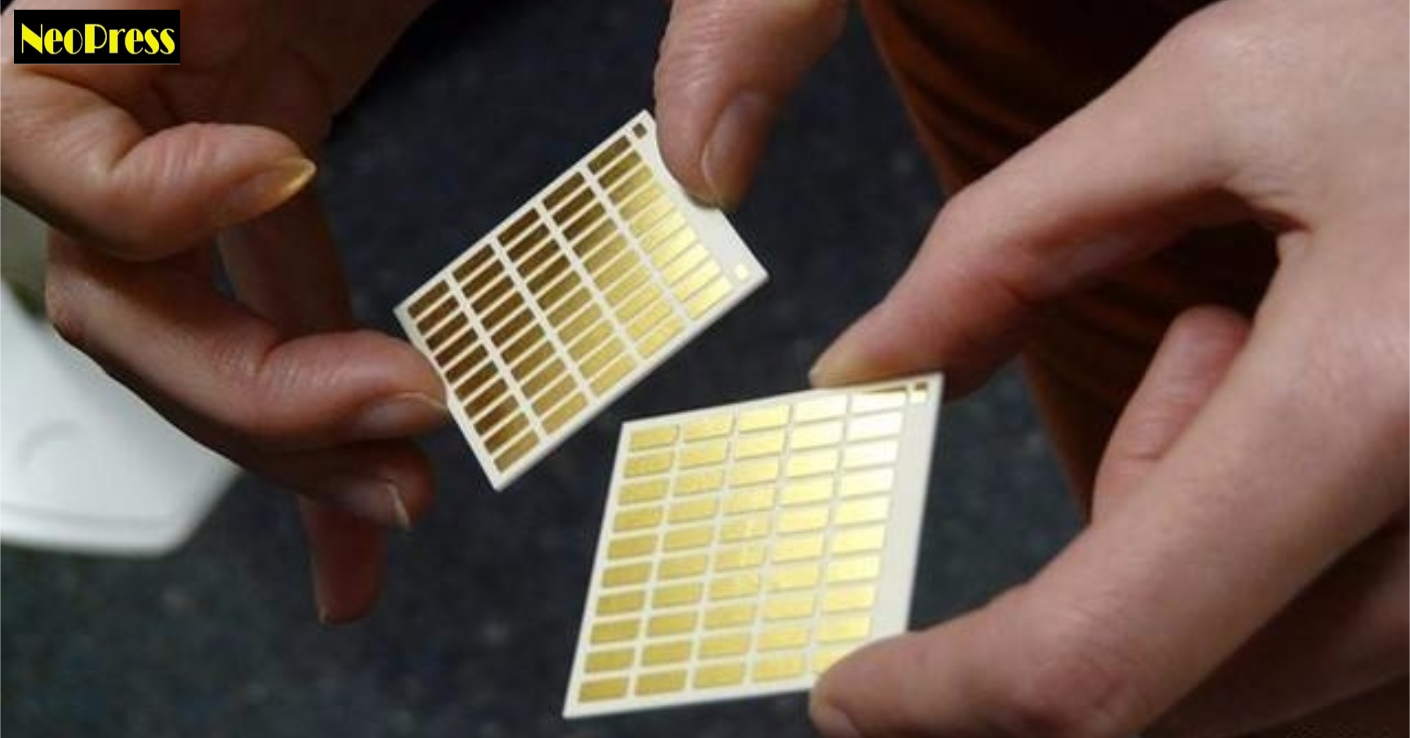
A physicist is developing a device that could turn the heat generated by electronics into a usable fuel source.

According to the research results published in the Journal of Physical Chemistry Letters, the multicomponent, multilayered composite material device is called a van der Waals Schottky diode.

It converts heat into electricity up to three times more efficiently than silicon — a semi-conductor material widely used in the electronics industry.

“The ability of our diode to convert heat into electricity is very large compared to other bulk materials currently used in electronics,” said physicist Yi Gu from Washington State University.

“In the future, one layer could be attached to something hot like a car exhaust or a computer motor and another to a surface at room temperature,” he added.

“The diode would then use the heat differential between the two surfaces to create an electric current that could be stored in a battery and used when needed.”

In the world of electronics, Schottky diodes are used to guide electricity in a specific direction.

They are made by attaching a conductor metal like aluminium to a semi-conductor material like silicon.

“When you attach a metal to a semi-conductor material like silicon to form a Schottky diode, there are always some defects that form at the interface,” said Matthew McCluskey, the study’s co-author.

“These imperfections trap electrons, impeding the flow of electricity. Gu’s diode is unique in that as its surface does not appear to have any of these defects,” McCluskey added.

As a technology lover you may like our daily important technology news series. It’s a playlist and you can retrieve the total day-wise videos. Please consider subscribing our YouTube channel:

Author: Technology Vista

Tagged : /

Huawei unveils ‘Kirin 970’ chipset with AI capabilities

Chinese tech major Huawei has introduced its flagship ‘Kirin 970’ chipset which can perform artificial intelligence (AI) computing tasks faster using far less power.

‘Kirin 970’ chipset has its own AI processor built-in.

“Huawei is committed to developing smart devices into intelligent devices by building end-to-end capabilities that support coordinated development of chips, devices and the Cloud,” said Richard Yu, CEO of Huawei Consumer Business Group, in a statement on Monday.

“Kirin 970 is the first in a series of new advances that will bring powerful AI features to our devices and take them beyond the competition,” he added.

‘Kirin 970’ is powered by an eight-core CPU and a new generation 12-core GPU.

The ‘Kirin 970’s new heterogeneous computing architecture delivers up to 25x the performance with 50x greater efficiency, the company claimed.

In a benchmark image recognition test, ‘Kirin 970’ processed 2,000 images per minute which was way faster than other chips on the market.

According to media reports, Huawei’s upcoming flagship smartphones ‘Mate 10’ and ‘Mate 10 Pro’ would house ‘Kirin 970’ chipset.

In terms of specifications, the phones are expected to feature 6GB RAM and 64GB internal memory configuration.

The devices could be powered by 4,000mAh battery and would run Android Nougat OS out-of-the-box.

As a technology lover you may like our daily important technology news series. It’s a playlist and you can retrieve the total day-wise videos. Please consider subscribing our YouTube channel:

Author: Technology Vista

Tagged : /

New camera can help doctors see through the body

Scientists in Britain have developed a camera that can help doctors see through the human body.

Designed to help doctors track medical tools known as endoscopes that are used to investigate a range of internal conditions, the new device can detect sources of light inside the body, such as the illuminated tip of the endoscope’s long flexible tube, according to a study published in the journal Biomedical Optics Express.

“This is an enabling technology that allows us to see through the human body. It has immense potential for diverse applications such as the one described in this work,” said Kev Dhaliwal, Professor at University of Edinburgh in Scotland.

“The ability to see a device’s location is crucial for many applications in healthcare, as we move forwards with minimally invasive approaches to treating disease,” Dhaliwal added.

Until now, it has not been possible to track where an endoscope is located in the body in order to guide it to the right place without using X-rays or other expensive methods

Light from the endoscope can pass through the body, but it usually scatters or bounces off tissues and organs rather than travelling straight through.

This makes it nearly impossible to get a clear picture of where the endoscope is.

The new camera takes advantage of advanced technology that can detect individual particles of light, called photons.

Experts have integrated thousands of single photon detectors onto a silicon chip, similar to that found in a digital camera.

The technology is so sensitive that it can detect the tiny traces of light that pass through the body’s tissue from the light of the endoscope.

It can also record the time taken for light to pass through the body, allowing the device to also detect the scattered light.

By taking into account both the scattered light and the light that travels straight to the camera, the device can work out exactly where the endoscope is located in the body.

As a technology lover you may like our daily important technology news series. It’s a playlist and you can retrieve the total day-wise videos. Please consider subscribing our YouTube channel:

Author: Technology Vista
Tagged : /

Alibaba introduces ‘Smile to Pay’ service in China

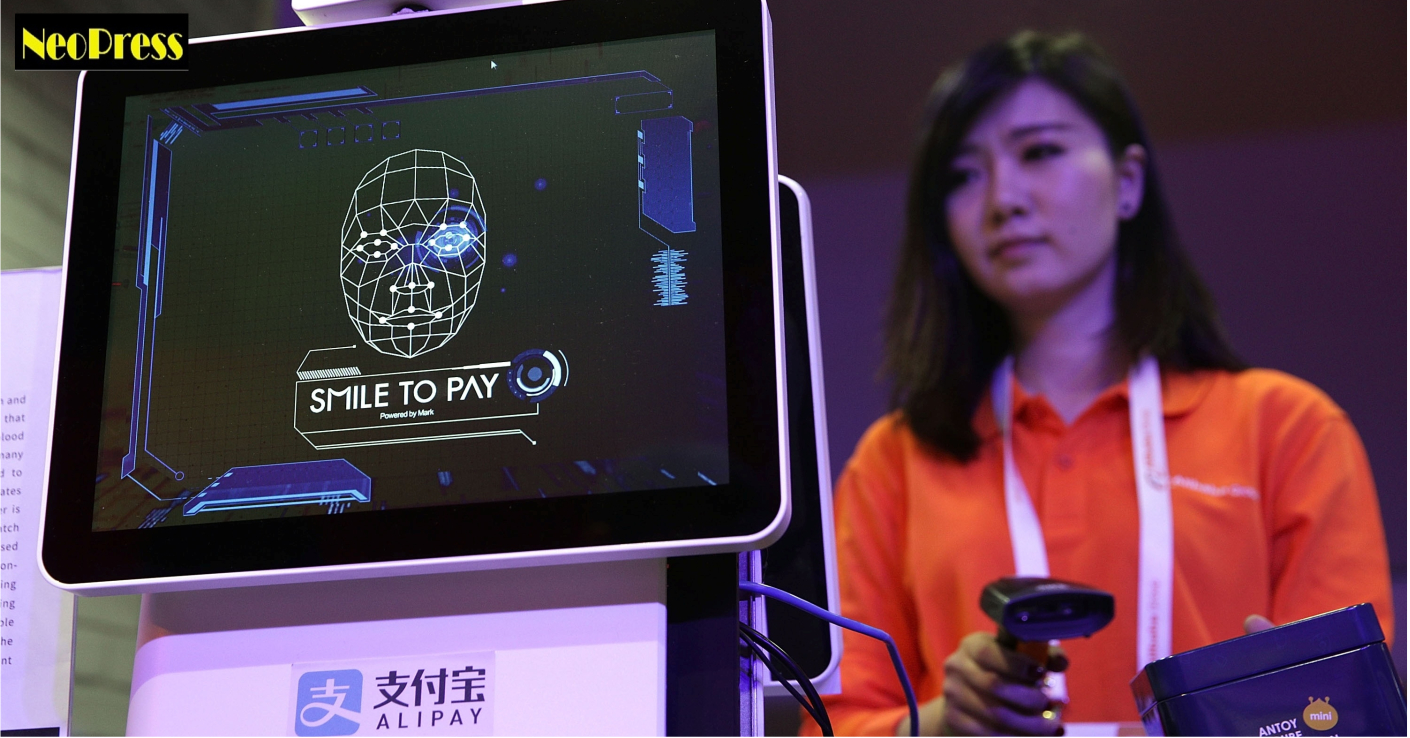
E-commerce giant Alibaba has introduced a facial recognition service called “Smile to Pay” in Hangzhou district in China that is aligned for use with Alipay online payment and Alipay Wallet like Apple Pay.

“Alibaba’s ‘Ant Financial’ affiliate launched the ‘Smile to Pay’ service where the company’s global HQ are located and is being trialled with KFC,” Tech Crunch reported on Monday.

The company’s Founder and CEO Jack Ma in March had first alerted about the new face recognition tool for mobile payments.

According to Ma, “Smile to Pay” would first be rolled out in China and then in other countries.

“As the video from ‘Ant’ shows, the payment process doesn’t require a smartphone, assuming that the customer has already signed up for the Alipay app and enabled facial recognition,” the report added.

With the aim to revolutionise offline retail spaces through a new technology, the Alibaba Group had launched a cashless store earlier this year.

The new retail concept is being introduced through Alibaba’s experimental cashless store called Tao Cafe at its 2017 Taobao Maker Festival in Hangzhou.

As a technology lover you may like our daily important technology news series. It’s a playlist and you can retrieve the total day-wise videos. Please consider subscribing our YouTube channel:

Author: Technology Vista
Tagged : /

Tiny diamonds can prevent fires in mobile phone batteries

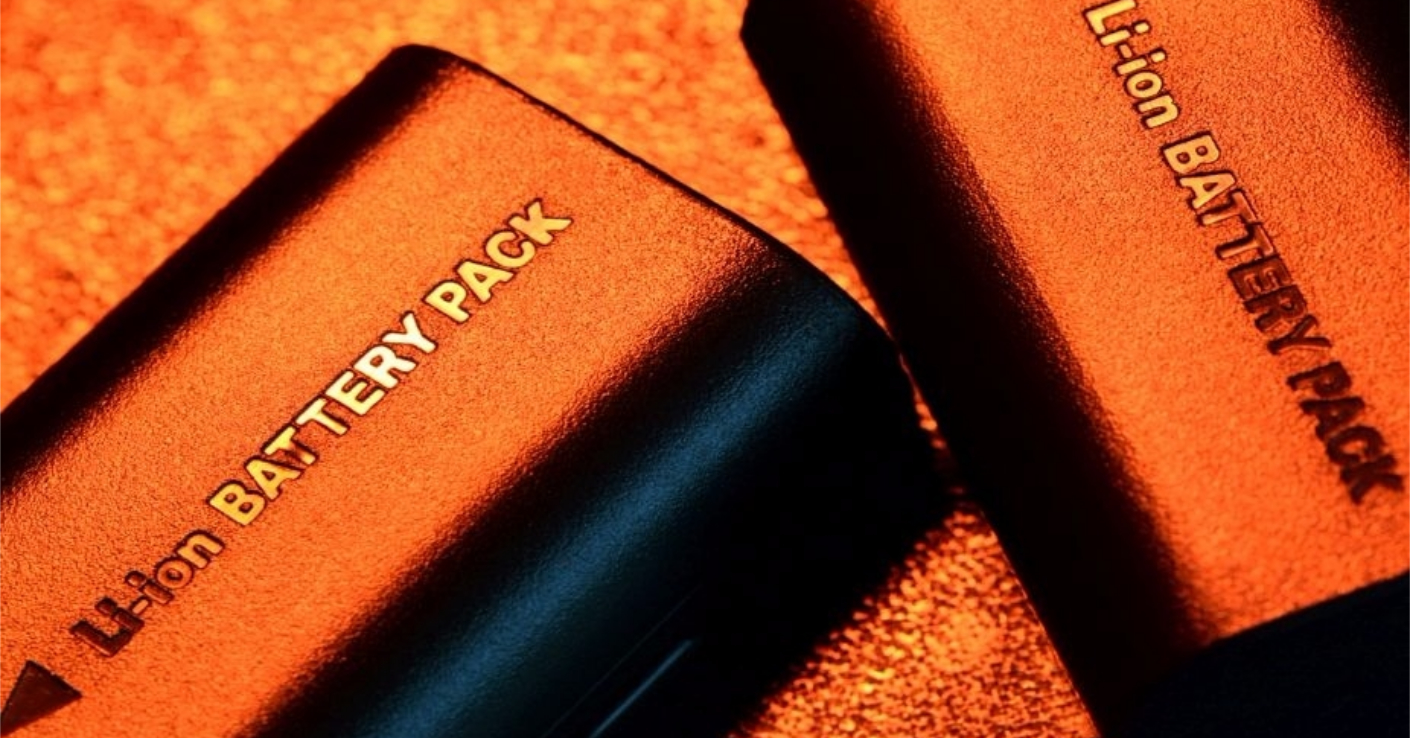
Researchers have found that nanodiamonds — tiny diamond particles 10,000 times smaller than the diameter of a hair – can prevent short-circuits and fires in lithium batteries widely used in mobile devices from cell phones to laptops.

The new process can turn electrolyte solution — a key component of most batteries — into a safeguard against the chemical process that leads to battery-related disasters.

In the study, published in the journal Nature Communications, the researchers described a process by which nanodiamonds curtail the electrochemical deposition, called plating, that can lead to hazardous short-circuiting of lithium ion batteries.

“We anticipate the first use of our proposed technology will be in less critical applications — not in cell phones or car batteries,” said Yury Gogotsi, Professor at Drexel University in Philadelphia, Pennsylvania, US.

“To ensure safety, additives to electrolytes, such as nanodiamonds, need to be combined with other precautions, such as using non-flammable electrolytes, safer electrode materials and stronger separators,” Gogotsi added.

As batteries are used and charged, the electrochemical reaction results in the movement of ions between the two electrodes of a battery, which is the essence of an electrical current.

Over time, this repositioning of ions can create tendril-like buildups — almost like stalactites forming inside a cave.

These battery buildups, called dendrites, are one of the main causes of lithium battery malfunction.

As dendrites form inside the battery over time, they can reach the point where they push through the separator, a porous polymer film that prevents the positively charged part of a battery from touching the negatively charged part.

When the separator is breached, a short-circuit can occur, which can also lead to a fire since the electrolyte solution in most lithium-ion batteries is highly flammable.

To avoid dendrite formation and minimise the probability of fire, current battery designs include one electrode made of graphite filled with lithium instead of pure lithium.

The use of graphite as the host for lithium prevents the formation of dendrites. But lithium intercalated graphite also stores about 10 times less energy than pure lithium.

The new study showed that mixing nanodiamonds into the electrolyte solution of a lithium ion battery slows dendrite formation to nil through 100 charge-discharge cycles.

The finding means that a great increase in energy storage is possible because dendrite formation can be eliminated in pure lithium electrodes.

The discovery is just the beginning of a process that could eventually see electrolyte additives, like nanodiamonds, widely used to produce safe lithium batteries with a high energy density, Gogotsi noted.

As a technology lover you may like our daily important technology news series. It’s a playlist and you can retrieve the total day-wise videos. Please consider subscribing our YouTube channel:

Author: Technology Vista

Tagged : /

Micromax Canvas Infinity: Ups the ante in Rs 10,000 segment (Tech Review)

Homegrown handset manufacturer Micromax has become the first company to launch a bezel-less smartphone at Rs 9,999 with a display aspect ratio of 18:9, instead of the usual 16:9.

Bezel-less smartphones have begun gaining popularity but the ones that are offered belong to the premium segment such as Samsung Galaxy S8 and S8+, LG G6 and the recently-launched Galaxy Note 8.

Is the Canvas Infinity worth your time and money? Let us find out.

Micromax has used minimal bezels to accommodate a 5.7-inch HD IPS display topped with 2.5D curved glass in a frame that is slightly taller than wider.

The screen has been stretched from all sides to give more screen space to the user. This is a good over 80 per cent screen-to-body ratio, similar to what Galaxy S8 offers.

That being said, a first glance at the front of the Canvas Infinity is sure to remind you of the Samsung Galaxy S8.

The metal frame around the phone makes it quite sturdy.

Users with small hands would feel comfortable using the device. In fact, the phone is ergonomic enough for single-handed use.

The rear side houses a single-lens primary camera with 13MP sensor, 81.5-degree field of view, 5P lens and LED flash and an aperture of f/2.0.

Another highlight of Canvas Infinity is 16-MP front camera that comes with soft “selfie” flash and an aperture of f/2.0.

The company says that the device sports “Super Pixel” that can shoot multiple images at the same time and combine them to give you a higher-resolution image with more details.

The camera interface is pretty simple and offers options such as time-lapse, panorama, video, beauty, and portrait mode.

The imaging capability of the primary camera is decent with good colour reproduction. We think the front camera does a better job at clicking images with sharp details.

At a time when unibody smartphones are a rage, the company has opted for a removable plastic back with metal finish for Canvas Infinity.

Similar to the Moto G5, Canvas Infinity’s back can be removed to reveal two SIM card slots and a dedicated microSD card slot to expand memory up to 128GB.

“Smart Action” is a handy feature that lets the user call a contact by placing the phone close to the ear, wake and lock screen by double tap, flip the phone to mute or snooze alarm and more.

The phone supports smart gestures such as draw O to open the camera, M to launch music app and C for the phone.

Users can also also choose from handy options such as Android Nougat’s split-screen feature.

“Canvas Infinity” is powered by a Snapdragon 425 chipset which is capable of handling day-to-day tasks.

There was no noticeable lag while browsing videos or running multiple applications during our review.

Canvas Infinity runs Android 7.1.2 Nougat OS that would update to the just-launched Android 8 Oreo OS, the company said during the launch.

The customised UI looks like it has been “borrowed” from iOS. The phone’s recent apps have a card-based view which is quite like what we see on the iPhone.

What does not work?

The primary camera struggled while taking images in low light conditions. The photographs taken at night had noticeable noise.

The battery lasted less than a day when we used it rigorously to play videos, play games and browse the internet.

The 5.7-inch display loses some of its sharpness due to 720p HD only resolution.

Conclusion.

It would be unfair to compare Canvas Infinity to Samsung Galaxy S8 and S8+ phones because the former falls in the Rs 10,000 segment and the company’s strength has been catering to the masses.

In fact, LG Q6 with 18:9 aspect ratio is the real competitor albeit, it costs almost Rs 5,000 more.

The company has taken a step towards innovating and it is not something that we have seen the Chinese handset makers do.

As a technology lover you may like our daily important technology news series. It’s a playlist and you can retrieve the total day-wise videos. Please consider subscribing our YouTube channel:

Author: Technology Vista

Tagged : /

Smartphone selfies to help spot early signs of pancreatic cancer

Researchers at the University of Washington have developed an app that could allow people to easily screen for pancreatic cancer simply by snapping a smartphone selfie.

The app named ‘BiliScreen’ uses a smartphone camera, computer vision algorithms and machine learning tools to detect increased bilirubin levels in a person’s sclera, or the white part of the eye.

One of the earliest symptoms of pancreatic cancer, as well as other diseases, is jaundice, a yellow discoloration of the skin and eyes caused by a buildup of bilirubin in the blood.

In adults, the whites of the eyes are more sensitive than skin to changes in bilirubin levels, which can be an early warning sign for pancreatic cancer or hepatitis.

The ability to detect signs of jaundice when bilirubin levels are minimally elevated could enable an entirely new screening programme for at-risk individuals.

“The problem with pancreatic cancer is that by the time you’re symptomatic, it’s frequently too late,” said lead author Alex Mariakakis.

“The hope is that if people can do this simple test once a month — in the privacy of their own homes — some might catch the disease early enough to undergo treatment that could save their lives,” Mariakakis said in a statement released by the university.

In an initial clinical study of 70 people, the app — used in conjunction with a 3D printed box that controls the eye’s exposure to light — correctly identified cases of concern 89.7 per cent of the time, compared to the blood test currently used.

The new app has been described in a paper to be presented at Ubicomp 2017, the Association for Computing Machinery’s international joint conference on pervasive and ubiquitous computing to be held at Maui, Hawaii from September 11-15.

The blood test that doctors currently use to measure bilirubin levels — which is typically not administered to adults unless there is reason for concern — requires access to a health care professional and is inconvenient for frequent screening.

BiliScreen is designed to be an easy-to-use, non-invasive tool that could help determine whether someone ought to consult a doctor for further testing.

The researchers believe that beyond diagnosis, BiliScreen could also potentially ease the burden on patients with pancreatic cancer who require frequent bilirubin monitoring.

As a technology lover you may like our daily important technology news series. It’s a playlist and you can retrieve the total day-wise videos. Please consider subscribing our YouTube channel:

Author: Technology Vista

Tagged : /

Apple may launch iPhone 8 on September 12

Apple is expected to launch its next flagship device iPhone 8 on September 12, a media report said.

According to the Wall Street Journal, the company is expected to release three new devices — iPhone 8 along with the updated versions of the iPhone 7 and 7 Plus — that will be called iPhone 7S and iPhone 7S Plus.

Following several leaks about Apple’s controversial yet virtually bezel-less redesign, a detailed iPhone 8 dummy model confirmed that the devices would have an elongated 18.5:9 aspect ratio like the Galaxy S8 and Galaxy S8 Plus, Forbes reported.

It would also reduce bezel sizes to just 4 mm on all sides and feature a vertically aligned rear camera, the report added.

The rear dual-camera system on the iPhone 8 would protrude more than ever before.

Earlier leaks have suggested design changes in detail. They also pointed out that the 2017 device would have an all-display front with the fingerprint scanner moved to the back.

The handful of images also showed the upcoming iPhone 8 with rear-placed Touch ID placed directly below the Apple logo.

As far as the refresh of iPhone 7 and iPhone 7 Plus are concerned, photos of a couple of iPhone dummy models show Apple devices with a glass backing, meaning the models shown in the pictures could have wireless charging as a feature.

Analysts have predicted that riding on the “better-than-expected iPad and iPhone sales”, the upcoming flagship device iPhone 8 could make the Cupertino-based giant the first company to reach and sustain a $1 trillion market cap.

According to a report in MarketWatch, the stock momentum has added $56 billion to the company’s market cap since the announcement of its third quarter results.

As a technology lover you may like our daily important technology news series. It’s a playlist and you can retrieve the total day-wise videos. Please consider subscribing our YouTube channel:

Author: Technology Vista

Tagged : /

Forget poor signal! Ericsson launches small cell solutions to improve network coverage

In a bid to provide better mobile coverage and prepare networks for 5G, global tele-communications service provider Ericsson on Wednesday launched three new scalable small cell solutions — “Multi-Operator Dot”, “Multi-Dot Enclosure” and “Strand-Mount Unit”.

The “Multi-Operator Dot” solution delivers a set of ‘Radio Dots’ that can be shared between multiple network operators, similar to an active distributed antenna system (DAS) for indoor deployments.

The “Multi-Dot Enclosure”, which is useful for multi-operator deployments, combines multiple ‘Radio Dots’ in a single enclosure providing a cost-saving option in buildings that charge per box deployed.

“With ‘Multi-Operator Dot’ and ‘Multi-Dot Enclosure’, our customers can enhance the in-building user experience with excellent connectivity for both smartphones and IoT (Internet of Things) devices,” Nishant Batra, Head of Product Area Network Infrastructure, Ericsson, said in a statement.

The “Strand-Mount Unit” for outdoor micro radios makes it easier to install the radios on the existing grid, hung on aerial coax, fibre or electricity cables. It can support up to four micro radios, enabling multiple operators to utilise the same mount for cost-efficient deployments.

“The ‘Strand-Mount Unit’ for outdoor micro radios facilitates the dense deployments that will be required for 5G,” Batra added.

The company’s new small cell solutions will be on display at the inaugural “Mobile World Congress Americas” from September 12 to 14 this year and commercially available in 2018.

As a technology lover you may like our daily important technology news series. It’s a playlist and you can retrieve the total day-wise videos. Please consider subscribing our YouTube channel:

Author: Technology Vista
Tagged : /

BlackBerry’s all-touch, water-proof device in October

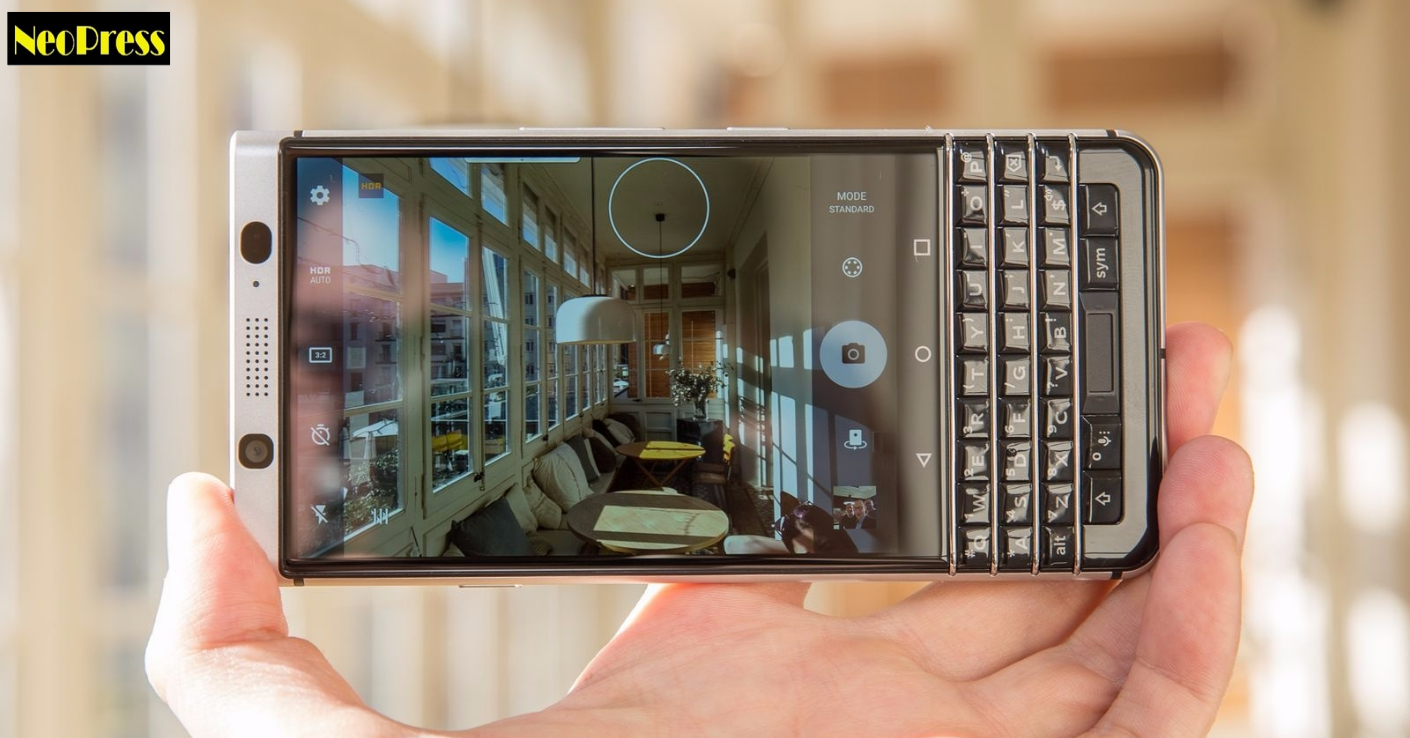
Chinese electronics company TCL will launch a full touchscreen smartphone under the BlackBerry name in October — a month after Apple launches its new flagship iPhone 8 and a refresh of iPhone 7 devices.

According to a report in Engadget, TCL’s François Mahieu said the new phone would respect BlackBerry’s reputation for building hard-wearing devices for clumsy international travellers who will be working in all kinds of weather.

“The main feature, beyond the full-touchscreen, is the (planned) IP67 water and dust-proofing, as well as a battery rated to last for more than 26 hours of mixed use,” Mahieu was quoted as saying.

It is clear that the company would keep durability and longevity as its biggest selling points.

Mahieu claimed that a number of iPhone and Galaxy users would “make the switch” to BlackBerry come October. He said that BlackBerry’s security know-how will enable TCL to deliver the “most secure Android phone in the world”.

“We are there to play. We are just playing with different cards, mostly by pushing its strengths of battery life, security and durability,” he said.

The device is expected to cost less than other flagships.

Telecommunications company Optiemus Infracom owns the rights to manufacture and sell BlackBerry branded smartphones in India, Nepal, Bangladesh and Sri Lanka.

As a technology lover you may like our daily important technology news series. It’s a playlist and you can retrieve the total day-wise videos. Please consider subscribing our YouTube channel:

Author: Technology Vista
Tagged : /

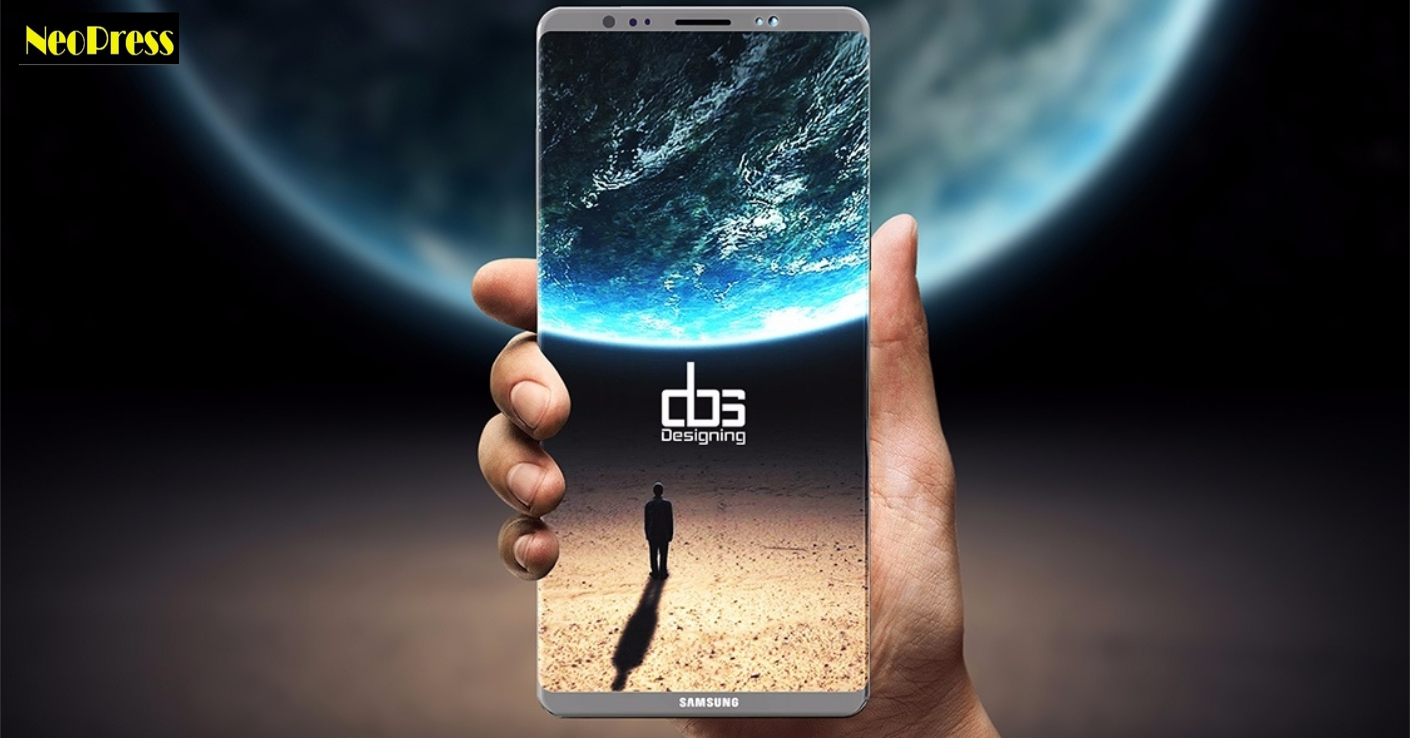
Why Galaxy Note 8’s Dual Camera Trumps Even iPhone 7!

Everyone is going after dual camera, but Samsung has nailed it with the Galaxy Note 8. Not only does it consist of a regular camera backed up by a telephoto lens, iPhone 7 Plus-style, but the brand new Galaxy Note 8 has a bunch of other sweet deals.

It is a common problem with camera that longer the focal length of a lens is, the more problematic camera shake becomes. It isn’t a big deal during the day, when you’ll be generally shooting at a high shutter speed and low ISO, but becomes more of an issue as the sun lowers, which is made all the worse by the fact that telephoto lenses have smaller apertures. In such situations, to compensate for shake, the camera needs to shoot at a higher shutter speed, but when there’s not enough light, it also needs to up the ISO, which automatically means noisier photos.

First off, both cameras on the back of the Galaxy Note 8 will have optical image stabilization (OIS), whereas the iPhone 7 Plus uses OIS only for its primary camera. Meaning, since the Note 8 will have OIS in both cameras, which, aided by the fact that its telephoto shooter will have an f/2.4 aperture (a step up from the f/2.8 telephoto camera on the 7 Plus), will surely help Note 8 owners take sharper photos at 2x zoom, even after sundown.

Also, another advantage is that the when you’re taking a photo but you’re on the fence on whether you should use the wide-angle camera or zoom in on something interesting that’s further away, the Galaxy Note 8 will take two pictures at the same time—on with the primary shooter and one through the telephoto lens—leaving you with two shots taken at different focal lengths. Of course, there’s an option to stop this, and it’s pretty cool that Samsung has given thought to solve this common photographic dilemma.

As a technology lover you may like our daily important technology news series. It’s a playlist and you can retrieve the total day-wise videos. Please consider subscribing our YouTube channel:

Author: Technology Vista

Tagged : /

Google launches augmented reality platform for Android

In a bid to bring the augmented reality (AR) experience closer to Android users, Google has released a new software development kit (SDK) called ARCore.

The platform, which is now available for developers to experiment with, will render augmented reality capabilities to existing and future Android phones, Google said in a statement late on Tuesday.

The company built on the fundamental technologies used in Tango, another AR platform by Google, but ARCore is scalable across the Android ecosystem as it doesn’t require any additional hardware.

The new AR platform has been rolled out to Google Pixel and Samsung S8 which run on Android 7.0 Nougat and above.

Google is working with manufacturers like Samsung, Huawei, LG, ASUS and other major smartphone makers for quality and performance checks.

ARCore, which works with ‘Java/OpenGL’, ‘Unity’ and ‘Unreal’ technologies mainly focuses on three features — motion tracking, environmental understanding and light estimation.

The tech giant has also built ‘Blocks’ and ‘Tilt Brush’ applications for creation of 3D content for use in AR apps.

Last month, Apple had unveiled its ARKit platform focussing on augmented reality applications at its annual Worldwide Developers Conference, to allow developers to build apps that could place virtual content on top of real-world scenes.

As a technology lover you may like our daily important technology news series. It’s a playlist and you can retrieve the total day-wise videos. Please consider subscribing our YouTube channel:

Author: Technology Vista

Tagged : /

Countdown begins for Indian navigation satellite launch

The 29-hour countdown for the launch of India’s eighth navigation satellite IRNSS-1H began at 2 p.m. on Wednesday at the Sriharikota rocket port, around 80 km from here, officials said.

The 1,425-kg satellite — part of Indian Regional Navigation Satellite System (IRNSS) — will be carried by Polar Satellite Launch Vehicle (PSLV) rocket XL variant that will blast off on Thursday evening at around 7 p.m., said an official of the Indian Space Research Organisation.

This will be the eighth IRNSS satellite and will be a replacement for IRNSS-1A as its rubidium atomic clocks have failed. The atomic clocks are important to provide the accurate positional data.

Simiply put, the IRNSS or NavIC (Navigation with Indian Constellation) is similar to the US-owned GPS.

The Rs 1,420-crore Indian satellite navigation system NavIC consists of nine satellites — seven in orbit and two as substitutes. One of the substitutes is the IRNSS-1H.

Each satellite has three clocks and a total of 27 clocks for the navigation satellite system (including the standby satellites) were supplied by the same vendor. The clocks are important to provide precise locational data.

Like its other IRNSS predecessors, IRNSS-1H also carries two types of payloads – navigation payload and ranging payload.

The navigation payload of IRNSS-1H will transmit navigation service signals to the users. This payload will be operating in L5-band and S-band.

The ranging payload of IRNSS-1H consists of a C-band transponder, which facilitates accurate determination of the range of the satellite. IRNSS-1H also carries Corner Cube Retro Reflectors for laser ranging.

The four stage/engine PSLV-XL stands 44.4 metres tall and weighs 321 tonne at the lift off stage.

Around 19 minutes 25 seconds after the lift off, the rocket will sling IRNSS-1H at an altitude of around 507 km.

According to ISRO, NavIC is useful for fishermen to reach the potential fishing area. The fishermen can also get alert messages relating to bad weather, high waves or when they approach international maritime boundary line.

These services are provided through a software application on a smart phone.

The Indian space agency also said NavIC is useful for merchant ships in their navigation and also during search and rescue operations.

In the road transport sector, NavIC helps commuters to traverse distances and also enable transport operators to track their vehicles.

According to ISRO, the navigation system is also helpful for railways in tracking trains and also giving an alert in the case of unmanned level crossing.

The Indian space agency said NavIC is also used for other applications like location-based services, survey and alignment, time synchronised services

NavIC provides two types of services — standard positioning service and restricted service. The former is for all users while the latter is an encrypted service for only authorised users.

Starting in July 2013, the Indian space agency has launched seven navigation satellites, with the last one launched on April 28, 2016. Each satellite has a life span of 10 years.

As a technology lover you may like our daily important technology news series. It’s a playlist and you can retrieve the total day-wise videos. Please consider subscribing our YouTube channel:

Author: Technology Vista

Tagged : /
Verified by ExactMetrics