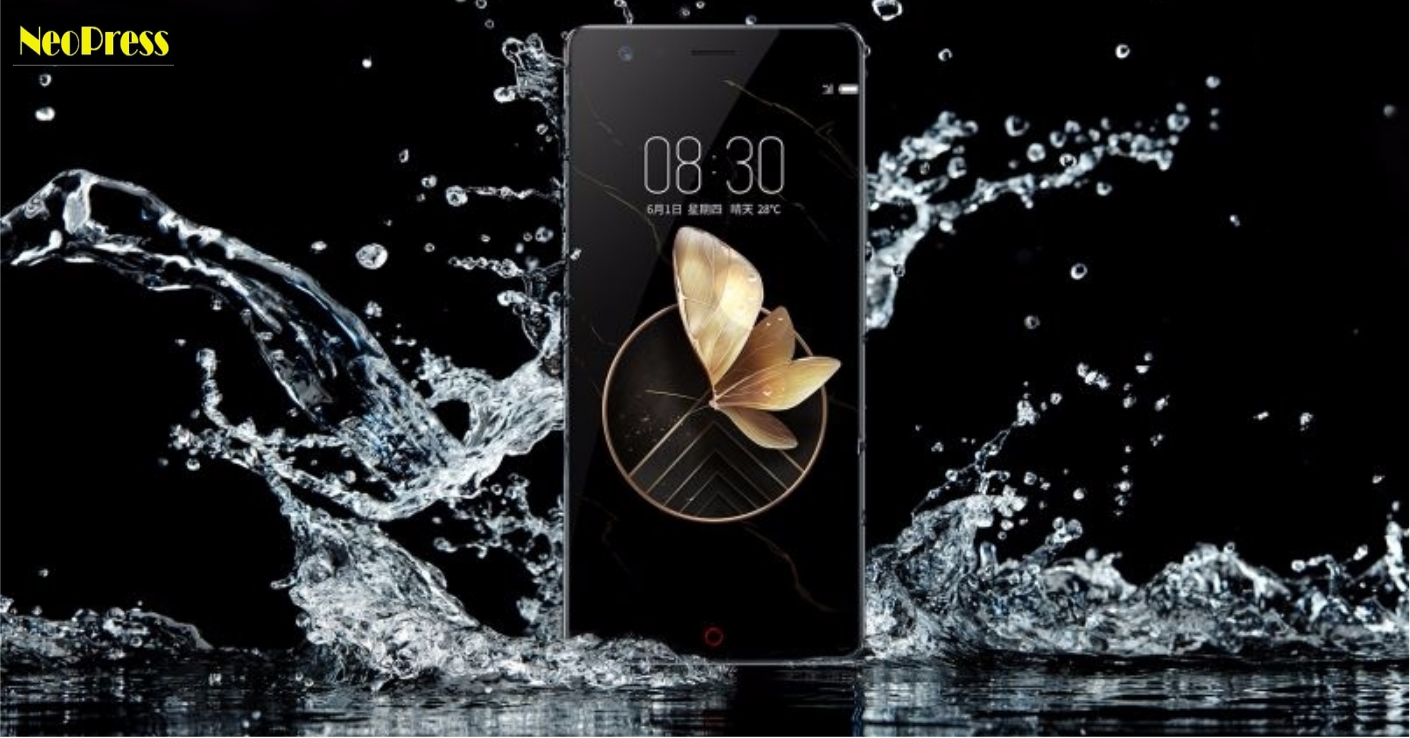
Chinese handset manufacturer nubia on Thursday introduced the limited edition “Z17Mini” at Rs 21,499 in India.
The device sports 6GB RAM and 128GB internal storage and comes in Aurora Blue colour. The limited edition device would retail exclusively on e-commerce site Amazon.in starting September 15.
The device is powered by an Octa-core Qualcomm Snapdragon 653 processor.
Other features of the phone are the same as the original “Z17Mini” that was launched in the country in June.
In terms of camera specifications, the limited edition nubia “Z17Mini” features 13MP dual primary cameras with Sony full-light “MONO” sensor and true colour RGB sensor and nubia’s proprietary “Neo-Vision 6” software package.
There is a 16MP selfie camera with an 80-degree wide angle lens.
“The ‘Z17Mini’ received tremendous response and with the limited edition nubia ‘Z17Mini’, we are taking forward the legacy of great camera, great features and UI. We are confident that this product will further strengthen nubia’s name and value proposition in Indian market,” said Eric Hu, Country Head, nubia India, in a statement.
nubia “Z17Mini’s” camera offers 16 different modes other than pro and normal modes along with a mono, 3D, times shuttle and many others allowing users to even shoot first and focus later, the company said.
“The new colour scheme of limited edition “Z17Mini” appeals to the millennial users who believe that the handset is an extension of their identity,” the company added.
Other specs of the smartphone include 5.2-inch full-HD screen. It has 442PPI retinal-grade display with a contrast ratio of 1500:1.
The phone runs custom nubia UI 4.0 based on Android Marshmallow OS.
A 2,950mAh battery powers nubia “Z17Mini”.
As a technology lover you may like our daily important technology news series. It’s a playlist and you can retrieve the total day-wise videos. Please consider subscribing our YouTube channel:
Tech aficionados in India were in for a treat on Tuesday when Samsung launched its latest flagship Galaxy Note 8 device. The premium smartphone, at Rs 67,900, looks set to satisfy technology junkies who are on-the-go.
Industry analysts quickly gave the device a thumbs-up.
“Note 8 looks a great device with Samsung getting the software and AI piece right over there. With the likely announcement of Apple’s premium phone, flagship competition is likely to push the overall average selling price (ASP) of premium segment after the introduction of Note 8 at newer price points,” Tarun Pathak, Associate Director, Mobile Devices and Ecosystems, Counterpoint Research, told IANS.
The device (we experienced Maple Gold one) comes with 6GB RAM and 64GB internal memory (expandable up to 256GB).
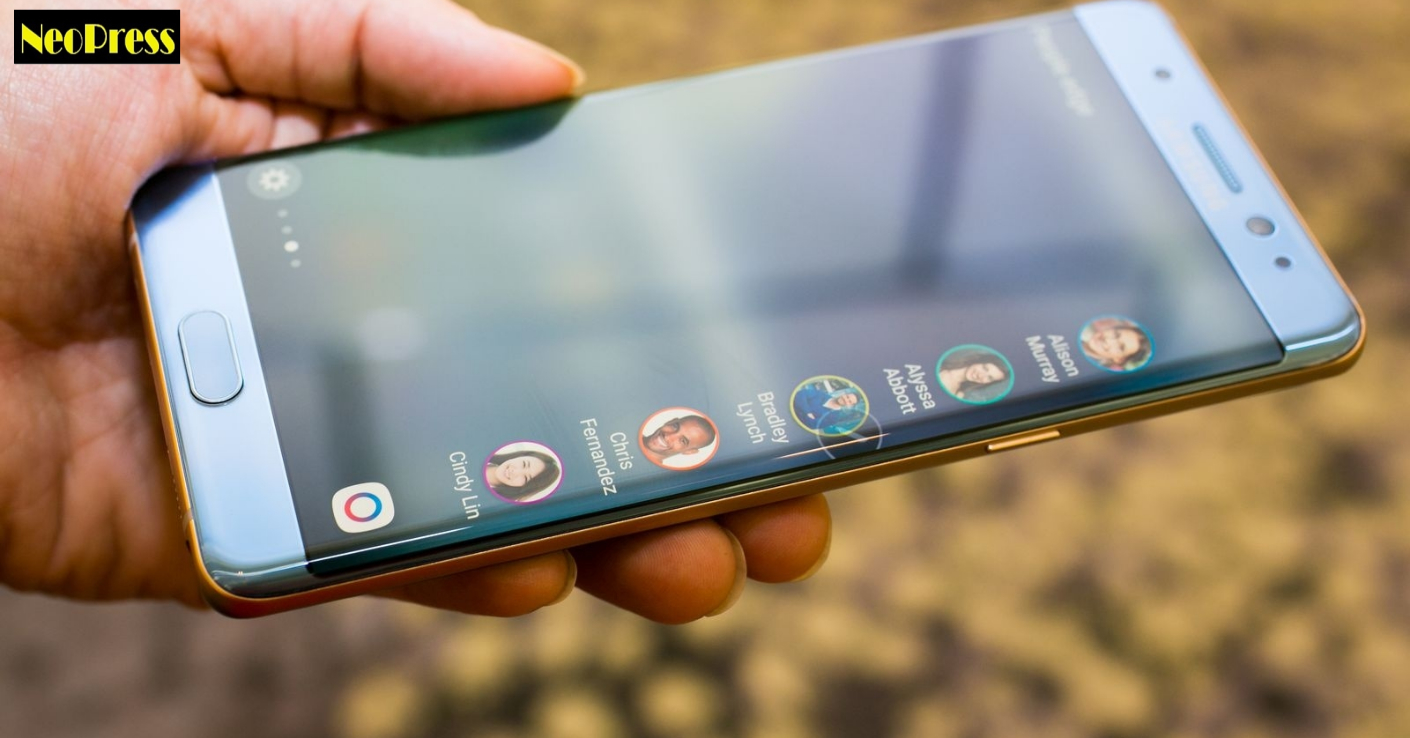
Upfront is the patented 6.3-inch “Infinity Display” with curved edges. On the left bumper, there is a volume rocker and a dedicated button for Samsung’s artificial intelligence (AI) assistant “Bixby”. On the right bumper, you can find the power button.
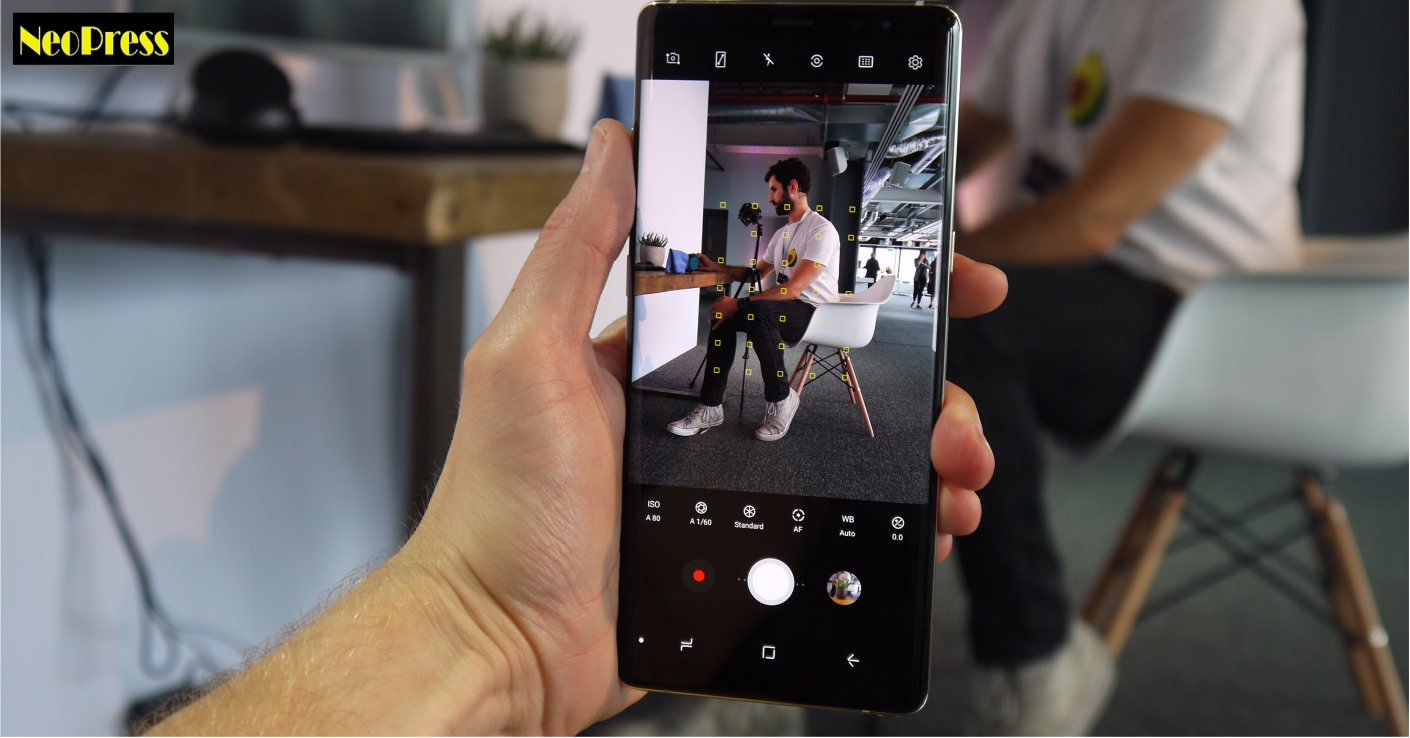
Galaxy Note 8 is fitted with a 12MP dual-camera system at the rear, along side a flash and fingerprint sensor.
The rear camera comes with two 12MP lenses — wide angle and telephoto. Both are equipped with Optical Image Stabilisation (OIS) for sharper photos and videos.
The photos came out very well in both day and night light conditions.
Users can change the area and amount of blur by using “Live Focus” feature. We also tried “Pro” mode and “Food”, and the results were promising.
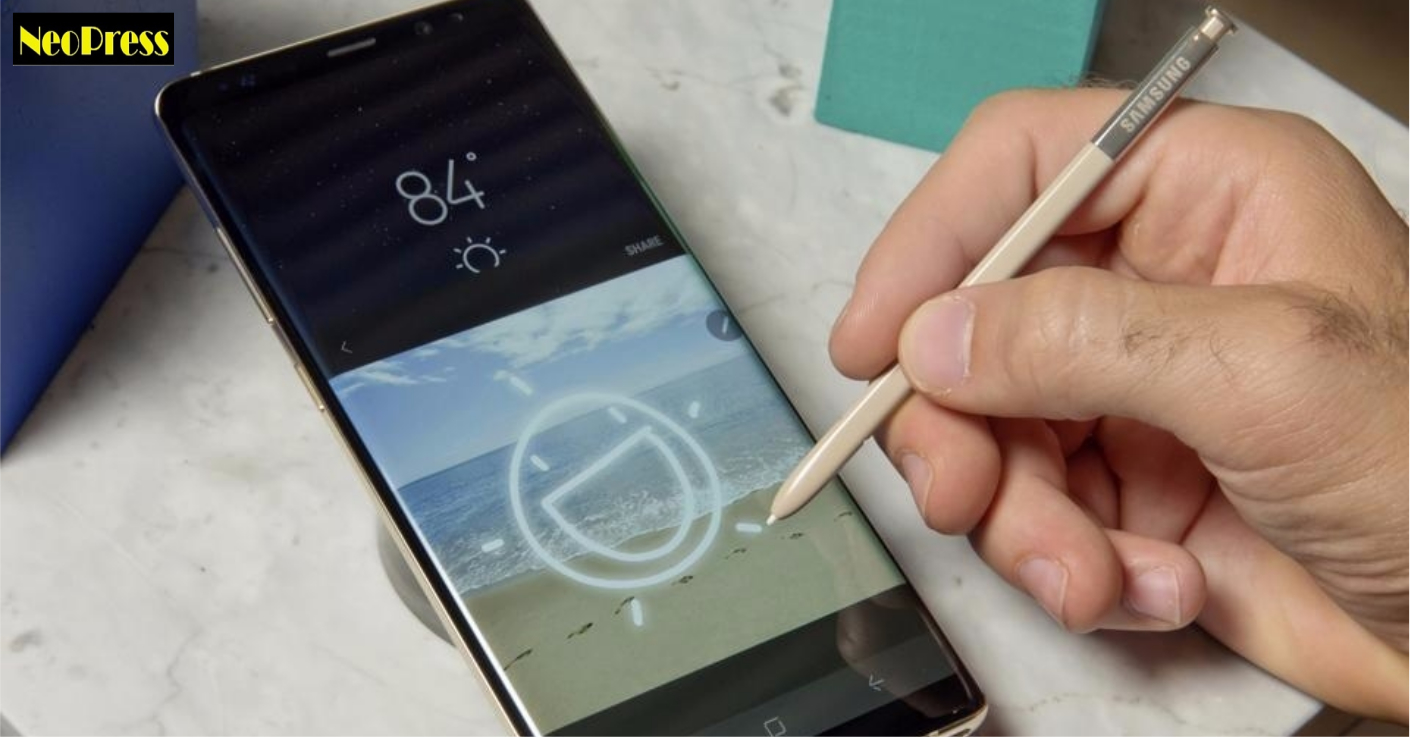
The SIM tray is at the top and below are the charging port, a 3.5mm jack, speaker grill and an enhanced “S-Pen”.
Samsung has given more power to the S-Pen which has a latency of less than 50 milliseconds. Pulling out of S-Pen opens a host of options, including ones that would let you scribble on screen, magnify and even translate languages for you.
The South Korean giant included a couple of test videos in the device that played flawlessly with high-quality output.
The phone has an aspect ratio of 18.5:9 and fits quite well in the hand.
The device is also equipped with an industry-leading 8MP “Smart Auto Focus” selfie camera.
Other security options such as “Face Lock” and “Iris scanner” are easy to set up. In our review, the features worked fine.
A peek into the hardware information showed that 3.3GB of 6GB RAM was free. The device runs an Android 7.1.1 Nougat. Almost 53GB of the total 64GB of the memory was available for users.
Housing a 3,300mAh battery, Galaxy Note8 supports the most advanced wireless charging capabilities (WPC and PMA) and is fast-charging compatible with QC 2.0.
The device appears set to give Apple real tough competition in the premium segment.
“With no strong player in the Android ecosystem in the super-premium segment, it’s all clear space for Samsung where Note 8 fits in. So while iPhone 8 (X) has it’s space, with Note 8, the premium segment gets split between the two,” Faisal Kawoosa, Principal Analyst, Telecom and ESDM, CMR, told IANS.
“With Samsung the only brand to reckon with in this top layer of the market segment, a lot of Android’s competition with iPhone banks on Samsung. So Google would be needing more of Samsung than vice versa,” he added.
According to Pathak, “We expect Apple and Samsung loyalists would still aspire to adopt these devices and it will remain to be seen if the high price would be somehow neutralised with clever marketing in terms of bundled offers.”
You will need to wait for few more days before you grab a Note 8. The device will be available in India in Midnight Black and Maple Gold colours, starting September 21.
As a technology lover you may like our daily important technology news series. It’s a playlist and you can retrieve the total day-wise videos. Please consider subscribing our YouTube channel:
At a time when the dual-camera set-up at the rear is the buzz in the smartphone industry, how can Taiwan-based ASUS be left behind?
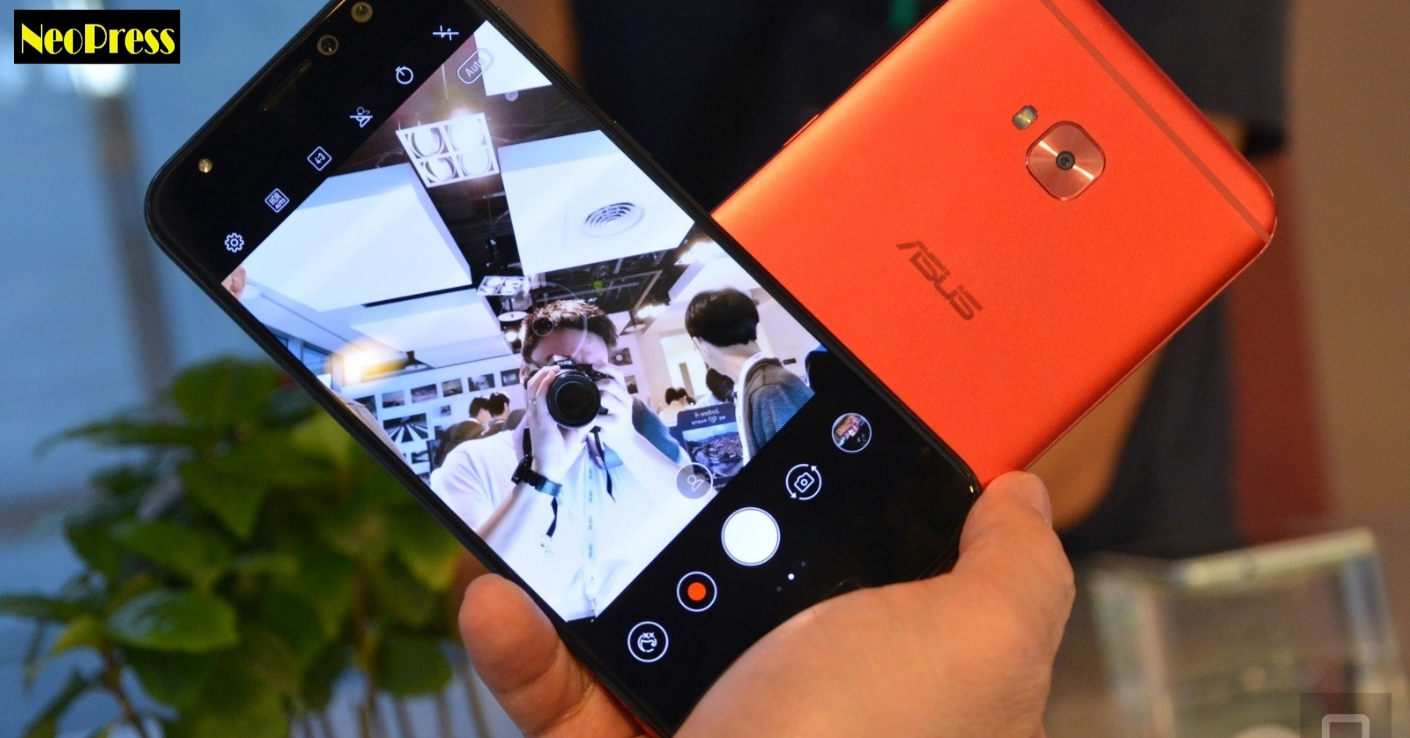
The newly-launched “Zenfone Zoom S” from ASUS comes with 12MP dual-camera system.
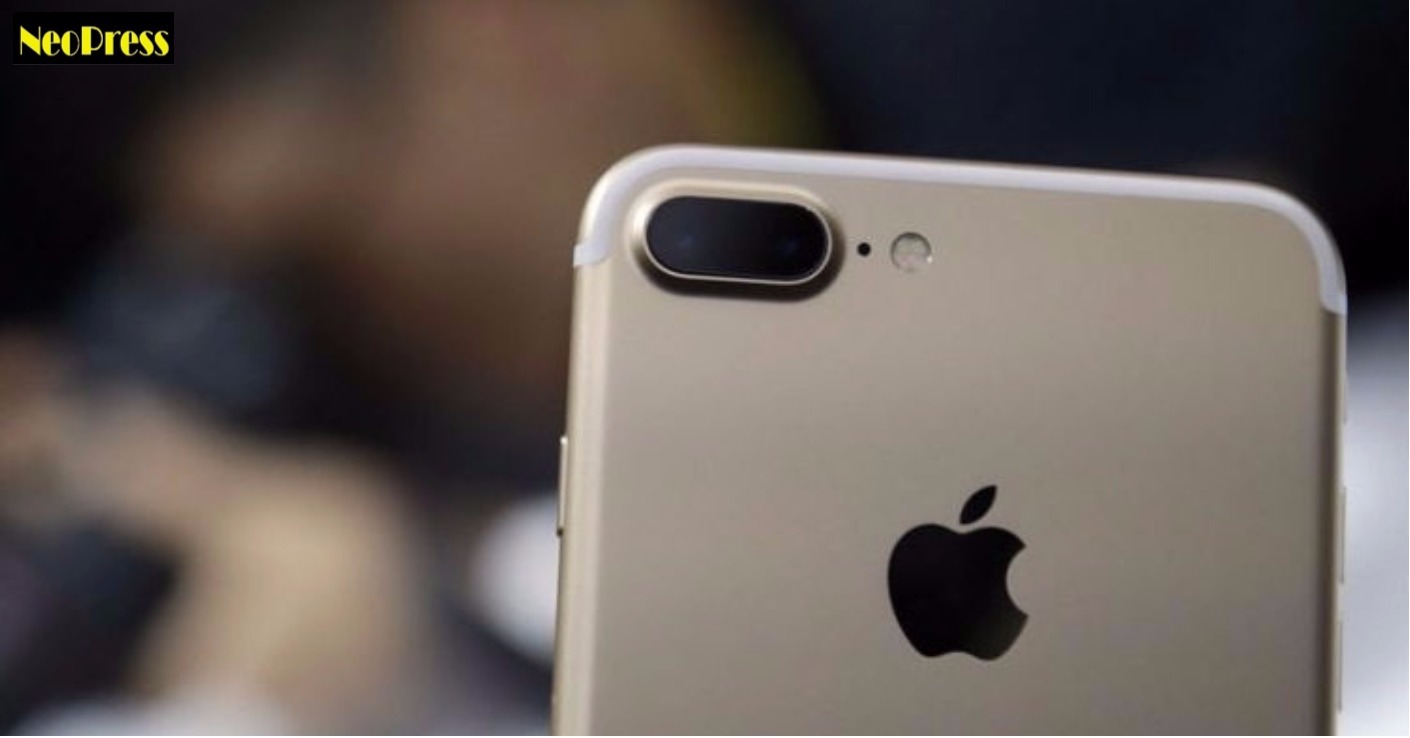
The primary camera is powered by Sony IMX 362 optics and has an f/1.7 aperture. The other camera comes with 12x “total” zoom and 2.3x “true” optical zoom — a feature which is not found even in Apple iPhone 7 Plus that features only a 2x optical zoom.
The smartphone also boasts of features such as Optical Image Stabilisation (OIS), Electronic Image Stabilisation (EIS), Dual Pixel Phase Detection Auto Focus (PDAF) and 4K video recording.
ASUS has aggressively priced Zenfone Zoom S at Rs 26,999 against the likes of Honor 8 Pro, Moto Z2 Play and OnePlus 5.
Is the new offering from ASUS all about the cameras or is there more to it? Let us find out.
What drew our attention was the phone’s slim form factor — at 7.9mm and 170g — despite housing a hefty 5,000mAh battery inside. Its nearest competitor Honor 8 Pro is tad slimmer at 7mm but weighs 184g.
Both the volume rockers and power key are placed on the right side and come with ASUS’ trademark concentric circles. The left side houses a hybrid SIM card slot.
Zenfone Zoom S has a standard 3.5-mm headphone socket, a USB Type-C port and a single speaker grille at the bottom.
Talking about its main highlight — the dual camera set-up sits almost flush in the back. There is a slight bump, though. Below the camera module is a dual-tone, dual LED flash and the laser autofocus system.
The 12MP + 12MP dual camera sensors have the same resolution, but they work differently.
The “SuperPixel” main camera has an aperture of f/1.7 and 25-mm focal length while the other sensor has an f/2.6 aperture and focal length of 59 mm.
The latter comes with 2.3x optical zoom and that is why the secondary sensor is used to optically zoom into the subject.
Both the sensors work to produce beautiful images with great detail. Zenfone Soom S managed to capture decent images in low-light conditions as well, courtesy the OIS feature.
The camera interface is fairly simple with modes like depth of field, all smiles, professional manual controls and beautification, among others.
This is also the world’s slimmest dual-camera smartphone with a massive 5,000mAh battery.
The build of Zenfone Zoom S is top notch with a metal unibody design and antenna bands running at the top and bottom on the rear side, similar to what we saw on the iPhone 7 Plus.
The 5.5-inch full-HD AMOLED display is capable of producing vivid colours. It made blacks look deep and colours pretty rich. Sunlight legibility was great, thanks to the brightness level of 500 nits.
The display is topped up with a protective layer of Corning Gorilla Glass 5 and has 2.5D curve that renders a smooth finish to it.
The fingerprint sensor is placed on the rear of the phone and is very accurate and fast.
We managed to get almost two days of battery life on a single charge, thanks to the hefty battery.
A Qualcomm Snapdragon 625 chipset coupled with 4GB RAM and 64GB onboard storage (expandable up to 2TB via MicroSD card) enables the device handle daily tasks with ease.
The front side accommodates a 13MP selfie camera sensor with f/2.0 aperture that captures good shots.
What does not work?
ASUS is still using non-backlit keys which is an annoyance; it is time that the Taiwanese giant ditches these old-fashioned keys.
The company’s custom interface — called ZenUI 3.0 and based on Android 7.1.1 Nougat — is heavy. It is the same that was found in previous ASUS phones and has lost much of its sheen.
Lack of fast-charging support is also a bit disappointing.
Conclusion: Zenfone Zoom S is a great choice when it comes to camera performance and build quality. It is worth mentioning that the phone is not only about its cameras; its battery life makes it stand out in the crowd.
As a technology lover you may like our daily important technology news series. It’s a playlist and you can retrieve the total day-wise videos. Please consider subscribing our YouTube channel:
Even though premium segment player Apple has moved a notch up to the “super premium” category with the iPhone X, its bid to grab a bigger chunk of the Indian market won’t be easy, with the popular Samsung Galaxy S8 firmly in place and the Galaxy Note 8 set for a massive landfall.
To be made available on November 3, iPhone X will cost Rs 89,000 (64GB) variant while the 256GB version will cost Rs 102,000.
In the January-June quarter of 2017, Apple sold 3,00,428 units of iPhone 7 and 2,06,292 units of iPhone 7 Plus. In the same period, Samsung sold 1,22,000 units of S8 and 1,40,000 S8 Plus, according to the data provided by Cybermedia Research.
Now, over 2.5 lakh people have registered to buy the Rs 67,900 Galaxy Note 8 device — also launched on September 12 in India — which would be available starting September 21.
“Although iPhone X is the real competition to Samsung, we must keep in mind that Samsung currently has two successful flagships with them — with Galaxy S8 (doing well) and Note 8 (just launched with huge pre-orders). This makes the super-premium end of smartphone market very interesting for the next two quarters or so,” Navkendar Singh, Senior Research Manager at IDC India, told IANS.
According to Singh, the high pricing of the iPhone X will ensure that only a very serious and real Apple fan will buy it.
“However, iPhone 8 and 8 Plus, with a similar design — but premium build and lower pricing — will probably appeal to iPhone 6s/7 users who were waiting for an upgrade. These two models should be the volume drivers for Apple, with iPhone X acting as a flagship at the super-premium end,” Singh explained.
When it comes to Chinese brands in India, Xiaomi, Vivo and Oppo now have a combined market share of 54 per cent in the second quarter this year, up from 51 per cent in the first quarter, says the “Quarterly Mobile Phone Tracker” report by IDC.
Samsung continues to be India’s top smartphone brand with 24 per cent market share. Apple, with its premium portfolio, has nearly three per cent market share by volume and 11 per cent share by value in the country.
According to Narinder Kumar, an analyst at Cybermedia Research, in terms of significant business contribution, shipments of iPhone 7 Plus and iPhone 5S declined sequentially by 59 per cent and 57 per cent, respectively, in 2Q 2017.
“Personally, I never see a Samsung versus iPhone competition. The iPhone community is primarily for iPhone and won’t shift to another phone — and moving to Samsung means the big decision of coming out of the iOS ecosystem,” Faisal Kawoosa, Principal Analyst, Telecom and ESDM, CMR, told IANS.
For him, the battle in the premium segment is now between iPhone and Samsung premium models like the Note 8.
“The trend will continue to be so for now; iPhone fans will upgrade only to an iPhone, and those looking for a premium option within Android, will go for Samsung,” he added.
Tarun Pathak, Associate Director, Mobile Devices and Ecosystems, Counterpoint Research, expects initial sales to be high with the Apple user base upgrading to its new devices irrespective of pricing and specs.
“However, Apple will have its task to cut out to acquire Android users in the premium segment when both the S8 and Note 8 likely to give strong competition to the company in India,” Pathak told IANS.
From the strategy point of view, he said, iPhone X is a good move from Apple, initiating a new design form factor that can be further leveraged in successive iterations.
iPhone X and iPhone 8 can co-exist and won’t be a threat to one another.
“These models can definitely co-exist as we have seen that Apple has lately moved away from single new model per year to multiple models playing at multiple price points, which is really an attempt to drive volumes and gain more share,” Singh noted.
iPhone X has some hugely incremental features compared to the present iPhones, like less-bezel, facial-recognition system, wireless charging, animoji, etc.
“That should excite the staunch iPhone base looking for an upgrade. This segment is not price-sensitive and I don’t see price out of expectations range. So, iPhone X should be doing good numbers, though not of the volume of mass market models or brands,” Kawoosa added.
One should also not forget that, though primarily a premium segment player, Apple is slowly opening up new avenues — like the Bengaluru-assembled iPhone SE (32GB) at Rs 26,000 — to expand its presence in India, a price-sensitive market with a gigantic user base scouting for devices in the Rs 15,000-Rs 30,000 range.
As a technology lover you may like our daily important technology news series. It’s a playlist and you can retrieve the total day-wise videos. Please consider subscribing our YouTube channel:
China plans to use bio-ethanol gasoline across the country by 2020, the National Development and Reform Commission and National Energy Administration (NEA) said on Wednesday.
“The plan was unveiled as the country is pushing the use of biofuel, which is renewable, applicable, environmental-friendly and tech-savvy. It is an ideal alternative to fossil fuel,” a NEA official was quoted as saying by Xinhua news agency.
More than 40 countries and regions consume about 600 million tonnes of ethanol fuel every year, accounting for around 60 per cent of the world’s annual gasoline use.
China is the world’s third largest bio-ethanol producer and uses nearly 2.6 million tonnes a year. Gasoline blended with ethanol accounts for one-fifth of its annual gasoline consumption.
According to the plan, China aims to build an advanced liquid biofuel system and put into operation a demonstrative facility that will be able to produce 50,000 tonnes of cellulosic ethanol a year by 2020.
China launched corn-to-ethanol pilot programmes in 2004 as part of efforts to cut emissions and advance new energy.
The plan echoes China’s decision to consider a timetable to phase out production and sales of fossil fuel cars to cut emissions, reduce pollution and save fossil fuel energy.
As a technology lover you may like our daily important technology news series. It’s a playlist and you can retrieve the total day-wise videos. Please consider subscribing our YouTube channel:
The ‘singularity’ event that scientists talk about in artificial intelligence (AI) — when robots would outsmart human beings in reasoning — has just been moved up, according to a top scientist at HP Inc.
The progress in AI and machine learning has been so rapid that scientists have upped the estimate for the ‘singularity’ to happen in 2029 from 2040, shaving off 11 years of development time, says Shane Wall, Chief Technology Officer at HP, who also heads the HP Labs which is at the centre of innovation within the company.
Wall, who was speaking at the HP Reinvent Partner Forum here, said there may be some who watch with fear for that event to happen but taken adequate precautions, this change would bring in much good for everyone — be it in manufacturing, health, innovation or elsewhere.
He said AI handles huge amount of data and can discern patterns to take decisions.
“Machine learning uses AI and big data to learn and it can find things that no humans can see,” Wall noted.
According to him, already there are massive data farms which are crunching big numbers and there are research labs and companies where machines are taught how to use data to managing things around us.
Wall, who joined HP over a decade ago, drives the company’s technology vision and its strategy and helms the innovation community within.
According to him, machines have become smart enough to predict failures within a system and 3D manufacturing is a massive revolution in the making.
“Already, 3D printing is handling intricate products and in the future this will bring about a disruptive change,” Wall said.
Much of the manufacturing at present is done by transporting the raw materials, parts and designing to various places in the world.
“When machines are able to print or manufacture whole systems, this transportation would be limited. Machines are today making their own parts and in tomorrow’s world, this would become much more refined,” the HP executive noted.
In this context, he said, it was interesting to see what had happened to photography in the last 30 years. Pictures were taken on films and then sent for processing and you would get the results after a while.
“Today, you cannot find film anywhere. Not in Africa. Not in India. Something similar would happen to the $12 trillion manufacturing worldwide,” Wall added.
The rapid changes in AI will further accelerate, but everyone had to exercise caution on cyber security against malicious operators.
In this context, he pointed to the cyber attack on Equifax, the credit reporting agency in the US which had compromised sensitive information of over 140 million people.
“I have been affected by the Equifax hacking and almost half the people in this hall have been,” Wall said, adding that robust systems would have to be developed to protect data.
Despite the threats, the potential for AI was so great that it would have profound impact on all sections of the society.
Wall gave the example of DNA editing being done through AI which will bring about revolutionary changes in tackling diseases.
“Technology can be used for all sorts of things good and bad,” he said, “but one had to focus on security and how to develop a new model of safety.”
As a technology lover you may like our daily important technology news series. It’s a playlist and you can retrieve the total day-wise videos. Please consider subscribing our YouTube channel:
Retail major Brightstar India on Wednesday said iPhone 8 and iPhone 8 Plus would be available for pre-orders starting September 17 at its authorised stores in north and east India.
The new iPhone models would start retailing at stores starting September 29, it added.
Another retail major Redington will also offer pre-order of iPhone 8 and iPhone 8 Plus from September 22 at its 3,000 stores across the country.
Apple’s high-end iPhone X (starting price of Rs 89,000) with facial recognition, would be available for pre-orders at Brightstar starting October 27 and would be available at stores from November 3, the company said in a statement.
Apple on Tuesday unveiled iPhone X with facial recognition system, iPhone 8 and iPhone 8 Plus, the new Apple Watch Series 3 and Apple TV 4K.
Hosting the event for the first time at the opulent Steve Jobs Theatre on the new Apple Park campus in Cupertino, California, the tech giant introduced iPhone X — an ultra-premium model.
iPhone X sports a unique “FaceID” facial recognition system to unlock the device. Just look at your phone to unlock it. The feature is enabled by a ‘True Depth’ camera system in the A11 neural engine.
iPhone 8 64GB costs Rs 64,000 while the 256GB variant will be available for Rs 77,000.
iPhone 8 Plus starts at Rs 73,000 for 64GB. The 256GB variant will cost Indian users Rs 86,000.
As a technology lover you may like our daily important technology news series. It’s a playlist and you can retrieve the total day-wise videos. Please consider subscribing our YouTube channel:
Marking the tenth anniversary of the iPhone, Apple on Tuesday announced iPhone X in a gorgeous all-glass design that delivers an innovative and secure new way for customers to unlock, authenticate and pay using Face ID, enabled by the new TrueDepth camera.
The device comes with a 5.8-inch Super Retina display, A11 Bionic chip, wireless charging and an improved rear camera with dual optical image stabilisation.
iPhone X will be available in silver and space grey in 64GB and 256GB models starting at Rs 89,000 from November 3 in India. The pre-order of the device will begin from October 27.
“For more than a decade, our intention has been to create an iPhone that is all display. The iPhone X is the realisation of that vision,” Jony Ive, Apple’s Chief Design Officer, said in a statement.
“iPhone X enables fluid new user experiences — from unlocking your iPhone with Face ID, to playing immersive AR games, to sharing Animoji in Messages — it is the beginning of the next ten years for iPhone,” Philip Schiller, Apple’s Senior Vice President of Worldwide Marketing, added.
iPhone X all-screen display design follows the curve of the device. The all-glass front and back feature the most durable glass ever in a smartphone, while a highly polished, surgical-grade stainless steel band seamlessly wraps around and reinforces iPhone X.
The 5.8-inch Super Retina display is the first OLED panel. The HDR display supports Dolby Vision and HDR10. The addition of True Tone dynamically adjusts the white balance of the display to match the surrounding light for a more natural, paper-like viewing experience.
iOS 11 is redesigned to take full advantage of the Super Retina display and replaces the Home button with fast and fluid gestures, allowing customers to naturally and intuitively navigate iPhone X.
Face ID — that uses TrueDepth camera system made up of a dot projector, infrared camera and flood illuminator, to unlock the phone — is powered by A11 Bionic to accurately map and recognise a face.
Face ID projects more than 30,000 invisible IR dots. The IR image and dot pattern are pushed through neural networks to create a mathematical model of your face and send the data to the secure enclave to confirm a match, while adapting to physical changes in appearance over time.
All saved facial information is protected by the secure enclave to keep data extremely secure, while all of the processing is done on-device and not in the cloud to protect user privacy.
The TrueDepth camera captures and analyses over 50 different facial muscle movements, then animates those expressions in a dozen different Animoji, including a panda, unicorn and robot.
Available as an iMessage app pre-installed on iPhone X, customers can record and send Animoji messages with their voice that can smile, frown and more.
iPhone X features a redesigned dual 12MP rear camera system with dual optical image stabilisation. The /1.8 aperture on the wide-angle camera and an improved /2.4 aperture on the telephoto camera for better photos and videos.
The cameras on iPhone X are custom tuned for the ultimate AR experience. Each camera is individually calibrated, with new gyroscopes and accelerometers for accurate motion tracking.
Similar to iPhone 8, the new camera delivers the high quality video with better video stabilisation, 4K video up to 60fps and 1080p slo-mo up to 240fps.
A11 Bionic, the most powerful and smartest chip ever in a smartphone, features a six-core CPU design with two performance cores that are 25 per cent faster and four efficiency cores that are 70 per cent faster than the A10 Fusion.
As a technology lover you may like our daily important technology news series. It’s a playlist and you can retrieve the total day-wise videos. Please consider subscribing our YouTube channel:
Apple on Tuesday launched Apple Watch Series 3 with a built-in cellular to let users stay connected, make calls, receive texts and more, even if the iPhone is not nearby.
The third-generation Apple Watch is also a health and fitness companion with intelligent coaching features, water resistance 50 metres and a new barometric altimeter that measures relative elevation.
Apple Watch is available in two different case sizes, 38mm and 42mm from September 29 in India.
Apple Watch Series 3 (GPS + Cellular) will be available in gold, silver and space grey aluminium, or silver or space black stainless steel paired with a variety of bands.
Apple Watch Series 3 (GPS) will be available in gold, silver and space grey aluminium cases with a Sport Band starting at Rs 29,900.
Apple Watch Series 1 is available in silver or space grey aluminium cases paired with a Sport Band starting at Rs 21,900. Apple Watch Nike+ starts at Rs 29,900.
Apple Watch Series 3 comes in two models, one with GPS and cellular, and one with GPS, both featuring a 70 per cent faster dual-core processor and new wireless chip.
“We believe the addition of cellular will transform the way people use Apple Watch, providing a new sense of freedom since they can stay connected with or without their iPhone,” Jeff Williams, Apple’s Chief Operating Officer, said in a statement.
Apple Watch Series 3 (GPS + Cellular) features a full LTE cellular radio that switches seamlessly to cellular when it is away from iPhone. The watch shares the same number as iPhone so there’s no need to provide an additional number to family, friends or colleagues.
Customers have the ability to make cellular calls directly with Apple Watch Series 3 (GPS + Cellular). The antenna design uses the display itself as both a transmitting and receiving element for LTE
The dual-core processor in the device allows for quicker app launch times, smoother graphics and enables Siri to speak using the built-in speaker.
Apple designed a new custom wireless chip called W2, making Wi-Fi 85 per cent faster and Bluetooth and Wi-Fi 50 per cent more power efficient.
watchOS 4 features an updated Heart Rate app, giving even more insight to heart rate, including measurements during resting, workout, recovery, walking and Breathe sessions.
The redesigned Music app experience automatically synchronises playlists like New Music Mix and Favourites Mix, along with the user’s most listened to music.
As a technology lover you may like our daily important technology news series. It’s a playlist and you can retrieve the total day-wise videos. Please consider subscribing our YouTube channel:
Apple launched iPhone 8 and iPhone 8 Plus with new glass and aluminium design and A11 Bionic chip designed for augmented reality (AR) experience.
The devices, made out of the most durable glass ever in a smartphone, will be available in three colours — space grey, silver and gold — from September 29 in India.
iPhone 8 and iPhone 8 Plus come with 64GB and 256GB capacity models starting at Rs 64,000 at Apple Authorised Resellers.
Apple-designed accessories including leather and silicone cases in a range of colours will be available starting at Rs 3,100. Lightning Docks in colour-matching metallic finishes will also be available for Rs 4,700.
“iPhone 8 and iPhone 8 Plus are a new generation of iPhone that improve on everything we love about iPhone,” Philip Schiller, Apple’s Senior Vice President of Worldwide Marketing, said in a statement.
“Packed with more advanced cameras with Portrait mode and Portrait Lighting, and the highest quality video capture in a smartphone, iPhone 8 and iPhone 8 Plus enable the freedom of wireless charging, all with AR optimisation like no phone ever before,” he added.
The glass finish of the water and dust resistant devices is made using a seven-layer colour process for precise hue and opacity with a colour-matched aerospace-grade aluminium bezel.
The new 4.7-inch and 5.5-inch Retina HD displays with the addition of True Tone adjust the white balance of the display to match the surrounding light for a more natural, paper-like viewing experience.
A11 Bionic, the most powerful and smartest chip ever in a smartphone, features a six-core CPU design with two performance cores that are 25 per cent faster and four efficiency cores that are 70 per cent faster than the A10 Fusion.
A new, second-generation performance controller can harness all six cores simultaneously, delivering up to 70 per cent greater performance for multi-threaded workloads.
The cameras on iPhone 8 Plus are custom tuned for AR experience. Each camera is individually calibrated, with new gyroscopes and accelerometers for accurate motion tracking.
The new camera also delivers the highest quality video capture ever in a smartphone with better video stabilisation, 4K video up to 60fps and 1080p slo-mo up to 240fps.
The glass back design enables a world-class wireless charging solution. Wireless charging works with the established Qi ecosystem.
As a technology lover you may like our daily important technology news series. It’s a playlist and you can retrieve the total day-wise videos. Please consider subscribing our YouTube channel:
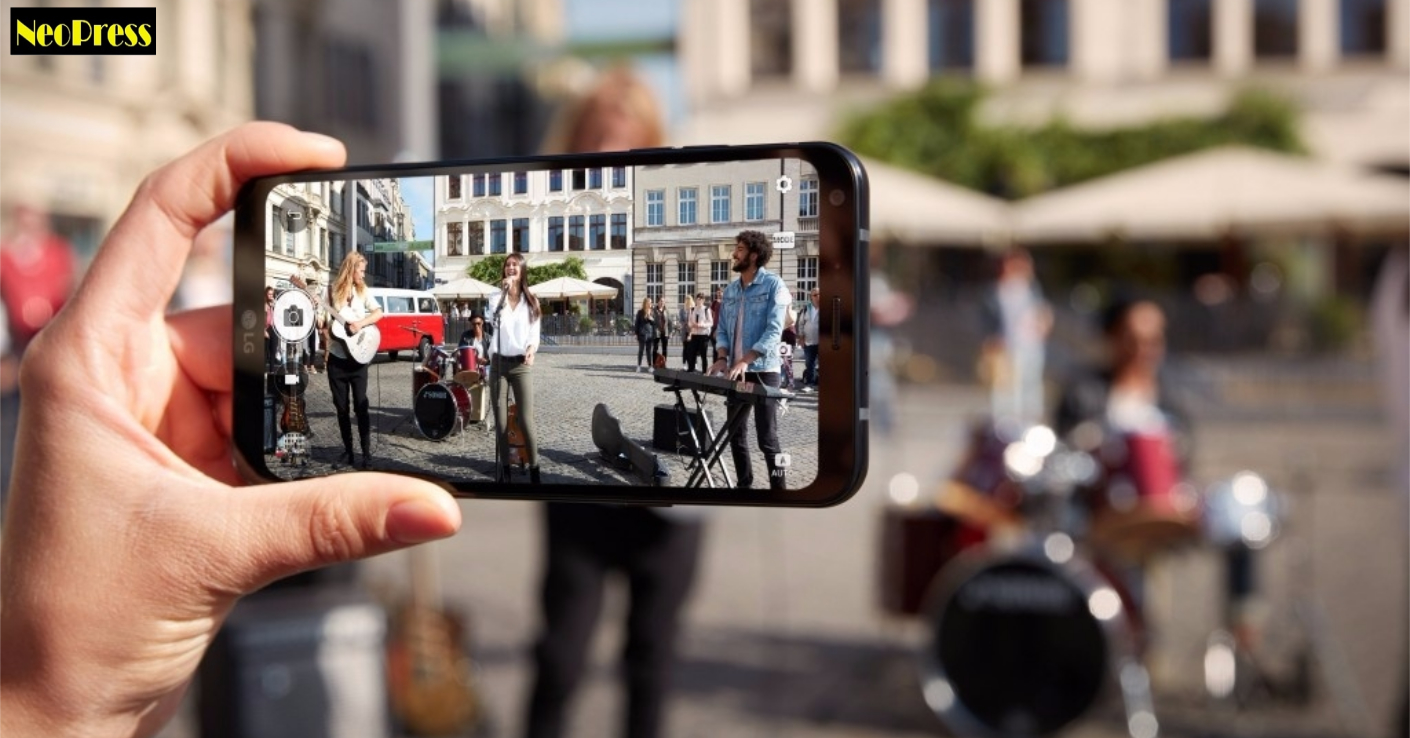
Smartphones with an 18:9 aspect ratio are becoming a rage in the Indian market and South Korean tech major LG is the latest to join the bandwagon with its “Q6”, a mid-price segment device.
The 18:9 format offers more viewing space and a better immersive experience while streaming videos and playing games.
The company has introduced three versions of the Q6 and the variant with 3GB RAM is now available in India.
LG “G6” was the company’s first smartphone to house an 18:9 display, that it calls the “FullVision” display. The phone, however, did not achieve good sales figures despite being a capable flagship device.
The South Korean company is now hoping to turn the tables with Q6 that has been cautiously priced at Rs 14,990.
Is LG Q6 all about the display or is there more to it?
LG has managed to house 5.5-inch full-HD (1080×2004 pixels) IPS display into a compact smartphone — and how! The phone can be easily operated with one hand and does not feel any bigger than a 5-inch handset.
Having said that, the edge-to-edge display and a compact form make Q6 look quite similar to the flagship G6.
The front side of the phone is all about the display surrounded by slim bezels.
The build of the smartphone is impressive, given that the company has used 7,000-series (aerospace grade) aluminum frame on the sides.
The LG logo lies below the edge-to-edge display. The ear piece, selfie camera and the proximity sensor are placed above it.
The power key sits on the right side while the volume buttons and separate slots for a micro-SD card and two Nano-SIM cards are on the left.
Interestingly, the first slot is for accommodating a Nano-SIM and a microSD card while the second slot is for a second SIM. A 3.5-mm standard headphone jack and a Micro-USB 2.0 port lie on the bottom.
The rear side of the phone is ergonomic and fits perfectly in the palm. It also has a mono speaker.
The 13MP primary camera sits flush with the back. It is capable of capturing decent images in daylight with enough details in close-up and landscape shots. The colours do not look over-saturated.
LG has loaded the camera viewfinder with DSLR-like green squares to represent auto-focus points.
LG’s own “Mobile Switch” app is useful and helps one copy data from an old device to the Q6 with ease.
A modest Snapdragon 435 chipset (which also runs Xiaomi Redmi Note 4) from Qualcomm powers Q6. The Snapdragon 435 chip enables the phone to handle day-to-day tasks but do not expect it to be a performance powerhouse.
What does not work?
We were disappointed to see a phone in the Rs 15,000-segment without a notification light and a fingerprint sensor as the latter has become a common feature now.
The plastic rear is prone to scratches and mars the smartphone’s otherwise impressive looks.
The 5MP selfie camera produced average photos. The 3,000mAh battery without the fast-charging support is also not that great.
Conclusion: LG has ticked the right boxes with Q6 in the mid-segment. The affordable phone has an impressive “FullVision” display and a decent camera. The company has taken a right step towards innovation and we expect the Chinese handset makers take a cue from it.
As a technology lover you may like our daily important technology news series. It’s a playlist and you can retrieve the total day-wise videos. Please consider subscribing our YouTube channel:
Xiaomi on Tuesday launched ‘Mi A1’ smartphone in India with dual-rear cameras at Rs 14,999. Mi A1 is an ‘Android One’ smartphone and unlike other Xiaomi phones, A1 would come with stock Android operating system.
Google had announced ‘Android One’ phones in 2014 which were entry-level smartphones.
“Android One runs pure interface, a small number of preloads, keeping the phone simple for users with different choices,” Jon Gold, Global Director for Android Partner Programs, told reporters here.
“The phone would get the Android ‘O’ update by the end of 2017 and would be one of the first to get Android P”, he added.
A major highlight of the phone is the camera setup that comprises a 12MP + 12MP primary camera with a telephoto lens and a wide-angle lens, 1.25 um and 2x digital zoom and 10x optical zoom.
“This is similar to what we find on iPhone 7 Plus,” said Donovan Sung, Director of Product Management and Marketing, Xiaomi Global.
Like other dual-rear camera smartphones, Mi A1 also supports ‘Bokeh’ style imaging.
The smartphone is powered by a Qualcomm Snapdragon 625 processor coupled with 4GB RAM and 64GB internal storage.
The Snapdragon 625 Octa-core processor comes with 14nm FinFET technology.
“Starting from India, all MiA1 devices will come with dual pyrolytic graphite sheets which will help diffuse and radiate heat quickly”, the company said.
A 3080mAh battery powers the phone and a 380v charger is also included. However, it is only available for the Indian market. A Flipkart exclusive, the device would also be available on Mi.com.
As a technology lover you may like our daily important technology news series. It’s a playlist and you can retrieve the total day-wise videos. Please consider subscribing our YouTube channel:
After the successful launch of ASUS Zenfone 4 series in Taiwan last month, the company is expected to bring the camera-centric series to India on September 14.
It is not clear whether all the six variants will be rolled out in India like in Taiwan and Philippines, industry sources told IANS on Tuesday.
The Zenfone 4 series, which is an upgrade over the Zenfone 3 series, may include variants like Zenfone 4 Pro, Zenfone 4, Zenfone Selfie Pro, Zenfone 4 Selfie and Zenfone 4 Max.Zenfone 4 Pro comes with 16MP dual rear camera, 6GB RAM and 128GB of storage space and 3600mAh battery.
Zenfone 4 sports 12MP dual rear camera and packs 6GB RAM, 64GB of storage space and 3300mAh battery.
With 24MP dual front-facing selfie camera, Zenfone 4 Selfie Pro features 4GB RAM, 64GB of storage space and 3000mAh battery, while Zenfone 4 Selfie features 20MP with 4GB RAM, 64GB of storage space and 3000mAh battery.
Zenfone 4 Max comes with 13MP dual rear camera, 8MP front camera and is equipped with 3GB RAM, 32GB of storage space and 5000mAh battery, which is said to last 46 days of standby time.
The entire line-up of smartphones features either dual rear or dual front cameras. The Zenfone 4 series is likely to be an extension of ASUS’ lineage of augmented photography experience with super-wide dual lenses.
Last month, the Taiwanese electronics giant had launched 5.5-inch ZenFone Zoom S smartphone with dual-camera at Rs 26,999 in India.
As a technology lover you may like our daily important technology news series. It’s a playlist and you can retrieve the total day-wise videos. Please consider subscribing our YouTube channel:
Founder and CEO of Tesla and SpaceX Elon Musk predicted a Third World War due to an increase in “competition for artificial intelligence (AI) superiority”, the media reported.
“North Korea should be low on our list of concerns for civilisational existential risk… Competition for AI superiority at national level most likely cause of a Third World War (in my opinion),” Musk said in a series of tweets on Monday.
The billionaire’s prediction was in response to a comment from Russian President Vladimir Putin who said: “Artificial intelligence is the future not only of Russia but of all of mankind.”
“Whoever becomes the leader in this sphere will become the ruler of the world.”
At the moment, the US, China and India are the three countries leading the AI race, reports CNN.
But Musk believes others will try to catch up by any means possible.
“Governments don’t need to follow normal laws… They will obtain AI developed by companies at gunpoint, if necessary,” he tweeted.
Musk speculated that an AI system could choose to start a war “if it decides that a pre-emptive strike is most probable path to victory”.
The CEO has repeatedly issued warnings about the perils of AI, calling for new regulation to keep the public safe.
In response, Facebook CEO Mark Zuckerberg termed Musk’s prediction “pretty irresponsible”, reports CNN.
Musk responded by calling Zuckerberg’s understanding of the issue “limited”.
As a technology lover you may like our daily important technology news series. It’s a playlist and you can retrieve the total day-wise videos. Please consider subscribing our YouTube channel:
While tech lovers eagerly wait for Apple to unveil its next flagship smartphone on September 12, Samsung India will launch its Galaxy Note 8 in India on the same day.
Taking Apple head on, Samsung would launch the Galaxy Note 8 in New Delhi as Apple unfurls its next big device — which may be an iPhone 8 — at Steve Jobs theatre in Cupertino, California.
According to dealer sources, Samsung has also sent invites to outstation media, without naming the event, and speculation is rife that the invitation is for Samsung’s latest flagship device.
Samsung was aware of the iPhone launch but was confident enough to launch on the same day owing to its strong leadership position in India, the sources told IANS.
According to the market research firm GFK, Samsung is the top brand in India with 43 per cent market share in the smartphone segment.
Samsung launched Galaxy Note 8 in South Korea in August. The device comes with the “Bixby” intelligent assistant, is water and dust resistant and houses an iris scanner.
Similar to the Galaxy S8 and the Galaxy S8+, Note 8 also sports “Infinity Display” with an aspect ratio of 18.5:9.
The 6.3-inch screen is Super AMOLED with a resolution of 1440 x 2960 pixels.
Note 8 sports top-notch features such as 64-bit Exynos 8895 octa-core processor chipset with 6GB RAM and 64GB internal storage.
This is Samsung’s first smartphone to feature dual camera set-up at the rear with portrait mode and dual optical image stabilisation (OIS).
The 8MP front camera also comes with optical image stabilisation. The “S Pen” stylus with Galaxy Note 8 comes with a latency of less than 50 milliseconds.
As a technology lover you may like our daily important technology news series. It’s a playlist and you can retrieve the total day-wise videos. Please consider subscribing our YouTube channel: