Seaweed Substitute for Bacon Vis-à-Vis Taste and Appearance

Cientificos-Oregon-desarrollan-tocino-FotoOSU_MEDIMA20150716_0096_5

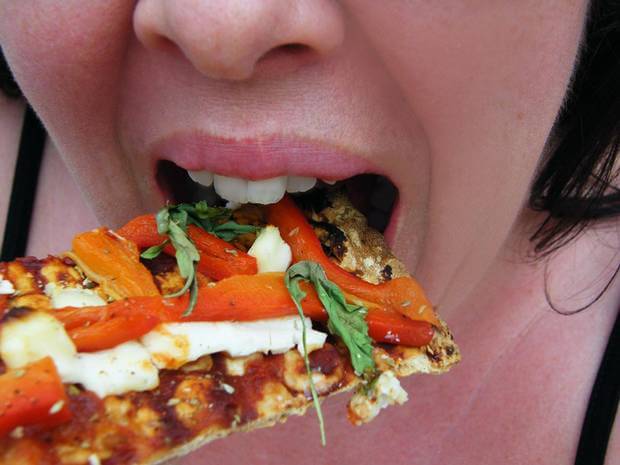
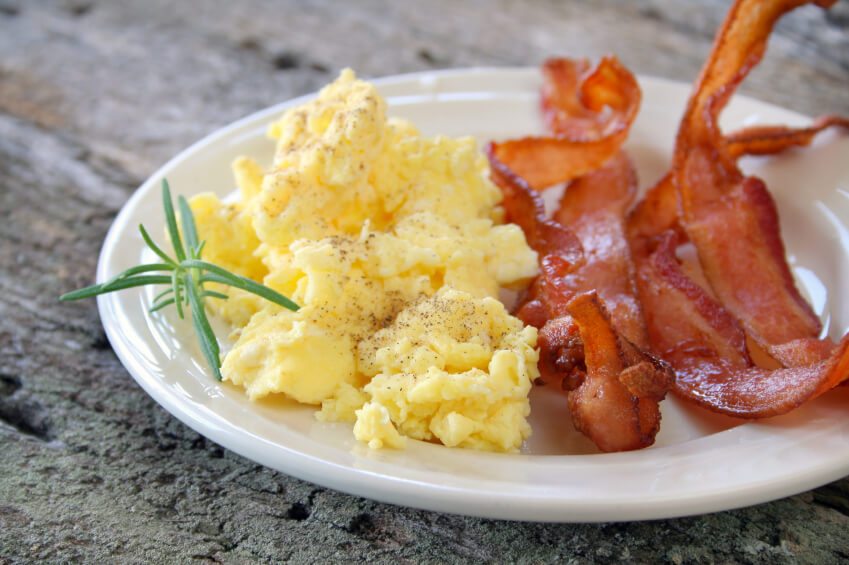
Bacon lovers could now have access to a healthier substitute very soon, as the scientists at Oregon State University (OSU), have created and patented a strain of seaweed which tastes-and also somewhat looks, like bacon.

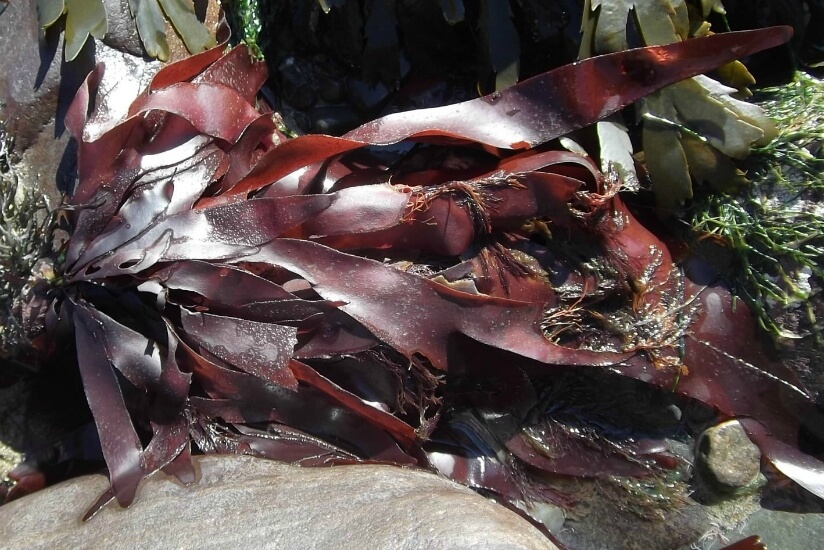
Palmaria mollis, a new form of the seaweed dulse, was grown by OSU’s Prof. Chris Langdon, for the past 15 years. Dulse seaweed has been consumed by people for a long time and is considered as healthy food supplement.

This new variety of dulse, growing faster than its wild species, contains very high in minerals, vitamins antioxidants, and up to 16 percent protein by dry weight.

Langdon’s original intention was to cultivate a “super food” to act as farmed abalone feed. The abalone showed higher growth rates than observed before.

The idea to use this as human food has evolved recently, and while Langdon is growing 9-14 kg of dulse per week, the students of business are deciding on a market plan, and determining protocols to test its feasibility.
dulsexl

The bacon taste is evident after frying the seaweed and its crinkly, red, translucent leaves look like bacon.

[adinserter block=”7″]

Author: Technology Blog
Algae to Save the Day?

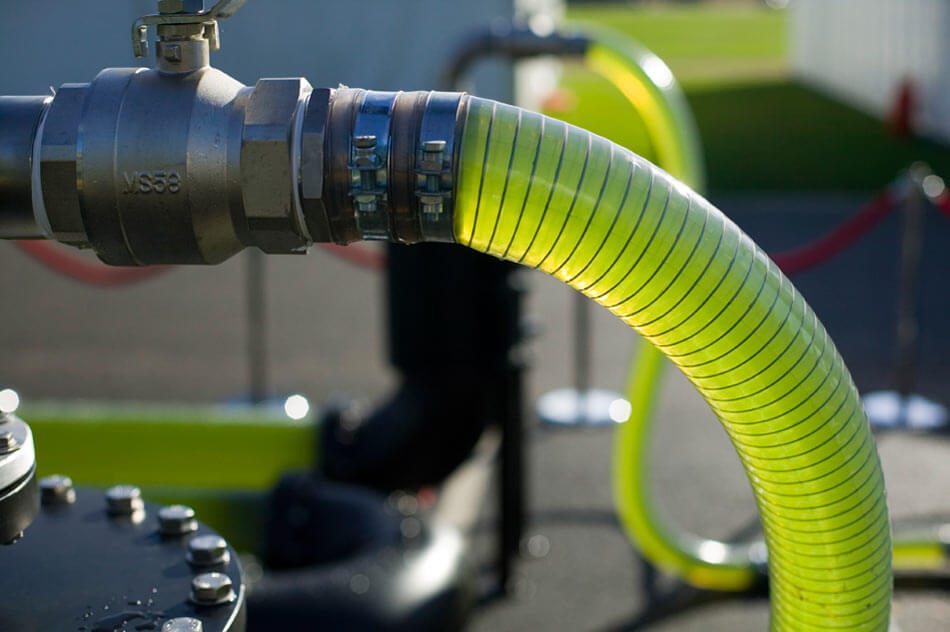
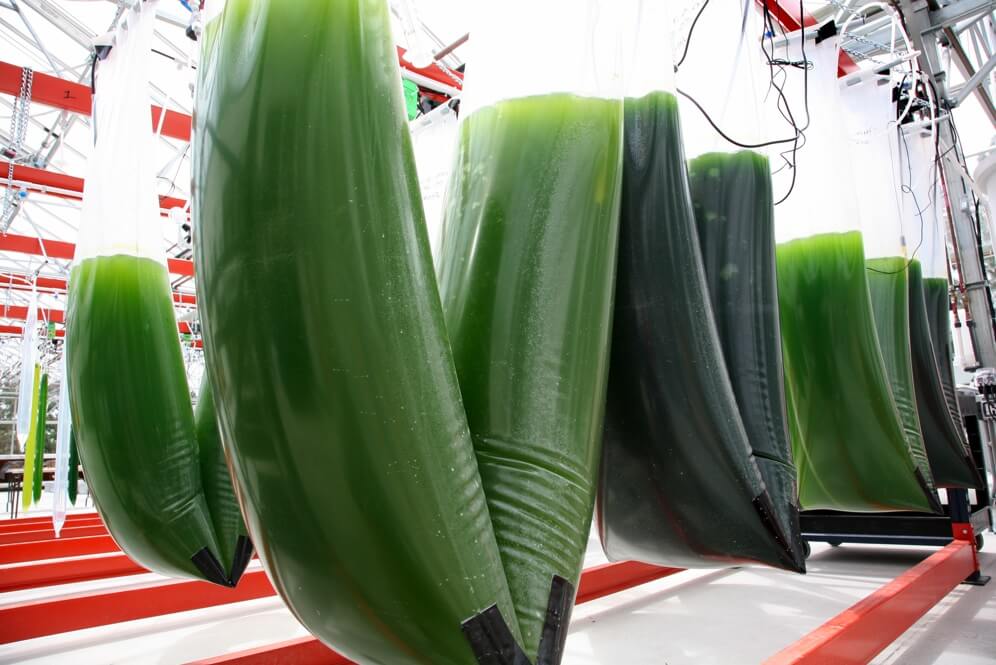
Algae is basically a plant, primarily aquatic, and unicellular organism. It follows a breatharian lifestyle i.e., living on air and sunlight. Certain strains of alga store oils in them which can be converted to biofuel for our use, in a world where diesel and petrol is scarce.

Algae can take up all the carbon dioxide from the air, and provide us with the same amount of carbon. Most convenient though, would be how flexible algae is. It can be grown literally anywhere. From your fish tank to the sewage treatment plants, it’s everywhere!

Feature graphic explains how to make biodiesel from algae. MCT 2008 06000000; 13000000; ENV; krtenvironment environment; krtscience science; krtscitech; krtworld world; SCI; TEC; krt; mctgraphic; 06003000; energy saving; environmental issue; 13019000; biotechnology; krttechnology technology; algae; biodiesel; biofuel; biotech; fuel; oil; oil prices; krt mct e krtaarhus mctaarhus; bell; 2008; krt2008

We are aiming to commercialize in the near future,” says Naoto Mukunoki, a spokesperson for Euglena. “The fuel derived from euglena is very light, and doesn’t harden in the sky’s low temperature. This is the same characteristic of kerosene, or existing jet fuel.”

One problem scientists face at the moment, is that all types of algae do not store oils in them. So they strongest strain, producing the most amount of oil has to be isolated and cultivated at a huge scale. Other than this, the cost of conversion of oil to fuel is very high, and adds to the cost of getting access to the unique alga in the first place.

Alison Goss Eng is a program manager at the Department of Energy’s Bioenergy Technologies Office specifies their goal to get algae fuel costs to around $3 a gallon. “[It’s] something that we think would be competitive with gasoline,” she says. “In the next couple of decades, we could get algae-based fuels to that level. A lot of that has to do with getting the algae to be really productive. We need to get yields up really high.”

exxonsynthetictestsite54

The year 2011 saw the United Airlines make history with the first algae-powered passenger flight from Chicago to Houston. Japan is not left behind and a company called Euglena Co. has partnered with Isuzu Motors to produce a fleet of eco-friendly buses that run on microalgae. Plans to fuel a commercial flight of their own using only algae biofuel by the 2020 Olympic Games in Tokyo are also bubbling.

[adinserter block=”7″]

Author: Technology Blog

Hydrogel Coating on Nanocells Efficiently Eradicates Tumor Cells

Researchers at Duke University, are working on a plan of covering gold plated nanocells with drug-infused hydrogel coating. Nanocells have been used previously in killing of tumor cells. Gold plated nanocells heat up in presence of infrared light and thus kill the tumor cells in vicinity. The hydrogel coating, completely destroys all the tumor cells.

nanoshell-cancer-hydrogel@2x

Solely using nanocells, is a targeted approach, which brings with it high risks associated with radiation. Hydrogel coated nanocell is a clean and harmless methods which work to do away with only the tumor cells, and not the healthy cells.

“The idea is to combine tumor-destroying heat therapy with localized drug delivery, so that you can hopefully have the most effective treatment possible,” said Jennifer West, who led the team responsible for developing the nanoshell technique in 2013. “And many chemotherapeutic drugs have been shown to be more effective in heated tissue, so there’s a potential synergy between the two approaches.”

2-nanohydrogel

Hydrogel coating contain chemotherapeutic drugs that are released slightly above body temperature. This experiment will be reconducted with live animals and human subjects a few months.

[adinserter block=”7″]

Author: Technology Blog
The Rewalk 6.0 Robotic Exoskeleton soon to make wheelchairs an obsolete thing!

Rewalk Robotics has launched a new version 6.0 of its robotically-assisted walking system which according to Larry Jasinski, the company’s CEO, “offers highly customized fittings and software to better match the size and anatomy of each individual user, providing a better walking experience than any prior design and over any other known products in clinical trials around the world.”

rewalk_wide

In terms of operation, the new version works just like its predecessors. Users first have to strap it onto their torso and legs and the system then can be switched on using a small wrist-borne controller. Once activated, it controls the movements on the basis of even a slight change in his/her centre of gravity. For ex, the forward tilt of the wearer’s body commands it to initiate a forward step. The new version brings along other advantages like it removes from the shoulder, gives the user freedom for clothing choice and movement and the sleek redesign of the strapping and padding  provides the user with an easier and faster capacity to put the system on and take it off. The new version is smaller, lighter and faster (the fastest speed of any commercially available exoskeleton) than its predecessors.

reWalk

Earlier the FDA also put its approval seal on a prior version of ReWalk for people with spinal cord injuries and gave it green light for both personal and clinical use. Currently the system carries a price tag of $77,000.

[adinserter block=”7″]

Author: Technology Blog

Your phone to reveal the state of your mind!

Researchers from North Western University have published a new study in the Journal of Medical Internet Research that explains how GPS and usage sensors can help determine if the user is under depression or not. The study was conducted in a sample size of 40 users whose phones were fitted with a data acquisition app called ‘Purple Robot’. Purple Robot is a “sensing and scripting application that enables the creation of context aware behavioural interventions and experiences.” In addition to this, in the beginning of the study the participants were asked to fill up an online assessment of a patient health questionnaire and demographics.

267B64C500000578-0-image-a-62_1425950423706

The researchers then analyse the data of Purple Robot about how often the users were on their phones, how many times they were leaving home and whether or not they were deviating from their daily route. Using the data obtained from the questionnaire and the Purple Robot, they were able to deduce that people with symptoms of depression tend to move less through geographic spaces.

28D1210000000578-3086134-image-a-20_1431944665492

David C. Mohr, the report’s author and a Professor in Preventive Medicine-Behavioral Medicine at North Western University discussed in the report’s conclusion as to how this study can be used “unobtrusively” to detect behavioural factors related to depression in patients.

[adinserter block=”7″]

Author: Technology Blog

Rock and Volt: a chair that generates energy

Who doesn’t like to rest on that rocking chair? Naps always seem to be enjoyable on these chairs. But what if besides being enjoyable these rocking chair sessions become energy efficient too? Here comes the “Volta” a chair that generates energy while you rock it. This has been developed by a team of four undergraduates from UC Berkeley .

novague

There is a pendulum fitted under the seat of the chair. As the person sitting on the chair rocks, the pendulum moves and produces energy because of its motion. This energy produced then gets stored in batteries and can be used for charging mobile phones and tablets.

novague-rocking-chair3

Unfortunately there are no plans in near future to bring this chair in the market, as it is quite heavy at nearly 80 pounds. But whenever it does enter the markets, it surely will appeal to lot of people who think of energy efficiency.

[adinserter block=”7″]

Author: Technology Blog

Chimaera is here to turn off your pain

All kinds of pain originate from nerves and depend on the electrical signals in the nerve. Researchers have been working hard to find a way to countermand those signals by nipping the nerve directly. ‘Neuromodulators’ are a recently developed device which is implanted by the surgeons to stop pain. But this can only be done if they are able to locate the right nerve. This task becomes even more difficult when the nerve in question is behind the eye or the face and even a minor wrong nip can be damaging to the patient. This is where Chimaera comes into picture.

screen_shot_2015-07-15_at_4.55.38_pm

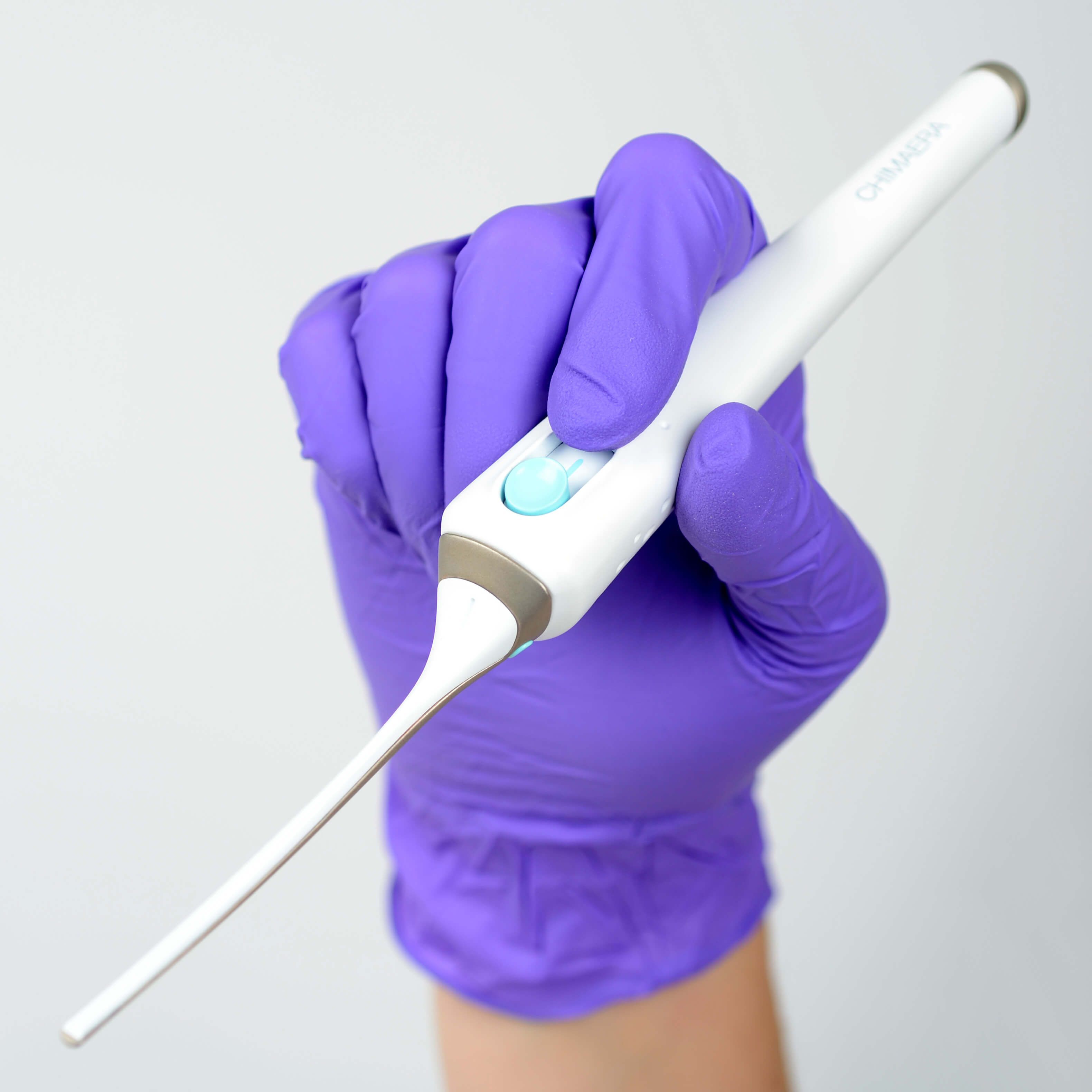
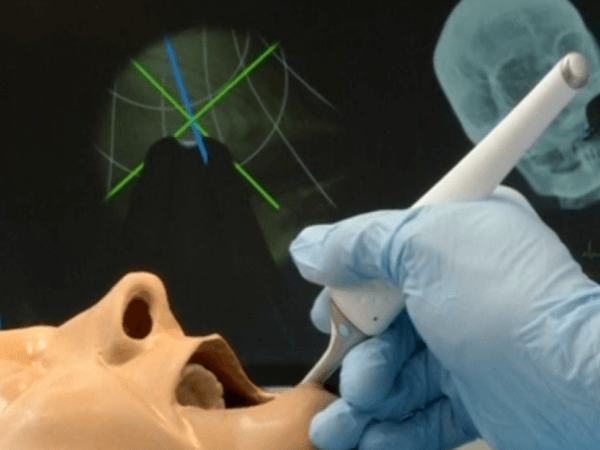
Chimaera is a wireless wand-like device which is when held near the place where an incision is to be made, sends data about that spot to a computer. This data is then combined with the CT scan of the patient’s brain. The aggregate information is then compiled into a single X-ray-like image that can be studied by the surgeon using a Google Glass. This image lets the surgeon know about the blood vessels and nerves around the area to be cut and helps them make a precise incision. After the incision, the Chimaera helps the surgeon to make progress towards the right nerve corresponding to the pain and then he can implant the neuromodulator device easily.

3040462-poster-p-1-this-device-could-make-effective-drug-free-pain-management-accessible-to-the-masses

It is hoped that these surgeries involving neuromodulators (which are very complex and done by only a handful of surgeon across the globe) will become easier and more common, once Chimaera is completely up and running from its “concept car” stage with the help of partners eager to produce it at a large scale.

[adinserter block=”7″]

Author: Technology Blog

Charging the next smartwatch using high-performance supercapacitors

2012-03-19-eetimes-jh-printed-graphene

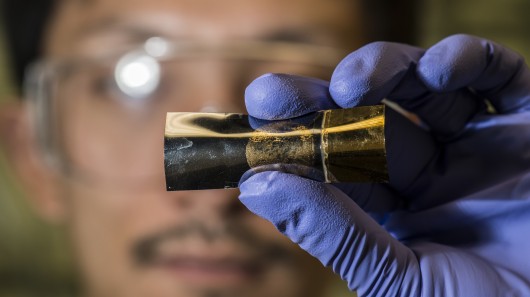
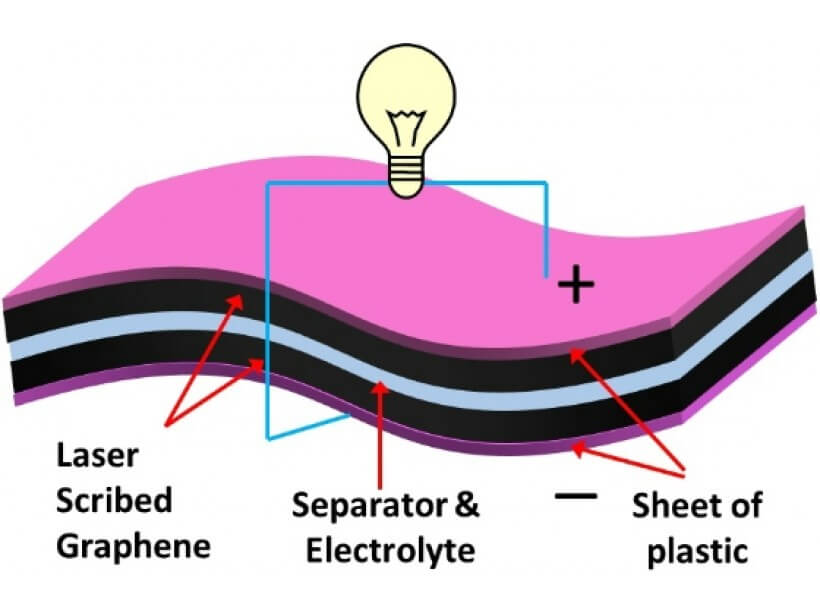
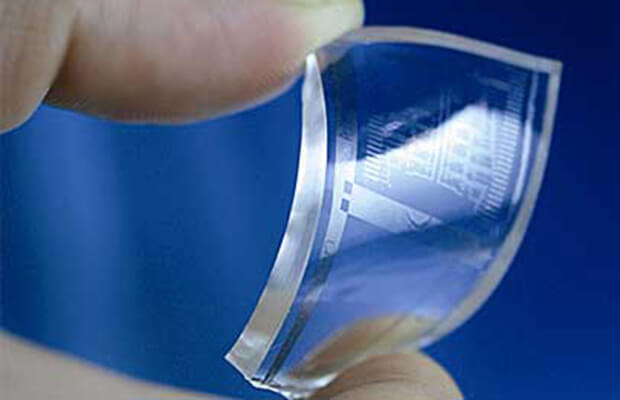
Smartwatches and fitness trackers are the need of the day. But the problem with these gadgets is their size constraint. Because of their small size, the very small cells fitted inside; struggle to deliver the quick bursts of power needed to broadcast data wirelessly. This problem gets even worse over long distances. To find a solution to this problem, researchers at MIT have developed a new type of flexible, nanowire-based supercapacitor. These small supercapactiors could, in future deliver quick bursts of high power needed for these gadgets.

Presently, researchers are in the process of developing high-performance supercapacitors from a number of materials, carbon nanotubes and grapheme being the front runners because of their capacity to pack large number of ions on their large surface area which in turn helps in storing more energy inside a small device.

Grafeno2_620

The MIT has proposed a new approach that uses yarns made from niobium wires as the electrodes in the tiny supercapacitors. This nanowire- based supercapacitor has high volumetric power density of 55 W/cc and energy density of 7 mWh/cc; which are respectively two and five times of nanotube-based yarns. It would be a possible to produce the device at a lower cost and in a form that occupies even smaller volume. In addition to this, Niobium is a fairly abundant material so the supercapacitors would be easy to produce and cheap. These may also be used for powering robots. Because of its high flexibility, the material can also be woven into fabrics and wearable devices with a lower carbon footprint can be created.

[adinserter block=”7″]

Author: Technology Blog

Feeling drowsy? Your steering wheel knows it!

Kak-ne-zasnut-za-rulem

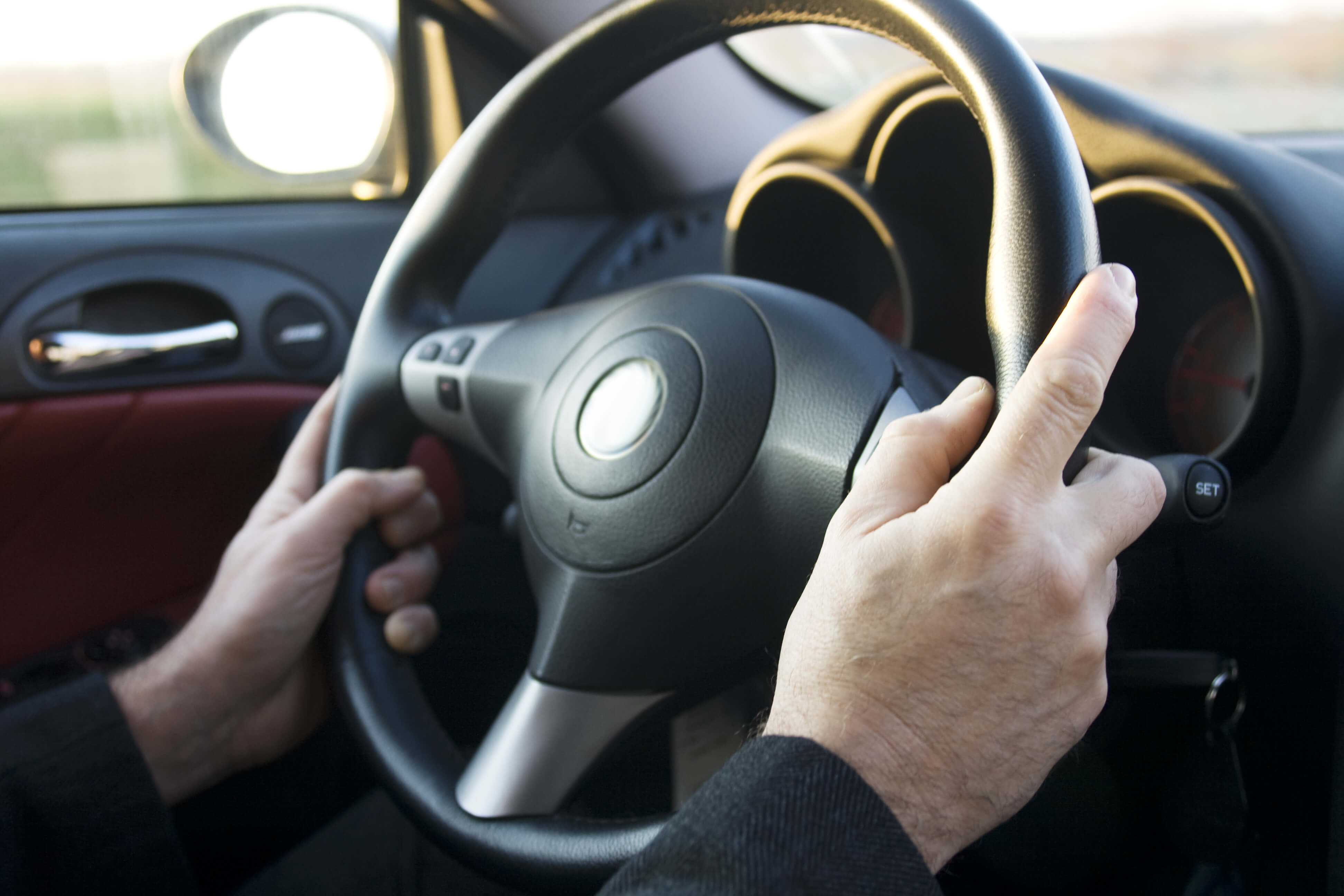
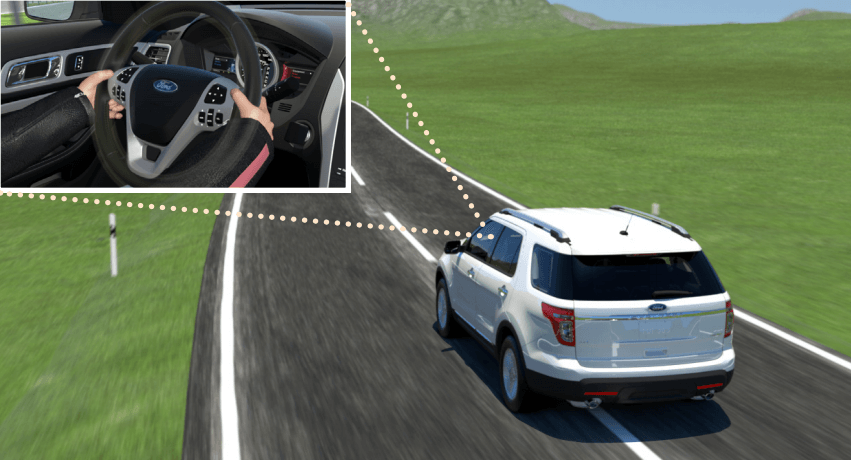
A steering wheel add-on that senses fatigue and also tracks the driver’s grip; has been developed by a German engineering firm Hoffman and Krippner, in cooperation with Guttersberg consulting. This new technology of theirs utilizes the fact that the pressure applied and the movements on the steering wheel by an alert driver differ from that by a drowsy, unconscious or unwell driver as the latter tend to lose their grip and move their hands less on the steering wheel.

This add-on or little device consists of a thin strip of sensors (developed by Guttersberg Consulting) that are fixed to the inside rim of the steering wheel, beneath the covering. This thin strip of sensors called “Sensofoil” is made up of thin layers of foil having weak electrical current running through them. An alert driver when holds the steering wheel, pressure is applied on the layers and makes them to come in contact with each other causing short circuits. An inbuilt microprocessor keeps track of the intensity, frequency and location of the shorts to establish a driving pattern for respective users. When the driver is drowsy, his grip weakens and that causes to the pressure on the sensors to drop creating a different pattern of the shorts. This deviation is picked by the add-on and the driver of the car is alerted to pull over or wake up.

Lane_Keeping_Package_Camera_Correction_Ford

As per the firm, the resistive technology used in this add-on is another advantage because it works even when the driver is wearing gloves and also it is less sensitive to dirt, sweat and temperature changes. But the commercialization is still a far-fetched idea and will take years to trickle down to low-priced cars.

[adinserter block=”7″]

Author: Technology Blog

Electric Aircrafts Compete for Tag of First to Cross the English Channel Crossing

yuneec-e340-electric-aircraft-post

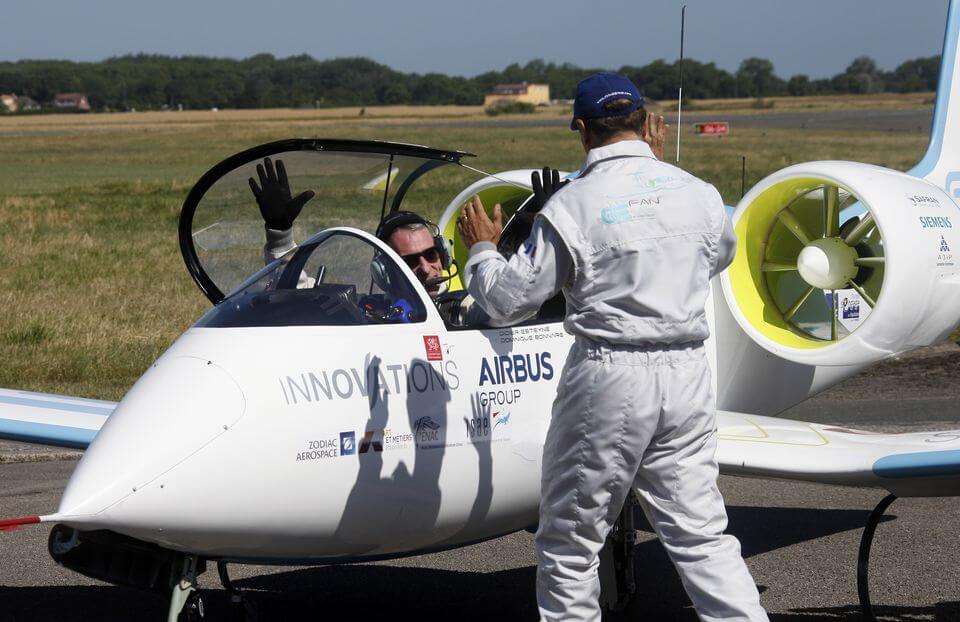
The three competitors for the run were, Airbus Group’s E-Fan technology demonstrator, French Aerobat Hugues Duval’s Cri-Cri electric plane and, Pipistrel, a Slovenian company. Pipistrel had to forfeit when Siemens, the creator of the aircraft’s electric motor, denied permission for it to fly over water.

Airbus claimed to have been the first to cross The English Channel after making it’s flight from Lydd, Kent to Calais on Friday with pilot, Didier Esteyne, for 46 mi (74 km) to Calais in 36 minutes at an altitude of about 3,500 ft. Unfortunately for them, the Associated Press reported that Hugues Duval had made flight from Dover in his Cri Cri and reached Calais 12 hours earlier on July 9, Thursday. The Cri Cri flew at 65 mph (105 km/h) and had a 25 min range, and altitude of 16 ft for 17 minutes.

Airbus-E-Fan

Though, Duval’s flight is of the shorter duration, the catch in his case is the fact that his plane that to be towed into the air by another plane, as he didn’t possess clearance to take off from Dover. This certain drawback could be the iceberg to Duval’s ship.

[adinserter block=”7″]

Author: Technology Blog

ESA’s ExoMars rovers to Limit Death Toll in Oil and Gas Industry Accidents

rover 2

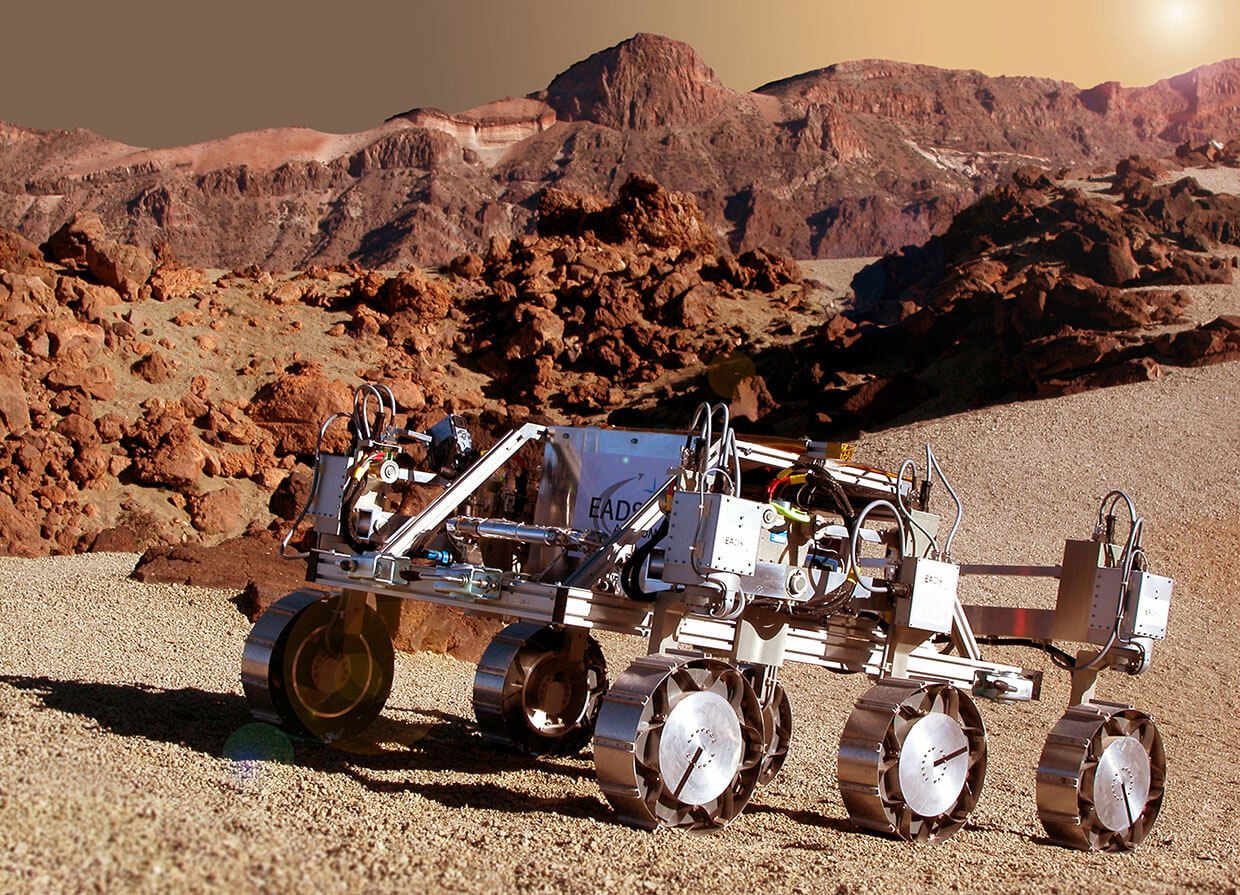
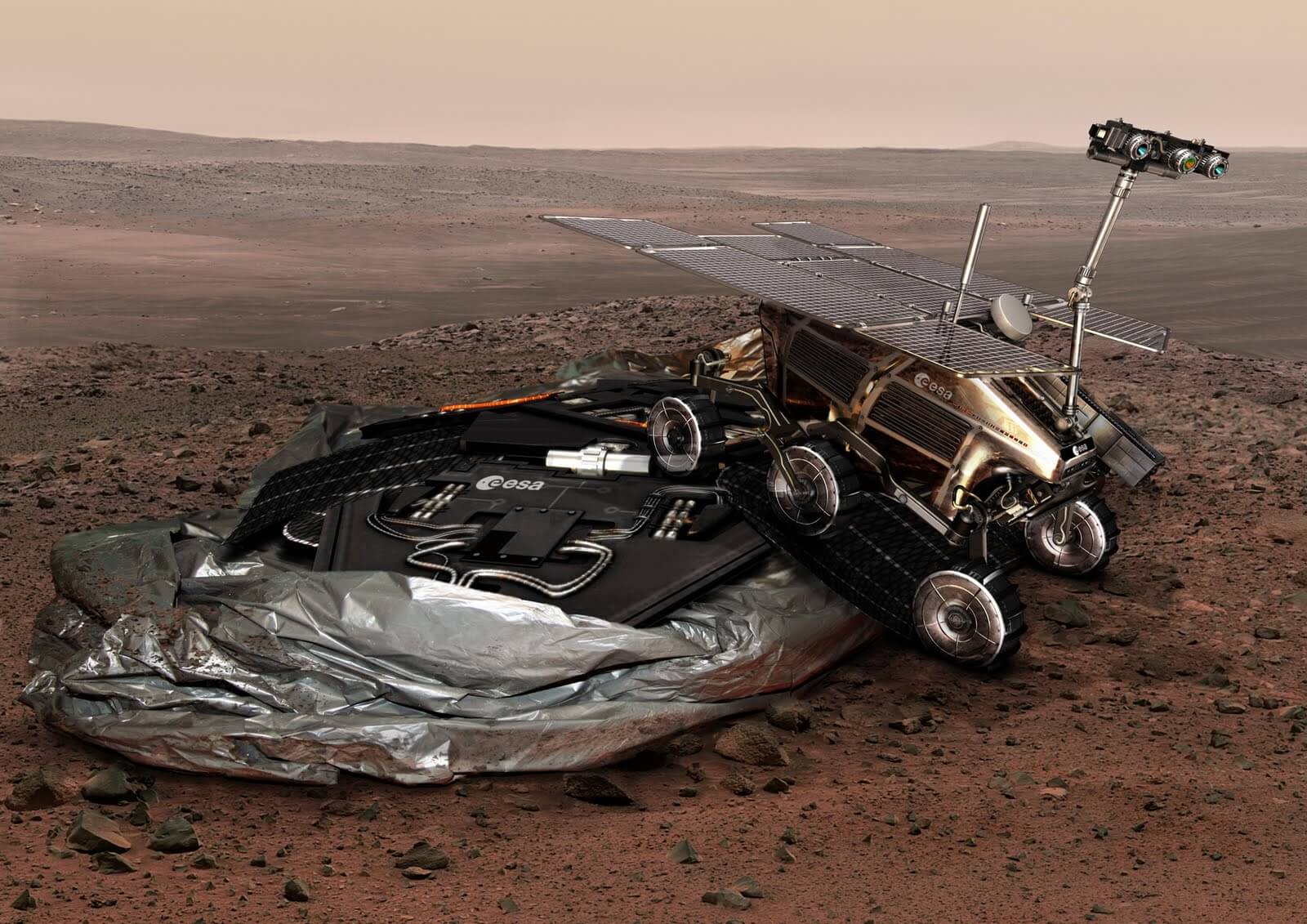
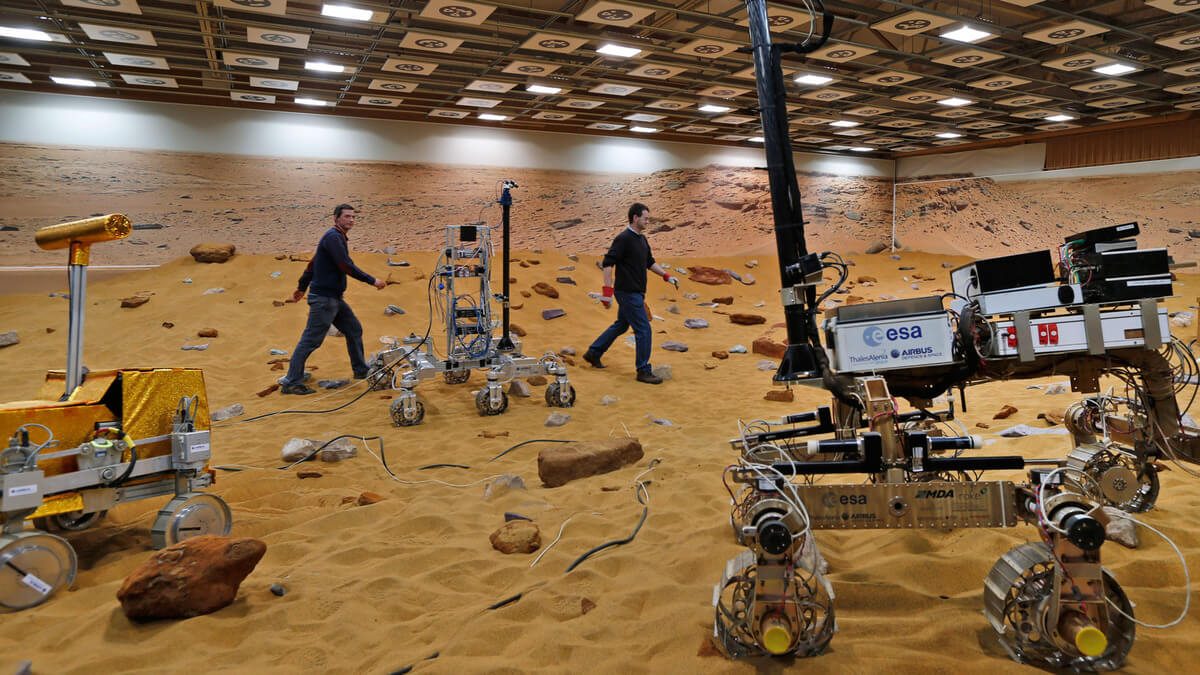
GMV, an ESA partner is creating the Flipper-based Oil & Gas ATEX Intelligent Robotics System (Foxoris) robot. This robot uses improved sensor systems that will alert the authorities in case of any leaks or threats that might endanger the workforce. The technology used, has been derived from both ESA’s ExoMars rover, and the Meteron communications protocols.

“We want the robot to be able to move anywhere on a production facility that a human can go today,” explains Kris Kydd of Total’s Exploration & Production R&D Department, also the project manager for Argos. “Then, using artificial intelligence, we want the robots to be able to read and record the values on the instrumentation, and to know autonomously whether they are normal or not. If there is an abnormal situation, the robot has to alert the remote operator.”

exomars

Foxoris robot is one of the five robots contesting in the three year Total oil and Gas Company’s Autonomous Robot for Gas and Oil Sites (Argos). The sturdiest and most efficient robot would survive the extreme simulated environment to prove their worth. Out of the three sets of tests, Foxoris has won the first round; second round is to be held on June 2016.

[adinserter block=”7″]

Author: Technology Blog

“Brainet” for Collective Thinking

brain

In a series of experiments conducted by Miguel Nicolelis, a neurobiologist at Duke University Medical Center, and his team, the brain of four rats have been connected by implanting microscopic electrodes into their brain cortex. This connection has facilitated the collective intellect of the rodents to solve basic problems and also predict the weather. Miguel Nicolelis quoted in The Guardian, “Essentially, we created a super-brain,” one that worked together to move a prosthetic arm, or alternatively, predict the weather.

2A67194300000578-3156005-image-a-3_1436522331664

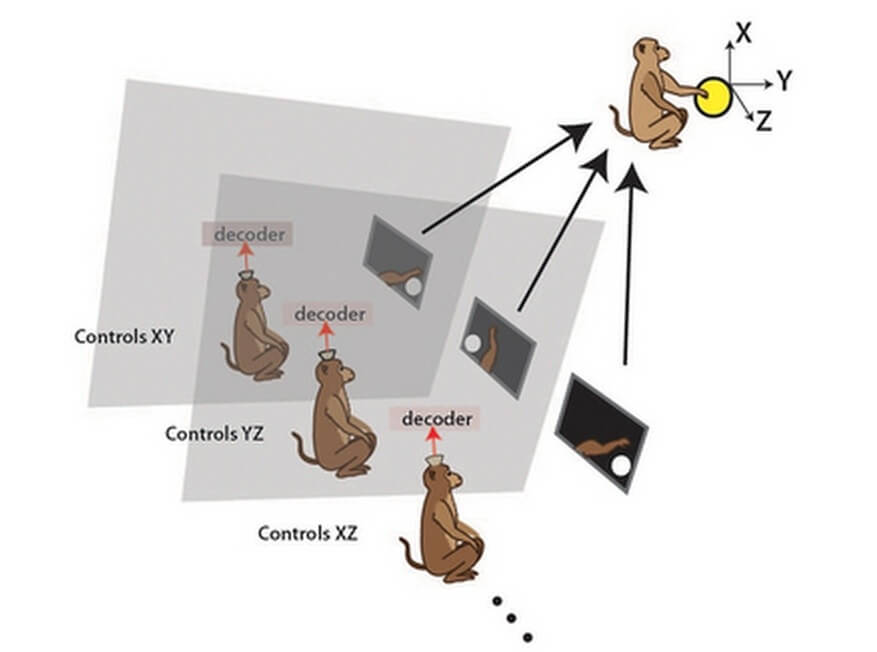
Three monkeys were previously subjected to a similar experiment in which, they were placed in separate rooms, with each of their brains connected to a computer. The monkeys could move a prosthetic arm to do the desired function. They even succeeded in doing so, when an additional challenge of each monkey, being allowed to control only one aspect of the movement was introduced.

The rats, the current subjects, started thinking synchronized 61% of the time by the 10th session of training. Nicolelis says, “This is the first demonstration of a shared brain-machine interface, a paradigm that has been translated successfully over the past decades from studies in animals all the way to clinical applications.”

monkey-brain-interface

This “superbrain” essentially creates a computing device that could be used to help epilepsy and stroke patients in the future. From monkeys, to rats, to human brains, we are all better off united by wisdom, and by intellect.

[adinserter block=”7″]

Author: Technology Blog

The Map of Tastes on Tongue: Wrong! All wrong!

2015-07-13 20_51_03-P1020054copy.jpg Photo by kYoOti3_baB3 _ Photobucket

That famous tongue map diagram marking off different areas of tastes on the tongue viz. Sweet in the front , bitter at the back and salty and sour on the sides, originated in a 1901 paper Zur Psychophysik des Geschmackssinnes by German scientist David P Hänig. Hänig dripped stimuli corresponding to salty, sweet, sour and bitter tastes round the edges of the tongue and found that there was a variation in the amount of stimulus that made the tongue register its taste. He plotted a graph for this. This graph led a Harvard professor Edwin G. Boring to finally come out with a tongue map that had various sections devoted to different tastes. This is the map that is taught in schools since ages.

Arguments against the taste map

parts-of-tongue1-801x1024

Ever since the tongue map came into existence there have been arguments opposing it. Results from a number of experiments indicated that all the areas of mouth containing taste buds (even the soft palate on the roof of one’s mouth) are sensitive to all kinds of tastes. The chorda tympani branch of the facial nerve in the front and the glossopharyngeal nerve in the back are the two nerves that are supposed to be responsible for taste perception in tongue area. But studies found that even an absence of chorda tympani didn’t affect the tongue’s ability to taste sweet!

The modern molecular biologists have also identified many receptor proteins that are critical for detecting taste molecules and found that each receptor type is found all taste areas in the mouth and not in certain demarcated sections. If you still want to test it, do it at your home by tasting coffee or a salty wafer. U will know that the taste is spread all over your mouth.

[adinserter block=”7″]

Author: Technology Blog

Want to know how dolphins use sound to see?

human-senses-vs-shark-fish-and-dolphin-senses-12-728

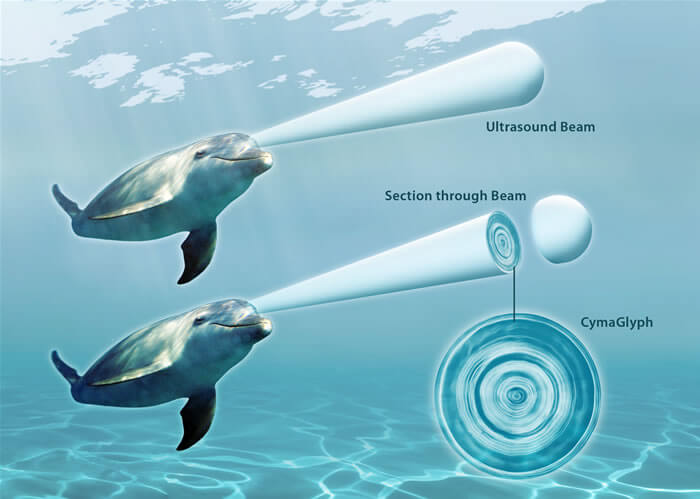
Using a technique called diffusion tension imaging (DTI), neuroscientists have succeeded in mapping the sensory and motor systems of two dolphin brains, for the very first time. This would help the researchers to understand how animals actually use the skill of echolocation. Echolocation is the skill that animals use to navigate and spot prey by emitting high frequency sounds. Most mammals process sound in the temporal lobe whereas a dolphin’s auditory nerve is wired to both the brain’s primary visual region and the temporal lobe, which is exactly the reason for a Dolphin’s world-famous sonar. Neuroscientists at Emory University have presented these facts and more in a forthcoming paper in Proceedings of the Royal Society B.

Dolphin_UltrasoundBeam_HRbig

Lori Marino, cetacean neuroscientist and study co-author said: “This research shows that the dolphin brain is even more complex than we realised. They can rapidly move back and forth between their senses of sight and sound and are the most sophisticated users of biological sonar in the animal kingdom.” Using DTI (that maps the brain’s wiring structure) , the researchers were able to establish that two totally different regions associated with vision and hearing respectively were clearly connected by the auditory nerve in a dolphin’s case.

Based on these mappings of dolphin brain, Gregory Berns, lead study author, believes that as a next step, DTI technique can also be used to scan the brains of all the animals housed in museums and this may help in digging out some answers to the mystery of how animals think.

[adinserter block=”7″]

Author: Technology Blog
Re-configurable and Reusable Quantum Satellites

698135main_Servicing-Satellite-Full

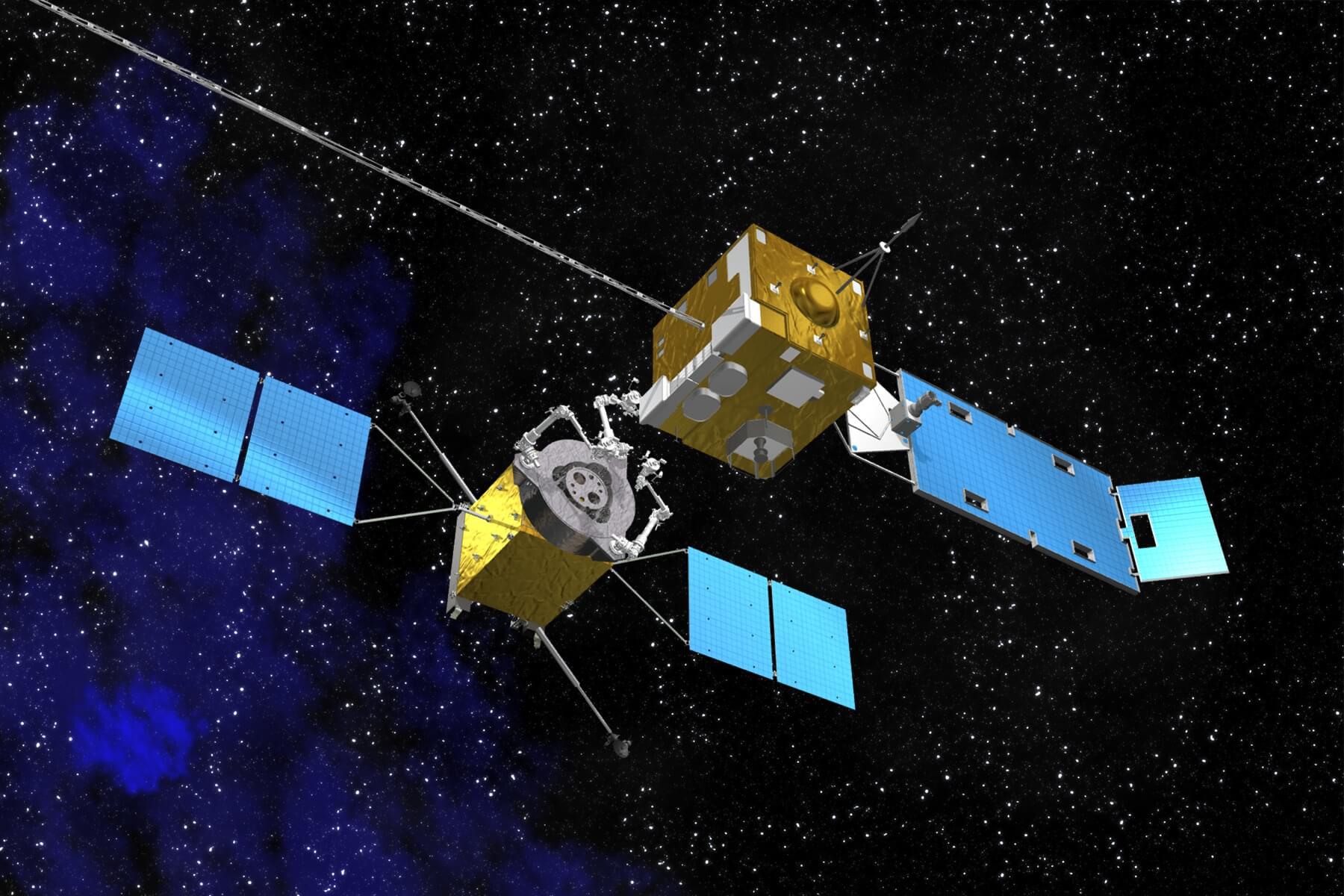
Science has made yet another stride in the creation of Quantum satellites which can be reconfigured for a different project from earth anytime during the 15 years of it’s orbital life.

ESA, Eutelsat and Airbus Defense and Space are behind this new technology.

p0uyU2QHqN6aqNd2sZuQ_full satellite on trolly.jpg

Satellites are traditionally made up of expensive and sturdy material to protect them in space. After the assigned project of the satellite is complete, the structure is discarded. This, not only requires more funds to construct a new satellite for a new job, but also, contributes to the enormous amount of man made junk floating about in outer space.

Quantum satellite uses phased array antennas which can be reset electronically. The first Quantum satellite is to be delivered in 2018.

[adinserter block=”7″]

Author: Technology Blog

Verified by ExactMetrics