Philips’ LED-based indoor farming to revolutionize the food industry!

philips_02-1000x666

Ever wonder what will happen when the ever increasing population of the world will eat up all the land that is used for agriculture? And when there is no land to grow food on, what will happen to those ever growling hungry bellies? Addressing this same societal concern of world hunger and aiming to provide healthier and better tasting food to all, Philips has recently opened an LED-powered farm called GrowWise City, in the Netherlands which is now home to 10,000 researchers.

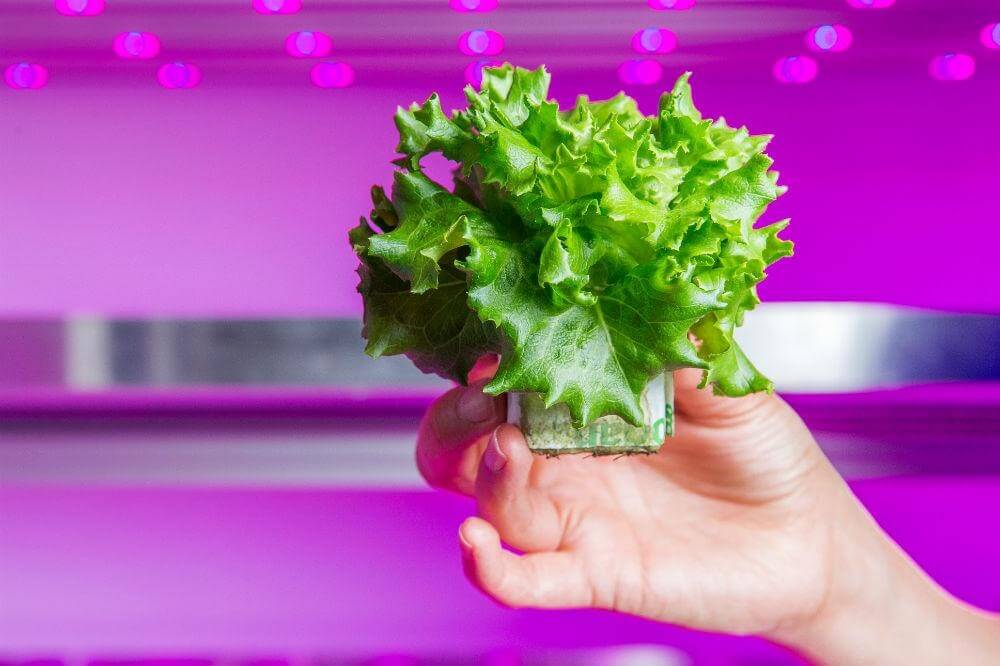
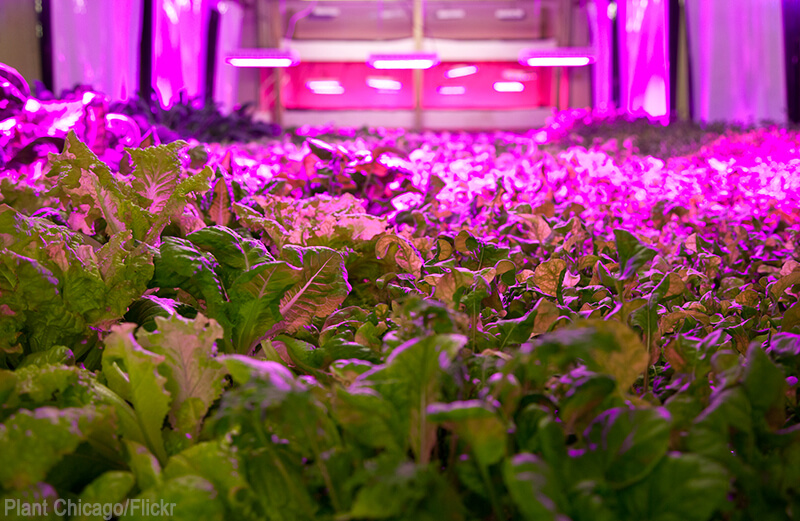
GrowWise City is a clean environment that allows for absolutely no air or natural light. At this 2500 square foot facility, scientists are working day and night in a bid to provide farmers with “LED light growth recipes” that will help them to grow healthy and fresh crops throughout the year without any need of soil and sunlight. The research centre comprises of eight climate rooms that have four-layered mechanized planting racks. Each layer of the planting rack uses Philips GreenPower LEDs that specifically specialize in crop-growth and can be adjusted to suit individual plants. Presently, the researchers are working on light recipes for herbs, strawberries and upgraded leafy vegetables and aim to move on to developing recipes for carbohydrate crops like wheat and potatoes.

hr-photo-philips-city-farm-research-center-9-640x427-c

Gus van der Feltz, Philips Global Director of City Farming, expressed, “Our aim is to develop the technology that makes it possible to grow tasty, healthy and sustainable food virtually anywhere. The research we are undertaking will enable local food production on a global scale, reducing waste, limiting food miles and using practically no land or water.”

[adinserter block=”7″]

Author: Technology Blog
New Ultrasound Technology that turns screens into malleable surfaces

tablet-touchscreen-2-600x315-c

According to the GHOST (Generic, Highly-Organic Shape-Changing Interfaces) research project, static screens that we are surrounded with viz. TV, computer, laptop, smartphones and tablets are a real drawback for humans. We humans by nature are inquisitive and thrive on interaction and manipulation of the world around us! So working and believing in this same direction, this European backed research group has been working on developing displays with shapes and sizes that we can change.

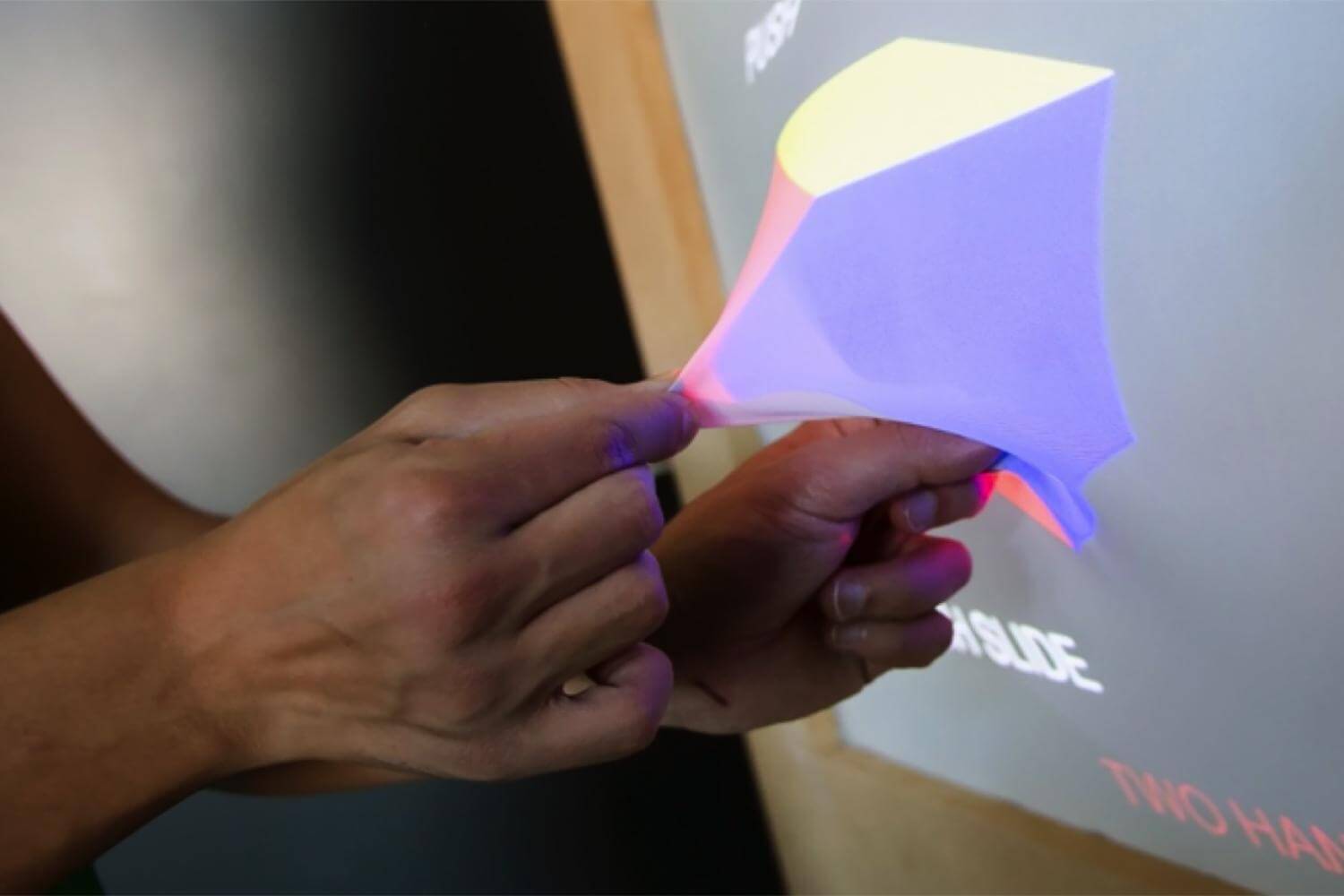
According to Phys.org, in the past two years the group has developed various systems that aid in a real, physical interaction between the screen display and the user. By using ultrasound levitation, the group has succeeded in projecting the display out of the panel and when this is combined with a deformable screen, the users can actually reach into the display and interact with what’s there. During a demonstration of theirs, called Emerge, the GHOST project made a user reach into a bar graph and manipulate the levels.

touchscreen

The team has discussed various potentials of the technology, in reactionary display reforming for example; an ATM would be able to adjust its screen in way that it would prevent those standing nearby from reading a pin code as it is typed. In another example, using this technology, smartphones and tablet screens can be configured to conform to the shape of a map’s topography. Though such high levels of malleability of the screen is a far-fetched idea right now, the developers believe that within the next five years we would be able to see the first displays conforming to the shapes we choose.

[adinserter block=”7″]

Author: Technology Blog

Indigo – Clean : Killing bacteria with a switch

indigo-clean-1

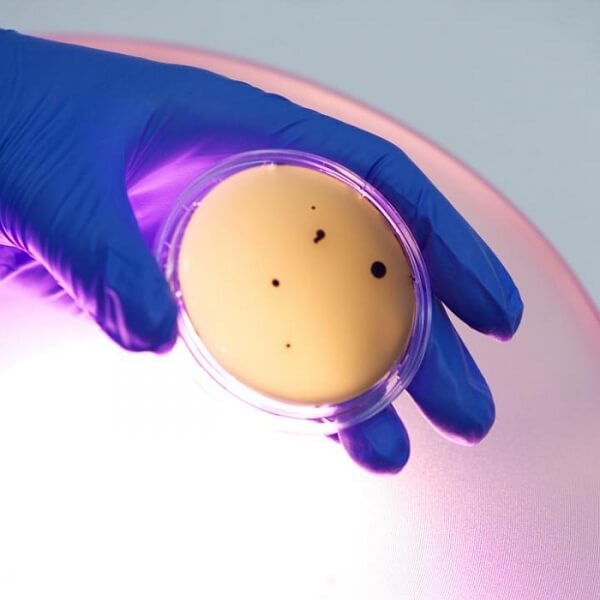
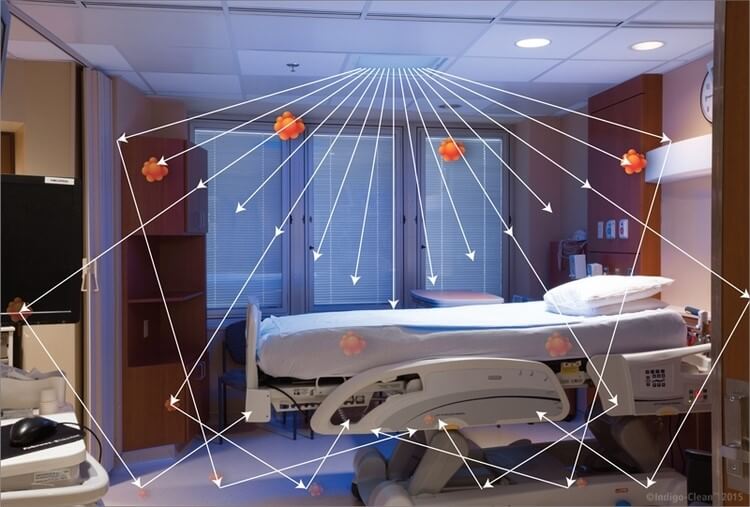
Originally developed by University of Stratchclyde Glasgow, and now presented and commercialized by Kenall Manufacturing, a new type of light fixture, ‘Indigo Clean’ claims to wipe out hazardous bacteria while still being safe for humans. All of us know about Ultraviolet lights’ sterilizing prowess but we also know that it is harmful to humans. Indigo Clean on the other hand, when switched on, emits light of high intensity low spectrum – HINS- at a wavelength of 405 nanometres which is actually outside the UV range and hence not harmful for humans.

shutterstock_131191718-970x546

The molecules inside the harmful micro-organisms lurking in the room, absorb the HINS light. This light once when absorbed by the molecules, causes a chemical chain reaction that stops their growth preventing reproduction and eventually kills them.  As Indigo- Clean is safe for humans, no special operator or clearing out of the room is required. Activate it with a switch on the wall and poof! There goes that harmful army of bacteria!

[adinserter block=”7″]

Author: Technology Blog

Red Light can heal by Inducing Increased ATP Production

dc744b0423b21d56d42b6642b1087397

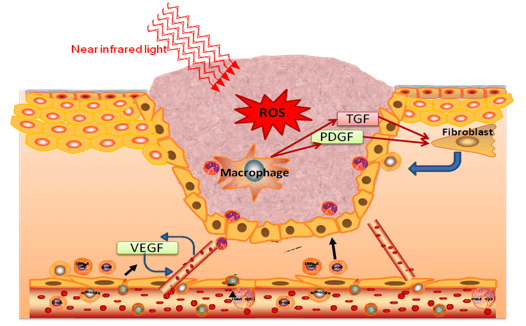
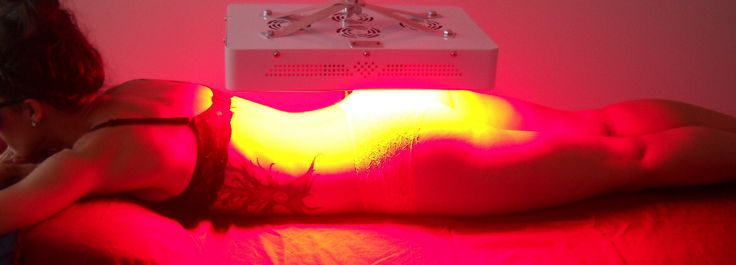
A burst of red light seems to be capable of healing wounded cells, providing analgesic effect and perhaps even helping with male infertility. This red light makes the water (main constituent of our cells), less viscous, which allows the enzyme present on mitochondria (powerhouse of cell) to spin faster, producing more ATP (energy unit).

LaserAction

Near infrared light has been proved to help with Parkinson’s disease in mice and can also energize sperms to increase fertility. Eye burns and tissues with pain and inflammation can be alleviated.

temp

[adinserter block=”7″]

Author: Technology Blog
New Jersey to come up with Largest Vertical Garden Ever Made!

Organics-Restaurant-Vertical-Garden-Urbanarbolismo-1

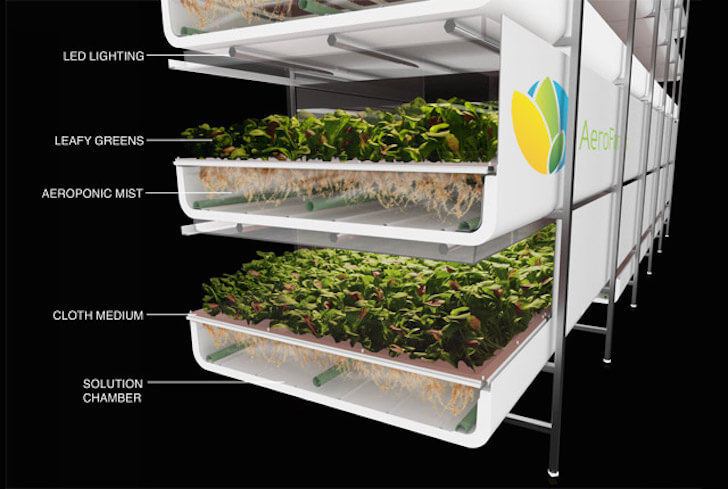
A steel factory in New Jersey has started to metamorphose into what could be the biggest indoor vertical garden till date. Spanning 69,000 square foot of space, this garden would be capable of feeding thousands and would produce up-to two million pounds of romaine lettuce, kale and arugula annually.

This main advantage of this new structure would be that it uses 95% less water than an average outdoor farm, plus no pesticides will be involved in production. AeroFarms, the company providing for this development, estimates this farm to be 75 times more productive than an outdoor farm. This farm, if successful, could be a great help in wake of the crippling drought in California.

verticalfarm_800

First phase to be completed by October 2015.

[adinserter block=”7″]

Author: Technology Blog
Dengue Fever? Bring those genetically modified mosquitoes in!

GM-mosquito-lifecycle

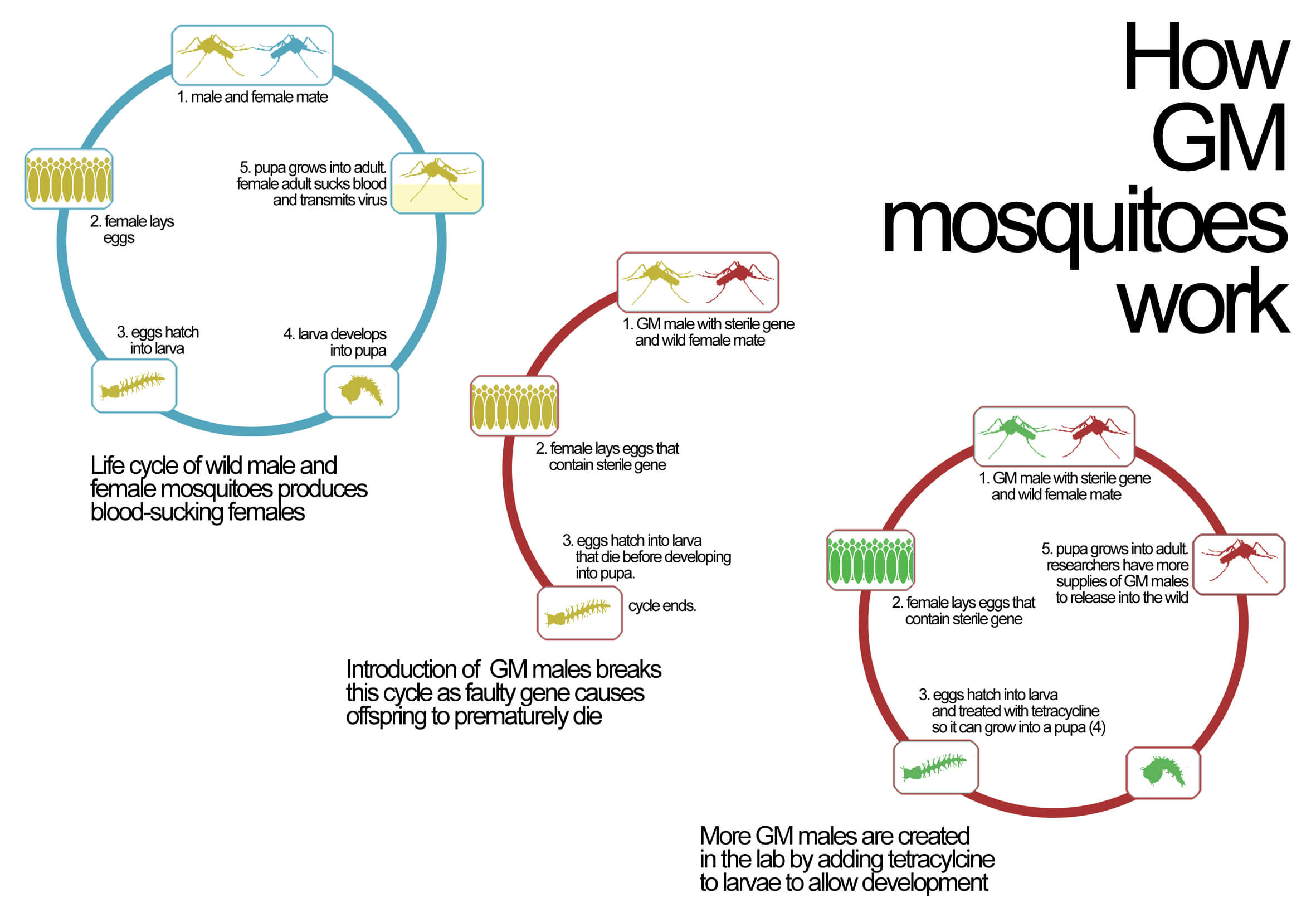
A unique form of pest control was tried in Juazeiro, a city in north east Brazil, to combat dengue fever. Popularly known as the “bone breaker” it causes vomiting, severe pain in the joints and abdomen and circulatory system failure. The problem is, this fever which is primarily spread through the mosquito species Aedes aegypti, is nearly impossible to treat. So the only way to fight it; is precaution, i.e. reducing the number of mosquitoes that carry it.

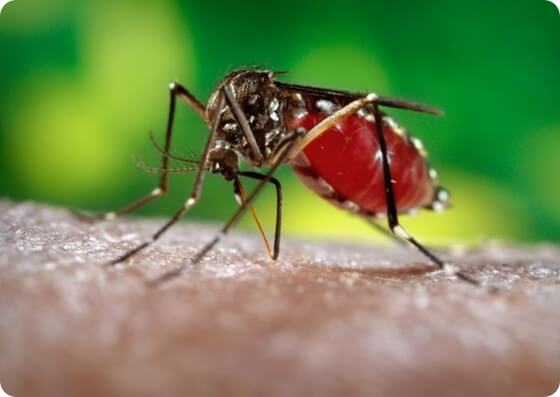
2006 Prof. Frank Hadley Collins, Dir., Cntr. for Global Health and Infectious Diseases, Univ. of Notre Dame This 2006 image depicted a female Aedes aegypti mosquito as she was obtaining a blood-meal from a human host through her fascicle, which had penetrated the host skin, was reddening in color, reflecting the blood?s coloration through this tubular structure. In this case, what would normally be an unsuspecting host was actually the CDC?s biomedical photographer?s own hand, which he?d offered to the hungry mosquito so that she?d alight, and be photographed while feeding. As it would fill with blood, the abdomen would become distended, thereby, stretching the exterior exoskeletal surface, causing it to become transparent, and allowed the collecting blood to become visible as an enlarging intra-abdominal red mass, as is the case in PHIL# 9175, and 9176. As the primary vector responsible for the transmission of the Flavivirus Dengue (DF), and Dengue hemorrhagic fever (DHF), the day-biting Aedes aegypti mosquito prefers to feed on its human hosts. Ae. aegypti also plays a major role as a vector for another Flavivirus, "Yellow fever". Frequently found in its tropical environs, the white banded markings on the tarsal segments of its jointed legs, though distinguishing it as Ae. aegypti, are similar to some other mosquito species. Also note the lyre-shaped, silvery-white markings on its thoracic region as well, which is also a determining morphologic identifying characteristic.

Keeping this fact in mind a British biotech company Oxitec has engineered a male mosquito that looks just like the usual male mosquito to the female ones in the wild. But when these mosquitoes mate, they pass onto their offspring a mutation that kills them before they are even ready to reproduce or spread the disease. Since last few years, dengue has been on the rise in Brazil with a horrific figure of 16 million new cases every year. The problem doesn’t end here. Many of the disease carrying mosquitoes have become resistant to pesticides leaving a slim window to combat the disease. So over a one year period, researchers from Oxitec released the genetically modified males in the north east area of Brazil and monitored the resulting eggs. The study found a terrific drop of 95 percent in the number of disease- carrying mosquitoes as compared to a control group in a neighbourhood.

image

The success of this experiment has encouraged the researchers to scale up their efforts to completely eradicate dengue and the insects carrying it.

[adinserter block=”7″]

Author: Technology Blog

Army exoskeleton prototype helps soldiers fine-tune their shooting

CJY6OtLXAAAM4CS

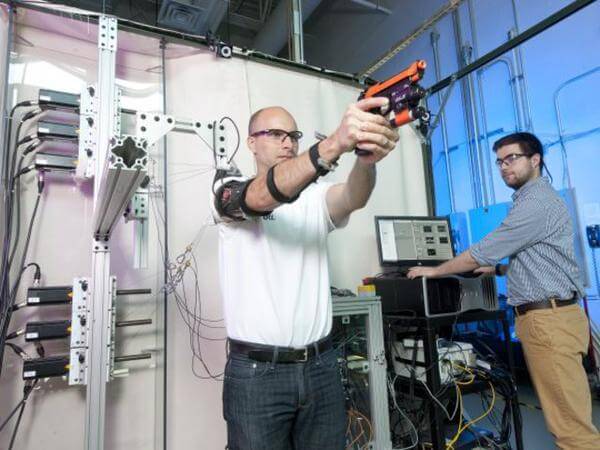
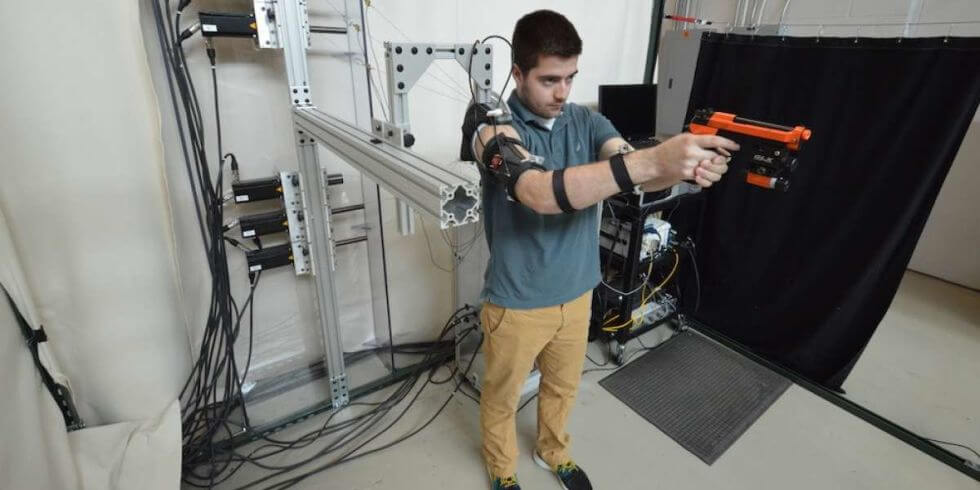
MAXFAS, could soon become a tool to improve the marksmanship of the soldiers on foot. US Army researchers are working on this prototype which uses cable-activated arm braces to correct those involuntary arm shakes that soldiers experience in the act of shooting.  These arm shakes play a critical role as foot soldiers thrive on shooting skills and these involuntary shakes can really affect their marksmanship. The carbon fibre body of MAXFAS can tell the difference between tremors and purposeful movements of aiming.

landscape-1433278467-shooting-exo

At present, the machinery is fixed in place, so for now it will be used only to train recruits or for anyone who needs to brush up his shooting skills. Early tests have confirmed that people wearing MAXFAS had better marksmanship even after taking it off. There is a possibility of a mobile version of this tool which certainly would give a boost to the troops in the field.

[adinserter block=”7″]

Author: Technology Blog
Bubble Wrap sans its pop!

Popping the bubbles in bubble wrap; Shutterstock ID 36350716; PO: Brandon for News

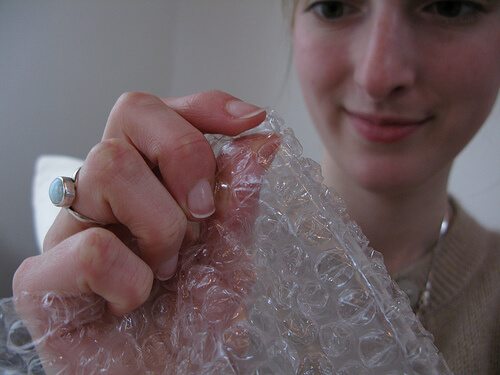
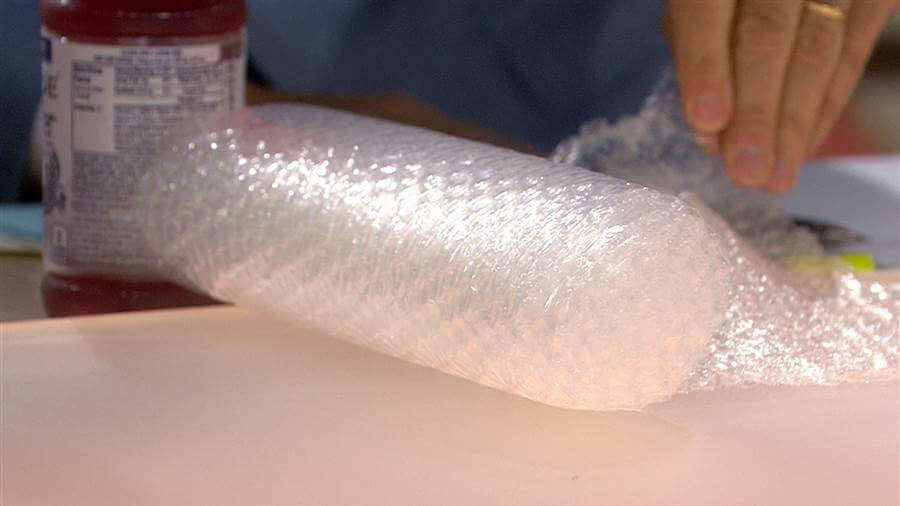
A worldwide fun fact, every human resident on this planet earth loves to pop a bubble wrap irrespective of his/her age! But seems the days of the pop, pop, pop sound are over. Bubble Wrap, one of the greatest inventions (and yes entertaining too!) is soon to be replaced by its new version iBubble Wrap that has bubbles formed from long interconnected columns that don’t pop under normal pressure. Yes you heard it right! ‘Sealed Air’ the creator of Bubble Wrap has confirmed the news.

tdy_tren_bubble_150702.today-inline-vid-featured-desktop

 Since ages this wrap has protected a lot of our crockery, statues and other orders from being damaged in a delivery van but the downside, due to all that trapped air; it takes up huge space in the warehouses of companies and delivery trucks, whereas, its successor, the iBubble Wrap is sold in extremely thin sheets that can be inflated later on with a pump. Because of this, it occupies nearly one fiftieth of the space; consequently aiding availability of more storage space and quantity of shipments for e-commerce companies.

[adinserter block=”7″]

Author: Technology Blog
Want to eat strawberries grown in underwater balloon gardens?

Screen_Shot_2015-07-02_at_4.46.01_PM.0.0

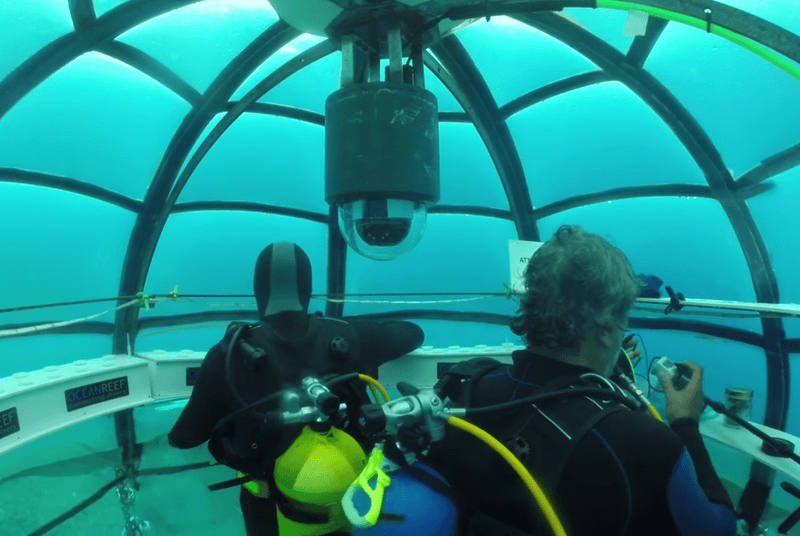
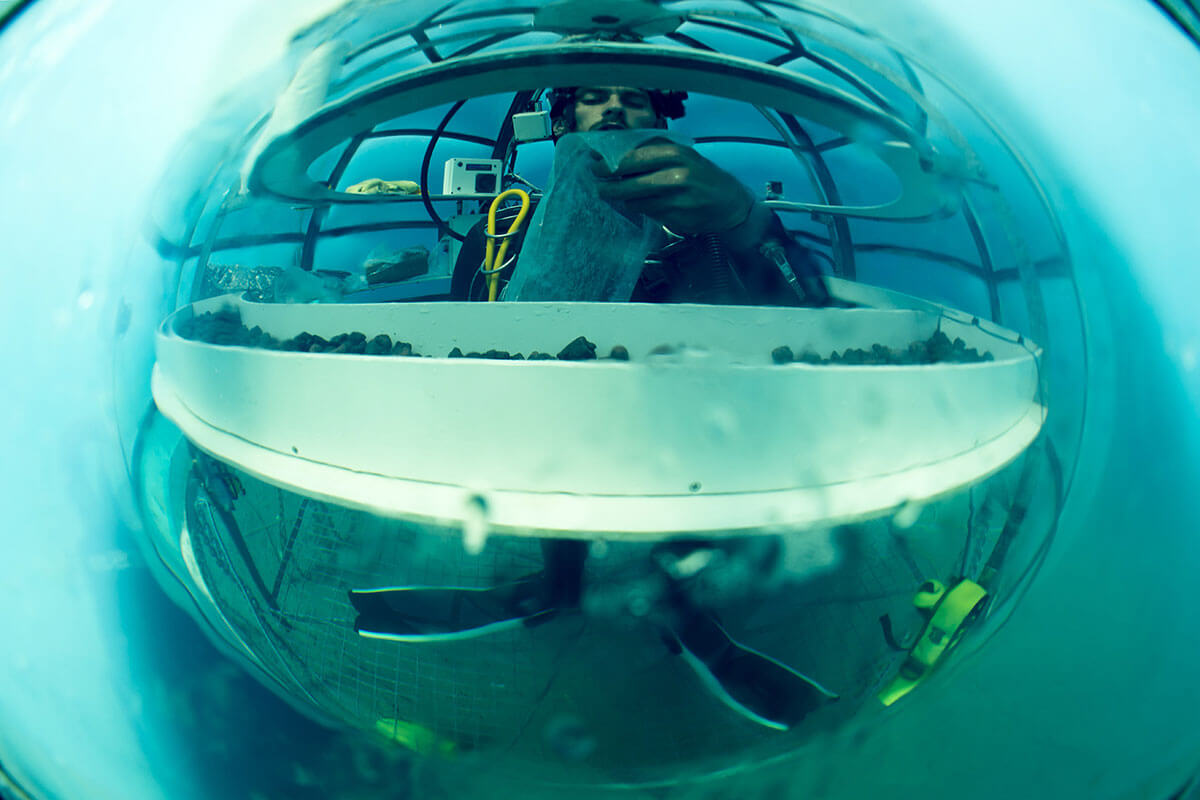
In a bid to grow crops in places lacking fresh water and fertile land, transparent “biospheres” or large air-filled balloon shaped structures have been erected beneath the Bay of Noli, in Savona, Italy as a part of a three year long Nemo’s Garden Project.
These underwater greenhouses are anchored to the sea and keep floating 5-10 meters below the sea surface. On the inside surface of these greenhouses, the water condenses on the roof of the spheres and drips back down to the plants, thus watering them. Simultaneously, the warm and near-constant temperature outside the spheres; nurtures the plants.

dn27820-2_1200

The farmers have to dive in the sea and then take care of the plants, swimming from one greenhouse to the other. Four cameras on this underwater site stream back live video. So you can watch these unique and unusual farmers in action, online. There are sensors that collect live data like humidity and air temperature in the greenhouses which in turn can be monitored from a website. Just last week, the first seeds of the season – strawberry, basil, lettuce and beans were planted in these amazing balloons.

[adinserter block=”7″]

Author: Technology Blog

Zuckerberg to beam the internet to the developing world!

drone-facebook

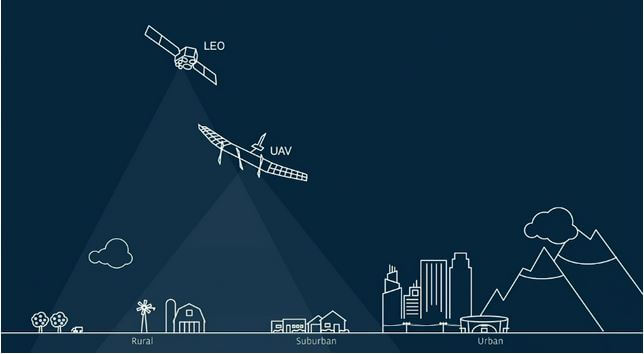
Facebook CEO Mark Zuckerberg believes that the internet should be open to all and based on this strong belief, Facebook is developing a new laser communication system that would beam data to the inaccessible parts of the world while being mounted on huge and massive solar-powered drones. Zuckerberg said on his Facebook page: “As part of our internet.org efforts, we are working on ways to use drones and satellites to connect the billion people who don’t live in a range of existing wireless networks.”

laser

The drones that Zuckerberg wants to mount his laser communication system on are known as Aquila which is actually solar powered aircraft equivalent to the size of Boeing 737. These aircrafts will hover at an altitude of 60,000 feet for months at a time. While loitering around at this altitude, these will beam data to and from ground stations. According to Zuckerberg, the speed of sending data across long distances will be dramatically increased using this technology.
This whole exercise in turn aims to increase Facebook’s advertising revenue as the plan includes linking up everyone in the world to internet. No date has yet been finalised about the deployment of this laser system considering various factors like the high costs of lasers-in-the-sky and getting satellite stations installed in remote areas. According to Zuckerberg, other connectivity options are also under consideration.

[adinserter block=”7″]

Author: Technology Blog

‘Google Effect’ making our brains fight digital amnesia

digital amnesia figures

According to researchers, in this era, where any information is available at the click of a button (Google Effect), our memories are increasingly getting damaged. The Kaspersky Lab study has termed this problem as Digital Amnesia : the state of forgetting any information that you save or store in a digital device for your ready reference.

For this study, the Kaspersky Lab conducted a survey across the country among 1000 consumers aged 16 and older. The findings point to a staggering 91 percent consumers admitting their dependency on the internet, smart phones and other devices as a substitute or extension of their brain for remembering and storing information. The findings also suggested Digital Amnesia across all age groups and equally among both male and female consumers. The problem has reached such limits that many people don’t even remember the phone numbers of their spouse or children. The study also found that the loss of data stored on digital devices brought about a feeling of devastation in 50 percent of the respondents.

195-700x350

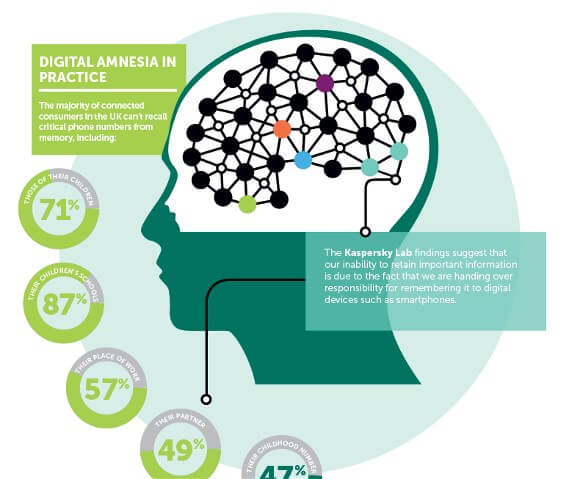
Kaspersky also surveyed 6000 people in six European countries. The age of the respondents was 16 years and older and the study found that Europe is also facing the problem of Digital Amnesia. It pointed out that majority of consumers in UK can’t recall critical phone numbers like that of their children (71%), place of work (57%) and partner (49%)

Chris Doggett, MD of Kaspersky Lab North America opined that it is high time we understood the long term implications of Google Effect and the need for us to protect our priceless memories and valuable information.

[adinserter block=”7″]

Author: Technology Blog
Make way for Synthetic blood transfusions!

Last week a very interesting announcement came from the British National Health Service. The first of its kind lab manufactured blood transplants would be given to two human volunteers in the next two years. By origin, this “synthetic blood” is biological, technically, because it is produced in vitro using stem cells extracted from adult bone marrow or from the umbilical cords of newborn babies. By creating a proper chemical environment in the lab, these stem cells can be led along a pre-decided particular developmental pathway by stimulation. This pathway will in turn lead to fully functional red blood cells.

web-blood-graphic-2
The idea may sound repulsive and creepy, but it packs a load of advantages. Using this technology, hospitals will be able to do emergency transfusions by stockpiling the stuff in large quantities. It would become possible to design special batches to combat rare blood disorders like sickle cell anaemia. And since this lab grown blood was never inside a human body, it would be disease free, technically speaking. So it can play a pivotal role in reducing the risk of blood borne diseases like hepatitis and HIV.

Untitled

During the first trials on human, the volunteers will be injected with very little (a few teaspoons) of this blood. Then the longevity of these cells in the human body and adverse reactions (if any) will be studied. Preliminary tests suggest that blood cells produced in the old fashioned way and the synthetic ones may not be identical but are biologically comparable. So now its just wait and watch for us!!

[adinserter block=”7″]

Author: Technology Blog

A portable dresser in your suitcase

1318573636710887528

Struggling with your clothes and other stuff during a longer stay at hotel? Need not worry! Now you have this amazing suitcase that transforms into a pre-packed dresser and the best part is, when you seal it, it is at par with your regular size suitcase in terms of size. As you proceed with your packing in this shelf-pack, you can pre-organise your clothes, your shaving/makeup kit and other stuff on a series of stacked shelves. These stacked shelves with the help of a pair of extendable telescopic supports turn into a mobile dresser.

чемодан-шкаф

Sorting clean laundry from the dirty ones is way easier in this shelf pack. Priced at 350$, you may find it a bit expensive, but considering the convenience it offers once you reach your hotel room after a long tiring journey, you feel it is worth every buck you paid!

[adinserter block=”7″]

Author: Technology Blog
Want to have 3D-Printed Meat?

organovo-590x330

After free- range and grass-fed, you could be enjoying 3D-printed beef in your future! Sarah Mautsch and Aaron Abentheuer, students at University of Applied Sciences Schwäbisch Gmünd, Germany have given a new concept called the CULTIVATOR which is a bioprinter. The CULTIVATOR is just a conceptual prototype right now. Presently, when the scientific community is openly discussing the idea of bioprinting to create human organs, the CULTIVATOR is supposedly to run on solar power and have a friendly user interface just like your iPad.

l_9516_cast.iron.pans

At this point, the idea of edible, synthetic creatures may be expensive, non-tasty for some of you, but according to Mautsch, as this technology brings together more parties, the prospect of it getting cheaper and accessible to all, is good. And not to forget the solution to the problem of inhuman treatment of these animals and cutting down greenhouse gas emissions (the livestock industry constitutes nearly 15% of the global greenhouse gas emissions) lies in this new idea!

width="560" height="315" frameborder="0" allowfullscreen="allowfullscreen">

[adinserter block=”7″]

Author: Technology Blog
5 Things You Didn’t Know There Was an Unique App For

5 unique Apps

unique app

With over 1.4 million apps available in both the Google Play Store and the Apple App Store, it’s nearly impossible to know the capability of every single app offered. Many people just simply don’t have the time to browse through the Google Play Store or Apple App Store for hours, searching for apps they haven’t heard of.

More commonly, people utilize social media, email, and gaming apps, but did you know that your phone can do much, much more than that?  It can actually be used for several different things. Below, we’ve tackled some of the work for you and compiled a list of 5 things you didn’t know there was an app for.

VPN Service

0tSJM

Your phone is not dissimilar from a computer:  you can play games on it, send emails, browse the internet, read and create documents, watch videos, and store images on it. Like a computer, it is also vulnerable to hackers and should be protected with a VPN service. By using a VPN service, you will be able to protect yourself from malware and geo-targeting, allowing you to not only protect your device, but also to protect your personal information and location.

An added bonus of using a VPN service is the ability to bypass certain website requirements, which enable you to do things like watch videos on Netflix while you’re outside of the U.S., and post ads to Craigslist in locations that aren’t local to you. A VPN service typically runs between $6.55 and $12.95 per month, depending on the subscription plan you choose, and is well worth it.

Moisture Detection

71S0ZZLz9bL._SL1000_

Worried that you may have water damage in your home? There’s an unique app that can help! RYOBI Phone Works has created a moisture meter that can plug into your smartphone, allowing you to easily and inexpensively detect moisture levels in wood, drywall, cement, and other building materials. The moisture meter, including the app, retails for $29.97 at Home Depot and makes a great addition to your toolbox.

Earning Money

2014-03-30-18.50.29

Need some extra cash, but don’t have time for a full time job? Apps like Rewardable and Easy Shift allow you to earn a quick buck using your smartphone. Available on both Android and iOS, these apps pay you for completing simple tasks such as checking prices and displays at nearby stores.

Unlike some of the other apps that offer incentives for completing tasks, Rewardable and Easy Shift allow you to transfer earnings to your PayPal account, rather than rewarding you with gift cards locked to specific stores or websites. Both apps are free to download.

Next Page For More


Tagged :
Verified by ExactMetrics