Trigger the Brain Functions Remotely with an Implantable Device  

A device, the width of a single human hair, has been created by the field of Optogenetics. This device has four chambers, contains microfluidic channels and microscale pumps, and is as soft as brain tissue, so as to not cause neural and swelling once they are implanted in brains to induce the required effect, by release of drugs and light. This is achieved by the principle of inorganic LED arrays. Control of the device is by remote.

Computers Mimic the Function of the Brain

“Now, we literally can deliver drug therapy with the press of a button,” says Jordan McCall, from Washington University in St Louis and part of the research team. “We’ve designed it to exploit infrared technology, similar to that used in a TV remote. If we want to influence an animal’s behavior with light or with a particular drug, we can simply point the remote at the animal and press a button.”

soft-neural-probe

This device has been tested out by implanting in the brain of mice and has been successful in both triggering and blocking the release of dopamine. The researchers associated believe that this device usage could be extended to other organs, and eventually, be used to treat epilepsy, depression, pain and other neurological disorders.

[adinserter block=”7″]

Author: Technology Blog
Seaweed Substitute for Bacon Vis-à-Vis Taste and Appearance

Cientificos-Oregon-desarrollan-tocino-FotoOSU_MEDIMA20150716_0096_5

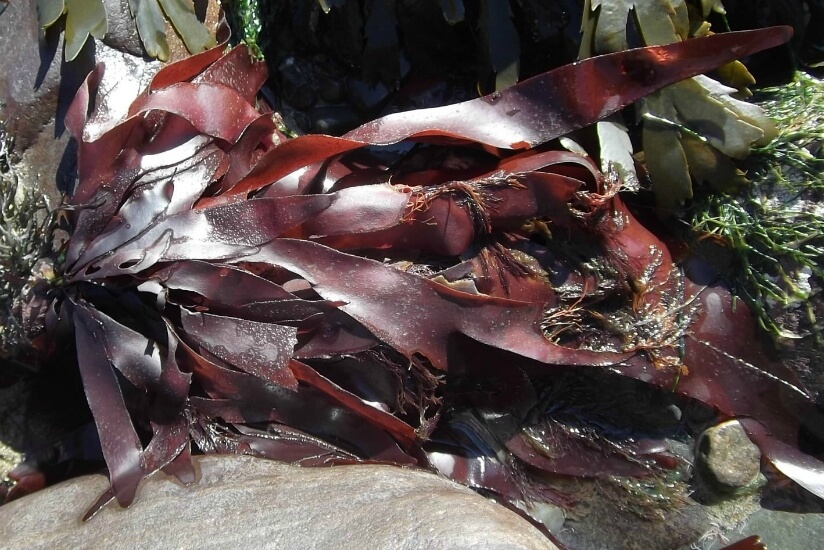
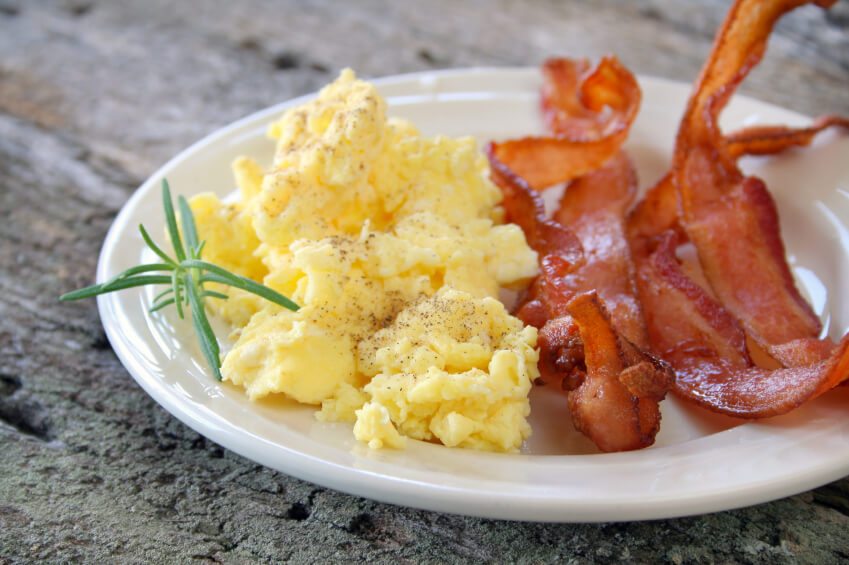
Bacon lovers could now have access to a healthier substitute very soon, as the scientists at Oregon State University (OSU), have created and patented a strain of seaweed which tastes-and also somewhat looks, like bacon.

Palmaria mollis, a new form of the seaweed dulse, was grown by OSU’s Prof. Chris Langdon, for the past 15 years. Dulse seaweed has been consumed by people for a long time and is considered as healthy food supplement.

This new variety of dulse, growing faster than its wild species, contains very high in minerals, vitamins antioxidants, and up to 16 percent protein by dry weight.

Langdon’s original intention was to cultivate a “super food” to act as farmed abalone feed. The abalone showed higher growth rates than observed before.

The idea to use this as human food has evolved recently, and while Langdon is growing 9-14 kg of dulse per week, the students of business are deciding on a market plan, and determining protocols to test its feasibility.

dulsexl

The bacon taste is evident after frying the seaweed and its crinkly, red, translucent leaves look like bacon.

[adinserter block=”7″]

Author: Technology Blog

Verified by ExactMetrics