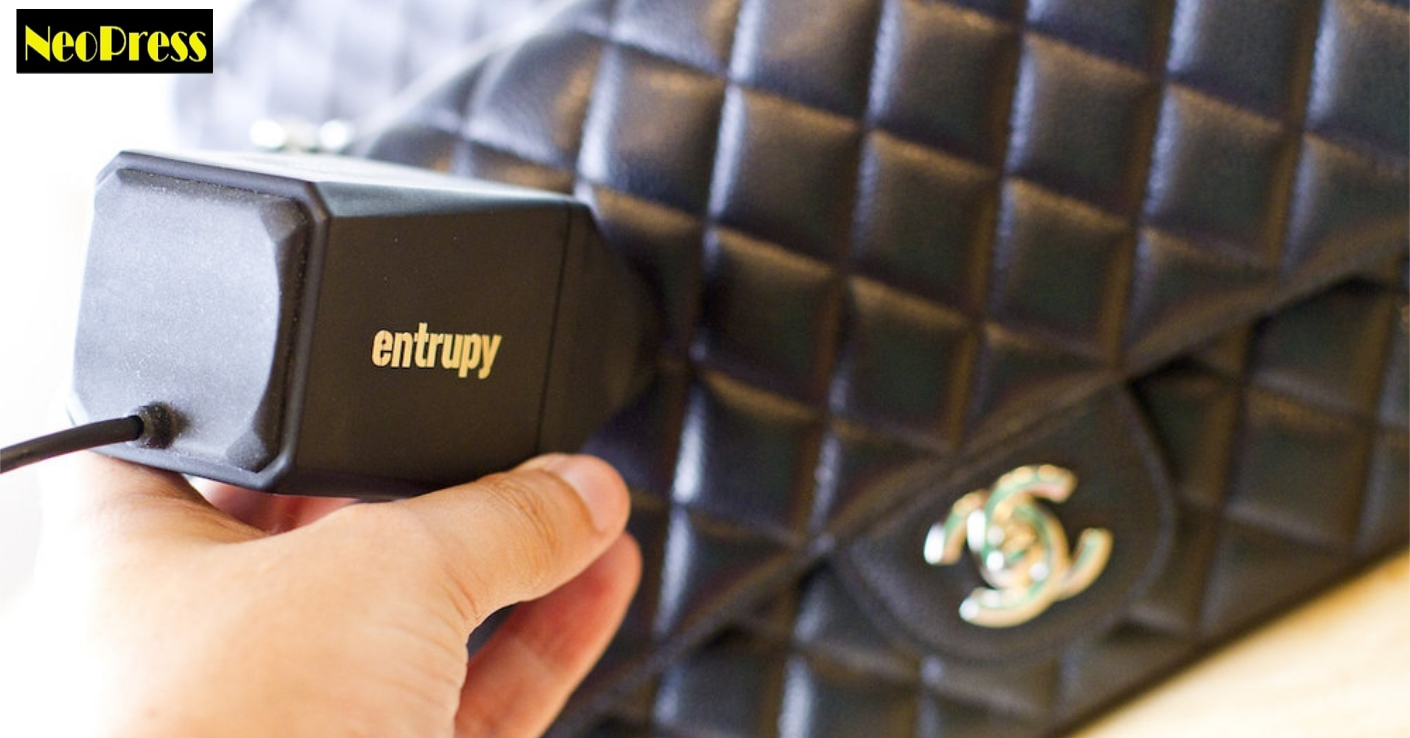
This is how you can use smartphone to spot fake products

Indian-origin researchers have developed a new system that uses Artificial Intelligence algorithms and a smartphone app to instantly distinguish between genuine and fake versions of the same product.

The system works by deploying a dataset of three million images across various objects and materials such as fabrics, leather, pills, electronics, toys and shoes. “The classification accuracy is more than 98 per cent, and we show how our system works with a cellphone to verify the authenticity of everyday objects,” said Lakshminarayanan Subramanian, Professor at New York University.

The system is scheduled to be presented on August 14 at the annual KDD Conference on Knowledge Discovery and Data Mining in Halifax, Nova Scotia, Canada. The system described in the presentation is commercialised by Entrupy Inc., an New York University start-up founded by Ashlesh Sharma, Vidyuth Srinivasan, and Subramanian.

Detecting fake products with Entrupy is easy. One has to place the device directly on the item, open the Entrupy app on smartphone or tablet (iOS), and follow the onscreen prompts in the app to take images. The Artificial Intelligence algorithms then analyse the images to determine authenticity and provide results in real-time.

“The underlying principle of our system stems from the idea that microscopic characteristics in a genuine product or a class of products – corresponding to the same larger product line–exhibit inherent similarities that can be used to distinguish these products from their corresponding counterfeit versions,” Subramanian explained.

Counterfeit goods represent a massive worldwide problem with nearly every high-valued physical object or product directly affected by this issue, the researchers noted. While other counterfeit-detection methods exist, these are invasive and run the risk of damaging the products under examination.

The Entrupy method, by contrast, provides a non-intrusive solution to easily distinguish authentic versions of the product produced by the original manufacturer and fake versions of the product produced by counterfeiters.

As a technology lover you may like our daily important technology news series. It’s a playlist and you can retrieve the total day-wise videos. Please consider subscribing our YouTube channel:

Author: Technology Vista

Tagged : /

This Indian seismologist had predicted Aug 8 China quake!

Indian seismologist Arun Bapat had warned, a day before it struck, of the the 6.5 magnitude earthquake that rocked China on August 8, killing close to 40 people and forcing the evacuation of thousands more.

“I daily visit the website of the Indian Meteorological Department (IMD) for various geological, meteorological, ionospheric and seismic parameters,” Bapat, a former chief of earthquake research at the Central Water and Power Research Station in Pune, told IANS.

“On August 7, around midnight, I saw a satellite infra-red photo showing a thermal high in the China-Japan region that was not there five hours earlier.”

Bapat — a consulting seismologist at International Earthquake and Volcano Prediction Centre headquartered in Orlando, Florida — knew this was a sign of a moderate to a large magnitude earthquake. He immediately alerted seismologists in his group in an email warning that “an earthquake should occur within the next 18 to 24 hours”.

That forecast turned out to be correct. “Predicted China earthquake happened,” Hong-Chun Wu, a Chinese seismologist, responded in an email on August 8.

“This only confirms that the science of short-term earthquake forecasting and prediction is really progressing,” said Bapat who had predicted the 7.2-magnitude Mexico earthquake of April 18, 2014, two months before the event.

Bapat’s confidence stems from the string of correct predictions he had made using satellite readings of seismological and geophysical parameters like ‘Total Electron Content’ and ‘Outgoing Long Wave Radiation’ in addition to infra-red images of the Earth.

For instance, on April 14, 2017, in an email to the Chief Secretary of Jammu and Kashmir, Bapat wrote: “During my routine check of various earthquake-related parameters it has been found that the area near Bhaderwah could perhaps be heading for an earthquake of magnitude around 5.5 within next few days.” A 5 magnitude earthquake did occur four days later, some 80 km from Kargil, as predicted.

Bapat’s prediction based on surface temperatures also turned out to be correct in the case of an earthquake in Manipur early this year.

On February 23, he alerted the North-East Disaster Management Authority in an email: “The temperatures at three locations indicate the likely occurrence of an earthquake of magnitude around 5.0 within next few days. The epicenter could be within 70 km from any of the above locations. Most vulnerable dates could be 25/26 Feb.”

An earthquake of magnitude 5.2 did occur in Churachandpur district of Manipur on February 24. “The magnitude and location were fully correct,” Bapat said. “Only the date was missed by a few hours.”

Satellite-borne data, freely available on IMD website, could be effectively used for short-term earthquake forecasting and prediction on a 24×7 basis, he said. Besides satellite data, there are seismic precursors arising from “seismo-electromagnetic effect” that are worth watching, Bapat said.

“Before the occurrence of any moderate to large magnitude earthquake, the underground location where the rupture takes place gets heated. As the temperature rises, the geomagnetic field of the earth at that location goes on decreasing which adversely affects the propagation and reception of electromagnetic waves and communication.” The impact of this, Bapat said, can be observed by anyone with a telephone or television set.

About two days before an earthquake, landline telephone communication gets disturbed; radio reception fades away about 30 to 40 hours before the event and television reception gets disturbed about 10 hours before earthquake, Bapat said.

“If all mobile telephones in a radius of 15 km or more are affected, it could be a sign of earthquake within the next 100 minutes. This was noted for the first time prior to the 1993 Latur earthquake in Maharashtra, in Bhuj before the destructive quake of January 26, 2001, and prior to the 7.5 magnitude Kathmandu earthquake on April 25, 2015.”

“I would like to say with sufficient level of confidence that using electronics and satellite-borne data would definitely give good result-oriented earthquake predictions. All State Disaster Management Authorities (DMAs) and the NDMA are requested to consider this seriously,” Bapat said.

“In view of the predicted large magnitude earthquake in the Himalayan region, it is the right time to act now,” he added.

As a technology lover you may like our daily important technology news series. It’s a playlist and you can retrieve the total day-wise videos. Please consider subscribing our YouTube channel:

Author: Technology Vista

Tagged : /

Revealed: Goldfish can survive without oxygen! Here is how!

A team of scientists has uncovered how goldfish survive the harsh winters beneath frozen lakes by producing alcohol.

Scientists at the Universities of Oslo and Liverpool said that during winters, the fish are able to convert anaerobically produced lactic acid into ethanol, which then diffuses across their gills into the surrounding water and avoids a dangerous build-up of lactic acid in the body.

This helps the fish and their wild relatives, crucian carp survive for days, even months, in oxygen-free water at the bottom of ice-covered ponds.

“During their time in oxygen-free water in ice-covered ponds, which can last for several months in their northern European habitat, blood alcohol concentrations in crucian carp can reach more than 50 mg per 100 millilitres, which is above the drink drive limit in these countries,” said Dr Michael Berenbrink from University of Liverpool in the research published in the journal Scientific Reports.

“However, this is still a much better situation than filling up with lactic acid, which is the metabolic end product for other vertebrates, including humans, when devoid of oxygen,” Berenbrink added. The muscles of goldfish and crucian carp contain two sets of the proteins normally used to channel carbohydrates towards their breakdown within a cell’s mitochondria.

The second set is activated by the absence of oxygen and shows a mutation that allows channelling of metabolic substrates to ethanol formation outside the mitochondria. “This research emphasises the role of whole genome duplications in the evolution of biological novelty and the adaptation of species to previously inhospitable environments,” added lead author Dr Cathrine Elisabeth Fagernes from the University of Oslo.

“The ethanol production allows the crucian carp to be the only fish species surviving and exploiting these harsh environments, thereby avoiding competition and escaping predation by other fish species with which they normally interact in better oxygenated waters,” Elisabeth noted.

As a technology lover you may like our daily important technology news series. It’s a playlist and you can retrieve the total day-wise videos. Please consider subscribing our YouTube channel:

Author: Technology Vista

Tagged : /

New technique to make heat pass through plastic

Researchers in materials science and mechanical engineering at the University of Michigan (UM) have developed a new technique that can change plastic’s molecular structure to help it cast off heat.

The new technique uses a process that engineers the structure of the material itself, considering the nature of plastics made of long chains of molecules that are tightly coiled and tangled like a bowl of spaghetti, Xinhua reported.

It used a chemical process to expand and straighten the molecule chains, giving heat energy a more direct route through the material. To accomplish this, the researchers first dissolved a typical polymer, or plastic in water, then added electrolytes to the solution to raise its pH, making it alkaline.

The individual links in the polymer chain, called monomers, take on a negative charge, which causes them to repel each other. As the monomers spread apart, they unfurl the chain’s tight coils. Finally, water and polymer solution is sprayed onto plates using a common industrial process called spin casting, which reconstitutes it into a solid plastic film. The uncoiled molecule chains within the plastic make it easier for heat to travel through it.

Researchers also found that the process has a secondary benefit: it stiffens the polymer chains and helps them pack together more tightly, making them even more thermally conductive. “Polymer molecules conduct heat by vibrating, and a stiffer molecule chain can vibrate more easily,” said Apoorv Shanker, a materials science and engineering graduate student.

“Think of a tightly stretched guitar string compared to a loosely coiled piece of twine. The guitar string will vibrate when plucked, the twine won’t. Polymer molecule chains behave in a similar way,” Shanker added. The process is a major departure from previous approaches, which have focused on adding metallic or ceramic fillers to plastics, a process that is expensive as well as can change the properties of the plastic in undesirable ways.

The work has important consequences because of the large number of polymer applications where temperature is important. The study has been published in the journal Science Advances.

As a technology lover you may like our daily important technology news series. It’s a playlist and you can retrieve the total day-wise videos. Please consider subscribing our YouTube channel:

Author: Technology Vista
Tagged : /

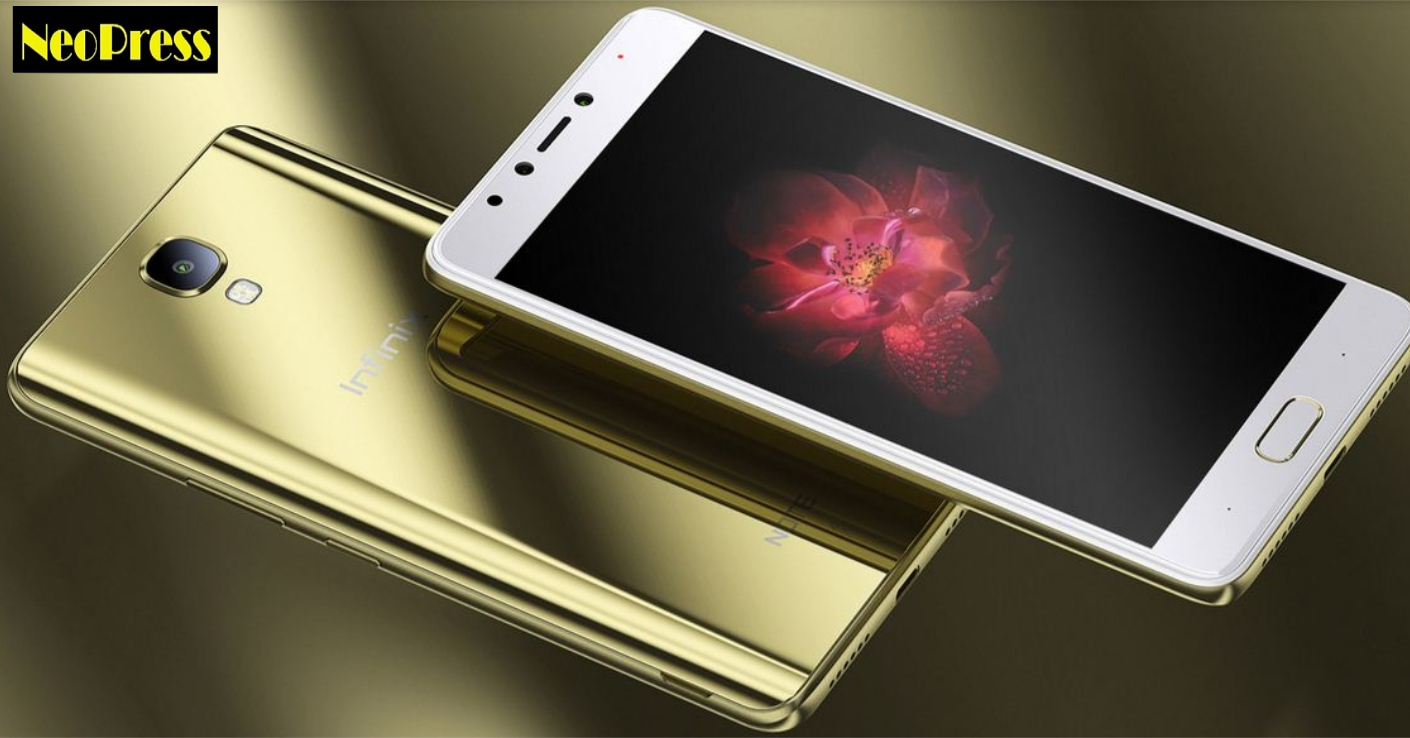
Infinix Note 4: New battery leader in sub-Rs 10,000 segment (Tech Review)

China-based Transsion Holdings has launched Infinix Note 4 smartphone in India that aims to compete with the likes of Lenovo, Xiaomi and Lenovo-owned Motorola — players with a strong foothold in the competitive sub-Rs 10,000 segment in the country. At Rs 8,999, Infinix ‘Note 4’ directly competes with the immensely-popular Xiaomi ‘Redmi Note 4’ that costs Rs 9,999 for the 2GB RAM/32GB ROM version. Does ‘Note 4’ have enough firepower to disrupt the crowded budget smartphone market in India? Let’s find out.

Design wise, the right side houses volume rockers and the power key. The 3.5-mm standard headphone jack sits at the top while dual speaker grilles and USB charging port can be found at the bottom. ‘Note 4’ follows the same design language of other Android smartphones but that does not make it look boring at all. The smartphone has a sturdy build and feels solid to hold.

Infinix has tried to make the rear panel look like Samsung Galaxy S8 — curved on both sides — which makes it ergonomic. The 5.7-inch full-HD display (1920 X 1080) pixels is bright with good sunlight legibility. The colours were vivid and did not look oversaturated.

Unlike most Android smartphones, Infinix ‘Note 4’ has a dedicated microSD slot to expand memory up to 128GB which is a great value addition. The device features a huge 4,300mAh non-removable battery that easily lasted for almost two days on a single charge with 4G connectivity on one SIM. The build of the device is not very bulky despite a hefty battery housed inside. A 1.3GHz octa-core Mediatek MT6753 chip paired with 3GB of RAM did a decent job of performing everyday tasks. We were able to quickly open and shuffle between apps sans any lag.

The overall performance was fast, especially the fingerprint scanner — embedded into the home key that could unlock the device in a snap. The 8MP front camera with flash is capable of taking decent selfies. The front flash can be customised and controlled to not blind the user.

What does not work.

In terms of camera performance, the 13MP primary camera offers nothing great. There was noticeable noise in the images clicked in low-light conditions.

The rear removable panel is made of plastic that does not impress. In fact, we felt that it would crack if not opened carefully.

On the other hand, Xiaomi Redmi 4 costs Rs 1,000 extra but offers a metal unibody design with a Qualcomm Snapdragon 625 CPU.

Infinix’s custom UI — XOS, based on Android 7.0 Nougat, has a lot of bloatware. In addition to Google’s own apps, there were applications ‘PHX Browser’ and ‘Palmchat’ that are not of much use in India.

The recently launched Motorola E4 Plus also offers a bigger 5,000mAh battery and a smoother stock Android experience.

Conclusion: Infinix ‘Note 4’ is a decent overall package with great battery life as its USP. Its primary camera, on the other hand, could have used slightly better optics. We would recommend this phone to those who want a great battery performance and experiment with new brands.

As a technology lover you may like our daily important technology news series. It’s a playlist and you can retrieve the total day-wise videos. Please consider subscribing our YouTube channel:

Author: Technology Vista

Tagged : /

Smartphone-based diagnostic tests could replace labs

Researchers have found that a smartphone-based diagnostic test technology could perform lab-grade medical diagnostic tests that typically require large, expensive instruments.

The researchers at the University of Illinois at Urbana-Champaign in the US have developed a handheld spectral analyser that attaches to a smartphone and analyses patient blood, urine or saliva samples.

In a study published in the journal Lab on a Chip, the researchers demonstrated that the spectral transmission-reflectance-intensity (TRI)-Analyser costing $550 could make a smartphone do the tests as reliably as clinic-based instruments that cost thousands of dollars. “Our TRI Analyser is like the Swiss Army knife of biosensing,” said Professor Brian Cunningham. “It’s capable of performing the three most common types of tests in medical diagnostics, so in practice, thousands of already-developed tests could be adapted to it,” Cunningham said.

Cunningham’s team used the TRI Analyser to perform two commercially available assays — a test to detect a biomarker associated with pre-term birth in pregnant women and the PKU test for newborns to indirectly detect an enzyme essential for normal growth and development. Their tests results were comparable to those acquired with clinic-grade spectrometer instrumentation, according to the study. “The TRI Analyser is more of a portable laboratory than a specialised device,” said Kenny Long who is lead author of the research study.

Among the many diagnostic tests that can be adapted to their point-of-care smartphone format, Long said, is an enzyme-linked immunosorbent assay (ELISA), which detects and measures a wide variety of proteins and antibodies in blood and is commonly used for a wide range of health diagnostics tests.

The system is capable of detecting the output of any test that uses a liquid that changes colour, or a liquid that generates light output (such as from fluorescent dyes).

The TRI Analyser operates by converting the smartphone camera into a high-performance spectrometer. Specifically, the analyser illuminates a sample fluid with the phone’s internal white LED flash or with an inexpensive external green laser diode. The light from the sample is collected in an optical fiber and guided through a diffraction grating into the phone’s rear-facing internal camera.

These optical components are all arranged within a 3D-printed plastic cradle. The TRI Analyser can simultaneously measure multiple samples by using a microfluidic cartridge that slides through an opening in the back of the cradle. This ability to analyse multiple samples quickly and reliably makes the Analyser suitable for patients who lack convenient access to a clinic or hospital with diagnostic test facilities or for patients with urgent health situations requiring rapid results, the researchers said.

As a technology lover you may like our daily important technology news series. It’s a playlist and you can retrieve the total day-wise videos. Please consider subscribing our YouTube channel:

Author: Technology Vista
Tagged : /

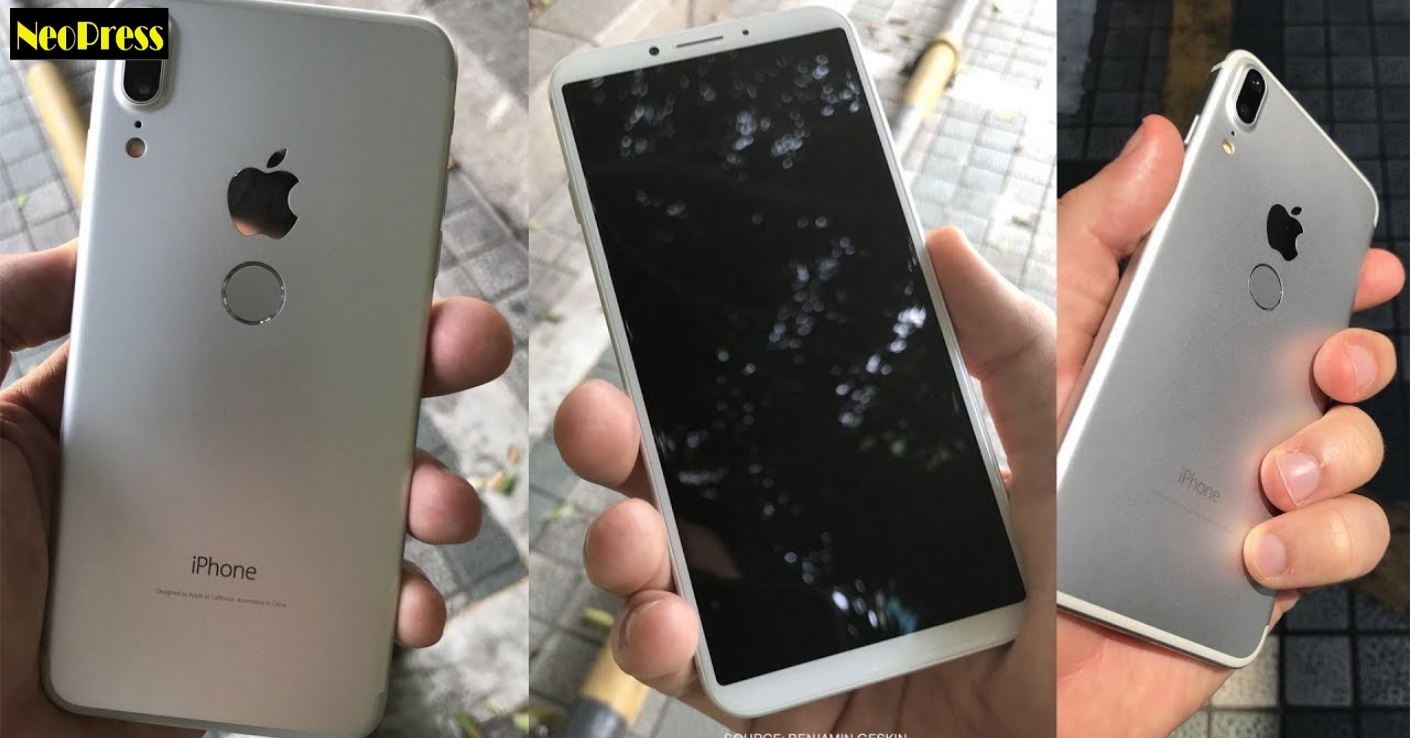
iPhone 8 can make Apple world’s first trillion dollar company

Riding on the ‘better-than-expected iPad and iPhone sales’, the upcoming flagship device iPhone 8 could make the Cupertino-based giant the first company to reach and sustain a $1 trillion market cap, analysts have predicted.

According to a report in MarketWatch late on Wednesday, since the announcement of its third quarter results, the stock momentum has added $56 billion to the company’s market cap.

Analysts from investment service company RBC Capital predicted that the stock momentum will continue as Apple will launch its flagship device iPhone 8 in mid-September.

RBC analysts said the iPhone 8 launch will create a ‘super cycle’ for the company.

“Apple has potential to achieve a $1 trillion dollar market cap and even surpass that over the next 12 to 18 months. We see upside occurring from multiple levers,” Amit Daryanani, lead analyst on the note, was quoted as saying.

Those “levers” to get to $12 per share in profit are revenue increasing from new iPhone models, including a higher-priced premium model, growing services revenue helping to expand profit margins, tighter cost control and strong stock buybacks, the analyst said.

Daryanani said that Apple’s share price would have to rise from its current level (about $160) to about $192 to $195, depending on the rate of the company’s stock buybacks, to reach the $1 trillion value.

According to reports, Apple might release three iPhones — iPhone 7S, 7S Plus and iPhone 8 — in September. With an expected price range of between $900 and $1,100, two of the three iPhones are expected to be more expensive compared with previous versions.

Apple posted a quarterly revenue of $45.4 billion — up seven per cent YoY (year-over-year) — for the third quarter of 2017. With revenue up seven per cent YoY, the company reported a third consecutive quarter of accelerating growth and an all-time quarterly record for services revenue.

The net income was up to $8.72 billion ($1.67 per share) from $7.80 billion ($1.42 per share) a year earlier. iPhone sales were up 1.6 per cent to 41.03 million in the third quarter that ended on July 1. The Cupertino-based tech giant sold 40.4 million iPhones a year earlier. Apple saw a 21.6 per cent jump in the services business – the App Store, Apple Pay and iCloud – to $7.27 billion.

We also returned $11.7 billion to investors during the quarter, bringing cumulative capital returns under our programme to almost $223 billion, the company said. According to The Verge, leading the way was Apple’s iPad sales, which were up 15 per cent from 2016. Hardware like the Apple Watch, AirPods, and Beats headphones were the highlights in the ‘Other Products’ category.

As a technology lover you may like our daily important technology news series. It’s a playlist and you can retrieve the total day-wise videos. Please consider subscribing our YouTube channel:

Author: Technology Vista
Tagged : /

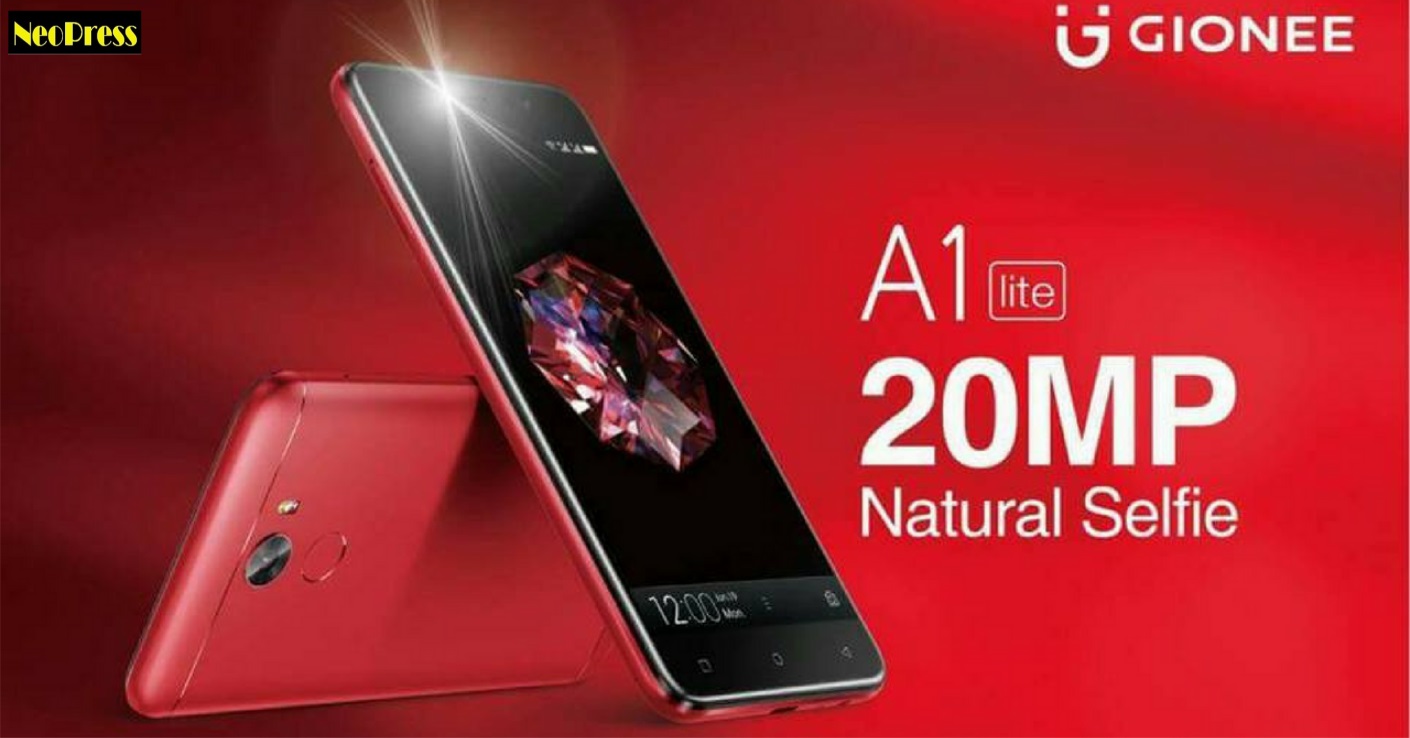
Gionee India unveils ‘A1 Lite’. Know the price and specifications

After receiving good response for ‘A1Plus’ that was launched last month, Gionee India on Wednesday launched ‘A1 Lite’ with dual-rear camera set-up for Rs 14,999.

Housing 20MP ‘selfie’ camera, a 4000mAh battery and lightning-fast fingerprint sensor, the device would be available across retail stores from August 10. Protected by Gorilla Glass, the 5.3-inch device offers split-screen experience for multi-taskers. The phone comes in two colours — gold and black.

“Keeping up with the growing demand for high-quality smartphones with superior photography capabilities, we are thrilled to launch ‘A1 Lite’. With the newest in line 13 MP dual rear camera and a trendy design, A1 Lite will surely be the next game changer,” said Alok Shrivastava, Director – Business Intelligence and Planning, Gionee India, in a statement.

The 4G VoLTE-enabled ‘A1 Lite’ runs octa-core 64-bit processor. Powered by 3GB RAM, ‘A1 Lite’ has 32GB internal storage (expandable up to 256GB). Powered by four-cell technology, the front camera captures more light than before, resulting in clearer selfies. Like its predecessor ‘A1’, ‘A1 Lite’ is equipped with fingerprint sensor that claims to unlock the phone in just 0.3 second.

The device has 2.5D curved glass, a back cover that gleams with metallic, and a sleek unibody design. Establishing its operations in India in 2012, Gionee currently has six per cent share in the domestic smartphone market. The company has presence in over 42,000 retail outlets across 2,200 cities and has invested in 555 exclusive service stations with plans to expand these to 600. This enhances its after-sales relationships with the customers.

Gionee has also partnered with Airtel and PayTm for some exciting offers on the purchase of ‘A1 Lite’.

As a technology lover you may like our daily important technology news series. It’s a playlist and you can retrieve the total day-wise videos. Please consider subscribing our YouTube channel:

Author: Technology Vista
Tagged : /

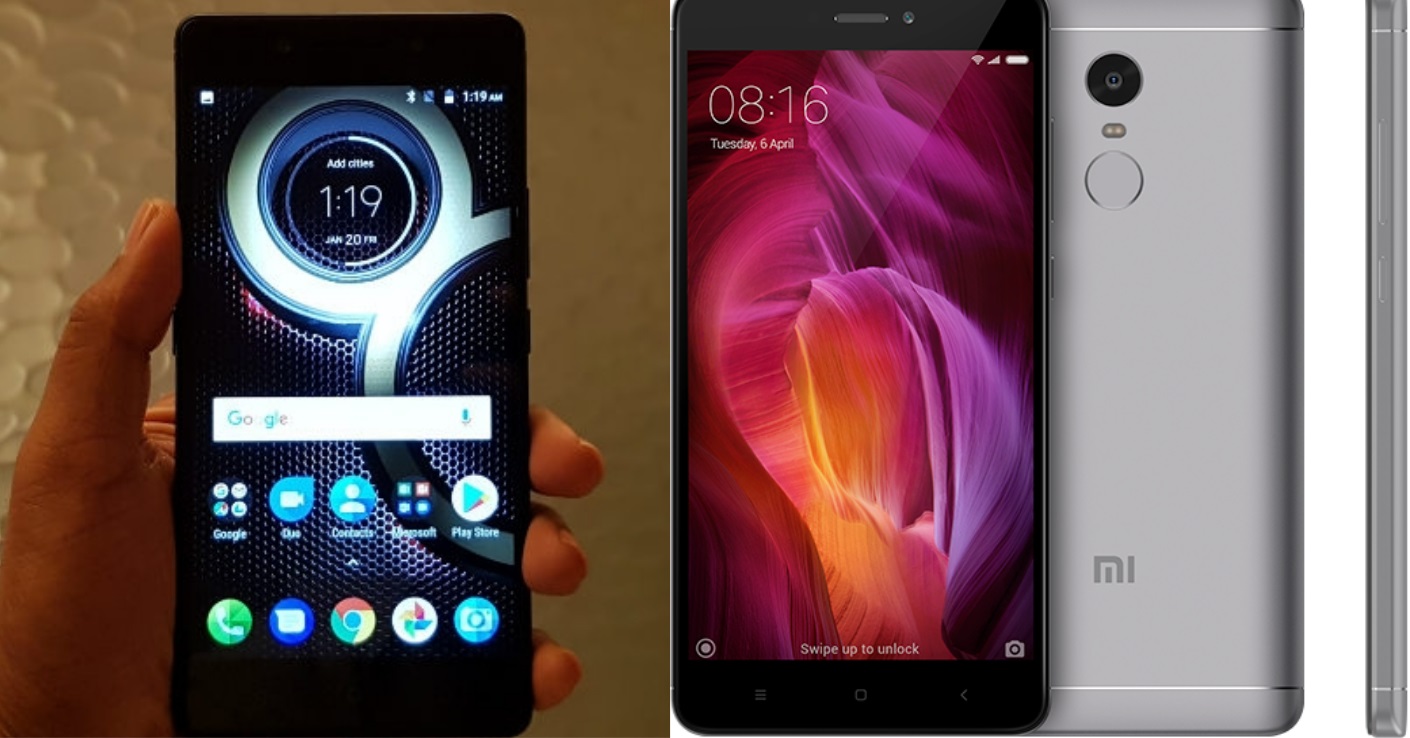
Lenovo ‘K8 Note’: Tough challenge to ‘Redmi Note 4’

Lenovo India made a new addition to its Note line-up with ‘K8 Note’. Priced at Rs 12,999 onwards, Lenovo has placed the ‘K8 Note’ in direct competition with the immensely-popular Xiaomi ‘Redmi Note 4’.

The high points of the device are its primary dual cameras and stock Android (7.1.1) operating system (OS).

The company’s ‘Note’ series has been quite popular in India and ‘K8 Note’ has come after a brief hiatus. In the mean time, Lenovo has launched seven Motorola-branded smartphones in the past six months.

We spent some time with ‘K8 Note’ and this is our first impression of the 4GB RAM, 64 ROM device. Lenovo’s Vibe UI was heavily-bloated and made devices pretty slow. But this time, the company has ditched its custom software in favour of stock Android for good. Powerful internals make the smartphone a great performer.

Lenovo ‘K8 Note’ comes with Google Assistant and multi-window function as well. Another highlight of ‘K8 Note’ — the primary camera (with dual sensors) — is capable of taking some really cool images. The camera set-up has 13MP primary sensor and 5MP depth sensor for better pictures and enhanced depth of field.

It delivers good ‘Bokeh’ shots with good details in daylight. However, we are yet to test the camera in low light. The camera app did not show lag and we were able to clicked multiple images without any lag. In terms of looks, the smartphone has a great built but does not stand out of the crowd.

The 5.5-inch full-HD (1920×1080 pixels) display is pretty bright. ‘Note’ series is focused on battery life and ‘K8 Note’ also features a big 4000mAh battery. A 15-watt turbo charger is included that promises to charge the device quickly. There’s a dedicated music key on the device for music lovers. The smartphone also supports 4G connectivity and VoLTE.

While Lenovo has strategically placed ‘K8 Note’ in a fiercely-competitive segment, it would be interesting to see how it proves to be a stiff competition to Xiaomi ‘Redmi Note 4’.

As a technology lover you may like our daily important technology news series. It’s a playlist and you can retrieve the total day-wise videos. Please consider subscribing our YouTube channel:

Author: Technology Vista

Tagged : /

Now water used as propellant for tiny satellites

Engineers at Purdue University in the US have designed and tested a micropropulsion system that uses liquid water as the propellant for orbital maneuvering of tiny satellites called CubeSats.

With rapid developments in miniaturisation of technologies CubeSats — which typically weigh about two kilograms — are poised to take over the sky in the future to carry out tasks like imaging and remote-sensing currently performed by heavier satellites which are expensive to build and launch.

However, today’s CubeSats cannot totally replace their larger counterparts as they are incapable of changing orbit or performing complex manoeuvres. For instance, none of the 101 nanosatellites that were launched aboard India’s PSLV from the Sriharikota Space Centre in February 2017 had propulsion. A propulsion system would allow such tiny satellites to correct their orbit or maintain their altitude, thereby prolonging their operating life in space before becoming space debris.

A dedicated propulsion system that is also compact and not power hungry has been the aim of CubeSat builders in several laboratories to exploit their full potential.

The system developed at Purdue uses an innovative design of small thrusters that deliver bursts of water vapor to manoeuvre the spacecraft, its developers — most of them undergraduate students — reported at a recent “Conference on Small Satellites” held at Logan, Utah, in the US.

Pure water is chosen as the propellant since it is green, safe, easy to use and free from the risk of contaminating sensitive instruments by the backflow from plumes as in the case of thrusters using chemical propellants.

Called a “Film-Evaporation MEMS Tunable Array”, or FEMTA thruster, it uses capillaries thinner than human hair through which the propellant water can flow. Small heaters located near the ends of the capillaries turn the water into vapor, which, on escape from these tiny tubes, provides the thrust. The minuscule capillaries act like valves that can be turned on and off by activating the heaters. The technology is said to be similar to the inkjet printer, which uses heaters that fire dots of ink at the paper.

CubeSats are usually made up of several units, each unit measuring 10 centimetres on a side. In the Purdue research, a single unit CubeSat prototype — integrated with four FEMTA thrusters loaded with about a teaspoon of water — was tested in a large vacuum chamber of the university’s high vacuum facility.

The prototype contained electronics and an inertial measurement unit sensor to monitor the performance of the thruster system, which rotates the satellite using short-lived bursts of water vapor.

“We demonstrated that one 180-degree rotation can be performed in less than a minute and requires less than a quarter watt, showing that FEMTA is a viable method for attitude control of CubeSats,” its developers reported in their paper.

Although the researchers used only four thrusters during the test, which allowed the satellite to rotate on a single axis, a fully functional satellite would require 12 thrusters for 3-axis rotation. The team is confident this device can be developed for a CubeSat. “What we really want to do next is to integrate our system into a satellite for an actual space mission,” the researchers said.

The NASA-funded research involved collaboration with the space agency’s Goddard Space Flight Center. A patent application for the concept has been filed.

As a technology lover you may like our daily important technology news series. It’s a playlist and you can retrieve the total day-wise videos. Please consider subscribing our YouTube channel:

Author: Technology Vista

Tagged : /

‘LG Q6’ smartphone now in India at Rs 14,990 (USD 230)

Introducing its ‘Q’ series for the first time in India, LG Electronics on Wednesday launched “LG Q6” that sports a wide, 100-degree ‘selfie’ camera for Rs 14,990.

The device is powered by Qualcomm Snapdragon 435 processor coupled with 3GB RAM and 32GB ROM and runs Android 7.1.1 Nougat operating system. The 4G VoLTE-enabled device features a 3,000mAh battery.

“With the introduction of this new range, we have ensured that consumers are able to enjoy the best of technology from the house of LG at price points that are well-suited to all of them,” Amit Gujral, Chief Marketing Officer, LG Electronics India, said in a statement.

“LG Q6” comes with a 5.5-inch FHD Display and sports 13MP rear camera and 5MP wide-angle selfie shooter.

The company claims that the new device is the first mid-range phone with the proprietary ‘FullVision’ display technology.

The 5.5-inch device has Qualcomm Snapdragon 435 mobile platform, runs Android 7.1.1 Nougat, supports 4G VoLTE/ 3G/2G and has features like ‘Face Recognition, and ‘Google Assistant’.

It has 18:9 wide screen and military grade durability to give the consumers the best possible experience. LG offers one-time free screen replacement within six months for the users in the country. The device will be available online on Amazon India.

As a technology lover you may like our daily important technology news series. It’s a playlist and you can retrieve the total day-wise videos. Please consider subscribing our YouTube channel:

Author: Technology Vista
Tagged : /

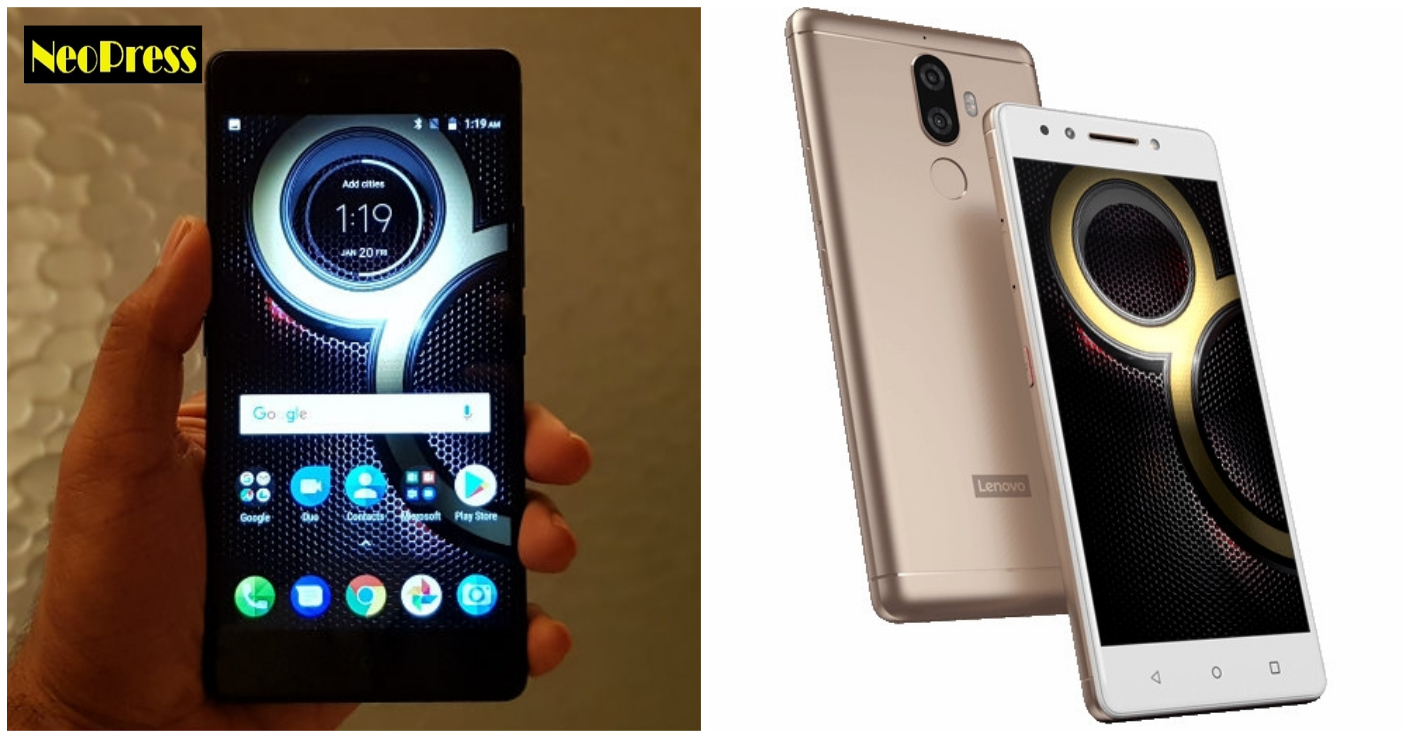
Lenovo K8 Note with Dual-camera and stock Android launched in India

Chinese smartphone maker Lenovo on Wednesday launched the much-awaited ‘K8 Note’ in India at Rs 12,999 (3GB RAM and 32GB storage version) that comes with a dual-camera setup (13MP+5MP sensor with flash).

The 4GB RAM and 64GB ROM variant will cost Rs 13,999. The device with first stock Android (7.1.1) has 13MP selfie camera that supports professional mode and flash (full-light LED flash) as well. Lenovo ‘K8 Note’ will retail in venom black and fine gold colours on Amazon India, starting August 18.

“This is the first global launch of a Lenovo product in India. ‘K8 Note’ comes packed with everything that our consumers would expect from a smartphone today – an eye-catching design, dual cameras, 10-core processor, great sound and, of course, the ‘TheaterMax’ technology that is the hallmark of the Note series,” Sudhin Mathur, Country Head, Lenovo Mobile Business Group, India, told reporters here.

‘TheaterMax’ allows users to view the content on your phone on a much larger virtual screen once they put on a VR headset and ‘Dolby Atmos’ ensures high-quality sound. The dual camera set-up has a 13MP primary and 5MP depth sensor for better pictures and enhanced depth of field.

Reacting to rumours that the company was superstitious and didn’t launch the ‘K7’ series, Anuj Sharma, Head of Product Marketing (Smartphones) at Lenovo, said: “There was a K7 Note but that wasn’t killer enough. We skipped a generation, took a leap and made ‘K8 Note'”.

In terms of specifications, ‘K8 Note’ is powered by a 10 core 2.3 Ghz Helio SoC processor. The 10-core processor is designed for those seeking high-performance. Also on board is an ‘ARM Mali T-880 MP4’ graphics processing unit to eliminate lags.

The device sports 5.5-inch full-HD (1920×1080 pixels) display with 450 NITs brightness. There’s a layer of Corning Gorilla glass and Oleophobic coating atop.

Lenovo has also made the K8 Note splash resistant. Note series has been focusing on excellent battery life and the K8 Note is no exception. It features a hefty 4000mAh battery. A 15-watt turbo charger is included that promises to charge the device quickly. There’s a dedicated music key on the device for music lovers. The smartphone also supports 4G connectivity and VoLTE.

The stock Anrdoid makes it the first device in the ‘Killer Note’ series to run on pure or stock Android, giving users a smooth and secure experience with all of Goo’le’s services including Google Assistant. The device would receive at least one OS upgrade.

As a technology lover you may like our daily important technology news series. It’s a playlist and you can retrieve the total day-wise videos. Please consider subscribing our YouTube channel:

Author: Technology Vista
Tagged : /

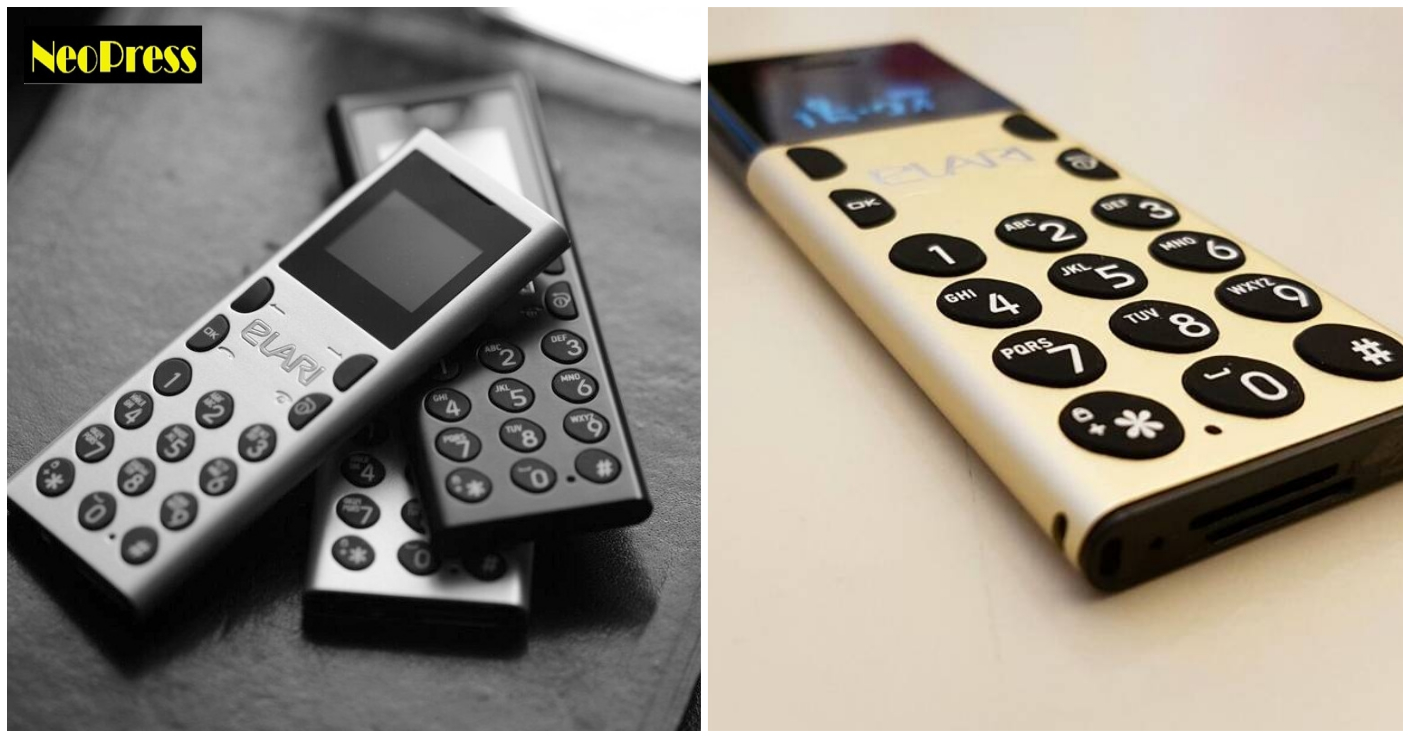
Elari ‘NanoPhone C’: Does the ‘Digital detox’ work? (Tech Review)

At a time when feature phones with better specifications are becoming a rage (you can’t miss the upcoming ‘intelligent’ JioPhone and the quintessential Nokia 3310), Russian company Elari has launched NanoPhone C which, it claims, is the world’s smallest GSM phone.

Weighing only 30 grams, NanoPhone C in rose gold, black anthracite and platinum silver colour variants can be purchased from e-commerce site yerha.com at Rs 3,999.

The phone was, however, launched for Rs 3,940 in July in India. In terms of specifications, it has a microSIM card slot, a microSD card slot, built-in FM radio and an MP3 player as well. Elari NanoPhone C also has basic features such as a 3.5-mm standard headphone jack and a microUSB port for charging the phone and syncing data. It measures 94.4mm x 35.85mm x 7.6mm and features a tiny, 1-inch TFT display.

The NanoPhone C directly competes with the likes of Nokia 3310 (2017 version) and aims to give users a shot of “digital detox”, but does it live up to the hype? Let’s find out. Here is what works for the device.

The fact that it smoothly synchronises with Android devices (we paired it with an Android smartphone) via Bluetooth is commendable. The sleek body and rounded buttons, at first glance, gives the impression of a small TV or audio remote which itself is quite intriguing. Audio call quality while making and receiving calls (after pairing it with our primary Android phone) was good.

The option to copy up to 1,000 contacts to the phonebook and use it as a stand-alone device also gets a thumbs-up from our side. What does not work:

NanoPhone C’s “Magic Voice” function lets the user make calls with a “fake voice”, but is not of much use in day-to-day life. In fact, it is no value addition to a feature phone in the sub-4K segment at all.

The 280mAh battery is not sufficient at all when compared to another feature phone in the same price segment. Nokia 3310 (2017 edition) features a bigger 1200mAh battery.

The company claims the battery will provide up to four days of standby time on a single charge but it did not last that long during the review.

Conclusion: Elari NanoPhone C might wish to offer an “antidote” to smartphone addiction, but the concept is not ground-breaking. Given the price, users looking for a feature phone would want better features and battery back-up which Nokia 3310 provides.

Buy it for its “tiny” size to surprise your friends, if you wish to.

As a technology lover you may like our daily important technology news series. It’s a playlist and you can retrieve the total day-wise videos. Please consider subscribing our YouTube channel:

Author: Technology Vista

Tagged : /

Did humans evolve by chance?

A new study says that origin of human genus could have occurred by chance and might not be directly related to climate change, as commonly believed.

Many scientists have argued that an influx, described as a “pulse”, of new animal species appears in the African fossil record between 2.8 and 2.5 million years ago, including our own genus Homo.

Experts believe it takes a broad-scale event like global climate change to spark the origination of so many diverse new species. However, the new study, published in the journal Paleobiology, says it is possible the pulse of new species could have occurred by chance. “The idea that our genus originated more than 2.5 million years ago as part of a turnover pulse in direct response to climate change has a deep history in paleonthropology,” said Andrew Barr from George Washington University.

“My study shows that the magnitude of that pulse could be caused by random fluctuations in speciation rates. One implication is that we may need to broaden our search for why our genus arose at that time and place,” Barr said. It is generally accepted that when major environmental changes occur, some species will go extinct and others will originate, which can create a cluster or pulse of new species in the fossil record.

However, there is not a set definition of what is considered a pulse, so experts have disagreed about which clusters constitute meaningful events and which can be explained as random fluctuations. Barr used computer simulation to model what the fossil record might look like over time in the absence of any climate change and found clusters of species originations that were of similar magnitude to the clusters observed in the fossil record.

This means random patterns are likely under-credited for their role in speciation fluctuation, he said. The findings mean scientists may need to rethink widely-accepted ideas about why human ancestors became smarter and more sophisticated.

As a technology lover you may like our daily important technology news series. It’s a playlist and you can retrieve the total day-wise videos. Please consider subscribing our YouTube channel:

Author: Technology Vista

Tagged : /

This biosensor creates sweat even when patient is resting and facilitates medical condition monitoring

Researchers have developed a biosensor that uses a chemical stimulant to produce sweat even when the patient is relaxed and cool.

Testing sweat, an important factor in understanding the hormones or chemicals, has several possible benefits over blood, according to the the findings published in the journal Lab on a Chip.

Blood analysis is considered the gold standard for biometric analysis. But biometric testing with blood is invasive and often requires the use of a lab. It is far more difficult for the doctors to perform continuous monitoring of blood over hours or days.

Sweat provides a noninvasive alternative, with chemical markers that are more useful in monitoring health than saliva or tears, said Jason Heikenfeld, Professor at the University of Cincinnati.

“People for a long time ignored sweat because although it can be a higher-quality fluid for biomarkers, you can’t rely on having access to it,” Heikenfeld said. “Our goal was to achieve methods to stimulate sweat whenever needed — or for days,” Heikenfeld added.

For the study, the researchers applied sensors and a gel containing carbachol, a chemical used in eyedrops, to their subject’s forearm for 2.5 minutes. They then recorded data obtained from the subject’s sweat for 30 minutes using sensors that measured concentrations of sweat electrolytes. Carbachol was effective at inducing sweating under the sensor for as long as five hours.

A subsequent experiment successfully generated sensor results for several days, using this process to stimulate sweat, Heikenfeld said. “This work represents a significant leap forward in sweat-sensing technology.” “Imagine being able to monitor cardiac patients after they have been released from the hospital, or preventing dehydration in athletes or even helping ensure that your body is getting the exact right concentrations of a prescription drug,” Heikenfeld said.

As a technology lover you may like our daily important technology news series. It’s a playlist and you can retrieve the total day-wise videos. Please consider subscribing our YouTube channel:

Author: Technology Vista

Tagged : /
Verified by ExactMetrics