The next version of Google’s mobile operating system ‘Android O’ is set to be officially rolled out in the US on Monday.
“On August 21, a solar eclipse will sweep across the entire US for the first time since 1918. Android is helping you experience this historic natural phenomenon so you can learn more about the eclipse and countdown to the big day when you’ll meet the next release of Android and all of its super (sweet) new powers, revealed via live-stream from New York City,” said a report in 9to5Google late on Sunday.
Update to Android 8.0 version is expected to introduce a new picture-in-picture mode, new notification dots to the Operating System (OS) and improvements to Bluetooth audio playback.
Recently-launched premium smartphones such as Samsung Galaxy S8, S8+ and HTC U11 are expected to see the software updates before the end of this year.
Around 85 per cent of Android devices used, according to the latest numbers, have not upgraded to Android Nougat that was released last year.
As a technology lover you may like our daily important technology news series. It’s a playlist and you can retrieve the total day-wise videos. Please consider subscribing our YouTube channel:
After launching three smartphones in India till May this year, Chinese technology giant has unveiled the upgraded version of its last year’s phablet ‘Mi Max’.
Much like its predecessor, ‘Xiaomi Mi Max 2’ has a 6.44 screen but a bigger battery. Playing its cards on the slimmer design and a massive 5,300mAh battery, Xiaomi is looking to grab a bigger pie of the affordable phablet market.
Lets see if Rs 16,999 Mi Max 2 is able to do so.
The device is slimmer and comfortable to carry. The black metal unibody makes the phone look more premium than its predecessor. Mi Max 2 is not heavy and can be easily slid into the back pocket.
On the front, it has a 2.5D curved glass screen, featuring Corning Gorilla Glass 3 protection, with a 5MP camera and light sensor on the right and left sides of the earpiece. Below the display are the backlit navigation touchpads.
The volume rocker and power button ae on the right side of the device and the hybrid SIM tray on the left.
The device sports a fingerprint sensor on the back. It has 12MP camera on the top left with a dual-LED flash and 3.5mm jack on top.
The photos came out excellent in daylight. The autofocus works fairly well and the selfie shooter does good work in well-lit conditions.
‘Mi Max 2’ has narrow bezels on its 6.44-inch Full-HD display that augments the content consumption.
Another impressive feature is the earpiece which doubles up as a loudspeaker when a user watches a video in potrait mode delivering a surround-sound effect.
The octa-core Qualcomm Snapdragon 625 processor ensures videos and audios are played smoothly and 4GB RAM gives a lag-free experience. The device has 64GB onboard memory (expandable upto 128GB).
The device runs Android 7.1.1 Nougat operating system topped with Xiaomi’s custom MIUI 8.5 and supports the split-screen feature.
The user interface is smooth and the new theme makes the navigation toucher called “Quickball” impressive.
The USP of the device is a massive battery that, the company claims, has 31 days of standby time and 57 hours of talktime. The device claims to give a day’s power (68 per cent) in just one hour of charging.
‘Mi Max 2’ can also charge other smartphones connected to its USB Type-C port placed in between the speaker grills.
The device comes with Quick Charge 3.0 technology with parallel charging which allows fast charging while controlling temperature increase.
For a user, who plays at least two hours of games, is connected to Wi-Fi throughout the day and surfs a lot on social media, the device returned over a one-and-half day of backup.
What doesn’t work?
Given the upgrade in battery — from 4,850mAh to 5,300mAh — the device is a bit heavier and thicker than its Mi Max predecessor.
The camera quality is not that excellent when it comes to low-light conditions.
Conclusion: The device is worth buying if you are looking for a phablet and gives tough competition to Lenovo ‘Phab 2 Plus’.
As a technology lover you may like our daily important technology news series. It’s a playlist and you can retrieve the total day-wise videos. Please consider subscribing our YouTube channel:
Scientists and prominent tech leaders have called for the United Nations (UN) to take action to stop the proliferation of “killer robots.”
At the International Joint Conference on Artificial Intelligence in Melbourne on Monday, technology leaders from around the world congregated at the event, first held in 1969, and requested that the development of weaponry using artificial intelligence (AI) be halted as “once this Pandora’s box is opened, it will be hard to close.”
As part of this open letter to the UN, the scientists and business leaders, including world-renowned AI expert Toby Walsh, Elon Musk of Tesla and James Chow of China’s UBTECH, called for the use of lethal autonomous weapons, or killer robots, to be outlawed much in the same way as chemical and biological weapons on the battlefield.
“Once developed, they will permit armed conflict to be fought at a scale greater than ever, and at timescales faster than humans can comprehend. These can be weapons of terror, weapons that despots and terrorists use against innocent populations,” Xinhua cited the letter as saying.
Signed by several of the world’s top AI minds, the letter was spearheaded by Walsh, a professor in AI at the University of New South Wales, who told Xinhua that he was concerned with what he felt was an “arms race” occurring around the world.
“I’m very worried about the impact that autonomy will have on the battlefields. There’s an arms race happening today, you can see the US military, the UK military, the Russian military — it’s a bit of an arms race,” Walsh was quoted as saying.
“It would be a very dangerous, destabilised world we end up in if we do allow ourselves to fight war with these sorts of weapons.”
Walsh and his cosignatories are asking the UN to step in and ban autonomous weapons, and he said that there has already been some positive movement from the UN in this regard.
“This is one where myself and thousands of my colleagues actually signed an open letter saying that the UN should take action, and the UN is starting slowly, but surely to take action in this space,” Walsh added.
One of the biggest worries shared by these technology leaders is that a rogue state, or tyrannical regime, would be able to use this these weapons in order to suppress their populace into docility, and Walsh outlined the likely path he feels will be taken in such an eventuality.
“It is certainly a worry that I have that autonomous robots will be used to suppress a whole nation, and it will be much easier than it used to be,” Walsh said.
As a technology lover you may like our daily important technology news series. It’s a playlist and you can retrieve the total day-wise videos. Please consider subscribing our YouTube channel:
The 6GB RAM Coolpad Cool Play 6 smartphone launched for the Indian market at Rs 14,999 will be available exclusively on Amazon from September 4, the company has said.
The phone unveiled here on Sunday at an event comes in a metal body and sports a bezel display. It has a 5.5-inch Full HD display with 1080 x 1980 pixels screen resolution.
Powered by 1.95GHz Octa-core Qualcomm Snapdragon 653 processor Cool Play 6 would be the most affordable 6GB RAM smartphone in India. It also has a fingerprint sensor.
India and the US have now become two of the largest markets for Coolpad overseas.
“We have always believed in launching products that start a trend in the market and Cool Play 6 is yet another winner from Coolpad,” James Du, Global CEO, Coolpad Group, told reporters.
“We are also coming with exclusive Coolpad services centres in India with plan to have these in at least five cities in the next six months,” Du said.
The phone will be available exclusively on Amazon.in from September 4, in two colour variants — gold and black, Coolpad announced. The phone offers 64GB of internal storage and packs 13 MP + 13 MP dual primary camera and a 8 MP front shooter for selfies.
It has 4000 mAh, non-removable Li-Po battery with a standby time up to 300 hours, with support for USB Type-C reversible connector and Dual SIM (Nano), the company said.
The phone runs on Android 7.1.1. The Android 8.0 OTA update will be provided by December, Coolpad said.
“In the last couple of years Coolpad has done well and we have beaten even our own estimates. Year 2017 has been a game changer for Coolpad in India and we continue to put our resources in the country with a plan to achieve 50 per cent growth to extend our market share to six per cent of the total market in India,” Syed Tajuddin, CEO, Coolpad India, said.
“We already have offline presence in eight states with a reach in 3,000 multi-brand outlets and have plans to expand it to a total number of 18 states in the next one year,” Tajuddin said. “Coolpad smartphones have a 25 per cent market share on Amazon in the Rs 8,000 category,” he added.
As a technology lover you may like our daily important technology news series. It’s a playlist and you can retrieve the total day-wise videos. Please consider subscribing our YouTube channel:
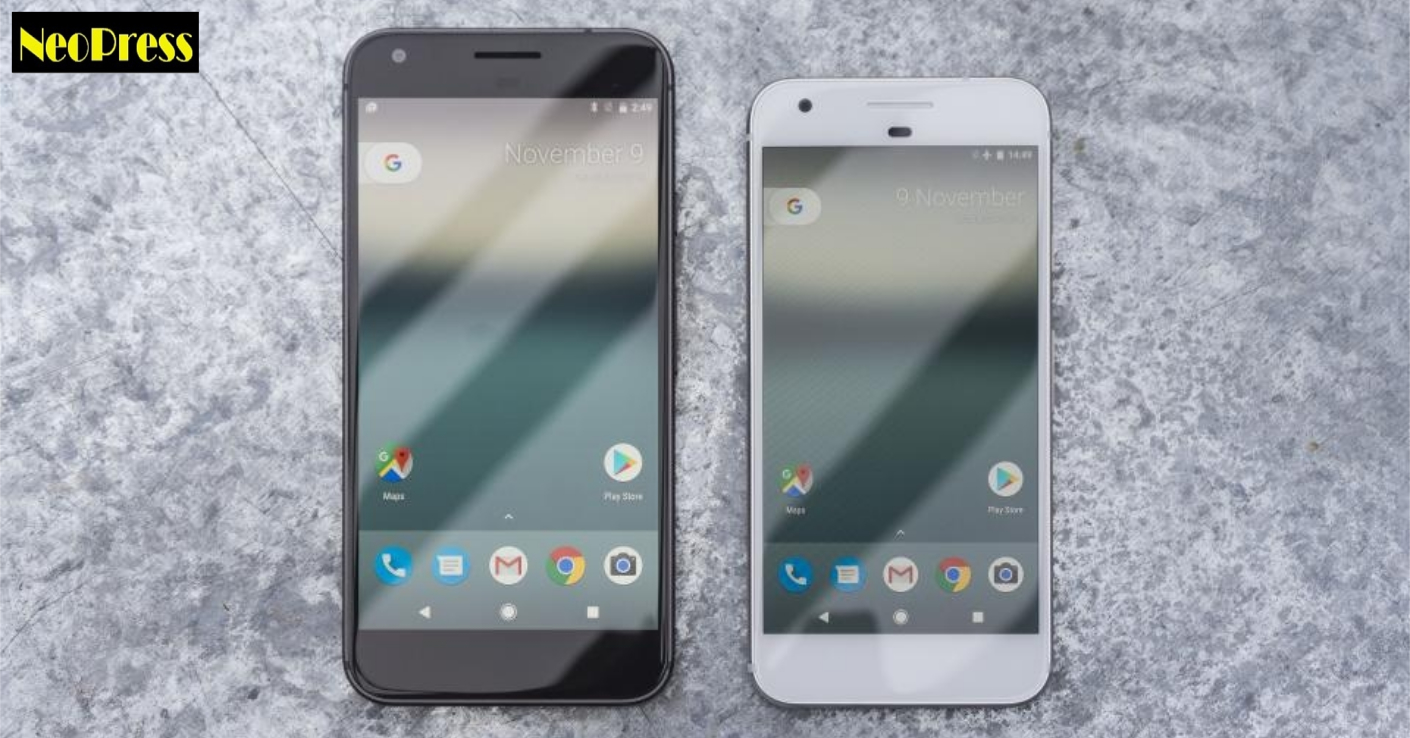
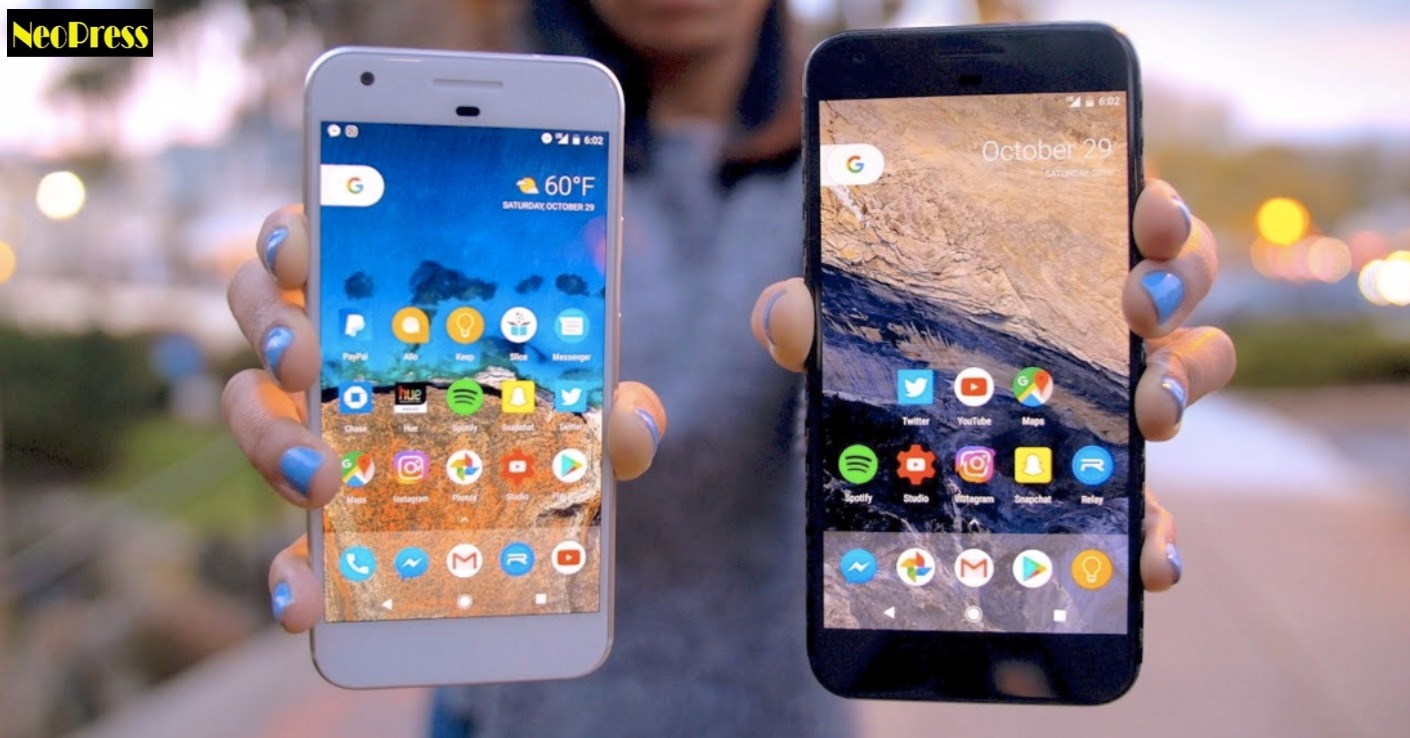
While leaks, rumors and speculations about near future releases are as common as new updates in the tech industry, we constantly struggle to sort between the fake and the credible. This time we have leaked thoughts on the Pixel 2 and Pixel XL 2, and all reports unanimously agree that they will differ in key areas.
CAD renders released a few weeks ago, along with leaked photos of the device in the wild, suggest that the Google Pixel XL 2 will feature bezels more in line with what we see on the LG G6, while the smaller Pixel 2 will sport a front panel that looks more like a Nexus 6P. So, while the bigger device will likely sport a display with rounded corners and an 18:9 aspect ratio, the Pixel 2 might not look like the future phone we were hoping for.
Compared to its larger sibling, we’re seeing a more “traditional” look in Google’s smaller flagship. But, with trends changing faster than the weather, what is considered “traditional”, might soon take a turn.
2017 has been the year of the shrinking bezel, with the previously mentioned LG G6, Galaxy S8, the upcoming Essential Phone, and maybe even the iPhone 8 sporting front panels that are mostly all screen. We know not every phone has gone that route – looking at you HTC and Motorola (and others). But while a phone that sports a substantial top and bottom bezel might not look completely dated, it’s certainly starting to look like it.
The Pixel 2 and Pixel 2 XL are siblings, which suggests that the difference between one or the other would be somewhat minimal. But design renders are suggesting that will not be the case. In addition to a more traditional/dated look, the Pixel 2 doesn’t seem to be the beneficiary of the rounded screens that other phones have introduced this year. Customers of the Pixel 2 line this year are going to have to take more than just size into consideration when making their choice. A sticky wicket, to say the least.
Getting into the mind of Google, why is it doing so? Production costs come to mind first thing. Perhaps LG’s rounded OLED screens cost more than a “standard” screen, so Google might be keeping costs down by only including the rounded screen on the larger phone.
Perhaps by keeping costs down, Google will be able to pass those savings along to the consumer. Could we be seeing a resurgence of the Nexus 6P/5X dynamic? It’s also possible that the production of LG’s rounded screens wasn’t capable of keeping up with LG G6, LG V30, Pixel 2, and Pixel XL 2 demand. It’s anybody’s guess at this point.
If that’s the case, then in terms of style and usability, it seems like Google is making the right call here. The larger phone should probably be the one with smaller bezels to aid in one-handed use and the like.
Sure, we knew from the start that there would be a small vs. large difference, but now we’re talking about major design elements being different in two phones from the same product line. Will the larger bezels of the smaller phone be more attractive to consumers, or will the smaller bezels of the large phone take the blue ribbon?
As a technology lover you may like our daily important technology news series. It’s a playlist and you can retrieve the total day-wise videos. Please consider subscribing our YouTube channel:
A combination of intense workout, which has become a daily trend for many men, along with consumption of steroids is becoming a rising cause of infertility, according to IVF experts.
Long-term exhaustive exercises decreases sperm count and one’s potential for reproduction, said IVF experts.
Another factor contributing to infertility was the consumption of steroids for body building which was causing zoospermia – a condition in which sperm does not generate in semen.
Recent studies have said some 1 per cent of the Indian males is affected by zoospermia.
“In males, heavy training sessions can reduce the sperm count in the body that is directly related to the fertility of a man. There are many who have been following long-term training sessions in order to maintain the body. If one is into exhaustive training sessions, there are chances that they might have less sperm count compared to a man who has been following normal training sessions,” said Arvind Vaid, an IVF expert at the city-based Indira IVF Hospital.
Rekha Goswami, a city-based independent IVF expert, who previously worked with the AIIMS, said though heavy workout causes infertility problems in the long run, what is of immediate concern was consumption of steroids without medical advice.
As a technology lover you may like our daily important technology news series. It’s a playlist and you can retrieve the total day-wise videos. Please consider subscribing our YouTube channel:
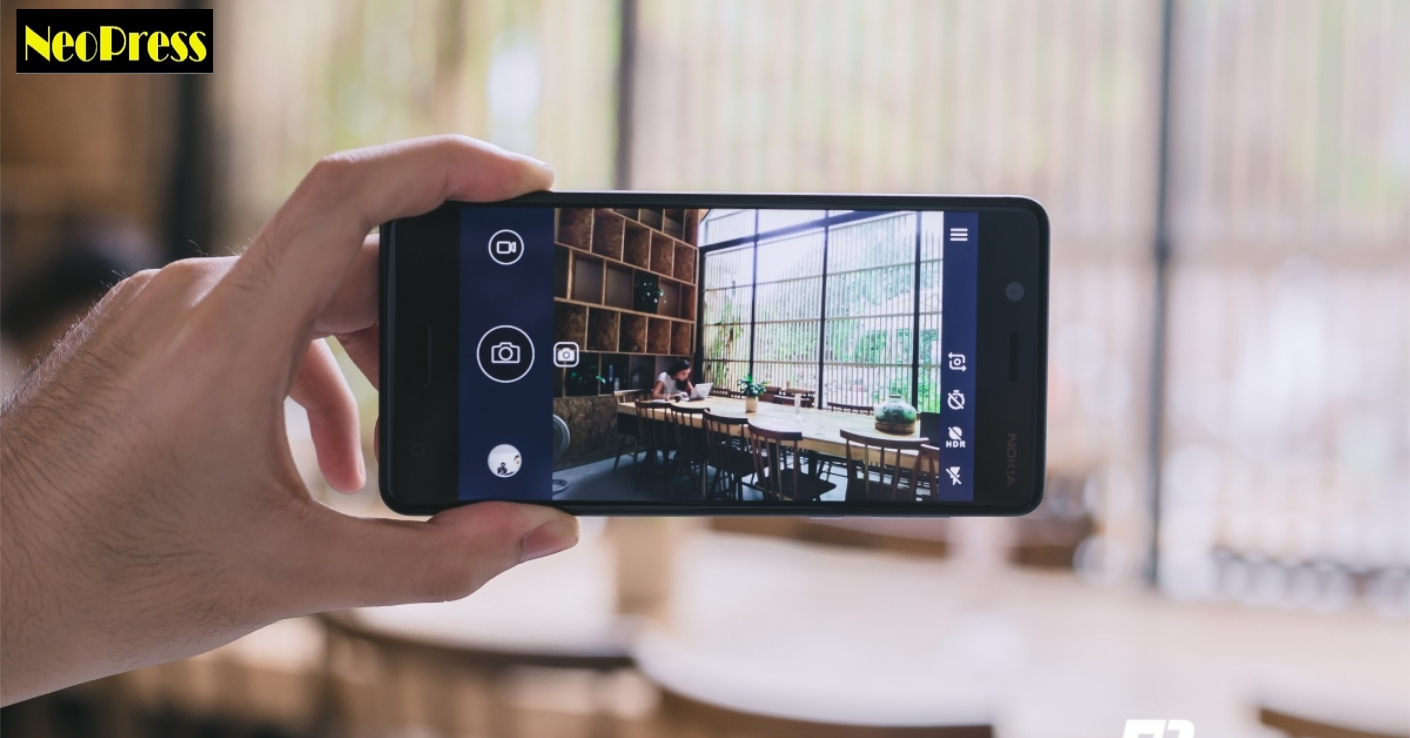
Finnish company HMD Global on Thursday launched its much-awaited flagship device Nokia 8 that will be available in India during the festival season.
Available in four colours — polished blue, polished copper, tempered blue and steel — Nokia 8 would be available at the global price of 599 euros ($705) through September, the company said in a statement.
The device boasts three industry-first features for Android smartphones, including a collaboration with ZEISS optics, Nokia ‘OZO Audio’ and ‘Dual-Sight’ mode.
With only 4.6mm thin at the edge and 7.3mm slim on average, the flagship device’s unibody is made from 6000 series aluminium with select models featuring a high-gloss mirror finish.
“People are inspired by the content they consume. It’s these people who have inspired us to craft a flagship smartphone which perfectly balances premium design, an outstanding experience and powerful performance,” said Juho Sarvikas, Chief Product Officer of HMD Global.
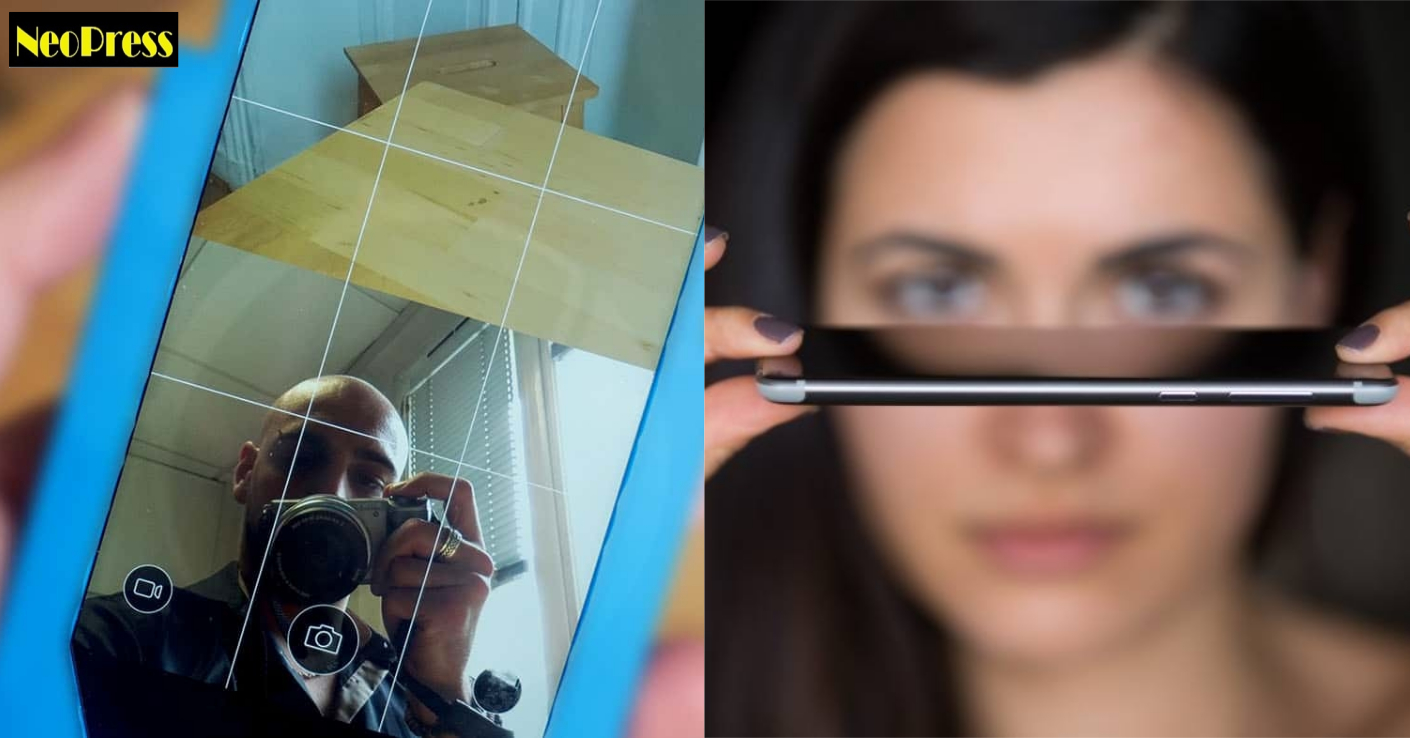
Nokia 8 enables its users livestream videos on social feeds such as Facebook and YouTube using its Dual-Sight feature that uses both the front and rear cameras simultaneously in a split screen visual for both photos and videos.
The front and rear-facing cameras on the Nokia 8 have been co-developed with ZEISS optics for ‘bothie’. Users also get unlimited photo and video uploads to Google Photos.
Nokia 8 is also the first smartphone to feature Nokia OZO Audio. OZO spatial 360 degrees audio brings an immersive experience to 4K video.
The phone features Qualcomm Snapdragon 835 chip, offers pure, secure and updated Android experience and is Qualcomm Quick Charge 3.0 compatible for 3,090 mAh battery.
The device comes with a lightweight, water, sweat, and dust-proof premium Nokia ‘Active Wireless Headset’.
It comes with a 4GB RAM and 64GB storage that can be extended up to 256GB. It has a 5.3-inch IPS LCD QHD display and is protected by Corning Gorilla Glass 5.
The primary camera has two lenses — 13MP (Colour + OIS) and 13MP (Mono) with dual tone flash. The 13MP front facing camera has Phase-detection autofocus (PDAF).
The Nokia 5 smartphone, already released in India, is available in retail stores at Rs 12,499.
The Nokia 6 has received over one million registrations on Amazon.in and customers can buy the smartphone for Rs 14,999 from August 23.
As a technology lover you may like our daily important technology news series. It’s a playlist and you can retrieve the total day-wise videos. Please consider subscribing our YouTube channel:
Taiwanese electronics giant ASUS on Thursday launched its new ‘ZenFone Zoom S’ smartphone with a dual-camera for photography lovers for Rs 26,999.
The 5.5-inch device, available on Flipkart, comes with a 2.3X optical and 12 X digital zoom and 12MP dual camera setup on the rear and a 13MP front camera.
“On the onset of ‘World Photography Day’, ASUS India wishes to rejuvenate the passion and commitment of photography enthusiast by launching ‘ZenFone Zoom S’,” said Peter Chang, Regional Head, South Asia and Country Head, System Business Group-ASUS India, in a statement.
With a high-capacity 5000mAh battery onboard, the phone can last up to two days on a single charge, the company claimed.
Powered by Qualcomm Snapdragon 625, ‘ZenFone Zoom S’ comes with 4GB RAM and 64GB internal storage.
The ‘ZenFone Zoom S’ features ‘ASUS SuperPixel Camera’ for low-light photography.
The device has an improved ASUS ‘TriTech’ autofocus system with new ‘Dual Pixel PDAF’ technology as one of its three focusing technologies along with the second-generation laser autofocus and subject tracking autofocus.
ASUS ‘TriTech’ automatically chooses the best technology to use depending on the subject, and achieves focus in an amazingly fast 0.03 seconds.
‘ZenFone Zoom S’ shoots videos at 4K (3840×2160) at 30 frames per second, along with the subject tracking autofocus system allowing the smartphone to continuously focus on subjects.
The device is also one of the first few smartphones to have a Corning Gorilla Glass 5 display cover panel that is 70 per cent more resistant to drop damage compared to the previous Gorilla Glass generation.
As a technology lover you may like our daily important technology news series. It’s a playlist and you can retrieve the total day-wise videos. Please consider subscribing our YouTube channel:
NASA’s Mars 2020 rover mission, which aims look for signs of past life on the Red Planet, will use smart X-ray techniques originally developed to find the oldest life on Earth, according a mission scientist.
“Previous missions to Mars have used a relatively broad brush – analysing average chemistry over roughly the size of a postage stamp – to ‘follow the water’ and seek ancient habitable environments,” said the mission’s Deputy Project Scientist Ken Williford.
“Mars 2020 takes the next natural step in its direct search for evidence of ancient microbial life, focusing measurements to the microbial scale and producing high-resolution maps over similarly postage stamp-sized analytical areas,” Williford said while speaking at the Goldschmidt geochemistry conference in Paris where he presented the methods to be adopted.
Rather than using “bulk” geochemistry techniques that measure the average composition of a rock, Mars 2020 is developing new capabilities including X-ray fluorescence and Raman spectroscopy to map the elemental, mineral, and organic composition of rocks at high spatial resolution, with analytical spot sizes about the width of a human hair.
Understanding the spatial distribution of chemical features preserved in ancient rocks is key to determining whether or not they were formed by life.
The instruments in development for Mars 2020 have roots in the search for the earliest signs of life on Earth, as well as life in extreme environments – deep underground, or in hydrothermal settings along ocean-floor ridges.
When these methods have been applied on Earth they have enabled scientists to lower limits of detection or to better understand formerly ambiguous observations.
In addition, the Mars 2020 mission will use the knowledge gained from its scientific exploration to select and collect key samples that could one day be examined in laboratories back on Earth.
About 30-40 rock and sediment core samples, each about 15 grams, will be hermetically sealed in titanium tubes and deposited in a safe location on the surface of Mars for possible retrieval by a future mission.
“Mars 2020 represents a crucial first step towards a possible Mars sample return. Our objective is to collect a diverse set of samples from our landing site with the best potential to preserve records of the evolution of Mars – including the presence of life if it was there,” Williford said.
“We’ll use our onboard instruments to provide the critical field context that future scientists would need to understand the measurements made back on Earth,” Williford added.
As a technology lover you may like our daily important technology news series. It’s a playlist and you can retrieve the total day-wise videos. Please consider subscribing our YouTube channel:
In a step towards helping repair damaged body parts, scientists in Britain have developed a new method to 3D-print laboratory-grown cells to form living structures.
In the study published in the journal Scientific Reports, the researchers demonstrated how a range of human and animal cells can be printed into high-resolution tissue constructs.
The approach could revolutionise regenerative medicine, enabling the production of complex tissues and cartilage that would potentially support, repair or augment diseased and damaged areas of the body. “The ability to 3D print with adult stem cells and still have them differentiate was remarkable, and really shows the potential of this new methodology to impact regenerative medicine globally,” said Adam Perriman from the University of Bristol.
Interest in 3D printing living tissues has grown in recent years, but, developing an effective way to use the technology has been difficult, particularly since accurately controlling the position of cells in 3D is hard to do.
They often move within printed structures and the soft scaffolding printed to support the cells can collapse on itself. As a result, it remains a challenge to print high-resolution living tissues. But, led by Professor Hagan Bayley of the University of Oxford, the team devised a way to produce tissues in self-contained cells that support the structures to keep their shape. The cells were contained within protective nanolitre droplets wrapped in a lipid coating that could be assembled, layer-by-layer, into living structures.
Producing printed tissues in this way improves the survival rate of the individual cells, and allowed the team to improve on current techniques by building each tissue one drop at a time to a more favourable resolution. To be useful, artificial tissues need to be able to mimic the behaviours and functions of the human body.
The method enables the fabrication of patterned cellular constructs, which, once fully grown, mimic or potentially enhance natural tissues, the researchers said. “We were aiming to fabricate three-dimensional living tissues that could display the basic behaviours and physiology found in natural organisms,” lead author Alexander Graham from Oxford Synthetic Biology said.
“To date, there are limited examples of printed tissues, which have the complex cellular architecture of native tissues. Hence, we focused on designing a high-resolution cell printing platform, from relatively inexpensive components, that could be used to reproducibly produce artificial tissues with appropriate complexity from a range of cells including stem cells,” Graham added.
As a technology lover you may like our daily important technology news series. It’s a playlist and you can retrieve the total day-wise videos. Please consider subscribing our YouTube channel:
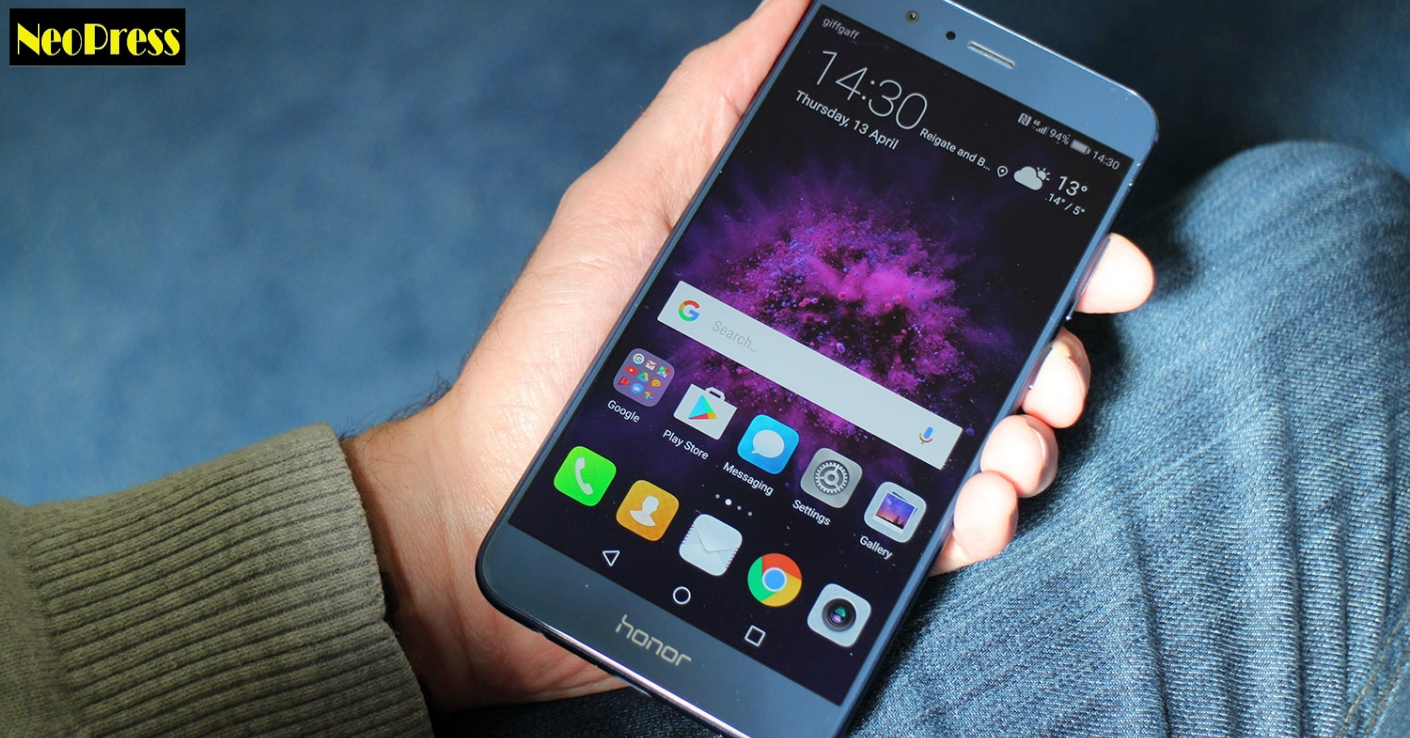
Chinese smartphone brand Huawei’s Honor 8 Pro has been accorded with ‘European Imaging and Sound Association (EISA) Consumer Smartphone 2017-2018’ award, the company announced on Wednesday.
EISA called the device as “a fitting tribute to the innovative engineering and great performance from Honor”.
“We are thrilled to receive the ‘EISA Consumer Smartphone 2017 – 2018’. This prestigious accolade represents a solid recognition from the industry – not only for the Honor 8 Pro but also for the wider Honor brand,” George Zhao, President of Honor, said in a statement.
“Despite the competitive smartphone market space, the Honor 8 Pro stood out from the crowd and has been extremely well-received by millennials, which has reinforced our confidence to develop further trend-setting devices which excel in design and performance for millennials around the globe,” Zhao added.
Priced at Rs 29,999, the 6GB ‘Honor 8 Pro’ with fourth generation 12MP dual-lens camera system was launched last month in India.
Honor 8 Pro has a 5.7-inch display, 128GB internal storage, which can be expanded up to 256GB, boasts a 2K quad HD display and houses 4,000mAh battery.
The device runs on the latest premium flagship Kirin 960 processor and an all-new EMUI 5.1 software. The duel-SIM smartphone that runs Android 7.0 Nougat-based EMUI 5 comes with 8MP selfie camera.
Globally, Huawei witnessed 35 per cent growth (YOY) in revenue in 2016, with 139 million smartphone shipments. In the first quarter of 2017, the company shipped 34.55 million units in 74 countries.
As a technology lover you may like our daily important technology news series. It’s a playlist and you can retrieve the total day-wise videos. Please consider subscribing our YouTube channel:
The “leaked” first renders of Huawei’s next flagship smartphone “Mate 10” give an insight into the bezel-less design that was earlier confirmed by Richard Yu, Product Head of the company’s Consumer Division.
“The rear side of the forthcoming phone reveals a dual camera set-up with Leica lens, dual-LED flash along with Optical Image Stabilisation (OIS), a post on Chinese social networking site Weibo read on Wednesday.
Huawei Mate 10 could sport a 6.1-inch screen with Quad-HD resolution, it added.
“Fingerprint sensor and Huawei branding are very minimal,” Pocketnow earlier reported.
In terms of specifications, the phone is expected to be powered by a Kirin 970 chipset coupled with a 6GB RAM and 64GB internal memory configuration. The phablet could be powered by a 4,000mAh battery and would run Android Nougat OS out-of-the-box.
As a technology lover you may like our daily important technology news series. It’s a playlist and you can retrieve the total day-wise videos. Please consider subscribing our YouTube channel:
Coconut water can be kept fresh for months without preservatives, thanks to a new technique developed by scientists at the Indian Institute of Technology, Kharagpur. Untreated coconut water has a shelf life of only 24 hours.
The team of Sankha Karmakar and professor Sirshendu De, Department of Chemical Engineering, IIT Kharagpur, used a membrane-based separation process through which all the bacterial content can be removed. Shelf life is enhanced to around 18 weeks without any use of preservatives.
“Generally, all the bacterial content can be removed by a microfiltration membrane or any ultrafiltration membrane. The membrane was such selected that it eliminates the potent sites for microbial growth (enzyme polyphenol oxidase and high molecular weight proteins present in the coconut water) to its best extent, so that further bacterial growth can be arrested,” the researchers said in a statement on Friday.
It can be stored in aseptic packaging for 18 weeks under normal refrigeration, they claim. The sterilised coconut water was tasted and scored by three professors from chemical engineering department, 10 Ph.D scholars and two children, in terms of aroma, taste, odour, texture, colour and acceptability.
“It was found that the treated coconut water maintained all its nutritional properties even after weeks of storage study. The process is better than conventional sterilization process like, hot pasteurization or freezing because of its economical viability, easy scalability and high storage tendency without any additional additive or preservative,” the researchers added.
As a technology lover you may like our daily important technology news series. It’s a playlist and you can retrieve the total day-wise videos. Please consider subscribing our YouTube channel:
Dual rear cameras and images with “Bokeh” effect gained popularity after Apple released the iPhone 7 Plus last year.
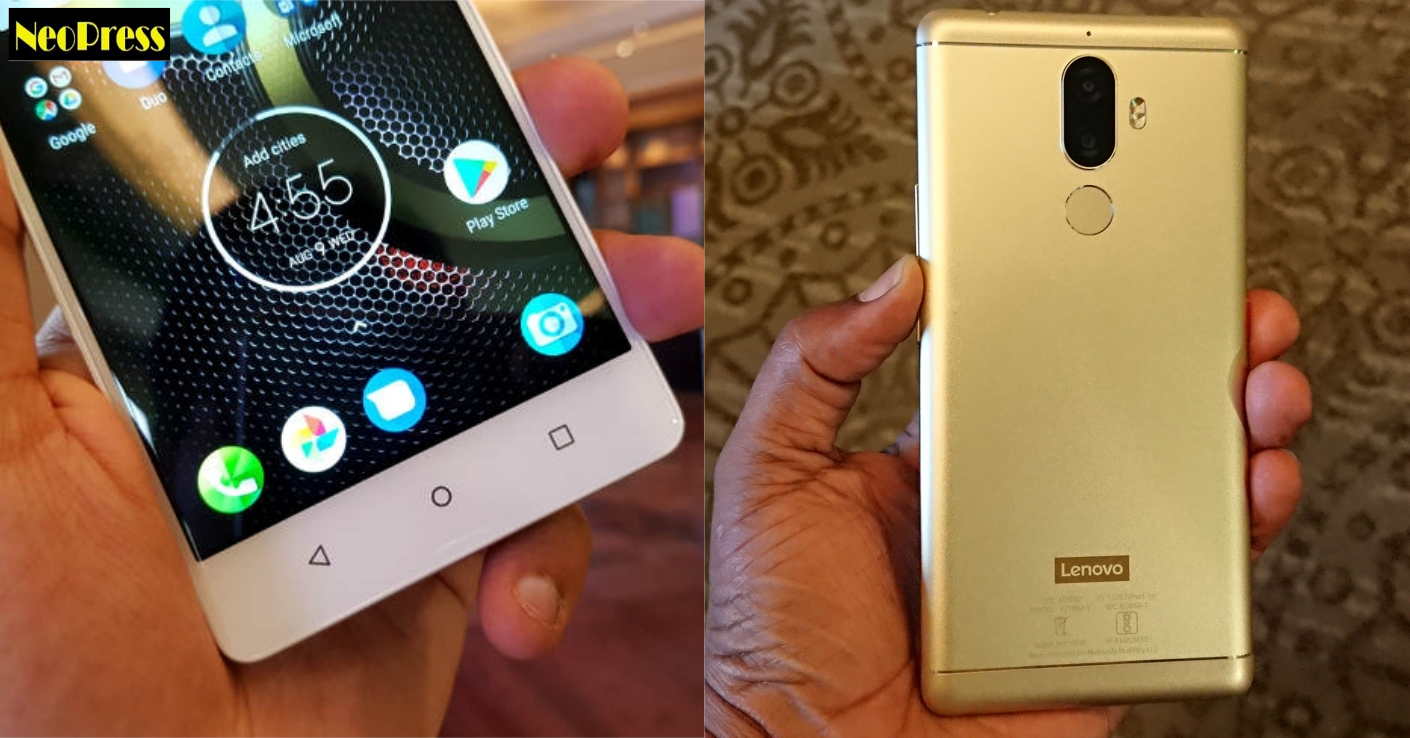
Now, Lenovo is betting big on the sub-Rs 15,000 segment with the K8 Note that boasts of dual rear cameras and packs decent specs in a sturdy body. At the launch event in New Delhi, Lenovo said it skipped a generation (K7 Note), took a leap and made K8 Note with the stock Android operating system (OS) and dual camera set-up.
So, does K8 Note have enough power to beat Xiaomi’s Redmi Note 4 — perhaps the most popular smartphone in its segment? Read on to find out.
What works for the device.
Lenovo is banking on the dual camera set-up at the rear which also makes it the company’s first phone with this feature.
A 13MP “Purecell” sensor along with 5MP Samsung “BSI” sensor and dual “CCT LED” flash combine to create good “depth-of-field” shots.
A 13MP front camera with flash is capable of satisfying the hunger of selfie lovers.
The camera app is neat and looks similar to the camera interface of Motorola phones. It lets the user change exposure quickly via the focus ring.
Lenovo K8 Note has a premium and sturdy design, thanks to the 6,000 series Aluminium body. The device is available in Venom Black and Fine Gold colours and the former looks classier than the gold variant.
The 5.5-inch full-HD (1920×1080 pixels) display is protected by a layer of 2.5D Corning Gorilla glass that renders a smooth finish. Lenovo has also added a layer of anti-fingerprint “oleophobic” coating that is a great value-addition and won’t leave smudges on the screen.
The viewing angles are great with decent sunlight legibility. This is the best-ever display on a Lenovo smartphone in this price segment.
Also, the splash-proof P2i nano-coating makes the device capable of handling a few splashes. This is also where Redmi Note 4 falls short.
In terms of performance, stock Android is a welcome change. The look and feel of the user interface delighted us.
K8 Note did not show any lag when we browsed videos on YouTube, used WhatsApp and surfed the internet simultaneously, thanks to the deca-core MediaTek Helio X23 (MT6797) chipset.
We especially liked the rather low placement of physical power and volume buttons (on the right side) which made it easy to reach them.
A dedicated “Music key” lies on the left which can be customised by users to suit their needs.
The fingerprint sensor right below the camera at the rear unlocks the phone in a snap.
A dedicated microSD card slot placed on the left can expand memory up to 128GB and is a good value-addition to the smartphone.
The hefty 4,000mAh non-removable battery lasted over a day on a single charge with moderate-to-heavy usage during our review.
A 15W “Turbo Charger” supplied in the box could provide 100 per cent juice in less than two hours.
What does not work.
The big camera bump at the rear is a downgrade from its predecessor K6 Note and gets a thumbs-down from our side.
It is disappointing that the three capacitive buttons below the display are not backlit.
The phone warmed up when we used it for navigation and played games.
The battery backup of the K8 Note is decent. But Redmi Note 4 scores better in this department with a bigger 4,100mAh battery and better optimisation.
Conclusion.
K8 Note is a serious attempt by Lenovo to woo consumers in the sub-Rs 15,000 segment. The prowess of its dual rear cameras and stock Android definitely make K8 Note stand out in the crowd and give a stiff competition to the best-selling phone in the segment — the Redmi Note 4.
As a technology lover you may like our daily important technology news series. It’s a playlist and you can retrieve the total day-wise videos. Please consider subscribing our YouTube channel:
Finnish start-up HMD Global, which owns the Nokia brand, on Monday announced the release of ‘Nokia 5’ smartphone in India.
It will be available in retail stores at Rs 12,499 from August 15. The smartphone features a 5.2-inch IPS HD display with Corning Gorilla Glass, 2GB RAM and 16GB internal storage which can be expanded upto 128GB with microSD card.
“People today want something that fits in the palm of their hands and they want something that will go the distance. ‘Nokia 5’ is the ultimate pocketable phone at 5.2 inches with a very unique design,” Ajey Mehta, Vice-President, HMD Global India, said in a statement.
The phone sports a 13MP rear camera with dual flash which has been optimised for all light conditions and 8MP front camera for selfies.
Running on Android 7.1.1 Nougat, the device is powered by Qualcomm Snapdragon 430 mobile platform. Equipped with a 3000mAh battery, ‘Nokia 5’ comes with biometric fingerprint authentication feature.
As a technology lover you may like our daily important technology news series. It’s a playlist and you can retrieve the total day-wise videos. Please consider subscribing our YouTube channel: