Apples were not like what they are now! Here’s how modern juicy apples evolved

Tracing the evolutionary history of the crisp and juicy apples, scientists have found that modern apples originated in a mountainous region of Kazakhstan around 10,000 years ago.

The study showed that the modern domesticated apple — Malus domestica — emerged as a result of genetic exchange because of traders travelling back and forth along the Silk Road — ancient routes running from the far east to the Mediterranean sea.

“We narrowed down the origin of domesticated apple from very broad central Asia to Kazakhstan area west of Tian Shan Mountain,” said lead author Zhangjun Fei, Professor at Boyce Thompson Institute (BTI) — a research institute in the US.

For the study, published in the journal Nature Communications, the team sequenced and compared the genomes of 117 diverse apple accessions, including M. domestica and 23 wild species from North America, Europe and East and central Asia.

In addition, the first domesticated apple had also travelled to the east, hybridising with local wild apples along the way, yielding the ancestors of soft, dessert apples.

As the apple travelled west along the Silk Road in the hands of travellers, trees grew from dropped seeds and crossed with other wild apple varieties, including the incredibly sour European crabapple — Malus sylvestris.

M. sylvestris contributed extensively to the fruit’s genome, making the modern apple more similar to the sour crabapple than to its Kazakhstani ancestor — M. sieversii.

The hybridisation and M. sylvestris, followed by extensive human selection, resulted in new apples that are larger and fuller in flavour, and with a crispy firmness that gives them a longer shelf life, the researchers said.

Thus, “the modern domesticated apples have higher and well-balanced sugar and organic acid contents. That is how the apple started to become a popular and favoured fruit”, the researchers said.

As a technology lover you may like our daily important technology news series. It’s a playlist and you can retrieve the total day-wise videos. Please consider subscribing our YouTube channel:

Author: Technology Vista
Tagged : /

Now, your sweat can power wearable devices

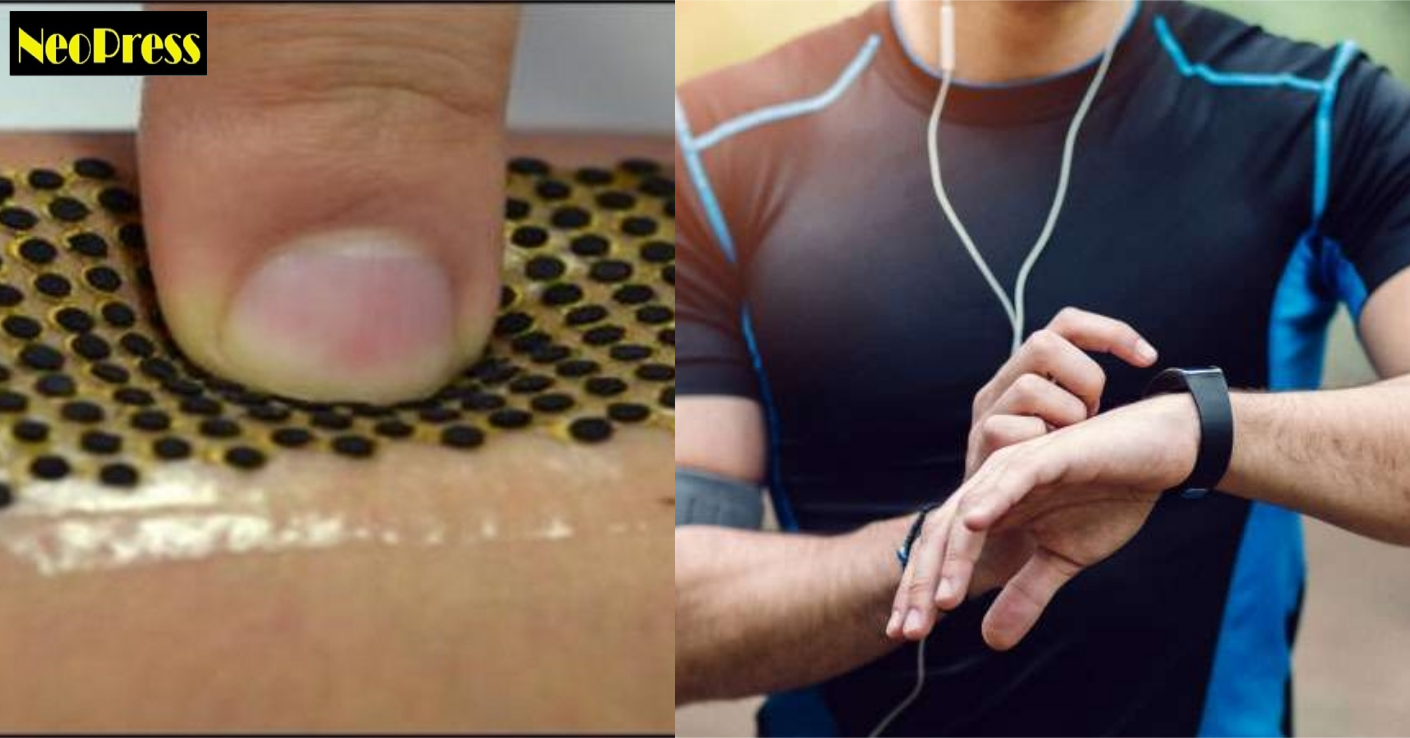
Researchers have developed stretchable fuel cells that extract energy from sweat and are capable of powering electronics, such as LEDs and Bluetooth radios.

In a paper, published in the journal Energy & Environmental Science, the researchers described how they connected the biofuel cells to a custom-made circuit board and demonstrated that the device was able to power an LED while a person wearing it exercised on a stationary bike.

The biofuel cell that the Engineers from the University of California San Diego in the US developed can stretch and flex, conforming to the human body.

The research led by Professor Joseph Wang, who directs the Center for Wearable Sensors at the university, used a combination of clever chemistry, advanced materials and electronic interfaces.

The researchers explained that biofuel cells were equipped with an enzyme that oxidises the lactic acid present in human sweat to generate current. This turned the sweat into a source of power.

To make the biofuel cells flexible and stretchable, the engineers decided to use what they call a “bridge and island” structure developed in Professor Sheng Xu’s research group.

Essentially, the cell is made up of rows of dots that are each connected by spring-shaped structures. Half of the dots make up the cell’s anode and the other half are the cathode. The spring-like structures can stretch and bend, making the cell flexible without deforming the anode and cathode.

The basis for the islands and bridges structure was manufactured via lithography and is made of gold. As a second step, researchers used screen printing to deposit layers of biofuel materials on top of the anode and cathode dots. The researchers’ biggest challenge was increasing the biofuel cell’s energy density, meaning the amount of energy it can generate per surface area.

Increasing energy density is key to increasing performance for the biofuel cells. The more energy the cells can generate, the more powerful they can be. To increase power density, engineers screen printed a 3D carbon nanotube structure on top the anodes and cathodes.

The structure allows engineers to load each anodic dot with more of the enzyme that reacts to lactic acid and silver oxide at the cathode dots. In addition, the tubes allow easier electron transfer, which improves biofuel cell performance, the study said.

As a technology lover you may like our daily important technology news series. It’s a playlist and you can retrieve the total day-wise videos. Please consider subscribing our YouTube channel:

Author: Technology Vista

Tagged : /

Promising kidney disease cure to undergo first human trial in Australia

A drug that successfully prevented kidney disease in diabetic mice is set to undergo its first human trial in Australia.

More than 140 Australians suffering from Type-1 or Type-2 diabetes will participate in the study to be run by the Baker Heart and Diabetes Institute, Xinhua news agency reported.

A drug developed by researchers at Monash University that blocks a pathway through which NOX enzymes cause damage to the kidneys will be tested in the trial, which will begin in September.

Blocking the pathway in mice had prevented kidney damage and the drug has shown promise in repairing eye and heart damage related to diabetes, said Mark Cooper from Monash University.

The rights to the drug are owned by Swiss pharmaceutical company Genkyotex.

“In the diabetic kidney, three things happen: it scars, it gets inflamed, and it leaks the protein albumin,” Cooper was quoted as saying by the Australian media on Wednesday.

“We were able to show this drug stopped the protein leaking, stopped the inflammation, and stopped the scarring. It’s the scarring, particularly, that causes kidney failure,” Cooper said.

The 142 study participants will have their urine tested for albumin and then be administered the NOX-inhibitor or a placebo for 12 months.

Kidney disease is one of the most common causes of death associated with diabetes.

“If we can slow down kidney disease, and also reduce heart and eye disease in the diabetes population, it will dramatically improve lifespan and quality of life,” Cooper said.

“These people (sufferers of both type 1 and 2 diabetes) can avoid dialysis, have fewer heart attacks, and suffer less blindness,” he added.

As a technology lover you may like our daily important technology news series. It’s a playlist and you can retrieve the total day-wise videos. Please consider subscribing our YouTube channel:

Author: Technology Vista
Tagged : /

Saliva-powered battery could run diagnostic applications

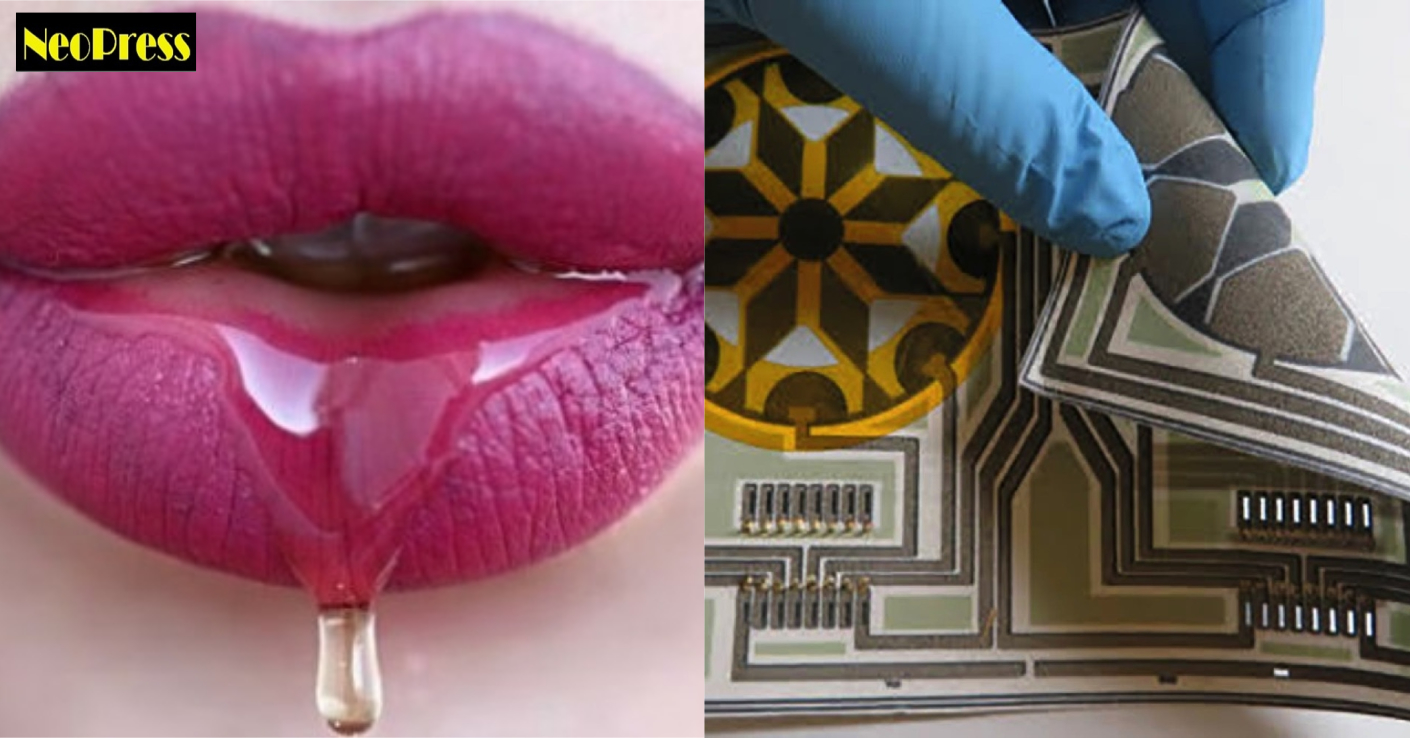
Researchers have shown that a battery activated by spit has the potential to power point-of-care diagnostic applications in extreme conditions.

In a paper published in the journal Advanced Materials Technologies, the researchers described how they created a high-performance, paper-based, bacteria-powered battery which generates power within minutes of adding saliva.

They created the battery by building microbial fuel cells with inactive, freeze-dried exoelectrogenic cells.

“On-demand micro-power generation is required, especially for point-of-care diagnostic applications in developing countries,” said Seokheun Choi, Assistant Professor, Binghamton University, State University of New York.

“Typically, those applications require only several tens of microwatt-level power for several minutes, but commercial batteries or other energy harvesting technologies are too expensive and over-qualified. Also, they pose environmental pollution issues,” Choi added.

The battery generated reliable power with one drop of saliva, supplying on-board power that could be used by the next generation of disposable, paper-based point-of-care diagnostic platforms.

“The proposed battery has competitive advantages over other conventional power solutions because the biological fluid for on-demand battery activation is readily available even in the most resource-constrained settings, and the freeze-drying technology enables long-term storage of cells without degradation or denaturation,” wrote the researchers.

Choi now wants to improve the batter’s power density so that more applications can be powered.

“Now, our power density is about a few microwatts per centimetre square. Although 16 microbial fuel cells connected in a series on a single sheet of paper generated desired values of electrical current and voltage to power a light-emitting diode (LED), further power improvement is required for other electronic applications demanding hundreds of milliwatts of energy,” Choi said.

As a technology lover you may like our daily important technology news series. It’s a playlist and you can retrieve the total day-wise videos. Please consider subscribing our YouTube channel:

Author: Technology Vista

Tagged : /

Does probiotics work? Here is what the scientists say!

There is no clear evidence that probiotics, the “friendly” bacteria strain of lactobacillus, prevent eczema — a frequent precursor to asthma, a study has said.

Published in the journal Pediatrics on Monday, the study fuels the debate over whether probiotics, sold as dietary supplements, have protective effects against colds, tummy bugs and more serious conditions, Xinhua news agency reported.

Author Michael Cabana, director of the division of general pediatrics at the University of California, Benioff Children’s Hospital, worked with his colleagues to see if the probiotic would work among infants who were at high risk of developing asthma, due to one or both parents having the condition, which is caused by both hereditary and environmental factors.

Exactly half of the 184 newborns received capsules of the probiotic for the first six months of life, while the second group of 92 newborns received placebo capsules with the same look and feel as the probiotic.

The results showed little difference: At age two, 30.9 per cent of the placebo recipients were diagnosed with eczema, versus 28.7 per cent of the probiotic group.

Found in yogurt, kefir and fermented foods, and described by the World Health Organization (WHO) as “live micro-organisms which when administered in adequate amounts confer a health benefit on the host”, probiotics are believed to enhance the defensive action of the cells that line the gut by stimulating healthy immune function and inhibiting the growth of viral and bacterial pathogens.

Regarding the new study, Cabana said the absence of infectious exposure at a critical point in immune system development leads to a greater risk for eczema and asthma.

Additionally, lack of key bacteria in the infant intestinal microbiota has been associated with the later increased risk of allergic disease.

Therefore, supplementing with specific probiotic strains may modify the entire microbiota community patterns and decrease this risk.

However, in an editorial titled “Probiotics in the Child Care Center: Context Matters” and published in the same issue of Pediatrics, Cabana and Daniel Merenstein of Georgetown University Medical Centre in Washington, suggest that as breast milk contains natural compounds that act like prebiotics, the best source of influencing a child’s gastrointestinal tract is breast milk.

As a technology lover you may like our daily important technology news series. It’s a playlist and you can retrieve the total day-wise videos. Please consider subscribing our YouTube channel:

Author: Technology Vista

Tagged : /

New technology to keep fruit vegetables fresh for 1,000 days!!

When efforts are being made to reduce wastage of perishable commodities by boosting cold chain system, an Indian company has introduced “Black Box” technology, which can ensure preservation of any agriculture commodity for 1,000 days.

Saahil Peerzada and Sachin Adhikari of Viztar Agritech have tied up with Spain-based Nice Fruits to offer new technology in cold storage plants in the Indian subcontinent, with the first two to become operational in Hyderabad in the next seven months.

“The Black Box is an unique technology and is developed by scientists in Spain. It can be easily set up in any factory or plant. In normal cold storage, nitrogen is used. However, in ‘Black Box’ system there will be neither nitrogen nor any preservative. The stored commodities will have their natural content, nutrition value intact for 1,000 days,” Peerzada told IANS.

“Be it fruits, vegetables or meat, anything can be kept fresh for 1,000 days using ‘Black Box’.” Peerzada said the technology was tried and tested worldwide and it was patented in the US. Peerzada’s company will be technology and well as equity partners in these cold storage plants to be set up in the Indian Subcontinent.

“We have tied up with Hindustan LNG to set up two such storage plants in Hyderabad,” he said. Subsequently, similar plats will be set up in Maharashtra for mangoes and in Uttar Pradesh. Talking about the benefits of the technology, Peerzada claimed that returns to farmers will increase four-fold.

“Farmers are forced to throw their produce on the road after prices go down. They cannot store it due lack of proper preservation and storage facilities. With our technology, farmers will not be required to go to markets and sell their produce at modest price. They can come to us and get four times the price,” Peerzada said.

He said that cold storage factories will store agriculture produces from farmers and export them “on their own terms”. “It will be win-win situation for both farmers and traders. Also, it will help the country in getting more foreign exchange,” Peerzada said. Initially, the capacity of these storage will be 30 tonnes per day, which will be increased to 1,000 tonnes per day later, he said.

As a technology lover you may like our daily important technology news series. It’s a playlist and you can retrieve the total day-wise videos. Please consider subscribing our YouTube channel:

Author: Technology Vista

Tagged : /

This is how Nokia is evolved over the years!

Nokia is the oldest and most fondly remembered mobile technology company. Its progress is something worth documenting. It’s time to reminisce.

The networking equipment arm dates back almost to the company’s inception, but the phone division was disbanded. A new company, HMD, recently took up the mantle and it just launched its first flagship, the Nokia 8.

PureView, which debuted with the eponymous Nokia 808 PureView, started with a huge, high-resolution sensor with on-chip image processing. 808’s measly single-core processor would never have handled the torrent of data, but PureView made zooming into 38MP photos feel all so smooth.

Then, we had ClearBlack – the brand name for a polarization filter on the display. It debuted a year earlier with the Nokia C6-01 and Nokia E7. It has been used on both LCD and AMOLED screens with spectacular effect – just like polarized glasses reduce glare, so does ClearBlack.ClearBlack stayed at Microsoft too, but the Nokia 8 has an unbranded polarization filter. Afterall, the screens were completely viewable even in broad daylight.

Nokia (not HMD) is building professional VR cameras through its OZO division and, as any movie maker will tell you, sound is just as important as visuals. So the Nokia 8 has HDR mics as well, three of them, plus the same advanced algorithms behind the OZO camera’s sound capture. Nokia N86 had an impressive camera and screen of its own, but we want to talk audio recording. It featured MEMS digital microphones that promised CD-quality audio. The 808 PureView improved on that with high dynamic range microphones, “Nokia Rich Recording”, which scaled to an impressive 140dB.

Nokia had used the “Xpress” name earlier for Xpress-On Covers – a collection of phone covers (front and back) that could be changed quickly and easily. Those date back to at least 1998’s Nokia 5110. (GSMArena trivia: this is the second phone that entered our database). And back then, all phones had their own personality (i.e. not a screen-covered rectangle) and the best ones let you customize them.

Speaking of audio, we can’t help but think back to XpressMusic. It was Nokia’s answer to the Sony Ericsson Walkman phones and Apple’s iTunes (which was a day-one feature of the iPhone). Then there was Comes With Music, a year of free music downloads for Nokia 5800 owners. This later morphed into MixRadio which Microsoft shut down last year (it already has Groove, not need for two music services).

Despite the name, the Nokia 8 is a product of HMD – a relatively new company. Still, it has a close partnership with Nokia and as you can see, the Finnish juggernaut has plenty of knowledge that it accumulated over the years.

And of course, we still have the subject of electronic maps to mention. In 2007, Nokia bought NAVTEQ, the biggest supplier of electronic maps at the time, and Smart2Go by Gate 5, a smart and feature phone navigation app (which was later renamed Nokia Maps). Nokia quickly released it as a free download, but initially kept voice-guided navigation as a paid feature. That is until it made it completely free on all its Symbian phones in 2010.

Maps (later renamed Here) was sold off to a German automotive consortium in 2015, so the Nokia 8 just uses Google Maps. Nothing new, the Nokia 6110 Navigator used Route66, a competing app, instead of the in-house solution. The next version, 6210 Navigator did use Nokia Maps 2.0, though.

It’s pretty evident that ClearBlack and PureView are two features we won’t mind making their way to Nokia 8!

As a technology lover you may like our daily important technology news series. It’s a playlist and you can retrieve the total day-wise videos. Please consider subscribing our YouTube channel:

Author: Technology Vista
Tagged : /

The Choice Between iPhone 8 and iPhone 7s- Which Will Make the Cut?

Everyone is hung up on the release of iPhone 8. But really, are we overlooking the sufficiency of iPhone 7s/7s Plus?  Here’s all that has been speculated and reported about Apple’s three new rumored phones.

About iPhone 7s/7s Plus:

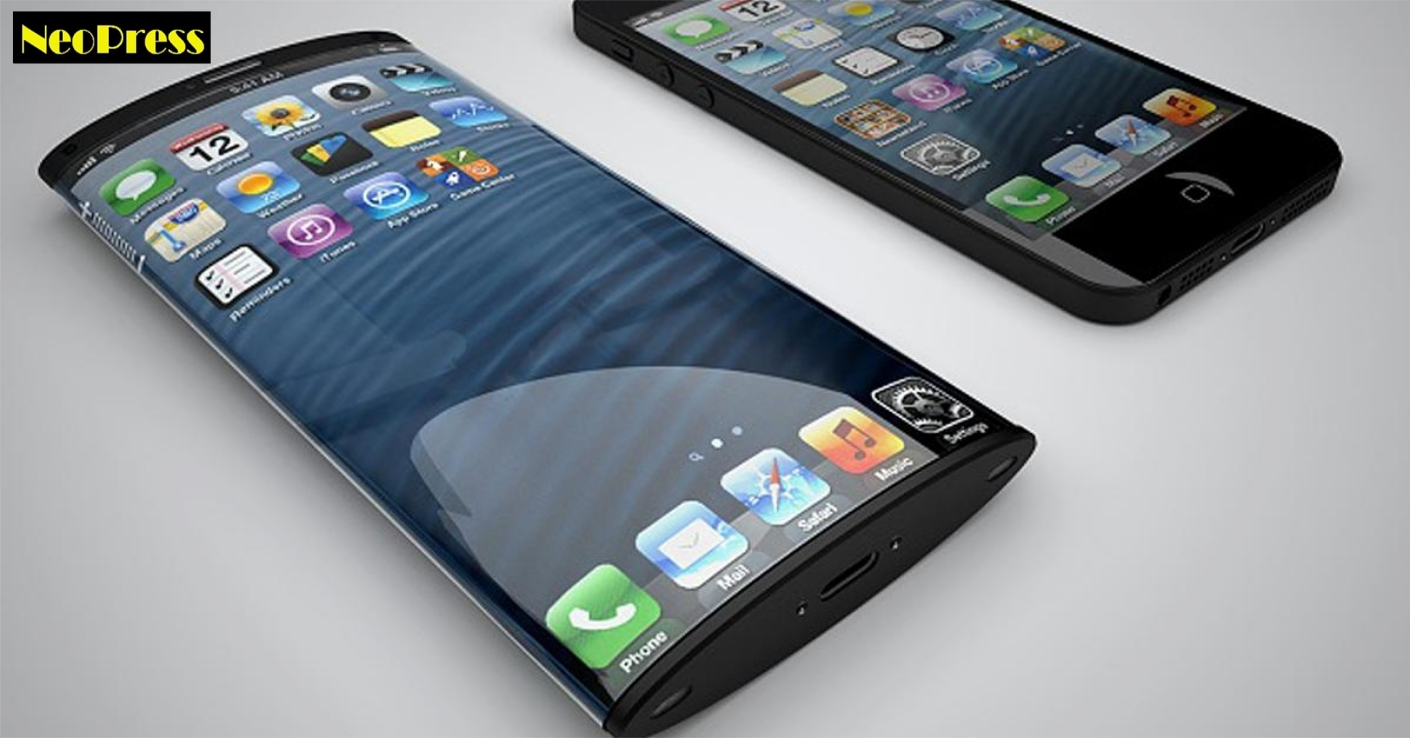
To begin with, the price which has been estimated as $649 and $769 respectively. The design is reportedly largely unchanged from current iPhone — 4.7- and 5.5-inch for the 7s and 7s Plus. There is a possibility of a glass body and stainless steel edges (both specs still iffy).

There should be an LCD screen, possibly with True Tone tech like the newer iPads. The rear cameras follow horizontal dual-camera system. In short, incremental improvements over iPhone 7 and 7 Plus. Apple has put in its newest A11 processor and a traditional home button and touch ID. With a release date of September with widespread availability and possible wireless charging, the iPhone 8 certainly has itself a fair challenge.

About iPhone 8:

With an easy price estimation of over $1,000, this iPhone is way on the wrong edge of affordability. It is speculated to have a 5.8-inch with edge-to-edge display, glass body, and stainless steel edges with an overall size close to the 4.7-inch iPhone 7. OLEDs have surpassed LCDs in certain key image-quality and performance metrics, and with organic light-emitting diode (OLED) display via Samsung (supplier), this is set to be Apple’s first non-LCD iPhone.

Its rear camera are vertical dual-lens with optical-image stabilization, possible augmented reality capabilities. Maybe it would include a “SmartCam” function that could detect various kinds of scenes and/or motion and make adjustments automatically, according to software developer Guilherme Rambo with possible support for 4K video recording at 60 frames per second.

This too has Apple’s newest A11 processor and wireless charging with front-facing camera expected to have facial recognition with 3D sensing. Face ID could be implemented in lieu of the physical-button-based Touch ID, according to Bloomberg and others.

Lastly, with limited availability that will possibly constrained until early 2018, and high volume shipments to be delayed by months, Apple has certainly amped up the mystery quotient on this one.

width="560" height="314" allowfullscreen="allowfullscreen">

Author: Technology Vista

Tagged : /

Snapchat may overtake Facebook in the US

Photo-sharing app Snapchat is expected to overtake Facebook for the first time in the US, as the user growth of Facebook will slow among teens and adults, market research firm eMarketer has said.

Snapchat is forecast to overtake both Instagram and Facebook in terms of total users aged 12 to 17 and 18 to 24 for the first time in 2017, that will shoot up Snapchat’s share of US social network users to 40.8 per cent.

The decline in user growth will also impact Facebook’s ad revenues as the company tries to make the platform an attractive destination for the advertisers by boasting about its young users.

Facebook reported nearly $9.2 billion in ad revenue in the second quarter of 2017, a rise of 47 per cent from the same period last year.

“We see teens and tweens migrating to Snapchat and Instagram. Both platforms have found success with this demographic since they are more aligned with how they communicate-that is, using visual content.

“Outside of those who have already left, teens and tweens remaining on Facebook seem to be less engaged-logging in less frequently and spending less time on the platform,” said Oscar Orozco, a senior forecasting analyst at eMarketer.

According to the market research firm, Facebook’s loss of monthly users between the ages of 12 and 17 will accelerate to 3.4 per cent this year compared to a 1.2 per cent drop in 2016.

eMarketer also predicted that Facebook-owned Instagram is expected to post growth of 23.8 per cent this year. Its monthly users under 12 years age are also expected to increase 19 per cent, and those in the age group of 12-to-17 to 8.8 per cent.

As a technology lover you may like our daily important technology news series. It’s a playlist and you can retrieve the total day-wise videos. Please consider subscribing our YouTube channel:

Author: Technology Vista

Tagged : /

New electronic skin tracks heart rate, respiration

Taking the technology of wearables to the next level, researchers have developed a new electronic skin that tracks heart rate, respiration, muscle movement and other health data, and wirelessly transmits it to a smartphone.

The electronic skin developed by South Korean and US-based researchers has better trackers, greater flexibility, smaller size and the ability to stick the self-adhesive patch just about anywhere on the body.

The microsystem could also be used in robotics or autonomous navigation, which the team is now investigating.

“The wearable contains about 50 components connected by a network of 250 tiny wire coils embedded in protective silicone. The soft material enables it to conform to the body unlike other hard monitors,” the researchers stated in a paper published in the journal Nature Communications.

The wearable wirelessly transmits data on movement and respiration as well as electrical activity in the heart, muscles, eyes and brain to a smartphone application.

The coils can stretch and contract like a spring without breaking and are also configured in an unusual spider web pattern that ensures uniform and extreme levels of stretchability and bendability in any direction.

“Combining big data and artificial intelligence technologies, the wireless biosensors can be developed into an entire medical system which allows portable access to collection, storage and analysis of health signals and information,” said Kyung-In Jang, professor at South Korea’s Daegu Gyeongbuk Institute of Science and Technology.

According to researchers, the key to creating this microsystem is stretching the elastic silicone base while the tiny wire arcs, made of gold, chromium and phosphate, are laid flat onto it.

“The entire system is powered wirelessly rather than being charged by a battery. The researchers also considered key electrical and mechanical issues to optimise the system’s physical layout such as sensor placement or wire length to minimise signal interference and noise,” Jang explained.

As a technology lover you may like our daily important technology news series. It’s a playlist and you can retrieve the total day-wise videos. Please consider subscribing our YouTube channel:

Author: Technology Vista

Tagged : /

Samsung set to unveil Galaxy ‘Note 8’

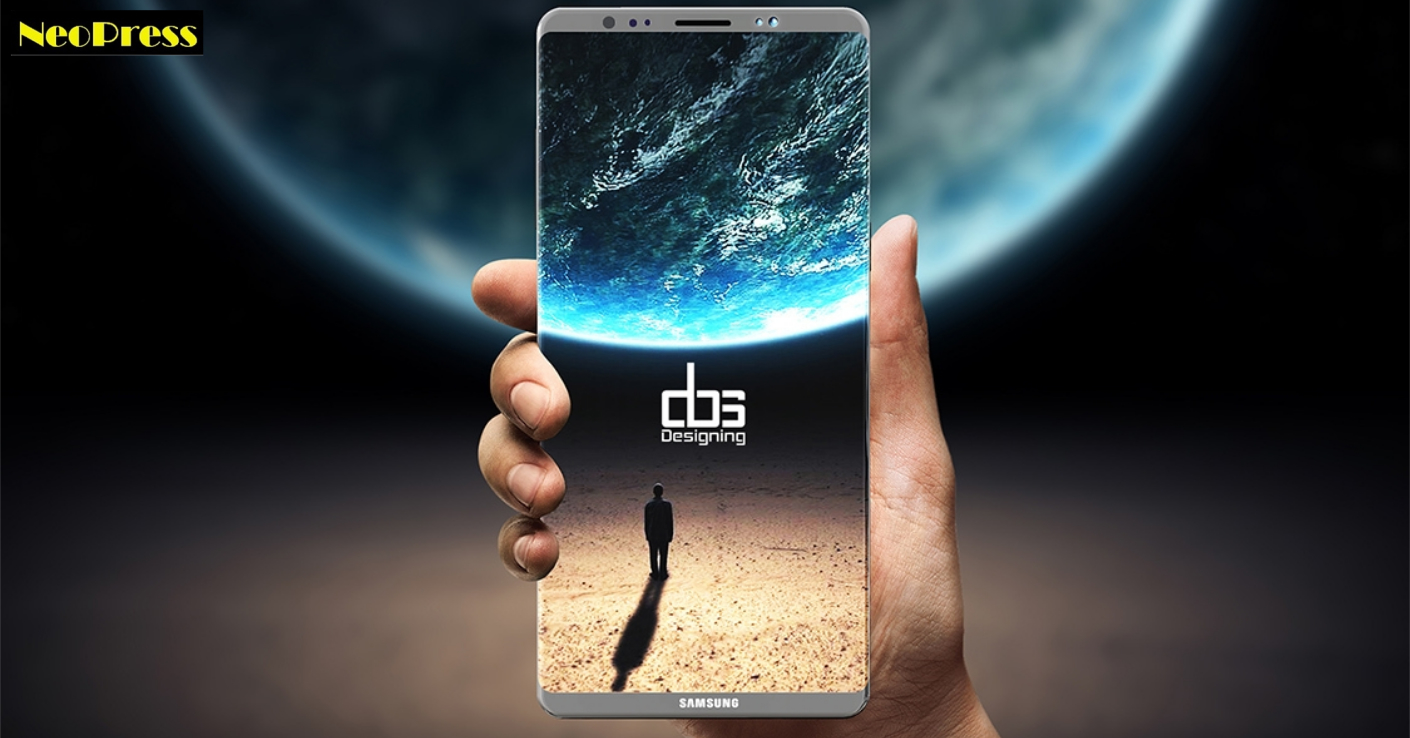
After sailing through the debacle over Galaxy Note 7 last year, Samsung is set to launch its flagship Note 8 on Wednesday, thus ending rumours of halting the further release of the Note series.

The device is expected to be launched online on August 23 at 8:30 p.m.

To regain the customers’ trust, the company is believed to have enhanced safety checklist by using in-house ‘8-point battery test’.

Samsung ‘Note 8’ may have a separate physical button for its ‘Bixby’ voice assistant, much like Galaxy S8 and S8 Plus flagship devices.

The device may also come with a digital pen called the “S Pen” that may have a speaker within it, doubling it as a voice recorder.

According to a report in CNET, ‘Note 8’ will have a dual-camera setup — likely a 12MP optical and 13MP telephoto sensor and it may also have rounded edges on all sides.

“The Note 8 could top the Galaxy S8 Plus’ 6.2-inch display with a 6.4-inch screen on a body not much larger than the S8 Plus,” Apple Insider reported on Tuesday.

If reports are to be believed, Samsung is developing a novel “gas sensor” that works as breathalyser. This sensor is expected to be present in Note 8 also which would tell a person if he is drunk.

The fiasco over Samsung’s Note 7 caused the firm operating losses of some $5 billion.

As a technology lover you may like our daily important technology news series. It’s a playlist and you can retrieve the total day-wise videos. Please consider subscribing our YouTube channel:

Author: Technology Vista
Tagged : /

Micromax unveils ‘Canvas Infinity’ with 18:9 aspect ratio

Micromax on Tuesday launched its first bezel-less smartphone “Canvas Infinity” at Rs 9,999 that comes with a display aspect ratio of 18:9 — a first in this price segment.

The 18:9 format offers more viewing space and a better immersive experience while streaming videos and playing games.

‘Canvas Infinity’ is available on Amazon.in and the registration to purchase the device began on Tuesday. The first sale of the phone would begin at noon on September 1.

The display is similar to Samsung Galaxy S8 and S8+ and LG G6 that has an aspect ratio of 18:9 for enhanced picture quality.

The company has also promised an upgrade to the Google’s new ‘Android Oreo’ operating system.

“With an 18:9 display, Canvas Infinity is the only smartphone to offer this technology at this price point. We will be expanding the Infinity range in the coming months, offering an unmatched smartphone experience to our users,” Rahul Sharma, Co-Founder of Micromax Informatics, told reporters here.

In terms of specifications, ‘Canvas Infinity’ sports 5.7-inch screen, 13MP primary camera and 16MP selfie camera with “real time bokeh” effect.

The device is powered by Qualcomm Snapdragon 425 chipset. A 2900mAh battery powers the device.

Other specifications include 3GB of RAM and 32GB internal storage that can be further expanded via a dedicated microSD card slot.

Micromax is also offering a 24-hour service promise on ‘Canvas Infinity’.

Other connectivity options like 4G LTE, dual-SIM slots, Wi-Fi, Bluetooth and GPS are also supported.

As a technology lover you may like our daily important technology news series. It’s a playlist and you can retrieve the total day-wise videos. Please consider subscribing our YouTube channel:

Author: Technology Vista

Tagged : /

Google makes ‘Oreo’ operating system tastier than ‘Nougat’

The next version of Google’s mobile operating system ‘Android Oreo’ that has been rolled out in the US is packed with never-before-seen features and improvements in its various tools.

‘Android Oreo’ features a new picture-in-picture mode, new notification dots to the Operating System (OS) and improvements to Bluetooth audio playback, Google’s Android website posted in a blog on Tuesday.

Recently-launched premium smartphones such as Samsung Galaxy S8, S8+ and HTC U11 are expected to see the software updates before the end of this year.

Around 85 per cent of Android devices used, according to the latest numbers, have not upgraded to Android Nougat that was released last year.

The new Android OS was released in conjunction with the 2017 solar eclipse.

The update is currently undergoing carrier testing for Pixel phones and the Nexus 5X and 6P.

The new OS is expected to be two times faster than ‘Nougat’ and also helps minimise background activity in the apps that are used less.

‘Android Oreo’ lets a user see two apps at once and makes multitasking convenient.

For example, if you are watching a video on YouTube and have to respond to an email simultaneously, all you need to do is press the home button and that will shrink the video tab to a corner while you write a response.

The feature is called picture-in-picture (PIP), and it’s already available in Samsung Galaxy phone and Moto Z2 Play.

‘Android Oreo’ also makes copy-paste job easier. A user would just need to long press or double-tap anywhere on the text to select it.

On the security front, Android Oreo makes the scan of apps more obvious while downloading them to ensure a user that they are safe to use. It also auto-connects a the phone to a high quality open Wi-Fi and secures the connection with a VPN back to Google.

Oreo’s accessibility button allows users to quickly access from the navigation bar accessibility features, like magnification, and functionality within accessibility services, like ‘Select to Speak’.

As a technology lover you may like our daily important technology news series. It’s a playlist and you can retrieve the total day-wise videos. Please consider subscribing our YouTube channel:

Author: Technology Vista

Tagged : /

UK scientists create world’s smallest surgical robot

British scientists have developed the worlds smallest surgical robot which could transform daily operations for tens of thousands of patients, the media reported on Sunday.

From a converted pig shed in the Cambridgeshire countryside, a team of 100 scientists and engineers have used low-cost technology originally developed for mobile phones and space industry to create the first robotic arm specifically designed to carry out keyhole surgery, reports the Guardian.

The robot, called Versius, mimics the human arm and can be used to carry out a wide range of laparoscopic procedures including hernia repairs, colorectal operations, and prostate and ear, nose and throat surgery, in which a series of small incisions are made to circumvent the need for traditional open surgery.

The robot is controlled by a surgeon at a console guided by a 3D screen in the operating theatre, according to its maker Cambridge Medical Robotics.

“Having robots in the operating theatre is not a new idea,” said the company’s chief executive, Martin Frost.

“But the problem at the moment is that they are phenomenally expensive, not only do they cost $2.5 million each to buy but every procedure costs an extra $3,800 using the robot… and they are very large.”

The Cambridge Medical Robotics said it was already working with a number of National Health Services-owned and private hospitals to introduce the robots.

The current global market for surgical robots is worth approximately $4 billion a year but this is expected to grow to $20 billion by 2024.

As a technology lover you may like our daily important technology news series. It’s a playlist and you can retrieve the total day-wise videos. Please consider subscribing our YouTube channel:

Author: Technology Vista

Tagged : /

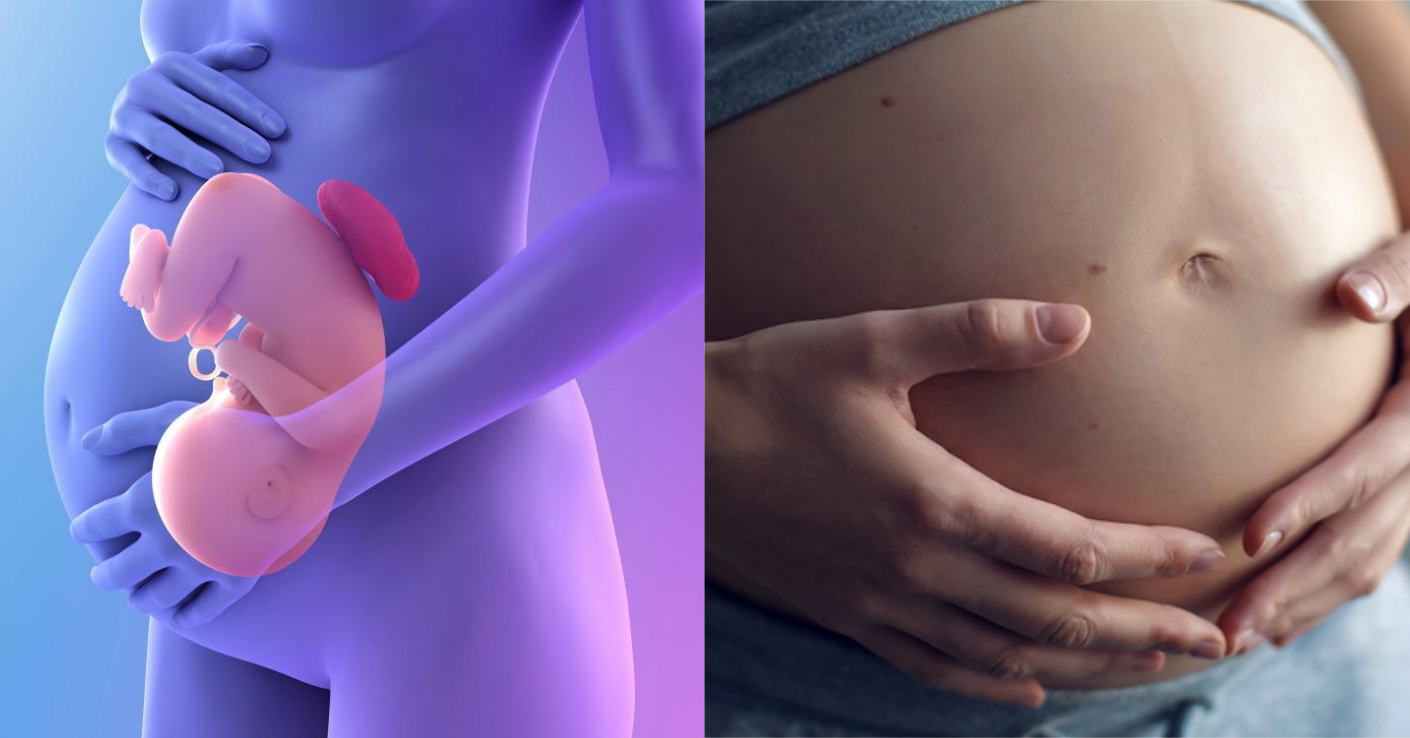
Australian scientists make breakthrough over miscarriage prevention

Australian researchers have discovered a dietary supplement which can prevent miscarriages, and many different types of birth defects for pregnant women.

The discovery, announced on Thursday at the Victor Chang Cardiac Research Institute in Sydney, said that the common supplement Niacin, known as Vitamin B3, can cure molecular deficiencies that cause birth defects and miscarriages in women, reports Xinhua news agency.

Until now, the cause of 80 per cent of birth defects had remained unknown to scientists, but with this discovery, pregnant women around the world will now be able to prevent many common abnormalities such as cleft palate, kidney, heart, and spinal issues.

The lead scientist who made this remarkable discovery, professor Sally Dunwoodie, told Xinhua that she never believed that she would be able to make such an important difference, and that this would now lead to new opportunities to improve the lives of women around the world.

The discovery showed that a major cause was a deficiency of a vital molecule known as NAD, which is important for normal development of organs.

To make NAD, vitamin B3 is necessary, and the vitamin is found in most meats and green vegetables, even in one of Australia’s most famous exports, Vegemite.

Studies have shown however that by the third trimester of pregnancy, 60 per cent of women are deficient in their vitamin B3 levels, and as such need to complement their diet with additional supplements.

The Executive Director of the Victor Chang Institute Robert Graham said that women need to be taking vitamin B3 well before they decide to get pregnant.

“This will change the way pregnant women are cared for around the world,” Graham said.

“We believe that this breakthrough will be one of our country’s greatest medical discoveries. It’s extremely rare to discover the problem and provide a preventative solution at the same time,” he added.

As a technology lover you may like our daily important technology news series. It’s a playlist and you can retrieve the total day-wise videos. Please consider subscribing our YouTube channel:

Author: Technology Vista
Tagged : /
Verified by ExactMetrics