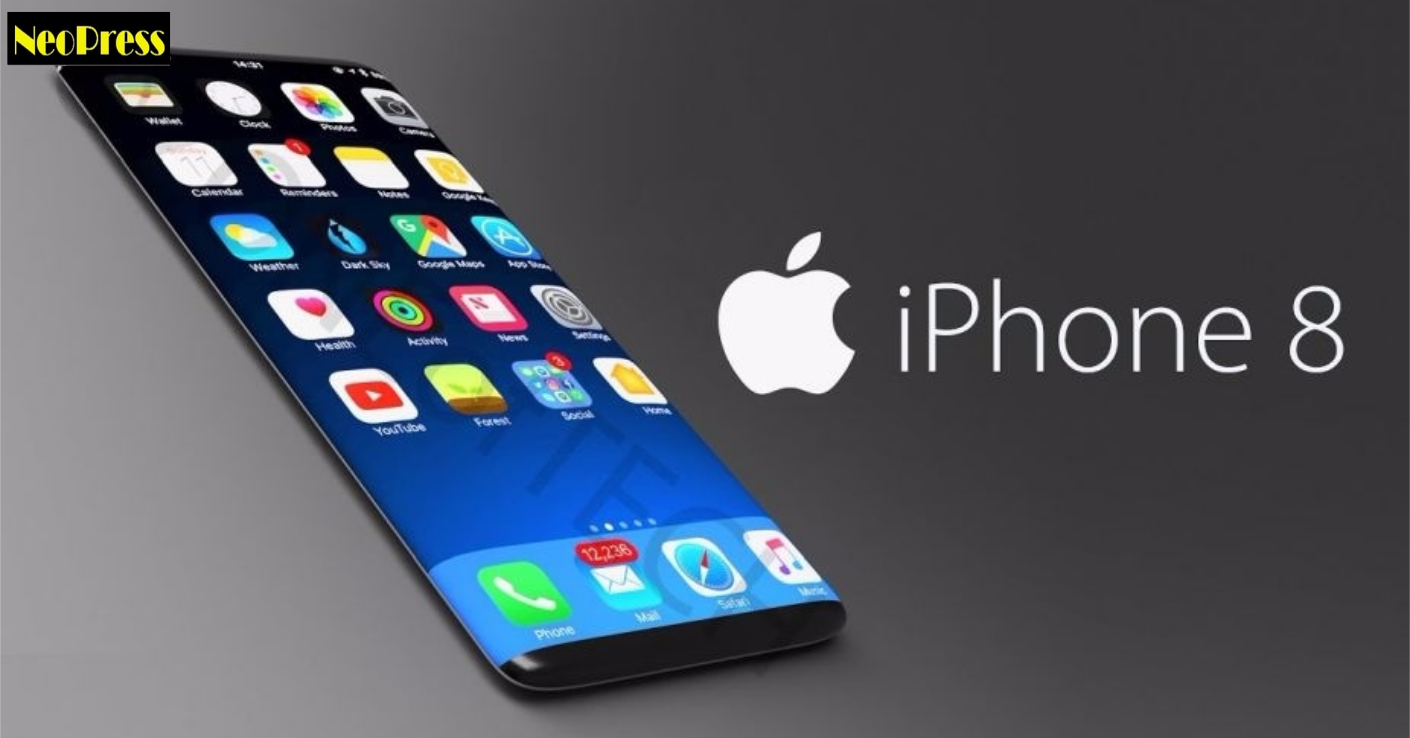
Apple may launch iPhone 8 on September 12

Apple is expected to launch its next flagship device iPhone 8 on September 12, a media report said.

According to the Wall Street Journal, the company is expected to release three new devices — iPhone 8 along with the updated versions of the iPhone 7 and 7 Plus — that will be called iPhone 7S and iPhone 7S Plus.

Following several leaks about Apple’s controversial yet virtually bezel-less redesign, a detailed iPhone 8 dummy model confirmed that the devices would have an elongated 18.5:9 aspect ratio like the Galaxy S8 and Galaxy S8 Plus, Forbes reported.

It would also reduce bezel sizes to just 4 mm on all sides and feature a vertically aligned rear camera, the report added.

The rear dual-camera system on the iPhone 8 would protrude more than ever before.

Earlier leaks have suggested design changes in detail. They also pointed out that the 2017 device would have an all-display front with the fingerprint scanner moved to the back.

The handful of images also showed the upcoming iPhone 8 with rear-placed Touch ID placed directly below the Apple logo.

As far as the refresh of iPhone 7 and iPhone 7 Plus are concerned, photos of a couple of iPhone dummy models show Apple devices with a glass backing, meaning the models shown in the pictures could have wireless charging as a feature.

Analysts have predicted that riding on the “better-than-expected iPad and iPhone sales”, the upcoming flagship device iPhone 8 could make the Cupertino-based giant the first company to reach and sustain a $1 trillion market cap.

According to a report in MarketWatch, the stock momentum has added $56 billion to the company’s market cap since the announcement of its third quarter results.

As a technology lover you may like our daily important technology news series. It’s a playlist and you can retrieve the total day-wise videos. Please consider subscribing our YouTube channel:

Author: Technology Vista

Tagged : /

Forget poor signal! Ericsson launches small cell solutions to improve network coverage

In a bid to provide better mobile coverage and prepare networks for 5G, global tele-communications service provider Ericsson on Wednesday launched three new scalable small cell solutions — “Multi-Operator Dot”, “Multi-Dot Enclosure” and “Strand-Mount Unit”.

The “Multi-Operator Dot” solution delivers a set of ‘Radio Dots’ that can be shared between multiple network operators, similar to an active distributed antenna system (DAS) for indoor deployments.

The “Multi-Dot Enclosure”, which is useful for multi-operator deployments, combines multiple ‘Radio Dots’ in a single enclosure providing a cost-saving option in buildings that charge per box deployed.

“With ‘Multi-Operator Dot’ and ‘Multi-Dot Enclosure’, our customers can enhance the in-building user experience with excellent connectivity for both smartphones and IoT (Internet of Things) devices,” Nishant Batra, Head of Product Area Network Infrastructure, Ericsson, said in a statement.

The “Strand-Mount Unit” for outdoor micro radios makes it easier to install the radios on the existing grid, hung on aerial coax, fibre or electricity cables. It can support up to four micro radios, enabling multiple operators to utilise the same mount for cost-efficient deployments.

“The ‘Strand-Mount Unit’ for outdoor micro radios facilitates the dense deployments that will be required for 5G,” Batra added.

The company’s new small cell solutions will be on display at the inaugural “Mobile World Congress Americas” from September 12 to 14 this year and commercially available in 2018.

As a technology lover you may like our daily important technology news series. It’s a playlist and you can retrieve the total day-wise videos. Please consider subscribing our YouTube channel:

Author: Technology Vista
Tagged : /

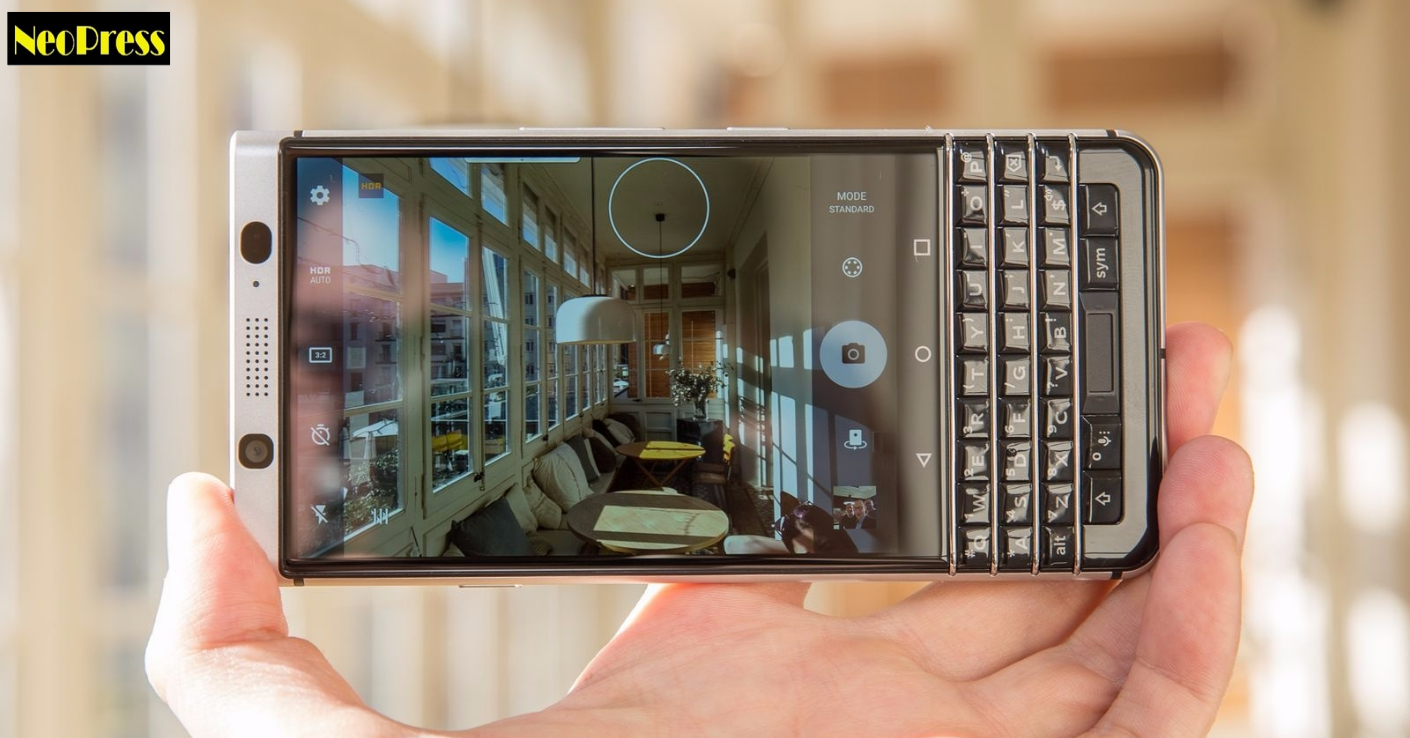
BlackBerry’s all-touch, water-proof device in October

Chinese electronics company TCL will launch a full touchscreen smartphone under the BlackBerry name in October — a month after Apple launches its new flagship iPhone 8 and a refresh of iPhone 7 devices.

According to a report in Engadget, TCL’s François Mahieu said the new phone would respect BlackBerry’s reputation for building hard-wearing devices for clumsy international travellers who will be working in all kinds of weather.

“The main feature, beyond the full-touchscreen, is the (planned) IP67 water and dust-proofing, as well as a battery rated to last for more than 26 hours of mixed use,” Mahieu was quoted as saying.

It is clear that the company would keep durability and longevity as its biggest selling points.

Mahieu claimed that a number of iPhone and Galaxy users would “make the switch” to BlackBerry come October. He said that BlackBerry’s security know-how will enable TCL to deliver the “most secure Android phone in the world”.

“We are there to play. We are just playing with different cards, mostly by pushing its strengths of battery life, security and durability,” he said.

The device is expected to cost less than other flagships.

Telecommunications company Optiemus Infracom owns the rights to manufacture and sell BlackBerry branded smartphones in India, Nepal, Bangladesh and Sri Lanka.

As a technology lover you may like our daily important technology news series. It’s a playlist and you can retrieve the total day-wise videos. Please consider subscribing our YouTube channel:

Author: Technology Vista
Tagged : /

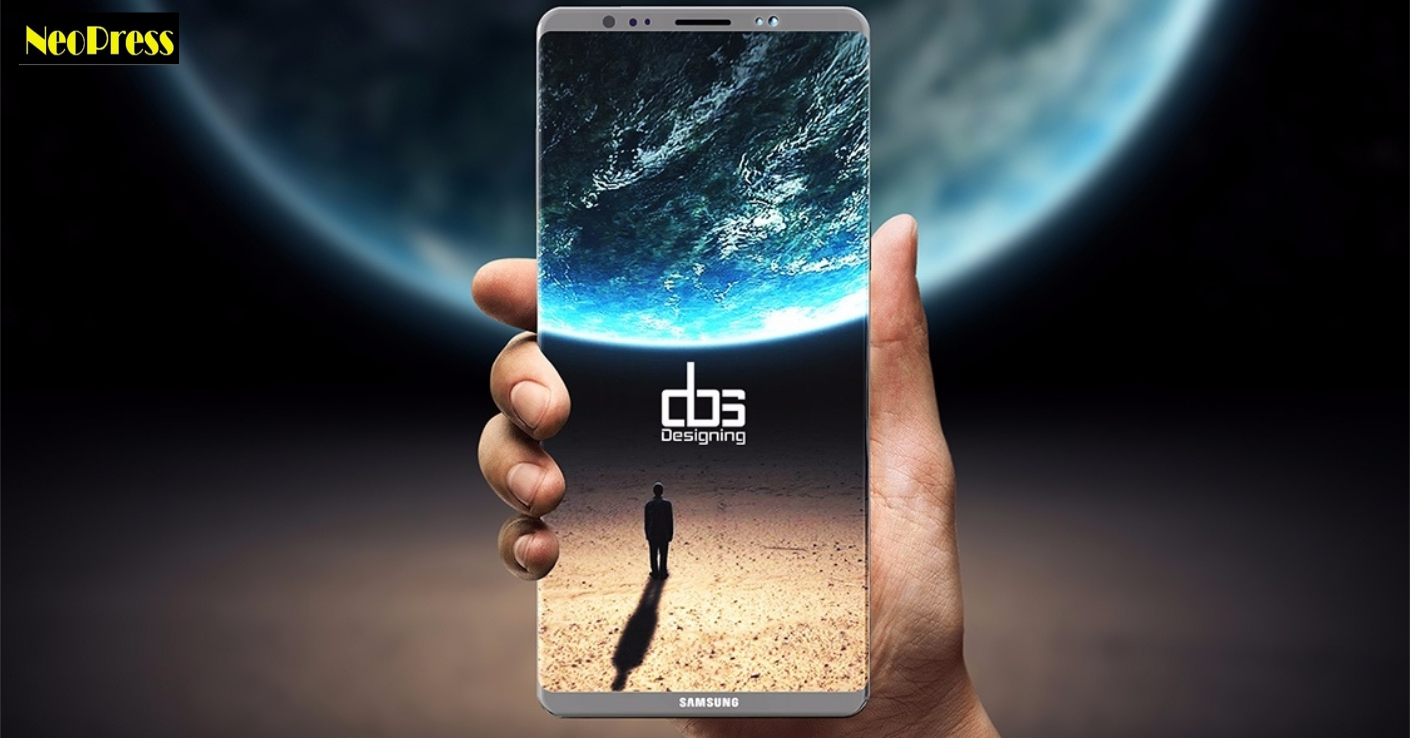
Why Galaxy Note 8’s Dual Camera Trumps Even iPhone 7!

Everyone is going after dual camera, but Samsung has nailed it with the Galaxy Note 8. Not only does it consist of a regular camera backed up by a telephoto lens, iPhone 7 Plus-style, but the brand new Galaxy Note 8 has a bunch of other sweet deals.

It is a common problem with camera that longer the focal length of a lens is, the more problematic camera shake becomes. It isn’t a big deal during the day, when you’ll be generally shooting at a high shutter speed and low ISO, but becomes more of an issue as the sun lowers, which is made all the worse by the fact that telephoto lenses have smaller apertures. In such situations, to compensate for shake, the camera needs to shoot at a higher shutter speed, but when there’s not enough light, it also needs to up the ISO, which automatically means noisier photos.

First off, both cameras on the back of the Galaxy Note 8 will have optical image stabilization (OIS), whereas the iPhone 7 Plus uses OIS only for its primary camera. Meaning, since the Note 8 will have OIS in both cameras, which, aided by the fact that its telephoto shooter will have an f/2.4 aperture (a step up from the f/2.8 telephoto camera on the 7 Plus), will surely help Note 8 owners take sharper photos at 2x zoom, even after sundown.

Also, another advantage is that the when you’re taking a photo but you’re on the fence on whether you should use the wide-angle camera or zoom in on something interesting that’s further away, the Galaxy Note 8 will take two pictures at the same time—on with the primary shooter and one through the telephoto lens—leaving you with two shots taken at different focal lengths. Of course, there’s an option to stop this, and it’s pretty cool that Samsung has given thought to solve this common photographic dilemma.

As a technology lover you may like our daily important technology news series. It’s a playlist and you can retrieve the total day-wise videos. Please consider subscribing our YouTube channel:

Author: Technology Vista

Tagged : /

Google launches augmented reality platform for Android

In a bid to bring the augmented reality (AR) experience closer to Android users, Google has released a new software development kit (SDK) called ARCore.

The platform, which is now available for developers to experiment with, will render augmented reality capabilities to existing and future Android phones, Google said in a statement late on Tuesday.

The company built on the fundamental technologies used in Tango, another AR platform by Google, but ARCore is scalable across the Android ecosystem as it doesn’t require any additional hardware.

The new AR platform has been rolled out to Google Pixel and Samsung S8 which run on Android 7.0 Nougat and above.

Google is working with manufacturers like Samsung, Huawei, LG, ASUS and other major smartphone makers for quality and performance checks.

ARCore, which works with ‘Java/OpenGL’, ‘Unity’ and ‘Unreal’ technologies mainly focuses on three features — motion tracking, environmental understanding and light estimation.

The tech giant has also built ‘Blocks’ and ‘Tilt Brush’ applications for creation of 3D content for use in AR apps.

Last month, Apple had unveiled its ARKit platform focussing on augmented reality applications at its annual Worldwide Developers Conference, to allow developers to build apps that could place virtual content on top of real-world scenes.

As a technology lover you may like our daily important technology news series. It’s a playlist and you can retrieve the total day-wise videos. Please consider subscribing our YouTube channel:

Author: Technology Vista

Tagged : /

Countdown begins for Indian navigation satellite launch

The 29-hour countdown for the launch of India’s eighth navigation satellite IRNSS-1H began at 2 p.m. on Wednesday at the Sriharikota rocket port, around 80 km from here, officials said.

The 1,425-kg satellite — part of Indian Regional Navigation Satellite System (IRNSS) — will be carried by Polar Satellite Launch Vehicle (PSLV) rocket XL variant that will blast off on Thursday evening at around 7 p.m., said an official of the Indian Space Research Organisation.

This will be the eighth IRNSS satellite and will be a replacement for IRNSS-1A as its rubidium atomic clocks have failed. The atomic clocks are important to provide the accurate positional data.

Simiply put, the IRNSS or NavIC (Navigation with Indian Constellation) is similar to the US-owned GPS.

The Rs 1,420-crore Indian satellite navigation system NavIC consists of nine satellites — seven in orbit and two as substitutes. One of the substitutes is the IRNSS-1H.

Each satellite has three clocks and a total of 27 clocks for the navigation satellite system (including the standby satellites) were supplied by the same vendor. The clocks are important to provide precise locational data.

Like its other IRNSS predecessors, IRNSS-1H also carries two types of payloads – navigation payload and ranging payload.

The navigation payload of IRNSS-1H will transmit navigation service signals to the users. This payload will be operating in L5-band and S-band.

The ranging payload of IRNSS-1H consists of a C-band transponder, which facilitates accurate determination of the range of the satellite. IRNSS-1H also carries Corner Cube Retro Reflectors for laser ranging.

The four stage/engine PSLV-XL stands 44.4 metres tall and weighs 321 tonne at the lift off stage.

Around 19 minutes 25 seconds after the lift off, the rocket will sling IRNSS-1H at an altitude of around 507 km.

According to ISRO, NavIC is useful for fishermen to reach the potential fishing area. The fishermen can also get alert messages relating to bad weather, high waves or when they approach international maritime boundary line.

These services are provided through a software application on a smart phone.

The Indian space agency also said NavIC is useful for merchant ships in their navigation and also during search and rescue operations.

In the road transport sector, NavIC helps commuters to traverse distances and also enable transport operators to track their vehicles.

According to ISRO, the navigation system is also helpful for railways in tracking trains and also giving an alert in the case of unmanned level crossing.

The Indian space agency said NavIC is also used for other applications like location-based services, survey and alignment, time synchronised services

NavIC provides two types of services — standard positioning service and restricted service. The former is for all users while the latter is an encrypted service for only authorised users.

Starting in July 2013, the Indian space agency has launched seven navigation satellites, with the last one launched on April 28, 2016. Each satellite has a life span of 10 years.

As a technology lover you may like our daily important technology news series. It’s a playlist and you can retrieve the total day-wise videos. Please consider subscribing our YouTube channel:

Author: Technology Vista
Tagged : /

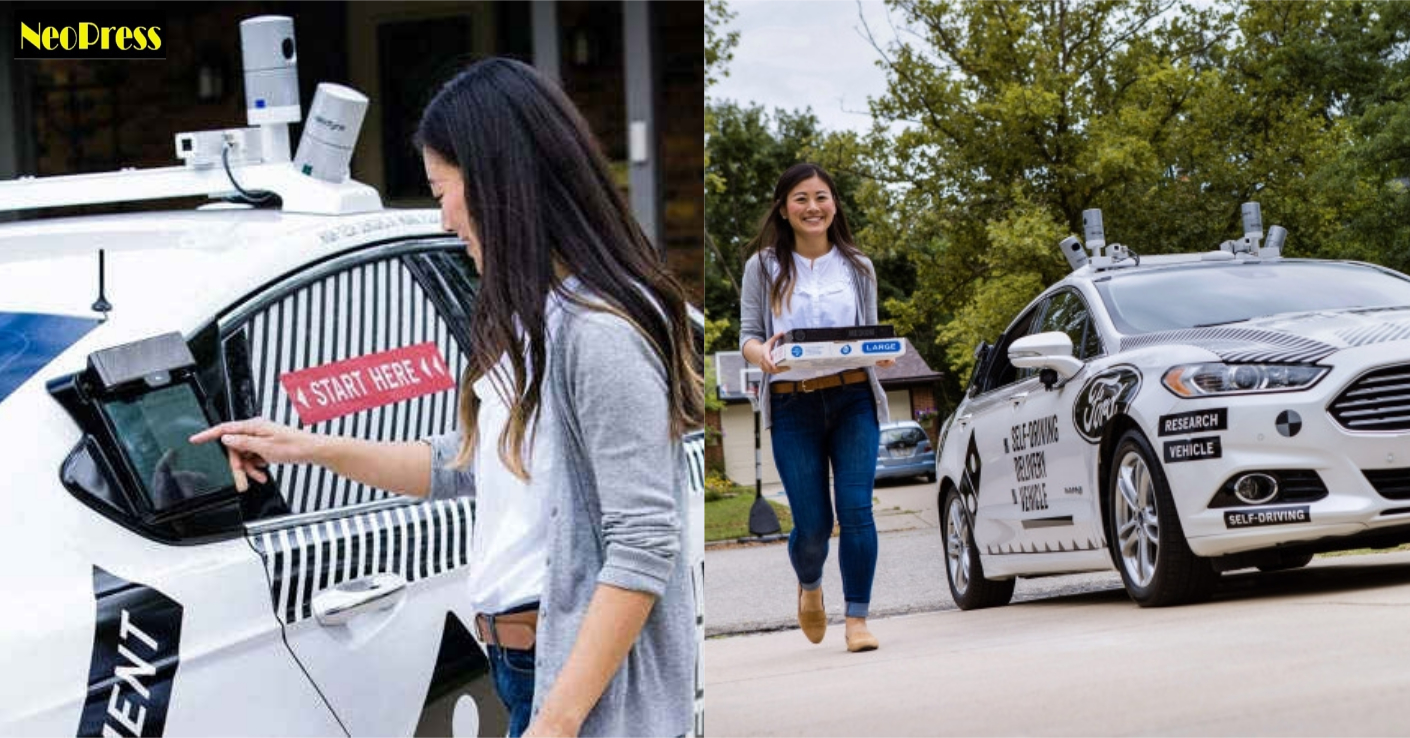
Domino’s testing Ford’s self-driving vehicle to deliver pizzas

Ford Motor and Domino’s Pizza have begun a test to use self-driving vehicles to deliver pizzas to customers.

The Detroit-based automaker is providing a self-driving Ford Fusion Hybrid car equipped with Ford’s full suite of cameras, sensors, radar for testing in Ann Arbor city of Michigan state for about a month and a half, Xinhua reported on Wednesday.

However, the car will not be operated in autonomous mode. One Ford engineer hidden behind tinted windows will drive the car and another will monitor inputs from the car’s hardware.

It will not be the first experiment with advanced pizza delivery technology. Australia-based Domino’s Pizza has tested delivery to customers in New Zealand through drones and self-driving robots.

“We’re interested to learn what people think about this type of delivery,” said Russell Weiner, President of Domino’s US.

Sherif Marakby, Ford Vice President, said that as a company focused on the customer experience, Domino’s shares their vision for a future enabled by smart vehicles in a smart environment that enhance people’s lives.

Previously, Ford CEO Jim Hackett had said the company expected to launch a self-driving vehicle for commercial ride-sharing fleets in 2021.

As a technology lover you may like our daily important technology news series. It’s a playlist and you can retrieve the total day-wise videos. Please consider subscribing our YouTube channel:

Author: Technology Vista
Tagged : /

Making high-tech electronics from fallen tree leaves

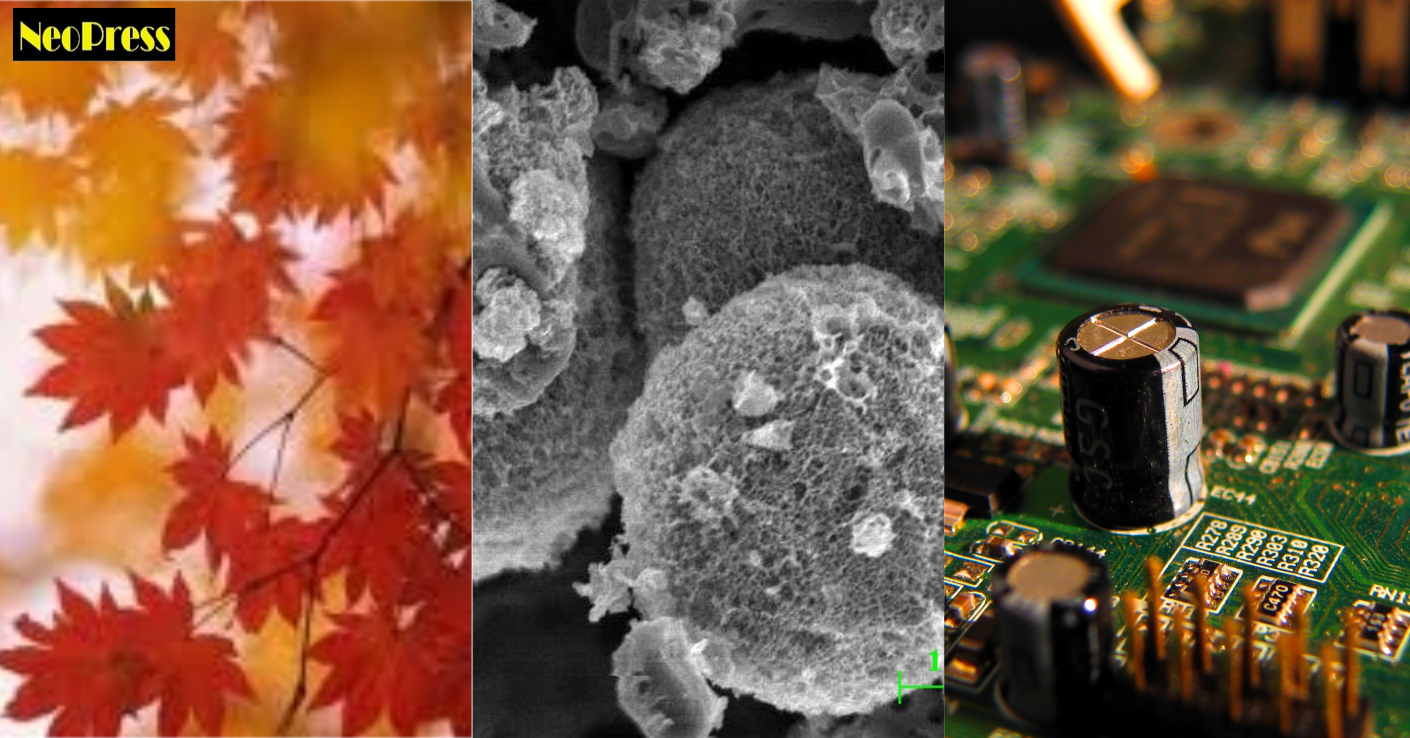
Researchers in China have discovered a new method to convert fallen tree leaves into a porous carbon material that can be used to produce high-tech electronics.

In a study published in the Journal of Renewable and Sustainable Energy, the researchers described the process to convert tree leaves into a form that could be incorporated into electrodes as active materials.

The dried leaves were first ground into a powder, then heated to 220 degrees Celsius for 12 hours. This produced a powder composed of tiny carbon microspheres.

These microspheres were then treated with a solution of potassium hydroxide and heated by increasing the temperature in a series of jumps from 450 to 800 degrees Celsius.

The chemical treatment corrodes the surface of the carbon microspheres, making them extremely porous.

The final product, a black carbon powder, has a very high surface area due to the presence of many tiny pores that have been chemically etched on the surface of the microspheres.

The high surface area gives the final product its extraordinary electrical properties.

The investigators, led by Hongfang Ma of Qilu University of Technology in Shandong, ran a series of standard electrochemical tests on the porous microspheres to quantify their potential for use in electronic devices.

The current-voltage curves for these materials indicated that the substance could make an excellent capacitor.

Further tests showed that the materials were, in fact, supercapacitors, with specific capacitances of 367 Farads/gram, which are over three times higher than values seen in some graphene supercapacitors.

A capacitor is a widely used electrical component that stores energy by holding a charge on two conductors, separated from each other by an insulator.

Supercapacitors can typically store 10-100 times as much energy as an ordinary capacitor, and can accept and deliver charges much faster than a typical rechargeable battery.

For these reasons, supercapacitive materials hold great promise for a wide variety of energy storage needs, particularly in computer technology and hybrid or electric vehicles.

As a technology lover you may like our daily important technology news series. It’s a playlist and you can retrieve the total day-wise videos. Please consider subscribing our YouTube channel:

Author: Technology Vista

Tagged : /

Vivo ‘Y69’ with 16MP selfie camera launched at Rs 14,990 (USD 230)

Vivo on Friday added the “Y69” to its Y line-up of smartphones at Rs 14,990.

In terms of camera specifications, “Y69” features a 13MP rear camera with “Live Photo” feature. The 16MP “moonlight” selfie camera comes with f/2.0 aperture and “group selfie” mode.

“We are pleased to introduce the “Y69″ in the Y series and are confident that its premium design and superior camera features will offer great value to customers at an ideal price point,” said Kenny Zeng, CMO, Vivo India, in a statement.

The device has 5.5-inch HD IPS (1280 x 720 pixels) display with Corning Gorilla Glass 3 on top. It is powered by 1.5 GHz Octa-core MediaTek MT6750 processor, coupled with a 3GB RAM and 32GB storage.

It has dual SIM card slots and a separate micro SD card slot to expand storage up to 256GB. “Y69”, powered by a 3,000mAh battery, runs Vivo’s custom “Funtouch” OS 3.2, based on the Android 7.0 operating system.

The device will retail in “Champagne Gold” and “Matte Black” colours starting September 1 on e-commerce sites Amazon and Flipkart and will also be available in retail stores.

As a technology lover you may like our daily important technology news series. It’s a playlist and you can retrieve the total day-wise videos. Please consider subscribing our YouTube channel:

Author: Technology Vista

Tagged : /

NASA Mars probe captures stunning image of snowy dunes

NASA has released a stunning picture of dunes on the surface of Mars with snow and ice on ridges.

It was spring in the Northern hemisphere when this image was taken by the High Resolution Imaging Science Experiment (HiRISE) camera on Mars Reconnaissance Orbiter, NASA said.

Over the winter, snow and ice inexorably covered the dunes. But unlike on Earth, this snow and ice is carbon dioxide, better known to us as dry ice.

When the sun starts shining on it in the spring, the ice on the smooth surface of the dune cracks and escaping gas carries dark sand out from the dune below, often creating beautiful patterns.

On the rough surface between the dunes, frost is trapped behind small sheltered ridges.

The image was captured in May and NASA released it on Thursday.

As a technology lover you may like our daily important technology news series. It’s a playlist and you can retrieve the total day-wise videos. Please consider subscribing our YouTube channel:

Author: Technology Vista

Tagged : /

Facebook may launch chat device with face recognition ability

Social networking giant Facebook is reportedly working towards rolling out a video chat device that can recognise users’ faces.

The proposed device is said to be similar to the Amazon Echo Show, and will feature a camera, touchscreen and speakers, the Independent reported on Thursday.

But the device has also raised fears among consumers that it could be used by the social network to spy on them, thereby casting doubt on whether the device would have all the features as intended when it is finally launched.

Codenamed Project Aloha, the device is set to be released by Facebook in May 2018.

However, it may hit the market under a new brand name, the report said.

The device is likely to be marketed as a tool to help old people communicate with their families and friends.

As a technology lover you may like our daily important technology news series. It’s a playlist and you can retrieve the total day-wise videos. Please consider subscribing our YouTube channel:

Author: Technology Vista

Tagged : /

Microsoft patents augmented reality controller

A patent filing by software giant Microsoft has revealed that the company is working on a wand-like controller for augmented reality (AR) and “HoloLens”.

On Tuesday, Microsof published a new patent that revealed the design for “an AR input device”. The wand-like controller looks like a cross between a motion controller and a pen, The Verge reported.

Microsoft had originally filed the patent in June 2016 the same day when it published its Windows Mixed Reality vision video. The software major has been planning to introduce a range of Mixed Reality headsets from partners such as HP, Asus, Dell, Lenovo and Acer.

Fuelled by Snapchat Lenses and Facebook Stories, AR is gaining fast traction in the US. Facebook is also working on developing AR glasses that could blend digital objects with the physical world.

The company’s CEO Mark Zuckerberg had previously shown photos of similar glasses, saying that they would be the future of AR, but he did not reveal that it was developing such a product.

The Facebook CEO has been of the opinion that AR will be the next big consumer tech platform after smartphones.

As a technology lover you may like our daily important technology news series. It’s a playlist and you can retrieve the total day-wise videos. Please consider subscribing our YouTube channel:

Author: Technology Vista
Tagged : /

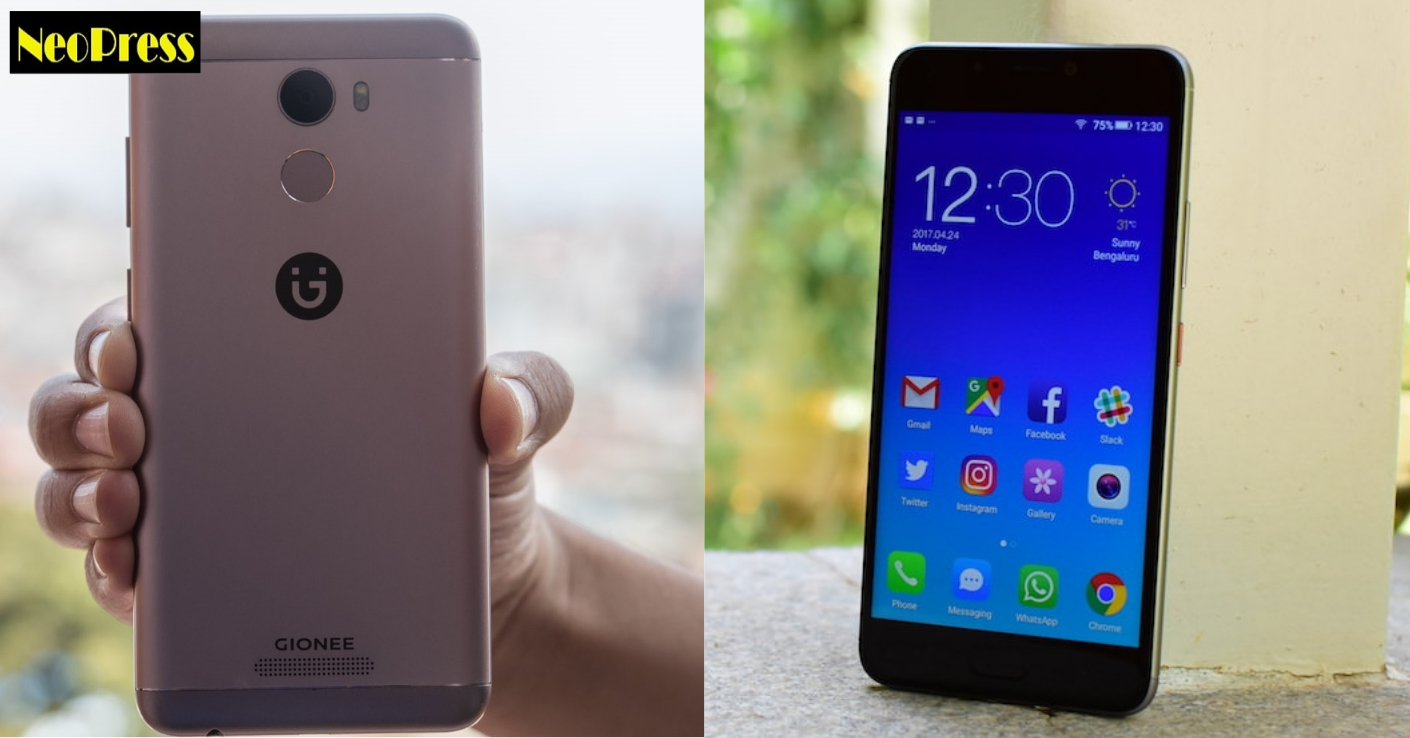
Gionee ‘A1 Lite’: Great ‘selfies’ but tough competition (Tech Review)

After receiving good response for ‘A1 Plus’ (at Rs 26,999), Gionee India has launched ‘A1 Lite’ for Rs 14,999, pinning its hopes on the 20MP selfie camera and a massive 4,000mAh battery.

With a nearly six per cent share in the domestic smartphone market, Gionee launched this device to compete in the mid-segment range where Motorola (Moto G5 Plus) and Xiaomi (Redmi Note 4) already have a strong hold.

Can Gionee A1 Lite dethrone the leaders? Let’s find out. The phone comes in two colours — gold and black. It has 5.3-inch HD display with 2.5D Gorilla Glass protection and sports a back cover that gleams metallic along with a sleek unibody design.

The 4G VoLTE-enabled A1 Lite runs on an octa-core 64-bit processor with 3GB RAM and 32GB internal storage that can be expanded up to 256GB. We tested it with a few games, opened multiple apps and did not experience any lag.

The device houses a 20MP selfie camera that is powered by four-cell technology. The result is better selfies than its predecessor. The 13MP rear camera, however, is not that good when it comes to image quality as compared with its competitors.

On the software front, the device runs on Android 7.0 Nougat with Amigo OS 4.0 skin which offers smooth transition. The toggles pop up from the bottom — just as in Apple devices — but too much bloatware is a bit of a turn-off. As far as the battery is concerned, the 4,000mAh pack will keep you connected all day long. The device returned a massive 23-hour running time when we used it to surf on social media, light gaming and almost 70 minutes of content consumption.

What doesn’t work?

The photos taken in low-light conditions are too grainy. Heating issues also need to be taken care of.

The company claims A1 Lite unlocks in just 0.3 second with the fingerprint sensor located under the rear camera. However, it took a bit longer.

Conclusion: With competitors like Xiaomi and Motorola (and now Coolpad has joined the fray with its 6GB Cool Play 6) in this price segment, it would be a daunting task for Gionee to stay ahead in the race.

If you need better selfies to charm your girlfriend and a longer battery life to stay connected, place your bet on the A1 Lite.

As a technology lover you may like our daily important technology news series. It’s a playlist and you can retrieve the total day-wise videos. Please consider subscribing our YouTube channel:

Author: Technology Vista

Tagged : /

Chinese scientists make breakthrough in super steel

Chinese scientists said on Thursday they have developed a super steel that has a high level of both strength and ductility, a breakthrough that may have a wide variety of industrial applications.

Furthermore, its material cost is just one-fifth of that of the steel used in the current aerospace and defence applications, they reported in the US journal Science, Xinhua news agency reported.

Strength and ductility are desirable properties of metallic materials for wide-ranging applications, but increasing strength often leads to the decrease in ductility, which is known as the strength-ductility trade-off.

A Hong Kong-Beijing-Taiwan mechanical engineering team led by Huang Mingxin from the University of Hong Kong adopted a new manufacturing technique called deformed and partitioned (D&P) to addressed the problem.

“Steels have been the most widely used metallic materials in the history of mankind and can be produced with much higher efficiency than any other metallic materials,” the team was quoted as syaing.

“Therefore developing a strong and ductile breakthrough steel has been a long quest since the beginning of Iron Age in mankind history.”

According to the team, the “breakthrough steel” belongs to the system of so-called medium manganese steel that contains 10 per cent manganese, 0.47 per cent carbon, 2.0 per cent aluminium and 0.7 per cent vanadium.

As a technology lover you may like our daily important technology news series. It’s a playlist and you can retrieve the total day-wise videos. Please consider subscribing our YouTube channel:

Author: Technology Vista
Tagged : /

After India, Google expands public Wi-Fi to Indonesia

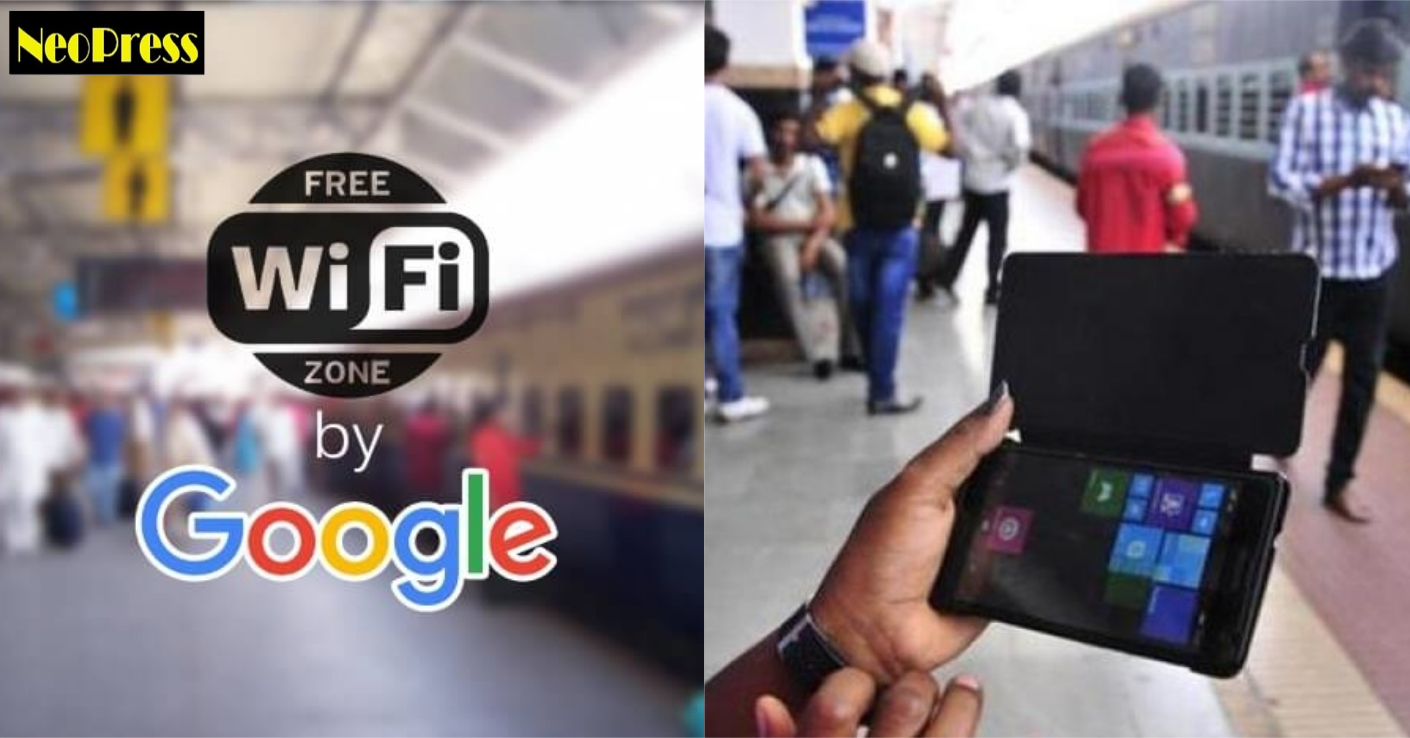
After a successful run in India, Google has brought its public Wi-Fi programme ‘Google Station’ to Indonesia that will help improve access to Internet at railway stations and other locations.

“We are partnering with CBN and Fiberstar to bring high-speed public Wi-Fi to hundreds of locations across Indonesia,” Google said in a blog post on Friday.

“Soon, we will be bringing Google Station to even more places around the world. We are also continuing our work to expand Google Station across India,” it added.

Google, in collaboration with Railtel, has rolled out free Wi-Fi service at several railway stations in India, offering high-speed internet to millions of people.

Google launched its first free WiFi services at Mumbai Central station in January 2016.

The company would continue to deploy high speed Wi-Fi in 300 more stations across the country.

As a technology lover you may like our daily important technology news series. It’s a playlist and you can retrieve the total day-wise videos. Please consider subscribing our YouTube channel:

Author: Technology Vista

Tagged : /
Verified by ExactMetrics