Planet Vulcan : A Planet that existed for 70 years or was just a fragment of imagination?

Planet Vulcan : A Planet that existed for 70 years or was just a fragment of imagination?
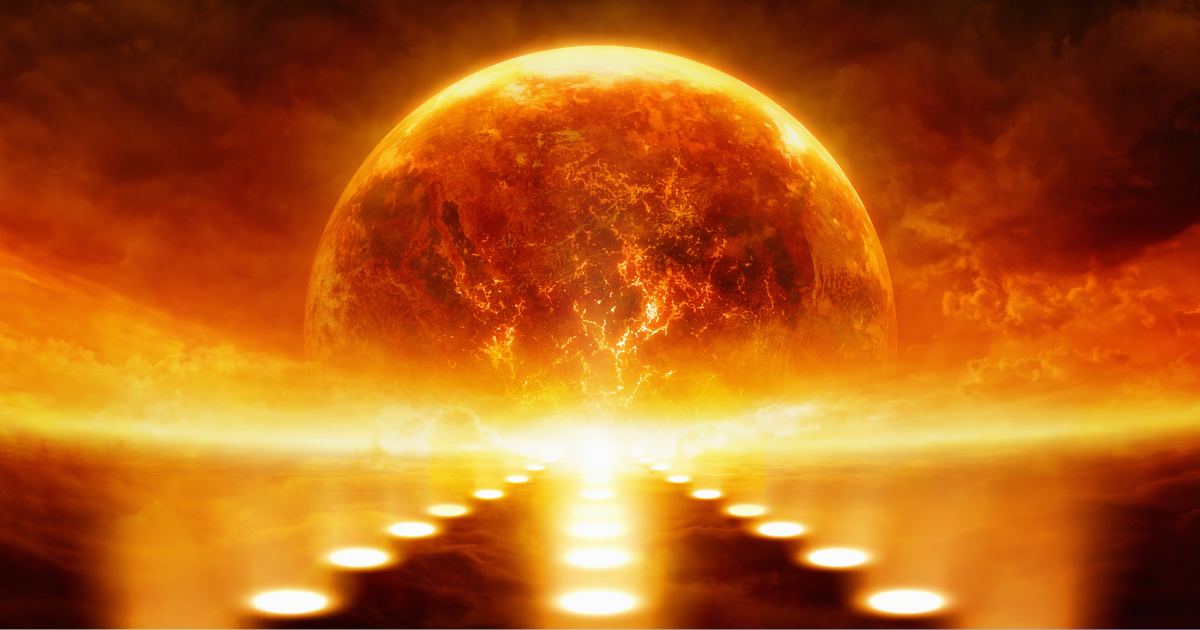
In the 19th century, astronomers were puzzled by the strange orbit of Mercury. The planet’s orbit was not perfectly elliptical, as it should have been according to Newton’s laws of gravity. Some astronomers theorized that this was due to the gravitational pull of a planet that was even closer to the Sun than Mercury. This hypothetical planet was named Vulcan, after the Roman god of fire.

In 1859, the French astronomer Urbain Le Verrier announced that he had observed Vulcan transiting the Sun. This was a major breakthrough, as it provided the first concrete evidence for the existence of the planet. Over the next few years, other astronomers also reported seeing Vulcan.

However, the more observations that were made, the more contradictory they became. Some astronomers claimed to have seen Vulcan in one location, while others claimed to have seen it in a completely different location. It became clear that Vulcan was not a single planet, but rather a group of asteroids or dust particles.
In 1915, Albert Einstein published his theory of general relativity. This theory predicted that Mercury’s orbit would be slightly different than what Newton’s laws predicted. This difference was exactly what had been observed by astronomers, and it provided a more elegant explanation for the planet’s strange orbit than the existence of Vulcan.

With the advent of general relativity, the idea of Vulcan was largely abandoned. However, it has remained a popular topic of speculation in science fiction. In the Star Trek universe, Vulcan is a thriving planet that is home to a highly advanced civilization.

So, what happened to Vulcan? Did it really exist, or was it just a figment of astronomers’ imagination? The truth is, we may never know for sure. But one thing is for certain: Vulcan is a fascinating chapter in the history of astronomy, and it continues to inspire and intrigue us today.

Here are some additional details about the history of Planet Vulcan:

  • The first person to hypothesize the existence of Vulcan was the Italian astronomer Giovanni Schiaparelli in 1850.
  • Le Verrier’s announcement of the discovery of Vulcan in 1859 was met with great excitement by the astronomical community. However, some astronomers were skeptical, and they pointed out that Le Verrier’s observations were not conclusive.
    In the years that followed, there were several more reports of Vulcan sightings, but these reports were also disputed.
  • In 1915, Einstein’s theory of general relativity provided a more elegant explanation for Mercury’s strange orbit than the existence of Vulcan. This led to the abandonment of the Vulcan hypothesis by most astronomers.
  • However, Vulcan remains a popular topic of speculation in science fiction. In the Star Trek universe, Vulcan is a thriving planet that is home to a highly advanced civilization.
    The story of Planet Vulcan is a fascinating one. It is a story of scientific discovery, speculation, and ultimately, abandonment. But it is also a story that continues to inspire and intrigue us today.
Tagged : / / / /

ISRO Chief’s Confidence : ‘Chandrayaan-3 Will Land Even If Everything Fails’

ISRO Chief’s Confidence : ‘Chandrayaan-3 Will Land Even If Everything Fails’
In a recent interview, Indian Space Research Organisation (ISRO) chairman S Somanath said that Chandrayaan-3 will be able to make a soft landing on the Moon’s surface even if all of its sensors and engines fail. This is a remarkable feat of engineering, and it speaks to the level of confidence that ISRO has in its Chandrayaan-3 mission.

Somanath explained that the Chandrayaan-3 lander, named Vikram, has been designed with a number of fail-safe mechanisms. For example, if one of the sensors fails, the lander will use another sensor to take its place. And if all of the sensors fail, the lander will use its onboard computer to make a landing based on its current position and velocity.

In addition, the Vikram lander has been designed to be able to withstand a number of different failure scenarios. For example, if one of the engines fails, the lander will be able to use the other engines to make a landing. And if all of the engines fail, the lander will be able to use its parachutes to slow down its descent and make a soft landing.

Of course, no mission is without risk, and there is always the possibility that something could go wrong with Chandrayaan-3. However, the level of redundancy and fail-safe mechanisms that have been built into the Vikram lander give ISRO a high degree of confidence that the mission will be successful.

The Chandrayaan-3 mission is a significant milestone for India’s space program. It will be the country’s third lunar mission, and it will be the first time that India has attempted a soft landing on the Moon’s surface since the Chandrayaan-2 mission in 2019. The success of Chandrayaan-3 would be a major achievement for India, and it would put the country in a strong position to lead future lunar exploration missions.

The Chandrayaan-3 launch was done on July 14, 2023. The lander is expected to make a soft landing on the Moon’s surface on August 23, 2023. ISRO will be closely monitoring the mission, and it will provide updates on its progress as it happens.

ISRO’s confidence in the Chandrayaan-3 mission is a testament to the hard work and dedication of the scientists and engineers who have been working on the project. It is also a sign of India’s growing capabilities in the field of space exploration. ISRO is a world leader in space technology, and the Chandrayaan-3 mission is a further demonstration of its expertise.

For every Indian, it is exciting to see the Chandrayaan-3 mission unfold. It has the potential to be a major success for India, and it will be a significant step forward for lunar exploration. Every Indian will be following the mission closely, and we too will be cheering on the ISRO team as they work to make history.

Tagged : / / / /

Could A Black Hole Swallow The Entire Universe Piece By Piece?

Could A Black Hole Swallow The Entire Universe Piece By Piece?
Black holes are some of the most mysterious and fascinating objects in the universe. They are incredibly dense, with gravity so strong that not even light can escape. This makes them seem like they could be incredibly destructive, and some people have even wondered if a black hole could devour the entire universe.

However, the short answer to this question is no. Black holes cannot devour the entire universe. There are a few reasons for this.

First, black holes are limited in size. The most massive black hole that we know of is about 17 billion times the mass of the sun. This is a lot of mass, but it is still a tiny fraction of the mass of the entire universe.

Second, black holes are limited in how much matter they can consume. The rate at which a black hole can consume matter depends on its mass and the amount of matter that is available to it. For a black hole to consume the entire universe, it would need to be infinitely massive and have an infinite amount of matter to consume.

Third, the expansion of the universe is working against black holes. The universe is expanding at an accelerating rate, which means that galaxies are moving away from each other faster and faster. This makes it more difficult for black holes to capture matter, and it is eventually going to prevent them from being able to consume anything at all.

So, while black holes are incredibly powerful objects, they are not capable of devouring the entire universe. The universe is simply too big and too spread out for a black hole to be able to consume it all.

However, it is important to note that this is just the current understanding of black holes. Science is constantly evolving, and it is possible that we will learn new things about black holes in the future that could change our understanding of their capabilities. For now, though, it seems safe to say that black holes are not a threat to the entire universe.

In addition to the reasons mentioned above, there are a few other factors that would prevent a black hole from devouring the entire universe.

One factor is the heat that black holes emit. As black holes consume matter, they release a lot of energy in the form of heat and radiation. This heat can actually push matter away from the black hole, making it more difficult for the black hole to consume more matter.

Another factor is the magnetic field of the black hole. Black holes have very strong magnetic fields, and these magnetic fields can also help to deflect matter away from the black hole.

Finally, the matter in the universe is not evenly distributed. There are large areas of empty space between galaxies, and these empty spaces would make it difficult for a black hole to consume matter.

So, while black holes are incredibly powerful objects, there are a number of factors that would prevent them from devouring the entire universe. The universe is simply too big, too spread out, and too hot for a black hole to be able to consume it all.

Tagged : / / /

Why Do We Always Board Planes From The Left Side Of The Aeroplanes?

Why Do We Always Board Planes From The Left Side Of The Aeroplanes?
Have you ever wondered why we board planes on the left side? It’s a tradition that dates back to the early days of aviation, and there are a few reasons why it’s still done this way today.

The History of Boarding on the Left

The practice of boarding planes on the left side can be traced back to the days of sailing ships. In the days before airplanes, people would travel by boat, and the port side of a boat was considered the “safe” side to board from. This is because the rudder, which is used to steer the boat, is located on the starboard side. If the boat were to capsize, passengers would be more likely to survive if they boarded from the port side.

This tradition carried over to early airplanes, and most planes today still board passengers from the left side. There are a few reasons for this. First, it’s simply more convenient for the airlines. The jetway, which is the walkway that connects the terminal to the plane, is typically located on the left side of the aircraft. This makes it easier for passengers to board and disembark.

Second, boarding on the left side helps to keep the plane balanced. When passengers board from both sides of the plane, the weight can be unevenly distributed. This can cause the plane to tilt to one side, which can make it difficult for the pilots to control. By boarding from the left side, the weight is more evenly distributed, which makes the plane more stable.

Is There Any Reason to Change?

Some people have suggested that there is no reason to continue boarding planes on the left side. They argue that it’s an outdated tradition that is no longer necessary. However, there are a few reasons why it’s probably not a good idea to change.

First, it would require a major overhaul of the way that airports are designed. The jetways would have to be moved to the right side of the plane, and the boarding procedures would have to be changed. This would be a costly and time-consuming process.

Second, changing the way that planes are boarded could actually make the planes less safe. As mentioned earlier, boarding on the left side helps to keep the plane balanced. If passengers were to board from both sides, the weight could be unevenly distributed, which could make the plane more difficult to control.

For these reasons, it’s probably best to keep boarding planes on the left side. It’s a tradition that has been around for centuries, and it’s one that helps to keep planes safe.

In Conclusion

The practice of boarding planes on the left side dates back to the days of sailing ships. It’s a tradition that has been around for centuries, and it’s one that helps to keep planes safe. While some people have suggested that there is no reason to continue boarding planes on the left side, there are a few reasons why it’s probably not a good idea to change. First, it would require a major overhaul of the way that airports are designed. Second, changing the way that planes are boarded could actually make the planes less safe. For these reasons, it’s probably best to keep boarding planes on the left side.

Tagged : / / /

What Does NASA Do When An Astronaut Dies In Space?

What Does NASA Do When An Astronaut Dies In Space?
In consideration of how challenging human spaceflight is, it is truly amazing how few fatalities (20 individuals in six decades) have occurred so far. But in the following ten years, NASA intends to send astronauts to Mars and a crew to the Moon. Commercial space travel has become commonplace. As the use of space travel increases, so does the chance that someone might pass away while travelling there.

Death on Mars and the Moon

If someone perished while in low-Earth orbit, such as on board the International Space Station, the crew might quickly return the body to Earth in a capsule. If it occurred on the Moon, the crew could quickly return to Earth with the body. For such situations, NASA already has elaborate systems in place.Because of the fast return, it is likely that NASA would place more emphasis on ensuring the safety of the surviving crew’s return to Earth than on maintaining the body.

If an astronaut perished during the 300 million-mile journey to Mars, everything would be changed. The crew most likely wouldn’t be able to turn around and head back in those situation. Instead, at the conclusion of the mission, which would be a few years later, the body would probably return to Earth together with the crew. The crew would likely preserve the body in a separate room or specialised body bag in the interim. The body would supposedly be preserved by the spacecraft’s constant temperature and humidity.

All those eventualities, however, would only be relevant if the fatality occurred in a pressurised space, such as a space station or a spacecraft.

What would happen if someone entered space without a spacesuit to protect them?

Almost immediately, the astronaut would pass away. The astronaut would be unable to breathe due to the pressure drop and exposure to space’s vacuum, and their blood and other bodily fluids would boil.

What about last rites?
Let’s say the astronaut passed away on Mars’ surface after landing.

Cremation is undesirable since it consumes too much energy that the crew members who survive would rather use for other things. Additionally, burial is not a smart move. The Martian surface might become contaminated by bacteria and other creatures from the body. Until it could be brought back to Earth, the crew would probably maintain the body in a special body bag.

There are still a lot of questions regarding how explorers would handle a death. Not merely the issue of what to do with the body is involved. Just as crucial as how the deceased’s remains are handled is how the crew handles the loss and how the grieving families back on Earth are helped. However, in order to actually colonise distant worlds, whether the Moon, Mars, or a planet outside of our solar system, planning and regulations will be needed.

Tagged : / / / / /

The Sturgeon Moon Supermoon on 1st August! What Time Can We See It In India?

The Sturgeon Moon Supermoon on 1st August! What Time Can We See It In India?
On Tuesday, August 1, 2023, skywatchers will be treated to a special lunar event: the Sturgeon Moon supermoon. This full moon is named after the sturgeon fish, which is abundant in the Great Lakes during this time of year. The Sturgeon Moon is also the second of four consecutive supermoons in 2023.

A supermoon occurs when the full moon coincides with the moon’s closest approach to Earth in its orbit. This makes the moon appear larger and brighter than usual. The Sturgeon Moon supermoon will be about 16% bigger and 30% brighter than a typical full moon.

The best time to view the Sturgeon Moon supermoon will be shortly after moonrise. You can find the moonrise time for your location by using a stargazing app or website. In India, it will be at its full glory at around 12.02 am on August 2, or your can say the night of August 1. If you have clear skies, you should be able to see the Sturgeon Moon supermoon with the naked eye. However, binoculars or a telescope will give you a better view.

In addition to being a beautiful sight, the Sturgeon Moon supermoon also has some cultural significance. In some Native American cultures, the Sturgeon Moon is associated with the harvest. It is also a time to celebrate the abundance of nature. That’s why the Sturgeon Moon is also known as the Grain Moon, Corn Moon, Lightning Moon and Lynx Moon. The first supermoon of this year was seen in July, this is the second one.

So whether you are interested in astronomy, nature, or simply enjoying a beautiful night sky, be sure to catch the Sturgeon Moon supermoon on August 1, 2023 because the next time two supermoons appear in the sky in a span of one month will be in 2037.

Here are some tips for viewing the Sturgeon Moon supermoon:

  • Find a clear spot with a view of the horizon.
  • Allow your eyes to adjust to the darkness for at least 30 minutes before looking for the moon.
  • Use binoculars or a telescope for a better view.
  • Be patient and enjoy the sight!
    The Sturgeon Moon supermoon is a rare and beautiful event. Be sure to catch it if you can!
Tagged : / / /

These 6 Animals and Birds Mate For Life And Never Change Partners

These 6 Animals and Birds Mate For Life And Never Change Partners
Mating habits in animals are a complex and fascinating subject. There is a wide variety of different mating habits found in the animal kingdom, and each species has its own unique way of attracting mates, reproducing, and raising young. Some animals, such as lions and wolves, live in social groups and mate with multiple partners. Other animals, such as swans and penguins, mate for life and only have one mate. Still other animals, such as honeybees and ants, reproduce through a process called parthenogenesis, in which females can produce offspring without the need for a male partner. n the animal kingdom, there are many species that mate for life. These animals form strong bonds with their partners and work together to raise their young.

Some of the most well-known animals that mate for life include:
1. Swans


Swans are known for their beautiful courtship dances and their lifelong commitment to each other. Once a pair of swans mates, they will stay together for life, even if one of them dies.

2. Emperor penguins


Emperor penguins are one of the most cold-weather adapted animals on Earth. They live in the harsh Antarctic climate and mate for life. Emperor penguins are very social animals and they form large colonies during the breeding season.

3. Albatrosses


Albatrosses are large seabirds that are known for their long lifespans. They can live for up to 70 years and they typically mate for life. Albatrosses are very faithful partners and they will often help each other raise their young.

4. Goose


Geese are another type of bird that mates for life. They are very social animals and they form flocks during the breeding season. Geese are very protective of their mates and their young.

5. Wolves


Wolves are social animals that live in packs. They are very loyal to their packmates and they will often mate for life. Wolves are very protective of their mates and their pups.

6. Gibbons


Gibbons are small apes that are found in the forests of Southeast Asia. They are known for their acrobatic skills and their loud calls. Gibbons are also known for their unique mating system, in which they mate for life. Gibbons find mates through a process of courtship. The courtship process can be quite elaborate and it can involve a variety of behaviors, such as singing, dancing, and scent marking. Once a gibbon pair has found a mate, they will form a strong bond. If a gibbon’s mate dies, the gibbon will often go through a period of mourning. After the mourning period, the gibbon may find a new mate or it may live alone.

Tagged : / /

Laws Of Attraction Finally Revealed!

Laws Of Attraction Finally Revealed!
Attraction is a complex phenomenon that has been studied by scientists for centuries. There is no single explanation for why we are attracted to certain people, but there are a number of factors that are known to play a role.
Physical Appearance

Physical appearance is one of the most important factors in attraction. Studies have shown that we are more likely to be attracted to people who are symmetrical, have clear skin, and a healthy body. These features are often associated with health and fertility, which are important factors for survival and reproduction.

1. Personality

Personality is another important factor in attraction. We are more likely to be attracted to people who share our values, interests, and sense of humor. We are also more likely to be attracted to people who are confident and outgoing.

2. Social Conditioning

Our social conditioning also plays a role in attraction. We learn what is considered attractive from our culture and our experiences. For example, if we are raised in a culture that values thinness, we may be more attracted to people who are thin.

3. Individual Preferences

Finally, our individual preferences also play a role in attraction. We all have different things that we find attractive in a partner. Some people may be more attracted to people who are funny, while others may be more attracted to people who are intelligent.

4. Other Factors

In addition to physical appearance, personality, and social conditioning, there are a number of other factors that may influence attraction. These include:

  • Scent: Our sense of smell plays a role in attraction. Studies have shown that we are more attracted to people who have similar body odor to our own.
  • Touch: Physical touch can also increase attraction. Studies have shown that people who are touched more often are more likely to be attracted to the person who is touching them.
  • Voice: The sound of someone’s voice can also be a factor in attraction. Studies have shown that we are more attracted to people who have voices that we find pleasing.
  • Shared experiences: We are more likely to be attracted to people who share our experiences. This could include things like common interests, hobbies, or even traumatic experiences.

The Science of Attraction is Still a Mystery

The science of attraction is still a mystery. However, the research that has been done so far suggests that there are a variety of factors that influence who we are attracted to. These factors can be divided into two main categories:

Universal factors: These factors are common to all cultures and societies. For example, we are all more likely to be attracted to people who are symmetrical and have clear skin.

Cultural factors: These factors vary from culture to culture. For example, what is considered attractive in one culture may not be considered attractive in another culture.

Conclusion

The science of attraction is a fascinating and complex topic. There is still much that we do not know about it, but the research that has been done so far suggests that there are a variety of factors that influence who we are attracted to.

Tagged : / / / /

What Is The Importance of Vitamin B 12 And What Are Some Vegetarian Sources Of It?

What Is The Importance of Vitamin B 12 And What Are Some Vegetarian Sources Of It?
Those who have been diagnosed with a deficiency of Vitamin B12 should know that it is a very important Vitamin and should be consumed regularly. Vitamin B12 is an essential nutrient that plays a number of important roles in the body, including:

1. Nervous system function: Vitamin B12 is essential for the production of myelin, a fatty sheath that surrounds and protects nerve cells. This helps to ensure that nerve cells can transmit signals efficiently.

2. Blood cell production: Vitamin B12 is also essential for the production of red blood cells. Red blood cells carry oxygen throughout the body, so a deficiency in vitamin B12 can lead to anemia.

3. DNA synthesis: Vitamin B12 is also involved in the synthesis of DNA, the genetic material of cells. This is important for cell growth and repair.

A deficiency in vitamin B12 can lead to a number of health problems, including:

  • Anemia: Anemia is a condition in which the body does not have enough healthy red blood cells. This can cause symptoms such as fatigue, shortness of breath, and pale skin.
  • Neurological problems: A deficiency in vitamin B12 can also lead to neurological problems, such as numbness, tingling, and difficulty walking.
  • Heart disease: A deficiency in vitamin B12 has also been linked to an increased risk of heart disease.

Best Vegetarian Sources of Vitamin B12

For people who follow a vegetarian or vegan diet, it is important to get enough vitamin B12 from other sources. Some good vegetarian sources of vitamin B12 include:

  • Fortified cereals: Many breakfast cereals are fortified with vitamin B12.
  • Soy milk: Soy milk is a good source of vitamin B12, especially if it is fortified.
  • Yeast extract: Nutritional yeast is a type of yeast that is often used as a seasoning. It is a good source of vitamin B12.
  • Tempeh: Tempeh is a fermented soybean product that is a good source of vitamin B12.
  • Fortified vegan products: There are also a number of vegan products that are fortified with vitamin B12, such as vegan sausages, burgers, and cheeses.

It is important to note that not all fortified foods contain the same amount of vitamin B12. It is also important to check the label to make sure that the food is fortified with vitamin B12.

If you are concerned about getting enough vitamin B12 on a vegetarian or vegan diet, you should talk to your doctor. They can help you to create a plan to make sure that you are getting enough of this essential nutrient.

Tagged : / / / /

Why do some animals mate for life while others don’t?

Why do some animals mate for life while others don’t?
In the animal kingdom, there is a wide range of mating strategies. Some animals, such as wolves and gibbons, mate for life, while others, such as lions and chimpanzees, are polygamous. There are many factors that influence an animal’s mating strategy, including its environment, its social structure, and its reproductive biology.

1. Environmental factors

One of the most important factors that influences an animal’s mating strategy is its environment. Animals that live in harsh or unpredictable environments are more likely to mate for life. This is because a long-term partnership can provide them with more stability and support. For example, wolves live in packs, and the alpha pair within the pack is usually monogamous. This helps to ensure that the pack has a strong leader and that the pups are well-cared for.

2. Social factors

Another important factor that influences an animal’s mating strategy is its social structure. Animals that live in social groups are more likely to be monogamous than animals that live solitary lives. This is because social animals need to cooperate in order to survive, and a long-term partnership can provide them with more cooperation and support. For example, gibbons are small primates that live in family groups. They are monogamous, and the pair works together to build nests, raise young, and defend their territory.

3. Reproductive biology

An animal’s reproductive biology also plays a role in its mating strategy. Animals that have a long gestation period or that produce few offspring are more likely to mate for life. This is because they need a long-term partner in order to raise their young successfully. For example, swans are large birds that mate for life. They have a long gestation period, and they only produce a few cygnets each year. Therefore, they need a long-term partner in order to raise their young successfully.

Conclusion

The reasons why some animals mate for life while others don’t are complex and varied. However, the factors that we have discussed above provide a good starting point for understanding this phenomenon. By understanding the factors that influence an animal’s mating strategy, we can gain a better understanding of the animal kingdom and the ways in which animals have adapted to their environment.

In addition to the factors mentioned above, there are other factors that can influence an animal’s mating strategy, such as its age, its physical condition, and its availability of mates. Ultimately, the decision of whether or not to mate for life is a complex one that is made by each individual animal.

Tagged : / / / /

Edible Robotics: The Future of Food?

Edible Robotics: The Future of Food?
Edible robotics is a new field of research that is exploring the potential of using robots to create edible food products. This field is still in its early stages, but it has the potential to revolutionize the way we eat.

One of the most promising applications of edible robotics is in the development of new food delivery systems. For example, robots could be used to create edible capsules that could be swallowed and deliver nutrients directly to the body. This could be a valuable tool for people who are unable to eat solid food or who need to supplement their diet with specific nutrients.

Edible robotics could also be used to create new types of food with enhanced flavors, textures, and nutritional properties. For example, robots could be used to create edible sensors that could monitor the body’s nutritional needs and adjust the food accordingly. This could help people to eat healthier and maintain a balanced diet.

The RoboFood Project is a research project that is exploring the potential of edible robotics. The project is being conducted by a team of scientists at the Swiss Federal Institute of Technology in Lausanne (EPFL). The team is developing a variety of edible robots, including capsules that can deliver nutrients directly to the body, edible sensors that can monitor the body’s nutritional needs, and edible robots that can change their shape and texture in response to the user’s input.

The RoboFood Project is still in its early stages, but it has the potential to revolutionize the way we eat. Edible robotics could make it possible to create new and innovative food products that are healthier, more nutritious, and more personalized. This could have a significant impact on our health and well-being.

Here are some of the potential benefits of edible robotics:

  • Improved nutrition: Edible robots could be used to deliver specific nutrients directly to the body, which could help people to eat healthier and maintain a balanced diet.
  • New food experiences: Edible robots could be used to create new and innovative food products with enhanced flavors, textures, and nutritional properties. This could make eating more enjoyable and satisfying.
  • Personalized nutrition: Edible robots could be used to create personalized food products that are tailored to the individual’s nutritional needs. This could help people to achieve their health goals.
    The future of edible robotics is still uncertain, but the potential benefits are significant. As the field continues to develop, we can expect to see new and innovative food products that are made possible by edible robotics.
Tagged : / / / / /

Top 7 Mysteries Of Our Solar System That Are Yet To Be Solved

Top 7 Mysteries Of Our Solar System That Are Yet To Be Solved
The Solar System is a vast and mysterious place with many secrets still hidden from the mankind. Scientists have been studying the solar system since ancient times and they have come up with some amazing discoveries. But there are still many unanswered and unsolved mysteries of our solar system. Here are 7 that are yet to be solved.

1. The formation of the asteroid belt
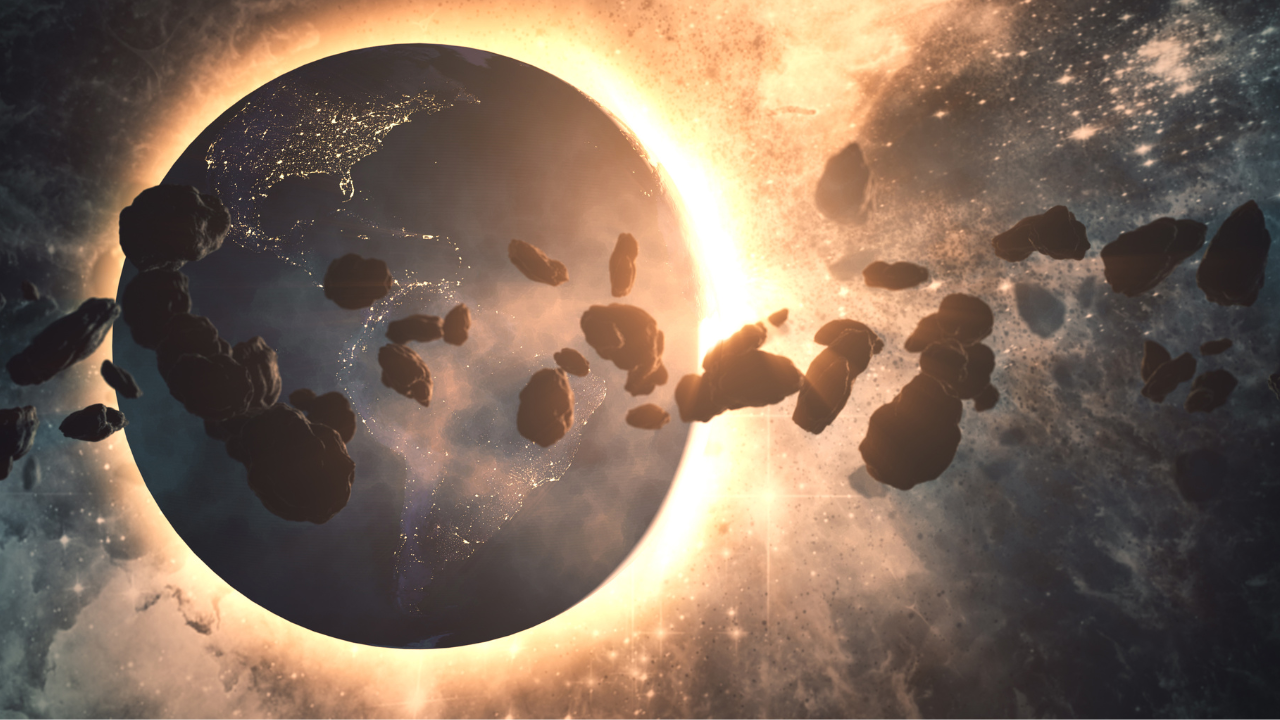
The asteroid belt is a region of space between the orbits of Mars and Jupiter. The asteroid belt is home to millions of asteroids, which are rocky objects that range in size from a few meters to hundreds of kilometers in diameter. The asteroid belt is thought to have formed when a large planetesimal, or protoplanet, was disrupted by a collision with another object. The collision caused the protoplanet to break up into smaller pieces, which eventually formed the asteroids in the asteroid belt.

2. The origin of the Moon
The origin of the Moon is one of the most enduring mysteries of the solar system. There are two main theories about how the Moon formed. The first theory is that the Moon formed from a giant impact between Earth and a Mars-sized body called Theia. The second theory is that the Moon formed from material that was ejected from Earth during a giant impact. The giant impact theory is the most widely accepted theory. It is supported by the fact that the Moon and Earth have similar compositions. The second theory is less widely accepted, but it is still possible. It is supported by the fact that the Moon has a very different composition than Earth.

3. Magnetic fields of Mercury and Ganymede
Mercury and Ganymede are the only planets in our solar system, other than Earth, that have magnetic fields. The magnetic fields of Mercury and Ganymede are generated by a process called dynamo action. Dynamo action occurs when a fluid is heated and then cooled. The heat causes the fluid to move, and the movement of the fluid creates electrical currents. The electrical currents generate a magnetic field. The reason why Mercury and Ganymede have magnetic fields while the other planets do not is unknown. One possibility is that Mercury and Ganymede have molten cores that are able to generate dynamo action. The other planets may have solid cores that are not able to generate dynamo action.

4. The heating of Jupiter’s atmosphere
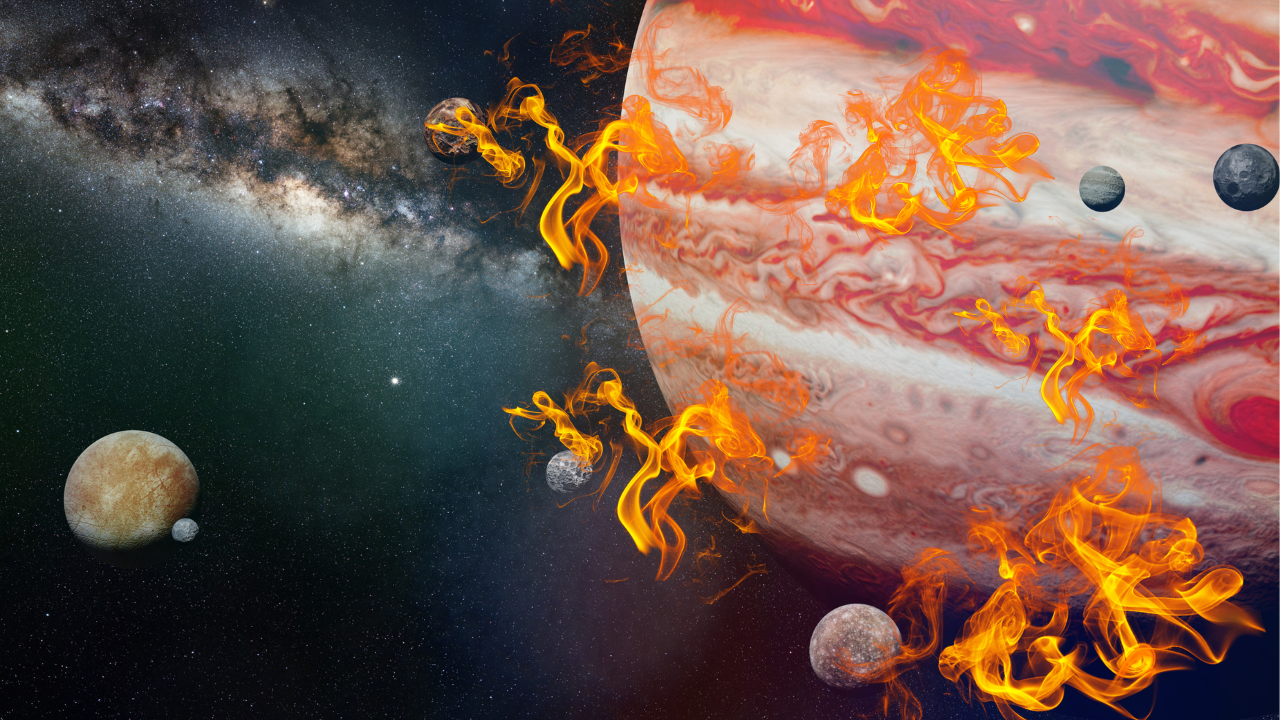
The atmosphere of Jupiter is very hot. The temperature at the top of Jupiter’s atmosphere is about -148 degrees Celsius. The temperature at the bottom of Jupiter’s atmosphere is about 1,300 degrees Celsius. The reason why Jupiter’s atmosphere is so hot is unknown. One possibility is that Jupiter’s atmosphere is heated by the gravitational energy released as Jupiter’s mass pulls in material from space. The other possibility is that Jupiter’s atmosphere is heated by the decay of radioactive elements in Jupiter’s interior.

5. The tilt of Uranus
Uranus is the only planet in our solar system that is tilted on its side. The tilt of Uranus is so extreme that its north pole is pointed almost directly at the sun for about half of its year. The cause of Uranus’ tilt is unknown. There are two main theories about how Uranus could have gotten its extreme tilt. The first theory is that Uranus was hit by a large object early in its history. The impact would have caused Uranus to spin on its axis and tilt over. The second theory is that Uranus was formed from a disk of gas and dust that was tilted.

6. Methane on Mars
Methane is a gas that is found on Earth. Methane is also found on Mars. However, the source of methane on Mars is unknown. There are two main theories about the source of methane on Mars. The first theory is that the methane is produced by living organisms. The second theory is that the methane is produced by non-living processes, such as the interaction of water and rocks.

7. The puzzling moons of Saturn


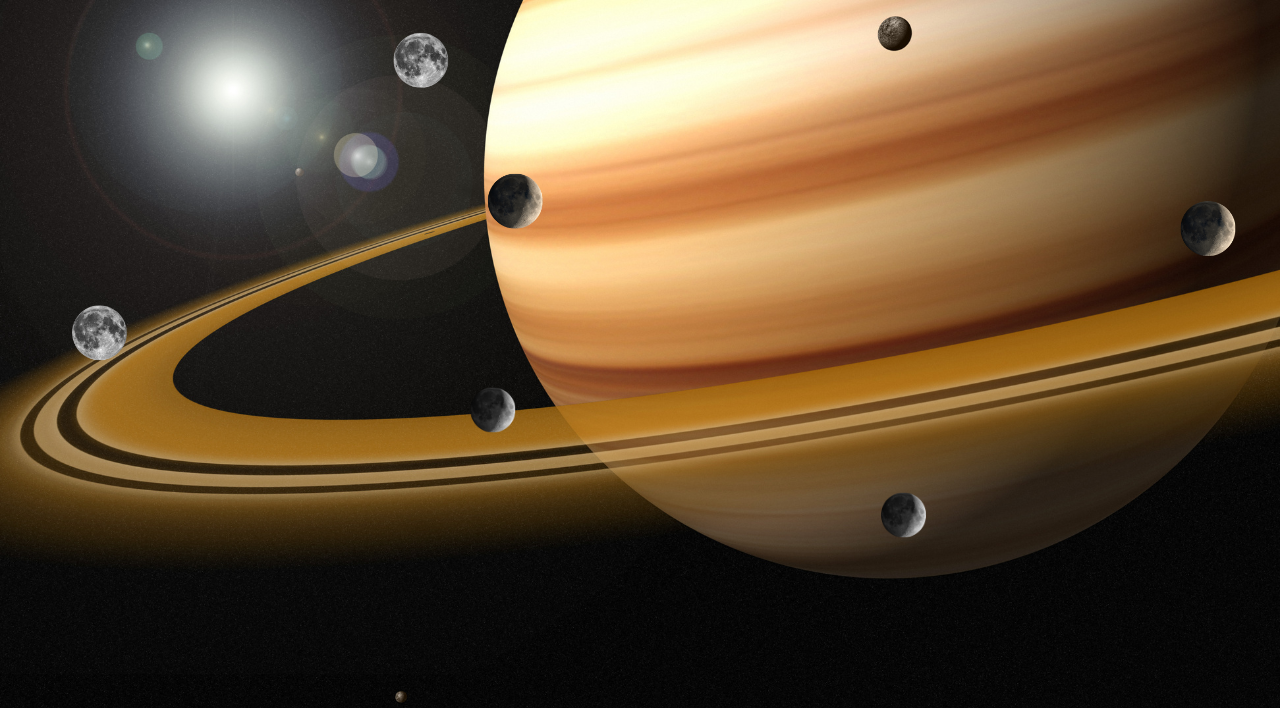
Saturn has 82 moons. Some of Saturn’s moons are very large, such as Titan and Rhea. Other moons are very small. Some of Saturn’s moons are also very peculiar. For example, Titan has a thick atmosphere and methane lakes. Rhea has a system of canyons that are hundreds of kilometers long. The reason why Saturn has such a diverse collection of moons is unknown. One possibility is that the moons formed from the same disk of gas and dust that formed Saturn. The other possibility is that the moons were captured by Saturn from other parts of the solar system.

These are just a few of the many unsolved mysteries of the solar system. As our understanding of the universe grows, we may eventually be able to solve these mysteries. But for now, they remain a source of wonder and speculation.

Tagged : / / /

Do you know about ‘Hydroplaning’ – a big reason for accidents in monsoon?

Do you know about ‘Hydroplaning’ – a big reason for accidents in monsoon?
Hydroplaning is a dangerous driving condition that occurs when water causes your car’s tires to lose contact with the road surface. It can happen on any wet surface, but it is most common during the monsoon season when there is a lot of rain.

When your tires hydroplane, they are essentially skating on a thin film of water. This means that you have no control over the direction of your car, and you are at risk of an accident.

Here are some tips to help you avoid hydroplaning during the monsoon season:

1 Slow down
The faster you are going, the more likely you are to hydroplane. If you can, try to drive at 30 mph or less in wet conditions.
2 Avoid puddles and standing water
If you see a puddle or standing water, try to avoid driving through it. If you can’t avoid it, slow down and be prepared for the possibility of hydroplaning.
3 Maintain your tires
Make sure your tires are properly inflated and have good tread. Worn tires are more likely to hydroplane.
4 Be aware of your surroundings
Pay attention to the road conditions and the other cars around you. If you see someone hydroplaning, be prepared to take action.

If your car does start to hydroplane, there are a few things you can do to regain control:

1 Take your foot off the gas
This will help to reduce the speed of your car and give your tires a chance to regain traction.
2 Steer in the direction of the skid
This may seem counterintuitive, but it will help to bring your car back under control.
3 Don’t brake
Braking will only make the hydroplaning worse.

If you follow these tips, you can help to prevent hydroplaning and stay safe on the road during the monsoon season.

Here are some additional tips to help you stay safe while driving in the monsoon season:

  • Turn on your headlights : Even during the day, your headlights can help other drivers see you better.
  • Use your windshield wipers : Rain can obscure your vision, so it’s important to use your windshield wipers to clear the water away.
  • Be patient : It takes longer to stop your car in wet conditions, so give yourself plenty of time to brake.
  • Don’t follow other cars too closely : If the car in front of you has to stop suddenly, you’ll have more time to react if you’re not following too closely.

    By following these tips, you can help to make the monsoon season a little bit safer.

Tagged : / / / / /

MIT student from India develops device that helps people converse without voice

MIT student from India develops device that helps people converse without voice
A student from India at the Massachusetts Institute of Technology (MIT) has developed a device that allows people to converse without voice. The device, called AlterEgo, uses sensors to detect the electrical activity in the user’s jaw and tongue muscles, which is then used to generate speech.

The student, Arnav Kapur, says that AlterEgo could be used by people who have difficulty speaking due to a disability, or by people who want to be discreet in their conversations.

“I’ve always been fascinated by the idea of being able to communicate without having to speak,” Kapur said. “I think AlterEgo has the potential to revolutionize the way we communicate.”

Kapur developed AlterEgo as part of his master’s degree in Media Arts and Sciences at MIT. The device is still in the prototype stage, but Kapur says he hopes to make it available to the public in the near future.

AlterEgo is not the first device that allows people to communicate without voice. There are a number of other devices on the market that use sensors to detect the electrical activity in the user’s muscles. However, AlterEgo is one of the first devices that is designed to be worn around the ear, making it more discreet and portable.

Kapur says that AlterEgo could be used in a variety of settings, such as classrooms, workplaces, and hospitals. He also believes that the device could be used by people who are deaf or hard of hearing.

“I think AlterEgo has the potential to make a real difference in the lives of people who struggle to communicate,” Kapur said. “I’m excited to see how people use it in the future.”

In addition to its potential for people with disabilities, Kapur believes that AlterEgo could also be used by people who want to be discreet in their conversations. For example, AlterEgo could be used by people who want to talk on the phone in public without being overheard.

Kapur is currently working on improving the accuracy of AlterEgo and making it more comfortable to wear. He also plans to add new features to the device, such as the ability to translate languages.

“I’m excited to see how AlterEgo evolves in the future,” Kapur said. “I think it has the potential to change the way we communicate forever.”

Tagged : / /

महिलायें पुरुषों से ज्यादा क्यों जीती हैं ?

महिलायें पुरुषों से ज्यादा क्यों जीती हैं ?
महिलाओं को अक्सर कमजोर, अबला और नाजुक बताया जाता है । कोई भी भारी काम हो, या ऐसा कुछ जिसमें ताकत की आवश्यकता हो, पुरुष झट से उठ कर खड़े हो जाते हैं क्योंकि उन्हें भगवान ने ज्यादा मजबूत , ज्यादा लंबा और ज्यादा ताकतवर बनाया है लेकिन इतना सब कुछ होने के बावजूद भी जीवन के संघर्ष में पुरुष महिलाओं से हार जाते हैं । जब बात जीवन की हो तो महिलायें पुरुषों से कहीं ज्यादा जीती हैं और काफी स्वस्थ जीवन जीती हैं । यानि ये कहना गलत नहीं होगा कि असल में महिलायें पुरुषों से ज्यादा मजबूत हैं और पुरुष कमजोर वर्ग से हैं । पिछले सौ सालों में लोगों की डाइट में बढ़ोतरी हुई है, बीमारियों से लड़ने की दवाइयां आ गई हैं, तंबाकू का सेवन कम हुआ है, इन सबसे औसत उम्र में महत्वपूर्ण इजाफा हुआ है, लेकिन आज भी महिलाएं पुरुषों से मुकाबले ज्यादा हेल्दी रहती हैं और ज्यादा दिनों तक जीवित रहती हैं। आखिर इसके पीछे कारण क्या हैं ? इसी विषय पर हार्वर्ड के वैज्ञानिकों ने शोध किया है और कुछ कारण उन्होंने दुनिया के सामने रखे :

1 आनुवांशिक या जींस की बनावट
एक जानने वाली महत्वपूर्ण बात ये है कि भ्रूण के विकास से महिला और पुरुष अलग होते हैं। लेकिन दोनों में 23 क्रोमोजोम हैं। 22 क्रोमोजोम दोनों लिंग में समान हैं, लेकिन 23 क्रोमोजोम अलग हैं। 23 वें जोड़े में पुरुषों में एक एक्स और एक वाई क्रोमोजोम होता है, जबकि 23 वें जोड़े में महिलाओं में सिर्फ एक्स क्रोमोजोम होता है। वाई क्रोमोजोम बहुत कम जीन रखता है और एक्स से एक तिहाई छोटा है। मुख्य बात यह है कि पुरुषों में वाई क्रोमोजोम बीमारियों से संबंधित बीमारियाँ अधिक होती हैं, इसलिए पुरुषों में पूरे जीवन मौत का जोखिम महिला से अधिक होता है।

2 टेस्टोस्टेरॉन हार्मोन
पुरुष अपने जिस टेस्टोस्टेरॉन हार्मोन को मर्दानगी, निडरता और ताकत का प्रतीक मानते हैं , असल में वही उनका छुपा हुआ दुश्मन साबित हो जाता है । ये हार्मोन बहुत धीरे धीरे दिल की मांसपेशियों को कमजोर बनाता जाता है । महिलाओं में स्त्रीत्व को बढ़ाने वाले एस्ट्रोजन हार्मोन दिल की रक्षा करते हैं। अब आप समझ गए होंगे कि क्यों दिल की बीमारियां महिलाओं में इतनी कम होती हैं। पर हाँ रजस्वला होने के बाद महिलाओं में भी दिल के दौरे की संभावना बढ़ जाती है ।

3 प्रजनन अंग
पुरुषों में प्रोस्टेट ग्लैंड कई समस्याओं का कारण बनता है। आपको लगता होगा कि पुरुष महिलाओं में ब्रेस्ट कैंसर, यूट्रस कैंसर और गर्भाशय कैंसर से अधिक सुरक्षित हैं। लेकिन ऐसा नहीं है। अन्य कई मामलों में, पुरुषों को कैंसर होता है। आम तौर पर भी पुरुषों में कैंसर होने की संभावना महिलाओं से ज्यादा होती है और कैंसर से उबरने की संभावना भी उनमें महिलाओं से कम होती है .

4 मेटाबोलिज्म
यह एक बहुत ही दिलचस्प तथ्य है कि महिलाओं में हृदय को सुरक्षित रखने वाला गुड कोलेस्ट्रॉल अधिक होता है। महिलाओं में शुद्ध कोलेस्ट्रॉल 60.3 mg/dl है, जबकि पुरुषों में सिर्फ 48.5 mg/dl है। इससे दिल की बीमारी का खतरा कम होता है। इससे मेटाबोलिज्म सक्रिय रहता है और मोटापा और अन्य बीमारियों का खतरा कम होता है।

5 सामाजिक-व्यावहारिक कारक
महिलाएं सोशल होती हैं, और हिंसा और आक्रामकता महिलाओं के लक्षण नहीं हैं। पुरुषों की तुलना में महिलाएं सिगरेट, शराब और तंबाकू का सेवन कम करती हैं। पुरुषों की तुलना में महिलाओं की डाइट अधिक हेल्दी होती है। महिलाएं अधिक घरेलू काम करती हैं, इसलिए वे अधिक शारीरिक व्यायाम करती हैं। ऊपर से महिलायें अपनी सहेलियों के साथ बात चीत करती रहती हैं या पनि माँ या बहन से । ये उनके लिए अच्छा है क्योंकि वे अपनी बातें , सुख और दुख बांटती हैं जिससे वे कम स्ट्रेस में रहती हैं जबकि पुरुष वर्ग उतना सामाजिक नहीं होता और अपनी बातें लोगों से ज्यादा शेयर नहीं करते जिससे उन्हें स्ट्रेस ज्यादा रहता है जो उनके स्वास्थ्य पर असर करता है ।

Tagged : / /
Verified by ExactMetrics