Japan is desperately waiting for a massive Typhoon which can power Japan for next 50 years!

Back in 2013, Typhoon Usagi destroyed eight conventional turbines, while damaging eight. Atsushi Shimizu told CNN, “Japan actually has a lot more wind power than it does solar power, it’s just not utilized.” And after the energy shortage—a problem incited by the 2011 Fukushima disaster—Japan is currently dealing with, there comes an extremely welcome solution.

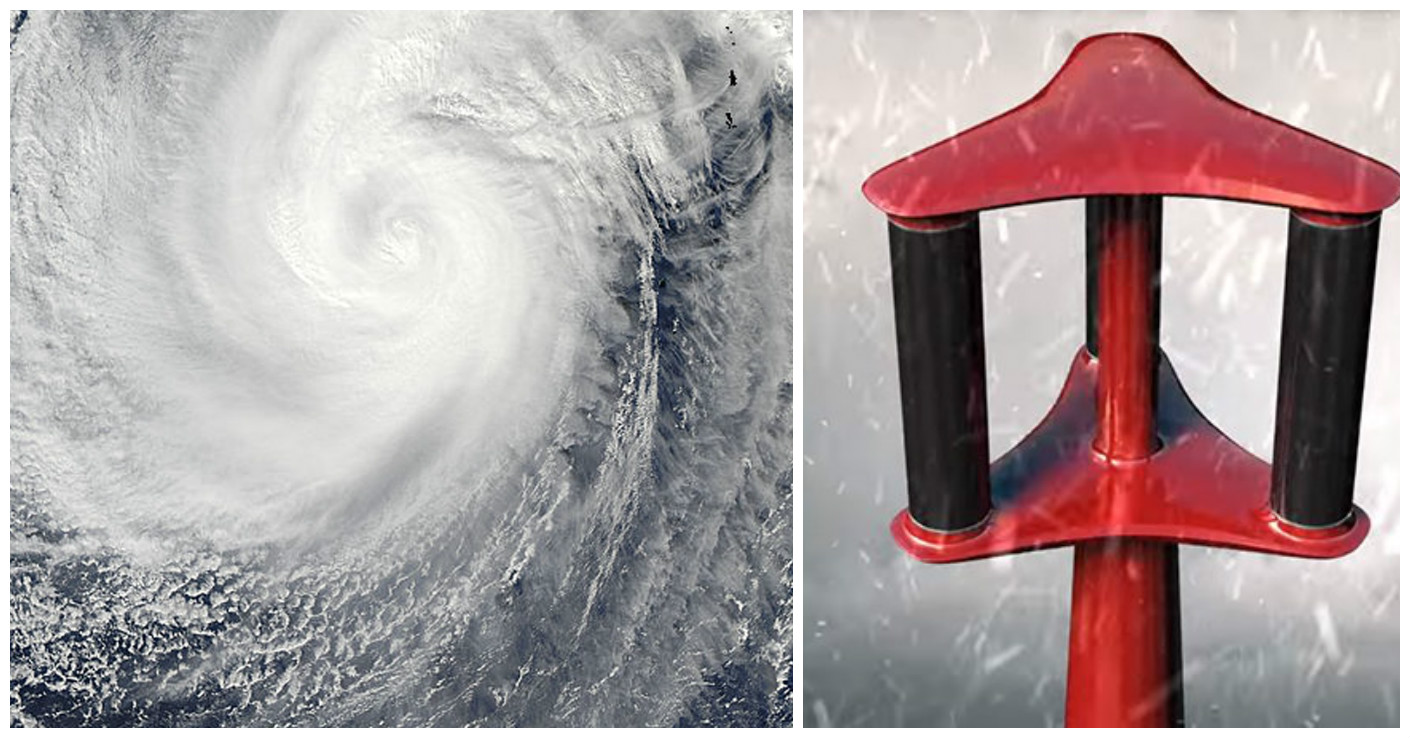
Atsushi Shimizu is the inventor of the world’s first typhoon turbine—an extremely durable, eggbeater-shaped device that can not only withstand the awesome forces generated by a typhoon, it can convert all that power into useable energy. Shimizu’s calculations show that a sufficiently large array of his turbines could capture enough energy from a single typhoon to power Japan for 50 years.

The typhoon turbine differs from conventional turbines in two important ways. It works on an omnidirectional axis that allows the machine to survive unpredictable wind patterns, and the speed of the blades can be adjusted to ensure they don’t spin out of control during a storm. It’s not immediately clear where all the incoming energy will be channeled, whether it be sent straight to the grid or stored in large batteries.

Shimizu is not wrong. Japan has already seen six typhoons this year. Also the founder of green tech firm Challenergy, he believes that Japan has the potential to become “a superpower of wind.”

Tests of a prototype yielded 30 percent efficiency, which is 10 percent lower than propeller-based turbines. The difference, of course, is that Shimizu’s turbines can actually survive a storm. A functional prototype was installed near Okinawa earlier this summer, and the next big step is to test the device under high-wind conditions.

All that’s needed now is a typhoon.

As a technology lover you may like our daily important technology news series. It’s a playlist and you can retrieve the total day-wise videos. Please consider subscribing our YouTube channel:

Author: Technology and Beyond

Tagged : / /

Full-Sized Beating Human Heart Grown from Stem Cells! Great News for Transplant Patients!

A team of scientists from Massachusetts General Hospital and Harvard Medical School has been able to regenerate functional human heart tissue using adult skin cells, according to a study published recently in the journal Circulation Research. This is not only a scientific marvel, but also a high-time necessity in the medical world.

Of the 4,000 Americans waiting for heart transplants, only 2,500 will receive new hearts in the next year. Even for those lucky enough to get a transplant, the biggest risk is the their bodies will reject the new heart and launch a massive immune reaction against the foreign cells. To combat the problems of organ shortage and decrease the chance that a patient’s body will reject it, researchers have been working to create synthetic organs from patients’ own cells.

Scientists had previously created a technique in which they use a detergent solution to strip a donor organ of cells that might set off an immune response in the recipient. They did that in mouse hearts, but for this study, the researchers used it on human hearts. They stripped away many of the cells on 73 donor hearts that were deemed unfit for transplantation. Then the researchers took adult skin cells and used a new technique with messenger RNA to turn them into pluripotent stem cells, the cells that can become specialized to any type of cell in the human body, and then induced them to become two different types of cardiac cells.

After making sure the remaining matrix would provide a strong foundation for new cells, the researchers put the induced cells into them. For two weeks they infused the hearts with a nutrient solution and allowed them to grow under similar forces to those a heart would be subject to inside the human body. After those two weeks, the hearts contained well-structured tissue that looked similar to immature hearts; when the researchers gave the hearts a shock of electricity, they started beating.

This isn’t the first time heart tissue has been grown in the lab, but, it’s the closest researchers have come to their end goal: Growing an entire working human heart. In the end, the researchers hope that they can create individualized hearts for their patients so that transplant rejection will no longer be a likely side effect.

The researchers admit that they’re not quite ready to do that. They are next planning to improve their yield of pluripotent stem cells, find a way to help the cells mature more quickly, and perfecting the body-like conditions in which the heart develops.

As a technology lover you may like our daily important technology news series. It’s a playlist and you can retrieve the total day-wise videos. Please consider subscribing our YouTube channel:

Author: Technology and Beyond

Tagged : / /

Soon a new sun in the sky? China Keeps Its Artificial Sun Going for A Whole Minute

Chinese Scientists have managed to create searing plasma by heating hydrogen gas three times hotter than our Sun’s core. In short, scientists were able to make a nuclear reactor plasma which reached a temperature of 50 million Kelvins.

This was back in February and they managed to keep the fusion alive for an entire minute. According to the statement on the institute’s website on Wednesday, the temperature was “roughly the same as the mid-sized thermonuclear explosion”.

The aim of this experiment is to create an exact copy of nuclear fusion happening deep within the Sun’s core. China’s Experimental Advanced Superconducting Tokamak (EAST) reactor create a hot ionized gas which is known as plasma (where atoms were fused together to create massive amount of energy). The complete process is somehow different from nuclear fission where atoms are divided instead of merging together.

This achievement makes China one step closer to the practical fusion power. As reported by en.people.cn, the whole experiment was conducted using China’s Experimental Advanced Superconducting Tokamak (EAST) which is housed at the institute of Plasma Physics in Hefei.

As a technology lover you may like our daily important technology news series. It’s a playlist and you can retrieve the total day-wise videos. Please consider subscribing our YouTube channel:

Author: Technology and Beyond

Tagged : / /

NASA official spokesperson confirms Alien presence and made candid confessions during a two hour long briefing!

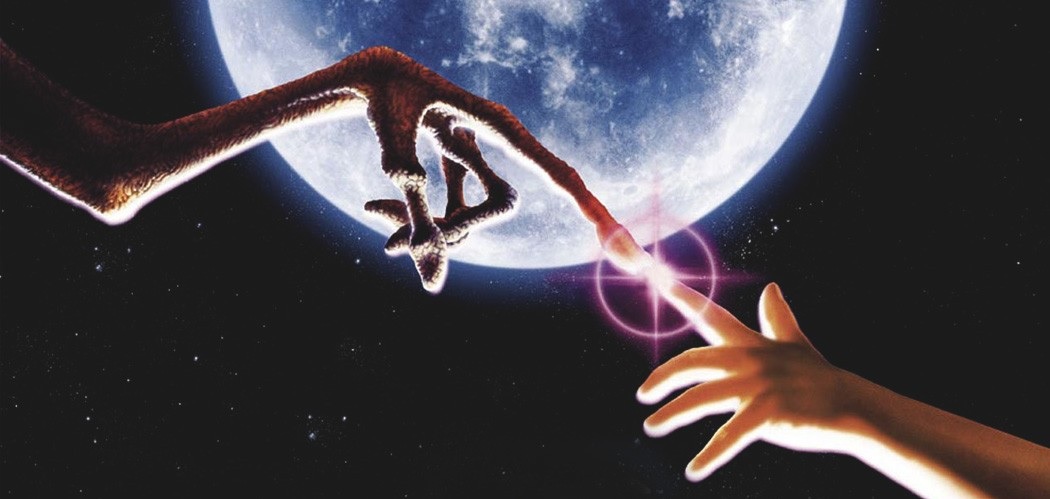
According to reports, Trish Chamberson, an official spokesperson from NASA has confirmed the existence of extraterrestrial life and has claimed that aliens have been visiting planet Earth for thousands of years. “There are so many films, documentaries and TV programs on aliens, that we thought everyone was aware of them by now,” she reportedly claimed.

During the two-hour briefing, Chamberson confirmed that a number of theories which had previously been dismissed as groundless speculation from fringe enthusiasts are actually grounded in reality. Chamberson made various sensational allegations in the course of the interview, claiming that the alien species known as the Greys have been visiting Earth for thousands of years and that they may have had a hand in the construction of mega structures such as the ancient pyramids of Giza and various other buildings dotted around the world.

aliens-3

Chamberson also alleged that NASA is in regular contact with no less than four different and entirely separate alien species from various locations in the galaxy. She claimed that all contact with the alien species have been amicable. While the aliens have raised no serious bone of contention with humanity, Chamberson has alleged that they have expressed concern about the proliferation and testing of nuclear weapons which has serious consequences not only for life on Earth but for races of peoples all over the galaxy.

aliens

However, Chamberson did stop short of confirming that aliens are responsible for the abductions of human beings. She said that the aliens are completely harmless, and their only interest in Earth relates to the planet’s natural resources.

Crazy, or what? There’s more.

Next page For More

Tagged : / /

People who always point out grammatical mistake of others are simply Jerks!

We all find grammar nazis irritating (unless you’re one of them). It isn’t fun being fun high alert around them. Psychological testing reveals they’re generally less open, and are also more likely to be judging you for your mistakes than everyone else. In other words, they’re exactly who you thought they were. That sounds pretty obvious, but this is actually the first time researchers have been able to show that a person’s personality traits can actually determine how they respond to typos and grammatical errors.

“This is the first study to show that the personality traits of listeners/readers have an effect on the interpretation of language,” said lead researcher Julie Boland from the University of Michigan. “In this experiment, we examined the social judgments that readers made about the writers.”

The researchers took 83 participants and asked them all to read email responses to an ad for a housemate, which either contained no errors or had been altered to include typos (e.g. “teh” instead of “the”) or grammatical mix-ups, such as too/to or it’s/its.

Those 83 people then judged the person who’d written the email based on their perceived intelligence, friendliness, and other attributes, such as how good they’d be as housemates. They were also asked at the end of the experiment whether or not they’d spotted any grammatical errors or typos in the emails, and, if so, how much it had bothered them.

The researchers then asked the participants to complete a Big Five personality assessment – which rates where they are on a scale of openness, agreeableness, extraversion/introversion, neuroticism, and conscientiousness – as well as answer questions about their age, background, and attitude towards language.

The differences picked up in the research were pretty subtle – and it’s a small sample size in general, so we need to take the results with a grain of salt – but the results couldn’t be explained by people’s age or education, which suggests that personality traits were playing a role.

What was found was that overall, everybody rated the fictional housemate applicants with typos and grammatical errors in their emails as worse than those with perfect spelling and grammar. But there were definitely certain personality types that judged the typo-riddled applicants more harshly. For example, extraverts were generally much more likely to overlook both grammar mix ups and typos, whereas introverts were more likely to judge the applicants negatively because of them.

People who tested as being more conscientious but less open were more sensitive to typos, while those with less agreeable personalities got more upset by grammatical errors. “Perhaps because less agreeable people are less tolerant of deviations from convention,” the researchers write. Interestingly, how neurotic someone was didn’t affect how they interpreted mistakes.

As a technology lover you may like our daily important technology news series. It’s a playlist and you can retrieve the total day-wise videos. Please consider subscribing our YouTube channel:

Author: Technology and Beyond

Tagged : / /

Nobody knows why these Two-Headed Sharks Keep Popping Up

Two-headed sharks, believe it or not, are popping up more often than ever. And we still don’t have an answer as to why that is!

A few years ago off Florida, fishermen hauled in a bull shark whose uterus contained a two-headed fetus. In 2008, another fisherman discovered a two-headed blue shark embryo in the Indian Ocean. And a 2011 study described conjoined twins discovered in blue sharks caught in the Gulf of California and northwestern Mexico. Blue sharks have produced the most recorded two-headed embryos because they carry so many babies—up to 50 at at time, says study leader Felipe Galván-Magaña, of the National Polytechnic Institute in Mexico.

Now, Spanish researchers have identified an embryo of an Atlantic sawtail catshark with two heads, according to a new study in the Journal of Fish Biology. The catshark embyro was not your average two-headed beast—it’s the first such specimen known from an oviparous shark species, or a shark that lays eggs.

Two-headed sharks have been few and far between, so it’s tough to know what’s behind the mutations. Wild sharks’ malformations could come from a variety of factors, including viral infections, metabolic disorders, pollution, or a dwindling gene pool due to overfishing, which leads to inbreeding, and thus genetic abnormalities.

Sans-Coma and colleagues say a genetic disorder seems to be the most plausible cause for the two-headed catshark, since the embryos were grown in a lab among nearly 800 specimens.

To the best of their knowledge, the eggs were not exposed to any infections, chemicals, or radiation.

Ehemann, a master’s student at the National Polytechnic Institute in Mexico, believes that if the two-headed fetuses are more prevalent in nature, then overfishing is a strong culprit as it may cause the gene pool to shrink.

For another recent study, marine scientist Nicolas Ehemann examined two such specimens: A smalleye smooth-hound shark and a blue shark, found by fishermen off Venezuela’s Margarita Island. The animals, which would not have survived, are the first two-headed sharks found in the Caribbean Sea, according to Ehemann’s research bulletin.

Galván-Magaña has seen other bizarre sharks, too, including a “cyclops” shark, caught off Mexico in 2011, with a single, functioning eye at the front of its head. The dusky shark fetus’s single eye is the hallmark of a congenital condition called cyclopia, which occurs in several animal species, including people.

He doesn’t think two-headed sharks are more common—but rather that there are more scientific journals around to publish accounts.

As a technology lover you may like our daily important technology news series. It’s a playlist and you can retrieve the total day-wise videos. Please consider subscribing our YouTube channel:

Author: Technology and Beyond
Tagged : / /

Believe it or not! You Can Now Upload Information to Your Brain Matrix Style!

In the neo-noir sci-fi classic, protagonist Neo is able to learn kung fu in seconds after the martial art is ‘uploaded’ straight to his brain. Researchers from HRL Laboratories, based in California, say they have found a way to amplify learning, only on a much smaller scale than seen in the Hollywood film.

Researchers claim to have developed a simulator which can feed information directly into a person’s brain and teach them new skills in a shorter amount of time, comparing it to “life imitating art”. They studied the electric signals in the brain of a trained pilot and then fed the data into novice subjects as they learned to pilot an aeroplane in a realistic flight simulator.

“Our system is one of the first of its kind. It’s a brain stimulation system,” explained Dr Matthew Phillips.

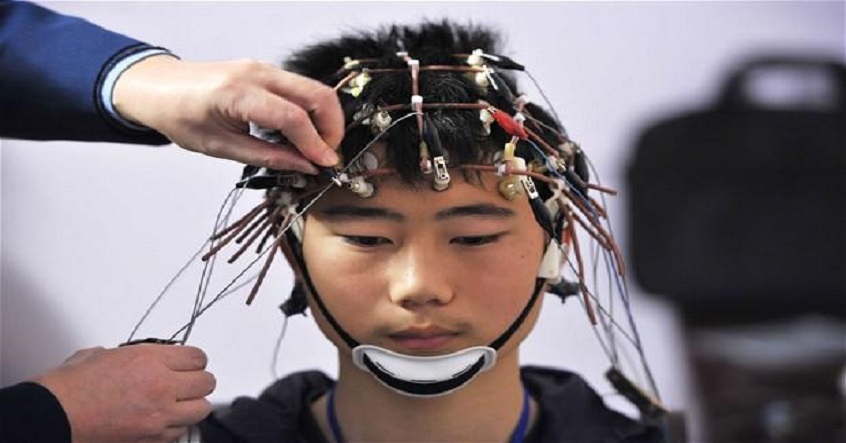
The study, published in the journal Frontiers in Human Neuroscience, found that subjects who received brain stimulation via electrode-embedded head caps improved their piloting abilities and learnt the task 33 per cent better than a placebo group.

“The specific task we were looking at was piloting an aircraft, which requires a synergy of both cognitive and motor performance.

“When you learn something, your brain physically changes. Connections are made and strengthened in a process called neuroplasticity.

“It turns out that certain functions of the brain, like speech and memory, are located in very specific regions of the brain, about the size of your pinky.”

“What our system does is it actually targets those changes to specific regions of the brain as you learn,” he added.

Dr Matthews believes that brain stimulation could eventually be implemented for tasks like learning to drive, exam preparation and language learning. “Your brain is going to be very different to my brain when we perform a task. What we found is … brain stimulation seems to be particularly effective at actually improving learning.”

“The method itself is actually quite old. In fact, the ancient Egyptians 4000 years ago used electric fish to stimulate and reduce pain. Even Ben Franklin applied currents to his head, but the rigorous, scientific investigation of these methods started in the early 2000s and we’re building on that research to target and personalise a stimulation in the most effective way possible.”

As a technology lover you may like our daily important technology news series. It’s a playlist and you can retrieve the total day-wise videos. Please consider subscribing our YouTube channel:

Author: Technology and Beyond

Tagged : /

Stunning but our Earth has lungs and you can watch them breathe.

We have 3.1 trillion trees on our planet—that’s 422 trees per person. hat’s the latest census, published a few months ago in the science journal Nature  by Yale’s Thomas Crowther, a Climate and Energy Institute postdoctoral fellow. If he’s right, there are more trees on Earth than there are stars in the Milky Way.

Now imagine how many leaves might be on all those trees. It’s a very big number. The University of Washington tried to come up with a leaf count for a “mature oak,” but oaks are so variable that they could only give us a range: 200,000 to half a million leaves per tree.

Come winter, the leaves fall off, trees go bare. Without leaves, trees go quiet. Any extra CO2 is more likely to hang in the atmosphere—until June.

There’s a video from NASA. When you see it, I think your jaw is going to drop—just a little. It tracks the flow of carbon dioxide across the planet over 12 months, starting in January. Most of the action takes place in the Northern Hemisphere because that’s where most of the land is, and so that’s where most of the trees are. The biggest temperate forests are in Canada, Siberia, and Scandinavia…

width="560" height="314" allowfullscreen="allowfullscreen">

The leaves absorb air and gobble carbon dioxide, and then, with help from the sun, the carbon stays in the tree (as branches, trunks). Oxygen gets released.

Come June, trillions upon trillions of leaves are opening, growing, and starting to breathe, and what you will see in the video is their collective breath literally cleaning the sky. This video begins in January, but keep watching till we hit June (then July, then August). It’s like the world’s northern forests become a giant vacuum cleaner, scouring the air, sucking down the CO2 till around November.

But, when leaves fall, the situation reverses … and it feels a little scary. Just watch the video; you’ll know.

If we look closely at any oak leaf or any leaf (or, for that matter, the surface of any green plant, even a blade of grass) with a magnifying glass. You’ll find little breathing tubes called stomata. That’s “mouth” in Greek, because, like mouths, they’re openings that allow outside air in. Think of them more like lungs, often with squeezable openings. That’s where the carbon dioxide gets in and the oxygen slips out.

Next Page For More

Tagged : / /

Lose weight steadily by consuming this before going to bed

The University of Denmark found that people who drink everyday have slimmer waistlines than those that don’t. Harvard’s weight gain study of 20,000 people revealed that out of all of those that gained a large amount of weight, none of them were drinkers.

Over the past year, our social media feeds have blown up on more than one occasion over claims that drinking wine at bedtime could help you drop a few pounds. We’ve also been told over and over that alcohol has no place in a weight loss program. Not only does it provide empty calories, studies confirm that “having a few” tends to zap your inhibition and make you order midnight cheese fries — a phenomenon known as the “drunchies.”

We’ve all read that red wine is a healthy part of the Mediterranean Diet — the one that helps you live longer and maintain an enviable BMI. Even lifestyle guru Tim Ferris claims that two glasses of wine before bed each night helped him achieve his ripped physique. And recent research in mice showed that resveratrol, an antioxidant in red wine, can help turn regular white fat into energy-burning beige fat, which can contribute to weight loss and prevent obesity.

While you can also get resveratrol in fruits, such as blueberries, lead author Min Du, PhD, professor in the Department of Animal Sciences at Washington State University, explains that the fermentation process of wine makes the antioxidant compounds easier to absorb, which can help accelerate the fat-burning process. Although Du didn’t specifically test the effect of giving resveratrol to the mice at night, he concedes that there might be a metabolic advantage of consuming wine in the wee hours.

When you drink wine with food — whether at lunch, dinner or with a late-night snack — the antioxidant compounds interact with protein in a way that prevents the body from metabolizing them for weight loss. When you consume resveratrol on its own, however, the body is able to absorb the compounds more readily, and thus maximize the burning of beige fat. That said, he stops short of endorsing an unaccompanied glass of bedtime wine as a diet strategy.

Next Page For More

Tagged : / /

Can You Guess How These Common Fruits and Veggies Looked Like before domestication?

The cry and protests against GMOs and artificial superfoods have cropped up in the past decade or so. In reality, our ancestors have been tweaking and changing the genetic makeup of the foods they grew since the start of agriculture.

While GMOs may involve splicing genes from other organisms (such as bacteria) to give plants desired traits – like resistance to pests, selective breeding is a slower process whereby farmers select and grow crops with those traits over time. Next time you bite into a slice of watermelon or a cob of corn, consider this: these familiar fruits and veggies didn’t always look and taste this way.

Wild bananas, for starters. The first bananas may have been cultivated at least 7,000 years ago – and possibly as early as 10,000 years ago – in what is now Papua New Guinea. They were also grown in Southeast Asia. Modern bananas came from two wild varieties, Musa acuminata and Musa balbisiana, which had large, hard seeds.

The hybrid produced the delicious modern banana, with its handy, graspable shape and peelable covering. Compared to its ancestor, the fruit has much smaller seeds, tastes better, and is packed with nutrients.

Wild Watermelons are depicted perfectly in this 17th-century painting by Giovanni Stanchi. The watermelon- a cross-section of the one in the painting- was made between 1645 and 1672. It appears to have swirly shapes embedded in six triangular pie-shaped pieces.

The modern version we are so familiar with have a red, fleshy interior – which is actually the placenta. Some people think the watermelon in Stanchi’s painting may just be unripe or unwatered, but the black seeds in the painting suggest that it was, in fact, ripe.

Wild carrots are next on the list. They might be good for our eyes, but you would have to be blind to not seen how drastically this vegetable has changed over the years.

The earliest known carrots were grown in the 10th century in Persia and Asia Minor. These were thought to originally be purple or white with a thin, forked root – like those shown here – but they lost their purple pigment and became a yellow colour. Farmers domesticated these thin, white roots, which had a strong flavor and biennial flower, into these large, tasty orange roots that are an annual winter crop- the ones we’re used to.

Next Page For More

Tagged : / /

The sun is disappearing, and you have only 9 months to prepare for it!

Aug. 21, 2017, “may turn out to be the most popular vacation-day request in history,” Michael E. Bakich writes in Discover magazine. Why? Because on that date — for the first time in 99 years — a total eclipse of the sun will be visible across the United States, from sea to temporarily-not-shining sea. Millions of Americans will be in easy driving distance of a spectacle that has been called indescribable, unforgettable, even life-altering. So better book your date and take your leave.

The sun will disappear for about 2½ minutes, beginning in Oregon about 10:15 a.m. local time; the phenomenon will move eastward, ending an hour and a half later in South Carolina. In between, the eclipse will be visible from Grand Teton and the Great Smoky Mountains national parks, from St. Louis and Kansas City and Charleston, S.C., and all points in between. Look around the Internet and you’ll see that hotels and campgrounds along the 50-to-70-mile-wide path of “totality” have been booking up since May.

Bakich has these suggestions:

Find friends who have a solar telescope and watch with them. (You’ll see sunspots, the irregular profile of the moon’s edge, a glimpse of Venus.)

During the eclipse, remember to tear your eyes away from the sun and turn around: In every direction, you’ll see the painterly colors of a 360-degree sunset.

Get eclipse glasses — for just a few dollars you can get lenses made with optical Mylar, or #14 welder’s glass.

The last time a total eclipse was visible coast to coast was June 8, 1918, and it was front-page news nationwide. Everyone in the lower forty-eight will be able to see at least a partial eclipse — unless you’re under cloudy skies, where the sky will just grow darker. But as many passionate bloggers are pointing out, if you want to see it all, get a map and find yourself a spot where the eclipse will be total.

“Likening a partial eclipse to a total eclipse is like comparing almost dying to dying.” writes a grim blogger.

Try and choose the best spot. Close’ is NOT close enough!’ ” warns one site: “Just as the person who only smells the meal outside the steakhouse remains hungry, so too do those who observe the eclipse from outside the path of totality end the day wondering what, indeed, all the fuss was about.”

In “Plan Now for the 2017 Eclipse,” Bakich — a senior editor at Astronomy magazine — takes very seriously the idea that if you don’t plan ahead, you could miss out on a once-in-a-lifetime opportunity.

As a technology lover you may like our daily important technology news series. It’s a playlist and you can retrieve the total day-wise videos. Please consider subscribing our YouTube channel:

Author: Technology and Beyond

Tagged : /

Scientists reveal a secret, if you’re always late, you’re likely to be more creative than others

How many times have you tried to be on time before just conceding that “you just are this way”? If you’re a tidsoptimist, Science has something positive to say about you: this is probably because you are more creative.

Not just that, a scientific research shows that people who are late tend to be more optimistic, good at multitasking and more hopeful. It makes them bad time estimators, but for the long run, it proves very beneficial for them.

Feel better already? You’re better of shrugging away your boss’ angry glares.

Another research conducted by San Diego State University professes that lateness is associated with Type B people (people who are laid back, more easy going, not that stubborn and very adaptive to surroundings). In short, these kinds of people see the bigger picture in everyday things and don’t fret over smaller things in life.

Diana DeLonzor, the author of “Never be a Late Again”, and a Managerial Consultant says that, “Most late people have been late all their life, and they are late for every type of activity — good or bad.”

“Surprisingly little scientific research has been done on tardiness, but some experts subscribe to the theory that certain people are hardwired to be late and that part of the problem may be embedded deep in the lobes of the brain.”

Why isn’t that nice? You being late is nothing but a result of your psychology and personality.

As a technology lover you may like our daily important technology news series. It’s a playlist and you can retrieve the total day-wise videos. Please consider subscribing our YouTube channel:

Author: Technology and Beyond
Tagged : /

Cure at last! New Alzheimer’s Treatment Restores Memory Function Perfectly!

Alzheimer’s is a disease that affects 343,000 people in Australia, and 50 million worldwide. And as we don’t have any kind of vaccine or preventative measure to cure to stop it, it has been a race to to figure out how best to treat it. Publishing in Science Translational Medicine, a team from Queensland Brain Institute (QBI) at the University of Queensland have come up with a pretty promising solution.

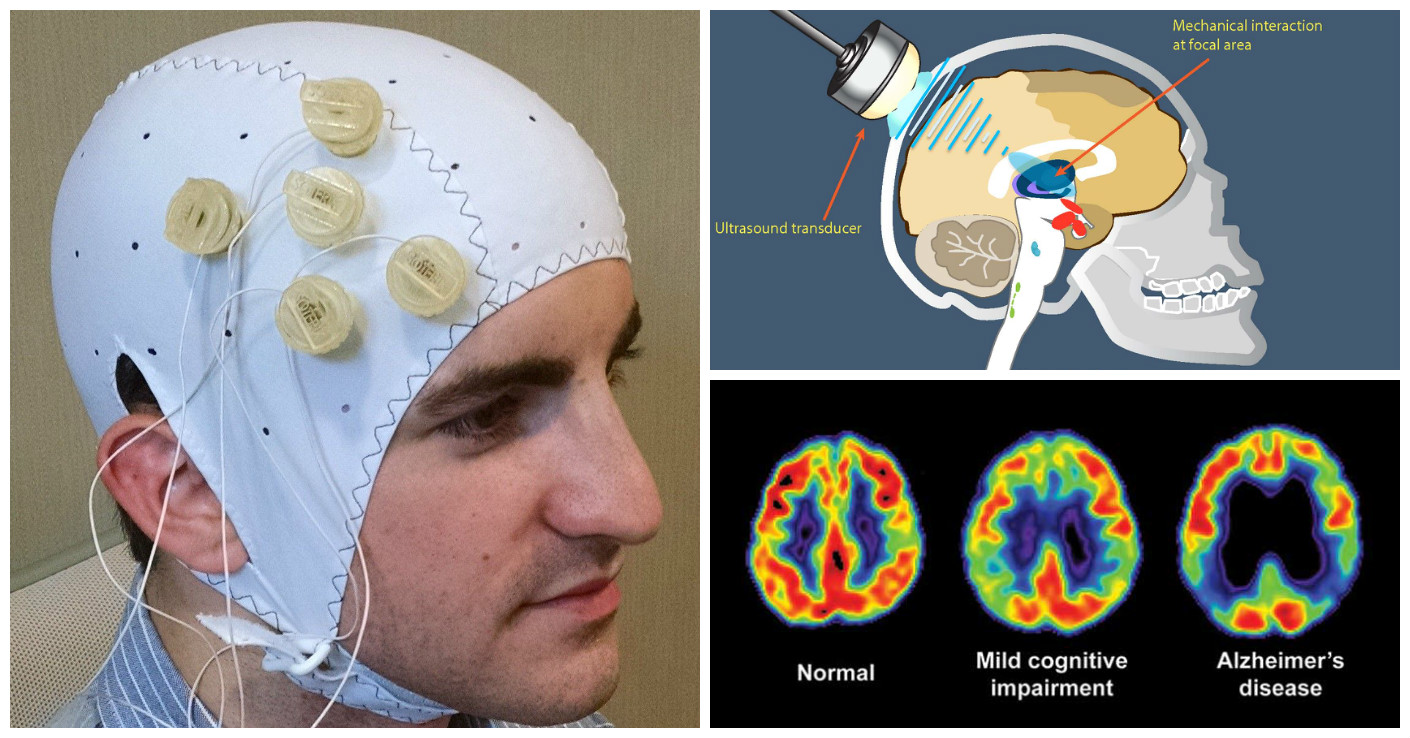
These Australian researchers have come up with a non-invasive ultrasound technology that clears the brain of neurotoxic amyloid plaques – structures that are responsible for memory loss and a decline in cognitive function in Alzheimer’s patients.

If a person has Alzheimer’s disease, it’s usually the result of a build-up of two types of lesions – amyloid plaques, and neurofibrillary tangles. Amyloid plaques sit between the neurons and end up as dense clusters of beta-amyloid molecules, a sticky type of protein that clumps together and forms plaques. And neurofibrillary tangles are found inside the neurons of the brain, and they’re caused by defective tau proteins that clump up into a thick, insoluble mass. This causes tiny filaments called microtubules to get all twisted, which disrupts the transportation of essential materials such as nutrients and organelles along them.

The team describes the technique as using a particular type of ultrasound called a focused therapeutic ultrasound, which non-invasively beams sound waves into the brain tissue. By oscillating super-fast, these sound waves are able to gently open up the blood-brain barrier, which is a layer that protects the brain against bacteria, and stimulate the brain’s microglial cells to activate. Microglial cells are basically waste-removal cells, so they’re able to clear out the toxic beta-amyloid clumps that are responsible for the worst symptoms of Alzheimer’s.

“We’re extremely excited by this innovation of treating Alzheimer’s without using drug therapeutics,” one of the team, Jürgen Götz, said in a press release. “The word ‘breakthrough’ is often misused, but in this case I think this really does fundamentally change our understanding of how to treat this disease, and I foresee a great future for this approach.”

The team reports fully restoring the memory function of 75 percent of the mice they tested it on, with zero damage to the surrounding brain tissue. The team says they’re planning on starting trials with higher animal models, such as sheep, and hope to get their human trials underway in 2017.

hey found that the treated mice displayed improved performance in three memory tasks – a maze, a test to get them to recognise new objects, and one to get them to remember the places they should avoid.

As a technology lover you may like our daily important technology news series. It’s a playlist and you can retrieve the total day-wise videos. Please consider subscribing our YouTube channel:

Author: Technology and Beyond

Tagged : / /

Why you shouldn’t bother to buy so-called organic foods!

This guy goes out of his way to avoid organic food every single time. He lays out his argument on the basis of three seriously considered factors:

  1. Informed confidence that we are safe buying “conventional” foods
  2. Recognizing that some of the best farming practices from an environmental perspective are not always allowed or practical under the organic rules
  3. An ethical problem with the tactics that some organic advocates and marketers employ which seriously misrepresents their “conventional” competition.

He goes on further to explain that for the last forty years, he and his wife have shared the shopping and cooking for their mostly home-based meals. They have always gardened, but also bought much of their fruit- and vegetable-rich diet from stores.

“I was a child of the generation influenced by “Silent Spring.” I was a dues-paying member of the Wilderness Society in high school. I grew up helping my beloved grandfather in his organic garden in the 1960s.  Some of our best friends in the late 1970s were pioneers in the development of the commercial organic industry. I’ve spent a significant proportion of my career developing biological and natural product-based pesticides which are applicable to organic. I fully appreciate the contribution that the organic movement made in the early 20th century when it highlighted the importance of fostering soil health. My problems with institutional organic are not at all about its founding ideals or about organic farmers, but rather about organic’s self-imposed limitations and about the ethics of a subset of its promoters.” he says.

Many consumers believe that the Organic label means the food has superior nutrition and is safer, especially in regard to pesticide residues.  This is not true. Studies have shown no appreciable difference in nutrition between crops grown either organically or conventionally.

The USDA, which oversees the foods labeled as “Certified Organic”, states quite clearly on its website about its role in organic,  that “Our regulations do not address food safety or nutrition.”  Foods labelled “Certified Organic” must adhere to certain rules and regulations but aren’t endowed with any particular nutritional or safety features.

Next Page For More

Tagged : /

Surprising Discovery : Scientists Amazed To Find Oldest-Known Planetary Disk

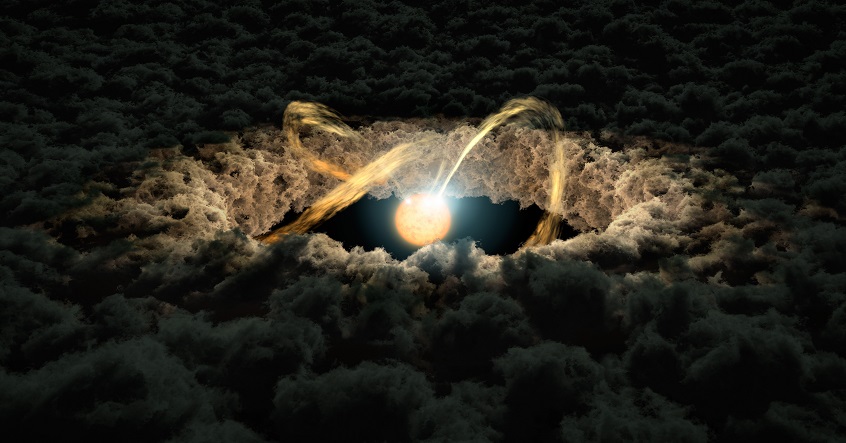
Astronomers believe they have found the oldest known planet-forming disk — a 45-million-year-old ring of gas and dust that orbits around a young star.

Circumstellar disks around red dwarfs like this one are rare to begin with, but this star, called AWI0005x3s, appears to have sustained its disk for an exceptionally long time, according to the study published in The Astrophysical Journal Letters.

“Most disks of this kind fade away in less than 30 million years,” said lead researcher Steven Silverberg from University of Oklahoma in the US.

“This particular red dwarf is a candidate member of the Carina stellar association, which would make it around 45 million years old (like the rest of the stars in that group). It’s the oldest red dwarf system with a disk we’ve seen in one of these associations,” Silverberg noted.

The discovery relied on citizen scientists from Disk Detective, a project led by NASA’s Goddard Space Flight Center’s Marc Kuchner that is designed to find new circumstellar disks.

“Without the help of the citizen scientists examining these objects and finding the good ones, we might never have spotted this object,” Kuchner said.

“It is surprising to see a circumstellar disk around a star that may be 45 million years old, because we normally expect these disks to dissipate within a few million years,” one of the researchers Jonathan Gagne from Carnegie Institution for Science said.

“More observations will be needed to determine whether the star is really as old as we suspect, and if it turns out to be, it will certainly become a benchmark system to understand the lifetime of disks,” Gagne noted.

This star and its disk are also interesting because of the possibility that it could host extrasolar planets, the study said.

As a technology lover you may like our daily important technology news series. It’s a playlist and you can retrieve the total day-wise videos. Please consider subscribing our YouTube channel:

Author: Technology and Beyond

Tagged : /
Verified by ExactMetrics