Soya Chunks: The Meatless Marvel And Its 8 Amazing Benefits

Soya Chunks: The Meatless Marvel And Its 8 Amazing Benefits
Soya chunks, also known as textured vegetable protein (TVP), have emerged as a popular meat alternative for vegetarians and vegans alike. But their appeal goes beyond just being a meat substitute. These little nuggets pack a powerful punch of nutrients, making them a valuable addition to any diet.

1. Protein Powerhouse: Soya chunks are champions of protein, containing around 50% protein by weight. This is more than double the amount found in tofu and even rivals that of lean beef. Protein is essential for building and repairing tissues, keeping you feeling full and energized, and supporting a healthy metabolism.

2. Low-fat and Fabulous: Unlike fatty meats, soya chunks are naturally low in fat, making them a heart-friendly choice. They’re also cholesterol-free, further adding to their cardiovascular benefits. So, indulge in your favorite soya curry or stir-fry without worrying about piling on unhealthy fats.

3. Fiber Fiesta: Soya chunks are a treasure trove of dietary fiber, essential for gut health and digestion. Fiber keeps you feeling full and prevents blood sugar spikes, making it a friend for weight management and diabetes control.

4. Calcium Craze: Soya chunks are a rich source of calcium, a mineral crucial for strong bones and teeth. This is particularly beneficial for vegans and people with lactose intolerance who might struggle to meet their daily calcium needs.
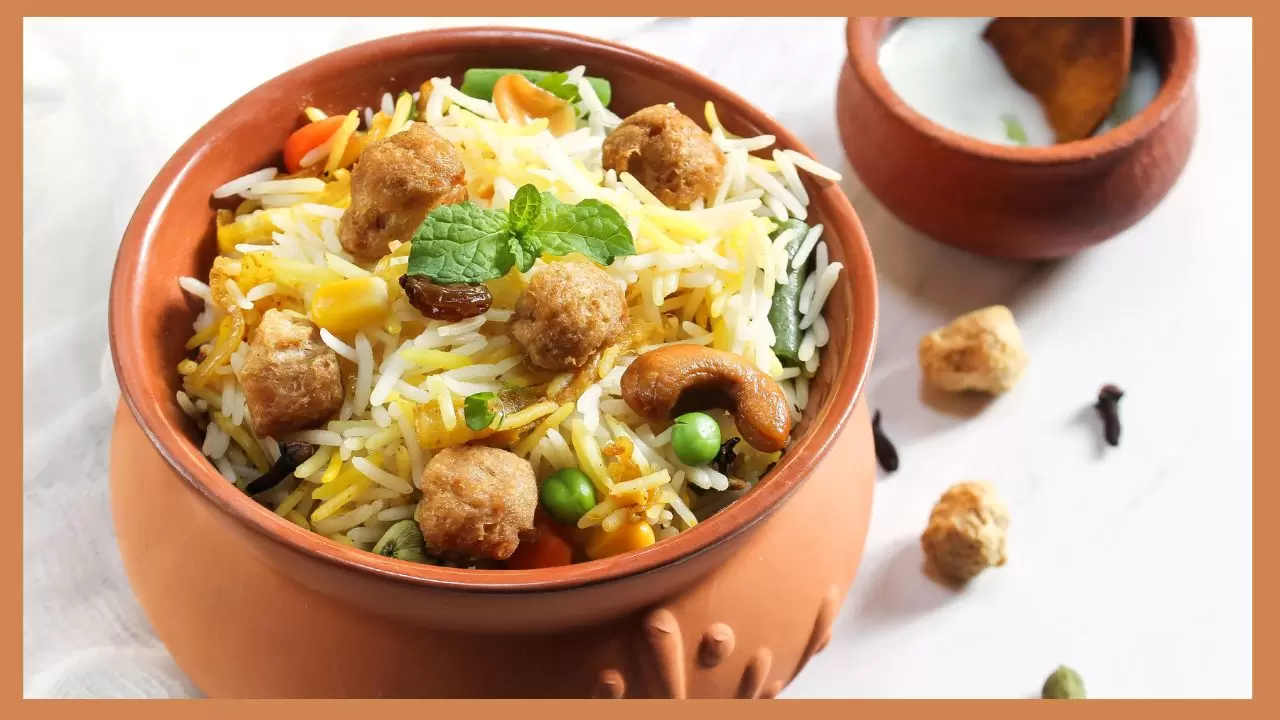
Soya 1

5. Magnesium Magic: Soya chunks are also a good source of magnesium, a mineral involved in over 300 biochemical reactions in the body. Magnesium plays a vital role in muscle function, energy production, and mood regulation.

6. Iron Inspiration: Feeling tired and sluggish? Soya chunks might be the answer. They’re a good source of iron, which helps transport oxygen throughout the body, combating fatigue and anemia.

7. Phytoestrogen Flair: Soya chunks contain phytoestrogens, plant-based compounds with estrogen-like effects. These may help balance hormones, alleviate menopausal symptoms, and even reduce the risk of certain cancers.

8. Versatile and Delicious: Soya chunks are incredibly versatile in the kitchen. They can be minced, crumbled, or chopped to mimic the texture of ground meat, making them perfect for curries, bolognese, tacos, and even kebabs. Their bland flavor readily absorbs the spices and sauces you cook them in, making them a culinary chameleon.

So, next time you’re looking for a healthy, protein-packed, and versatile ingredient, give soya chunks a try. Your body and taste buds will thank you!

Remember, moderation is key. While soya chunks offer a multitude of health benefits, it’s important to consume them in moderation as part of a balanced diet.

Tagged : / / / /

India’s Culinary Gem Paratha Is World’s 4th Most Popular Street Food

India’s Culinary Gem Paratha Is World’s 4th Most Popular Street Food
Paratha, a versatile and delectable flatbread from India, has recently garnered international acclaim by securing the fourth position in a global ranking of street foods. The Indian roti and its many packed varieties, which are affectionately known as parathas in our home, were ranked fourth on Taste Atlas’s list of the most popular street foods worldwide. This culinary masterpiece, relished across the country, has captivated taste buds worldwide with its simplicity, adaptability, and delectable flavors.

The paratha’s origins can be traced back to ancient India, where it was a staple food among various communities. Over time, the paratha evolved into a culinary canvas, embracing a myriad of regional variations and fillings. From the classic potato-stuffed aloo paratha to the aromatic paneer paratha, each variation showcases the ingenuity and culinary diversity of India’s culinary landscape.

The preparation of a paratha is an art form in itself. Kneaded dough is flattened into a disc, then stuffed with a delectable filling, ranging from spiced potatoes to grated cauliflower. The paratha is then skillfully cooked on a hot griddle, resulting in a crispy exterior that yields to a soft, flavorful interior.

Parathas are often served alongside a dollop of creamy yogurt, a tangy chutney, or a zesty pickle, creating a symphony of flavors that tantalize the palate. Whether enjoyed as a hearty street food or a comforting home-cooked meal, parathas embody the essence of Indian cuisine – simple, flavorful, and deeply satisfying.

The paratha’s global recognition is a testament to its enduring appeal and the culinary prowess of India. As it continues to tantalize taste buds worldwide, the paratha stands as a symbol of India’s rich culinary heritage and its ability to captivate the world with its simple yet exquisite flavors.

Tagged : / / / / / /

Did you Know This One Simple Trick To Peel Your Boiled Eggs In A Super Easy Way?

Did you Know This One Simple Trick To Peel Your Boiled Eggs In A Super Easy Way?
In addition to being a key component of recipes like deviled eggs and tuna salad, boiled eggs are a tasty snack on their own. However you choose to utilise boiled eggs, you’ll know that getting the shell off might be a pain. We’ve all had to deal with hard-boiled eggs that take forever to peel, or worse, sections of the egg that come off with little pieces of shell that are thrown away. There are several kitchen tips to make peeling hard-boiled eggs simpler – like adding a dab of oil to the boiling saucepan.

Although the old adage holds that oil and water do not mix, this trick for peeling eggs doesn’t require that. How does it function, then? Oil can easily seep through the porous shell of an egg. This is where all the magic occurs: The oil helps to loosen the bond between the shell and membrane, allowing you to easily remove the egg from the shell.

Using Oil to Achieve Perfectly Poached Eggs
One tablespoon of oil is all you need for this hack to work. It does not appear to make a difference whether you use avocado, canola, olive, or any other sort of oil, so feel free to use whatever you have on hand. If you want to avoid wasting your expensive olive oil or truffle oil, you shouldn’t use it to boil the eggs.

Start by heating a saucepan of water with the oil. Carefully drop the eggs into the boiling water when the time comes, so as not to break any shells. Whether you want your eggs soft-boiled (after two to three minutes of boiling) or hard-boiled (after ten to thirteen minutes of boiling), you probably have your own preferred way of boiling them. After the eggs have been cooked to your liking, peel them no matter which boiling method you use. We recommend tapping the base of the egg on the counter until the membrane separates, then using your finger to peel the egg from the top. By using this method, you can grab onto the membrane and pull the shell off in almost one piece.

Tagged : / / /

Do You Need To Wash Rice Before Cooking? Why Or Why Not?

Do You Need To Wash Rice Before Cooking? Why Or Why Not?
The humble rice, a staple in many cultures worldwide, is often accompanied by a pre-cooking ritual: washing. But is this step truly necessary, or is it a time-consuming tradition better left behind? Let’s delve into the science behind rice washing to uncover the answer.

The Starch Factor

Rice, particularly short-grain varieties, contains a layer of starch on its surface. This starch, when released during cooking, can lead to a sticky, gummy texture in the cooked rice. Washing rice removes excess starch, resulting in fluffier, separated grains. This is particularly important for dishes like basmati rice or Japanese sushi rice, where distinct grains are desired.

Arsenic Reduction

Rice can contain trace amounts of arsenic, a naturally occurring element found in some soils. While the levels are generally low, washing rice can remove up to 50% of inorganic arsenic, the form most concerning for human health.

Nutritional Considerations

Washing rice does remove some water-soluble nutrients, such as vitamin B1 and iron. However, these losses are minimal, especially if the rice is cooked in the starchy water it is rinsed in. Additionally, many modern rice varieties are fortified with these nutrients.

To Wash or Not to Wash?

The decision of whether or not to wash rice depends on personal preference and the desired outcome. For dishes where fluffy, separated grains are preferred, washing is recommended. However, for dishes that require a sticky texture, like risotto or rice pudding, washing is not necessary.

The Science Speaks

Studies have shown that washing rice does reduce starch content and can remove a portion of inorganic arsenic. However, it also removes some water-soluble nutrients. The nutritional significance of these losses is debatable, especially given modern fortification practices.

The Culinary Verdict

Ultimately, the decision of whether or not to wash rice is a personal one. If you prefer fluffier rice, give it a rinse. But if you’re a fan of sticky rice or concerned about nutrient loss, feel free to skip this step.

Tagged : / / / /

Is Peanut Oil Really Healthy? Read on to Find the Truth

Is Peanut Oil Really Healthy? Read on to Find the Truth
Peanut oil, a common cooking oil derived from peanuts, has long been debated for its health implications. While some hail it as a heart-healthy option, others raise concerns about its potential drawbacks. Let’s delve into the facts and uncover the truth behind peanut oil’s health status.

Peanut Oil: A Nutritional Snapshot

Peanut oil is predominantly composed of unsaturated fats, with about 50% monounsaturated fats and 30% polyunsaturated fats. Monounsaturated fats, like those found in olive oil, are considered “good” fats, as they may help lower LDL (bad) cholesterol and raise HDL (good) cholesterol. Polyunsaturated fats, including omega-6 and omega-3 fatty acids, are also essential for various bodily functions.

Potential Health Benefits of Peanut Oil

Heart Health: Peanut oil’s high content of monounsaturated fats may help reduce the risk of heart disease by lowering LDL cholesterol levels and increasing HDL cholesterol levels.

Blood Sugar Control: Studies suggest that peanut oil may improve insulin sensitivity and blood sugar control in individuals with type 2 diabetes.

Antioxidant Properties: Peanut oil is a rich source of vitamin E, a potent antioxidant that helps protect cells from damage caused by free radicals. This may reduce the risk of chronic diseases like heart disease and cancer.

Peanut 1

Potential Drawbacks of Peanut Oil

High Omega-6 Content: Peanut oil contains a high ratio of omega-6 fatty acids to omega-3 fatty acids. An imbalance in these fatty acids may increase inflammation and contribute to chronic diseases.

Refining Process Concerns: Peanut oil is often refined, which involves high heat and chemicals. This process may alter the oil’s nutritional profile and produce harmful compounds.

So, Is Peanut Oil Healthy?

The answer lies in moderation and balance. Peanut oil, in its unrefined form, can be part of a healthy diet due to its monounsaturated fats and vitamin E content. However, it’s crucial to limit overall fat intake and ensure a balance of omega-6 and omega-3 fatty acids in your diet.

Tips for Healthy Peanut Oil Consumption

  • Choose unrefined or cold-pressed peanut oil: This retains more of the oil’s natural nutrients.
  • Use peanut oil for high-heat cooking: It has a high smoke point, making it suitable for stir-frying and deep-frying.
  • Balance omega-3 intake: Include sources of omega-3 fatty acids, like fatty fish, flaxseeds, and walnuts, in your diet.
  • Moderate overall fat consumption: Consume fats in moderation, regardless of their type.

Remember, a healthy diet encompasses a variety of nutrient-rich foods, not just a single oil. Consult a healthcare professional or registered dietitian for personalized dietary advice.

Tagged : / / /

Amla In Winters : 7 Ways To Include This Vitamin C Powerhouse In Your Diet

Amla In Winters : 7 Ways To Include This Vitamin C Powerhouse In Your Diet
The Indian gooseberry, also known as amla, is a nutrient-rich fruit with a sour taste that is commonly used in Ayurvedic medicine. It is a valuable source of vitamin C, vitamin A, fiber, and antioxidants, making it a powerful addition to your daily diet. Here are five ways you can incorporate amla into your meals and reap its many health benefits:

1. Amla Juice
Amla juice is a refreshing and invigorating way to kickstart your morning. Simply extract the juice from fresh amlas and consume it on an empty stomach. You can also dilute the juice with water or add a touch of honey to balance the sourness.

2. Amla Smoothies
Blend amla with your favorite fruits, yogurt, and plant-based milk to create a nutrient-packed smoothie. The tartness of amla adds a unique flavor profile while providing a boost of vitamin C and other essential nutrients.

3. Amla Murabba
Amla murabba is a sweet and tangy preserve made from amlas cooked with sugar and spices. It’s a delicious and traditional way to consume amla, often enjoyed as an afternoon snack or after meals.

Dried Amla Murabba

4. Add Amla to Curries and Dals
Amla powder can be added to curries and dals to enhance their flavor and nutritional value. The tartness of amla balances the richness of the dishes while providing a boost of vitamin C and antioxidants.

5. Amla Chutney
Amla chutney is a spicy and flavorful condiment that pairs well with Indian dishes. It’s made by blending amlas with spices, such as ginger, garlic, and cumin, resulting in a tangy and spicy relish.

6. Amla Candies
Amla candies are a delicious and nutritious way to enjoy the benefits of amla. They are made by coating amla pieces with sugar syrup, creating a sweet and tangy treat that is both enjoyable and beneficial for your health. Amla candies are a good source of vitamin C, which helps boost immunity and protect against cell damage. They are also a good source of fiber, which aids in digestion and promotes overall gut health.

Amla Candy Scaled 1

7. Amla Pickle
Amla pickle is a savory and tangy condiment that is made by pickling amla in a mixture of spices, such as mustard seeds, turmeric, and chili powder. Amla pickle is a popular side dish in Indian cuisine and is often enjoyed with rice, roti, or paratha. It is a good source of vitamin C, fiber, and antioxidants. Amla pickle also contains probiotics, which are beneficial bacteria that promote gut health.

By incorporating amla into your daily diet, you can reap a multitude of health benefits, including improved immunity, better digestion, and enhanced skin health. So, embrace the sourness of amla and experience its transformative power on your overall well-being.

Tagged : / / / / /

8 Everyday Vegetables That Are Not Of Indian Origin

8 Everyday Vegetables That Are Not Of Indian Origin
Indian cuisine is known for its rich flavors and diverse range of vegetarian dishes. However, many of the vegetables that are now staples of Indian cuisine were actually introduced to the country from other parts of the world.

Here are 10 vegetables that are not of Indian origin:

1. Potatoes: Potatoes are a staple food in many Indian dishes, but they are actually native to the Andes region of South America. Potatoes were introduced to India by the Portuguese in the 16th century and quickly became popular due to their high nutritional value and versatility.

2. Tomatoes: Tomatoes are another essential ingredient in Indian cooking, but they are also not native to India. Tomatoes originated in Central and South America and were introduced to India by the Portuguese in the 16th century.

3. Chillies: Chillies are another popular ingredient in Indian cuisine, but they are actually native to the Americas. Chillies were introduced to India by the Portuguese in the 16th century and quickly became popular due to their unique flavor and aroma.

Vegggies 1

4. Okra: Okra is a versatile vegetable that is used in many Indian dishes. However, okra is actually native to Africa and was introduced to India by the Arabs in the 13th century.

5. Cauliflower: Cauliflower is a popular vegetable in Indian cuisine, but it is actually native to the Mediterranean region. Cauliflower was introduced to India by the Portuguese in the 16th century.

6. Cabbage: Cabbage is another popular vegetable in Indian cuisine, but it is actually native to Europe and Asia. Cabbage was introduced to India by the Portuguese in the 16th century.

7. Corn: Corn is a popular vegetable in Indian cuisine, but it is actually native to Mesoamerica. Corn was introduced to India by the Portuguese in the 16th century.

Vegggies 2

8. Carrots: Carrots are a popular vegetable in Indian cuisine, but they are actually native to Afghanistan. Carrots were introduced to India by the Mughals in the 16th century.

How did these vegetables become so popular in India?

There are a few reasons why these vegetables became so popular in India. First, many of these vegetables were introduced to India during colonial times. The Portuguese, British, and Mughals all brought new vegetables to India, which were then adopted by the local population.

Second, many of these vegetables are well-suited to the Indian climate. For example, potatoes, tomatoes, and chillies are all heat-tolerant crops that can be grown in many parts of India.

Third, many of these vegetables are versatile and can be used in a variety of dishes. For example, potatoes can be used to make curries, fries, and samosas. Tomatoes can be used to make curries, sauces, and chutneys. Chillies can be used to add flavor to curries, vegetables, and rice dishes.

Tagged : / / / / /

5 Cooking Oils You Should Never Use In Your Kitchen

5 Cooking Oils You Should Never Use In Your Kitchen
Cooking oils are an essential part of many cuisines, but not all cooking oils are created equal. Some cooking oils are actually quite unhealthy and can have a negative impact on your health.

Here are 5 cooking oils which you should never use:

1. Soybean oil

Soybean oil is one of the most common cooking oils in the world, but it is also one of the unhealthiest. Soybean oil is high in omega-6 fatty acids, which have been linked to inflammation and other health problems. Soybean oil is also often processed with hexane, a harmful solvent.

2. Cottonseed oil

This oil is one of the main ingredients of packed food items. Chips, canned foods, packaged foods have this oil as a major ingredient. This oil comes from the cotton crop which is heavily sprayed with chemicals all around the world. Cotton crops have large traces of chemicals like naled, propargite, dicofil, cyanide and triflularalin. These chemicals seep into the plants and its parts and hence the oil too which becomes toxic.

Organic Cottonseed Oil

3. Canola oil

Canola oil is a type of rapeseed oil that has been genetically modified. Canola oil is high in omega-6 fatty acids and is also often processed with hexane.

4. Vegetable oil

Vegetable oil is a generic term for a variety of different cooking oils, including soybean oil, corn oil, canola oil, and sunflower oil. Vegetable oil is often highly processed and contains unhealthy fats.

5. Sunflower oil

Sunflower oil is high in omega-6 fatty acids and is also often processed with hexane.

These oils are all high in omega-6 fatty acids, which can promote inflammation and lead to a number of health problems, including heart disease, stroke, arthritis, and cancer.

In addition, these oils are often processed with hexane, a harmful solvent that can damage the nervous system.

1

It is important to note that not all fats are created equal. Some fats, such as saturated and trans fats, are unhealthy and should be limited in the diet. However, other fats, such as monounsaturated and polyunsaturated fats, are healthy and essential for good health.

Here are some healthy cooking oils that you can use instead of the unhealthy oils listed above:

  • Olive oil
  • Avocado oil
  • Coconut oil
  • Ghee
  • Butter

    These oils are all low in omega-6 fatty acids and high in healthy fats. They are also less likely to be processed with hexane.

When choosing a cooking oil, it is important to consider the smoke point. The smoke point is the temperature at which the oil starts to smoke and break down. When an oil breaks down, it releases harmful free radicals.

Gettyimages 1206682746

It is important to choose a cooking oil with a smoke point that is higher than the cooking temperature you will be using. For example, if you are frying food, you will need to use an oil with a high smoke point, such as avocado oil.

If you are looking for a healthy and delicious cooking oil, choose one of the oils listed above. These oils are good for your health and will help you to prepare delicious meals.

Tagged : / / / / /

4 Homemade Drinks For stronger Bones

4 Homemade Drinks For stronger Bones
Strong bones are essential for good health and well-being. They provide support and structure for our bodies, and they help us move easily. As we age, our bones naturally lose density, which can lead to osteoporosis, a condition that makes bones weak and brittle.

There are many things you can do to keep your bones strong, including eating a healthy diet, getting regular exercise, and avoiding smoking. You can also boost your bone health by drinking homemade beverages that are rich in calcium and other bone-building nutrients.

Here are a few recipes for homemade drinks that are good for your bones:

1. Green smoothie

Green smoothies are a great way to get a boost of calcium, vitamin K, and other nutrients that are good for your bones. To make a simple green smoothie, combine the following ingredients in a blender:

Green Juice Recipe 007

1 cup leafy greens, such as spinach, kale, or collard greens
1 banana
1 avocado
1 cup yogurt
1 cup milk
Blend until smooth and enjoy!

2. Turmeric latte

Turmeric is a spice that has anti-inflammatory and antioxidant properties. It has also been shown to boost bone health. To make a turmeric latte, combine the following ingredients in a saucepan:

Turmeric Latte 4

1 cup milk
1 teaspoon turmeric
1/4 teaspoon black pepper
1/4 teaspoon ground ginger
1/4 teaspoon cinnamon
Honey to taste
Heat the mixture over medium heat until it is steaming. Pour into a mug and enjoy!

3. Chia seed drink

Chia seeds are a good source of calcium, fiber, and omega-3 fatty acids. To make a chia seed drink, combine the following ingredients in a glass:

Chia

2 tablespoons chia seeds
1 cup milk
1/4 teaspoon vanilla extract
Honey or maple syrup to taste
Stir well and let sit for 10 minutes, until the chia seeds have softened. Enjoy!

4. Sesame milk

Sesame seeds are a good source of calcium and magnesium. To make sesame milk, combine the following ingredients in a blender:

Sesame

1/2 cup sesame seeds
4 cups water
1/4 teaspoon vanilla extract
Honey or maple syrup to taste
Blend until smooth and strain. Enjoy!

These are just a few recipes for homemade drinks that are good for your bones. By including these drinks in your diet, you can help to keep your bones strong and healthy for years to come.

Here are some additional tips for boosting your bone health:

  • Eat a diet that is rich in calcium, vitamin D, and other bone-building nutrients : Good sources of calcium include dairy products, leafy green vegetables, and fortified foods. Good sources of vitamin D include sunlight, fatty fish, and fortified foods.
  • Get regular exercise : Weight-bearing exercises, such as walking, running, and dancing, are especially good for your bones.
  • Avoid smoking and excessive alcohol consumption.
  • Get enough sleep : Sleep is essential for bone health.

    If you are concerned about your bone health, talk to your doctor. They can assess your risk factors and recommend ways to keep your bones strong.

Tagged : / / / / /

Why Millets Are The Best Food For You And The Easy Ways To Include Them In Your Diet

Why Millets Are The Best Food For You And The Easy Ways To Include Them In Your Diet
Millets are a group of small-seeded grasses that have been cultivated for thousands of years. They are a good source of protein, fiber, vitamins, and minerals. Millets are also gluten-free, making them a good choice for people with celiac disease or gluten intolerance.

Health benefits of millets

Millets have a number of potential health benefits, including:

1. Lowering blood sugar levels: Millets have a low glycemic index (GI), meaning that they don’t cause blood sugar levels to spike after eating. This makes them a good choice for people with diabetes or prediabetes.

2. Reducing cholesterol levels: Millets contain soluble fiber, which can help to reduce cholesterol levels.

3. Promoting weight loss: Millets are low in calories and high in fiber, making them a good food for people trying to lose weight.

Millets 1

4. Improving gut health: Millets contain prebiotics, which are fibers that feed the good bacteria in the gut. A healthy gut microbiome is important for overall health and well-being.

5. Reducing inflammation: Millets contain antioxidants and other compounds that can help to reduce inflammation throughout the body.

6. Preventing chronic diseases: Millets have been linked to a reduced risk of chronic diseases such as heart disease, stroke, type 2 diabetes, and some types of cancer.

How to include millets in your diet?

There are many ways to include millets in your diet. Here are a few ideas:

Breakfast: Start your day with a nutritious millet breakfast, such as millet porridge, millet idlis, or millet pancakes.
Lunch: Millet roti, millet khichdi, and millet salads are all great options for a healthy lunch.
Dinner: Millet can be used to make a variety of main dishes, such as millet biryani, millet pulao, and millet lasagna.
Snacks: Millet snacks, such as millet chikki, millet ladoo, and millet popcorn, are a healthy and delicious way to snack.

Tagged : / / / / / /

Is Okra Good For Your Health? What Is Its Nutritional Value and Health Benefits?

Is Okra Good For Your Health? What Is Its Nutritional Value and Health Benefits?
Okra is a flowering plant native to Africa and Asia. The edible part of the plant is the seed pod, which is often referred to as a “lady’s finger.” Okra is a popular ingredient in many cuisines around the world, and it is known for its unique flavor and texture.

Nutritional value of okra

Okra is a good source of vitamins, minerals, and antioxidants. It is particularly low in calories and fat, and it is a good source of dietary fiber.

Here is a breakdown of the nutritional value of one cup of cooked okra:

Calories: 33
Fat: 0 grams
Carbohydrates: 7 grams
Fiber: 4 grams
Protein: 2 grams
Vitamin C: 25% of the daily recommended value
Vitamin K: 20% of the daily recommended value
Folate: 15% of the daily recommended value
Magnesium: 10% of the daily recommended value
Potassium: 7% of the daily recommended value
Health benefits of okra

Okra has been shown to have a number of health benefits, including:

Heart health: Okra contains soluble fiber, which can help to lower cholesterol levels. It also contains potassium, which can help to regulate blood pressure.

Gut health: Okra is a good source of prebiotic fiber, which can help to feed the good bacteria in the gut. Prebiotic fiber helps to promote a healthy gut microbiome, which is important for overall health.

Okra 1

Bone health: Okra is a good source of vitamin K, which is important for bone health. Vitamin K helps the body to absorb calcium, which is essential for strong bones.

Blood sugar control: Okra contains a compound called inositol, which can help to improve insulin sensitivity and regulate blood sugar levels.

Other potential health benefits of okra:

  • Okra may help to protect against cancer. Okra contains antioxidants that can help to protect cells from damage.
  • Okra may help to boost the immune system. Okra is a good source of vitamin C, which is important for immune function.
  • Okra may help to improve weight loss. Okra is a low-calorie food that is high in fiber. Fiber can help to promote feelings of fullness and satisfaction, which can lead to weight loss. Okra is a versatile vegetable that can be used in a variety of dishes. It can be eaten fresh, cooked, or dried.

Conclusion

Okra is a healthy and versatile vegetable that can be added to a variety of dishes. It is a good source of vitamins, minerals, and antioxidants, and it has a number of potential health benefits.

If you are looking for a nutritious and delicious way to boost your diet, okra is a great option.

Tagged : / / / / / / /

10 Indian Dishes Named After Their Birthplace

10 Indian Dishes Named After Their Birthplace
India is a land of diverse cultures and cuisines, and it’s no surprise that many of its popular dishes are named after their birthplace that is the place where the dish was made or served for the first time. Here are 9 such dishes from different regions of the country:

1. Ramassery Idli: This flattened idli from Kerala is made with black gram, rice, and fenugreek. It is typically served with a coconut chutney and sambar.

Ramassery Scaled

2. Chettinad Chicken: This dish from Chettinad in Tamil Nadu is made with authentic South Indian spices, including turmeric, coriander, and cumin. It is typically served with rice or roti.

Chetti

3. Hyderabadi Biryani: This tasty and addictive dish from Hyderabad was first prepared for the Nizams. It is made with rice, meat, and a variety of spices.

Birya

4. Indori Poha: This dish from Indore is made with flattened rice, onions, potatoes, and spices. It is typically served with a garnish of Indori sev (a type of noodle).

Indori Poha Recipe Step By Step Instructions

5. Manapparai Murukku: This crispy snack from Tamil Nadu is made with rice flour, salt, and oil. It is typically served as a snack or appetizer.

Murukku

6. Agra ka Petha: This sweet dish from Agra is made with melons, sugar, and spices. It is typically served as a dessert or snack.

Petha

7. Moradabadi Dal: This lentil dish from Moradabad in Uttar Pradesh is made with red lentils, spices, and herbs. It is typically served with rice or roti.

Dal Moradabad Thumb

8. Mahim Halwa: This sweet dish from Mahim in Mumbai is made with semolina, sugar, and nuts. It is typically served as a dessert.

Mahim

9. Surti Locho: This salty snack from Surat in Gujarat is made with gram flour, salt, and oil. It is typically served as a snack or appetizer.

Locho

10. Banarasi Paan: This one is not eaten as a dish but savoured as mouth freshener. Banrasi Paan is famous not just in India but the whole world as well.

Paan

Which of these have you already tasted and loved the most? Also if you think we have missed out on some dishes kindly give your suggestion in the comments section.

Tagged : / / / / / /

6 Vegetarian no-oil recipes for weight loss

6 Vegetarian no-oil recipes for weight loss
If you’re trying to lose weight, you may be looking for healthy and delicious vegetarian recipes that are also low in oil. Here are 10 vegetarian no-oil recipes that are perfect for weight loss:

1. Lentil soup

Lentil Soup 3sq
Lentil soup is a hearty and nutritious soup that is perfect for a cold day. It is also a great source of protein and fiber, making it a good choice for weight loss.

To make lentil soup without oil, simply cook the lentils in vegetable broth instead of water. You can also add other vegetables to the soup, such as carrots, celery, and onions.

2. Quinoa salad

Quinoa
Quinoa salad is a light and refreshing salad that is perfect for a summer lunch. It is also a good source of protein and fiber, making it a good choice for weight loss.

To make quinoa salad without oil, simply cook the quinoa according to package directions. Once the quinoa is cooked, add your favorite vegetables and a vinaigrette dressing.

3. Vegetable stir-fry

Easy Vegetable Stir Fry V1
Vegetable stir-fry is a quick and easy meal that is perfect for a busy weeknight. It is also a good source of vitamins and minerals, making it a good choice for weight loss.

To make vegetable stir-fry without oil, simply stir-fry your favorite vegetables in a non-stick pan. You can also add tofu or tempeh to the stir-fry for a protein boost.

4. Oatmeal with berries

Cold Oatmeal With Berries RC
Oatmeal with berries is a healthy and delicious breakfast option that is also low in oil. It is also a good source of fiber and protein, making it a good choice for weight loss.

To make oatmeal with berries without oil, simply cook the oatmeal according to package directions. Once the oatmeal is cooked, add your favorite berries and a drizzle of honey or maple syrup.

5. Chickpea curry

Chick Pea
Chickpea curry is a flavorful and healthy curry that is also low in oil. It is also a good source of protein and fiber, making it a good choice for weight loss.

To make chickpea curry without oil, simply cook the chickpeas in vegetable broth instead of water. You can also add other vegetables to the curry, such as carrots, potatoes, and tomatoes.

6. Vegetable soup

Vegetable Soup
Vegetable soup is a healthy and delicious soup that is also low in oil. It is also a good source of vitamins and minerals, making it a good choice for weight loss.

To make vegetable soup without oil, simply cook the vegetables in vegetable broth instead of water. You can also add other vegetables to the soup, such as carrots, celery, and onions.

These are just a few of the many delicious and healthy vegetarian no-oil recipes that are perfect for weight loss. With a little creativity, you can easily create your own healthy and delicious meals

Tagged : / / / / / /

5 Easy – Peasy Nutrition Indian Vegetarian Recipes For Lazy Bachelors Living Alone!

5 Easy – Peasy Indian Vegetarian Recipes For Lazy Bachelors Living Alone !
Living your bachelor life can be liberating as well as difficult too. For those who have lived in the loving shadow of their mothers far too long and for those whose mothers did not seem to realise the importance of teaching cooking to their adorable sons, here are 5 simple vegetarian dishes that are easy to make and can be eaten whenever they want. Afterall, you can’t keep eating Maggi and bread all month long!

1. Chickpea salad

Chick
What you need for this simplest of dishes is a pressure cooker, a knife and some vegetables and spices. After soaking the chick peas overnight or 5-6 hours, just boil them in a pressure cooker. While it is being boiled, chop vegetables of your choice like tomato, onion, green chillies, carrots, cucumber, mint or coriander. Once the chick peas are done or completely boiled, remove the excess water and then mix all the chopped vegetables along with it. Add salt to taste, green chillies, chat masala, red chilli powder and one teaspoon lemon juice. Your Chickpea salad is ready.

2. Paneer bhurji

BHurji
This is one of the simplest dishes to make. Just mash a cup of paneer. Take one tablespoon of oil in a pan. Sauté onion and tomatoes in it. Add the mashed paneer along with turmeric powder, red chilli powder, coriander powder and salt. Let it cook for 5 minutes and your paneer bhurji is ready. Garnish with fresh coriander leaves and enjoy it with bread or chapati.

3. Vegetable Stir Fry

Stir
Yet another simple recipe for those who do not want to do elaborate cooking. Just chop all your favourite vegetables. Take a wok, put a tablespoon of oil in it. Add minced garlic and then onions. Sauté for some time and then add all the cut and diced vegetables one by one – carrots, broccoli, capsicum, cabbage, etc. Sauté all these on a high flame for 5-7 minutes. Add salt to taste and black pepper powder. You can also add soy sauce and vinegar to add that extra zing and it is ready!

4. Curd Rice

Curd Rice
Simple and savoury with the least amount of ingredients and when you are not in the mood of cutting and chopping vegetables. Just Take one big bowl of cooked rice. Add equal amount of curd in it. Mix it well. Now add a teaspoon of oil in a pan, splutter some mustard seeds and curry leaves. Then add the mixture of curd and rice. Let it cook for 3-4 minutes and the curd rice is ready.

5. Besan cheela

Chila 1 Scaled
Another nutritious dish that you can prepare in a jiffy is besan cheela. Just make a batter with besan while adding little by little water into it. Add salt, red chilli powder, coriander powder and chat masala to it. You can also add choped onion and other finely grated vegetables to the batter. Spread it on a non stick pan or pour it while moving the pan to spread the batter. Bake from both the sides and the cheela is ready.

See? Not that difficult to eat healthy food even when you are a lonely lazy bachelor! Haha!

Tagged : / / / / / / /

11 Indian States And Their Trademark Lip-Smacking Dishes

11 Indian States And Their Trademark Lip-Smacking Dishes
India is a vast and diverse country, and its cuisine is just as varied. Each state has its own unique dishes and flavors, reflecting the different cultures and traditions that make up India. But some dishes have become so popular across the country that even the states are now known because of these dishes. Here are 11 Indian states and the dishes for which they are known:

1. Punjab: Makki di roti and sarson ka saag

Makki

Punjab is known for its hearty and flavorful cuisine. Makki di roti is a flatbread made from cornmeal, while sarson ka saag is a spinach and mustard greens curry. These two dishes are often served together and are a staple of Punjabi cuisine.

2. Uttar Pradesh: Chaat

Chaat Scaled

Chaat is a popular street food in Uttar Pradesh. It is a savory snack that is made with a variety of ingredients, including fried dough, chickpeas, chutneys, and spices. Chaat is a delicious and affordable snack that is perfect for a quick bite to eat.

3. Gujarat: Dhokla

Dhokla

Dhokla is a steamed cake made from fermented rice and lentil batter. It is a popular breakfast dish in Gujarat and is often served with chutney and sambar. Dhokla can be made in a variety of ways, including sweet and savory.

4. Maharashtra: Vada Pav

Vada Pav 1

Vada pav is a popular street food in Maharashtra. It consists of a fried lentil fritter (vada) that is served in a bun (pav) with chutney and potatoes. Vada pav is a delicious and affordable snack that is perfect for a quick bite to eat.

5. Tamil Nadu: Dosa and Idli Sambar

Idli Dosa Batter In MIxie

Dosa is a thin pancake made from fermented rice and lentil batter. It is a popular breakfast dish in Tamil Nadu and is often served with sambar and chutney. Dosa can be made in a variety of ways, including plain and masala. Idli sambar is a popular breakfast dish in Tamil Nadu. Idli are steamed cakes made from fermented rice and lentil batter. Sambar is a lentil-based stew that is served with idli. Idli sambar is a delicious and nutritious meal that is perfect for a quick breakfast.

6. Rajasthan: Dal baati churma

Dalbtichrma

Dal baati churma is a hearty and filling dish that is popular in Rajasthan. It consists of dal, baati, and churma. Dal is a lentil soup, baati is a deep-fried bread, and churma is a sweet made from semolina. Dal baati churma is often served with ghee and yogurt.

7. West Bengal : Rasgulla

Rasgulla

Rasgulla is a popular sweet dish in West Bengal. It is made from milk curd that is boiled in sugar syrup. It is a soft and spongy dessert that is perfect for any occasion and is immensely loved by people not just in India but abroad too.

8. Goa : Fish Curry

Goan Fish
The dish that Goa is most famous for is the Goan Fish Curry. It’s a coconut based dish flavoured with red chillies and fresh fish or prawns usually served with fluffy rice.

9. Bihar: Litti chokha

Litti

Litti chokha is a popular dish in Bihar. It consists of litti, which are wheat balls that are stuffed with gram flour and spices, and chokha, which is a mashed potato dish. Litti chokha is often served with ghee and yogurt.

10. Karnataka : Bisi Bele Bath

Bisi Bele Bath

Bisi bele bhath is a traditional and well-known cuisine in the Indian state of Karnataka. It is essentially a mixture of rice, lentils, a variety of vegetables, and spices such as asafetida, nutmeg, and curry leaves.

11. Delhi : Chhole Bhature

Chole Bhature Recipe
known as chole bhature. It is a mixture of chana masala and bhatura or puri, which is a type of bread produced from maida and is then deep-fried.

These are just a few of the many delicious signature dishes that can be found in India. With its rich and diverse cuisine, India has something to offer everyone. So next time you start exploring India, be sure to try some of these signature dishes and experience the unique flavors of this amazing country.

Tagged : / / / / / /
Verified by ExactMetrics