The Rainbow Diet: Eating Your Way to Better Health

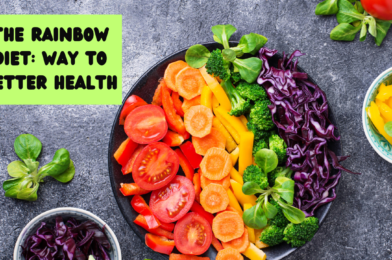
The Rainbow Diet: Eating Your Way to Better Health
The rainbow diet is a simple concept: eat a variety of fruits and vegetables of different colors. The idea is that each color of food contains different nutrients that can benefit your health.

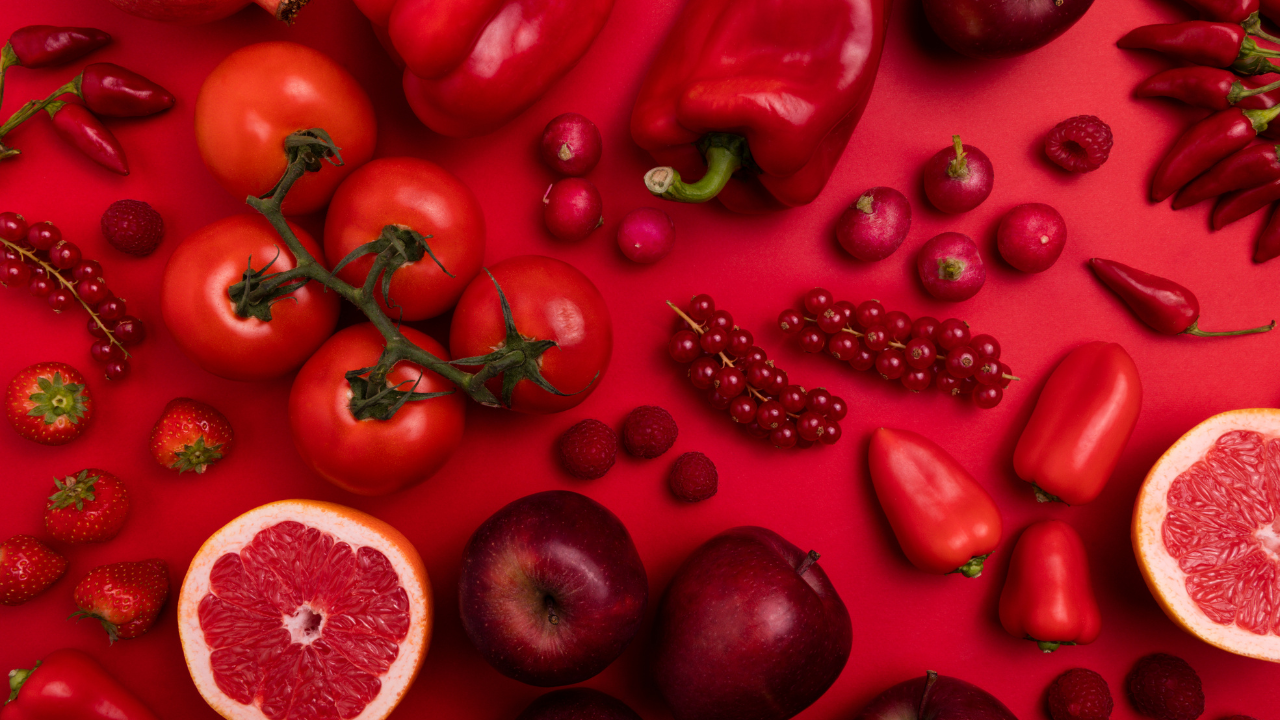
For example, red fruits and vegetables are rich in lycopene, an antioxidant that has been linked to a reduced risk of cancer. Orange fruits and vegetables are a good source of vitamin C, which is important for immune function. Yellow fruits and vegetables are high in beta-carotene, which can help protect your skin from sun damage. Green vegetables are packed with vitamins A and K, as well as fiber. And purple fruits and vegetables are a good source of anthocyanins, antioxidants that may help improve heart health.

You can try different colours of foods from these options:

1.Red
• Tomatoes
• Red bell peppers
• Strawberries
• Cherries
• Watermelon
• Red apples
• Red grapes
• Pomegranates
2. Orange or yellow
• Carrots
• Sweet potatoes
• Oranges
• Mangoes
• Pineapples
• Yellow bell peppers
• Peaches
• Apricots

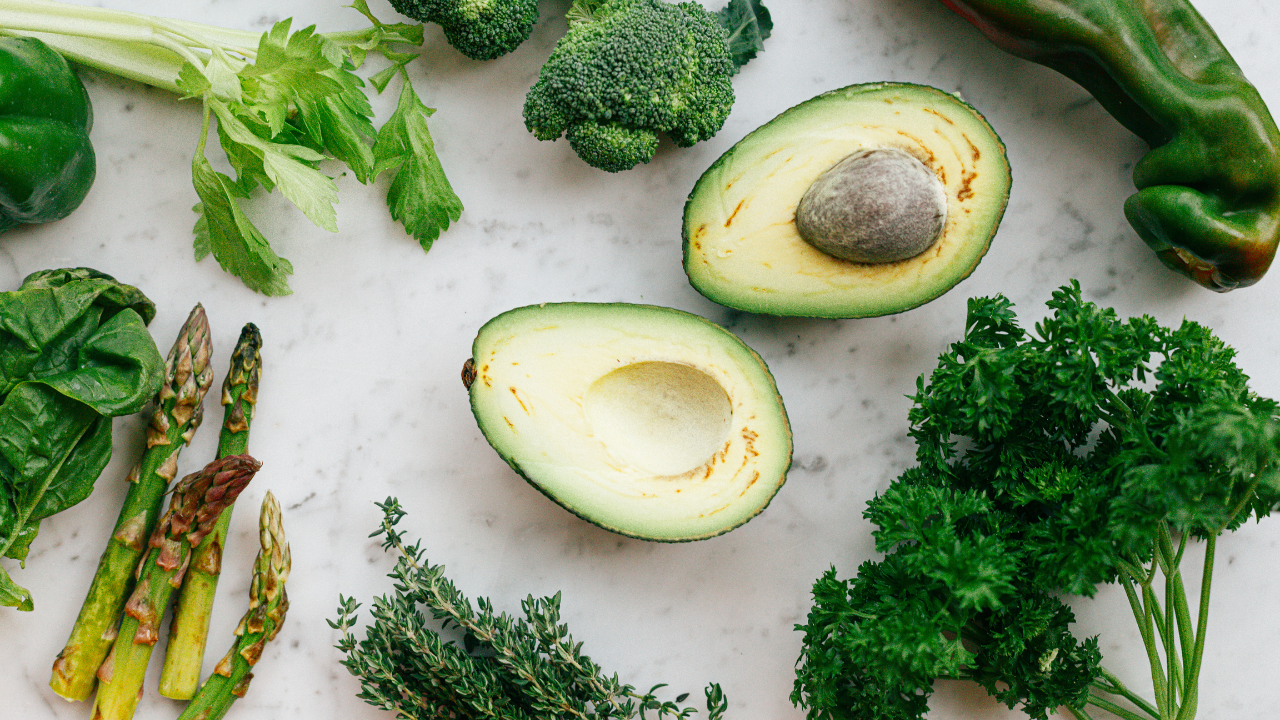
3. Green
• Spinach
• Broccoli
• Kale
• Zucchini
• Green peas
• Avocado
• Green beans
• Kiwi
4. Blue or purple
• Blueberries
• Blackberries
• Purple grapes
• Eggplant
• Purple cabbage
• Raisins

5. White
• Cauliflower
• Mushroom
• Onion
• Garlic

By eating a rainbow diet, you can get a wide range of nutrients that your body needs to stay healthy. Here are some of the specific health benefits of eating a rainbow diet:

1. Reduced risk of chronic diseases: A diet rich in fruits and vegetables has been linked to a reduced risk of chronic diseases such as heart disease, stroke, cancer, and type 2 diabetes.

2. Improved heart health: The nutrients in fruits and vegetables, such as fiber, potassium, and vitamin C, can help improve heart health by lowering blood pressure, cholesterol, and inflammation.
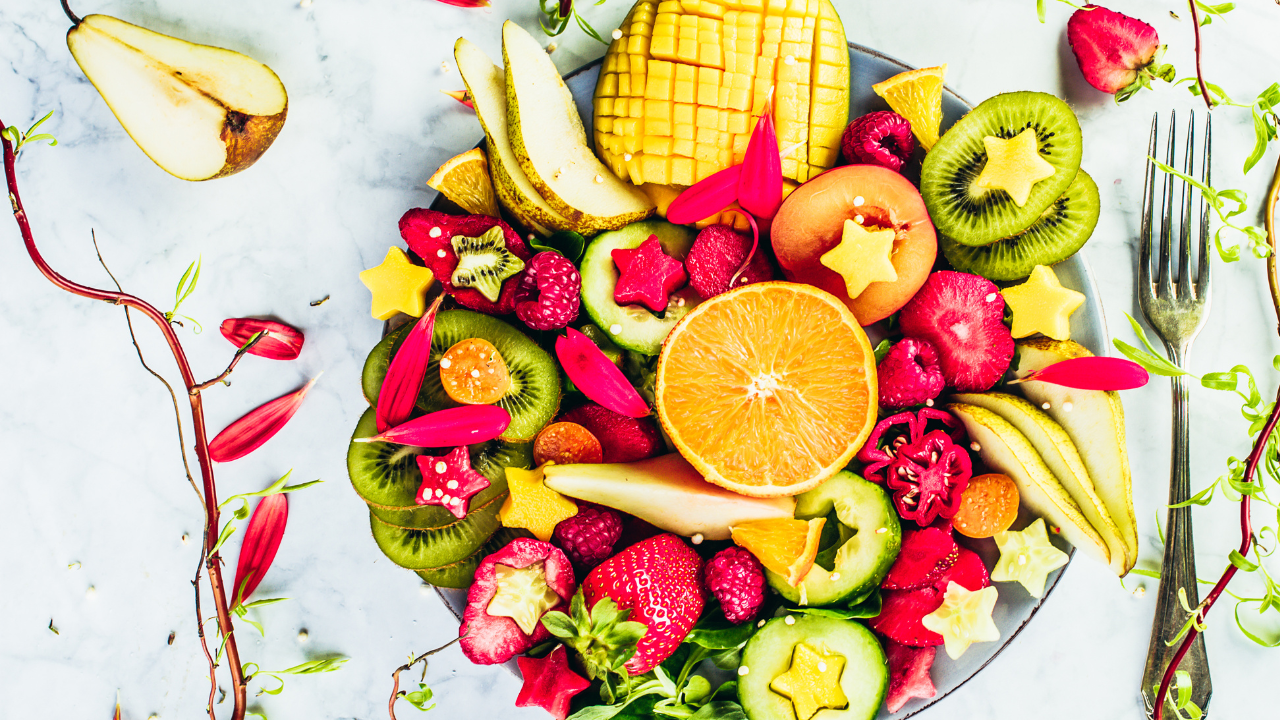
3. Weight loss: Fruits and vegetables are low in calories and high in fiber, which can help you feel full and satisfied, making it easier to lose weight or maintain a healthy weight.

4. Improved gut health: The fiber in fruits and vegetables can help feed the healthy bacteria in your gut, which is important for gut health.

5. Boosted immunity: The vitamins and minerals in fruits and vegetables can help boost your immune system, helping you fight off infections.

6. Improved skin health: The antioxidants in fruits and vegetables can help protect your skin from sun damage and premature aging.

The rainbow diet is a simple and delicious way to improve your health. By making sure to include a variety of fruits and vegetables in your diet, you can get the nutrients you need to stay healthy and strong.

Here are some recipes to help you get started on the rainbow diet:
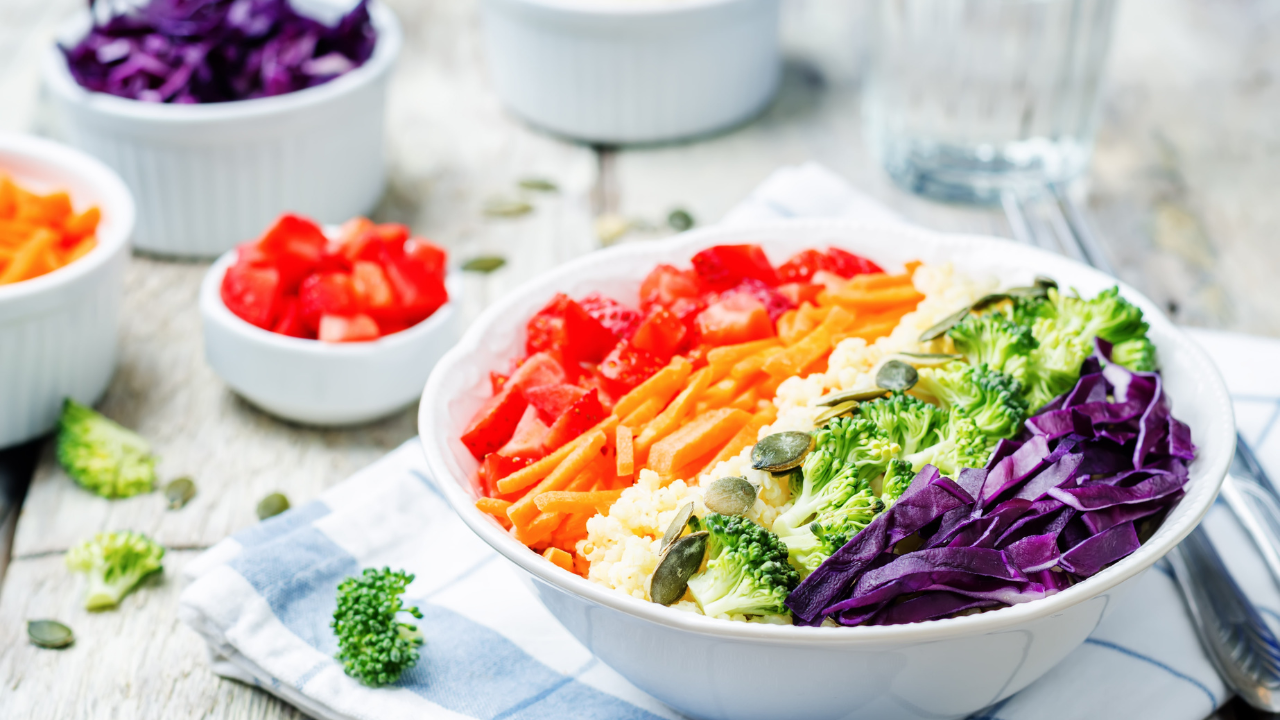
Rainbow salad: This colorful salad is packed with nutrients from a variety of fruits and vegetables.
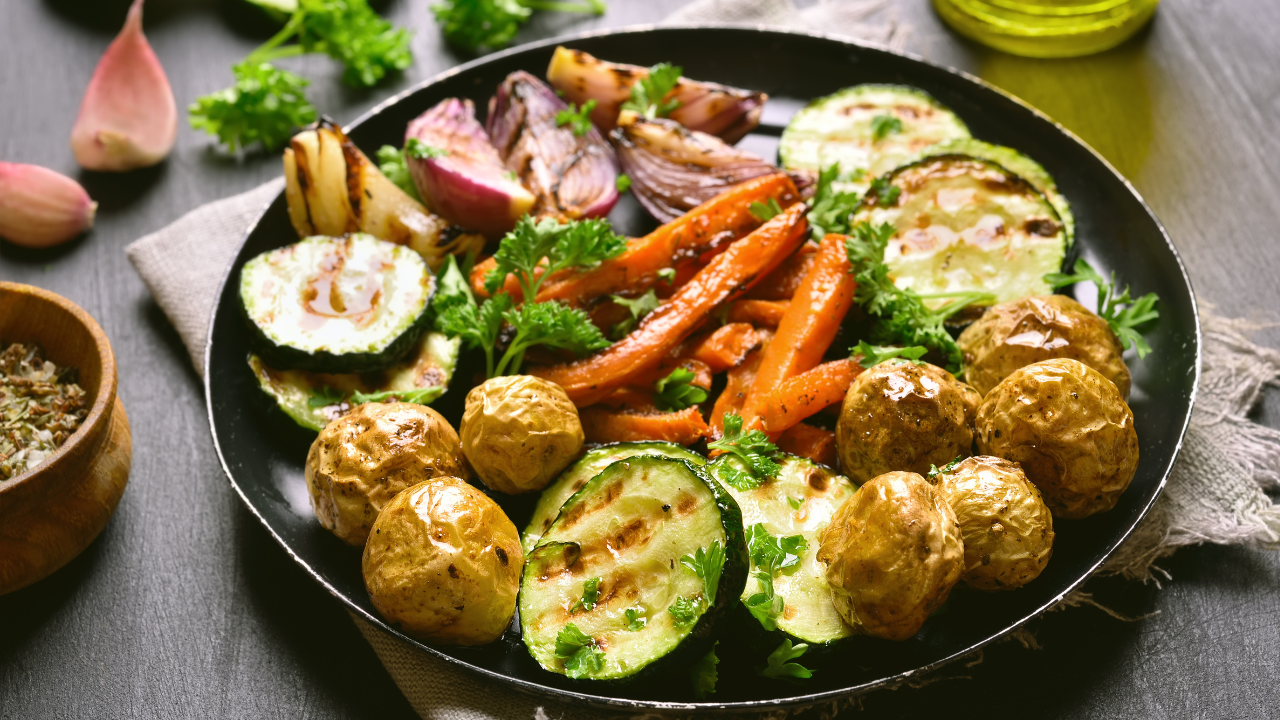
Roasted vegetable medley: This dish is a great way to enjoy a variety of roasted vegetables.
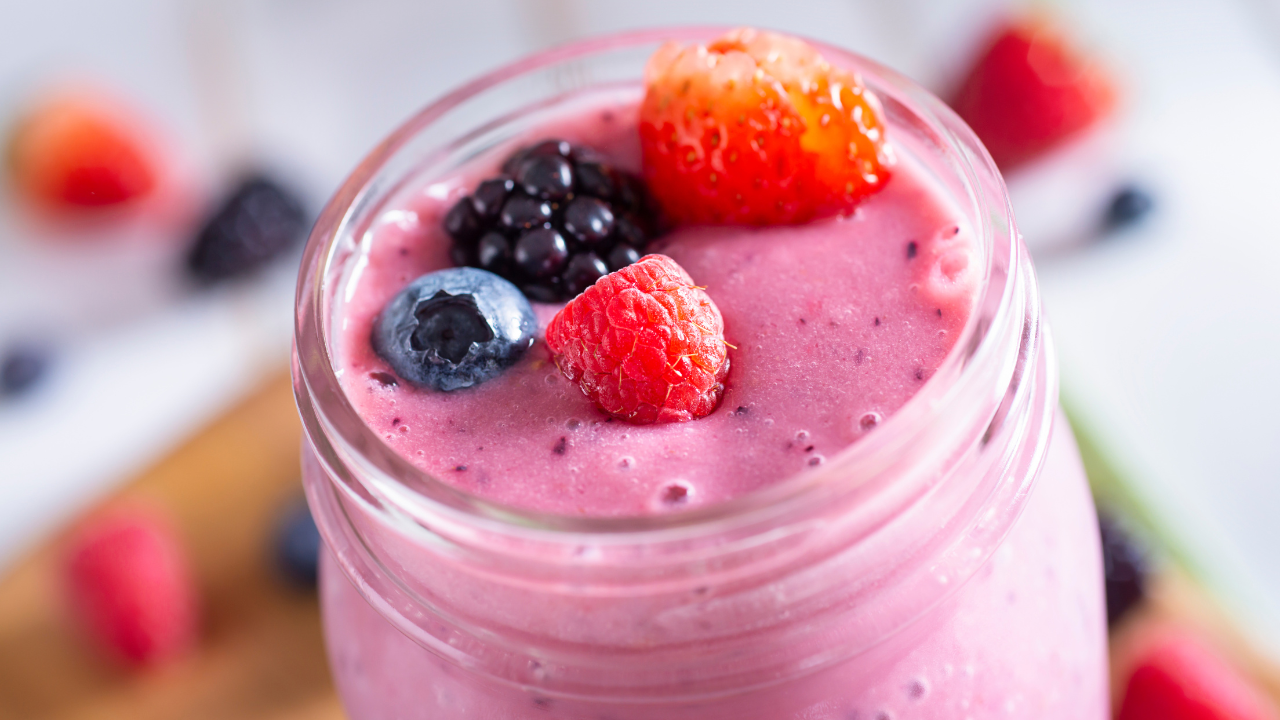
Fruit smoothie: This smoothie is a delicious and easy way to get your daily dose of fruits and vegetables.
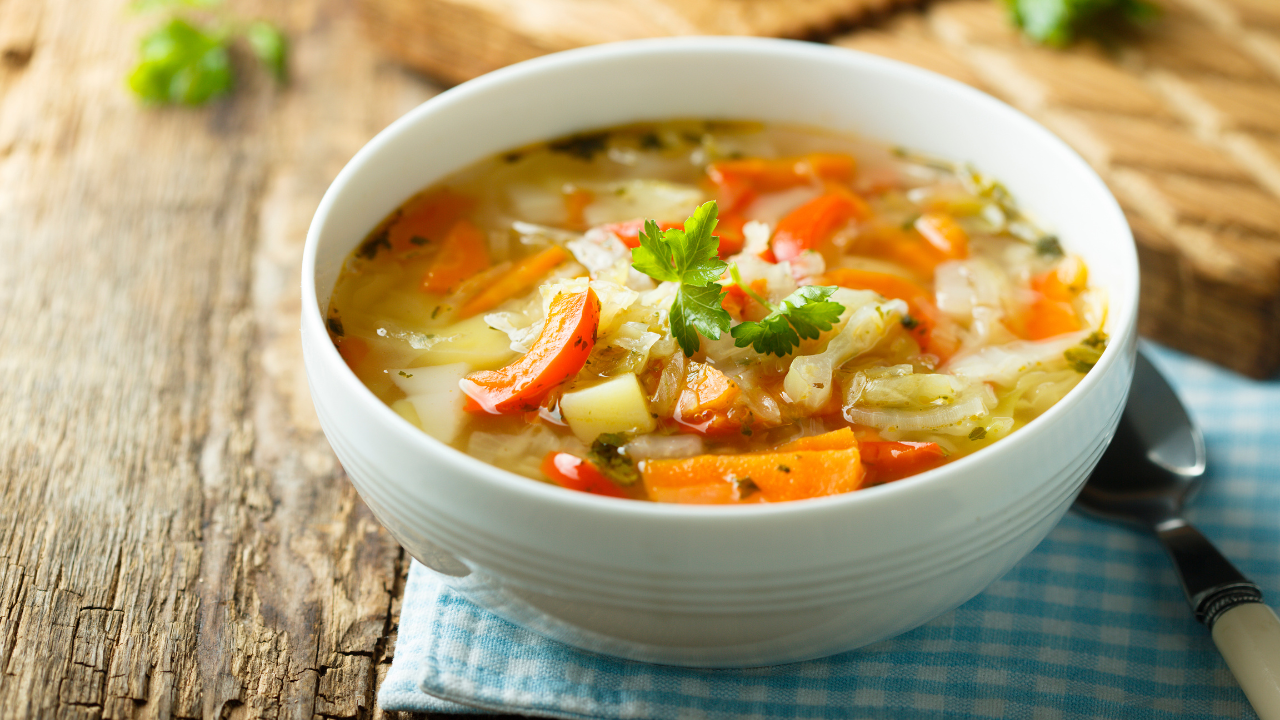
Vegetable soup: This soup is a hearty and satisfying way to warm up on a cold day.
The rainbow diet is a healthy and delicious way to eat. By following these tips, you can easily incorporate more fruits and vegetables into your diet and improve your overall health.
Tagged : / / / / /

What is the Difference Between Paneer and Tofu Which Of The Two Is Better?

What is the Difference Between Paneer and Tofu Which Of The Two Is Better?
Paneer and tofu are both high-protein foods that are popular in many cuisines around the world. They are both made from curdled milk, but they are made from different types of milk and have different textures and flavors.

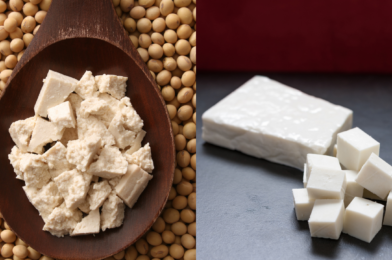
Paneer is a type of cheese that is made from cow, buffalo, or goat milk. It is made by curdling the milk with lemon juice or vinegar. Paneer has a soft, white texture and a mild flavor. It is often used in Indian cuisine, where it is used in curries, stir-fries, and desserts.

Tofu is a type of bean curd that is made from soy milk. It is made by coagulating the soy milk with a coagulant, such as calcium sulfate or magnesium chloride. Tofu has a spongy texture and a bland flavor. It can be flavored and cooked in many different ways.

Here are the key differences between paneer and tofu:
1. Origin
Paneer is a traditional Indian cheese, while tofu is a Chinese food.

2. Milk
Paneer is made from cow, buffalo, or goat milk, while tofu is made from soy milk.

3. Coagulating agent
Paneer is curdled with lemon juice or vinegar, while tofu is coagulated with a coagulant, such as calcium sulfate or magnesium chloride.

4. Texture
Paneer has a soft, white texture, while tofu has a spongy texture.

5. Flavor
Paneer has a mild flavor, while tofu has a bland flavor.

6. Cooking methods
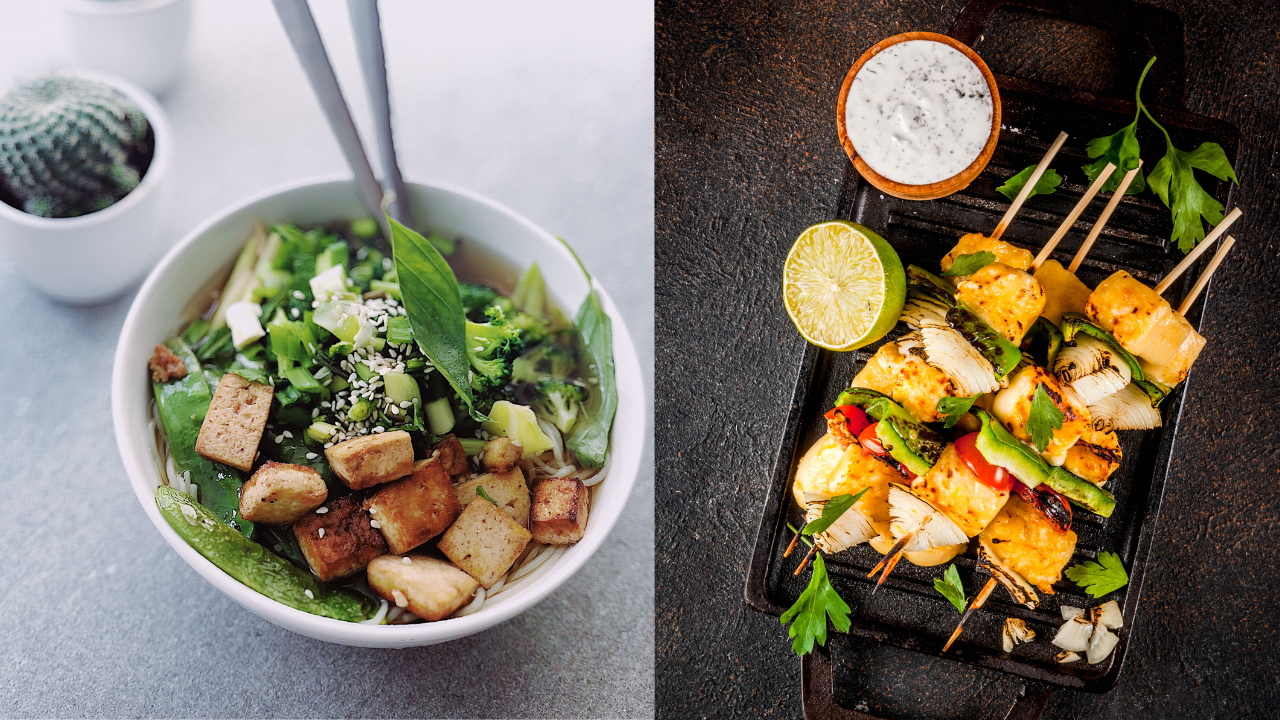
Paneer can be cooked in a variety of ways, including stir-frying, curries, and baking. Tofu can also be cooked in a variety of ways, but it is often used in dishes that require it to be pressed or drained, such as tofu scramble or tofu stir-fry.

7. Availability
Paneer is more readily available in Indian grocery stores, while tofu is more readily available in most grocery stores.

Which of the two is better?
The best choice for you will depend on your personal preferences and dietary needs. If you are looking for a mild-flavored food that can be cooked in a variety of ways, then paneer is a good option. If you are looking for a food that can be seasoned to your liking and that can be used in dishes that require it to be pressed or drained, then tofu is a good option.

Here are some additional factors to consider when choosing between paneer and tofu:

  • Dietary restrictions: If you are lactose intolerant or vegan, then tofu is a better choice than paneer.
  • Nutrient content: Tofu is a good source of iron and magnesium, while paneer is a good source of calcium.
  • Cost: Paneer is typically more expensive than tofu.
Tagged : / / /

7 Most Expensive Spices In The World!

10 Most Expensive Spices In The World!
Spices have always been prized by gourmets and chefs alike for their use in cooking, flavouring, and even medicine. Regardless of where they came from, applications and commerce grew as soon as travellers and explorers learned about spices. The use of spices in rituals and other religious practises, as well as in the establishment of empires and the beginning of wars, has been significant throughout human history.

The top 7 most costly spices can currently be found in spice collections at home or in commercial kitchens all over the world. They are primarily grown in some of the most exotic regions in the world.
The top seven spices in terms of price:

1. Saffron


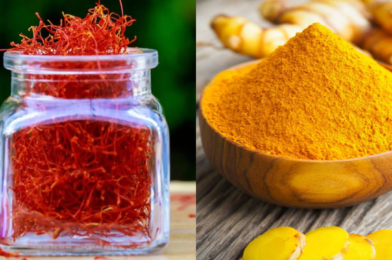
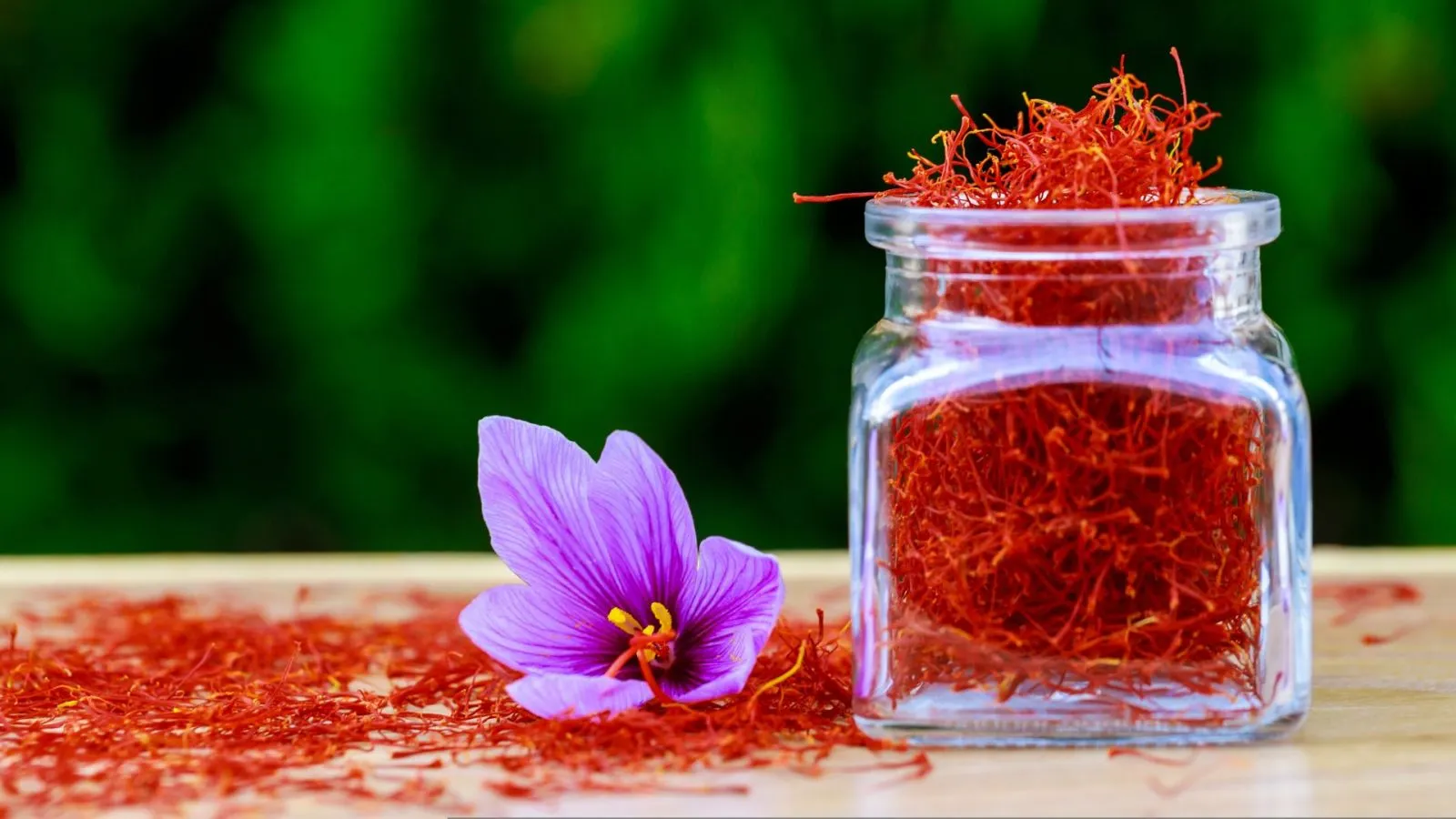
The crocus flower’s stigmas are used to make saffron, which is prized for its powerful, earthy flavour. Saffron is also the priciest spice in the entire world, with a pound costing hundreds of dollars. Iran, Afghanistan, Italy, and Spain are the main growing regions for saffron.

2. Vanilla

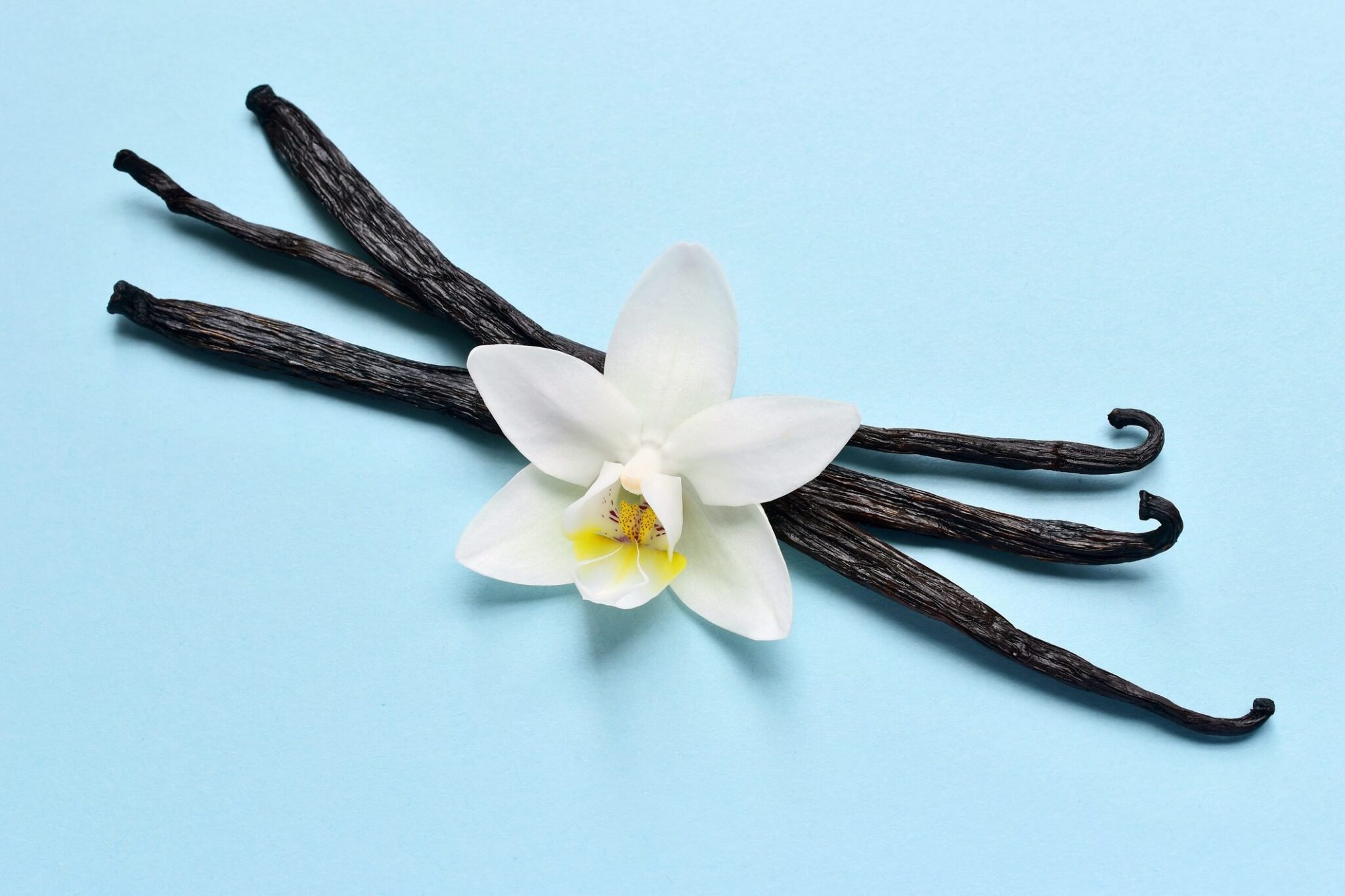
This spice has a sweet, deep flavour and is made from the seed pods of a tropical orchid. Madagascar, Uganda, Comoros, Papua New Guinea, Tahiti, Indonesia, and Mexico are the primary growing regions for vanilla. Even though there are many other places in the world where vanilla is produced, the aforementioned nations continue to set the standard for quality and consistency.

3. Green Cardamom


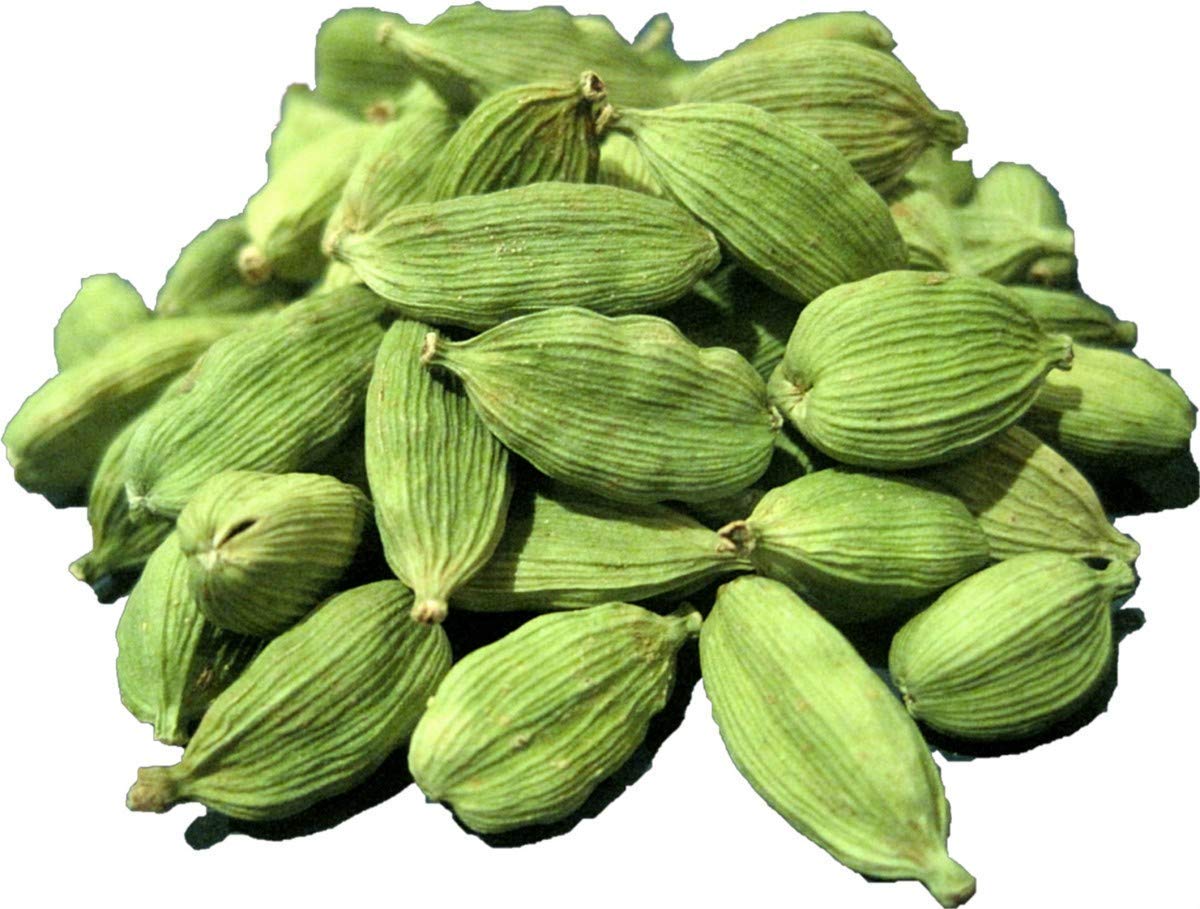
The seeds of this tropical plant related to the ginger family are used to make this spice, which is prized for its distinctive flavour and complex blend of savoury and sweet undertones. Most of the world’s cardamom is grown in Guatemala, India, and even Sri Lanka. We highly recommend using green cardamom, which is frequently referred to as the “Queen of Spices.”

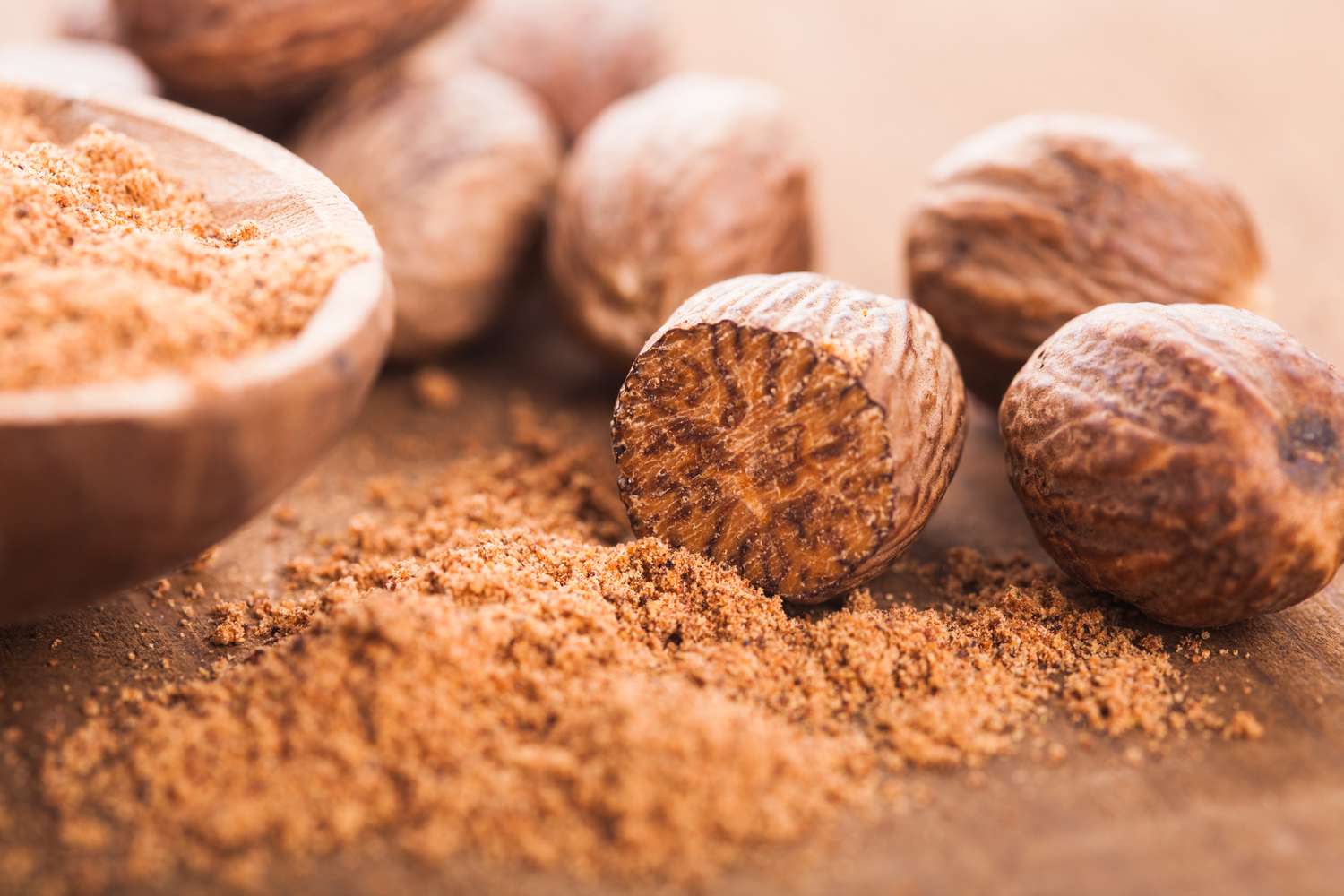
4. Nutmeg


Nutmeg is a tropical tree seed, not a nut, and is prized for its comforting, nutty flavour. The Banda Islands in Indonesia are where nutmeg is primarily farmed, but it is also grown in Grenada, Sri Lanka, and other Caribbean islands. Although it is frequently used in baked items, nutmeg also tastes great in savoury cream sauces and spice rubs.

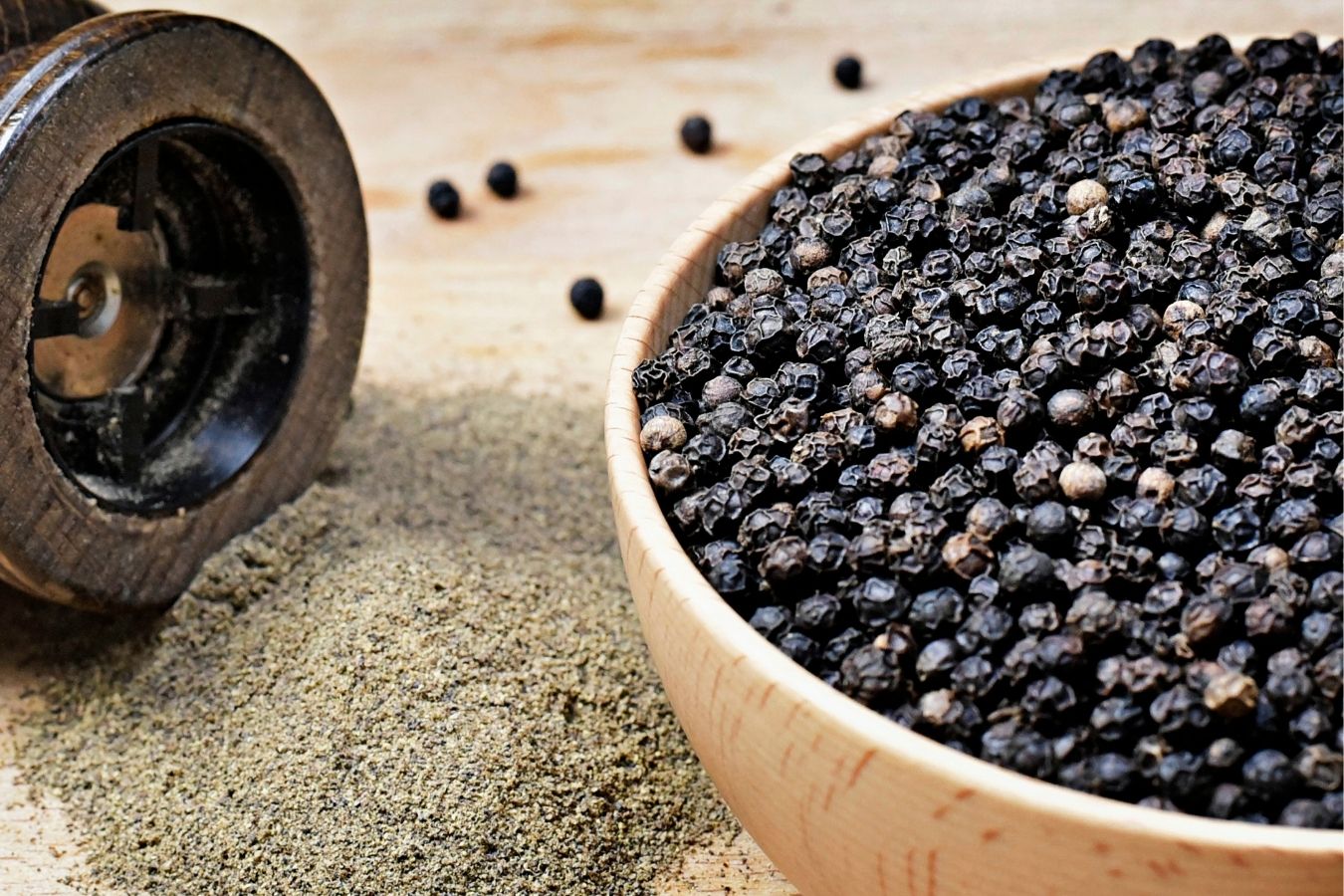
5. Black pepper


The dried berries of a tropical vine are the source of peppercorns, which have a harsh, pungent flavour. Most black pepper is grown in Brazil, Vietnam, and India. Black pepper is known as the “king of spices” since historically, due to its exorbitant price, it was only used by the wealthy.

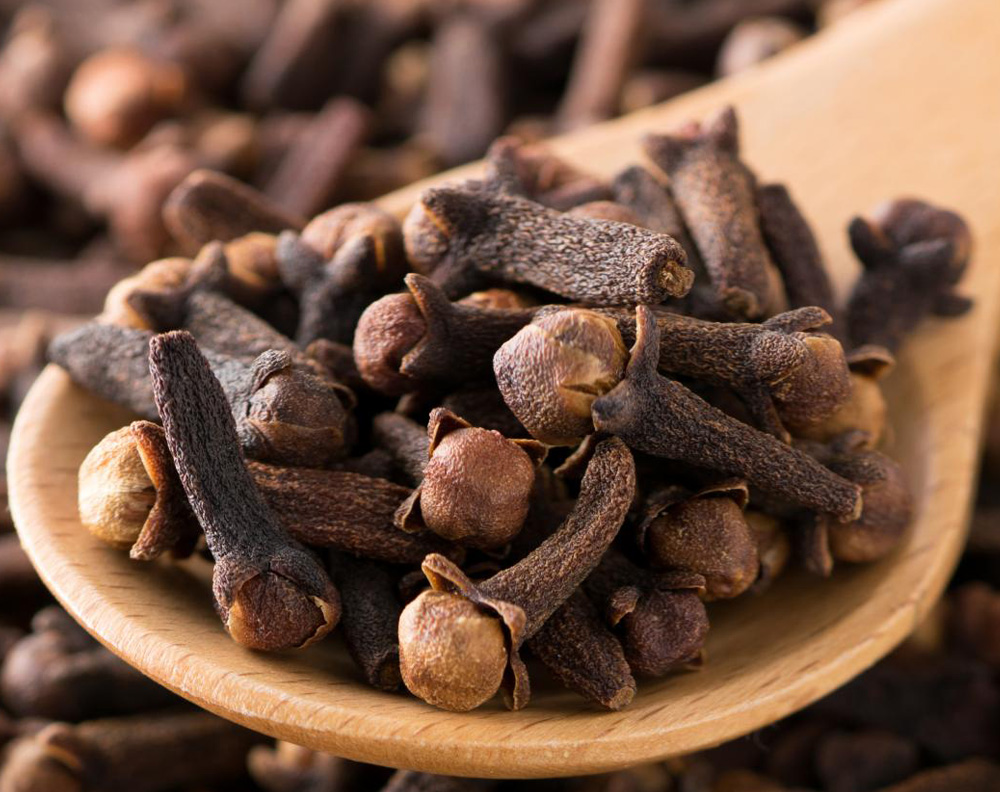
6. Cloves


The dried flower buds of a tropical tree are the source of cloves, which are prized for their warm, sweet flavour. The Maluku Islands of Indonesia, Sri Lanka, Madagascar, and the Comoros are where whole cloves are primarily farmed. They are frequently found in foods including baked products, beverages, and herbal remedies.

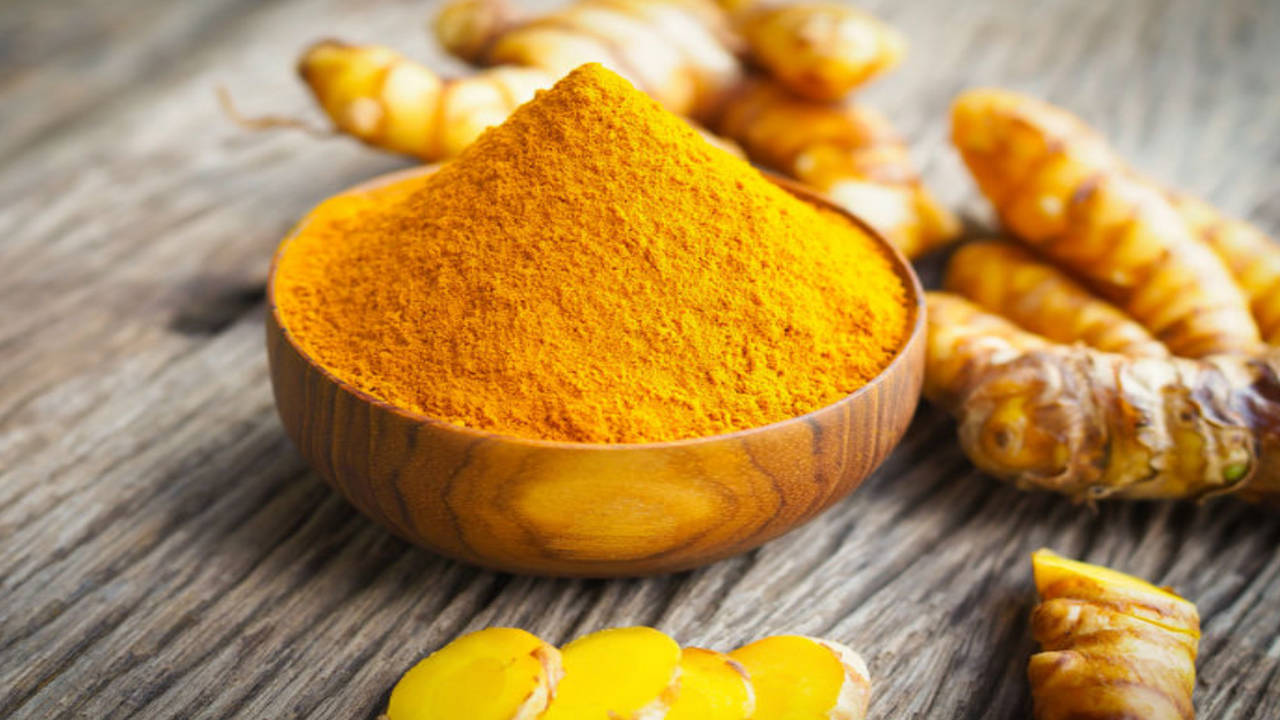
7. Turmeric


This spice, which comes from the root of a tropical plant, is prized for its distinctive, earthy flavour and bright yellow colour. Most turmeric is grown in Sri Lanka, China, and India. Vegan foods are frequently coloured with turmeric to give them a “cheesy” appearance.

Which of these do you use in your food regularly?

Tagged : / / / / / / /

Ever Wonder What Is The Difference Between A Stock, A Broth, A Soup And A Stew? This Is What!

Ever Wonder What Is The Difference Between A Stock, A Broth, A Soup And A Stew? This Is What!
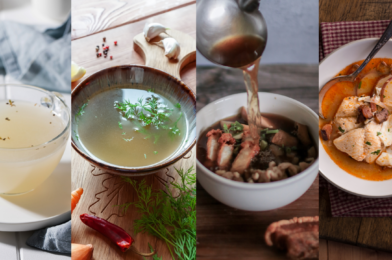
All of us have heard or read while ordering in a restaurant or watching a cookery show or a chef talking to another chef – stock, broth, stew and soup. Like many others out there you must also wonder sometimes as to what exactly is the difference between all these! Then let us tell you about that today! Finally you will know what is a stock, a broth, a stew and a soup.

Stock
Stock is a flavorful liquid that is made by simmering bones, meat, and vegetables in water. It is a versatile ingredient that can be used in a variety of dishes, such as soups, sauces, and gravies. Stock is typically made with bones from beef, chicken, or pork. The bones are roasted or simmered in water with vegetables, such as carrots, celery, and onions. The stock is then simmered for several hours, or even overnight, to extract the flavor from the bones and vegetables. Stock is more often a base ingredients for making soups. It just has the flavours of foods that were boiled in it and no seasoning.

Broth
Broth is similar to stock, but it is made with meat or vegetables instead of bones. Broth is what you would have on a sick bed. It is typically made with chicken or beef, but it can also be made with vegetables or fish. Broth is simmered for a shorter amount of time than stock, which results in a less flavorful liquid. Broth is often used as a base for soups and stews, but it can also be enjoyed on its own and it has added seasoning to it like a little salt or pepper powder etc.

Soup
Soup is a dish that is made with a liquid base, such as stock or broth, and other ingredients, such as meat, vegetables, and grains. Soups can be served hot or cold, and they come in a variety of flavors and textures. Soups can be thin where the ingredients are suspended in the liquid or thick where the ingredients are blended along with the stock. These are simmered or cooked quickly. Soups are a great way to get a healthy and nutritious meal.

Stew
Stew is a thick, hearty dish that is made with meat, vegetables, and a liquid base, such as stock or broth. Stews are typically cooked slowly over low heat, which allows the flavors to develop and the meat to become tender. It contains chunks or bigger pieces of the ingredients and is quite thick in texture. Stews can be made with a variety of meats, vegetables, and seasonings. They are a popular comfort food that is perfect for a cold winter day.

Now that you know the difference, you will now be able to spot the difference if they were served to you.

Tagged : / /

3 Indian dishes make it to the Top 10 curries of the world!

3 Indian dishes make it to the Top 10 curries of the world!
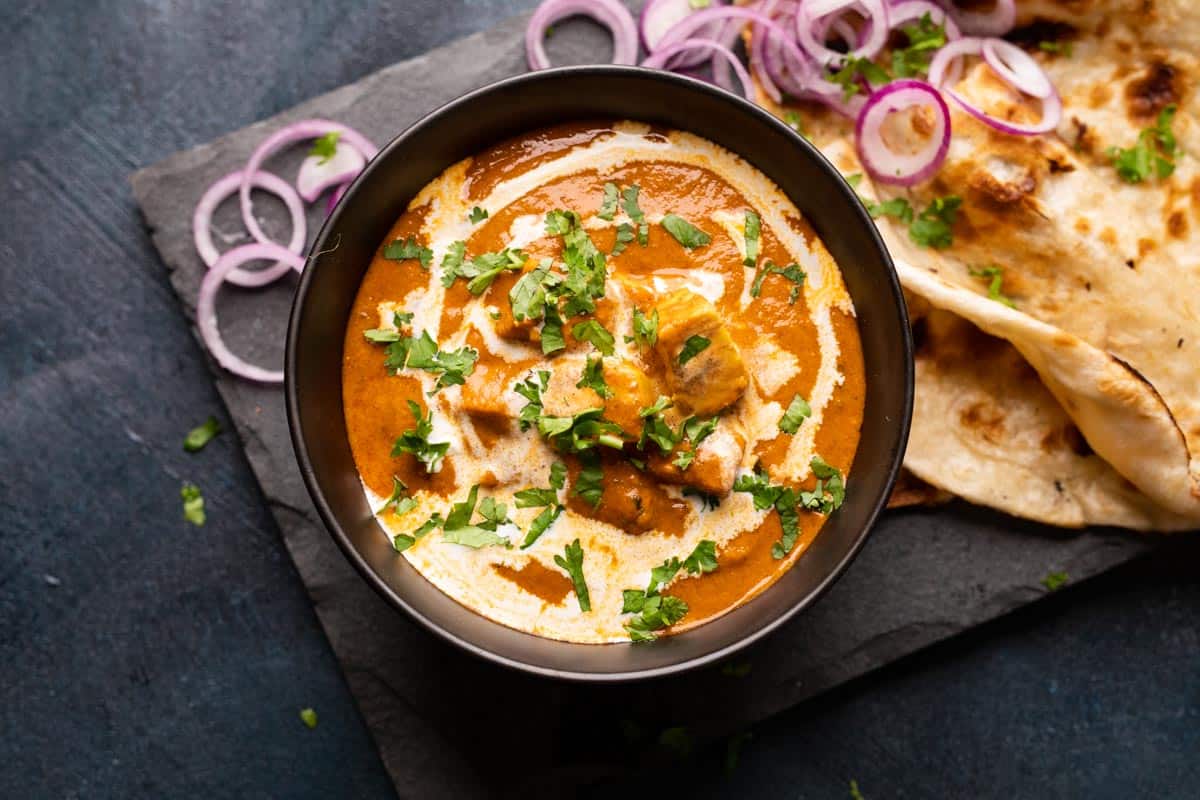
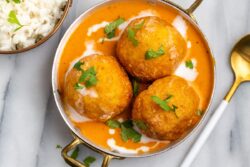
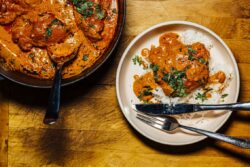
In a recent announcement of the top 10 curries in the world, three Indian dishes have claimed their well-deserved spots: shahi paneer, malai kofta, and butter chicken. These dishes are all known for their rich and creamy textures, as well as their harmonious blend of spices.

Shahi paneer is a popular North Indian dish made with paneer cheese, tomatoes, and a blend of spices. It is often served with naan or rice. Malai kofta is a vegetarian dish made with potato-based koftas (dumplings) in a creamy tomato sauce. Butter chicken is a popular dish made with chicken that has been marinated in yogurt and spices, and then cooked in a tomato-based sauce.

The inclusion of these three Indian curries on the list of the world’s best is a testament to the rich and diverse culinary tradition of India. These dishes are sure to please any palate, and they are a great way to experience the flavors of India.

Here are some additional details about each of the dishes:

Shahi paneer: This dish is made with paneer cheese, which is a type of Indian cheese that is made from curdled milk. The paneer is cooked in a rich and creamy tomato sauce that is flavored with spices such as turmeric, coriander, and cumin. Shahi paneer is often served with naan or rice.

Malai kofta: This dish is made with koftas, which are small dumplings that are made from a mixture of potatoes, paneer cheese, and spices. The koftas are cooked in a creamy tomato sauce that is flavored with spices such as cardamom, nutmeg, and saffron. Malai kofta is often served with naan or rice.

Butter chicken : This dish is made with chicken that has been marinated in yogurt and spices, and then cooked in a tomato-based sauce that is flavored with butter. Butter chicken is often served with naan or rice.

Why you should try these dishes?

These dishes are all delicious and flavorful, and they are a great way to experience the rich and diverse culinary tradition of India. They are also relatively easy to find, so you should be able to find a restaurant that serves them near you. Also, the ingredients of these dishes make for a healthy and nutritive choice unlike the unhealthy refined flour made pizza or hot dogs.

Tagged : / / / / / /

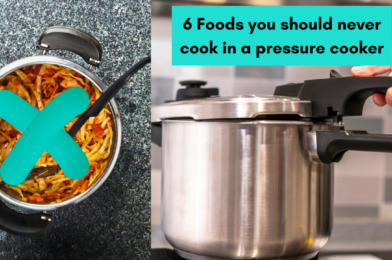
6 Types of foods that should never be cooked in a pressure cooker?

6 Types of foods that should never be cooked in a pressure cooker?
Pressure cookers are a great way to cook food quickly and easily. However, there are some foods that you should never cook in a pressure cooker. These foods can either be unsafe to eat or they will not turn out well if cooked in a pressure cooker.

Here are some foods that you should avoid cooking in a pressure cooker:

1 Delicate, crispy, or fried foods : Pressure cookers add moisture to food, so dry and crispy foods like potato chips or popcorn will not turn out well. Light and fluffy pastries, as well as certain types of delicate fish, should also be avoided.
2 Dairy products : Dairy products like cheese, milk, and sour cream can curdle in a pressure cooker. If you want to add dairy to a pressure cooker dish, it is best to do so after the cooking cycle is complete.
3 Rare or medium-rare meats: Pressure cookers cook food quickly and evenly, which can make it difficult to get rare or medium-rare meats cooked to the desired doneness. If you want to cook meat to these doneness levels, it is best to use a different cooking method.
4 Creamy sauces : Creamy sauces can curdle or separate in a pressure cooker. If you want to make a creamy sauce in a pressure cooker, it is best to use a recipe that has been specifically designed for this type of cooking.
5 Some fruits and vegetables : Certain fruits and vegetables, such as apples, cranberries, and rhubarb, can release harmful chemicals when cooked in a pressure cooker. These chemicals can cause nausea, vomiting, and diarrhea.
6 Noodles : You should never cook noodles in a pressure cooker because noodles tend to foam, froth and can even clog the pressure release valve because of spluttering. Besides, who wants to eat overcooked soggy and messy noodles!
If you are unsure whether or not a food is safe to cook in a pressure cooker, it is best to err on the side of caution and use a different cooking method.

Here are some additional tips for cooking in a pressure cooker:

Use the correct amount of liquid: The amount of liquid you use in a pressure cooker is important. Too much liquid will prevent the pressure from building up, while too little liquid can cause the food to burn.
Don’t overcrowd the pot: Overcrowding the pot can prevent the pressure from building up, which will result in longer cooking times.
Release the pressure carefully: When you are finished cooking, it is important to release the pressure carefully. This can be done by carefully opening the valve or by letting the pressure release naturally.
By following these tips, you can safely and easily cook a variety of foods in your pressure cooker.

Tagged : / /
Verified by ExactMetrics