Human brain is very complicated and fascinating! We hardly know much about it. Researchers and scientists have poked and prodded parts of our complicated organ for hundreds of years, giving names to the parts that were most noticeable. But we still lack answers to essential questions. For example, the consumption of energy by brain or how disorders make neurons in the brain behave.
IBM neuroscientist, named James Kozloski has uncovered some of the answers. A model is prepared with what brain does at rest, like when it is not reading, thinking etc. It may be the beginning which could give us answers. He calls it “The Grand Loop”.

Kozloski says that the brain consumes good amount of energy doing nothing. Brain doesn’t spend much energy on noise unless a good reason is there. Kozloski says about 90 percent of the power used up by the mind is unaccounted, which can be a substantial number given the brain requires 20 percent of the overall energy of the body’s.
His study suggests that brain usually constantly loop the signals via a number of nerve pathways in the mind, made of tissue and neurons. The brain is always following them, it is like a city street and brain keeps tracing them and retracing them. The pathways pass through three areas of function in the brain: sensory (what’s happening), behavioral (what can I do about it), and limbic (what does it mean to me).
There are regions of the mind that include new advice, but Kozloski credits a lot of the energy of the brain to these cycling procedures. Because the pattern is cyclical, it is called a “closed loop,”. To be able to examine this theory, the model ran through the nerve tissue simulator of IBM, algorithms that mimics the manner neurons fire in the mind.
While we are able to see brain process, this research makes it more straightforward to examine neurological disease, and gives us a better knowledge of what is happening in those scans. This research would help to diagnose Huntington’s disease. However, this disease is manifested by single gene, and the understanding of its neurodegeneration is lacking currently. By looking at Huntington’s with the newest study, advice made by one gene that is erroneous can cascade into misinformation for a complete nerve pathway. In case the gene makes a protein that is mutant, then it may change the way neuron sends or receives signs. It may give rise to a chain reaction which impacts an innumerable number of other neurons.
While this research on Huntington’s is still a theory, Kozloski is confident that this model can assist the understanding of brain in a different way. Also, the next area of research would be to discover how the nerve pathways are selected, to understand the motivations of the mind.
[adinserter block=”7″]
Author: Technology Blog










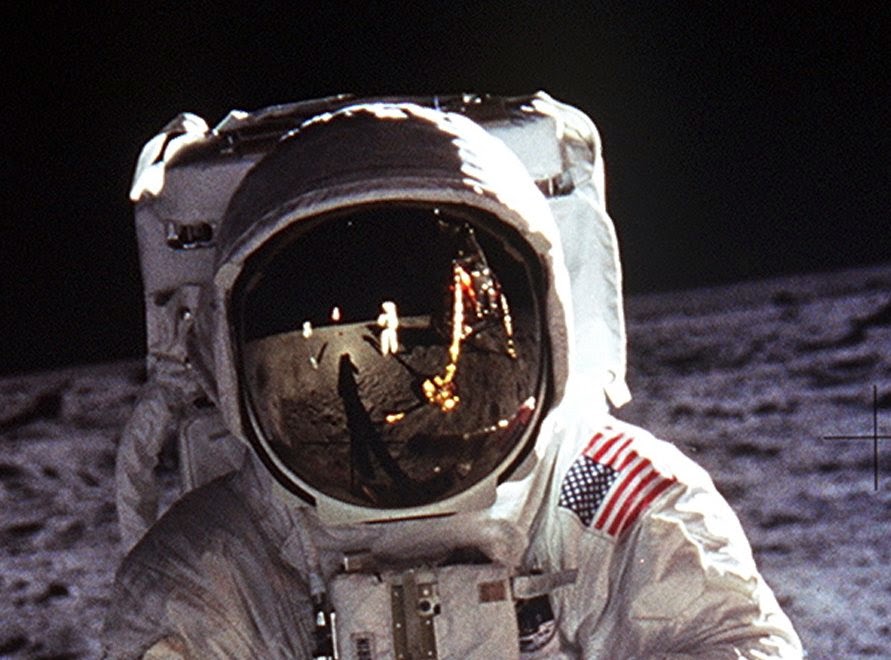
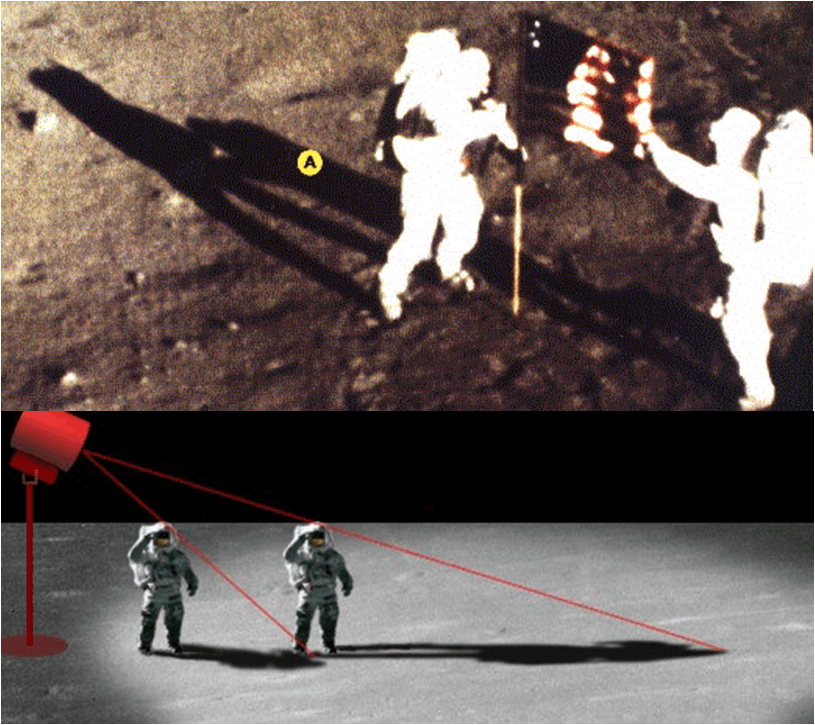
 Many casts doubt about the Moon landing. The first book about the subject,