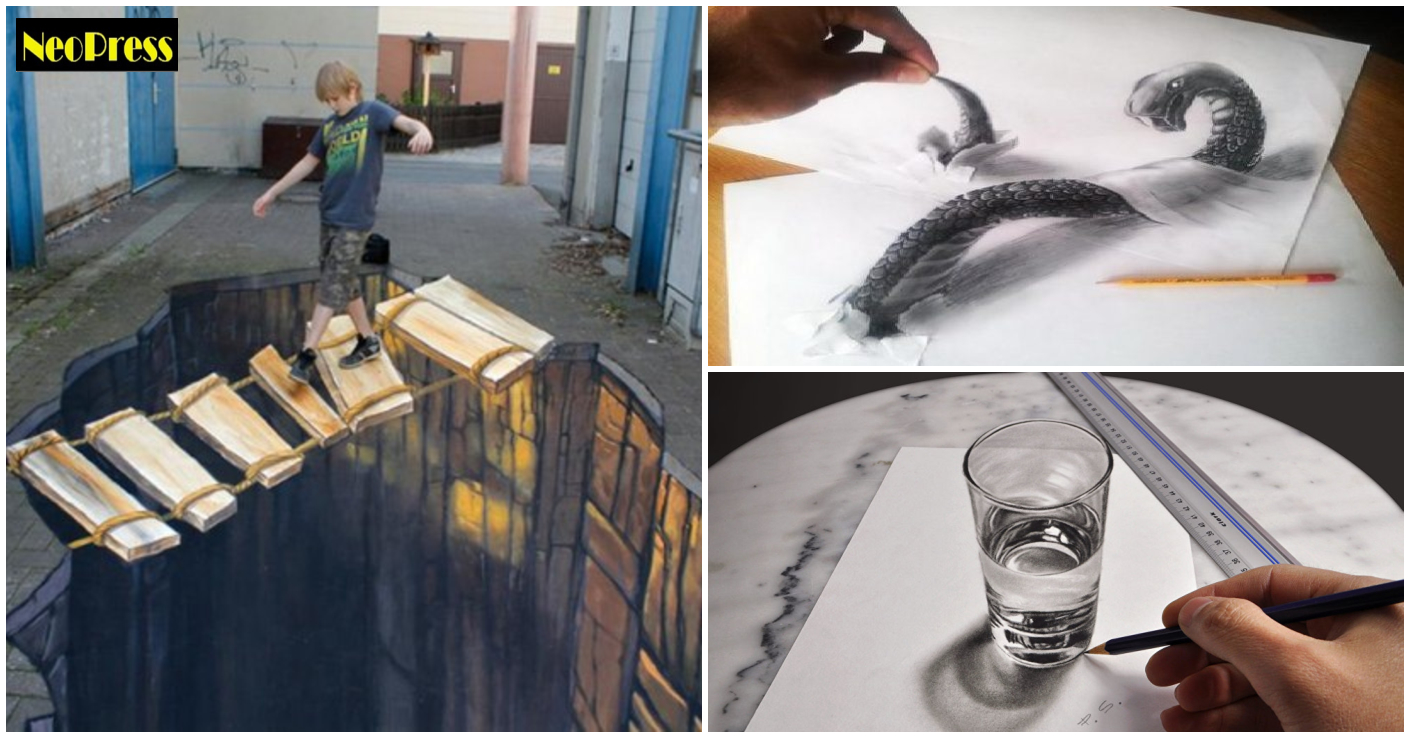
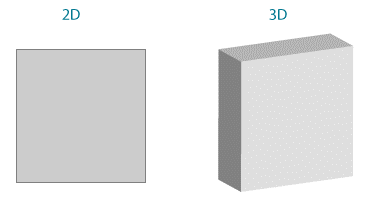
Thinking Outside the Page/ box The drawing framework sometimes poses restrictions to your bigger canvas concept or thought process. A paper or for that matter, a conduit may not hold the concept in totality. We need to remember that there is a bigger framework beyond the conduit with which it is interacting. Various artists adopt various means to take their concept beyond the apparent framework. Ramon Bruin often includes his own hand while showcasing his drawing. Fredo sometimes inserts mundane objects like a wine glass or a pencil. This is a conscious effort to highlight the interactions of various frameworks and to create the illusion of three-dimensional presence. Bruin often tends to showcase his creatures by holding their tails up. The idea is to create an illusion in the viewer’s mind so as to create confusion about where the artist ending and the artwork is beginning! Basic 3D Street Art creation: 3D or three dimensional refers to the number of axis from an origin point. Unlike 2D, 3D has an extra axis Z which seems to be coming off the page and going away from the viewer. 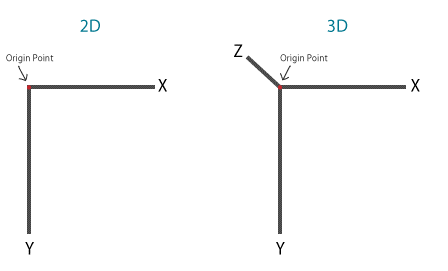 The most visible difference between 2D and 3D drawing is that 2D drawing appears to be flat, whereas a 3D drawing seems to be standing out or going off from the page. The extra Z axis is used to give the total drawing a definite perspective.
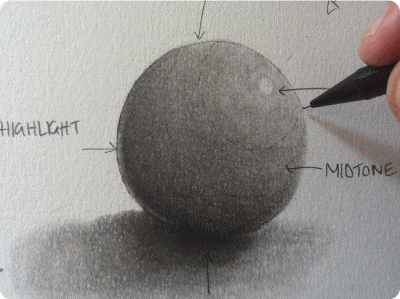
 As discussed earlier, shadings play a big role in defining a 3D drawing.
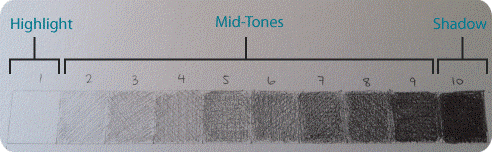 The following are the various shading options to create a 3D effect: Examples of the shading effect:
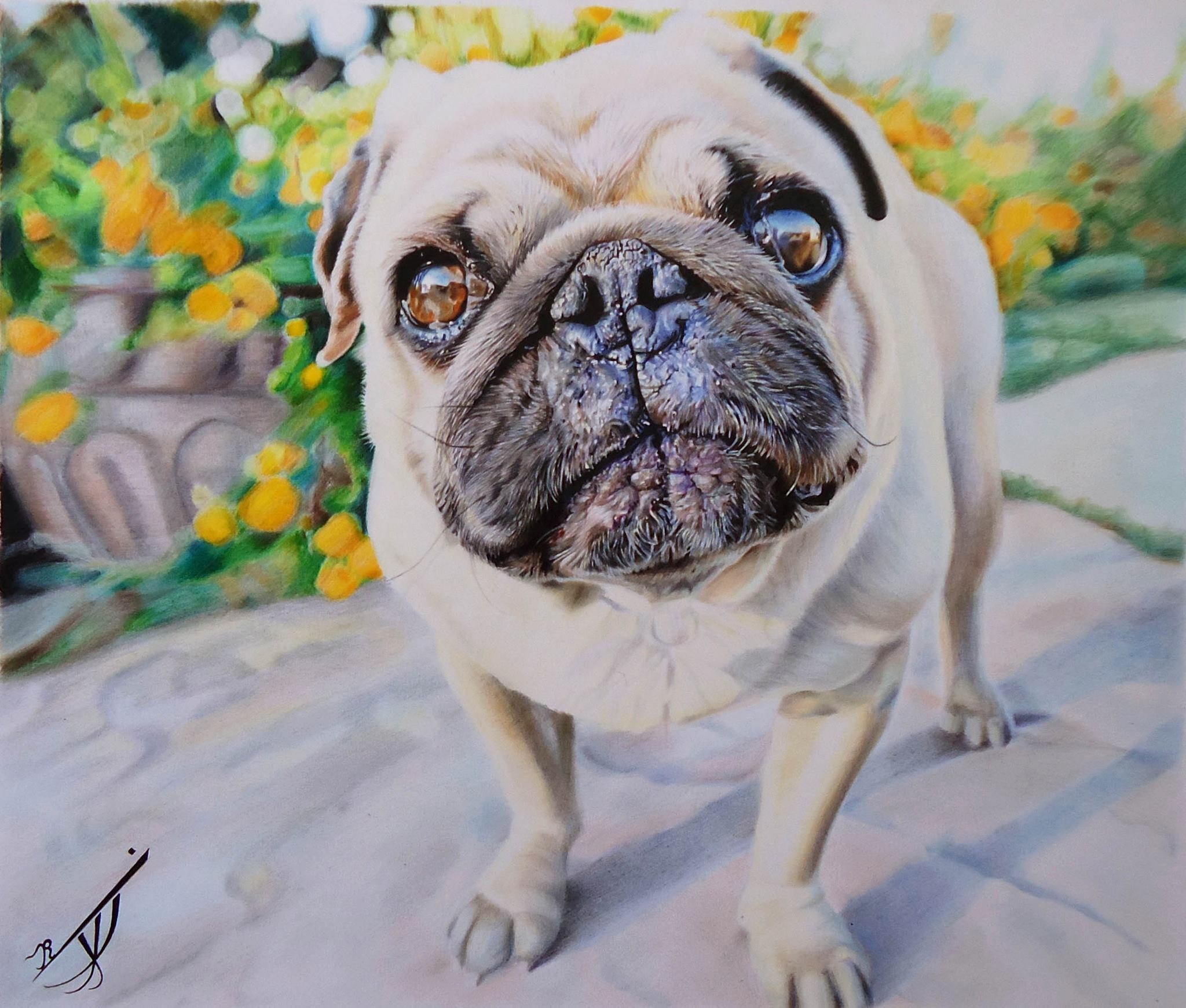
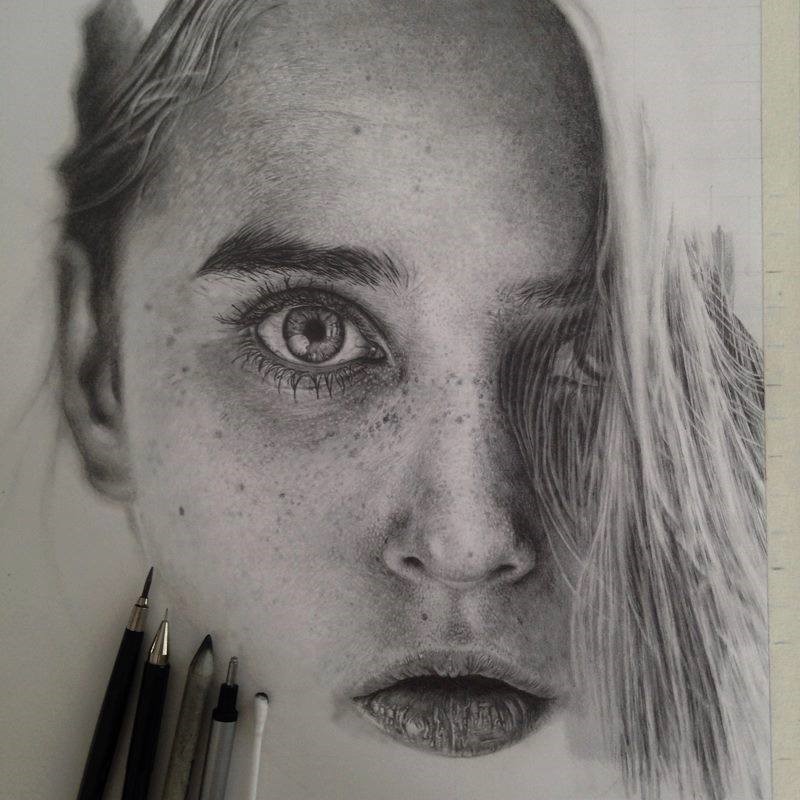 While using the colors you get an extra option of creating a perspective effect by carefully using the colors. The picture below is a great example of the same.


What the latest phone by nokia.
4693640349
God bless you