Smartness all around! Smart underwear may help prevent back pain!

Engineers in the US have designed a smart, mechanised undergarment that may help prevent lower back pain by reducing muscle fatigue.

While solutions for back pain are aplenty, most of them have at least one of three problems — they are unproven, unworkable or just plain unattractive. “People are often trying to capitalise on a huge societal problem with devices that are unproven or unviable,” said co-investigator Aaron Yang from Vanderbilt University Medical Center in Nashville, Tennessee, US.

“This smart clothing concept is different. I see a lot of health care workers or other professionals with jobs that require standing or leaning for long periods. Smart clothing may help offload some of those forces and reduce muscle fatigue,” Yang said. The device, unveiled at the Congress of the International Society of Biomechanics in Brisbane, Australia, consists of two fabric sections, made of nylon canvas, Lycra, polyester and other materials, for the chest and legs.

The sections are connected by sturdy straps across the middle back, with natural rubber pieces at the lower back and glutes. The device is designed so that users engage it only when they need it. A simple double tap to the shirt engages the straps. When the task is done, another double tap releases the straps so the user can sit down, and the device feels and behaves like normal clothes. The device also can be controlled by an app that the team created – users tap their phones to engage the smart clothing wirelessly via Bluetooth.

In experiments, the participants tested the device leaning forward and lifting 11-kg and 25-kg weights while holding their position at 30, 60 and 90 degrees.

Using motion capture, force plates and electromyography, the team demonstrated that the device reduced activity in the lower back extensor muscles by an average of 15 to 45 per cent for each task. The focus of this new technology is not for treating those with existing back pain but focuses on prevention by reducing stress and fatigue on the low back muscles, Yang said.

As a technology lover you may like our daily important technology news series. It’s a playlist and you can retrieve the total day-wise videos. Please consider subscribing our YouTube channel:

Author: Technology Vista

Tagged : /

This is how Twitter can help in forecasting crime: Study

Microblogging site Twitter, which is open and accessible to anyone, can be used to help predict people engaged in criminal activity, a study has found.

Although “people don’t share with the world that they intend to or have just committed a crime…(but) they do share are things like social events or outings that could lead to criminal activity”, said Matthew Gerber, Assistant Professor at the University of Virginia in the US.

For the study, presented at the Joint Statistical Meetings in Baltimore, the team developed statistical crime prediction methods which involved collecting more than 1.5 million public tweets tagged with Chicago-area GPS coordinates spanning January to March of 2013 as well as crime records covering the same period and geographic area.

After dividing and mapping out tweets and crime records onto a grid and identifying common topics of discussion (e.g., sports, restaurants, and entertainment) appearing in tweets, Gerber combined conclusions from this analysis with older forecasting models to predict crimes over the next month.

The result of his combined method was more precise, accurately predicting 19 out of 25 crime types.

“Some cities that utilise such methods as a basis for resource allocation have seen dramatic decreases in crime,” Gerber said. The research could assist police departments in resource allocation, deciding where and when to deploy officers.

As a technology lover you may like our daily important technology news series. It’s a playlist and you can retrieve the total day-wise videos. Please consider subscribing our YouTube channel:

Author: Technology Vista
Tagged : /

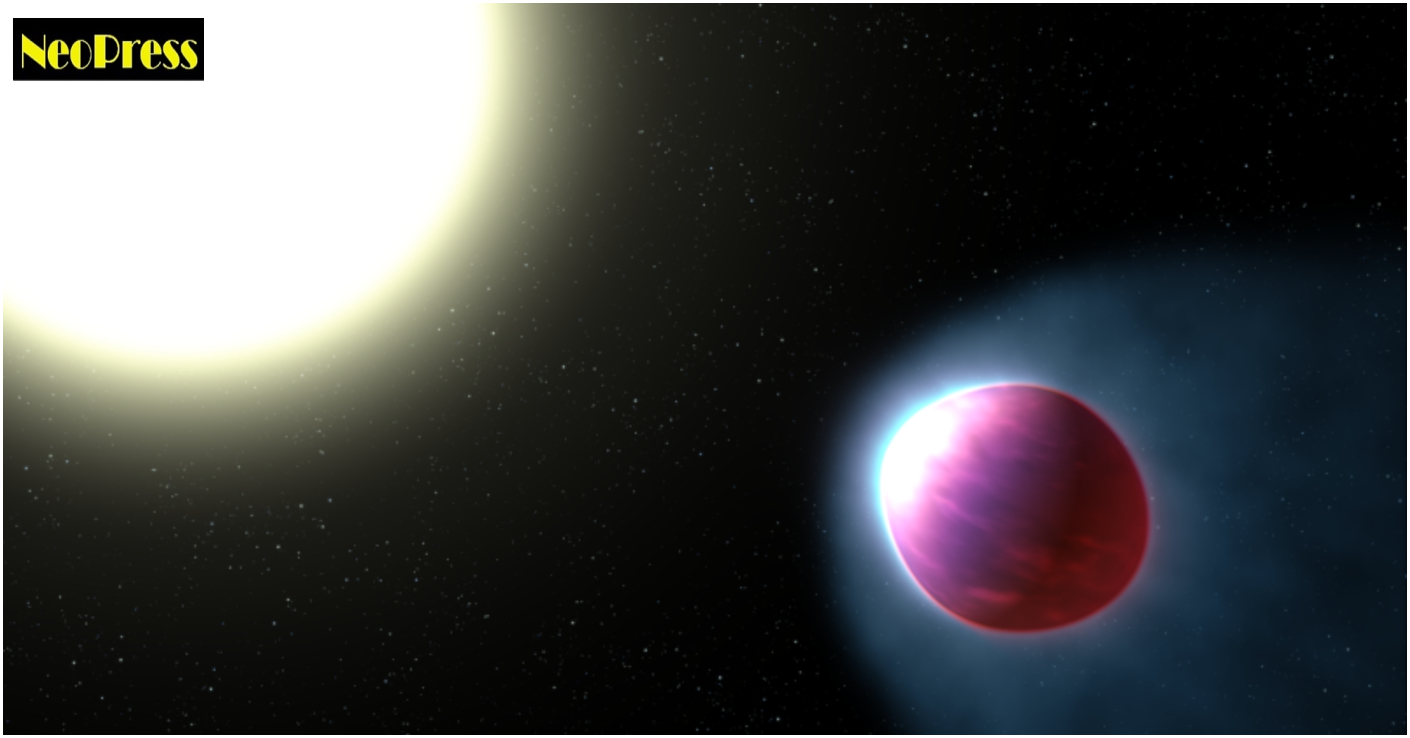
Another Earth? Hot exoplanet with glowing water atmosphere found

In a first, scientists have detected glowing water molecules in the atmosphere of a planet outside our solar system, implying that the exoplanet has a strong stratosphere.

The planet, WASP-121b, located approximately 900 light years from Earth, is a gas giant exoplanet commonly referred to as a “hot Jupiter.”

Finding glowing water molecules on the planet’s atmosphere, however, may not men detecting signs of alien life as its stratosphere – a layer of atmosphere where temperature increases with higher altitudes – is hot enough to boil iron.

“This result is exciting because it shows that a common trait of most of the atmospheres in our solar system — a warm stratosphere — also can be found in exoplanet atmospheres,” said Mark Marley, study co-author based at NASA’s Ames Research Center in California’s Silicon Valley.

“We can now compare processes in exoplanet atmospheres with the same processes that happen under different sets of conditions in our own solar system,” Marley said.

The discovery reported in the the journal Nature was made using NASA’s Hubble space telescope.

“The stratosphere of WASP-121b so hot it can make water vapour glow, which is the basis for our analysis,” said Drake Deming, Professor of Astronomy at University of Maryland and a co-author of the study.

To study the gas giant’s stratosphere, scientists used spectroscopy to analyse how the planet’s brightness changed at different wavelengths of light.

Water vapour in the planet’s atmosphere, for example, behaves in predictable ways in response to certain wavelengths of light, depending on the temperature of the water. At cooler temperatures, water vapour blocks light from beneath it. But at higher temperatures, the water molecules glow. The water molecules in the atmosphere of WASP-121b give off radiation as they lose energy, but it is in the form of infrared light, which the human eye is unable to detect.

“Theoretical models have suggested that stratospheres may define a special class of ultra-hot exoplanets, with important implications for the atmospheric physics and chemistry,” said Tom Evans, research fellow at the University of Exeter in Britain and lead author of the study. “When we pointed Hubble at WASP-121b, we saw glowing water molecules, implying that the planet has a strong stratosphere,” Evans said.

WASP-121b has a greater mass and radius than Jupiter, making it much puffier. But while Jupiter revolves around our Sun once every 12 years, WASP-121b has an orbital period of just 1.3 days. This exoplanet is so close to its star that if it got any closer, the star’s gravity would start ripping it apart. This close proximity also means that the top of the atmosphere is heated to a blazing hot 2,500 degrees Celsius – the temperature at which iron exists in gas rather than solid form.

“This new research is the smoking gun evidence scientists have been searching for when studying hot exoplanets,” said David Sing, Associate Professor University of Exeter and a co-author of the research paper. “We have discovered this hot Jupiter has a stratosphere, a common feature seen in most of our solar system planets,” Sing added.

As a technology lover you may like our daily important technology news series. It’s a playlist and you can retrieve the total day-wise videos. Please consider subscribing our YouTube channel:

Author: Technology Vista

Tagged : /

Apply for this job! NASA seeks officer to defend Earth from aliens

NASA is hiring a “planetary protection officer” who would be tasked to protect the Earth from potential alien contamination.

The US government’s official employment site advertised the job which is open to US citizens and nationals for applications until August 14, Newsweek reported on Wednesday.

“Planetary protection is concerned with the avoidance of organic-constituent and biological contamination in human and robotic space exploration,” the advertisement said.

The person who lands the job will draw a six figure salary — $124,406 to $187,000 per year — and security clearance is listed as “secret.”

“NASA maintains policies for planetary protection applicable to all space flight missions that may intentionally or unintentionally carry Earth organisms and organic constituents to the planets or other solar system bodies, and any mission employing spacecraft, which are intended to return to Earth and its biosphere with samples from extraterrestrial targets of exploration” the job advert said.

“This policy is based on federal requirements and international treaties and agreements,” it added. Candidates must have “broad engineering expertise,” and should be an expert in planetary protection.

“This includes demonstrated technical expertise to independently form technically sound judgments and evaluations in considerably complex situations,” according to the advert.

As a technology lover you may like our daily important technology news series. It’s a playlist and you can retrieve the total day-wise videos. Please consider subscribing our YouTube channel:

Author: Technology Vista

Tagged : /

Now, Control Microsoft Windows With your Eye! Microsoft launches ‘Eye Control’ beta for Windows 10

To empower people with disabilities to operate an on-screen mouse and keyboard, Microsoft has announced beta version of ‘Eye Control’ feature for Windows 10 that can be accessed by using eye movements.

According to a blog post by Dona Sarkar, Software Engineer at Microsoft, the ‘Eye Control’ feature requires a compatible eye tracker, like the ‘Tobii Eye Tracker 4C’, which can unlock access to the Windows operating system.

Once ‘Eye Control’ is turned on, a launchpad appears on the screen that allows a user to access the mouse, keyboard, text-to-speech and to reposition the User Interface (UI) to the opposite side of the screen. “To interact with the UI for ‘Eye Control’, simply look at the UI with your eyes until the button activates. A visual affordance will appear around the UI that you are looking at,” Sarkar said.

Users can control the mouse by simply selecting the mouse from the launchpad, position their eyes on the screen where they want the cursor to be placed.

Users can select the keyboard from the launchpad and dwell at the characters they want to type. However, the new tool faces challenges in direct sunlight and, therefore, the company said the device might require new calibration when moving to a location with different lighting conditions.

Also, the launchpad partially blocks the ‘Tobii UI’ during device calibration. “To work around this, turn off Eye Control during calibration and turn it back on when you are done,” Sarkar noted. The ‘Eye Control’ feature currently supports only selected eye trackers of ‘Tobii’ hardware.

As a technology lover you may like our daily important technology news series. It’s a playlist and you can retrieve the total day-wise videos. Please consider subscribing our YouTube channel:

Author: Technology Vista
Tagged : /

Now, sunglasses that can generate solar power

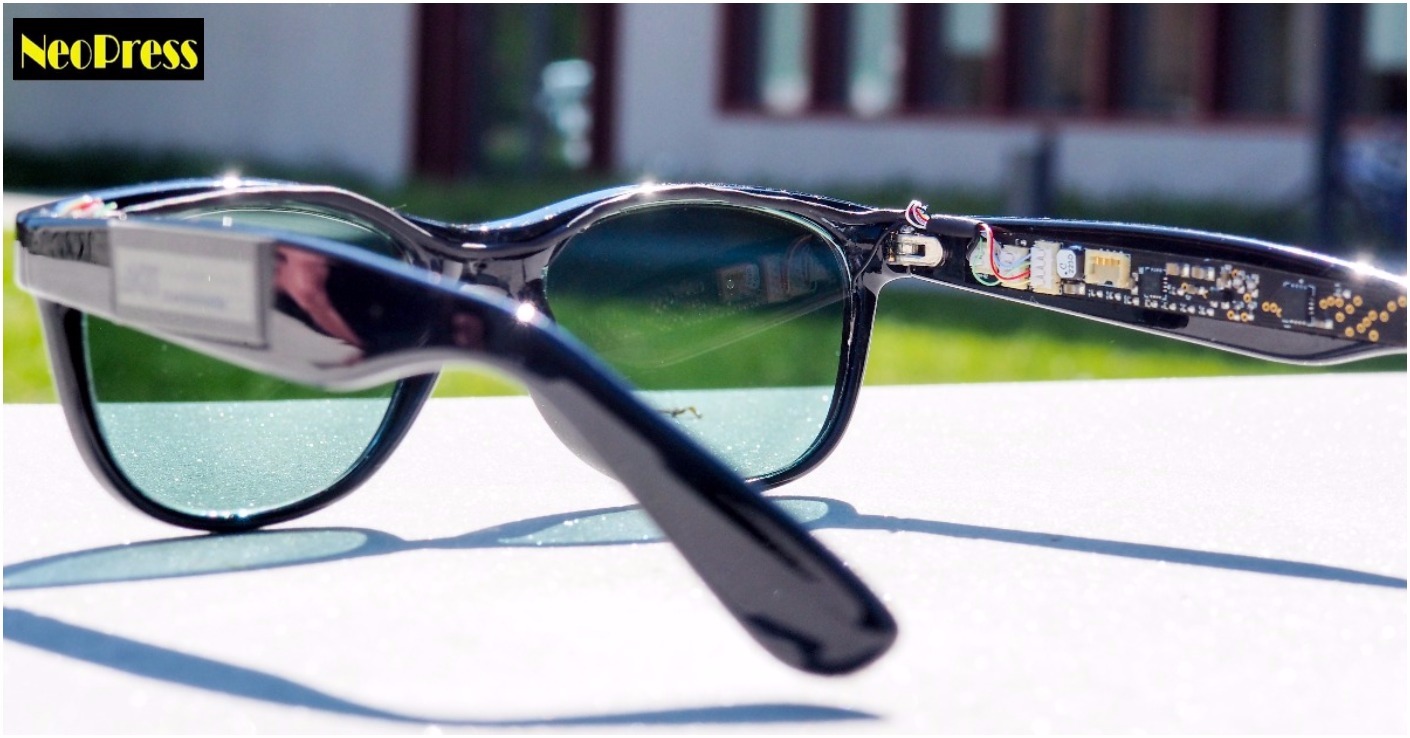
Researchers have designed new “smart” solar sunglasses incorporating semi-transparent organic solar cells that can generate electric power enough to operate devices such as hearing aids.

The invention can pave the way for other future applications such as the integration of organic solar cells into windows or overhead glazing, the researchers said.

“We bring solar power to places where other solar technologies fail,” said Alexander Colsmann, from the Karlsruhe Institute of Technology (KIT) in Germany.

“The solar glasses we developed are an example of how organic solar cells may be employed in applications that would not be feasible with conventional photovoltaics,” added Dominik Landerer, doctoral student at the KIT.

The solar cell lenses, perfectly fitted to a commercial frame, have a thickness of approximately 1.6 mm and weigh about six grams — just like the lenses of traditional sunglasses.

A microprocessor and two small displays are integrated into the temples of the solar glasses, which help these “smart” glasses to be self-powered to measure the solar illumination intensity and ambient temperature and view as bar graphs.

These solar glasses also work in indoor environments under illumination down to 500 lux — the usual illumination of an office or a living area.

Under these conditions, each of the “smart” lenses still generates 200 milliwatt of electric power — enough to operate devices such as a hearing aid or a step counter.

The solar cells, based on hydrocarbons, are very exciting devices due to their mechanical flexibility and the opportunity to adapt their colour, transparency, shape, and size to the desired application, Landerer added, in the paper detailed in the Energy Technology journal.

These solar glasses can also be integrated into the glass facades of high-rise buildings. Organic solar modules can be used for transforming the absorbed light into electric power, the study added.

As a technology lover you may like our daily important technology news series. It’s a playlist and you can retrieve the total day-wise videos. Please consider subscribing our YouTube channel:

Author: Technology Vista
Tagged : /

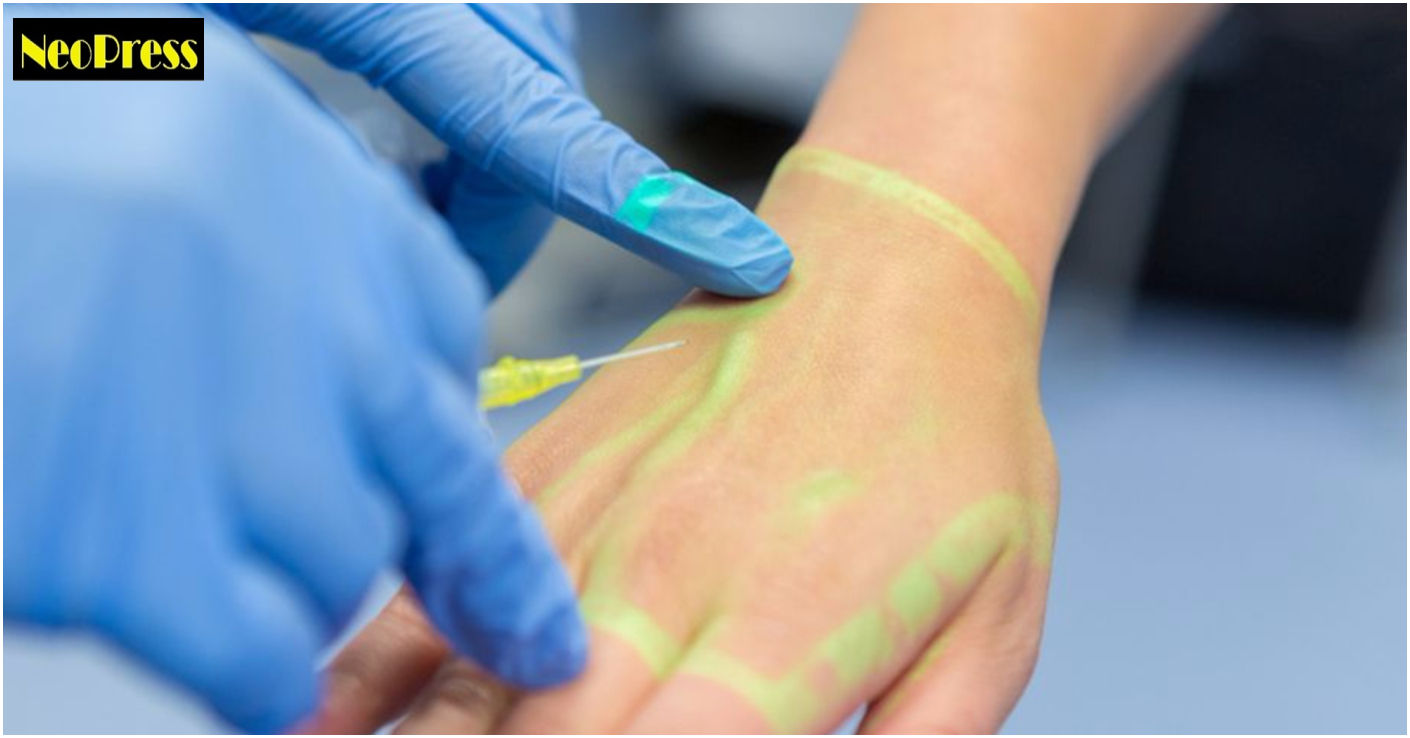
New cost effective vein-locating device launched

Kochi-based Medtra Innovative Technologies has come out with a device to identify veins easily for intravenous treatment and at a cost lower than in the global market.

The device named Veineux was launched on Friday and is expected to make intravenous treatment easier and affordable for patients and hospitals.

There are several issues with identifying veins for injecting medicines or drawing blood samples which get complicated if the vein is that of a child, an obese or aged person or the languid vein of a chemotherapy patient.

Such situations which warrant repeated slapping, pressing, warming and palpating the veins with repeated jabs are often clumsy and painful, with even experienced nurses and anesthetists finding it difficult to trace some veins, a statement said.

Sujith Surendran, MD of Medtra Innovative Technologies, and Saj Sulaiman, chairman of the company, both of who are biomedical engineers, developed the new instrument. It works using infra red technology and costs less than half those made in the US and China.

“The Veineux uses augmented reality based technology to find the vein. Medtra has set up a production facility here and is now listed under ‘Make in India’ project,” said Surendran.

As a technology lover you may like our daily important technology news series. It’s a playlist and you can retrieve the total day-wise videos. Please consider subscribing our YouTube channel:

Author: Technology Vista

Tagged : /

Lenovo’s flagship phone K8 Note coming to India on August 9

Chinese smartphone maker Lenovo will unveil its flagship device K8 Note in India on August 9.

“New KillerNote uncaging on 09.08.17,” the company said in a statement on Monday. Earlier, it was expected the new addition in Lenovo’s Note series would be K7 Note.

The reason Lenovo decided to skip on the K7 Note remains unclear. Chinese smartphone manufacturer OnePlus also skipped on the number 4 and launched OnePlus 5 after OnePlus 3T.

Similarly, South Korean tech giant Samsung skipped Galaxy Note 6 and unveiled Note 7 last year. Specifications of the upcoming K8 Note were recently leaked on Geekbench benchmarking site which suggests that it is likely to house a deca-core MediaTek Helio X20 Helio SoC coupled with 4GB RAM.

The smartphone will run Android 7.1.1 Nougat OS out of the box, the listing adds. It is also expected to sport a 5.5-inch screen with a resolution of 1920 x 1080 pixels.

As a technology lover you may like our daily important technology news series. It’s a playlist and you can retrieve the total day-wise videos. Please consider subscribing our YouTube channel:

Author: Technology Vista

Tagged : /

This is why Artificial Intelligence is a risk. Facebook shuts AI system after bots create own language!!

Days after Tesla CEO Elon Musk said that artificial intelligence (AI) was the biggest risk, Facebook has shut down one of its AI systems after chatbots started speaking in their own language defying the codes provided.

According to a report in Tech Times on Sunday, the social media giant had to pull the plug on the AI system that its researchers were working on “because things got out of hand”. “The AI did not start shutting down computers worldwide or something of the sort, but it stopped using English and started using a language that it created,” the report noted.

Initially the AI agents used English to converse with each other but they later created a new language that only AI systems could understand, thus, defying their purpose. This led Facebook researchers to shut down the AI systems and then force them to speak to each other only in English.

In June, researchers from the Facebook AI Research Lab (FAIR) found that while they were busy trying to improve chatbots, the “dialogue agents” were creating their own language. Soon, the bots began to deviate from the scripted norms and started communicating in an entirely new language which they created without human input, media reports said.

Using machine learning algorithms, the “dialogue agents” were left to converse freely in an attempt to strengthen their conversational skills. The researchers also found these bots to be “incredibly crafty negotiators”.

“After learning to negotiate, the bots relied on machine learning and advanced strategies in an attempt to improve the outcome of these negotiations,” the report said. “Over time, the bots became quite skilled at it and even began feigning interest in one item in order to ‘sacrifice’ it at a later stage in the negotiation as a faux compromise,” it added.

Although this appears to be a huge leap for AI, several experts including Professor Stephen Hawking have raised fears that humans, who are limited by slow biological evolution, could be superseded by AI. Others like Tesla’s Elon Musk, philanthropist Bill Gates and ex-Apple founder Steve Wozniak have also expressed their concerns about where the AI technology was heading.

Interestingly, this incident took place just days after a verbal spat between Facebook CEO and Musk who exchanged harsh words over a debate on the future of AI. “I’ve talked to Mark about this (AI). His understanding of the subject is limited,” Musk tweeted last week.

The tweet came after Zuckerberg, during a Facebook livestream earlier this month, castigated Musk for arguing that care and regulation was needed to safeguard the future if AI becomes mainstream. “I think people who are naysayers and try to drum up these doomsday scenarios — I just, I don’t understand it. It’s really negative and in some ways I actually think it is pretty irresponsible,” Zuckerberg said.

Musk has been speaking frequently on AI and has called its progress the “biggest risk we face as a civilisation”. “AI is a rare case where we need to be proactive in regulation instead of reactive because if we’re reactive in AI regulation it’s too late,” he said.

As a technology lover you may like our daily important technology news series. It’s a playlist and you can retrieve the total day-wise videos. Please consider subscribing our YouTube channel:

Author: Technology Vista

Tagged : /

This smart ring controls your smartphone!

In a bid to provide a convenient solution for those with sight or hearing problems, tech start-up Origami Labs has launched a smart ring that gives hands-free control of a smartphone.

The ‘ORII’ smart ring uses Bluetooth connectivity to allow users to control their smartphones using voice commands, Techcrunch reported on Friday.

Available on crowd-funding platform Kickstarter.com for $99, the ring can be used to make calls, send messages, post to social media and more.

The device works using ‘bone conduction’ technology which allows the bearer to listen to playback of what is running on the phone — call, music or video — by simply putting a finger to their ear.

‘ORII’ works directly with ‘Siri’ and ‘Google Assistant’ to give Android and iOS users full hands-free control of their devices’ virtual assistant, while its companion app enables customised alerts via LED lights and vibrations, the report added.

As a technology lover you may like our daily important technology news series. It’s a playlist and you can retrieve the total day-wise videos. Please consider subscribing our YouTube channel:

Author: Technology Vista
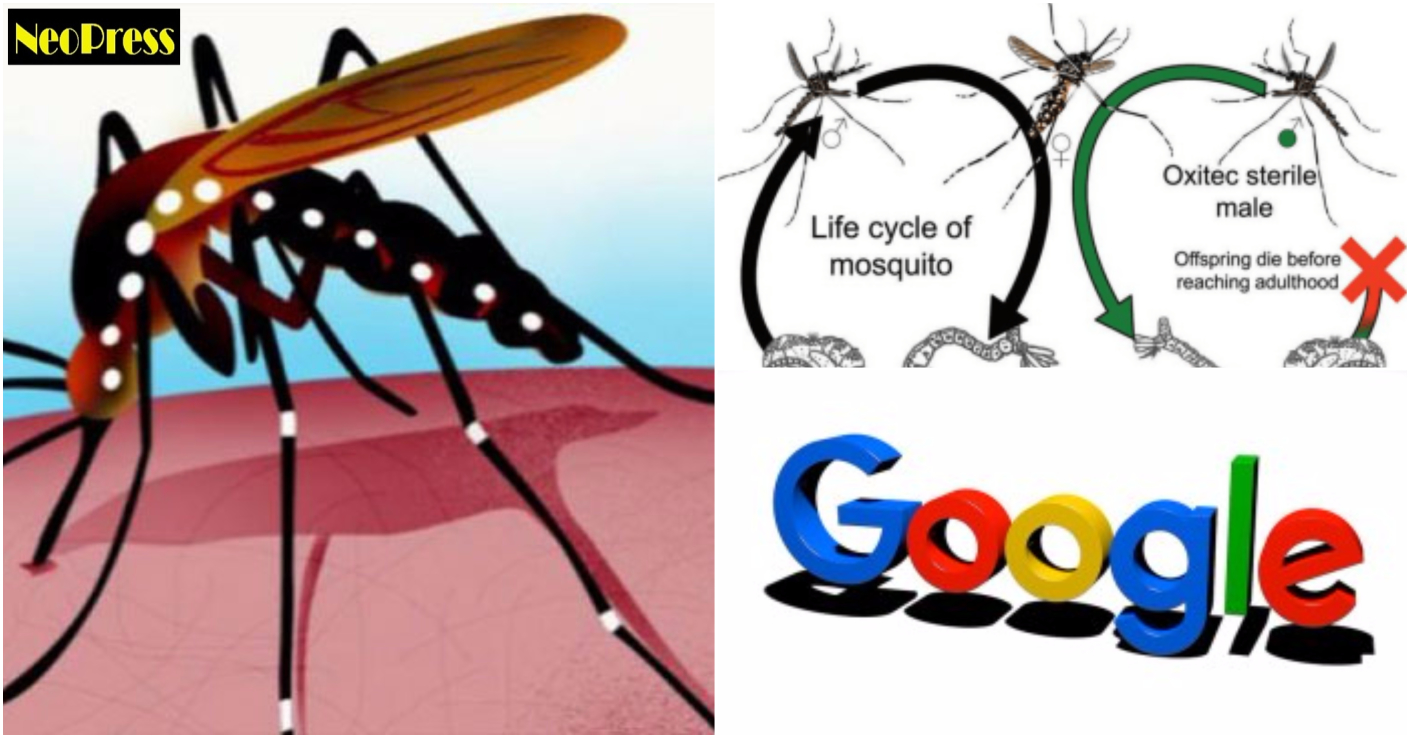
Ever heard about Google Mosquitoes? They are planned to to shrink the numbers of the disease-carrying ones.

Google’s parent company Alphabet and scientists in the US have teamed up to release 20 million machine-raised mosquitoes to shrink the numbers of the disease-carrying ones.

According to the plans, millions of sterile male mosquitoes will be released in Fresno county in California, which will then mate with wild female mosquitoes. The eggs the females lay won’t hatch, a report in the Washington Post said.

The project, called Debug Fresno, is being undertaken by Verily, a subsidiary of Alphabet, Google’s holding company.

Scientists said that the goal is to cut the numbers of Aedes aegypti mosquitoes — the species responsible for spreading zika, dengue and chikungunya.

For 20 weeks, the company plans to release a million of the sterile, non-biting male mosquitoes in two neighbourhoods in Fresno county.

The male mosquitoes are bred and infected with Wolbachia, a bacterium that is naturally found in at least 40 per cent of all insect species, the report said.

“Over time, we hope to see a steep decline in the presence of Aedes aegypti in these communities,” Verily was quoted as saying.

In a phenomenon called cytoplasmic incompatibility, “matings between Wolbachia-infected males and uninfected females result in embryo lethality or low hatch rates”, William Sullivan and Scott L. O’Neill wrote in the journal Nature.

They said that the bacterium used to sterilise mosquitoes “is not known” to infect humans.

As a technology lover you may like our daily important technology news series. It’s a playlist and you can retrieve the total day-wise videos. Please consider subscribing our YouTube channel:

Author: Technology Vista

Tagged : /

Asus Zenfone AR: Your first date with Google Tango and Daydream (Tech Review)

It was Lenovo Phab 2 Pro that first came with Google “Tango” — an Augmented Reality (AR) platform for smartphones — but it failed to cast a spell on the Indian market.

Taiwanese smartphone maker Asus has now unveiled Zenfone AR that is the first premium-category smartphone which is not only Tango-enabled but also packs Google “Daydream” — a Virtual Reality (VR) platform.

The Rs 49,999 smartphone sports top-notch specifications like Snapdragon 821 chipset, a whopping 8GB RAM and 23MP “TriTec” camera at rear.

On the left is a SIM card slot and the right side houses the power key and volume rockers with Asus’ trademark concentric circles. The headphone jack sits at the bottom, along with a USB Type-C port and a speaker grill.

Here is what works for the device.

Zenfone AR is a welcome change from the slabs of metal and glass that come out of pockets. The leather-rich back panel renders a premium look and good grip.

Given the large 5.7-inch screen size, this is definitely not a compact phone. But, at 170 grams, it won’t tire your hands even if you hold it for a long time. The aluminium frame keeps the phone sturdy and solid.

The bottom-firing speaker was pretty loud and won’t let you miss any call. We found it to be loud and rich enough to enhance the VR experience.

What differentiates it from other flagship Android smartphones is its AR and VR capabilities.

The way it manages to cram in a complete AR platform in a rather slim frame is impressive.

We accessed the dedicated app store to download Tango apps and especially liked the BMW app that projected a virtual car in the front. The AR details, which we discovered during the virtual tour, was impressive.

The optimised Qualcomm Snapdragon 821 chipset on board efficiently handled this resource-heavy task.

The WQHD Super AMOLED display (2560×1440) with 515ppi makes for a rich VR experience. It is protected by a layer of Corning Gorilla Glass 4. The display has excellent viewing angles and its sunlight legibility is great.

The TriTec camera with a 23MP primary sensor, a motion tracking and a depth-sensing sensor, captures images in great detail.

The colours were not oversaturated and the highlights were not gimmicky. The camera interface that you get is not the most modern-looking one but impresses when it comes to capturing still images.

The 8MP front snapper surprisingly took photos with great detail. It does not oversharpen images like many other smartphones in the same category — like those from OnePlus. Also, there are many “beauty” filters to choose from but we liked the ones clicked with the filters off.

What does not work.

The Taiwanese tech major had confirmed that Zenfone AR features vapour-cooling system to avoid overheating but the device did heat up when we turned on the camera to check its imaging capability.

While some heat emanated while testing its VR capabilities, it did not reach a point that made us uncomfortable (while wearing the VR headset, which looks amazing).

Asus’ ZenUI interface, however, has a lot of bloatware.

Conclusion: This is Asus’ serious attempt in making a really good-looking mainstream smartphone. With a big RAM and abundant memory (128GB and expandable up to 2TB), Zenfone AR makes for an exciting alternative to the likes of OnePlus 5.

As a technology lover you may like our daily important technology news series. It’s a playlist and you can retrieve the total day-wise videos. Please consider subscribing our YouTube channel:

Author: Technology Vista
Tagged : /

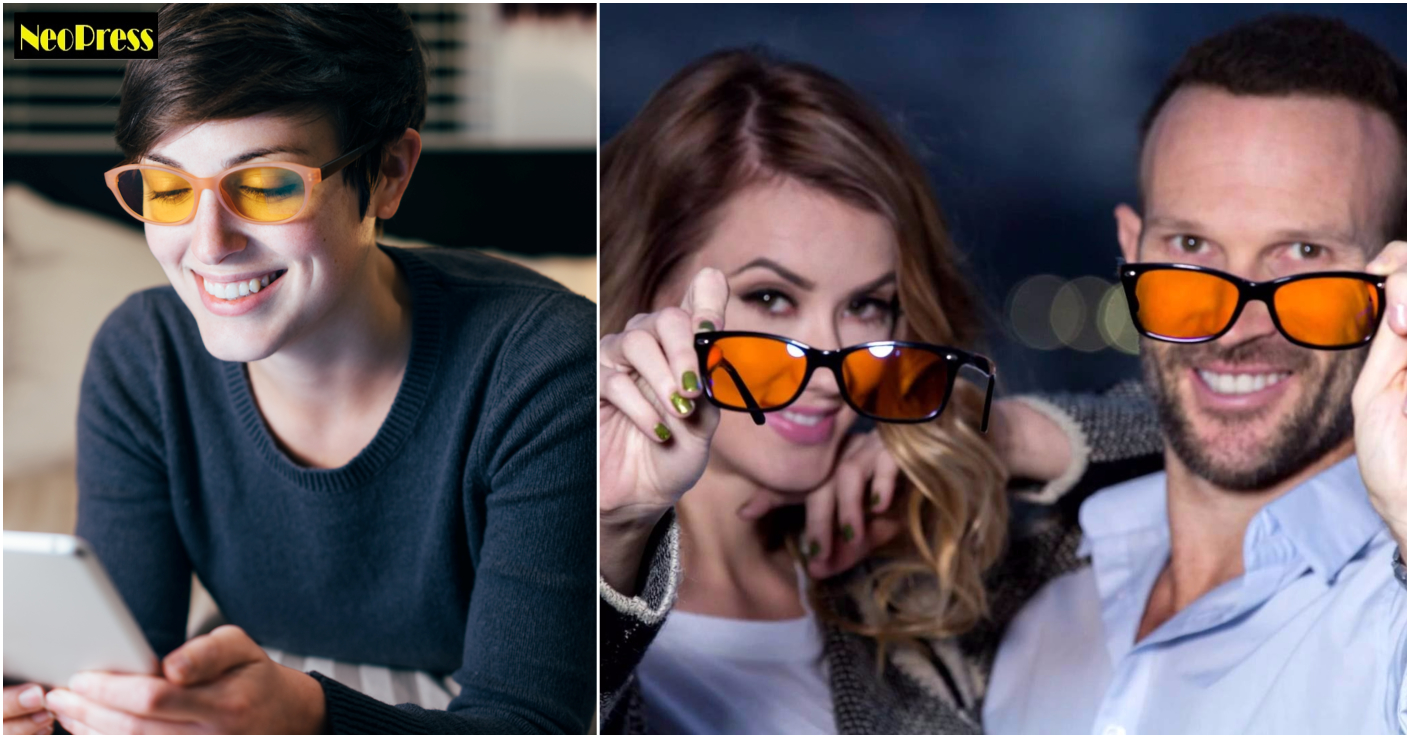
This is why you should use blue-light blocking glasses at night!

Do you snuggle up with your smartphone or watch TV from the comfort of your bed? Blue-light emitting from digital devices may affect your sleep and cause sleep dysfunction, researchers have found.

The largest source of blue light is sunlight, but it’s also found in most LED-based devices. Blue light boosts alertness and regulates our internal body clock or circadian rhythm, that tells our bodies when to sleep.

This artificial light activates photoreceptors called intrinsically photosensitive retinal ganglion cells (ipRGCs), which suppresses melatonin.

Lead researcher of the study recommends limiting screen time, applying screen filters, wearing computer glasses that block blue light or use anti-reflective lenses to offset the effects of artificial light at night-time.

“By using blue blocking glasses we are decreasing input to the photoreceptors, so we can improve sleep and still continue to use our devices,” said Lisa Ostrin, Assistant Professor at the University of Houston.

The participants of the study, published in the journal Ophthalmic and Physiological Optics, wore short wavelength-blocking glasses three hours before bedtime for two weeks, while still performing their nightly digital routine.

The results showed about 58 per cent increase in their night time melatonin levels, the chemical that signals your body that it’s time to sleep. Wearing activity and sleep monitors 24 hours a day, the study participants also reported sleeping better, falling asleep faster and even increased their sleep duration by 24 minutes a night, Ostrin mentioned.

As a technology lover you may like our daily important technology news series. It’s a playlist and you can retrieve the total day-wise videos. Please consider subscribing our YouTube channel:

Author: Technology Vista

Tagged : /

NASA builds prototype for deep space habitat

The first prototype of NASA’s deep space habitat will be made up of a recycled aluminum cargo container and will help the space agency to develop life-support systems that can protect astronauts when they travel beyond low-Earth orbits, the media reported.

The cargo space container, named Donatello built 15 years ago, will be refurbished into a habitat prototype by Lockheed Martin — a global security and aerospace company — at the Kennedy Space Centre in Florida, The Washington Post reported on Wednesday.

From the outside, Donatello looks like just a massive cylindrical metal container, about 21 feet long and 15 feet in diameter.

However, the interior will be turned into a living quarter, with robotics work stations for astronauts, a place to exercise and storage spaces for food, water, toiletries – “all the tings you need to live and be happy in space”, said Bill Pratt, programme manager for the habitat contract, at Lockheed Martin.

“While building this habitat, we have to operate in a different mindset that’s more akin to long trips to Mars to ensure we keep them safe, healthy and productive,” Pratt added.

Donatello, was one of three built by the Italian Space Agency in the 1990s to serve as “moving vans carrying equipment, experiments and supplies to and from the International Space Station” and was delivered to NASA’s Kennedy Space Centre from Italy in 2001.

The project, which would take about 18 months to be ready for roll out, is a step toward NASA’s next big human spaceflight project called the Deep Space Gateway — a “spaceport” in the moon’s orbit where astronauts would live for up to an year.

The Deep Space Gateway habitat will be docked to a spacecraft called Orion, the “exploration vehicle” that will carry astronauts to space.

As a technology lover you may like our daily important technology news series. It’s a playlist and you can retrieve the total day-wise videos. Please consider subscribing our YouTube channel:

Author: Technology Vista
Tagged : /

Meizu unveils flagship devices with unique rear display

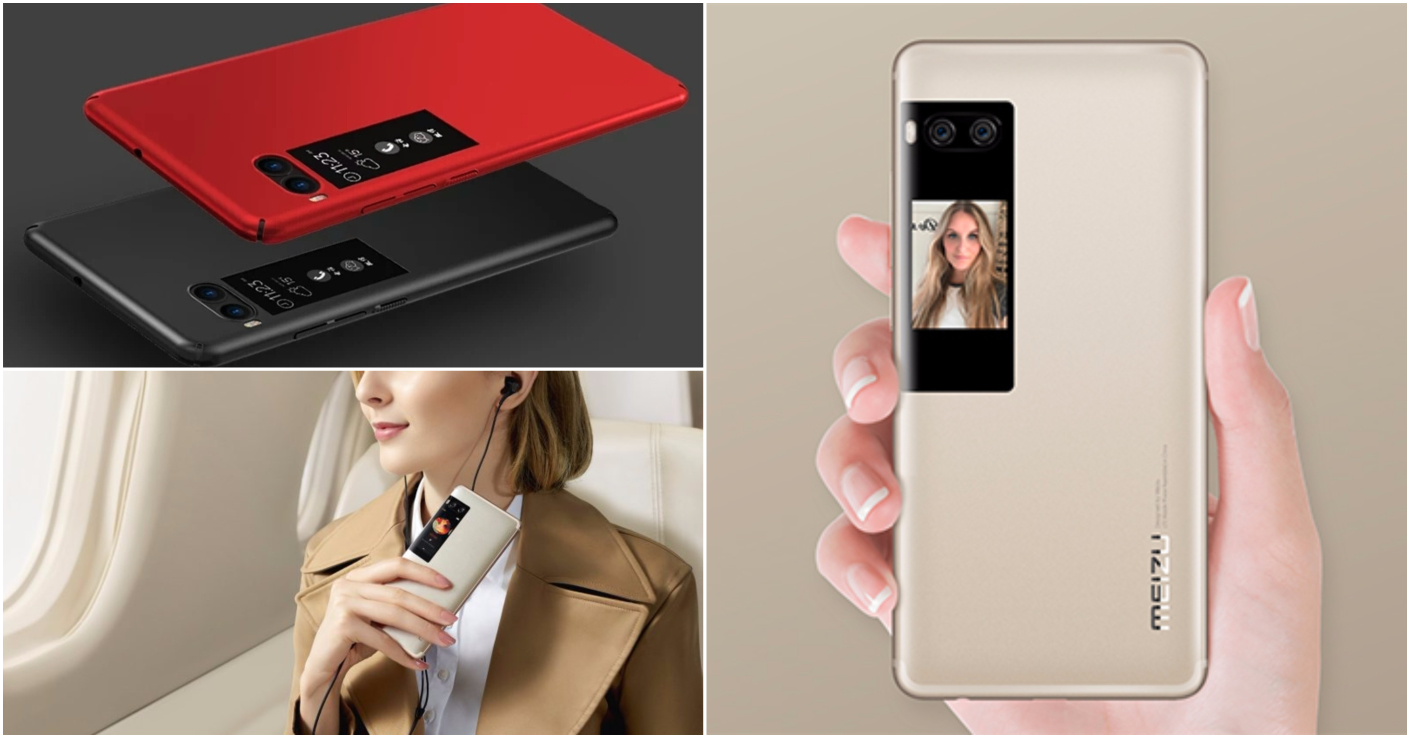
Chinese smartphone manufacturer Meizu on Thursday unveiled its latest flagship devices — ‘PRO 7’ and ‘PRO 7 Plus’ — which feature dual screens (one at the rear) and dual cameras.

The ‘PRO 7’ and ‘PRO 7 Plus’ feature an AMOLED rear display which allows users to manage notifications and take ‘selfies’ with rear cameras. In the front, ‘Pro 7’ carries 5.2-inch super-AMOLED full-HD display while ‘PRO 7 Plus’ has 5.7-inch Quad-HD display.

The devices pack 12MP dual cameras on the rear and 16MP ‘selfie’ cameras. “The ‘Meizu PRO 7’ and ‘PRO 7 Plus’ convey the very essence of Meizu — our passion to innovate and our commitment to creating premium devices,” said Ard Boudeling, Head of Global Marketing, Meizu, in a statement.

“We have been trying out different implementations of rear displays for the past years and are confident we have now created an implementation that truly offers a great user experience,” he added.

‘PRO 7’ is equipped with Helio P25 processor and has 4GB RAM and 64GB of internal storage. ‘PRO 7 Plus’ comes with 6GB RAM and offers two storage options of 64GB and 128GB. ‘Meizu PRO 7’ and ‘PRO 7 Plus’ are powered by 3,000mAh and 3,500mAh batteries, respectively, which are capable of quick-charging.

The prices of both the devices are yet to be announced.

As a technology lover you may like our daily important technology news series. It’s a playlist and you can retrieve the total day-wise videos. Please consider subscribing our YouTube channel:

Author: Technology Vista

Tagged : /
Verified by ExactMetrics