Smartphone-based diagnostic tests could replace labs

Researchers have found that a smartphone-based diagnostic test technology could perform lab-grade medical diagnostic tests that typically require large, expensive instruments.

The researchers at the University of Illinois at Urbana-Champaign in the US have developed a handheld spectral analyser that attaches to a smartphone and analyses patient blood, urine or saliva samples.

In a study published in the journal Lab on a Chip, the researchers demonstrated that the spectral transmission-reflectance-intensity (TRI)-Analyser costing $550 could make a smartphone do the tests as reliably as clinic-based instruments that cost thousands of dollars. “Our TRI Analyser is like the Swiss Army knife of biosensing,” said Professor Brian Cunningham. “It’s capable of performing the three most common types of tests in medical diagnostics, so in practice, thousands of already-developed tests could be adapted to it,” Cunningham said.

Cunningham’s team used the TRI Analyser to perform two commercially available assays — a test to detect a biomarker associated with pre-term birth in pregnant women and the PKU test for newborns to indirectly detect an enzyme essential for normal growth and development. Their tests results were comparable to those acquired with clinic-grade spectrometer instrumentation, according to the study. “The TRI Analyser is more of a portable laboratory than a specialised device,” said Kenny Long who is lead author of the research study.

Among the many diagnostic tests that can be adapted to their point-of-care smartphone format, Long said, is an enzyme-linked immunosorbent assay (ELISA), which detects and measures a wide variety of proteins and antibodies in blood and is commonly used for a wide range of health diagnostics tests.

The system is capable of detecting the output of any test that uses a liquid that changes colour, or a liquid that generates light output (such as from fluorescent dyes).

The TRI Analyser operates by converting the smartphone camera into a high-performance spectrometer. Specifically, the analyser illuminates a sample fluid with the phone’s internal white LED flash or with an inexpensive external green laser diode. The light from the sample is collected in an optical fiber and guided through a diffraction grating into the phone’s rear-facing internal camera.

These optical components are all arranged within a 3D-printed plastic cradle. The TRI Analyser can simultaneously measure multiple samples by using a microfluidic cartridge that slides through an opening in the back of the cradle. This ability to analyse multiple samples quickly and reliably makes the Analyser suitable for patients who lack convenient access to a clinic or hospital with diagnostic test facilities or for patients with urgent health situations requiring rapid results, the researchers said.

As a technology lover you may like our daily important technology news series. It’s a playlist and you can retrieve the total day-wise videos. Please consider subscribing our YouTube channel:

Author: Technology Vista
Tagged : /

Know the release date of Nokia 6 . Over 1 million registered on Amazon already!

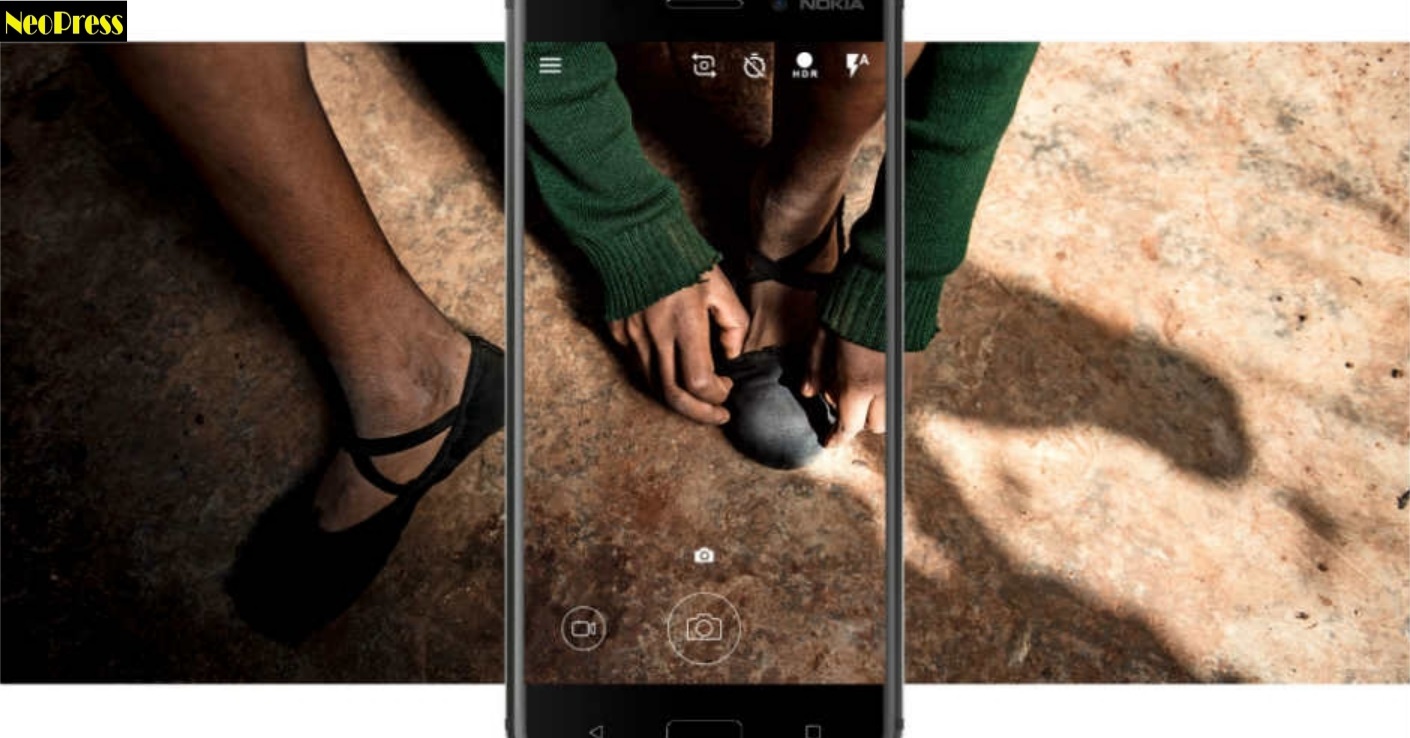
Nokia 6 has received over one million registrations on Amazon.in and customers can buy the smartphone for Rs 14,999 from August 23.

With an immersive audio experience and a 5.5-inch full-HD screen, Nokia 6 delivers a truly premium smartphone experience.

The smart audio amplifier with dual speakers allows consumers to experience a deep bass and unmatched clarity, whilst Dolby Atmos sound delivers a powerfully moving entertainment experience.

Powered by the Qualcomm Snapdragon 430 mobile platform and the Qualcomm Adreno 505 graphics processor, Nokia 6 is available in four colours — Matte Black, Silver, Tempered Blue and Copper. The new Nokia 6 comes pre-installed with the Amazon shopping app, Kindle app and a unique Daily Deals widget which gives users easy access to personalized deals, order history, shipment updates and more.

Amazon ‘Prime’ members can also access thousands of movies and TV shows through the pre-installed Amazon Prime Video app. The registrations for Nokia 6 opened on July 14. The Amazon ‘Prime’ members who purchase Nokia 6 using Amazon Pay balance can also avail a Rs 1,000 cashback offer.

As a technology lover you may like our daily important technology news series. It’s a playlist and you can retrieve the total day-wise videos. Please consider subscribing our YouTube channel:

Author: Technology Vista
Tagged : /

iPhone 8 can make Apple world’s first trillion dollar company

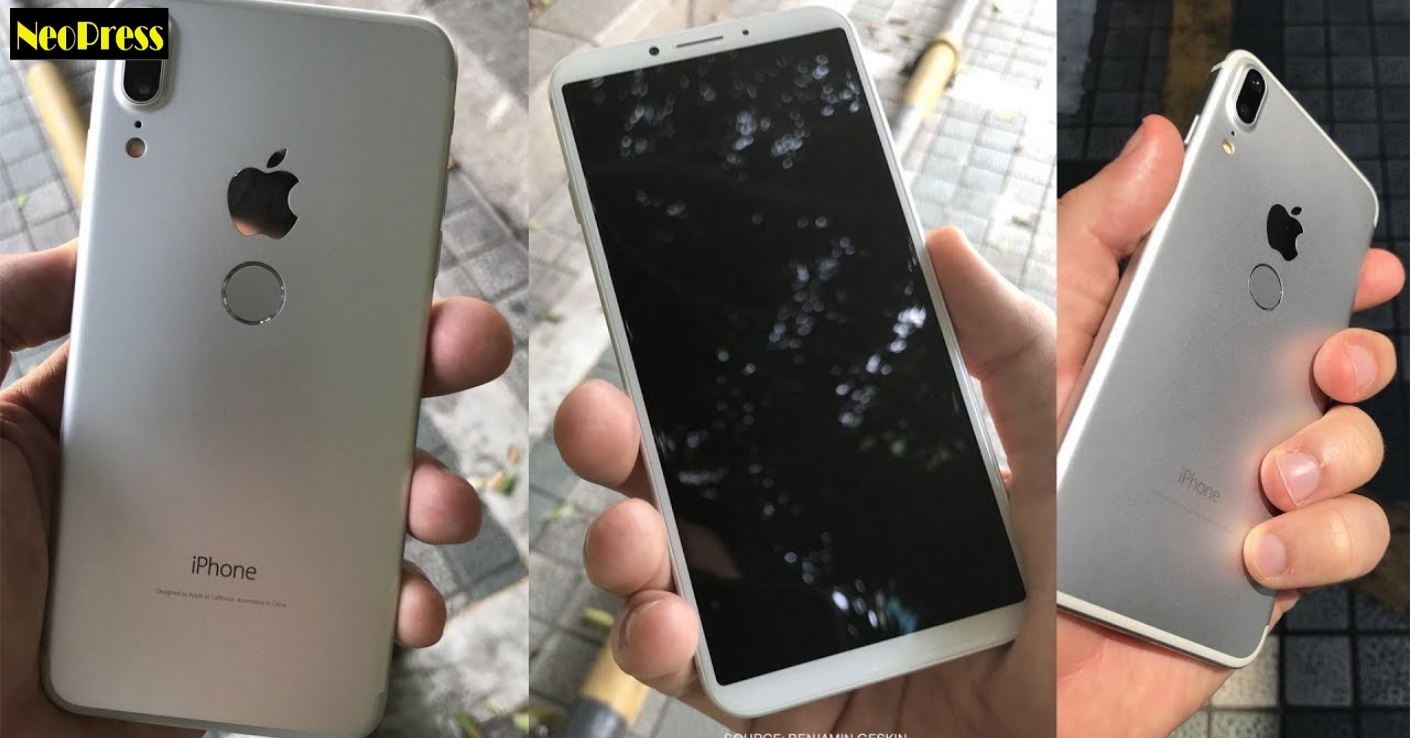
Riding on the ‘better-than-expected iPad and iPhone sales’, the upcoming flagship device iPhone 8 could make the Cupertino-based giant the first company to reach and sustain a $1 trillion market cap, analysts have predicted.

According to a report in MarketWatch late on Wednesday, since the announcement of its third quarter results, the stock momentum has added $56 billion to the company’s market cap.

Analysts from investment service company RBC Capital predicted that the stock momentum will continue as Apple will launch its flagship device iPhone 8 in mid-September.

RBC analysts said the iPhone 8 launch will create a ‘super cycle’ for the company.

“Apple has potential to achieve a $1 trillion dollar market cap and even surpass that over the next 12 to 18 months. We see upside occurring from multiple levers,” Amit Daryanani, lead analyst on the note, was quoted as saying.

Those “levers” to get to $12 per share in profit are revenue increasing from new iPhone models, including a higher-priced premium model, growing services revenue helping to expand profit margins, tighter cost control and strong stock buybacks, the analyst said.

Daryanani said that Apple’s share price would have to rise from its current level (about $160) to about $192 to $195, depending on the rate of the company’s stock buybacks, to reach the $1 trillion value.

According to reports, Apple might release three iPhones — iPhone 7S, 7S Plus and iPhone 8 — in September. With an expected price range of between $900 and $1,100, two of the three iPhones are expected to be more expensive compared with previous versions.

Apple posted a quarterly revenue of $45.4 billion — up seven per cent YoY (year-over-year) — for the third quarter of 2017. With revenue up seven per cent YoY, the company reported a third consecutive quarter of accelerating growth and an all-time quarterly record for services revenue.

The net income was up to $8.72 billion ($1.67 per share) from $7.80 billion ($1.42 per share) a year earlier. iPhone sales were up 1.6 per cent to 41.03 million in the third quarter that ended on July 1. The Cupertino-based tech giant sold 40.4 million iPhones a year earlier. Apple saw a 21.6 per cent jump in the services business – the App Store, Apple Pay and iCloud – to $7.27 billion.

We also returned $11.7 billion to investors during the quarter, bringing cumulative capital returns under our programme to almost $223 billion, the company said. According to The Verge, leading the way was Apple’s iPad sales, which were up 15 per cent from 2016. Hardware like the Apple Watch, AirPods, and Beats headphones were the highlights in the ‘Other Products’ category.

As a technology lover you may like our daily important technology news series. It’s a playlist and you can retrieve the total day-wise videos. Please consider subscribing our YouTube channel:

Author: Technology Vista
Tagged : /

Gionee India unveils ‘A1 Lite’. Know the price and specifications

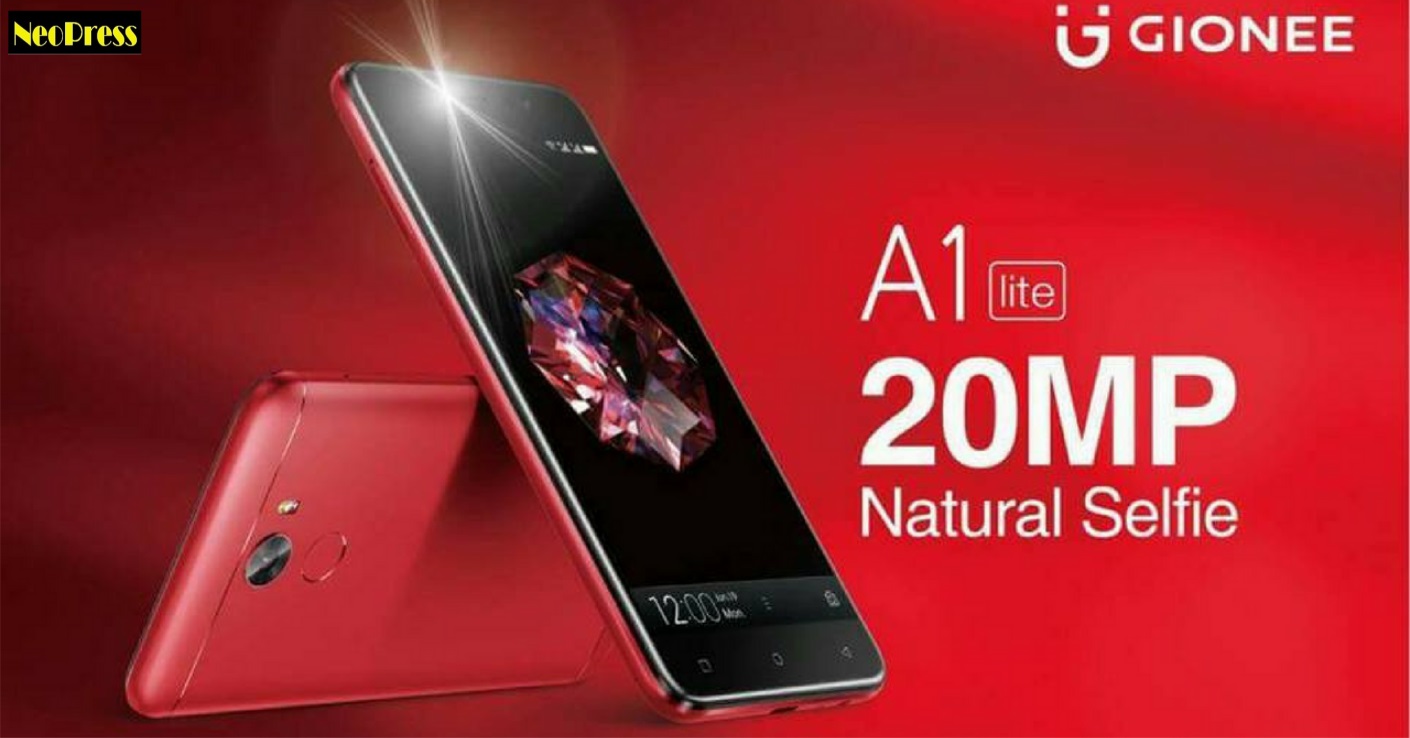
After receiving good response for ‘A1Plus’ that was launched last month, Gionee India on Wednesday launched ‘A1 Lite’ with dual-rear camera set-up for Rs 14,999.

Housing 20MP ‘selfie’ camera, a 4000mAh battery and lightning-fast fingerprint sensor, the device would be available across retail stores from August 10. Protected by Gorilla Glass, the 5.3-inch device offers split-screen experience for multi-taskers. The phone comes in two colours — gold and black.

“Keeping up with the growing demand for high-quality smartphones with superior photography capabilities, we are thrilled to launch ‘A1 Lite’. With the newest in line 13 MP dual rear camera and a trendy design, A1 Lite will surely be the next game changer,” said Alok Shrivastava, Director – Business Intelligence and Planning, Gionee India, in a statement.

The 4G VoLTE-enabled ‘A1 Lite’ runs octa-core 64-bit processor. Powered by 3GB RAM, ‘A1 Lite’ has 32GB internal storage (expandable up to 256GB). Powered by four-cell technology, the front camera captures more light than before, resulting in clearer selfies. Like its predecessor ‘A1’, ‘A1 Lite’ is equipped with fingerprint sensor that claims to unlock the phone in just 0.3 second.

The device has 2.5D curved glass, a back cover that gleams with metallic, and a sleek unibody design. Establishing its operations in India in 2012, Gionee currently has six per cent share in the domestic smartphone market. The company has presence in over 42,000 retail outlets across 2,200 cities and has invested in 555 exclusive service stations with plans to expand these to 600. This enhances its after-sales relationships with the customers.

Gionee has also partnered with Airtel and PayTm for some exciting offers on the purchase of ‘A1 Lite’.

As a technology lover you may like our daily important technology news series. It’s a playlist and you can retrieve the total day-wise videos. Please consider subscribing our YouTube channel:

Author: Technology Vista
Tagged : /

Lenovo ‘K8 Note’: Tough challenge to ‘Redmi Note 4’

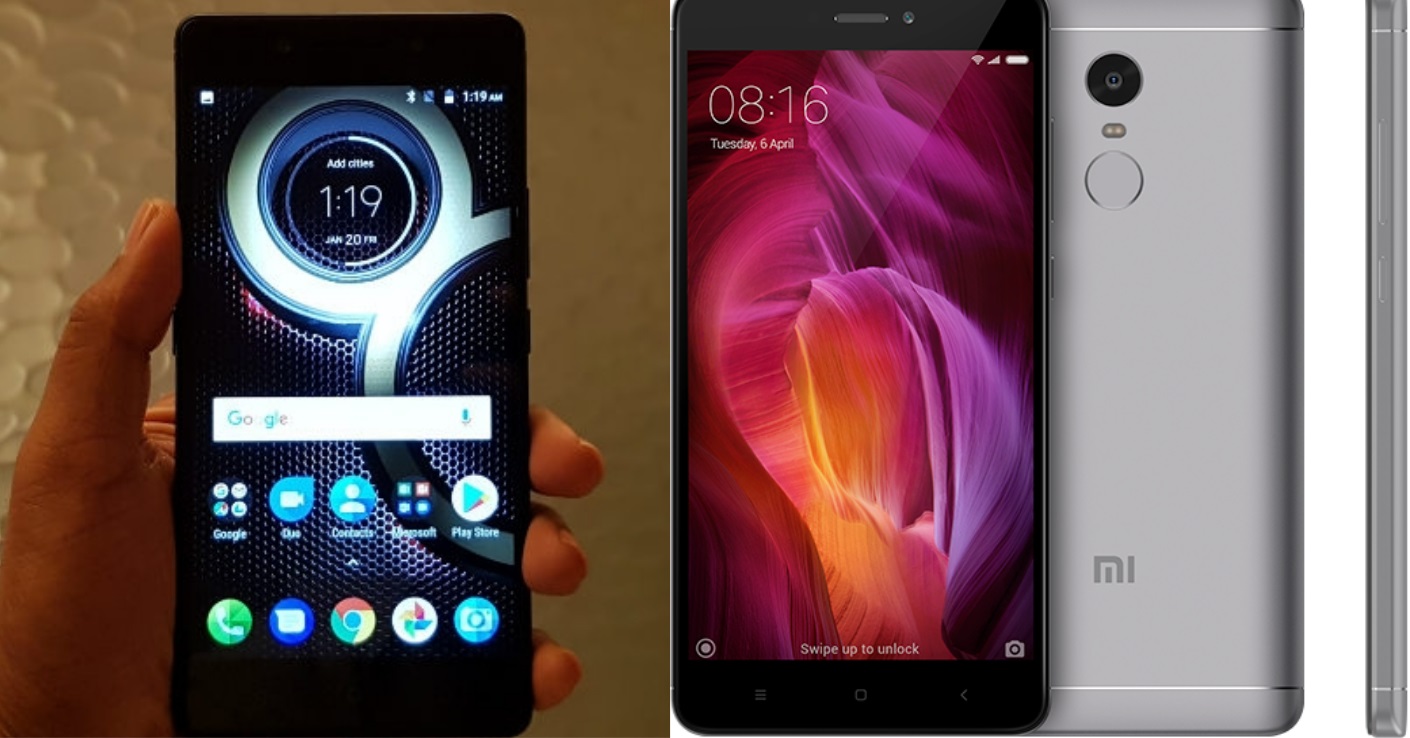
Lenovo India made a new addition to its Note line-up with ‘K8 Note’. Priced at Rs 12,999 onwards, Lenovo has placed the ‘K8 Note’ in direct competition with the immensely-popular Xiaomi ‘Redmi Note 4’.

The high points of the device are its primary dual cameras and stock Android (7.1.1) operating system (OS).

The company’s ‘Note’ series has been quite popular in India and ‘K8 Note’ has come after a brief hiatus. In the mean time, Lenovo has launched seven Motorola-branded smartphones in the past six months.

We spent some time with ‘K8 Note’ and this is our first impression of the 4GB RAM, 64 ROM device. Lenovo’s Vibe UI was heavily-bloated and made devices pretty slow. But this time, the company has ditched its custom software in favour of stock Android for good. Powerful internals make the smartphone a great performer.

Lenovo ‘K8 Note’ comes with Google Assistant and multi-window function as well. Another highlight of ‘K8 Note’ — the primary camera (with dual sensors) — is capable of taking some really cool images. The camera set-up has 13MP primary sensor and 5MP depth sensor for better pictures and enhanced depth of field.

It delivers good ‘Bokeh’ shots with good details in daylight. However, we are yet to test the camera in low light. The camera app did not show lag and we were able to clicked multiple images without any lag. In terms of looks, the smartphone has a great built but does not stand out of the crowd.

The 5.5-inch full-HD (1920×1080 pixels) display is pretty bright. ‘Note’ series is focused on battery life and ‘K8 Note’ also features a big 4000mAh battery. A 15-watt turbo charger is included that promises to charge the device quickly. There’s a dedicated music key on the device for music lovers. The smartphone also supports 4G connectivity and VoLTE.

While Lenovo has strategically placed ‘K8 Note’ in a fiercely-competitive segment, it would be interesting to see how it proves to be a stiff competition to Xiaomi ‘Redmi Note 4’.

As a technology lover you may like our daily important technology news series. It’s a playlist and you can retrieve the total day-wise videos. Please consider subscribing our YouTube channel:

Author: Technology Vista

Tagged : /

Now water used as propellant for tiny satellites

Engineers at Purdue University in the US have designed and tested a micropropulsion system that uses liquid water as the propellant for orbital maneuvering of tiny satellites called CubeSats.

With rapid developments in miniaturisation of technologies CubeSats — which typically weigh about two kilograms — are poised to take over the sky in the future to carry out tasks like imaging and remote-sensing currently performed by heavier satellites which are expensive to build and launch.

However, today’s CubeSats cannot totally replace their larger counterparts as they are incapable of changing orbit or performing complex manoeuvres. For instance, none of the 101 nanosatellites that were launched aboard India’s PSLV from the Sriharikota Space Centre in February 2017 had propulsion. A propulsion system would allow such tiny satellites to correct their orbit or maintain their altitude, thereby prolonging their operating life in space before becoming space debris.

A dedicated propulsion system that is also compact and not power hungry has been the aim of CubeSat builders in several laboratories to exploit their full potential.

The system developed at Purdue uses an innovative design of small thrusters that deliver bursts of water vapor to manoeuvre the spacecraft, its developers — most of them undergraduate students — reported at a recent “Conference on Small Satellites” held at Logan, Utah, in the US.

Pure water is chosen as the propellant since it is green, safe, easy to use and free from the risk of contaminating sensitive instruments by the backflow from plumes as in the case of thrusters using chemical propellants.

Called a “Film-Evaporation MEMS Tunable Array”, or FEMTA thruster, it uses capillaries thinner than human hair through which the propellant water can flow. Small heaters located near the ends of the capillaries turn the water into vapor, which, on escape from these tiny tubes, provides the thrust. The minuscule capillaries act like valves that can be turned on and off by activating the heaters. The technology is said to be similar to the inkjet printer, which uses heaters that fire dots of ink at the paper.

CubeSats are usually made up of several units, each unit measuring 10 centimetres on a side. In the Purdue research, a single unit CubeSat prototype — integrated with four FEMTA thrusters loaded with about a teaspoon of water — was tested in a large vacuum chamber of the university’s high vacuum facility.

The prototype contained electronics and an inertial measurement unit sensor to monitor the performance of the thruster system, which rotates the satellite using short-lived bursts of water vapor.

“We demonstrated that one 180-degree rotation can be performed in less than a minute and requires less than a quarter watt, showing that FEMTA is a viable method for attitude control of CubeSats,” its developers reported in their paper.

Although the researchers used only four thrusters during the test, which allowed the satellite to rotate on a single axis, a fully functional satellite would require 12 thrusters for 3-axis rotation. The team is confident this device can be developed for a CubeSat. “What we really want to do next is to integrate our system into a satellite for an actual space mission,” the researchers said.

The NASA-funded research involved collaboration with the space agency’s Goddard Space Flight Center. A patent application for the concept has been filed.

As a technology lover you may like our daily important technology news series. It’s a playlist and you can retrieve the total day-wise videos. Please consider subscribing our YouTube channel:

Author: Technology Vista
Tagged : /

‘LG Q6’ smartphone now in India at Rs 14,990 (USD 230)

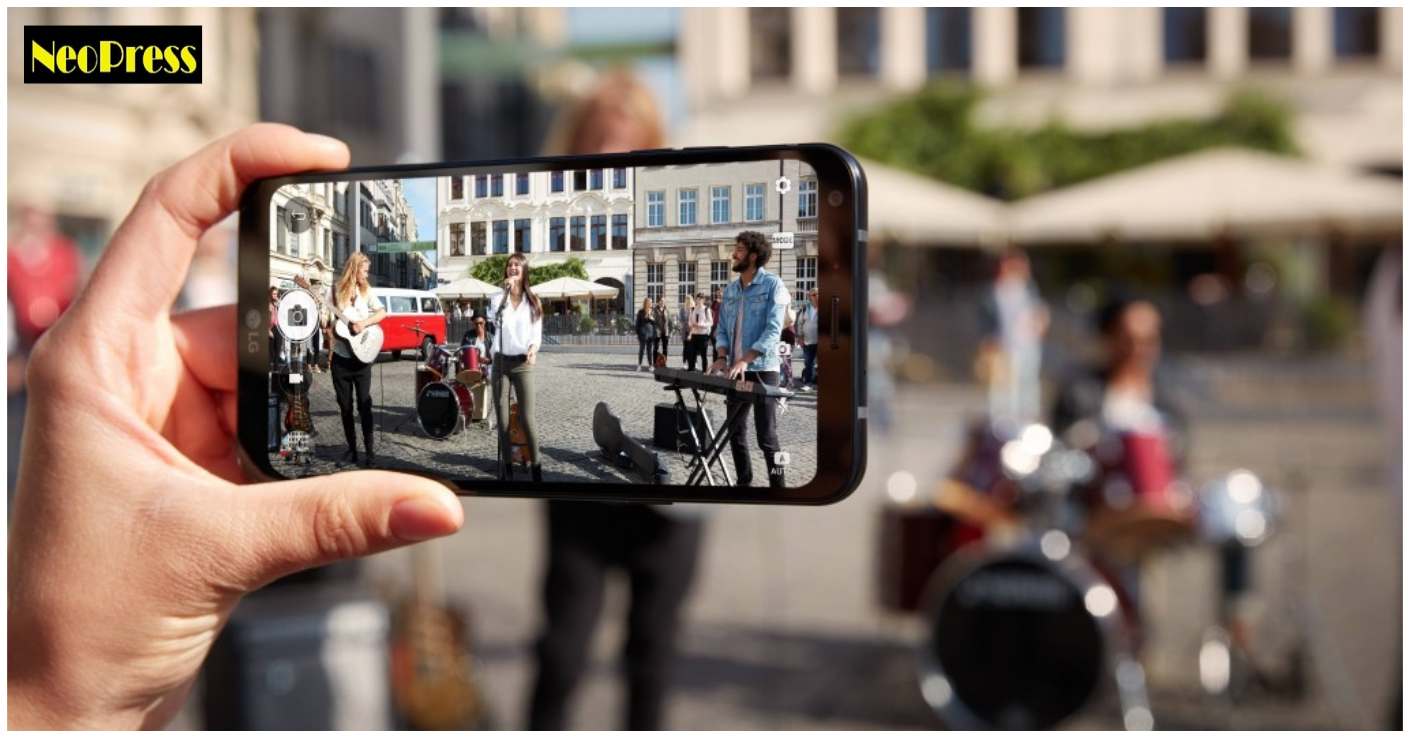
Introducing its ‘Q’ series for the first time in India, LG Electronics on Wednesday launched “LG Q6” that sports a wide, 100-degree ‘selfie’ camera for Rs 14,990.

The device is powered by Qualcomm Snapdragon 435 processor coupled with 3GB RAM and 32GB ROM and runs Android 7.1.1 Nougat operating system. The 4G VoLTE-enabled device features a 3,000mAh battery.

“With the introduction of this new range, we have ensured that consumers are able to enjoy the best of technology from the house of LG at price points that are well-suited to all of them,” Amit Gujral, Chief Marketing Officer, LG Electronics India, said in a statement.

“LG Q6” comes with a 5.5-inch FHD Display and sports 13MP rear camera and 5MP wide-angle selfie shooter.

The company claims that the new device is the first mid-range phone with the proprietary ‘FullVision’ display technology.

The 5.5-inch device has Qualcomm Snapdragon 435 mobile platform, runs Android 7.1.1 Nougat, supports 4G VoLTE/ 3G/2G and has features like ‘Face Recognition, and ‘Google Assistant’.

It has 18:9 wide screen and military grade durability to give the consumers the best possible experience. LG offers one-time free screen replacement within six months for the users in the country. The device will be available online on Amazon India.

As a technology lover you may like our daily important technology news series. It’s a playlist and you can retrieve the total day-wise videos. Please consider subscribing our YouTube channel:

Author: Technology Vista
Tagged : /

Lenovo K8 Note with Dual-camera and stock Android launched in India

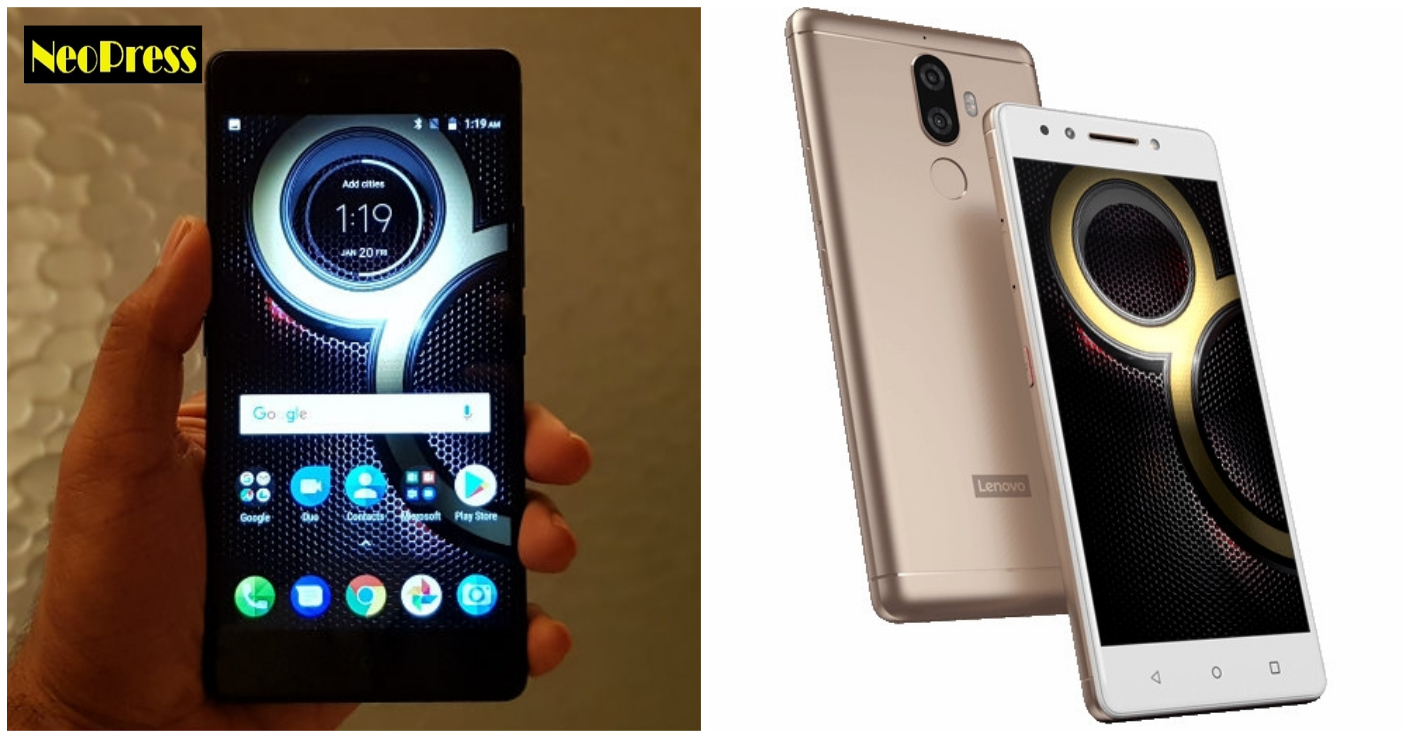
Chinese smartphone maker Lenovo on Wednesday launched the much-awaited ‘K8 Note’ in India at Rs 12,999 (3GB RAM and 32GB storage version) that comes with a dual-camera setup (13MP+5MP sensor with flash).

The 4GB RAM and 64GB ROM variant will cost Rs 13,999. The device with first stock Android (7.1.1) has 13MP selfie camera that supports professional mode and flash (full-light LED flash) as well. Lenovo ‘K8 Note’ will retail in venom black and fine gold colours on Amazon India, starting August 18.

“This is the first global launch of a Lenovo product in India. ‘K8 Note’ comes packed with everything that our consumers would expect from a smartphone today – an eye-catching design, dual cameras, 10-core processor, great sound and, of course, the ‘TheaterMax’ technology that is the hallmark of the Note series,” Sudhin Mathur, Country Head, Lenovo Mobile Business Group, India, told reporters here.

‘TheaterMax’ allows users to view the content on your phone on a much larger virtual screen once they put on a VR headset and ‘Dolby Atmos’ ensures high-quality sound. The dual camera set-up has a 13MP primary and 5MP depth sensor for better pictures and enhanced depth of field.

Reacting to rumours that the company was superstitious and didn’t launch the ‘K7’ series, Anuj Sharma, Head of Product Marketing (Smartphones) at Lenovo, said: “There was a K7 Note but that wasn’t killer enough. We skipped a generation, took a leap and made ‘K8 Note'”.

In terms of specifications, ‘K8 Note’ is powered by a 10 core 2.3 Ghz Helio SoC processor. The 10-core processor is designed for those seeking high-performance. Also on board is an ‘ARM Mali T-880 MP4’ graphics processing unit to eliminate lags.

The device sports 5.5-inch full-HD (1920×1080 pixels) display with 450 NITs brightness. There’s a layer of Corning Gorilla glass and Oleophobic coating atop.

Lenovo has also made the K8 Note splash resistant. Note series has been focusing on excellent battery life and the K8 Note is no exception. It features a hefty 4000mAh battery. A 15-watt turbo charger is included that promises to charge the device quickly. There’s a dedicated music key on the device for music lovers. The smartphone also supports 4G connectivity and VoLTE.

The stock Anrdoid makes it the first device in the ‘Killer Note’ series to run on pure or stock Android, giving users a smooth and secure experience with all of Goo’le’s services including Google Assistant. The device would receive at least one OS upgrade.

As a technology lover you may like our daily important technology news series. It’s a playlist and you can retrieve the total day-wise videos. Please consider subscribing our YouTube channel:

Author: Technology Vista
Tagged : /

Elari ‘NanoPhone C’: Does the ‘Digital detox’ work? (Tech Review)

At a time when feature phones with better specifications are becoming a rage (you can’t miss the upcoming ‘intelligent’ JioPhone and the quintessential Nokia 3310), Russian company Elari has launched NanoPhone C which, it claims, is the world’s smallest GSM phone.

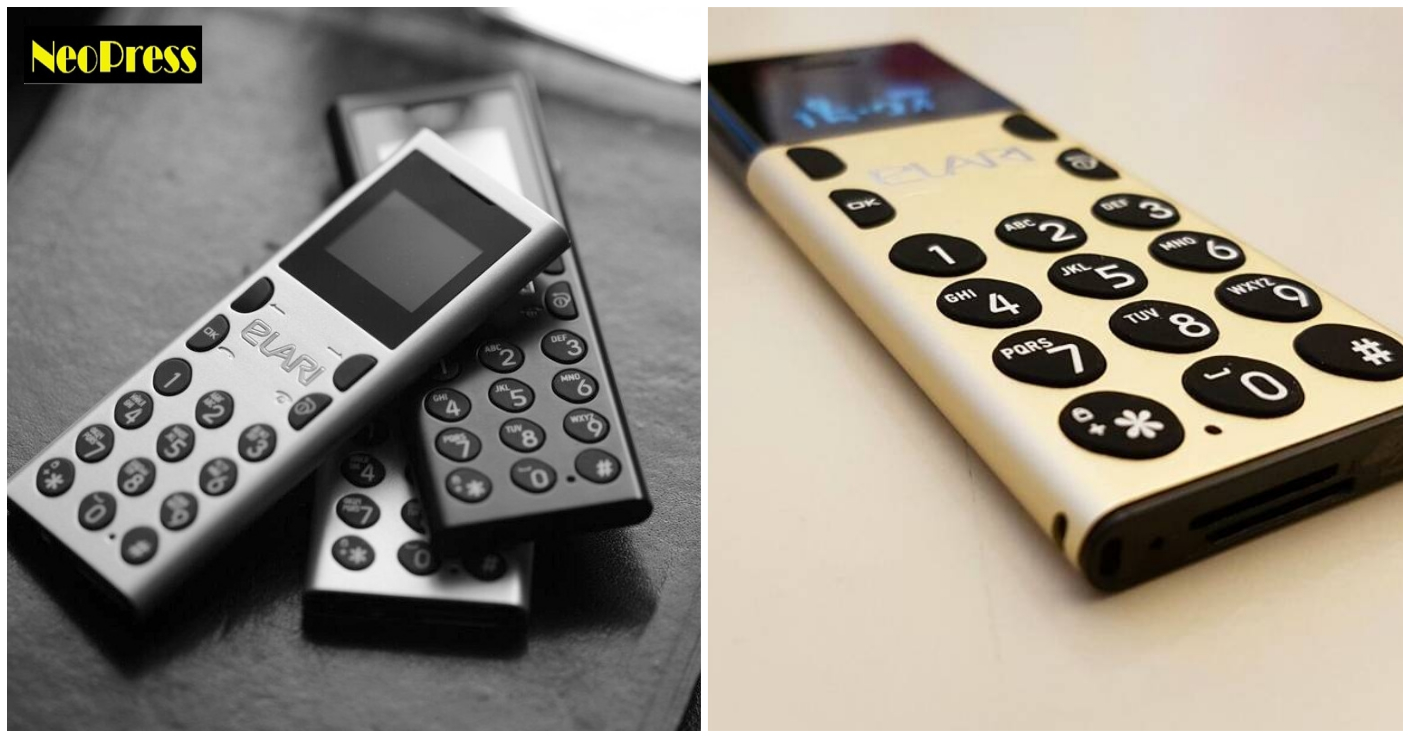
Weighing only 30 grams, NanoPhone C in rose gold, black anthracite and platinum silver colour variants can be purchased from e-commerce site yerha.com at Rs 3,999.

The phone was, however, launched for Rs 3,940 in July in India. In terms of specifications, it has a microSIM card slot, a microSD card slot, built-in FM radio and an MP3 player as well. Elari NanoPhone C also has basic features such as a 3.5-mm standard headphone jack and a microUSB port for charging the phone and syncing data. It measures 94.4mm x 35.85mm x 7.6mm and features a tiny, 1-inch TFT display.

The NanoPhone C directly competes with the likes of Nokia 3310 (2017 version) and aims to give users a shot of “digital detox”, but does it live up to the hype? Let’s find out. Here is what works for the device.

The fact that it smoothly synchronises with Android devices (we paired it with an Android smartphone) via Bluetooth is commendable. The sleek body and rounded buttons, at first glance, gives the impression of a small TV or audio remote which itself is quite intriguing. Audio call quality while making and receiving calls (after pairing it with our primary Android phone) was good.

The option to copy up to 1,000 contacts to the phonebook and use it as a stand-alone device also gets a thumbs-up from our side. What does not work:

NanoPhone C’s “Magic Voice” function lets the user make calls with a “fake voice”, but is not of much use in day-to-day life. In fact, it is no value addition to a feature phone in the sub-4K segment at all.

The 280mAh battery is not sufficient at all when compared to another feature phone in the same price segment. Nokia 3310 (2017 edition) features a bigger 1200mAh battery.

The company claims the battery will provide up to four days of standby time on a single charge but it did not last that long during the review.

Conclusion: Elari NanoPhone C might wish to offer an “antidote” to smartphone addiction, but the concept is not ground-breaking. Given the price, users looking for a feature phone would want better features and battery back-up which Nokia 3310 provides.

Buy it for its “tiny” size to surprise your friends, if you wish to.

As a technology lover you may like our daily important technology news series. It’s a playlist and you can retrieve the total day-wise videos. Please consider subscribing our YouTube channel:

Author: Technology Vista

Tagged : /

Did humans evolve by chance?

A new study says that origin of human genus could have occurred by chance and might not be directly related to climate change, as commonly believed.

Many scientists have argued that an influx, described as a “pulse”, of new animal species appears in the African fossil record between 2.8 and 2.5 million years ago, including our own genus Homo.

Experts believe it takes a broad-scale event like global climate change to spark the origination of so many diverse new species. However, the new study, published in the journal Paleobiology, says it is possible the pulse of new species could have occurred by chance. “The idea that our genus originated more than 2.5 million years ago as part of a turnover pulse in direct response to climate change has a deep history in paleonthropology,” said Andrew Barr from George Washington University.

“My study shows that the magnitude of that pulse could be caused by random fluctuations in speciation rates. One implication is that we may need to broaden our search for why our genus arose at that time and place,” Barr said. It is generally accepted that when major environmental changes occur, some species will go extinct and others will originate, which can create a cluster or pulse of new species in the fossil record.

However, there is not a set definition of what is considered a pulse, so experts have disagreed about which clusters constitute meaningful events and which can be explained as random fluctuations. Barr used computer simulation to model what the fossil record might look like over time in the absence of any climate change and found clusters of species originations that were of similar magnitude to the clusters observed in the fossil record.

This means random patterns are likely under-credited for their role in speciation fluctuation, he said. The findings mean scientists may need to rethink widely-accepted ideas about why human ancestors became smarter and more sophisticated.

As a technology lover you may like our daily important technology news series. It’s a playlist and you can retrieve the total day-wise videos. Please consider subscribing our YouTube channel:

Author: Technology Vista

Tagged : /

This biosensor creates sweat even when patient is resting and facilitates medical condition monitoring

Researchers have developed a biosensor that uses a chemical stimulant to produce sweat even when the patient is relaxed and cool.

Testing sweat, an important factor in understanding the hormones or chemicals, has several possible benefits over blood, according to the the findings published in the journal Lab on a Chip.

Blood analysis is considered the gold standard for biometric analysis. But biometric testing with blood is invasive and often requires the use of a lab. It is far more difficult for the doctors to perform continuous monitoring of blood over hours or days.

Sweat provides a noninvasive alternative, with chemical markers that are more useful in monitoring health than saliva or tears, said Jason Heikenfeld, Professor at the University of Cincinnati.

“People for a long time ignored sweat because although it can be a higher-quality fluid for biomarkers, you can’t rely on having access to it,” Heikenfeld said. “Our goal was to achieve methods to stimulate sweat whenever needed — or for days,” Heikenfeld added.

For the study, the researchers applied sensors and a gel containing carbachol, a chemical used in eyedrops, to their subject’s forearm for 2.5 minutes. They then recorded data obtained from the subject’s sweat for 30 minutes using sensors that measured concentrations of sweat electrolytes. Carbachol was effective at inducing sweating under the sensor for as long as five hours.

A subsequent experiment successfully generated sensor results for several days, using this process to stimulate sweat, Heikenfeld said. “This work represents a significant leap forward in sweat-sensing technology.” “Imagine being able to monitor cardiac patients after they have been released from the hospital, or preventing dehydration in athletes or even helping ensure that your body is getting the exact right concentrations of a prescription drug,” Heikenfeld said.

As a technology lover you may like our daily important technology news series. It’s a playlist and you can retrieve the total day-wise videos. Please consider subscribing our YouTube channel:

Author: Technology Vista

Tagged : /

These are the most probable features of Apple iPhone 7S

Apple aficionados waiting for the next flagship device might be in for a treat as the Cupertino-based technology giant is expected to launch a refresh of iPhone 7 models along with iPhone 8 in the coming months.

Photos of a couple of iPhone dummy models were leaked online which show Apple devices with a glass backing, meaning the models shown in the pictures could have wireless charging as a feature, according to a report in The Verge.

The reports about iPhone 8 have been making rounds in the media for quite some time but information regarding iPhone 7S and iPhone 7S Plus have cropped up as recently as last month, suggesting that Apple might announce three iPhone models next month.

However, contrary reports have also surfaced with Business Insider saying the new iPhone might not be out until as early as 2018, and GSM Arena reporting that the iPhone 8 has gone into mass production. So far, we have to rely on the leaks and rumours. Come September, the situation will hopefully be cleared once and for all.

As a technology lover you may like our daily important technology news series. It’s a playlist and you can retrieve the total day-wise videos. Please consider subscribing our YouTube channel:

Author: Technology Vista

Tagged : /

Google glass is back. here is the price and how you can get it!!

Streye, a Glass for Work partner, on Tuesday started selling the eye-wearable device Google Glass Enterprise Edition starting from $1,829.

Google sells the eye-wearable device with ‘Glass for Work’ partners which are authorised to develop and deliver enterprise solutions for Glass customers. “Glass Enterprise Edition is clearly intended for businesses through Google’s network of expert partners and has a 780mAh battery and 32GB storage,” Engadget reported on Tuesday. The device runs on Intel Atom processor, consists of faster Wi-Fi, an expanded range of sensors than its predecessor and a louder speaker.

Last month, Jay Kothari, Project Lead, Glass, wrote in a blog post that the company has spent the last two years working closely with a network of more than 30 expert partners to build customised software and business solutions for Glass for people in these fields.

“We have also made improvements to the design and hardware so that it’s lightweight and comfortable for long term wear. We have increased the power and battery life too,” added Kothari, who is with Alphabet X, Google’s branch.

Google Glass is also helping scientists to study brain disease, during emergency and it can teach you Morse code in four hours. Glass is a small, lightweight wearable computer with a transparent display that brings information into your line of sight. The first Google Glass was introduced with much fanfare in 2014. At $1,500, it promised a new, bold era for information.

People, however, realised the device was not yet ready to be part of their lives. There were safety and health concerns. The built-in camera raised privacy and piracy issues too. “Now the Glass product team is back at X, and we’ll be collaborating with the Google Cloud team and our partners to help customers across a variety of business sectors make the most of Glass,” Kothari posted.

As a technology lover you may like our daily important technology news series. It’s a playlist and you can retrieve the total day-wise videos. Please consider subscribing our YouTube channel:

Author: Technology Vista
Tagged : /

Smartphones are rendering teenagers lonely and distressed

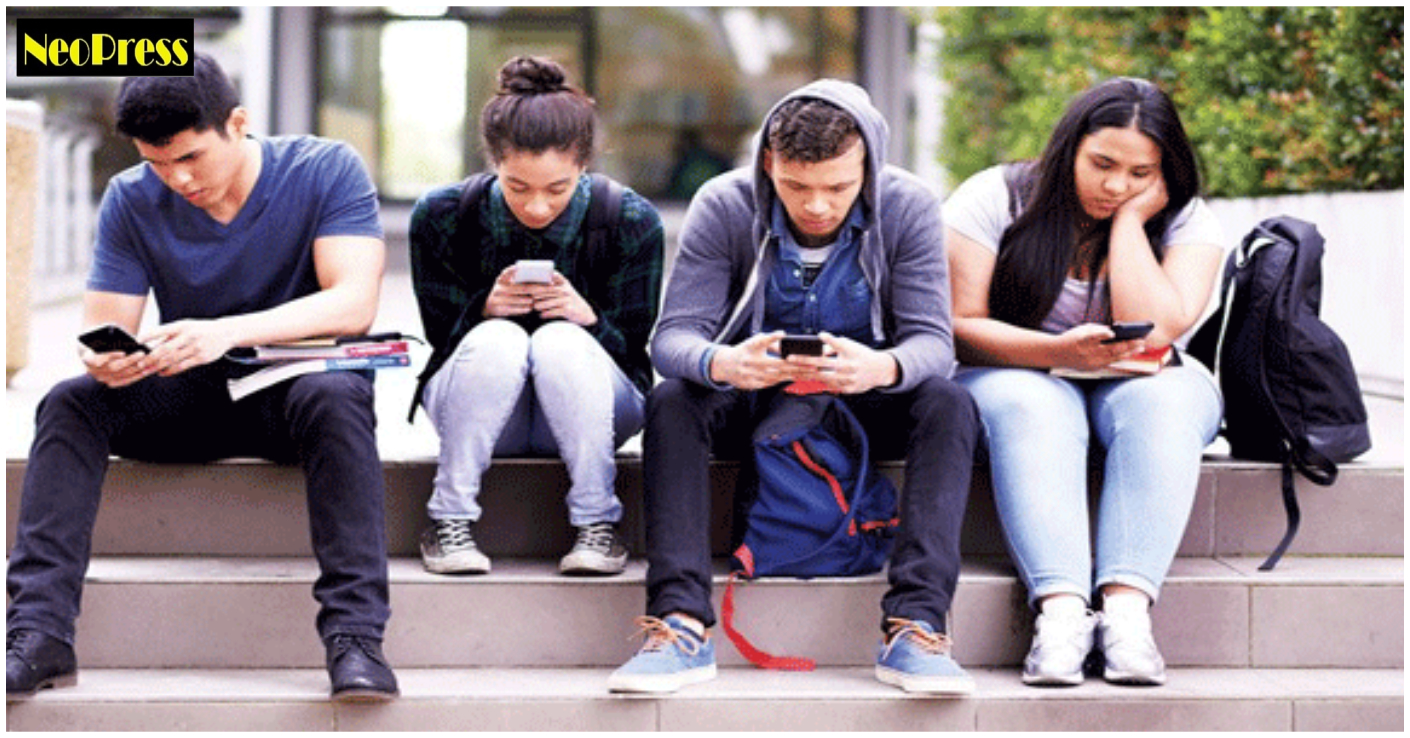
Teenagers in the US today are working less, having less sex and are far less happy than previous generations because of increased use of smartphones, says a social psychologist who has been researching generational differences for 25 years.

In an article for The Atlantic, adapted from her forthcoming book on the current generation — the iGen, as she calls it, Jean Twenge says there is compelling evidence that the devices we have placed in young people’s hands are having profound effects on their lives — and making them seriously unhappy.

The statistics, as outlined by Twenge, are alarming, Fortune.com reported on Sunday.

While only 56 per cent of high school seniors dated in 2015, compared to 85 per cent for Gen Xers and Baby Boomers, the number of teenagers who spend daily time with friends dropped by 40 per cent between 2000 and 2015, it said.

The decline in dating tracks with a decline in sexual activity, Twenge said.

While this might have had a positive impact on teenage birth rate which hit an all-time low in 2016, down 67 per cent since its modern peak in 1991, Twenge said that increased smartphone use is also linked to loneliness and depression among the post-millennial generation.

Today’s teenagers are also working less than their predecessors and driving less, often depending on parents for the rides, according to the research.

So, if they are not meeting their friends, working less, and not often going on a date, what are they doing with all that time?

They are on their phone, in their room, alone and often distressed, Twenge said.

As a technology lover you may like our daily important technology news series. It’s a playlist and you can retrieve the total day-wise videos. Please consider subscribing our YouTube channel:

Author: Technology Vista
Tagged : /

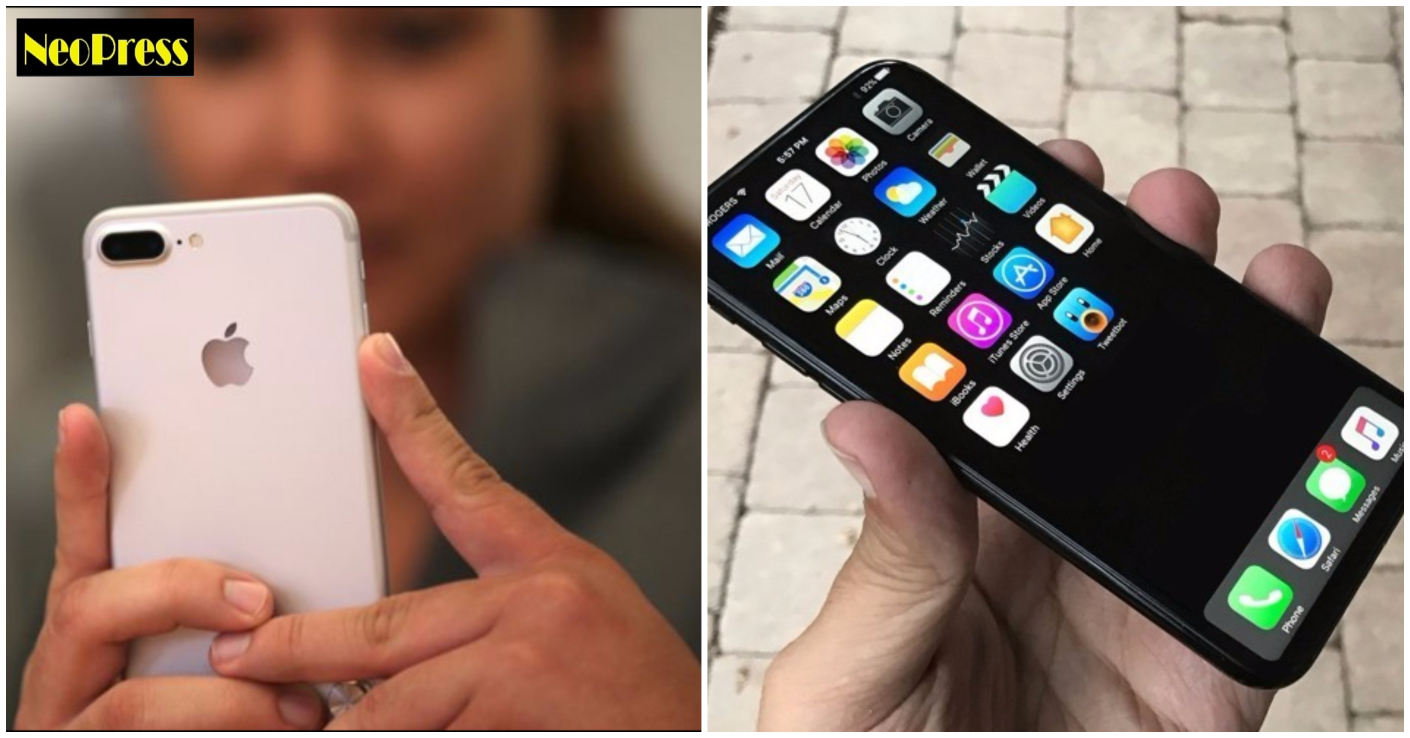
Will there be under-glass Touch ID in Apple iPhone 8?

In a breather to its rival Samsung, Apple has decided to give its Touch ID security solution for its forthcoming “iPhone 8” handset a pass and will instead rely on face unlock feature for all works, an analyst has said.

The move has left the door open for Samsung to bring the similar technology in next year’s Galaxy Note 9, AppleInsider reported.

According to analyst Ming-Chi Kuo, Apple has “cancelled” plans to embed a fingerprint recognition solution in the next-generation flagship iPhone.

“The analyst left embedded Touch ID off a list of standout ‘iPhone 8’ features published in July but did not indicate that Apple had abandoned the initiative altogether,” the report quoted Kuo as saying.

The analyst said Apple would swap out capacitive sensing technology with an optical solution capable of accepting readings.

The prediction also contradicts the reports claiming that Apple was building an under-glass fingerprint sensors a reality.

Earlier this year in Mobile World Congress in Shanghai, Qualcomm Technologies, Inc announced “Qualcomm Fingerprint Sensors” — next-generation ultrasonic fingerprint solutions.

It was also the first commercially announced integrated ultrasonic-based mobile solution to detect heart beat and blood flow for improved mobile authentication experiences.

As a technology lover you may like our daily important technology news series. It’s a playlist and you can retrieve the total day-wise videos. Please consider subscribing our YouTube channel:

Author: Technology Vista

Tagged : /
Verified by ExactMetrics