Soya Chunks: The Meatless Marvel And Its 8 Amazing Benefits

Soya Chunks: The Meatless Marvel And Its 8 Amazing Benefits
Soya chunks, also known as textured vegetable protein (TVP), have emerged as a popular meat alternative for vegetarians and vegans alike. But their appeal goes beyond just being a meat substitute. These little nuggets pack a powerful punch of nutrients, making them a valuable addition to any diet.

1. Protein Powerhouse: Soya chunks are champions of protein, containing around 50% protein by weight. This is more than double the amount found in tofu and even rivals that of lean beef. Protein is essential for building and repairing tissues, keeping you feeling full and energized, and supporting a healthy metabolism.

2. Low-fat and Fabulous: Unlike fatty meats, soya chunks are naturally low in fat, making them a heart-friendly choice. They’re also cholesterol-free, further adding to their cardiovascular benefits. So, indulge in your favorite soya curry or stir-fry without worrying about piling on unhealthy fats.

3. Fiber Fiesta: Soya chunks are a treasure trove of dietary fiber, essential for gut health and digestion. Fiber keeps you feeling full and prevents blood sugar spikes, making it a friend for weight management and diabetes control.

4. Calcium Craze: Soya chunks are a rich source of calcium, a mineral crucial for strong bones and teeth. This is particularly beneficial for vegans and people with lactose intolerance who might struggle to meet their daily calcium needs.

5. Magnesium Magic: Soya chunks are also a good source of magnesium, a mineral involved in over 300 biochemical reactions in the body. Magnesium plays a vital role in muscle function, energy production, and mood regulation.

6. Iron Inspiration: Feeling tired and sluggish? Soya chunks might be the answer. They’re a good source of iron, which helps transport oxygen throughout the body, combating fatigue and anemia.

7. Phytoestrogen Flair: Soya chunks contain phytoestrogens, plant-based compounds with estrogen-like effects. These may help balance hormones, alleviate menopausal symptoms, and even reduce the risk of certain cancers.

8. Versatile and Delicious: Soya chunks are incredibly versatile in the kitchen. They can be minced, crumbled, or chopped to mimic the texture of ground meat, making them perfect for curries, bolognese, tacos, and even kebabs. Their bland flavor readily absorbs the spices and sauces you cook them in, making them a culinary chameleon.

So, next time you’re looking for a healthy, protein-packed, and versatile ingredient, give soya chunks a try. Your body and taste buds will thank you!

Remember, moderation is key. While soya chunks offer a multitude of health benefits, it’s important to consume them in moderation as part of a balanced diet.


Tagged : / / / /

Eat These 10 Foods To Boost Your Dopamine Naturally & Embrace Happiness

Eat These 10 Foods To Boost Your Dopamine Naturally & Embrace Happiness
Dopamine, the “happy hormone,” plays a crucial role in motivation, reward, and pleasure. Low dopamine levels can lead to low mood, fatigue, and even depression. But wait, there’s good news! You can naturally boost your dopamine levels through the power of food. Ditch the sugary treats and processed snacks, and embrace these 10 delicious dopamine-boosting foods for a happier and healthier you:

1. Fatty Fish: Salmon, tuna, and mackerel are rich in omega-3 fatty acids, which have been shown to increase dopamine production. Salmon, in particular, is also a good source of vitamin D, another mood-lifter.

2. Eggs: Start your day with a sunny side up! Eggs are an excellent source of choline, a precursor to dopamine. They also contain vitamin B12 and iron, which are essential for neurotransmitter function.

3. Dark Chocolate: This one’s a crowd-pleaser! Dark chocolate (with at least 70% cocoa) contains anandamide, a compound that mimics the effects of THC (the psychoactive component of marijuana) and can temporarily boost dopamine levels. Just remember, moderation is key!

4. Nuts and Seeds: Almonds, walnuts, and pumpkin seeds are packed with protein, healthy fats, and L-tyrosine, an amino acid that helps produce dopamine. Sprinkle them on salads, yogurt, or enjoy them as a healthy snack.

5. Berries: These antioxidant powerhouses are not only delicious but also good for your brain. Berries are rich in vitamin C and flavonoids, which have been shown to improve mood and cognitive function.

6. Avocados: This creamy fruit is full of healthy fats, fiber, and vitamin B6, all of which are important for dopamine production. Spread some avocado on toast, add it to smoothies, or enjoy it on its own for a satisfying snack.

7. Green Tea: This healthy beverage is rich in L-theanine, an amino acid that can increase dopamine and GABA (another calming neurotransmitter) levels. Enjoy a cup of green tea in the morning or afternoon for a natural mood boost.

8. Spicy Foods: Chili peppers contain capsaicin, a compound that can trigger the release of endorphins and dopamine. Just be careful not to overdo it, especially if you have a sensitive stomach!

9. Yogurt with Probiotics: Probiotics are good bacteria that can improve gut health and mood. Some strains of probiotics have even been shown to increase dopamine production. Choose yogurt with live and active cultures for the best benefits.

10. Beans and Lentils: These plant-based protein sources are full of fiber, iron, and magnesium, all of which are important for neurotransmitter function. Enjoy them in soups, stews, or as a side dish for a satisfying and mood-boosting meal.

Remember, a healthy diet is just one piece of the puzzle when it comes to boosting your mood and happiness. Exercise, regular sleep, and stress management are also important factors. But by incorporating these dopamine-boosting foods into your diet, you can take a delicious step towards a brighter outlook!

So, what are you waiting for? Embrace the power of food and fuel your happiness from the inside out!

Tagged : / / / /

Basi Roti: The Unsung Breakfast Champion

Basi Roti: The Unsung Breakfast Champion
Move over, avocado toast and trendy smoothies, there’s a new breakfast hero in town! Don’t underestimate the humble basi roti, the champion of budget-friendly nutrition and sustained energy. While it might not have the flashy appeal of its instagrammable counterparts, this simple flatbread from the Indian kitchen packs a nutritional punch worth celebrating.

A Slow-Burning Energy Source:

Forget the mid-morning crash fueled by sugary cereals or pastries. Basi roti is a slow-burner, releasing energy gradually throughout the morning. Its high fiber content keeps you feeling full and satisfied, aiding digestion and slowing down sugar absorption. Imagine sustained focus, increased productivity, and a clear head – all thanks to your breakfast choice!

A Hidden Treasure Trove of Nutrition:

Don’t let the word “stale” fool you. Basi roti retains surprising amounts of its original nutritional goodness. While some vitamins slightly decrease during the aging process, it remains rich in B vitamins essential for cell function and a healthy metabolism, iron for oxygen transport and energy production, and protein for building and repairing tissues.

Bonus points for being a champion of sustainability! Basi roti utilizes leftover roti, reducing food waste and saving you money. It’s a win-win for your wallet and the planet.

Versatility is Its Middle Name:

Basi roti isn’t just a basic flatbread. It’s your culinary canvas! Toast it for a crispy morning treat, roll it with savory fillings for a quick on-the-go snack, or crumble it over yogurt for a delightful textural twist. The possibilities are endless!

So, ditch the fad diets and give basi roti a chance. It’s delicious, affordable, and packed with hidden benefits. This simple flatbread could just be the secret weapon for a healthy and productive morning, proving that sometimes, the best things come in simple, “stale” packages.

Give basi roti a try and experience the difference for yourself! You might just find your new breakfast BFF.

Tagged : / / / /

4 Hormones Controlling Your Period: Regularity or Rollercoaster?

4 Hormones Controlling Your Period: Regularity or Rollercoaster?
Your menstrual cycle is a complex dance orchestrated by a delicate interplay of hormones. These chemical messengers guide the monthly ebb and flow of your period, from egg maturation to uterine lining shedding. While some cycles run like clockwork, others can be as unpredictable as a rogue wave. Understanding the hormonal players behind this monthly rhythm can help shed light on why your period might sometimes be a well-behaved guest and other times, a mischievous prankster.

1. Follicle-Stimulating Hormone (FSH): The Conductor

Imagine FSH as the conductor of the menstrual cycle orchestra. It awakens dormant follicles in your ovaries, each containing an egg. As FSH levels rise in the early days of your cycle, one lucky follicle takes center stage, maturing and preparing to release an egg.

2. Luteinizing Hormone (LH): The Spotlight Stealer

Just as the conductor cues the soloist, LH takes over around mid-cycle. A surge in LH triggers ovulation, the grand release of the egg from the dominant follicle. This mid-cycle LH surge is what ovulation predictor kits detect, helping you pinpoint your fertile window.

3. Estrogen: The Set Designer

Estrogen, the diva of the hormonal cast, plays a crucial role in preparing the stage for potential pregnancy. It thickens the uterine lining, creating a plush welcome mat for a fertilized egg. Estrogen also influences cervical mucus, making it thin and slippery to facilitate sperm passage.

4. Progesterone: The Stagehand

Progesterone, the understudy waiting in the wings, takes over after ovulation. It further thickens the uterine lining and keeps it ready for implantation if the egg is fertilized. If fertilization doesn’t occur, progesterone levels dip, triggering the shedding of the thickened lining – your period.

The Irregularity Interruption

When these hormonal players don’t sing in perfect harmony, menstrual irregularities can occur. Stress, hormonal imbalances, medical conditions, and lifestyle factors can disrupt the delicate dance, leading to missed periods, delayed cycles, or heavy bleeding.

Understanding the hormonal symphony behind your menstrual cycle can empower you to make informed choices about your health and well-being. If you’re experiencing menstrual irregularities, consulting a healthcare professional can help identify the underlying cause and find ways to restore hormonal harmony.

Remember, a healthy menstrual cycle is a sign of a healthy you!

Additional Tips:

  • Maintain a healthy lifestyle with a balanced diet, regular exercise, and adequate sleep.
  • Manage stress effectively through relaxation techniques like yoga or meditation.
  • Track your menstrual cycle to identify patterns and potential irregularities.
  • Consult a doctor if you experience any concerning symptoms like heavy bleeding, extreme pain, or missed periods.

    By understanding your hormonal orchestra, you can conduct your menstrual cycle with confidence and embrace the rhythm of your unique womanhood.

Tagged : / / / /

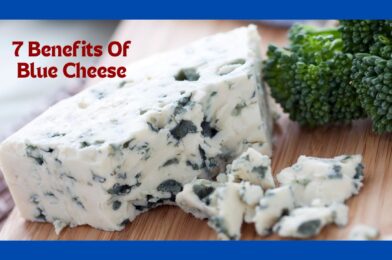
7 Health Benefits of Including Blue Cheese in Your Diet

7 Health Benefits of Including Blue Cheese in Your Diet
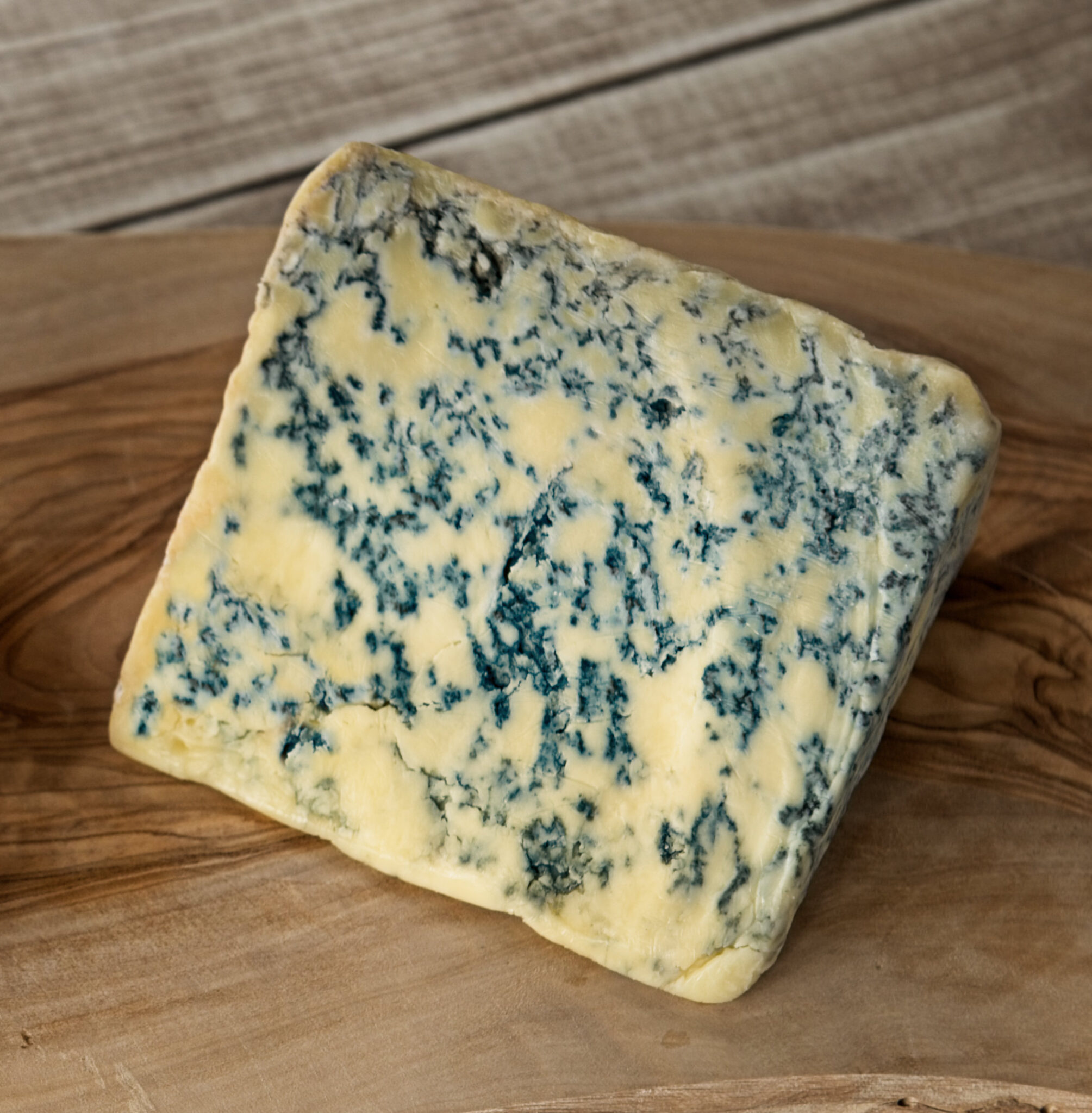
Blue cheese, with its sharp, pungent aroma and creamy texture, is a love-it-or-hate-it food. But beyond its bold flavor profile, this unique cheese offers a surprising array of health benefits. So, if you’re looking to add a little more zest to your diet (and potentially boost your well-being), consider incorporating blue cheese in moderation.

1. Champion of Calcium and Protein: Blue cheese is a nutritional powerhouse, particularly when it comes to calcium and protein. Just one ounce of this creamy delight packs in about 20% of your daily calcium requirement, crucial for strong bones and teeth. Protein, essential for building and repairing tissues, is also abundant in blue cheese, making it a great post-workout snack or addition to a balanced meal.

2. Heart-Health Hero: The good fats in blue cheese, primarily conjugated linoleic acid (CLA), can help lower bad cholesterol (LDL) levels while raising good cholesterol (HDL). This can contribute to a healthier heart and reduced risk of cardiovascular disease.

3. Anti-inflammatory All-Star: Blue cheese contains compounds that exhibit anti-inflammatory properties. These can help reduce inflammation associated with conditions like arthritis and autoimmune diseases, potentially alleviating pain and discomfort.

4. Immunity Booster: Certain strains of mold used in blue cheese production may enhance the immune system’s response to pathogens. This can help your body fight off infections and stay healthy.

5. Bone Builder: Beyond its calcium content, blue cheese also contains vitamin K2, which plays a vital role in bone health. Vitamin K2 helps the body absorb calcium and deposit it into bones, making them stronger and denser.

6. Gut Feeling: Blue cheese is a fermented food, and like other fermented products, it contains probiotics. These beneficial bacteria can improve gut health, digestion, and nutrient absorption.

7. Flavorful Friend: Let’s not forget the most obvious benefit – blue cheese adds a burst of umami depth and complexity to any dish. From salads and pasta to burgers and steak, a sprinkle of blue cheese can elevate your culinary creations to new heights.

Remember, moderation is key. While blue cheese offers a wealth of health benefits, it’s important to enjoy it in moderation due to its high fat, sodium, and calorie content. Pregnant women and individuals with certain medical conditions should consult their doctor before indulging in blue cheese.

So, the next time you encounter a cheeseboard, don’t shy away from the vibrant veins of blue cheese. This flavorful friend might just become your new secret weapon for a healthier and more delicious life.

Tagged : / / / /

The not-so-secret 5 side effects of protein shakes

The not-so-secret 5 side effects of protein shakes
Protein shakes have become a popular go-to for fitness enthusiasts and health-conscious individuals alike. They’re marketed as a quick and convenient way to up your protein intake and boost your workout results. But before you start gulping down those shakes like there’s no tomorrow, it’s important to be aware of the potential downsides.

1. Digestive distress

One of the most common side effects of consuming too much protein is digestive upset. This can include bloating, gas, constipation, and diarrhea. Whey protein, a common ingredient in shakes, can be especially hard to digest for some people. If you experience any of these symptoms after drinking a protein shake, try reducing your intake or switching to a plant-based protein powder.

2. Allergic reactions

Some people are allergic to whey or other protein sources in shakes. Symptoms of a protein allergy can range from mild (such as hives or skin rash) to severe (such as anaphylaxis). If you suspect you might have a protein allergy, it’s important to see a doctor for testing.

3. Kidney strain

High protein intake can put a strain on your kidneys, especially if you already have kidney problems. If you’re concerned about your kidney health, talk to your doctor before increasing your protein intake.

4. Bone loss

Some studies have suggested that high protein intake may increase the risk of bone loss. However, more research is needed to confirm this. If you’re concerned about your bone health, talk to your doctor about ways to keep your bones strong.

5. Acne

Some people may experience breakouts or worsening of acne after consuming protein shakes. This is likely due to the hormones in whey protein, which can stimulate oil production. If you’re prone to acne, talk to your doctor before starting or increasing your protein shake intake.

So, what’s the bottom line?

Protein shakes can be a healthy and convenient way to increase your protein intake. However, it’s important to be aware of the potential side effects and to talk to your doctor before making any major changes to your diet.

Here are some additional tips for consuming protein shakes safely:

  • Start with a small amount of protein powder and gradually increase your intake as tolerated.
  • Choose a protein powder that is low in sugar and artificial ingredients.
  • Drink plenty of water throughout the day to help your body digest the protein.
  • Don’t rely on protein shakes as your sole source of protein. Be sure to eat a variety of healthy foods to get all the nutrients you need.

    By following these tips, you can enjoy the benefits of protein shakes without putting your health at risk.

Tagged : / / / / /

5 Amazing Dry Fruits That Can Help Improve Your Vision

5 Amazing Dry Fruits That Can Help Improve Your Vision
Dry fruits are not just delicious and nutritious snacks, but they can also be a great way to boost your eye health. These tiny powerhouses are packed with vitamins, minerals, and antioxidants that are essential for maintaining good vision. Here are five amazing dry fruits that can help you see better:

1. Almonds

Almonds are rich in vitamin E, a powerful antioxidant that protects your eyes from free radical damage. They also contain zinc, which is important for the production of melanin, a pigment that protects your eyes from harmful UV rays.

2. Cashews

Cashews are a good source of lutein and zeaxanthin, two carotenoids that are found in the macula, the part of the eye responsible for central vision. These antioxidants help to protect the macula from age-related macular degeneration (AMD).

3. Dates

Dates are a good source of vitamin A, which is essential for night vision. They also contain beta-carotene, which the body converts into vitamin A. Dates are also a good source of fiber, which can help to lower cholesterol levels and reduce the risk of heart disease, a major risk factor for AMD.

4. Apricots

Apricots are a good source of vitamins A, C, and E, as well as beta-carotene. These nutrients are all important for maintaining good eye health. Apricots are also a good source of fiber, which can help to lower cholesterol levels and reduce the risk of heart disease.

5. Raisins

Raisins are a good source of vitamin B6, which is important for the production of neurotransmitters that are essential for normal vision. They also contain fiber, which can help to lower cholesterol levels and reduce the risk of heart disease.

In addition to eating these dry fruits, there are other things you can do to improve your vision, such as:

  • Eating a healthy diet that is rich in fruits, vegetables, and whole grains.
  • Getting regular exercise.
  • Wearing sunglasses that protect your eyes from UV rays.
  • Getting regular eye exams.
    By making these lifestyle changes, you can help to protect your vision and keep your eyes healthy for years to come.
Tagged : / / / /

8 Foods That Your Dog Should Never Eat : Keep Your Pup Safe and Sound

8 Foods That Your Dog Should Never Eat : Keep Your Pup Safe and Sound
We all love to treat our furry companions, but did you know that some seemingly harmless human foods can be incredibly dangerous for our canine friends? Sharing your plate might seem like a loving gesture, but it can have serious consequences. To keep your pup safe and sound, remember these eight foods that should never cross the threshold of your dog’s bowl:

1. Chocolate: This might be the most well-known canine no-no. Chocolate contains theobromine, a stimulant that dogs can’t properly metabolize. Even small amounts can lead to vomiting, diarrhea, tremors, seizures, and even death. So next time you reach for a Hershey’s kiss, remember Fido deserves a doggy delight instead.

2. Grapes and Raisins: These sweet treats are toxic to dogs, causing kidney failure in even small quantities. The exact toxin is unknown, but the effects can be devastating. So keep that grape bowl far from your playful pup’s reach.

3. Avocados: This trendy fruit contains persin, a toxin that can cause vomiting, diarrhea, difficulty breathing, and even pancreatitis in dogs. All parts of the avocado, from the flesh to the pit, are harmful, so keep those guac bowls covered!

4. Onions and Garlic: These kitchen staples contain N-propyl disulfide, which can damage red blood cells in dogs, leading to anemia. Even small amounts can have serious consequences, so keep those garlic knots and onion rings strictly off-limits.

5. Macadamia Nuts: These seemingly harmless nuts are surprisingly toxic to dogs, causing muscle weakness, tremors, and vomiting. Even a few nuts can make your pup sick, so keep that macadamia nut jar well out of paw’s reach.

6. Xylitol: This artificial sweetener, often found in sugar-free gum and candy, is highly toxic to dogs. It can cause a rapid drop in blood sugar, leading to seizures, liver failure, and even death. So be extra cautious with those sugar-free treats around your furry friend.

7. Yeast Dough: Raw yeast dough can rise and ferment in your dog’s stomach, causing painful gas bloat and potentially even a life-threatening gastric rupture. So keep those bread dough balls far from your curious canine.

8. Alcohol and Caffeine: These stimulants are incredibly dangerous for dogs, even in small amounts. They can cause tremors, seizures, heart problems, and even coma. So keep those alcoholic beverages and caffeinated drinks securely out of your dog’s reach.

Remember, when it comes to your dog’s diet, “when in doubt, throw it out!” Stick to high-quality dog food and treats specifically formulated for their needs. By being mindful of what you feed your furry friend, you can help them live a long, healthy, and happy life.

Bonus Tip: If you ever suspect your dog has ingested any of these harmful foods, don’t wait! Contact your veterinarian immediately. Early intervention can make a world of difference in your pup’s recovery.

Let’s all be responsible pet owners and keep our furry companions safe and sound!❤️

Tagged : / / /

8 Subtle Signs of Negative Energy in Your Home Sweet Home

8 Subtle Signs of Negative Energy in Your Home Sweet Home
We all crave harmony in our homes, a haven from the outside world’s chaos. But sometimes, unseen forces can disrupt this tranquility, leaving us feeling uneasy and drained. While ghosts and ghouls may be the stuff of fiction, subtle signs can indicate negative energy lurking within your own four walls. Don’t worry, though – identifying these whispers of discord can help you restore balance and bring back the positive vibes.

1. Unexplained Unease: Do you walk through the door and feel an inexplicable chill, a sense of tension you can’t quite place? This persistent feeling of discomfort, especially in specific areas, might be a clue to negative energy settling in.

2. Sleepless Nights: Tossing and turning all night with no apparent reason? Restless sleep, especially accompanied by nightmares or disturbing dreams, could be a sign of negative energy disrupting your subconscious.

3. Constant Clashes: Are arguments erupting over the smallest things, leaving your home a battleground? Uncharacteristic friction and tension between family members, even pets, may point to negative energy impacting relationships.

4. Ailing Health: Frequent unexplained illnesses, headaches, or fatigue within the household could be whispers of negative energy affecting well-being. Pay attention to if these symptoms seem clustered and worsen within the home.

5. The Clutter Conundrum: Is your home perpetually cluttered, even with your best efforts? A buildup of stagnant energy often manifests as disorganization and difficulty maintaining order.

6. Lingering Odors: Strange, unpleasant smells that you can’t seem to locate or eradicate? These persistent scents, not tied to specific sources, could be another sign of negative energy clinging to the space.

7. Unexplained Electrical Glitches: Do lights flicker, appliances malfunction, or batteries inexplicably drain for no apparent reason? While not always connected to negative energy, recurring electrical oddities could be a signal of imbalance.

8. Animal Antics: Pets often act as sensitive barometers of energy. Unusual behavior, like growling at empty corners, hiding, or refusing to enter certain rooms, could be their way of alerting you to hidden disharmony.

Remember, these signs may not always point to definitive negative energy. Stress, fatigue, or underlying issues can also manifest similarly. However, if you notice a combination of these signs and a persistent feeling of discord, it’s worth exploring solutions.

Restoring Harmony:

i. Cleanse and declutter: Clear out stagnant energy by decluttering, especially in areas feeling heavy. Donate, recycle, or sell what no longer serves you.
ii. Embrace natural light and ventilation: Open windows and let sunshine flood in to brighten and purify the space.
iii. Infuse positive sounds and scents: Play uplifting music, burn cleansing incense like sage or palo santo, or diffuse uplifting essential oils.
iv. Invite positive rituals: Practice gratitude exercises, meditation, or prayers to fill your home with positive intentions.
v. Seek professional help: Consider consulting an energy healer or space clearing practitioner for guidance in addressing more stubborn negativity.

By identifying and addressing these subtle signs, you can transform your home from a discordant dwelling to a vibrant haven of positive energy. Remember, your home is a reflection of yourself, so create a space that nurtures and uplifts, ensuring harmony reigns within your walls.

Tagged : / /

Camu Camu: The Amazonian Superfruit Has These 5 Benefits

Camu Camu: The Amazonian Superfruit Has These 5 Benefits
Move over, acai and goji berries, there’s a new superfruit in town! Nestled deep in the Amazon rainforest, the vibrant magenta camu camu berry is taking the health world by storm. This exotic wonder delivers a potent punch of vitamins, minerals, and antioxidants, promising a range of health benefits that go far beyond just a tasty treat.

So, what makes this tiny berry so powerful? Let’s dive into the top 5 reasons why camu camu should be on your radar:

1. Vitamin C Champion: Camu camu boasts a staggering vitamin C content – 30 times more than an orange! This essential vitamin strengthens your immune system, fights free radicals, and promotes collagen production, keeping your skin glowing and healthy.

2. Antioxidant Powerhouse: Packed with anthocyanins and other antioxidants, camu camu helps combat oxidative stress, protecting your cells from damage and potentially reducing the risk of chronic diseases like heart disease and cancer.

3. Energy Booster: Feeling sluggish? Camu camu might be the answer! Its high iron content helps increase red blood cell production, improving oxygen flow and boosting your energy levels.

4. Anti-Inflammatory Warrior: Chronic inflammation is linked to various health issues. Camu camu’s vitamin C and other anti-inflammatory compounds can help reduce inflammation throughout the body, potentially easing pain and joint stiffness.

5. Brainpower Booster: This Amazonian gem might even benefit your brain health. Studies suggest that camu camu’s antioxidants can protect cognitive function and improve memory, keeping your mind sharp as a tack.

From Powder to Smoothie:

Camu camu’s tart, citrusy flavor might not win over everyone’s taste buds. But don’t worry, incorporating this superfruit into your diet is easier than ever! Powdered camu camu is readily available and can be easily added to smoothies, yogurt, or oatmeal. You can also find camu camu capsules or juice for a concentrated dose of its goodness.

Remember: While generally safe, camu camu may interact with certain medications. Consult your doctor before adding it to your diet, especially if you have any underlying health conditions.

With its impressive nutritional profile and potential health benefits, camu camu is definitely worth exploring. So, embrace the vibrant power of the Amazon and let this little berry add a touch of superfood magic to your life!

Tagged : / / / /

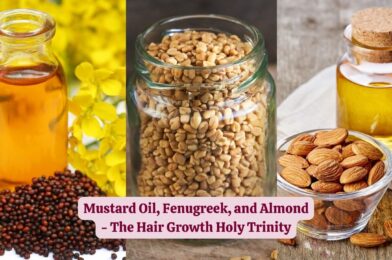
Mustard Oil, Fenugreek, and Almond – The Hair Growth Holy Trinity!

Mustard Oil, Fenugreek, and Almond – The Hair Growth Holy Trinity!
Longing for luscious locks but tired of chemical-laden products? Look no further than your kitchen! A potent potion brewed from mustard oil, fenugreek seeds, and almond oil might just be the answer to your hair woes. This age-old Ayurvedic remedy, touted for centuries, is making waves in the modern world, thanks to its natural and effective hair-growth-boosting properties.

Let’s break down the magic behind each ingredient:

i. Mustard Oil: This pungent powerhouse is packed with protein, vitamin E, and essential fatty acids. These nutrients nourish the hair follicles, promote blood circulation to the scalp, and combat dryness and dandruff, paving the way for healthy hair growth.

ii. Fenugreek Seeds: These tiny nutritional powerhouses are rich in iron, potassium, and protein. They stimulate the scalp, strengthen hair shafts, and prevent hair fall. Fenugreek’s natural protein content helps repair damaged hair and promotes the growth of thick, strong strands.

iii. Almond Oil: This sweet-smelling oil is brimming with vitamins E and D, along with omega-3 fatty acids. These nourishing elements deeply condition the hair, add shine, and prevent breakage. Almond oil also helps tame frizz and flyaways, leaving you with smooth, manageable locks.

Combining these three hair heroes creates a potent elixir that tackles hair concerns from multiple angles. The mustard oil and fenugreek seeds work on the scalp, encouraging healthy growth and preventing fall. Almond oil, on the other hand, adds shine and strength to the hair strands themselves.

The DIY Recipe:

Heat enough mustard oil to lightly coat your scalp.
Add a teaspoon of fenugreek seeds and let them sizzle for a few seconds.
Strain the oil and mix it with equal parts almond oil.
Massage the warm oil mixture gently into your scalp and hair.
Leave it on for 30 minutes to an hour before washing off with a mild shampoo.

Remember:

  • Patch test the oil mixture before applying it to your entire scalp.
  • Use this hair mask once or twice a week for optimal results.
  • Be patient! While results may vary, consistent use can lead to thicker, stronger, and healthier hair.
  • This natural hair growth remedy is affordable, easy to make, and offers a safe alternative to harsh chemicals. So, ditch the store-bought treatments and embrace the power of your kitchen! Give the mustard oil, fenugreek, and almond oil mix a try and witness the transformation of your hair from dull to dazzling.

Let your mane be the canvas for nature’s best hair-growth recipe!

Tagged : / /

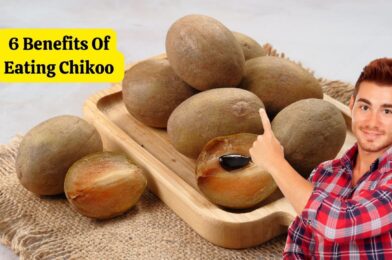
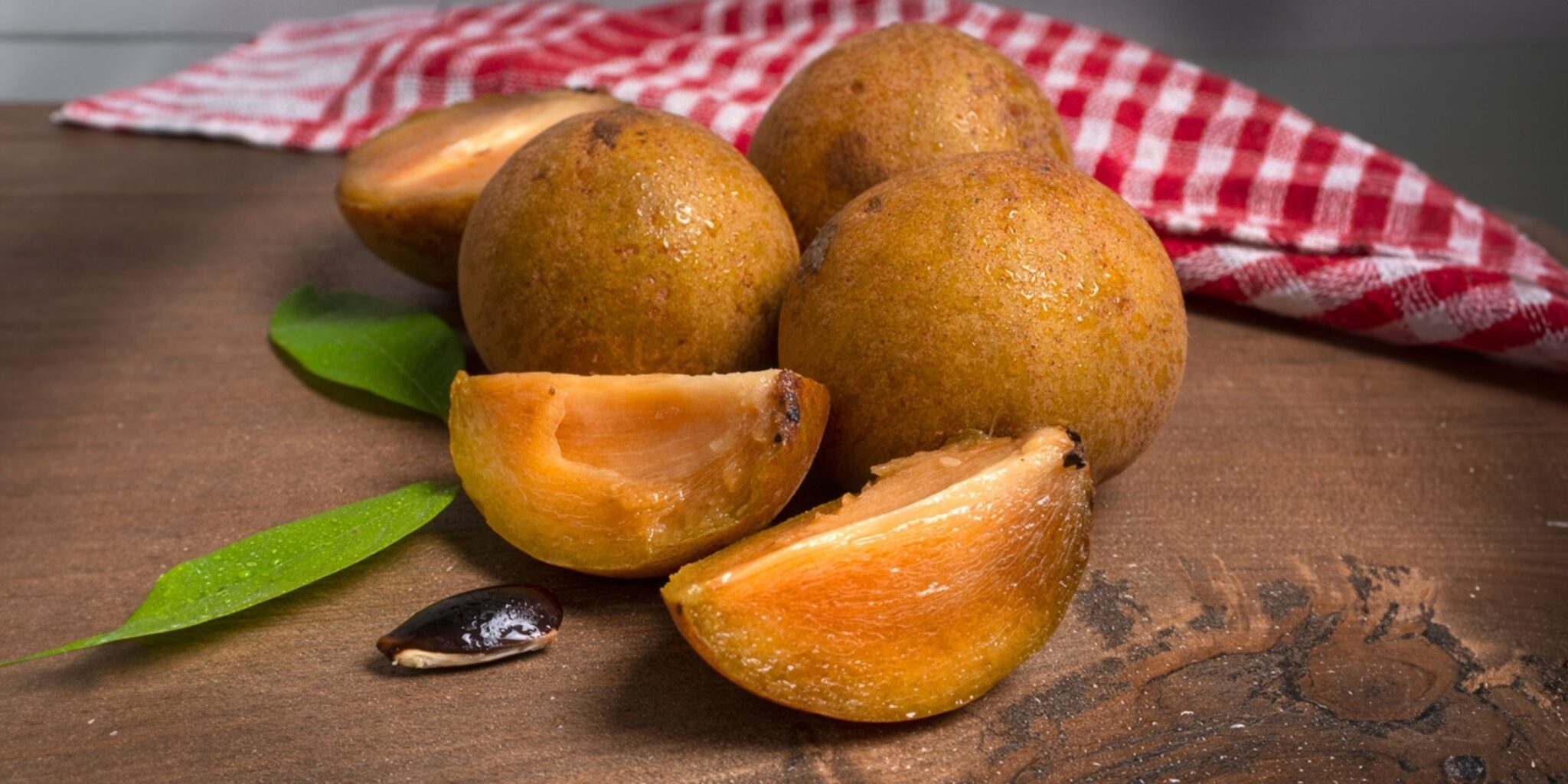
6 Sweet Reasons to Savor the Sweetness of Sapota (Chikoo) Daily

6 Sweet Reasons to Savor the Sweetness of Sapota (Chikoo) Daily
The humble chikoo, also known as sapota, is a tropical delight enjoyed for its creamy texture and sweet, honeyed flavor. But beyond its deliciousness, this fruit packs a powerful punch of nutrients that can have a significant impact on your well-being. Here are 6 compelling reasons to include chikoo in your daily diet:

1. Energy Booster: Chikoo is a natural powerhouse of carbohydrates and fiber, providing sustained energy throughout the day. It’s a perfect morning pick-me-up or afternoon snack to combat fatigue and keep you focused.

2. Digestive Delight: Rich in fiber, chikoo promotes healthy digestion by facilitating smooth bowel movements and preventing constipation. It also acts as a prebiotic, nourishing gut bacteria for optimal gut health.

3. Immunity Guardian: Sapota is loaded with vitamin C, a key antioxidant that strengthens your immune system, protecting you from infections and illnesses. It also has anti-inflammatory properties that can help fight chronic diseases.

4. Skin Savior: This delicious fruit is a treasure trove of vitamin A, vital for maintaining healthy skin and vision. Vitamin A promotes collagen production, keeping your skin firm and youthful, and also aids in cell regeneration and wound healing.

5. Blood Sugar Balanced: Chikoo’s natural sugars are released slowly into the bloodstream, preventing spikes in blood sugar levels. This makes it a good choice for diabetics and anyone looking to manage their blood sugar effectively.

6. Stress Slayer: Sapota contains tryptophan, an amino acid converted into serotonin, the neurotransmitter that promotes relaxation and improves mood. Enjoying a chikoo can help reduce stress and anxiety, leaving you feeling calm and balanced.

So, ditch the processed snacks and reach for the natural sweetness of chikoo. With its array of health benefits and delectable taste, it’s an easy and delicious way to nourish your body and mind. Start incorporating this tropical gem into your daily diet and unlock a world of goodness!

Remember, moderation is key. While chikoo has numerous benefits, excessive consumption can lead to digestive issues due to its high fiber content. Consult your doctor if you have any underlying health conditions.

Tagged : / / / / /

Broccoli vs Cauliflower: Which Is Better And Healthier?

Broccoli vs Cauliflower: Which Is Better And Healthier?
Cruciferous vegetables, like broccoli and cauliflower, are health champions packed with vitamins, minerals, and antioxidants. But when it comes to choosing between these green giants, which one deserves the gold medal in the nutrition ring? Buckle up, veggie fans, because we’re diving into the delicious debate of broccoli vs cauliflower!

Round 1: Nutritional Knockouts

Both contenders pack a nutritious punch, boasting high levels of fiber, vitamin C, and potassium. But let’s see where each one lands a knockout:

  • Vitamin Power: Broccoli delivers a stronger uppercut with higher levels of vitamin C and K, essential for immunity and bone health.
  • Fiber Fury: Cauliflower is the fiber champion, containing slightly more to keep you feeling fuller for longer.
  • Antioxidant Blitz: Both are antioxidant all-stars, but broccoli holds a slight advantage with sulforaphane, a compound linked to potential anti-cancer properties.

Round 2: Special Moves and Quirks

Besides core nutrients, each fighter brings unique moves to the table:

  • Broccoli: Boasts more folate, important for cell growth and development.
  • Cauliflower: Contains choline, a friend to brain health and memory.
  • Versatility Champs: Both are culinary chameleons, easily roasted, steamed, mashed, or used in raw veggie platters. Cauliflower even offers low-carb alternatives like rice and pizza crust.

    Deciding the Champion:

So, who wins the crown? The truth is, there’s no clear champion. Both broccoli and cauliflower offer unique nutritional benefits and culinary strengths. Your choice depends on your individual needs and preferences.

The Final Takeaway:

Don’t get stuck in a green corner! Embrace both broccoli and cauliflower and reap the benefits of their diverse nutritional arsenals. Mix them up in your meals, explore new recipes, and enjoy the delicious satisfaction of these health-promoting powerhouses. Remember, variety is the spice of life (and good health)!

Bonus tip: To maximize your veggie impact, try steaming or roasting to preserve vital nutrients. So, go forth, cruciferous champions, and conquer your daily dietary goals!

Tagged : / / / / /

The Allure of Beauty: Why Do We Trust Pretty Faces More?

The Allure of Beauty: Why Do We Trust Pretty Faces More?
Have you ever noticed that you’re more likely to smile back at a person with a symmetrical face than someone with less conventional features? Or perhaps you find yourself instinctively trusting someone with a radiant smile more readily than someone with a neutral expression? It might seem unfair, but our brains are wired to make quick judgments based on visual cues, and facial attractiveness is often a major factor in those judgments.

The Halo Effect: Beauty Bias in Action

This phenomenon, known as the halo effect, describes our tendency to attribute positive characteristics to people we perceive as attractive. We might assume they’re more intelligent, competent, trustworthy, and even kind simply because they fit our societal standards of beauty. This bias, while pervasive, is deeply rooted in our evolutionary history.

Evolutionary Roots of Beauty Bias

In our ancestral past, symmetrical features and clear skin were often indicators of good health and fertility, making them desirable traits for potential mates. Over time, these associations became ingrained in our subconscious, leading us to unconsciously connect beauty with positive qualities.

Beyond Aesthetics: The Complexities of Trust

However, it’s important to remember that beauty is subjective and cultural. What one person finds attractive, another might not. Moreover, relying solely on appearance to judge someone’s character is not only inaccurate but also unfair. Trust should be built on genuine interactions, shared experiences, and consistent actions, not just a fleeting glance.


Moving Beyond the Bias

So, how can we overcome this ingrained bias and make more objective judgments about people? Here are a few tips:

i. Be aware of your own biases: Recognizing that we all have these biases is the first step to overcoming them.
ii. Focus on getting to know people: Instead of making snap judgments based on looks, take the time to have conversations, listen to their stories, and observe their actions.
iii. Challenge stereotypes: Don’t fall into the trap of assuming someone with a certain appearance is automatically more or less trustworthy.
iv. Celebrate diversity: Beauty comes in all shapes, sizes, and colors. Appreciate the unique features and personalities that make each person special.

Remember, true beauty lies not in the superficial, but in the depths of character, kindness, and genuine connection. Let’s strive to see beyond the surface and build relationships based on mutual respect and understanding.

Tagged : / / / /

5 Quirky Signs That Say You Have A Neanderthal Ancestry

5 Quirky Signs That Say You Have A Neanderthal Ancestry
While most modern humans have around 2% Neanderthal DNA, some individuals might carry a bit more, potentially influencing their physical traits and even certain behaviors.

Intrigued? Here are 5 quirky signs that might hint at your Neanderthal ancestry:

1. You’re a Redhead: ‍

Red hair, a recessive trait, is surprisingly common among people with higher levels of Neanderthal DNA. This fiery hue is linked to a mutation in the MC1R gene, which also happens to be present in some Neanderthals. So, if you’re rocking red locks, there’s a chance you inherited them from our prehistoric cousins!

2. You’re Built for Strength and Stamina:

Neanderthals were known for their robust physiques and impressive endurance. If you have a naturally muscular build, good spatial reasoning skills, and a knack for long-distance running, it could be a nod to your Neanderthal heritage. These traits were likely adaptations to their harsh environment and nomadic lifestyle.

3. You Have a Keen Eye for Faces:

Neanderthals might have had an edge when it came to recognizing faces. Studies suggest that people with higher Neanderthal DNA scores tend to perform better in facial recognition tasks. This could be due to variations in genes related to visual processing, inherited from our ancient relatives.

4. You’re a Night Owl:

Neanderthals may have been more active at night than during the day. If you’re someone who thrives in the evening hours and struggles to wake up early, it could be a sign of your Neanderthal ancestry. This nocturnal tendency might be linked to differences in genes that regulate sleep-wake cycles.

5. You Have a Habit of Smoking:

This one might seem surprising, but hear me out! Recent research suggests a possible link between Neanderthal DNA and nicotine dependence. A specific gene variant associated with smoking addiction appears to be more common in individuals with higher Neanderthal DNA levels. However, it’s important to remember that smoking is a complex behavior influenced by various factors, and this is just one emerging piece of the puzzle.

Remember, these are just potential indicators, not definitive proof.

If you’re truly curious about your Neanderthal heritage, a DNA ancestry test can provide a more accurate picture. But even without a test, these quirky signs can be a fun way to ponder the fascinating connections between our modern selves and our ancient ancestors.

Tagged : / / /
Verified by ExactMetrics