What Does Passing Clots During Periods Mean?

What Does Passing Clots During Periods Mean?
It is normal to pass clots during your period, especially if you have a heavy flow. Menstrual clots are formed when blood and tissue from the lining of the uterus (endometrium) shed during menstruation. The clots can vary in size and color, but they are usually nothing to worry about.

However, if you notice that you are passing large clots (larger than a quarter), or if you are passing clots on a regular basis, it is important to see a doctor. This could be a sign of an underlying medical condition, such as:

1. Fibroids: Fibroids are non-cancerous growths that can form in the uterus. They can cause heavy bleeding and large clots during menstruation.

2. Adenomyosis: Adenomyosis is a condition in which the endometrial tissue grows into the muscle wall of the uterus. This can cause heavy bleeding and pain during menstruation.

3. Endometriosis: Endometriosis is a condition in which endometrial tissue grows outside of the uterus. This can cause pain, heavy bleeding, and irregular periods.

4. Polyps: Polyps are growths that can form on the lining of the uterus or cervix. They can cause heavy bleeding and spotting between periods.

5. Ovarian cysts: Ovarian cysts are fluid-filled sacs that can form on the ovaries. They can cause pain, irregular periods, and heavy bleeding.

6. Pregnancy complications: Pregnancy complications, such as a miscarriage or ectopic pregnancy, can also cause heavy bleeding and large clots during menstruation.

If you are concerned about the clots you are passing during your period, it is important to see a doctor to rule out any underlying medical conditions.

How to Treat Menstrual Clots?

There is no one-size-fits-all treatment for menstrual clots. The best treatment for you will depend on the underlying cause of the clots and the severity of your symptoms.

If you have heavy bleeding and large clots, your doctor may recommend over-the-counter or prescription medications to help reduce your flow. In some cases, your doctor may recommend surgery to remove fibroids or polyps, or to treat endometriosis.

If you are pregnant and experiencing heavy bleeding and large clots, your doctor will closely monitor your pregnancy and provide you with the appropriate care.

How to Prevent Menstrual Clots?

There is no way to completely prevent menstrual clots. However, there are some things you can do to reduce your risk of passing clots, such as:

  • Maintaining a healthy weight: Being overweight or obese can increase your risk of heavy bleeding and large clots during menstruation.
  • Eating a balanced diet: Eating a healthy diet can help to regulate your hormones and reduce the risk of heavy bleeding and clots.
  • Getting regular exercise: Exercise can help to reduce stress and improve your overall health, which can also help to reduce the risk of heavy bleeding and clots.
  • Avoiding smoking and excessive alcohol consumption: Smoking and excessive alcohol consumption can increase your risk of heavy bleeding and clots.

    If you have any concerns about menstrual clots, be sure to talk to your doctor.

Tagged : / / / / /

Painkillers: How Many Are Too Many Per Month and What Should Be Done to Avoid Painkiller Addiction?

Painkillers: How Many Are Too Many Per Month and What Should Be Done to Avoid Painkiller Addiction?
Painkillers are medications that are used to relieve pain. They can be over-the-counter (OTC) or prescription medications. OTC painkillers, such as ibuprofen and acetaminophen, are generally safe when taken as directed. However, prescription painkillers, such as opioids, can be addictive and dangerous if overused.

How many painkillers are too many per month?

The number of painkillers that are considered “too many” per month depends on the type of painkiller and the individual’s tolerance. For OTC painkillers, it is generally recommended that adults take no more than 4000 milligrams of ibuprofen or 3000 milligrams of acetaminophen per day. For prescription painkillers, the dosage will vary depending on the individual’s pain level and medical history.

It is important to note that even if you are taking painkillers as prescribed, it is still possible to become addicted. If you find yourself taking more painkillers than prescribed or for longer than prescribed, it is important to talk to your doctor.

What are the signs of painkiller addiction?

The signs of painkiller addiction can include:

  • Taking more painkillers than prescribed
  • Taking painkillers for longer than prescribed
  • Craving painkillers
  • Feeling sick or anxious when you don’t have painkillers
  • Having difficulty sleeping without painkillers
  • Neglecting your responsibilities because of painkillers

    What can be done to avoid painkiller addiction?

There are a number of things you can do to avoid painkiller addiction, including:

  • Only take painkillers as prescribed by your doctor.
  • Do not take more painkillers than prescribed.
  • Do not take painkillers for longer than prescribed.
  • Talk to your doctor about other ways to manage your pain, such as physical therapy or exercise.
  • Be aware of the signs of painkiller addiction and seek help if you think you may be addicted.

If you are concerned about painkiller addiction, talk to your doctor. They can help you to develop a plan to manage your pain safely and effectively.

Tagged : / / / / /

7 Best Foods To Eat As The First Thing In The Morning

7 Best Foods To Eat As The First Thing In The Morning
Having a healthy and nutritious breakfast is the best way to start your day. It gives you the energy you need to power through your morning and helps you to focus and be productive.

Here are seven of the best foods to eat first thing in the morning:

1. Oatmeal
Oatmeal is a great way to start your day because it is packed with fiber and complex carbohydrates. These nutrients will give you sustained energy throughout the morning and help you to feel full. Oatmeal is also a good source of protein, which is essential for building and repairing muscle tissue.

2. Berries
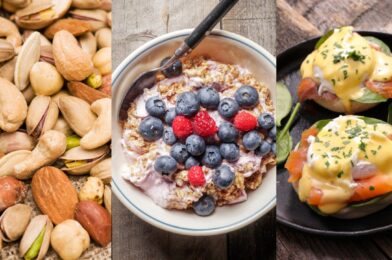
Berries are a nutrient-rich food that is packed with vitamins, minerals, and antioxidants. They are also a good source of fiber, which can help you to feel full and satisfied. Berries can be eaten fresh, frozen, or dried. They can also be added to oatmeal, yogurt, or smoothies.

3. Nuts
Nuts are a good source of protein, fiber, and healthy fats. They are also a good source of essential vitamins and minerals, such as vitamin E, magnesium, and copper. Nuts can be eaten on their own or added to oatmeal, yogurt, or smoothies.

4. Yogurt
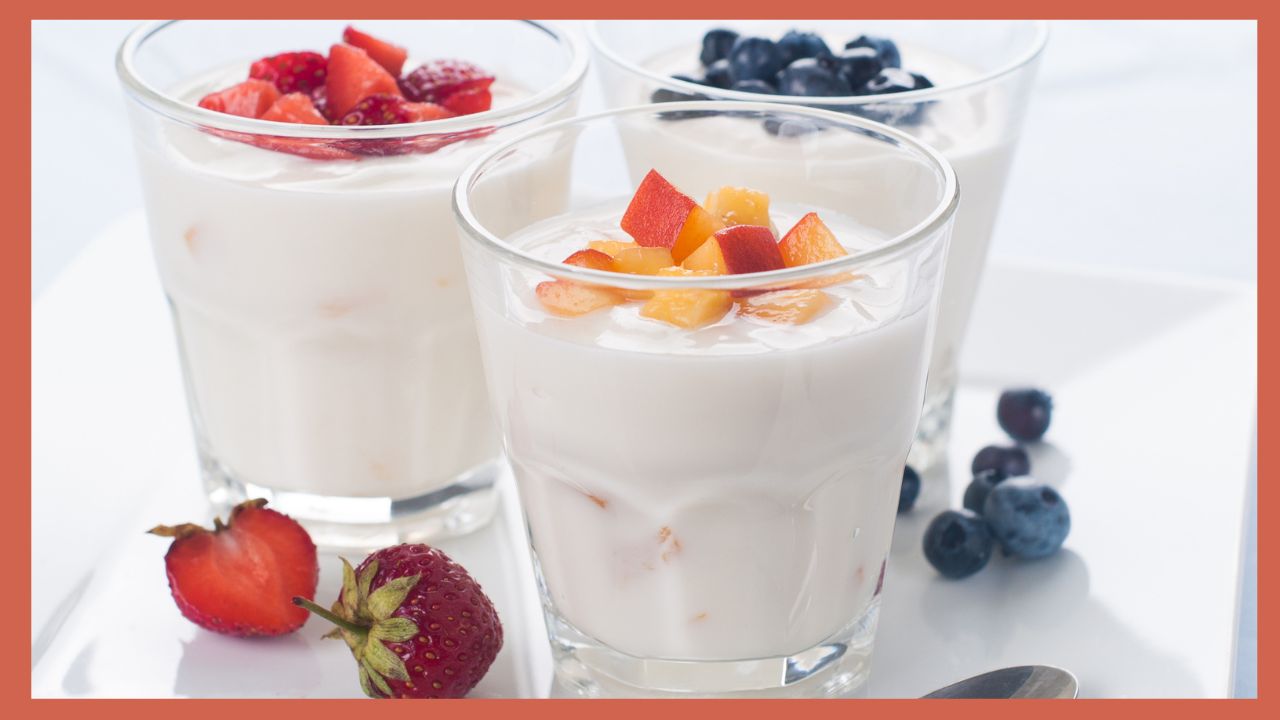
Yogurt is a good source of protein, calcium, and probiotics. Probiotics are live bacteria that are beneficial for gut health. Eating yogurt first thing in the morning can help to improve your digestion and boost your immune system.

5. Eggs
Eggs are a good source of protein, healthy fats, and vitamins. They are also a good source of choline, an essential nutrient that is important for brain health. Eggs can be scrambled, fried, boiled, or poached. They can also be added to omelets, quiches, or breakfast burritos.

6. Dates
Dates are a sweet and nutritious fruit that is packed with vitamins, minerals, and fiber. They are a good source of potassium, which is an essential mineral that is important for blood pressure regulation. Dates are also a good source of magnesium, which is important for muscle and nerve function.

7. Banana
Bananas are a convenient and nutritious snack that is packed with vitamins, minerals, and fiber. They are a good source of potassium, which is an essential mineral that is important for blood pressure regulation. Bananas are also a good source of vitamin C, which is important for immune function.

These are just a few of the many healthy foods that you can eat first thing in the morning. By choosing a variety of nutritious foods, you can start your day off right and set yourself up for success.

Tagged : / / / / /

Are thin people really healthy and fit?

Are thin people really healthy and fit?
Being thin is often seen as a sign of good health and fitness. However, this is not always the case. It is important to remember that weight is just one factor in determining overall health and fitness. Other factors, such as body composition, diet, and exercise habits, also play a role.

Body composition

Body composition is the percentage of fat, muscle, and bone in the body. A healthy body composition for most adults is between 20-25% body fat for men and 25-35% body fat for women. However, these percentages can vary depending on age, sex, and other factors.

It is possible to be thin and have a high body fat percentage. This can happen if someone has a lot of muscle mass or if they have a condition such as sarcopenic obesity, which is a loss of muscle mass that can occur with age.

On the other hand, it is also possible to be thin and have a low body fat percentage. This can happen if someone has a naturally low body fat percentage or if they exercise regularly and eat a healthy diet.

Diet and exercise habits

Diet and exercise habits are also important factors in determining overall health and fitness. It is possible to be thin and have unhealthy diet and exercise habits. For example, someone who is thin may eat a lot of processed foods and sugary drinks and may not exercise regularly.

On the other hand, it is also possible to be thin and have healthy diet and exercise habits. For example, someone who is thin may eat a balanced diet and exercise regularly.

So, are thin people really healthy and fit?

The answer is that it depends. It is important to consider body composition, diet, and exercise habits when determining whether or not someone is healthy and fit. Just because someone is thin does not mean that they are healthy and fit.

How to stay healthy and fit

The best way to stay healthy and fit is to eat a balanced diet and exercise regularly. A balanced diet includes a variety of fruits, vegetables, whole grains, and lean protein. Exercise should include both cardio and strength training.

It is also important to get enough sleep and to manage stress. When you are well-rested and stress-free, you are more likely to have a healthy body composition and to make healthy choices.

If you are concerned about your health or fitness, talk to your doctor. They can help you to assess your individual needs and to develop a plan for staying healthy and fit.

Tagged : / / / / /

Precautions to follow while taking calcium supplements

Precautions to follow while taking calcium supplements
Calcium is an essential mineral that is important for strong bones and teeth, as well as muscle function and nerve signaling. Most people can get the calcium they need from their diet, but some people may need to take calcium supplements.

If you are considering taking calcium supplements, it is important to talk to your doctor first. Calcium supplements can interact with certain medications and can cause side effects, especially if taken in high doses.

Here are some precautions to take while taking calcium supplements:

1. Don’t take more than the recommended dose : The recommended daily upper intake level (UL) for calcium supplements is 2,500 milligrams (mg) for adults. Taking more than this amount can increase your risk of side effects such as constipation, kidney stones, and hypercalcemia (a condition in which you have too much calcium in your blood).

2. Take calcium supplements with food : Calcium is best absorbed when taken with food. This is because stomach acid helps to break down calcium supplements. Avoid taking calcium supplements with very high fiber meals. Fiber can bind with calcium, reducing the amount available to your body.

3. Avoid taking calcium supplements at the same time as certain medications : Calcium supplements can interact with certain medications, such as antibiotics, bisphosphonates, and thyroid medications. This can interfere with the absorption of these medications or cause other side effects. If you are taking any medications, talk to your doctor about whether it is safe to take calcium supplements.

4. Be careful if you have certain medical conditions : If you have kidney disease, hypercalcemia, or any other medical conditions, talk to your doctor before taking calcium supplements.

Here are some additional tips for taking calcium supplements safely:

  • Choose a type of calcium supplement that is right for you. There are different types of calcium supplements available, including calcium carbonate, calcium citrate, and calcium gluconate. Talk to your doctor about which type of calcium supplement is best for you.
  • Take calcium supplements in divided doses. This will help your body to absorb the calcium more effectively.
  • Drink plenty of fluids. This will help to prevent kidney stones.
  • Monitor your calcium intake. Keep track of how much calcium you are getting from your diet and from supplements. This will help you to avoid taking too much calcium.

If you have any questions or concerns about taking calcium supplements, talk to your doctor.

Tagged : / / /

10 Foods That Help Boost Oxygen Levels in Your Body

10 Foods That Help Boost Oxygen Levels in Your Body
Oxygen is essential for life. It helps our bodies produce energy, repair cells, and fight off infection. When we breathe, oxygen enters our lungs and is absorbed into our bloodstream. Red blood cells then carry oxygen to all of our cells and tissues.

There are a number of things we can do to improve our blood oxygen levels, such as exercising regularly and avoiding smoking. But did you know that certain foods can also help?

Here are 10 foods that can help boost oxygen levels in your body:

1. Broccoli
Broccoli is a cruciferous vegetable that is packed with nutrients, including vitamins C and K, as well as iron and potassium. It is also a good source of nitrates, which can help to widen blood vessels and improve blood flow.

2. Spinach
Spinach is another leafy green vegetable that is rich in nutrients and antioxidants. It is a good source of iron, which is essential for the production of red blood cells. Spinach also contains nitrates, which can help to improve blood flow.

3. Mango
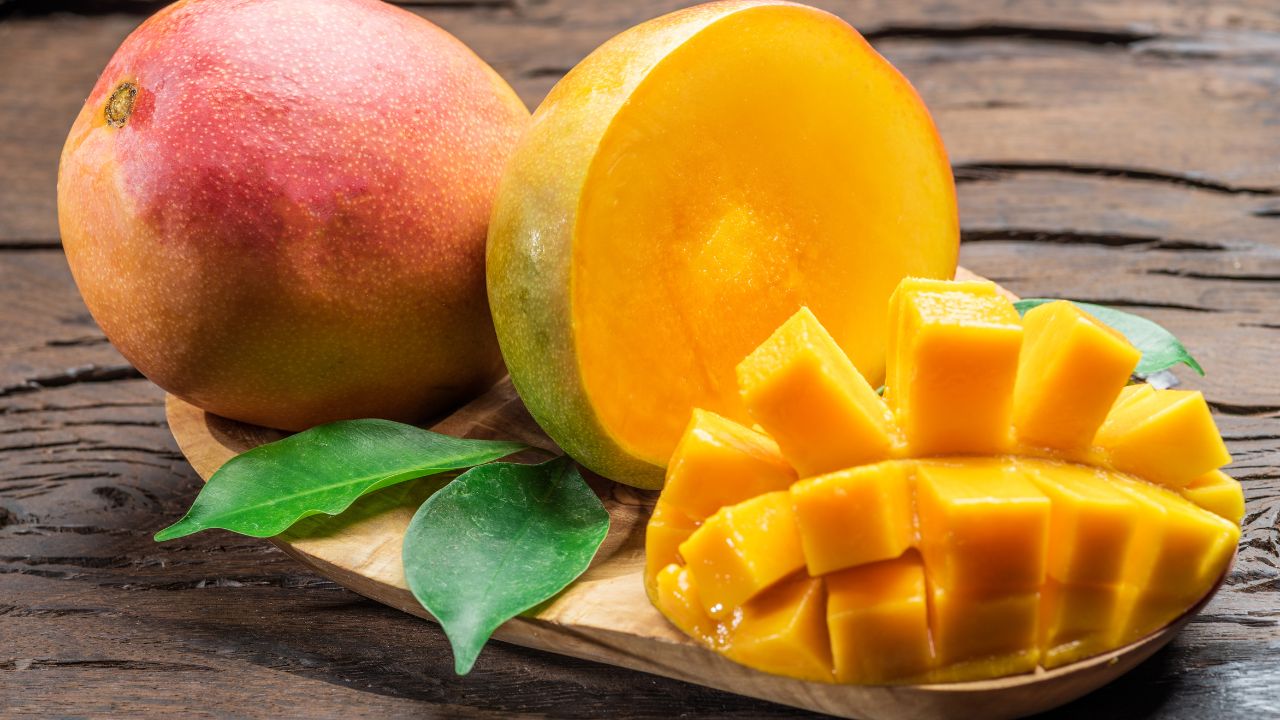
Mangoes are a delicious and nutritious fruit that is a good source of vitamins A and C, as well as potassium and fiber. Mangoes also contain carotenoids, which are plant pigments that have antioxidant properties.

4. Garlic
Garlic is a pungent herb that has been used for centuries for its medicinal properties. Garlic is a good source of allicin, a compound that has antibacterial and antiviral properties. Garlic may also help to improve blood flow and reduce cholesterol levels.

5. Carrots
Carrots are a root vegetable that is a good source of vitamins A, C, and K, as well as potassium and fiber. Carrots also contain carotenoids, which have antioxidant properties.

6. Beetroot
Beetroot is a root vegetable that is a good source of vitamins A, C, and B9, as well as potassium and magnesium. Beetroot also contains nitrates, which can help to widen blood vessels and improve blood flow.

7. Berries
Berries are a type of fruit that is known for their high antioxidant content. Berries are a good source of vitamins A and C, as well as fiber.

8. Fatty fish
Fatty fish such as salmon, tuna, and mackerel are a good source of omega-3 fatty acids. Omega-3 fatty acids have anti-inflammatory properties and may help to improve blood flow.

9. Iron-rich foods
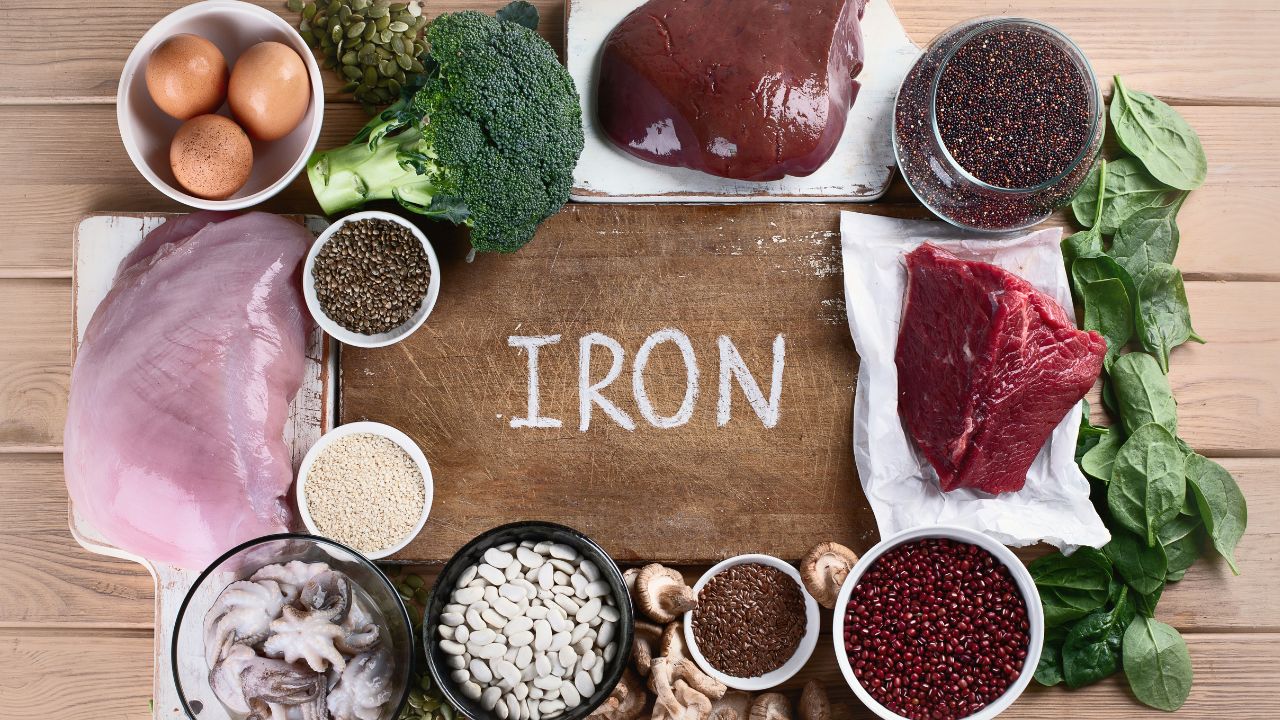
Iron is an essential mineral that is needed for the production of red blood cells. Red blood cells carry oxygen to all of our cells and tissues. Good sources of iron include lean red meat, poultry, fish, beans, lentils, and dark leafy green vegetables.

10. Vitamin C-rich foods
Vitamin C is a nutrient that helps the body absorb iron. Good sources of vitamin C include citrus fruits, berries, tomatoes, and broccoli.

Additional tips for boosting oxygen levels in your body

In addition to eating a healthy diet, there are a number of other things you can do to improve your blood oxygen levels, such as:

  • Exercise regularly. Exercise helps to strengthen your lungs and heart and improve your circulation.
  • Avoid smoking. Smoking damages your lungs and makes it more difficult for them to absorb oxygen.
  • Maintain a healthy weight. Being overweight or obese can put a strain on your lungs and heart.
  • Get enough sleep. Sleep is essential for good health, including lung health.

    If you have any concerns about your blood oxygen levels, be sure to talk to your doctor.
Tagged : / / / / /

7 Common habits that weaken your digestive health

7 Common habits that weaken your digestive health
Your digestive system is a complex system that breaks down food into nutrients that your body can use for energy, growth, and repair. A healthy digestive system is essential for overall health and well-being. However, there are a number of common habits that can weaken your digestive health.

Here are some common habits that weaken your digestive health:

1. Eating too fast. : When you eat too fast, you don’t chew your food properly. This can make it more difficult for your stomach to digest your food. Eating too fast can also lead to swallowing air, which can cause bloating and gas.

2. Eating too much : Overeating can put a strain on your digestive system and make it difficult to digest your food. Overeating can also lead to weight gain, which can increase your risk of developing digestive problems, such as heartburn and acid reflux.

3. Eating processed foods : Processed foods are often high in unhealthy fats, sugar, and salt. These ingredients can irritate your digestive system and make it difficult to digest your food. Processed foods are also often low in fiber, which is essential for good digestive health.

4. Drinking too much caffeine and alcohol : Caffeine and alcohol can irritate your digestive system and make it difficult to digest your food. Caffeine can also cause diarrhea, and alcohol can cause heartburn and acid reflux.

5. Not drinking enough water : Water is essential for good digestive health. It helps to break down food and move it through your digestive system. Dehydration can lead to constipation and other digestive problems.

6. Not getting enough exercise : Exercise helps to keep your digestive system moving. Regular exercise can help to reduce constipation and other digestive problems.

7. Stress : Stress can interfere with digestion. When you’re stressed, your body releases hormones that can slow down digestion. Stress can also lead to overeating and other unhealthy habits that can weaken your digestive health.
How to improve your digestive health

There are a number of things you can do to improve your digestive health, including:

  • Eat a healthy diet. Eat plenty of fruits, vegetables, and whole grains. These foods are high in fiber, which is essential for good digestive health. Limit processed foods, sugary drinks, and unhealthy fats.
  • Eat slowly and chew your food properly. This will help your stomach to digest your food more easily.
  • Don’t overeat. Listen to your body and stop eating when you’re full.
  • Drink plenty of water. Aim to drink at least eight glasses of water per day.
  • Get regular exercise. Aim for at least 30 minutes of moderate-intensity exercise most days of the week.
  • Manage stress. Find healthy ways to manage stress, such as exercise, yoga, or meditation.
  • If you are experiencing digestive problems, such as constipation, diarrhea, heartburn, or acid reflux, talk to your doctor. They can help you to identify the cause of your digestive problems and recommend the best course of treatment.

Conclusion

Your digestive health is important for your overall health and well-being. By avoiding the common habits that can weaken your digestive health and following the tips above, you can improve your digestive health and enjoy a healthier, happier life.

Tagged : / /

5 Changes You Need to Make in Your Work Routine to Make Your Life Stress-Free

5 Changes You Need to Make in Your Work Routine to Make Your Life Stress-Free
Stress is a normal part of life, but too much stress can have a negative impact on your physical and mental health. If you’re feeling stressed at work, there are a few simple changes you can make to your routine to reduce stress and improve your overall well-being.

1. Set boundaries and learn to say no

One of the most important things you can do to reduce stress at work is to set boundaries and learn to say no. This means being clear about your availability and workload, and not taking on too much work. It also means being able to say no to requests from colleagues or managers, especially if you’re already feeling overwhelmed.

If you’re struggling to say no, try to think about it in this way: by saying no to one thing, you’re saying yes to something else. For example, if you say no to working on a new project, you’re saying yes to having more time to focus on your existing projects or to take a break.

2. Plan your day and stick to your plan

Another helpful way to reduce stress at work is to plan your day and stick to your plan as much as possible. This will help you to stay on top of your workload and avoid feeling overwhelmed.

To start, make a list of all the tasks you need to complete that day. Then, prioritize the tasks and estimate how long each one will take. Once you have a plan, try to stick to it as much as possible. Of course, there will be times when unexpected things come up, but having a plan will give you a good starting point.

3. Take breaks throughout the day

It’s important to take breaks throughout the day, even if it’s just for a few minutes. Getting up and moving around will help to improve your circulation and reduce stress. You can also use your breaks to do something you enjoy, such as reading, listening to music, or talking to a friend.

If you find yourself feeling overwhelmed, take a few minutes to close your eyes and take some deep breaths. This will help to calm your mind and body. You can also try doing some light stretching or yoga.

4. Delegate tasks and ask for help when needed

If you have too much on your plate, don’t be afraid to delegate tasks or ask for help from your colleagues or manager. This is especially important if you’re feeling overwhelmed.

Delegation can help to free up your time so that you can focus on the most important tasks. If you’re not sure how to delegate a task, ask your manager for help.

5. Make time for yourself outside of work

It’s important to make time for yourself outside of work to relax and de-stress. This could involve spending time with family and friends, pursuing hobbies, or simply doing something you enjoy.

Making time for yourself outside of work will help you to recharge and come back to work feeling refreshed and motivated.

Here are some additional tips for reducing stress at work:

  • Get enough sleep. When you’re well-rested, you’re better able to handle stress. Aim for 7-8 hours of sleep per night.
  • Eat a healthy diet. Eating nutritious foods gives your body the energy it needs to function properly. Avoid processed foods and sugary drinks, and focus on eating plenty of fruits, vegetables, and whole grains.
  • Exercise regularly. Exercise is a great way to reduce stress and improve your overall mood. Aim for at least 30 minutes of moderate-intensity exercise most days of the week.
  • Connect with others. Spending time with loved ones can help to reduce stress and improve your well-being. Make time for social activities, even if it’s just a quick phone call or coffee date.
  • Learn to say no. It’s okay to say no to requests from colleagues or managers, especially if you’re already feeling overwhelmed.
  • Take breaks throughout the day. Get up and move around, or do something you enjoy, such as reading, listening to music, or talking to a friend.
  • Delegate tasks and ask for help when needed. Don’t be afraid to ask for help from your manager or colleagues, especially if you’re feeling overwhelmed.Making a few simple changes to your work routine can help to reduce stress and improve your overall well-being. By following the tips above, you can create a more balanced and enjoyable work life.
Tagged : / / /

Fatty Liver Disease: 5 Superfoods That Keep Your Liver Healthy

Fatty Liver Disease: 5 Superfoods That Keep Your Liver Healthy
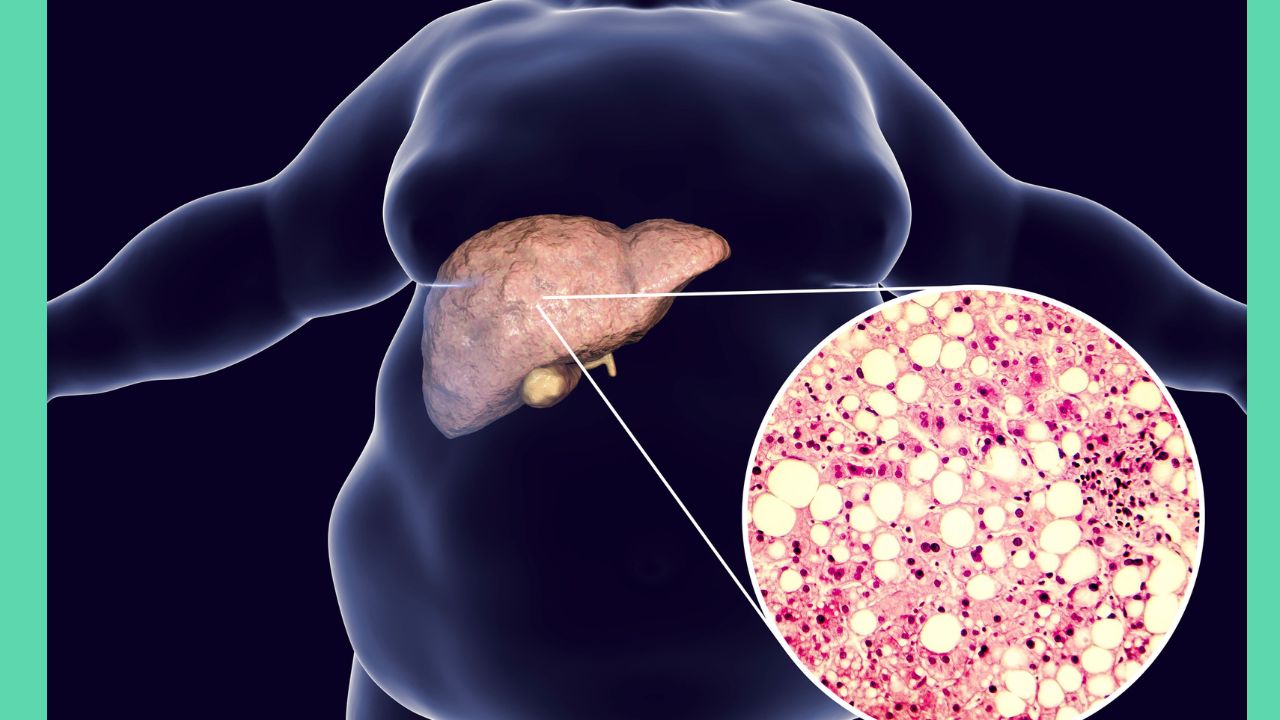
Fatty liver disease, also known as nonalcoholic fatty liver disease (NAFLD), is a condition in which too much fat builds up in the liver. NAFLD is the most common chronic liver disease worldwide, and its prevalence is on the rise, especially in India. There are two main types of NAFLD: simple fatty liver and nonalcoholic steatohepatitis (NASH). Simple fatty liver is a benign condition, but NASH is a more serious form of NAFLD that can lead to inflammation and damage to the liver.

Causes of fatty liver disease

The exact cause of NAFLD is unknown, but it is thought to be related to a number of factors, including:

Obesity
Type 2 diabetes
High cholesterol
High triglycerides
Metabolic syndrome
Certain medications
A sedentary lifestyle

Treatment for fatty liver disease

There is no cure for NAFLD, but lifestyle changes, such as weight loss, exercise, and a healthy diet, can help to improve liver health and reduce the risk of complications.

5 superfoods that keep your liver healthy

Here are 5 superfoods that can help to keep your liver healthy:

1. Cruciferous vegetables

Cruciferous vegetables, such as broccoli, cauliflower, Brussels sprouts, cabbage, and kale, are rich in antioxidants and other compounds that can help to protect the liver from damage.

2. Garlic

Garlic contains compounds called sulfur compounds, which have antioxidant and anti-inflammatory properties. Garlic has also been shown to help reduce fat accumulation in the liver.

3. Coffee

Coffee contains a number of compounds that have been shown to protect the liver. Caffeine: Caffeine can help to reduce inflammation and fat accumulation in the liver. Chlorogenic acid: Chlorogenic acid is an antioxidant that can help to protect the liver from damage. Cafestol and kahweol: Cafestol and kahweol are two compounds found in coffee that have been shown to have anti-cancer and anti-inflammatory effects on the liver.

4. Berries

Berries are rich in antioxidants, including anthocyanins, which have been shown to protect the liver from damage. Berries have also been shown to reduce inflammation and fat accumulation in the liver. A study published in the journal Digestive Diseases and Sciences found that people who ate blueberries regularly had a lower risk of developing fatty liver disease.

5. Green tea

Green tea contains compounds called catechins, which have antioxidant and anti-inflammatory properties. Green tea has also been shown to help reduce fat accumulation in the liver.

Tagged : / / /

Men! These Things Can Adversely Affect Your Chances of Becoming a Father

Men! These Things Can Adversely Affect Your Chances of Becoming a Father
Becoming a father is a joyous experience for many men. However, it is important to be aware of the factors that can adversely affect your chances of conceiving a child. Here are some of the most common causes of male infertility:

1. Age

Male fertility naturally declines with age. This is because the quality and quantity of sperm produced by the testicles decrease as men get older. Additionally, older men are more likely to have underlying health conditions that can affect fertility, such as diabetes, heart disease, and cancer.

2. Medical conditions

A number of medical conditions can affect male fertility, including:

  • Varicocele: This is a condition in which the veins in the scrotum become enlarged. It is the most common cause of male infertility.
  • Testicular cancer: This is a rare form of cancer that can damage the testicles and reduce sperm production.
  • Hormonal imbalances: Certain hormonal imbalances, such as low testosterone levels, can also affect male fertility.
  • Sexually transmitted infections (STIs): STIs, such as gonorrhea and chlamydia, can cause inflammation and damage to the reproductive tract, which can lead to infertility

3. Lifestyle factors

Certain lifestyle factors, such as smoking, excessive alcohol consumption, and drug use, can also adversely affect male fertility. Smoking can damage sperm and reduce sperm production. Excessive alcohol consumption can lead to hormonal imbalances and sperm damage. Drug use, such as marijuana and cocaine use, can also reduce sperm production and quality.

4. Environmental factors

Exposure to certain environmental toxins, such as pesticides and herbicides, can also affect male fertility. These toxins can damage sperm and reduce sperm production.

If you are concerned about your fertility, it is important to talk to your doctor. They can perform a fertility evaluation to determine the cause of your infertility and recommend appropriate treatment options.
Tagged : / / / /

30-30-30 Rule : The Easy Way to Effective Weight Loss

30-30-30 Rule: The Easy Way to Effective Weight Loss
The 30-30-30 rule is a simple but effective approach to weight loss. It is based on the idea that weight loss is a holistic process that involves three key factors: nutrition, exercise, and mindfulness.

Nutrition

The first 30% of the rule focuses on nutrition. This means eating a healthy diet that is low in processed foods and high in whole foods, fruits, vegetables, and lean protein. It is also important to reduce your calorie intake by 30%. You can do this by eating smaller portions, choosing healthy snacks, and avoiding sugary drinks.

Exercise

The second 30% of the rule focuses on exercise. Aim for at least 30 minutes of moderate-intensity exercise most days of the week. This could include walking, running, biking, swimming, or strength training.

Mindfulness

The third 30% of the rule focuses on mindfulness. This means paying attention to your body and your eating habits. It is also important to be mindful of your stress levels and to find healthy ways to cope with stress.

Tips for following the 30-30-30 rule:

Nutrition

  • Eat plenty of fruits, vegetables, and whole grains.
  • Choose lean protein sources, such as chicken, fish, beans, and tofu.
  • Limit processed foods, sugary drinks, and unhealthy fats.
  • Reduce your calorie intake by 30%.

Exercise

  • Aim for at least 30 minutes of moderate-intensity exercise most days of the week.
  • Choose activities that you enjoy and that fit into your lifestyle.
  • Start slowly and gradually increase the intensity and duration of your workouts over time.

Mindfulness

  • Pay attention to your body and your eating habits.
  • Eat slowly and savor your food.
  • Avoid distractions while eating, such as TV and phones.
  • Find healthy ways to cope with stress, such as exercise, yoga, or meditation.                                                                                                                                      The 30-30-30 rule is a sustainable approach to weight loss that can help you to lose weight and keep it off. It is important to be patient and consistent with your efforts. With time and effort, you can achieve your weight loss goals and improve your overall health.

Here are some additional tips for following the 30-30-30 rule:

  • Make a plan. Decide what you are going to eat and how much exercise you are going to get each day.
  • Track your progress. Keep a food journal and exercise log to track your progress and stay motivated.
  • Find a support system. Having friends or family members who are also trying to lose weight can help you to stay on track.
  • Don’t give up. Everyone has setbacks from time to time. Just pick yourself up and keep going.

    If you have any underlying health conditions, be sure to talk to your doctor before starting any new diet or exercise program.

Tagged : / / / /

Arthritis Diet : 8 Fruits to Consume for Strong Bones and Joints

Arthritis Diet : 8 Fruits to Consume for Strong Bones and Joints
Your bones and joints are essential for your mobility and overall health. As you age, it’s important to take care of them by eating a healthy diet and exercising regularly. Fruits are a great way to get the nutrients you need for strong bones and joints and also they have anti inflammatory properties which aid in combating arthritis.

Here are 8 fruits to consume for strong bones and joints:

1. Bananas
Bananas are a good source of potassium, which can help to reduce bone loss. They are also a good source of vitamin C, which is essential for collagen production. Collagen is a protein that helps to strengthen bones and joints.

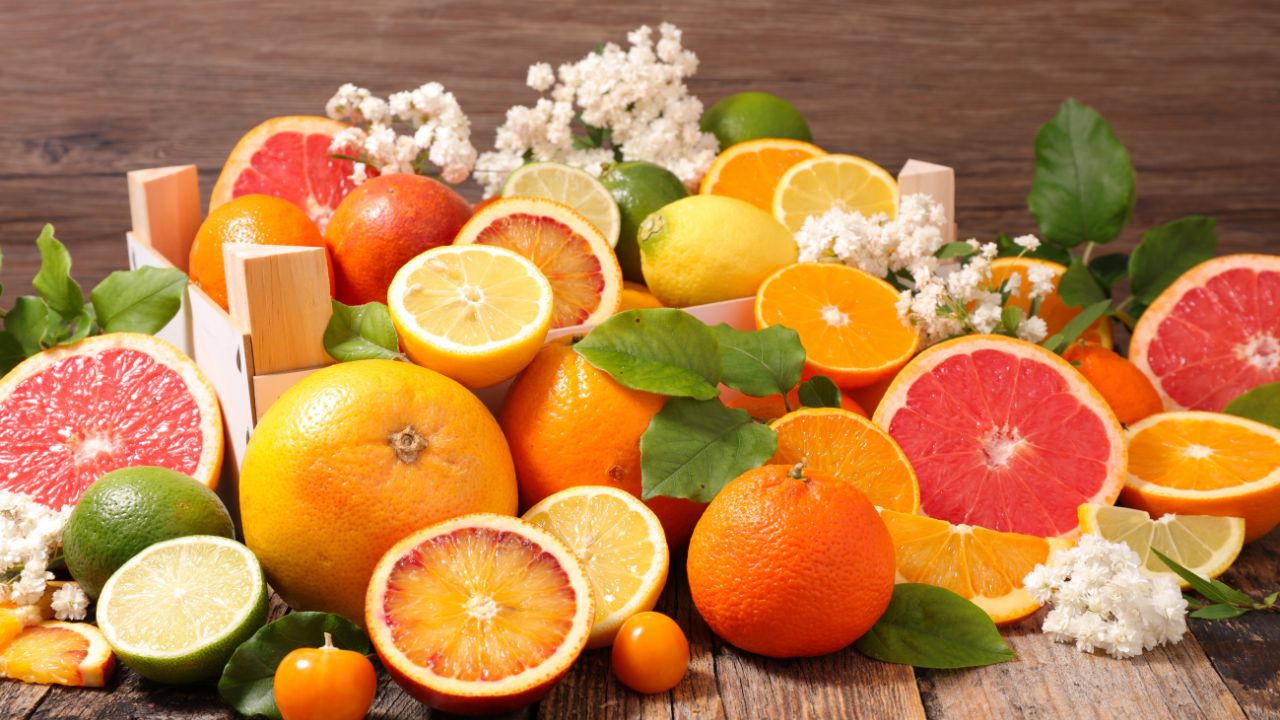
2. Citrus fruits
Citrus fruits, such as oranges, grapefruits, and lemons, are a good source of vitamin C. Vitamin C is essential for collagen production and helps to protect bones from damage.

3. Berries
Berries, such as blueberries, strawberries, and raspberries, are a good source of antioxidants. Antioxidants can help to protect cells from damage, including damage to bones and joints.

4. Dried fruits
Dried fruits, such as figs, prunes, and raisins, are a good source of calcium, magnesium, and potassium. These minerals are all important for bone health.

5. Papaya
Papaya is a good source of vitamin C and potassium. It also contains an enzyme called papain, which has anti-inflammatory properties. Inflammation can damage bones and joints, so eating papaya may help to reduce inflammation and improve bone and joint health.

6. Pineapple
Pineapple is a good source of manganese, which is a mineral that is essential for bone formation. It also contains an enzyme called bromelain, which has anti-inflammatory properties.

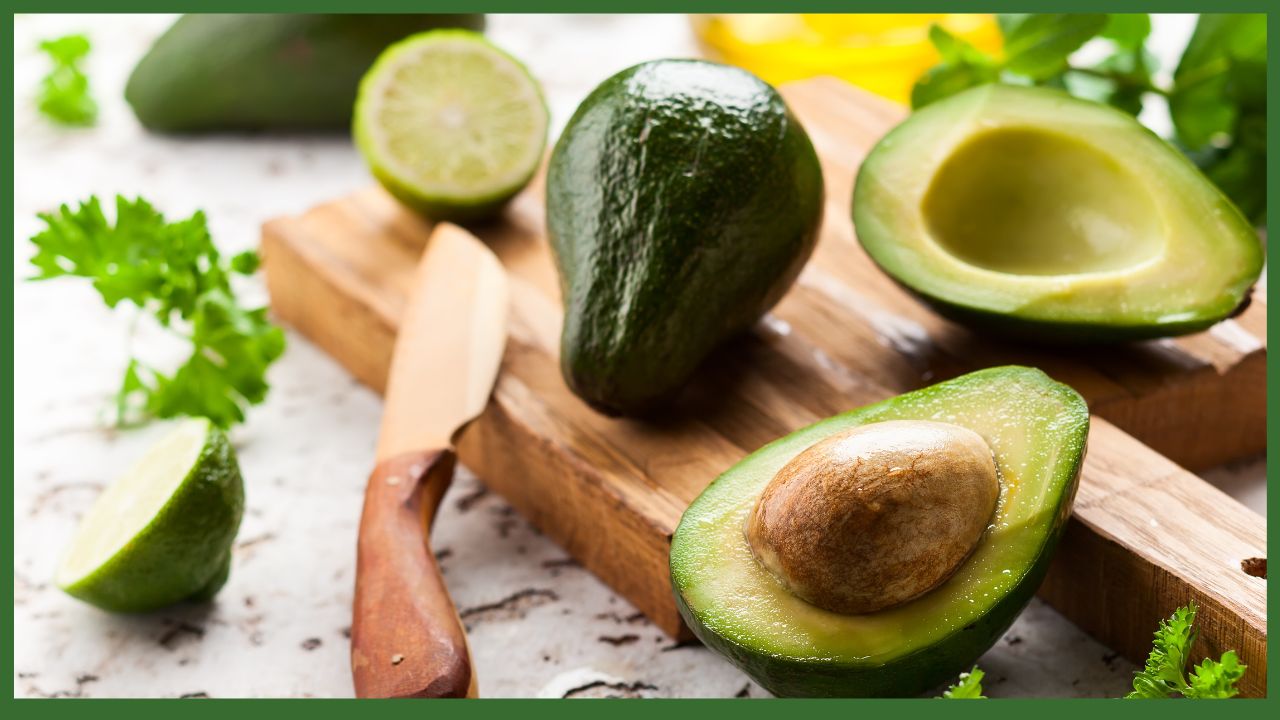
7. Avocados
Avocados are a good source of potassium and magnesium. These minerals are both important for bone health. Avocados also contain healthy fats, which can help to reduce inflammation.

8. Kiwis
Kiwis are a good source of vitamin C and potassium. They also contain an enzyme called actinidin, which can help to improve digestion. Good digestion is important for absorbing nutrients from food, including calcium and vitamin D, which are both important for bone health.

In addition to eating these fruits, it’s also important to get enough calcium and vitamin D. Calcium is essential for bone formation and maintenance, while vitamin D helps your body to absorb calcium.

You can get calcium from dairy products, leafy green vegetables, and fortified foods. You can get vitamin D from sunlight, fatty fish, and fortified foods.

If you are concerned about your bone or joint health, talk to your doctor. They can help you to create a personalized plan to keep your bones and joints healthy.
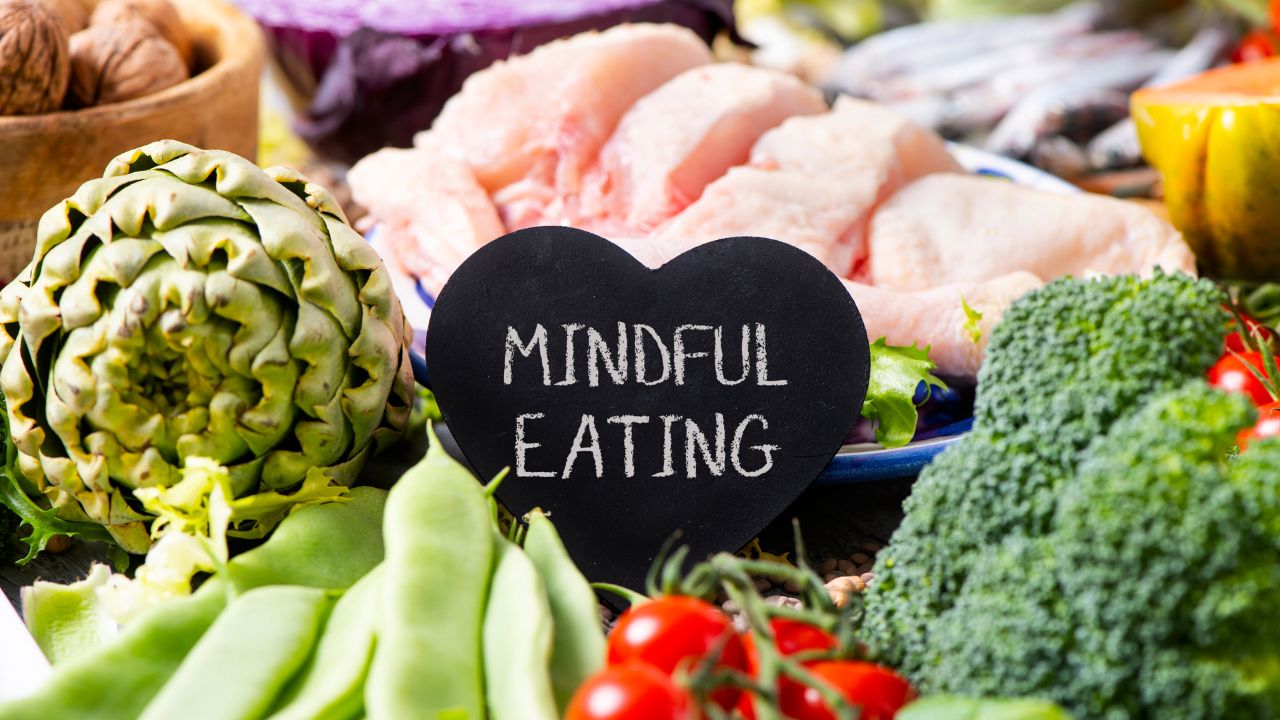
Tagged : / / / / /

Why Do people suddenly develop brain clots in the brain? Can It Be prevented?

Why Do people suddenly develop brain clots in the brain? Can It Be prevented?
Blood clots are clumps of blood cells that form in the bloodstream. They can be dangerous because they can block blood flow to vital organs, such as the heart, brain, and lungs.

There are a number of reasons why people can suddenly develop brain clots, including:

1.  Atherosclerosis: Atherosclerosis is a condition in which plaque builds up on the walls of the arteries. This can narrow the arteries and reduce blood flow to the brain. If a plaque ruptures, a blood clot can form.

2. Hypertension: Hypertension, or high blood pressure, can damage the arteries and make them more prone to blood clots

3. Heart disease: Heart disease can increase the risk of blood clots forming in the heart. These clots can then travel to the brain and cause a stroke.

4. Diabetes: Diabetes can damage blood vessels and increase the risk of blood clots.

5. Smoking: Smoking damages blood vessels and increases the risk of blood clots.

6. Certain medications: Some medications, such as birth control pills and hormone replacement therapy, can increase the risk of blood clots.

7. Medical conditions: Certain medical conditions, such as cancer and blood disorders, can also increase the risk of blood clots.

8. Head injury: A head injury can damage blood vessels in the brain and increase the risk of a blood clot forming.

In some cases, people may develop a brain clot without any obvious cause. This is known as a cryptogenic stroke.

Symptoms of a blood clot in the brain

The symptoms of a blood clot in the brain can vary depending on the size and location of the clot. Some common symptoms include:

  • Sudden numbness or weakness in the face, arm, or leg, especially on one side of the body
  • Sudden confusion, trouble speaking or understanding speech
  • Sudden trouble seeing in one or both eyes
  • Sudden trouble walking, maintaining balance, or coordination
  • Sudden severe headache with no known cause
  • Sudden dizziness, loss of balance, or coordination
  • Sudden fainting or loss of consciousness
  • Treatment for a blood clot in the brain

Treatment for a blood clot in the brain depends on the size and location of the clot. In some cases, the clot may dissolve on its own. However, in other cases, treatment may be necessary to prevent the clot from growing or breaking off and traveling to other parts of the body.

Common treatments for a blood clot in the brain include:

Blood thinners: Blood thinners are medications that help to prevent blood clots from forming and growing.
Clot-busting drugs: Clot-busting drugs are medications that help to dissolve blood clots.
Surgery: In some cases, surgery may be necessary to remove a blood clot.
Prevention of a blood clot in the brain

There are a number of things you can do to prevent a blood clot in the brain, including:

Maintaining a healthy weight: Being overweight or obese increases your risk of blood clots

i. Exercising regularly: Exercise helps to improve blood flow and reduce the risk of blood clots.
ii. Avoiding smoking: Smoking damages blood vessels and increases the risk of blood clots.
iii. Managing any underlying medical conditions: If you have any underlying medical conditions, such as heart disease, cancer, or diabetes, it is important to manage them carefully to reduce your risk of blood clots

Can a blood clot in the brain be prevented?

Some cases of brain clots can be prevented by managing underlying medical conditions and lifestyle factors. For example, if you have high blood pressure, diabetes, or high cholesterol, it is important to work with your doctor to manage these conditions. You should also avoid smoking and maintain a healthy weight.

However, some cases of brain clots are not preventable, especially those that are caused by genetic factors or head injuries. If you have a family history of blood clots or have had a head injury, it is important to talk to your doctor about your risk factors.

If you are concerned about your risk of a blood clot in the brain, talk to your doctor. They can help you assess your risk and develop a plan to reduce your chances of developing a blood clot.

Tagged : / / / / /

Should You Consume Protein Powders ? Benefits And Side Effects Of Protein Powders!

Should You Consume Protein Powders ? Benefits And Side Effects Of Protein Powders!
Protein powders are a popular supplement used by athletes, bodybuilders, and people who simply want to increase their protein intake. But are protein powders really good? Should you consume these powders? And what are their side effects?

What are protein powders?

Protein powders are concentrated sources of protein that are made from a variety of sources, including whey, casein, soy, pea, and hemp. They are typically available in powder form and can be mixed with water, milk, or juice to create a shake.

Benefits of protein powders

Protein powders offer a number of potential benefits, including:

1. Increased muscle mass and strength: Protein is essential for building and repairing muscle tissue. Protein powders can help athletes and bodybuilders build muscle mass and strength more quickly.

2. Weight loss: Protein can help you feel fuller longer and reduce your overall calorie intake. This can lead to weight loss over time.

3. Improved recovery: Protein can help your body recover from exercise more quickly. This is important for athletes and people who exercise regularly.

4. Increased energy levels: Protein can help to increase your energy levels and reduce fatigue.

Side effects of protein powders

Protein powders are generally safe for most people when consumed in moderation. However, there are some potential side effects, including:

Digestive problems: Protein powders can cause digestive problems such as bloating, gas, and diarrhea, especially in people who are lactose intolerant.

Kidney problems: Consuming too much protein can put a strain on your kidneys. People with pre-existing kidney problems should be especially careful when consuming protein powders.

Allergic reactions: Protein powders can cause allergic reactions in some people. If you experience any symptoms of an allergic reaction, such as hives, difficulty breathing, or swelling of the face or throat, stop taking the protein powder and seek medical attention immediately.

Should you consume protein powders?

Whether or not you should consume protein powders depends on your individual needs and goals. If you are an athlete, bodybuilder, or someone who exercises regularly, protein powders may be a good way to increase your protein intake. However, it is important to note that you can also get protein from whole foods, such as meat, poultry, fish, eggs, beans, and dairy products.

If you are considering consuming protein powders, it is important to talk to your doctor first. They can help you determine if protein powders are right for you and how much to consume safely.

Tips for consuming protein powders safely

If you do decide to consume protein powders, here are some tips to help you do so safely:

  • Start with a small dose and increase gradually to avoid digestive problems.
  • Choose a protein powder that is from a reputable brand.
  • Read the label carefully and follow the dosage instructions.
  • Drink plenty of water throughout the day.
  • Talk to your doctor if you have any pre-existing health conditions, such as kidney problems or a lactose intolerance.                                                                                                                                                                                                              Conclusion

Protein powders can be a safe and effective way to increase your protein intake, especially if you are an athlete, bodybuilder, or someone who exercises regularly. However, it is important to talk to your doctor first to make sure that protein powders are right for you and how much to consume safely.

Tagged : / / / / /

8 Reasons Why You Should Consume Black Sesame Seeds

8 Reasons Why You Should Consume Black Sesame Seeds
Black sesame seeds are a tiny, yet nutrient-dense food that offer a variety of health benefits. They are a good source of protein, fiber, vitamins, minerals, and antioxidants. Black sesame seeds have been used in traditional medicine for centuries, and modern research has confirmed many of their health benefits.

Here are eight reasons why you should consume black sesame seeds:

1. Improve heart health: Black sesame seeds are a good source of magnesium, which is an essential mineral for heart health. Magnesium helps to relax blood vessels and lower blood pressure. Black sesame seeds also contain omega-3 fatty acids, which are known to reduce inflammation and improve cholesterol levels.

2. Boost immunity: Black sesame seeds are a good source of vitamin E, which is a powerful antioxidant that helps to protect the body from damage. Black sesame seeds also contain zinc, which is another essential mineral for immune function.

3. Protect bone health: Black sesame seeds are a good source of calcium and phosphorus, which are essential minerals for bone health. Black sesame seeds also contain magnesium, which helps to improve bone density.

4. Promote healthy skin: Black sesame seeds are a good source of vitamin E, which is an antioxidant that helps to protect the skin from damage. Black sesame seeds also contain zinc, which is essential for wound healing and skin repair.

5. Improve hair health: Black sesame seeds are a good source of biotin, which is a B vitamin that is essential for hair growth. Black sesame seeds also contain copper, which is another mineral that is important for hair health.

6. Reduce inflammation: Black sesame seeds contain antioxidants and other compounds that have anti-inflammatory properties. This can be beneficial for people with conditions such as arthritis, asthma, and inflammatory bowel disease.

7. Improve blood sugar control: Black sesame seeds contain compounds that can help to improve blood sugar control. This can be beneficial for people with diabetes and prediabetes.

8. Aid weight loss: Black sesame seeds are a good source of protein and fiber, which can help to promote weight loss. Black sesame seeds also contain antioxidants that can help to boost metabolism and burn fat.

Black sesame seeds can be consumed in a variety of ways. They can be eaten raw, roasted, or ground into a powder. Black sesame seeds can be added to smoothies, yogurt, oatmeal, and other foods. Black sesame seeds can also be used to make black sesame oil, which is a popular ingredient in Asian cuisine.

If you are looking for a nutrient-dense food that offers a variety of health benefits, black sesame seeds are a great option. Black sesame seeds are easy to add to your diet, and they can be enjoyed in a variety of ways.

Tagged : / / / / /
Verified by ExactMetrics