Canine Companionship: How Dogs Help Combat Dementia In Humans

Canine Companionship: How Dogs Help Combat Dementia In Humans
Amidst the hustle and bustle of modern life, the bond between humans and their canine companions remains steadfast. Dogs have long been cherished for their unwavering loyalty, affection, and ability to bring joy into our lives. However, a recent study has revealed a remarkable new benefit of dog ownership – a significant reduction in the risk of developing dementia.

A study conducted in Japan, published in the journal Preventive Medicine Reports, found that older adults who owned dogs exhibited a 40% reduced risk of dementia compared to those without canine companions. This groundbreaking discovery highlights the profound impact dogs can have on our cognitive health and overall well-being.

The study attributed this protective effect to a multitude of factors, including:

1. Enhanced Companionship: Dogs provide a sense of companionship and combat loneliness, a major risk factor for dementia. Their presence alleviates social isolation, fostering emotional support and connection.

2. Increased Exercise: Dog owners are more likely to engage in regular physical activity, a crucial factor in maintaining cognitive function. Daily walks, playtime, and other dog-related activities promote physical fitness and mental stimulation.

3. Mental Engagement: Dogs require mental stimulation, and interacting with them provides cognitive exercise for their owners. Training, playing fetch, and simply engaging with their canine companions keeps the mind active and engaged.

4. Reduced Stress: Dogs possess an uncanny ability to reduce stress levels, which can contribute to dementia risk. Their calming presence and unconditional love provide a sense of comfort and relaxation.

The benefits of dog ownership extend beyond dementia prevention. Studies have shown that dogs can lower blood pressure, improve cardiovascular health, and enhance overall well-being. They can also provide a sense of purpose and responsibility, particularly for older adults.

As the study’s findings underscore, welcoming a dog into your life can be a transformative decision, offering a myriad of health benefits and enriching your golden years. If you’re considering adopting a canine companion, consider the positive impact they can have on your physical, mental, and emotional well-being. Embrace the power of canine companionship and embark on a journey of joy, fulfillment, and enhanced cognitive health.


Tagged : / / /

4 Indian Winter Superfoods That You Should Definitely Try This Winter

4 Indian Winter Superfoods That You Should Definitely Try This Winter
Winter is the time of year when we crave warm, comforting foods. But it’s also important to make sure we’re getting the nutrients we need to stay healthy. That’s why we’re sharing four Indian winter superfoods that you should try this season.

1.Bajra

Bajra is a type of millet that is high in fiber, minerals, and vitamins. It is a good source of iron, magnesium, and phosphorus. It also contains B vitamins, such as niacin and thiamin. Bajra is a good source of antioxidants, which can help protect your cells from damage. It is also a good source of prebiotics, which can help promote gut health.

Bajra is a versatile grain that can be cooked in a variety of ways. It can be eaten as a porridge, or it can be used to make bread, roti, and other dishes. Bajra is a good source of protein, making it a good option for vegetarians and vegans.

2. Maize

Maize, also known as corn, is a good source of complex carbohydrates, fiber, and vitamins. It is a good source of vitamin C, vitamin A, and vitamin K. Maize is also a good source of minerals, such as potassium, phosphorus, and magnesium.

Maize is a versatile grain that can be eaten in a variety of ways. It can be eaten on the cob, or it can be used to make popcorn, tortillas, and other dishes. Maize is a good source of protein, making it a good option for vegetarians and vegans.

3. Sesame Seeds

Sesame seeds are a good source of copper, manganese, calcium, magnesium, iron, and selenium. They also contain sesamin and sesamolin, which have a cholesterol-lowering effect. Sesame seeds are a good source of antioxidants, which can help protect your cells from damage.

Sesame seeds can be eaten in a variety of ways. They can be added to salads, yogurt, and other dishes. They can also be used to make sesame oil, which is a healthy cooking oil.

4. Sweet Potatoes

Sweet potatoes are a rich source of fiber, vitamins, and minerals. They are a good source of vitamin A, vitamin C, and potassium. Sweet potatoes are also a good source of antioxidants, such as beta-carotene.

Sweet potatoes can be eaten in a variety of ways. They can be roasted, baked, or boiled. They can also be mashed, made into fries, or used in pies and other desserts.

Here are some tips for incorporating these superfoods into your diet:

  • Add bajra to your breakfast porridge or oatmeal.
  • Pop some maize for a healthy snack.
  • Sprinkle sesame seeds on your salads or yogurt.
  • Roast sweet potatoes and enjoy them as a side dish or snack.
Tagged : / / / / /

Cow Milk vs Buffalo Milk : Which One Is A Better Source of Nutrition?

Cow Milk vs Buffalo Milk : Which One Is A Better Source of Nutrition?
Cow and buffalo milk are both nutritious beverages that offer a variety of health benefits. However, they also differ in their nutrient content, which can influence their suitability for different individuals and dietary needs.

Nutritional Comparison

Here’s a comparison of the key nutrients found in cow milk and buffalo milk per 100 grams:

Nutrient Cow Milk  Buffalo Milk 
Calories 62 kcal 100 kcal
Protein 3.2 grams 4.9 grams
Fats 3.2 grams 8.0 grams
Carbohydrates 4.6 grams 4.8 grams
Calcium 121 mg 181 mg
Iron 0.3 mg 0.2 mg
Vitamin D 39 IU 125 IU
Vitamin C 122 IU 157 IU
Vitamin A 8.5 mg 4.5 mg

Protein

Buffalo milk is a richer source of protein than cow milk, with approximately 50% more protein content. This makes it a good choice for individuals with increased protein needs, such as athletes, bodybuilders, and those recovering from illness or surgery.

Fat

Buffalo milk has a higher fat content than cow milk, with about 2.5 times more fat. However, the fat in buffalo milk is also higher in beneficial omega-3 fatty acids, which are essential for heart health and brain function.

Calcium

Both cow milk and buffalo milk are good sources of calcium, a mineral essential for bone health and muscle function. Buffalo milk has a slightly higher calcium content than cow milk, which may be beneficial for individuals with a higher risk of osteoporosis.

Vitamins

Buffalo milk is a richer source of vitamins A and D than cow milk. Vitamin A is important for vision, immune function, and cell growth, while vitamin D is essential for calcium absorption and bone health.

Considerations

The choice between cow milk and buffalo milk depends on individual needs and preferences. For those seeking a higher protein content and beneficial omega-3 fatty acids, buffalo milk may be a better choice. For those with concerns about fat intake or a preference for a lower-calorie option, cow milk may be a better choice.

Individuals with lactose intolerance may experience digestive discomfort after consuming either cow milk or buffalo milk due to the presence of lactose, a milk sugar. Lactose-free versions of both types of milk are available for those with lactose intolerance.

Conclusion

Both cow milk and buffalo milk are nutritious beverages with distinct nutritional profiles. The choice between the two depends on individual needs, preferences, and dietary restrictions. Consulting with a healthcare professional or registered dietitian can help determine the most suitable milk option for specific dietary needs.

Tagged : / / / / /

The 20-Minute Hunger Delay: How Your Brain Regulates Food Intake

The 20-Minute Hunger Delay: How Your Brain Regulates Food Intake
Have you ever found yourself overeating, even though you weren’t actually hungry? It’s a common experience, and one that can be attributed to the time it takes for your brain to register that you’re full.

The Role of Satiety Signals

When you eat, your body sends signals to your brain to let it know that you’re consuming food. These signals are called satiety signals. They come from various sources, including:

Stomach distension: As your stomach fills with food, it stretches and sends signals to your brain.
Hormones: Your gut produces hormones that signal satiety, such as leptin and cholecystokinin (CCK).
Nutrient absorption: As your body absorbs nutrients from your food, it sends signals to your brain indicating that it has received enough energy.

The Time Lag

It takes some time for these satiety signals to reach your brain and for your brain to process them. This is why it can take up to 20 minutes for you to feel full after you start eating.

The exact amount of time it takes varies from person to person. It can also be affected by factors such as:

The type of food you eat: High-protein and high-fiber foods tend to make you feel fuller for longer.
Your eating speed: Eating slowly gives your body more time to send satiety signals to your brain.
Your emotional state: Stress, anxiety, and boredom can lead to overeating.

How to Eat Mindfully?

To avoid overeating, it’s important to eat mindfully. This means paying attention to your body’s hunger and fullness cues. Here are some tips:

  • Eat slowly: Savour your food and take the time to chew it thoroughly.
  • Stop eating when you’re full: Don’t force yourself to eat more than your body needs.
  • Pay attention to your surroundings: Avoid distractions such as TV or your phone while you’re eating.
  • Tune into your body’s signals: Pay attention to how you feel before, during, and after eating.

By following these tips, you can train your body to recognize its fullness cues and avoid overeating.

Tagged : / / / / /

This Is How Your Daily Coffee Habits Are Affecting Your Learning And Brain Plasticity!

This Is How Your Daily Coffee Habits Are Affecting Your Learning And Brain Plasticity!
Caffeine, a common stimulant found in coffee and tea, has been the subject of much research in recent years. One area of particular interest is the potential impact of caffeine on brain plasticity, the brain’s ability to adapt and change.

A recent study published in the journal Frontiers in Psychiatry suggests that chronic caffeine consumption may diminish brain plasticity. The study found that people who regularly consumed caffeine had reduced levels of long-term potentiation (LTP), a key process involved in learning and memory.

These findings suggest that chronic caffeine use could potentially have negative consequences for learning and memory. However, it is important to note that the study was small and more research is needed to confirm these findings.

In addition to its potential effects on LTP, caffeine may also affect brain plasticity through other mechanisms. For example, caffeine has been shown to block the activity of adenosine receptors, which play a role in regulating synaptic strength. This suggests that caffeine could potentially interfere with the formation of new synapses, which are essential for learning and memory.

Despite the potential negative effects of caffeine on brain plasticity, there is also some evidence that caffeine may have some beneficial effects. For example, caffeine has been shown to improve alertness and attention, which could potentially enhance learning.

Overall, the research on the effects of caffeine on brain plasticity is mixed. More research is needed to determine the long-term effects of caffeine on learning and memory. However, it is important to be aware of the potential risks of chronic caffeine consumption and to moderate your intake accordingly.

Tips for Maintaining Healthy Brain Plasticity

Here are some additional tips for maintaining healthy brain plasticity:

  • Get enough sleep : Sleep is essential for brain plasticity. Aim for 7-8 hours of sleep per night.
  • Exercise regularly : Exercise has been shown to promote brain plasticity. Aim for at least 30 minutes of moderate-intensity exercise most days of the week.
  • Eat a healthy diet : A healthy diet provides the brain with the nutrients it needs to function properly. Eat plenty of fruits, vegetables, and whole grains.
  • Challenge your brain : Keep your brain active by learning new things, doing puzzles, and playing brain games.
  • Manage stress : Stress can damage brain cells and impair brain plasticity. Find healthy ways to manage stress, such as yoga, meditation, or spending time in nature.

    By following these tips, you can help to keep your brain healthy and plastic, which will allow you to continue to learn and grow throughout your life.

Tagged : / / /

5 Zodiac Signs Who Are The Fittest And Healthiest Among All

5 Zodiac Signs Who Are The Fittest And Healthiest Among All
Astrology has been used for centuries to predict a person’s personality, future, and even health. While there is no scientific evidence to support the claims of astrology, there is some anecdotal evidence that suggests that certain zodiac signs may be more predisposed to certain health conditions than others.

According to astrology, the five zodiac signs who are the fittest and healthiest are:

1. Aries (March 21 – April 19)
Aries are known for their energy, passion, and competitive nature. They are always up for a challenge and love to push themselves to their limits. This makes them natural athletes who are well-suited for high-intensity activities like running, rock climbing, and CrossFit.

2. Leo (July 23 – August 22)
Leos are confident, outgoing, and full of life. They love to be the center of attention and are always looking for new ways to challenge themselves. Their natural charisma and leadership skills make them great motivators for others, and they are often the ones who inspire others to get fit and healthy.

3. Sagittarius (November 22 – December 21)
Sagittarians are adventurous, optimistic, and always up for a good time. They love to explore new places and try new things. This makes them well-suited for activities like hiking, biking, and camping. Their positive attitude and zest for life make them a joy to be around, and they are often the ones who motivate others to live their lives to the fullest.

4. Aquarius (January 20 – February 18)
Aquarians are independent, progressive, and always looking for new ways to improve the world. They are often drawn to unconventional activities like yoga, Pilates, and tai chi. Their open minds and willingness to experiment make them great candidates for new fitness trends.

5. Pisces (February 19 – March 20)
Pisceans are compassionate, imaginative, and deeply connected to their emotions. They are often drawn to activities that help them to connect with their inner selves, such as swimming, dancing, and meditation. Their empathy and sensitivity make them great teachers and motivators for others.

It is important to note that these are just generalizations, and there are many exceptions to the rule. Everyone is an individual, and their health is influenced by a variety of factors, including genetics, lifestyle, and environment. However, astrology can be a fun and interesting way to learn more about yourself and your own personal health and fitness goals.

Tagged : / / / / / / /

5 Amazing Seeds That Control Blood Sugar Levels Naturally

5 Amazing Seeds That Control Blood Sugar Levels Naturally
Blood sugar control is an important part of diabetes management. There are many different ways to control blood sugar levels, including diet, exercise, and medication. However, there are also some natural remedies that can help.

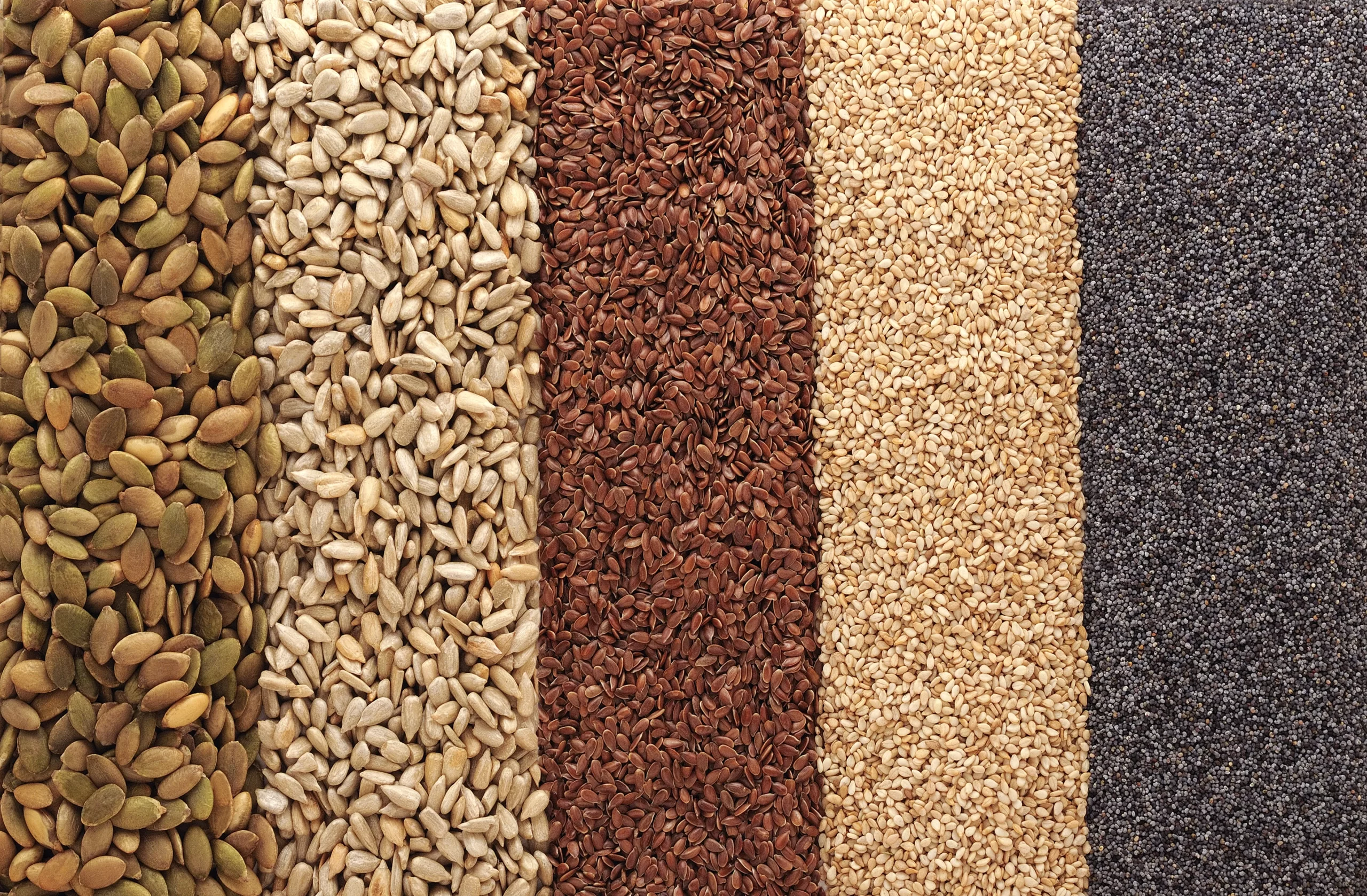
In this blog post, we will discuss 5 magical seeds that can help in controlling blood sugar levels naturally. These seeds are:

1. Chia seeds: Chia seeds are a great source of fiber, which can help to slow down the absorption of sugar into the bloodstream. They also contain omega-3 fatty acids, which have anti-inflammatory properties.

2. Fenugreek seeds: Fenugreek seeds have been shown to lower blood sugar levels by increasing insulin production. They also contain galactomannan, a type of fiber that can help to slow down the absorption of sugar into the bloodstream.

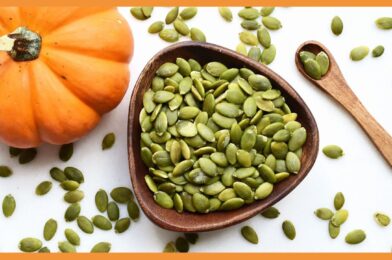
3. Pumpkin seeds: Pumpkin seeds are a good source of magnesium, which is important for blood sugar control. They also contain zinc, which can help to improve insulin sensitivity.

4. Flax seeds: Flax seeds are a good source of fiber, omega-3 fatty acids, and lignans. These nutrients can all help to improve blood sugar control.

5. Cumin seeds: Cumin seeds have been shown to lower blood sugar levels by increasing insulin sensitivity. They also contain antioxidants, which can help to protect against cell damage caused by high blood sugar levels.

These seeds can be eaten on their own or added to foods like yogurt, smoothies, and oatmeal. They can also be ground into a flour and used to make pancakes, muffins, and cookies.

It is important to note that these seeds should not be used as a substitute for medication or other medical treatments for diabetes. However, they can be a helpful addition to a healthy diet for people with diabetes.

In addition to eating these seeds, there are other things that people with diabetes can do to control their blood sugar levels. These include:

  • Eating a healthy diet: A healthy diet for people with diabetes should include plenty of fruits, vegetables, and whole grains. It should also be low in sugar and saturated fat.
  • Exercising regularly: Exercise helps to lower blood sugar levels by making the body more sensitive to insulin. Aim for at least 30 minutes of moderate-intensity exercise most days of the week.
  • Maintaining a healthy weight: Being overweight or obese can make it harder to control blood sugar levels. Losing even a small amount of weight can help to improve blood sugar control.
  • Monitoring blood sugar levels: Monitoring blood sugar levels regularly helps to identify patterns and make adjustments to diet, exercise, and medication as needed.
    By following these tips, people with diabetes can take control of their blood sugar levels and live a healthy life
Tagged : / / / / /

Saffron : How this Most Expensive Spice In The The World Benefits Human Health

Saffron : How this Most Expensive Spice In The The World Benefits Human Health
Saffron, the most expensive spice in the world, is derived from the Crocus sativus flower. It has been used in cooking and medicine for centuries, and is prized for its medicinal properties, culinary uses, and safety.

Medicinal Properties

Saffron has been shown to have a number of health benefits, including:

  • Anti-inflammatory properties: Saffron may help to reduce inflammation in the body, which can be beneficial for a variety of conditions, such as arthritis, heart disease, and cancer.
  • Antioxidant properties: Saffron is a rich source of antioxidants, which can help to protect cells from damage caused by free radicals. Free radicals are linked to a number of chronic diseases, such as cancer, heart disease, and Alzheimer’s disease.
  • Mood-boosting properties: Saffron has been shown to have mood-boosting effects, and may be helpful for people with depression and anxiety.

Other Health Benefits

In addition to its medicinal properties, saffron may also be beneficial for:

Eye health: Saffron may help to improve vision and protect against age-related macular degeneration.
Heart health: Saffron may help to lower blood pressure and cholesterol levels, and may reduce the risk of heart disease.

Culinary Uses

Saffron is a versatile spice that can be used in a variety of dishes, including:

  • Rice dishes: Saffron is a common ingredient in Persian and Indian rice dishes.
  • Soups and stews: Saffron can add a warm, earthy flavor to soups and stews.
  • Desserts: Saffron is often used in desserts, such as ice cream and custards.                                                                                                                                          Safety

Saffron is generally safe when consumed in moderation. However, high doses can be dangerous, and can cause side effects such as nausea, vomiting, and diarrhea. Pregnant women should avoid consuming saffron, as it can cause miscarriage.

Conclusion

Saffron is a spice with a long history of use in cooking and medicine. It has been shown to have a number of health benefits, and is a versatile spice that can be used in a variety of dishes. However, it is important to consume saffron in moderation, as high doses can be dangerous.

Tagged : / / / / /

10 Incredible Benefits of Eating Raw or Green Papaya

10 Incredible Benefits of Eating Raw or Green Papaya
Papaya, a tropical fruit with a vibrant orange flesh and a unique flavor, is a nutritional powerhouse packed with essential vitamins, minerals, and antioxidants. While both ripe and unripe papaya offer an array of health benefits, green papaya, also known as raw papaya, stands out with its distinctive properties.

Here are 10 incredible benefits of incorporating raw papaya into your diet:

1. Digestive Health: Raw papaya is rich in papain, an enzyme that aids in protein digestion. It also contains fiber, which promotes regular bowel movements and prevents constipation.

2. Heart Health: Raw papaya is a good source of potassium, which helps regulate blood pressure and reduce the risk of heart disease.

3. Weight Management: Raw papaya is low in calories and high in fiber, making it an ideal addition to weight management plans. Fiber helps you feel full and satisfied, reducing overall calorie intake.

4. Anti-inflammatory Properties: Raw papaya contains papain and chymopapain, enzymes with anti-inflammatory properties that can help reduce pain and swelling associated with arthritis and other inflammatory conditions.

5. Antioxidant Powerhouse: Raw papaya is a rich source of antioxidants, including vitamin C, vitamin E, and beta-carotene. These antioxidants help fight free radicals, protect cells from damage, and boost the immune system.

6. Skin Health: Raw papaya is a good source of vitamin A, which is essential for skin health. It also contains papain, which can help reduce acne and promote wound healing.

7. Eye Health: Raw papaya contains vitamin A, which is crucial for maintaining healthy eyesight and preventing age-related macular degeneration.

8. Immune System Booster: Raw papaya’s rich supply of vitamin C and other antioxidants strengthens the immune system, helping the body fight off infections and illnesses.

9. Anti-cancer Properties: Studies suggest that raw papaya’s antioxidants and papain may have anti-cancer properties.

10. Promotes Hair Growth: Raw papaya is a good source of vitamin E, which is beneficial for hair growth and prevents hair loss.

To incorporate raw papaya into your diet, you can consume it directly, add it to smoothies, salads, or stir-fries.

Tagged : / / /

Do You Need To Wash Rice Before Cooking? Why Or Why Not?

Do You Need To Wash Rice Before Cooking? Why Or Why Not?
The humble rice, a staple in many cultures worldwide, is often accompanied by a pre-cooking ritual: washing. But is this step truly necessary, or is it a time-consuming tradition better left behind? Let’s delve into the science behind rice washing to uncover the answer.

The Starch Factor

Rice, particularly short-grain varieties, contains a layer of starch on its surface. This starch, when released during cooking, can lead to a sticky, gummy texture in the cooked rice. Washing rice removes excess starch, resulting in fluffier, separated grains. This is particularly important for dishes like basmati rice or Japanese sushi rice, where distinct grains are desired.

Arsenic Reduction

Rice can contain trace amounts of arsenic, a naturally occurring element found in some soils. While the levels are generally low, washing rice can remove up to 50% of inorganic arsenic, the form most concerning for human health.

Nutritional Considerations

Washing rice does remove some water-soluble nutrients, such as vitamin B1 and iron. However, these losses are minimal, especially if the rice is cooked in the starchy water it is rinsed in. Additionally, many modern rice varieties are fortified with these nutrients.

To Wash or Not to Wash?

The decision of whether or not to wash rice depends on personal preference and the desired outcome. For dishes where fluffy, separated grains are preferred, washing is recommended. However, for dishes that require a sticky texture, like risotto or rice pudding, washing is not necessary.

The Science Speaks

Studies have shown that washing rice does reduce starch content and can remove a portion of inorganic arsenic. However, it also removes some water-soluble nutrients. The nutritional significance of these losses is debatable, especially given modern fortification practices.

The Culinary Verdict

Ultimately, the decision of whether or not to wash rice is a personal one. If you prefer fluffier rice, give it a rinse. But if you’re a fan of sticky rice or concerned about nutrient loss, feel free to skip this step.

Tagged : / / / /

Is Peanut Oil Really Healthy? Read on to Find the Truth

Is Peanut Oil Really Healthy? Read on to Find the Truth
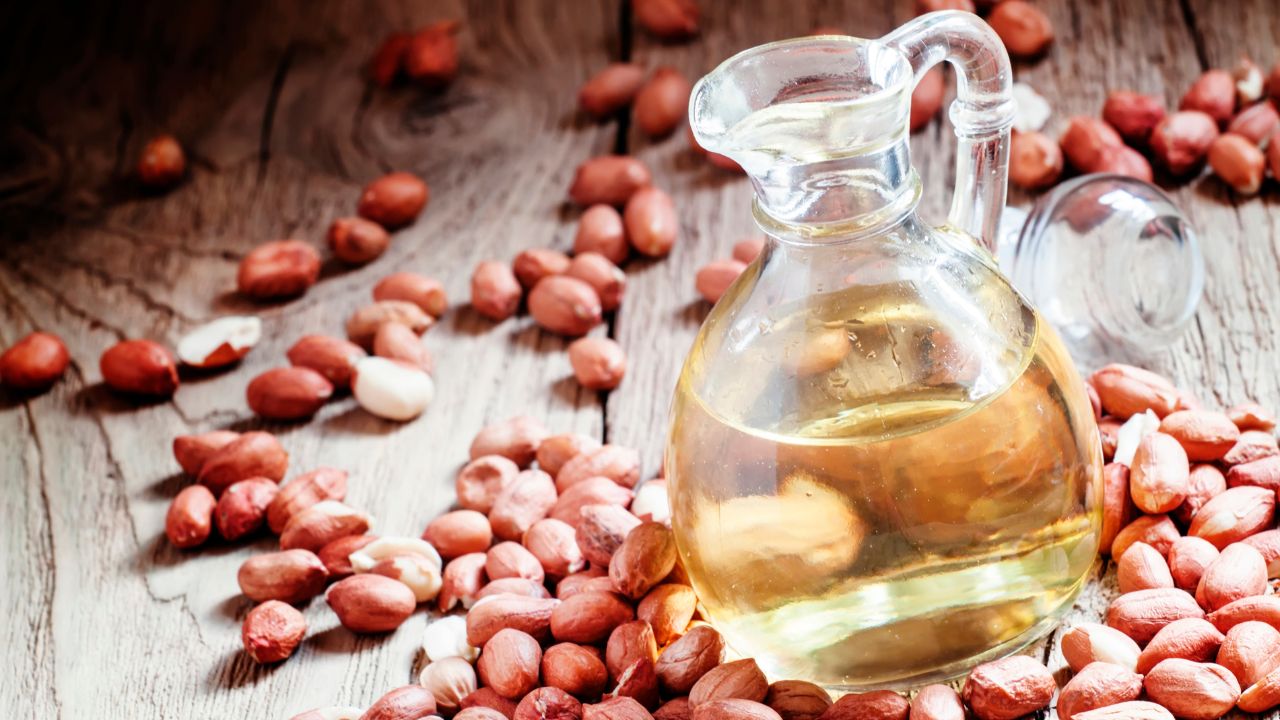
Peanut oil, a common cooking oil derived from peanuts, has long been debated for its health implications. While some hail it as a heart-healthy option, others raise concerns about its potential drawbacks. Let’s delve into the facts and uncover the truth behind peanut oil’s health status.

Peanut Oil: A Nutritional Snapshot

Peanut oil is predominantly composed of unsaturated fats, with about 50% monounsaturated fats and 30% polyunsaturated fats. Monounsaturated fats, like those found in olive oil, are considered “good” fats, as they may help lower LDL (bad) cholesterol and raise HDL (good) cholesterol. Polyunsaturated fats, including omega-6 and omega-3 fatty acids, are also essential for various bodily functions.

Potential Health Benefits of Peanut Oil

Heart Health: Peanut oil’s high content of monounsaturated fats may help reduce the risk of heart disease by lowering LDL cholesterol levels and increasing HDL cholesterol levels.

Blood Sugar Control: Studies suggest that peanut oil may improve insulin sensitivity and blood sugar control in individuals with type 2 diabetes.

Antioxidant Properties: Peanut oil is a rich source of vitamin E, a potent antioxidant that helps protect cells from damage caused by free radicals. This may reduce the risk of chronic diseases like heart disease and cancer.

Potential Drawbacks of Peanut Oil

High Omega-6 Content: Peanut oil contains a high ratio of omega-6 fatty acids to omega-3 fatty acids. An imbalance in these fatty acids may increase inflammation and contribute to chronic diseases.

Refining Process Concerns: Peanut oil is often refined, which involves high heat and chemicals. This process may alter the oil’s nutritional profile and produce harmful compounds.

So, Is Peanut Oil Healthy?

The answer lies in moderation and balance. Peanut oil, in its unrefined form, can be part of a healthy diet due to its monounsaturated fats and vitamin E content. However, it’s crucial to limit overall fat intake and ensure a balance of omega-6 and omega-3 fatty acids in your diet.

Tips for Healthy Peanut Oil Consumption

  • Choose unrefined or cold-pressed peanut oil: This retains more of the oil’s natural nutrients.
  • Use peanut oil for high-heat cooking: It has a high smoke point, making it suitable for stir-frying and deep-frying.
  • Balance omega-3 intake: Include sources of omega-3 fatty acids, like fatty fish, flaxseeds, and walnuts, in your diet.
  • Moderate overall fat consumption: Consume fats in moderation, regardless of their type.

Remember, a healthy diet encompasses a variety of nutrient-rich foods, not just a single oil. Consult a healthcare professional or registered dietitian for personalized dietary advice.

Tagged : / / /

Amla In Winters : 7 Ways To Include This Vitamin C Powerhouse In Your Diet

Amla In Winters : 7 Ways To Include This Vitamin C Powerhouse In Your Diet
The Indian gooseberry, also known as amla, is a nutrient-rich fruit with a sour taste that is commonly used in Ayurvedic medicine. It is a valuable source of vitamin C, vitamin A, fiber, and antioxidants, making it a powerful addition to your daily diet. Here are five ways you can incorporate amla into your meals and reap its many health benefits:

1. Amla Juice
Amla juice is a refreshing and invigorating way to kickstart your morning. Simply extract the juice from fresh amlas and consume it on an empty stomach. You can also dilute the juice with water or add a touch of honey to balance the sourness.

2. Amla Smoothies
Blend amla with your favorite fruits, yogurt, and plant-based milk to create a nutrient-packed smoothie. The tartness of amla adds a unique flavor profile while providing a boost of vitamin C and other essential nutrients.

3. Amla Murabba
Amla murabba is a sweet and tangy preserve made from amlas cooked with sugar and spices. It’s a delicious and traditional way to consume amla, often enjoyed as an afternoon snack or after meals.

4. Add Amla to Curries and Dals
Amla powder can be added to curries and dals to enhance their flavor and nutritional value. The tartness of amla balances the richness of the dishes while providing a boost of vitamin C and antioxidants.

5. Amla Chutney
Amla chutney is a spicy and flavorful condiment that pairs well with Indian dishes. It’s made by blending amlas with spices, such as ginger, garlic, and cumin, resulting in a tangy and spicy relish.

6. Amla Candies
Amla candies are a delicious and nutritious way to enjoy the benefits of amla. They are made by coating amla pieces with sugar syrup, creating a sweet and tangy treat that is both enjoyable and beneficial for your health. Amla candies are a good source of vitamin C, which helps boost immunity and protect against cell damage. They are also a good source of fiber, which aids in digestion and promotes overall gut health.

7. Amla Pickle
Amla pickle is a savory and tangy condiment that is made by pickling amla in a mixture of spices, such as mustard seeds, turmeric, and chili powder. Amla pickle is a popular side dish in Indian cuisine and is often enjoyed with rice, roti, or paratha. It is a good source of vitamin C, fiber, and antioxidants. Amla pickle also contains probiotics, which are beneficial bacteria that promote gut health.

By incorporating amla into your daily diet, you can reap a multitude of health benefits, including improved immunity, better digestion, and enhanced skin health. So, embrace the sourness of amla and experience its transformative power on your overall well-being.

Tagged : / / / / /

How Bigger Belly in 40s and 50s Linked to Alzheimer’s Disease in the Future

How Bigger Belly in 40s and 50s Linked to Alzheimer’s Disease in the Future
A new study has found that people with bigger bellies in their 40s and 50s are more likely to develop Alzheimer’s disease in the future. The study, which was published in the journal “Neurology,” found that people with the highest levels of visceral fat, or belly fat, were more likely to have amyloid plaques and tau tangles in their brains. These are two of the hallmarks of Alzheimer’s disease.

The researchers believe that the link between belly fat and Alzheimer’s disease may be due to inflammation. Inflammation is a natural response to injury or infection, but it can also damage healthy tissue. In the case of Alzheimer’s disease, inflammation is thought to damage brain cells and contribute to the formation of amyloid plaques and tau tangles.

There are a number of things that people can do to reduce their risk of Alzheimer’s disease, including:

  • Maintaining a healthy weight
  • Eating a healthy diet
  • Exercising regularly
  • Getting enough sleep
  • Managing stress

    In addition to these lifestyle changes, there are also a number of medications that are being developed to treat Alzheimer’s disease. These medications are still in the early stages of development, but they have shown some promise in slowing the progression of the disease.

The study’s findings suggest that people who are overweight or obese in their 40s and 50s should take steps to lose weight and reduce their belly fat. Losing even a small amount of weight can have a significant impact on a person’s risk of Alzheimer’s disease.

Here are some tips for losing weight and reducing belly fat:

  • Eat plenty of fruits, vegetables, and whole grains.
  • Choose lean protein sources, such as fish, chicken, and beans.
  • Limit your intake of processed foods, sugary drinks, and unhealthy fats.
  • Get regular exercise. Aim for at least 30 minutes of moderate-intensity activity most days of the week.

Losing weight and reducing belly fat can be challenging, but it is important for your overall health and well-being. By making lifestyle changes now, you can reduce your risk of developing Alzheimer’s disease in the future.

Tagged : / / / / /

5 Unexpected And Lesser Known Side Effects of Vigorous Exercise

5 Unexpected And Lesser Known Side Effects of Vigorous Exercise
While exercise is widely recognized for its numerous health benefits, it’s crucial to acknowledge that excessive or vigorous exercise can also lead to unintended side effects. These potential consequences, often overlooked in discussions about the advantages of exercise, warrant attention to ensure a balanced approach to fitness.

1. Weakened Immune System: Strenuous exercise can temporarily suppress the immune system, making individuals more susceptible to infections. This is because prolonged exercise triggers the release of cortisol, a hormone that can dampen immune response.

2. Increased Risk of Injury: Pushing your body too hard can lead to overuse injuries, such as stress fractures, tendonitis, and muscle strains. These injuries can be debilitating and hinder your ability to exercise for extended periods.

3. Digestive Issues: Intense exercise can disrupt normal digestive processes, causing symptoms like abdominal pain, nausea, and diarrhea. This is due to the diversion of blood flow from the digestive system to the working muscles during exercise.

4. Hormonal Imbalances: Excessive exercise can disrupt hormonal balance, particularly in women. This may lead to irregular menstrual cycles, decreased fertility, and even bone loss in extreme cases.

5. Emotional Strain: Overtraining can lead to emotional burnout, characterized by fatigue, irritability, and decreased motivation. This can negatively impact overall well-being and make it difficult to maintain a consistent exercise routine.

Navigating Vigorous Exercise Safely

To reap the benefits of exercise while minimizing potential side effects, it’s essential to approach fitness with moderation and listen to your body’s signals. Here are some tips:

Start Gradually: Don’t jump into intense exercise without proper preparation. Build up your endurance and intensity gradually to allow your body to adapt.

Prioritize Recovery: Adequate rest and recovery are crucial for muscle repair and overall well-being. Schedule rest days into your workout routine and prioritize quality sleep.

Stay Hydrated: Proper hydration is essential for optimal performance and injury prevention. Drink plenty of fluids before, during, and after exercise.

Nourish Your Body: Provide your body with the necessary nutrients to support your exercise routine. Consume a balanced diet rich in carbohydrates, protein, and healthy fats.

Seek Professional Guidance: Consult a certified trainer or healthcare professional to develop a personalized exercise plan that suits your fitness level and health goals.

Remember, exercise should be an enjoyable and rewarding experience, not a source of stress or injury. By approaching fitness with awareness and moderation, you can maximize the benefits of exercise while minimizing potential side effects and promoting overall well-being.

Tagged : / / / /

Unlocking Metabolic Health: Break This One Habit For Better Metabolism

Unlocking Metabolic Health: Break This One Habit For Better Metabolism
In the pursuit of health and wellness, we often focus on what we should add to our routines, but sometimes, the key lies in what we should stop doing. In the realm of metabolic health, the habit of undereating emerges as a crucial factor to break for a healthier and more energized life.

The Pitfalls of Undereating

Contrary to popular belief, consuming too few calories can have detrimental effects on our metabolism. When the body receives insufficient energy, it goes into “starvation mode,” slowing down its metabolic processes to conserve energy. This metabolic adaptation can lead to a myriad of health issues, including:

1. Weight regain: Despite restricting calories, undereating can lead to weight regain in the long run due to the slowed metabolism.

2. Reduced energy levels: Adequate calorie intake is essential for maintaining energy levels throughout the day. Undereating can cause fatigue, lethargy, and difficulty concentrating.

3. Nutrient deficiencies: Not consuming enough calories can lead to deficiencies in essential vitamins, minerals, and macronutrients, hindering overall health.

4. Hormonal imbalances: Undereating can disrupt hormone production, affecting functions like appetite control, metabolism, and reproductive health.

Rebuilding a Healthy Metabolism

To break the habit of undereating and restore metabolic health, dietitians recommend a few key strategies:

1. Prioritize nutrient-dense foods: Instead of focusing on calorie restriction, prioritize nutrient-dense foods like whole grains, fruits, vegetables, and lean proteins. These foods provide essential nutrients while keeping you satiated.

2. Listen to your body: Pay attention to your hunger cues and eat when you’re truly hungry. Don’t skip meals, as this can lead to overeating later in the day.

3. Gradually increase calorie intake: If you’ve been undereating for a while, gradually increase your calorie intake over time to allow your body to adjust.

4. Seek professional guidance: Consult a registered dietitian to develop a personalized plan that meets your individual needs and goals.

Embark on a Journey of Metabolic Wellness

By breaking the habit of undereating and adopting healthy eating habits, you can embark on a journey towards metabolic wellness. Remember, your body is an intricate system that thrives on nourishment. Give it the fuel it needs to function optimally, and you’ll reap the rewards of enhanced energy, improved health, and a vibrant spirit.

Tagged : / / / / / /
Verified by ExactMetrics