Embrace the K-Wave: 6 Korean Habits for Sustainable Weight Loss

Embrace the K-Wave: 6 Korean Habits for Sustainable Weight Loss
South Korea has taken the world by storm with its vibrant pop culture and captivating dramas. But beyond the catchy tunes and dazzling visuals lies a treasure trove of wellness wisdom. When it comes to weight management, Koreans prioritize long-term health and sustainable habits over quick fixes. So, ditch the fad diets and restrictive regimes, and embrace these 6 Korean habits for a healthy and balanced approach to weight loss:

1. Vegetable Wonderland:
Forget counting calories – Koreans focus on filling their plates with fresh, colorful vegetables. Kimchi, a fermented staple, is just the tip of the iceberg. Every Korean meal features an array of side dishes brimming with vegetables like bean sprouts, spinach, cucumbers, and mushrooms. This fiber-rich bounty keeps you feeling full and satisfied, naturally reducing cravings for unhealthy options.

2. Seafood sensation
Koreans adore seafood, and for good reason! It’s a protein powerhouse that’s lower in saturated fat than red meat. Salmon, tuna, mackerel, and shellfish find their way into everything from soups and stews to grilled dishes and bibimbap. This protein-rich seafood helps build and maintain muscle mass, boosting metabolism and burning more calories throughout the day.

3. Fermented Frenzy
Koreans have mastered the art of fermentation, and their gut-friendly creations go beyond the iconic kimchi. Fermented soybean paste (doenjang), fermented tofu (cheonggukjang), and even fermented green tea (kombucha) are staples in Korean cuisine. These fermented foods are packed with probiotics, which aid digestion, improve nutrient absorption, and contribute to a healthy gut microbiome – all essential for weight management.

4. Mindful Munching
Koreans prioritize slow, mindful eating. Meals are often enjoyed communally, with shared dishes and plenty of conversation. This practice encourages savoring each bite, recognizing satiety cues, and preventing overeating. Ditch the distractions, set the table, and turn mealtimes into mindful moments of nourishment.

5. Move It Or Lose It
Koreans understand the importance of physical activity. From brisk walks in nature to group hikes and fitness classes, movement is woven into their daily lives. Choose activities you enjoy, be it dancing, swimming, or cycling, and aim for at least 30 minutes of moderate-intensity exercise most days of the week.

6. Home Cooked Goodness
Eating out frequently often means calorie overload and unhealthy choices. Koreans prioritize home-cooked meals, packed with fresh ingredients and prepared with traditional methods. This gives you control over portion sizes, ingredients, and cooking methods, allowing you to tailor your meals to your health goals.

Remember: Weight loss is a journey, not a destination. Embrace these Korean habits as a long-term lifestyle shift, not a quick fix. Focus on nourishing your body, moving your body, and enjoying the process. With dedication and these simple Korean secrets, you can shed pounds and build a healthier, happier you!

Bonus Tip: Sip on Korean green tea! Packed with antioxidants and metabolism-boosting properties, it’s the perfect accompaniment to your weight loss journey.

So, are you ready to ditch the fad diets and embrace the K-wave of weight loss? Start incorporating these Korean habits into your life, and you’ll be surprised at how your relationship with food and your overall well-being transform!

Tagged : / / / / /

India Takes Flight: DRDO’s Anti-Drone Tech Soars into Production

India Takes Flight: DRDO’s Anti-Drone Tech Soars into Production
The Indian skies are getting safer, thanks to a major leap by the Defence Research and Development Organisation (DRDO). Their comprehensive anti-drone system, capable of detecting, identifying, and neutralizing aerial threats, is now ready for mass production. This technology is being transferred not only to state-owned Bharat Electronics Limited (BEL) but also to private firms like Adani, Larsen & Toubro, and ICOMM, marking a significant step towards self-reliance in counter-drone defense.

This system is a game-changer for border security and internal defense. Imagine a shield that can identify a rogue drone buzzing near a sensitive installation, track its movements, and then take it down – silently and effectively. That’s the power of DRDO’s anti-drone technology. It encompasses diverse solutions, including radars for early detection, jammers to disrupt communication, and laser and net-based neutralization methods to bring down the drone itself.

But the story doesn’t end there. While industry giants will focus on producing this advanced technology, DRDO itself is setting its sights on a new frontier: High endurance Unmanned Aerial Vehicles (UAVs). These long-range drones will serve as India’s eyes in the sky, patrolling vast stretches of borders and gathering critical intelligence. Think of them as persistent guardians, providing a continuous aerial presence wherever needed.

This strategic shift highlights DRDO’s forward-thinking approach. Instead of getting bogged down in producing smaller drones, a task well-suited for private players, they are focusing on developing cutting-edge technology that will give India a decisive edge in future conflicts. These high-end UAVs will not only offer unparalleled surveillance capabilities but also open doors for offensive drone warfare, a rapidly evolving domain.

However, challenges remain. Developing complex UAVs requires expertise in advanced materials, avionics, and AI-powered autonomous systems. DRDO will need to collaborate with domestic research institutions and private players to bridge these technological gaps. But with their proven track record and the government’s support, there’s no doubt that DRDO will successfully navigate these challenges and ensure India’s skies remain safe and secure.

In conclusion, the transfer of DRDO’s anti-drone technology to production and their focus on high-end UAVs mark a significant leap in India’s defense capabilities. It’s a testament to the country’s growing self-reliance in the crucial realm of aerial defense. As DRDO takes flight with advanced UAVs, one thing is clear: India’s skies are in good hands

Tagged : / / / /

Hair Today, Personality Tomorrow: The Link Between Hair Type and Personality Traits

Hair Today, Personality Tomorrow: The Link Between Hair Type and Personality Traits
Have you ever wondered if your mane could be more than just a crowning glory? What if your curls, waves, or sleek strands whispered clues about your hidden personality? While not an exact science, the link between hair type and personality has long been a source of fascination and amusement. So, let’s dive into the world of tresses and unravel the potential personality traits associated with different hair textures:

1. The Spirited Curls:
Think Beyoncé or Julia Roberts – bouncy, voluminous curls often exude an aura of creativity, passion, and independence. Curly-haired individuals tend to be free-spirited, optimistic, and embrace life’s adventures with open arms. Just like their untamed locks, they can be fiercely individualistic and unafraid to stand out from the crowd.

2. The Easygoing Waves:
Think Blake Lively or Jennifer Aniston – wavy hair often reflects a personality that’s adaptable, easygoing, and full of life. People with wavy hair tend to be social butterflies, effortlessly flowing from one situation to another with grace and charm. They are often described as laid-back, adaptable, and up for anything, like the ever-changing rhythm of their waves.

3. The Sleek and Straight:
Think Gisele Bündchen or Lucy Liu – straight hair can often be associated with ambition, efficiency, and a no-nonsense attitude. Individuals with straight hair tend to be goal-oriented, organized, and possess a strong sense of determination. They are often seen as reliable, practical, and always put-together, much like their smooth, unwavering strands.

4. The Textured Mix:
For those with a head full of coils, waves, and straights, the personality mix can be just as diverse. This unique blend of textures often reflects a personality that’s multifaceted, complex, and full of surprises. These individuals are likely to be adaptable, creative, and possess a unique perspective on life, just like the ever-changing patterns in their hair.

It’s important to note that these are just playful possibilities, not definitive pronouncements. Your personality is shaped by a multitude of factors, and your hair is just one piece of the puzzle. Embrace your unique mane, regardless of its texture, and celebrate the diverse tapestry of personalities that make the world so vibrant!

So, the next time you gaze at your reflection, take a moment to appreciate the story your hair might be telling. You might be surprised at the hidden depths it reveals!

Tagged : / / / /

10 Ayurvedic Superfoods to Help Manage Blood Sugar

10 Ayurvedic Superfoods to Help Manage Blood Sugar
Blood sugar control is crucial for overall health and well-being. Ayurveda, the ancient Indian science of healing, offers a wealth of natural remedies to manage blood sugar levels and prevent diabetes. Here are 10 powerful Ayurvedic foods that can be your allies in this journey:

1. Bitter Gourd (Bitter Melon): This unappetizing veggie might surprise you with its blood-sugar-lowering properties. Momordica charantia, as it’s called scientifically, contains compounds that mimic insulin and regulate glucose metabolism. Enjoy it in juices, stir-fries, or even pickles.

2. Fenugreek Seeds: These tiny seeds pack a big punch when it comes to blood sugar control. Fenugreek’s fiber content slows down sugar absorption, while its trigonelline compound mimics insulin’s action. Soak or sprout them before consuming for better digestion.

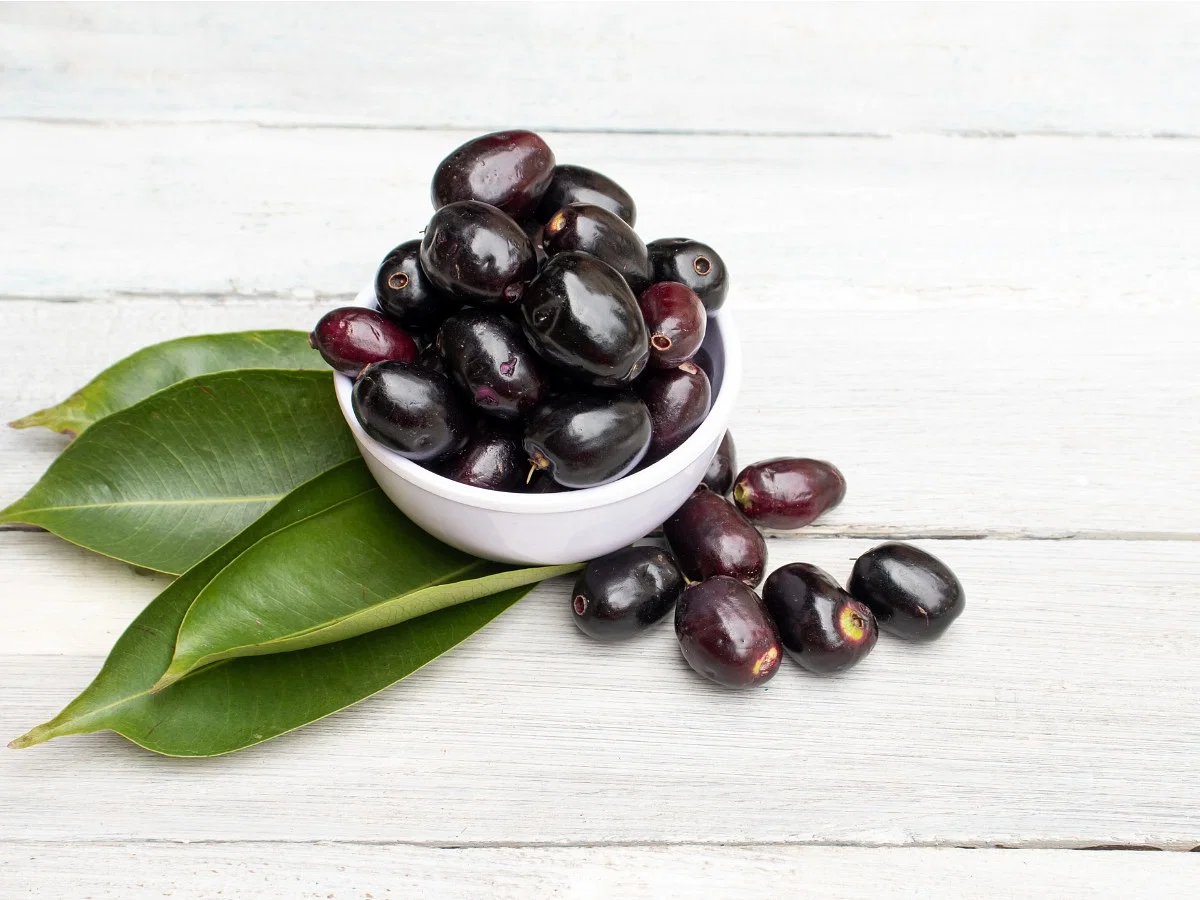
3. Jamun (Black Plum): This delicious fruit is a treasure trove of antioxidants and jambosine, a compound that aids in pancreatic beta-cell function, crucial for insulin production. Enjoy it fresh, dried, or as juice.

4. Giloy (Guduchi): This herb is revered in Ayurveda for its immune-boosting and blood sugar-lowering properties. Giloy helps regulate glucose metabolism and pancreatic function. Consume it in juice form or as a decoction.

5. Neem Leaves: Don’t let the bitter taste fool you! Neem leaves are packed with anti-diabetic properties. They help improve insulin sensitivity and pancreatic beta-cell function. Consume them in juice form or add them to curries.

6. Turmeric: This golden spice is a well-known anti-inflammatory wonder. Curcumin in turmeric helps regulate blood sugar levels and protects against diabetic complications. Add it to your daily meals or consume it in milk with honey.

7. Cinnamon: This fragrant spice not only adds flavor but also helps manage blood sugar. Cinnamon improves insulin sensitivity and slows down glucose absorption. Sprinkle it on your oatmeal, yogurt, or even coffee.

8. Flaxseeds: These tiny seeds are rich in fiber and omega-3 fatty acids, both of which contribute to blood sugar control. Grind them into flour or enjoy them soaked in water or yogurt.

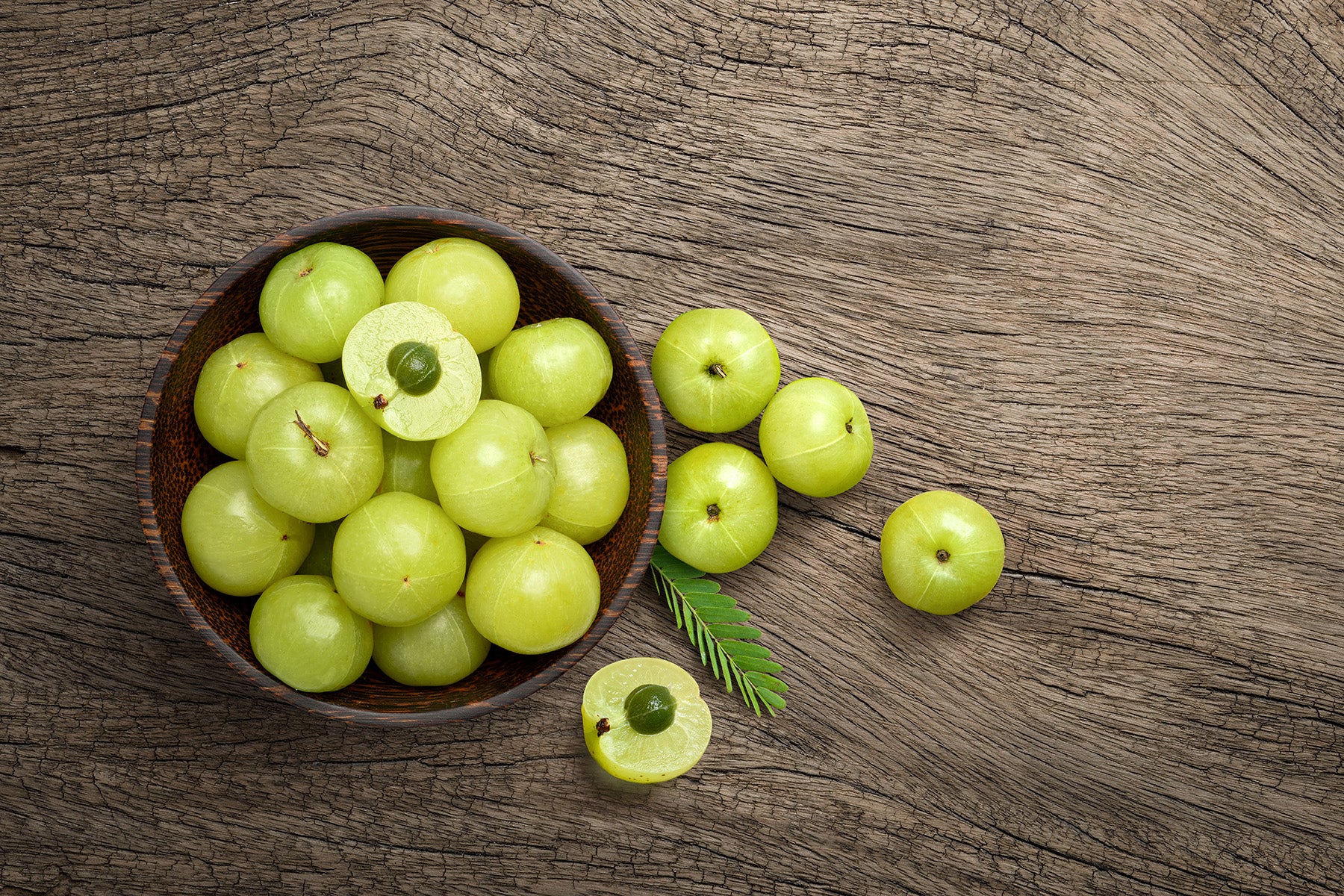
9. Amla (Indian Gooseberry): This vitamin C powerhouse boosts immunity and aids in blood sugar regulation. Amla’s chromium content enhances insulin sensitivity, making it a diabetic-friendly fruit. Enjoy it fresh, juiced, or in chutneys.

10. Aloe Vera: This gel-like wonder isn’t just for soothing sunburns! Aloe vera gel helps regulate blood sugar levels and protects against oxidative stress. Consume it fresh, in juice form, or add it to smoothies.

Remember, these foods are best incorporated into a healthy lifestyle that includes regular exercise and stress management. Consult your doctor before making any drastic dietary changes, especially if you have pre-existing medical conditions.

By incorporating these Ayurvedic superfoods into your diet, you can take a proactive approach to managing your blood sugar levels and live a healthier, happier life.

Tagged : / / / / /

10 Times Bollywood Beauties Slayed the Monochrome Look

10 Times Bollywood Beauties Slayed the Monochrome Look
Bollywood actresses are known for their vibrant style and stunning outfits. But sometimes, the simplest looks can be the most captivating. Monochrome dressing, when done right, can exude elegance, sophistication, and a fierce sense of individuality. Here are 10 times Bollywood beauties slayed the monochrome look:

1. Deepika Padukone looks stunning in green.

2. Alia is a peach delight in this monochrome ensemble .

3. Priyanka is gorgeous in mustard monochrome.

4. Katrina is a delight to watch in this classic black and white monochrome.

5. Kareena is pretty in pink

6. Kiara is happy as sunshine in this sunshine yellow monochrome.

7. Shraddha Kapoor is a purple delight in this outfit.


8. Kriti Sanon is a vision in all those black and white stripes.

9. Janhavi is cute as a button in this blue crop top and blue jeans.

10. Ananya is just oh so cute in this outfit.

We are sure these outfits will definitely inspire you to go monochrome!

Tagged : / / / / / /

5 Most Expensive Paintings in the World

5 Most Expensive Paintings in the World
The art world is a fascinating place, where creativity meets exorbitant price tags. Paintings, in particular, have captivated audiences for centuries, and some have even fetched astronomical sums at auctions. Let’s delve into the world of the most expensive paintings ever sold, and explore the stories behind these masterpieces.

1. Mona Lisa by Leonardo da Vinci: This iconic portrait, shrouded in mystery and allure, holds the coveted title of the most expensive painting. This masterpiece was made in 1500s . The painting has been a permanent part of the Louvre’s collection since 1797. The value of this painting is a staggering 5,159 crore rupees!

2. Salvator Mundi by Leonardo da Vinci: Another Leonardo da Vinci masterpiece, the Salvator Mundi, meaning “Savior of the World,” fetched an eye-watering 3,300 crore rupees at a Christie’s auction in 2017. The painting’s attribution to da Vinci was once disputed, but after careful restoration and analysis, it is now widely accepted as his work.

3. Paul Gauguin’s Nafea faa ipoipo (When Will You Marry?) : This Tahitian landscape by Paul Gauguin, capturing the beauty of the Polynesian islands, sold for nearly 2,500 crore rupees in a private sale in 2015. The lush greenery, vibrant colors, and Gauguin’s signature Post-Impressionist style make it a captivating artwork.

4. Jackson Pollock’s No. 17A: Jackson Pollock’s Number 17A is a 1948 masterpiece of Abstract Expressionism. This vibrant, chaotic canvas is not just a random splatter of paint; it’s a carefully orchestrated dance of color and form, a testament to Pollock’s revolutionary drip technique. It had sold for 1,700 crore rupees in the year 2017 and is one of the most expensive paintings in the world right now.

5. Les Femmes d’Alger by Pablo Picasso: This Cubist masterpiece by Pablo Picasso, depicting a group of Algerian women, sold for 1,150 crore rupees at Christie’s in 2015. The vibrant colors and geometric shapes showcase Picasso’s revolutionary style, making it a coveted piece for collectors.

These are just a few of the most expensive paintings ever sold, each with its own unique story and artistic merit. The exorbitant prices paid for these masterpieces reflect not only their artistic value but also the cultural and historical significance they hold. They serve as a testament to the enduring power of art to captivate, inspire, and command staggering sums.

Tagged : / / / / /

Olympus Mons : The Largest Volcano In The Universe Is Two Mount Everests High!

Olympus Mons : The Largest Volcano In The Universe Is Two Mount Everests High!
Imagine a mountain so vast, it could span the entire state of Arizona and still tower over Mount Everest by two Mount Everests stacked on top! Meet Olympus Mons, the unrivaled ruler of the volcanic kingdom, not just on Mars, but across the entire solar system. But what makes this fiery giant so impossibly big, leaving even the mightiest Earthly volcanoes blushing in its shadow? Buckle up, space explorers, because we’re about to uncover the secrets of Olympus Mons’ majestic reign.

Size Matters: First things first, sheer scale. Olympus Mons dwarfs its Earthly counterparts. With a height of 21.9 kilometers (13.6 miles) and a base diameter of 600 kilometers (370 miles), it’s about three times taller than Mount Everest and six times wider! It’s not just tall, it’s broad, covering an area roughly the size of France. It’s like stretching from Paris to Marseille… on a volcano!

The Calm Giant: Unlike Earth’s restless tectonic plates, Mars enjoys a more stable crust. This means the hot spot beneath Olympus Mons, a molten plume deep within the planet, hasn’t budged in millions of years. Earth’s volcanoes, constantly shifting with plate movements, rarely have the luxury of erupting from the same spot for so long. Olympus Mons has had millennia to pile on layer after layer of lava, building itself into a monstrous mountain.

Thick as a Brick: Mars boasts a thicker, sturdier crust than Earth. This robust foundation can handle the immense weight of Olympus Mons without buckling or collapsing. Imagine trying to stack skyscrapers on a flimsy deck of cards – not going to happen. But on Mars’ sturdy platform, Olympus Mons erupts with impunity, building its volcanic empire without fear of crumbling.

Volcanic Buffet: While Earth’s volcanoes often erupt explosively, spewing ash and gas, Olympus Mons favors a calmer approach. Its eruptions are typically slow and flowing, like a never-ending volcanic buffet. This gentle oozing, combined with the long lifespan of its hot spot, has allowed Olympus Mons to accumulate its staggering size.

So, there you have it! Olympus Mons isn’t just a mountain; it’s a testament to the unique geological conditions of Mars, where a calm hot spot, a thick crust, and millions of years of tireless eruption have combined to create the biggest volcano in the solar system. So next time you gaze at the stars, remember the fiery giant reigning supreme on the Red Planet, a silent reminder of the wonders that lie beyond our earthly home.

Tagged : / / /

Winter Woes: Why Old Injuries Flare Up When the Temperature Drops?

Winter Woes: Why Old Injuries Flare Up When the Temperature Drops?
Ah, winter. The season of cozy nights, hot cocoa, and… excruciating pain from that old football injury? If you’ve noticed your aches and pains seem to amplify as the temperature plummets, you’re not alone. Many people experience a worsening of old injuries during the colder months. But why? Here are 3 reasons why your winter walks might feel more like hobbles down memory lane:

1. Barometric Pressure Fluctuations: Imagine your body like a well-balanced balloon. When the atmospheric pressure drops, as it often does during cold fronts, the pressure inside your body tries to equalize. This can put extra strain on the tissues and fluids around old injuries, leading to stiffness, swelling, and increased pain. Think of it like your body subtly reminding you of that time you overdid it on the slopes.

2. Changes in Joint Fluid: Our joints are lubricated by a special fluid that keeps things moving smoothly. But guess what? This fluid gets thicker and stickier in colder temperatures. This can make your joints feel stiff and less flexible, potentially exacerbating pain in areas that have already sustained damage. So, those morning creaks and groans might not just be your aging bones; it could be your joint fluid channeling its inner ice princess.

3. Increased Muscle Tension: When the temperature drops, our muscles naturally tense up to conserve heat. This can be helpful for staying warm, but it can also put extra pressure on sensitive areas, especially around old injuries. Think of it like your body building a makeshift winter armor, except unfortunately, the armor sometimes rubs against old battle wounds.

So, what can you do to combat these winter woes?

  • Stay warm: Bundle up! Keeping your body temperature up can help prevent muscle tension and joint stiffness.
  • Gentle exercise: Regular movement, even just light stretches and walks, can help keep your joints lubricated and your muscles from getting too tense.
  • Listen to your body: If you start to experience pain, don’t push yourself. Take a break, rest, and apply ice or heat as needed.
  • Talk to your doctor: If your pain is severe or persistent, consult your doctor. They can help you develop a personalized plan to manage your symptoms and prevent future flare-ups.

    Remember, you’re not alone in your winter pain battle. By understanding the reasons behind it and taking proactive steps, you can weather the colder months with more comfort and less of that “ouch, remember that time?” feeling.

Enjoy the winter wonderland, but don’t let it turn into a pain wonderland for your old injuries! Stay warm, stay informed, and stay comfortable!

Tagged : / /

From Ancient Ayurveda to Modern Science: Can Copper Water Really Boost Your Health?

From Ancient Ayurveda to Modern Science: Can Copper Water Really Boost Your Health?
For centuries, people around the world have used copper vessels to store and drink water, believing it to bestow a range of health benefits. But is there any truth to these claims? Let’s dive into the science and explore whether copper water truly enhances your health.

Antibacterial Properties:

One of the most well-established benefits of copper is its antibacterial and antiviral properties. Studies have shown that storing water in copper vessels for 16 hours can significantly reduce the presence of harmful bacteria like E. coli and cholera. This can be particularly beneficial in areas with limited access to clean drinking water.

Improved Digestion:

Copper plays a vital role in aiding digestion. It helps stimulate the production of digestive enzymes, which break down food more efficiently. Additionally, copper has anti-inflammatory properties that can soothe the stomach and intestines, potentially reducing indigestion and ulcers.

Enhanced Immunity:

Copper is an essential mineral for maintaining a healthy immune system. It helps in the production of white blood cells, which fight off infections. Studies have shown that drinking copper water may boost the immune system and increase resistance to disease.

Other Potential Benefits:

There is some evidence to suggest that copper water may have other health benefits, such as:

  • Pain relief: Copper has anti-inflammatory properties that may help reduce pain and inflammation.
  • Wound healing: Copper is essential for collagen production, which is important for wound healing.
  • Weight management: Some studies suggest that copper may help regulate metabolism and boost fat burning.

Important Considerations:

While copper water offers potential health benefits, it’s important to exercise caution:

  • Copper toxicity: Consuming too much copper can be harmful. The recommended daily intake of copper for adults is 900 micrograms. Excessive copper intake can lead to liver damage, nausea, and vomiting.
  • Leaching: The amount of copper that leaches from copper vessels into water can vary depending on the acidity of the water, the age of the vessel, and the manufacturing process. It’s best to use high-quality copper vessels lined with tin or stainless steel to minimize leaching.
  • Individual needs: People with certain medical conditions, such asa Wilson’s disease, should avoid copper water altogether.

    Conclusion:

While more research is needed to fully understand the health benefits of copper water, the existing evidence suggests that it may offer several advantages, including improved digestion, enhanced immunity, and antibacterial properties. However, it’s crucial to be mindful of potential copper toxicity and consult with a doctor before incorporating copper water into your daily routine. Ultimately, the decision of whether or not to drink copper water is a personal one.

Remember, a healthy lifestyle that includes a balanced diet, regular exercise, and adequate sleep is essential for overall well-being.

Tagged : / / /

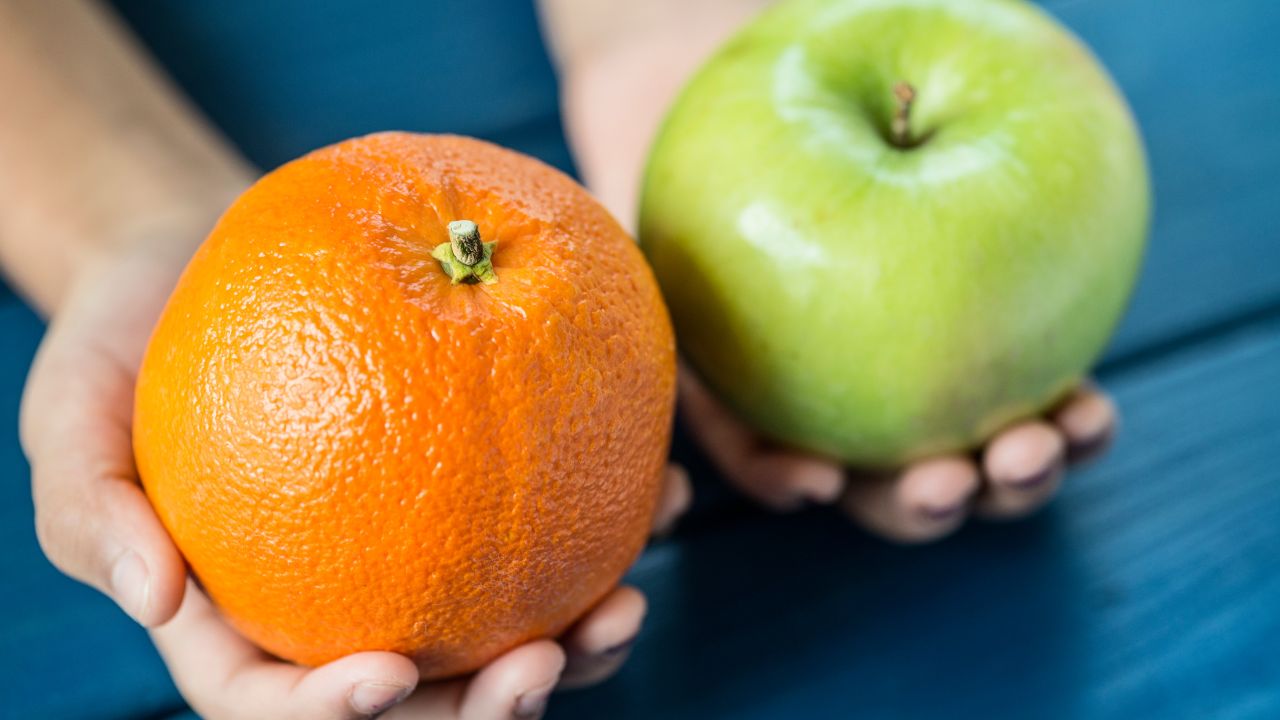
Apple vs. Orange: Who Wins The Blood Sugar Battle Royale?

Apple vs. Orange: Who Wins The Blood Sugar Battle Royale?
When it comes to keeping your blood sugar in check, both apples and oranges are superstar contenders. But choosing the champion can feel like navigating a fruit-filled maze. Fear not, sugar warriors! This blog will crack the code, revealing the hidden powers of each fruit and crowning the ultimate blood sugar hero.

Round 1: Fiber Frenzy

Fiber, the mighty moderator, slows down sugar absorption, preventing blood sugar spikes. Apples pack a powerful punch with 4.4 grams per medium fruit, while oranges offer a respectable 3.1 grams. Apple takes the first round!

Round 2: Glycemic Index Showdown

The Glycemic Index (GI) measures how quickly a food raises blood sugar, with lower numbers being better. Apples boast a GI of 36, while oranges come in slightly higher at 43. Apple maintains its lead!

Round 3: Vitamin Bonanza

Vitamin C is another champion for blood sugar control. Both fruits are bursting with this antioxidant powerhouse, with oranges slightly ahead with 70mg per fruit compared to an apple’s 8.4mg. Orange scores a point!

Round 4: Sugar Showdown

Naturally occurring sugars, like fructose, can impact blood sugar. Oranges have a slightly higher sugar content, with 9 grams per fruit versus an apple’s 5.3 grams. Apple regains control!

The Final Tally:

After a fierce battle, the apple emerges victorious, thanks to its superior fiber content, lower GI, and lower sugar content. However, oranges shouldn’t be banished from your blood sugar-balancing arsenal. Their vitamin C richness and deliciousness offer valuable contributions to a healthy diet.

Remember:

  • Portion control is key! Stick to one medium apple or orange per serving.
  • Variety is vital! Enjoy both fruits as part of a balanced diet rich in fruits, vegetables, and whole grains.
  • Consult your doctor for personalized advice on managing your blood sugar.
    So, ditch the fruit-picking panic and embrace both apples and oranges. With mindful consumption and a balanced diet, you can keep your blood sugar happy and your taste buds singing!

Bonus Round:

Feeling adventurous? Combine the powers of both fruits in a delicious and nutritious salad or smoothie! Mix sliced apple with segmented orange, leafy greens, and a sprinkle of nuts for a blood sugar-balancing powerhouse.

Now go forth, fruit-fueled warriors, and conquer your blood sugar with the wisdom of both the apple and the orange!

Tagged : / / / / /

Cheat Meal Cravings: Indulge Guilt-Free with These Smart Tweaks

Cheat Meal Cravings: Indulge Guilt-Free with These Smart Tweaks
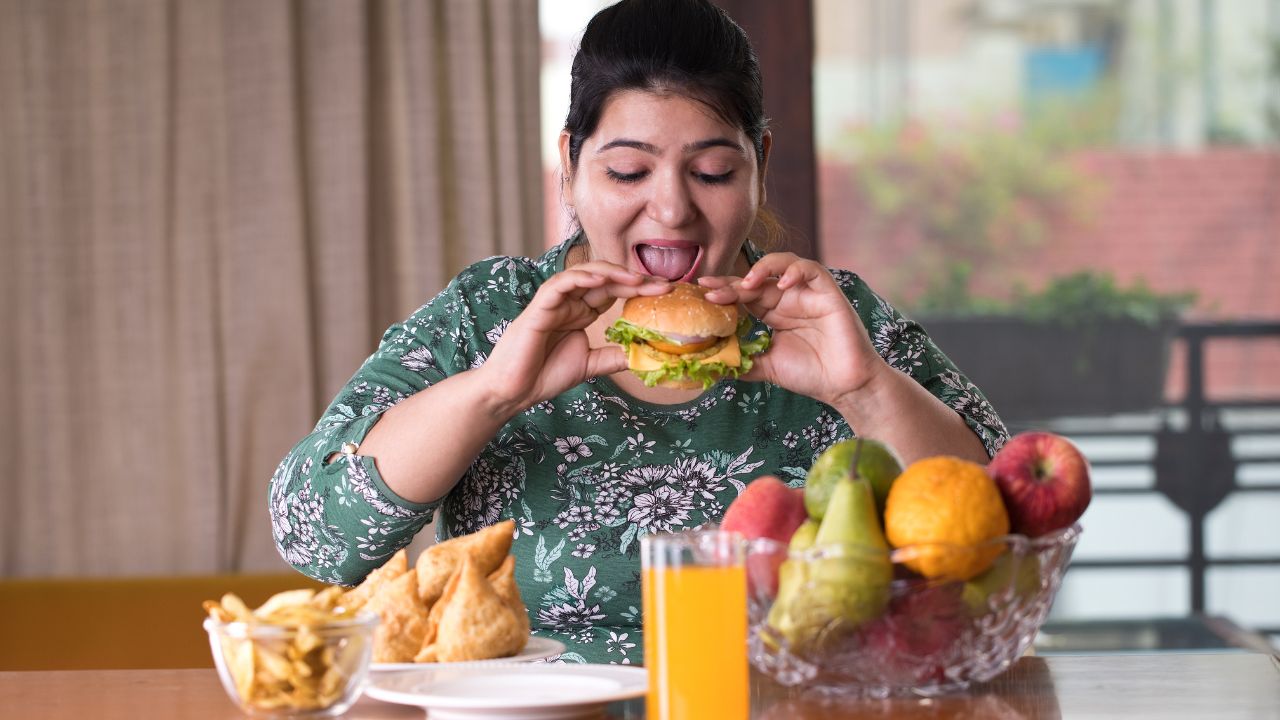
We’ve all been there: the siren song of that extra slice of pizza, the insistent whispers of a double-scoop sundae. Cheat meals, those glorious breaks from our usual healthy routines, can be tempting little devils. But here’s the thing: indulging doesn’t have to mean derailing your progress or ending in a post-feast guilt spiral.

Let’s rewrite the narrative and turn that cheat meal into a celebration of mindful indulgence. Here are some smart tweaks to help you savor the moment without going overboard:

1. Plan Your Pleasure: Don’t let cravings dictate your decisions. Pick a day and a meal in advance, giving yourself time to choose something truly special. Planning avoids impulsive binges and lets you fit it seamlessly into your week.

2. Portion Perfection: Remember, it’s all about quality, not quantity. Savor a smaller serving of your favorite dish instead of piling your plate high. Savor each bite, letting the flavors truly resonate.

3. Think Beyond Junk: Cheat meals don’t have to be synonymous with greasy fast food. Indulge in a gourmet burger made with fresh, local ingredients, or whip up a decadent (but nutritious) homemade pasta dish.

4. Make it a Mini-Meal: Instead of turning your cheat meal into a day-long feast, keep it focused on one special dish. Enjoy it as a larger lunch or a luxurious dinner, and stick to your usual healthy choices for the rest of your meals.

5. Listen to Your Body: Pay attention to your hunger cues. Savor your chosen treat slowly, and stop when you’re comfortably satisfied, not stuffed. Remember, mindful indulgence is key!

6. Hydration Hero: Don’t let thirst masquerade as hunger pangs. Stay hydrated throughout the day, and before and after your cheat meal. A glass of water can help you avoid overeating and make you feel fuller faster.

7. Move Your Body: Cheat meals don’t mean abandoning your workout routine. A brisk walk or light exercise session before or after your indulgence can help regulate your blood sugar and prevent that sluggish feeling.

8. Embrace the Balance: Remember, one cheat meal is just that – one meal. Don’t let it snowball into a week-long free-for-all. Get back on track with your healthy habits the next day, and remember, consistency is key!

So, there you have it! Cheat meals can be a delightful reward and a chance to break the monotony, but with a little planning and these smart tweaks, you can indulge guilt-free and keep your health goals firmly in sight. Now go forth and conquer those cravings, the mindful way!

Remember, mindful indulgence is all about finding balance and listening to your body. Enjoy your cheat meals, but don’t let them control you. By following these tips, you can keep your health goals on track and still satisfy your cravings!

Tagged : / / / / /

Milk: Nature’s Secret Weapon for a Flawless Face

Milk: Nature’s Secret Weapon for a Flawless Face
Forget fancy serums and expensive creams – sometimes, the best beauty secrets are hiding in plain sight, right in your fridge. Yes, we’re talking about milk! This surprisingly versatile beverage isn’t just good for your bones – it can also work wonders for your skin, offering a treasure trove of benefits you can unlock with simple DIY face packs.

1. Natural Hydration Hero: Ditch the drying cleansers and embrace the gentle touch of milk. Packed with lactic acid, a natural alpha-hydroxy acid, milk effectively removes dead skin cells and impurities, leaving your skin feeling soft, smooth, and deeply hydrated. Plus, its natural fats and proteins act as a moisture barrier, locking in hydration for a dewy, healthy glow.

2. Acne Blasting Buddy: Lactic acid’s exfoliating prowess extends to tackling acne woes. This mild AHA unclogs pores, prevents breakouts, and even diminishes the appearance of existing blemishes. Milk’s anti-inflammatory properties help soothe existing pimples and calm redness, leaving your skin clear and calm.

3. Anti-Aging Magic Potion: Wrinkles? Not on milk’s watch! Rich in vitamins A and D, milk acts as a natural antioxidant, fighting free radicals that contribute to premature aging. Its protein content stimulates collagen production, keeping your skin firm and elastic, minimizing the appearance of fine lines and wrinkles. Hello, youthful radiance!

4. Gentle Exfoliator Extraordinaire: Forget harsh scrubs that leave your skin irritated. Milk’s lactic acid offers a gentle, yet effective, exfoliation, dissolving dead cells and revealing a brighter, more even-toned complexion. This natural alternative promotes cell turnover, leaving your skin looking fresh and revitalized, without any redness or sensitivity.

Ready to whip up your own milk-powered face masks? Here are a few easy recipes:

i. Hydrating Honey Mask: Mix 2 tablespoons of honey with 1 tablespoon of milk and apply to your face for 15 minutes. The honey adds a boost of hydration and antibacterial properties, while the milk gently exfoliates and moisturizes.

ii. Acne-Fighting Lemon Mask: Add 1 teaspoon of lemon juice to 2 tablespoons of milk for a clarifying mask. The lemon juice helps control oil production and fights acne, while the milk soothes and balances the skin.

iii. Anti-Aging Oatmeal Mask: Combine 1 tablespoon of oatmeal with 2 tablespoons of milk for a gentle exfoliating and anti-aging mask. The oatmeal’s texture provides a light scrub, while the milk’s antioxidants and proteins work their magic.
Remember, a patch test on your arm is always recommended before applying any new mask to your face.

So, next time you reach for the milk carton, remember it’s not just for cereal! Unleash its hidden beauty potential and pamper your skin with the power of nature’s secret weapon. Your face will thank you for it!

Tagged : / / / /

Hair on the Trigger: 4 Foods that Can Hinder Healthy Growth

Hair on the Trigger: 4 Foods that Can Hinder Healthy Growth
While a good hair day can add inches to our confidence, the opposite – excessive hair fall – can feel like a personal blizzard. While genetics and underlying health conditions can play a role, our diet surprisingly wields considerable influence over the fate of our follicles. So, before you despair over a clogged drain, consider taking a peek at your pantry. Here are some common culprits that might be accelerating your hair’s journey south:

1. Sugar Rush, Hair Crash: We all know sugar isn’t a friend to our waistlines, but did you know it can also wreak havoc on your mane? Excess sugar spikes your insulin levels, causing inflammation and disrupting the hair growth cycle. This can lead to thinning hair, weak strands, and premature shedding. So, skip those sugary treats and reach for fruits or yogurt for a sweeter, hair-friendly fix.

2. Carb Crash, Hair Crash (Part 2): Refined carbs like white bread, pasta, and pastries share a similar hair-unfriendly story. These quickly metabolize into sugar, triggering the same insulin surge and inflammatory response. Opt for complex carbs like whole grains, veggies, and legumes instead. They release energy slower, keeping your blood sugar stable and your hair happy.

3. Alcohol: The Double Whammy: Enjoying a glass of wine might not directly cause hair loss, but alcohol dehydrates your body, robbing your hair follicles of precious moisture. Additionally, it interferes with nutrient absorption, making it harder for your body to access the vitamins and minerals essential for healthy hair growth. Moderation is key, and remember to stay hydrated to counteract the dehydrating effects.

4. Fizz with a Fizzle: Sparkling beverages might be refreshing, but the carbonation and artificial sweeteners they often contain can wreak havoc on your hair. The sugar can trigger the same insulin spikes mentioned earlier, and the artificial sweeteners can interfere with nutrient absorption and hormone balance, both of which impact hair health. Opt for plain water, herbal teas, or naturally flavored sparkling water to keep your fizz and your follicles happy.

Remember, healthy hair starts from within. While avoiding these hair-unfriendly foods is a good first step, incorporating nutrient-rich options like protein, iron, vitamins A, C, and E (think eggs, fish, leafy greens, berries) can nourish your hair from the inside out. Consider consulting a doctor or nutritionist for personalized advice if you’re concerned about your hair health. So, ditch the dietary saboteurs, embrace hair-friendly choices, and watch your confidence rise along with your happy, healthy hair!

Tagged : / / / /

The 8 Glasses Myth Debunked: How Much Water Should You Really Drink?

The 8 Glasses Myth Debunked: How Much Water Should You Really Drink?
For years, the magic number 8 haunted water bottles and fridge doors. Eight glasses a day, the mantra went, was the golden ticket to hydration heaven. But what if we told you the truth is… murkier?

A recent wave of research is finally putting the “8 glasses” myth to rest, revealing a more nuanced picture of our individual water needs. While the US National Academies of Sciences suggests 15.5 cups (124 ounces) for men and 11.5 cups (92 ounces) for women as a general guideline, it’s far from a one-size-fits-all approach.

“These numbers were established for generally healthy individuals,” explains Dr. Tamara Ouldibbat, a registered dietitian, “but factors like age, activity level, and even body composition can significantly impact individual needs.”

So, ditch the one-size-fits-all mentality and dive into the personalized world of hydration. Here are some key factors to consider:

i. Body Size: The Academy of Nutrition and Dietetics suggests around 30-35 milliliters of fluid per kilogram of body weight. Do the math, and voila! You’ve got a personalized hydration target that goes beyond gender.

ii. Activity Level: Sweat it out at the gym? Hike mountains on weekends? Your fluid needs skyrocket with physical exertion. Listen to your body and sip more often after exercise or during hot weather.

iii. Health Conditions: Pregnant or breastfeeding? Certain medical conditions? Your water needs might be higher. Consult your doctor for personalized recommendations.

iv. Food Intake: Remember those juicy watermelons and cucumber salads? They contribute to your daily fluid intake too! So, factor in your fruit and veggie consumption when adjusting your water bottle habits.

But how do you know if you’re hitting the hydration mark? Pay attention to your body’s subtle cues. Feeling sluggish, foggy-headed, or experiencing muscle cramps? These could be signs of dehydration.

Another handy trick? Check your urine color. Pale yellow is your hydration sweet spot. Darker shades, however, signal a need to up your water intake.

While the “8 glasses” myth may have reigned supreme for years, remember, hydration is a personal journey. Listen to your body, tweak your habits based on your individual needs, and embrace the freedom of personalized hydration. Your body (and your glowing skin) will thank you for it!

Tagged : / / /

Feeling sleepy all the time? This is why you should take it seriously

Do you find yourself constantly hitting the snooze button, dragging through the day, and yearning for a nap no matter how much sleep you get? If so, you’re not alone. Excessive sleepiness, also known as hypersomnia, affects millions of people worldwide and can significantly impact your quality of life.

Why Should You Take Chronic Sleepiness Seriously?

While an occasional bout of fatigue is normal, especially after a busy day, chronic sleepiness can be a symptom of an underlying medical condition. Ignoring it can have serious consequences:

i. Decreased productivity and performance: Sleep deprivation impairs your cognitive function, making it difficult to concentrate, learn, and make decisions. This can lead to work and academic struggles.
ii. Increased risk of accidents: Being drowsy behind the wheel or operating machinery is hazardous. Sleepiness can slow your reaction time and increase your risk of accidents.
iii. Health problems: Chronic sleepiness can be linked to various health issues, including obesity, diabetes, heart disease, and depression.

Common Causes of Excessive Sleepiness

Several factors can contribute to feeling sleepy all the time:

1. Sleep disorders: Sleep apnea, restless legs syndrome, and narcolepsy are just a few sleep disorders that can disrupt your sleep and leave you feeling exhausted during the day.
2. Medical conditions: Anemia, thyroid problems, chronic pain, and depression can also cause excessive sleepiness.
3. Medications: Certain medications, such as pain relievers, allergy medications, and antidepressants, can have drowsiness as a side effect.
4. Poor sleep hygiene: Irregular sleep schedules, excessive screen time before bed, and a caffeine-heavy diet can disrupt your sleep cycle and make it harder to get quality sleep.

What to Do if You’re Always Sleepy?

If you’re constantly feeling tired, schedule an appointment with your doctor. They can help identify the underlying cause of your sleepiness and recommend appropriate treatment. This may involve lifestyle changes, medication adjustments, or treatment for an underlying medical condition.

Here are some additional tips for improving your sleep hygiene and battling chronic sleepiness:

1. Stick to a regular sleep schedule: Go to bed and wake up at the same time each day, even on weekends.
2. Create a relaxing bedtime routine: Wind down before bed with calming activities like reading, taking a warm bath, or listening to soothing music.
3. Make sure your bedroom is dark, quiet, and cool: Create an environment conducive to sleep by eliminating noise, light, and extreme temperatures.
4. Limit caffeine and alcohol intake: Avoid caffeine and alcohol in the hours leading up to bedtime, as they can interfere with sleep.
5. Get regular exercise: Physical activity can help you sleep better at night, but avoid exercising too close to bedtime.
6. Seek professional help if needed: Don’t hesitate to seek help from a sleep specialist if you continue to have difficulty sleeping.

Remember, feeling sleepy all the time is not normal. By taking it seriously and seeking help, you can get the diagnosis and treatment you need to reclaim your energy and live a healthy, fulfilling life.

Tagged : / / /
Verified by ExactMetrics