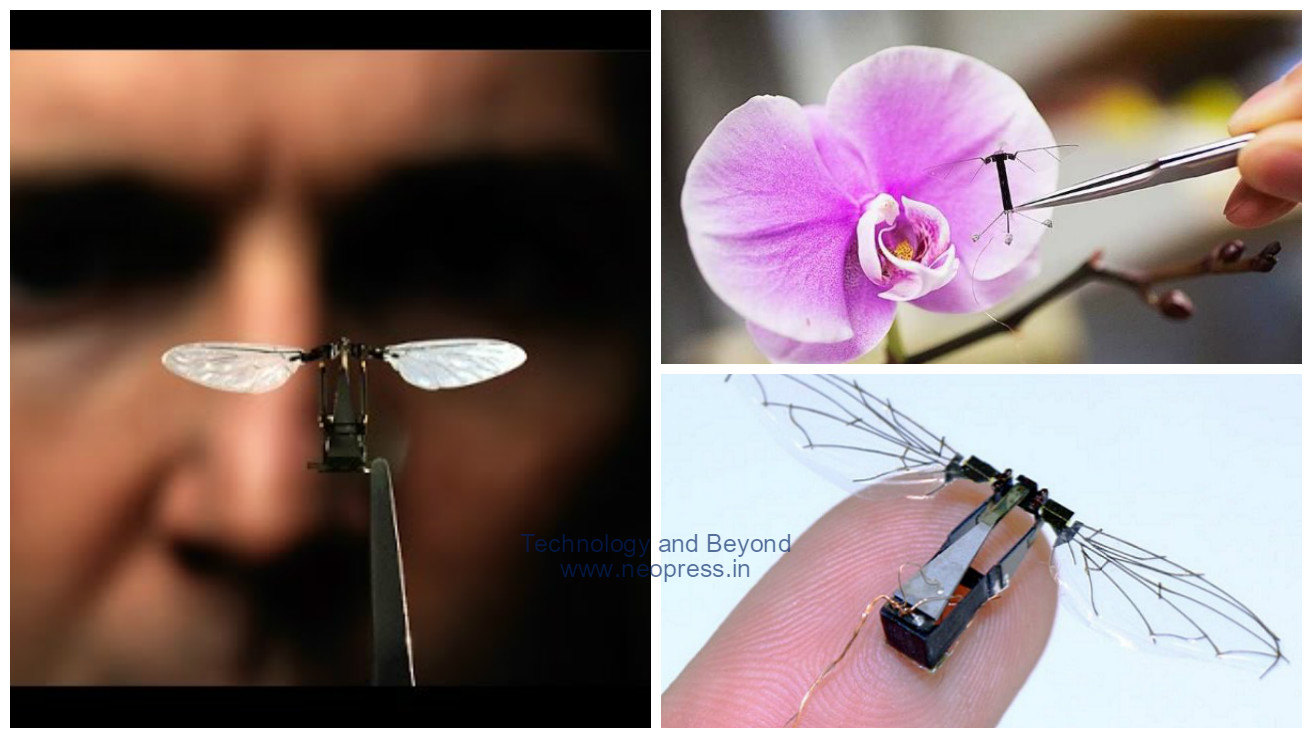
These insect-like Robobees are all set to dominate agricultural, surveillance and environmental industries from now on!

Robotics is the branch of science and technology which is evolving every day. The kinds of robots that are being made are becoming more and more versatile and more and more unique and innovative. Apart from experimenting with their abilities, scientists are also experimenting with the size of the robots. ‘Robobee’ is one such robot. It is a miniature robot which is equals the size of a penny and is inspired by the biology, movement and behaviour of the insects.

A team of researchers from MIT University and Harvard University, in their combined effort, have found a way to copy the way insects perch and they have also succeeded in incorporating it into ‘Robobee’s’ “perching abilities”. This is to note that when someone is making a device so small, due consideration has to be given to energy conservation. The perching of this robot like an insect proved to be difficult in reality.

In order to overcome this big hurdle, the combined team of Harvard and MIT found a way to dramatically extend the ‘Robobee’s’ operational life. They made use of the electrostatic adhesion which means that the Robobee uses a small electrode patch and shock-absorbing foam mount to make the tiny robot latch onto surfaces upside down. If the Robobee wants to let go of a surface, it can do so by simply switching off the power supply to the electrode. By utilising this technique, the Robobee is able to use 1/1000 of the energy required to keep it flying and hence conserve its energy supply considerably.

Robobee might seem very small and people may think that it is of no use. But contrary to this belief, these miniature robots find uses in autonomously pollinating crops, search and rescue operations after a calamity, hazardous environment exploration, military surveillance, high resolution weather and climate mapping and traffic monitoring.

Back in 2000’s The Robobee Project had started off as a mission that originally started as a proposed solution to the mysterious disappearance of honeybees. A team of researchers headed by Gu-Yeon Wei, Radhika Nagpal, and Robert Wood, professors and associate professor at the Harvard School of Engineering and Applied Sciences (SEAS), posed a technological solution to the effects of this strange mass epidemic afflicting the insects.

In 2009, the three of them joined hands with their colleagues at Harvard University and Northeastern University to consider what it would take to create a robotic bee colony. This was what had given birth to the Robobee Project and look how far it has come.

width="560" height="314" allowfullscreen="allowfullscreen">

As a technology lover you may like our daily important technology news series. It’s a playlist and you can retrieve the total day-wise videos. Please consider subscribing our YouTube channel:

Author: Technology and Beyond

Tagged : /

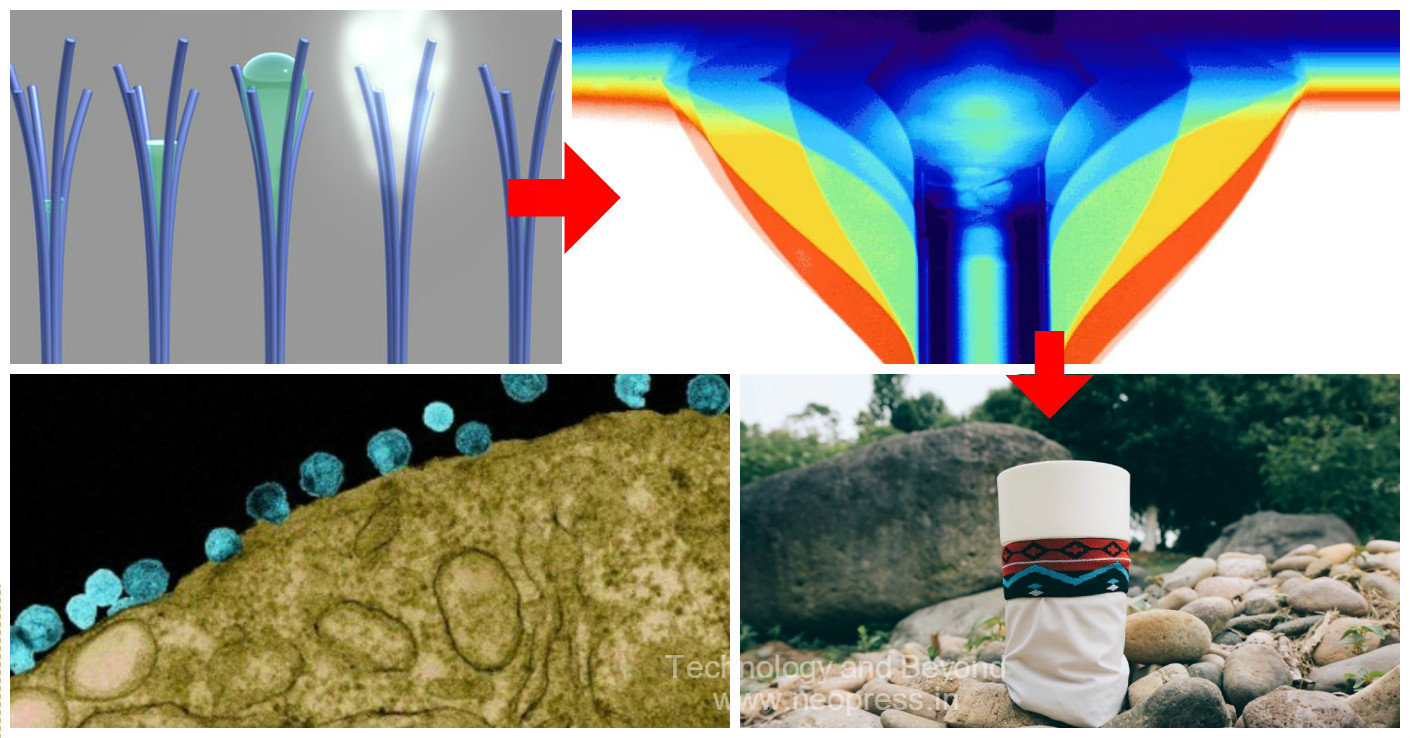
Scientists made accidental discovery of nanorods that harvest water from the air

Unbelievable scientific discoveries never fail to enthrall us. With each passing day we find ourselves standing with our jaws dropped looking at how many researchers stumble onto things that haven’t even been looking for while experimenting to find newer inventions. One such discovery is the new nanorods that have the potential to harvest water from air.

These carbon-rich microscopic, inadvertently produced rods absorb and release water in a different way to all kinds of material that we are aware about. They can absorb water at low humidity levels and later on oust it as the level increases to 50-80 percent while other resources just continue to take in the excessive liquid from the air.

Gizmag’s Michael Irving emphasizes that these nanorods can ultimately be used in array of applications, starting from low-energy water-harvesting structures to possible even in the fabrics that can absorb sweat from the body.

“Our unusual material possesses qualities a bit like sponge; it squeezes itself almost halfway before it’ completely saturates itself with water,” explained David Lao from the Pacific Northwest National Laboratory (PNNL), one of the material’s Inventors.

Here’s how this happy accident took place, the team was intending to produce magnetic nanowires, but instead ended up creating these carbon nanorods in the lab. A closer inspection detailed how these nanorods apparently lost weight as the humidity in the surrounding environment rose.

Initially, the Researchers doubted their instrument to be malfunctioning but to their surprise, they realized that it was the recap of a very similar phenomenon that was considered in 1990s.

The team then started going through papers from year 2012 and 2013 that referred to the theories of how water can automatically vaporize if it’s surrounded by hydrophobic components/ materials or kept in an area not more than 1.5 nanometres wide.

The team reports that water apparently condenses and forms a bridge between the nanorods, this process is called capillary condensation. This water between the rods causes tension on the surface and pulls adjacent rods, placing them very near to each other. When this gap gets as close as 1.5 nanometres, the water starts to evaporate.

The PNNL team calls it an impending paradigm shift in the process of purification of water and also talks about their futuristic thought of how someday the sheets of these nanorods may harvest water from even the desert air. Presently a mere 10-20 percent of the material is seen to spill out water and scientists are working to increase this number considerably high.

“We’ve started to imagine the many ways it could be harnessed so as to better the quality of life that we live, now that we’ve moved on the preliminary blow of this unexpected behavior of the material”, said David Heldebrant, team engineer. “But before we can put these nanorods to use, we need to figure out a way to control them and perfect their shape and size.”

As a technology lover you may like our daily important technology news series. It’s a playlist and you can retrieve the total day-wise videos. Please consider subscribing our YouTube channel:

Author: Technology and Beyond

Tagged : /

The amazing world of food scanners. We now know what’s in our plate for sure!

A question by a concerned mother whose kid was suffering from a nutrition deficiency led me to wonder if there could be any gadget in this high-tech world that could scan our plates and tell us what all nutrients we were hogging on. We also wonder what we’d do if we knew the food much closely that’s on our plate. During a research study, one of these respondents being an emotional mother of an eight year old girl left a question asking how technology will advance when it comes to food scanning.

She explained how difficult it was to find the right food for her daughter who was suffering from various food allergies at such a tender age. She had to ensure that it didn’t contain anything her daughter was allergic to by diligently checking the labels on food product and had to cook very deliberately. She was pregnant when she wrote the comment, and was extremely worried. She asked if there were any labeling advances or technological devices that could make her life a bit easier and she also asked if it was possible to scan food to determine the ingredients.

The Problem with our Food

Concluding from the statistics of Europe, around 220 to 250 million people suffer from various food allergies across the globe. In the US one out of three people possesses one kind of food allergy or modifies the family meals in fear of a susceptible food allergy in the family. 5% of children and 4% of teens and adults have clinically proven food allergy.

About 35 % of adults are overweight, with about half a billion being obese possessing a body mass index of more than 30, globally. The International Diabetes Federation report that half a billion people may suffer from diabetes by 2035; and half of them may remain undiagnosed. Obesity, diabetes and food allergies are just a few of the most prominent examples where awareness of the calorie intake and ingredients are crucial in managing medical issues day after day.

According to the European Commission launched  €1 million prize challenge to develop a mobile, affordable, non–invasive solution that will enable users to measure, calculate and analyze their food intake. This contest shall run until the end on 2016. Many other such initiatives are required to be brought up to help people get over the problems of diabetes or obesity.

We really have no Idea what we eat

We can only presume. Almost all the ingredients are come enlisted on the product’s label, but at the end every plate and every meal is different. One way to solve this would be to have a list of exact and correct ingredients and the number of calories a meal contains, also a list of all the toxins and allergens it contains. Not just the kind of food we eat but the actual meal that is on our plates with specific amount. Many companies have come up with ways to address this problem.

In 2013, Canadian TellSpec carried out a successful crowd funding campaign that managed to raise more than $380,000. It aimed to develop a mobile food scanner that informs the users just the specific ingredients and macronutrients on their plates. Spectroscopy is a technique that enables us analyze as to how a matter interacts with wavelengths of light that differ from each other, it can also very quickly determine the chemical compounds contained in a given food. Isabel Hoffmann, Founder of the company, had a similar story with that of the mother who commented on my blog. Hoffman’s daughter got sick after they moved to a new flat in Toronto. A few months later she was diagnosed to have developed various food allergies.

This drove Hoffman to recruit a team of designers to develop device that enabled the user to know what was in a definite food. They sent the primary versions of the device to beta testers in mid 2015 and now after gaining much popularity, they have promised to launch the device in 2016. Many critics have asked for the availability of the device and questioned its capabilities.

width="560" height="314" allowfullscreen="allowfullscreen">

The Promise and problems of Food Scanners

People with optical engineering backgrounds in Israel found SCiO and raised ove $2.7million in 2014 on Kickstarter. It used technology similar to that of TellSPec’s but was designed not only the molecular contents of medicines and food but also of plants. An optical sensor to detect the reflected light was illuminated by it on an object and it further analyzed the cloud based data using an algorithm. The user’s smartphone would display the molecular make up and contents of the food within seconds, as promised by the Company. The launch was scheduled to be in 2015 but it came as a major disappointment to backers a it hasn’t been shipped yet. Let alone the delay, critics also criticized the makers of both SCiO and Tell Space for overstating their inventions.

There were two major problems that was faced, one being the size as the device should not be bigger than a hand-held for the buyers which implied that engineers were asked to bargain the accuracy and sensitivity just to ensure that the size was not bigger than a mobile phone. The second issue was of the algorithm as SCiO used to operate with a cloud-based data by sending the specifics of the food – whether it is solid or in liquid form, or if it is a vegetable- to the cloud and then displaying the calculation on the device.

There aren’t many promising devices that are hand–held food scanners other than these on the horizon. It is a greater challenge to figure out what we would do with the large amount of information that any of these devices generate if and whenever they come into existence.

Next Page For More

Tagged : /

Reasons Why Should Stop Whining About iPhone 7

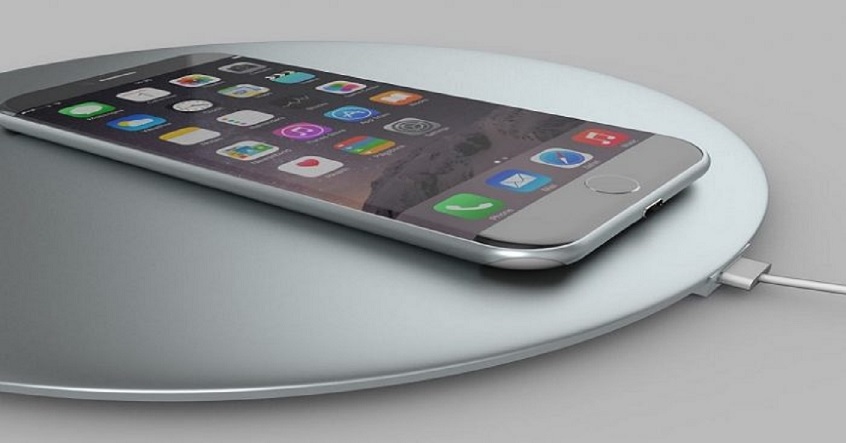
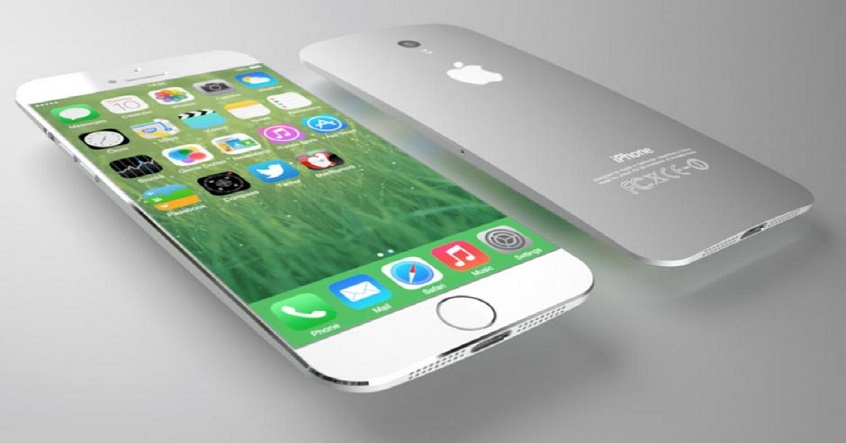
Enough is enough! People just need to stop grumbling about the new iPhone 7. It is as if history is repeating itself, yet again. Like a tradition every year, months before its official announcement, leaked photos, schematics and what not start floating in the internet and people jump to conclusions in a certain way about the phone. Its fate is sealed even before it is tangibly launched in the market. That’s just not fair right?

Some features aren’t even announced to be incorporated and yet their perceived presence makes a major sway on the performance and effectiveness of the device. It sure creates a wave and builds up the market but it can also play devilish and spoil the market entirely. Read these five points and you will be convinced why people should stop whining about the design of the iPhone 7.

In the past, during the time when iPhone 5 was upcoming in the market, rumours pointed that it will be immensely similar to iPhone 4/4S. The rumours never materialized to reality as iPhone 5 & 5S were the first phones with metal chamfers, it was an introduction of metal design, now, increasingly found in many smartphones.

Its use of metals pushed the idea of quality and design to a new high. Certainly, it is safe to say, you know it all only if you have had it in your hands. IPhone 5 was incredibly different from the previous IPhones and iPhone 6 also maintains its reputation in this sense.

The iPhone is about the chemistry that it’s hardware and software share, more than any other phone in the market. It is like the hardware is developed for its software unlike many other Android phones that use off the shelf components. The specs may look very swanky on paper, but they keep up with their performance.

iphone

NEXT PAGE FOR MORE

Tagged : /

Is China Tricking the World With Its Road Straddling Bus?

The Transit Elevated Bus (TEB) from China had allegedly undergone its first test drive last week. An incredible road-straddling bus that allows two lanes of cars to pass beneath it made its debut in China, but it may not be quite as impressive as it first seemed.

The bus does not actually run on rails, as previously reported, but is in fact fitted with rubber wheels that run along grooves in the ground, reports Car News China. On top of that, despite unveiling the bus with much fanfare, the team behind the TEB eventually had to concede that last week’s outing was not actually a full road test, but simply part of “internal testing”.

The “bus of the future” has also been hit by accusations from several Chinese state media outlets that the unusual vehicle was financed through a peer-to-peer scheme in order to scam investors, reports Shanghaiist.

Song Youzhou, the bus’s inventor, hit back, telling Shanghai-based Sixth Tone : “We haven’t done anything wrong at all. The latest tests show that the bus design is entirely possible.”

Upon closer inspection of the bus, the site also noted that it was fitted with an air conditioning unit designed for home use. The elevated platform at the test track also appears to have been “sloppily” constructed, says Car News China. What’s more, it was pointed out that only standard-height cars would be able to pass underneath the bus, with taller vehicles such as vans and lorries unable to fit.

It has also been reported by Beijing Youth Daily that the site of a planned production centre in Zhoukou, central China is still deserted, despite a ground-breaking ceremony being held a month ago.

The real shocker is that the TEB is reportedly due to have its first full test next year, on a 3km government-built test track.

As a technology lover you may like our daily important technology news series. It’s a playlist and you can retrieve the total day-wise videos. Please consider subscribing our YouTube channel:

Tagged : /

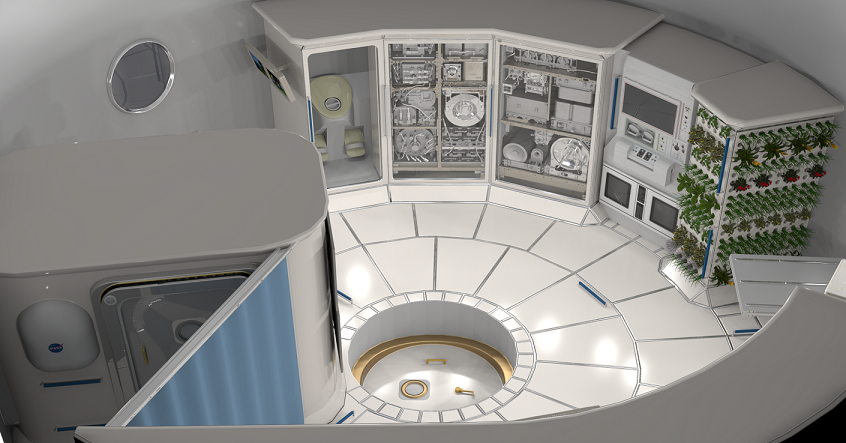
NASA To Build Deep Space Habitats On Earth

NASA is all about future! They plan everything according to the future because that’s the direction we are moving in slowly. Humans have been leaving the territory of earth’s atmosphere and heading towards celestial members yet unexplored, from quite some time. The whole vast Universe keeps inviting humans and humans love that. NASA realises this and that is why it wants to stay ahead in terms of preparedness for such missions. Knowing well that the future number of space farers is bound to increase, it is planning to create a place where people can live outside our own planet.

Yes! You got it right! NASA is plans to build deep space habitats for such space enthusiasts and it has teamed up with six private corporations to build full-scale ground prototypes of the habitats they have designed. The six partners are Boeing, Lockheed Martin, Orbital ATK, Sierra Nevada Corporation, NanoRacks and Bigelow Airspace.

nasa2

Boeing will try to test and a prototype of its modular habitat system while Lockheed Martin will transform one of its multi-purpose modules used to carry supplies to the ISS – into a habitat with integrated avionics and Environmental Control and Life Support System (ECLSS). Orbital ATK will continue developing its cislunar habitat (based on its own Cygnus spacecraft used in ferrying supplies to the space station). This will be a spacecraft designed to stay between the Earth and the moon). The fourth company Sierra Nevada Corporation’s prototype will combine its space shuttle-like Dream Chaser vehicle with an inflatable component with added features of an ECLSS and a propulsion system.

NanoRacks on the other hand will examine the feasibility of converting an existing launch vehicle’s upper stage into a liveable environment. The sixth and final company Bigelow Airspace will be spending its energies on building the XBASE (Expandable Bigelow Advanced Station Enhancement) prototype which is based on the 330 cubic metre ISS add-on, the company is presently developing. Which of these prototypes will finally make it to actualisation, only time can tell!

As a technology lover you may like our daily important technology news series. It’s a playlist and you can retrieve the total day-wise videos. Please consider subscribing our YouTube channel:

Author: Technology and Beyond

Tagged : /

No, it’s not limited to social media only! Ice Bucket Challenge of 2014 just helped funding a major research.

Remember the activity in 2014 that involved dumping a bucket of cold water and ice on the head by various celebrities and people 2 create awareness about amyotrophic lateral sclerosis (ALS)?  It was an attempt to create awareness and to raise funds for the treatment of this disease.

While the naysayers continue to say that this social media phenomenon was promoting slackivism, well looks like the critics are just being proven wrong as this ‘crazy’ idea just funded a major breakthrough in the research to find a cure for ALS.

Thanks to $100 million raised by by this online challenge the University of Massachusetts Medical School Private Project, the MinE reports to have identified NEK1 as the most prominent gene that causes the disease. It was also published in Nature Genetics.

According to the reports it was said that over 18℅ of people in America are diagnosed of this disease each year. Fortunately the NEK1 will lead to better treatment of ALS.

ALS-1

Bernard Muller, the founder of MinE said,

“The idea of raising funds for the project in new ways and wish really gave a boost to transact with collaborations to identify genetic disorders of ALS.”

This of course is a great step towards helping the patients. Today many people suffer from this disease and die after 2-5 years of diagnosis. Discovery of NEK1 is surely a leap towards finding a cure of this disease.

As a technology lover you may like our daily important technology news series. It’s a playlist and you can retrieve the total day-wise videos. Please consider subscribing our YouTube channel:

Author: Technology and Beyond

Tagged : /

US Military is planning tiny implants in order to actively monitor soldiers’ health in Real-Time and 24×7

One of the bravest and most adventurous professions is that of a Soldier. And in turn it becomes the Government’s duty to ensure their well-being by investing however much is needed. From the most efficient armor to the highest grade weapons and the best nutrition, soldiers must have the best of all to maintain their power in battle. The US Army Research Office as their step toward better welfare of soldiers in battlefield has funded the research and development of implantable biosensors that can observe the soldiers’ health.

The US Army Research Office gave Profusa, a biotech company $7.5 million grant in order to develop implantable biosensors that help monitor Soldier’s health status.

The Chairman and CEO of Profusa, Ben Hwang explains, “Profusa aims to change a point-in-time chemistry panel which measures multiple biomarkers, such as oxygen, lactate, glucose, urea, with a biosensor which provides a continuous stream of wireless data.”

The sensors between 2mm and 5mm of length and 200 to 500 microns in diameter, bioengineered “smart hydrogel” which is of the same material of contact lenses. They form a tissue-integrating scaffold which is porous and can fully integrate into the tissue of the body through an injection, without using any metal devices or electronics.

The hydrogel glows when exposed to light due to the concentration of chemicals like oxygen or other biomarkers. This allows health professionals to see if a soldier is suffering from a certain ailment like high uric acid, low blood sugar or a lack of oxygen in the blood. This will then allow the health professionals to  administer first aid to bring them back into top shape.

width="560" height="314" allowfullscreen="allowfullscreen">

As a technology lover you may like our daily important technology news series. It’s a playlist and you can retrieve the total day-wise videos. Please consider subscribing our YouTube channel:

Author: Technology and Beyond

Tagged : / /

The book that ALTERED Microsoft CEO Satya Nadella’s vision and let him embrace a “growth mindset”

When Satya Nadella took over Microsoft as it’s new CEO in early 2014, he made it clear that he’d shake up the company’s culture to address the challenges of the coming modern era.

Nadella has pushed the “growth mindset,” as his key principle which lays emphasis on the belief of learning from others, and learning from your own mistakes, so as to move quickly and get on the right track of moving forward.

In an interview with Bloomberg’s Dina Bass, Nadella shared that it was the 2007 book “Mindset: The New Psychology of Success,” by Carol Dweck Professor of Psychology, Stanford, that gave him the “intuition” to make “growth mindset” the philosophical core of the change he’s trying to create at Microsoft.

Nadella added:

“In the book there’s this very simple notion that Carol Dweck talks about, it is that if you take any two people, one of them will be a learn-it-all and the other one, a know-it-all, in the long run the learn-it-all will constantly trump the know-it-all, even if they start with less distinctive capability.”

The book goes profounder into that idea and presents how some people have a “fixed” mindset with a belief that their talent comes from inside and thus don’t need to work hard – while the others with “growth” mindset, and the belief that their ability can be enhanced by working hard.

“It’s not the people who start out the smartest, end up the smartest, always.” writes Dweck in “Mindset.”

Microsoft is trying to change how it thinks about output and efficiency. Nadella has been reevaluating some of Microsoft’s assumptions, including how it deliberates with their rivals like the Linux operating system, as it tackles new challenges everyday.

As Nadella tells Bloomberg: “I need to be able to walk out of here this evening and question myself, ‘Where was I too closed-minded, or where did I not show the right kind of attitude of growth in my own mind?’ If I can get it right, then we’re well on our way to having the culture we aspire to.”

Microsoft co-founder Bill Gates also believes in Dweck’s theories, a way for anyone to learn anything. This is kind of funny as he was known for disagreeing with some ideas by saying “that’s the stupidest f—ing thing I’ve ever heard.” during his tenure as CEO.

After nine years on the stands, Nadella’s recommendation has pushed “Mindset” to bestseller status on Amazon.

As a technology lover you may like our daily important technology news series. It’s a playlist and you can retrieve the total day-wise videos. Please consider subscribing our YouTube channel:

Author: Technology and Beyond

Tagged : /

Ever imagined a house completely bio-degradable and organic? This Romanian couple made an organic castle!

Whoever said life is different from movies did not see this couple living it!

Razvan and Gabriela Vasile , a couple from Transylvania, Romania has made their castle that looks nothing less than one seen in a fairytale.

They both are singers by profession, and looks like their love for art did not end there, as they have also built a castle out of 100% organic materials — straw, clay, wooden pillars, sand, and stones that looks like Perfection.

They moved out of their urban house in Bucharest and have now settled in a village 24 miles (40 km) away from the city of Sibiu.

This 10-room Classic Clay Castle’s work began in 2014. Now the interiors are being done so that it can be a place to stay for people. This eco-castle in the Valley of the Fairies will be commercially opened by the end of the year.

While it is still not operative, tourists visit the place to look at the magnificence of the Carpathian Mountains blanketed in white, close to the well-known Transfagarasan highway and medieval Sibiu.

It is an escape into tranquility from the busy city life. Perfect for those who seek solitude.

Marius-Man

1-10

2-12

13322185_1554951028139550_7923672099720384493_n

RomanianFairytaleCastle4

RomanianFairytaleCastle13

As a technology lover you may like our daily important technology news series. It’s a playlist and you can retrieve the total day-wise videos. Please consider subscribing our YouTube channel:

Author: Technology and Beyond

Tagged : / /

Low cost bio-foam purifies dirty water into drinkable water. A perfect solution for rural areas!

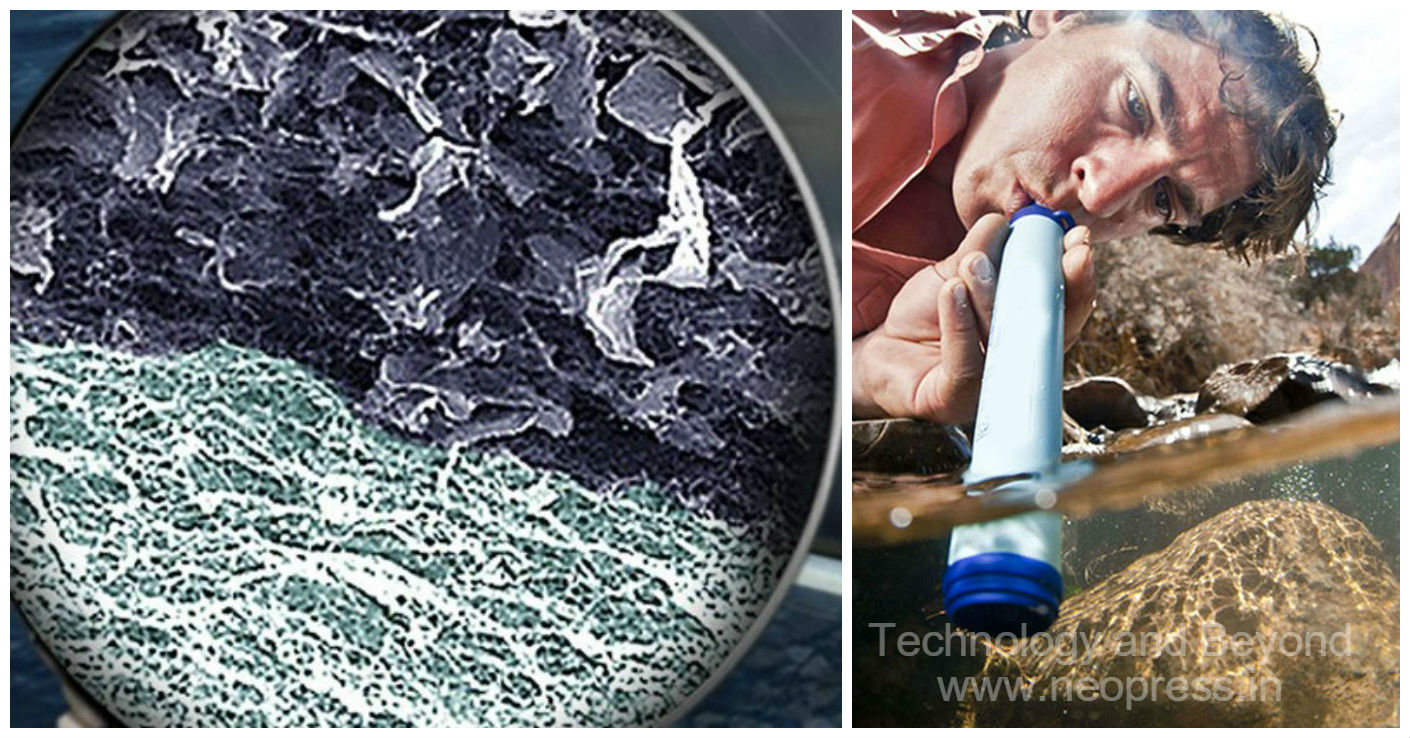
Engineers at Washington University have figured out a way to turn dirty water into drinkable water by using graphene oxide sheets.

This new approach chains graphene oxide and bacteria-produced cellulose to form one bi-layered biofoam, as detailed in their paper published in Advanced Materials.

“The process is extremely simple,” said Srikanth Singamaneni, an Associate Professor of Mechanical Engineering and material science.

 “The beauty of this is that the entire network of nanoscale cellulose fiber produced by bacteria has outstanding ability to move the water to the evaporative surface from bulk along with minimizing the heat, and the whole thing is produced in one go.”

The cellulose at the bottom of the biofoam acts like a sponge and soak water up to the graphene oxide. On rapid evaporation, the clean water is collected from the top of the sheet.

Fascinatingly, the process in which the biofoam is formed, functions in the same way as when an oyster makes a pearl. The bacteria develops layers of nanocellulose fibers, ehich is then embedded by the graphene oxide flakes.

The major benefit of this biofoam is that it’s extremely light and inexpensive to produce.

“Cellulose can be produced on a huge scale,” Singamaneni reports, “and graphene oxide is tremendously low-priced—people can produce loads, truly loads, of it. Both materials going into this are highly accessible. So one can easily produce huge sheets of the biofoam.”

Researchers have found, the properties of this synthesized foam material to have features that enhance solar energy harvesting, making it more effective at putting an end to the bacteria and contaminants in the water.

“We hope that for countries where there is abundant sunlight, such as India, you’ll be able to take some dirty water, evaporate it, and collect some fresh water, using our material,” Singamaneni states.

As a technology lover you may like our daily important technology news series. It’s a playlist and you can retrieve the total day-wise videos. Please consider subscribing our YouTube channel:

Author: Technology and Beyond

Tagged : /

IBM refines computers by creating artificial neurons inspired by human brain

Human brain is one of the most refined, complex and systematic creation by God. There are still millions of things that we need to understand about the human brain. It has intrigued scientists and engineers from a long time. The human brain is the most amazing computer that could ever be created. This is the reason why the brain is the favourite subject of study for engineers as well as scientists. It would be wonderful if they could create a machine that could replicate its processing mechanism.

IBM is one such company which has been trying in this direction, from quite a long time and is a strong proponent of cognitive computing. Their artificial intelligence programme ‘Watson’ was the first cognitive system ever created. For those who do not know, let us inform that cognitive computing refers to systems that learn at scale, reason with purpose and interact with humans naturally. So they are not explicitly programmed but learn and reason from their interactions with us and from their interaction with the environment.

IBM has been trying persistently in the direction of recreating the human brain’s cognitive computing power and recently they took a revolutionary step in this direction.  Scientists at IBM have succeeded in creating artificial neurons that successfully respond to phase changes due to electric signals while using very little power imitating the human brain. The scientists designed these neurons using phase-change materials, including germanium antimony telluride. One should note that these two materials exhibit two states , amorphous and crystalline and are the same materials that made optical disk storage possible.

These phase-change-based artificial neurons can perform complex computations and fast learning while using very little energy, much like the human brain. Also, these artificial neurons survived being subjected to billions of switching cycles which would translate to multiple years of operation at an update frequency of 100Hz. IBM scientist and author Abu Sebastian said: “This will significantly reduce the area and power consumption as it will be using tiny nanoscale devices that act as neurons.” The lines between human and machine intelligence are slowly fading!

As a technology lover you may like our daily important technology news series. It’s a playlist and you can retrieve the total day-wise videos. Please consider subscribing our YouTube channel:

Author: Technology and Beyond

Tagged : /

How Cyber War between two countries will turn their worlds upside down

We rely heavily on cyber world – to what extent; we do not have any idea and that is because everything right now is running perfectly smooth without any glitch. We haven’t yet witnessed any inconvenience which may arise due to the failure of cyber systems so we do not know the scale of chaos it can cause if something like this was to happen. With ever changing dynamics of power around the world and ever increasing and looming threat of terrorism; almost every country is under threat.

The thing to note here is that, with so much dependence on technology and the cyber world, the face of terrorism has also changed. Yes there are the usual bomb blasts and suicide attacks but if ever it came to two countries completely jeopardizing each other; then cyber-attack may just be the final assault on a nation.

attack-1
Number of attacks


attack-2
Scale of attacks

If ‘cyber-attack’ still doesn’t ring any bells then imagine a scenario in which all government data of your country has been destroyed, taking out healthcare records, birth certificates, social care records and many more things. Imagine a stalled transport system, blank traffic lights, chaotic immigration department and disappearance of all tax records. Can you actually imagine all of this happening around you in your very own city or nation? Can you imagine internet as nothing more than a blank screen with an error showing 24×7? This is the power of cyber-attack.

This surely must remind you of some movie scenario but remember truth is stranger than fiction. After all kinds of wars you have seen so far, this one can be the most damaging. Yes it won’t kill people but it can kill nations or make them kneel down just because of the click of a mouse. Internet has indeed given us the power to connect and communicate and for so many things but the same power can one day become the greatest bane for any country…. not only does it expose individuals; but whole nations to a different level of vulnerability.

Next page For More

Tagged :

Apple Under Pressure to Release Wireless Earbuds. You may expect it to be out real soon!

After the disappointing iPhone 7 missing headphone jack saga: Forbes is reporting that Apple has developed a custom Bluetooth radio chip for wireless earbuds. And as it is with Forbes not revealing dates, we are still in the dark about how they will work or when will they be out.

“The way it works at Apple is if it doesn’t work 100%, it gets cut,” Forbes’ anonymous source said.

If Apple can’t develop its own headphones, the company may use a third-party supplier like Broadcom, which they used for other wireless technologies. The developers working on the headphones are technically external recruits from an Oakland-based semiconductor startup called Passif. Apple in 2013 acquired the company, which describes its mission as making “switch-based wireless transceivers with low power consumption and a small footprint.”

In other words, they may or may not actually come out alongside the iPhone 7 in September. But pressure is high to do so, now that Samsung just announced its own Bluetooth earbuds, GearIconX.

As a technology lover you may like our daily important technology news series. It’s a playlist and you can retrieve the total day-wise videos. Please consider subscribing our YouTube channel:

Author: Technology and Beyond

Tagged : /

Nobody would wish this ATM hack to fall in the hands of thieves

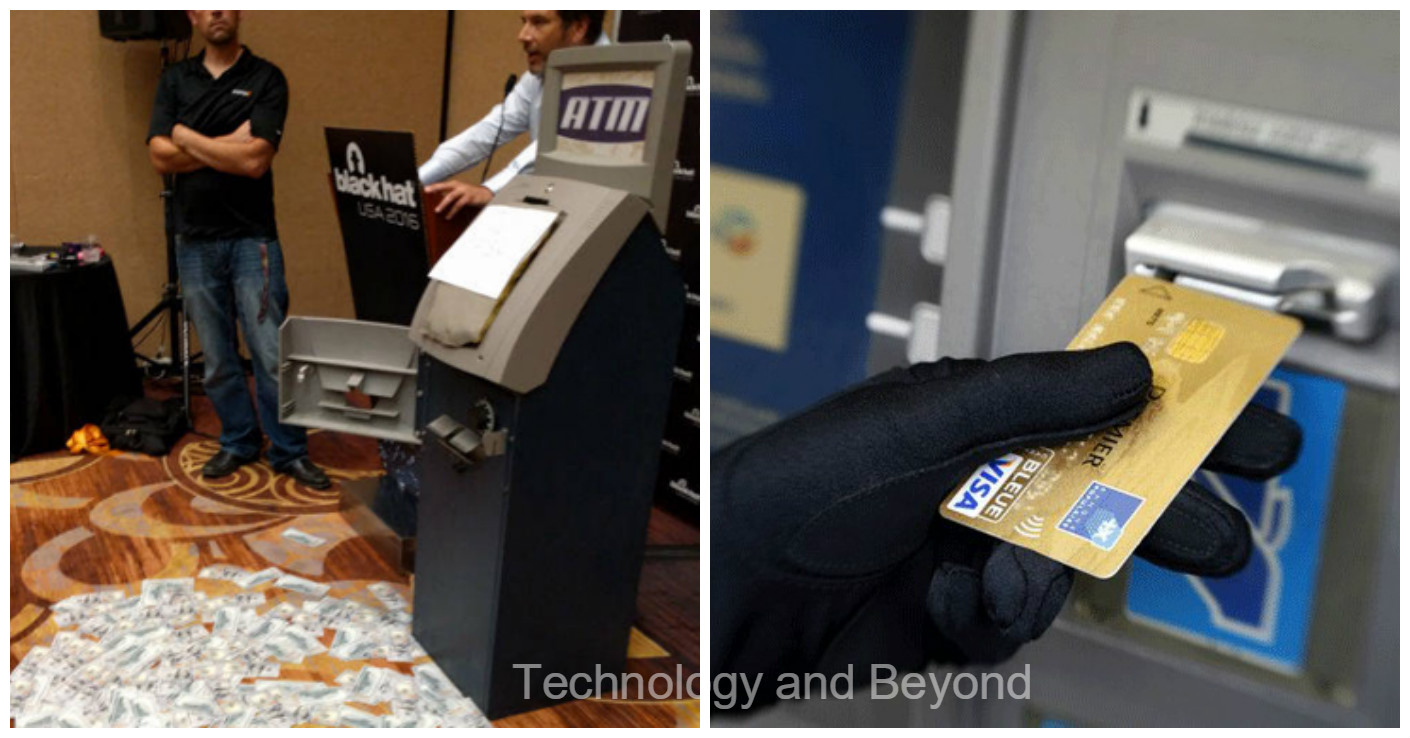
ATM frauds have become quite common nowadays. There are various ways to secure them but the hackers always seem to be a step ahead. The chip-and-pin or EMV was supposed to be a safer and more secure counterpart but a new ATM hack demonstration presented by Rapid 7 (a small team of security engineers) at the Black Hat, a hacker conference in Las Vegas, shows the vulnerability of the same.

The hack involves a ‘shimmer’, a skimming device that intercepts the signal between the ATM (or POS) machine that facilitates a MiTM (man-in the-middle-attack) once the card is inserted. This device then enables the hackers to not only retrieve data from the card but also replicate the chip and the magnetic strip in addition to the PIN as the customer enters it. After accomplishing this important step, the only thing that remains to be done by the hackers is downloading this data to recreate the victim’s card and us it in the same ATM.

The most unfortunate fact about this hack is that to pull-off this hack, no elaborate or hard-to-find tools are needed. The entire demonstration set-up as presented by the security engineers required around $2,000 and some common items like Raspberry Pi. And using this simple hack, the team was able to use a common chip-and-pin card to withdraw money from an ATM in under 15 minutes!

One thing is to be noted though that the chip-and-pin card does have a security feature that offers some help should this unfortunate thing was to happen to you. The trick is that the chip creates a unique transaction code for each new transaction. Since hackers have the resources and technology to use this card only once, it is still a bit safer than its magnetic stripe predecessor. But just to let you know and make you more attentive, even with a single trial and swipe, the hackers could you poorer by up to $50,000 in a single go.

As a technology lover you may like our daily important technology news series. It’s a playlist and you can retrieve the total day-wise videos. Please consider subscribing our YouTube channel:

Author: Technology and Beyond

Tagged : /
Verified by ExactMetrics