5 Fascinating After-Death Rituals from Around the World

5 Fascinating After-Death Rituals from Around the World
Death is a universal human experience, but how we honor and commemorate the departed varies widely across cultures. Across the globe, people have developed unique and often awe-inspiring rituals to honor their loved ones after they pass away. Here are five fascinating after-death rituals from around the world:

1. Sky Burials in Tibet: In Tibetan Buddhist tradition, bodies are often offered to vultures in a ritual known as a sky burial. The belief is that by giving the body back to nature in this way, the soul can be freed from the physical form more quickly and continue its journey. This practice is a powerful reminder of the impermanence of life and the interconnectedness of all beings.
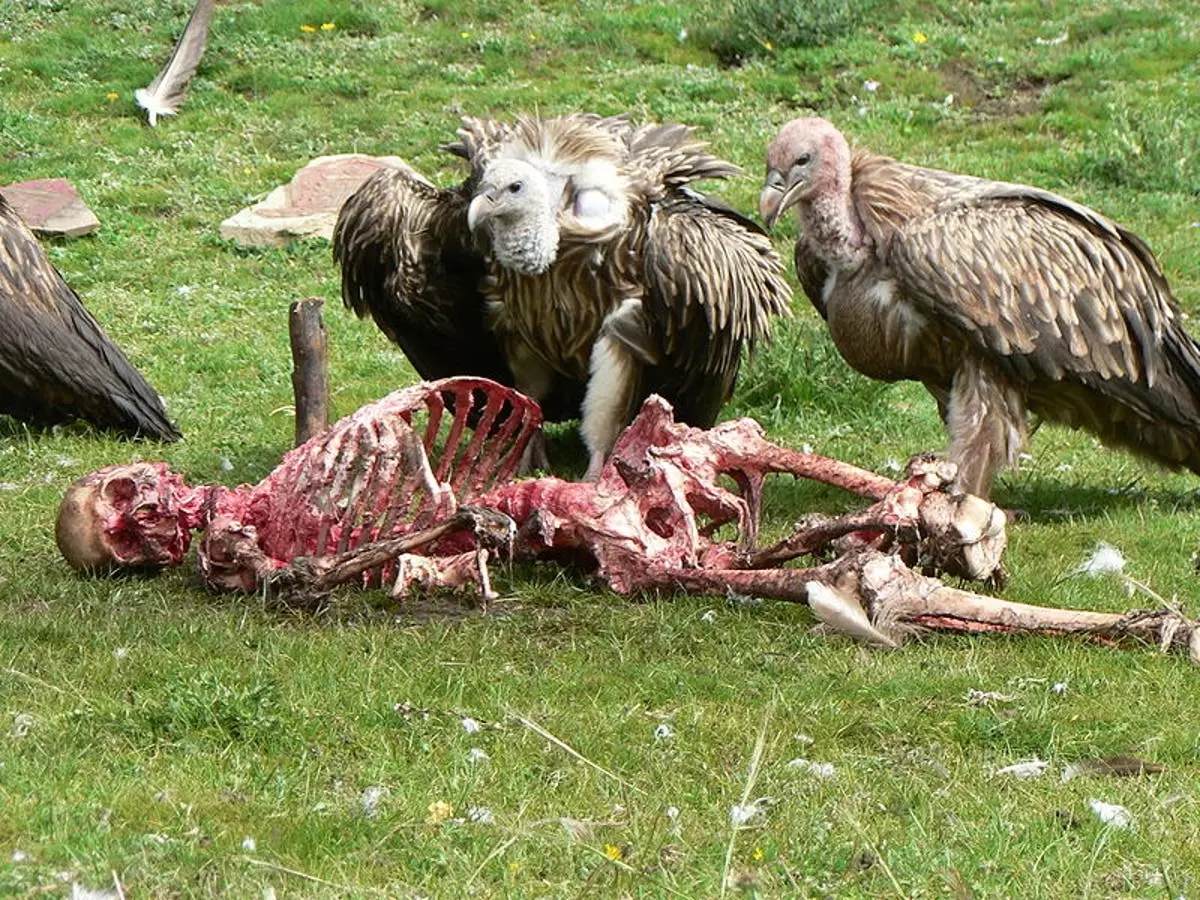
Sky Burials

2. Dia de los Muertos in Mexico: Dia de los Muertos, or Day of the Dead, is a vibrant celebration that takes place annually in Mexico and other Latin American countries. During this time, families gather to honor and remember their deceased loved ones. Altars, or ofrendas, are adorned with colorful decorations, marigold flowers, photographs, and offerings of food and drink. It’s a joyous occasion filled with music, dancing, and storytelling, as families believe that the spirits of the dead return to visit their earthly homes.

Mexico 2

3. The Hanging Coffins of Sagada, Philippines: In the mountainous region of Sagada in the Philippines, some indigenous tribes practice the tradition of hanging coffins. Instead of burying their dead underground, they place the deceased in coffins made of wood or hollowed-out logs and hang them from the cliffs. This ritual is believed to bring the deceased closer to the heavens and protect their spirits from being disturbed by animals or floods.
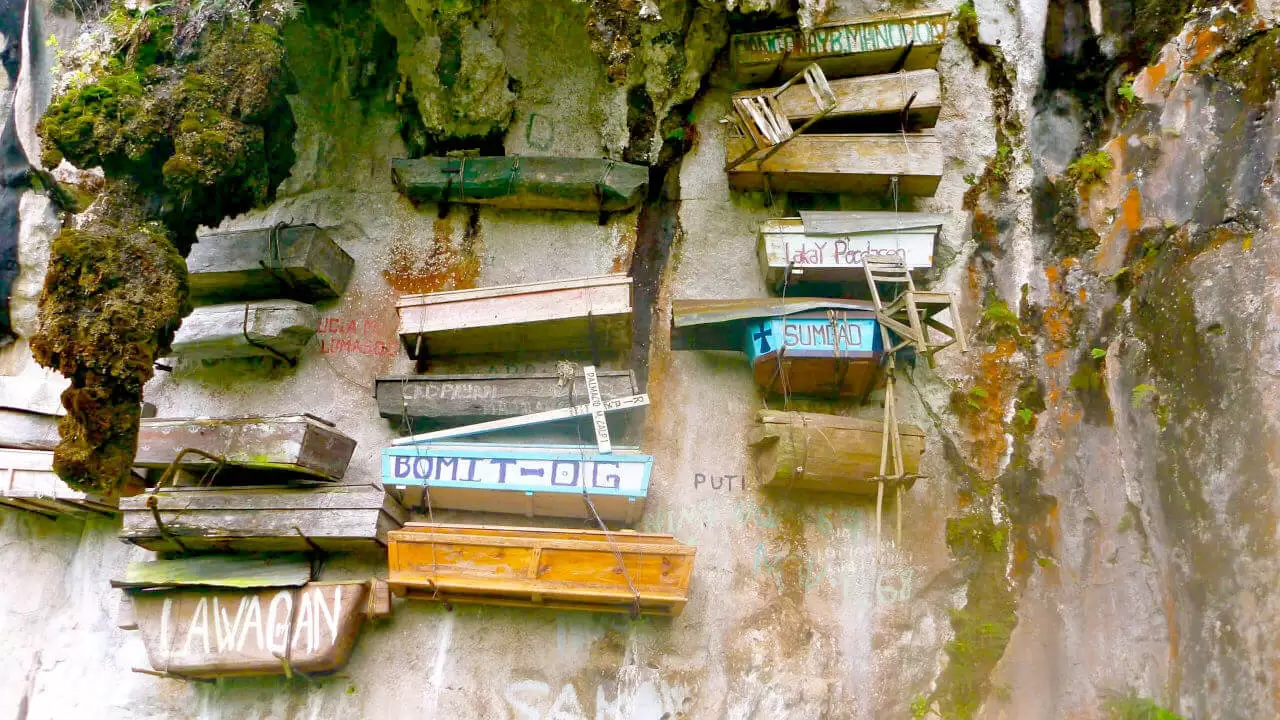
Hanging Coffins Sagada Luzon Philippines 02

4. Water Burials in Hinduism: In Hinduism, the Ganges River holds immense spiritual significance, and many Hindus believe that having their ashes scattered in the river after cremation will release their soul from the cycle of rebirth. Families often travel long distances to perform this ritual, known as asthi visarjan, ensuring that their loved one’s soul finds eternal peace in the sacred waters of the Ganges.
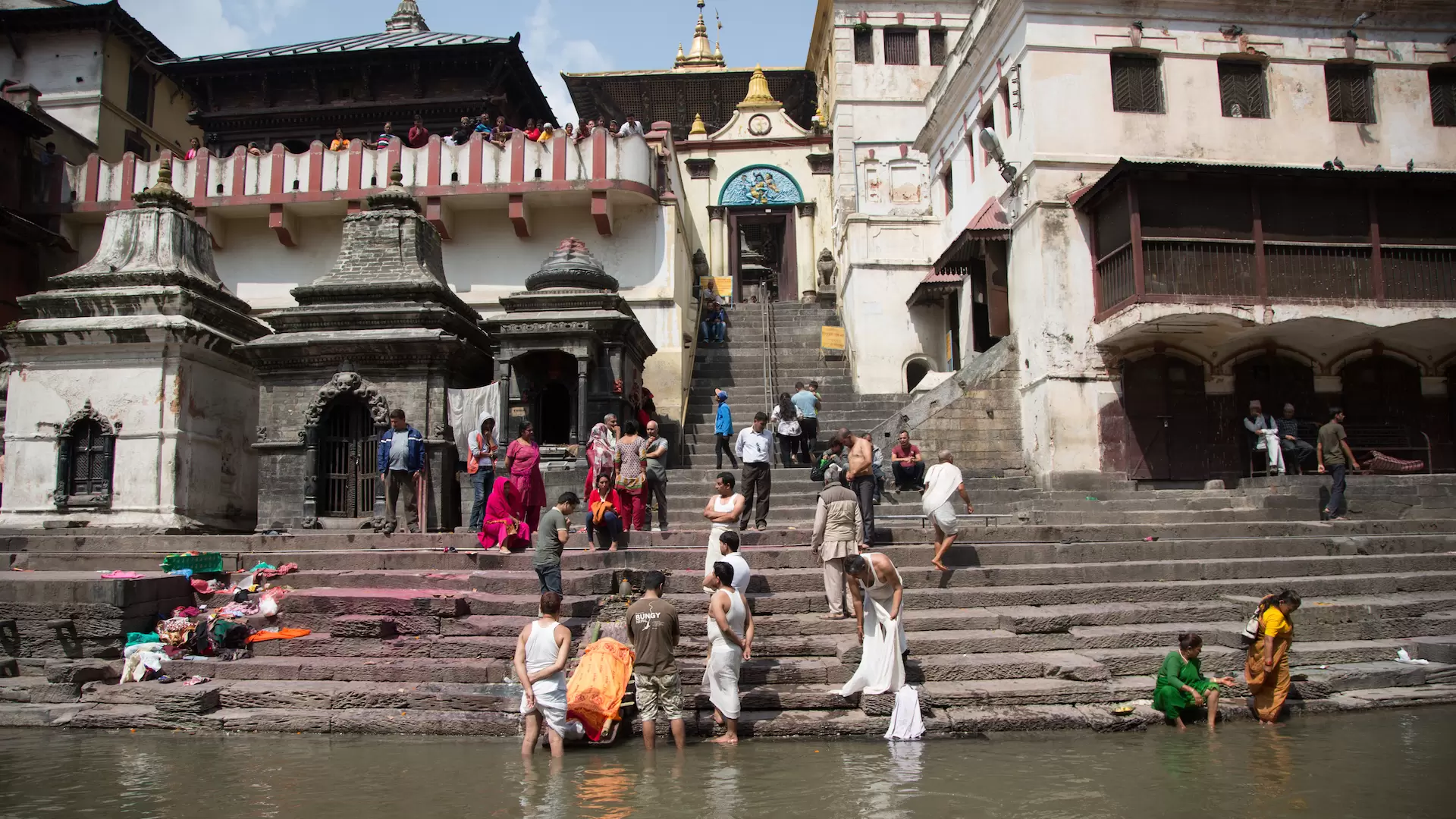
Water Burials

5. Turning of the Bones in Madagascar: In Madagascar, the Malagasy people practice a unique ritual called famadihana, or the turning of the bones. Every five to seven years, families gather to exhume the remains of their ancestors, wrap them in fresh burial shrouds, and dance with the bodies to live music. This ritual is a celebration of life and a way to reconnect with ancestors, reinforcing the belief that death is not the end but a continuation of existence in the spirit world.

Turning Bones

These fascinating after-death rituals serve as poignant reminders of the diversity of human cultures and the ways in which we honor and remember those who have passed on. They reflect our universal desire to find meaning in life and death and to honor the memories of our loved ones in ways that are both unique and deeply meaningful.

Tagged : / / /

Nishiyama Onsen Keiunkan – The Oldest Hotel in the World – Run By The Same Family Since 1300 Years!

Nishiyama Onsen Keiunkan – The Oldest Hotel in the World – Run By The Same Family Since 1300 Years!
Nestled amidst the serene mountains of Yamanashi, Japan, lies a testament to time – the Nishiyama Onsen Keiunkan. Boasting a legacy that stretches back to 705 AD, this hot spring hotel (called Onsen in Japanese) holds the coveted title of the oldest continuously operating hotel in the world, recognized by Guinness World Records in 2011. But its charm goes far beyond its age. Let’s delve into the heart of this historic haven.

A Journey Through Time

Founded by Fujiwara Mahito, the Keiunkan has witnessed over 13 centuries of history unfold. Imagine samurai seeking solace in its steaming waters, pilgrims finding respite on their journeys, and generations of families cherishing moments here. Each era has left its imprint, visible in the traditional architecture, the flowing calligraphy adorning walls, and the timeless wisdom passed down through generations.

More Than Just a Hotel

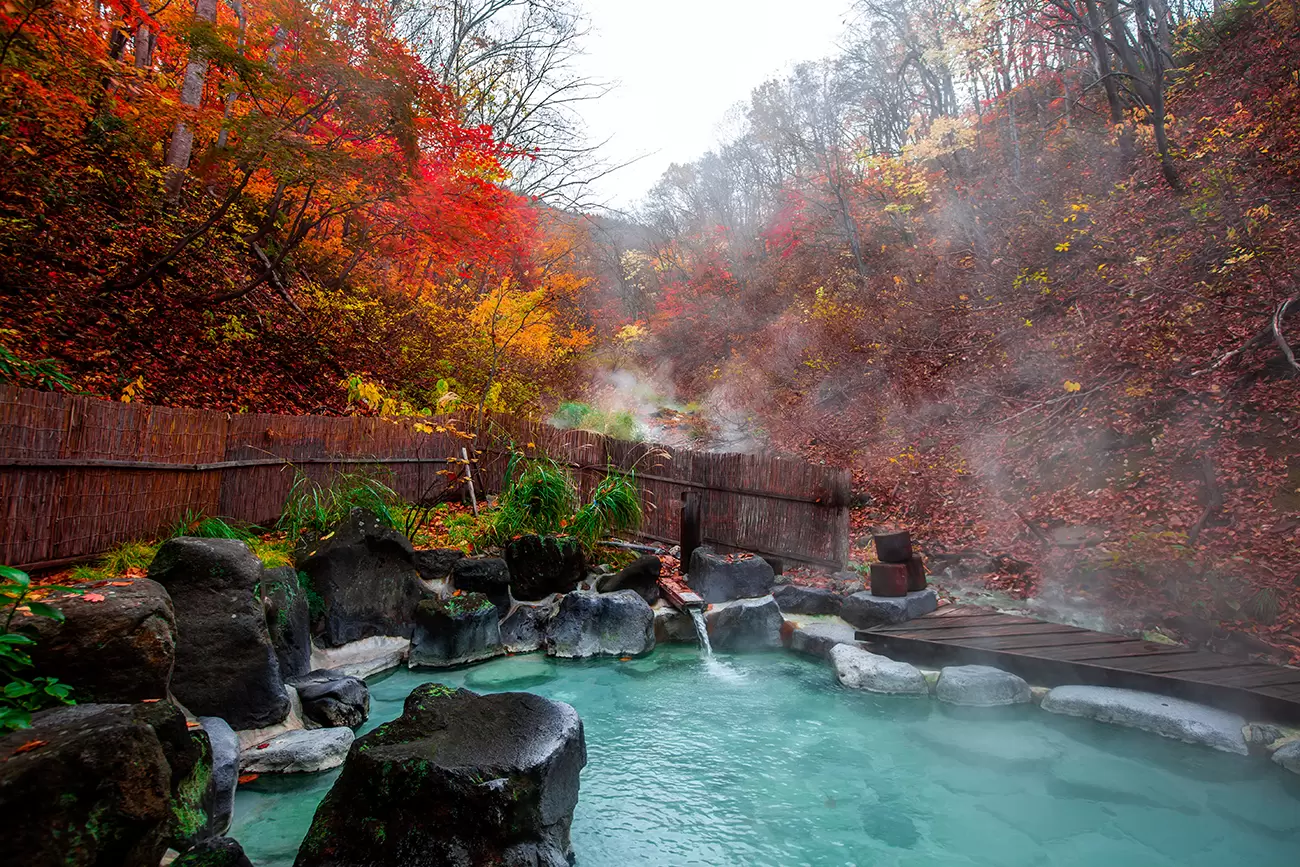
Stepping into the Keiunkan is like stepping into another world. Imagine 37 rooms designed in the classic Japanese style, adorned with tatami mats and artwork echoing the region’s heritage. Savor the delectable Kaiseki cuisine, a multi-course culinary masterpiece showcasing seasonal flavors. Immerse yourself in the natural wonder of the onsen, fed by a natural spring that has flowed ceaselessly for over 1300 years. The hotel is more than just accommodation; it’s an experience that transcends time and transports you to the heart of Japanese culture.

Japanese Hot Springs

A Legacy of Family Hospitality

One of the most remarkable aspects of the Keiunkan is its long-standing family ownership. For 52 generations, the same family had meticulously managed the hotel, passing down traditions and ensuring the highest standards of hospitality. This continued till 2017 but after that no family member showed interest in continuing with this family business. So, Kenjiro Kawano, the general manager of Keiunkan, was chosen to be the new president. Kawano was not able to inherit Yushima, the holding firm, because he was not related to the owner. Yushima was dissolved and Keiunkan’s ownership was transferred to Nishiyama Onsen Keiunkan Limited, a new holding company. The continuity of a single family for so long is perhaps the key to its success. Each generation has added their own touch while preserving the essence of the experience, creating a unique blend of tradition and modern comfort.

A Glimpse into the Future

Despite its long history, the Keiunkan continues to evolve. Modern amenities like Wi-Fi access and upgraded facilities blend seamlessly with the traditional charm. The family actively seeks sustainable practices, ensuring the hot spring’s natural wonder is preserved for future generations.

A Timeless Invitation

The Nishiyama Onsen Keiunkan is more than just a hotel; it’s a living testament to history, culture, and family legacy. It’s an invitation to step back in time, to experience the essence of Japanese hospitality, and to create memories that will last a lifetime. So, if you seek a unique travel experience that transcends the ordinary, consider a journey to the oldest hotel in the world. Perhaps, amidst its serenity, you’ll discover a timeless connection to yourself and the world around you.

Tagged : / / / / /

5 Most Expensive Paintings in the World

5 Most Expensive Paintings in the World
The art world is a fascinating place, where creativity meets exorbitant price tags. Paintings, in particular, have captivated audiences for centuries, and some have even fetched astronomical sums at auctions. Let’s delve into the world of the most expensive paintings ever sold, and explore the stories behind these masterpieces.

1. Mona Lisa by Leonardo da Vinci: This iconic portrait, shrouded in mystery and allure, holds the coveted title of the most expensive painting. This masterpiece was made in 1500s . The painting has been a permanent part of the Louvre’s collection since 1797. The value of this painting is a staggering 5,159 crore rupees!

Mona Lisa By Leonardo Da Vinci From C2RMF Retouched.jpg

2. Salvator Mundi by Leonardo da Vinci: Another Leonardo da Vinci masterpiece, the Salvator Mundi, meaning “Savior of the World,” fetched an eye-watering 3,300 crore rupees at a Christie’s auction in 2017. The painting’s attribution to da Vinci was once disputed, but after careful restoration and analysis, it is now widely accepted as his work.

Salvator Scaled

3. Paul Gauguin’s Nafea faa ipoipo (When Will You Marry?) : This Tahitian landscape by Paul Gauguin, capturing the beauty of the Polynesian islands, sold for nearly 2,500 crore rupees in a private sale in 2015. The lush greenery, vibrant colors, and Gauguin’s signature Post-Impressionist style make it a captivating artwork.

Paul Gauguin Nafea Faa Ipoipo When Will You Marry 1892 Oil On Canvas 101 X 77 Cm

4. Jackson Pollock’s No. 17A: Jackson Pollock’s Number 17A is a 1948 masterpiece of Abstract Expressionism. This vibrant, chaotic canvas is not just a random splatter of paint; it’s a carefully orchestrated dance of color and form, a testament to Pollock’s revolutionary drip technique. It had sold for 1,700 crore rupees in the year 2017 and is one of the most expensive paintings in the world right now.

17a

5. Les Femmes d’Alger by Pablo Picasso: This Cubist masterpiece by Pablo Picasso, depicting a group of Algerian women, sold for 1,150 crore rupees at Christie’s in 2015. The vibrant colors and geometric shapes showcase Picasso’s revolutionary style, making it a coveted piece for collectors.

Les Femmes

These are just a few of the most expensive paintings ever sold, each with its own unique story and artistic merit. The exorbitant prices paid for these masterpieces reflect not only their artistic value but also the cultural and historical significance they hold. They serve as a testament to the enduring power of art to captivate, inspire, and command staggering sums.

Tagged : / / / / /

7 Countries that Swapped the Old Name for the New: A Story of Reinvention

7 Countries that Swapped the Old Name for the New: A Story of Reinvention
Countries, like people, can sometimes feel the need for a fresh start. And just like changing your name after marriage or a major life event, some nations have chosen to shed their old labels and embrace new ones. Here’s a peek into 7 such countries that redefined themselves on the world map:

1. Turkey to Türkiye (2021): Remember Turkey? It’s now officially Türkiye, reflecting the local pronunciation and distancing itself from the association with the historical Anatolian bird, the turkey.

2. Persia to Iran (1935): This ancient empire, known for its rich culture and historical significance, adopted the name Iran to reclaim its pre-Islamic identity and emphasize its connection to the Iranian people.

3. Siam to Thailand (1939): The Land of the Free, as Siam was called, embraced a name closer to its Thai pronunciation and emphasized its unique cultural heritage distinct from neighboring Southeast Asian nations.

4. Burma to Myanmar (1989): This Southeast Asian nation underwent a military coup in 1989, and with it, a name change. The new name, Myanmar, was seen as more representative of the country’s diverse ethnicities.

5. Ceylon to Sri Lanka (1972): Gaining independence from British rule in 1948, this island nation sought a name reflecting its Sinhalese heritage. Thus, Ceylon became Sri Lanka, meaning “Resplendent Island.”

6. The Republic of Macedonia to North Macedonia (2019): A long-standing dispute with Greece over the use of “Macedonia” led this Balkan nation to adopt the prefix “North.” This diplomatic compromise paved the way for its accession to NATO and the EU.

7. Swaziland to Eswatini (2018): Marking its 50th year of independence, the African kingdom of Swaziland chose Eswatini, meaning “Land of Swazis,” to celebrate its national identity and differentiate itself from Switzerland.

These name changes reflect not just political motivations but also the evolving cultural and historical narratives of these nations. So, the next time you see a new name on the map, remember the fascinating stories of reinvention, identity, and self-determination that lie behind it.

This list is just a glimpse into the world of changing names. Many other countries have undergone similar transformations throughout history, each with its own unique story to tell. So, keep exploring, keep learning, and keep an open mind to the ever-changing map of our world.

Tagged : / /

The Great Satcom Scramble: Why Everyone Wants a Piece of the Satellite Skies

The Great Satcom Scramble: Why Everyone Wants a Piece of the Satellite Skies
Forget gold rushes, the 21st century’s hottest race is happening above us – in the realm of satellite internet, or “satcom” as it’s called. From tech titans like Elon Musk’s Starlink and Amazon’s Kuiper, to telecom giants like Mukesh Ambani’s Jio Satellite Communications and Sunil Mittal’s OneWeb, everyone’s scrambling to launch constellations of satellites and capture a slice of the burgeoning satcom market. But why such a fervent pursuit of the pixelated heavens?

Firstly, satcom offers connectivity where terrestrial infrastructure can’t, bridging the digital divide in remote regions, rural areas, and even across oceans. This promises access to education, healthcare, and economic opportunities for millions still left behind by fiber cables and cell towers. For governments, it’s a game-changer for national security and disaster response.

Secondly, satellite internet holds the key to unleashing the full potential of the Internet of Things (IoT). Think billions of connected devices, from sensors in farms to cars on smart roads, all sending and receiving data. Existing networks simply can’t handle the sheer volume, and satcom offers a low-latency, ubiquitous solution. Imagine real-time crop monitoring or autonomous trucks traversing remote highways – both rely on reliable, high-speed satcom connections.

Thirdly, it’s a cash cow waiting to be milked. With the global internet user base projected to reach 5.3 billion by 2025, the potential revenue stream for satcom providers is immense. Offering broadband to underserved areas, maritime internet for cargo ships, or in-flight WiFi are just a few lucrative avenues.

However, the great satcom scramble isn’t without its challenges. Launching and maintaining thousands of satellites is a mammoth undertaking, requiring billions of dollars in investment. Concerns about space debris and potential interference with astronomy also abound. Regulatory hurdles and spectrum allocation issues add another layer of complexity.

Yet, despite the hurdles, the allure of satcom’s potential is undeniable. As Musk has said, “SpaceX views access to the internet as a fundamental right.” Others see it as a key driver of economic growth and global connectivity.

So, who will win the great satcom race? It’s too early to say. But one thing’s certain: the battle for the skies is on, and the consequences for internet access, global connectivity, and even the future of industries are immense. Buckle up, it’s going to be a wild ride.

Tagged : / / /

Saudi Arabia’s $1 Trillion Skyscraper ‘The Line’ That Stretches 75 Miles is Now Under Construction

Saudi Arabia’s $1 Trillion Skyscraper ‘The Line’ That Stretches 75 Miles is Now Under Construction
Construction has officially begun on The Line, a $1 trillion skyscraper project in Saudi Arabia that will stretch for 75 miles across the desert. The project is part of the kingdom’s ambitious Vision 2030 plan to diversify its economy and become a global leader in innovation.

The Line will be a linear city with two parallel, mirrored skyscrapers that will house up to 9 million people. The buildings will be 500 meters tall and 200 meters wide, and they will be connected by a high-speed rail system. The city will also have a variety of amenities, including schools, hospitals, and shopping malls.

The project is being funded by the Saudi Arabian government, and it is expected to be completed by 2030. The project’s sustainability credentials extend beyond its architectural design. The Line aims to achieve zero carbon emissions by utilizing renewable energy sources, such as solar and wind power, and implementing cutting-edge sustainable practices. This commitment to environmental responsibility aligns with Saudi Arabia’s Vision 2030 plan, which seeks to diversify the economy and reduce reliance on fossil fuels.

Here are some of the key features of The Line:

  • 75 miles long
  • 500 meters tall
  • 200 meters wide
  • Can accommodate up to 9 million people
  • Connected by a high-speed rail system
  • Includes a variety of amenities like its own stadium

Maxresdefault

The Line is expected to have a number of benefits, including:

  • Reduced traffic congestion
  • Improved air quality
  • Increased sustainability
  • New jobs and opportunities

However, the project has also been criticized for its:

  • High cost (estimated to be $1 trillion)
  • Environmental impact (including the destruction of natural habitat)
  • Social impact (including concerns about privacy and surveillance)

Despite the criticisms, the Saudi Arabian government is confident that The Line will be a success. The project is a key part of the kingdom’s Vision 2030 plan, and it is seen as a way to diversify the economy and become a global leader in innovation. Only time will tell whether The Line will live up to its promise, but it is sure to be a landmark project that will be watched by the world.

Tagged : / / / / /

NASA’s Dragonfly Mission : Why is NASA Sending Dragonfly To Saturn’s Moon Titan?

NASA’s Dragonfly Mission : Why is NASA Sending Dragonfly To Saturn’s Moon Titan?
NASA’s Dragonfly mission is a planned robotic exploration of Saturn’s moon Titan. Scheduled to launch in 2027 and arrive in 2034, Dragonfly will be the first rotorcraft to fly on another world. It will use its eight propellers to fly over Titan’s icy surface, exploring multiple sites and collecting data on the moon’s geology, atmosphere, and habitability.

Titan is one of the most intriguing moons in the Solar System. It has a dense atmosphere, lakes of methane and ethane, and a subsurface ocean of liquid water. Scientists believe that Titan may be a good place to look for evidence of prebiotic chemistry, the chemical processes that lead to the formation of life.

Dragonfly’s primary goals are to:

1. Study Titan’s habitability and potential for life. Dragonfly will search for organic molecules and other signs of life in Titan’s atmosphere and surface materials. It will also study the moon’s methane cycle, which may be similar to the water cycle on Earth.

2. Investigate Titan’s prebiotic chemistry. Dragonfly will study the chemical reactions that occur in Titan’s atmosphere and surface materials. This information will help scientists to understand how organic molecules form and evolve on Titan, and to compare Titan’s chemistry to that of early Earth.

3. Explore Titan’s diverse geological landscape. Dragonfly will visit multiple sites on Titan, including lakes, rivers, dunes, and impact craters. This will help scientists to understand the moon’s geological history and to identify potential landing sites for future missions.

Dragonfly will be equipped with a variety of scientific instruments, including a mass spectrometer, a camera, and an infrared spectrometer. These instruments will allow Dragonfly to collect detailed data on Titan’s atmosphere, surface, and subsurface.

17 00084 Fs Missionoverviewv7a16x9 Scaled

NASA is sending Dragonfly to Titan because it is one of the most promising places in the Solar System to look for evidence of life beyond Earth. Titan’s dense atmosphere, lakes of liquid hydrocarbons, and subsurface ocean make it a unique and fascinating world. Dragonfly’s mission will help scientists to better understand Titan’s habitability and potential for life.

Why is Dragonfly a rotorcraft?

Dragonfly is a rotorcraft because it is the most efficient way to explore Titan’s surface. Titan’s atmosphere is thick and heavy, making it difficult for traditional aircraft to fly. However, Dragonfly’s propellers will allow it to lift off and land vertically, and to navigate through Titan’s terrain.

Dragonfly will also be able to fly over Titan’s lakes and rivers, which would be impossible for a traditional aircraft. This will allow Dragonfly to explore a wider range of sites and to collect data on Titan’s methane cycle.

What are the challenges of the Dragonfly mission?

The Dragonfly mission is a challenging one, due to the distance to Titan and the harsh environment of the moon. Dragonfly will have to travel over 800 million miles (1.3 billion kilometers) to reach Titan, and it will have to operate in temperatures as low as -292 degrees Fahrenheit (-180 degrees Celsius).

Dragonfly will also have to power itself using nuclear energy, since solar energy is not practical on Titan. This is the first time that a nuclear-powered spacecraft will be sent to another world.

Despite the challenges, the Dragonfly mission is a promising one. If successful, it will provide scientists with new insights into Titan’s habitability and potential for life.

Tagged : / / /

What Exactly Is The 100 Year Old Israel- Palestine Conflict? Wat Are The Roles Of Lebanon And Iraq In it?

What Exactly Is The 100 Year Old Israel- Palestine Conflict? Wat Are The Roles Of Lebanon And Iraq In it?
The Israel-Palestine conflict is an ongoing conflict between Israelis and Palestinians concerning the status of the territory of Palestine. The conflict is rooted in opposing religious and ethnic claims to the territory, as well as political disputes over sovereignty and self-determination.

The conflict began in the early 1900s, when the Zionist movement began to advocate for the establishment of a Jewish homeland in Palestine. At the time, Palestine was part of the Ottoman Empire and had a majority Arab population. The Zionist movement argued that Jews had a historical right to the land and that they could create a thriving state there.

Arab Palestinians opposed the establishment of a Jewish state in Palestine, arguing that it would lead to the displacement of the Arab population. The conflict escalated in the 1920s and 1930s, with both sides carrying out attacks against each other.

In 1947, the United Nations voted to partition Palestine into two states, one Jewish and one Arab. The Jewish community accepted the plan, but the Arab community rejected it. The following year, Israel declared its independence, and the surrounding Arab countries invaded.

The war ended with Israel in control of most of the territory that had been allocated to it under the UN partition plan. The Arab population of Palestine was displaced, with hundreds of thousands of people fleeing to neighboring countries.

Since then, the conflict has continued, with both sides engaging in violence and diplomacy. There have been several wars and uprisings, as well as numerous attempts at peace negotiations. However, no lasting peace agreement has been reached.

FourMaps2

The conflict is complex and multifaceted, and there is no easy solution. Both sides have legitimate claims, and both sides have suffered greatly. The only way to resolve the conflict is through a negotiated settlement that takes into account the needs and aspirations of both Israelis and Palestinians.

How old is the Israel-Palestine conflict?

The Israel-Palestine conflict is over 100 years old. The roots of the conflict can be traced back to the early 1900s, when the Zionist movement began to advocate for the establishment of a Jewish homeland in Palestine. At the time, Palestine was part of the Ottoman Empire and had a majority Arab population.

The conflict has escalated over the years, with both sides engaging in violence and diplomacy. There have been several wars and uprisings, as well as numerous attempts at peace negotiations. However, no lasting peace agreement has been reached.

The Israel-Palestine conflict is one of the most intractable conflicts in the world. It is a complex conflict with a long history, and there is no easy solution.

What is the role of Lebanon and Iraq in the Israel- Palestine conflict

Lebanon and Iraq have both played significant roles in the Israel-Palestine conflict. Lebanon has been a haven for Palestinian refugees, and it has been involved in numerous clashes with Israel. Iraq has been a strong supporter of the Palestinian cause, and it has provided financial and military support to Palestinian militants.

However, the roles of Lebanon and Iraq in the conflict have changed over time. Lebanon’s civil war and the Israeli occupation of southern Lebanon had a significant impact on the conflict. The US invasion of Iraq in 2003 also led to a decline in Iraq’s role in the conflict.

Despite the changes in their roles, Lebanon and Iraq remain important players in the Israel-Palestine conflict. The conflict is complex and multifaceted, and it is unlikely to be resolved without the participation of both Lebanon and Iraq.

Tagged : / / / /

7 countries so small that you can see them in a day

7 countries so small that you can see them in a day
Our world is home to a diverse range of countries, from the vast expanses of Russia and Canada to the tiny city-states of Monaco and Vatican City. While most countries require at least a few days to explore properly, there are a handful of countries that are so small that you can see them in a single day.

Here are seven countries that you can see in a day:

1. Vatican City

Vatican City is the smallest country in the world by both area and population. It is located within the city of Rome, Italy and is home to the Pope, the head of the Catholic Church. Vatican City is home to a number of iconic landmarks, including St. Peter’s Basilica, the Sistine Chapel, and the Vatican Museums.

2. Monaco

Monaco is the second smallest country in the world by area and population. It is located on the French Riviera and is known for its glamorous casinos, luxury yachts, and Formula One Grand Prix. Monaco is a popular tourist destination, and it is possible to see the main attractions in a single day.

3. Nauru

Nauru is the smallest island nation in the world with an area of just 21 sq. km. It is located in the South Pacific Ocean and is known for its beautiful beaches, coral reefs, and phosphate mining. Nauru is a popular tourist destination for divers and snorkelers.

Nauru Islanders On Rocks Nwio71nslt2rf460

4. Tuvalu

Tuvalu is the fourth smallest country in the world by area and population. It is located in the South Pacific Ocean and is made up of nine atolls. Tuvalu is a popular tourist destination for its beautiful beaches, crystal-clear waters, and traditional culture.

5. San Marino

San Marino is the fifth smallest country in the world by area and population. It is located in Italy and is known for its medieval hilltop towns and stunning scenery. San Marino is a popular tourist destination for its history, culture, and food.

6. Liechtenstein

Liechtenstein is the sixth smallest country in the world by area and population. It is located between Austria and Switzerland and is known for its Alpine scenery, castles, and villages. Liechtenstein is a popular tourist destination for skiing, hiking, and sightseeing.

Leichtenstein

7. Saint Kitts and Nevis

Saint Kitts and Nevis is the seventh smallest country in the world by area and population. It is located in the Caribbean Sea and is known for its beautiful beaches, rainforests, and Mount Liamuiga, the highest point in the Eastern Caribbean. Saint Kitts and Nevis is a popular tourist destination for its beaches, resorts, and hiking trails.

If you are looking for a quick and easy getaway, consider visiting one of these seven countries. With their small size and stunning scenery, they are the perfect place to relax and unwind.

Tagged : / / / /

8th Continent Of The World Hidden For 375 Years, Found By Scientists

8th Continent Of The World Hidden For 375 Years, Found By Scientists
A group of scientists announced the discovery of a new continent, which they named Zealandia. This continent is hidden underwater, but it is about the size of India and is located mostly in the South Pacific Ocean.

Zealandia was once part of the supercontinent Gondwana, which broke up around 185 million years ago. However, Zealandia remained mostly hidden from view for centuries because it is mostly underwater.

Scientists have been aware of Zealandia for many years, but they only recently agreed that it should be classified as a continent. This is because Zealandia has all of the geological features that are required for a continent, including a continental crust, a raised topography, and a well-defined boundary.

The discovery of Zealandia is a significant scientific event. It helps us to better understand the geological history of the Earth and the formation of continents. It also has implications for our understanding of the distribution of life on Earth.

Implications of the discovery of Zealandia

The discovery of Zealandia has a number of implications for our understanding of the Earth. For example, it suggests that the Earth’s continents have been more dynamic than previously thought. It also suggests that there may be other hidden continents waiting to be discovered.

RJYZ5ZSUWQMMWGXKYZ3GY4JE64

Zealandia is also home to a unique biodiversity. For example, it is the only place on Earth where kiwis and tuataras live. The discovery of Zealandia highlights the importance of protecting the planet’s biodiversity, even in the most remote and hidden places.

Future research on Zealandia

Scientists are now planning new research campaigns to learn more about Zealandia. For example, they want to learn more about the continent’s geological history, its biodiversity, and its potential resources.

One of the most important research goals is to learn more about Zealandia’s geological history. This will help scientists to better understand how continents form and evolve. Scientists are also interested in learning more about the continent’s biodiversity. Zealandia is home to a number of unique plant and animal species, and scientists want to learn more about how these species evolved and how they adapted to living in a submerged continent.

Finally, scientists are interested in learning more about Zealandia’s potential resources. The continent is thought to be rich in minerals and other resources, but more research is needed to confirm this.

Conclusion

The discovery of Zealandia is a significant scientific event. It helps us to better understand the geological history of the Earth and the formation of continents. It also has implications for our understanding of the distribution of life on Earth.

Scientists are now planning new research campaigns to learn more about Zealandia. They want to learn more about the continent’s geological history, its biodiversity, and its potential resources. The discovery of Zealandia is a reminder that there is still much to learn about our planet.

Tagged : / / / / / /

India-Middle East Europe Economic Corridor: A New Era of Connectivity

India-Middle East Europe Economic Corridor: A New Era of Connectivity
The India-Middle East Europe Economic Corridor (IMEC) is a proposed economic corridor that aims to boost economic development by fostering connectivity and economic integration between Asia, the Arabian Gulf, and Europe. The corridor is expected to create new trade and investment opportunities, improve the flow of goods and services, and promote economic growth and prosperity in the region.

The IMEC is composed of two corridors: the Eastern Corridor and the Northern Corridor. The Eastern Corridor will connect India to the Gulf region through a rail and ship-rail transit network. The Northern Corridor will connect the Gulf region to Europe through road transport routes. The corridor will also include energy pipelines and high-speed data cables.

The IMEC is a major initiative of the Partnership for Global Infrastructure and Investment (PGII), a collaborative effort by G7 nations to fund infrastructure projects in developing nations. The PGII is considered to be the bloc’s counter to China’s Belt and Road Initiative.

The IMEC is expected to have a significant impact on the economies of the participating countries. It is estimated that the corridor could create up to 10 million jobs and generate $1 trillion in economic output. The corridor is also expected to boost trade between India and the Middle East, which currently stands at around $100 billion per year.

The IMEC is a major undertaking, but it has the potential to transform the economies of the region and create a new era of connectivity between Asia, the Middle East, and Europe.

Here are some of the benefits of the IMEC:

1. Increased trade and investment: The IMEC will create new opportunities for trade and investment between the participating countries. This will boost economic growth and prosperity in the region.

2. Improved connectivity: The IMEC will improve the connectivity between the participating countries. This will make it easier for people, goods, and services to move between the countries.

3. Increased cooperation: The IMEC will promote cooperation between the participating countries. This will help to resolve common challenges and build a more stable and prosperous region.

4. Reduced poverty: The IMEC is expected to create millions of jobs and boost economic growth. This will help to reduce poverty in the region.

The IMEC is a major initiative that has the potential to transform the economies of the region and create a new era of connectivity between Asia, the Middle East, and Europe. It is a project that is worth watching closely.

Here are some of the challenges that the IMEC will need to overcome:

i. Financing: The IMEC is a major undertaking that will require significant financing. The participating countries will need to find ways to finance the project.

ii. Political will: The IMEC is a complex project that will require the political will of the participating countries. The countries will need to work together to overcome any challenges that arise.

iii. Security: The IMEC will pass through some unstable regions. The participating countries will need to ensure that the corridor is secure for trade and travel.

Despite the challenges, the IMEC has the potential to be a major success. It is a project that has the potential to transform the economies of the region and create a new era of connectivity between Asia, the Middle East, and Europe.

Tagged : / / / / /

Real Life Two-Headed Animals : The Wonders Of Mother Nature

Real Life Two-Headed Animals : The Wonders Of Mother Nature
The birth of a two-headed animal is a rare and fascinating event. It is caused by a condition called polycephaly, which occurs when an embryo splits incompletely during development. This can happen in any species of animal, but it is most common in reptiles, such as snakes and turtles.

Here are some of the most famous two-headed animals:
1. Frank and Louie

Cat Two Faces 1 3555591
This two-headed cat was born in Massachusetts in 1999. The cat had three eyes and two mouths, and they shared one body. Frank and Louie also known as Frankenlouie were able to live a relatively normal life, and they became celebrities. They appeared on several television shows and even had their own book. Frank died in 2012 at the age of 15. the Guinness Book of World Records recognized Frank and Louie as the world’s oldest living janus cat.

2. Bicephalous calf

Calf
This two-headed calf was born in China in 2015. It had two heads, two necks, and two bodies. The calf was able to stand and walk, but it died a few days after it was born. Most two headed animals die at the time of birth or just after few days. This calf too wasn’t an exception.

3. Two-headed tortoise

Tortoise
This two-headed tortoise was found in India in 2018. It had two heads, two necks, and one body. The tortoise was able to eat and walk normally, and it is still alive today.

4. Two headed black racer

102120 2 Headed Snake Florida Fwc
A rare two-headed snake was discovered at a home in Florida, state wildlife officials said. The southern black racer was found at a home in Palm Harbor, Florida Fish and Wildlife Conservation Commission officials said. The snake was being cared for and monitored by FWC. It has a low chance of survival in the wild since its two different brains will make two different decisions, making feeding and escaping from predators difficult.

5. Two-headed bearded dragon

Bearded Dragon
You would be surprised to know that only one in 25 million two-headed bearded dragon will survive into adulthood. But this one born to retile enthusiast Tony Rowe was a happy exception.

Now aren’t these simply the wonders of Mother Nature? Which one looked the cutest to you?

Tagged : / / / /

Guinness World Records Shares The Bizarre Incident Of 11-Year-Old Boy Sleepwalking for 160 km

Guinness World Records Shares The Bizarre Incident Of 11-Year-Old Boy Sleepwalking for 160 km
Sleepwalking is a disorder that causes a person to walk while they are in a sleep-like state, as the name of the condition suggests. According to the Guinness World Records, there was a strange incident in which a little youngster sleepwalked almost 100 miles (160 kilometres) away from his home.

On Tuesday, GWR stated that the incident occurred 36 years ago, when Michael Dixon was discovered walking down a railway track near Peru, Indiana, in the United States. This location is in the United States. He had no shoes on and was only wearing his pyjamas when I saw him.

A member of the train crew saw the 11-year-old youngster around 2:45 in the morning on April 6, 1987, and they reported to the authorities that the boy was in an unusual state. Dixon told the police that he was from Danville, Illinois, in response to their question on his residence.

By joining a goods train from a station that was located close to his residence, Dixon was able to travel such a significant distance in the middle of the night. After some time had passed, he related his story to a social worker working for the Miami County Welfare Department. He stated that he did not recall getting on or off the train. A nurse attended to his injured feet, but other than that, he was completely undamaged. His feet had cuts all over because he was not wearing any footwear.

Soon after, Dixon’s mother was notified about her son’s whereabouts, and she hurried over to get him as soon as she could. According to an article that was published in The Ball State Daily News, Michael’s mother stated that the last time she saw her son was at ten o’clock at night, while he was still in his bed. She stated that he would sleepwalk, but he was never expected to leave the house because of this behaviour.

According to the Cleveland Clinic, sleepwalking is a common childhood disorder that, in most cases, resolves on its own by the time a child enters puberty.

Tagged : / / / /

12 Hindi-Urdu Words Which Are Frequently Used In Everyday English

12 Hindi-Urdu Words Which Are Frequently Used In Everyday English
Hindi and Urdu are two closely related languages spoken by over 600 million people in India, Pakistan, and other parts of the world. For a long time India and Pakistan belonged to the same country and Hindi and Urdu were spoken by people of both sides. Even after partition, these languages are spoken in both the countries. Both languages have a rich vocabulary, and many of their words have been borrowed into English. Here we give you 10 such words:

1. Yoga
The Indian Spiritual way of living life through yoga has now found its takers far into the western world. The word ‘Yoga’ is now a part of the English language and people easily understand what it means.

2. Jungle
Jungle is now used in English language quite commonly and it means chaos or wild , originating from the dense Indian forests. Jungle’ was one of the very few first words to be picked up from India by the Oxford dictionary

3. Bazaar
Long before malls and markets, we used ‘bazaar’ as the place where we bought things and people sold them. This word is now used in English too signifying a commercial area.

4. Guru
Guru for Indians is the person who leads one to the right path – be it spiritual or academic. The word was adopted in the same form and meaning in the English language too.

5. Loot
Loot has been a part of the English language from quite some time. Just like Hindi, it means to rob someone. It is also the bounty taken under custody after the robbery.

6. Thug
This word taken as it is from Hindi language, means a violent, aggressive person, especially one who is a criminal. It is derived from ‘thug’ the Indian clans of criminal ruffians who looted people and killed them.

Hindi 1

7. Mantra
We all know what mantra means – a repeated sound or words to increase concentration or offer prayers. This word was adopted in English too as a statement or slogan repeatedly.

8. Karma
For us Indians, it is the sum of a person’s actions in this and previous states of existence and when adopted in English language this means the same -good or bad luck, viewed as resulting from one’s actions.

9. verandah
The word which describes the area just outside of the house which is covered is derived from hindi word ‘baranda’ or urdu word ‘baramda’. There are no Verandahs in houses in England. But when the British came to know about this word during their stay in India, they made it a part of their dictionary.

10. Pajama
It is derived from the word ‘pyjama’ very commonly used in Hindi as well as Urdu. It means ‘Pay’ – leg and ‘jama’ – cloth.

11. Bungalow
Bungalow is also a word that has been long accepted in English language but which originated from ‘bangla’ meaning a big house.

12. Avatar
It was the movie avatar that made this Hindi word popular around the globe but the word has been a part of English language long before that. Derived from the Sanskrit avatra, meaning “descent,” avatar first appeared in English in 1784 to mean an incarnation or human appearance of a deity, particularly Vishnu. Now this word id everywhre – from movies to online games to chat rooms.

Apart from these, there are many other words that are now a part of the English language – like jugaad, namaste, Chit, Chutney, etc. The world is becoming smaller so the languages are bound to coalescence.

Tagged : / / / / /
Verified by ExactMetrics