The 7 Most Beautiful Ancient Temples in India You Must Visit In This Lifetime
India, a land of myriad cultures and traditions, is adorned with architectural marvels that stand as testaments to its rich heritage. Among these, ancient temples hold a special place, reflecting the spiritual fervor and artistic excellence of bygone eras. Let’s embark on a virtual journey through the corridors of time to explore the seven most captivating ancient temples in India.
1. Khajuraho Temples, Madhya Pradesh:
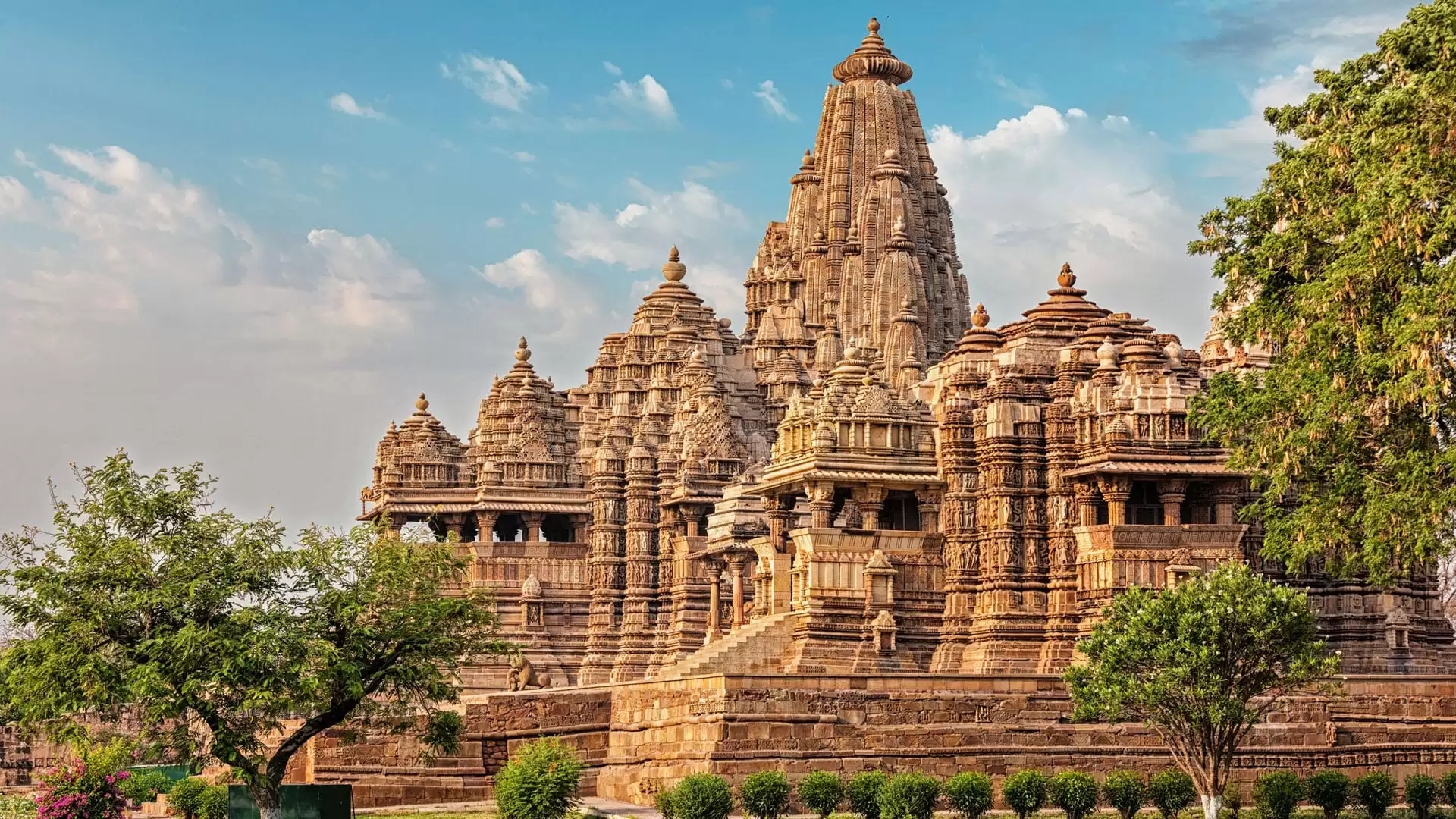
Specialties: The Khajuraho Group of Monuments, a UNESCO World Heritage Site, is renowned for its exquisite sculptures depicting various facets of life. These temples, built between 950 and 1050 CE by the Chandela dynasty, feature intricate carvings showcasing sensuality, spirituality, and everyday activities. The most famous among them are the Kandariya Mahadeva Temple, Lakshmana Temple, and Vishvanatha Temple.
2. Konark Sun Temple, Odisha:

Specialties: Dedicated to the sun god Surya, the Konark Sun Temple is a masterpiece of Odishan architecture. Built in the 13th century by King Narasimhadeva I, the temple is designed in the shape of a colossal chariot with intricately carved wheels, pillars, and walls. The temple’s Konark wheel, a UNESCO World Heritage Site, is an engineering marvel that serves as a sundial, accurately predicting time.
3. Brihadeeswarar Temple, Tamil Nadu:
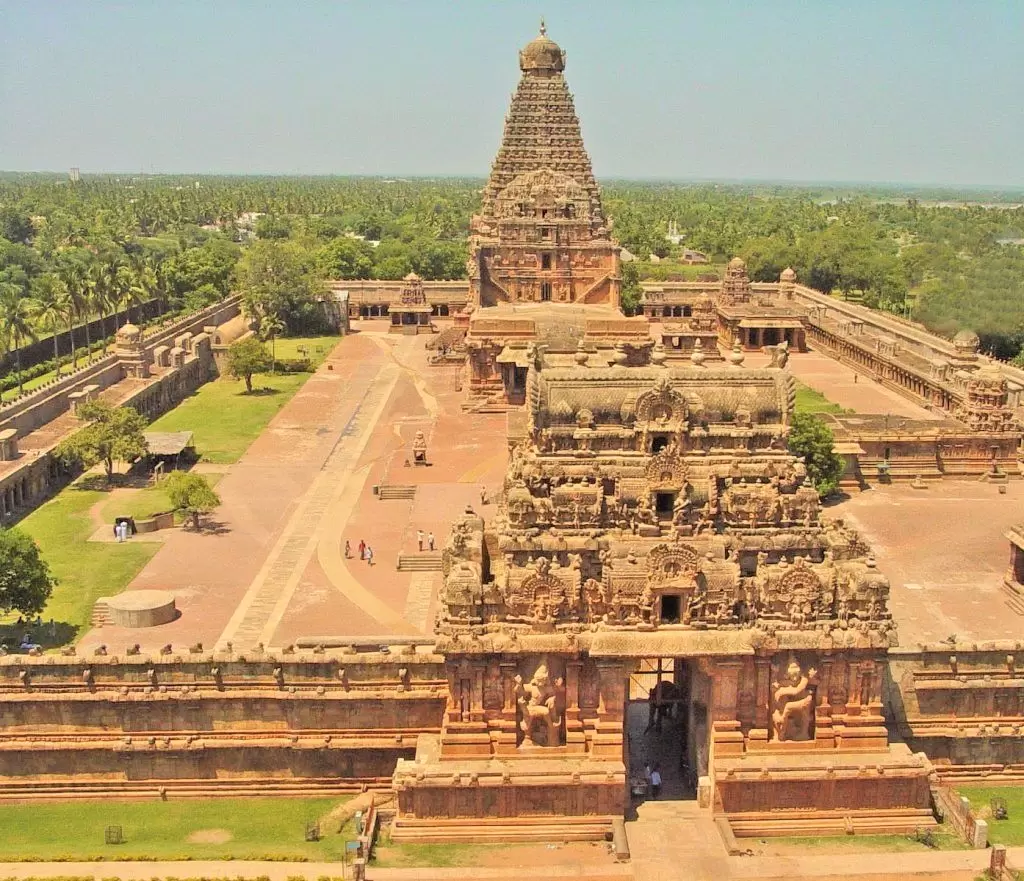
Specialties: Also known as the Big Temple, the Brihadeeswarar Temple in Thanjavur is a testament to the architectural brilliance of the Chola dynasty. Built in the 11th century by King Raja Raja Chola I, this temple is renowned for its towering vimana (tower), which stands as one of the tallest in the world. The temple’s massive monolithic lingam and intricate frescoes add to its grandeur.
4. Meenakshi Amman Temple, Tamil Nadu:
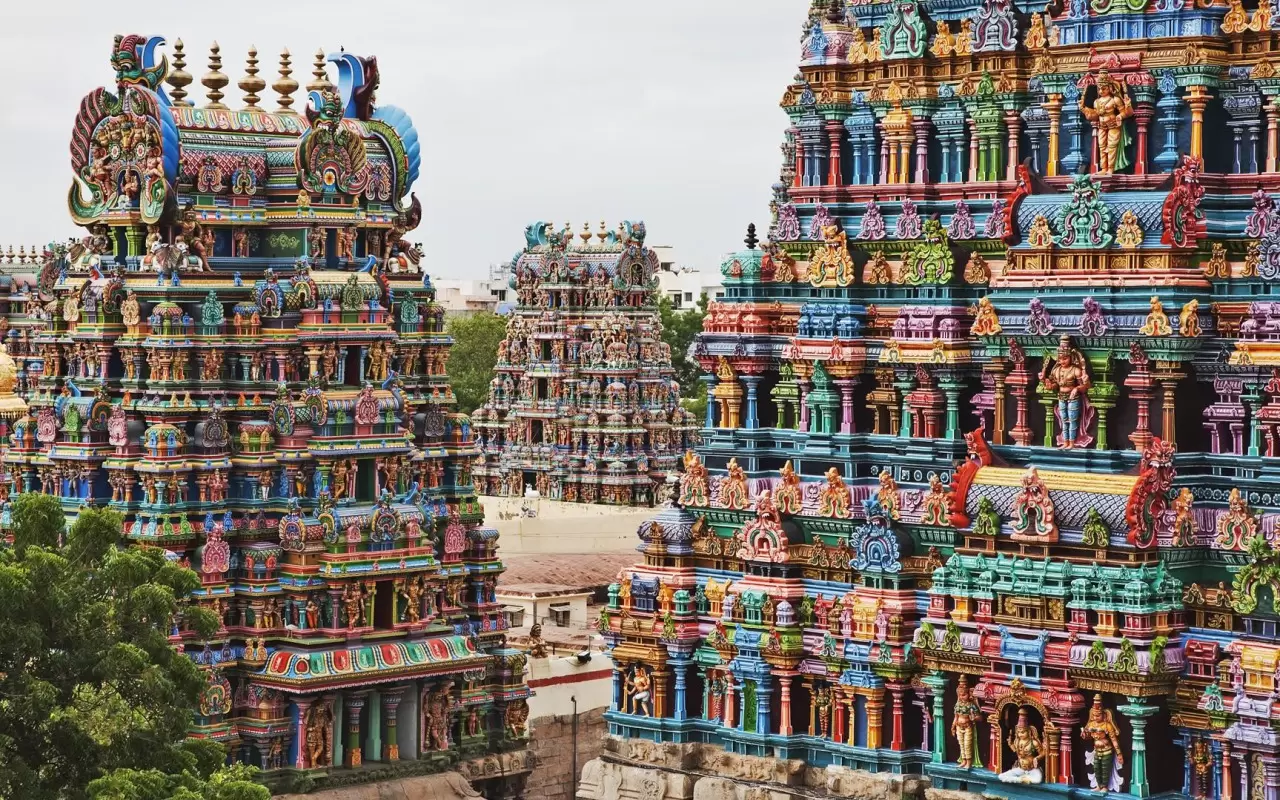
Specialties: The Meenakshi Amman Temple in Madurai is a splendid example of Dravidian architecture and one of the most revered temples in South India. Dedicated to Goddess Meenakshi (an avatar of Parvati) and her consort Lord Sundareswarar (Shiva), this temple complex is adorned with towering gopurams (gateway towers) intricately carved with mythological figures and deities. The temple’s Hall of Thousand Pillars, with its exquisite sculptures and musical pillars, is a marvel of craftsmanship and engineering. Visitors are captivated by the vibrant rituals, festivals, and cultural performances that enliven the spiritual atmosphere of Meenakshi Temple.
5. Dilwara Temples, Rajasthan:

Specialties: Nestled amidst the lush Aravalli hills in Mount Abu, the Dilwara Temples are architectural gems of the Jain community. Built between the 11th and 13th centuries, these temples are renowned for their intricate marble carvings, which exhibit remarkable craftsmanship and attention to detail. The Vimal Vasahi and Luna Vasahi temples are prime examples of Dilwara’s architectural splendor.
6.Kailasa Temple, Maharashtra:
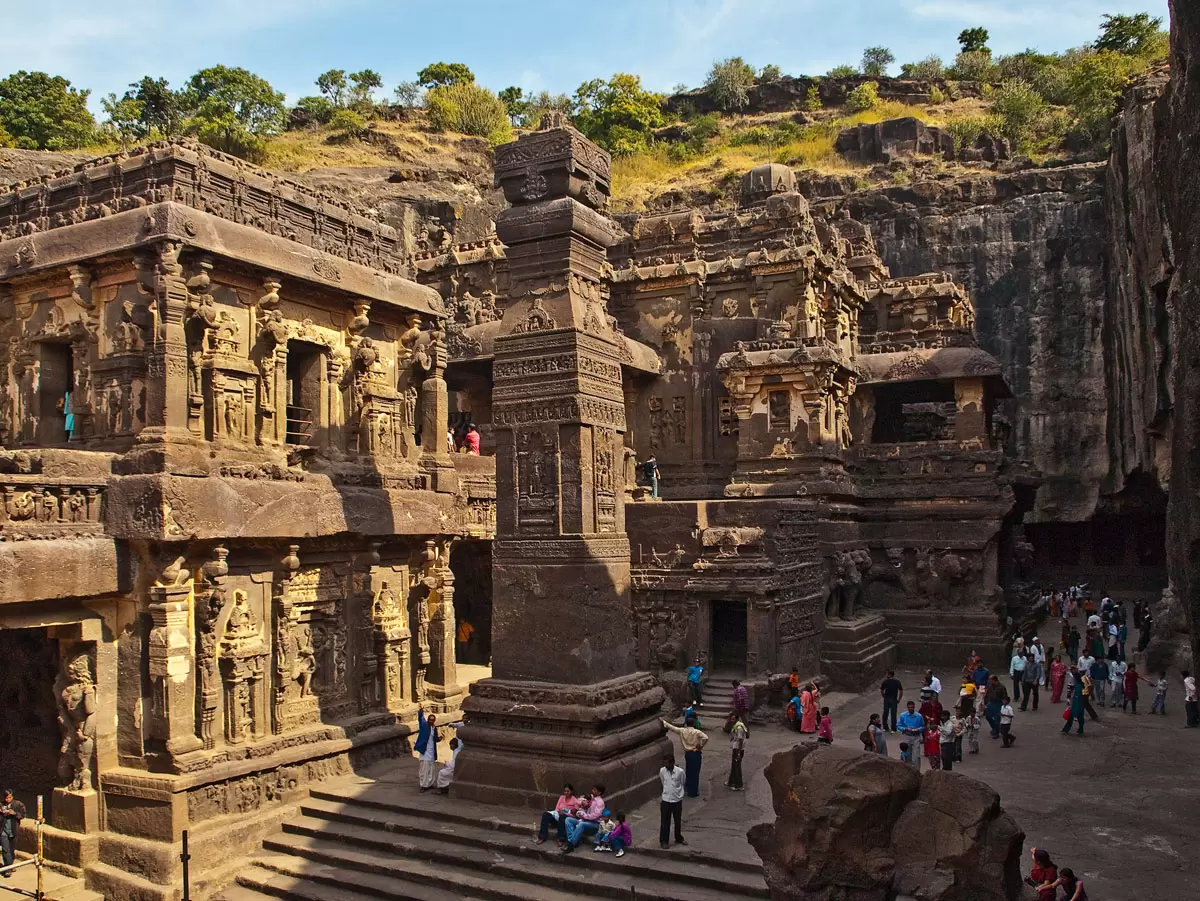
Specialties: Carved out of a single rock, the Kailasa Temple in Ellora is a stunning example of ancient rock-cut architecture. Built in the 8th century under the patronage of the Rashtrakuta dynasty, this monolithic marvel is dedicated to Lord Shiva. The temple’s intricate carvings, including depictions of deities, mythological scenes, and celestial beings, leave visitors spellbound.
7.Badami Cave Temples, Karnataka

The Badami Cave Temples, nestled in the picturesque town of Badami in Karnataka, stand as a testament to the architectural prowess and spiritual fervor of ancient India. Carved into the rugged sandstone cliffs that overlook the Agastya Lake, these rock-cut temples date back to the 6th century CE, during the reign of the Chalukya dynasty. The complex comprises four main cave temples dedicated to Hindu deities—Lord Shiva, Lord Vishnu, and the Jain Tirthankaras. Each cave is adorned with intricately carved sculptures and bas-reliefs depicting scenes from Hindu mythology and Jain iconography, showcasing a seamless blend of Dravidian and Nagara architectural styles. The highlight of the Badami Cave Temples is the exquisitely sculpted pillars, ceilings, and panels that captivate visitors with their fine craftsmanship and attention to detail. These temples serve as significant pilgrimage sites and cultural landmarks, offering a glimpse into the rich heritage and religious diversity of ancient India.
Each of these ancient temples not only showcases the architectural prowess of their respective eras but also serves as spiritual sanctuaries that continue to inspire awe and reverence in the hearts of millions. As custodians of India’s cultural heritage, these temples stand as living testimonials to the country’s rich and vibrant past, inviting visitors to immerse themselves in their timeless grandeur.