3 Super Effective Home Remedies to Tackle Dandruff Like a Boss

3 Super Effective Home Remedies to Tackle Dandruff Like a Boss
Dandruff, those pesky white flakes that seem to have a life of their own, can be a major confidence zapper. But before you reach for the chemical-laden dandruff shampoos, give these natural home remedies a try! They’re gentle on your scalp, effective in tackling dandruff, and readily available in your kitchen.

1. The Scalp-Soothing Power of Apple Cider Vinegar (ACV):

ACV is a natural antifungal and anti-inflammatory agent, making it a potent weapon against dandruff-causing fungus. Dilute one part ACV with four parts water, massage it into your scalp before showering, and leave it on for 15 minutes. Rinse thoroughly and follow with a gentle conditioner. Repeat twice a week for flake-free bliss.

2. The Moisturizing Magic of Coconut Oil:

Coconut oil’s lauric acid content helps combat dandruff-causing yeast, while its fatty acids deeply moisturize your scalp, preventing dryness and flaking. Massage warm coconut oil into your scalp before bed, leave it on overnight, and wash it off in the morning. Bonus tip: add a few drops of tea tree oil for an extra antifungal punch!

3. The Exfoliating Goodness of Aloe Vera:

Aloe vera’s soothing and anti-inflammatory properties calm an itchy scalp, while its gentle exfoliating action removes dead skin cells, preventing dandruff buildup. Apply fresh aloe vera gel directly to your scalp, leave it on for 30 minutes, and rinse off. Use it two to three times a week for optimal results.

Remember:

  • Consistency is key! These remedies work best when used regularly.
  • Be patient! It may take a few weeks to see noticeable results.
  • If your dandruff is severe or doesn’t improve with home remedies, consult a dermatologist.

    Bonus Tip: Maintain a healthy lifestyle! Eating a balanced diet, staying hydrated, managing stress, and getting enough sleep can all contribute to a healthy scalp and less dandruff.

So ditch the harsh chemicals and embrace the power of nature! With these simple home remedies, you can flaunt a flake-free scalp and rock your confidence like the queen you are!

Tagged : / /

Mustard Oil, Fenugreek, and Almond – The Hair Growth Holy Trinity!

Mustard Oil, Fenugreek, and Almond – The Hair Growth Holy Trinity!
Longing for luscious locks but tired of chemical-laden products? Look no further than your kitchen! A potent potion brewed from mustard oil, fenugreek seeds, and almond oil might just be the answer to your hair woes. This age-old Ayurvedic remedy, touted for centuries, is making waves in the modern world, thanks to its natural and effective hair-growth-boosting properties.

Let’s break down the magic behind each ingredient:

i. Mustard Oil: This pungent powerhouse is packed with protein, vitamin E, and essential fatty acids. These nutrients nourish the hair follicles, promote blood circulation to the scalp, and combat dryness and dandruff, paving the way for healthy hair growth.

ii. Fenugreek Seeds: These tiny nutritional powerhouses are rich in iron, potassium, and protein. They stimulate the scalp, strengthen hair shafts, and prevent hair fall. Fenugreek’s natural protein content helps repair damaged hair and promotes the growth of thick, strong strands.

iii. Almond Oil: This sweet-smelling oil is brimming with vitamins E and D, along with omega-3 fatty acids. These nourishing elements deeply condition the hair, add shine, and prevent breakage. Almond oil also helps tame frizz and flyaways, leaving you with smooth, manageable locks.

Combining these three hair heroes creates a potent elixir that tackles hair concerns from multiple angles. The mustard oil and fenugreek seeds work on the scalp, encouraging healthy growth and preventing fall. Almond oil, on the other hand, adds shine and strength to the hair strands themselves.

Hair 1 1

The DIY Recipe:

Heat enough mustard oil to lightly coat your scalp.
Add a teaspoon of fenugreek seeds and let them sizzle for a few seconds.
Strain the oil and mix it with equal parts almond oil.
Massage the warm oil mixture gently into your scalp and hair.
Leave it on for 30 minutes to an hour before washing off with a mild shampoo.

Remember:

  • Patch test the oil mixture before applying it to your entire scalp.
  • Use this hair mask once or twice a week for optimal results.
  • Be patient! While results may vary, consistent use can lead to thicker, stronger, and healthier hair.
  • This natural hair growth remedy is affordable, easy to make, and offers a safe alternative to harsh chemicals. So, ditch the store-bought treatments and embrace the power of your kitchen! Give the mustard oil, fenugreek, and almond oil mix a try and witness the transformation of your hair from dull to dazzling.

Let your mane be the canvas for nature’s best hair-growth recipe!

Tagged : / /

Sun-Kissed and Sensitive: The Right Way to Get Vitamin D if You Burn Easily

Sun-Kissed and Sensitive: The Right Way to Get Vitamin D if You Burn Easily
Sunshine – it warms our skin, brightens our mood, and provides our bodies with a vital dose of vitamin D. But for those of us with sensitive skin, the joy of soaking up the sun can come with a side of sunburn, making the quest for vitamin D a bit more challenging.

Fear not, sun-sensitive souls! There are ways to reap the benefits of sunshine without turning into a lobster. Here’s your guide to getting your vitamin D fix while keeping your skin happy:

i. Embrace the Early Bird (or Latecomer): UVB rays, the ones responsible for vitamin D production, are strongest between 10 am and 3 pm. But for sensitive skin, that midday sun can be a recipe for disaster. Instead, opt for early morning or late afternoon sun exposure, when the rays are gentler. Even 15-20 minutes of sun on your arms, legs, and back can be enough to boost your vitamin D levels.

ii. Befriend the Shade: You don’t have to be a sunbather to get vitamin D. Even indirect sunlight, like under a tree or umbrella, allows some UVB rays to penetrate, promoting vitamin D synthesis. So, grab a book, relax under the dappled shade, and let your body do its thing.

iii. Sunscreen Strategist: Sunscreen is your BFF, but choose wisely. Opt for a broad-spectrum sunscreen with SPF 30 or higher. Apply generously to exposed skin 15 minutes before sun exposure and reapply every two hours, or more often if swimming or sweating. Remember, sunscreen doesn’t completely block vitamin D production, so you can still get your fix while staying protected.

D 1

iv. Focus on Food: While sunlight is the best natural source of vitamin D, dietary sources can be a valuable backup. Fatty fish like salmon, tuna, and mackerel are rich in vitamin D, as are egg yolks, fortified milk, and mushrooms. Consider incorporating these foods into your diet to give your vitamin D levels an extra boost.

v. Supplement Smartly: If you’re still struggling to meet your vitamin D needs, talk to your doctor about supplements. They can recommend the right dosage based on your individual needs and blood levels.

vi. Listen to Your Skin: Above all, listen to your skin. If it starts to feel itchy, red, or uncomfortable, get out of the sun and seek shade. Sunburns are not worth the vitamin D, and they can increase your risk of skin cancer.

Remember, getting vitamin D is important for overall health and well-being, but it’s not worth sacrificing your skin’s health. By following these tips, you can enjoy the sunshine safely and ensure your body gets the vitamin D it needs to thrive.

So, go forth, sun-sensitive friends, and bask in the golden glow (responsibly, of course)! Your skin and your body will thank you for it.

Tagged : / / /

Beyond Delicious: Why Custard Apple Should Be Your New Go-To for Natural Beauty

Beyond Delicious: Why Custard Apple Should Be Your New Go-To for Natural Beauty
Custard apple, with its velvety texture and exotic flavor, is a tropical treat for the taste buds. But did you know this creamy delight holds untapped potential for your skin and hair? Packed with powerful antioxidants and nutrients, custard apple emerges as a surprising hero in the world of natural beauty. Let’s unlock its secrets and explore how to incorporate it into your skincare routine for a radiant glow.

1. Antioxidant Armor: Free radicals wreak havoc on your skin, accelerating aging and causing dullness. Custard apple is a potent source of vitamin C, flavonoids, and phenolic compounds, acting as your personal antioxidant shield. These warriors neutralize free radicals, reducing wrinkles, boosting collagen production, and revealing a youthful radiance.

2. Hydration Hero: Forget dry, flaky skin! Custard apple’s high water content acts as a natural hydrator, plumping up your skin from within. Say goodbye to tight, uncomfortable dryness and hello to a dewy, healthy complexion.

3. Acne Avenger: Struggling with blemishes? Custard apple comes to the rescue! Its astringent properties help fight acne-causing bacteria, regulate sebum production, and minimize enlarged pores. The result? Clearer, smoother skin that shines from within.

4. Hair Health Haven: Not just your skin, but your hair benefits from this tropical wonder. Custard apple’s vitamins and minerals nourish your scalp, strengthen hair follicles, and promote healthy hair growth. Say goodbye to frizz and split ends, and hello to strong, lustrous locks that turn heads.

Custard 1

So, how do you unlock this beauty treasure?

i. DIY Masks: Mash ripe custard apple and blend it with honey for a hydrating facial mask. Apply for 15 minutes, rinse, and reveal a radiant glow.

ii. Toner Power: Mix diluted custard apple juice with rosewater for a refreshing toner. Use it after cleansing to tighten pores and balance your skin’s pH.

iii. Hair Hero Rinse: Boil custard apple leaves in water to create a hair rinse. This rich in nutrients rinse strengthens hair and promotes growth.

iv. Treat Time: Indulge in a spa-like experience with a custard apple hair mask. Simply blend the flesh with yogurt and avocado and apply to your hair for 30 minutes before washing.

Remember: Patch test any DIY remedies before applying them to your face. Pregnant or breastfeeding women should consult their doctor before using custard apple for topical applications.

Custard apple is not just a delicious fruit; it’s a hidden beauty weapon waiting to be discovered. From fighting free radicals to hydrating your skin and nourishing your hair, this tropical treasure offers a bounty of benefits. So, embrace its creamy magic and witness your skin and hair bloom with healthy radiance. Bon appétit, and even better – bon beauté!

Tagged : / / /

Milk: Nature’s Secret Weapon for a Flawless Face

Milk: Nature’s Secret Weapon for a Flawless Face
Forget fancy serums and expensive creams – sometimes, the best beauty secrets are hiding in plain sight, right in your fridge. Yes, we’re talking about milk! This surprisingly versatile beverage isn’t just good for your bones – it can also work wonders for your skin, offering a treasure trove of benefits you can unlock with simple DIY face packs.

1. Natural Hydration Hero: Ditch the drying cleansers and embrace the gentle touch of milk. Packed with lactic acid, a natural alpha-hydroxy acid, milk effectively removes dead skin cells and impurities, leaving your skin feeling soft, smooth, and deeply hydrated. Plus, its natural fats and proteins act as a moisture barrier, locking in hydration for a dewy, healthy glow.

2. Acne Blasting Buddy: Lactic acid’s exfoliating prowess extends to tackling acne woes. This mild AHA unclogs pores, prevents breakouts, and even diminishes the appearance of existing blemishes. Milk’s anti-inflammatory properties help soothe existing pimples and calm redness, leaving your skin clear and calm.

3. Anti-Aging Magic Potion: Wrinkles? Not on milk’s watch! Rich in vitamins A and D, milk acts as a natural antioxidant, fighting free radicals that contribute to premature aging. Its protein content stimulates collagen production, keeping your skin firm and elastic, minimizing the appearance of fine lines and wrinkles. Hello, youthful radiance!

4. Gentle Exfoliator Extraordinaire: Forget harsh scrubs that leave your skin irritated. Milk’s lactic acid offers a gentle, yet effective, exfoliation, dissolving dead cells and revealing a brighter, more even-toned complexion. This natural alternative promotes cell turnover, leaving your skin looking fresh and revitalized, without any redness or sensitivity.

MIlk 1

Ready to whip up your own milk-powered face masks? Here are a few easy recipes:

i. Hydrating Honey Mask: Mix 2 tablespoons of honey with 1 tablespoon of milk and apply to your face for 15 minutes. The honey adds a boost of hydration and antibacterial properties, while the milk gently exfoliates and moisturizes.

ii. Acne-Fighting Lemon Mask: Add 1 teaspoon of lemon juice to 2 tablespoons of milk for a clarifying mask. The lemon juice helps control oil production and fights acne, while the milk soothes and balances the skin.

iii. Anti-Aging Oatmeal Mask: Combine 1 tablespoon of oatmeal with 2 tablespoons of milk for a gentle exfoliating and anti-aging mask. The oatmeal’s texture provides a light scrub, while the milk’s antioxidants and proteins work their magic.
Remember, a patch test on your arm is always recommended before applying any new mask to your face.

So, next time you reach for the milk carton, remember it’s not just for cereal! Unleash its hidden beauty potential and pamper your skin with the power of nature’s secret weapon. Your face will thank you for it!

Tagged : / / / /

Hair on the Trigger: 4 Foods that Can Hinder Healthy Growth

Hair on the Trigger: 4 Foods that Can Hinder Healthy Growth
While a good hair day can add inches to our confidence, the opposite – excessive hair fall – can feel like a personal blizzard. While genetics and underlying health conditions can play a role, our diet surprisingly wields considerable influence over the fate of our follicles. So, before you despair over a clogged drain, consider taking a peek at your pantry. Here are some common culprits that might be accelerating your hair’s journey south:

1. Sugar Rush, Hair Crash: We all know sugar isn’t a friend to our waistlines, but did you know it can also wreak havoc on your mane? Excess sugar spikes your insulin levels, causing inflammation and disrupting the hair growth cycle. This can lead to thinning hair, weak strands, and premature shedding. So, skip those sugary treats and reach for fruits or yogurt for a sweeter, hair-friendly fix.

2. Carb Crash, Hair Crash (Part 2): Refined carbs like white bread, pasta, and pastries share a similar hair-unfriendly story. These quickly metabolize into sugar, triggering the same insulin surge and inflammatory response. Opt for complex carbs like whole grains, veggies, and legumes instead. They release energy slower, keeping your blood sugar stable and your hair happy.

3. Alcohol: The Double Whammy: Enjoying a glass of wine might not directly cause hair loss, but alcohol dehydrates your body, robbing your hair follicles of precious moisture. Additionally, it interferes with nutrient absorption, making it harder for your body to access the vitamins and minerals essential for healthy hair growth. Moderation is key, and remember to stay hydrated to counteract the dehydrating effects.

4. Fizz with a Fizzle: Sparkling beverages might be refreshing, but the carbonation and artificial sweeteners they often contain can wreak havoc on your hair. The sugar can trigger the same insulin spikes mentioned earlier, and the artificial sweeteners can interfere with nutrient absorption and hormone balance, both of which impact hair health. Opt for plain water, herbal teas, or naturally flavored sparkling water to keep your fizz and your follicles happy.

Remember, healthy hair starts from within. While avoiding these hair-unfriendly foods is a good first step, incorporating nutrient-rich options like protein, iron, vitamins A, C, and E (think eggs, fish, leafy greens, berries) can nourish your hair from the inside out. Consider consulting a doctor or nutritionist for personalized advice if you’re concerned about your hair health. So, ditch the dietary saboteurs, embrace hair-friendly choices, and watch your confidence rise along with your happy, healthy hair!

Tagged : / / / /

Aging Gracefully: 6 Daily Habits for a Youthful You

Aging Gracefully: 6 Daily Habits for a Youthful You
We all want to look and feel our best at any age, but the quest for “eternal youth” can sometimes feel like chasing a pot of gold at the end of a rainbow. However, good news abounds! Looking and feeling young isn’t about chasing elusive fountains or expensive creams – it’s about incorporating simple, sustainable habits into your daily routine.

Here are 6 science-backed tips from health experts and nutritionists that will help you radiate youthfulness from the inside out:

1. Fuel Your Body with Vibrant Food:

Think of your body as a finely tuned machine – it needs the right fuel to run optimally. Ditch the processed junk and embrace a diet rich in fruits, vegetables, whole grains, and lean protein. These nutrient-powerhouses are packed with antioxidants and essential vitamins that combat cellular damage, reduce inflammation, and keep your skin glowing. Imagine your cells dancing with joy as they gobble up these colorful goodness!

2. Move Your Body, Shake Your Soul:

Regular exercise isn’t just about sculpting a beach bod – it’s a fountain of youthfulness! Aim for at least 30 minutes of moderate-intensity exercise most days of the week. This could be a brisk walk, a bike ride, a dance session in your living room – anything that gets your heart pumping and your blood flowing. Exercise boosts circulation, delivering oxygen and nutrients to your cells, leaving you feeling energized and revitalized. Think of it as a spa day for your insides!

3. Embrace the Power of Sleep:

While you’re catching those zzz’s, your body is busy repairing and rejuvenating itself. Aim for 7-8 hours of quality sleep each night. When you’re sleep-deprived, your body releases stress hormones that can wreak havoc on your skin and overall health. So, snuggle up with a good book, dim the lights, and prioritize a blissful night’s rest. Your body will thank you for it with a radiant complexion and a spring in your step.

Young 1

4. Manage Stress Like a Pro:

Chronic stress can take a toll on your physical and mental well-being, accelerating the aging process. Find healthy ways to manage stress, whether it’s meditation, yoga, spending time in nature, or simply saying “no” to things that drain your energy. When you’re calm and collected, your body can focus on staying healthy and vibrant.

5. Hydrate, Hydrate, Hydrate:

Water is the elixir of life, and it’s no different when it comes to youthful looks. Aim to drink 8 glasses of water per day to keep your skin plump, hydrated, and glowing. Think of water as a magic potion that washes away toxins and plumps up your cells, leaving you with a fresh, dewy complexion.

6. Embrace the Sunshine (with Caution):

Sunlight is essential for Vitamin D synthesis, which is crucial for bone health and overall well-being. However, too much sun exposure can damage your skin. So, enjoy the sunshine in moderation, always wear sunscreen with SPF 30 or higher, and seek shade during peak sun hours. Think of the sun as a powerful friend – enjoy its benefits responsibly!

Remember, these are just a starting point. The key to looking and feeling young is to find a healthy lifestyle that works for you and makes you feel good. So, ditch the pressure, embrace these simple habits, and watch your youthful glow blossom from within!

By incorporating these tips into your daily routine, you’ll be well on your way to a healthier, happier, and more youthful you. Let’s redefine “aging gracefully” together!

Tagged : / /

Day and Night: Why Your Skin Needs Two Different Creams

Day and Night: Why Your Skin Needs Two Different Creams
We all know the importance of a good skincare routine, but when it comes to moisturizers, are you using the right one for the right time? Many people reach for the same cream morning and night, but the truth is, your skin has different needs depending on the time of day. That’s where separate day and night creams come in.

Day Cream: Your Shield Against the Daytime Grind

Think of your day cream as your skin’s armor against the environmental aggressors it faces throughout the day. Pollution, UV rays, and even blue light from screens can damage your skin, leading to premature aging, hyperpigmentation, and dryness. A good day cream should:

  • Contain SPF: This is non-negotiable! SPF protects your skin from harmful UV rays that can cause sunburn, wrinkles, and even skin cancer. Look for a day cream with SPF 30 or higher.
  • Be lightweight and hydrating: Day creams should be light enough to wear under makeup but still provide adequate hydration. Hyaluronic acid and glycerin are great hydrating ingredients to look for.
  • Have antioxidant properties: Antioxidants like vitamin C and E help to neutralize free radicals that damage skin cells.

Creams 2

Night Cream: Your Skin’s Repair and Rejuvenation Partner

While your day cream is on defense duty, your night cream is all about repair and restoration. At night, your skin goes into repair mode, and the right night cream can help to:

  • Boost collagen production: Collagen is a protein that gives skin its plumpness and elasticity. Night creams often contain retinol, which stimulates collagen production and helps to reduce wrinkles.
  • Deeply hydrate: Night creams are typically richer and more emollient than day creams, providing your skin with the deep hydration it needs to repair itself overnight.
  • Soothe and calm: Night creams can help to soothe irritation and inflammation, leaving your skin feeling soft and smooth in the morning.
  • Creams 1
    The Importance of Using Separate Creams

Using separate day and night creams is not just about marketing hype; it’s about giving your skin the targeted care it needs to thrive. Day creams are formulated to protect your skin from external factors, while night creams focus on repair and rejuvenation. Using the right cream for the right time can:

  • Improve the overall health and appearance of your skin.
  • Help to prevent premature aging.
  • Reduce the appearance of wrinkles and fine lines.
  • Give your skin a healthy, radiant glow.
  • Making the Switch to Separate Creams

If you’re not already using separate day and night creams, it’s easy to make the switch. Simply talk to your dermatologist or esthetician for recommendations based on your skin type and concerns. Start by incorporating one new cream at a time, either your day cream or night cream, and see how your skin reacts. Once you’ve found the right products for you, you’ll be on your way to healthier, happier skin.

Remember, your skin is unique, so what works for one person may not work for another. Experiment with different products and find what works best for you. And most importantly, be patient! It takes time to see the full benefits of a good skincare routine.

Tagged : / / / /

We Bet You Didn’t Know These 10 Benefits Of Using Rose Water On Your Face

We Bet You Didn’t Know These 10 Benefits Of Using Rose Water On Your Face
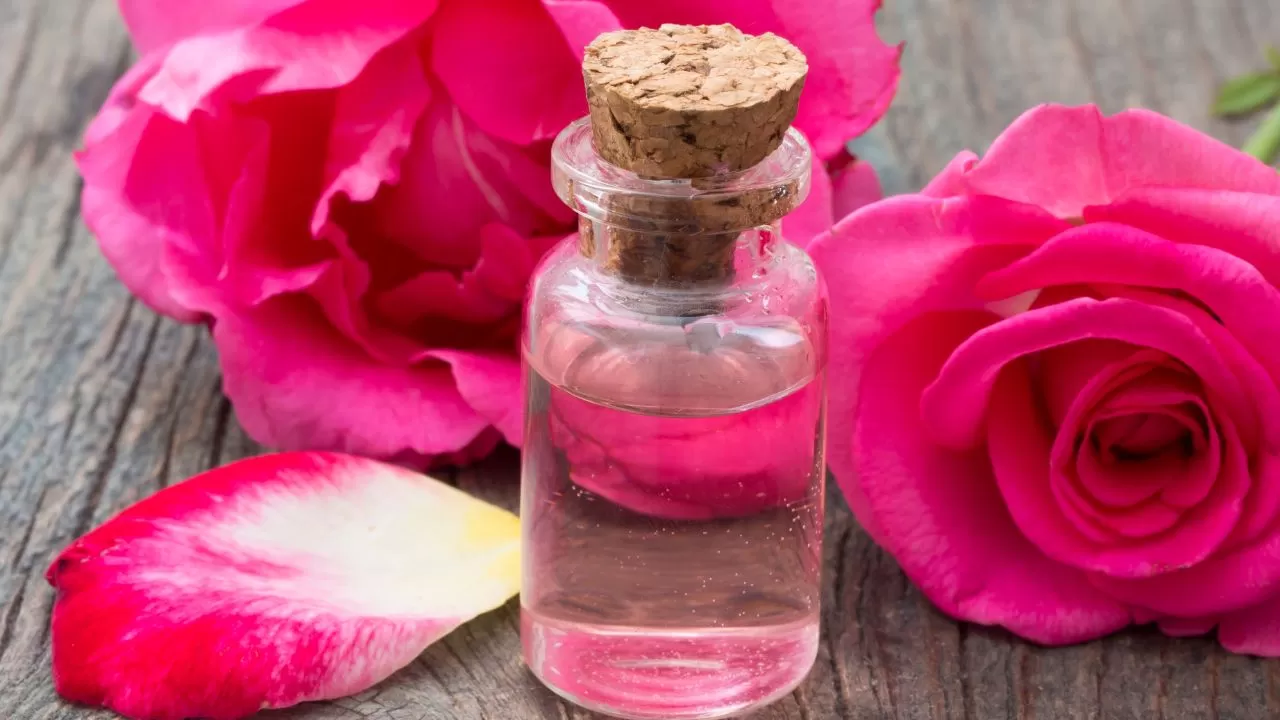
Rose water, a fragrant liquid extracted from rose petals, has been used for centuries for its beauty and health benefits. It’s a natural toner, astringent, and anti-inflammatory agent that can be used on all skin types. Here are 10 reasons why you should add rose water to your skincare routine:

1. Reduces redness and inflammation: Rose water’s anti-inflammatory properties can help to reduce redness and irritation caused by acne, sunburn, and eczema.

2. Soothes and hydrates: Rose water’s cooling and hydrating properties can help to soothe dry, irritated skin. It can also help to balance the skin’s pH level.

3. Controls oil: Rose water’s astringent properties can help to control excess oil production, making it beneficial for oily and acne-prone skin.

4. Treats acne: Rose water’s antibacterial properties can help to fight acne-causing bacteria. It can also help to reduce the appearance of acne scars.

5. Heals wounds: Rose water’s antiseptic properties can help to heal wounds and prevent infections.

6. Mood-enhancing: Rose water’s aroma is known to have mood-enhancing and calming properties. It can be used as a natural pick-me-up or to promote relaxation before bed.

7. Anti-aging: Rose water’s antioxidant properties can help to protect the skin from damage caused by free radicals. This can help to reduce the appearance of wrinkles and fine lines.

Rose 1

8. Soothes digestion: Rose water is sometimes used to soothe digestive problems such as indigestion and constipation.

9. Brightens skin: Rose water can help to brighten the skin and give it a natural glow.

10. Safe for all skin types: Rose water is gentle enough for all skin types, even sensitive skin.

In addition to these benefits, rose water is also affordable and easy to find. You can buy it at most drugstores and beauty stores.

Here are a few ways to use rose water on your face:

  • As a toner: After cleansing your face, spritz some rose water onto a cotton pad and wipe it over your face.
  • As a mask: Soak a cotton pad in rose water and place it on your face for 10-15 minutes.
  • As a mist: Keep a bottle of rose water in your refrigerator and spritz it on your face throughout the day to refresh and hydrate your skin.
  • In DIY skincare recipes: Rose water can be used in DIY skincare recipes such as face masks, toners, and serums.

This is why Rose Water is great for your skin. But always remember, everybody’s skin is different so always contact a doctor if you feel the rose water is not working on your skin or there are any side effects.

Tagged : / / /

5 Herbs that Help in Rapid Hair Growth

5 Herbs that Help in Rapid Hair Growth
Hair fall and slow growth can be frustrating problems, affecting both men and women. While there are numerous hair care products available, some individuals prefer a more natural approach. Using herbs for hair growth is a centuries-old tradition with promising results.

Here are 5 herbs known to promote rapid hair growth:

1. Rosemary
This herb is rich in antioxidants and improves blood circulation to the scalp. Rosemary helps strengthen hair follicles, reduce breakage, and stimulate new hair growth. You can use rosemary oil diluted with a carrier oil like jojoba or coconut oil for a scalp massage or add it to your shampoo and conditioner.

2. Peppermint
Peppermint oil is another potent herb for hair growth. It contains menthol, a compound that increases blood flow to the scalp. This, in turn, stimulates hair follicles and promotes new hair growth. You can use peppermint oil in the same way as rosemary oil, or you can add it to a DIY hair mask.

3. Amla (Indian gooseberry)
This fruit is a powerhouse of vitamin C and antioxidants. Amla helps strengthen hair roots, reduce hair fall, and promote scalp health. You can eat fresh amla or drink amla juice. You can also use amla powder in a hair mask.

Hair 1

4. Bhringraj
This herb is known as the “king of hair” in Ayurveda. Bhringraj oil is rich in fatty acids that nourish hair follicles and promote hair growth. You can use bhringraj oil for a scalp massage or add it to your shampoo and conditioner.

5. Fenugreek
Fenugreek seeds are rich in protein and nicotinic acid, which are beneficial for hair growth. Fenugreek can be used in a hair mask or as a hair rinse.

Additional tips for rapid hair growth:

  • Eat a healthy diet rich in vitamins, minerals, and protein.
  • Drink plenty of water to stay hydrated.
  • Manage stress levels, as stress can contribute to hair loss.
  • Get regular exercise.
  • Use a gentle shampoo and conditioner.
  • Avoid using harsh chemicals and heat styling tools.

Remember, it takes time to see results from using herbs for hair growth. Be patient and consistent with your treatment.
Disclaimer: This blog post is for informational purposes only and should not be construed as medical advice. Please consult with your doctor before using any new herbs or supplements.

Tagged : / / /

7 Foods From Your Kitchen That Can Naturally Turn White Hair To Black

7 Foods From Your Kitchen That Can Naturally Turn White Hair To Black
White hair is a natural part of aging, but many people want to delay the process or even reverse it. While there is no guaranteed way to turn white hair black again, there are some everyday foods that can help. Here are 10 of them:

1. Black sesame seeds: Black sesame seeds are a good source of copper, which is essential for the production of melanin, the pigment that gives hair its color. They are also a good source of vitamin B, which helps to promote hair growth.

2. Amla: Amla, also known as Indian gooseberry, is a rich source of vitamin C, which is an antioxidant that can help to protect hair from damage. Amla is also a good source of iron, which is necessary for the production of hemoglobin, which carries oxygen to the hair follicles.

Black Hair 1

3. Bhringraj: Bhringraj is an Ayurvedic herb that is known for its hair growth benefits. It is also said to help to prevent premature graying. Bhringraj can be used in oil form or as a powder.

4. Curry leaves: Curry leaves are a good source of vitamins A, C, and E, all of which are important for hair health. Curry leaves are also said to help to improve scalp circulation.

5. Hibiscus: Hibiscus is a flower that is known for its high vitamin C content. It is also a good source of iron and antioxidants. Hibiscus can be used in tea form or as a powder.

Black Hair 2

6. Coconut: Coconut oil is a good source of medium-chain triglycerides (MCTs), which are easily absorbed by the body. MCTs can help to improve hair growth and prevent breakage. Coconut oil can be used as a hair mask or conditioner.

7. Spinach: Spinach is a good source of iron, which is necessary for the production of hemoglobin, which carries oxygen to the hair follicles. Spinach is also a good source of vitamins A and C, which are important for hair health.

In addition to eating a healthy diet, there are a few other things you can do to help prevent premature graying and keep your hair healthy:

  • Avoid smoking and excessive alcohol consumption.
  • Get enough sleep.
  • Manage stress.
  • Use a gentle shampoo and conditioner.
  • Avoid using heat styling tools on your hair too often.
  • By following these tips, you can help to keep your hair healthy and black for as long as possible.

Safety guidelines
All of the foods mentioned in this blog are safe to consume for most people. However, it is always important to talk to your doctor before making any major changes to your diet, especially if you have any underlying health conditions.

Tagged : / / /

5 Ways To Keep Your Hair Clean Without Shampoo

5 Ways To Keep Your Hair Clean Without Shampoo
Shampoo is a staple in most people’s hair care routines, but it’s not the only way to keep your hair clean. In fact, washing your hair too often with shampoo can strip it of its natural oils and make it dry and brittle.

If you’re looking for ways to reduce your shampoo usage or even eliminate it altogether, here are five tips:

1. Condition only: Conditioning your hair without shampooing is a great way to keep it clean and hydrated. Simply apply conditioner to your hair as you would normally, and then rinse it out thoroughly. This will remove any dirt or oil that has built up on your hair, and it will also leave your hair feeling soft and smooth.

2. Water wash: If you have oily hair, you may be able to get away with washing it with water only. This is a great way to cleanse your hair without stripping it of its natural oils. To water wash your hair, simply wet it thoroughly and then massage your scalp with your fingers. Rinse your hair out completely, and then style it as you normally would.

3. Dry shampoo: Dry shampoo is a great way to freshen up your hair between washes. It absorbs excess oil and dirt, leaving your hair looking and feeling clean. To use dry shampoo, simply spray it onto your roots and then brush it through your hair.

4. Apple cider vinegar rinse: Apple cider vinegar is a natural cleanser that can be used to clean and condition your hair. To make an apple cider vinegar rinse, simply mix equal parts apple cider vinegar and water. After washing your hair, pour the rinse over your hair and massage it into your scalp. Rinse your hair out completely, and then style it as you normally would.

5. Baking soda rinse: Baking soda is another natural cleanser that can be used to clean your hair. To make a baking soda rinse, simply mix one part baking soda with three parts water. Apply the rinse to your hair and massage it into your scalp. Rinse your hair out completely, and then style it as you normally would.

It’s important to note that it may take some time for your hair to adjust to being washed less often. When you first start reducing your shampoo usage, your hair may feel oily and greasy. But don’t give up! After a few weeks, your hair will produce less oil and it will start to look and feel better.

Here are some additional tips for keeping your hair clean without shampoo:

  • Avoid using heat styling tools on your hair, as this can dry it out and make it more prone to oiliness.
  • Brush your hair regularly to remove any dirt or oil that has built up.
  • Tie your hair back when you’re working out or sweating.
  • Avoid touching your hair throughout the day, as this can transfer oils from your hands to your hair.

    By following these tips, you can keep your hair clean and healthy without shampooing it every day.

Tagged : / /

How to prevent premature greying? Natural methods to dye gray hairs, right at home!

How to prevent premature greying? Natural methods to dye gray hairs, right at home!
Premature whitening of hair, also known as premature graying, is a common condition that affects people of all ages. It is characterized by the appearance of white or gray hair before the age of 35. While there is no cure for premature graying, there are some things you can do to prevent it and slow down the process.

Here are some tips on how to prevent premature whitening:

1. Eat a healthy diet: A healthy diet is essential for overall health, including hair health. Make sure to eat plenty of fruits, vegetables, and whole grains. These foods are rich in antioxidants and other nutrients that can help protect your hair follicles from damage.

2. Get enough sleep: Sleep is essential for hair growth and repair. Aim for 7-8 hours of sleep each night.

3. Manage stress: Stress can trigger hair loss and premature graying. Find healthy ways to manage stress, such as exercise, yoga, or meditation.

4. Avoid smoking: Smoking damages hair follicles and accelerates the graying process.

5. Protect your hair from the sun: The sun’s UV rays can damage hair and lead to premature graying. Wear a hat or scarf when you’re outdoors, and use a leave-in conditioner with UV protection.

Natural methods to dye gray hairs at home

If you are looking for a natural way to dye your gray hair, there are a few options available. Here are a few of the most popular natural hair dyes:

1. Henna: Henna is a natural powder that has been used for centuries to dye hair and skin. It is available in a variety of colors, including black, brown, and red. To dye your hair with henna, mix the powder with water to form a paste. Apply the paste to your hair and scalp and leave it on for several hours. The longer you leave it on, the darker the color will be.

Grey 1

2. Indigo: Indigo is another natural powder that can be used to dye hair. It is typically used in conjunction with henna to create a darker color. To dye your hair with indigo, mix the powder with water to form a paste. Apply the paste to your hair and scalp and leave it on for several hours.

3. Coffee: Coffee can be used to dye your hair a darker color. To dye your hair with coffee, brew a strong cup of coffee and let it cool. Apply the coffee to your hair and scalp and leave it on for several hours. The longer you leave it on, the darker the color will be.

4. Black tea: Black tea can also be used to dye your hair a darker color. To dye your hair with black tea, brew a strong cup of tea and let it cool. Apply the tea to your hair and scalp and leave it on for several hours. The longer you leave it on, the darker the color will be.

Conclusion

Premature whitening of hair is a common condition that affects people of all ages. While there is no cure for premature graying, there are some things you can do to prevent it and slow down the process. If you are looking for a natural way to dye your gray hair, there are a few options available, such as henna, indigo, coffee, and black tea.

Please note that these are just natural remedies and may not work for everyone. It is always best to consult with a doctor or dermatologist before trying any new hair treatments.

Tagged : / / / /

5 Essential Oils You Can Safely Use On Your Face

5 Essential Oils You Can Safely Use On Your Face
Essential oils are highly concentrated extracts of plants that have a wide range of therapeutic properties. They can be used for aromatherapy, massage, and other holistic therapies, and they are also becoming increasingly popular in skincare products.

Many essential oils can be used safely on the face, but it is important to dilute them with a carrier oil before applying them to the skin. Carrier oils are vegetable oils that help to dilute essential oils and prevent them from irritating the skin. Popular carrier oils include jojoba oil, coconut oil, and almond oil.

Here are 10 essential oils that you can use on your face:

1. Tea tree oil

Tea tree oil is a powerful antibacterial and antifungal oil that can be used to treat acne, eczema, and other skin conditions.

2. Lavender oil

Lavender oil is a calming and soothing oil that can be used to reduce inflammation, redness, and irritation.

Oils 1

3. Chamomile oil

Chamomile oil is a calming and relaxing oil that can be used to reduce inflammation and redness.

4. Sandalwood oil

Sandalwood oil is a soothing and moisturizing oil that can be used to reduce inflammation and dryness.

5. Ylang-ylang oil

Ylang-ylang oil is a hydrating and nourishing oil that can be used to improve the elasticity of the skin.

To use essential oils on your face, simply add a few drops of essential oil to a carrier oil and mix well. Apply the mixture to your face using a gentle massage motion. Avoid getting essential oils in your eyes, nose, and mouth.

Here are a few tips for using essential oils on your face safely:

  • Always dilute essential oils with a carrier oil before applying them to the skin.
  • Start with a small amount of essential oil and increase the amount gradually as needed.
  • Perform a patch test on a small area of skin before using an essential oil for the first time.
  • Avoid using essential oils on broken or irritated skin.
  • Avoid getting essential oils in your eyes, nose, and mouth.
  • If you experience any irritation, discontinue use immediately.

    Essential oils can be a great way to improve the health and appearance of your skin. However, it is important to use them safely and effectively.

Tagged : / /

What is Skin Cancer, Its Symptoms and How to prevent it?

What is Skin Cancer, Its Symptoms and How to prevent it?
What is Skin Cancer?

Skin cancer is the most common cancer in the United States. It is caused by the damage to the DNA of skin cells caused by ultraviolet (UV) radiation from the sun or tanning beds.

There are three main types of skin cancer:

1. Basal cell carcinoma is the most common type of skin cancer. It usually appears as a small, raised bump on the skin.

2. Squamous cell carcinoma is the second most common type of skin cancer. It usually appears as a scaly or crusty patch on the skin.

3. Melanoma is the least common but most serious type of skin cancer. It can appear as a new mole or a change in an existing mole.

Symptoms of Skin Cancer

The symptoms of skin cancer can vary depending on the type of cancer. However, some common symptoms include:

  • A new growth or change in an existing mole
  • A sore that does not heal
  • A scaly or crusty patch on the skin
  • A red, scaly patch that itches
  • A bleeding or crusting growth
  • How to Prevent Skin Cancer

There are a number of things you can do to help prevent skin cancer, including:

  • Limit your exposure to UV radiation from the sun and tanning beds.
  • Wear sunscreen with an SPF of 30 or higher every day, even on cloudy days.
  • Wear protective clothing, such as a hat and sunglasses, when you are outdoors.
  • Avoid tanning beds.
  • Get regular skin checks from your doctor.
  • If you notice any changes in your skin, such as a new growth or a change in an existing mole, it is important to see your doctor right away. Early detection and treatment of skin cancer is important to improve the chances of a cure.

Tagged : / / / /

Verified by ExactMetrics