
5 Creatures That Die After Giving Birth to Their Offspring
In the animal kingdom, reproduction takes many forms, and some are more dramatic than others. While most creatures raise their young to some degree, there are a few fascinating exceptions where the parents die shortly after giving birth. This ultimate sacrifice ensures the survival of their offspring, showcasing the incredible diversity and complexity of life’s strategies.
1. Pacific Octopus:

The majestic Pacific octopus is perhaps the most well-known example of a semelparous creature, meaning they reproduce only once in their lifetime. After a meticulous months-long egg-laying process, the female octopus devotes all her remaining energy to caring for her thousands of eggs, constantly cleaning and aerating them until they hatch. This takes such a toll that she dies shortly after, never witnessing her offspring reach adulthood.
2. Atlantic Salmon:
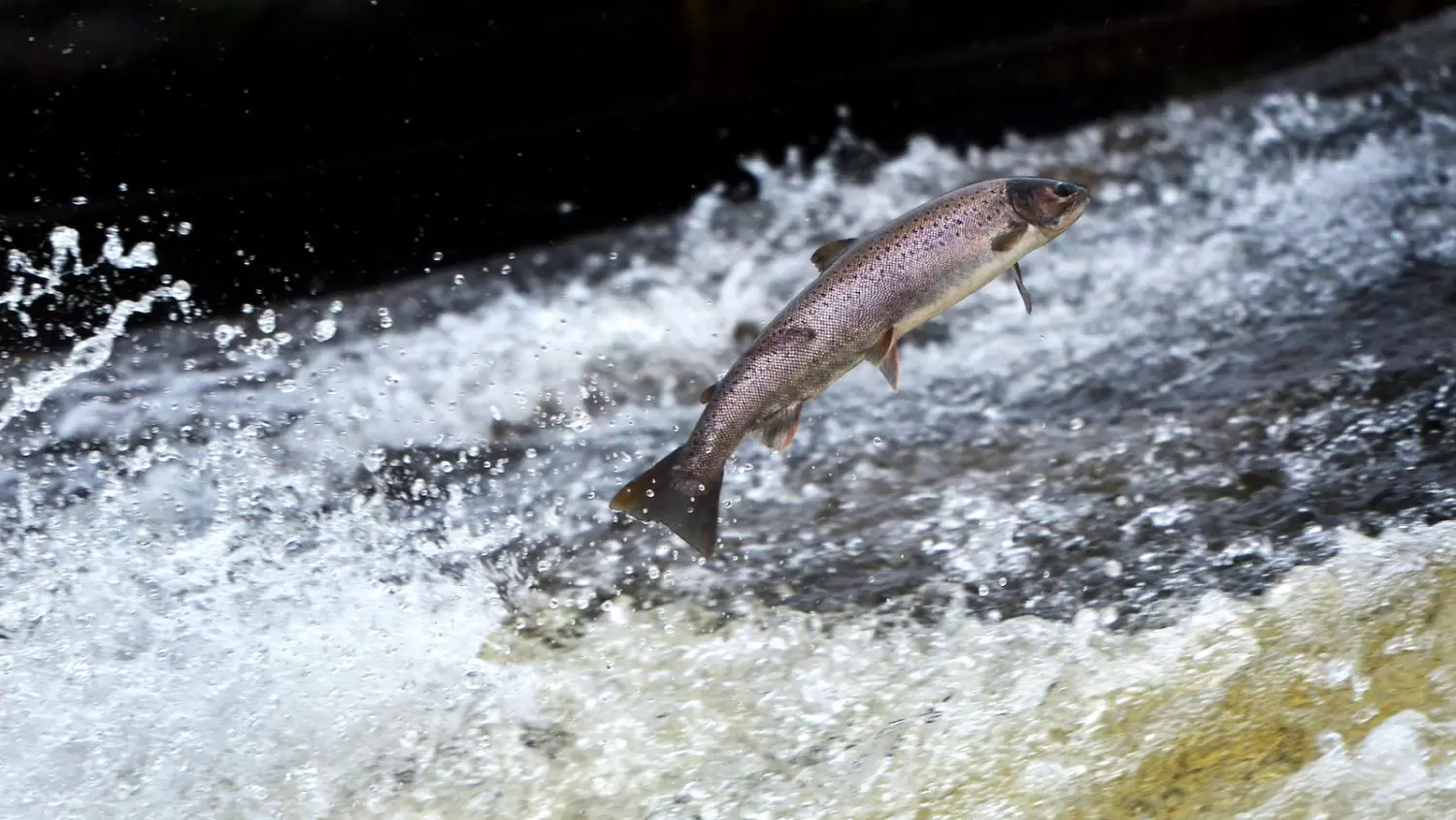
The journey of the Atlantic salmon is an epic one. Born in freshwater, they migrate to the ocean to mature, then undertake a perilous journey back upstream to spawn. After releasing their eggs and milt, these magnificent fish undergo significant physiological changes. Their bodies weaken, they stop eating, and eventually succumb to exhaustion and the harsh environment, ensuring their fertilized eggs have the best chance of survival.
3. Mayfly:

Mayflies are the epitome of short-lived creatures, existing as adults for only a few hours to a day. Their sole purpose in this fleeting adult stage is reproduction. After emerging from their aquatic nymph stage, they mate, lay eggs, and then die, leaving the next generation to continue the cycle. Their brief adult lives highlight the beauty and impermanence of life in all its forms.
4. Social Spiders:
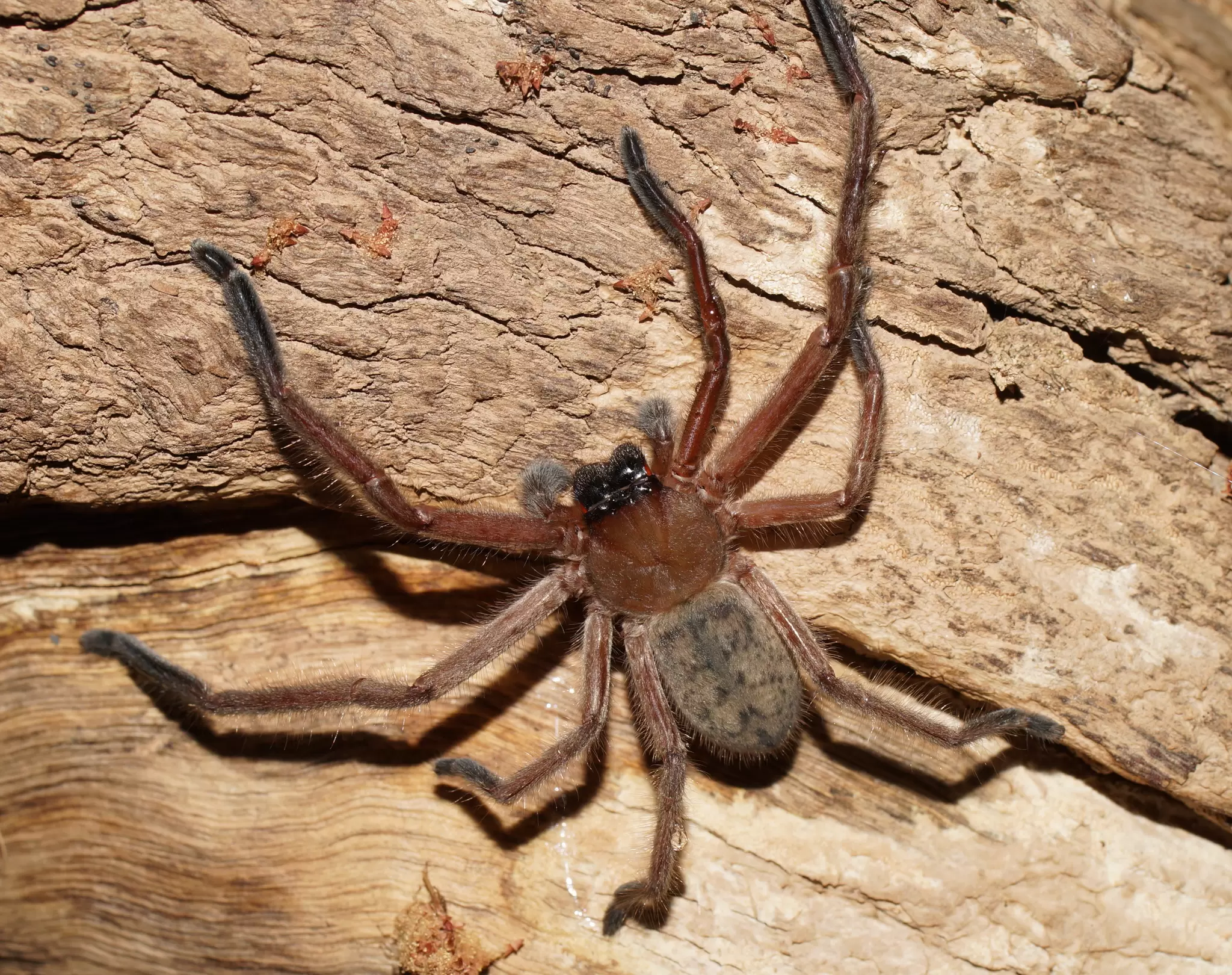
While not all spider species exhibit this behavior, some social spiders, like the aptly named “social huntsman spider,” live in large colonies with complex social structures. The breeding responsibility falls solely on the queen, who lays hundreds of eggs at a time. After this immense reproductive effort, her body deteriorates, and she dies within a few weeks, leaving her daughters to care for the next generation.
5. Antechinus:
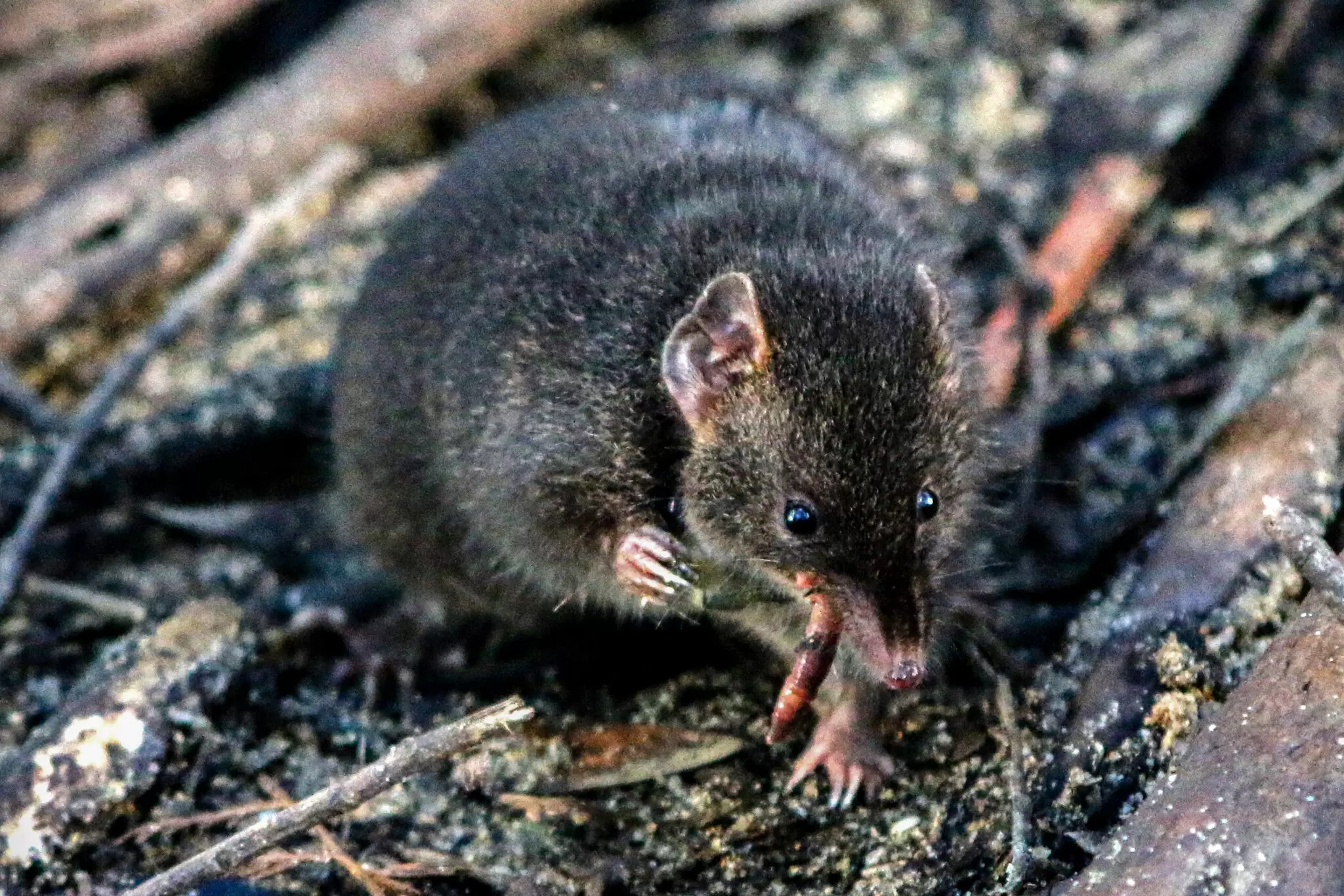
These small, marsupial mammals native to Australia undergo a dramatic physical transformation during their breeding season. The males engage in intense competition for mates, producing large amounts of stress hormones that ultimately lead to organ failure and death within a few weeks. The females, on the other hand, experience delayed embryonic development, allowing them to raise their young even after the males have perished.
These are just a few examples of the diverse reproductive strategies found in the animal kingdom. While the concept of death after giving birth may seem counterintuitive, it highlights the remarkable adaptations creatures have made to ensure the survival of their offspring, even at the ultimate cost. It serves as a reminder of the intricate balance of life and the fascinating ways nature thrives and perpetuates itself.


