The 7 Fastest-Growing Technical Jobs in India in the Next 5 Years

The 7 Fastest-Growing Technical Jobs in India in the Next 5 Years
The job market is constantly changing, and the skills that are in demand are always evolving. In India, the following are the 7 fastest-growing jobs in the next 5 years:

1. Data scientists and analysts : With the increasing reliance on data-driven decision-making, data scientists and analysts will continue to be in high demand across industries. They interpret data to guide businesses in making informed choices.

2. Cloud computing engineers : Cloud computing is becoming increasingly popular, and businesses are looking for skilled engineers to manage and maintain their cloud-based systems.

3. Cybersecurity experts : Cybersecurity is a critical issue for businesses of all sizes, and the demand for cybersecurity experts is only going to grow in the years to come.

4. Artificial intelligence (AI) engineers : AI is rapidly transforming many industries, and businesses are looking for engineers to develop and implement AI solutions.

5. Blockchain developers :  Blockchain is a new technology with the potential to disrupt many industries. Businesses are looking for developers to build and maintain blockchain-based applications.

6. Web developers : The demand for web developers is always high, and it is expected to continue to grow in the years to come. Web developers are responsible for designing, developing, and maintaining websites.

7. Digital marketers : Digital marketing is becoming increasingly important, and businesses are looking for marketers who can help them reach their target audience online.

These are just a few of the fastest-growing jobs in India in the next 5 years. If you are looking for a career that is in high demand and offers good prospects for growth, then these are the jobs to consider.

Here are some tips for getting a job in one of these fast-growing fields:

  • Get the right education and training. Many of these jobs require specialized skills and knowledge. Make sure you have the education and training you need to be competitive.
  • Build your skills and experience. The more skills and experience you have, the more attractive you will be to employers.
  • Network with people in your field. Attend industry events, join professional organizations, and connect with people on LinkedIn.
  • Stay up-to-date on the latest trends. The tech industry is constantly changing, so it is important to stay up-to-date on the latest trends.

If you are willing to put in the work, you can get a job in one of these fast-growing fields and build a successful career.

Tagged : / / /

India-Middle East Europe Economic Corridor: A New Era of Connectivity

India-Middle East Europe Economic Corridor: A New Era of Connectivity
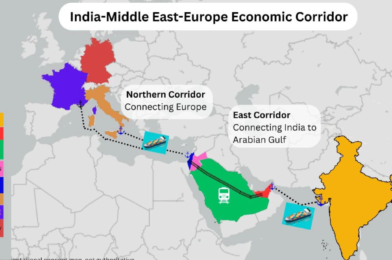
The India-Middle East Europe Economic Corridor (IMEC) is a proposed economic corridor that aims to boost economic development by fostering connectivity and economic integration between Asia, the Arabian Gulf, and Europe. The corridor is expected to create new trade and investment opportunities, improve the flow of goods and services, and promote economic growth and prosperity in the region.

The IMEC is composed of two corridors: the Eastern Corridor and the Northern Corridor. The Eastern Corridor will connect India to the Gulf region through a rail and ship-rail transit network. The Northern Corridor will connect the Gulf region to Europe through road transport routes. The corridor will also include energy pipelines and high-speed data cables.

The IMEC is a major initiative of the Partnership for Global Infrastructure and Investment (PGII), a collaborative effort by G7 nations to fund infrastructure projects in developing nations. The PGII is considered to be the bloc’s counter to China’s Belt and Road Initiative.

The IMEC is expected to have a significant impact on the economies of the participating countries. It is estimated that the corridor could create up to 10 million jobs and generate $1 trillion in economic output. The corridor is also expected to boost trade between India and the Middle East, which currently stands at around $100 billion per year.

The IMEC is a major undertaking, but it has the potential to transform the economies of the region and create a new era of connectivity between Asia, the Middle East, and Europe.

Here are some of the benefits of the IMEC:

1. Increased trade and investment: The IMEC will create new opportunities for trade and investment between the participating countries. This will boost economic growth and prosperity in the region.

2. Improved connectivity: The IMEC will improve the connectivity between the participating countries. This will make it easier for people, goods, and services to move between the countries.

3. Increased cooperation: The IMEC will promote cooperation between the participating countries. This will help to resolve common challenges and build a more stable and prosperous region.

4. Reduced poverty: The IMEC is expected to create millions of jobs and boost economic growth. This will help to reduce poverty in the region.

The IMEC is a major initiative that has the potential to transform the economies of the region and create a new era of connectivity between Asia, the Middle East, and Europe. It is a project that is worth watching closely.

Here are some of the challenges that the IMEC will need to overcome:

i. Financing: The IMEC is a major undertaking that will require significant financing. The participating countries will need to find ways to finance the project.

ii. Political will: The IMEC is a complex project that will require the political will of the participating countries. The countries will need to work together to overcome any challenges that arise.

iii. Security: The IMEC will pass through some unstable regions. The participating countries will need to ensure that the corridor is secure for trade and travel.

Despite the challenges, the IMEC has the potential to be a major success. It is a project that has the potential to transform the economies of the region and create a new era of connectivity between Asia, the Middle East, and Europe.

Tagged : / / / / /

How to Reverse UPI Transactions on PhonePe, Paytm, Google Pay, and Other UPI Apps

How to Reverse UPI Transactions on PhonePe, Paytm, Google Pay, and Other UPI Apps
UPI (Unified Payments Interface) is a popular payment method in India that allows users to send and receive money instantly using their bank accounts. However, there may be times when you need to reverse a UPI transaction. Here’s how to do it on PhonePe, Paytm, Google Pay, and other UPI apps:

On PhonePe

  • Open the PhonePe app and go to the “Transactions” tab.
  • Select the UPI transaction that you want to reverse.
  • Tap on the “3 dots” icon in the top right corner and select “Reverse Transaction”.
  • Enter the reason for reversing the transaction and tap on “Reverse”.

On Paytm

  • Open the Paytm app and go to the “Banking” tab.
  • Select “UPI” and then “Transaction History”.
  • Select the UPI transaction that you want to reverse.
  • Tap on the “3 dots” icon in the top right corner and select “Reverse Transaction”.
  • Enter the reason for reversing the transaction and tap on “Reverse”.

On Google Pay

  • Open the Google Pay app and go to the “Payments” tab.
  • Select the UPI transaction that you want to reverse.
  • Tap on the “3 dots” icon in the top right corner and select “Report a Problem”.
  • Select “I accidentally sent money to the wrong person” and then tap on “Next”.
  • Enter the reason for reversing the transaction and tap on “Submit”.On Other UPI Apps

The process for reversing a UPI transaction on other UPI apps is similar to the process described above. However, the specific steps may vary depending on the app.

It’s important to note that not all UPI transactions can be reversed. For example, you cannot reverse a transaction that has already been credited to the recipient’s account. Additionally, you may be charged a fee for reversing a transaction.

If you need to reverse a UPI transaction, it’s important to do so as soon as possible. The sooner you reverse the transaction, the more likely it is that the money will be returned to your account.

Here are some additional things to keep in mind when reversing a UPI transaction:

  • You will need to have the UPI transaction ID in order to reverse the transaction.
  • You may need to provide additional information, such as the reason for reversing the transaction.
  • The process for reversing a UPI transaction may take a few days.
    If you have any questions about reversing a UPI transaction, you should contact your bank or the UPI app provider.
Tagged : / / /

ISRO’s Humanoid Vyommitra Is Now Better Than Before ! Gets The Gift Of The Grey Matter

ISRO’s Humanoid Vyommitra Is Now Better Than Before ! Gets The Gift Of The Grey Matter
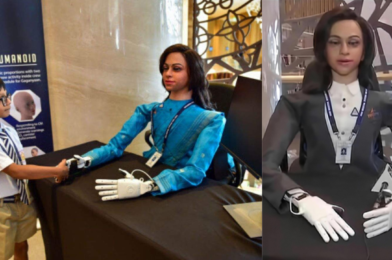
The Indian Space Research Organisation (ISRO) has successfully integrated a computer brain into its humanoid robot, Vyommitra. This will enable Vyommitra to read control panels, communicate with ground stations, and perform other tasks that would normally require a human astronaut.

Vyommitra is a half-humanoid robot that is designed to fly aboard spacecraft. It is about 5 feet tall and weighs about 120 pounds. It has a head, torso, arms, and hands, but it does not have legs. Vyommitra is powered by a battery and can operate for up to 8 hours on a single charge.

The computer brain that has been integrated into Vyommitra is called the “digital grey matter”. It is a powerful artificial intelligence system that can process information and make decisions. The digital grey matter enables Vyommitra to read control panels, communicate with ground stations, and perform other tasks that would normally require a human astronaut.

Vyommitra is still under development, but it is expected to play a major role in ISRO’s future space missions. It could be used to conduct experiments in space, to repair satellites, or to even explore other planets.

The development of Vyommitra is a significant milestone in the field of robotics. It shows that robots are becoming increasingly sophisticated and capable of performing tasks that were once thought to be the exclusive domain of humans. As robots continue to evolve, they are likely to play an increasingly important role in our lives.

Here are some of the potential applications of Vyommitra:

Space exploration: Vyommitra could be used to explore other planets, such as Mars. It could be used to collect samples, conduct experiments, and even build bases.

In-space manufacturing: Vyommitra could be used to manufacture parts and equipment in space. This would reduce the need to transport materials from Earth, which would save time and money.

Disaster relief: Vyommitra could be used to help with disaster relief efforts. It could be used to search for survivors, deliver supplies, and assess damage.

Medical care: Vyommitra could be used to provide medical care in remote areas. It could be used to diagnose and treat patients, and even perform surgery.

Manufacturing: Vyommitra could be used in manufacturing to automate tasks. This would improve efficiency and reduce costs.

The possibilities are endless. As Vyommitra continues to develop, it is likely to play an increasingly important role in our lives

Tagged : / / / / /

Is Pakistan eyeing the name ‘India’ amidst the ‘Bharat’ row?

Is Pakistan eyeing the name ‘India’ amidst the ‘Bharat’ row?
Pakistan is considering using the name “India” amid the continuing controversy that was started when Rashtrapati Bhavan (the President’s House) received invitations for a G20 luncheon on September 9 in the name of the President of Bharat rather than the customary President of India.

Media sources state that Pakistan may attempt to claim the name “India” if the UN formally withdraws its recognition. Pakistan has previously asserted that the term “India” refers to the Indus area.

In the meantime, the opposition began criticising the BJP for the India vs. Bharat controversy. Some claim that the BJP is aiming to rename the nation from India to Bharat out of fear of an INDIA alliance.
West Bengal Chief Minister Mamata Banerjee launched a harsh attack against the BJP and the government for sending invitations for the G20 dinner from Rashtrapati Bhavan, calling it a transparent attempt to misrepresent the nation’s history.

An affront to the Constitution drafted by Dr. B. R. Ambedkar, according to Shiv Sena (UBT) MP Sanjay Raut, would result from changing the name of India to Bharat. He emphasised that “India” and “Bharat” were both included in the country’s Constitution, and that using “India” has been acceptable for all these years. He then inquired as to who had granted them the permission to change their name at this time.

According to news sources, the administration may decide to have the name “India” removed from the Constitution. According to reports, this action will be discussed during the upcoming special session of parliament, which will take place from September 18 to 22.

It is unclear whether the central government will truly change the Constitution to just refer to the nation as “Bharat” and take the word “India” out entirely. In that case, it becomes unclear if Pakistan will actually claim the name “India.”

Tagged : / / /

5 Most Beautiful Indian Queen and Princesses That Redefined Fashion!

5 Most Beautiful Indian Queen and Princesses That Redefined Fashion!
The era of Maharajas and Kings and Queens is gone. But back in the days when cinema had not entered the lives of normal people, the kings and queens and prince and princesses used to be a huge inspiration for fashion. A lot of our royal queens and princesses have been known to have the best taste in fashion. Here are 5 Queens or Princesses of India that redefined fashion for the public.

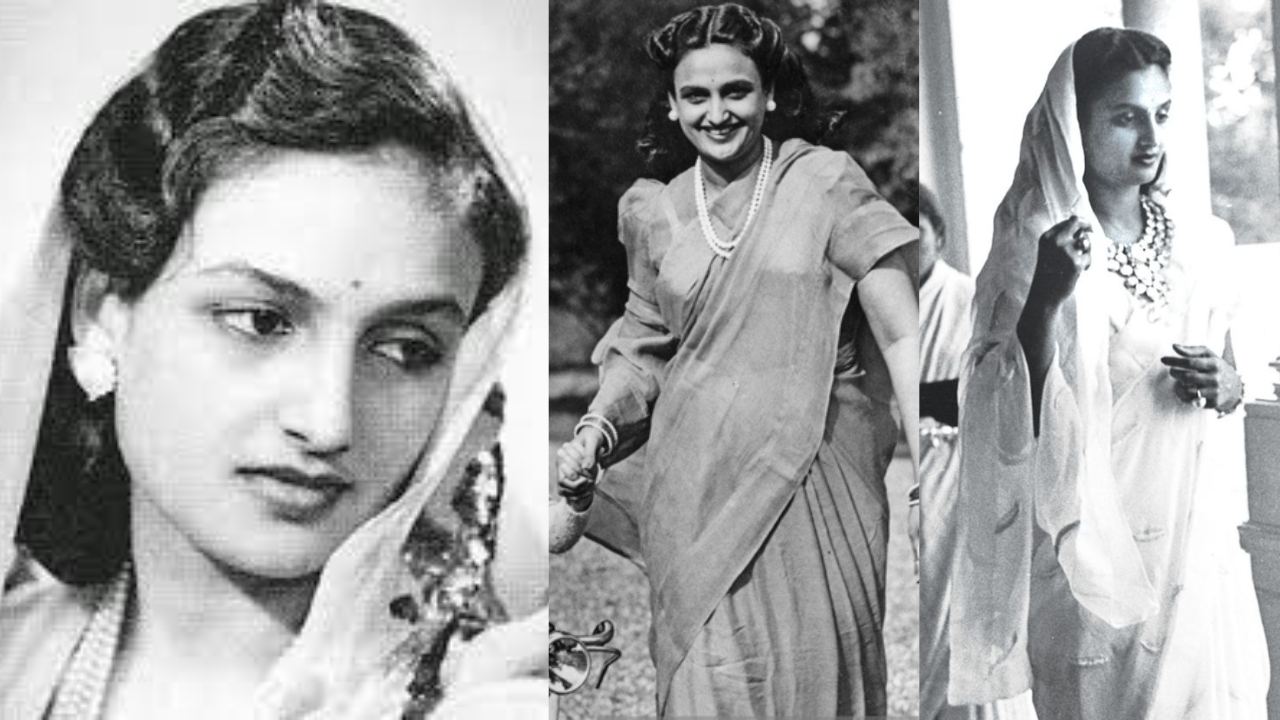
1. Maharani Gayatri Devi


There is no two ways about it. Even Vogue had declared her the most beautiful woman in the world. Princess Gayatri Devi of Coochbehar, also known as Maharani Gayatri Devi, wed and became the wife of Sawai Man Singh II, the Maharaja of Jaipur. She was renowned all over the world for her stunning good looks and was regarded as one of the most beautiful ladies to ever live in India. Her French chiffon sarees were and still are a rage in the fashion circles. Aside from that, her immaculate sense of style was another thing that drew a lot of people’s attention.

2. Maharani Sita Devi of Kapurthala


Princess Sita Devi, better known as Princess Karam and the Pearl of India, passed away on September 30, 2002. She was the wife of Prince Karamjit Singh, the younger son of King Jagatjit Singh I of Kapurthala in Punjab, British India. Princess Sita Devi was born on September 30, 1915. Her efforts to raise money for Indian soldiers serving in World War II earned her the Empire of India Medal in 1944. This recognition was given to her for her efforts. She was widely regarded as one of the most glamorous women of her day. Rani Sita Devi of Kapurthala is justifiably regarded as one of India’s most glamorous royals in the history of the country. When she was only 19 years old, a fashion magazine referred to her as a “Secular Goddess.” Today, she is remembered as one of India’s most attractive royals. After a period of three years, she was included among the top five best dressed women on the planet by the most influential fashion magazines in the world.

3. Maharani Sita Devi of Baroda

The title of Maharani of the Royal Family of Baroda was held by Queen Sita Devi. She was famous for her enticing looks, and her beauty was a matter of debate not only in India but also in Europe. Her beauty was a topic of discussion not only in India but also in Europe. Because of her exquisite taste in clothing and accessories, she became known as “Indian Wallis Simpson.” In 1943, she wed the Raja Pratap Singh Gaekwad of Baroda, who she had previously served as the princess of Pithapuram.

4. Maharani Indira Devi of Cooch Behar


Indira Devi was born as Indira Raje on 19 February 1892 to Maharaja Sayajirao Gaekwad and Maharani Chimna Raje Gaikwad. Her father was the Maharaja (ruler) of Baroda State (present-day Gujarat in India) from 1875 to 1939. She was the only daughter of her parents, and because of their advanced views on education, she was the first Indian princess to go to school and college. She was the Maharani of the princely state of Cooch Behar in British India. She had got widowed only after 9 years of marriage but she refused to live an austere life. She enjoyed her life to the fullest with the best clothes and jewels. Her parties were well known for their grandeur. For those who do not know, she was the mother of Maharani Gayatri Devi.

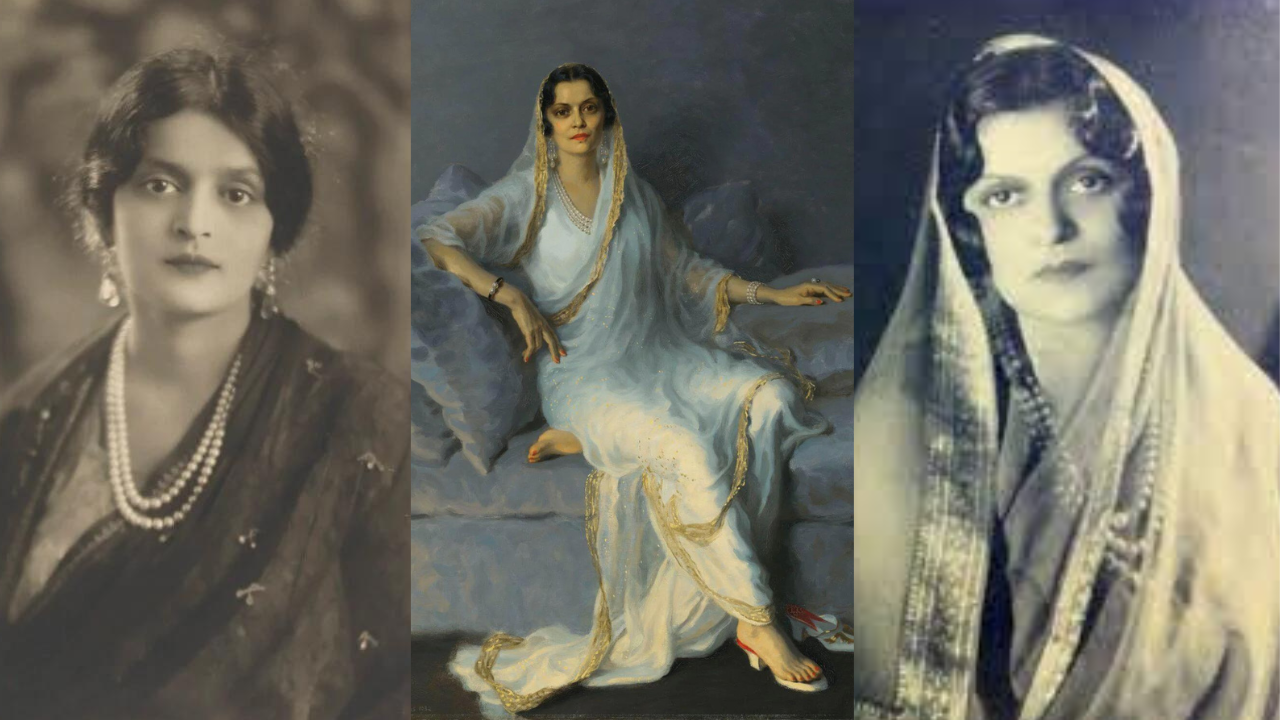
5. Princess Niloufer Farhat Begum Sahiba​


The Princess Niloufer Khanum of the Khanum Sultan Farhat Begum Sahiba, also known as the Kohinoor of Hyderabad, was an Ottoman princess. She was given the nickname “the Kohinoor of Hyderabad.” She was the first wife of Moazzam Jah, the second son of Mir Osman Ali Khan, the last Nizam of Hyderabad in India. Moazzam Jah was the ruler of Hyderabad at the time. Princess Niloufer was a defiant young woman who, although being married at the age of 16, was adamant that she should be allowed to follow her own sense of style. She reimagined the Indian sari by fusing elements of eastern and western cultures, and as a result, the patterns of our traditional saris took on a more western appearance. She could make anyone swoon over her elegance with her intricately embroidered saris and ornate neckpieces, as well as her curly bob cut hairstyle. In gowns and off-the-shoulder outfits, she also looked very stunning.

Aren’t these women simply gorgeous and beautiful? Who did your like the most?

Tagged : / / / / /

The Swastika Symbol in Hinduism : What It Means And Signifies!

The Swastika Symbol in Hinduism : What It Means And Signifies!
The swastika is an ancient symbol that has been used for centuries by many cultures around the world. In Hinduism, the swastika is a sacred symbol that represents auspiciousness, prosperity, and good luck. It is often found in temples, homes, and businesses, and is also used in religious ceremonies and festivals.

The word “swastika” comes from the Sanskrit words “su” meaning “good” and “asti” meaning “to be.” It is also sometimes referred to as the “sauvastika,” which means “well-being.”

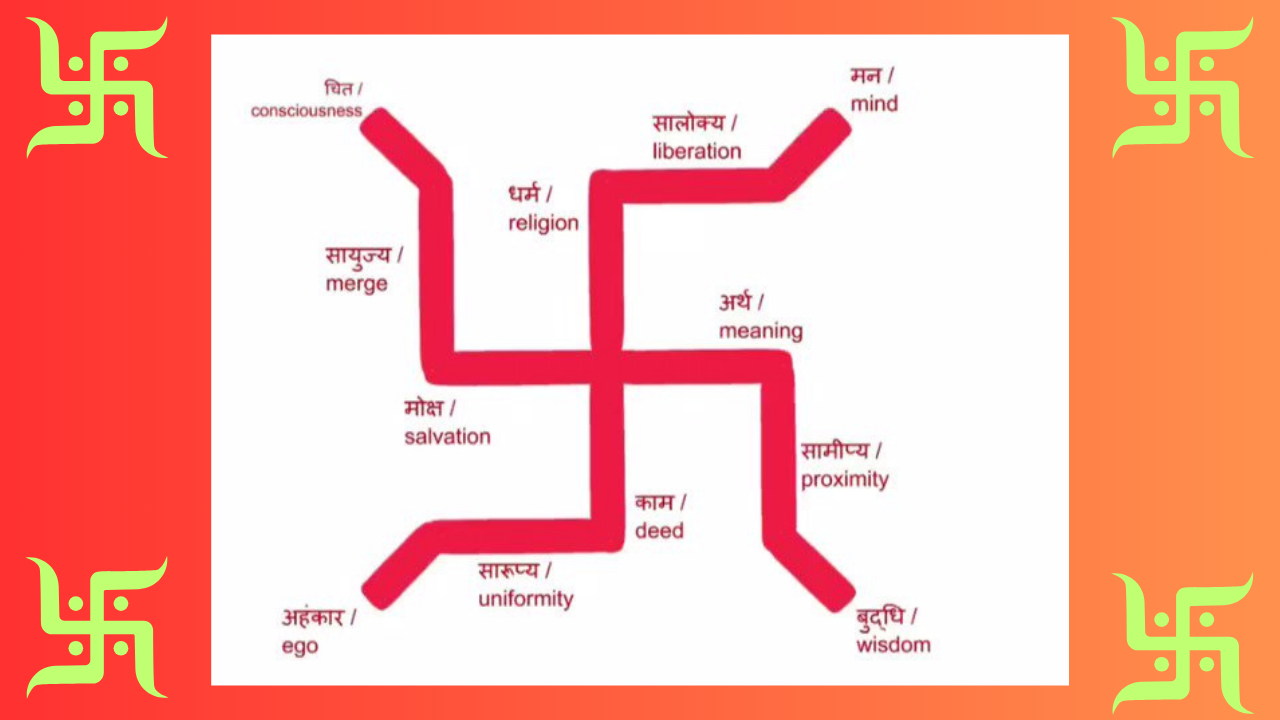
The swastika is a four-armed symbol that can be rotated clockwise or counterclockwise. The clockwise swastika is the most common form and is associated with positive qualities such as peace, prosperity, and good luck. The counterclockwise swastika is less common and is sometimes associated with negative qualities such as destruction and evil.

In Hinduism, the swastika is often associated with the god Vishnu, who is said to have created the universe. It is also associated with Lakshmi, the goddess of wealth and prosperity. The swastika is also seen as a symbol of the sun and the four directions.

The swastika is a powerful symbol that has been used for centuries by Hindus to represent auspiciousness, prosperity, and good luck. It is a reminder of the divine presence in the world and the potential for goodness and happiness in all people.

The Formation and Lines of the Swastika

The swastika is a simple symbol, but its formation and lines are said to have deep meaning. The four arms of the swastika represent the four goals of life in Hinduism: dharma (righteousness), artha (prosperity), kama (desire), and moksha (liberation). The clockwise rotation of the swastika is said to represent the cycle of life, death, and rebirth.


The lines of the swastika are also said to have symbolic meaning. The vertical line represents the axis mundi, or the central axis of the universe. The horizontal line represents the balance of opposites, such as good and evil, light and dark, male and female.

The swastika is a complex and multifaceted symbol that has been interpreted in many different ways. However, its basic meaning of auspiciousness, prosperity, and good luck remains unchanged. It is a symbol that has been used by Hindus for centuries to connect with the divine and to invoke blessings for themselves and their loved ones.

In addition to its religious significance, the swastika has also been used as a symbol of peace and non-violence. It was adopted by the International Red Cross in 1906 and was used by many peace movements during the 20th century.

However, the swastika was also adopted by the Nazi Party in Germany in the 1930s. The Nazis used the swastika as a symbol of their ideology of white supremacy and hatred. As a result, the swastika has become a controversial symbol that is often associated with racism and intolerance.

Despite its association with the Nazis, the swastika continues to be a sacred symbol for many Hindus. It is a reminder of the divine presence in the world and the potential for goodness and happiness in all people.

Tagged : / / / /

5 Richest Temples In India and Their Net Worth : #1 Is Richest In The World!

5 Richest Temples In India and Their Net Worth : #1 Is Richest In The World!
India is a land of ancient temples, many of which are centuries old and have been built with great wealth and craftsmanship. Some of these temples have become incredibly wealthy over the years, thanks to the donations of devotees and pilgrims. Here are the top 5 richest temples in India and their net worth:

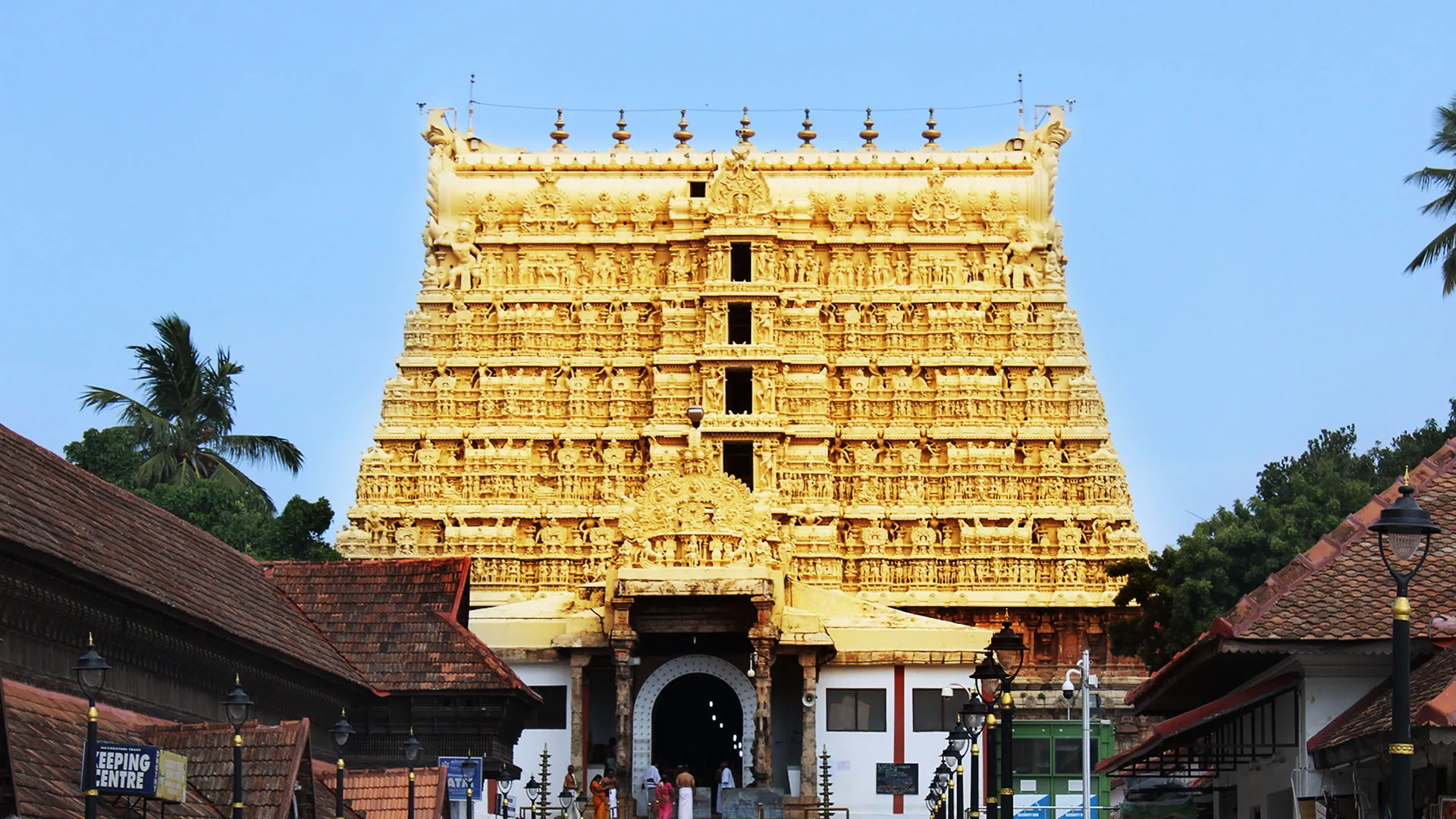
1. Padmanabhaswamy Temple, Kerala ( Net Worth : INR 1,20,000 Crore)
The world-famous Padmanabhaswamy Temple may be found in Thiruvananthapuram. The opulence of it would leave you in a state of awe. This magnificent structure covered in gold is not only the wealthiest temple in India but also the richest temple in the entire world. It has been estimated that the Padmanabhaswamy Temple conceals more than one trillion rupees within its many underground rooms. Donations of priceless gold ornaments, idols (the Golden Idol of Mahavishnu alone is worth INR 500 Crore), crowns, and jewellery are given to the temple that is devoted to Lord Vishnu.

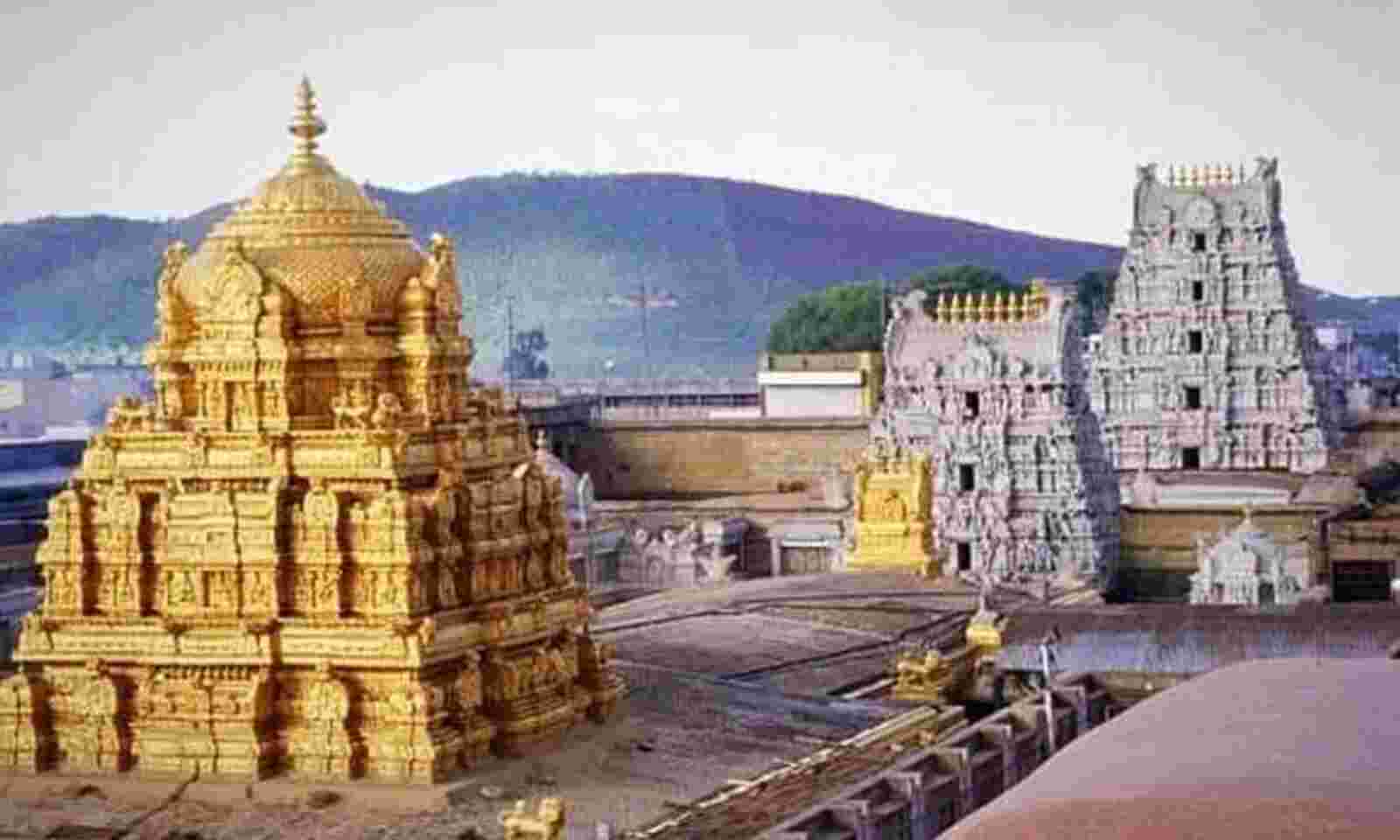
2. Tirupati Balaji, Andhra Pradesh (Net worth : INR 900 crores)
One of the most popular religious pilgrimage sites on earth is the Sri Venkateswara Swamy Temple in Tirupati, which dates back to the 10th century. An average of 30,000 people donate USD 6 million every day to the temple, according to a government website. That adds up to 180 million each month, which adds up to a yearly total that the calculator is unable to accommodate. It currently boasts 52 tonnes of gold jewellery and is worth about 900 crores (as of previous year). The temple converts more than 3000 kg of gold donated by visitors as gold reserve deposits with nationalised banks each year.

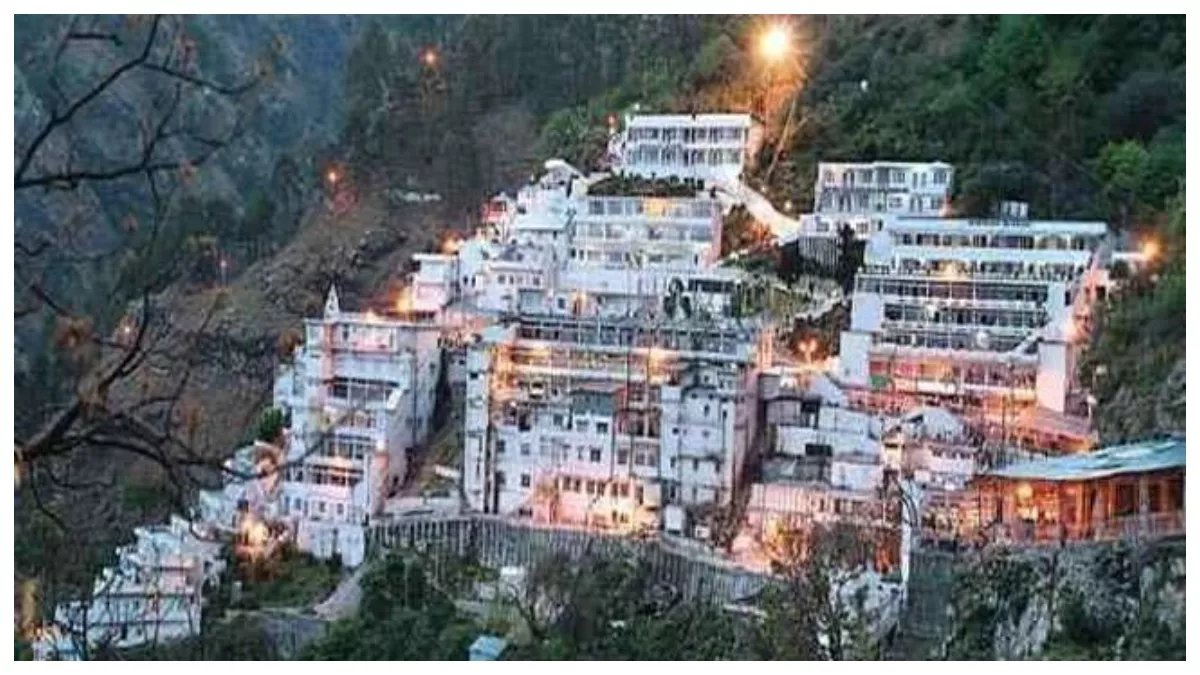
3. Shri Vaishno Devi Temple, Jammu (Net Worth : INR 500 crore)
The stunning Vaishno Devi Temple in Jammu, which is just 14 kilometres from Katra and located at an elevation of 5,200 feet inside a million-year-old cave, receives more than 10 million pilgrims each year, making it the second-most visited temple after Tirupati. Dedicated to Vaishnavi, the goddess. The temple contains 1.2 tonnes of gold and has received donations totaling hundreds of kilogrammes of gold over the course of five years. The temple is now included on the list of richest temples in India and is anticipated to receive donations totaling INR 500 crores annually.

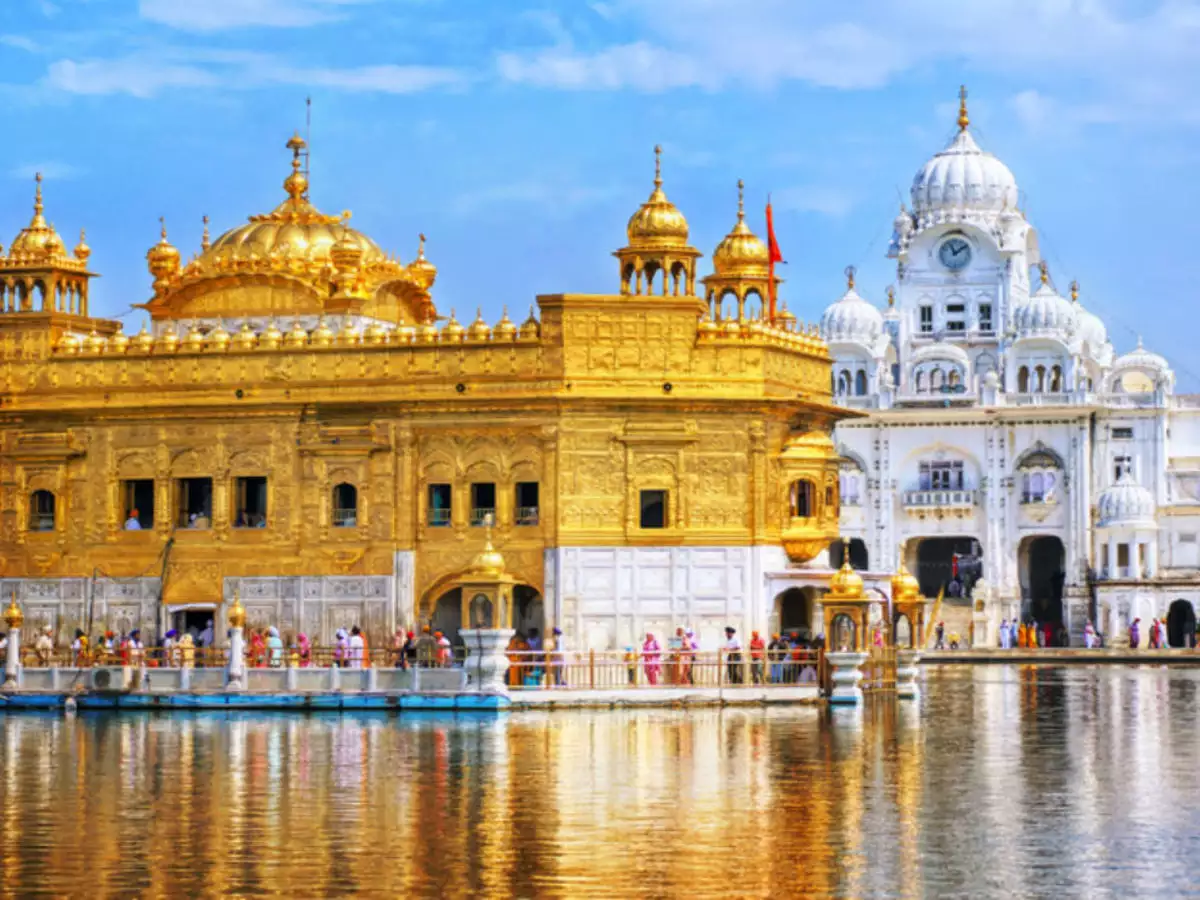
4. Golden Temple, Amritsar (Net Worth : INR 500 Crores)
The Golden Temple, also known as Sri Harmandir Sahib, is one of the most spiritual locations in India. It is one of Sikhism’s holiest temples and is brimming with spiritual zeal and reverence. Its divinity is something that can only be felt, not spoken about. It was completely reconstructed with marble and gold by Maharaja Ranjit Singh in 1830 after passing through a turbulent era of demolitions. An endless sense of peace is brought on by the sight of the magnificent shrine, which sparkles in the middle of the tank.

5. Shirdi Sai Baba, Nashik (Net Worth : 320 crores)
Sai Baba of Shirdi is renowned for assisting the poor and has millions of followers worldwide. Over Rs 2,000 crores have reportedly been collected by the temple. According to estimates, the temple’s bank account has roughly Rs 1,800 crores, 380 kg of gold, 4,428 kg of silver, and a sizable sum of money in dollars and pounds. Due to the astounding figures listed above, this temple is a strong contender for the title of richest temple in India.

We Indians do love our Gods it seems. Look at how much money these temples have!

Tagged : / / /

This Is What Chandrayan-3 Has Found On The Moon’s Surface Till 30th August ’23!

This Is What Chandrayan-3 Has Found On The Moon’s Surface Till 30th August ’23!
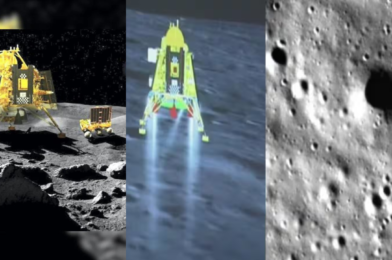
On August 23, the Chandrayaan-3 Lander Module successfully touched down at the South Pole of the Moon. Following this momentous achievement by the Indian Space Research Organisation (ISRO), the Pragyan Rover has been conducting investigations at the lunar South Pole in an effort to solve some of the moon’s mysteries. The mission had a total of three objectives. Two of these goals have already been met: the first was a successful soft landing in the lunar south pole, and the second was to safely land the rover on the surface of the moon. Experiments are currently being carried out on the moon in order to fulfil the third objective, which is currently being worked on.
The following is a list of some intriguing discoveries made by Chadrayaan-3 in the south polar region of the Moon so far:

Temperature at the moon’s South Pole

On August 27, ISRO published a graph that detailed the changes in temperature on the surface of the moon. The graph focused on the temperature at the moon’s South Pole. The senior scientist at the space agency was taken aback by the readings of the unexpectedly high temperature that were obtained from the surface of the moon. ISRO released an update in which they explained that in order to evaluate the temperature profile of the soil around the pole on the moon, they utilised a tool known as ChaSTE, which was located on Chandrayaan-3’s Vikram Lander. This was done in order to get an understanding of how the surface of the moon reacts to heat. ISRO scientist B H M Darukesha noted in an interview with the news agency PTI that they had estimated the temperature might vary from roughly 20 to 30 degrees Celsius on the surface, but it’s actually 70 degrees Celsius, which is far greater than what they initially anticipated. This information was provided by ISRO.

Crater Encounter

On August 27, the Chandrayaan-3 rover was investigating the surface of the Moon when it came across a crater that was 4 metres wide. This presented a problem for the rover. An update from the ISRO indicated that the crater was actually located three metres in front of where they first assumed it was. ISRO told the Rover to go in the opposite direction in order to tackle the situation and informed it that it was now on a different path and proceeding in a secure manner.

Elements on the Moon’s Surface

Moving forward in time to the 30th of August, the Laser-Induced Breakdown Spectroscope that was mounted on the Pragyan Rover discovered some fascinating elements on the surface of the moon close to the South Pole. They were able to establish that sulphur was present, in addition to discovering the presence of other elements such as aluminium, calcium, iron, chromium, titanium, manganese, silicon, and oxygen. The researchers are not giving up their search for hydrogen just yet.

At the moment, the Rover is working within a time limit, which can be metaphorically seen as “racing against time.” According to ANI’s report, Nilesh M. Desai, who is in charge of the Space Applications Centre and revealed on Sunday that they have a total of just 14 days for this entire mission, which is equivalent to just one day on the moon, said that they only have one day on the moon. They have already used up four of those days as of right now. He underlined that it is vitally crucial for them to make the most of the remaining ten days by conducting as many experiments and research as possible in order to get the most out of their time. In addition to that, he stated that each and every scientist working for ISRO is contributing their best efforts.

Tagged : / / / / /

ISRO Announces Details For Aditya L1: India’s Mission To Study The Sun!

ISRO Announces Details For Aditya L1: India’s Mission To Study The Sun!
After its gigantic leap into lunar studies with the success of Chandrayaan -3 , India is taking the next step and moving on the Sun. The Sun will be the subject of India’s very first space-based scientific mission, which will be called Aditya L1. It is planned to position the spacecraft in a halo orbit around the Lagrange point 1 (L1) of the Sun-Earth system, which is located around 1.5 million kilometres away from the planet Earth. The most significant benefit that comes with having a satellite in a halo orbit around the L1 point is the ability to observe the Sun nonstop without experiencing any occultation or eclipse. ISRO Has announced the details of this mission. Aditya-L1, the first space-based Indian observatory to study the Sun, is slated to be launched from Sriharikota on September 2, 2023 at 11:50 Hours IST.

This will provide an even larger edge when it comes to studying the solar activity and how they affect the weather in space in real time. Using electromagnetic, particle, and magnetic field detectors, the spacecraft is equipped to study the photosphere, chromosphere, and outermost layers of the Sun (the corona). It carries seven payloads. By utilising the unique vantage point L1, four payloads directly observe the Sun, while the remaining three payloads carry out in-situ investigations of particles and fields at the Lagrange point L1. This allows for crucial scientific studies of the propagatory influence of solar dynamics in the interplanetary medium to be conducted.

In order to comprehend the problem of coronal heating, coronal mass ejection, pre-flare and flare activities and their features, dynamics of space weather, propagation of particle and fields, etc., the suits of Aditya L1 payloads are anticipated to offer the most significant information.

1. Studying the dynamics of the Sun’s upper atmosphere (including the chromosphere and corona) is one of the primary scientific goals of the Aditya-L1 mission.

2. The investigation of chromospheric and coronal heating, the physics of partially ionised plasma, the beginning of coronal mass ejections, and flares.

3. Perform in-situ observations of the particle and plasma environment, which will provide data for the investigation of particle dynamics originating from the Sun.

4. The physics of the solar corona and the mechanism that causes its heating.

5. Temperature, velocity, and density are the diagnostic parameters for the plasma in the corona and the coronal loops.

6. The evolution, behaviour, and primary sources of CMEs.

7. Determine the order of the activities that take place at different levels of the sun (such as the chromosphere, the base, and the extended corona) that ultimately result in solar eruptive events.

8. Both the structure of the magnetic field and measurements of the magnetic field can be found in the solar corona.

9. The origin, make-up, and movement of solar wind all play a role in the formation of space weather.

Here is wishing the Indian Space Research Team All The Best.

Tagged : / / / / /

Why 23rd August Was Chosen As The Date Of Landing For Chandrayaan -3? What Is So Special About This Date?

Why 23rd August Was Chosen As The Date Of Landing For Chandrayaan -3? What Is So Special About This Date?
The Indian Space Research Organisation (ISRO) successfully landed the Chandrayaan-3 lander and rover on the lunar south pole on August 23, 2023. The landing was a major milestone for India’s space program and a testament to the ingenuity and determination of the Indian scientists and engineers who made it possible.

This is to note that the lunar south pole is a region that has never been visited by a spacecraft before. This made it a challenging but also an exciting target for the Chandrayaan-3 mission. The landing date was chosen to coincide with the beginning of the lunar day at the landing site. The timing of the landing was chosen taking into account the amount of local sunshine. On August 23, the sun will rise over the landing location, and it will set two weeks later. As the Vikram lander is solar-powered, these 14 sunlight days are crucial for Thermal, seismic, and mineralogical observations and Vikram lander and rover using a variety of equipment. A spectrometer investigation of the lunar surface’s mineral makeup is part of this. This would ensure that the lander and rover would have access to sunlight, which is needed to power their systems.

The landing date was also chosen to avoid the lunar eclipse season. Lunar eclipses can interfere with communications between the spacecraft and the ground, so it was important to avoid this during the landing. The successful landing of Chandrayaan-3 is a major achievement for India’s space program and a stepping stone to future missions to the moon. The Pragyaan rover, which is deployed from the lander, will now spend the next two weeks exploring the lunar south pole and searching for signs of water ice. The findings of the Pragyaan rover will help us to better understand the moon and its potential as a resource for future human exploration.

In addition to the factors mentioned above, there were also some technical considerations that influenced the choice of August 23 as the landing date. For example, the lander and rover needed to be in a specific position relative to the sun in order to land safely. The landing date was also chosen to ensure that the lander and rover would have enough time to complete their mission before the lunar day ended.

Overall, the choice of August 23 as the landing date was a careful and deliberate one. It was a date that met the scientific, technical, and operational requirements of the Chandrayaan-3 mission. The successful landing of Chandrayaan-3 is a testament to the hard work and dedication of the ISRO team. It is a proud moment for India and a significant step forward in our exploration of the moon.

Tagged : / / / /

As Chandrayan 3 Reaches The Moon, What Will The Pragyaan Rover Do? Will Chandrayaan 3 Come Back to Earth?

As Chandrayan 3 Reaches The Moon, What Will The Pragyaan Rover Do? Will Chandrayaan 3 Come Back to Earth?
The Pragyaan rover has successfully rolled out of the Vikram lander and is now ready to begin its mission on the surface of the moon. The rover is named after the Sanskrit word for “wisdom” and is designed to explore the lunar south pole, a region that has never been visited by a rover before.

What will Pragyan Rover do?

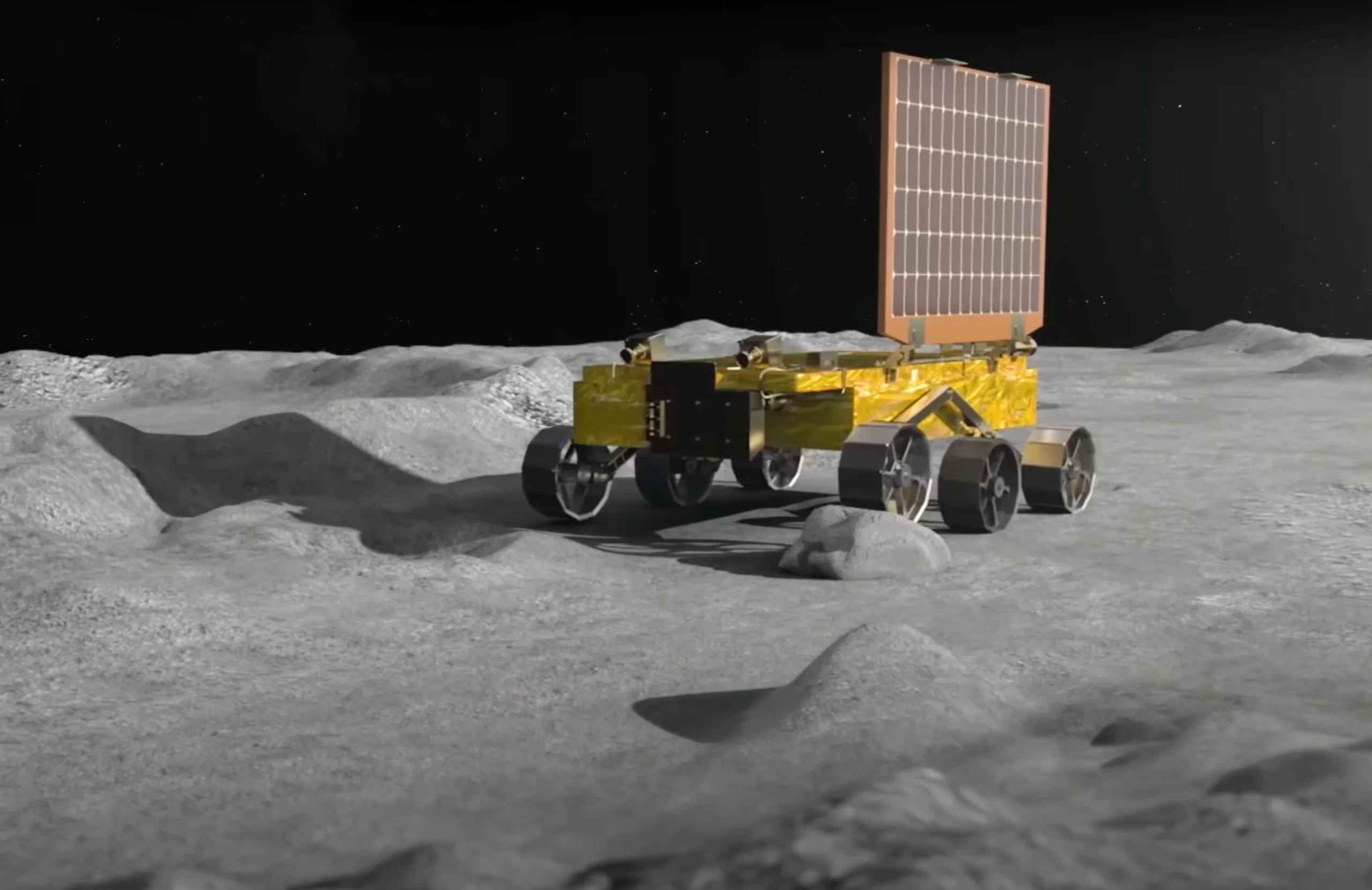
The rover is equipped with six wheels and a variety of scientific instruments. ISRO claims that the lander and the Rover each have five research payloads that have been put inside of the Lander Module (LM) of the spacecraft.

1. The Alpha Particle X-Ray Spectrometer (APXS) aboard the Rover will be utilised to determine the chemical composition of the lunar surface and to infer the mineralogical composition in order to further expand our understanding of the lunar terrain.

2. The Laser Induced Breakdown Spectrometer (LIBS) will analyse the soil and rocks around the landing site on the Moon to identify their elemental make-up. ISRO has stated that the use of Rover to conduct scientific experiments on the moon in their natural environment would take lunar exploration to a whole new level.

3. The RAMBHA-LP (Langmuir Probe) that is part of the Lander Payloads will monitor the density of the plasma (ions and electrons) near the surface as well as how it varies over time.

4. ChaSTE Chandra’s Surface Thermo Physical Experiment will carry out the measurements of the thermal characteristics of the lunar surface in the vicinity of the polar area.

5. The Instrument for Lunar Seismic Activity, or ILSA, will be used to delineate the structure of the lunar crust and mantle as well as measure the seismic activity that is occurring close to the landing site.

Over the next 14 days, which is equivalent to one lunar day, the Pragyan rover will travel up to 500 meters from the lander and conduct a series of experiments to study the geology, mineralogy, and history of the lunar south pole. The rover will also look for signs of water ice, which is believed to be present in the permanently shadowed craters of the region.

The Pragyan rover is a major milestone for India’s space program and is expected to make significant contributions to our understanding of the moon. The rover’s mission is also a testament to the ingenuity and determination of the Indian scientists and engineers who made it possible.

What will happen to Chandrayaan 3 after 14 days?

Following the passage of 14 days, the moon will experience a nighttime phase that will also last for 14 days. Because Vikram and Pragyan can perform their jobs only when the sun is shining, they will become inactive after 14 days because the weather would be extremely chilly. In addition, both the lander and the rover have been built with a lifespan of fourteen days in mind. However, the researchers at ISRO have not ruled out the chance that Vikram and Pragyan would regain consciousness when the sun once more rises on the moon. If this is the case, then it will be a bonus benefit for India’s expedition to the moon.

Will Chandrayaan 3 come back to earth?
No, Vikram and Pragyan are not supposed to come back to the earth. They will remain on the moon.

Tagged : / / / / / / /

12 Hindi-Urdu Words Which Are Frequently Used In Everyday English

12 Hindi-Urdu Words Which Are Frequently Used In Everyday English
Hindi and Urdu are two closely related languages spoken by over 600 million people in India, Pakistan, and other parts of the world. For a long time India and Pakistan belonged to the same country and Hindi and Urdu were spoken by people of both sides. Even after partition, these languages are spoken in both the countries. Both languages have a rich vocabulary, and many of their words have been borrowed into English. Here we give you 10 such words:

1. Yoga
The Indian Spiritual way of living life through yoga has now found its takers far into the western world. The word ‘Yoga’ is now a part of the English language and people easily understand what it means.

2. Jungle
Jungle is now used in English language quite commonly and it means chaos or wild , originating from the dense Indian forests. Jungle’ was one of the very few first words to be picked up from India by the Oxford dictionary

3. Bazaar
Long before malls and markets, we used ‘bazaar’ as the place where we bought things and people sold them. This word is now used in English too signifying a commercial area.

4. Guru
Guru for Indians is the person who leads one to the right path – be it spiritual or academic. The word was adopted in the same form and meaning in the English language too.

5. Loot
Loot has been a part of the English language from quite some time. Just like Hindi, it means to rob someone. It is also the bounty taken under custody after the robbery.

6. Thug
This word taken as it is from Hindi language, means a violent, aggressive person, especially one who is a criminal. It is derived from ‘thug’ the Indian clans of criminal ruffians who looted people and killed them.

7. Mantra
We all know what mantra means – a repeated sound or words to increase concentration or offer prayers. This word was adopted in English too as a statement or slogan repeatedly.

8. Karma
For us Indians, it is the sum of a person’s actions in this and previous states of existence and when adopted in English language this means the same -good or bad luck, viewed as resulting from one’s actions.

9. verandah
The word which describes the area just outside of the house which is covered is derived from hindi word ‘baranda’ or urdu word ‘baramda’. There are no Verandahs in houses in England. But when the British came to know about this word during their stay in India, they made it a part of their dictionary.

10. Pajama
It is derived from the word ‘pyjama’ very commonly used in Hindi as well as Urdu. It means ‘Pay’ – leg and ‘jama’ – cloth.

11. Bungalow
Bungalow is also a word that has been long accepted in English language but which originated from ‘bangla’ meaning a big house.

12. Avatar
It was the movie avatar that made this Hindi word popular around the globe but the word has been a part of English language long before that. Derived from the Sanskrit avatra, meaning “descent,” avatar first appeared in English in 1784 to mean an incarnation or human appearance of a deity, particularly Vishnu. Now this word id everywhre – from movies to online games to chat rooms.

Apart from these, there are many other words that are now a part of the English language – like jugaad, namaste, Chit, Chutney, etc. The world is becoming smaller so the languages are bound to coalescence.

Tagged : / / / / /

5 Most Stunning Bridges of India That Every Indian Must Be Proud Of!

5 Most Stunning Bridges of India That Every Indian Must Be Proud Of!
India is a country with a rich history and culture, and this is reflected in its many beautiful bridges. From the ancient cantilever bridges of Kolkata to the modern cable-stayed bridges of Mumbai, India’s bridges are a testament to the ingenuity and engineering skill of its people.

Here are 5 of the most stunning bridges in India:

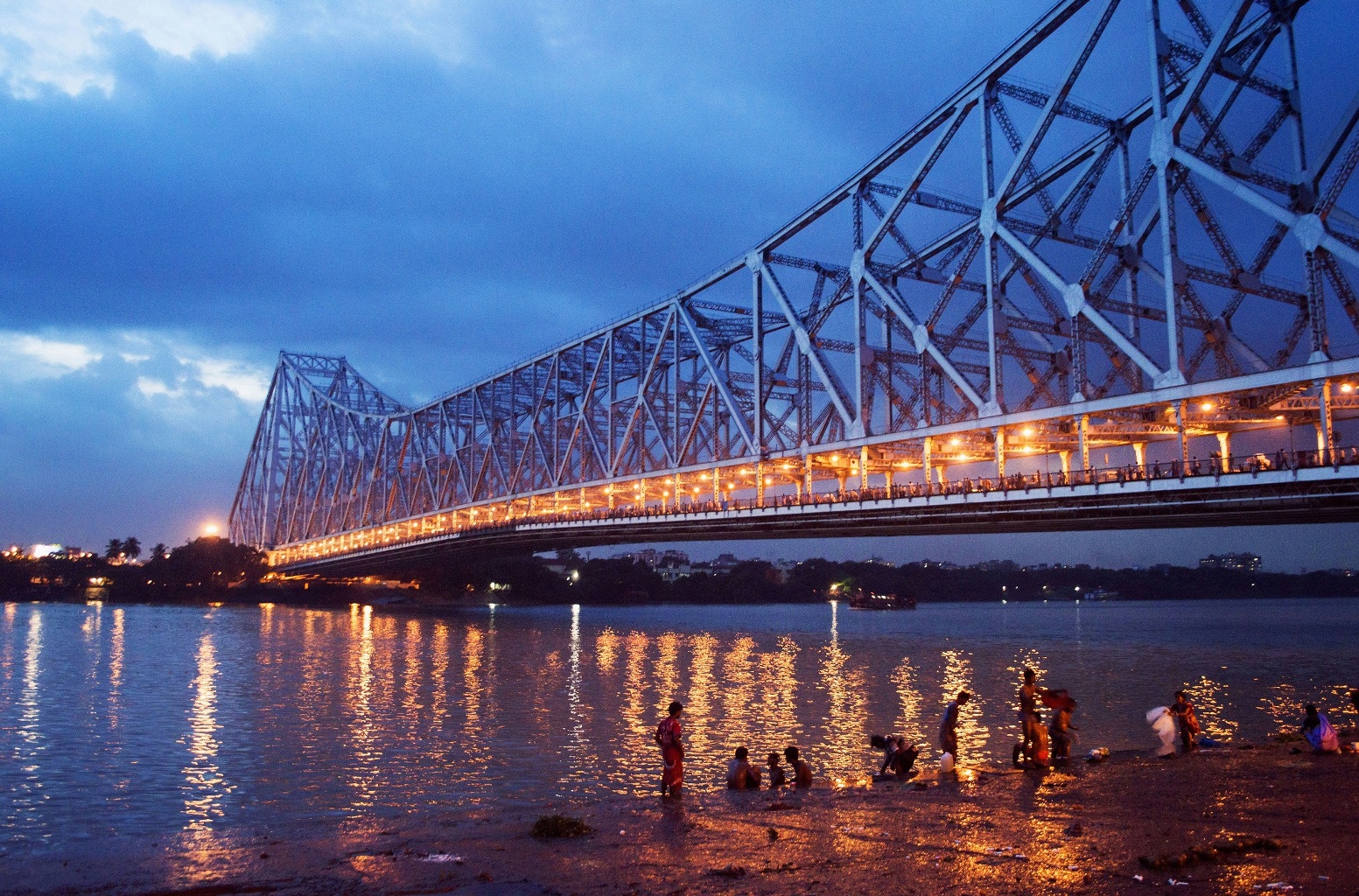
1. Howrah Bridge, Kolkata


The Howrah Bridge is one of the most iconic bridges in India. It is a cantilever bridge that spans the Hooghly River, connecting the city of Kolkata to the Howrah district. The bridge was built in 1943 and is one of the longest cantilever bridges in the world. It is a popular tourist destination and is known for its stunning views of the city and the river.

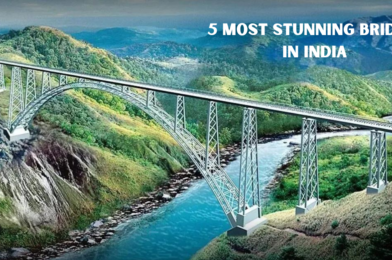
2. Chenab Bridge, Jammu and Kashmir


The Chenab Bridge is a railway bridge that spans the Chenab River, connecting the states of Jammu and Kashmir. The bridge is the highest railway bridge in the world and is a major engineering feat standing at a staggering height of 1178 feet. It has helped to improve connectivity between the two states and has also boosted tourism in the region and is an engineering marvel.

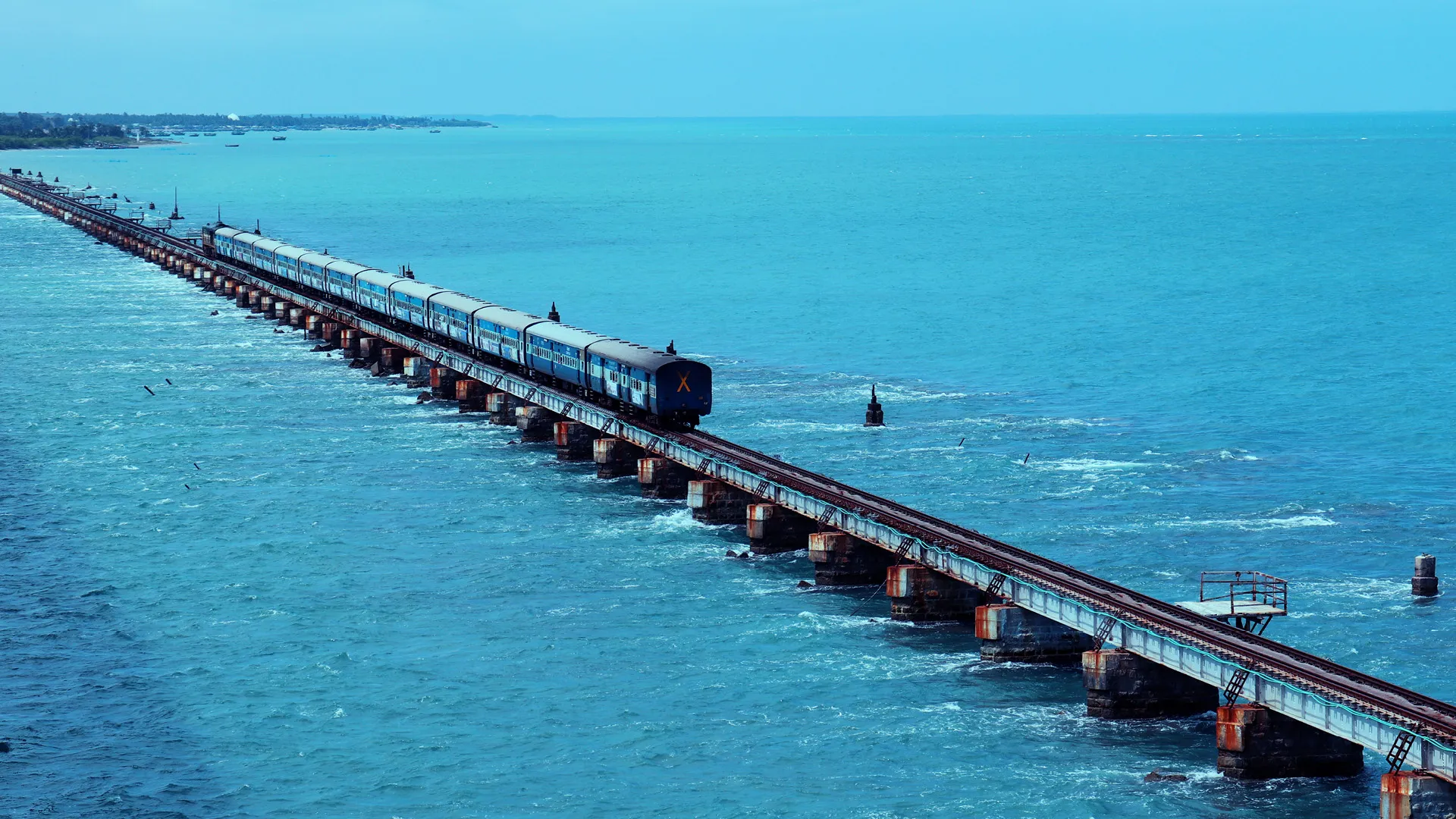
3. Pamban Bridge, Tamil Nadu

The Pamban Bridge is a railway bridge that connects the town of Mandapam in mainland India with Rameswaram on Pamban Island. The bridge was built in 1914 and is the first sea bridge in India. The bridge is 2 km long and it is an awesome experience to cross the sea waters via this bridge, sitting in a train. It is a popular tourist destination and is known for its stunning views of the Indian Ocean.

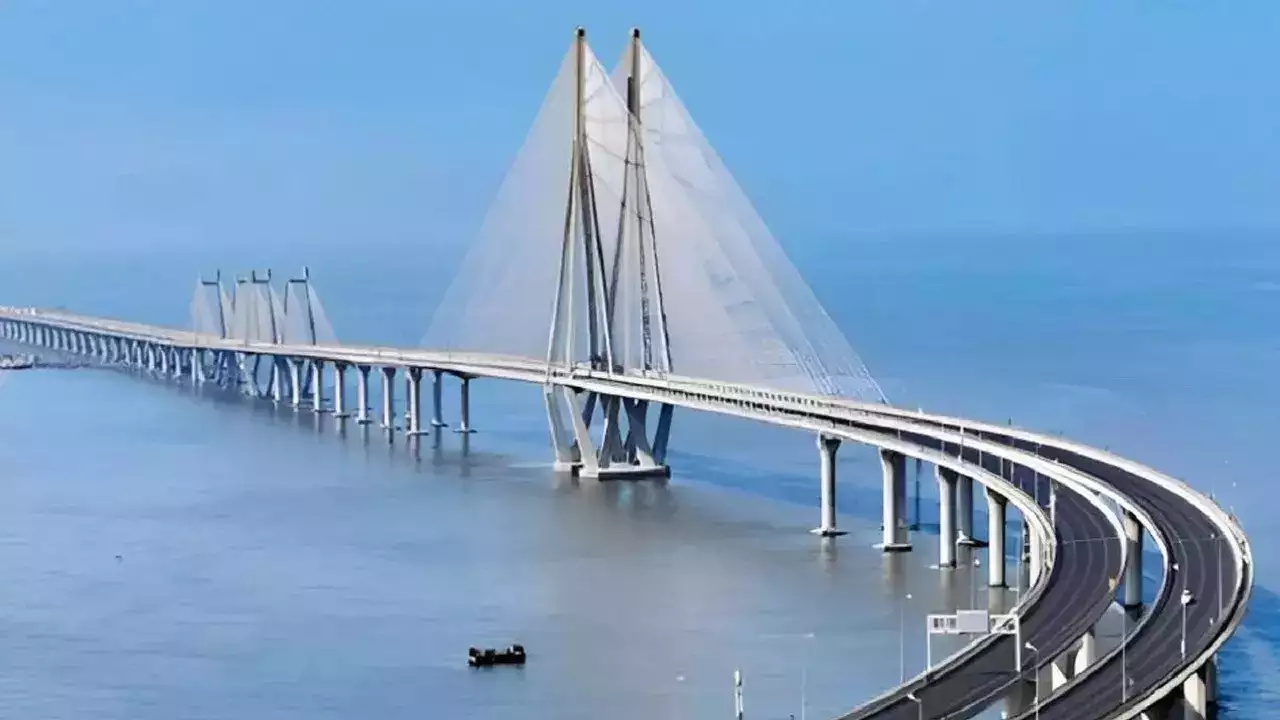
4. Bandra-Worli Sea Link, Mumbai


The Bandra-Worli Sea Link (officially known as Rajiv Gandhi Sea Link[1]) is a 5.6 km long, 8-lane wide cable-stayed bridge that links Bandra in the Western Suburbs of Mumbai with Worli in South Mumbai. It is the longest sea bridge, as well as the 4th longest bridge in India. The bridge was opened in 2009 and is the first cable-stayed bridge in India. It is a popular tourist destination and is known for its stunning views of the Arabian Sea and the city skyline.

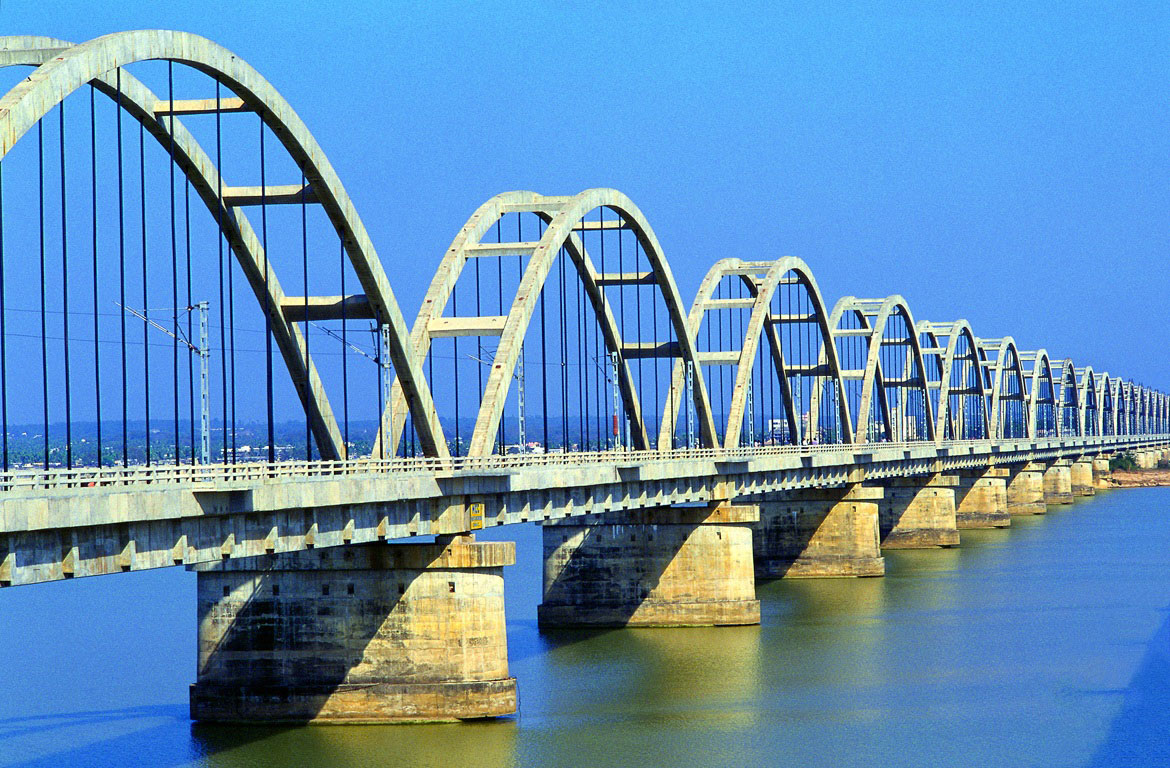
5. Godavari Arch Bridge, Andhra Pradesh


The Godavari Arch Bridge is an arch bridge that spans the Godavari River, connecting the districts of East Godavari and West Godavari in Andhra Pradesh. The bridge was built in 1988 and is the longest arch bridge in India. The Indian Railways who built this bridge have stated that “It is perhaps for the first time anywhere in the world that a bowstring arch girder using concrete has been constructed for such a long span of 97.55 metres (320.0 ft), and that too for the Railway loading.”

Now don’t these bridges make you feel proud of your country?

Tagged : / / / / /

Mumbai Tops The List of Most Expensive Cities of India! Which Ones Are Affordable?

Mumbai Tops The List of Most Expensive Cities of India! Which Ones Are Affordable?
Mumbai, the financial capital of India, has been ranked as the most expensive city to live in India. The city beat out Delhi, the national capital, to the top spot. The ranking is based on the Knight Frank Affordability Index, which measures the cost of living in a city based on the EMIs (equated monthly installments) that a resident would have to pay if they took out a home loan. As the threshold beyond which banks rarely underwrite a mortgage, an EMI/Income ratio of more than 50% is seen as unaffordable. For Mumbai, the home loan EMI to income ratio is a whopping 55%, meaning that an average household has to pay more than half of its income on home loan EMIs if they have to get a house on loan. This is significantly higher than the EMI-to-income ratio in Delhi, which is 30%.

The high cost of living in Mumbai is due to a number of factors, including the high demand for housing, the high cost of transportation, and the high cost of education. Mumbai is also a very crowded city, which adds to the cost of living. The high cost of living in Mumbai can make it difficult for people to afford to live in the city. This is especially true for low-income earners and people who are new to the city. There are a number of government programs that help people to afford to live in Mumbai, but these programs are often not enough.

The high cost of living in Mumbai is also a challenge for businesses. Businesses have to pay higher wages to attract and retain employees, and they also have to pay higher costs for transportation and other expenses. This can make it difficult for businesses to compete in the global economy. The second most costly city is Hyderabad, with an EMI to income ratio of 31%. The third-placed region is the Delhi National Capital Region, where home loan EMIs cost 30% of your salary. With an EMI to income ratio of 28%, Chennai and Bengaluru in Tamil Nadu tie for fourth place. Next, an ordinary household in Pune, Maharashtra, must pay home loan EMIs equal to 26% of their income. In West Bengal, Kolkata has the same rate.

And in the end, the most affordable Indian city to live in is Ahmedabad in Gujarat where an average household needs to pay 23% of its income for home loan EMIs. This index has assumed a loan term of 20 years, a loan-to-value ratio of 80% and a fixed house size across cities. Indore and Jaipur also turned out to be affordable cities based on this index.

Tagged : / /
Verified by ExactMetrics