The Way You Eat Eggs Decides The Way Your Health Will Turn Out To Be!

The Way You Eat Eggs Decides The Way Your Health Will Turn Out To Be!
Eggs are a breakfast staple for many people, but how you cook and eat them can have a serious impact on your health. A recent study by Dr. [insert doctor’s name], a leading expert in nutrition, found that the way you prepare your eggs can significantly affect your cholesterol levels, risk of heart disease, and even your gut health.

The Cholesterol Myth

For years, eggs were demonized for their high cholesterol content. However, recent research has shown that dietary cholesterol has a much smaller impact on blood cholesterol levels than previously thought. In fact, studies have shown that eating eggs in moderation can actually improve your HDL (“good”) cholesterol levels.

The Cooking Method Matters

The way you cook your eggs can make a big difference in their healthfulness. Frying eggs in oil adds unhealthy saturated fat and calories. Poaching, boiling, or baking eggs are healthier cooking methods that preserve their nutrients and prevent the addition of unhealthy fats.

Watch Out for Hidden Ingredients

Many people enjoy eggs with bacon, sausage, and other processed meats. However, these meats are high in saturated fat and sodium, which can negate the health benefits of eggs. If you must have meat with your eggs, opt for leaner cuts like turkey bacon or Canadian bacon.

Eggs and Gut Health

Eggs are a good source of choline, a nutrient that is important for gut health. Choline helps to promote the growth of good bacteria in the gut, which can improve digestion and boost the immune system.

Tips for Healthy Egg Consumption

  • Stick to one egg per day, or two if you are very active.
  • Choose cooking methods that don’t add unhealthy fats, such as poaching, boiling, or baking.
  • Avoid pairing eggs with processed meats like bacon and sausage.
  • Add vegetables and other healthy ingredients to your eggs, such as spinach, tomatoes, or avocado.
    By following these tips, you can enjoy the health benefits of eggs without compromising your health.

In conclusion, while eggs are a nutritious food, the way you eat them can have a significant impact on your health. By choosing healthy cooking methods, avoiding unhealthy ingredients, and eating eggs in moderation, you can enjoy this delicious breakfast staple without worry.

Tagged : / / /

7 Foods That Can Send Your Uric Acid Levels Soaring

7 Foods That Can Send Your Uric Acid Levels Soaring
Uric acid is a natural waste product produced by your body when it breaks down purines, substances found in many foods. While some uric acid is excreted through urine, high levels can crystallize in joints, causing the excruciating pain of gout. If you’re managing uric acid levels, certain foods can act like landmines, triggering flares and discomfort. Let’s explore seven dietary culprits to keep on your radar:

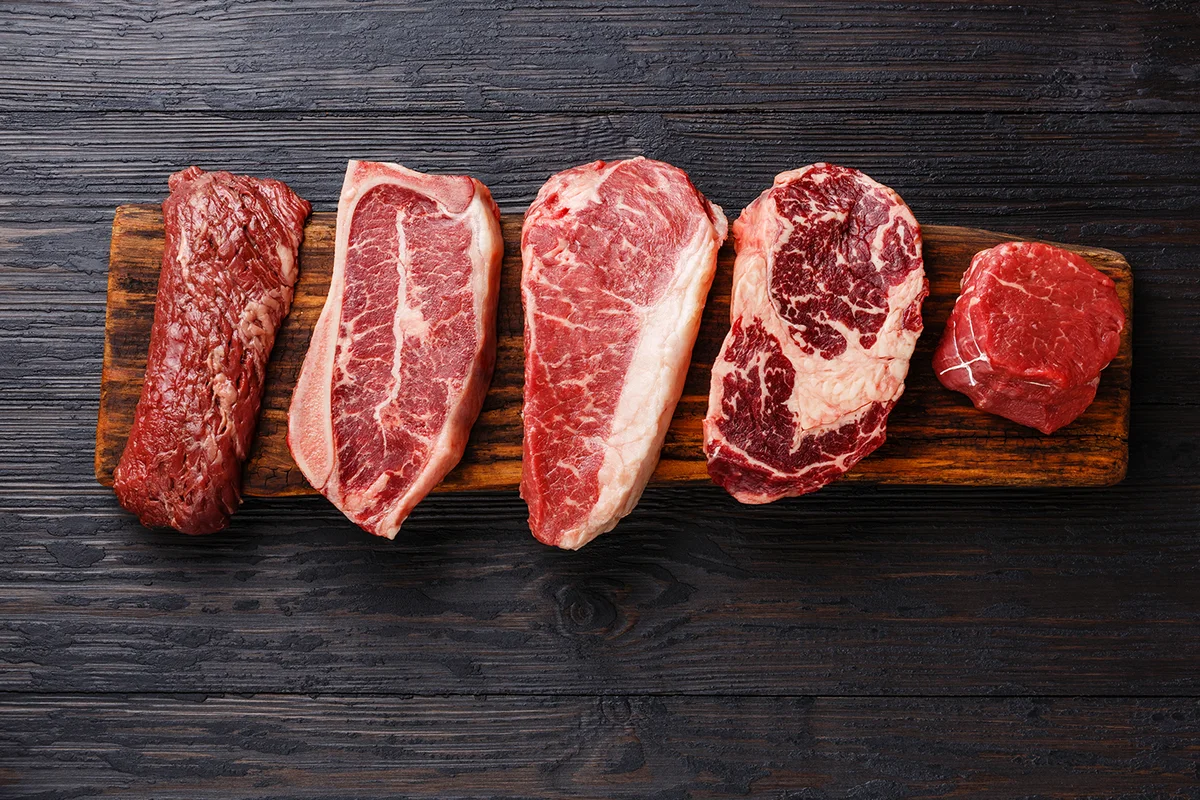
1. Organ Meats

Liver, kidney, heart, and sweetbreads are purine powerhouses. Just a 3-ounce serving of liver packs a whopping 250mg of purines, more than 10 times the daily recommended intake for people with gout. So, skip the pâté and opt for leaner protein sources like chicken or fish.

2. Red Meat

While not as purine-dense as organ meats, red meat like beef, lamb, and pork can still elevate uric acid levels. Moderation is key. Opt for lean cuts and limit portion sizes. Consider replacing red meat with fish, poultry, or plant-based protein sources more often.

3. Certain Seafood

Anchovies, sardines, mussels, and shrimp are purine-rich members of the underwater kingdom. While some fish like tuna and salmon are lower in purines, enjoy them in moderation. Opt for shellfish-free seafood dishes or choose low-purine options like cod or haddock.

4. Sugary Drinks and Sweets

Fructose, a sugar found in sugary drinks and sweets, can increase uric acid production. Ditch the soda, fruit juices, and candy, and quench your thirst with water or unsweetened tea. Choose whole fruits over sugary desserts for a natural sweetness fix.

5. Alcohol

Alcohol, especially beer, is a double whammy for uric acid. It not only contains purines but also hinders your kidneys’ ability to excrete uric acid. Limit alcohol intake or consider abstaining altogether if you struggle with high uric acid levels.

6. Yeast Extract

Found in processed foods like gravies, soups, and savory snacks, yeast extract is a concentrated source of purines. Be mindful of hidden sources and check food labels carefully. Opt for homemade sauces and broths whenever possible.

7. High-Fructose Corn Syrup

This sneaky sweetener lurks in many packaged foods and beverages. Its high fructose content can contribute to increased uric acid production. Choose whole, unprocessed foods and read labels carefully to avoid hidden HFCS.

Remember:

While these foods can increase uric acid levels, it’s important to note that individual responses vary. Consult your doctor or a registered dietitian for personalized dietary guidance based on your specific needs and health conditions. By making informed food choices and managing purine intake, you can keep your uric acid levels in check and enjoy a gout-free life.

In addition to the foods mentioned above, here are some other tips for managing uric acid levels:

  • Maintain a healthy weight
  • Drink plenty of water
  • Exercise regularly
  • Manage stress

By following these tips, you can improve your overall health and well-being.

Tagged : / / / /

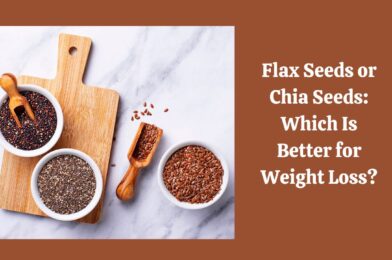
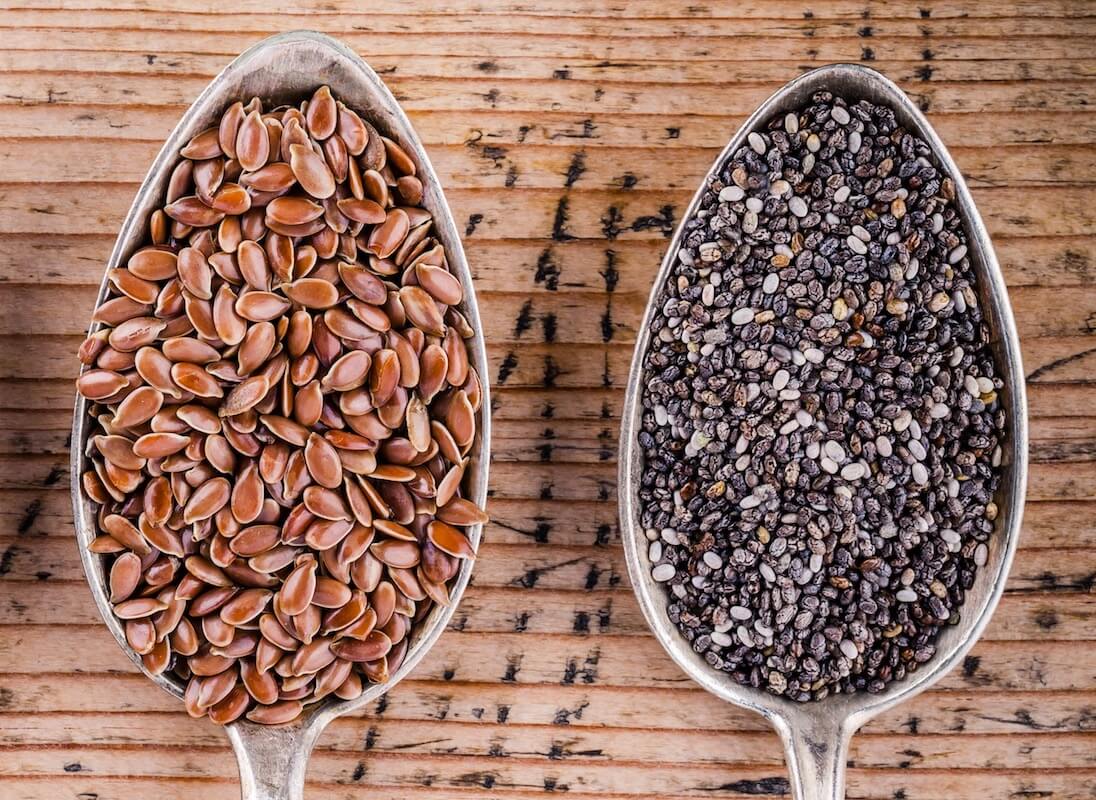
Flax Seeds or Chia Seeds: Which Is The Better Option for Weight Loss?

Flax Seeds or Chia Seeds: Which Is The Better Option for Weight Loss?
When it comes to weight loss, superfoods often take center stage. Among the trendiest contenders are flax seeds and chia seeds, both brimming with nutrients and promising a path to a slimmer you. But before you blindly sprinkle them on everything, let’s crack the code and see which one reigns supreme in the weight loss arena.

Fiber Frenzy: The Appetite-Suppressing Duo

Both flax and chia seeds are fiber superstars, with flaxseeds packing a whopping 12 grams per 2 tablespoons and chia seeds coming in at a respectable 10 grams. This dietary fiber, especially the soluble kind, is your secret weapon against hunger pangs. It forms a gel in your gut, slowing down digestion and keeping you feeling fuller for longer. This means fewer cravings and potentially smaller portions at mealtimes, setting you on the calorie-reduction track.

Flaxseeds: The Omega-3 Edge

Flaxseeds boast a hidden treasure: plant-based omega-3 fatty acids. These good fats not only contribute to heart health but also play a role in regulating appetite and metabolism. Studies suggest that omega-3s may increase satiety and reduce calorie intake, making flaxseeds a potential ally in your weight loss journey.

Chia Seeds: The Hydration Hero

Chia seeds have a unique trick up their sleeve: they absorb water and transform into a gel-like pudding. This not only adds bulk to your meals but also keeps you hydrated, a crucial factor for weight management. Proper hydration can boost metabolism, curb cravings, and even prevent overeating. So, chia seeds might be your perfect partner if staying hydrated is your Achilles’ heel.

Nutritional Nuances: Beyond the Fiber Fight

While both seeds are nutritional powerhouses, their profiles differ slightly. Flaxseeds are richer in protein, potassium, and magnesium, while chia seeds are champions of calcium, iron, and antioxidants. Ultimately, the choice depends on your individual needs and dietary gaps.

The Verdict: A Tie with Different Trophies

So, who wins the weight-loss crown? The truth is, it’s a tie, but with different trophies. Flaxseeds might take the lead for their higher fiber and omega-3 content, while chia seeds shine with their hydration prowess and unique nutritional profile.

The Real Winner: You!

The real winner in this battle is you! The key is to incorporate both seeds into your diet in ways you enjoy. Sprinkle them on smoothies, porridge, yogurt, or salads. Bake them into bread or muffins. Make chia pudding or flaxseed crackers. Experiment and find what works for you. Remember, a healthy, balanced diet with regular exercise is the ultimate recipe for successful weight loss, and these little seeds can be valuable additions to your culinary journey.

Bonus Tip: Grind flaxseeds before consuming them to enhance their nutrient absorption. Chia seeds, on the other hand, can be enjoyed whole or ground.

So, ditch the diet wars and embrace the power of both flax and chia seeds! Let them be your tiny nutritional allies on your path to a healthier, happier you.

Tagged : / / / / /

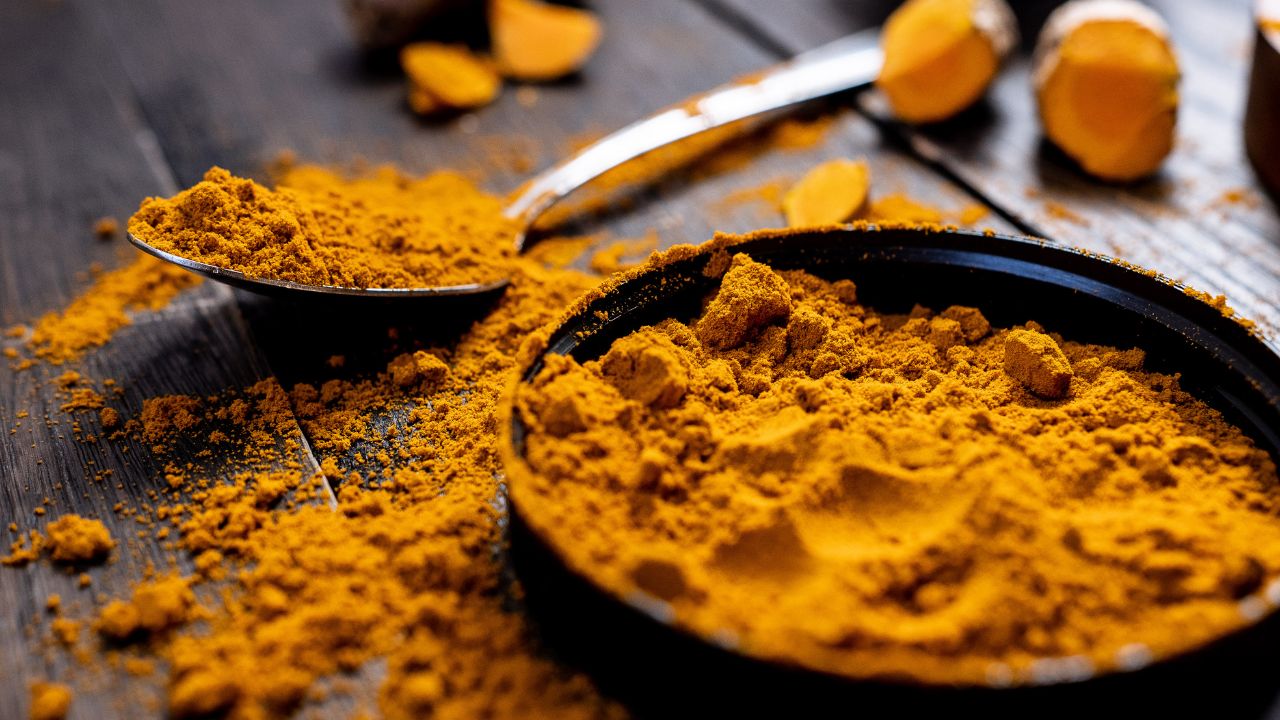
Why Everyone’s Sipping on Turmeric Shots and You Should Too!

Why Everyone’s Sipping on Turmeric Shots and You Should Too!
In the age of juice cleanses and superfood smoothies, there’s a new health elixir taking the wellness world by storm: the turmeric shot. This potent little concoction packs a punch of antioxidants and anti-inflammatory properties, promising a myriad of health benefits for your body. But is the hype real, or just another fad?

Turmeric Powerhouse:

The star ingredient, turmeric, has been revered for centuries in Ayurveda for its medicinal properties. Its vibrant orange hue comes from curcumin, a powerful compound with anti-inflammatory and antioxidant effects. These properties are linked to a range of potential health benefits, including:

  • Boosts immunity: Curcumin can help fight off infections and viruses, keeping you feeling your best.
  • Reduces inflammation: Chronic inflammation is linked to various diseases, and turmeric can help reduce it, potentially easing pain and stiffness.
  • Improves digestion: Turmeric can stimulate bile production and aid digestion, alleviating bloating and discomfort.
  • Brainpower booster: Curcumin may improve cognitive function and memory, potentially reducing the risk of Alzheimer’s disease.
  • Glowing skin: Turmeric’s antioxidants can combat free radical damage, promoting healthy, radiant skin.

The Shot of Wellness:

Turmeric shots are typically small, concentrated doses of turmeric blended with other ingredients like ginger, lemon, black pepper, and honey to enhance flavor and absorption. Taking a shot daily can be an easy way to reap the benefits of this wonder spice.

DIY or Buy Pre-made?

Making your own turmeric shots is quite simple. Just blend fresh turmeric root or powder with your choice of ingredients and enjoy! However, if you’re short on time, pre-made shots are readily available in health stores and online. Just be sure to check the ingredients for added sugars or preservatives.

A Word of Caution:

While turmeric is generally safe for most people, it’s crucial to check with your doctor before consuming it, especially if you have any underlying health conditions or are taking medications.

So, should you try the turmeric shot?

If you’re looking for a natural way to boost your health and well-being, the turmeric shot is definitely worth a try. Just remember, consistency is key. Make it a daily ritual, and your body will thank you for it with improved immunity, reduced inflammation, and a radiant glow from the inside out!

Cheers to your health!

Tagged : / / /

Soya Chunks: The Meatless Marvel And Its 8 Amazing Benefits

Soya Chunks: The Meatless Marvel And Its 8 Amazing Benefits
Soya chunks, also known as textured vegetable protein (TVP), have emerged as a popular meat alternative for vegetarians and vegans alike. But their appeal goes beyond just being a meat substitute. These little nuggets pack a powerful punch of nutrients, making them a valuable addition to any diet.

1. Protein Powerhouse: Soya chunks are champions of protein, containing around 50% protein by weight. This is more than double the amount found in tofu and even rivals that of lean beef. Protein is essential for building and repairing tissues, keeping you feeling full and energized, and supporting a healthy metabolism.

2. Low-fat and Fabulous: Unlike fatty meats, soya chunks are naturally low in fat, making them a heart-friendly choice. They’re also cholesterol-free, further adding to their cardiovascular benefits. So, indulge in your favorite soya curry or stir-fry without worrying about piling on unhealthy fats.

3. Fiber Fiesta: Soya chunks are a treasure trove of dietary fiber, essential for gut health and digestion. Fiber keeps you feeling full and prevents blood sugar spikes, making it a friend for weight management and diabetes control.

4. Calcium Craze: Soya chunks are a rich source of calcium, a mineral crucial for strong bones and teeth. This is particularly beneficial for vegans and people with lactose intolerance who might struggle to meet their daily calcium needs.

5. Magnesium Magic: Soya chunks are also a good source of magnesium, a mineral involved in over 300 biochemical reactions in the body. Magnesium plays a vital role in muscle function, energy production, and mood regulation.

6. Iron Inspiration: Feeling tired and sluggish? Soya chunks might be the answer. They’re a good source of iron, which helps transport oxygen throughout the body, combating fatigue and anemia.

7. Phytoestrogen Flair: Soya chunks contain phytoestrogens, plant-based compounds with estrogen-like effects. These may help balance hormones, alleviate menopausal symptoms, and even reduce the risk of certain cancers.

8. Versatile and Delicious: Soya chunks are incredibly versatile in the kitchen. They can be minced, crumbled, or chopped to mimic the texture of ground meat, making them perfect for curries, bolognese, tacos, and even kebabs. Their bland flavor readily absorbs the spices and sauces you cook them in, making them a culinary chameleon.

So, next time you’re looking for a healthy, protein-packed, and versatile ingredient, give soya chunks a try. Your body and taste buds will thank you!

Remember, moderation is key. While soya chunks offer a multitude of health benefits, it’s important to consume them in moderation as part of a balanced diet.

Tagged : / / / /

Eat These 10 Foods To Boost Your Dopamine Naturally & Embrace Happiness

Eat These 10 Foods To Boost Your Dopamine Naturally & Embrace Happiness
Dopamine, the “happy hormone,” plays a crucial role in motivation, reward, and pleasure. Low dopamine levels can lead to low mood, fatigue, and even depression. But wait, there’s good news! You can naturally boost your dopamine levels through the power of food. Ditch the sugary treats and processed snacks, and embrace these 10 delicious dopamine-boosting foods for a happier and healthier you:

1. Fatty Fish: Salmon, tuna, and mackerel are rich in omega-3 fatty acids, which have been shown to increase dopamine production. Salmon, in particular, is also a good source of vitamin D, another mood-lifter.

2. Eggs: Start your day with a sunny side up! Eggs are an excellent source of choline, a precursor to dopamine. They also contain vitamin B12 and iron, which are essential for neurotransmitter function.

3. Dark Chocolate: This one’s a crowd-pleaser! Dark chocolate (with at least 70% cocoa) contains anandamide, a compound that mimics the effects of THC (the psychoactive component of marijuana) and can temporarily boost dopamine levels. Just remember, moderation is key!

4. Nuts and Seeds: Almonds, walnuts, and pumpkin seeds are packed with protein, healthy fats, and L-tyrosine, an amino acid that helps produce dopamine. Sprinkle them on salads, yogurt, or enjoy them as a healthy snack.

5. Berries: These antioxidant powerhouses are not only delicious but also good for your brain. Berries are rich in vitamin C and flavonoids, which have been shown to improve mood and cognitive function.

6. Avocados: This creamy fruit is full of healthy fats, fiber, and vitamin B6, all of which are important for dopamine production. Spread some avocado on toast, add it to smoothies, or enjoy it on its own for a satisfying snack.

7. Green Tea: This healthy beverage is rich in L-theanine, an amino acid that can increase dopamine and GABA (another calming neurotransmitter) levels. Enjoy a cup of green tea in the morning or afternoon for a natural mood boost.

8. Spicy Foods: Chili peppers contain capsaicin, a compound that can trigger the release of endorphins and dopamine. Just be careful not to overdo it, especially if you have a sensitive stomach!

9. Yogurt with Probiotics: Probiotics are good bacteria that can improve gut health and mood. Some strains of probiotics have even been shown to increase dopamine production. Choose yogurt with live and active cultures for the best benefits.

10. Beans and Lentils: These plant-based protein sources are full of fiber, iron, and magnesium, all of which are important for neurotransmitter function. Enjoy them in soups, stews, or as a side dish for a satisfying and mood-boosting meal.

Remember, a healthy diet is just one piece of the puzzle when it comes to boosting your mood and happiness. Exercise, regular sleep, and stress management are also important factors. But by incorporating these dopamine-boosting foods into your diet, you can take a delicious step towards a brighter outlook!

So, what are you waiting for? Embrace the power of food and fuel your happiness from the inside out!

Tagged : / / / /

Basi Roti: The Unsung Breakfast Champion

Basi Roti: The Unsung Breakfast Champion
Move over, avocado toast and trendy smoothies, there’s a new breakfast hero in town! Don’t underestimate the humble basi roti, the champion of budget-friendly nutrition and sustained energy. While it might not have the flashy appeal of its instagrammable counterparts, this simple flatbread from the Indian kitchen packs a nutritional punch worth celebrating.

A Slow-Burning Energy Source:

Forget the mid-morning crash fueled by sugary cereals or pastries. Basi roti is a slow-burner, releasing energy gradually throughout the morning. Its high fiber content keeps you feeling full and satisfied, aiding digestion and slowing down sugar absorption. Imagine sustained focus, increased productivity, and a clear head – all thanks to your breakfast choice!

A Hidden Treasure Trove of Nutrition:

Don’t let the word “stale” fool you. Basi roti retains surprising amounts of its original nutritional goodness. While some vitamins slightly decrease during the aging process, it remains rich in B vitamins essential for cell function and a healthy metabolism, iron for oxygen transport and energy production, and protein for building and repairing tissues.

Bonus points for being a champion of sustainability! Basi roti utilizes leftover roti, reducing food waste and saving you money. It’s a win-win for your wallet and the planet.

Versatility is Its Middle Name:

Basi roti isn’t just a basic flatbread. It’s your culinary canvas! Toast it for a crispy morning treat, roll it with savory fillings for a quick on-the-go snack, or crumble it over yogurt for a delightful textural twist. The possibilities are endless!

So, ditch the fad diets and give basi roti a chance. It’s delicious, affordable, and packed with hidden benefits. This simple flatbread could just be the secret weapon for a healthy and productive morning, proving that sometimes, the best things come in simple, “stale” packages.

Give basi roti a try and experience the difference for yourself! You might just find your new breakfast BFF.

Tagged : / / / /

4 Hormones Controlling Your Period: Regularity or Rollercoaster?

4 Hormones Controlling Your Period: Regularity or Rollercoaster?
Your menstrual cycle is a complex dance orchestrated by a delicate interplay of hormones. These chemical messengers guide the monthly ebb and flow of your period, from egg maturation to uterine lining shedding. While some cycles run like clockwork, others can be as unpredictable as a rogue wave. Understanding the hormonal players behind this monthly rhythm can help shed light on why your period might sometimes be a well-behaved guest and other times, a mischievous prankster.

1. Follicle-Stimulating Hormone (FSH): The Conductor

Imagine FSH as the conductor of the menstrual cycle orchestra. It awakens dormant follicles in your ovaries, each containing an egg. As FSH levels rise in the early days of your cycle, one lucky follicle takes center stage, maturing and preparing to release an egg.

2. Luteinizing Hormone (LH): The Spotlight Stealer

Just as the conductor cues the soloist, LH takes over around mid-cycle. A surge in LH triggers ovulation, the grand release of the egg from the dominant follicle. This mid-cycle LH surge is what ovulation predictor kits detect, helping you pinpoint your fertile window.

3. Estrogen: The Set Designer

Estrogen, the diva of the hormonal cast, plays a crucial role in preparing the stage for potential pregnancy. It thickens the uterine lining, creating a plush welcome mat for a fertilized egg. Estrogen also influences cervical mucus, making it thin and slippery to facilitate sperm passage.

4. Progesterone: The Stagehand

Progesterone, the understudy waiting in the wings, takes over after ovulation. It further thickens the uterine lining and keeps it ready for implantation if the egg is fertilized. If fertilization doesn’t occur, progesterone levels dip, triggering the shedding of the thickened lining – your period.

The Irregularity Interruption

When these hormonal players don’t sing in perfect harmony, menstrual irregularities can occur. Stress, hormonal imbalances, medical conditions, and lifestyle factors can disrupt the delicate dance, leading to missed periods, delayed cycles, or heavy bleeding.

Understanding the hormonal symphony behind your menstrual cycle can empower you to make informed choices about your health and well-being. If you’re experiencing menstrual irregularities, consulting a healthcare professional can help identify the underlying cause and find ways to restore hormonal harmony.

Remember, a healthy menstrual cycle is a sign of a healthy you!

Additional Tips:

  • Maintain a healthy lifestyle with a balanced diet, regular exercise, and adequate sleep.
  • Manage stress effectively through relaxation techniques like yoga or meditation.
  • Track your menstrual cycle to identify patterns and potential irregularities.
  • Consult a doctor if you experience any concerning symptoms like heavy bleeding, extreme pain, or missed periods.

    By understanding your hormonal orchestra, you can conduct your menstrual cycle with confidence and embrace the rhythm of your unique womanhood.

Tagged : / / / /

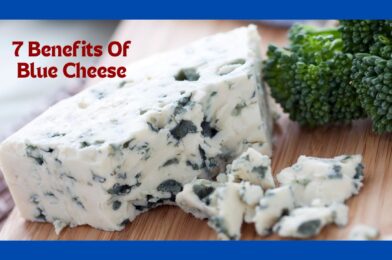
7 Health Benefits of Including Blue Cheese in Your Diet

7 Health Benefits of Including Blue Cheese in Your Diet
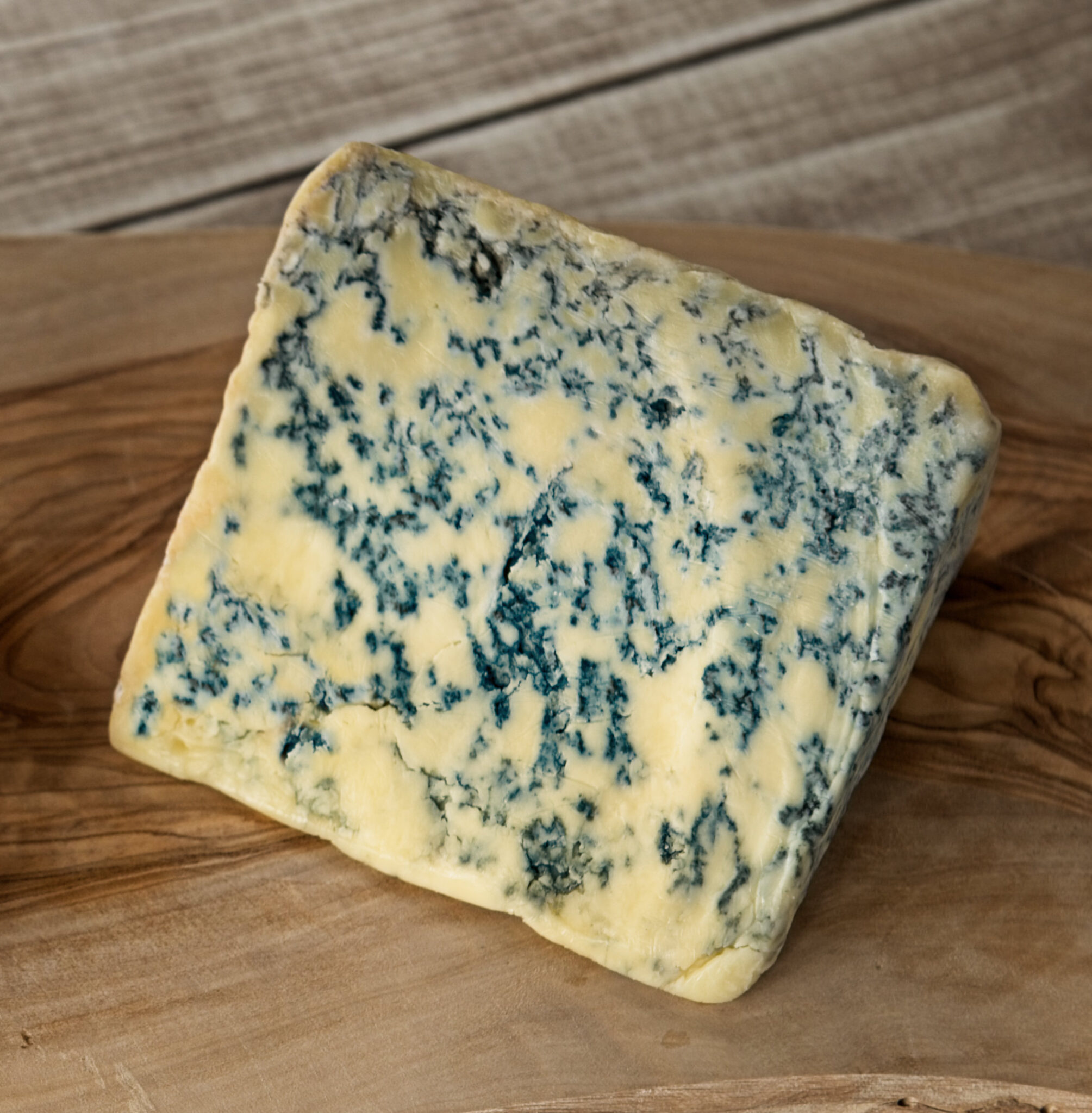
Blue cheese, with its sharp, pungent aroma and creamy texture, is a love-it-or-hate-it food. But beyond its bold flavor profile, this unique cheese offers a surprising array of health benefits. So, if you’re looking to add a little more zest to your diet (and potentially boost your well-being), consider incorporating blue cheese in moderation.

1. Champion of Calcium and Protein: Blue cheese is a nutritional powerhouse, particularly when it comes to calcium and protein. Just one ounce of this creamy delight packs in about 20% of your daily calcium requirement, crucial for strong bones and teeth. Protein, essential for building and repairing tissues, is also abundant in blue cheese, making it a great post-workout snack or addition to a balanced meal.

2. Heart-Health Hero: The good fats in blue cheese, primarily conjugated linoleic acid (CLA), can help lower bad cholesterol (LDL) levels while raising good cholesterol (HDL). This can contribute to a healthier heart and reduced risk of cardiovascular disease.

3. Anti-inflammatory All-Star: Blue cheese contains compounds that exhibit anti-inflammatory properties. These can help reduce inflammation associated with conditions like arthritis and autoimmune diseases, potentially alleviating pain and discomfort.

4. Immunity Booster: Certain strains of mold used in blue cheese production may enhance the immune system’s response to pathogens. This can help your body fight off infections and stay healthy.

5. Bone Builder: Beyond its calcium content, blue cheese also contains vitamin K2, which plays a vital role in bone health. Vitamin K2 helps the body absorb calcium and deposit it into bones, making them stronger and denser.

6. Gut Feeling: Blue cheese is a fermented food, and like other fermented products, it contains probiotics. These beneficial bacteria can improve gut health, digestion, and nutrient absorption.

7. Flavorful Friend: Let’s not forget the most obvious benefit – blue cheese adds a burst of umami depth and complexity to any dish. From salads and pasta to burgers and steak, a sprinkle of blue cheese can elevate your culinary creations to new heights.

Remember, moderation is key. While blue cheese offers a wealth of health benefits, it’s important to enjoy it in moderation due to its high fat, sodium, and calorie content. Pregnant women and individuals with certain medical conditions should consult their doctor before indulging in blue cheese.

So, the next time you encounter a cheeseboard, don’t shy away from the vibrant veins of blue cheese. This flavorful friend might just become your new secret weapon for a healthier and more delicious life.

Tagged : / / / /

The not-so-secret 5 side effects of protein shakes

The not-so-secret 5 side effects of protein shakes
Protein shakes have become a popular go-to for fitness enthusiasts and health-conscious individuals alike. They’re marketed as a quick and convenient way to up your protein intake and boost your workout results. But before you start gulping down those shakes like there’s no tomorrow, it’s important to be aware of the potential downsides.

1. Digestive distress

One of the most common side effects of consuming too much protein is digestive upset. This can include bloating, gas, constipation, and diarrhea. Whey protein, a common ingredient in shakes, can be especially hard to digest for some people. If you experience any of these symptoms after drinking a protein shake, try reducing your intake or switching to a plant-based protein powder.

2. Allergic reactions

Some people are allergic to whey or other protein sources in shakes. Symptoms of a protein allergy can range from mild (such as hives or skin rash) to severe (such as anaphylaxis). If you suspect you might have a protein allergy, it’s important to see a doctor for testing.

3. Kidney strain

High protein intake can put a strain on your kidneys, especially if you already have kidney problems. If you’re concerned about your kidney health, talk to your doctor before increasing your protein intake.

4. Bone loss

Some studies have suggested that high protein intake may increase the risk of bone loss. However, more research is needed to confirm this. If you’re concerned about your bone health, talk to your doctor about ways to keep your bones strong.

5. Acne

Some people may experience breakouts or worsening of acne after consuming protein shakes. This is likely due to the hormones in whey protein, which can stimulate oil production. If you’re prone to acne, talk to your doctor before starting or increasing your protein shake intake.

So, what’s the bottom line?

Protein shakes can be a healthy and convenient way to increase your protein intake. However, it’s important to be aware of the potential side effects and to talk to your doctor before making any major changes to your diet.

Here are some additional tips for consuming protein shakes safely:

  • Start with a small amount of protein powder and gradually increase your intake as tolerated.
  • Choose a protein powder that is low in sugar and artificial ingredients.
  • Drink plenty of water throughout the day to help your body digest the protein.
  • Don’t rely on protein shakes as your sole source of protein. Be sure to eat a variety of healthy foods to get all the nutrients you need.

    By following these tips, you can enjoy the benefits of protein shakes without putting your health at risk.

Tagged : / / / / /

5 Amazing Dry Fruits That Can Help Improve Your Vision

5 Amazing Dry Fruits That Can Help Improve Your Vision
Dry fruits are not just delicious and nutritious snacks, but they can also be a great way to boost your eye health. These tiny powerhouses are packed with vitamins, minerals, and antioxidants that are essential for maintaining good vision. Here are five amazing dry fruits that can help you see better:

1. Almonds

Almonds are rich in vitamin E, a powerful antioxidant that protects your eyes from free radical damage. They also contain zinc, which is important for the production of melanin, a pigment that protects your eyes from harmful UV rays.

2. Cashews

Cashews are a good source of lutein and zeaxanthin, two carotenoids that are found in the macula, the part of the eye responsible for central vision. These antioxidants help to protect the macula from age-related macular degeneration (AMD).

3. Dates

Dates are a good source of vitamin A, which is essential for night vision. They also contain beta-carotene, which the body converts into vitamin A. Dates are also a good source of fiber, which can help to lower cholesterol levels and reduce the risk of heart disease, a major risk factor for AMD.

4. Apricots

Apricots are a good source of vitamins A, C, and E, as well as beta-carotene. These nutrients are all important for maintaining good eye health. Apricots are also a good source of fiber, which can help to lower cholesterol levels and reduce the risk of heart disease.

5. Raisins

Raisins are a good source of vitamin B6, which is important for the production of neurotransmitters that are essential for normal vision. They also contain fiber, which can help to lower cholesterol levels and reduce the risk of heart disease.

In addition to eating these dry fruits, there are other things you can do to improve your vision, such as:

  • Eating a healthy diet that is rich in fruits, vegetables, and whole grains.
  • Getting regular exercise.
  • Wearing sunglasses that protect your eyes from UV rays.
  • Getting regular eye exams.
    By making these lifestyle changes, you can help to protect your vision and keep your eyes healthy for years to come.
Tagged : / / / /

Camu Camu: The Amazonian Superfruit Has These 5 Benefits

Camu Camu: The Amazonian Superfruit Has These 5 Benefits
Move over, acai and goji berries, there’s a new superfruit in town! Nestled deep in the Amazon rainforest, the vibrant magenta camu camu berry is taking the health world by storm. This exotic wonder delivers a potent punch of vitamins, minerals, and antioxidants, promising a range of health benefits that go far beyond just a tasty treat.

So, what makes this tiny berry so powerful? Let’s dive into the top 5 reasons why camu camu should be on your radar:

1. Vitamin C Champion: Camu camu boasts a staggering vitamin C content – 30 times more than an orange! This essential vitamin strengthens your immune system, fights free radicals, and promotes collagen production, keeping your skin glowing and healthy.

2. Antioxidant Powerhouse: Packed with anthocyanins and other antioxidants, camu camu helps combat oxidative stress, protecting your cells from damage and potentially reducing the risk of chronic diseases like heart disease and cancer.

3. Energy Booster: Feeling sluggish? Camu camu might be the answer! Its high iron content helps increase red blood cell production, improving oxygen flow and boosting your energy levels.

4. Anti-Inflammatory Warrior: Chronic inflammation is linked to various health issues. Camu camu’s vitamin C and other anti-inflammatory compounds can help reduce inflammation throughout the body, potentially easing pain and joint stiffness.

5. Brainpower Booster: This Amazonian gem might even benefit your brain health. Studies suggest that camu camu’s antioxidants can protect cognitive function and improve memory, keeping your mind sharp as a tack.

From Powder to Smoothie:

Camu camu’s tart, citrusy flavor might not win over everyone’s taste buds. But don’t worry, incorporating this superfruit into your diet is easier than ever! Powdered camu camu is readily available and can be easily added to smoothies, yogurt, or oatmeal. You can also find camu camu capsules or juice for a concentrated dose of its goodness.

Remember: While generally safe, camu camu may interact with certain medications. Consult your doctor before adding it to your diet, especially if you have any underlying health conditions.

With its impressive nutritional profile and potential health benefits, camu camu is definitely worth exploring. So, embrace the vibrant power of the Amazon and let this little berry add a touch of superfood magic to your life!

Tagged : / / / /

6 Sweet Reasons to Savor the Sweetness of Sapota (Chikoo) Daily

6 Sweet Reasons to Savor the Sweetness of Sapota (Chikoo) Daily
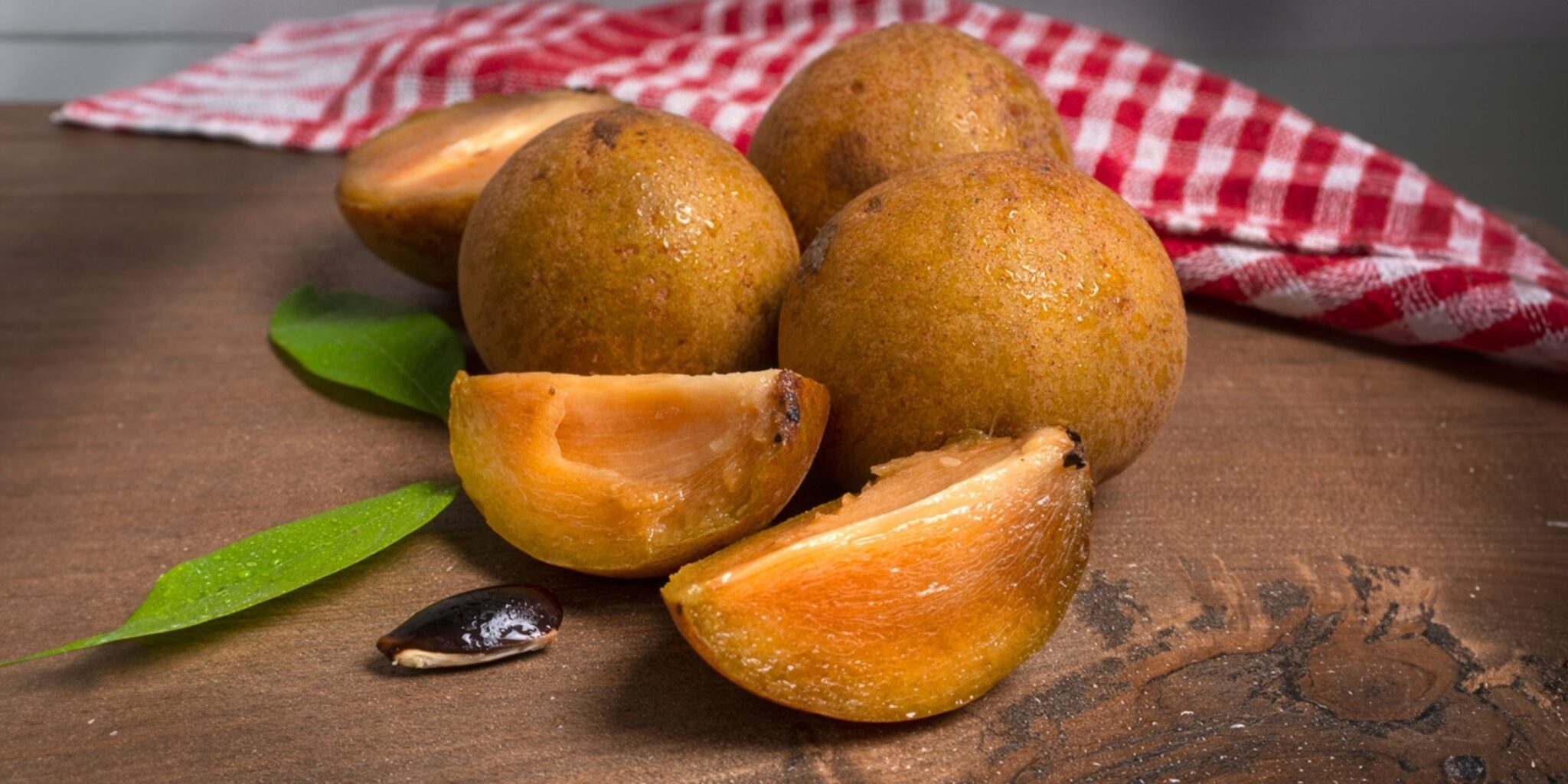
The humble chikoo, also known as sapota, is a tropical delight enjoyed for its creamy texture and sweet, honeyed flavor. But beyond its deliciousness, this fruit packs a powerful punch of nutrients that can have a significant impact on your well-being. Here are 6 compelling reasons to include chikoo in your daily diet:

1. Energy Booster: Chikoo is a natural powerhouse of carbohydrates and fiber, providing sustained energy throughout the day. It’s a perfect morning pick-me-up or afternoon snack to combat fatigue and keep you focused.

2. Digestive Delight: Rich in fiber, chikoo promotes healthy digestion by facilitating smooth bowel movements and preventing constipation. It also acts as a prebiotic, nourishing gut bacteria for optimal gut health.

3. Immunity Guardian: Sapota is loaded with vitamin C, a key antioxidant that strengthens your immune system, protecting you from infections and illnesses. It also has anti-inflammatory properties that can help fight chronic diseases.

4. Skin Savior: This delicious fruit is a treasure trove of vitamin A, vital for maintaining healthy skin and vision. Vitamin A promotes collagen production, keeping your skin firm and youthful, and also aids in cell regeneration and wound healing.

5. Blood Sugar Balanced: Chikoo’s natural sugars are released slowly into the bloodstream, preventing spikes in blood sugar levels. This makes it a good choice for diabetics and anyone looking to manage their blood sugar effectively.

6. Stress Slayer: Sapota contains tryptophan, an amino acid converted into serotonin, the neurotransmitter that promotes relaxation and improves mood. Enjoying a chikoo can help reduce stress and anxiety, leaving you feeling calm and balanced.

So, ditch the processed snacks and reach for the natural sweetness of chikoo. With its array of health benefits and delectable taste, it’s an easy and delicious way to nourish your body and mind. Start incorporating this tropical gem into your daily diet and unlock a world of goodness!

Remember, moderation is key. While chikoo has numerous benefits, excessive consumption can lead to digestive issues due to its high fiber content. Consult your doctor if you have any underlying health conditions.

Tagged : / / / / /

Broccoli vs Cauliflower: Which Is Better And Healthier?

Broccoli vs Cauliflower: Which Is Better And Healthier?
Cruciferous vegetables, like broccoli and cauliflower, are health champions packed with vitamins, minerals, and antioxidants. But when it comes to choosing between these green giants, which one deserves the gold medal in the nutrition ring? Buckle up, veggie fans, because we’re diving into the delicious debate of broccoli vs cauliflower!

Round 1: Nutritional Knockouts

Both contenders pack a nutritious punch, boasting high levels of fiber, vitamin C, and potassium. But let’s see where each one lands a knockout:

  • Vitamin Power: Broccoli delivers a stronger uppercut with higher levels of vitamin C and K, essential for immunity and bone health.
  • Fiber Fury: Cauliflower is the fiber champion, containing slightly more to keep you feeling fuller for longer.
  • Antioxidant Blitz: Both are antioxidant all-stars, but broccoli holds a slight advantage with sulforaphane, a compound linked to potential anti-cancer properties.

Round 2: Special Moves and Quirks

Besides core nutrients, each fighter brings unique moves to the table:

  • Broccoli: Boasts more folate, important for cell growth and development.
  • Cauliflower: Contains choline, a friend to brain health and memory.
  • Versatility Champs: Both are culinary chameleons, easily roasted, steamed, mashed, or used in raw veggie platters. Cauliflower even offers low-carb alternatives like rice and pizza crust.

    Deciding the Champion:

So, who wins the crown? The truth is, there’s no clear champion. Both broccoli and cauliflower offer unique nutritional benefits and culinary strengths. Your choice depends on your individual needs and preferences.

The Final Takeaway:

Don’t get stuck in a green corner! Embrace both broccoli and cauliflower and reap the benefits of their diverse nutritional arsenals. Mix them up in your meals, explore new recipes, and enjoy the delicious satisfaction of these health-promoting powerhouses. Remember, variety is the spice of life (and good health)!

Bonus tip: To maximize your veggie impact, try steaming or roasting to preserve vital nutrients. So, go forth, cruciferous champions, and conquer your daily dietary goals!

Tagged : / / / / /

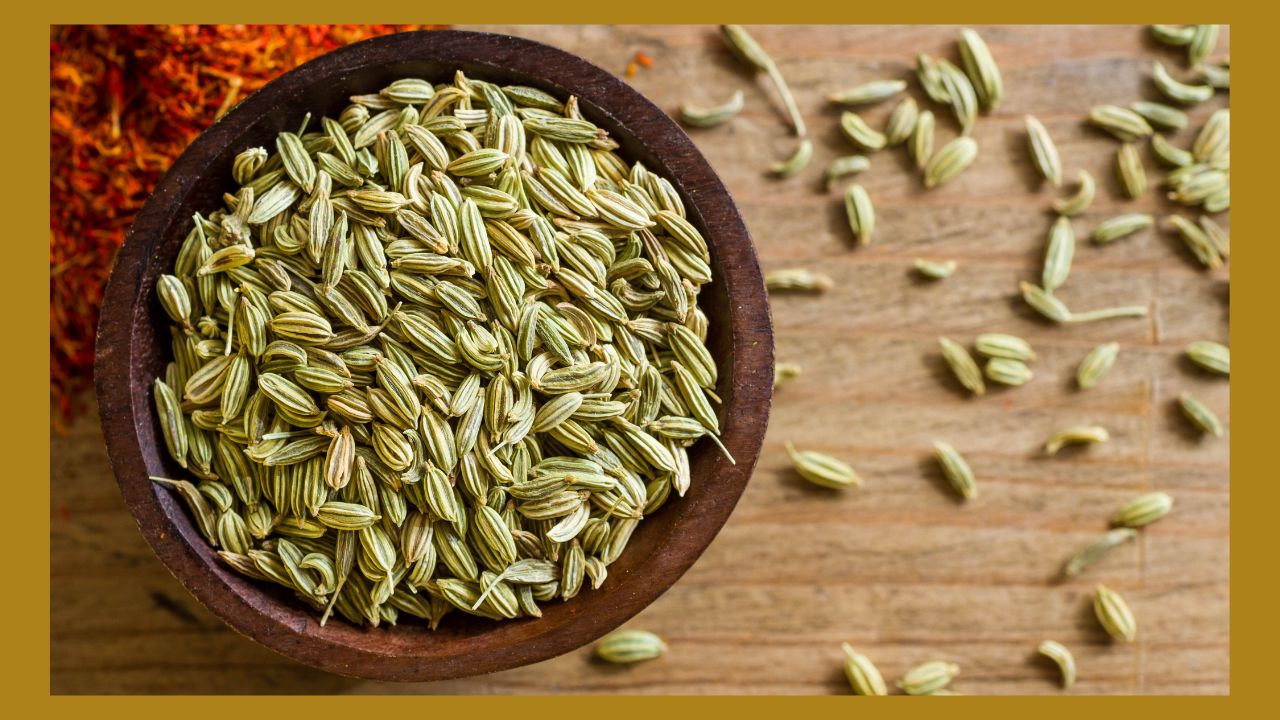
10 Reasons to Start Your Day with a Glass of Fennel Water

10 Reasons to Start Your Day with a Glass of Fennel Water
Fennel, with its licorice-like aroma and flavor, isn’t just a delicious addition to your meals. It boasts a range of health benefits that can be yours with a simple ritual: drinking fennel water every morning. So ditch the caffeine jolt and start your day on a healthy note with this refreshing beverage.

1. Digestive Dream Team: Fennel seeds relax your digestive muscles, encouraging the flow of digestive juices. This translates to relief from indigestion, bloating, and constipation.

2. Quelling Inflammation: Fennel’s anti-inflammatory properties work wonders throughout your body, reducing pain and swelling.

3. Immune System Ally: Packed with vitamin C and antioxidants, fennel water gives your immune system a much-needed boost.

4. Weight Management Warrior: Feeling fuller for longer is easier with fennel water. This translates to reduced calorie intake and support for your weight management goals.

5. Detox Delight: Need a gentle detox? Fennel water acts as a natural diuretic, aiding the body in eliminating toxins through urine.

6. Glowing Skin Secret: Hydrated, radiant skin? Yes, please! Fennel water helps achieve both.

7. Blood Sugar Balance: Fennel may play a role in maintaining healthy blood sugar levels, a boon for those with diabetes or prediabetes.

8. Balancing Act: Say hello to balanced pH levels! Fennel water’s alkaline nature contributes to overall health.

9. Kiss Bad Breath Goodbye: Fennel seeds’ inherent antiseptic and deodorizing properties leave you feeling confident and minty fresh.

10. Energy Explosion: Improved circulation and digestion, courtesy of fennel water, translate to a surge in energy levels.

Making Fennel Water Magic:

It’s as simple as 1-2-3! Steep 1 tablespoon of fennel seeds in 1 cup of hot water for 10-15 minutes. Fancy a twist? Add cucumber or lemon slices for extra flavor. Strain and enjoy warm or cold.

So, start your day with a refreshing glass of fennel water and unlock a treasure trove of health benefits. You might just be surprised at how much better you feel!

Tagged : / / / / /
Verified by ExactMetrics