Drug that mimics exercise triggers weight loss and builds lean muscle

Drug that mimics exercise triggers weight loss and builds lean muscle
Exercise is one of the best things you can do for your overall health and well-being. It helps you lose weight, build muscle, reduce your risk of chronic diseases, and improve your mood and energy levels. However, for many people, exercise can be difficult to find time for or impossible due to health conditions.

That’s where exercise mimetics come in. Exercise mimetics are drugs that mimic the effects of exercise on the body without the need to actually exercise. They work by targeting the same molecular pathways that are activated during exercise, such as those involved in fat metabolism and muscle growth.

One promising exercise mimetic is a drug called SLU-PP-332. In a recent study, researchers at the University of Florida found that SLU-PP-332 was able to promote weight loss and build lean muscle in obese mice without any changes to diet or exercise.

SLU-PP-332 works by activating a specific estrogen-related receptor (ERR) in skeletal muscle. ERRs are proteins that play a role in regulating metabolism and muscle growth. When SLU-PP-332 activates ERRs, it triggers a cascade of events that lead to increased fat burning and muscle building.

In the mouse study, mice that were given SLU-PP-332 twice a day for a month lost 12% of their body weight and gained 10 times less fat than mice in the control group. They also showed significant increases in lean muscle mass and muscle strength.

The researchers were very excited about the results of the study, as they suggest that SLU-PP-332 could be a safe and effective way to help people lose weight and build muscle without having to exercise. However, more research is needed to confirm the safety and efficacy of SLU-PP-332 in humans.

Another promising exercise mimetic is a drug called bexarotene. Bexarotene is currently approved by the FDA to treat cutaneous T-cell lymphoma (CTCL), a type of skin cancer. However, researchers have also found that bexarotene has exercise mimetic effects.

In a study published in the journal Cell Metabolism, researchers found that bexarotene was able to promote weight loss and build muscle in obese mice without any changes to diet or exercise. Bexarotene also improved the metabolic health of the mice, reducing their blood sugar levels and cholesterol levels.

Bexarotene is a more potent drug than SLU-PP-332, and it has some serious side effects, such as liver toxicity. However, researchers are working to develop safer and more effective exercise mimetics that can be used to treat obesity and other chronic diseases.

Exercise mimetics are still in their early stages of development, but they have the potential to revolutionize the way we treat obesity and other chronic diseases. If exercise mimetics are proven to be safe and effective in humans, they could provide a valuable new tool for helping people lose weight, build muscle, and improve their overall health.

Potential benefits of exercise mimetics

1. Weight loss: Exercise mimetics can help people lose weight by increasing their metabolic rate and promoting fat burning.

2. Muscle building: Exercise mimetics can help people build muscle by stimulating muscle growth and repair.

3. Improved metabolic health: Exercise mimetics can improve metabolic health by reducing blood sugar levels, cholesterol levels, and other risk factors for chronic diseases.

4. Reduced risk of chronic diseases: Exercise mimetics may help to reduce the risk of chronic diseases such as obesity, diabetes, heart disease, and cancer.

5. Improved cardiovascular health: Exercise mimetics may help to improve cardiovascular health by increasing blood flow and reducing inflammation.

6. Improved bone health: Exercise mimetics may help to improve bone health by increasing bone density and reducing the risk of fractures.

7. Improved mood and energy levels: Exercise mimetics may help to improve mood and energy levels by reducing stress and promoting the release of endorphins.

Potential drawbacks of exercise mimetics

1. Side effects: Exercise mimetics may have side effects, depending on the specific drug. Some potential side effects include liver toxicity, muscle pain, and fatigue.

2. Safety: Exercise mimetics are still in their early stages of development, and their long-term safety is unknown.

3. Cost: Exercise mimetics are likely to be expensive drugs, especially if they are used for long-term treatment.

4. Not a substitute for exercise: Exercise mimetics should not be seen as a substitute for exercise. Exercise has many benefits that cannot be replicated by drugs, such as improved cardiovascular health, reduced stress levels, and stronger social connections.

Tagged : / / / /

10 Best Foods To Eat After Your Morning Walk

10 Best Foods To Eat After Your Morning Walk
Eating a healthy breakfast after a morning walk can provide your body with the essential nutrients it needs to support heart and bone health. Some good options include:

1. Avocado: Avocados are a good source of healthy fats, fiber, and potassium, all of which are important for heart health.

2. Eggs: Eggs are a good source of protein, which is essential for muscle repair and growth. They also contain vitamin D, which is important for bone health.

3. Whole-grain bread: Whole-grain bread is a good source of fiber, which can help to lower cholesterol levels and reduce the risk of heart disease.

4. Leafy greens: Leafy greens are a good source of vitamins and minerals, including calcium, which is essential for bone health.

5. Nuts and seeds: Nuts and seeds are a good source of healthy fats, fiber, and protein. They also contain magnesium and potassium, which are important for heart health.

6. Salmon: Salmon is a good source of omega-3 fatty acids, which have been shown to reduce inflammation and improve heart health.

7. Berries: Berries are a good source of antioxidants, which can help to protect the heart from damage.

8. Greek yogurt: Greek yogurt is a good source of protein and calcium, both of which are important for bone health. It also contains probiotics, which are good for gut health.

9. Oatmeal: Oatmeal is a good source of fiber and complex carbohydrates, which can help to lower cholesterol levels and improve heart health.

10. Fortified foods: Fortified foods are foods that have been enriched with additional nutrients, such as calcium and vitamin D. These nutrients are important for bone health.

In addition to eating a healthy breakfast, it is also important to get regular exercise and avoid smoking. These lifestyle changes can help to reduce the risk of heart disease and osteoporosis.

Tagged : / / /

8 Foods You Should Not Eat With Eggs

8 Foods You Should Not Eat With Eggs
Eggs are a versatile and nutritious food that can be enjoyed in a variety of ways. However, there are some foods that should not be eaten with eggs, as they can interfere with their absorption or cause other health problems.

Here are 8 foods you should not eat with eggs and why:

1. Bacon: Bacon is a popular breakfast food that is often paired with eggs. However, bacon is high in saturated fat and sodium, which can increase your risk of heart disease and other health problems. Eating bacon with eggs can also make it difficult for your body to absorb the nutrients in eggs.

2. Sugar: Eating sugar with eggs can cause a spike in blood sugar levels. This can lead to weight gain, diabetes, and other health problems. If you are craving something sweet with your eggs, try adding a piece of fruit or a small amount of honey instead of sugar.

3. Soy milk: Soy milk is a popular alternative to cow’s milk, but it should not be eaten with eggs. Soy milk contains a protein called trypsin inhibitor, which can interfere with the absorption of nutrients from eggs. If you are looking for a plant-based milk to pair with your eggs, try almond milk or oat milk instead.

4. Tea: Tea is a healthy beverage that is often enjoyed with breakfast. However, tea contains tannins, which can interfere with the absorption of iron from eggs. If you are enjoying a cup of tea with your breakfast, try to wait at least 30 minutes after eating eggs before drinking your tea.

5. Bananas: Bananas are a healthy and nutritious fruit, but they should not be eaten with eggs. Bananas contain a compound called lectin, which can bind to proteins in eggs and make them difficult to digest. If you are craving a banana with your breakfast, try eating it separately from your eggs.

6. Meat: Meat is a good source of protein, but it should not be eaten with eggs. Meat is high in saturated fat and cholesterol, which can increase your risk of heart disease. Eating meat with eggs can also make it difficult for your body to absorb the nutrients in eggs.

7. Dairy products: Dairy products are a good source of protein and calcium, but they should not be eaten with eggs. Dairy products contain a compound called lactose, which can cause digestive problems in people who are lactose intolerant. Eating dairy products with eggs can also make it difficult for your body to absorb the nutrients in eggs.

8. Citrus fruits: Citrus fruits, such as oranges and lemons, are a good source of vitamin C, but they should not be eaten with eggs. Citrus fruits contain a compound called citric acid, which can interfere with the absorption of protein from eggs. If you are craving citrus fruit with your breakfast, try eating it separately from your eggs.

It is important to note that there is some debate about whether or not some of the foods on this list actually interact with eggs in a negative way. For example, some people believe that eating soy milk with eggs can cause indigestion, while others believe that there is no scientific evidence to support this claim.

Ultimately, the best way to determine whether or not a particular food interacts with eggs in a negative way is to listen to your body and pay attention to how you feel after eating it. If you experience any digestive problems or other discomfort after eating a particular food with eggs, it is best to avoid eating the two together in the future.

Tagged : / / /

10 Simple Daily Habits to Care for Your Eye Health Naturally

10 Simple Daily Habits to Care for Your Eye Health Naturally
Your eyes are one of your most important senses, and it’s important to take care of them. There are a number of things you can do to keep your eyes healthy, and many of them are simple things you can do every day.

Here are 10 daily habits to care for your eye health naturally:

1. Eat a healthy diet
A healthy diet is important for overall health, including eye health. Make sure to eat plenty of fruits, vegetables, and whole grains. These foods are packed with vitamins, minerals, and antioxidants that are essential for healthy eyes.

2. Get enough sleep
When you don’t get enough sleep, your eyes can become red, dry, and irritated. Aim for 7-8 hours of sleep each night.

3. Take breaks from screens
Spending too much time looking at screens can put strain on your eyes. Take breaks every 20 minutes or so to look away from the screen and focus on something else.

4. Protect your eyes from the sun
Wear sunglasses when you’re outdoors to protect your eyes from the harmful UV rays of the sun. Sunglasses should block at least 99% of UVA and UVB rays.

5. Don’t smoke
Smoking is bad for your overall health, including your eye health. Smoking can increase your risk of developing cataracts, macular degeneration, and other eye problems.

6. Get regular eye exams
Even if you don’t have any vision problems, it’s important to get regular eye exams. Eye exams can detect eye problems early on, when they’re most treatable.

7. Exercise regularly
Exercise is good for your overall health, including your eye health. Exercise can help to lower blood pressure and reduce the risk of developing diabetes, both of which can lead to eye problems.

8. Maintain a healthy weight
Being overweight or obese can increase your risk of developing eye problems such as glaucoma and diabetic retinopathy.

9. Manage stress
Stress can worsen many eye problems, such as dry eyes and eye strain. Find healthy ways to manage stress, such as exercise, yoga, or meditation.

10. Give your eyes a break
If you spend a lot of time on the computer, take breaks every 20 minutes or so to look away from the screen and focus on something else. You can also try doing some eye exercises, such as rolling your eyes in circles or focusing on a distant object.

Following these simple tips can help you to keep your eyes healthy for many years to come.

Here are some additional tips for taking care of your eye health:

Wash your hands regularly :This is especially important before handling contact lenses or putting on eye makeup.
Avoid rubbing your eyes : Rubbing your eyes can irritate them and spread germs.
Use artificial tears if your eyes are dry : Artificial tears can help to lubricate your eyes and relieve dryness.
Remove your eye makeup before going to bed : This will help to prevent eye infections.
If you have any concerns about your eye health, be sure to see an eye doctor.

Tagged : / / / /

6 Vegetarian Foods That May Help Increase Your Height If Consumed Regularly

6 Foods That May Help Increase Your Height If Consumed Regularly
Height is a complex trait that is influenced by a number of factors, including genetics, nutrition, and lifestyle. While genetics play a major role in determining your height, there are some things you can do to maximize your growth potential, especially during childhood and adolescence.

One important factor for height growth is nutrition. Eating a healthy diet that includes plenty of protein, calcium, and other essential nutrients can help you reach your full height potential.

If you are a vegetarian, there are still plenty of foods you can eat to support height growth. Here are 10 vegetarian foods that may help increase your height:

1. Dairy products
Dairy products are a good source of protein and calcium, both of which are essential for height growth. Some good options include milk, yogurt, and cheese.

2. Soybeans and tofu
Soybeans and tofu are excellent sources of plant-based protein. They are also a good source of calcium and other essential nutrients.

3. Legumes
Legumes, such as beans, lentils, and peas, are a good source of protein, fiber, and other nutrients.

4. Nuts and seeds
Nuts and seeds are a good source of protein, healthy fats, and other nutrients. Some good options include almonds, walnuts, flaxseeds, and chia seeds.

5. Whole grains
Whole grains are a good source of complex carbohydrates, fiber, and other nutrients. Some good options include brown rice, quinoa, and oats.

6. Fruits and vegetables
Fruits and vegetables are a good source of vitamins, minerals, and antioxidants. Some good options for height growth include leafy green vegetables, citrus fruits, and berries.

In addition to eating a healthy diet, there are other things you can do to maximize your height growth, such as getting enough sleep and exercising regularly.

It is important to note that there is no guarantee that eating these foods will increase your height. However, eating a healthy diet that includes these foods can help you reach your full height potential.

Tagged : / / / /

7 Habits That Can Make You Mentally Strong And Change Your Life

7 Habits That Can Make You Mentally Strong And Change Your Life
Mental strength is the ability to cope with challenges, setbacks, and adversity in a healthy and productive way. It is the capacity to bounce back from setbacks, learn from mistakes, and keep moving forward towards your goals. Mentally strong people are not immune to stress or difficult emotions. However, they have developed a set of habits that help them to manage their thoughts, feelings, and behaviors effectively.

Here are seven habits that you can cultivate to become mentally stronger:

1. Challenge your negative thoughts
We all have negative thoughts from time to time. However, mentally strong people don’t let their negative thoughts control them. Instead, they challenge their negative thoughts and replace them with more realistic and positive ones.
One way to challenge your negative thoughts is to ask yourself if there is any evidence to support them. For example, if you think to yourself, “I’m going to fail this test,” ask yourself, “Is there any evidence to support that thought? Have I studied hard and prepared for the test?”

If you can’t find any evidence to support your negative thought, then challenge it and replace it with a more positive one. For example, you could say to yourself, “I’ve studied hard for this test, and I’m confident that I can do well.”

2. Focus on your strengths
Everyone has strengths and weaknesses. Mentally strong people focus on their strengths and use them to their advantage. They also work on developing their weaknesses, but they don’t dwell on them. To identify your strengths, make a list of all the things that you’re good at and that you enjoy doing. Once you have a list of your strengths, start to think about how you can use them to achieve your goals.

For example, if you’re good at writing, you could use that skill to start a blog or write a book. If you’re good at public speaking, you could use that skill to give presentations at work or join a Toastmasters club.

3. Set realistic goals
Mentally strong people set realistic goals for themselves. They know that they can’t achieve everything overnight, so they break down their goals into smaller, more manageable steps. When setting goals, it’s important to make sure that they are specific, measurable, achievable, relevant, and time-bound. For example, instead of saying, “I want to lose weight,” say, “I want to lose 10 pounds in 3 months by eating healthy and exercising 3 times a week.”

Once you have set your goals, create a plan for how you are going to achieve them. This will help you to stay on track and motivated.

4. Take care of your physical health
There is a strong connection between physical and mental health. When you take care of your physical health, you’re also taking care of your mental health. To take care of your physical health, make sure to eat a healthy diet, get regular exercise, and get enough sleep. You should also avoid smoking and excessive alcohol consumption.

When you’re taking care of your physical health, you’ll have more energy and focus, and you’ll be better able to cope with stress and difficult emotions.

5. Build a strong support network
Mentally strong people have a strong support network of friends, family members, and other people who care about them. These people can provide emotional support, practical advice, and motivation. If you don’t have a strong support network, start by building relationships with the people who you trust and who care about you. You could also join a support group or club related to your interests.

Having a strong support network can help you to get through difficult times and achieve your goals.

6. Take breaks and practice relaxation techniques
It’s important to take breaks from time to time, especially when you’re feeling stressed or overwhelmed. Taking breaks can help you to clear your head, recharge your batteries, and come back to your work or studies refreshed. There are many different ways to relax. Some people find it relaxing to spend time in nature, read a book, or listen to music. Others find it relaxing to exercise, meditate, or spend time with loved ones.

Find what works best for you and make time for relaxation on a regular basis.

7. Learn from your mistakes
Everyone makes mistakes. Mentally strong people don’t dwell on their mistakes. Instead, they learn from them and move on. When you make a mistake, ask yourself what you can learn from it. What could you have done differently? Once you have identified what you can learn from your mistake, make a plan for how you are going to avoid making the same mistake in the future.

Remember, everyone makes mistakes. The important thing is to learn!

Tagged : / / /

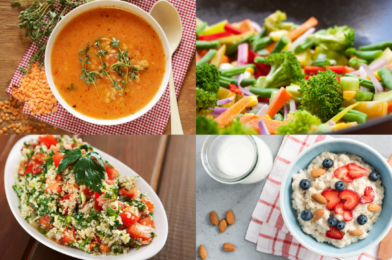
6 Vegetarian no-oil recipes for weight loss

6 Vegetarian no-oil recipes for weight loss
If you’re trying to lose weight, you may be looking for healthy and delicious vegetarian recipes that are also low in oil. Here are 10 vegetarian no-oil recipes that are perfect for weight loss:

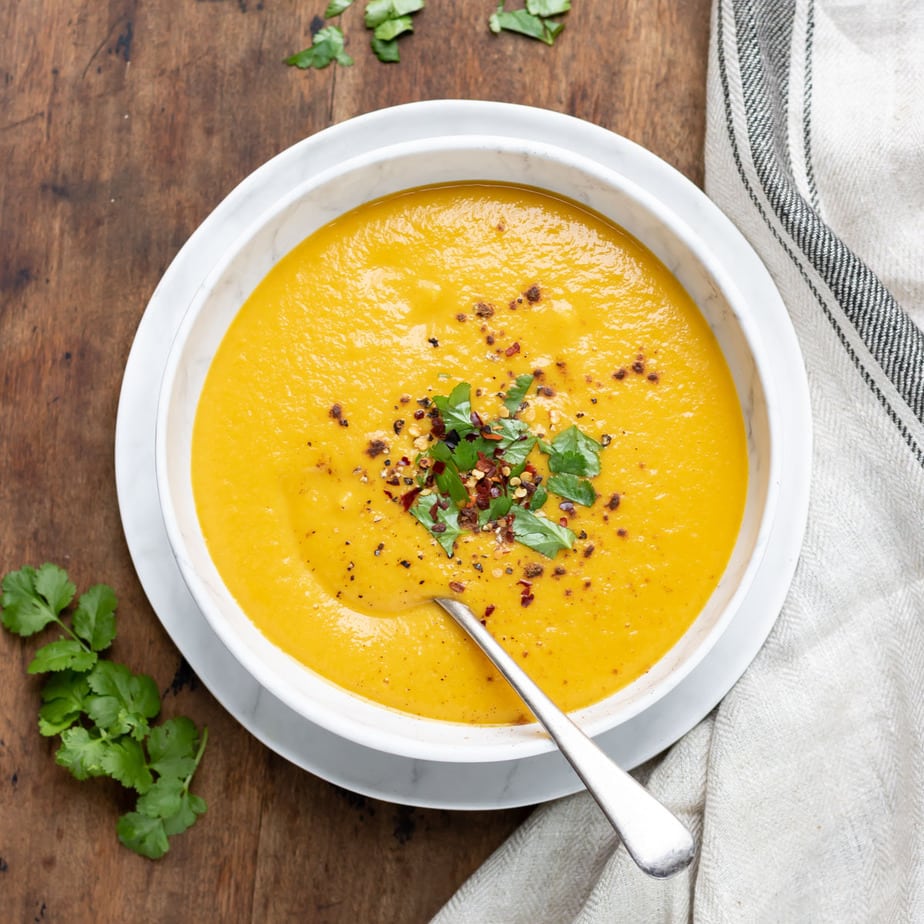
1. Lentil soup


Lentil soup is a hearty and nutritious soup that is perfect for a cold day. It is also a great source of protein and fiber, making it a good choice for weight loss.

To make lentil soup without oil, simply cook the lentils in vegetable broth instead of water. You can also add other vegetables to the soup, such as carrots, celery, and onions.

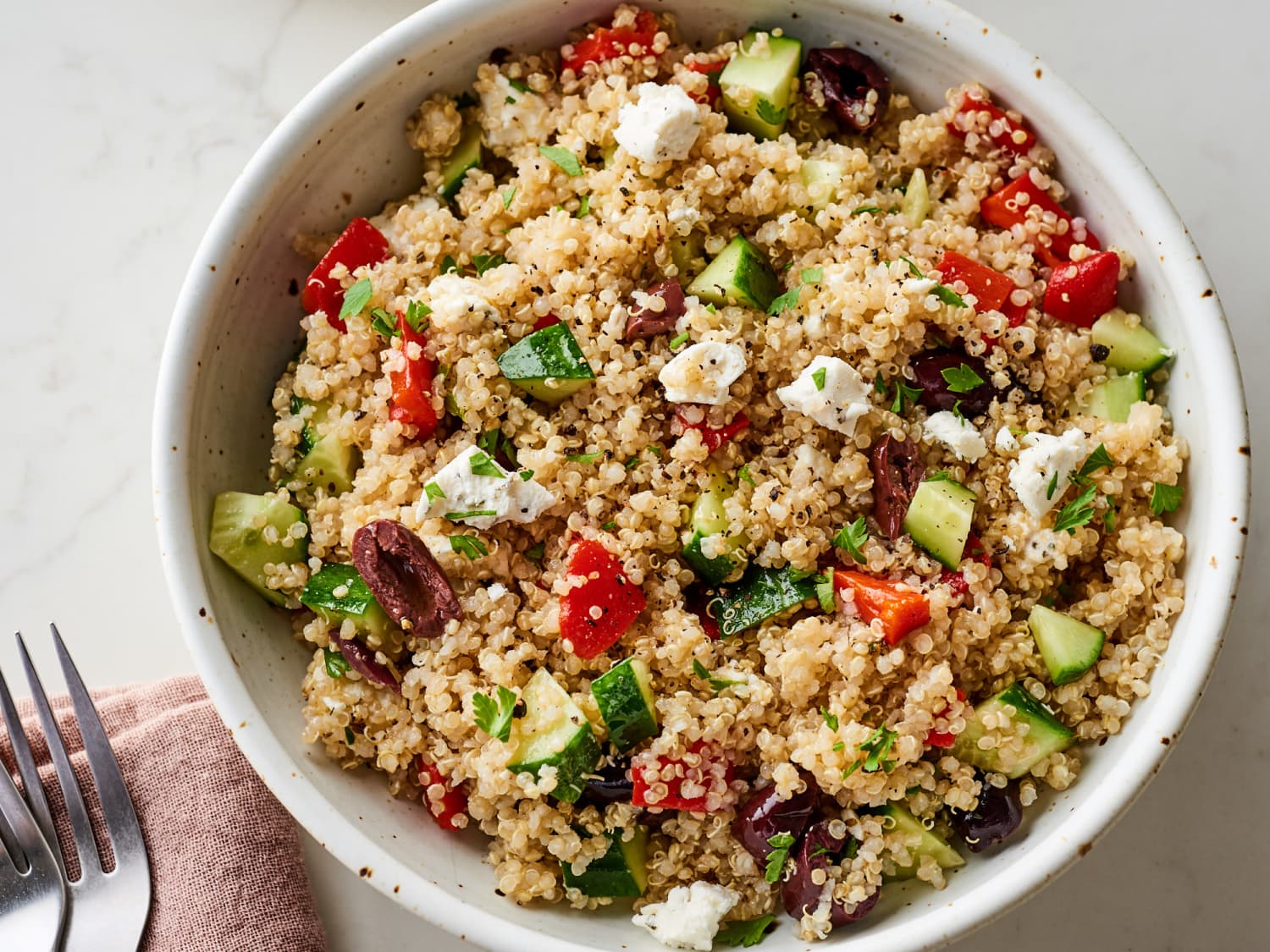
2. Quinoa salad


Quinoa salad is a light and refreshing salad that is perfect for a summer lunch. It is also a good source of protein and fiber, making it a good choice for weight loss.

To make quinoa salad without oil, simply cook the quinoa according to package directions. Once the quinoa is cooked, add your favorite vegetables and a vinaigrette dressing.
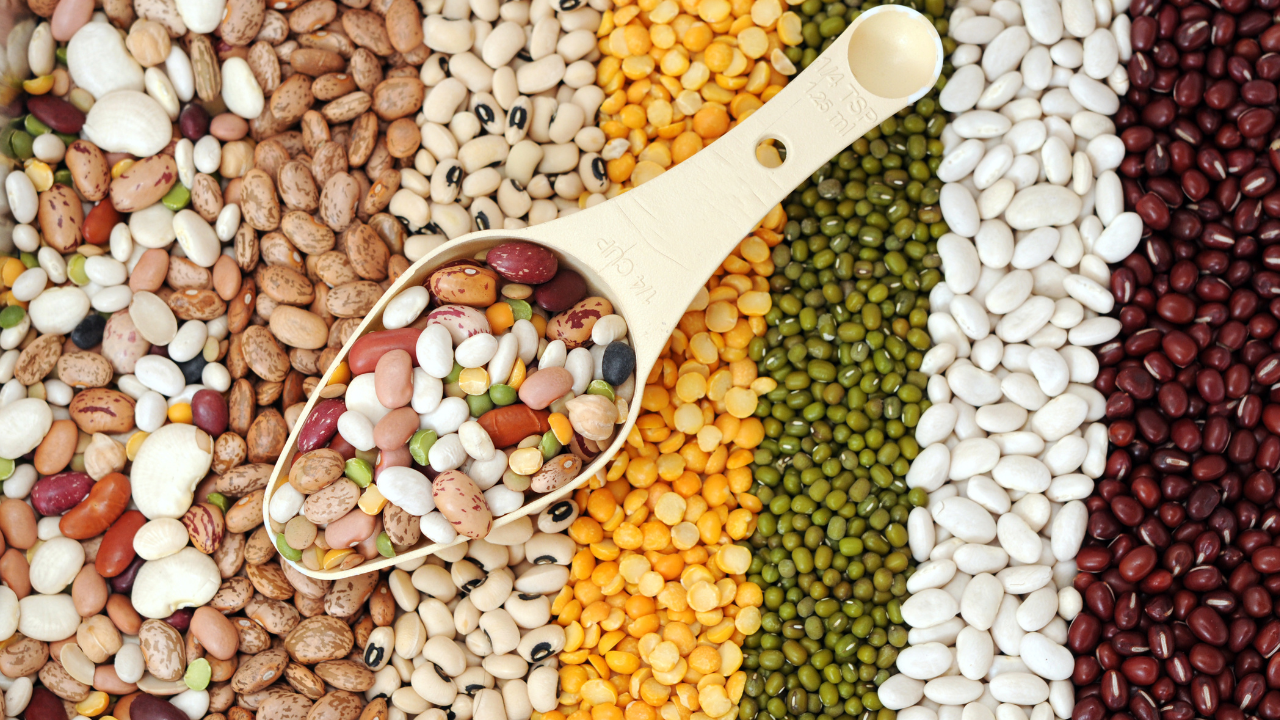
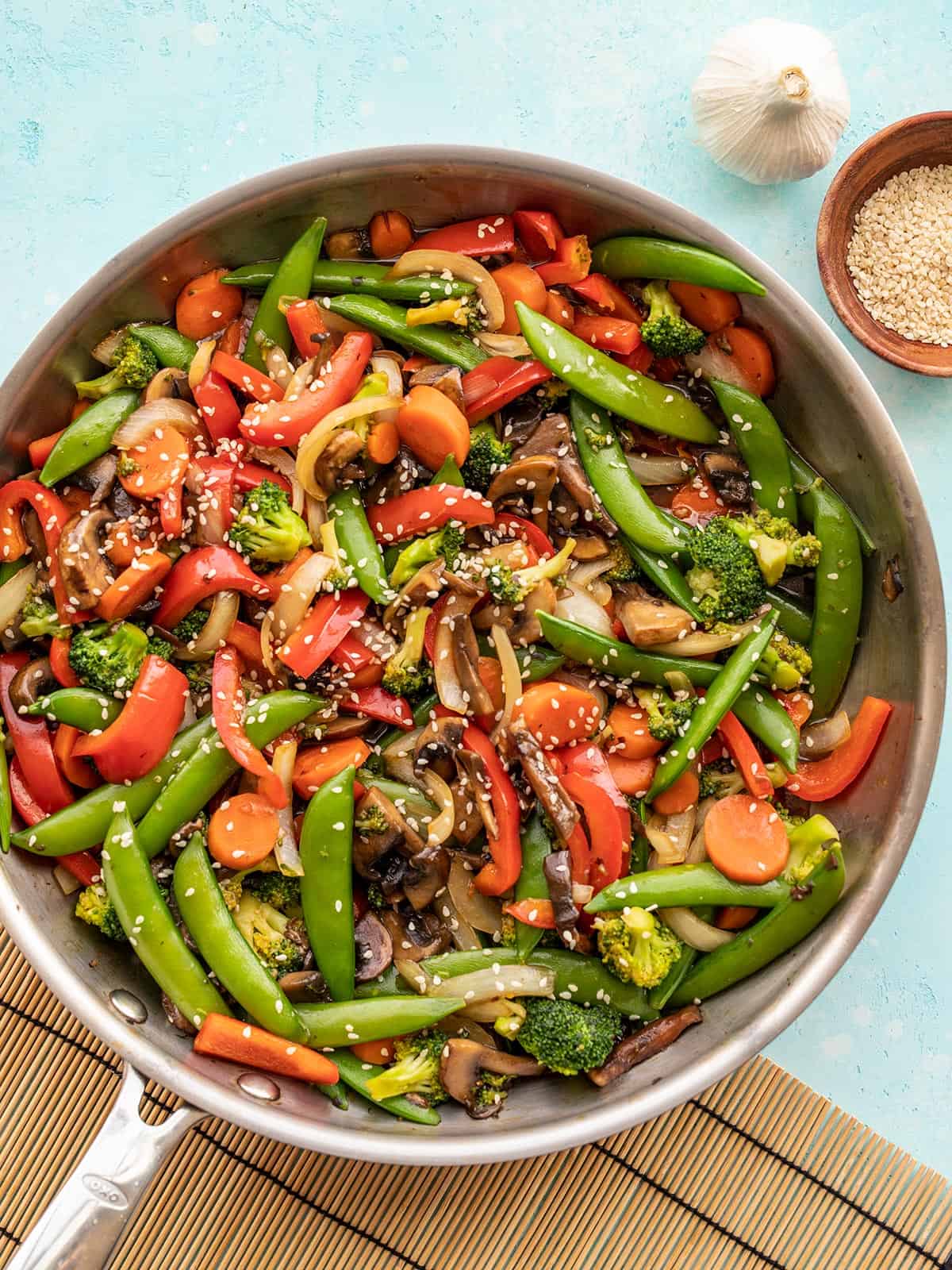
3. Vegetable stir-fry


Vegetable stir-fry is a quick and easy meal that is perfect for a busy weeknight. It is also a good source of vitamins and minerals, making it a good choice for weight loss.

To make vegetable stir-fry without oil, simply stir-fry your favorite vegetables in a non-stick pan. You can also add tofu or tempeh to the stir-fry for a protein boost.

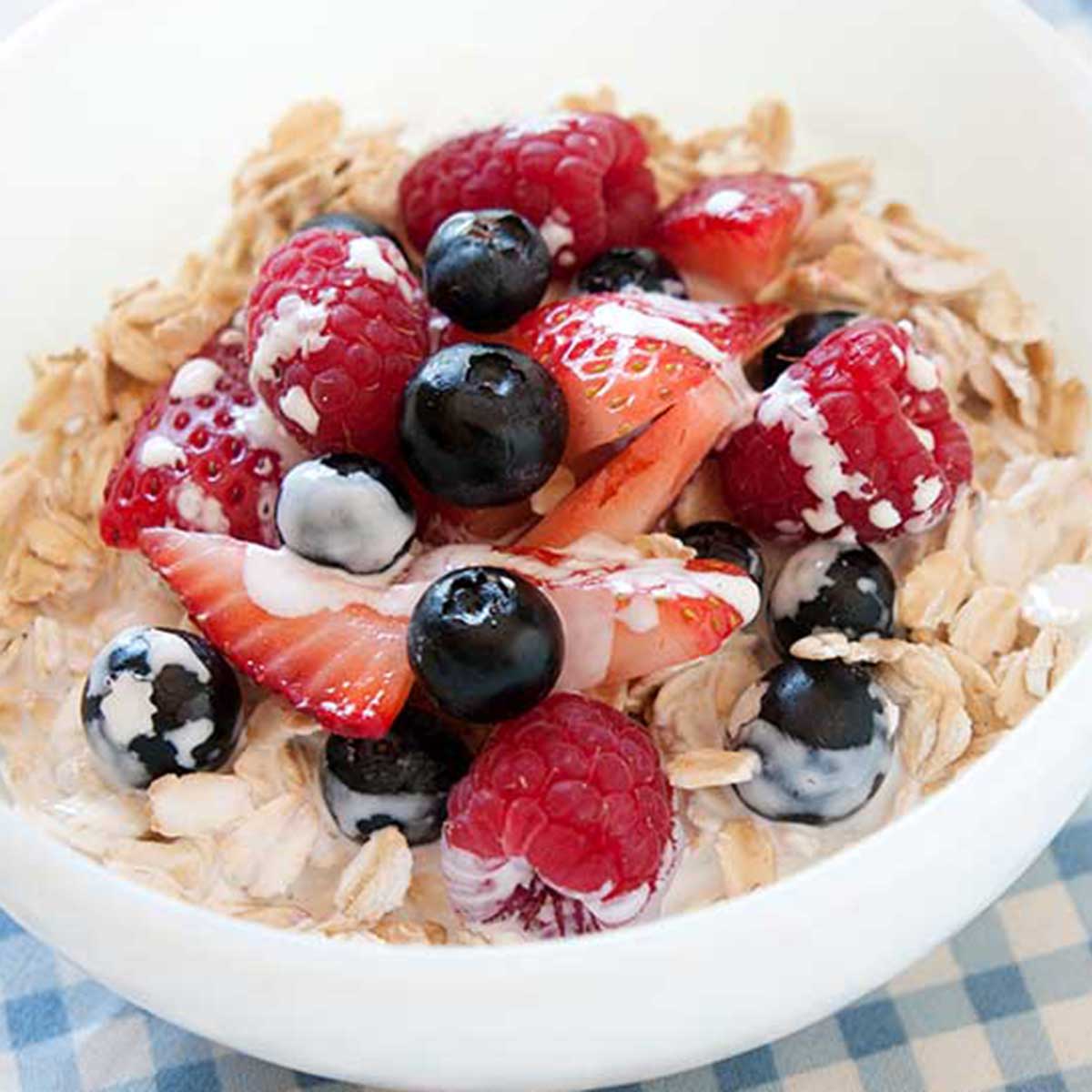
4. Oatmeal with berries


Oatmeal with berries is a healthy and delicious breakfast option that is also low in oil. It is also a good source of fiber and protein, making it a good choice for weight loss.

To make oatmeal with berries without oil, simply cook the oatmeal according to package directions. Once the oatmeal is cooked, add your favorite berries and a drizzle of honey or maple syrup.
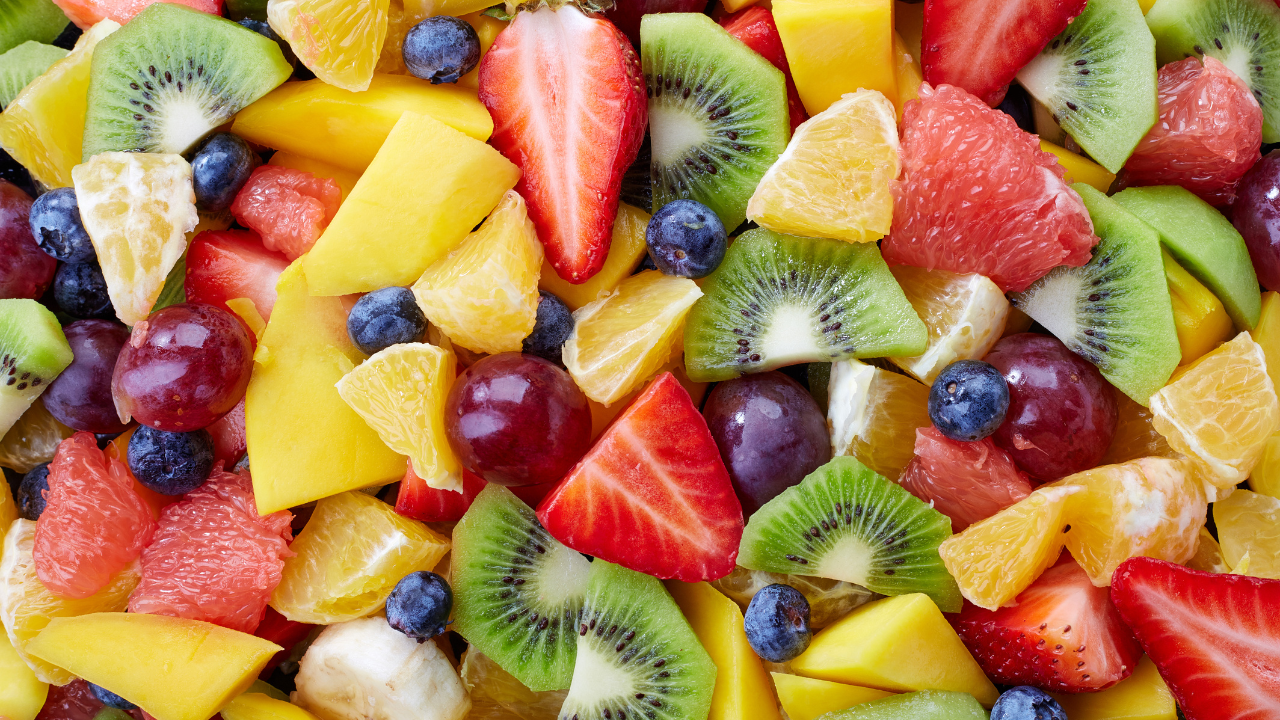
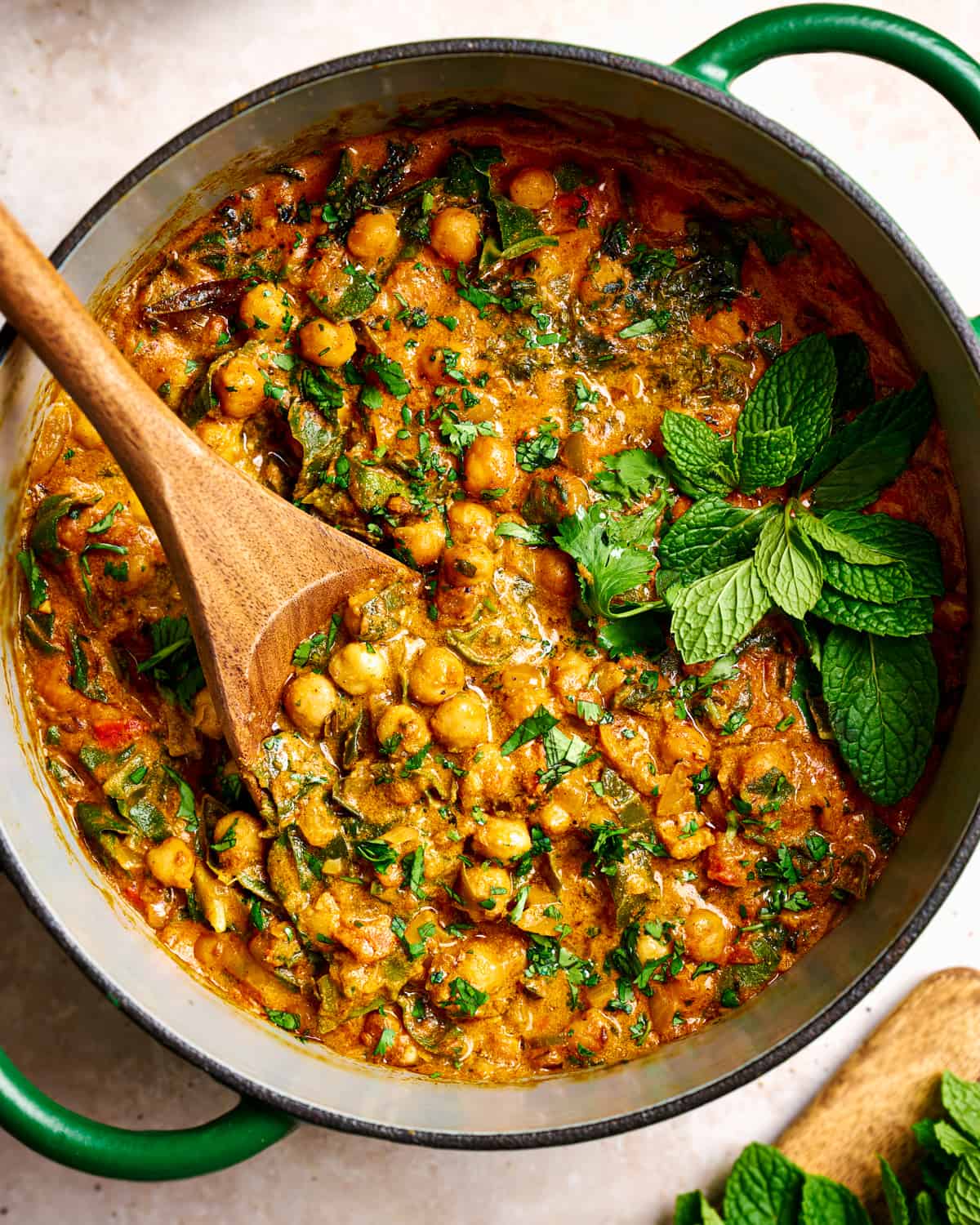
5. Chickpea curry


Chickpea curry is a flavorful and healthy curry that is also low in oil. It is also a good source of protein and fiber, making it a good choice for weight loss.

To make chickpea curry without oil, simply cook the chickpeas in vegetable broth instead of water. You can also add other vegetables to the curry, such as carrots, potatoes, and tomatoes.

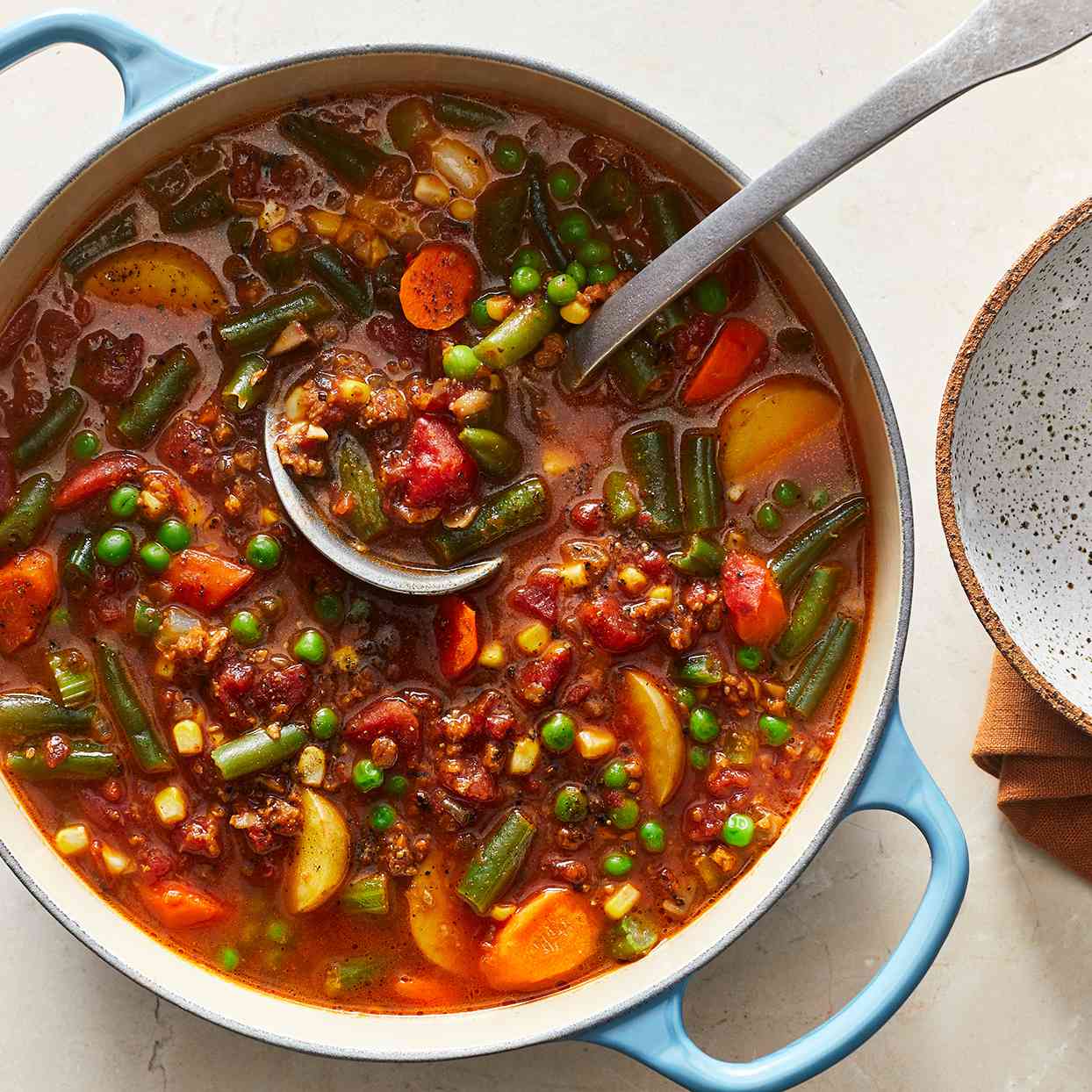
6. Vegetable soup


Vegetable soup is a healthy and delicious soup that is also low in oil. It is also a good source of vitamins and minerals, making it a good choice for weight loss.

To make vegetable soup without oil, simply cook the vegetables in vegetable broth instead of water. You can also add other vegetables to the soup, such as carrots, celery, and onions.

These are just a few of the many delicious and healthy vegetarian no-oil recipes that are perfect for weight loss. With a little creativity, you can easily create your own healthy and delicious meals

Tagged : / / / / / /

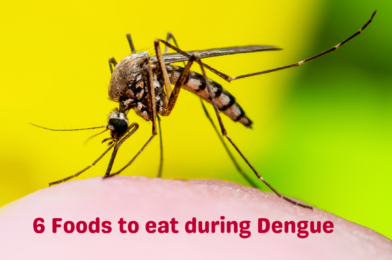
6 Foods to eat during Dengue

6 Foods to eat during Dengue
Dengue is a viral infection that is transmitted by the bite of an infected mosquito. The symptoms of dengue typically include fever, headache, muscle and joint pain, rash, and nausea. In severe cases, dengue can lead to bleeding and shock.

There is no specific treatment for dengue, but there are a number of things that can be done to relieve the symptoms and prevent complications. One of the most important things is to stay hydrated and eat a nutritious diet.

Here are seven foods that are good to eat during dengue:

1. Water

Staying hydrated is essential during dengue. Water helps to flush out the toxins from the body and also helps to regulate body temperature. Aim to drink at least 2-3 liters of water per day.

2. Coconut water

Coconut water is a natural electrolyte drink that is high in potassium and magnesium. It is also a good source of vitamins and minerals. Coconut water can help to prevent dehydration and also helps to improve energy levels.

3. Fruits

Fruits are a good source of vitamins, minerals, and antioxidants. They are also a good source of fiber, which can help to improve digestion. Some good fruits to eat during dengue include papaya, watermelon, orange, and pineapple.

4. Vegetables

Vegetables are a good source of vitamins, minerals, and antioxidants. They are also a good source of fiber, which can help to improve digestion. Some good vegetables to eat during dengue include spinach, broccoli, carrots, and tomatoes.

5. Soups

Soups are a good way to get your fluids and nutrients. They are also easy to digest. Some good soups to eat during dengue include chicken noodle soup, vegetable soup, and tomato soup.

6. Yogurt

Yogurt is a good source of protein, calcium, and probiotics. Probiotics are beneficial bacteria that can help to improve gut health. Yogurt can help to improve digestion and also help to boost the immune system.

In addition to eating these foods, it is also important to avoid certain foods during dengue. These foods include:

  • Spicy foods
  • Fatty foods
  • Sugary foods
  • Processed foods
    These foods can irritate the stomach and make the symptoms of dengue worse.

If you are diagnosed with dengue, it is important to follow the advice of your doctor. They will be able to advise you on the best course of treatment and diet for your individual needs.

Tagged : / / / / /

We Bet You Didn’t Know About These 5 Disadvantages Of Drinking Coconut Water?

We Bet You Didn’t Know About These 5 Disadvantages Of Drinking Coconut Water?
Coconut water is a popular beverage that is often touted for its health benefits. It is a good source of electrolytes and vitamins. However, there are also some potential disadvantages to drinking coconut water.
1. It can have laxative effects

Coconut water contains high levels of potassium, which can stimulate the digestive system. If you are prone to diarrhea, it is best to avoid drinking coconut water.

2. It is high in calories

A cup of coconut water contains about 60 calories. This may not seem like a lot, but it can add up if you are drinking coconut water regularly. If you are trying to lose weight, it is best to limit your intake of coconut water.


3. It is a diuretic

This means that it can cause you to urinate more frequently. This can be a problem if you are not able to access a bathroom easily.

4. It can increase blood sugar levels

This is because coconut water contains high levels of fructose, a type of sugar. If you have diabetes or prediabetes, it is best to avoid drinking coconut water.

5. It can interact with certain medications

Coconut water can interact with certain medications, such as diuretics and blood pressure medications. If you are taking any medications, it is best to talk to your doctor before drinking coconut water.

Additional things to keep in mind

Coconut water is not a good replacement for water, especially for athletes. It does not contain enough sodium to prevent dehydration.
Coconut water can be contaminated with bacteria, especially if it is not properly stored or handled. It is important to buy coconut water from a reputable source and to store it properly.

Conclusion

Overall, coconut water is a healthy beverage with many potential benefits. However, it is important to be aware of the potential disadvantages as well. If you are prone to diarrhea, have diabetes, or are taking any medications, it is best to talk to your doctor before drinking coconut water.

Tagged : / / /

5 Easy – Peasy Nutrition Indian Vegetarian Recipes For Lazy Bachelors Living Alone!

5 Easy – Peasy Indian Vegetarian Recipes For Lazy Bachelors Living Alone !
Living your bachelor life can be liberating as well as difficult too. For those who have lived in the loving shadow of their mothers far too long and for those whose mothers did not seem to realise the importance of teaching cooking to their adorable sons, here are 5 simple vegetarian dishes that are easy to make and can be eaten whenever they want. Afterall, you can’t keep eating Maggi and bread all month long!

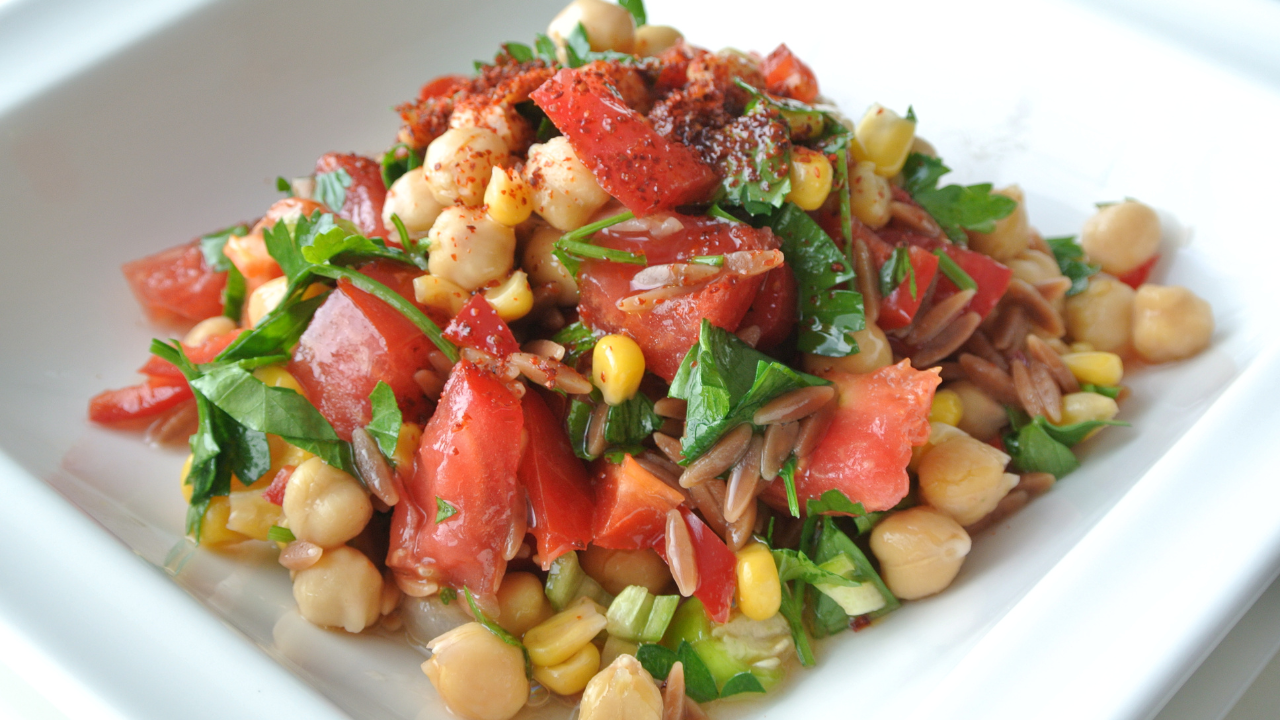
1. Chickpea salad


What you need for this simplest of dishes is a pressure cooker, a knife and some vegetables and spices. After soaking the chick peas overnight or 5-6 hours, just boil them in a pressure cooker. While it is being boiled, chop vegetables of your choice like tomato, onion, green chillies, carrots, cucumber, mint or coriander. Once the chick peas are done or completely boiled, remove the excess water and then mix all the chopped vegetables along with it. Add salt to taste, green chillies, chat masala, red chilli powder and one teaspoon lemon juice. Your Chickpea salad is ready.

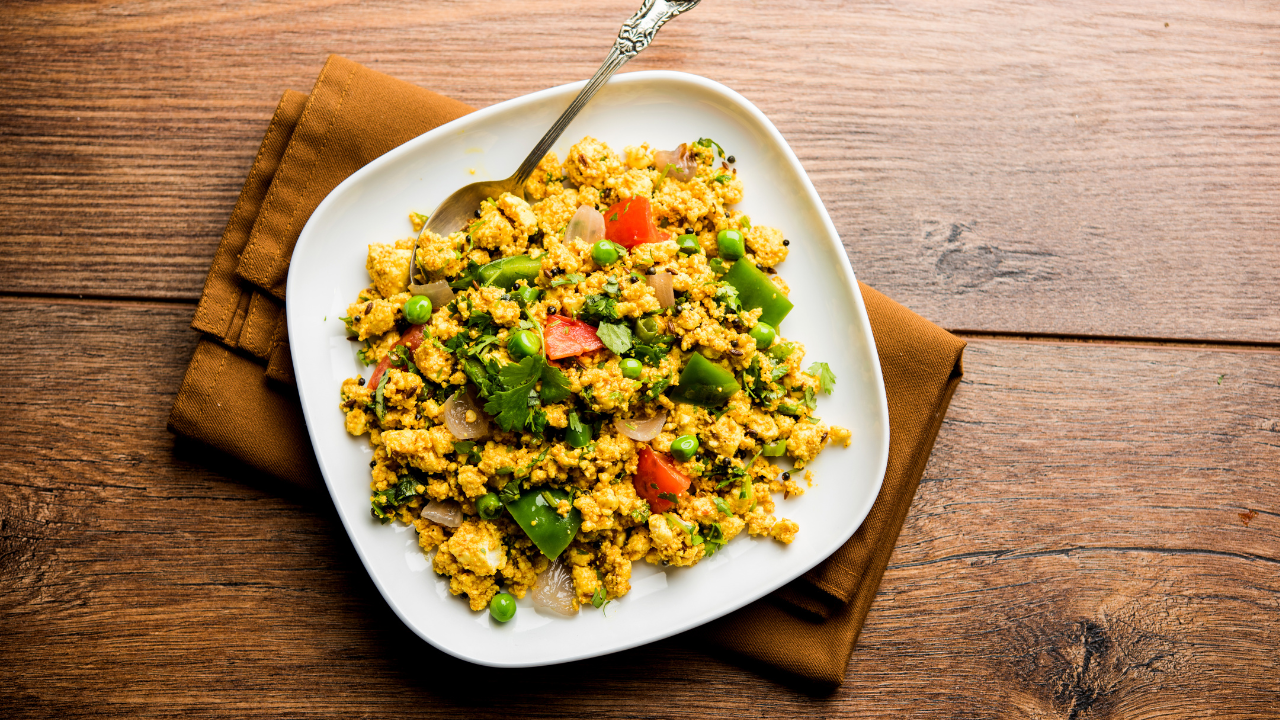
2. Paneer bhurji


This is one of the simplest dishes to make. Just mash a cup of paneer. Take one tablespoon of oil in a pan. Sauté onion and tomatoes in it. Add the mashed paneer along with turmeric powder, red chilli powder, coriander powder and salt. Let it cook for 5 minutes and your paneer bhurji is ready. Garnish with fresh coriander leaves and enjoy it with bread or chapati.

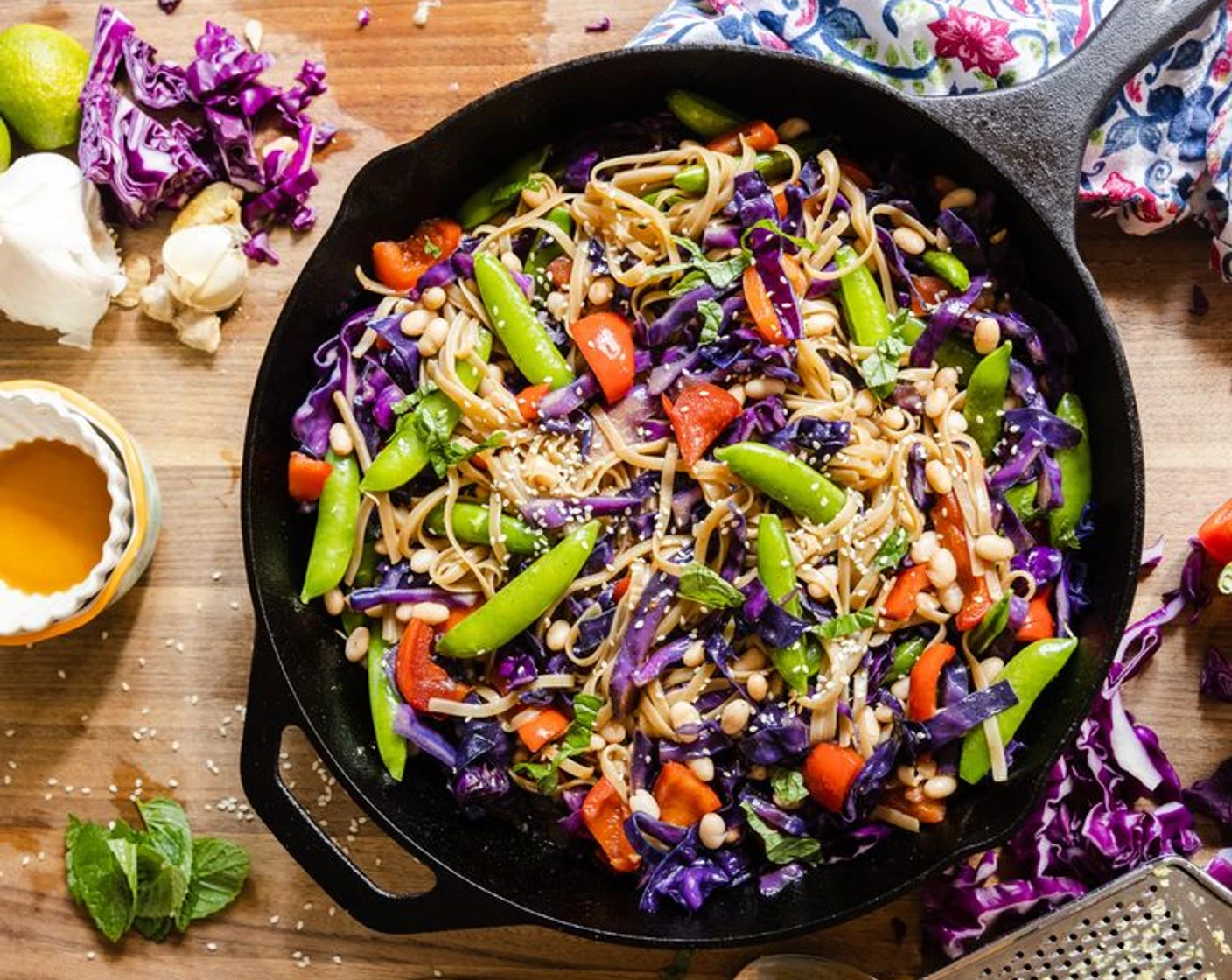
3. Vegetable Stir Fry


Yet another simple recipe for those who do not want to do elaborate cooking. Just chop all your favourite vegetables. Take a wok, put a tablespoon of oil in it. Add minced garlic and then onions. Sauté for some time and then add all the cut and diced vegetables one by one – carrots, broccoli, capsicum, cabbage, etc. Sauté all these on a high flame for 5-7 minutes. Add salt to taste and black pepper powder. You can also add soy sauce and vinegar to add that extra zing and it is ready!

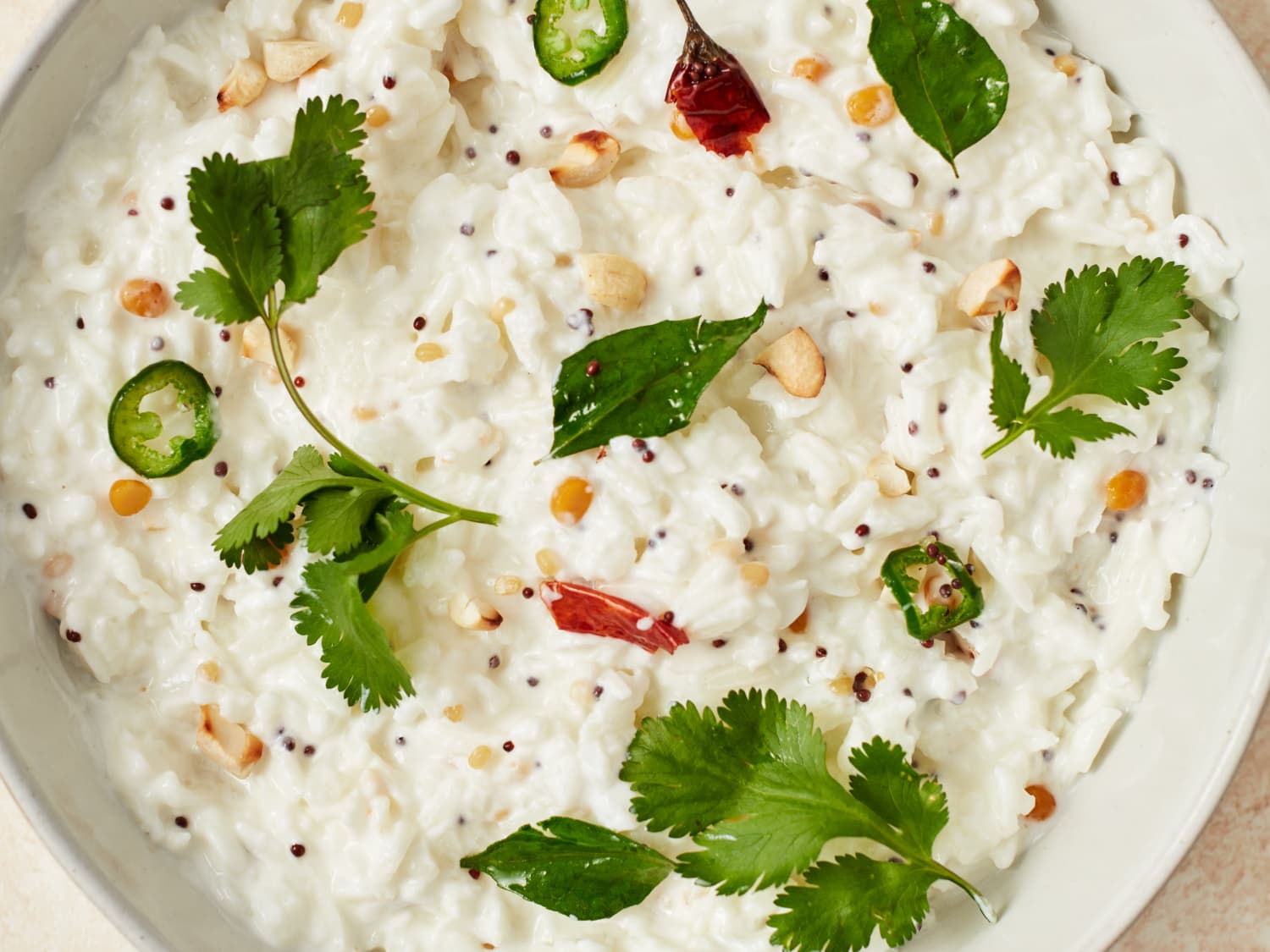
4. Curd Rice


Simple and savoury with the least amount of ingredients and when you are not in the mood of cutting and chopping vegetables. Just Take one big bowl of cooked rice. Add equal amount of curd in it. Mix it well. Now add a teaspoon of oil in a pan, splutter some mustard seeds and curry leaves. Then add the mixture of curd and rice. Let it cook for 3-4 minutes and the curd rice is ready.

5. Besan cheela


Another nutritious dish that you can prepare in a jiffy is besan cheela. Just make a batter with besan while adding little by little water into it. Add salt, red chilli powder, coriander powder and chat masala to it. You can also add choped onion and other finely grated vegetables to the batter. Spread it on a non stick pan or pour it while moving the pan to spread the batter. Bake from both the sides and the cheela is ready.

See? Not that difficult to eat healthy food even when you are a lonely lazy bachelor! Haha!

Tagged : / / / / / / /

5 Amazing Reasons Why You Should Eat Roasted Chana Everyday!

5 Amazing Reasons Why You Should Eat Roasted Chana Everyday!
Roasted chana, also known as roasted chickpeas, is a popular snack food in India and other parts of the world. It is made by roasting chickpeas until they are golden brown and crunchy. Roasted chana is a healthy snack food that is packed with nutrients. Our elders or grandparents always loved eating this handy snack and there are strong reasons for this. We will tell you about 5 of these reasons.

1. Promotes Heart Health
In Hindi, Chana Dal is referred to as split Bengal gramme, and it is renowned for its ability to support heart health. Because it contains a significant amount of antioxidants, chana dal helps reduce inflammation and protects blood vessels from the damage that is produced by free radicals. Because it is a very good source of folic acid, chana dal is beneficial for lowering levels of homocysteine, reducing the risk of blood clots, and preventing the hardening of arteries. The magnesium included in chana dal is an effective way to relax your blood vessels, which in turn helps regulate the rate at which your heart beats.

2. Weight loss
Roasted chana is a low-calorie snack food that is high in fiber. Fiber helps you feel full after eating, which can help you eat less overall. Roasted chana is also a good source of protein, which can help you build and maintain muscle mass.

3. Blood sugar control
Roasted chana is a good source of complex carbohydrates, which are slowly digested and absorbed into the bloodstream. This helps to keep your blood sugar levels stable. Roasted chana is also a good source of fiber, which can help to slow down the absorption of sugar into the bloodstream. This is why it is a good choice of snacks for diabetics.

4. Encourages the Growth of Strong Hair
If you desire good hair, you should incorporate soaked chana into your diet. If you are concerned about the state of your hair’s health, eating soaked chana, which is packed with essential vitamins and minerals such as vitamin A, B6, zinc, and manganese, will unquestionably be of assistance. Chana, when consumed on a regular basis after being soaked, has also been found to help prevent premature ageing of the hair.

5. Helps get rid of Iron Deficiency
The creation of red blood cells, along with other aspects of health such as physical development, cognitive growth, and the metabolism of muscular tissue, are all dependent on iron, and chanas are a wonderful source of iron. If you do not consume an adequate amount of iron, it is likely that your body will not be able to produce healthy red blood cells. This could then lead to iron deficiency, which is a condition that is characterised by symptoms such as fatigue, weakness, and shortness of breath. Because of this, chickpeas are an excellent food option for individuals who are at a higher risk of having an iron deficit. In addition, chickpeas provide a little amount of vitamin C, which is known to facilitate the iron absorption process in the body.

If you are looking for a healthy and nutritious snack food, roasted chana is a great option. It is low in calories, high in fiber, and packed with nutrients. You can eat roasted chana on its own, or you can add it to salads, soups, or stews

Tagged : / / / /

10 Foods You Should Never Eat In The Morning

10 Foods You Should Never Eat In The Morning
Breakfast is the most important meal of the day, but it’s important to choose the right foods to eat. Some foods can actually make you feel worse in the morning, and can even lead to weight gain over time.

Here are 10 foods to avoid eating in the morning:

1. Sugary cereals
Sugary cereals are high in empty calories and can cause a spike in blood sugar levels followed by a crash. This can lead to fatigue, irritability, and cravings for more sugary foods.

2. Packaged pastries
Packaged pastries are also high in sugar and unhealthy fats. They can also be low in fiber and protein, which can leave you feeling hungry and tired soon after eating them.

3. Fried foods
Fried foods are high in unhealthy fats and can be difficult to digest. They can also make you feel sluggish and bloated in the morning.

4. Processed meats
Processed meats, such as bacon, sausage, and hot dogs, are high in saturated fat and sodium. They can also contain harmful chemicals that have been linked to cancer.

5. Dairy products
Dairy products can be difficult to digest for some people, especially in the morning. They can also cause bloating and gas.

6. Coffee on an empty stomach
Coffee can irritate the stomach lining and cause heartburn and acid reflux. It’s best to wait until after you’ve eaten something to drink coffee.

7. Fruit juice
Fruit juice is often high in sugar and calories. It’s also low in fiber, which can lead to a spike in blood sugar levels followed by a crash.

8. Yogurt with added sugar
Yogurt is a healthy food, but it’s important to choose yogurt that doesn’t have added sugar. Added sugar can cause blood sugar spikes and crashes, and it can also lead to weight gain.

9. Sodas and energy drinks
Sodas and energy drinks are high in sugar and unhealthy caffeine. They can dehydrate you and make you feel jittery and anxious.

10. Alcohol
Alcohol can dehydrate you and make you feel tired and sluggish. It’s best to avoid alcohol in the morning.

If you’re looking for healthy and nutritious breakfast options, here are a few ideas:

  • Oatmeal with berries and nuts: Oatmeal is a good source of fiber and protein, and it’s also low in calories. Berries and nuts add sweetness and healthy fats to your oatmeal.
  • Eggs with whole-wheat toast and avocado: Eggs are a good source of protein and healthy fats. Whole-wheat toast and avocado add fiber and healthy fats to your breakfast.
  • Greek yogurt with fruit and granola: Greek yogurt is a good source of protein and calcium. Fruit and granola add sweetness and fiber to your breakfast.
  • Smoothie made with fruits, vegetables, and yogurt: Smoothies are a quick and easy way to get a nutritious breakfast. Make sure to use fruits and vegetables that are high in fiber and low in sugar.
    By avoiding the foods on this list and choosing healthy breakfast options instead, you can start your day off right and set yourself up for success.
Tagged : / / /

10 Foods That Help Manage PCOS

10 Foods That Help Manage PCOS
Polycystic ovary syndrome (PCOS) is a common endocrine disorder that affects women of reproductive age. It is characterized by irregular menstrual cycles, excess hair growth, and acne. PCOS can also lead to weight gain, insulin resistance, and infertility.

There is no cure for PCOS, but there are ways to manage the symptoms. One of the most important things you can do is to eat a healthy diet. Here are 8 nutrient-packed foods that can help you manage PCOS:

1. Oats: Oats are a good source of fiber, which can help regulate blood sugar levels and reduce insulin resistance. They are also a good source of magnesium, which is important for hormone balance.

2. Beans: Beans are a good source of protein, fiber, and iron. They are also a good source of inositol, which is a nutrient that has been shown to improve insulin sensitivity in women with PCOS.

3. Salmon: Salmon is a good source of omega-3 fatty acids, which are important for reducing inflammation. Inflammation is a common problem in women with PCOS, and it can contribute to symptoms such as weight gain, acne, and hair loss.

4. Green leafy vegetables: Green leafy vegetables are a good source of vitamins, minerals, and antioxidants. They are also a good source of fiber, which can help regulate blood sugar levels.

5. Flaxseeds: Flaxseeds are a good source of fiber, omega-3 fatty acids, and lignans. Lignans are plant compounds that have been shown to have estrogen-like effects, which can be helpful for women with PCOS.

6. Nuts and seeds: Nuts and seeds are a good source of protein, fiber, and healthy fats. They are also a good source of magnesium, which is important for hormone balance.

7. Whole grains: Whole grains are a good source of fiber, which can help regulate blood sugar levels and reduce insulin resistance. They are also a good source of vitamins and minerals.

8. Fruits: Fruits are a good source of vitamins, minerals, and antioxidants. They are also a good source of fiber, which can help regulate blood sugar levels.

9. Cinnamon is a spice that has been shown to have a number of health benefits, including lowering blood sugar levels, reducing inflammation, and improving insulin sensitivity. These benefits may be helpful for women with PCOS, who are at risk for insulin resistance and type 2 diabetes.

10. Low-fat dairy products are a good source of protein and calcium, which are important nutrients for women with PCOS. Low-fat dairy products are also a good source of vitamin D, which is important for bone health. Some studies have shown that low-fat dairy products may help improve insulin sensitivity in women with PCOS. However, more research is needed to confirm these findings. Good sources of low-fat dairy products include milk, yogurt, and cheese.

In addition to eating a healthy diet, it is also important to exercise regularly and manage stress levels. By making these lifestyle changes, you can help manage the symptoms of PCOS and improve your overall health. It is important to note that everyone with PCOS is different, and what works for one person may not work for another. If you are unsure about what foods are right for you, it is best to talk to your doctor or a registered dietitian.

Tagged : / / / / /

5 Foods That Are Causing Hormonal Imbalance In Your Body

5 Foods That Are Causing Hormonal Imbalance In Your Body
Hormones are chemical messengers that regulate many important bodily functions, including metabolism, reproduction, and mood. When hormones are out of balance, it can lead to a variety of health problems, including weight gain, fatigue, and irregular periods.

There are many factors that can contribute to hormonal imbalance, including stress, poor diet, and lack of sleep. Some foods can also disrupt the body’s hormonal balance. Here are five foods to avoid if you’re concerned about hormonal imbalance:

1. Processed foods : Processed foods are often high in unhealthy fats, sugar, and salt. These substances can contribute to inflammation, which can lead to hormonal imbalance.

2. Caffeine : Caffeine is a stimulant that can interfere with the body’s production of melatonin, a hormone that helps regulate sleep. When you don’t get enough sleep, it can throw off your hormones.

3. Alcohol : Alcohol can disrupt the body’s production of estrogen and testosterone. This can lead to imbalances in these hormones, which can have a negative impact on fertility and sex drive.

4. Soy products : Soy is a phytoestrogen, which means it has a similar structure to estrogen. In some people, soy can interfere with the body’s natural production of estrogen.

5. Trans fats : Trans fats are unhealthy fats that can increase inflammation and disrupt the body’s hormonal balance. They are often found in processed foods, such as fried foods and baked goods.

If you’re concerned about hormonal imbalance, it’s a good idea to eat a healthy diet that includes plenty of fruits, vegetables, and whole grains. You should also limit your intake of processed foods, caffeine, alcohol, soy products, and trans fats.

In addition to diet, there are other things you can do to improve your hormonal balance, such as getting regular exercise, getting enough sleep, and managing stress. If you’re concerned about your hormonal health, talk to your doctor.

Here are some additional tips for improving hormonal balance:

Get regular exercise : Exercise helps to reduce stress and inflammation, which can both contribute to hormonal imbalance. Aim for at least 30 minutes of moderate-intensity exercise most days of the week.

Get enough sleep : When you don’t get enough sleep, your body produces more of the stress hormone cortisol. Cortisol can disrupt the body’s production of hormones, such as testosterone and thyroid hormone. Aim for 7-8 hours of sleep per night.

Manage stress : Stress can lead to hormonal imbalance by increasing the production of cortisol. Find healthy ways to manage stress, such as yoga, meditation, or spending time in nature.

Eat a healthy diet : A healthy diet is essential for overall health and well-being. Make sure to eat plenty of fruits, vegetables, and whole grains. Avoid processed foods, sugary drinks, and excessive amounts of unhealthy fats.

Take supplements : There are some supplements that can help to improve hormonal balance. Talk to your doctor about which supplements are right for you.

By following these tips, you can improve your hormonal balance and promote overall health and well-being.

Tagged : / / / / /

Only One Eating Habit That Can Help You Lose Weight

Only One Eating Habit That Can Help You Lose Weight
There are many different eating habits that can help you lose weight. Some people swear by intermittent fasting, while others prefer to focus on eating whole, unprocessed foods. But what if there was only one eating habit that you needed to focus on?

Well, there is. And it’s called mindful eating.

Mindful eating is the practice of paying attention to your food, both physically and emotionally. When you eat mindfully, you slow down and savor your food, paying attention to its taste, texture, and smell. You also become aware of your hunger and fullness cues, so you’re less likely to overeat.

There are many benefits to mindful eating. In addition to helping you lose weight, it can also improve your digestion, reduce stress, and boost your mood.

If you’re new to mindful eating, here are a few tips to get you started:

  • Eat slowly and deliberately.
  • Put your fork down between bites.
  • Chew your food thoroughly.
  • Pay attention to the taste, texture, and smell of your food.
  • Notice how your body feels before, during, and after eating.
  • Don’t eat when you’re stressed, bored, or angry.
  • Stop eating when you’re full.

Mindful eating is a simple but powerful habit that can help you lose weight and improve your overall health. So if you’re looking for a way to lose weight that doesn’t involve counting calories or following a strict diet, give mindful eating a try.

Here are some additional benefits of mindful eating:

  • It can help you break unhealthy eating habits.
  • It can help you make healthier food choices.
  • It can help you appreciate your food more.
  • It can help you connect with your body and your hunger cues.
  • It can help you reduce stress and anxiety.
  • It can improve your mood and overall well-being.

If you’re ready to start losing weight with mindful eating, here are a few additional tips:

  • Find a quiet place to eat where you won’t be interrupted.
  • Turn off the TV and put away your phone.
  • Focus on your food and nothing else.
  • Take small bites and savor each one.
  • Listen to your body and stop eating when you’re full.

    Mindful eating is a journey, not a destination. It takes time and practice to develop this habit. But if you’re willing to put in the effort, it can be a powerful tool for weight loss and overall health improvement.

Tagged : / / / / / /
Verified by ExactMetrics