8 Reasons Why You Should Eat Dates Daily

8 Reasons Why You Should Eat Dates Daily
Dates are a sweet fruit that is native to the Middle East and North Africa. They are a good source of fiber, potassium, and other nutrients. Dates are also a good source of energy and can help to improve digestion. They can be eaten fresh or dried, and are often used in desserts and pastries. You should include dates in your daily diet because it has some amazing benefits. Here are 8 such benefits:

1. Improve bone strength
Dates are a good source of magnesium, which is a mineral that is important for bone health. Magnesium helps to regulate calcium levels in the body and can help to prevent osteoporosis.

2. Help boost the immune system
Dates are a good source of vitamins and minerals, which are essential for a healthy immune system. They are a good choice for people who are sick or who are trying to boost their immune system.

3. Help improve digestion
Dates are a good source of fiber, which can help to improve digestion. Fiber helps to keep the digestive system healthy and can help to prevent constipation.

4. Good source of potassium
Dates are a good source of potassium, which is an important mineral for heart health. Potassium helps to regulate blood pressure and can help to prevent heart disease.

5. Help lower cholesterol
Some studies have shown that dates may help to lower cholesterol levels. This is because dates are a good source of soluble fiber, which can help to bind to cholesterol and remove it from the body.

6. Help protect against cancer
Some studies have shown that dates may help to protect against cancer. This is because dates are a good source of antioxidants, which can help to protect cells from damage.

7. Good Source of iron
They are a good source of iron, which is important for blood health. People suffering from anemia are often advised to include dates in their diet.

8. Improves sleep
Dates contain melatonin, a hormone that helps to regulate sleep. Eating dates before bed can help to improve sleep quality and duration.

If you are looking for a healthy and nutritious snack, dates are a good option. They are a good source of fiber, potassium, and other nutrients. Dates are also a good source of energy and can help to improve digestion. By adding dates to your diet, you can reap the many health benefits that they offer.
Tagged : / / / /

12 Healing Nutrient-Rich Vegetarian Foods That Help Your Body To Fight Inflammation

12 Healing Nutrient-Rich Vegetarian Foods That Help Your Body To Fight Inflammation
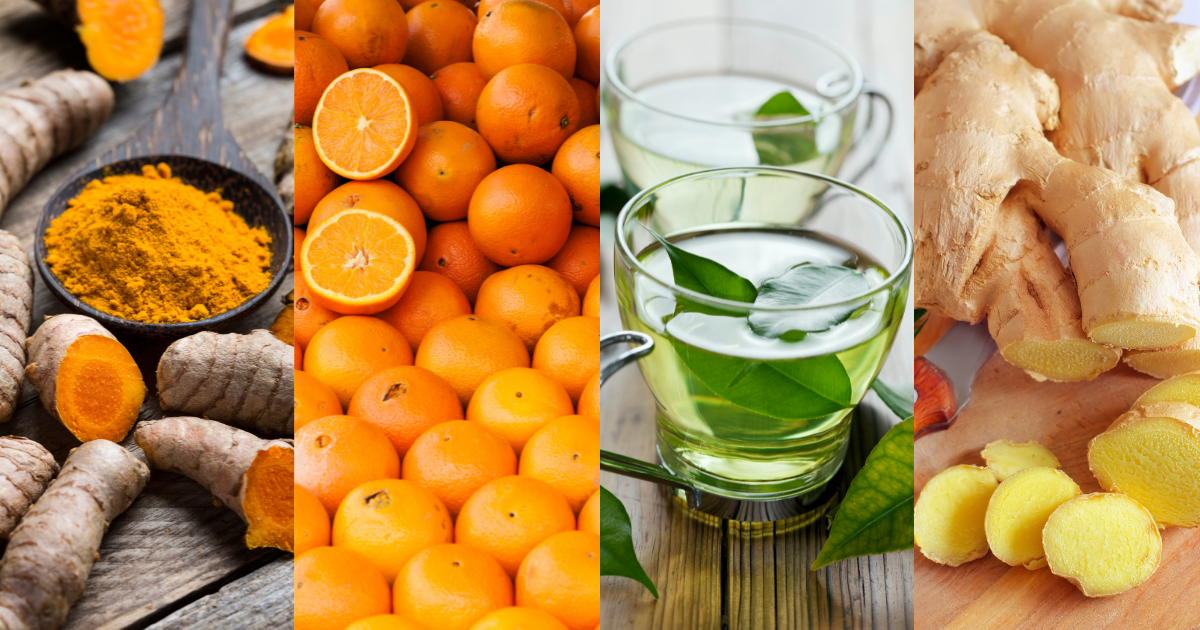
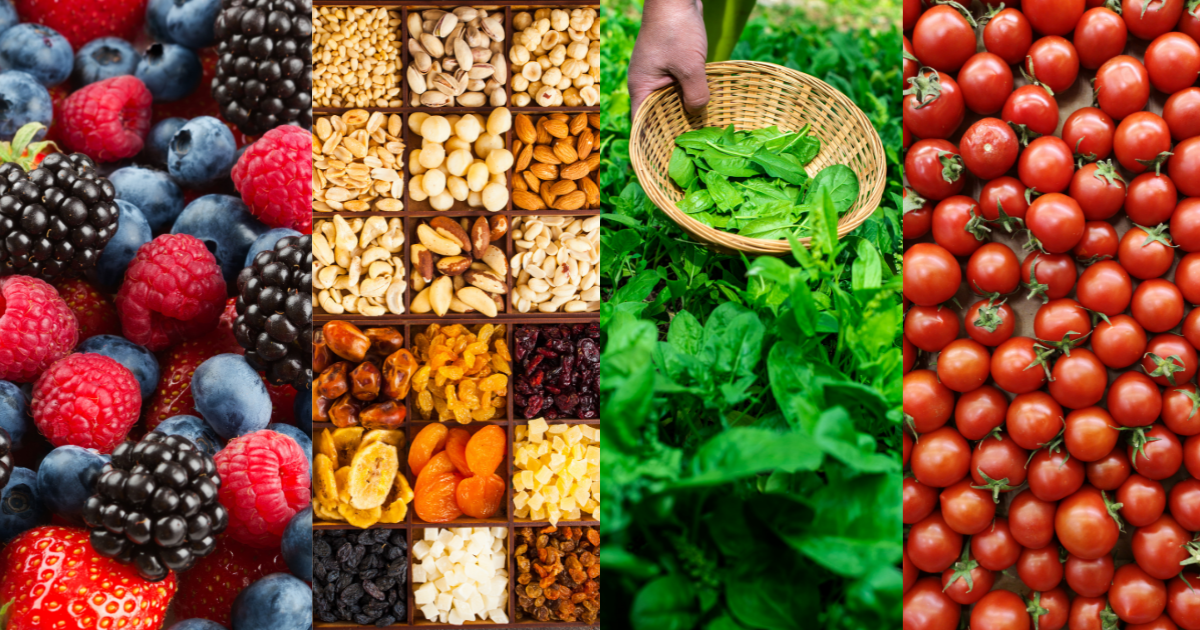
Inflammation is a natural immune response that helps the body heal from injury or infection. However, chronic inflammation can lead to a number of health problems, including heart disease, cancer, and arthritis. There are a number of things you can do to reduce inflammation, including exercising regularly, getting enough sleep, and managing stress. You can also add certain foods to your diet that have anti-inflammatory properties such as:

1. Berries
Berries are a good source of antioxidants, which can help protect cells from damage. Some of the best berries for fighting inflammation include blueberries, strawberries, raspberries, and blackberries.

2. Nuts and seeds
Nuts and seeds are a good source of healthy fats, which can help reduce inflammation. Some of the best nuts and seeds for fighting inflammation include almonds, walnuts, chia seeds, and flaxseeds.

3. Green leafy vegetables
Green leafy vegetables are a good source of vitamins, minerals, and antioxidants, all of which can help fight inflammation. Some of the best green leafy vegetables for fighting inflammation include spinach, kale, and collard greens.

4. Tomatoes
Tomatoes are a good source of lycopene, an antioxidant that has been shown to have anti-inflammatory properties. Lycopene is found in the highest concentrations in cooked tomatoes, so dishes like tomato sauce, salsa, and chili are good sources.

5. Turmeric
Turmeric is a spice that contains curcumin, a compound with powerful anti-inflammatory properties. Curcumin has been shown to reduce inflammation in the body, and it may also help to protect against cancer and Alzheimer’s disease.

6. Oranges
Oranges are a good source of vitamin C, an antioxidant that helps protect the body from damage. Vitamin C has also been shown to have anti-inflammatory properties.

7. Green tea
Green tea is made from the leaves of the Camellia sinensis plant. It contains a variety of antioxidants, including catechins, which have been shown to have anti-inflammatory properties. Green tea may also help to boost the immune system and protect against cancer.

8. Ginger
Ginger is a spice that has been used for centuries for its medicinal properties. It contains gingerol, a compound with anti-inflammatory and antioxidant properties. Ginger can help to reduce inflammation in the body, and it may also help to relieve nausea and vomiting.

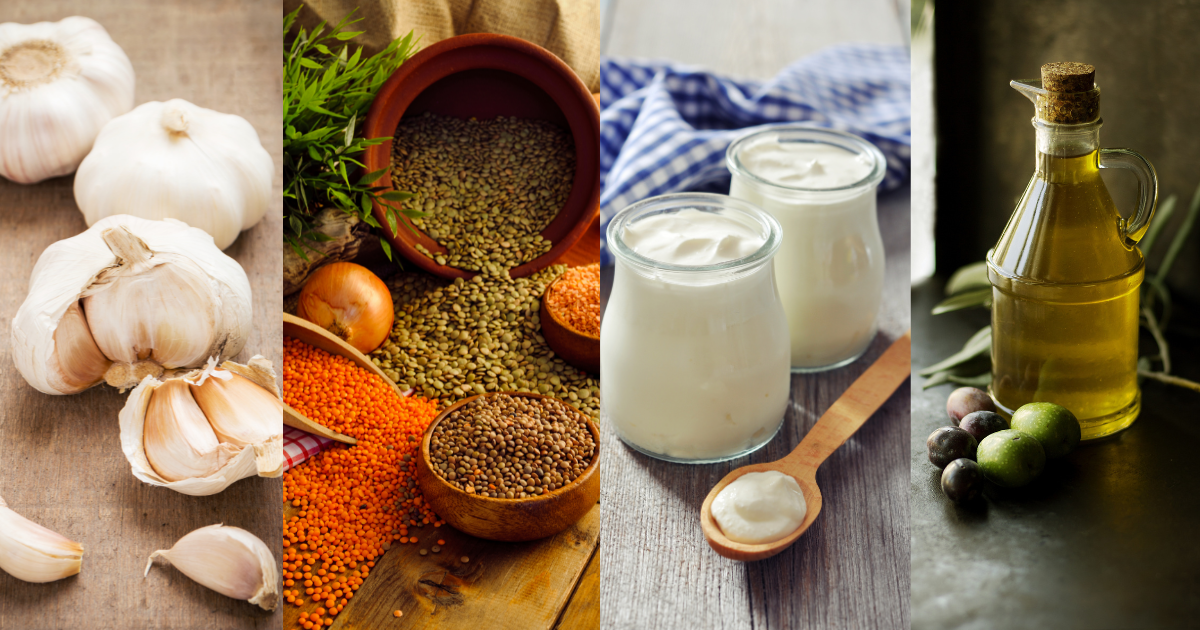
9. Garlic
Garlic is another spice that has been shown to have anti-inflammatory properties. It contains allicin, a compound that can help to reduce inflammation in the body. Garlic may also help to boost the immune system and protect against disease.

10. Lentils
Lentils are a good source of protein, fiber, and folate. They also contain antioxidants that can help to reduce inflammation. Lentils can be a good addition to a healthy diet for people who are looking to reduce inflammation.

11. Yogurt
Yogurt is a good source of protein and probiotics. Probiotics are live bacteria that are good for the gut. They can help to improve gut health and reduce inflammation. Yogurt can be a good addition to a healthy diet for people who are looking to reduce inflammation.

12. Olive Oil
Olive oil is a type of vegetable oil that is extracted from olives. It is a major component of the Mediterranean diet, which is known for its health benefits. Olive oil is high in monounsaturated fats, which have been shown to have anti-inflammatory properties. Olive oil contains a number of antioxidants, including oleocanthal, which has been shown to have similar anti-inflammatory properties to ibuprofen. Olive oil may also help to protect against heart disease, cancer, and Alzheimer’s disease.

If you are looking to reduce inflammation in your body, adding these foods to your diet is a good place to start. However, it is important to talk to your doctor before making any major changes to your diet.

Tagged : / / / /

5 Benefits of Drinking Aloe Vera Juice Everyday

5 Benefits of Drinking Aloe Vera Juice Everyday
Aloe vera is a succulent plant that has been used for centuries for its medicinal properties. The gel from the aloe vera plant is known for its moisturizing and soothing effects on the skin. But did you know that drinking aloe vera juice can also have a number of health benefits?

Here are 5 benefits of drinking aloe vera juice everyday:

1. Improves digestion. Aloe vera juice can help to improve digestion by increasing the production of gastric juices and enzymes. It can also help to soothe the stomach and intestines, making it a good choice for people with digestive problems such as ulcers, gastritis, and irritable bowel syndrome (IBS).

2. Boosts immunity. Aloe vera juice is a good source of antioxidants, which can help to boost the immune system and protect the body against infection. It also contains vitamins A, C, and E, which are all important for immune function.

3. Moisturizes the skin. The gel from the aloe vera plant is a natural humectant, which means that it attracts and retains moisture. This makes it a great way to hydrate the skin and keep it looking and feeling soft and smooth.

4. Reduces inflammation. Aloe vera juice has anti-inflammatory properties that can help to reduce swelling and pain in the body. This makes it a good choice for people with conditions such as arthritis, muscle pain, and joint pain.

5. Promotes wound healing. The gel from the aloe vera plant has been shown to promote wound healing. It can help to reduce inflammation and pain, and it can also help to prevent infection. This makes it a good choice for people with cuts, scrapes, and burns.

Aloe vera juice is generally safe to drink, but it is important to start with a small amount and gradually increase the amount you drink as tolerated. If you have any underlying health conditions, it is always a good idea to talk to your doctor before starting to drink aloe vera juice. By drinking aloe vera juice, you can reap the many health benefits of this amazing plant. So why not give it a try today?

Tagged : / / / / /

Is Skipping Dinner for Weight Loss Healthy?

Is Skipping Dinner for Weight Loss Healthy?
Skipping dinner is a popular weight loss strategy that has been around for many years. The idea is that by skipping a meal, you will consume fewer calories overall and lose weight.

However, there is no scientific evidence to support the claim that skipping dinner is an effective way to lose weight. In fact, some studies have shown that skipping dinner can actually lead to weight gain.

One study published in the journal “Obesity” found that people who skipped dinner were more likely to gain weight over a 12-month period than those who ate dinner every day. The study’s authors believe that skipping dinner may lead to overeating later in the day or night.

Another study published in the journal “Nutrition and Metabolism” found that people who skipped dinner had lower levels of leptin, a hormone that helps regulate appetite. This suggests that skipping dinner may make it harder to feel full and satisfied, which could lead to overeating later.

If you are considering skipping dinner for weight loss, it is important to talk to your doctor first. There are other, more effective ways to lose weight that do not involve skipping meals.

Here are some healthy and effective ways to lose weight:

  • Eat a balanced diet that includes plenty of fruits, vegetables, and whole grains.
  • Limit processed foods, sugary drinks, and unhealthy fats.
  • Exercise regularly. Aim for at least 30 minutes of moderate-intensity exercise most days of the week.
  • Get enough sleep. Most adults need 7-8 hours of sleep per night.
    If you are overweight or obese, talk to your doctor about a safe and effective weight loss plan.

Here are some additional things to keep in mind if you are considering skipping dinner:

  • Skipping dinner can lead to hunger and cravings, which can make it difficult to stick to your weight loss plan.
  • Skipping dinner can disrupt your sleep, which can also make it harder to lose weight.
  • Skipping dinner can lead to nutrient deficiencies, especially if you are not eating other healthy meals throughout the day.
    If you are considering skipping dinner, it is important to weigh the risks and benefits carefully. There are other, more effective ways to lose weight that do not involve skipping meals.
Tagged : / / / /

Magnesium Deficiency Causes Heart Problems! Eat These 8 Magnesium Rich Foods Daily!

Magnesium Deficiency Causes Heart Problems! Eat These 8 Magnesium Rich Foods Daily!
Magnesium is an essential mineral that plays a vital role in many bodily functions, including heart health. Magnesium helps regulate blood pressure, blood sugar levels, and heart rhythm. It also helps to keep the arteries relaxed, which can help to prevent heart disease. This is why you should make it a point to include Magnesium rich foods in your diet on a daily basis. Here are 8 good sources of Magnesium:

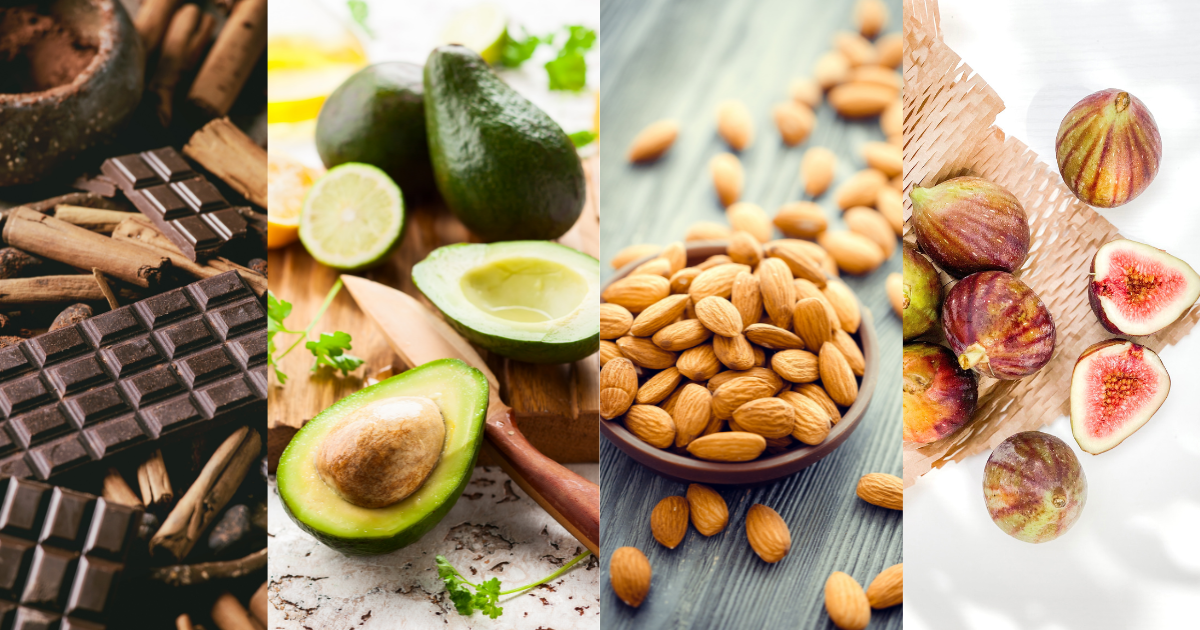
1. Dark Chocolate
Dark chocolate is a good source of magnesium, as well as other nutrients that are beneficial for heart health, such as antioxidants and flavonoids. A study published in the journal “Nutrition, Metabolism and Cardiovascular Diseases” found that people who ate 2 ounces of dark chocolate per day for two weeks had lower blood pressure and improved blood vessel function than those who did not eat dark chocolate.

2. Avocados
Avocados are another good source of magnesium, as well as healthy fats that can help to lower cholesterol levels. A study published in the journal “Nutrition Research” found that people who ate avocados for five days had lower levels of LDL (bad) cholesterol and triglycerides than those who did not eat avocados.

3. Almonds
Almonds are a good source of magnesium, vitamin E, fiber, and protein. They are also low in calories and fat. You should consume at least a fistful of almonds every day which have been soaked over night in water. Not only do they provide Magnesium for your heart health, the Vitamin E present in these nus is good for your skin health too.

4. Figs
Magnesium content tends to be high in fruits with a high fibre content. Magnesium, which may be found in abundance in figs, is known to assist in the reduction of high blood pressure. However, amazingly, magnesium has no effect on blood pressure levels that are already considered normal. Because of its inherent sweetness, this fruit is perfect for both a snack and a dessert. Dried figs have 51 milligrammes of magnesium in every half cup serving.

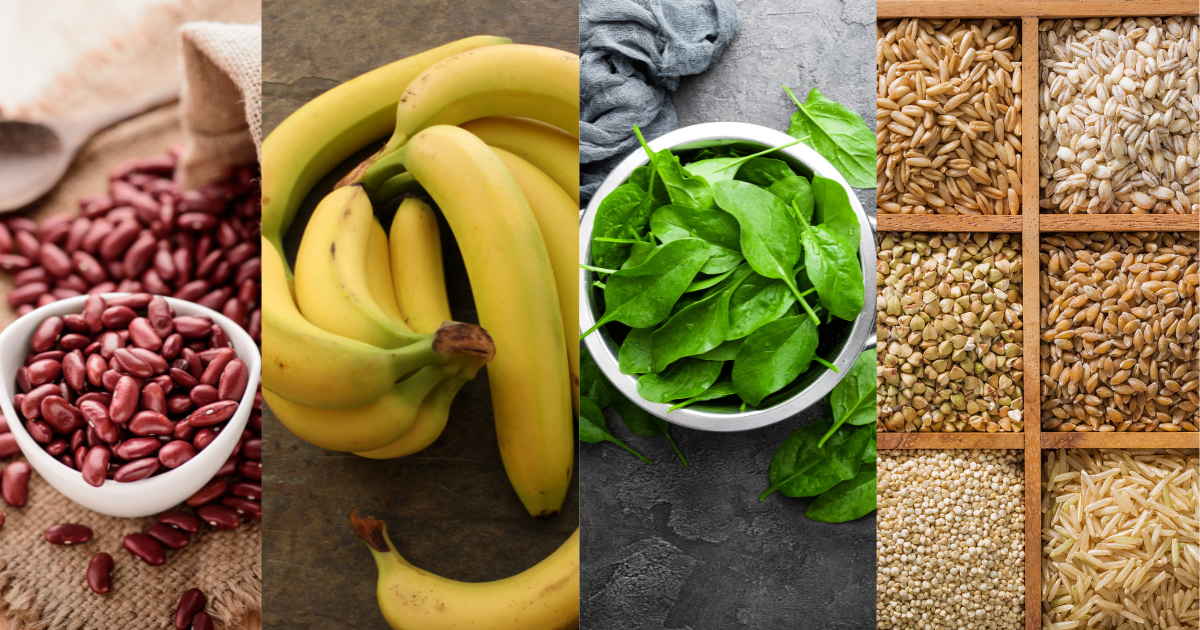
5. Kidney Beans (Rajma)
According to a number of studies, having a magnesium intake that is too low depletes the blood of a vital mineral, which in turn raises the risk of developing chronic inflammation as well as cardiac issues. There are several positive health effects associated with eating kidney beans due to their high nutrient content. You can get 79.3 mg of magnesium from eating one cup of boiling beans.

6. Banana
Not only is banana a great source of Potassium, it also provides one with a considerable amount of magnesium too. One medium sized banana provides 32 mg of magnesium. The best thing about bananas is that they are available throughout the year and are not very expensive.

7. Spinach
Spinach is a great green leafy vegetable because of the many nutrients and micronutrients it contains. A cup of raw spinach has around 23 mg of magnesium. So always include spinach in your diet.

8. Whole Grains
Whole grains are a good source of magnesium, as well as fiber and other nutrients that are beneficial for heart health. Some good choices include brown rice, quinoa, and whole wheat bread. One cup of whole wheat flour has nearly 165 mg of magnesium.

In addition to eating these magnesium-rich foods, there are other things you can do to improve your heart health, such as exercising regularly, maintaining a healthy weight, and quitting smoking.

Tagged : / / / /

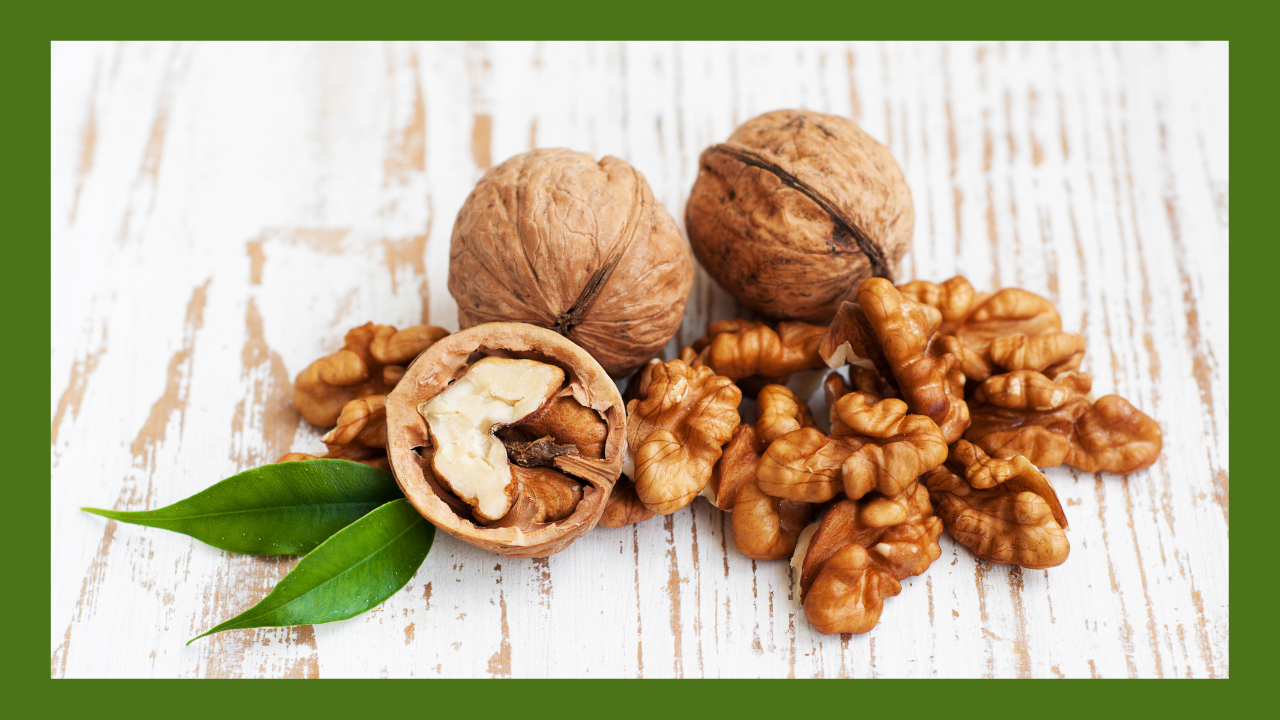
Why Should You Soak Walnuts In Before Consuming In Any Season

Why Should You Soak Walnuts In Before Consuming In Any Season
Walnuts are a popular and nutritious nut that is a good source of protein, fiber, and healthy fats. They are also a good source of vitamins and minerals, including vitamin E, magnesium, and phosphorus.

Walnuts are often soaked before consuming them. Soaking walnuts makes them easier to digest and also helps to improve their nutritional value.

Here are some of the benefits of soaking walnuts:

1. Improved digestibility
Soaking walnuts helps to break down the phytic acid that they contain. Phytic acid is an antinutrient that can interfere with the absorption of nutrients.

2. Increased nutrient absorption
Soaking walnuts also helps to increase the absorption of their nutrients. This is because the soaking process breaks down the cell walls of the walnuts, making the nutrients more accessible.

3. Reduced enzyme inhibitors
Walnuts contain enzyme inhibitors that can interfere with digestion. Soaking walnuts helps to reduce these enzyme inhibitors, making them easier to digest.

4. Increased bioavailability of antioxidants
Soaking walnuts helps to increase the bioavailability of their antioxidants. This is because the soaking process helps to break down the cell walls of the walnuts, making the antioxidants more accessible.

5. Improved taste and texture
Soaking walnuts can also improve their taste and texture. Soaking walnuts makes them softer and easier to chew.

To soak walnuts, simply place them in a bowl of water and let them soak for at least 4 hours, or overnight. After soaking, drain the walnuts and rinse them well. You can then eat them raw, add them to recipes, or grind them into a powder.

Walnuts are a healthy and nutritious nut that can be enjoyed in many ways. Soaking walnuts before consuming them can improve their nutritional value and make them easier to digest.

Here are some additional tips for soaking walnuts:

  • Use filtered or bottled water to soak the walnuts.
  • Soak the walnuts in a glass or ceramic bowl, as metal can react with the walnuts and alter their flavor.
  • Change the water every 8-12 hours to prevent the walnuts from fermenting.
  • Soak the walnuts for at least 4 hours, or overnight, for the best results.
  • Once the walnuts are soaked, you can store them in the refrigerator for up to 5 days.
Tagged : / / /

10 Best Calcium Sources for Women’s Bone Health

10 Best Calcium Sources for Women’s Bone Health
Calcium is an essential mineral for women of all ages. It is needed for strong bones and teeth, as well as for muscle function, blood clotting, and nerve transmission.

The recommended daily intake of calcium for women is 1,000 milligrams (mg) per day. However, some women, such as those who are pregnant or breastfeeding, may need more calcium. Here are 10 of the best calcium sources for women:

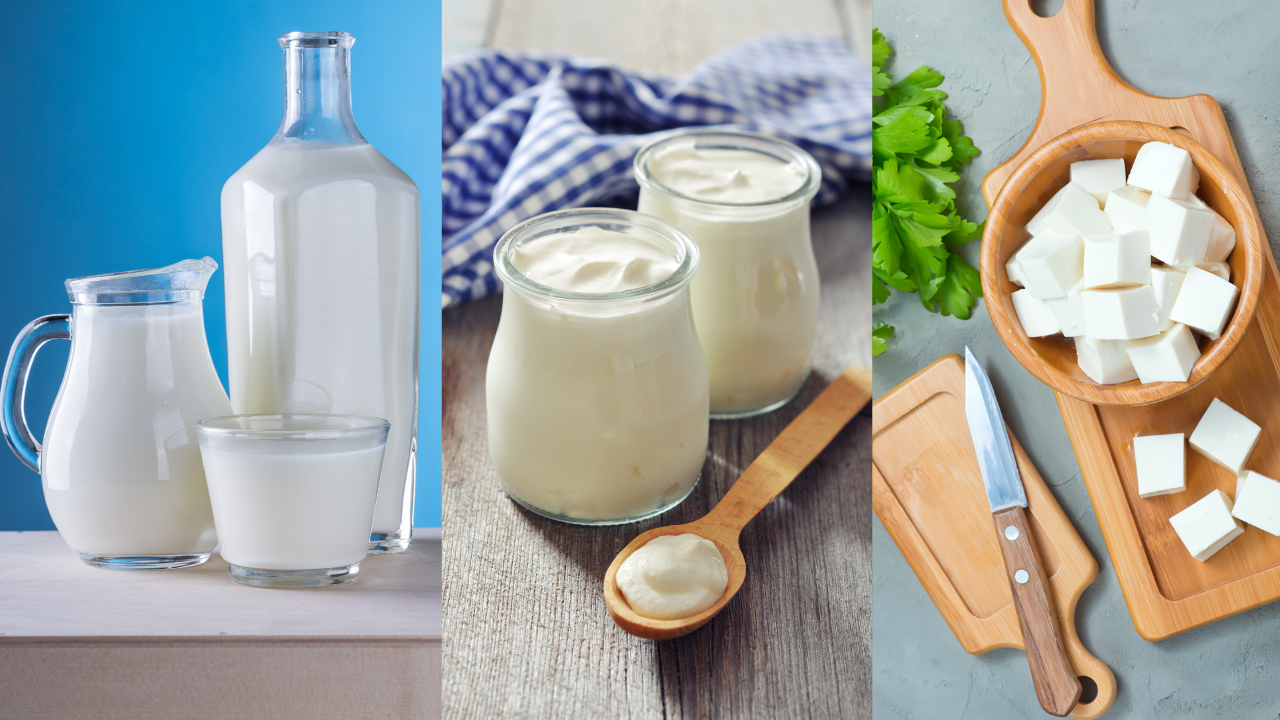
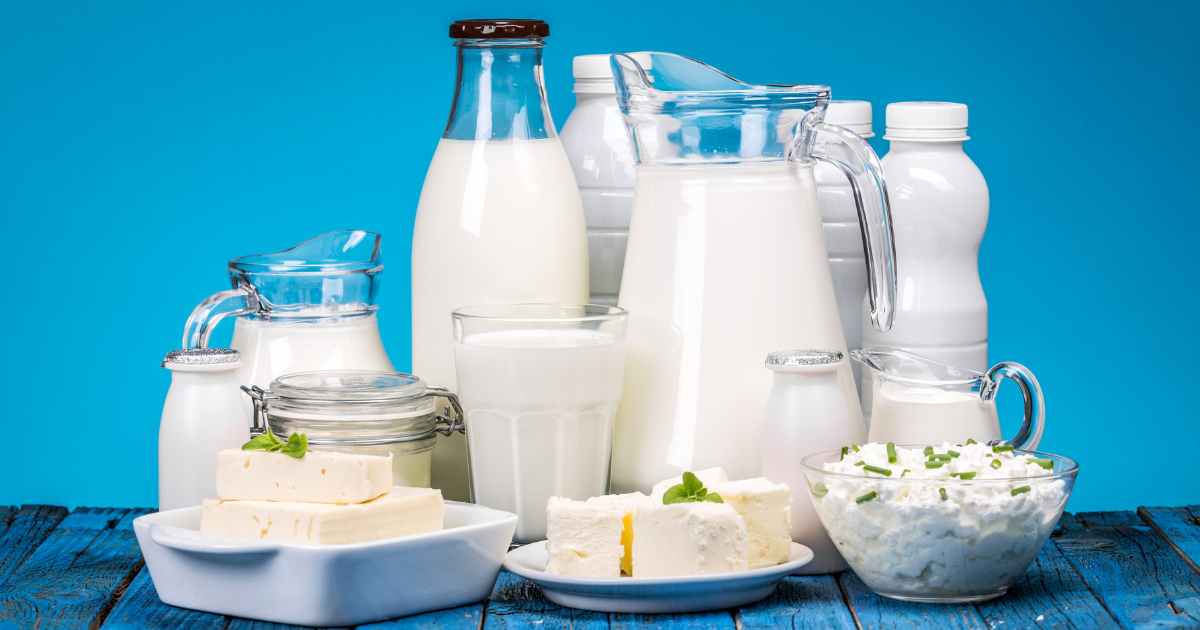
1. Milk and yogurt
Milk and yogurt are excellent sources of calcium. A cup of milk contains about 300 mg of calcium, and a cup of yogurt contains about 400 mg.

2. Cheese
Cheese is another good source of calcium. A slice of cheddar cheese contains about 200 mg of calcium.

3. Tofu
Tofu is a plant-based source of calcium. A 100-gram serving of tofu contains about 250 mg of calcium.

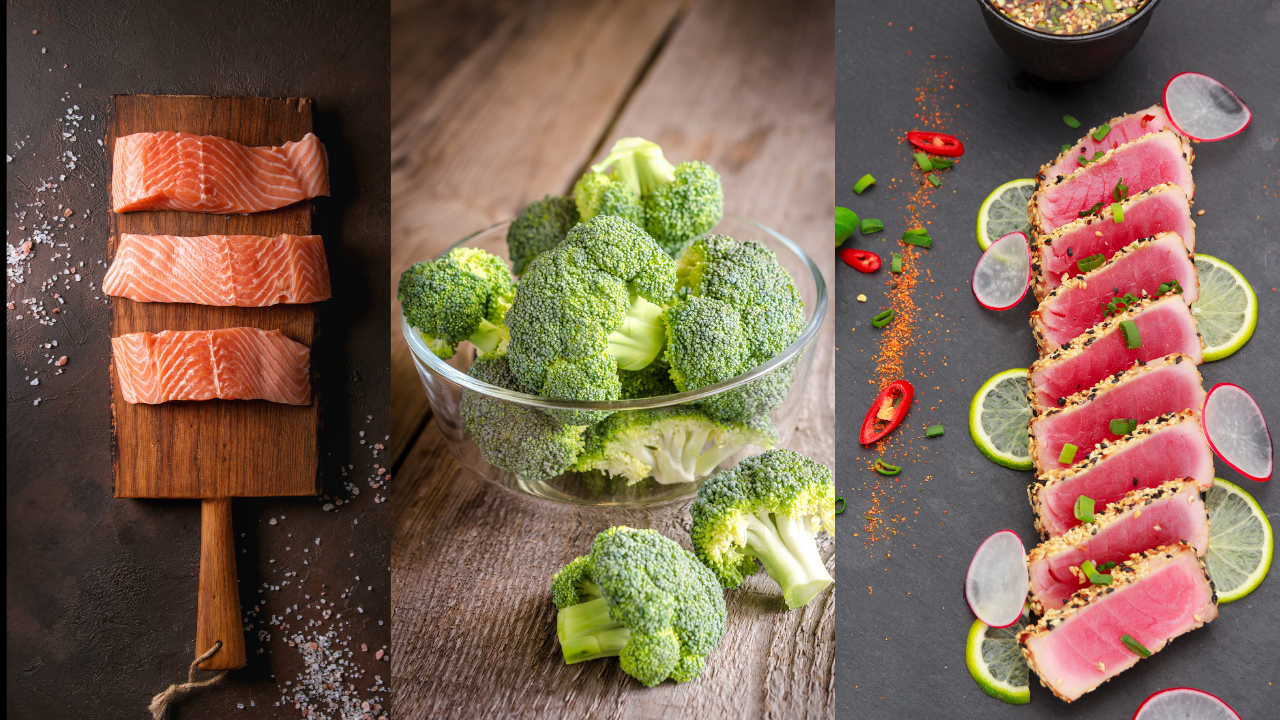
4. Broccoli
Broccoli is a good source of calcium, as well as other nutrients like vitamin C and fiber. A cup of cooked broccoli contains about 100 mg of calcium.

5. Salmon
Salmon is a good source of calcium, as well as protein and omega-3 fatty acids. A 3-ounce serving of salmon contains about 180 mg of calcium.

6. Tuna
Tuna is another good source of calcium from fish. A 3-ounce serving of tuna contains about 120 mg of calcium

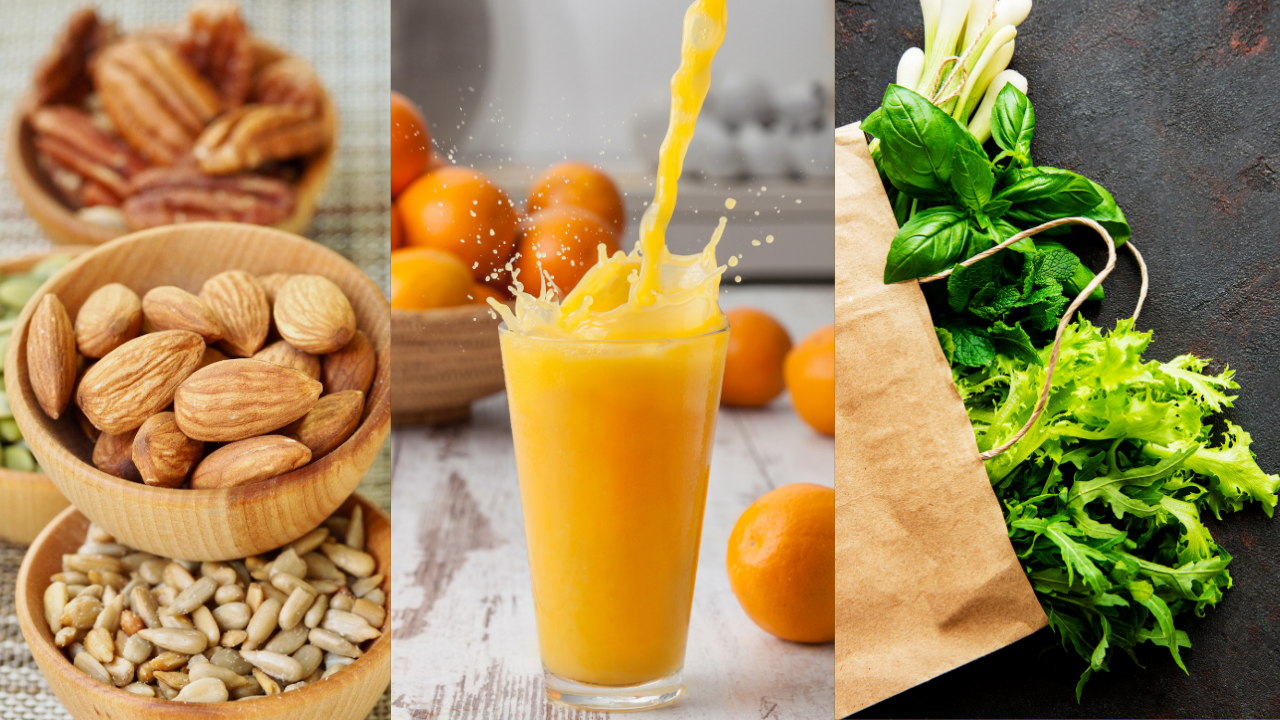
7. Orange juice
Orange juice is fortified with calcium, making it a good source of this mineral. A cup of orange juice contains about 300 mg of calcium.

8. Soy milk
Soy milk is a good source of calcium for people who are lactose intolerant. A cup of soy milk contains about 300 mg of calcium.

9. Nuts and seeds.
Nuts and seeds are a good source of calcium, as well as other nutrients like protein and fiber. Almonds, sesame seeds, and chia seeds are all good sources of calcium.

10. Dark green leafy vegetables
Dark green leafy vegetables, such as kale, spinach, and collard greens, are a good source of calcium. A cup of cooked kale contains about 200 mg of calcium.

In addition to these foods, there are also calcium supplements available. Calcium supplements are a good option for people who do not get enough calcium from their diet. It is important to note that too much calcium can be harmful. The upper limit for calcium intake is 2,500 mg per day. If you are taking calcium supplements, it is important to talk to your doctor to make sure you are not getting too much.

By eating a variety of calcium-rich foods, women can ensure that they are getting enough of this important mineral for good health.

Tagged : / / / / /

5 Reasons Why Ghee Should Be A Part Of Your Daily Diet

5 Reasons Why Ghee Should Be A Part Of Your Daily Diet
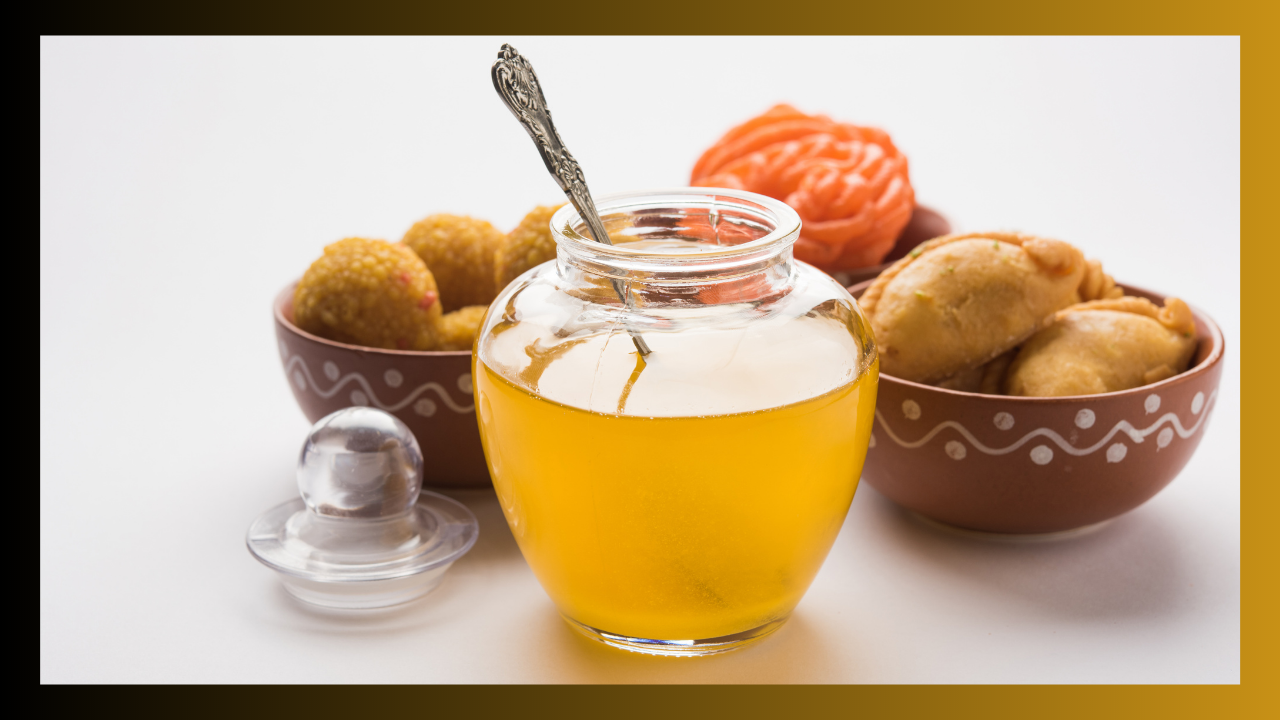
Ghee is a type of clarified butter that has been used for centuries in Ayurvedic medicine. It is made by simmering butter until the milk solids and water evaporate, leaving behind a pure, golden oil. Ghee has a nutty flavor and a high smoke point, making it ideal for cooking.

Here are 5 reasons why ghee should be a part of your daily diet:

1. It is a good source of healthy fats
Ghee is high in saturated fat, but these fats are different from the unhealthy saturated fats found in processed foods. Ghee contains butyric acid, a short-chain fatty acid that has been shown to have many health benefits, including improved gut health and brain function.

2. It is easy to digest
Ghee is a very digestible fat, which is why it is often recommended for people with digestive problems. The milk solids in butter are what make it difficult to digest, but these solids are removed during the ghee-making process.

3. It is rich in vitamins and minerals
Ghee is a good source of vitamins A, D, E, and K. These vitamins are essential for many bodily functions, including vision, bone health, and immunity.

4. It has anti-inflammatory properties
Ghee contains butyric acid, which has been shown to have anti-inflammatory properties. Inflammation is a major underlying factor in many chronic diseases, so eating ghee may help to reduce your risk of these diseases.

5. It can boost your immunity
Ghee contains butyric acid, which has been shown to boost immunity. Butyric acid helps to maintain the health of the gut lining, which is important for a strong immune system.

Ghee is a versatile and healthy fat that can be enjoyed in many ways. It can be used for cooking, baking, or simply drizzled on top of your favorite foods. If you are looking for a healthy way to add fat to your diet, ghee is a great option.

Here are some tips for using ghee in your diet:

  •  Use ghee instead of butter for cooking. Ghee has a higher smoke point than butter, so it is less likely to burn.
  • Add ghee to your favorite recipes. Ghee can be used in a variety of dishes, from curries to stir-fries.
  • Drizzle ghee on top of your food. Ghee adds a delicious flavor and richness to any dish.
  • Use ghee as a dipping sauce. Ghee can be used as a dip for bread, vegetables, or crackers.
Tagged : / / / /

9 Solid Reasons For Avoiding Soft Drinks

9 Solid Reasons For Avoiding Soft Drinks
Soft drinks and sodas are a popular beverage choice for many people. However, they are also high in sugar, calories, and artificial ingredients. There are many reasons why you should avoid soft drinks and sodas.

Here are 9 reasons to avoid soft drinks and sodas:

1. They are high in sugar. Soft drinks and sodas are often loaded with sugar, which can lead to weight gain and tooth decay. A single can of soda can contain more sugar than the recommended daily intake for adults.

2. They are high in calories. Soft drinks and sodas are also high in calories, which can contribute to weight gain. A single can of soda can contain over 100 calories.

3. They contain artificial ingredients. Soft drinks and sodas often contain artificial sweeteners, colors, and flavors. These ingredients have been linked to health problems such as headaches, anxiety, and hyperactivity.

4. They can cause tooth decay. The sugar in soft drinks and sodas can damage teeth and lead to tooth decay. The acids in soft drinks can also erode tooth enamel.

5. They can lead to weight gain. The high sugar and calorie content of soft drinks and sodas can contribute to weight gain. Overweight and obesity are linked to a number of health problems, including heart disease, stroke, and type 2 diabetes.

6. They can cause dehydration. Soft drinks and sodas can actually dehydrate you. The caffeine in soft drinks can also make you feel jittery and anxious.

7. They can cause kidney stones. The high phosphorus content of soft drinks can increase your risk of developing kidney stones.

8. They can increase your risk of type 2 diabetes. The sugar and calories in soft drinks can increase your risk of developing type 2 diabetes.

9. They can damage your liver. The high fructose corn syrup in soft drinks can damage your liver.

If you are looking for a healthier beverage choice, there are many alternatives to soft drinks and sodas. Water, unsweetened tea, and coffee are all good options. You can also try flavored sparkling water or fruit-infused water.

If you are addicted to soft drinks, it may be difficult to quit cold turkey. However, there are a few things you can do to make the transition easier. Start by gradually reducing the amount of soft drinks you drink each day. You can also try replacing soft drinks with healthier beverages. With a little effort, you can kick your soft drink habit and improve your health.

Tagged : / / / / / /

7 Easily Available Foods That Reduce Body Heat Naturally

7 Easily Available Foods That Reduce Body Heat Naturally
Do you know that our different bodies have different level of heat? Some people naturally have high body heat while others don’t. Our body heat is also responsible for our health and problems related to it. Generally high body heat is not considered good. So if you are someone who has high body heat, consume these easily available 7 foods to reduce it.

1. Coconut water is a natural electrolyte drink that is also rich in potassium. It can help to cool the body and prevent dehydration.

2. Mint has cooling properties that can help to soothe a hot body. It can be used in dips, chutneys, or drinks.

3. Watermelon is a refreshing fruit that is mostly made up of water. It is also a good source of vitamins A and C, which can help to boost the body’s cooling system.

4. Curd is a fermented milk product that is rich in probiotics. Probiotics can help to regulate the body’s temperature.

5. Buttermilk is a drink made from fermented milk. It is rich in electrolytes and can help to cool the body.

6. Cucumber is a vegetable that is mostly made up of water. It is also a good source of vitamins K and C, which can help to cool the body.

7. Sattu is a flour made from roasted gram flour. It is a good source of protein and fiber, and it can help to keep the body cool.

In addition to eating these foods, there are other things you can do to help reduce body heat, such as:

Drinking plenty of fluids
Staying in cool environments
Wearing loose-fitting clothing
Taking a cool shower or bath
Avoiding strenuous activity during hot weather

Tagged : / / / /

6 Health Benefits of Eating Dragon Fruit

6 Health Benefits of Eating Dragon Fruit
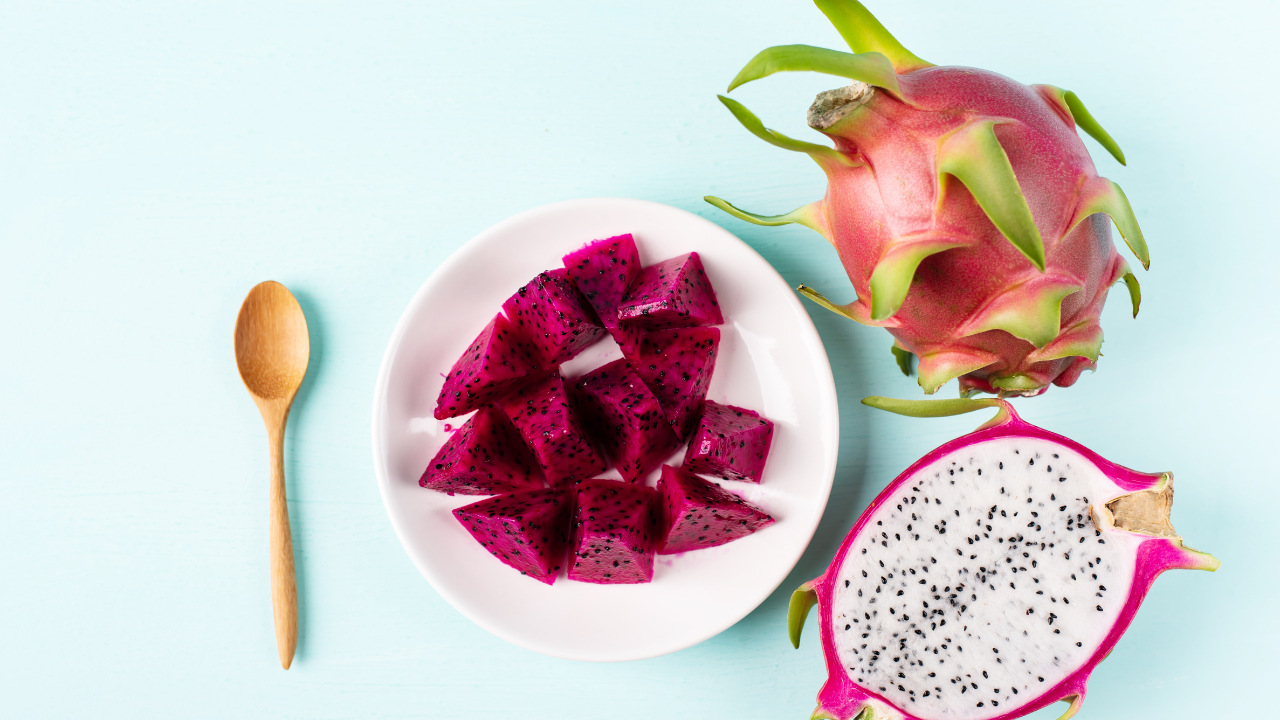
Dragon fruit is a tropical fruit that is native to Mexico and Central America. It is also known as pitaya, strawberry pear, and barbed pear. Dragon fruit is a good source of vitamins C, A, and fiber. It also contains antioxidants and other nutrients that can be beneficial for health.

Here are some of the health benefits of eating dragon fruit:

1. Boosts the immune system
Dragon fruit is a good source of vitamin C, which is an antioxidant that helps boost the immune system. Vitamin C helps protect the body from harmful bacteria and viruses.

2. Improves digestion
Dragon fruit is a good source of fiber, which is essential for digestive health. Fiber helps to keep the digestive system healthy by adding bulk to stool and helping it move through the intestines more easily.

3. Lowers blood sugar levels
Dragon fruit contains antioxidants that can help lower blood sugar levels. These antioxidants help to prevent the oxidation of LDL cholesterol, which is a type of cholesterol that can build up in the arteries and increase the risk of heart disease.

4. Protects against cancer
Dragon fruit contains antioxidants that can help protect against cancer. These antioxidants help to neutralize free radicals, which are unstable molecules that can damage cells and lead to cancer.

5. Promotes heart health
Dragon fruit contains antioxidants that can help promote heart health. These antioxidants help to protect the heart from damage caused by free radicals.

6. Improves skin health
Dragon fruit contains antioxidants that can help improve skin health. These antioxidants help to protect the skin from damage caused by the sun and pollution.

Dragon fruit is a delicious and nutritious fruit that can be enjoyed fresh, frozen, or canned. It can be added to smoothies, salads, or yogurt. Dragon fruit is also a good source of potassium, magnesium, and phosphorus.

If you are looking for a healthy and delicious fruit to add to your diet, dragon fruit is a great option.

Here are some additional tips for getting the most out of dragon fruit:

  • Choose dragon fruit that is firm and has bright, evenly colored skin.
  • Store dragon fruit in the refrigerator for up to 3 days.
  • To eat dragon fruit, simply cut it in half and scoop out the flesh with a spoon.
  • You can also blend dragon fruit with other fruits and vegetables to make a smoothie.

Dragon fruit is a versatile and delicious fruit that can be enjoyed in many different ways. So next time you are at the grocery store, be sure to pick up a few pieces of dragon fruit to try. Your taste buds and your health will thank you!

Tagged : / / /

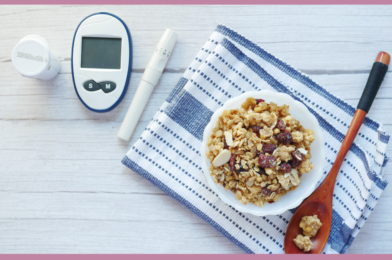
5 Reasons Why Oats Are Wonder Food For Diabetics

5 Reasons Why Oats Are Wonder Food For Diabetics
Oats are a whole grain that is packed with nutrients and has been shown to have many health benefits, including for people with diabetes. Here are some of the reasons why oats are considered a wonder food for diabetics:

1. Oats are high in fiber
Fiber is an important nutrient for people with diabetes because it helps to slow down the absorption of glucose into the bloodstream. This can help to prevent blood sugar spikes after meals. Oats are a good source of both soluble and insoluble fiber. Soluble fiber forms a gel in the stomach that slows down digestion and absorption of glucose. Insoluble fiber helps to keep the digestive system healthy and regular.

2. Oats have a low glycemic index
The glycemic index (GI) is a measure of how quickly a food raises blood sugar levels. Foods with a low GI are digested and absorbed slowly, which helps to prevent blood sugar spikes. Oats have a GI of 55, which is considered to be low.

3. Oats are a good source of magnesium
Magnesium is a mineral that is important for blood sugar control. Studies have shown that people with low magnesium levels are more likely to have type 2 diabetes. Oats are a good source of magnesium, providing about 27% of the Daily Value (DV) in a 1/2 cup serving.

4. Oats may help to lower cholesterol
Oats contain soluble fiber, which has been shown to lower cholesterol levels. Studies have shown that eating oats can help to reduce LDL (bad) cholesterol and total cholesterol levels.

5. Oats may help to improve heart health
In addition to lowering cholesterol, oats may also help to improve heart health by reducing inflammation and blood pressure. Studies have shown that eating oats can help to reduce the risk of heart disease and stroke.

How to eat oats for diabetes?

Oats can be eaten in a variety of ways, and there are many healthy recipes that incorporate oats. Here are a few ideas:

Oatmeal for breakfast : Oatmeal is a classic breakfast food that is easy to make and customize. You can add your favorite toppings, such as fruit, nuts, seeds, or yogurt.

Overnight oats : Overnight oats are a convenient way to have a healthy breakfast on the go. Simply combine oats, milk, yogurt, and your favorite toppings in a jar and let it sit in the refrigerator overnight.

Oat bran muffins : Oat bran muffins are a good source of fiber and can help to keep you feeling full. You can find recipes for oat bran muffins that are specifically designed for people with diabetes.

Oat-based snacks : There are many healthy snacks that can be made with oats, such as oat bars, oat cookies, and oat balls. These snacks can help to keep you feeling full between meals and prevent blood sugar spikes.

No matter how you choose to eat them, oats are a healthy and nutritious food that can be enjoyed by people with diabetes. When choosing oats, it is important to select whole grain oats, as these are higher in fiber and nutrients than refined oats. It is also important to limit the amount of added sugar and fat in your oat dishes. By following these tips, you can enjoy the health benefits of oats without sabotaging your blood sugar control.

Tagged : / / / /

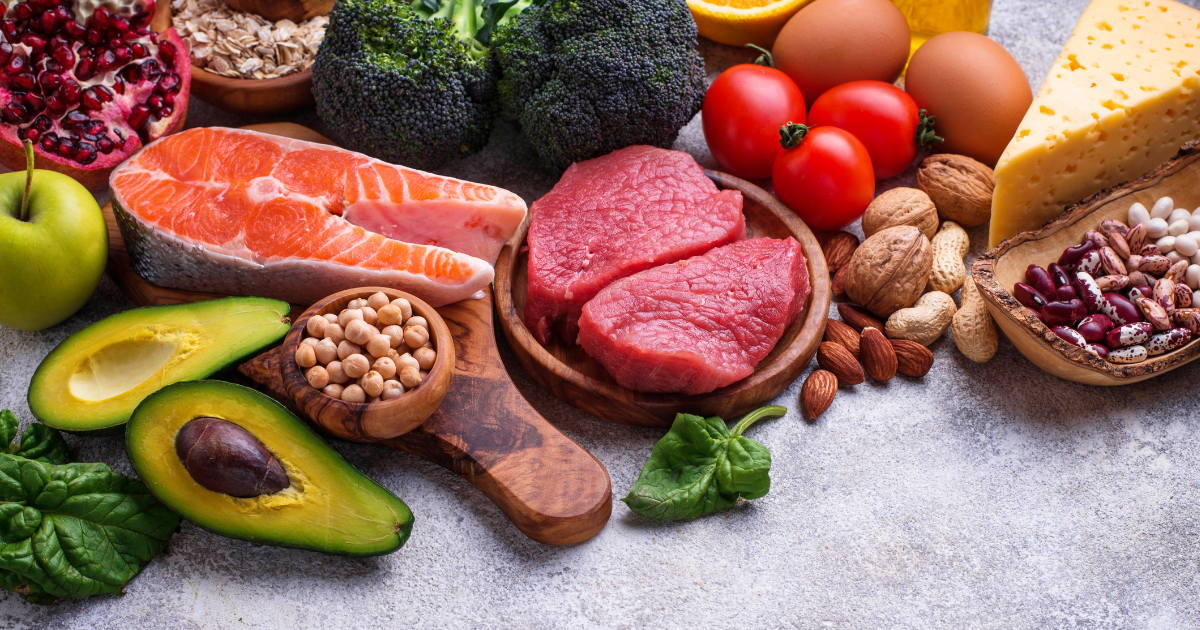
7 Diet Tips That Vegetarians Should Follow To Improve Their Protein Intake

7 Diet Tips That Vegetarians Should Follow To Improve Their Protein Intake
Protein is an essential nutrient that the body needs for many important functions, including building and repairing tissues, making enzymes and hormones, and transporting nutrients. Vegetarians can get plenty of protein from a variety of plant-based foods. However, it is important to be mindful of their protein intake in order to meet their daily requirements.

Here are 7 diet tips for vegetarians to improve their protein consumption:

1. Diversify your protein sources
Don’t rely on just one or two protein sources. Instead, include a variety of plant-based proteins in your diet, such as beans, lentils, tofu, tempeh, nuts, seeds, and whole grains.

2. Pair complementary proteins
Some plant-based proteins are incomplete proteins, meaning they do not contain all of the essential amino acids that the body needs. However, you can combine two or more incomplete proteins to create complete proteins. For example, you could pair beans with rice, or lentils with quinoa.

3. Include protein at every meal
Don’t just focus on protein at dinnertime. Include protein at every meal, even breakfast. This will help you spread your protein intake throughout the day and make it easier to meet your daily requirements.

4. Eat whole foods
Processed foods are often low in protein and high in unhealthy fats and calories. Instead, focus on eating whole foods, such as beans, lentils, tofu, tempeh, nuts, seeds, and whole grains.

5. Don’t be afraid to supplement
If you find it difficult to meet your protein needs through diet alone, you may want to consider taking a protein supplement. There are many different types of protein supplements available, so you can find one that fits your needs and preferences.

6. Consume a lot of dairy products
Dairy products, such as milk, yogurt, and cheese, are also a good source of protein for vegetarians. They are complete proteins, meaning they contain all of the essential amino acids that the body needs. These products do not involve killing animals and vegetarians can easily consume them .

7. Talk to your doctor or a registered dietitian
If you have any concerns about your protein intake, talk to your doctor or a registered dietitian. They can help you create a personalized plan to meet your needs.

Additional tips:

  • Cook with beans and lentils. Beans and lentils are a great way to add protein to soups, stews, chilis, and other dishes.
  • Make tofu or tempeh a regular part of your diet. Tofu and tempeh are made from soybeans and are a good source of protein and other nutrients.
  • Add nuts and seeds to your meals and snacks. Nuts and seeds are a portable and convenient way to get protein.
  • Drink soy milk or other plant-based milks. Soy milk is a good source of protein and calcium.
  • Enjoy a protein-rich breakfast. A protein-rich breakfast can help you stay full and satisfied throughout the day.Conclusion

By following these tips, vegetarians can easily improve their protein consumption and meet their daily requirements. By eating a variety of plant-based proteins, pairing complementary proteins, including protein at every meal, eating whole foods, and not being afraid to supplement, vegetarians can ensure that they are getting the protein they need to stay healthy and strong.

Tagged : / / / / /

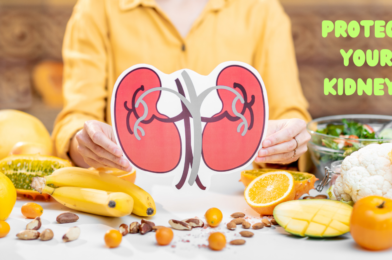
7 Foods That Keep Your Kidneys Healthy

7 Foods That Keep Your Kidneys Healthy
Your kidneys are two bean-shaped organs that are located in your lower back. They are responsible for filtering waste products and excess fluids from your blood. They also help to regulate your blood pressure, produce red blood cells, and keep your bones healthy. There are many foods that are good for your kidneys. These foods are typically low in sodium, potassium, and phosphorus. They are also high in antioxidants, fiber, and vitamins. In this article, we will discuss some of the best foods for kidney health and here they are:

1. Water: Water is essential for kidney health. It helps to flush out toxins and waste products from the body. Aim to drink 8-10 glasses of water per day.

2. Berries: Berries are a good source of antioxidants, which can help protect the kidneys from damage. Some good choices include blueberries, strawberries, and raspberries.

3. Citrus fruits: Citrus fruits are also a good source of antioxidants. They also contain potassium, which is an important mineral for kidney health. Some good choices include oranges, lemons, and grapefruits.

4. Green leafy vegetables: Green leafy vegetables are a good source of vitamins, minerals, and antioxidants. They are also low in calories and fat. Some good choices include spinach, kale, and collard greens.

5. Salmon: Salmon is a good source of omega-3 fatty acids, which have been shown to protect the kidneys from damage.

6. Oats: Oats are a good source of fiber, which can help to lower blood pressure and cholesterol levels. These are two risk factors for kidney disease.

7. Legumes: Legumes are a good source of protein, fiber, and potassium. They are also low in saturated fat. Some good choices include beans, lentils, and peas.

In addition to eating these healthy foods, it is also important to avoid foods that are high in sodium, potassium, and phosphorus. These minerals can damage the kidneys if consumed in excess.

Here are some tips for following a kidney-healthy diet:

  • Limit your intake of processed foods, sugary drinks, and red meat.
  • Cook with herbs and spices instead of salt.
  • Choose low-sodium canned foods.
  • Read food labels carefully and choose foods that are low in sodium, potassium, and phosphorus.                                                                                                    By following these tips, you can help to keep your kidneys healthy and prevent kidney disease.

Here are some additional things you can do to protect your kidney health:

  • Maintain a healthy weight.
  • Exercise regularly.
  • Don’t smoke.
  • Control your blood pressure, blood sugar, and cholesterol levels.
  • Get regular checkups with your doctor.
    By taking these steps, you can help to keep your kidneys healthy for life.
Tagged : / / / /

5 Strong Reasons To Eat Dinner Before 8 PM

5 Strong Reasons To Eat Dinner Before 8 PM
Eating an early dinner has always been a part of cultures where people are known for their good health and longevity. It is one of the best things you can do for your health. Today’s fast paced life has made following this simple habit much difficult but it is never too late to start. There are many benefits to eating an early dinner, including:

1. Weight loss: Eating an early dinner can help you lose weight or maintain a healthy weight. When you eat dinner later in the evening, your body has less time to burn off the calories before you go to bed. This can lead to weight gain over time.

2. Improved sleep: Eating an early dinner can help you sleep better at night. When you eat a heavy meal before bed, it can make it difficult to fall asleep and stay asleep. This is because your body has to work hard to digest the food, which can keep you awake.

3. Reduced risk of diabetes: Eating an early dinner can help reduce your risk of developing type 2 diabetes. When you eat dinner later in the evening, your blood sugar levels can spike, which can increase your risk of developing diabetes.

4. Improved digestion: Eating an early dinner can help improve your digestion. When you give your body enough time to digest your food before you go to bed, it can help prevent digestive problems such as heartburn and acid reflux.

5. Reduced risk of heart disease: Eating an early dinner can help reduce your risk of developing heart disease. When you eat dinner later in the evening, your body has to work harder to process the food, which can put stress on your heart.

If you’re looking to improve your health, eating an early dinner is a great place to start. Aim to eat dinner at least 2-3 hours before bedtime. This will give your body enough time to digest your food and prepare for sleep.

Here are some tips for eating an early dinner:

  • Pack your lunch for work or school so you’re less likely to eat out at night.
  • Have a light snack in the evening instead of a full meal.
  • Go to bed earlier so you have more time to digest your food before you sleep.
  • Making small changes to your eating habits can have a big impact on your health. Eating an early dinner is one simple change that can help you lose weight, improve your sleep, and reduce your risk of chronic diseases.

In addition to the benefits mentioned above, eating an early dinner can also help improve your mood, boost your energy levels, and give you more time to do the things you enjoy. So if you’re looking for a way to improve your health and well-being, make sure to eat your dinner early!

Tagged : / / / /
Verified by ExactMetrics