It’s stunning that we are unable to find the aliens. Have they converted themselves in into AI? 

We, the humans, often talk about aliens or some kind of smart artificial intelligence existing at some corner of the universe. But despite all noise, we, so far, failed to collect any evidence of existence of any aliens let alone contacting them. The central dilemma here is the Fermi paradox. The Fermi paradox mentions that the universe is very large with trillions of galaxies and billions of stars and planets. Out of these  insanely large numbers, there exists only tiny fraction which contains habitable planets capable of hosting any kind of life form.

aliens-3

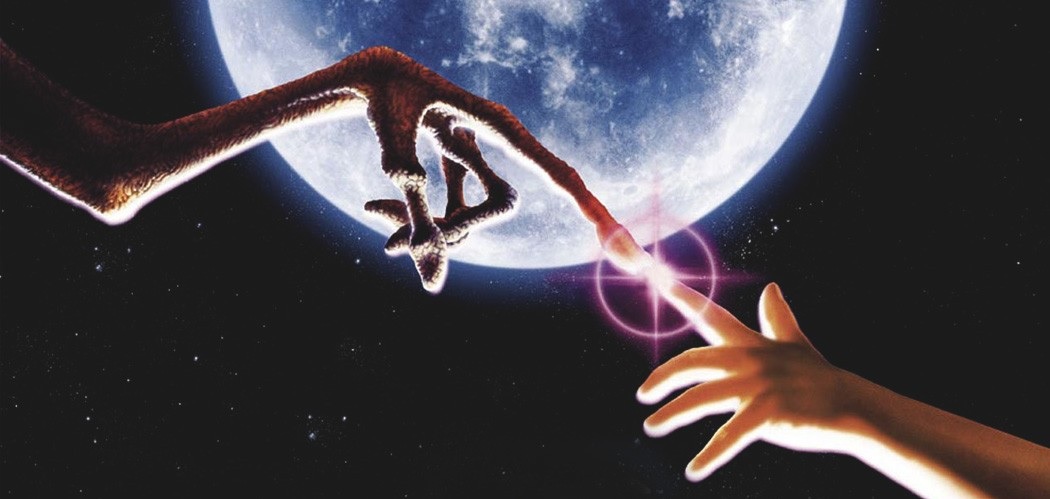
But even a tiny fraction will translate itself into a large number which indicates that there might be billions of species of aliens exist out there. Here, the Fermi paradox questions us: With so many alien species out there, why we failed to find them? Or, for that matter, why they also failed to find us?

The Wikipedia page of Fermi Paradox is flooded with answers related to this. Some says “it is too expensive to spread physically throughout the galaxy”, some says “intelligent civilizations are too far apart in space or time” and some even talks philosophically  like “it is the nature of intelligent life to destroy itself.”

Our planet is only 4.5 billion years old whereas our universe is about 14 billion years old. It’s safe to assume that most of the aliens will be way smarter than us. Experts argue that their level and quality of intelligence will be much adhead compared to human intelligence. Most of the advanced intelligence probably have reached the point of singularity.

The singularity, according to David Kelley, co-founder of Wired Magazine, is the point at which “all the change in the last million years will be superseded by the change in the next five minutes.”. That’s unimaginable because that simply denotes that those aliens are probably trillions of times more intelligent than us.

Another interesting dimension of this logic is that such intelligent aliens will not bother to notice us like we don’t notice the 100 trillion microbes present in our body. We don’t notice them upto the point they don’t cause us any health problem.  Probably, we have not reached the stage to bother them even!

If we follow the progression of human civilization, we will assume that in next 250 years we will not be confined to our static physical state, at least not in the molecular sense. We will not be artificial intelligences living within the machines either. Becoming  machine intelligence is just another dynamic phase of evolution—which will probably last for only few decades.
aliens-2

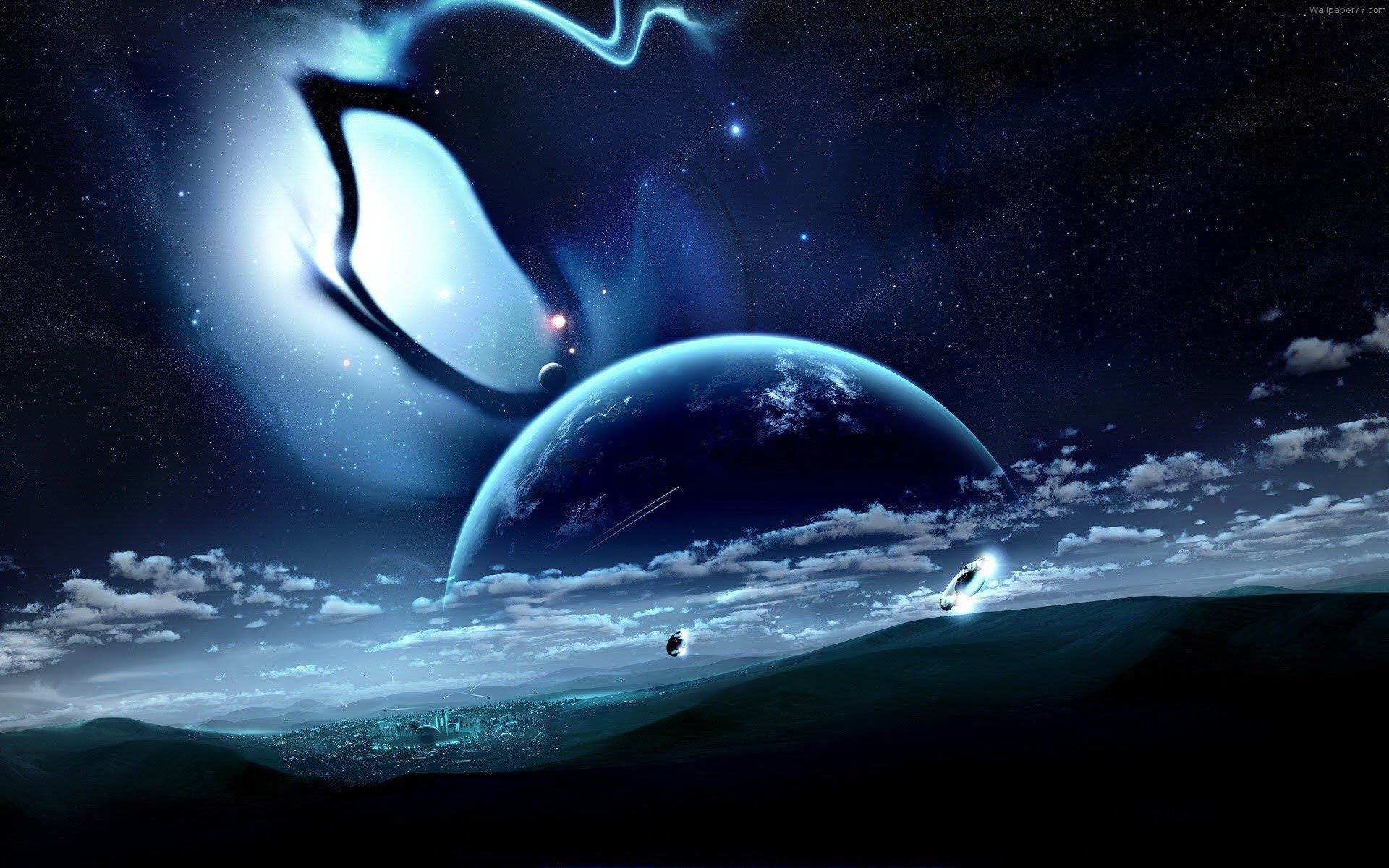
Ultimate form of advanced intelligence is likely to exists in atomic scale or even something smaller than that. It may be something like willful conscious energy or something even beyond that. Either the biology or the ones and zeros of the machines are too rudimentary to hold intelligent life forms. A functional advanced intelligence will be more spirit-like—more like our ideas of ghosts. Such advanced life forms might have the capability to cover millions of lights years almost in real time all around the universe, changing itself into whatever form it wants.

The bottom line is, we are unable to hear from the aliens. This is probably because we don’t have ways and means to understand their language which is far superior than our mundane physical abilities. Probably, there are millions of singularities those have already happened, but, we are very similar to blind bacteria present in our bodies running around cluelessly.

The good news is that, we are progressing rapidly and one day we will be intelligent enough to draw their attention. At that point of time, like an agitated landlord at the door, aliens will make contact  with us to let us know the norms followed by the advanced intelligence all around the universe.

Author: Technology Vista 

Tagged : /

Why do you scratch an itch?

Itching is so common that one seldom gives a heed to it until unless it is accompanied by some serious problems. Apart from that, scientists have had a long struggle in finding out the reason behind any itch. What is it that actually causes the sensation of itching? Why some types of touch cause an itch while others don’t? Why do you have to scratch when a mosquito or a particular plant touches your skin while no scratching is needed when the clothes you wear touch you the whole day? How exactly does the body know that sensations requiring action should be perceived as itchy while the multitude of other, unimportant touches should not?

itch-4

A new study conducted on mice has brought in focus the answers to all these questions and the reasons for that annoying itch.

Hair is the first contact point

The itching sensation usually occurs following a light touch on the hairy skin of our bodies. This lightest of light touches triggers a response in our body which is to instantly move our hand to the place where it all started and scratch at it so that whatever is causing the problem gets interrupted.

Cartoon of itch-scratch cycle

The new study reveals that a specialised group of cells, a subpopulation of “inhibitory spinal interneurons”, which exist in the spine and act as a gateway between the skin and the brain, work to either allow an itch sensation to travel up to the brain or stop it in its path by inhibiting the message.

Types of itches based on the study

Chronic itch:

The researchers in the course of their study found that when they bred mice to have a selective deficiency in these special cells, the mice began to show a horrible amount of itching with such vigour that they ended up removing tufts of hair. This behaviour is seen in people having chronic itch disorder which accounts for almost 8.4% of the general population. So according to the study, if the same results are applied to humans, it may be assumed that chronic itch disorders are caused by a specific deficiency in these special spinal cells. This may help in giving targeted treatments to people suffering from this disorder.

itch-3

Chemical itch:

It is the kind of itch caused by things like insect bite. So while a simple hair brush will cease with the touch of your hand a chemical itch that is the one caused by an insect bite caused an inflammatory response. Actually, both kinds of itch may subjectively feel the same to you but your body is sending specific information about the kind of itch to your brain, via completely distinct pathways. The researchers call cells like these your “spinal brain” as they are a good example of how your nervous system can produce highly complex behaviours, without your conscious input.

Some previous researches have also shown a complicated relationship between a chemical itch and pain. It was found that a painful touch or heat sensation can actually suppress the feeling of a chemical itch. This is the reason why scratching an itch gives you relief because it is actually the ‘pain of the scratching’ that relieves itching but unfortunately temporarily.

Contagious itch:

Some studies have even gone on to suggest that itching can also be contagious. Yes! There may be a psychological element to itching. While watching a person who is scratching his own itch one can actually feel an itch building up in another. Indeed, a recent study showed that visual and auditory scratch-related stimuli during a lecture caused a significant increase in scratching behaviour in the audience.

Look what a little itch can do. Such complicated science behind that simple annoying itch!

width="560" height="314" allowfullscreen="allowfullscreen">


As a technology lover you may like our daily important technology news series. It’s a playlist and you can retrieve the total day-wise videos. Please consider subscribing our YouTube channel:

Author: Technology Vista

What’s Apple’s Plan After iPhone 8?

For years Apple has released a redesigned iPhone one year before upgrading its components the year after, giving that model an “S” designation, just deviating from its proud tradition a bit last year with iPhone 7 which didn’t have a radically new design. But for the next two years, according to a new report from Nikkei, Apple may be planning to release three new iPhones in 2018.

All three of these new phones will have a kind of screen called OLED, which is a newer, superior technology with darker blacks and better power consumption.

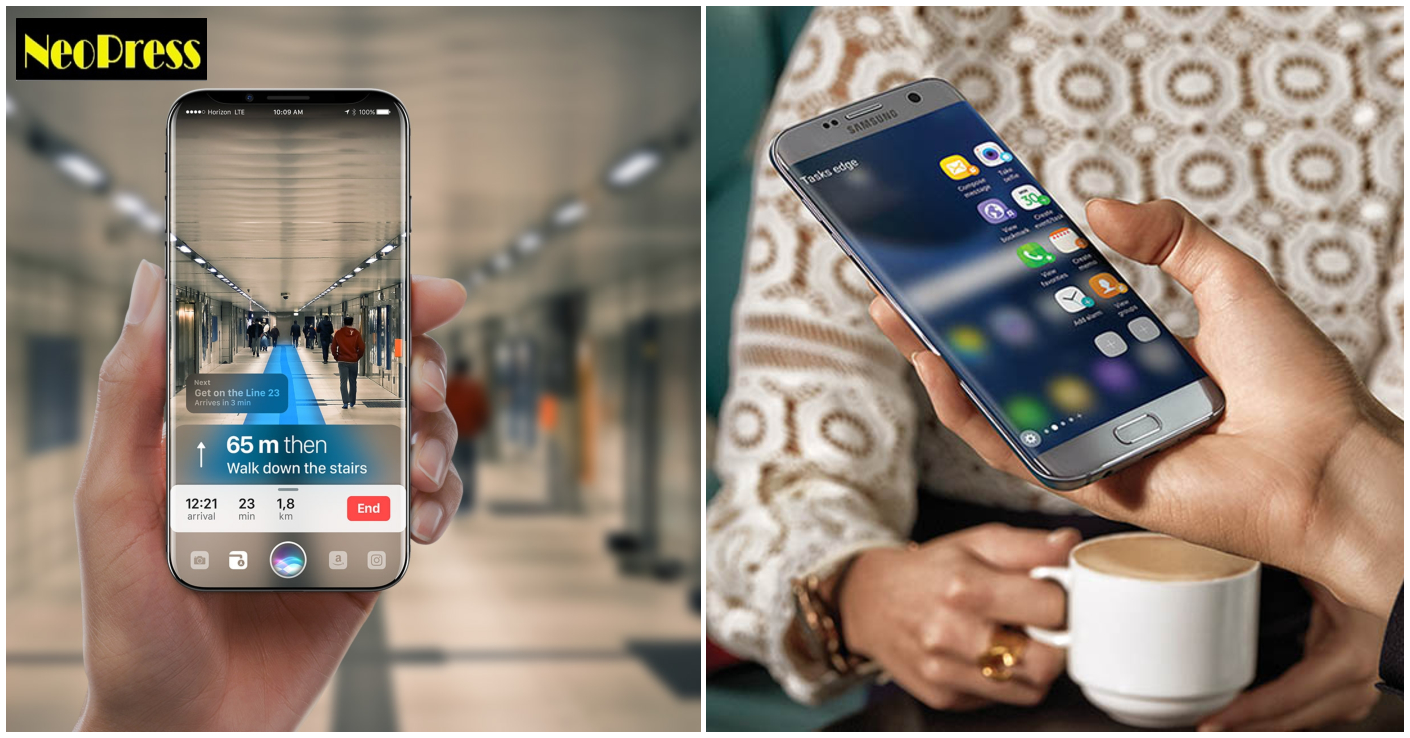
Apple is expected to launch a premium handset later this year that’s being called the iPhone 8, for lack of a better term. This model is expected to get a full redesign without a home button, an OLED screen, and a price tag that may top $1000.

In 2018, the plan is that Apple will bring OLED screens to all three of its models. Apple has started to design those iPhones, according to Nikkei.

Apple will require tens of millions of OLED screens, which could cause other companies to miss out on the key component. Currently, Samsung Display is the only company making OLED screens for smartphones at scale, but other companies, including Foxconn’s Sharp, are ramping up production. There is a shortage of OLED screens.

What’s clear is that Apple is completely shifting its iPhone product lineup, focusing around the next generation screen, and by 2019, Apple’s iPhone lineup will have mostly OLED screens. Foxconn will assemble all of the redesigned iPhones this year, according to Nikkei.

As a technology lover you may like our daily important technology news series. It’s a playlist and you can retrieve the total day-wise videos. Please consider subscribing our YouTube channel:

Author: Technology Vista

Tagged : /
Verified by ExactMetrics